Museum · Milan
Pinacoteca del Castello Sforzesco
DirectionsIts collection, expanded over two centuries through gifts from prominent citizens and collectors, now numbers more than 1,500 artworks, spanning Italian painting across generations.
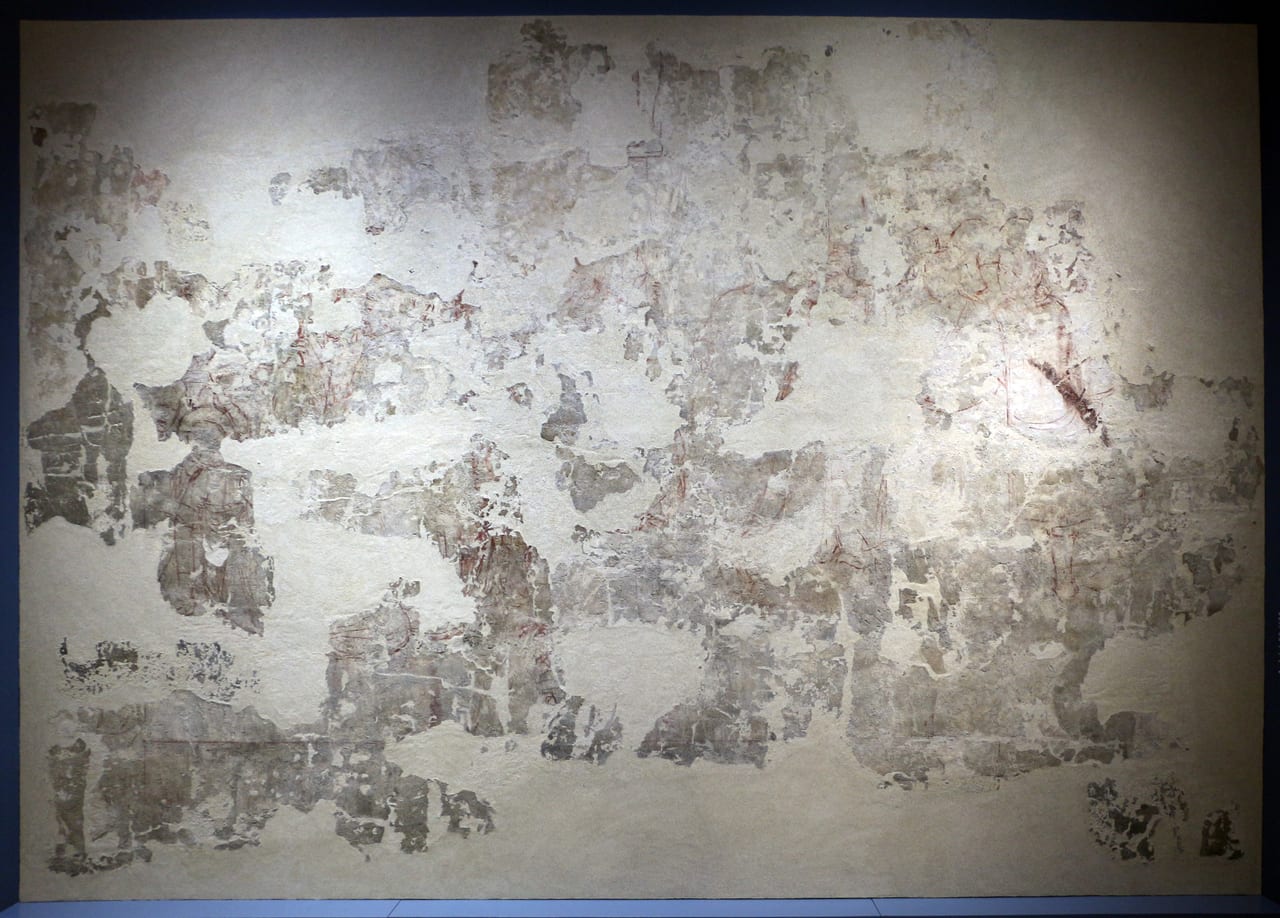
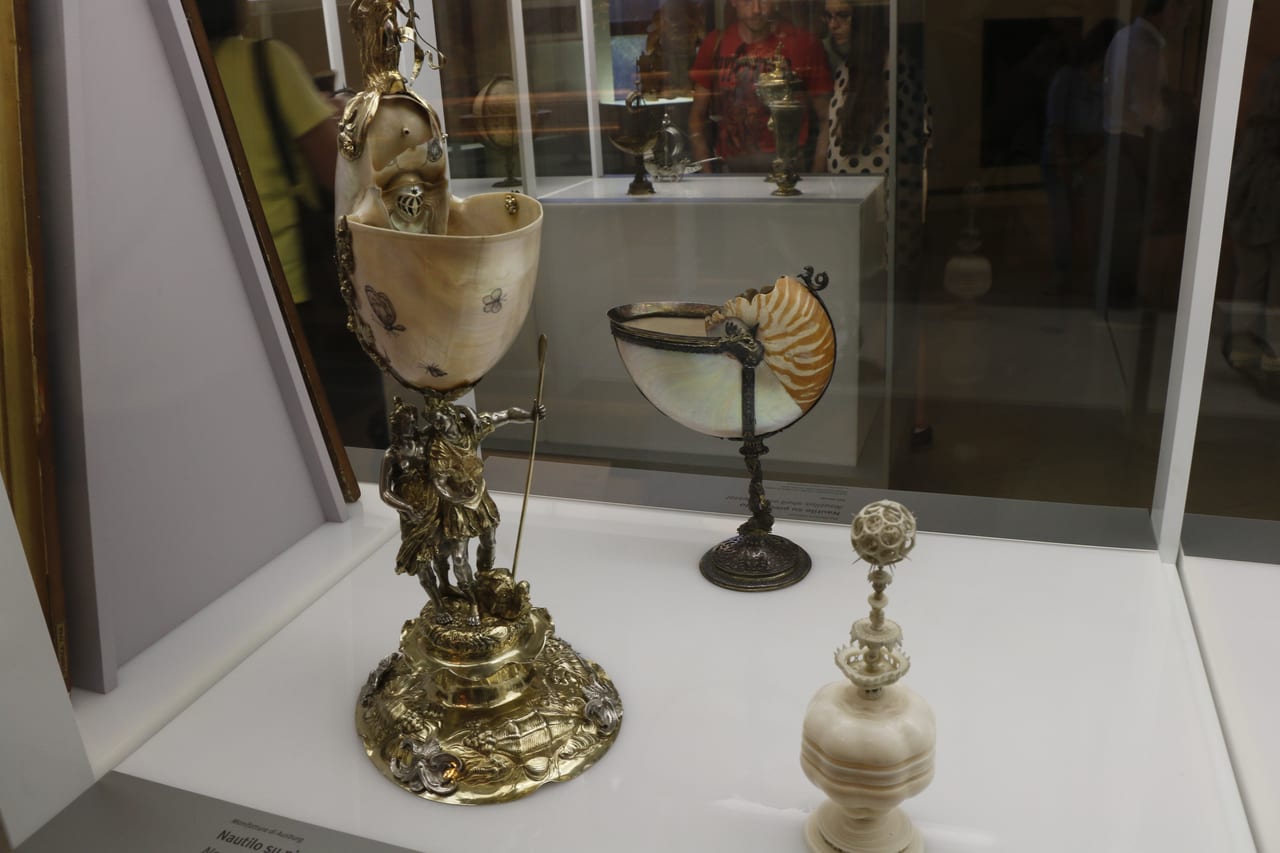
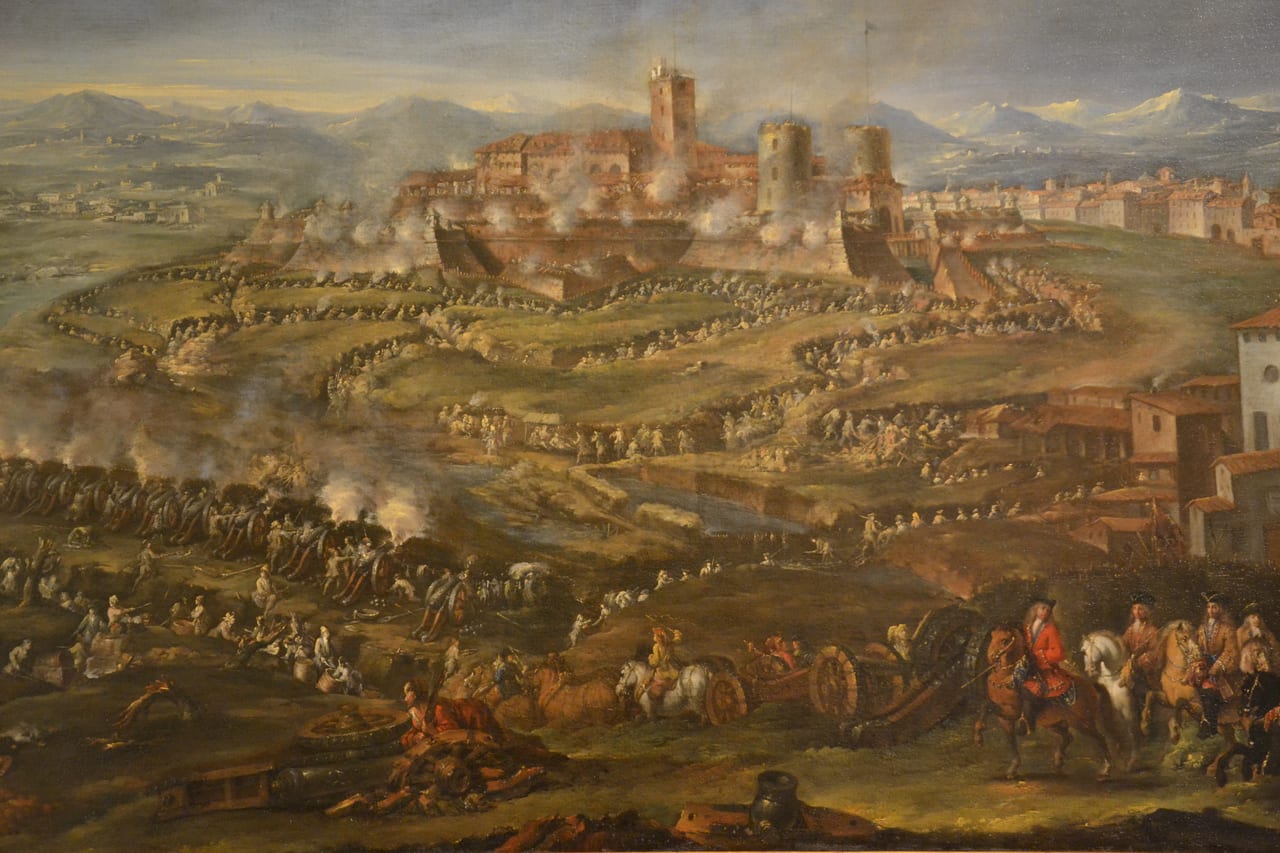
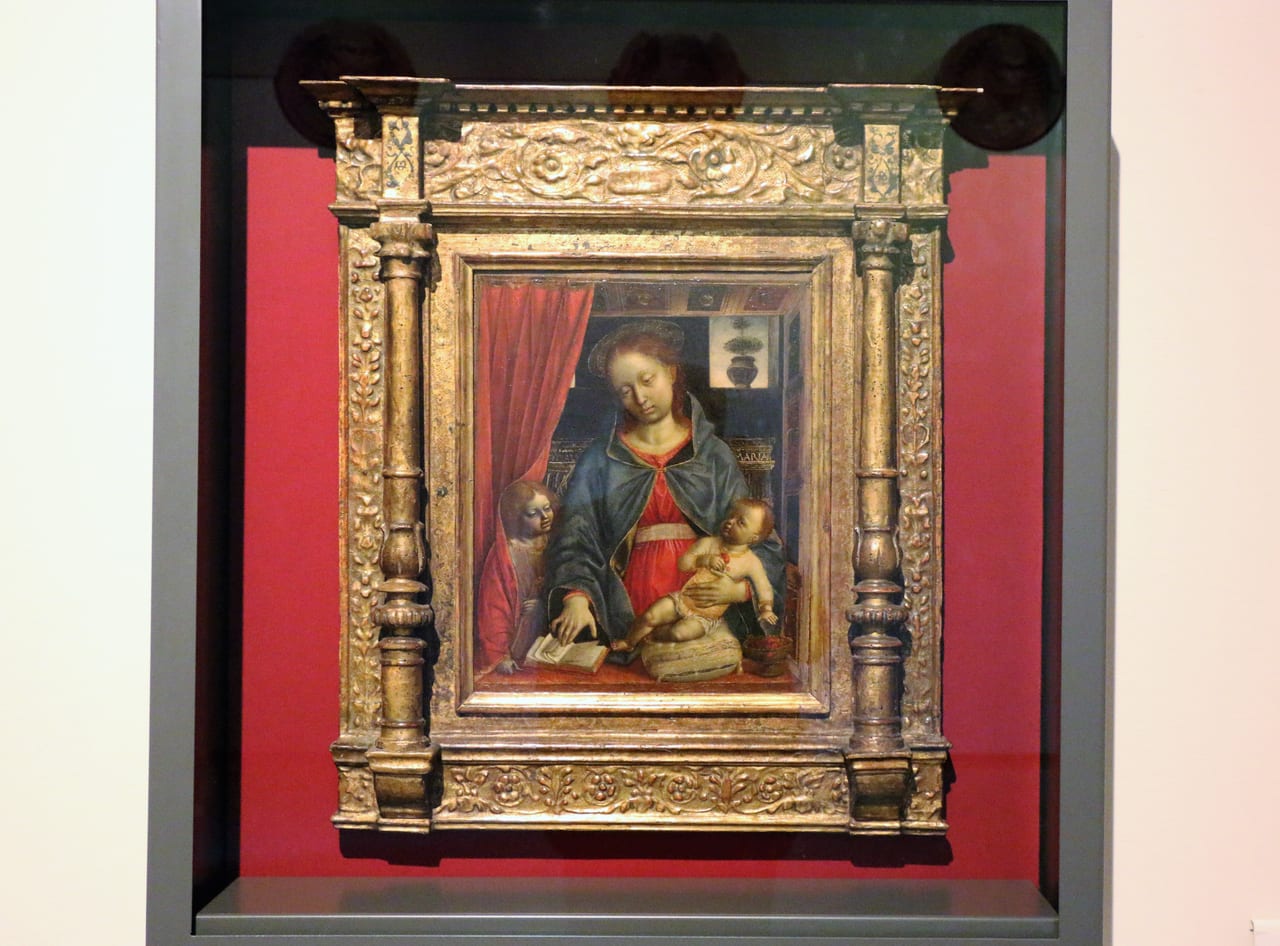
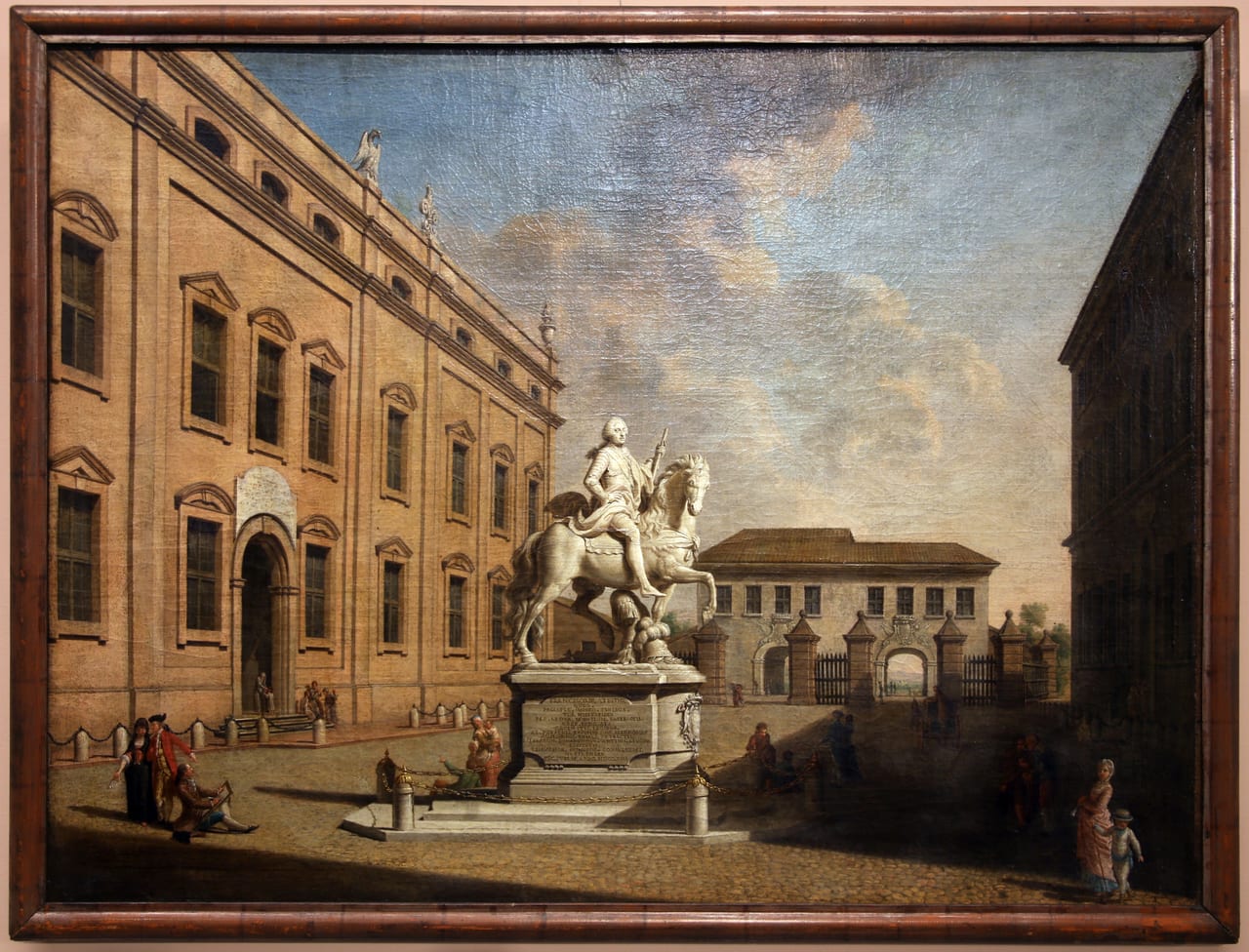
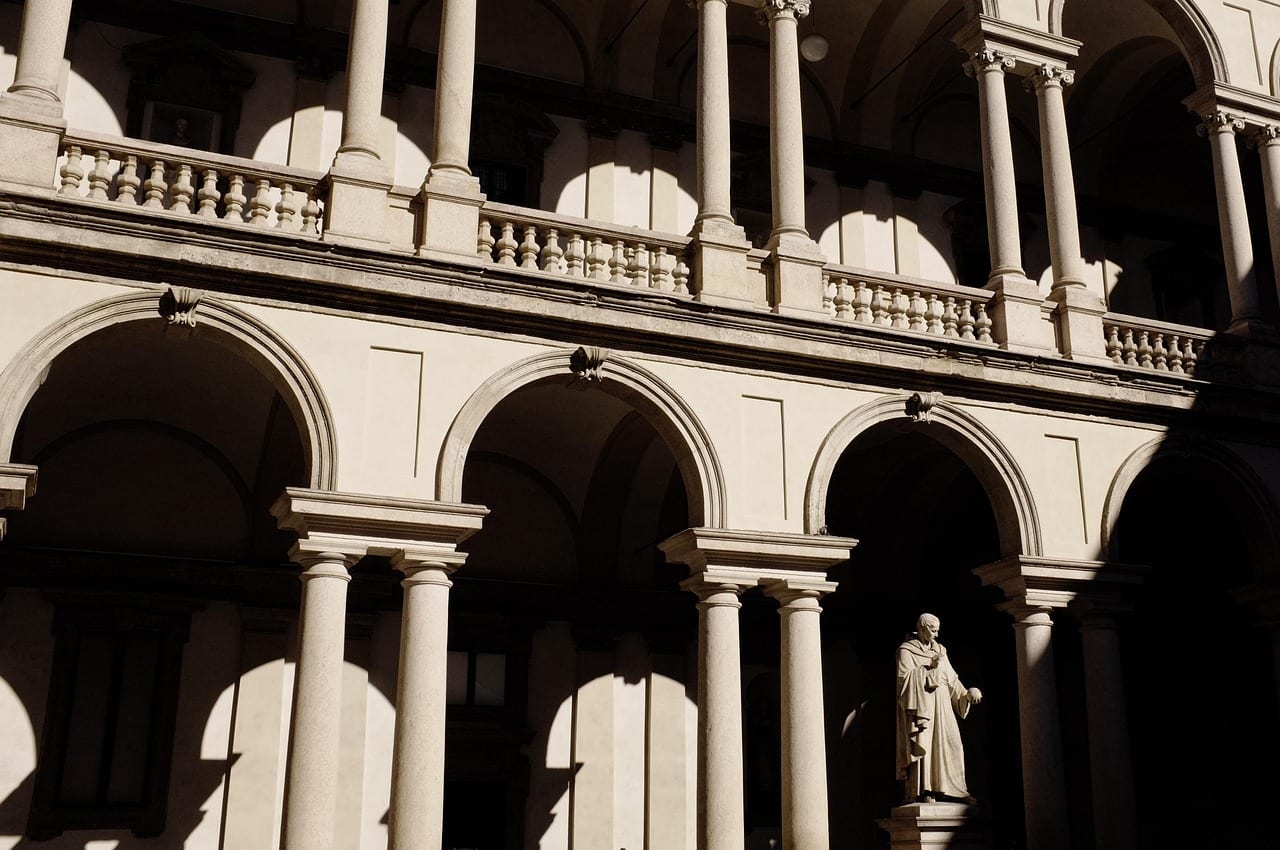
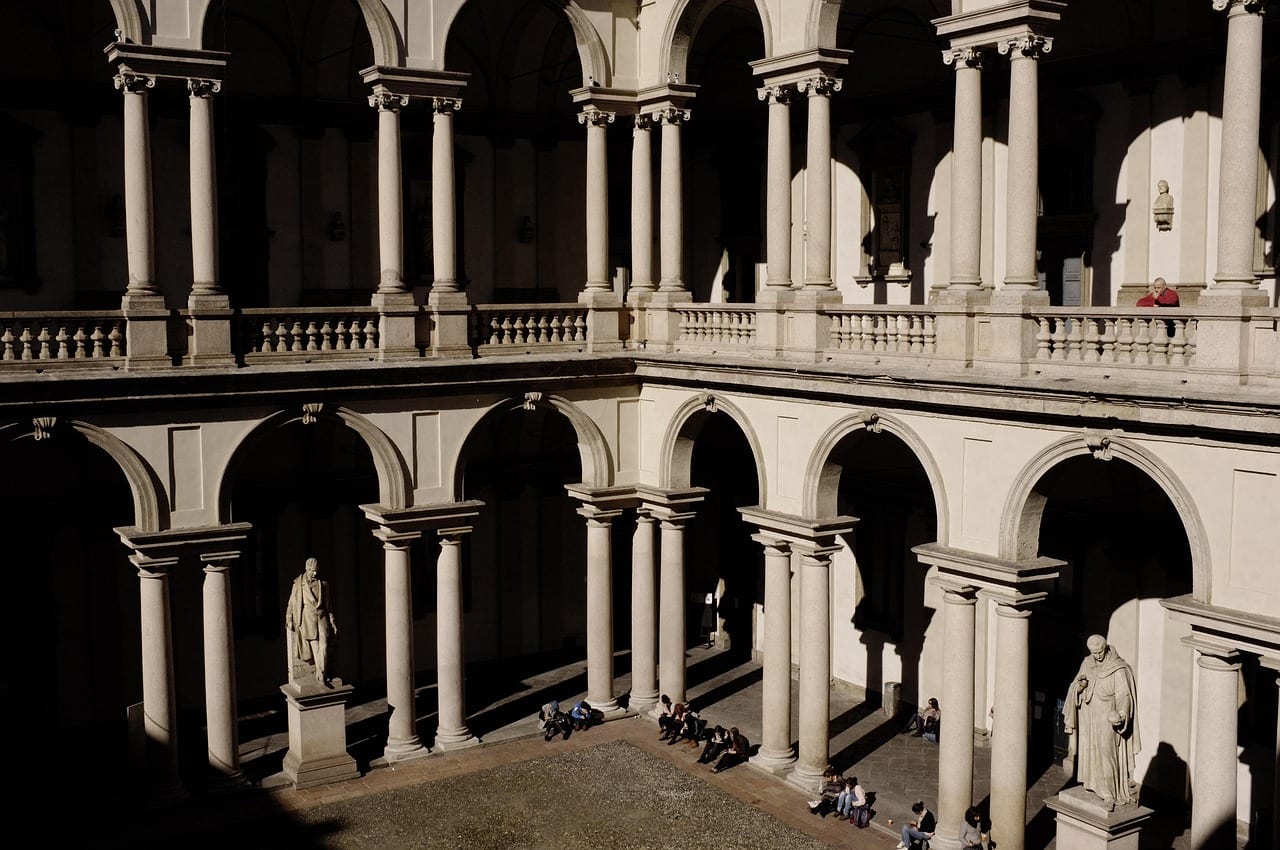
Photograph 1 of 7 of Pinacoteca del Castello Sforzesco
The gallery’s history reaches back to 1861, and it was inaugurated in 1878. The opening rooms concentrate on religious painting from the 15th and 16th centuries, with Lombard and Italian Renaissance works by Foppa, Bergognone, Bramantino, Carlo Crivelli, Luini and others. A central highlight is Andrea Mantegna’s Trivulzio Madonna, painted in 1497; the museum also holds a different Madonna with the same title by Filippo Lippi. The later rooms extend into the 16th, 17th and 18th centuries, shifting between secular and religious subjects. Canaletto, Giambattista Tiepolo, Bernardo Bellotto, Titian and Tintoretto represent this broader chronological range, while portraits of Sforza family members connect the paintings to the dynasty whose castle houses the gallery.
At a glance
- Built
- 1861
Ways to explore Pinacoteca del Castello Sforzesco
Follow the rooms in sequence, allowing extra attention to the transition from intimate devotional images to grander secular and religious compositions. The portraits of Sforza family members provide a useful focus, while Mantegna’s Trivulzio Madonna deserves a deliberate pause. Its 1497 date makes it a useful point of reference while viewing the surrounding Renaissance works. The gallery sits within the wider castle museum complex, so follow its internal signs rather than treating it as a separate street-level venue.
Places to stay near Pinacoteca del Castello Sforzesco

Live availability and prices from Stay22's partners, refreshed periodically and subject to change. Booking through these links may earn us a commission at no extra cost to you. See our privacy policy.
Cafés near Pinacoteca del Castello Sforzesco
Cafés near Pinacoteca del Castello Sforzesco loads as you scroll.
Attractions nearby
Attractions near Pinacoteca del Castello Sforzesco loads as you scroll.
Cities nearby
Cities nearby loads as you scroll.
More in Milan
See more of Milan.
Find great cafés, places to stay and other interesting places to visit in Milan.