Square · Milan
piazza del Duomo
DirectionsIn 1877, architect Giuseppe Mengoni died in the square after falling from scaffolding while supervising its works.
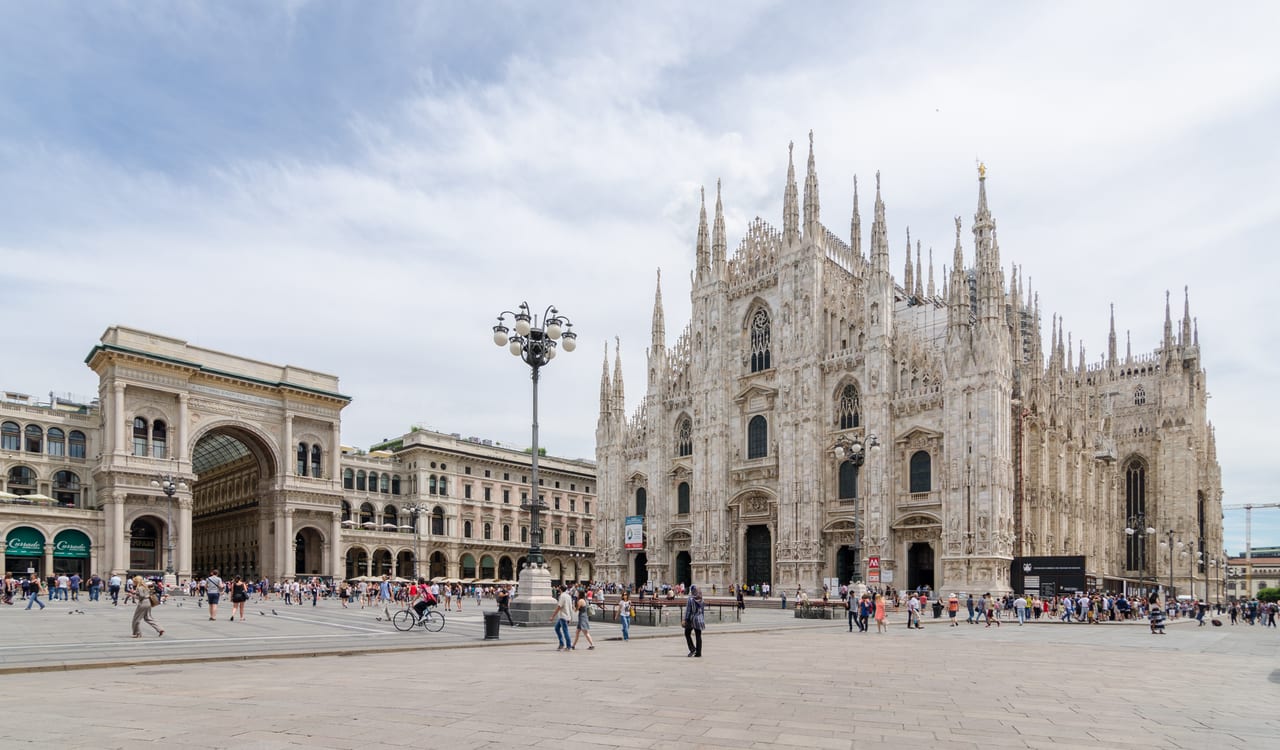
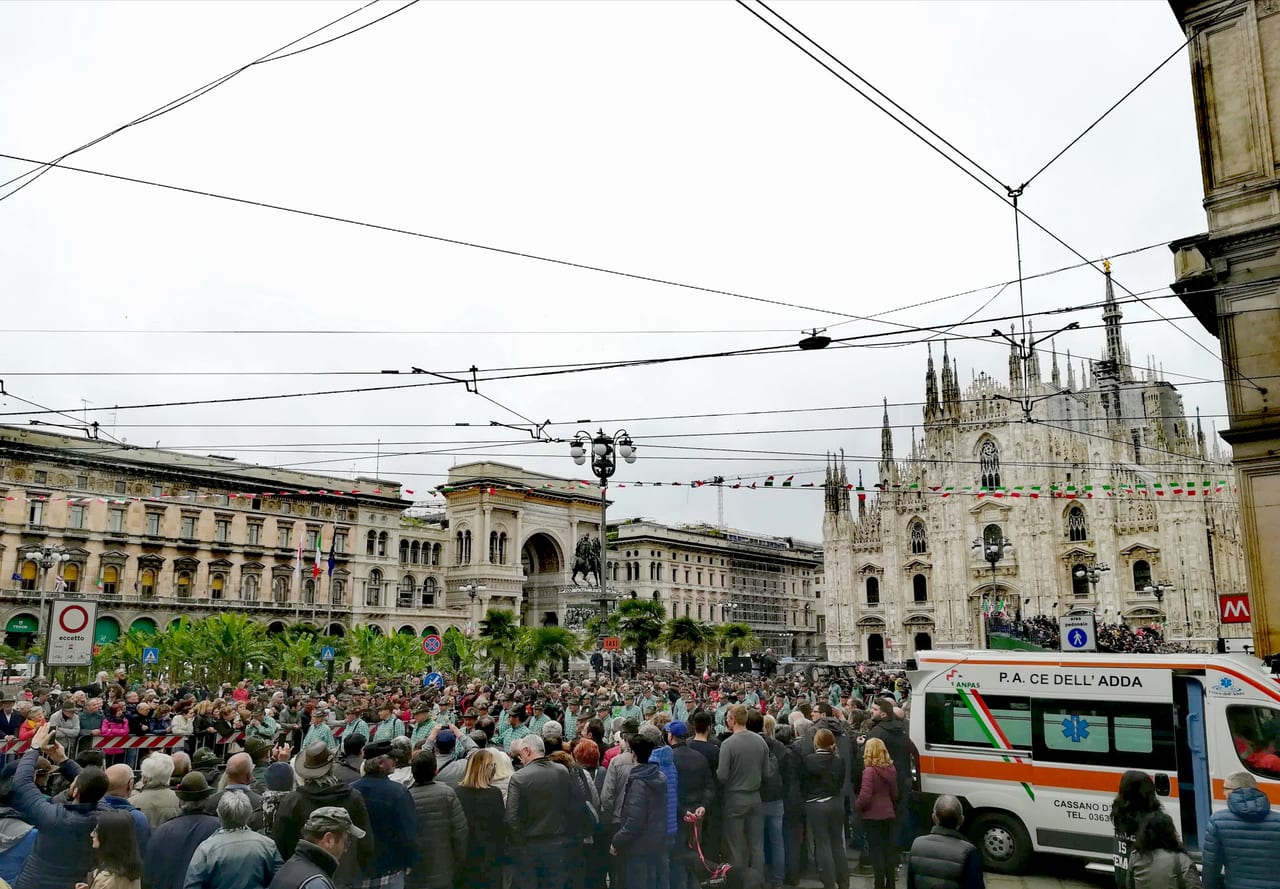
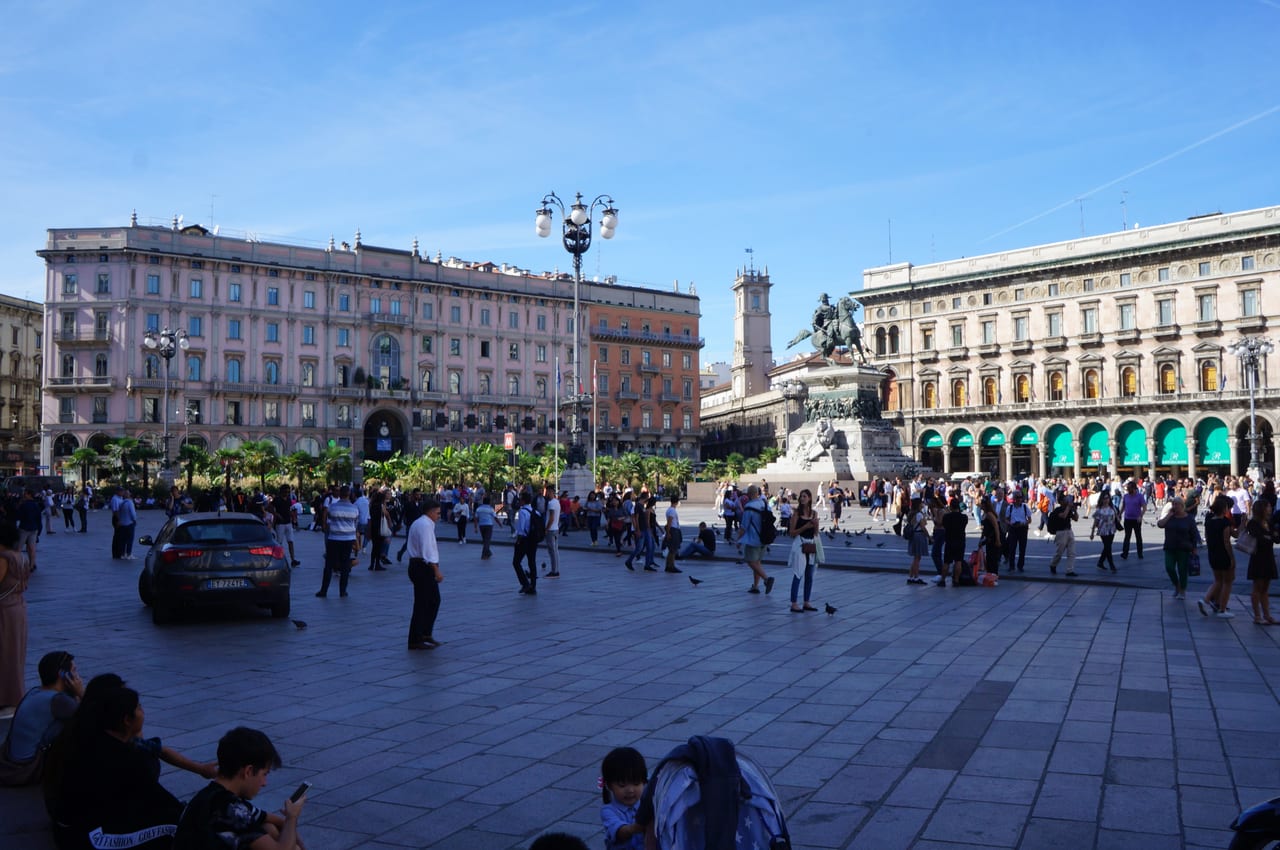
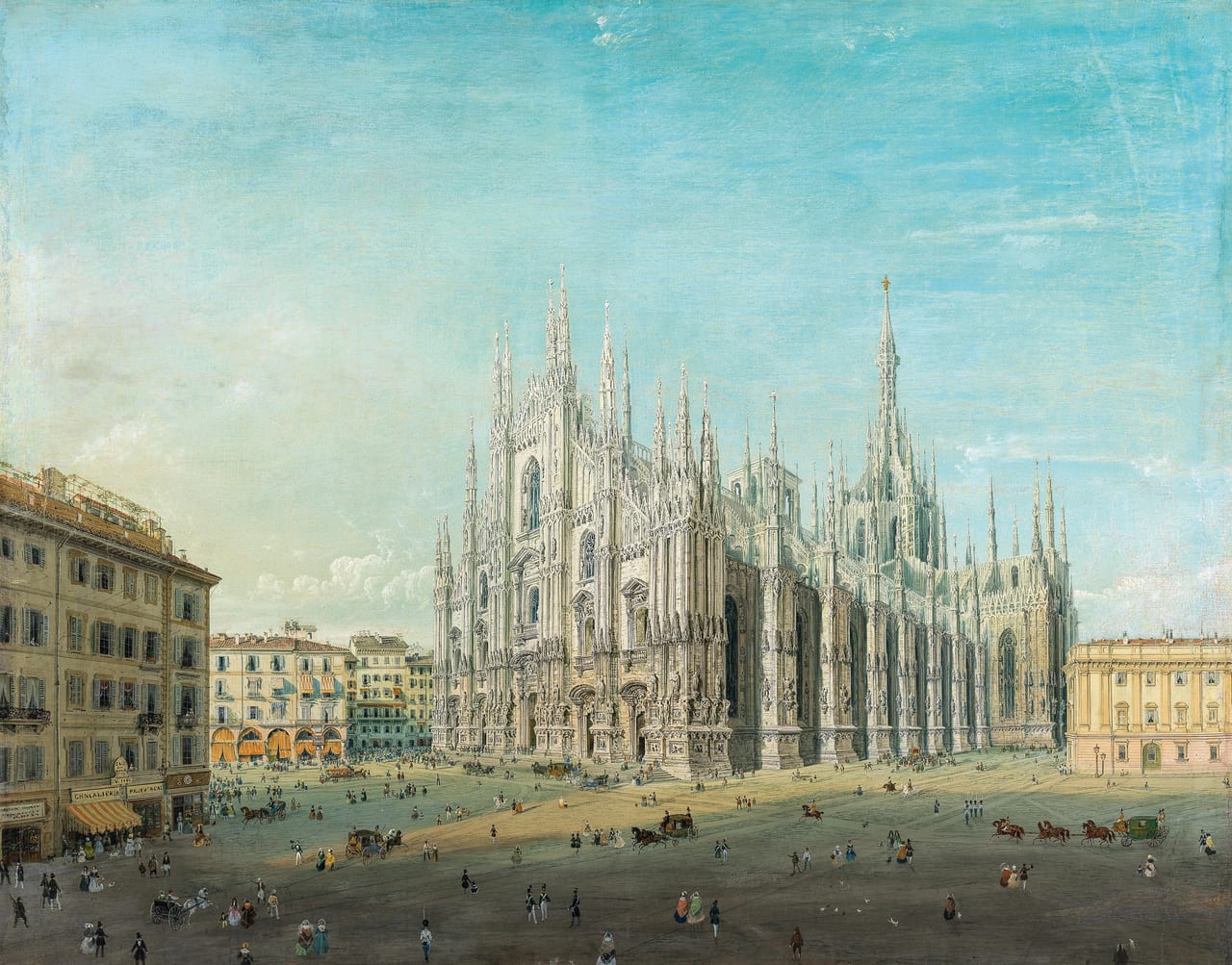
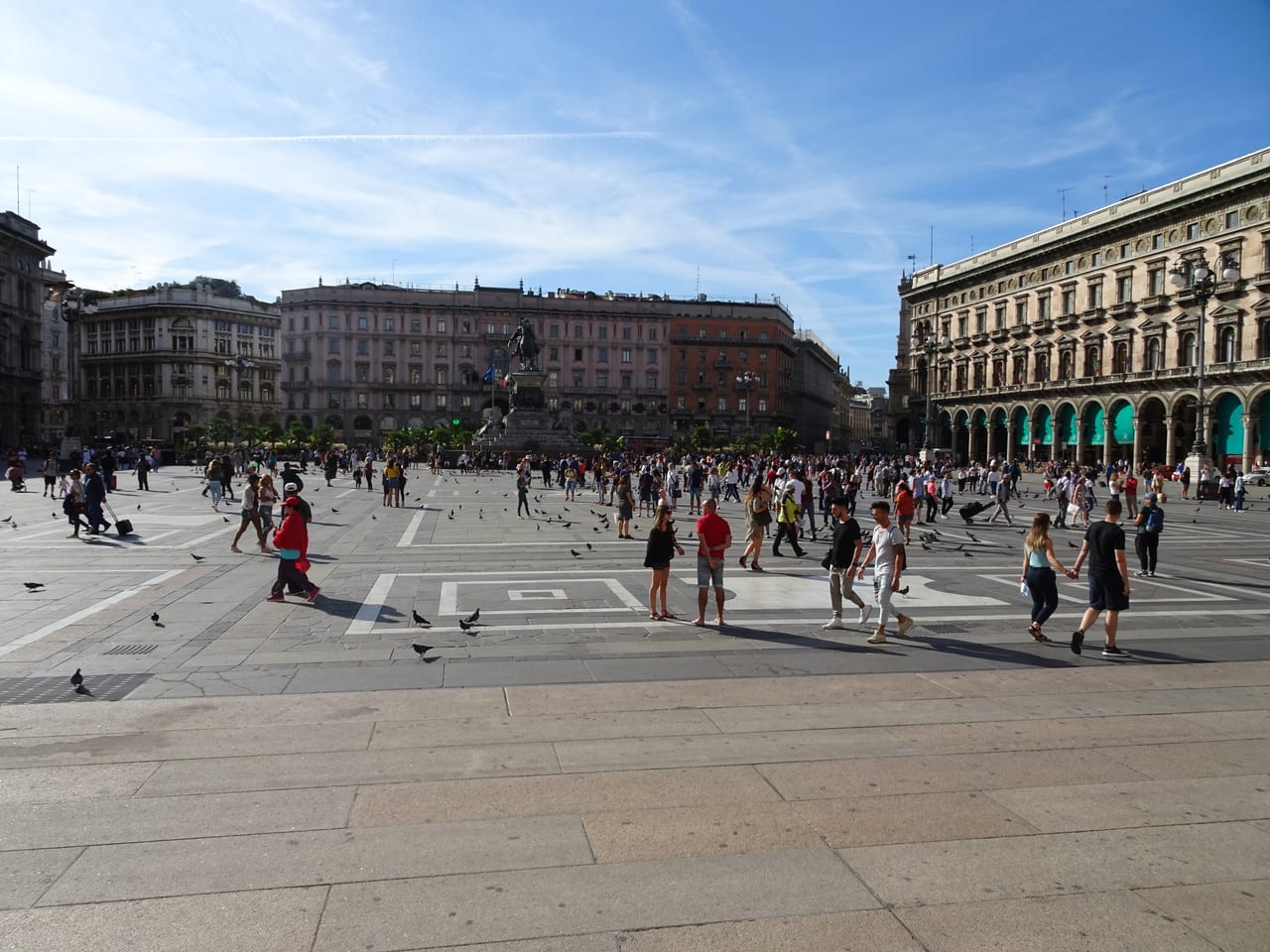
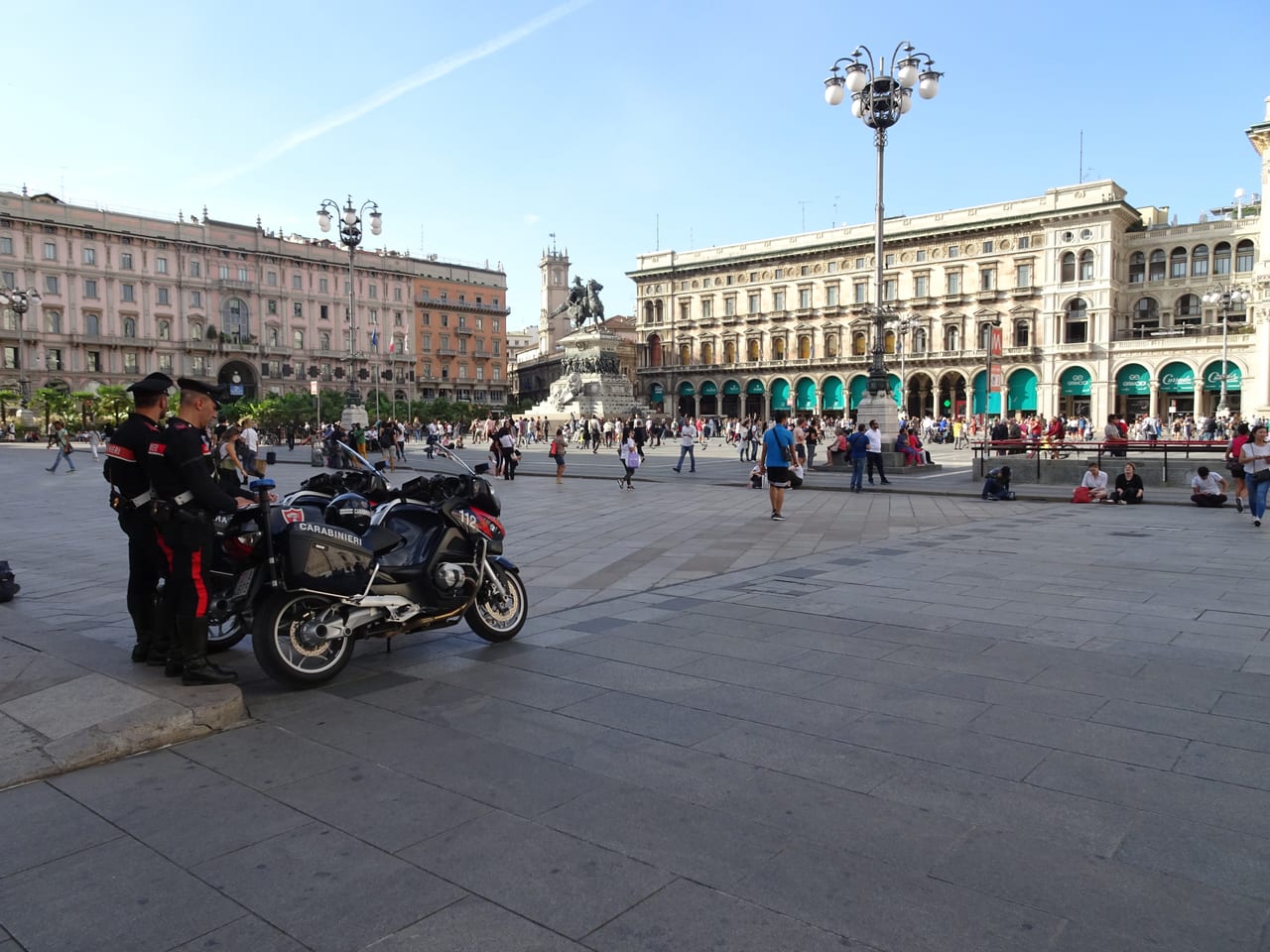
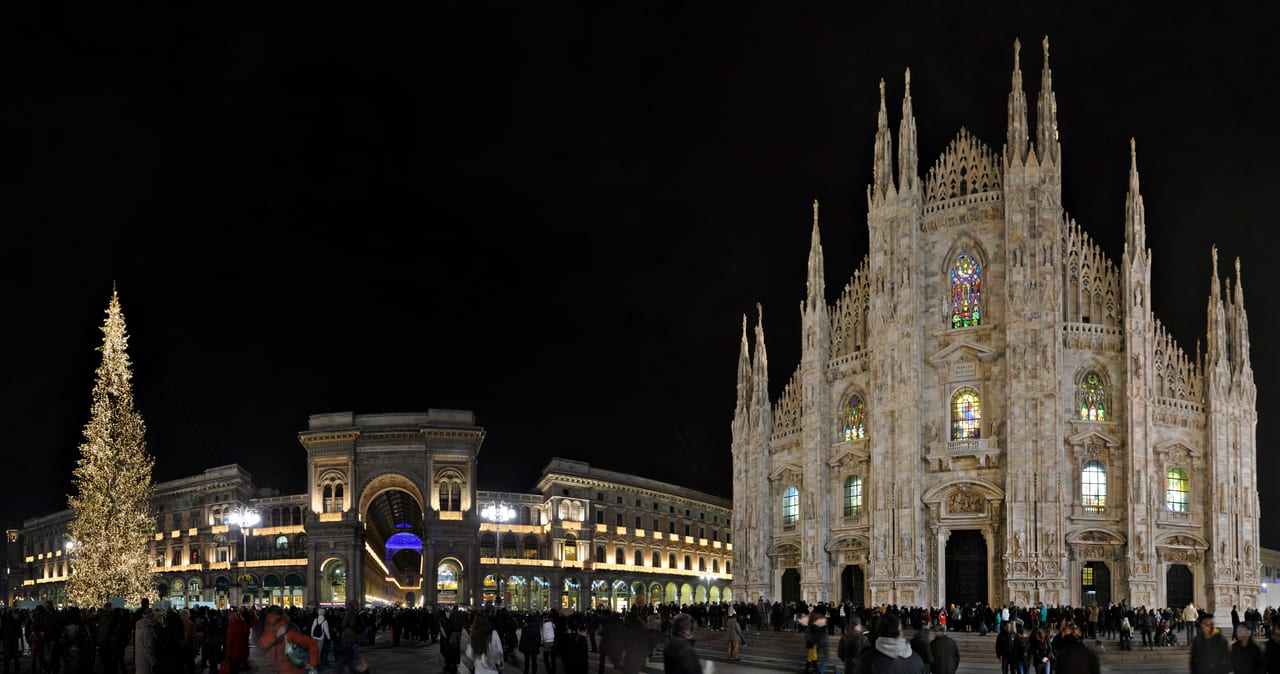
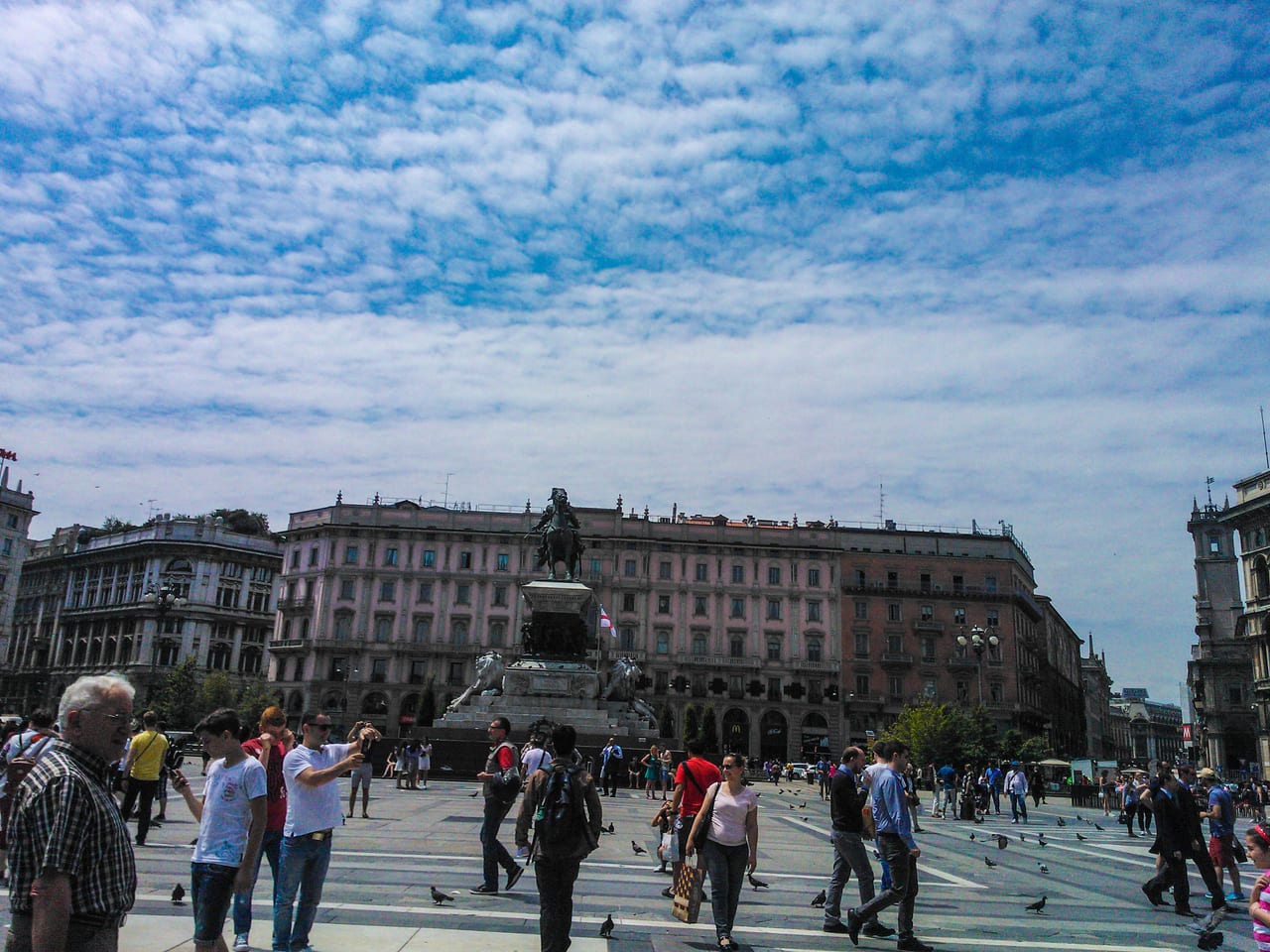
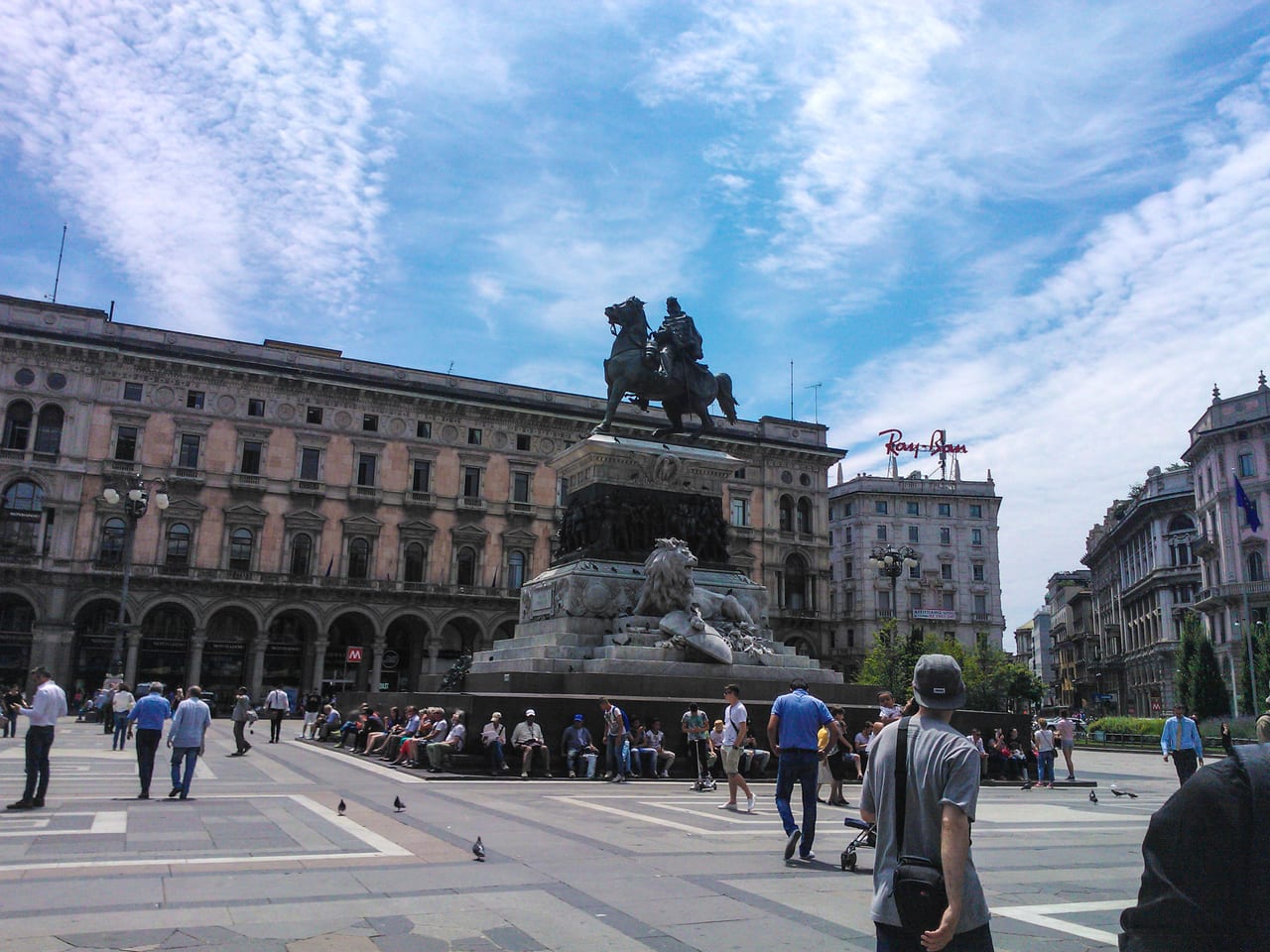
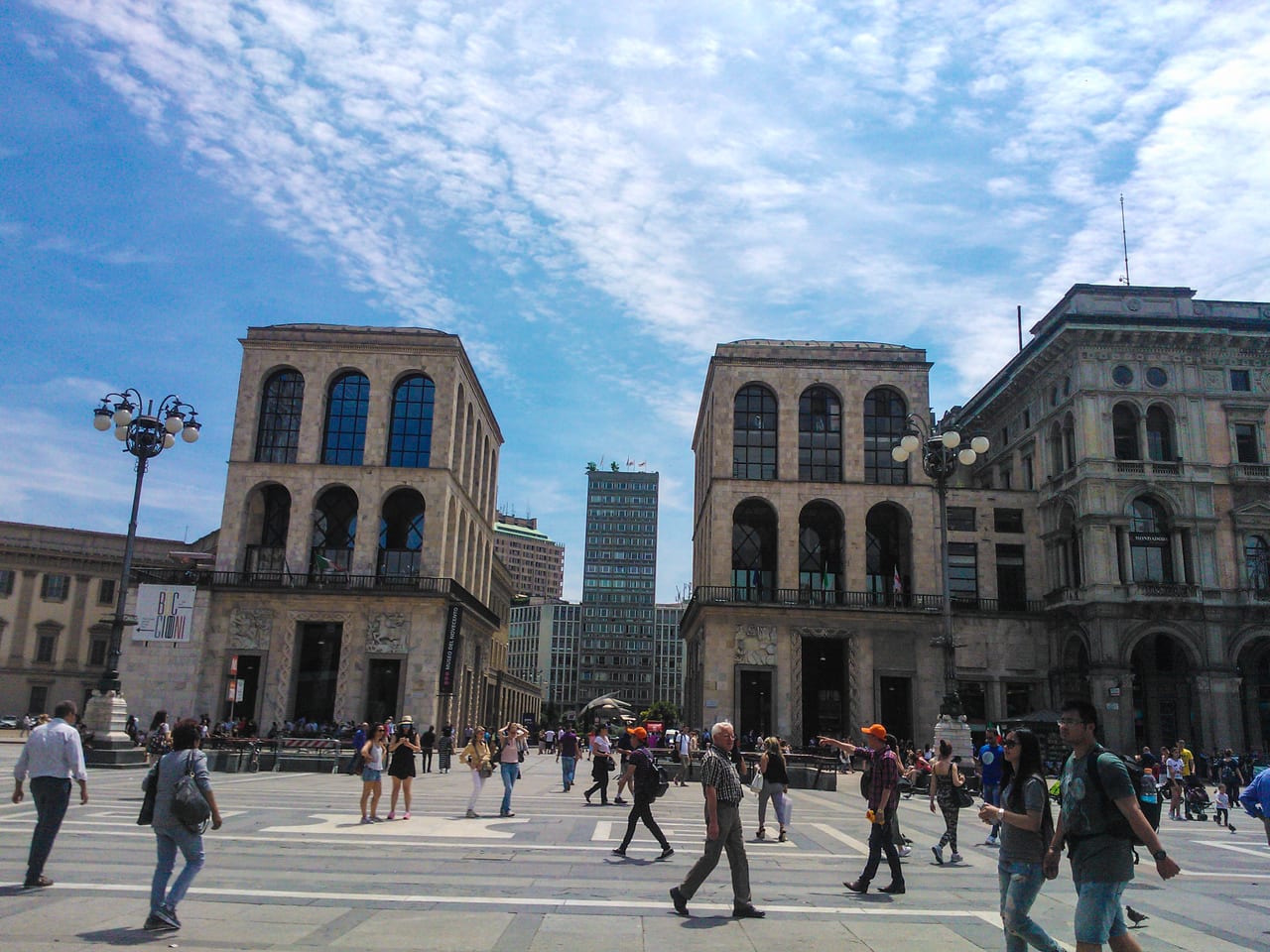
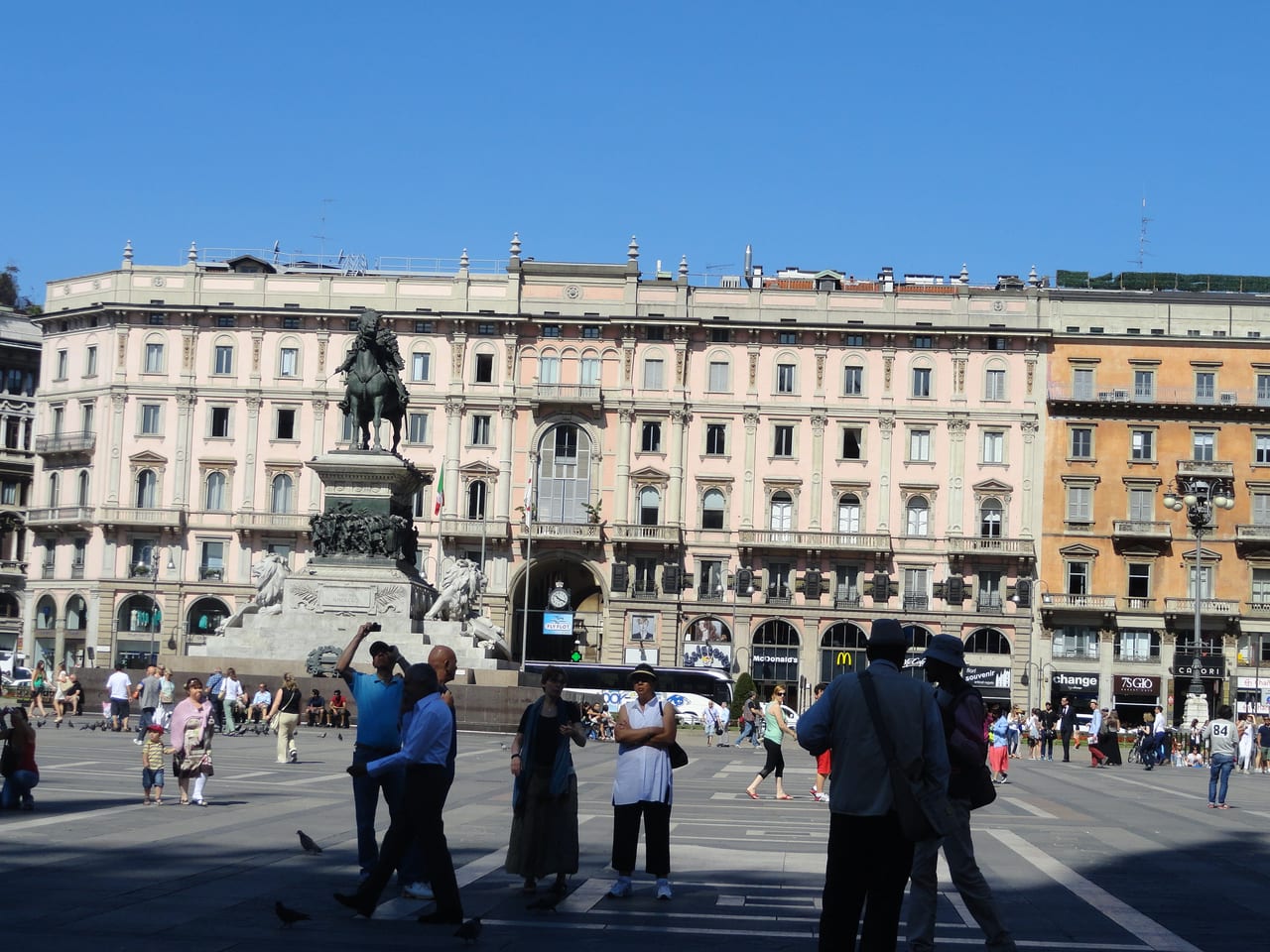
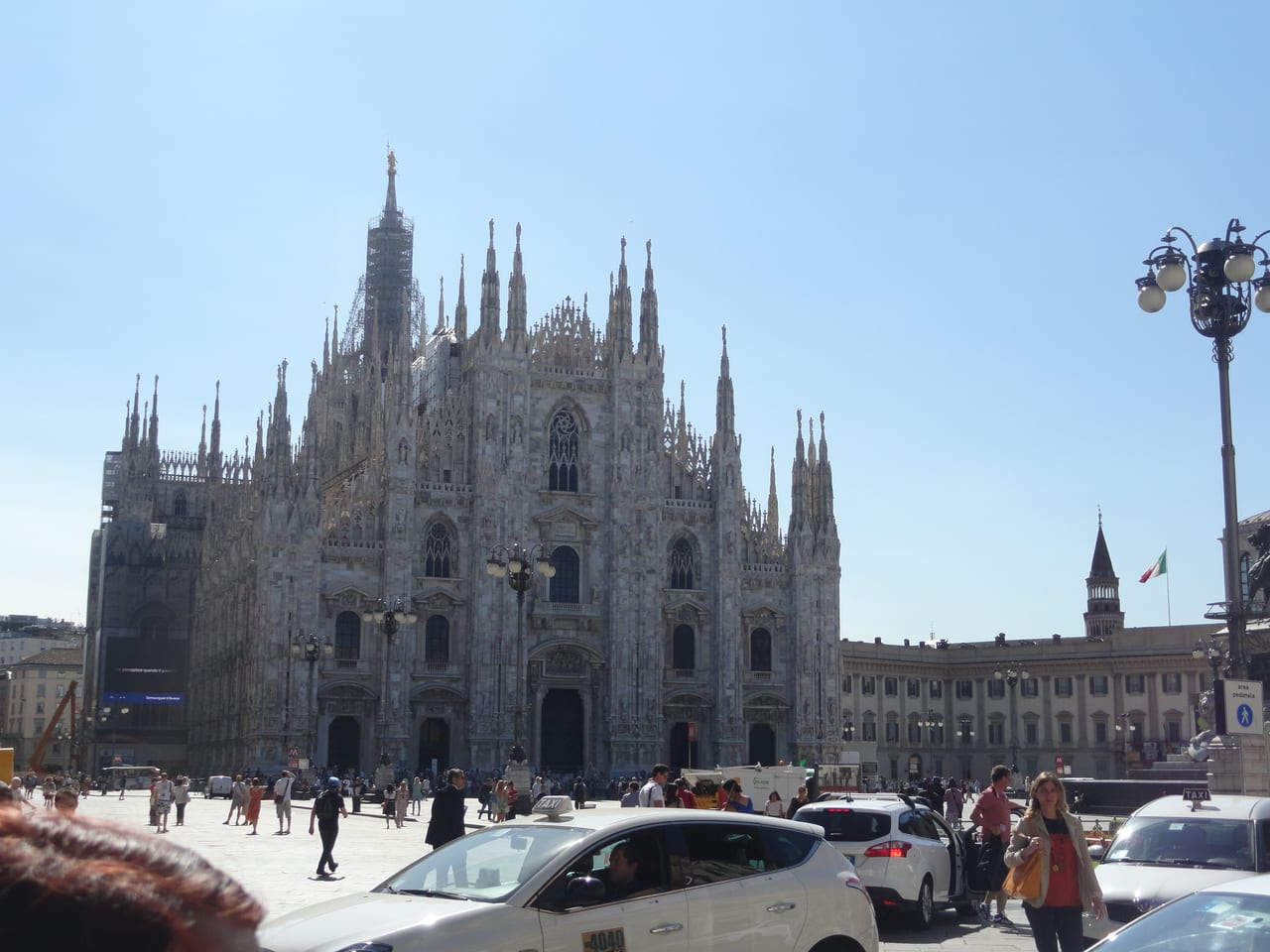
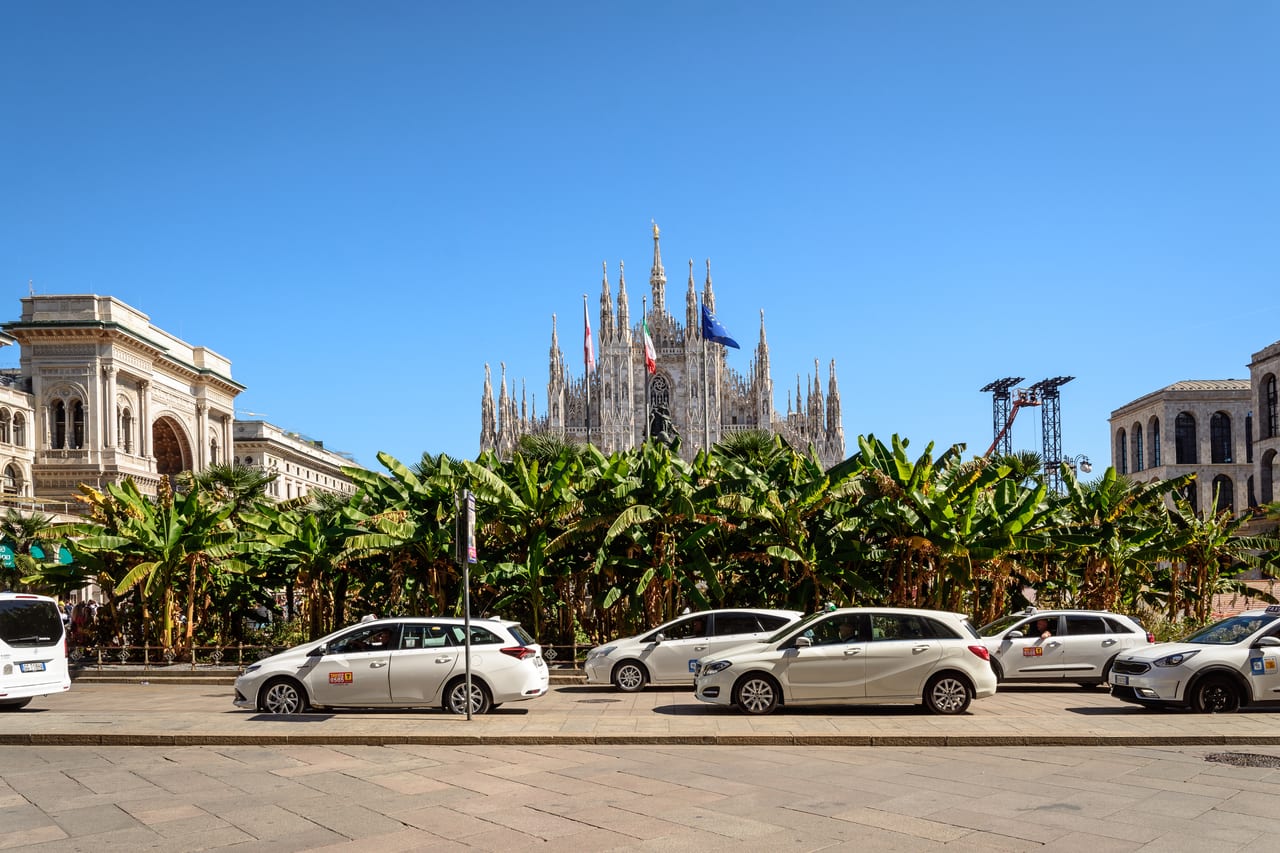
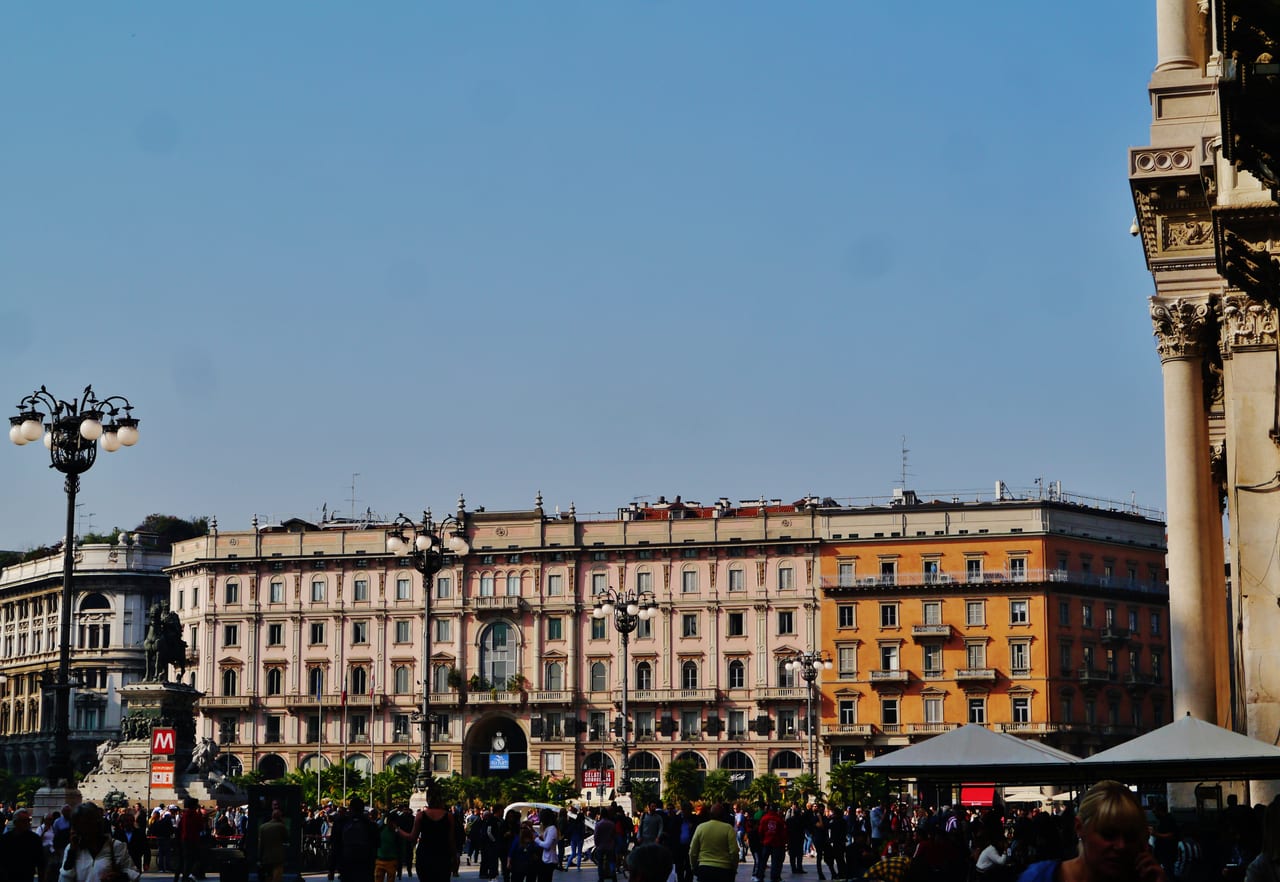
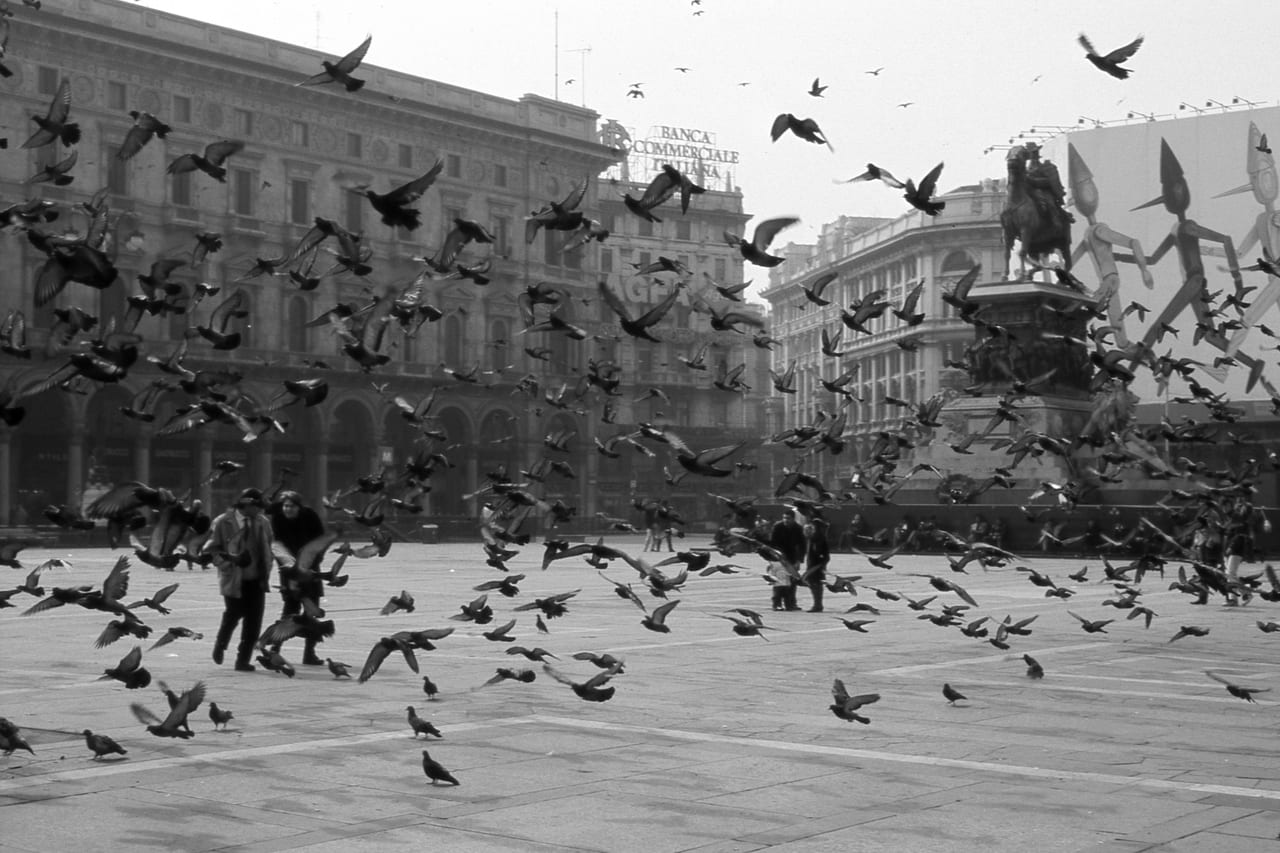
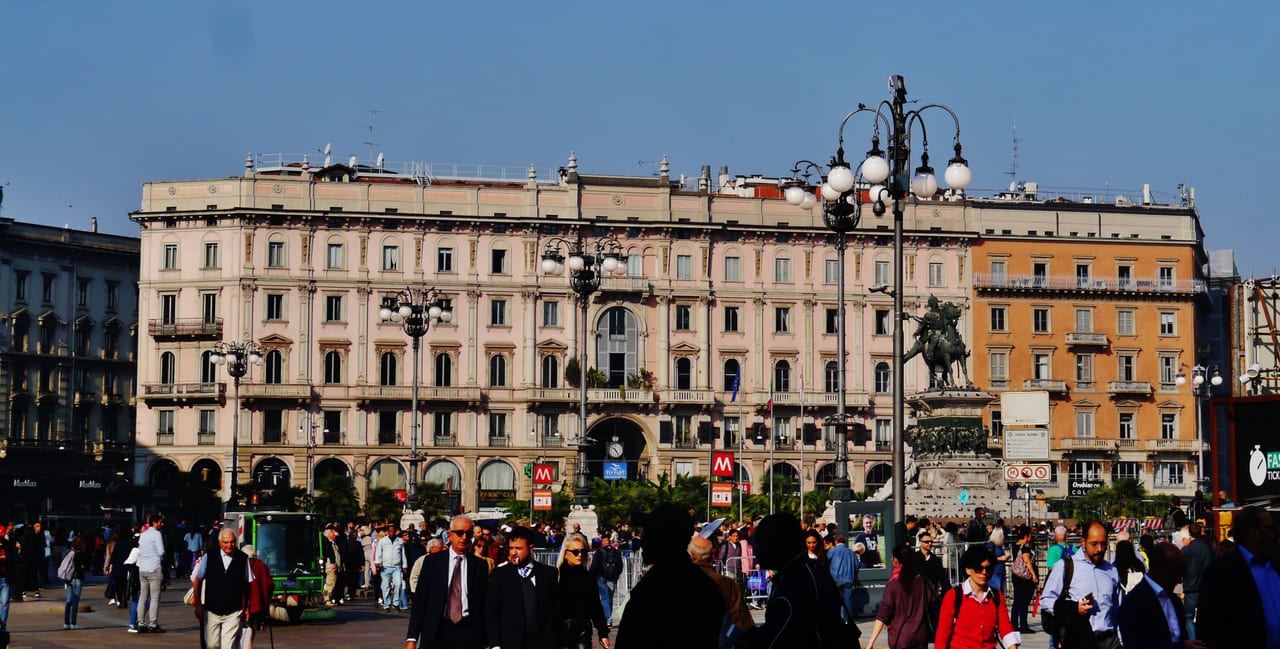
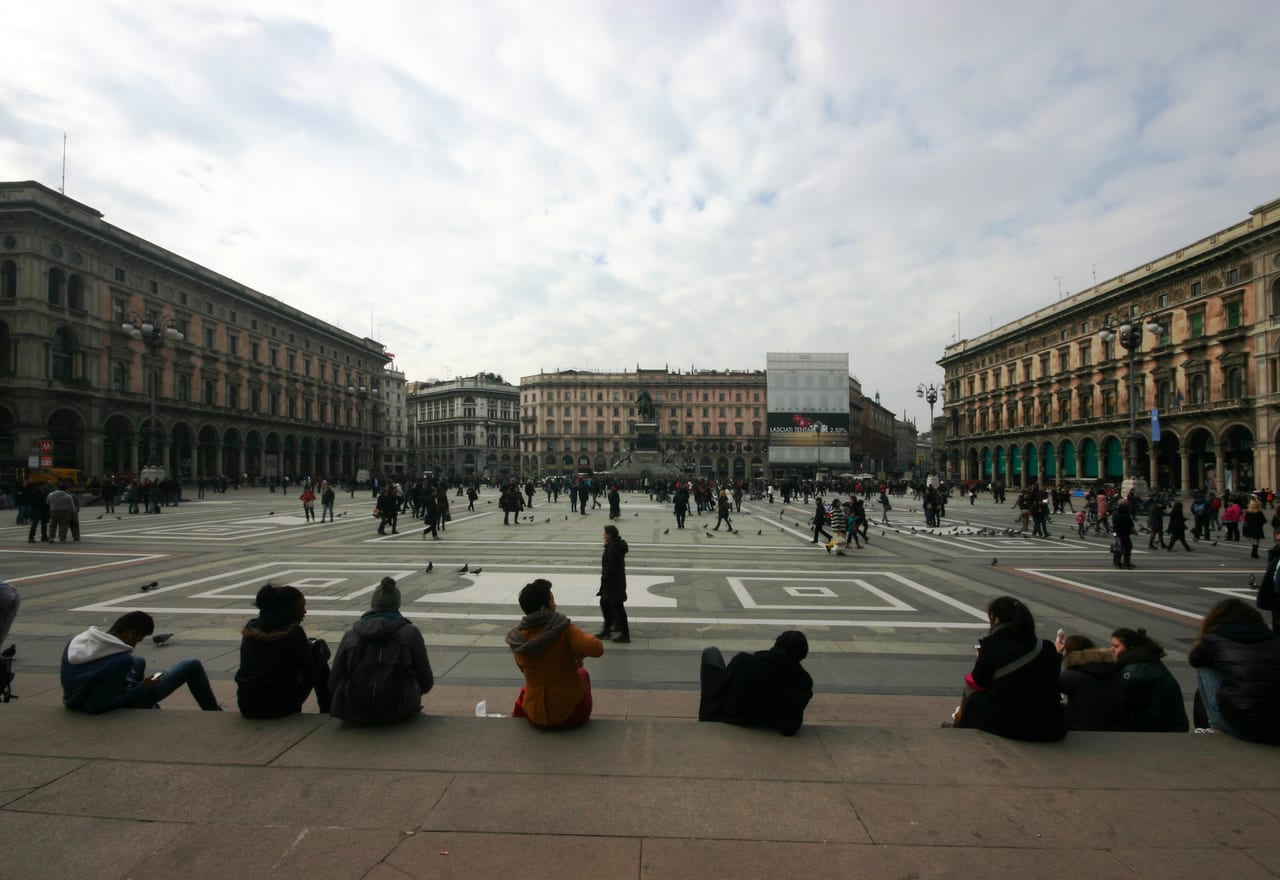
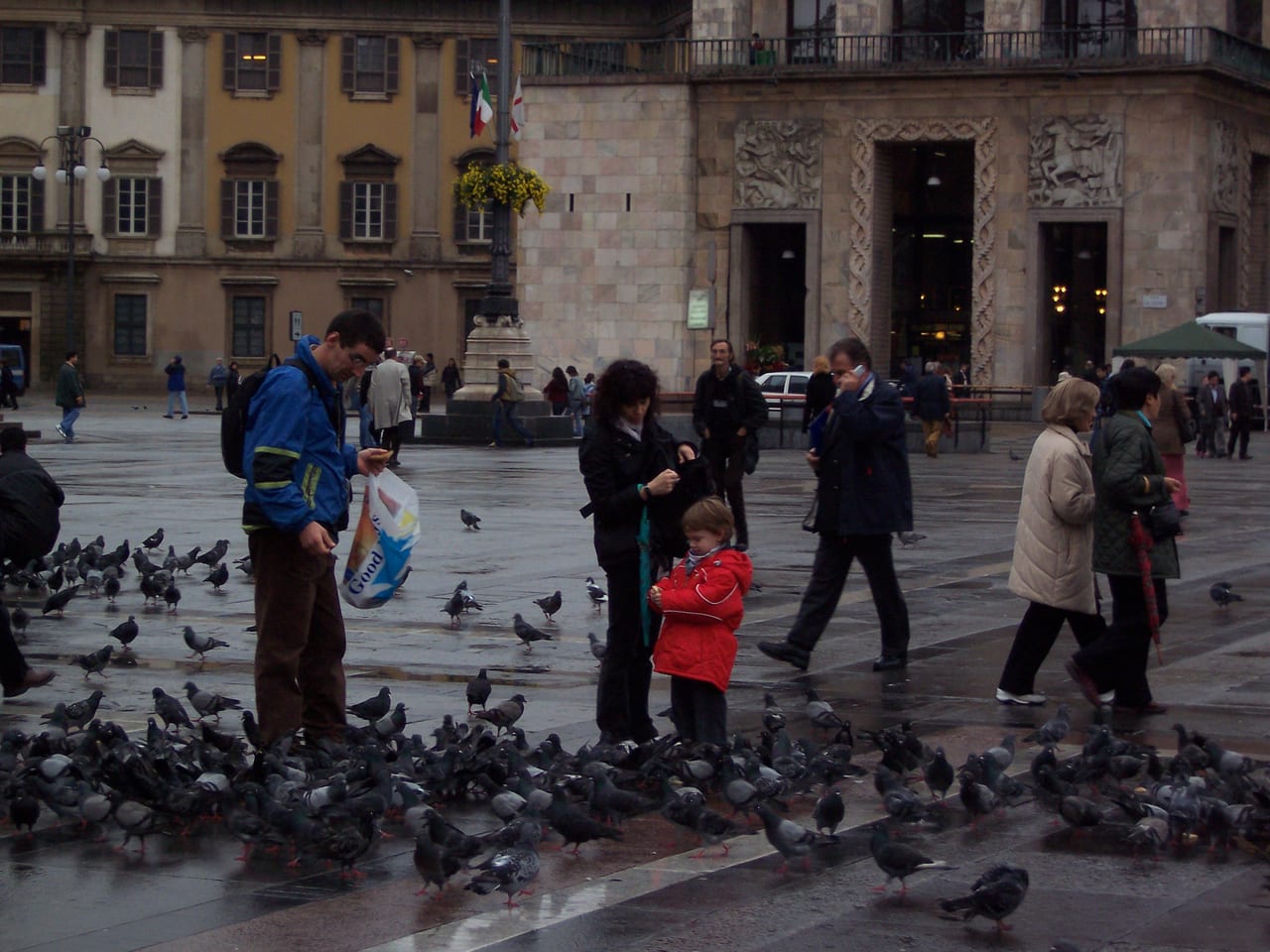
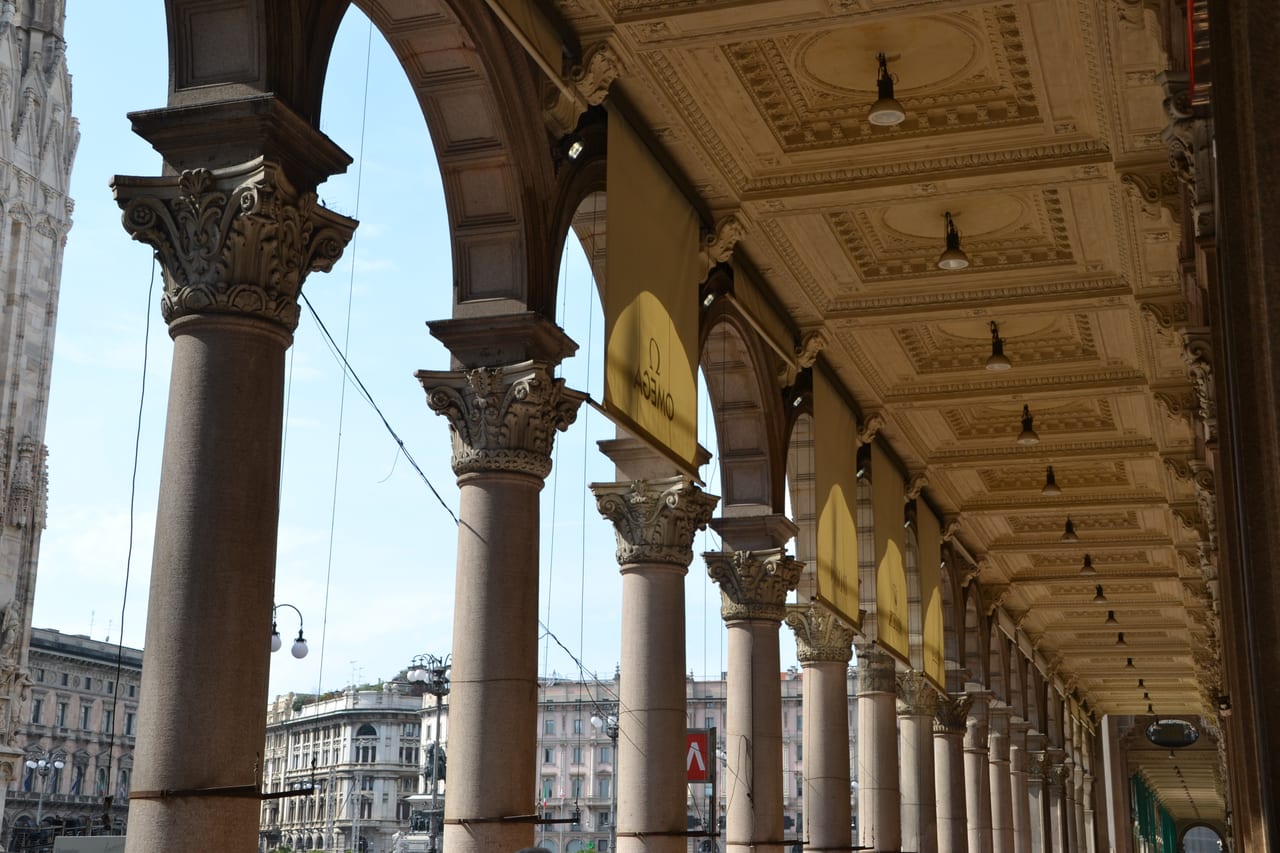
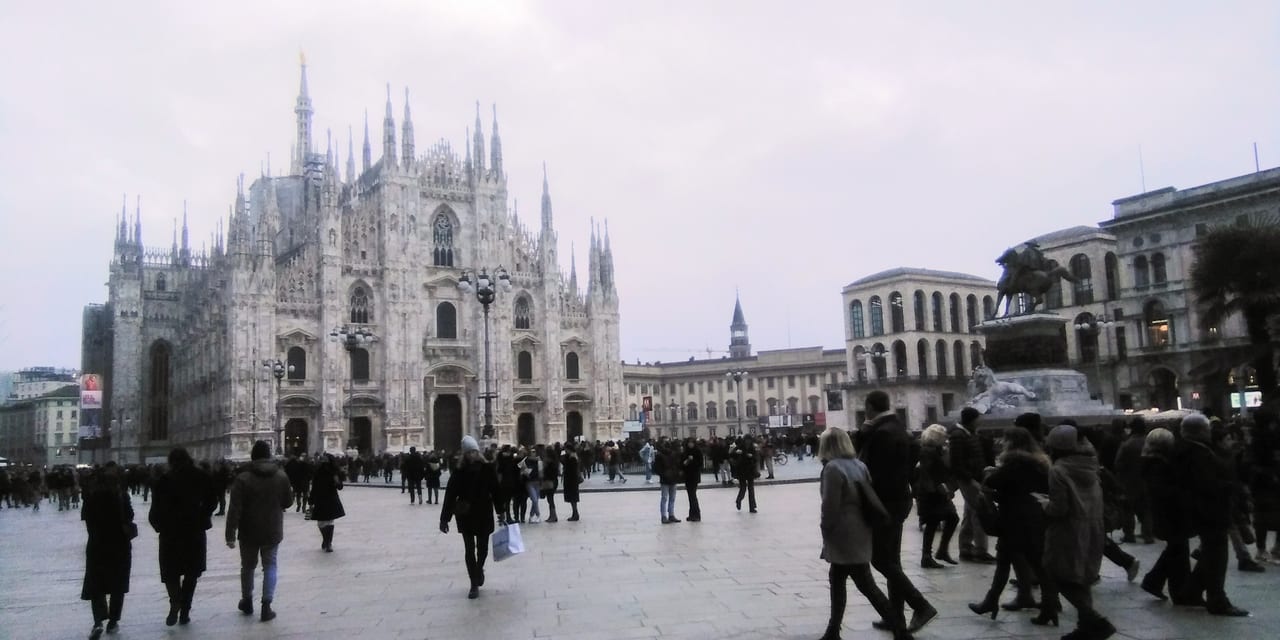
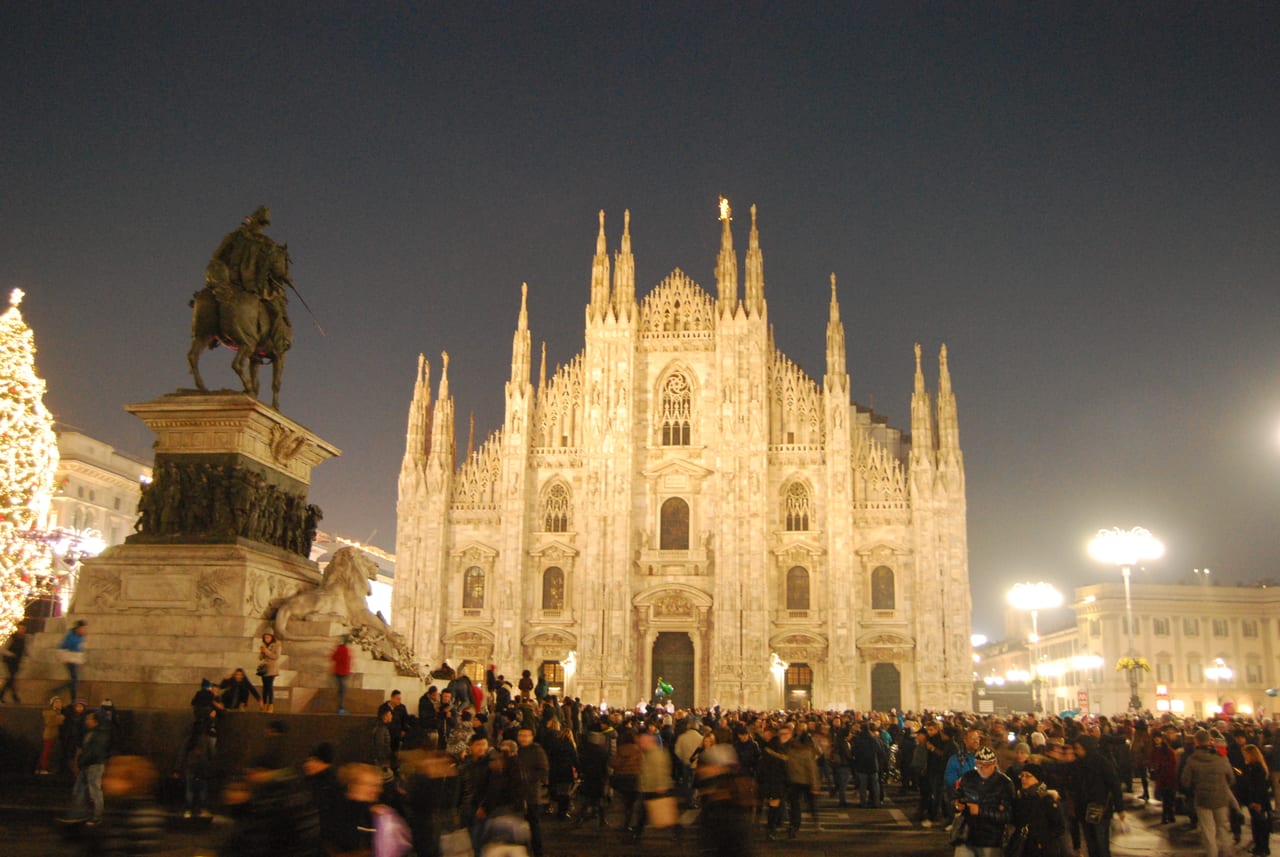
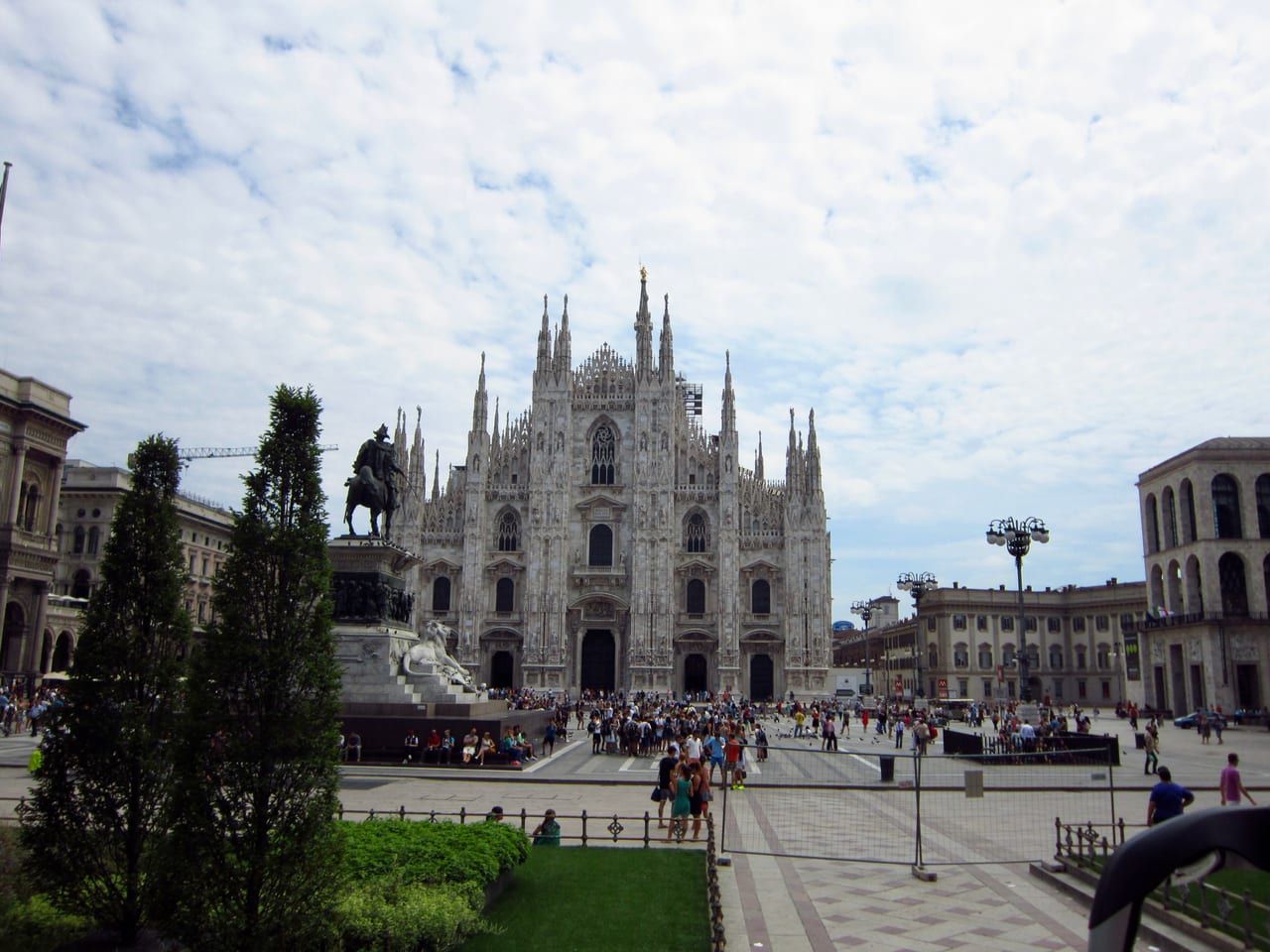
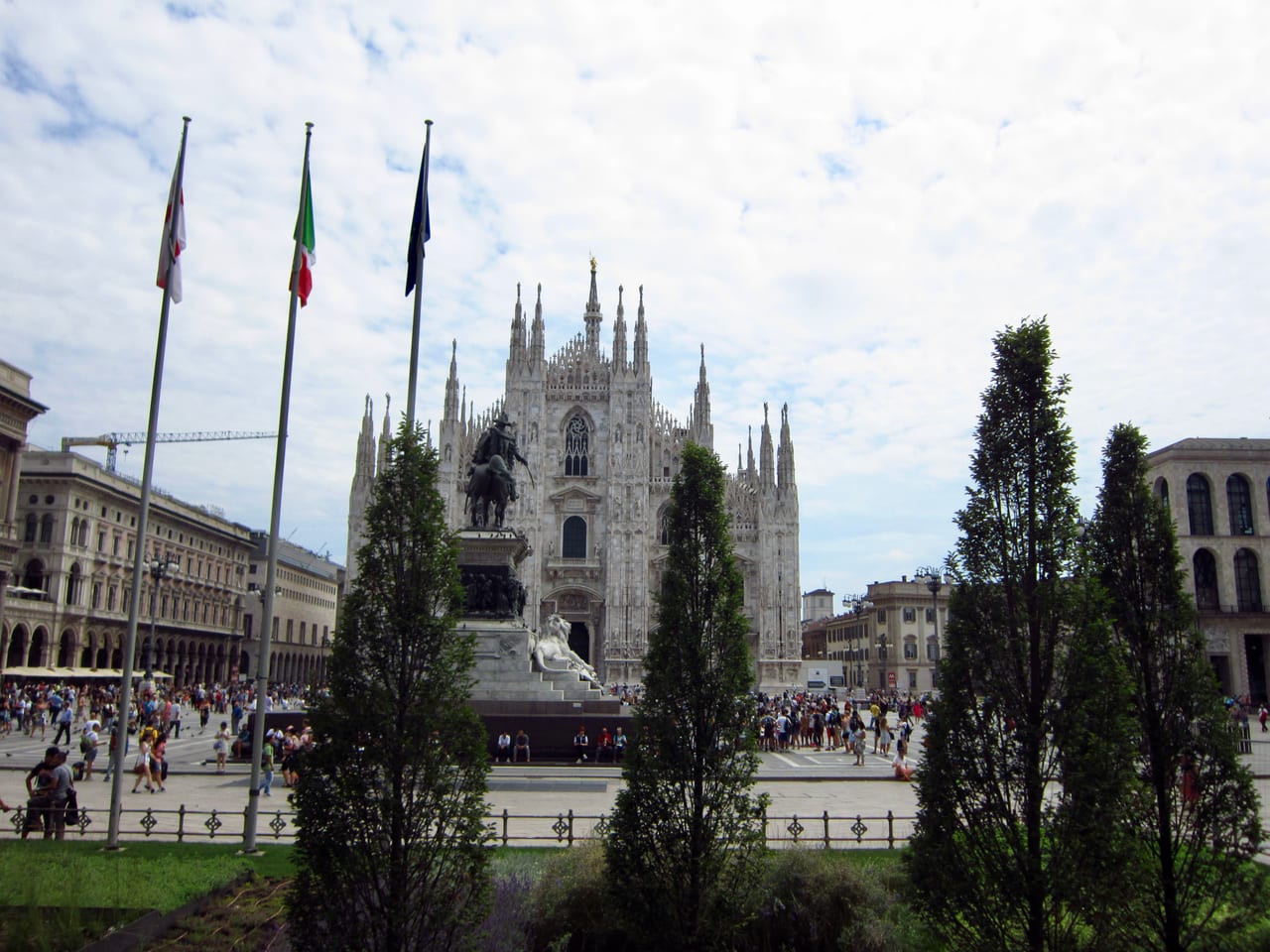
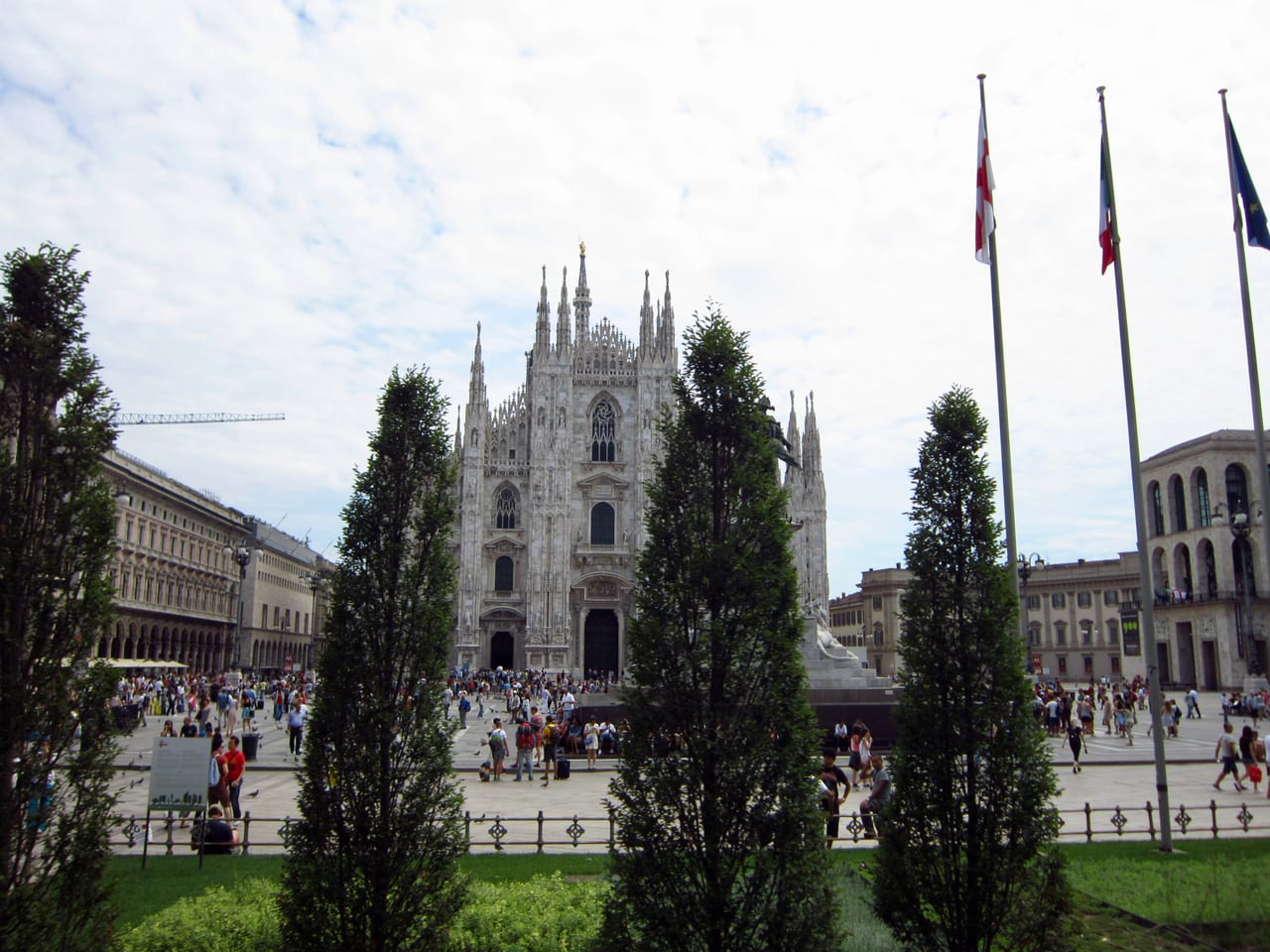
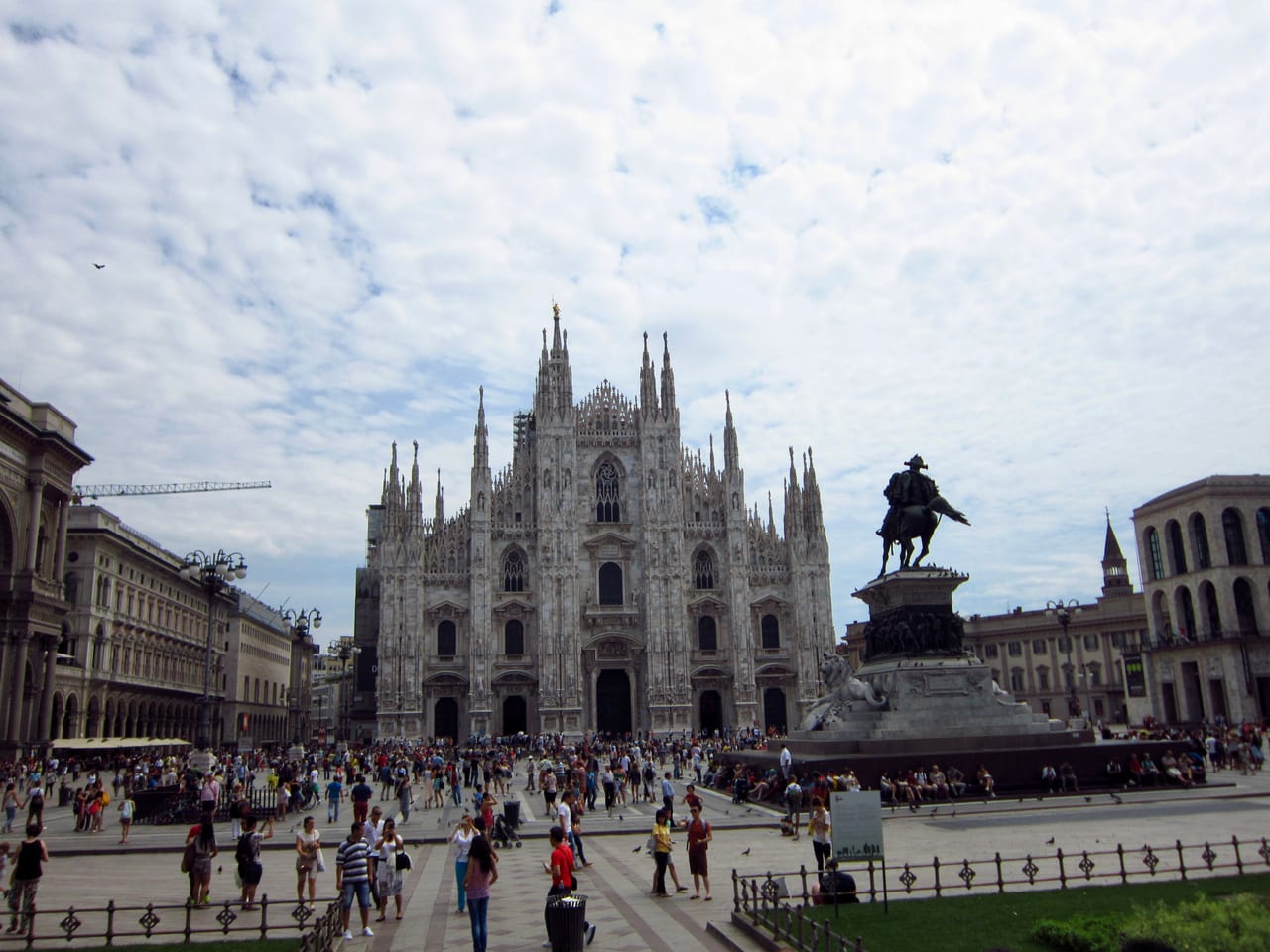
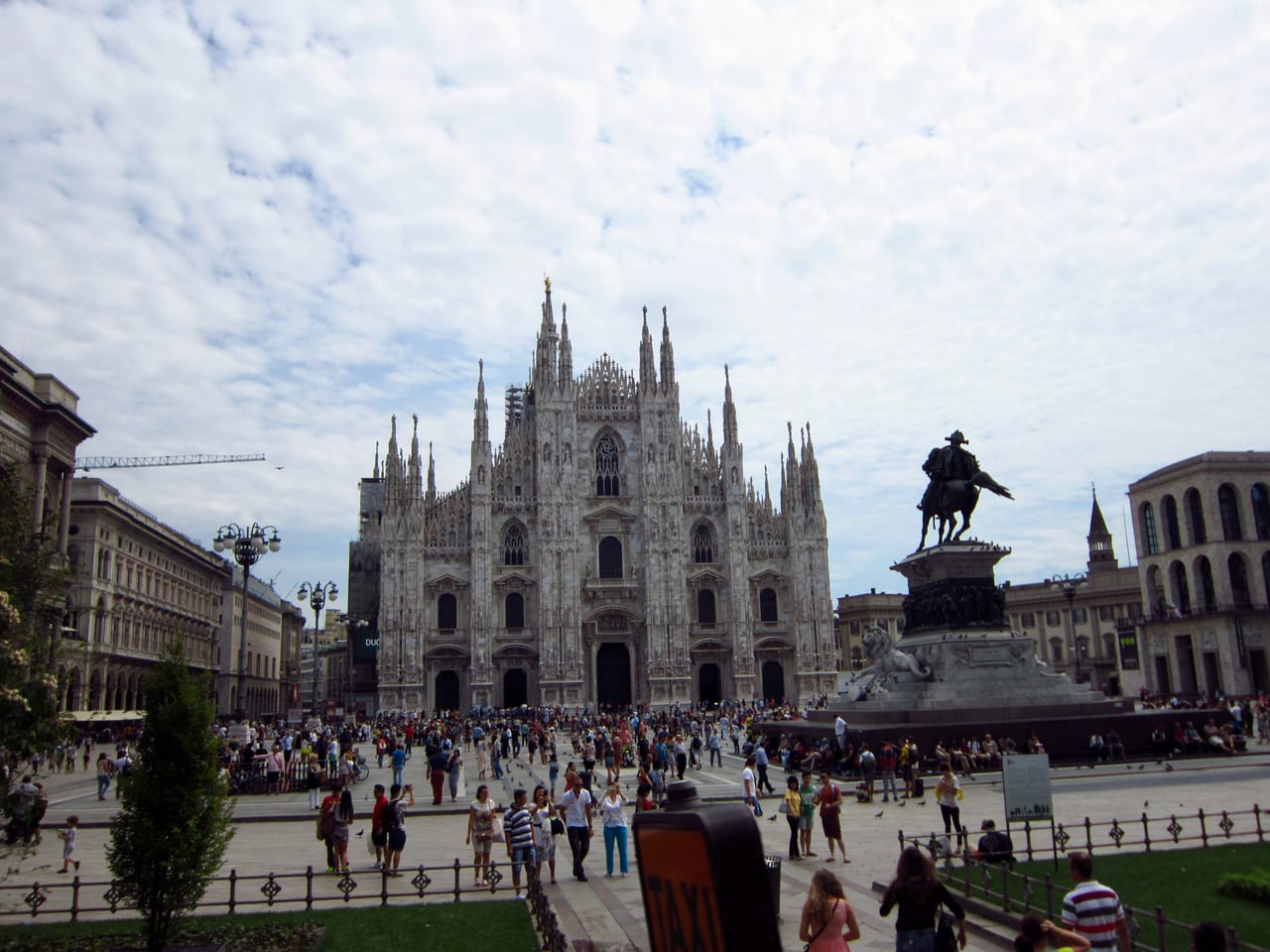
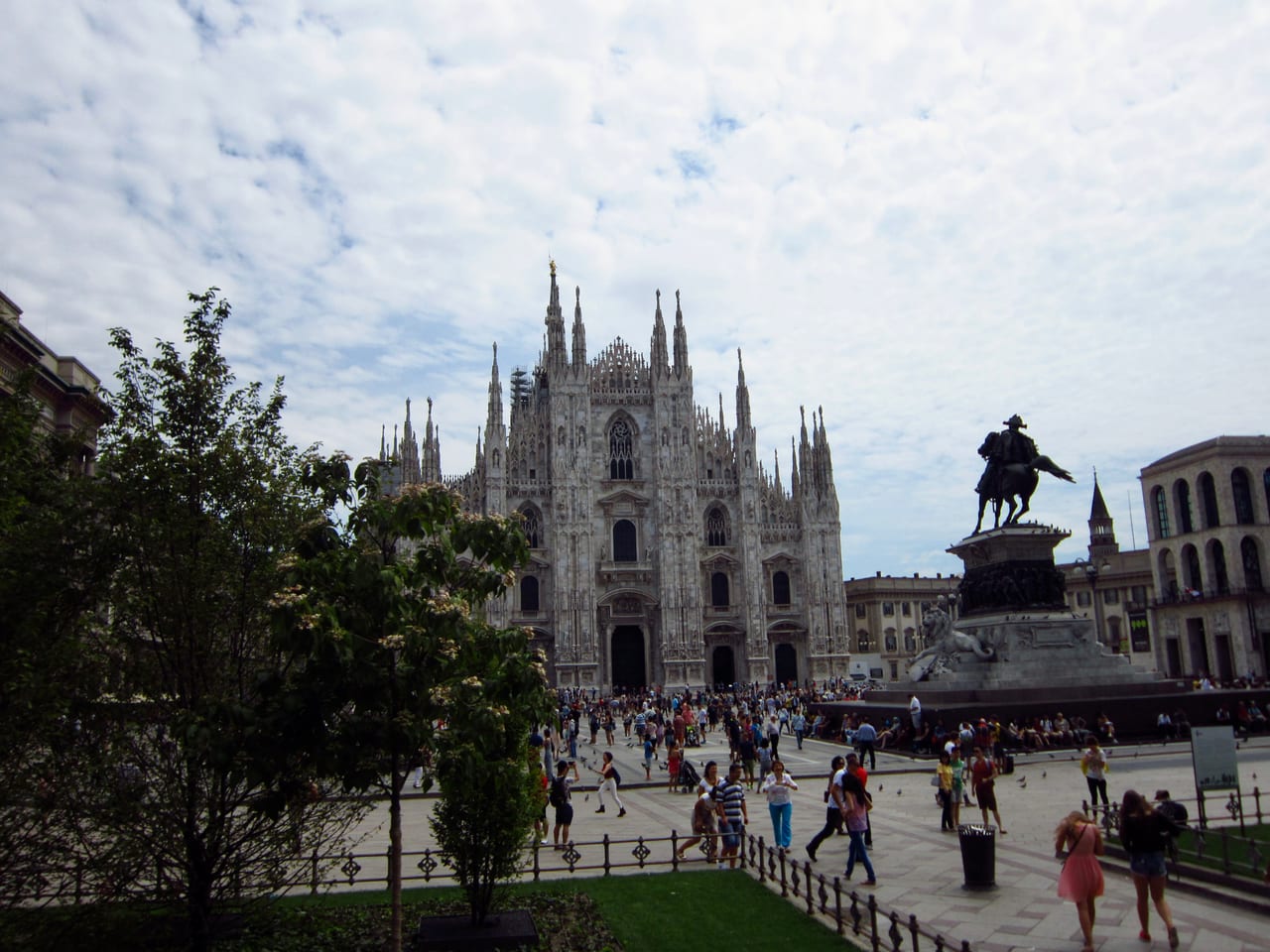
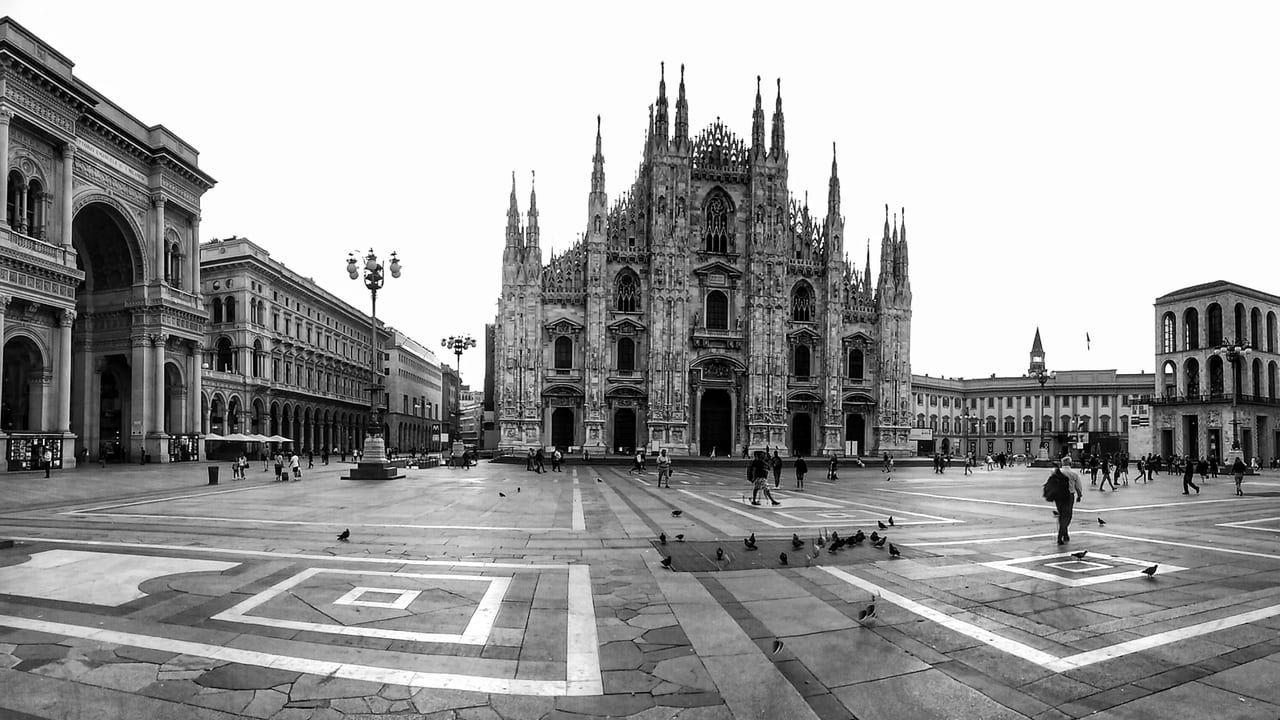
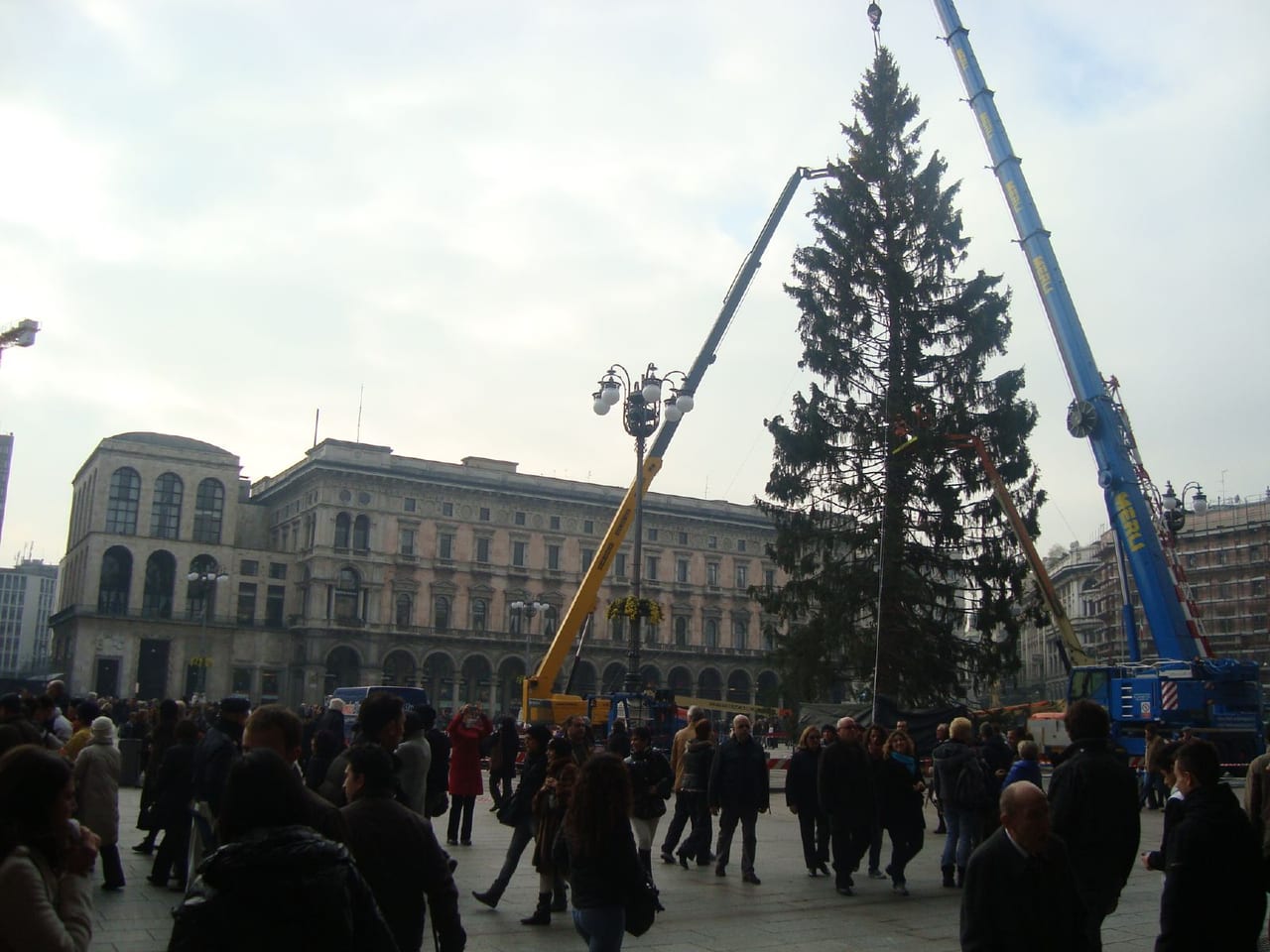
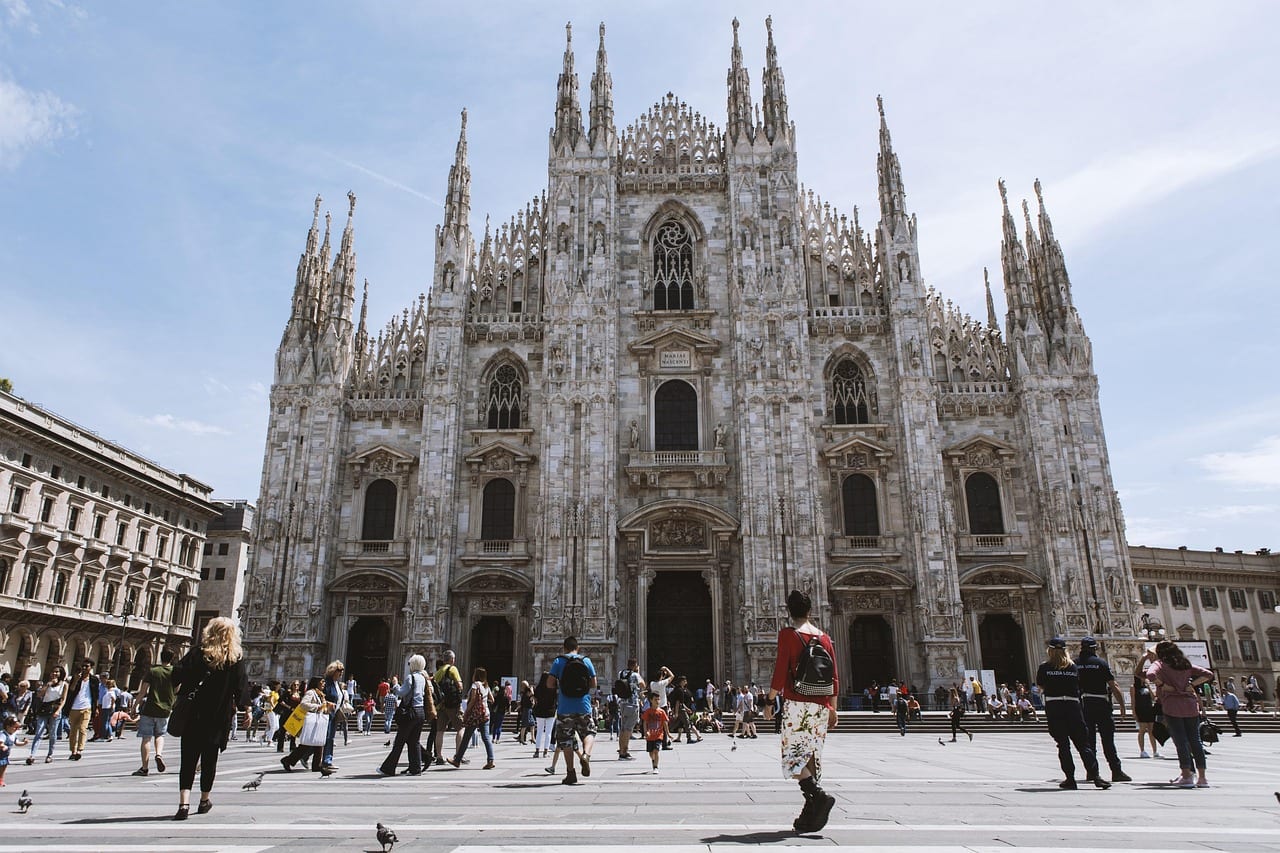
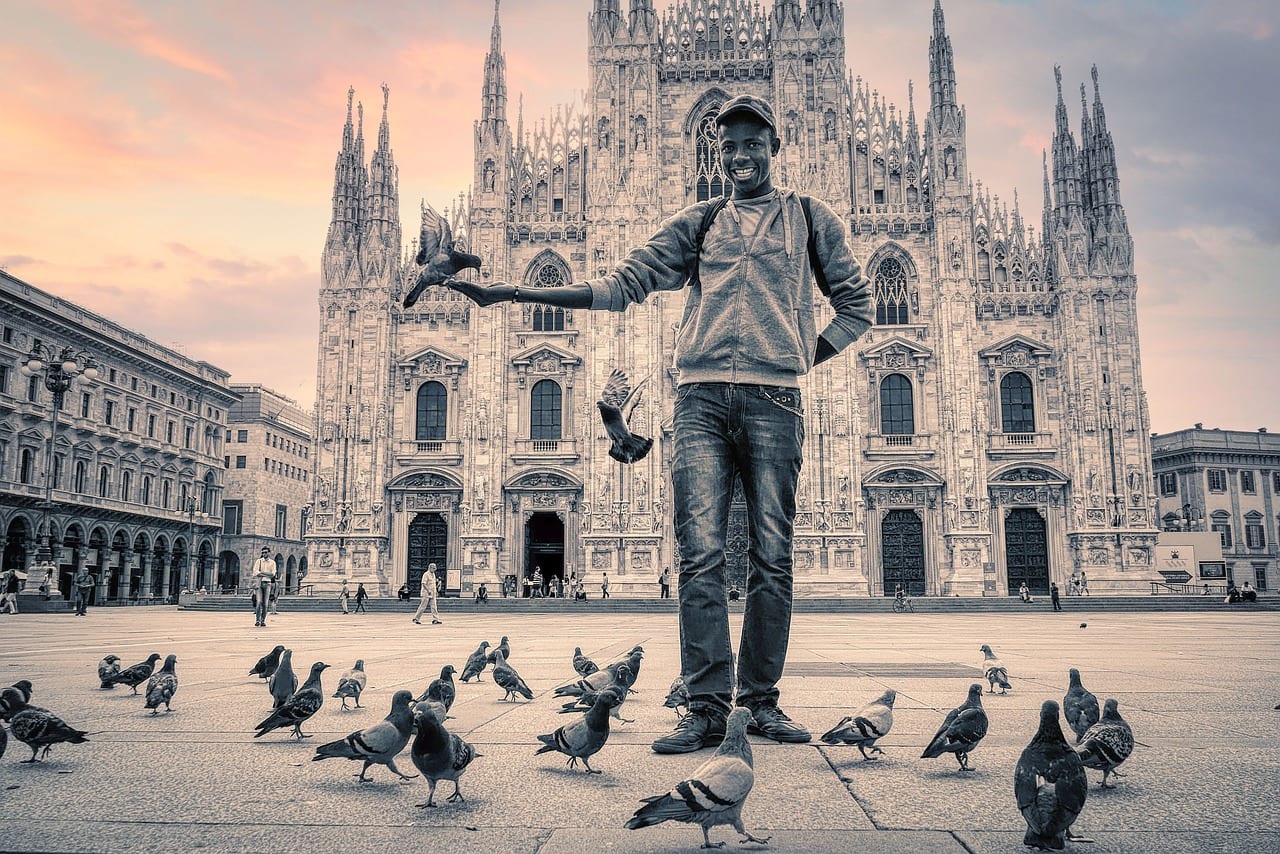
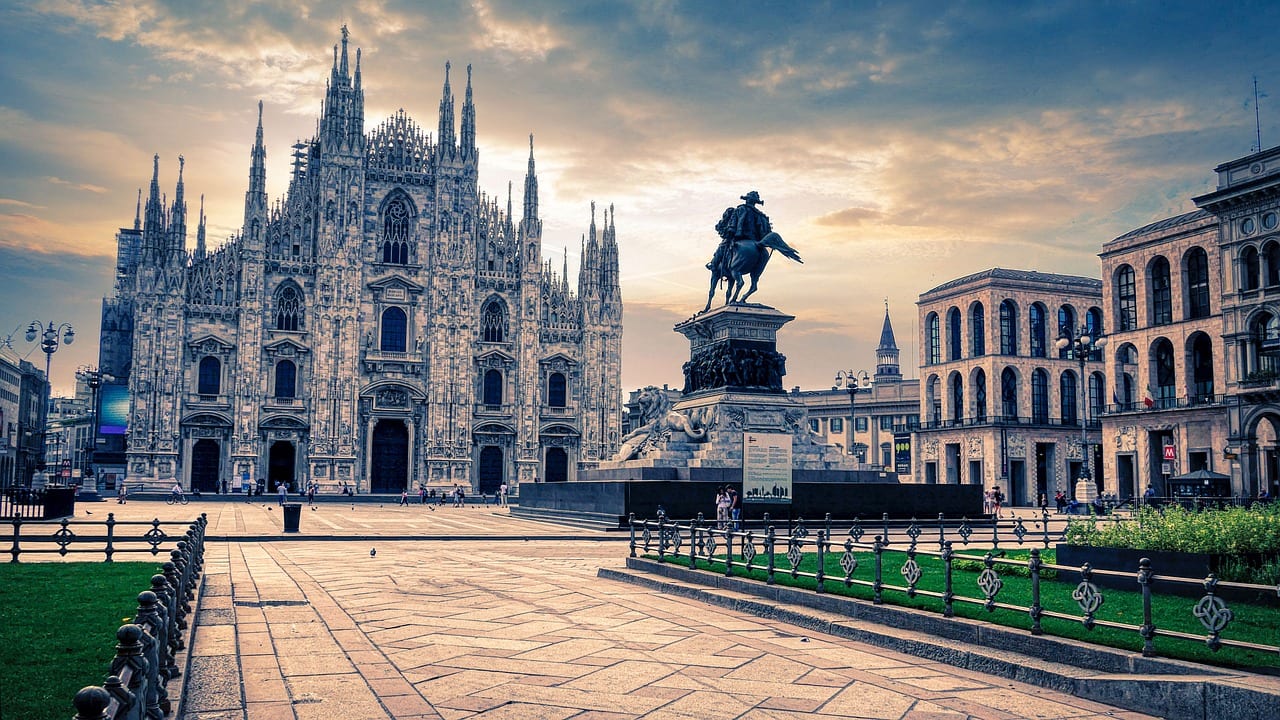
Photograph 1 of 37 of piazza del Duomo
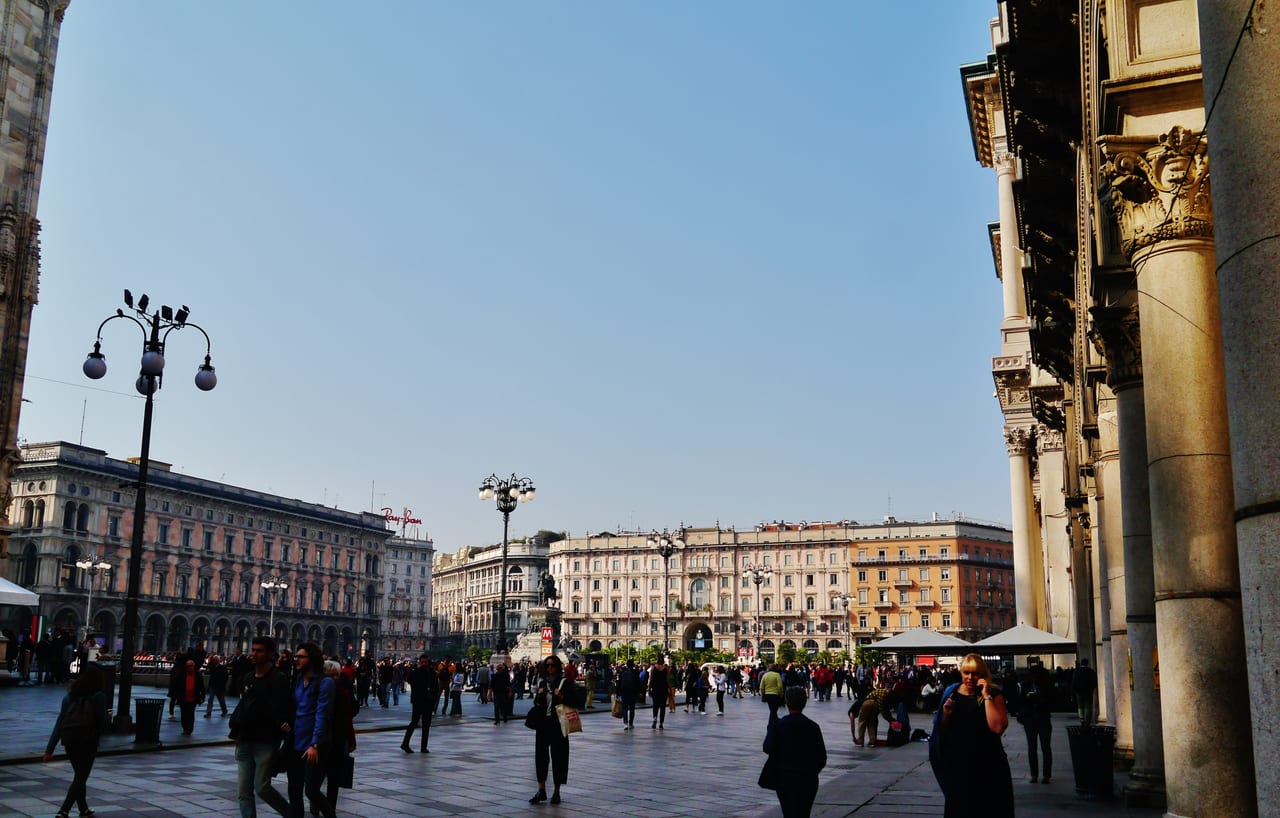
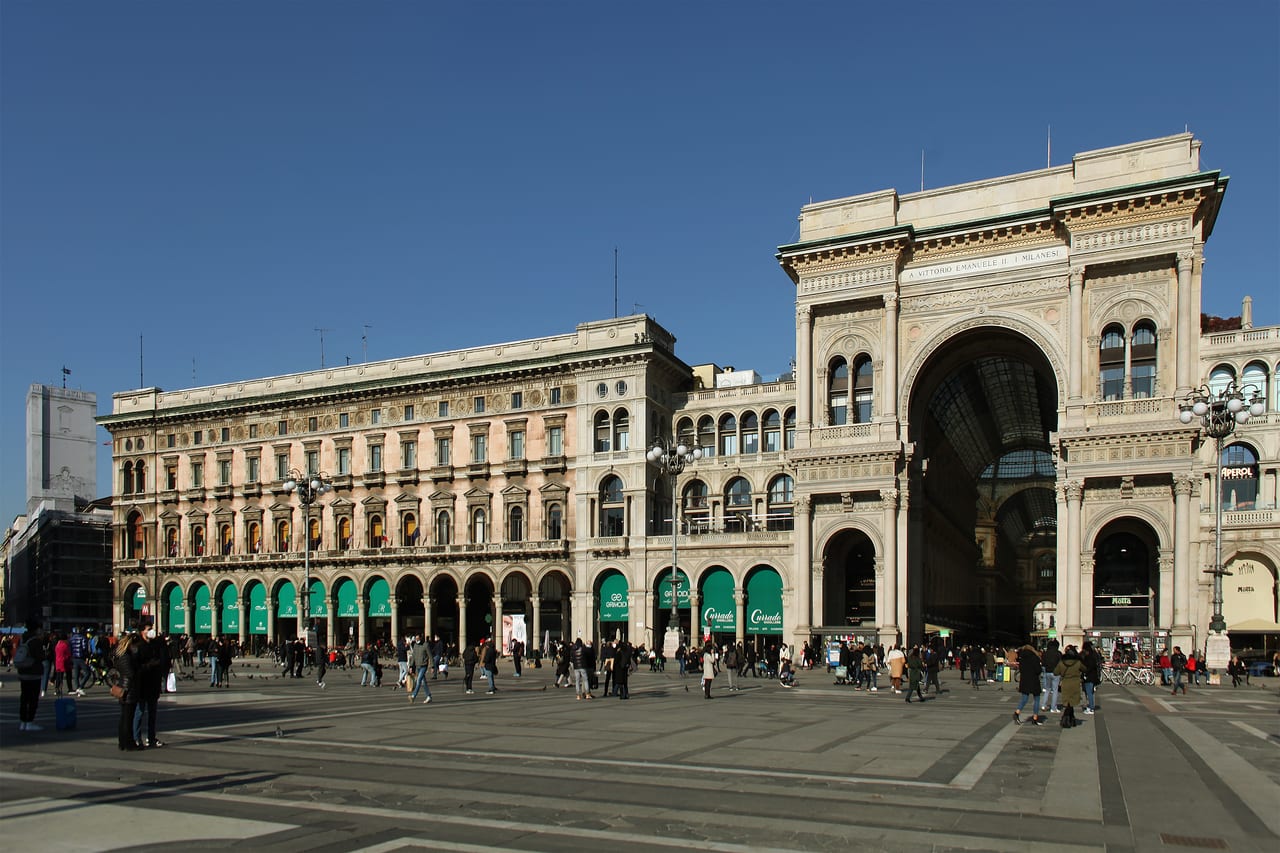
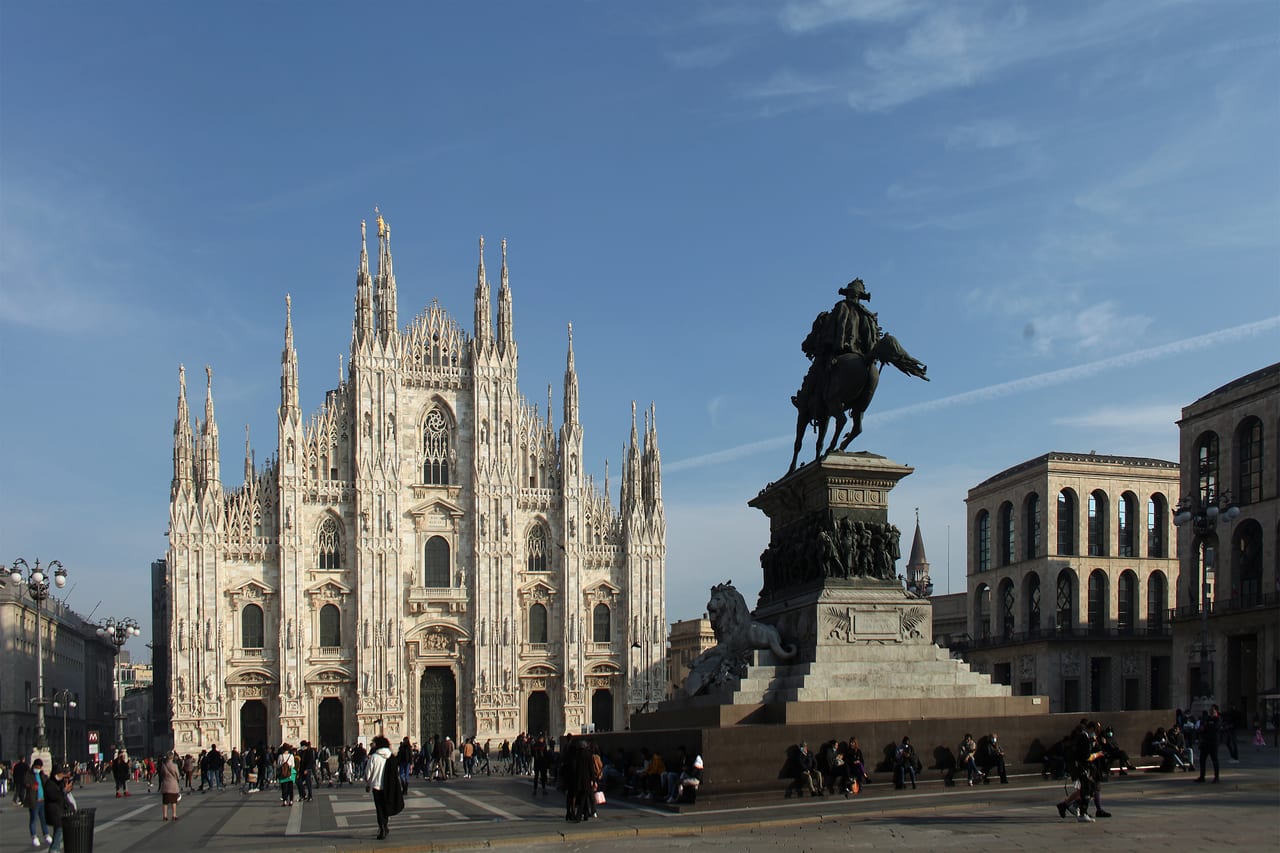
The square began in 1330, when Milan’s lord Azzone Visconti ordered the taverns around Santa Maria Maggiore and Santa Tecla demolished for a market called Piazza dell’Arengo. Gian Galeazzo Visconti enlarged it by removing the bishop’s house in 1385 and the San Giovanni alle Fonti baptistery in 1387. In 1458, Pope Pius II authorised Francesco Sforza and the Duomo’s construction company to demolish Santa Tecla for a larger setting, although the basilica was partly rebuilt before its final demolition in the 16th century. Giuseppe Piermarini’s 18th-century redesign of the arengario created the modern Royal Palace and an adjoining open space. Giulio Beccaria later added the Fabbrica del Duomo’s headquarters. After 1859, plans for a ceremonial square and avenue honouring Victor Emmanuel II led to Giuseppe Mengoni’s redevelopment from 1865: the Rebecchino neighbourhood and Coperto dei Figini disappeared, while the Galleria Vittorio Emanuele II and Portico Palaces took shape. The king’s monument was inaugurated in 1896. During the Fascist era, the Arengario replaced Mengoni’s planned second triumphal arch; it now houses a 20th-century art museum.
Ways to explore piazza del Duomo
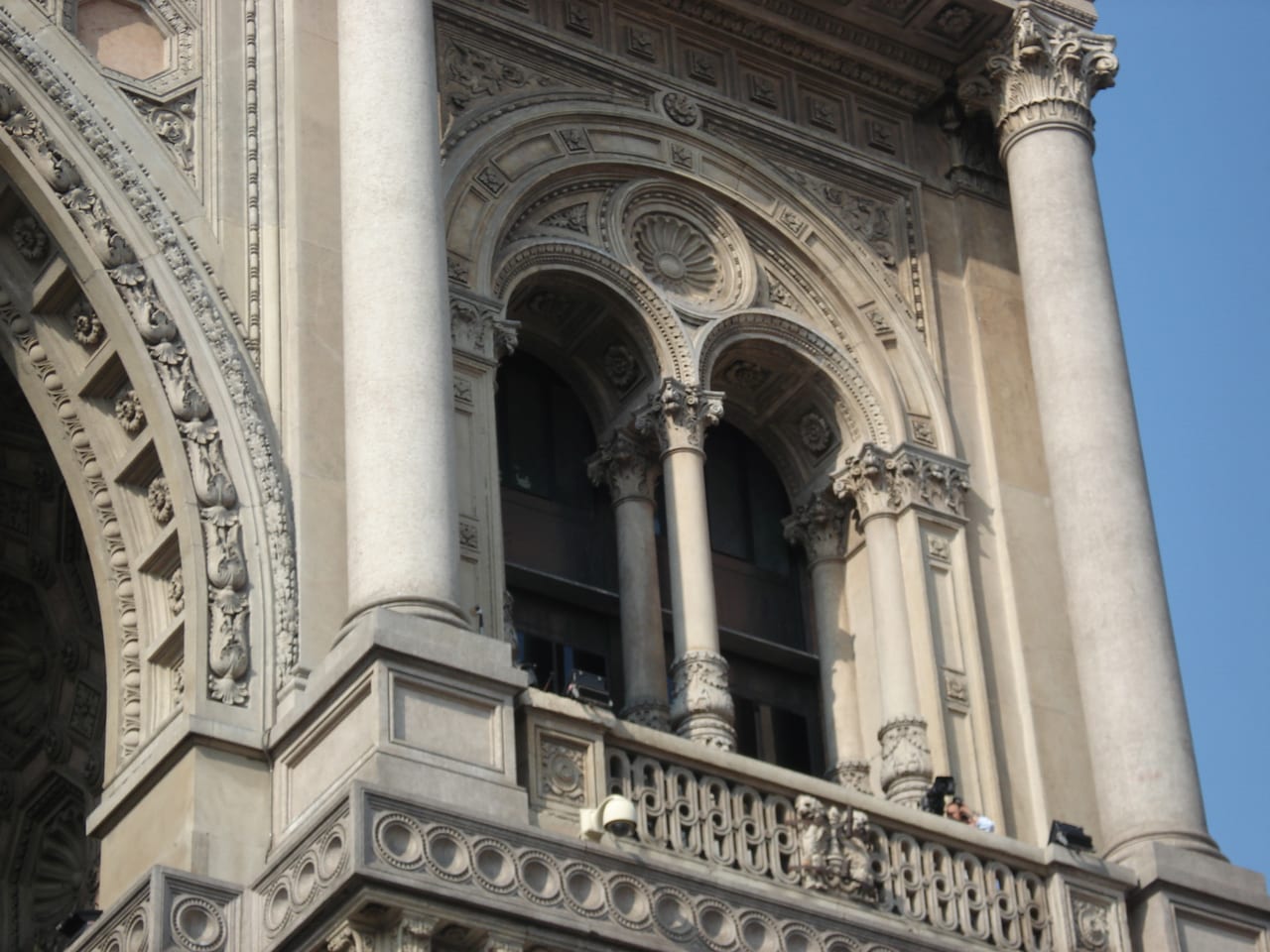
Begin with the cathedral façade, then stand back to understand how the Royal Palace, Portico Palaces and Arengario frame the open space. Enter the Galleria Vittorio Emanuele II to examine its covered arcade and completed triumphal entrance. The central monument to Victor Emmanuel II provides a useful visual anchor; the surrounding façades reward a slower circuit than a direct crossing.
Places to stay near piazza del Duomo

Live availability and prices from Stay22's partners, refreshed periodically and subject to change. Booking through these links may earn us a commission at no extra cost to you. See our privacy policy.
Cafés near piazza del Duomo
Cafés near piazza del Duomo loads as you scroll.
Attractions nearby
Attractions near piazza del Duomo loads as you scroll.
Cities nearby
Cities nearby loads as you scroll.
More in Milan
See more of Milan.
Find great cafés, places to stay and other interesting places to visit in Milan.