Museum · Milan
Museum of the Risorgimento
DirectionsIts collection includes Napoleon Bonaparte’s green-and-silver coronation cloak, the first Italian flag, and relics of Milan’s decisive Five Days uprising.
Photograph 1 of 3 of Museum of the Risorgimento
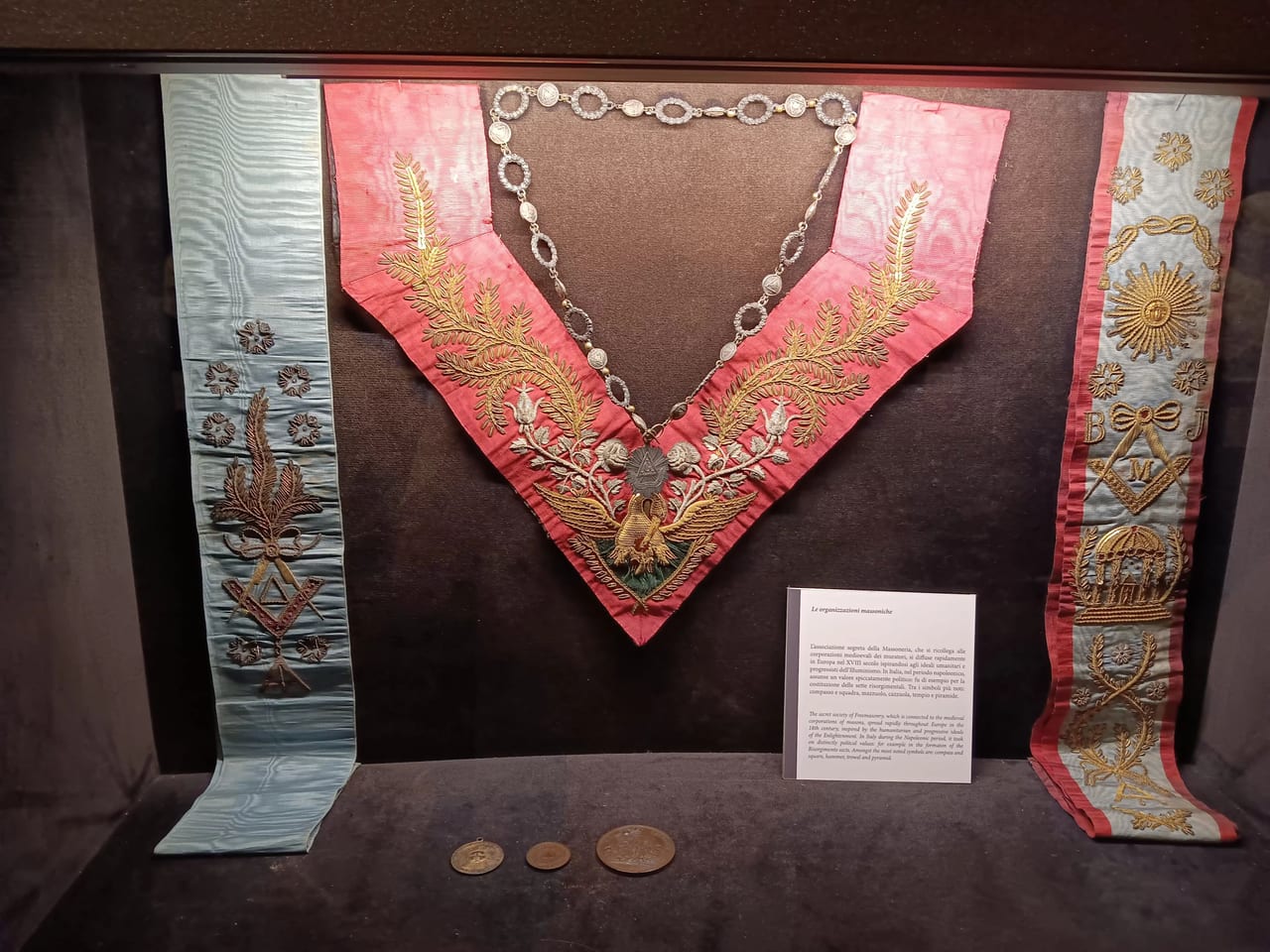
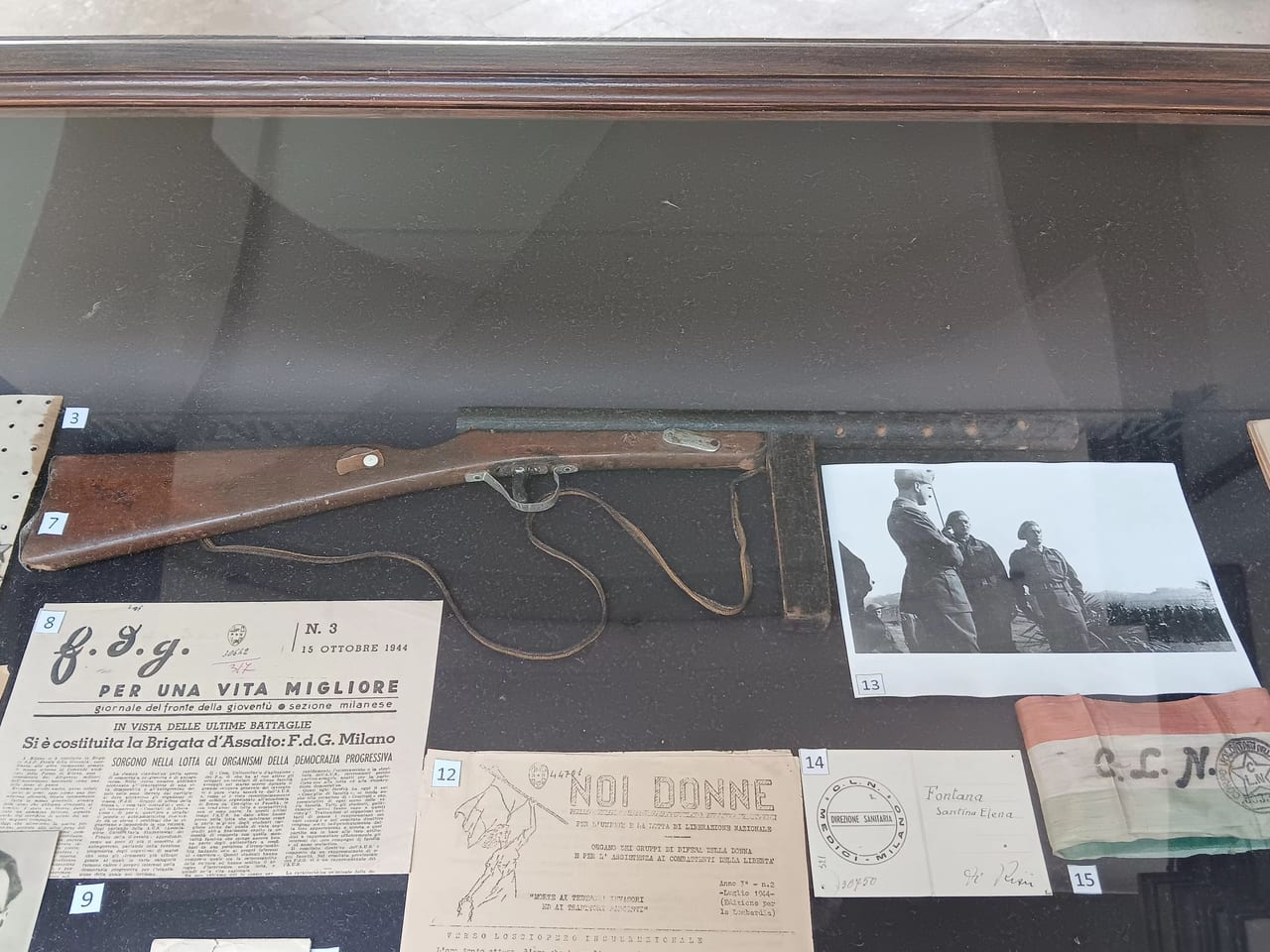
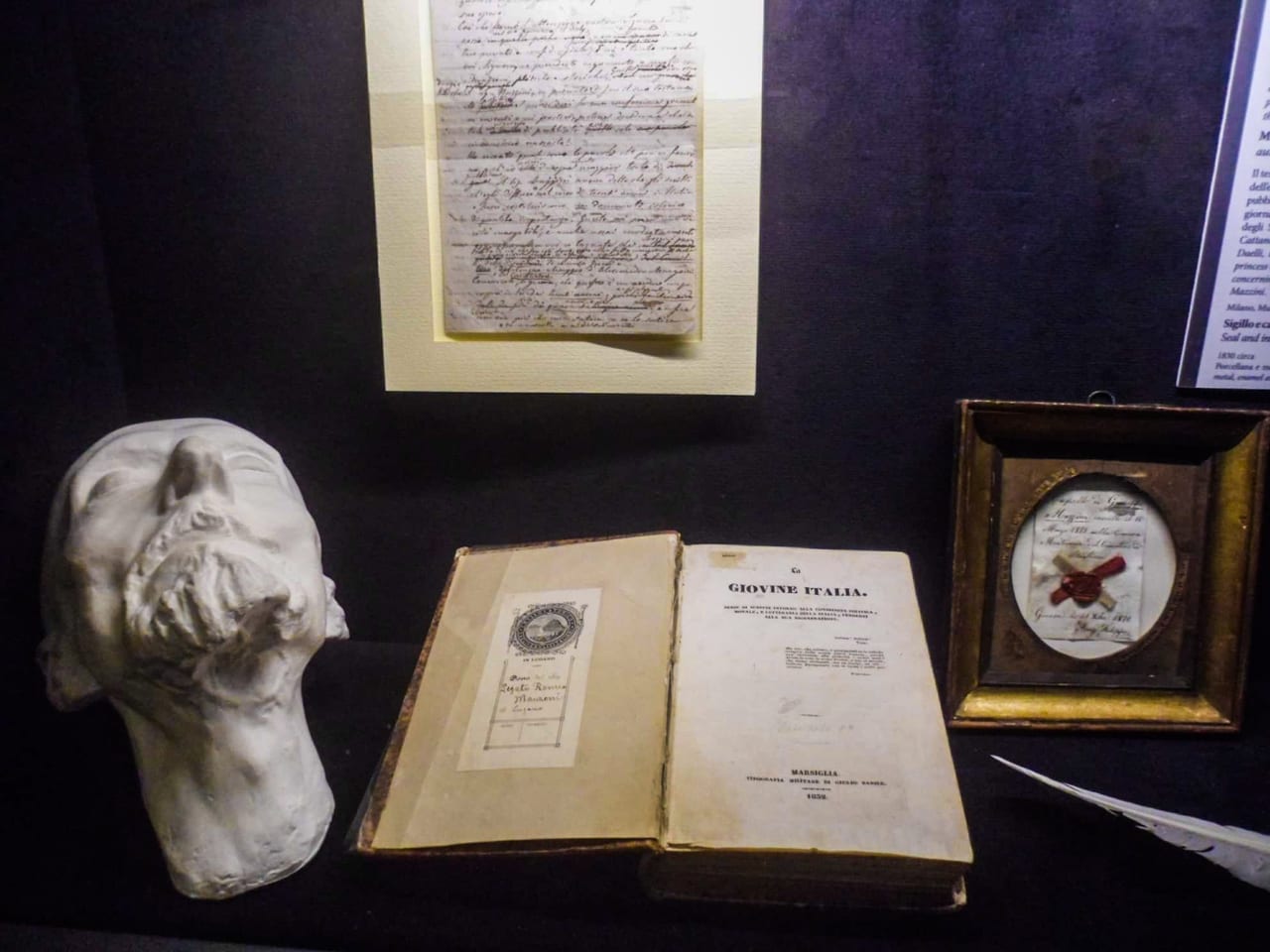
The Museum of the Risorgimento traces Italian unification from Napoleon’s 1796 Italian campaign to Rome’s annexation in 1870, with Milan’s 1848 uprising against Austria—the Five Days of Milan—at its centre. Its origins lie in documents assembled for the 1884 Exhibition of Turin. The collection moved from Milan’s Public Gardens to the Rocchetta rooms at Sforza Castle, where the museum opened on 24 June 1896. Bombing in 1943 prompted a temporary move to Casa Manzoni, the home of writer Alessandro Manzoni; in 1951 it settled in Moriggia Palace, where it remains. The 18th-century palace was designed by Giuseppe Piermarini in 1775. Under Napoleon it housed the Ministry of Foreign Affairs, later the Ministry of Defence; it subsequently passed to the De Marchi family before being donated to the city by Marco De Marchi’s wife. The museum belongs to the Civic Historical Collections and is recognised as Italian national heritage. Its fifteen chronological rooms, supplemented by a Weapons Room, bring together paintings, documents, banners, arms and political relics.
At a glance
- Built
- 1885
- Heritage
- Italian national heritage
Ways to explore Museum of the Risorgimento
Follow the permanent display in chronological order, allowing the sequence of fifteen rooms to build the story rather than treating the objects as isolated exhibits. View Napoleon’s coronation insignia and cloak, the Lombard Legion’s banner, and the first Italian flag. Allow time for the Weapons Room and the Romantic Garden behind the palace; the lighting and information systems were redesigned in the latest refurbishment.
Places to stay near Museum of the Risorgimento

Live availability and prices from Stay22's partners, refreshed periodically and subject to change. Booking through these links may earn us a commission at no extra cost to you. See our privacy policy.
Cafés near Museum of the Risorgimento
Cafés near Museum of the Risorgimento loads as you scroll.
Attractions nearby
Attractions near Museum of the Risorgimento loads as you scroll.
Cities nearby
Cities nearby loads as you scroll.
More in Milan
See more of Milan.
Find great cafés, places to stay and other interesting places to visit in Milan.