Theatre · Milan
La Scala
DirectionsLa Scala reopened after wartime bombing with Arturo Toscanini conducting a 1946 concert, a charged return that included soprano Renata Tebaldi.
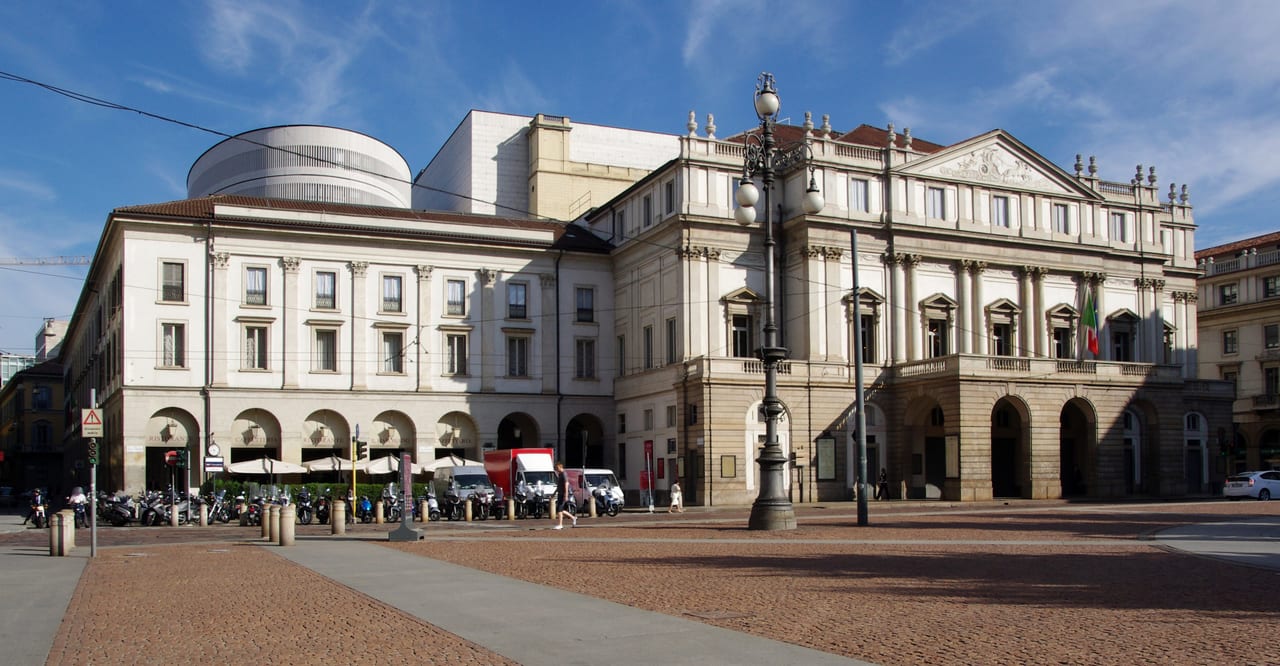
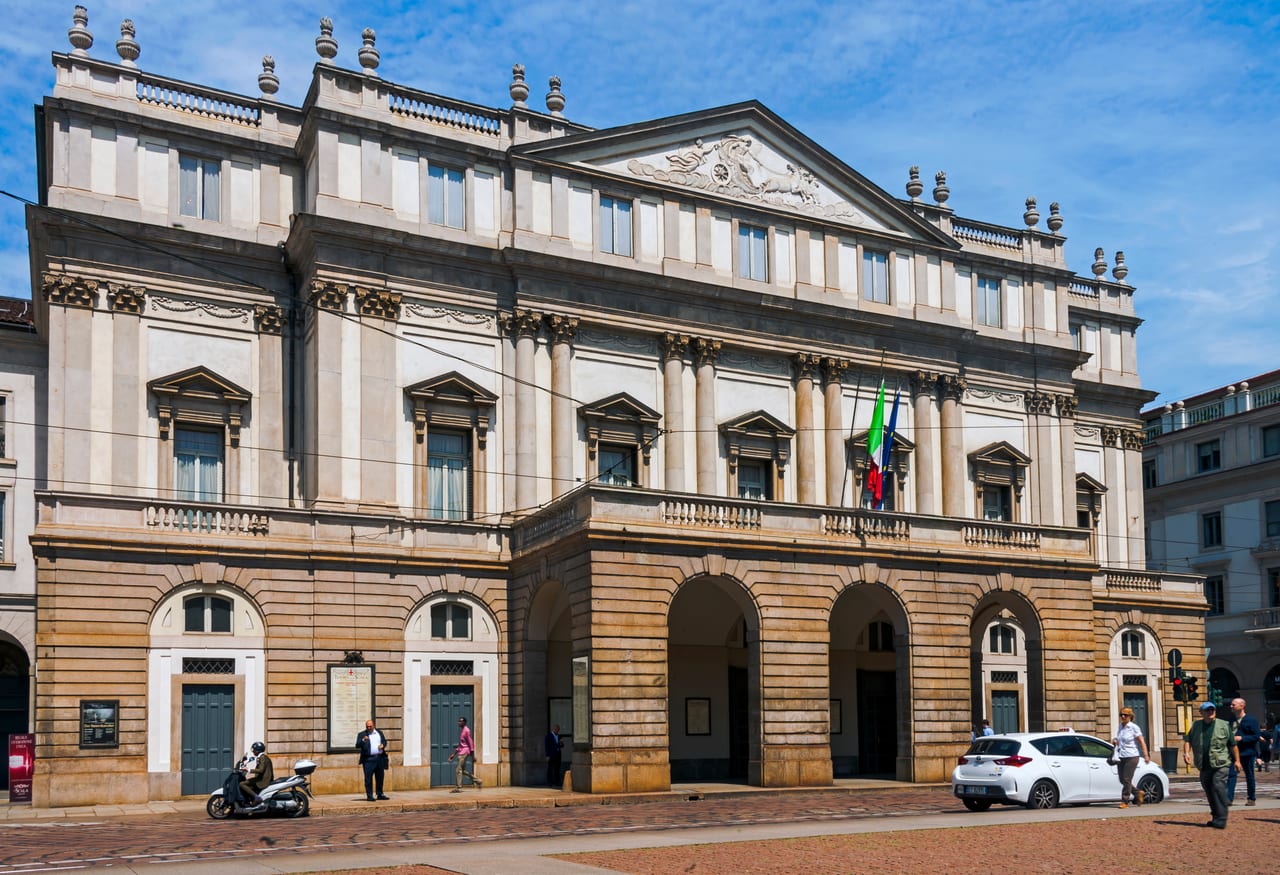
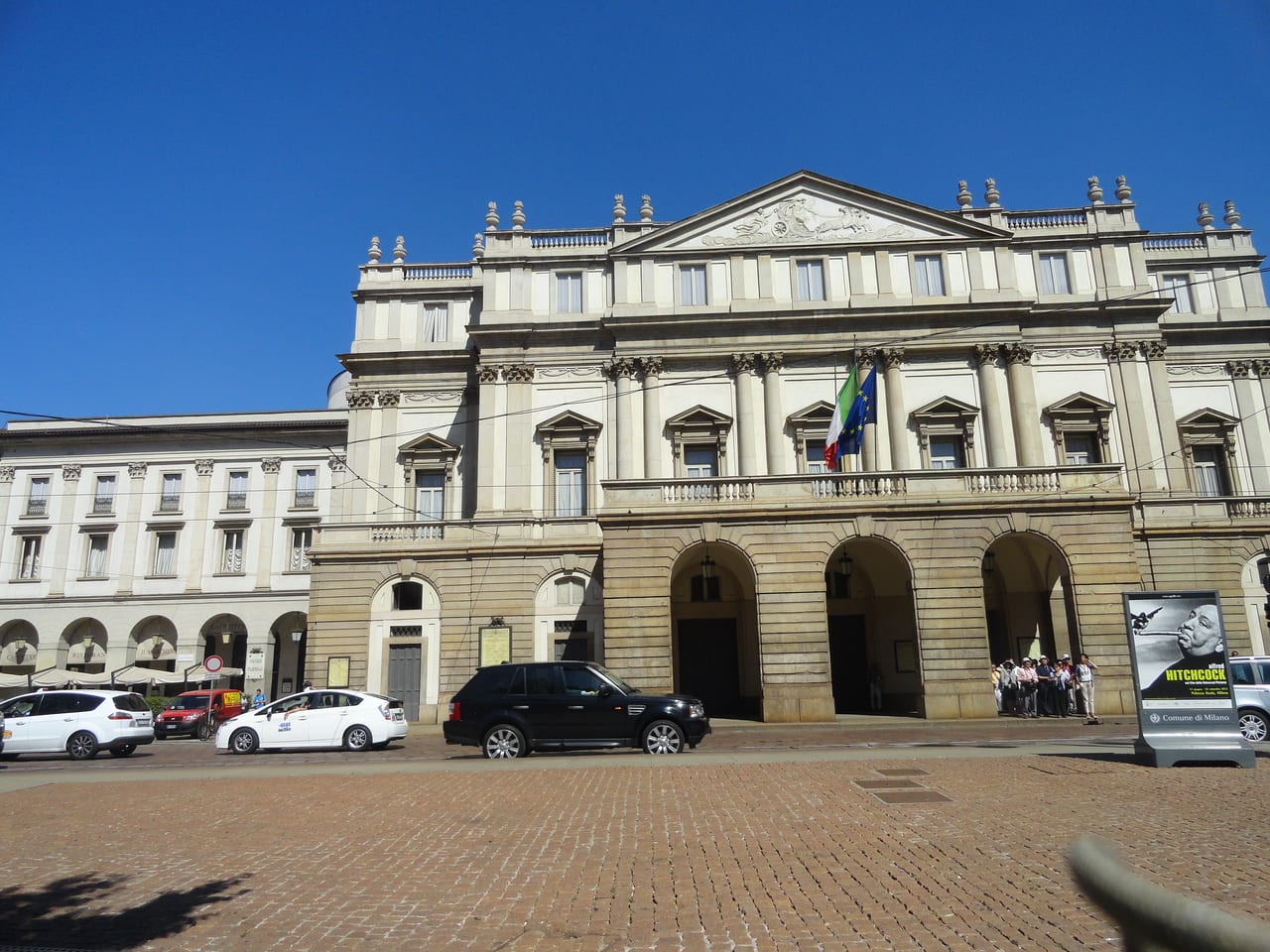
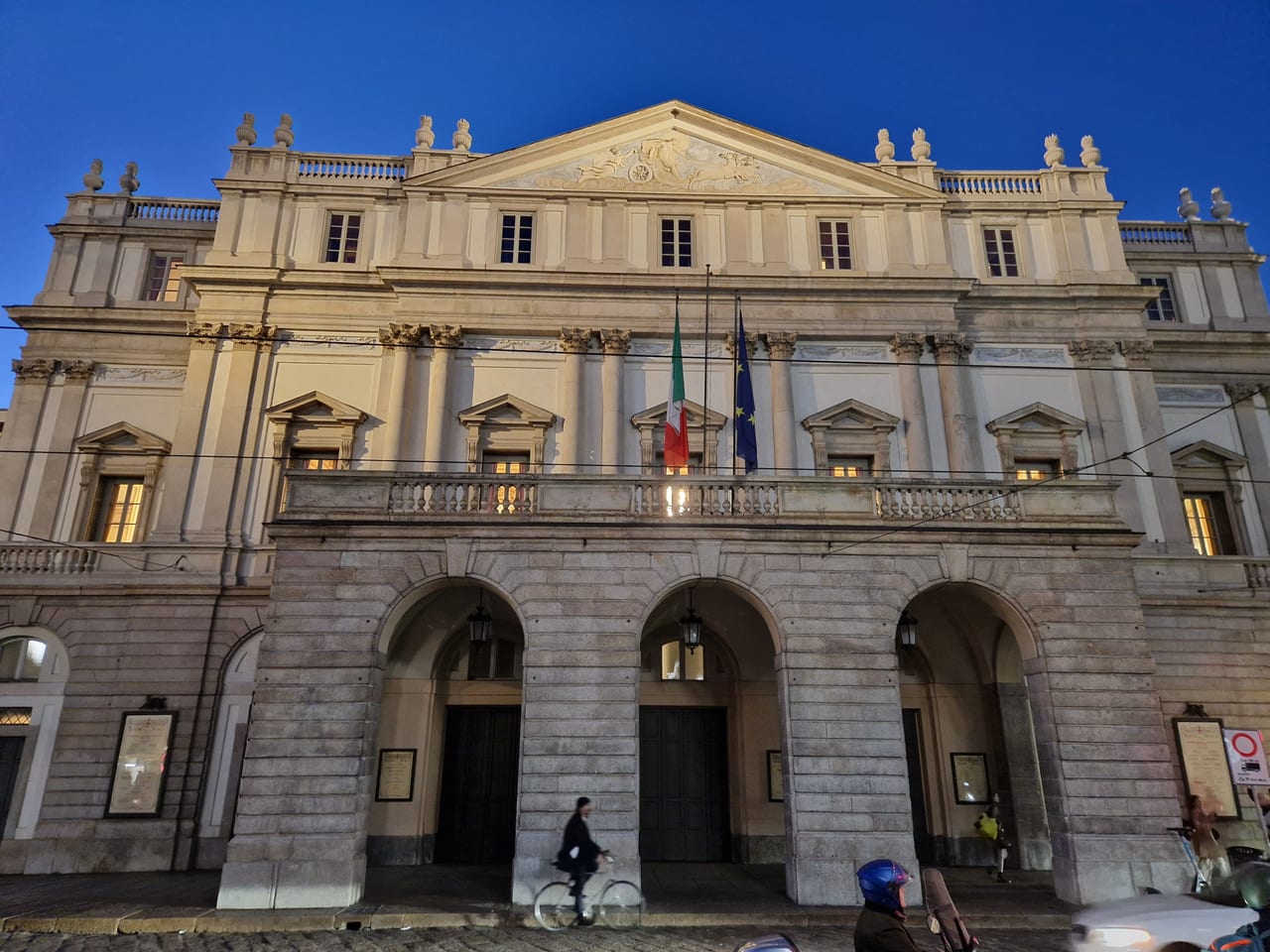
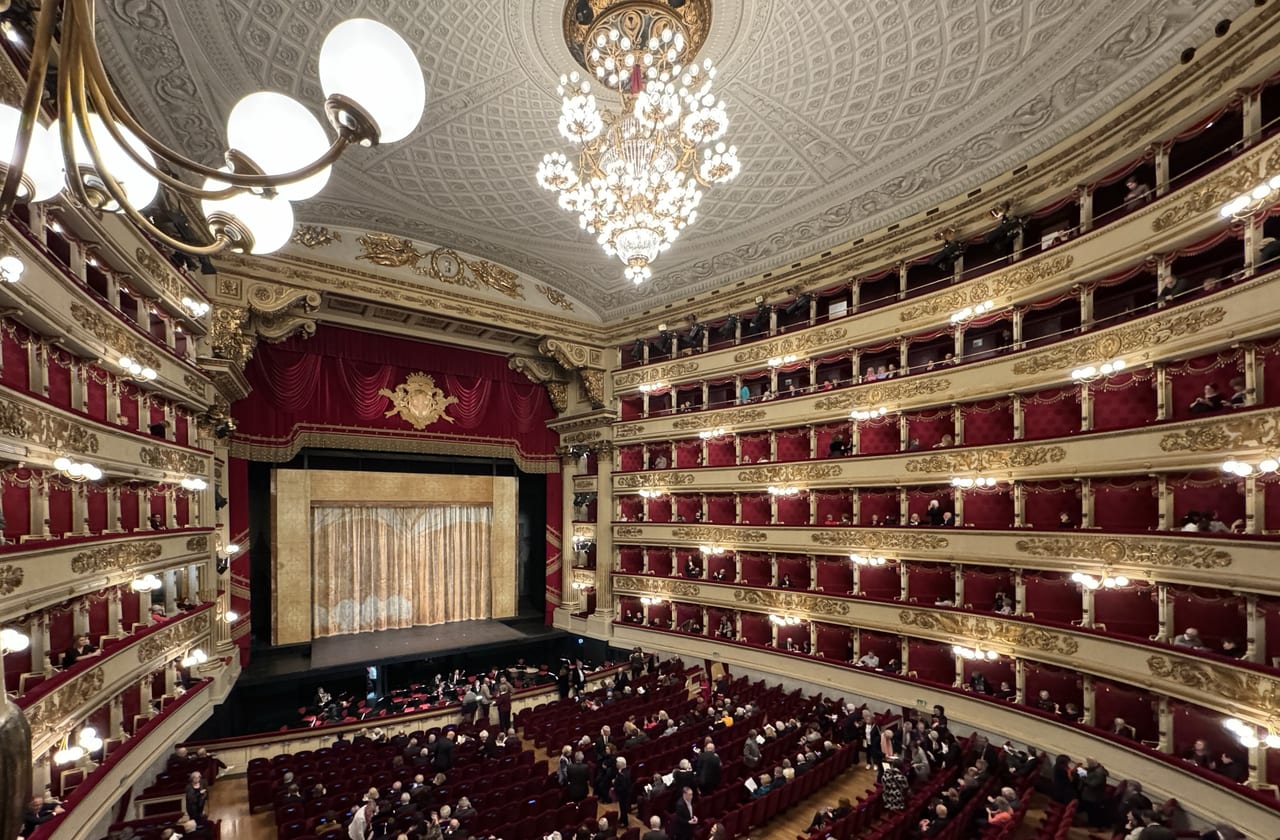
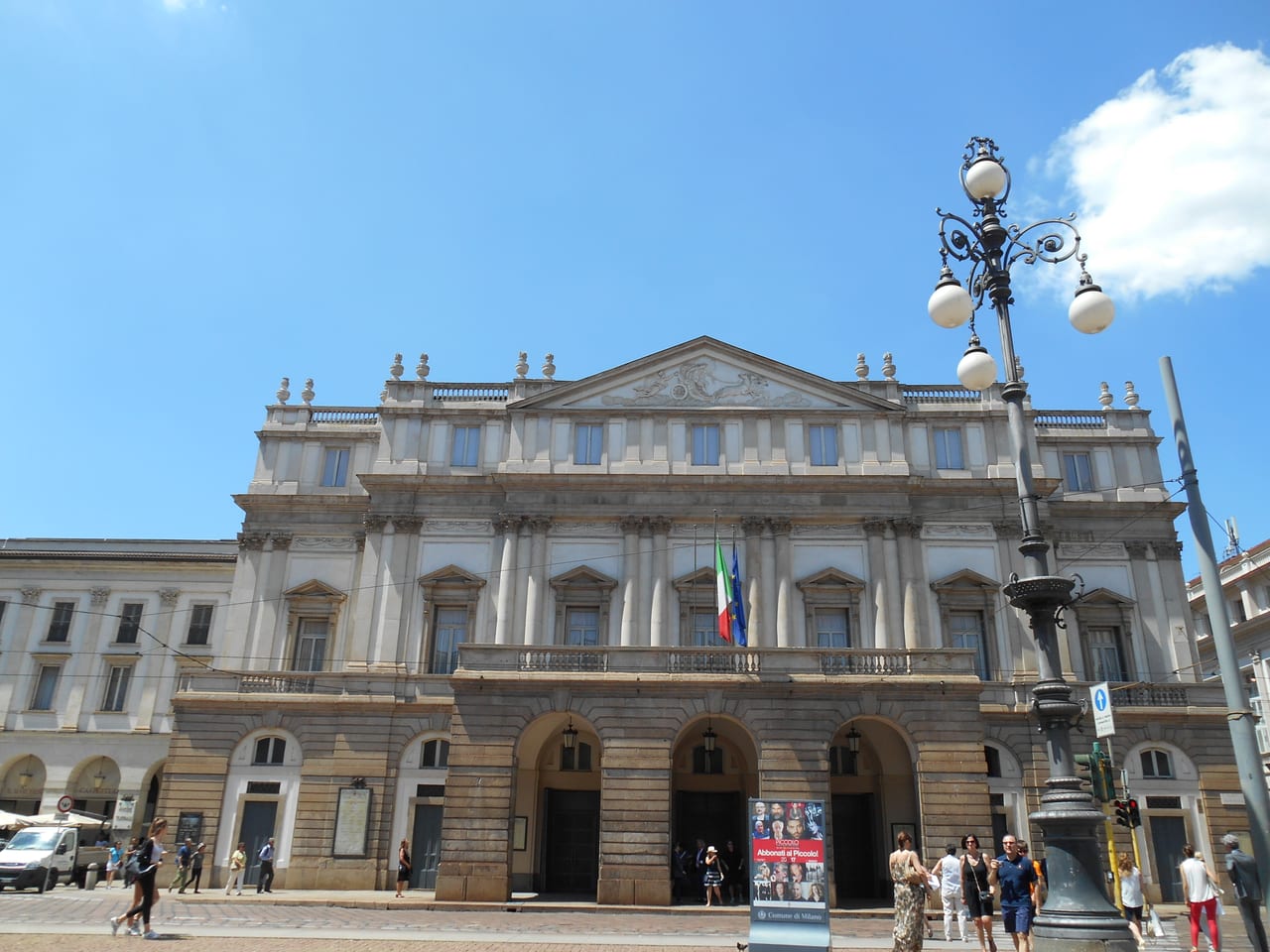
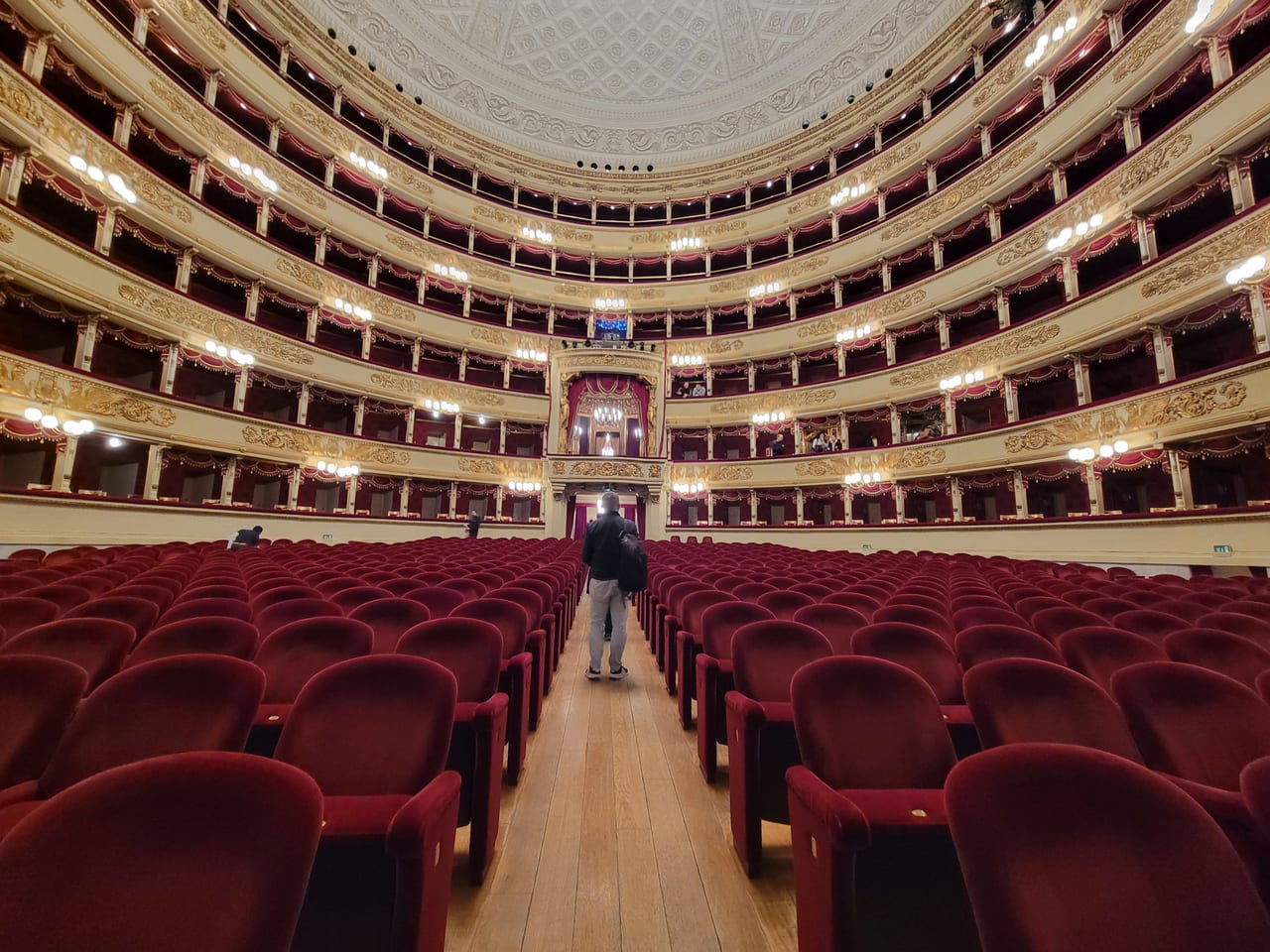
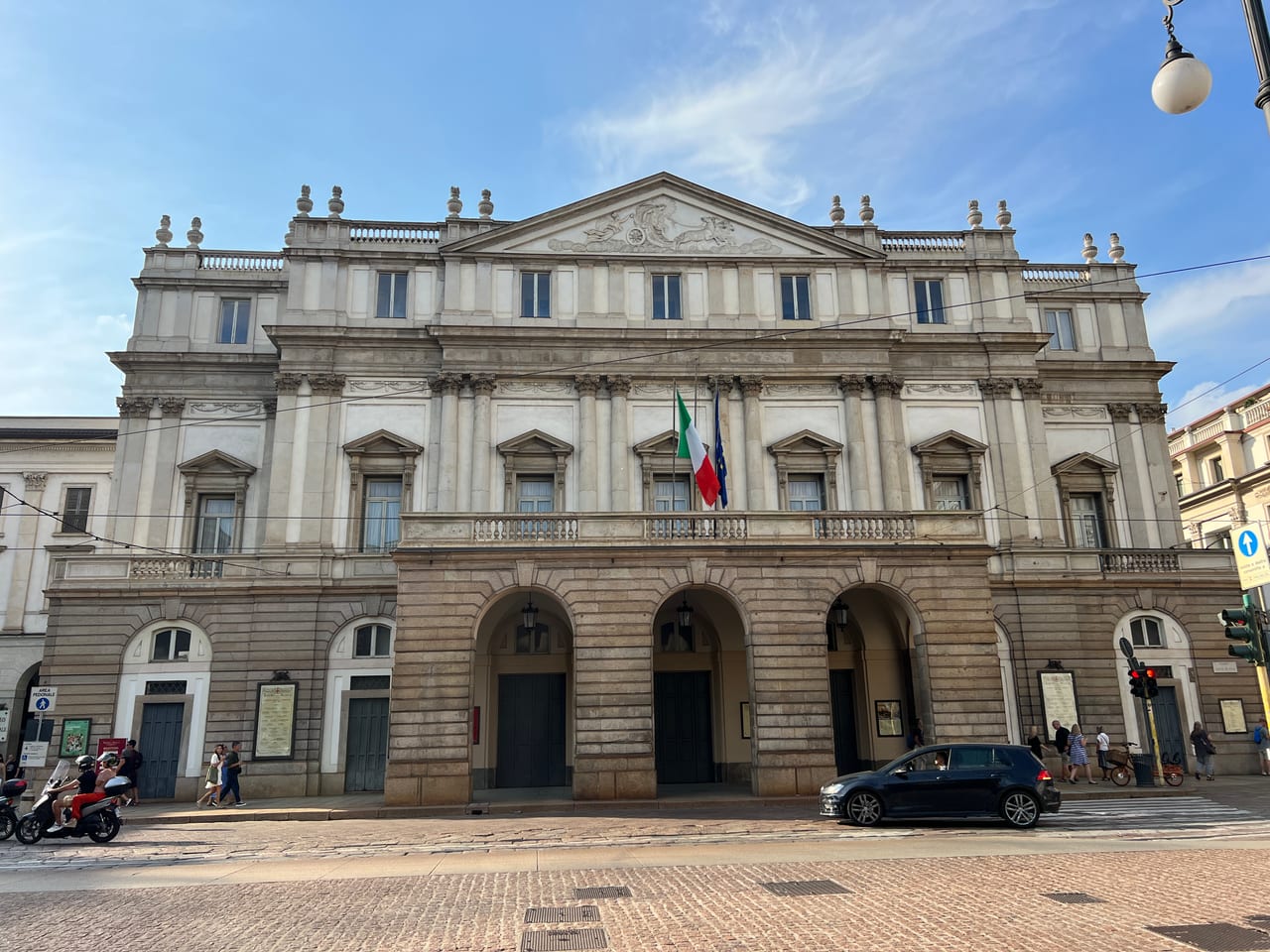
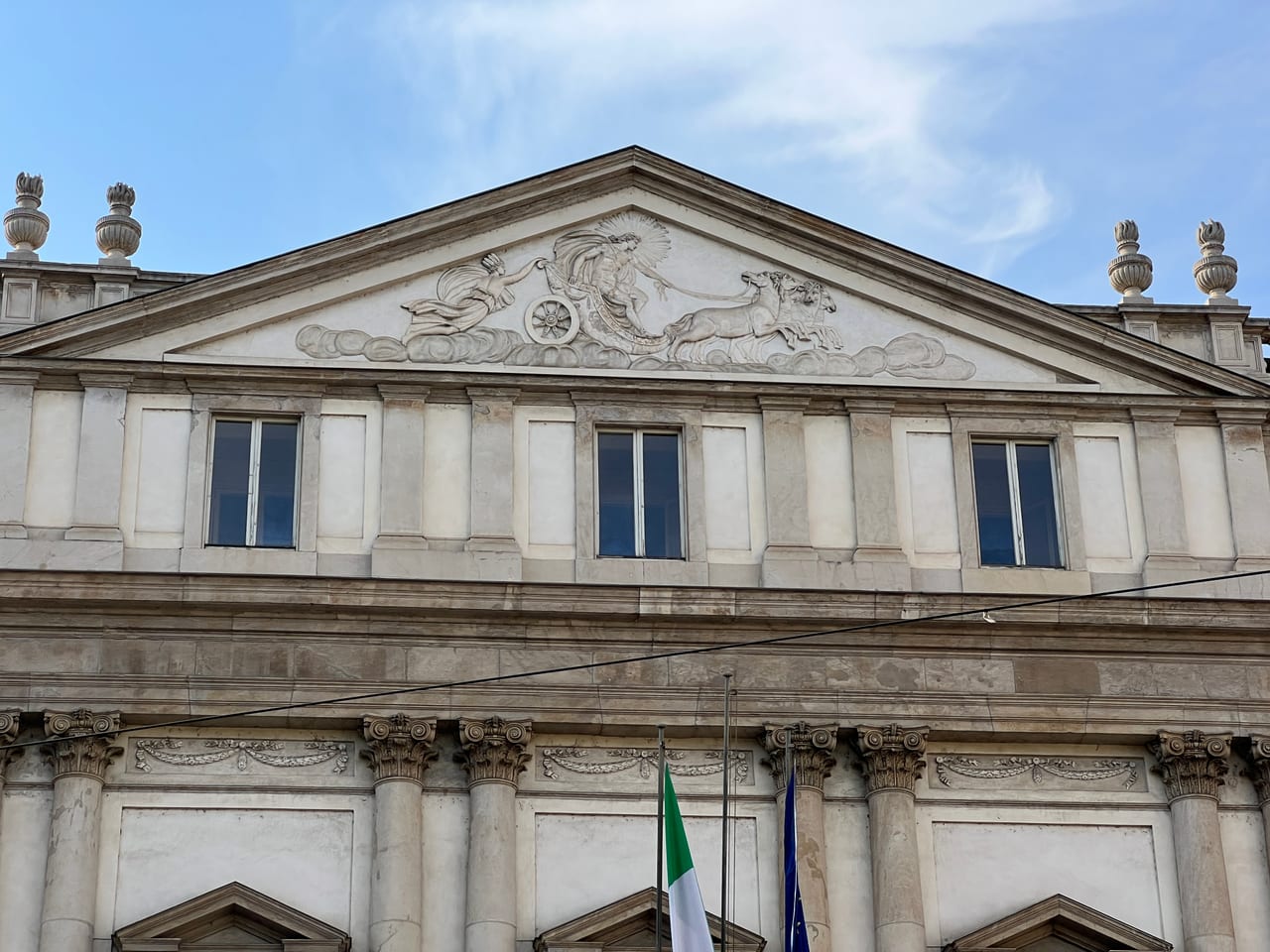
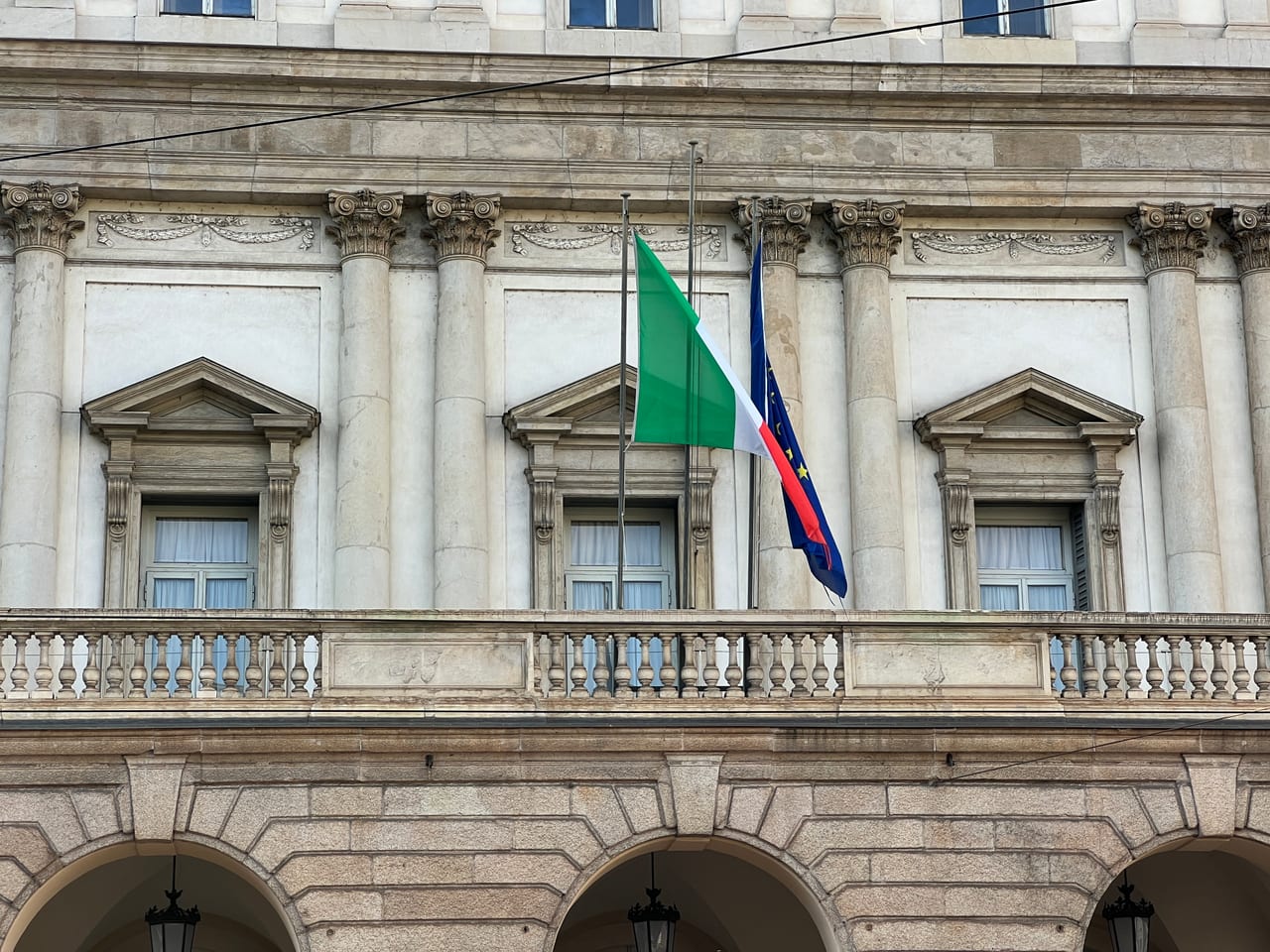
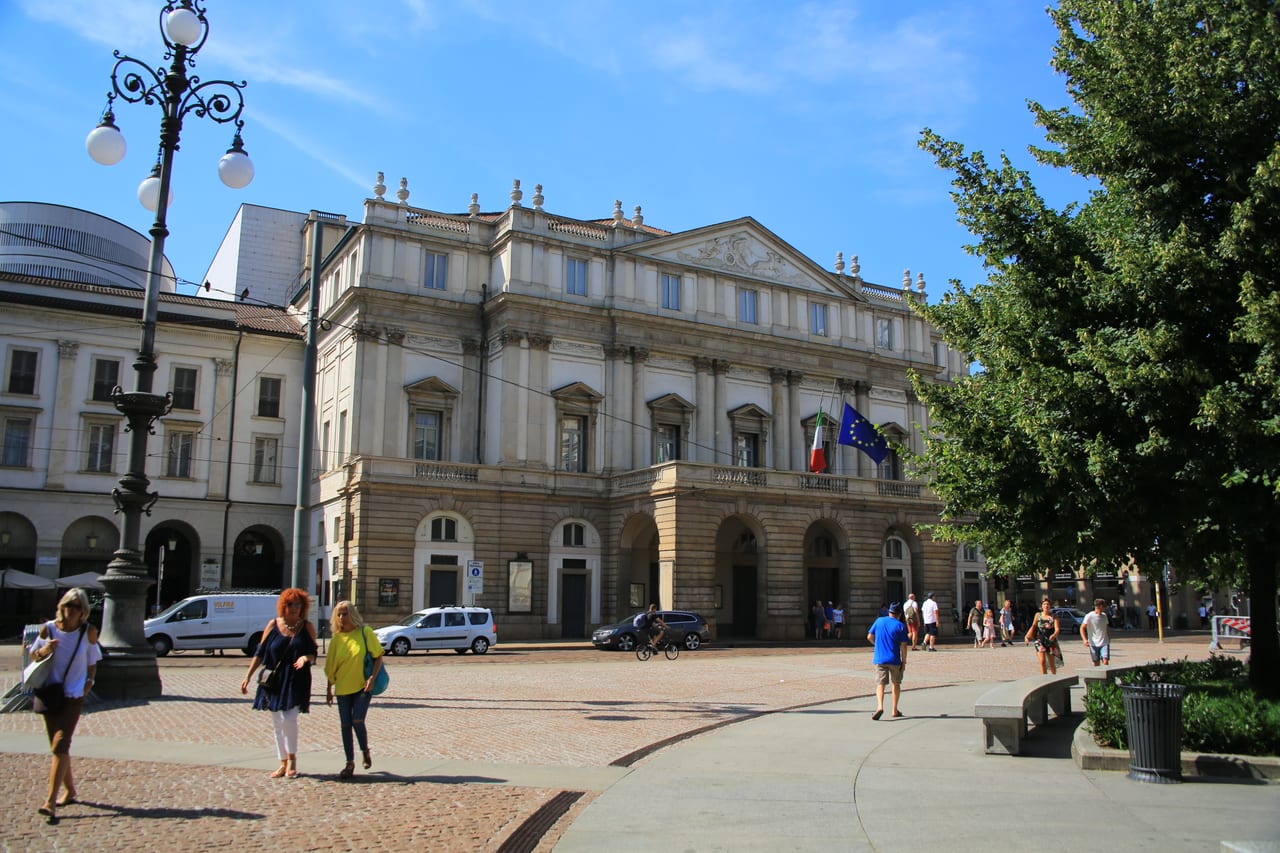
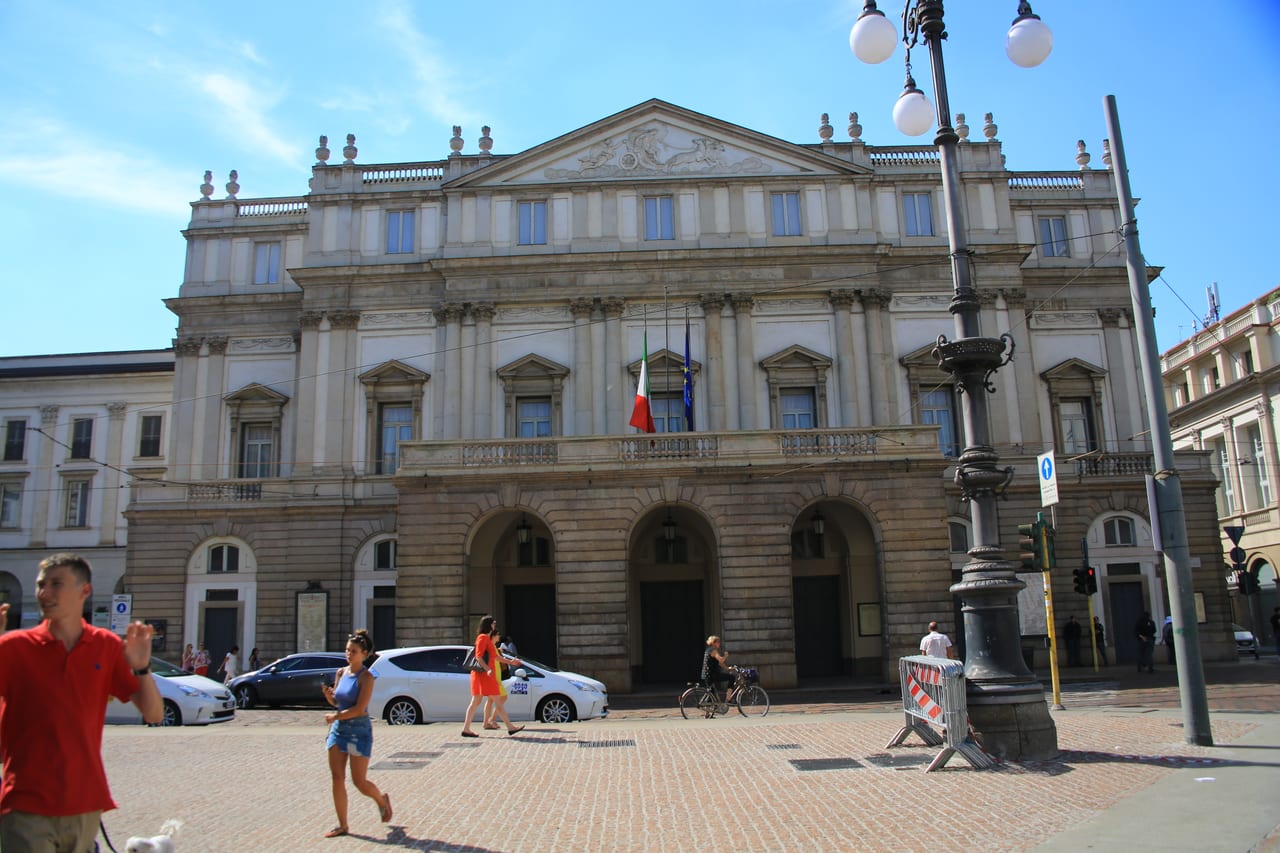
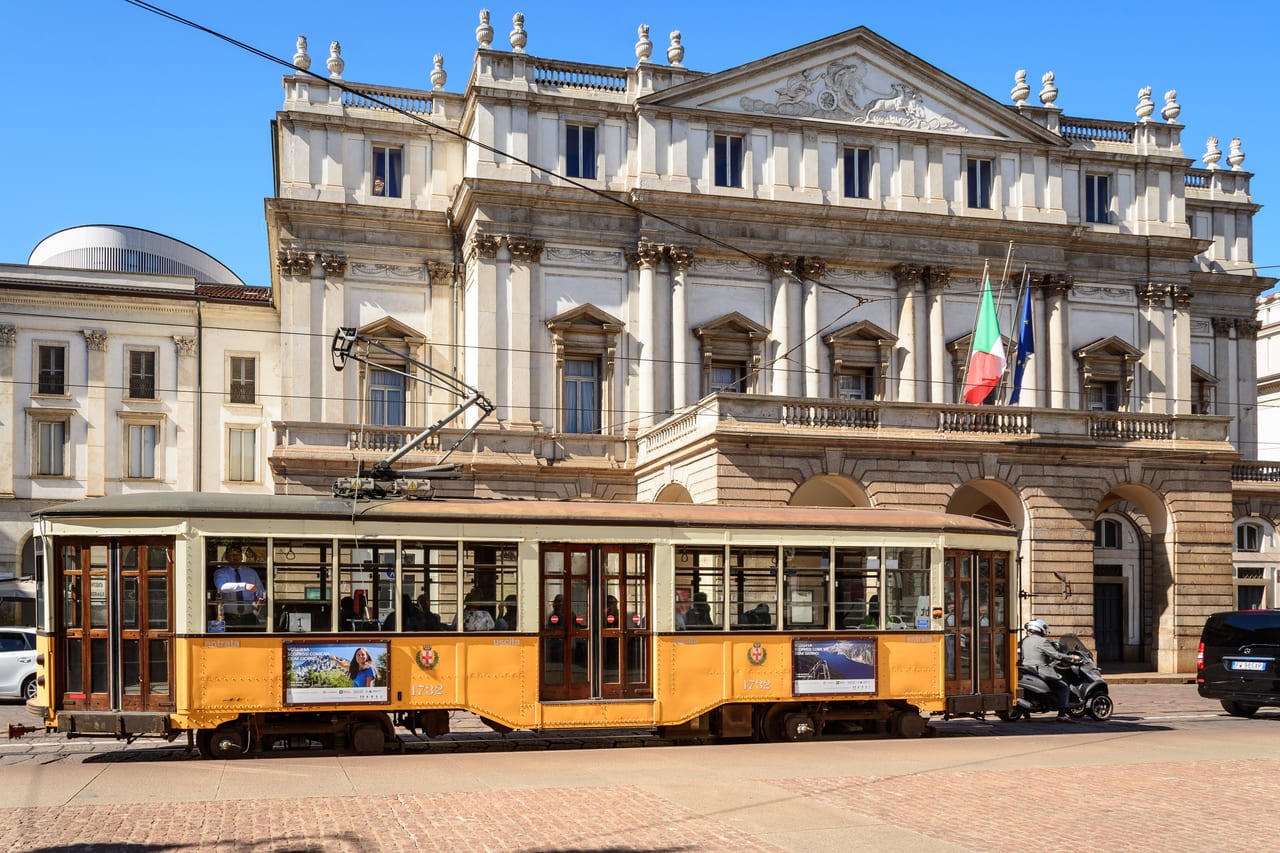
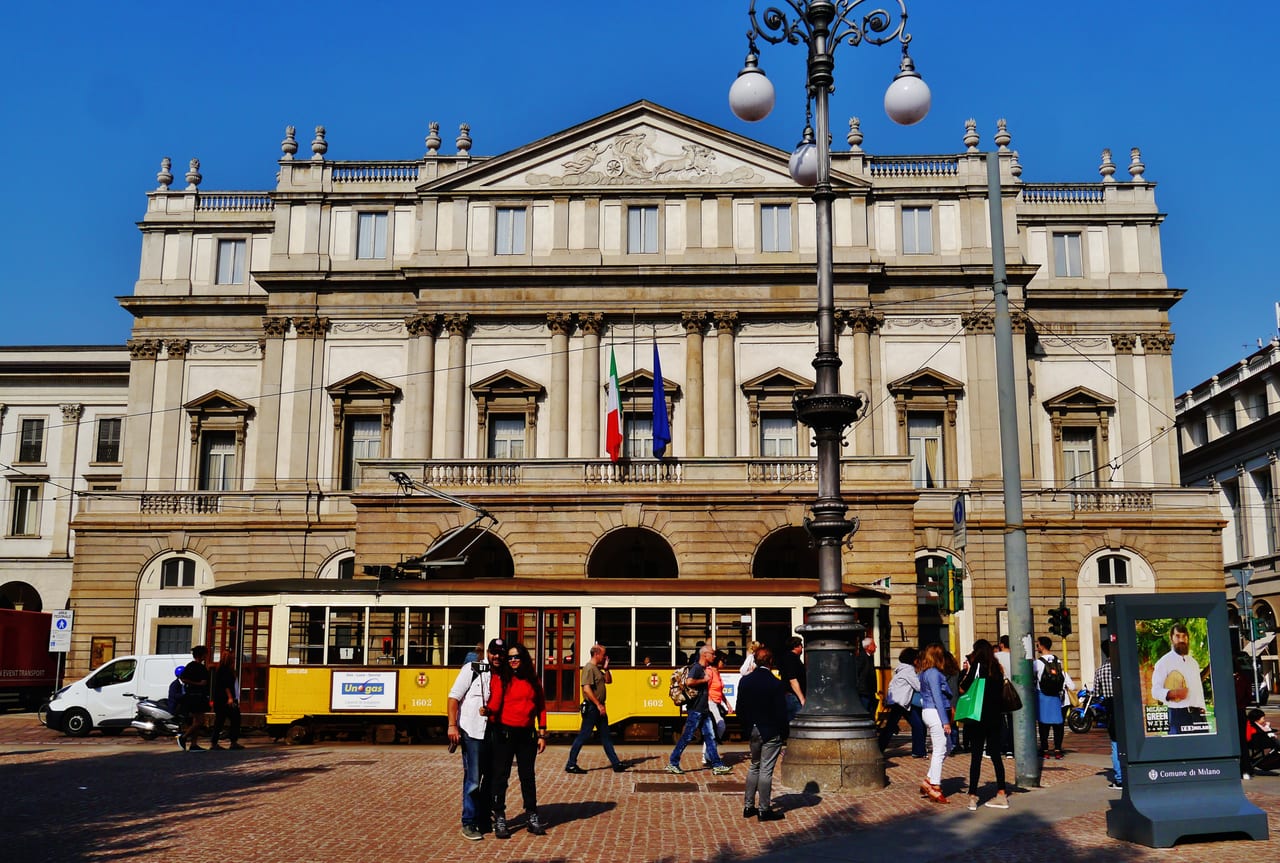
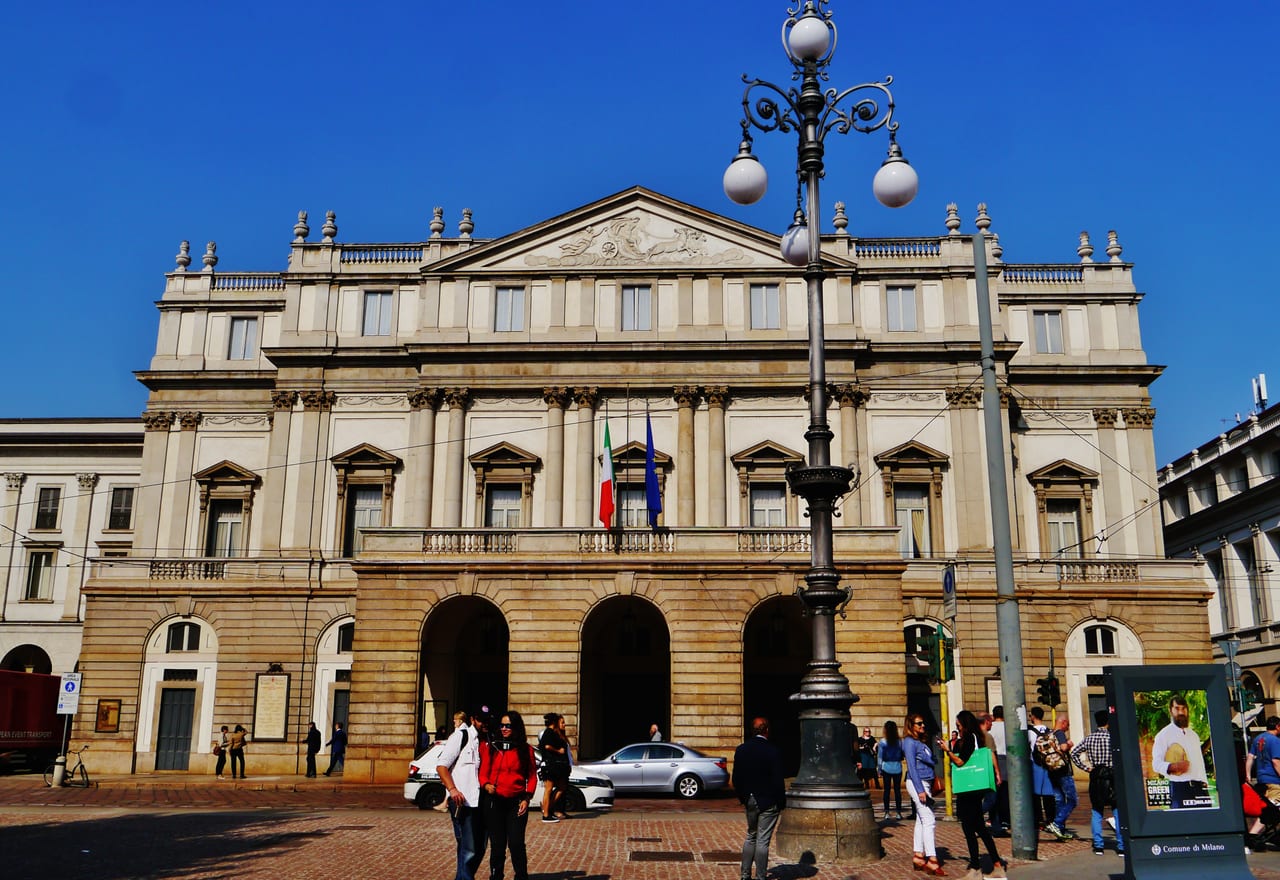
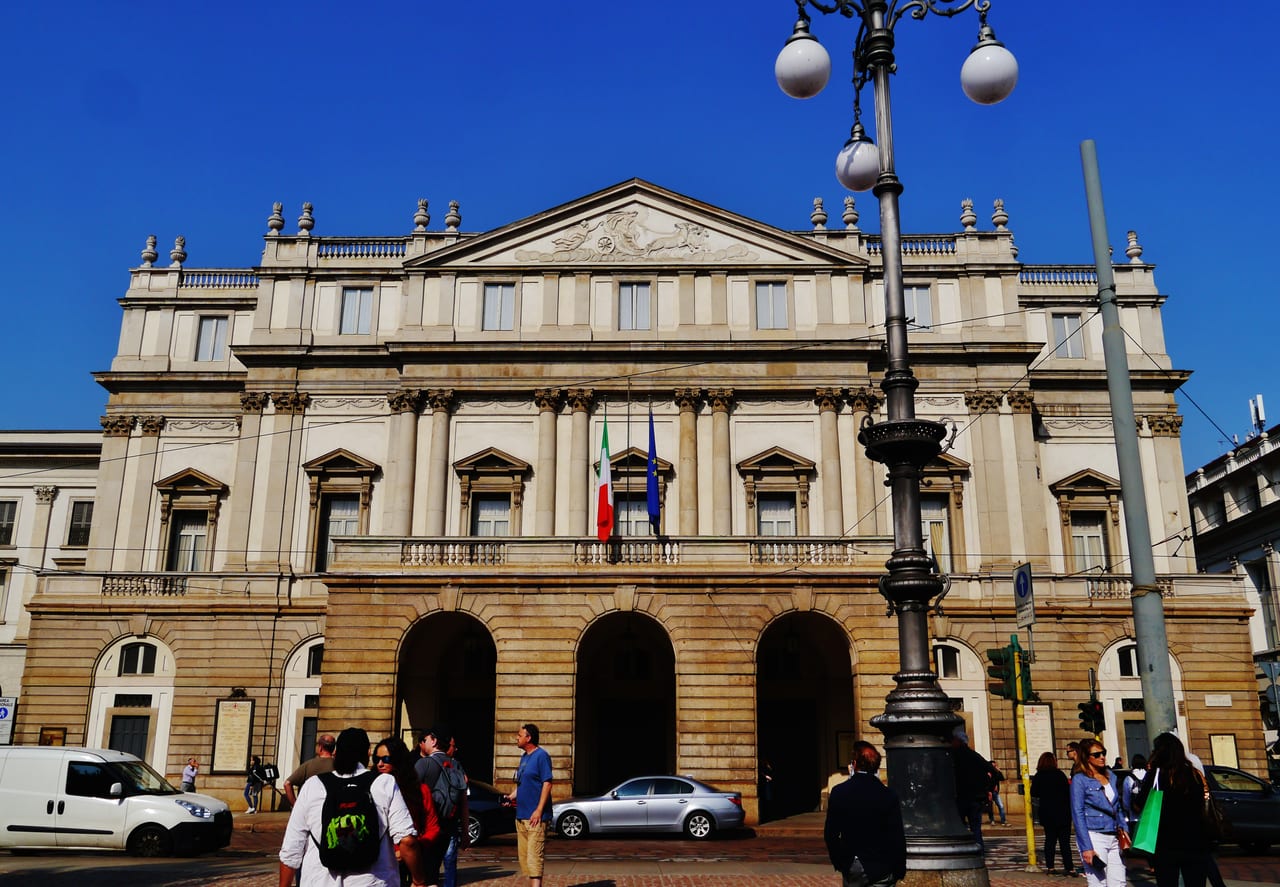
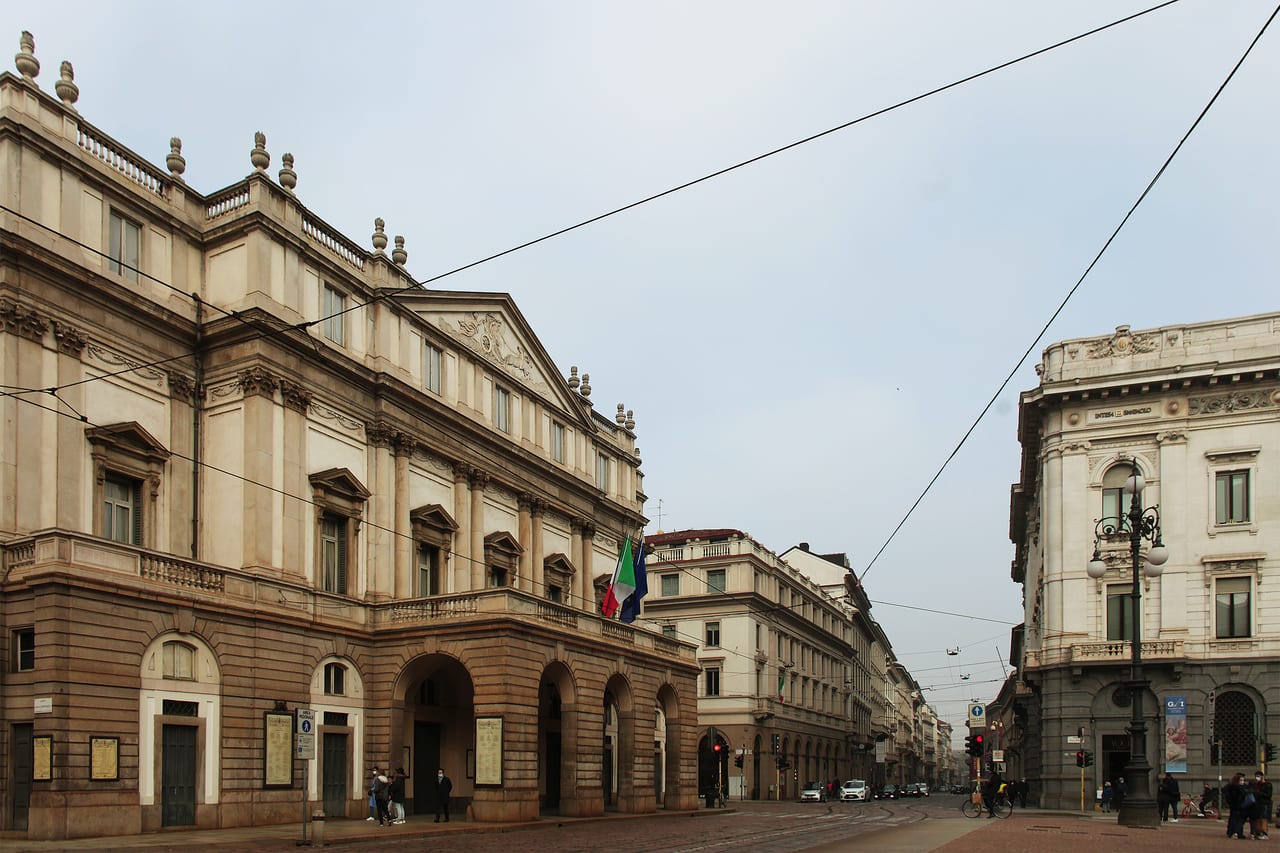
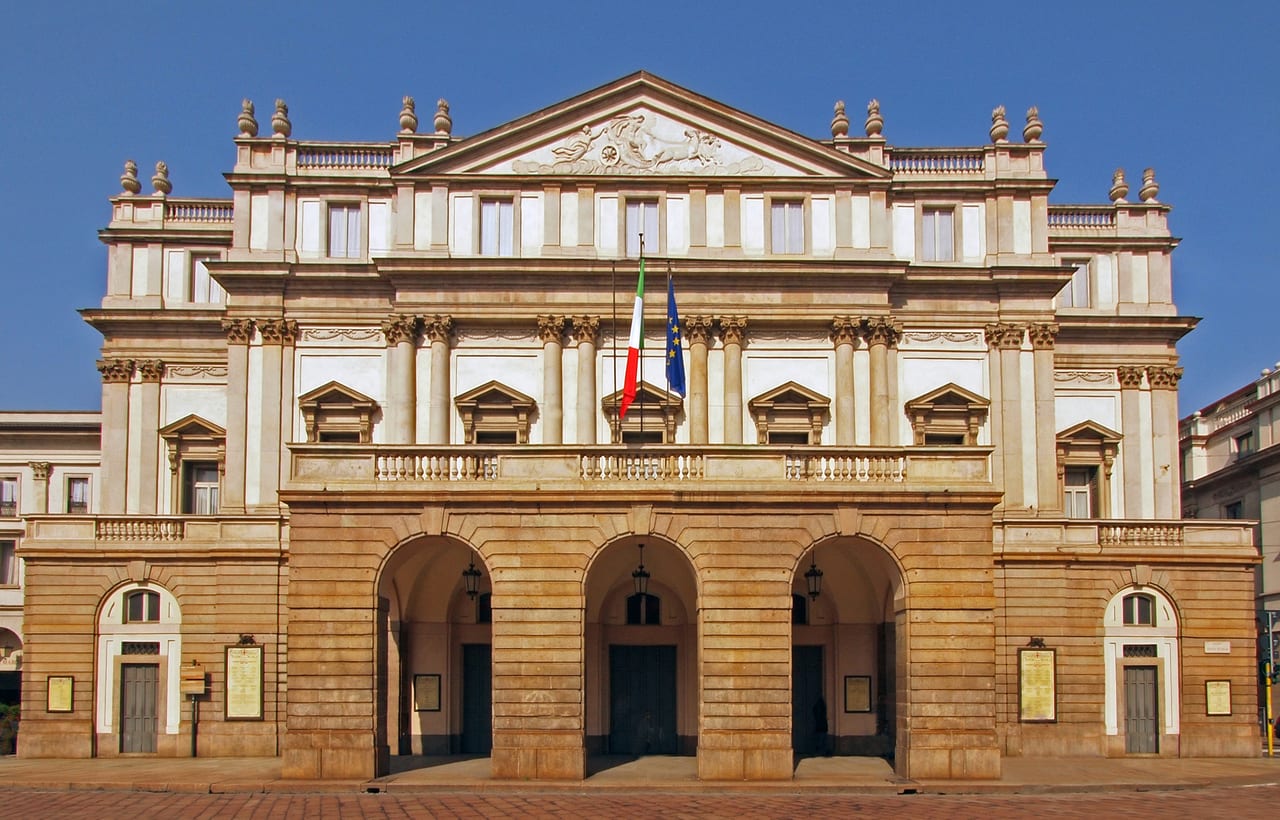
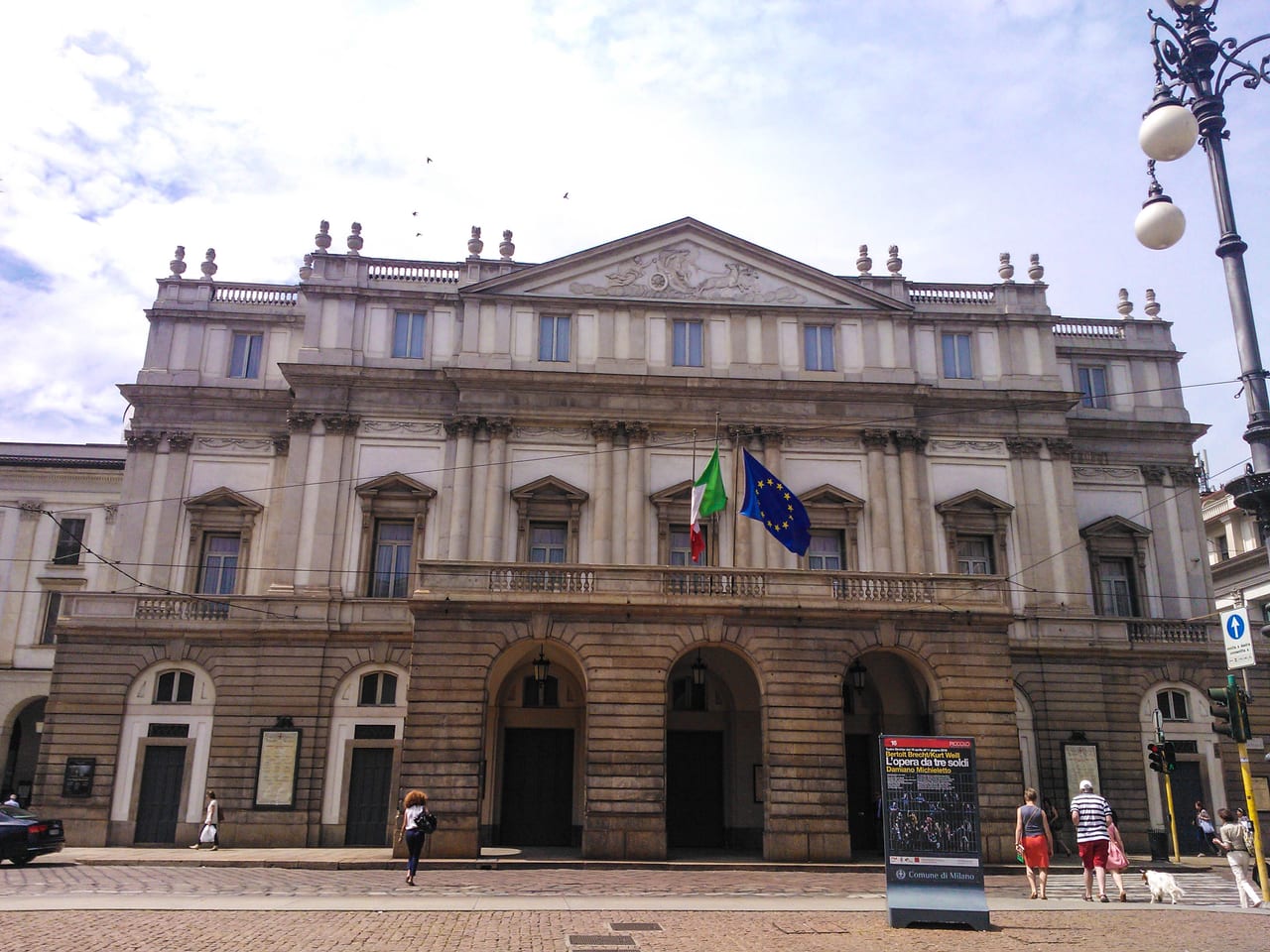
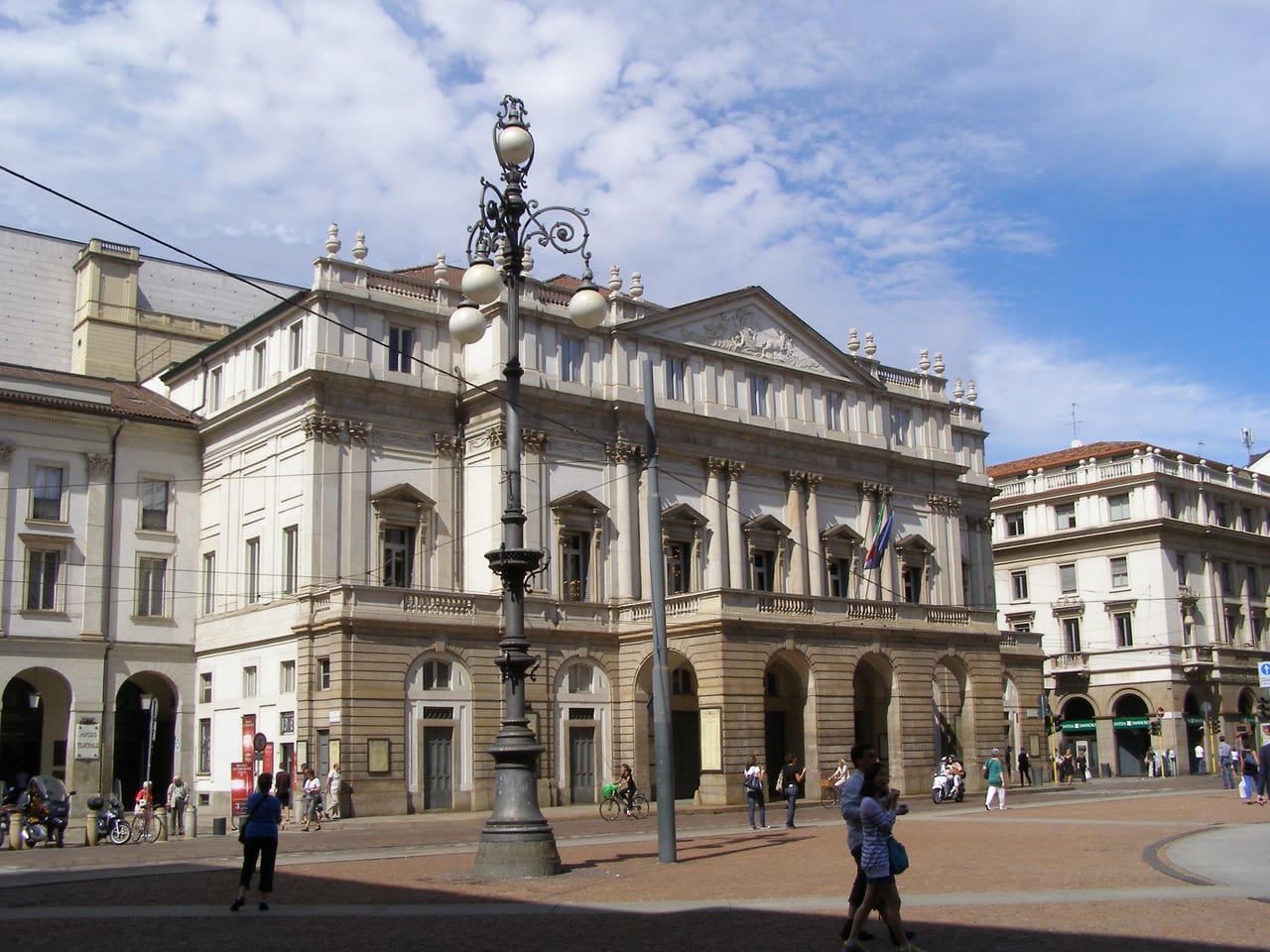
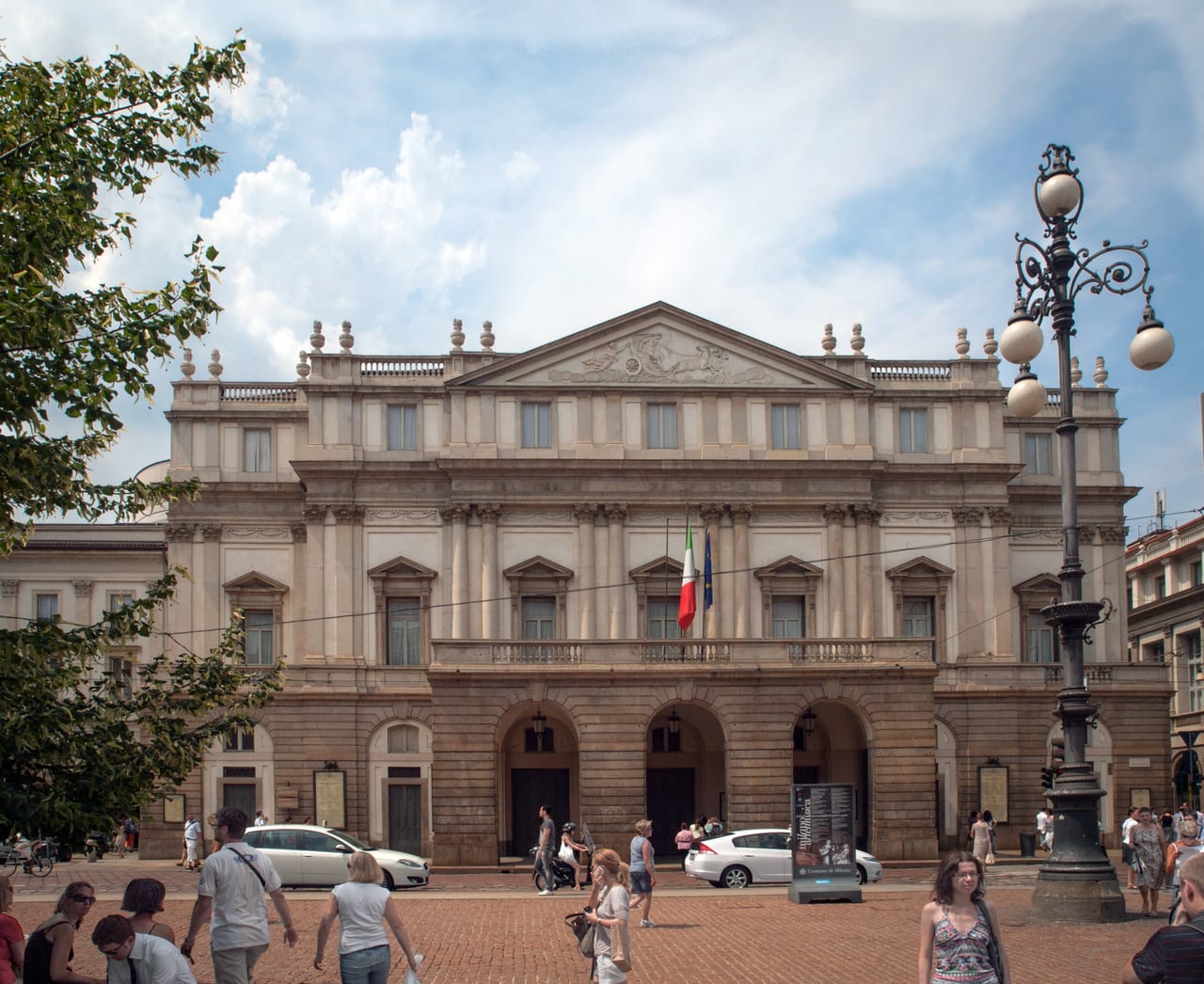
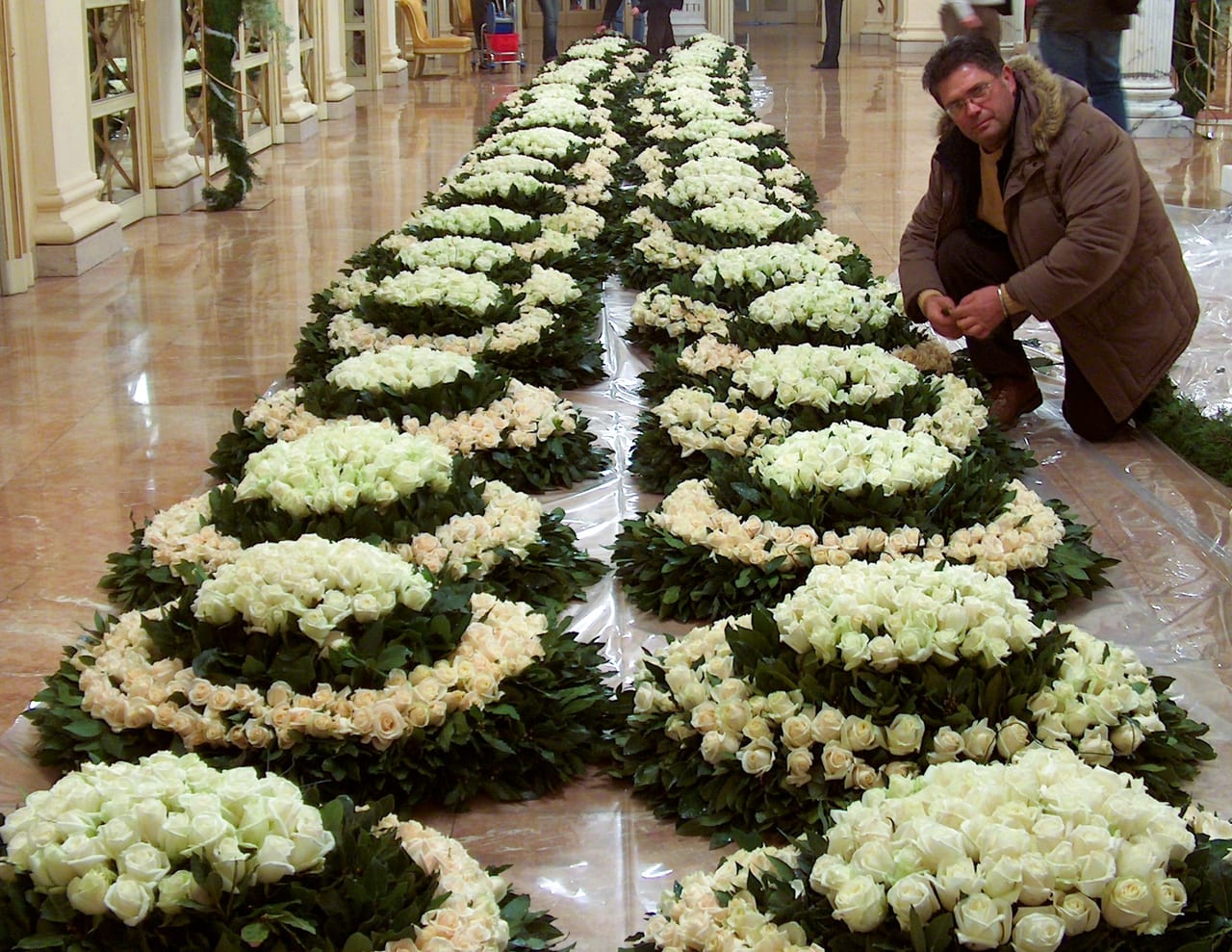
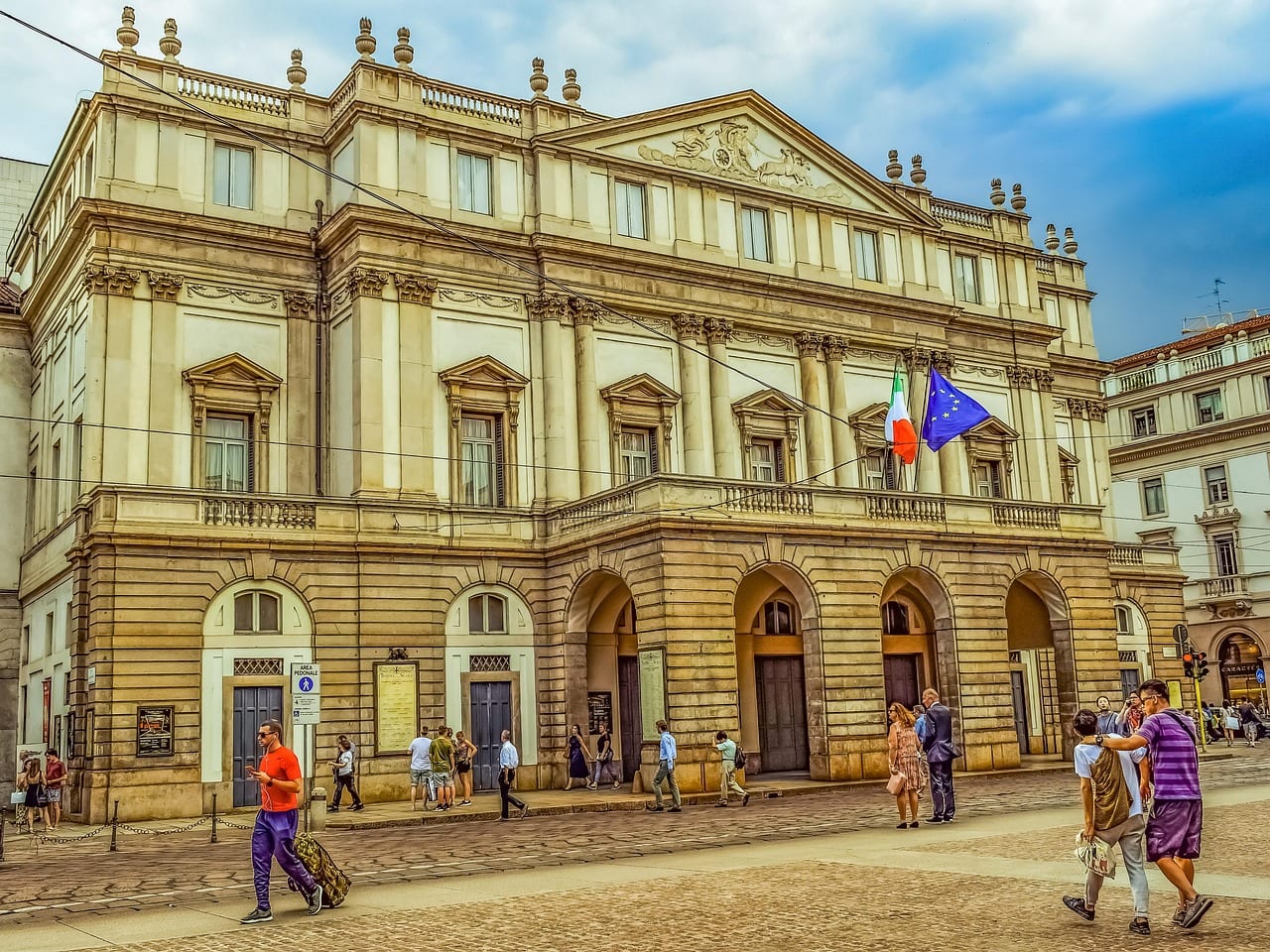
Photograph 1 of 27 of La Scala
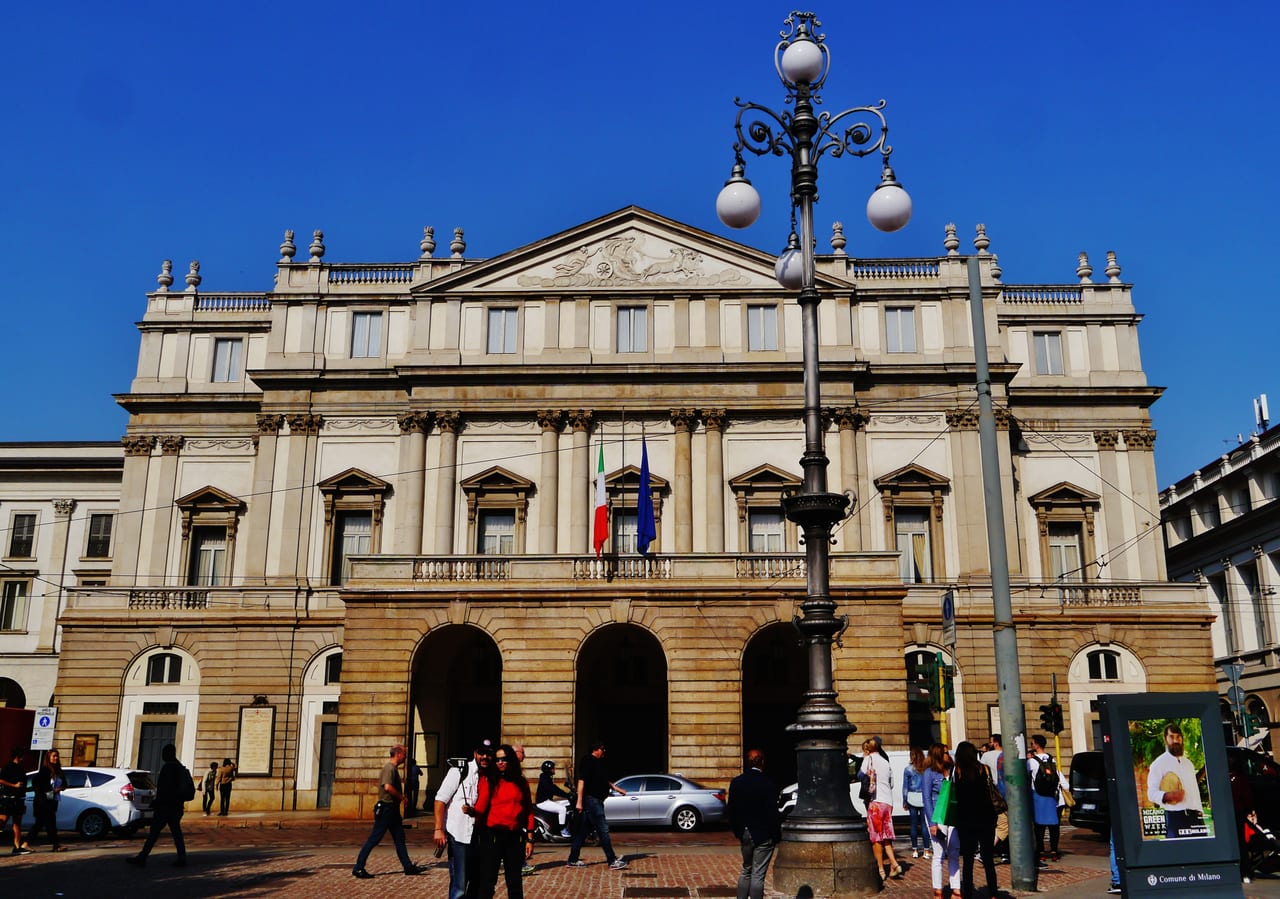
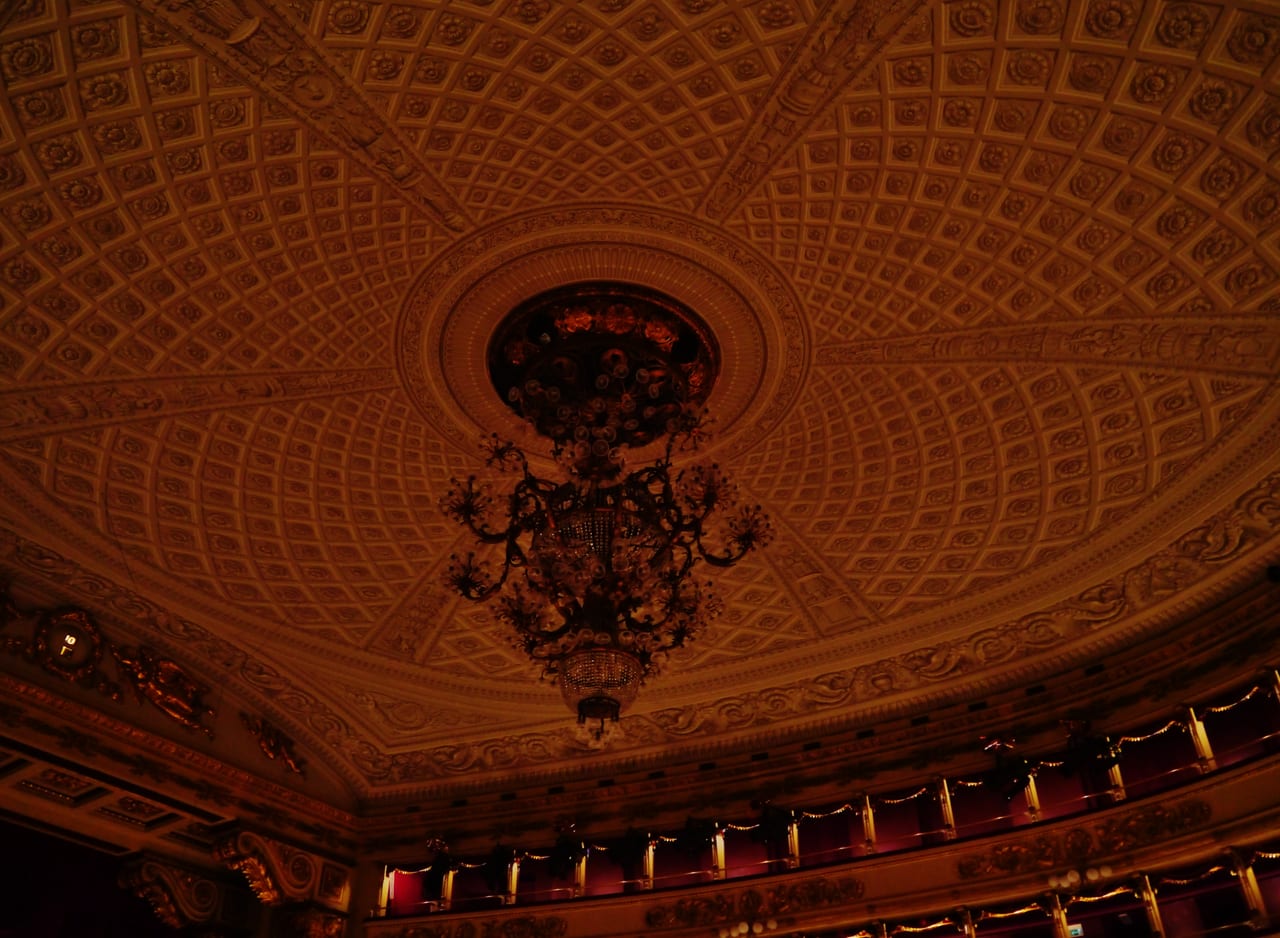
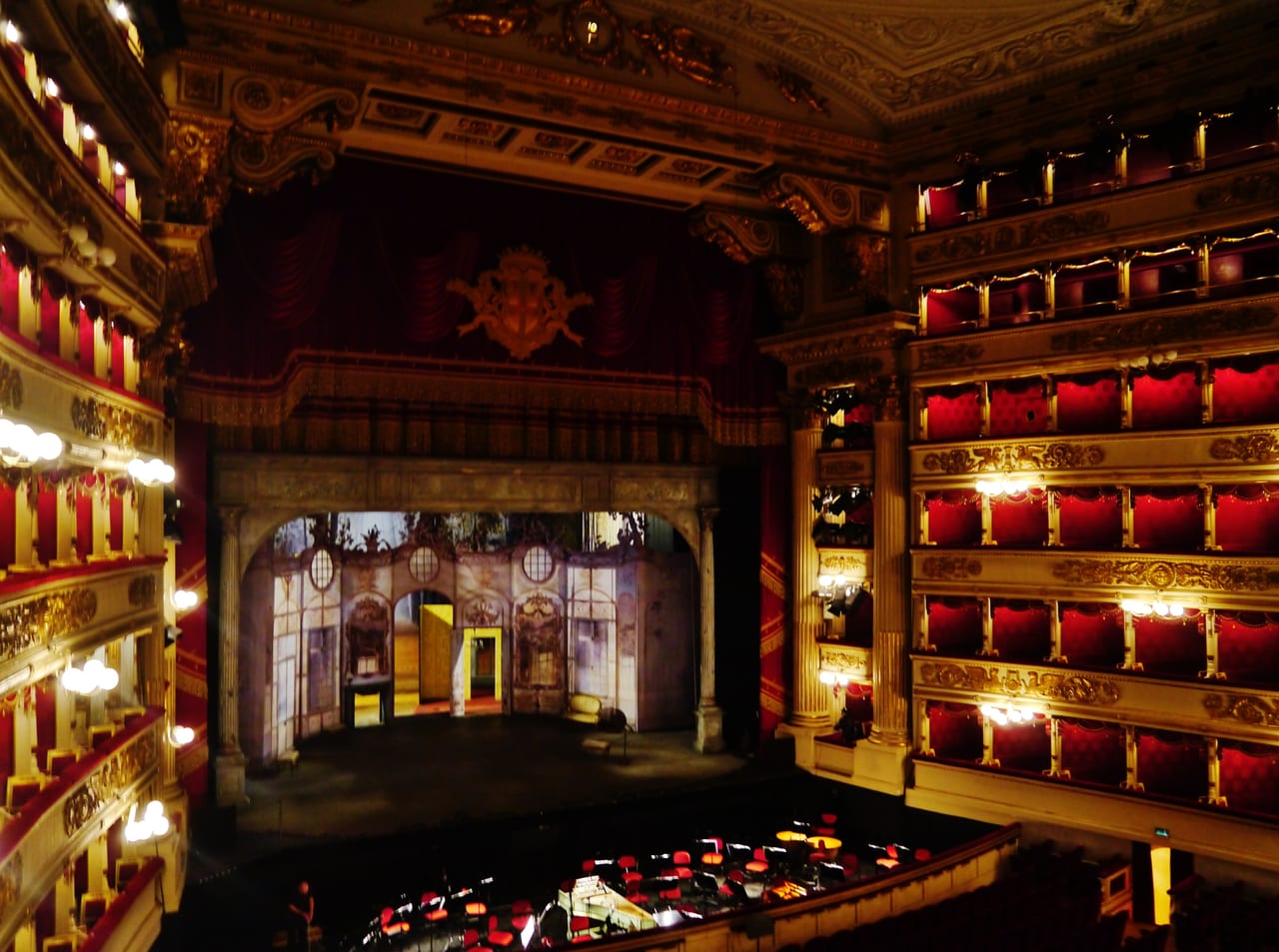
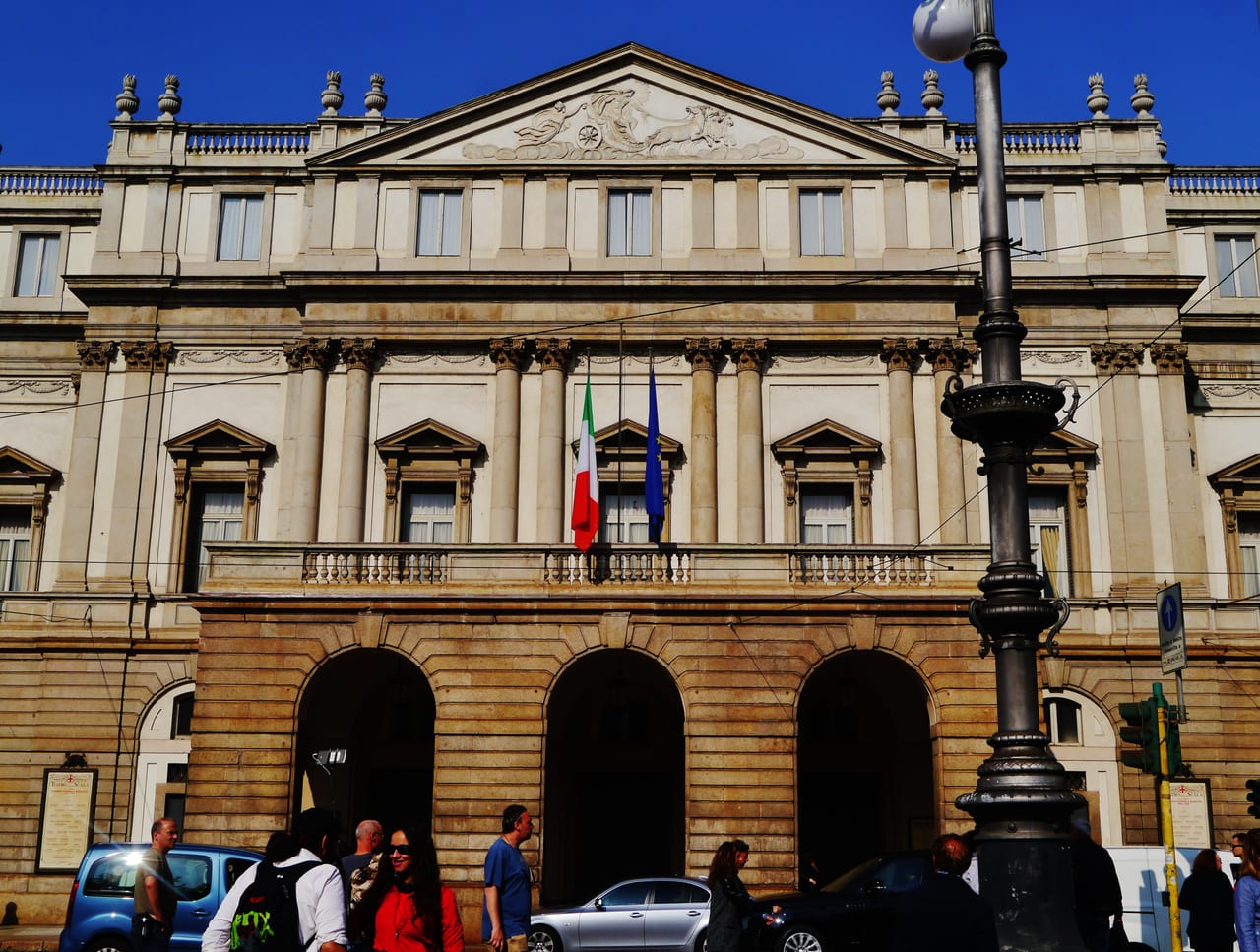
Inaugurated on 3 August 1778 with Antonio Salieri’s Europa riconosciuta, La Scala rose after fire destroyed the Teatro Regio Ducale on 25 February 1776. The replacement occupied the site of the deconsecrated Santa Maria della Scala church, which gave the theatre its name. The neoclassical theatre originally held about 3,000 spectators in 678 pit-stalls arranged across six tiers of boxes, with two galleries above. Its stage remains among Italy’s largest. Box sales financed construction, while the main floor was initially standing-room and the auditorium also functioned as a casino. Oil illumination gave way to gas, then electric light in 1883; the 1907 renovation established the present seating layout. La Scala became closely associated with Giuseppe Verdi, hosting premieres of Otello and Falstaff after an earlier dispute over Giovanna d’Arco. A major 2002–2004 renovation rebuilt the stage and improved acoustics. The Filarmonica della Scala, founded in 1982, expanded the house’s symphonic identity, while the theatre remains Italian national heritage.
At a glance
- Built
- 1778
- Architect
- Giuseppe Piermarini
- Style
- neoclassicism in Milan
- Heritage
- Italian national heritage
Ways to explore La Scala
Examine the auditorium’s six tiers of boxes and the loggione, the upper gallery traditionally occupied by fiercely demanding opera aficionados. The foyer provides access to the theatre museum, whose collection includes paintings, costumes, sculptures, drafts, and theatrical documents. For a performance, electronic libretto monitors provide English and Italian translations alongside the original language. The academy’s work in music, dance, stagecraft, and stage management gives the institution a broader life beyond the evening programme.
Places to stay near La Scala

Live availability and prices from Stay22's partners, refreshed periodically and subject to change. Booking through these links may earn us a commission at no extra cost to you. See our privacy policy.
Cafés near La Scala
Cafés near La Scala loads as you scroll.
Attractions nearby
Attractions near La Scala loads as you scroll.
Cities nearby
Cities nearby loads as you scroll.
More in Milan
See more of Milan.
Find great cafés, places to stay and other interesting places to visit in Milan.