Street & promenade · Milan
Corso Como
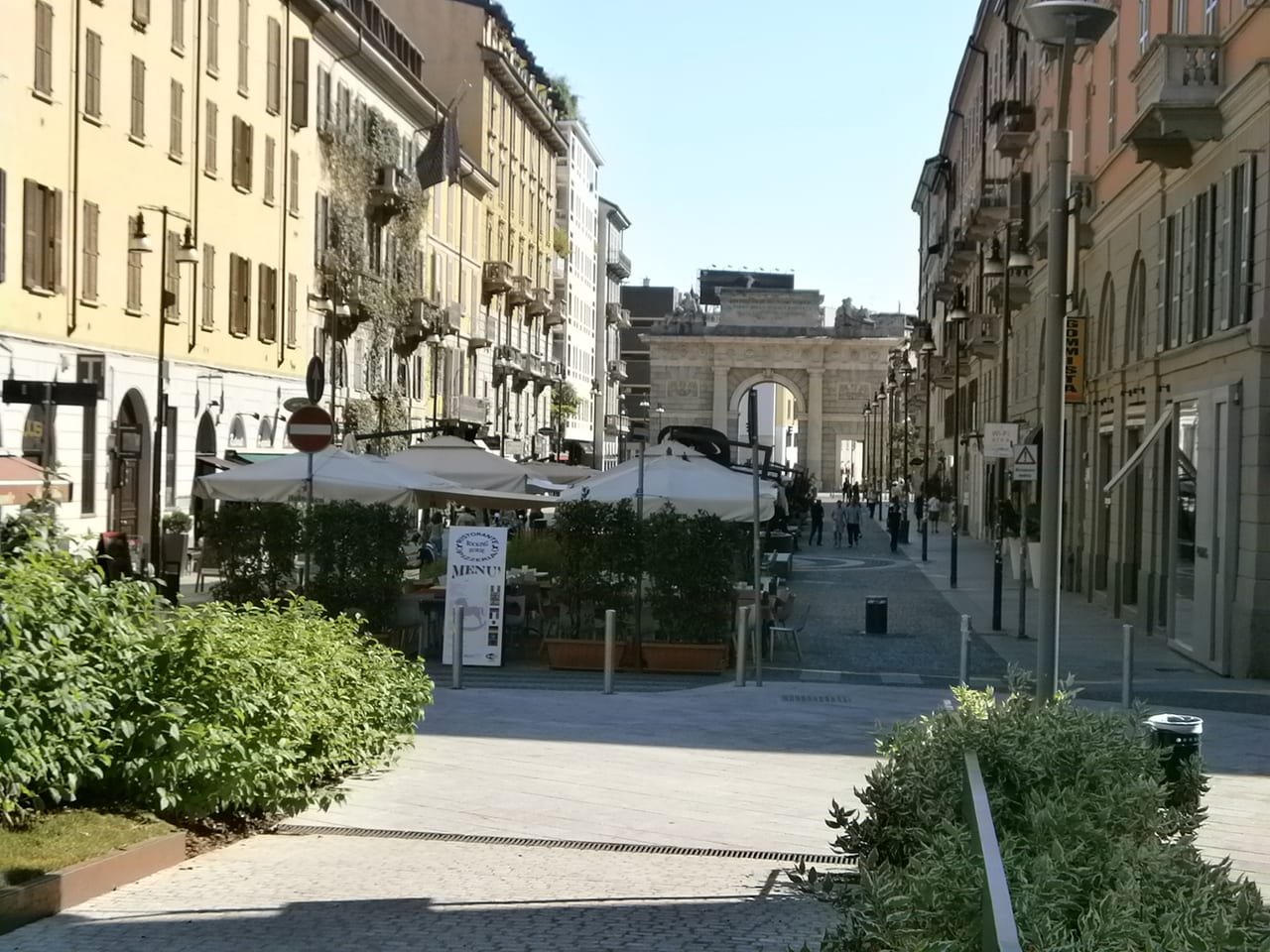
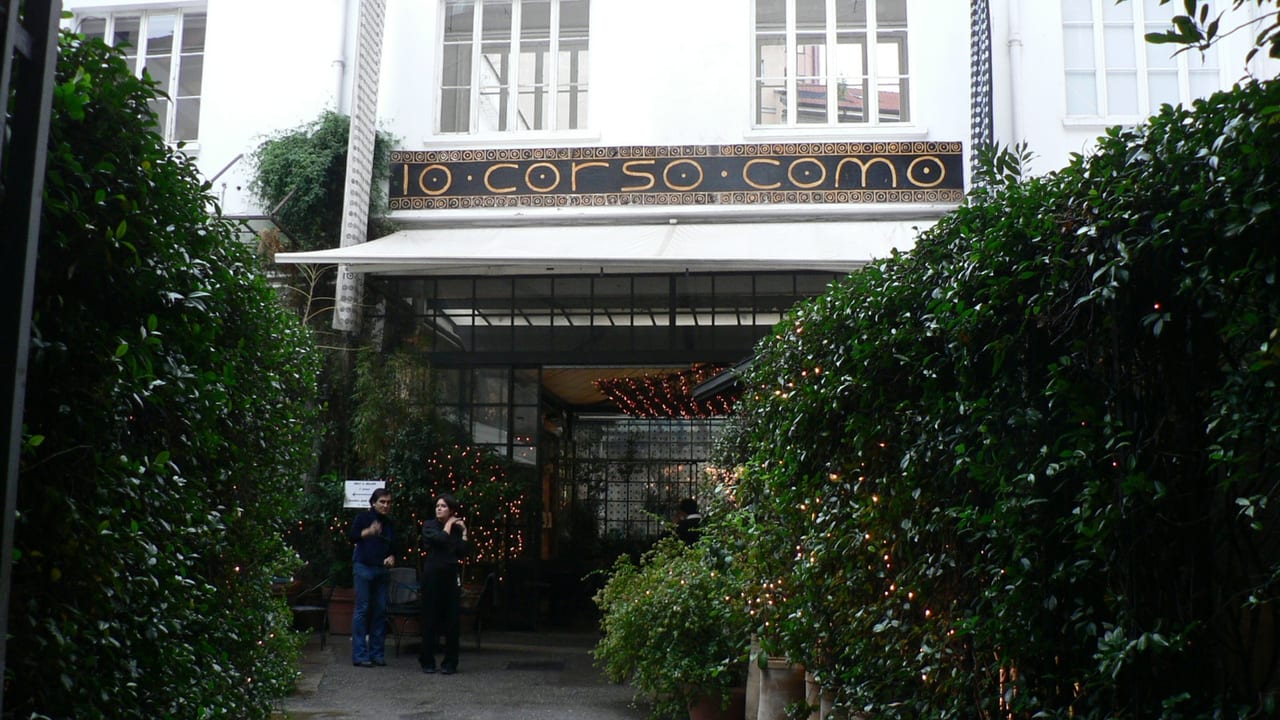
DirectionsIts most distinctive address, 10 Corso Como, is a celebrated concept store; at the southern end, the former Teatro Smeraldo became an Eataly site in 2014.
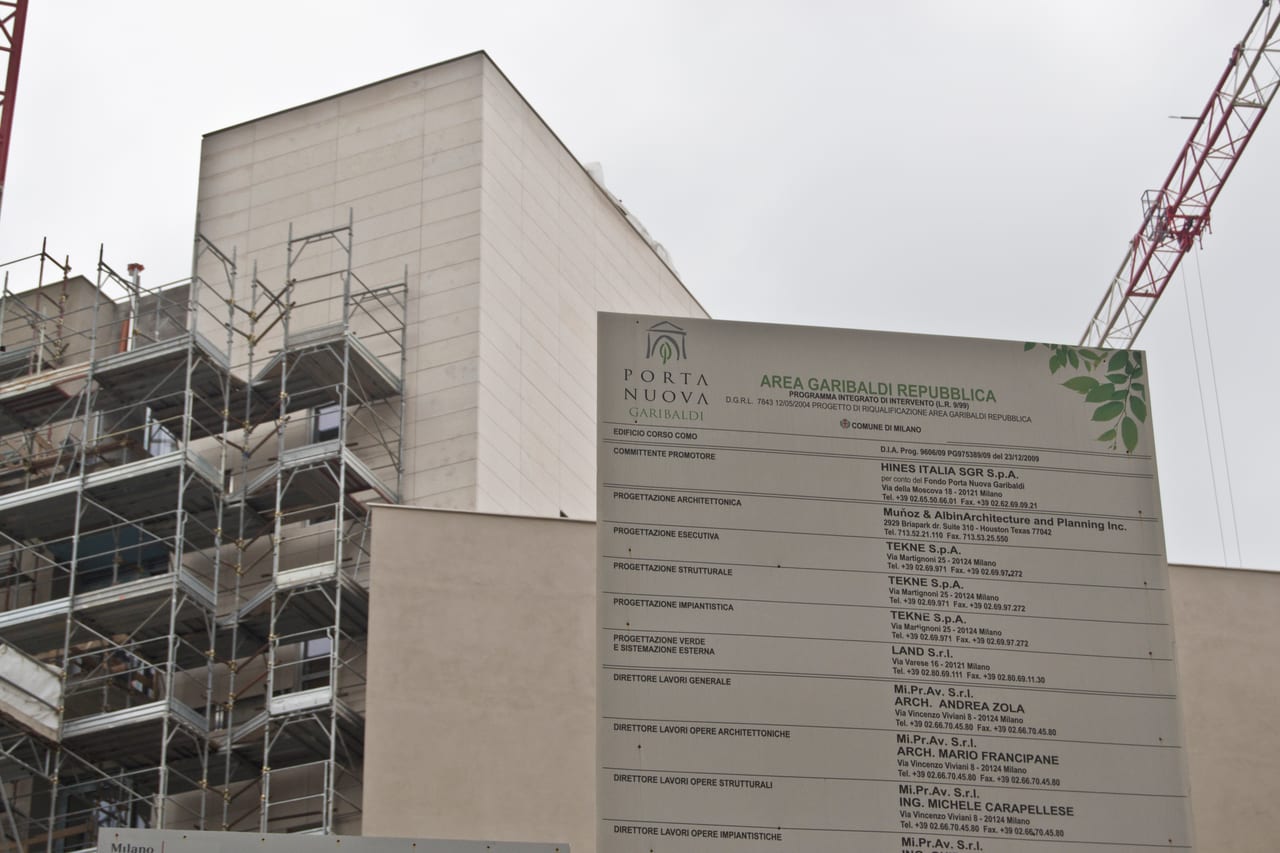
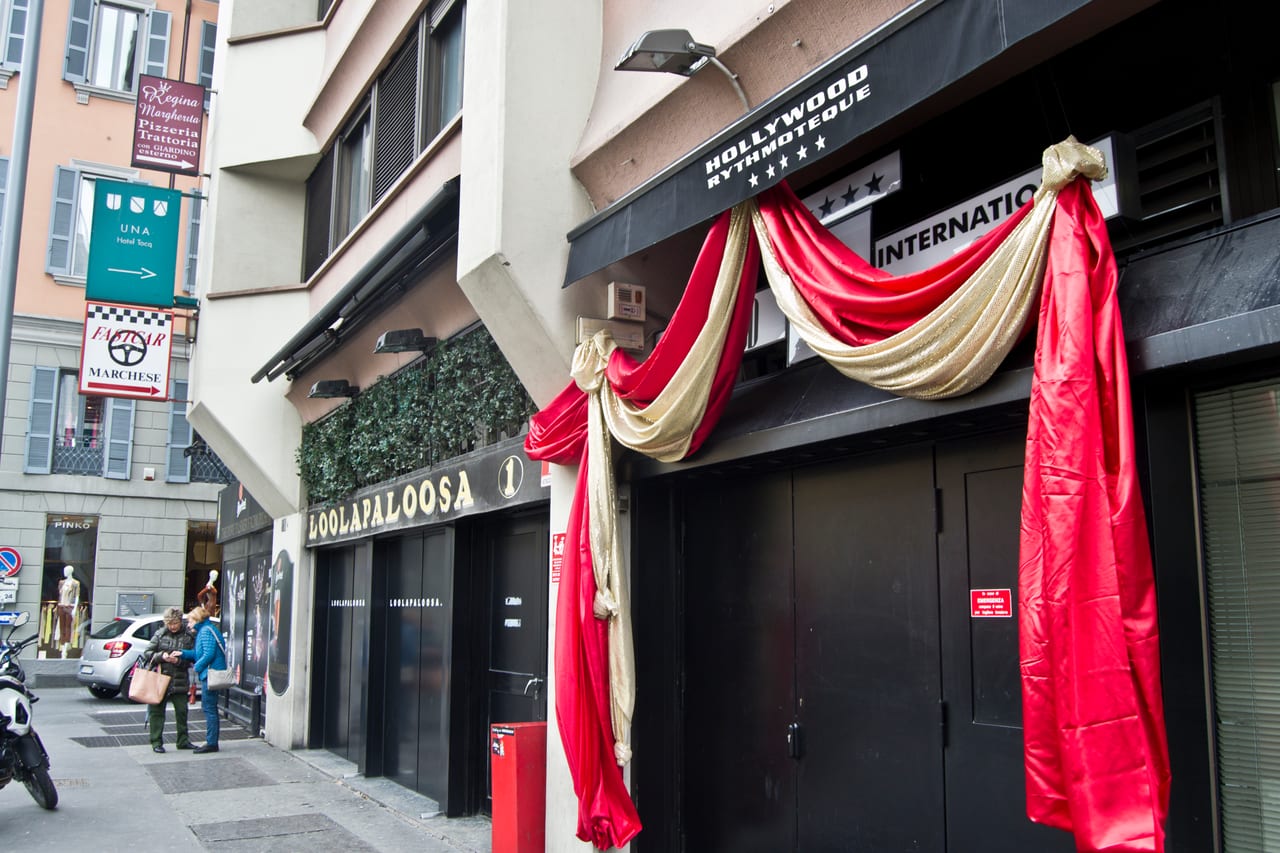
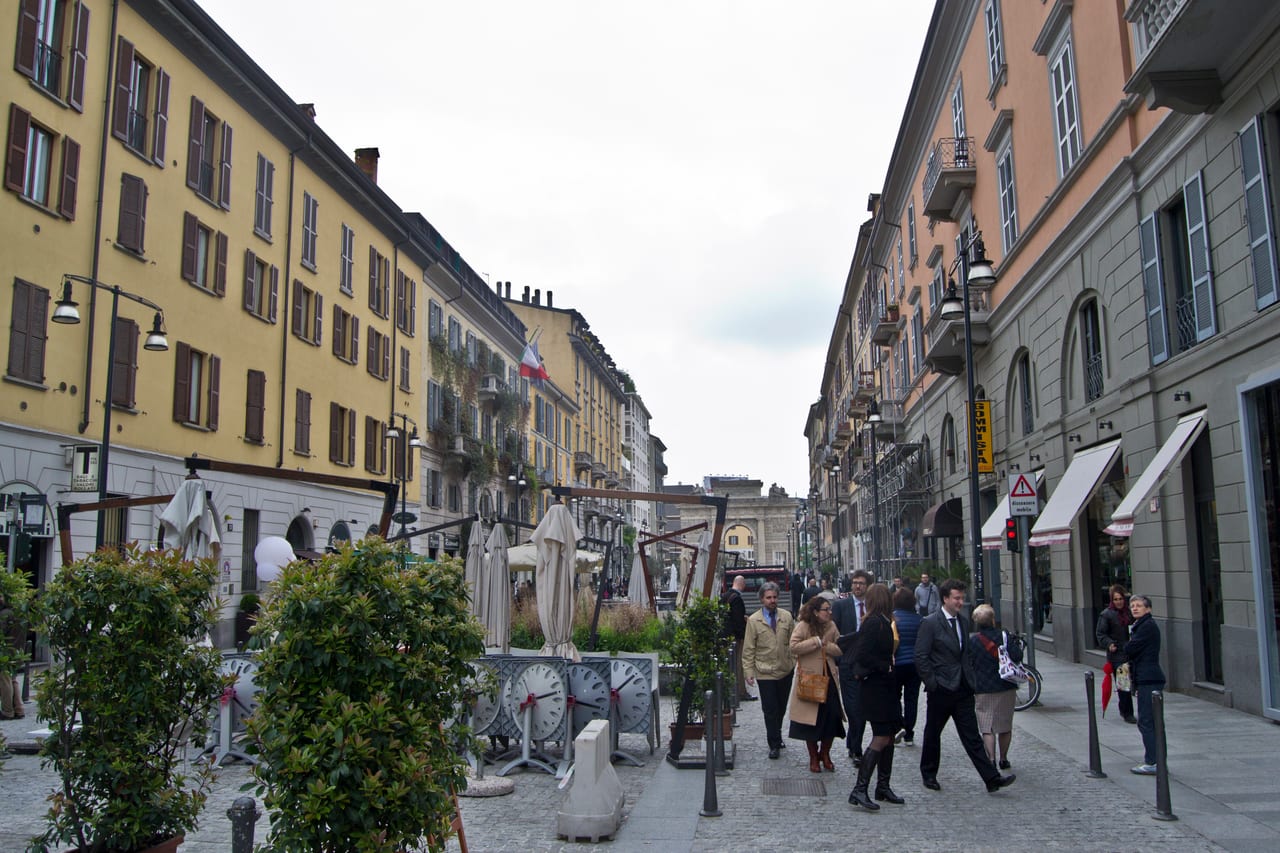
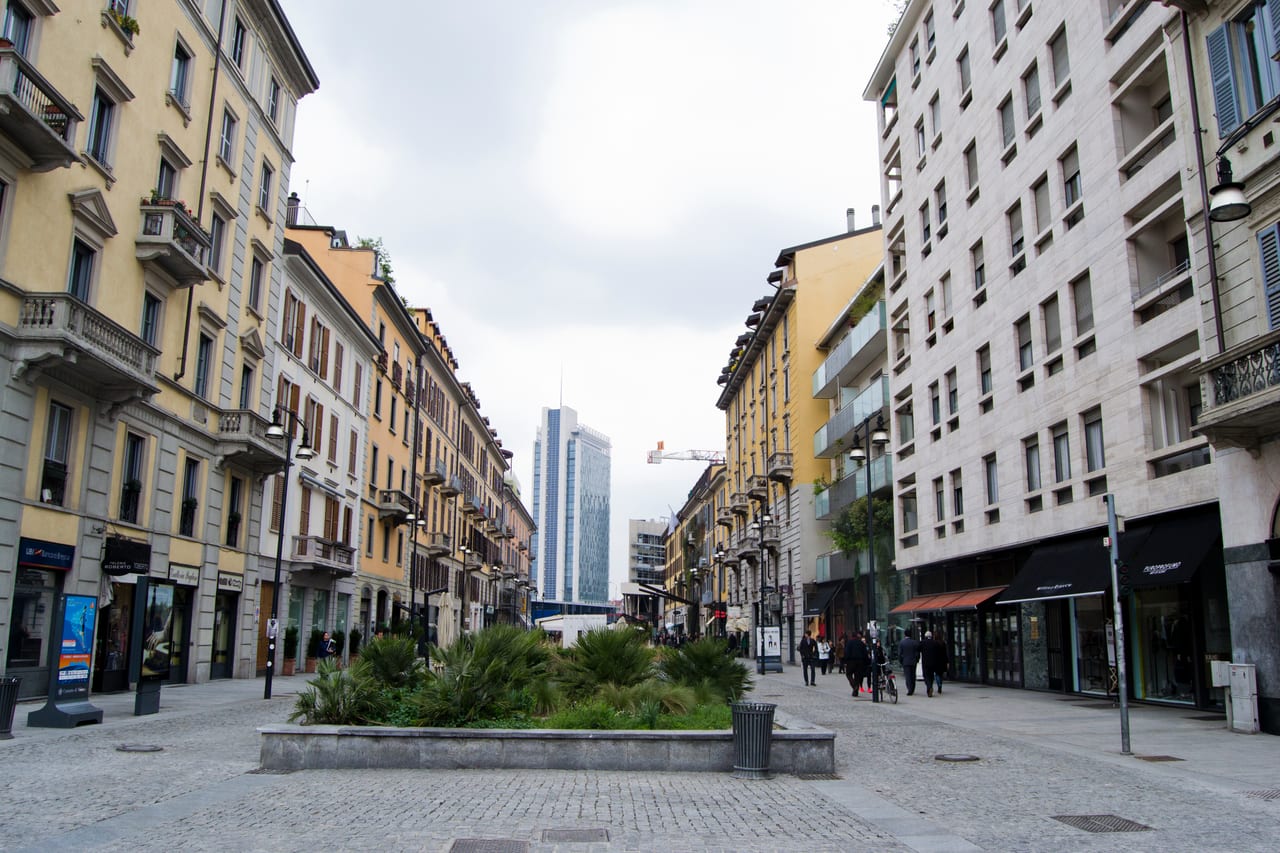
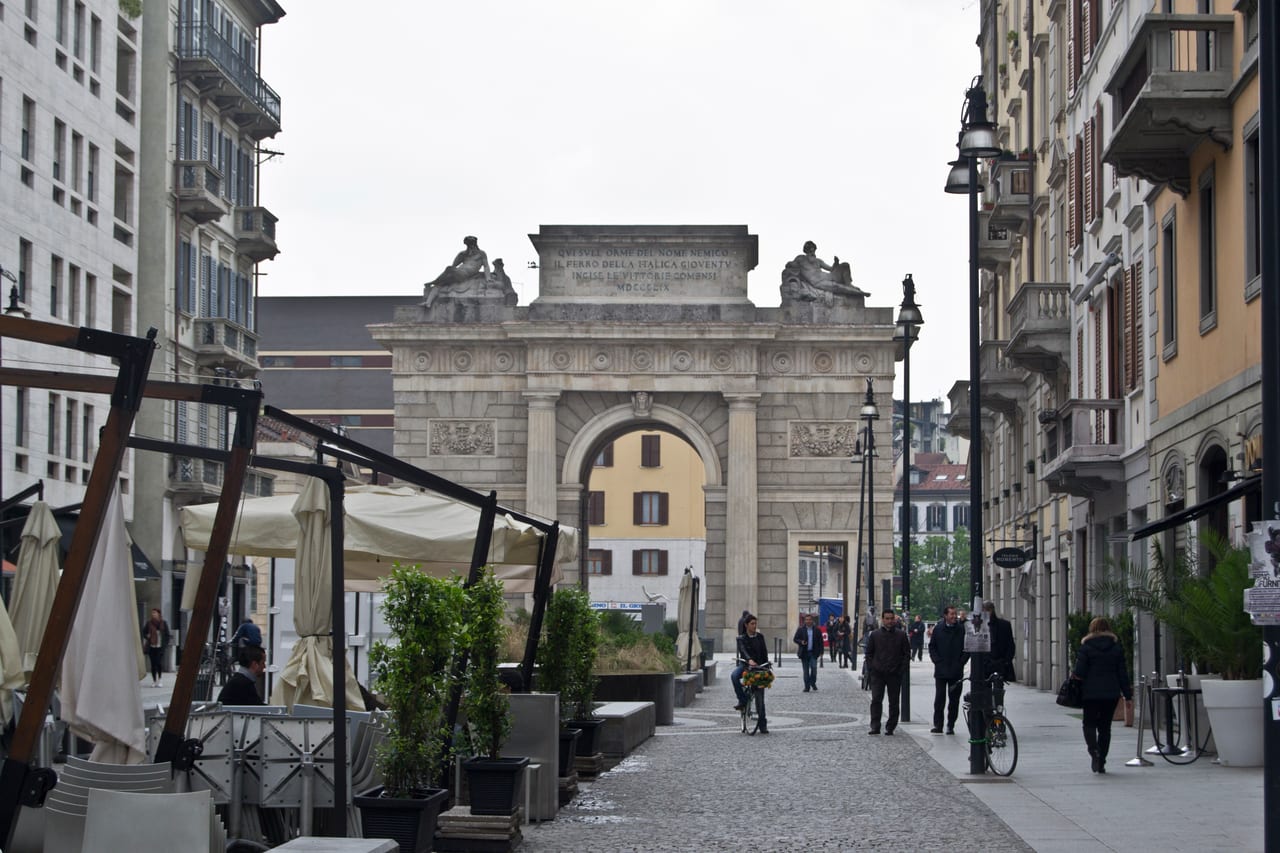
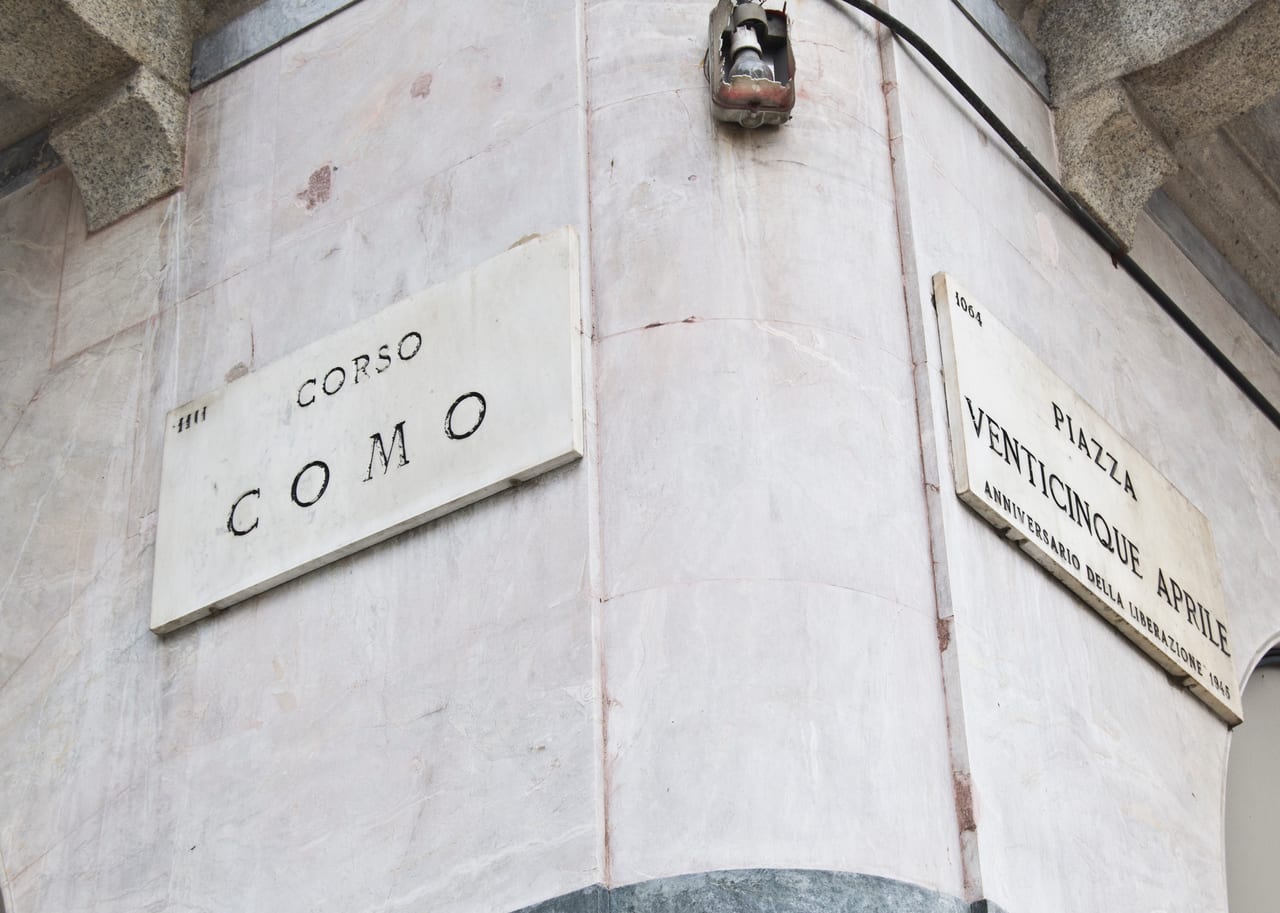
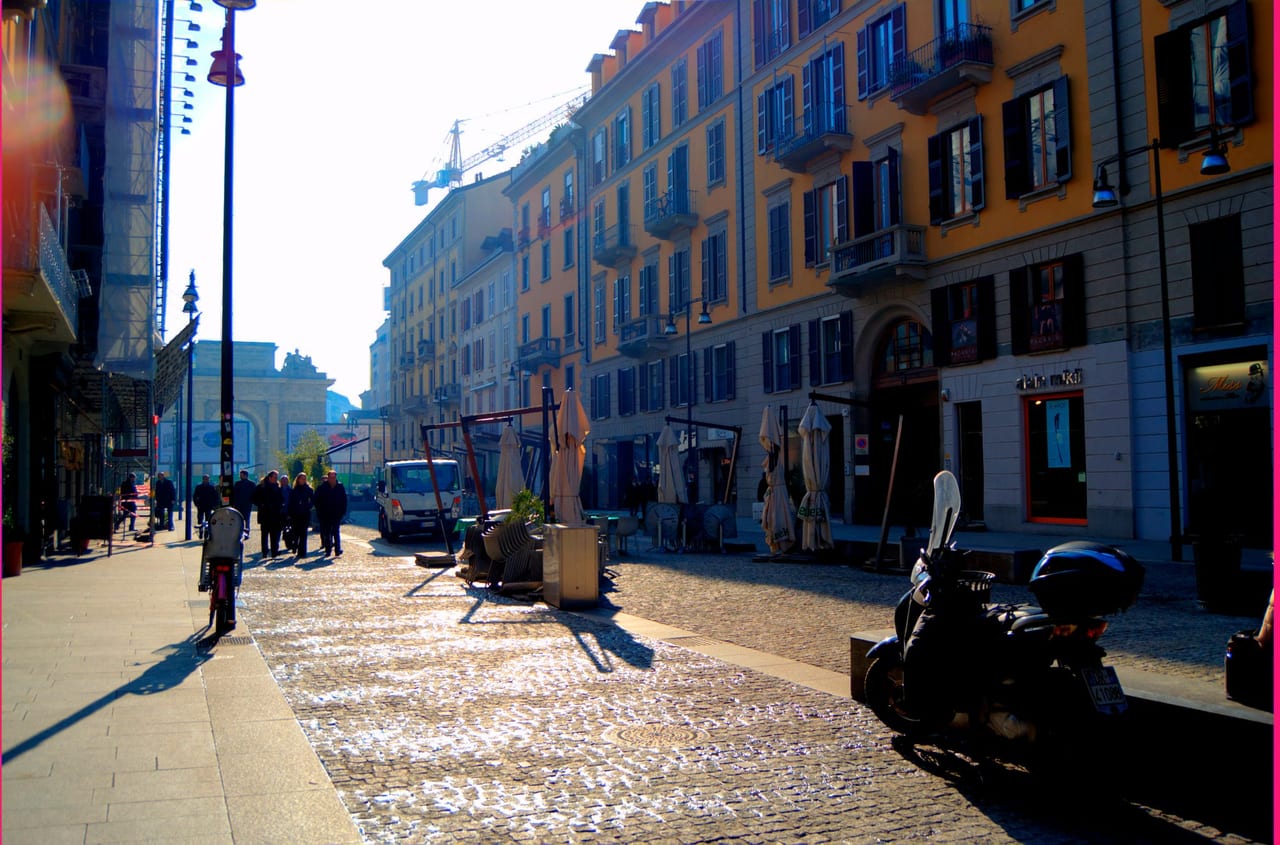
Photograph 1 of 11 of Corso Como
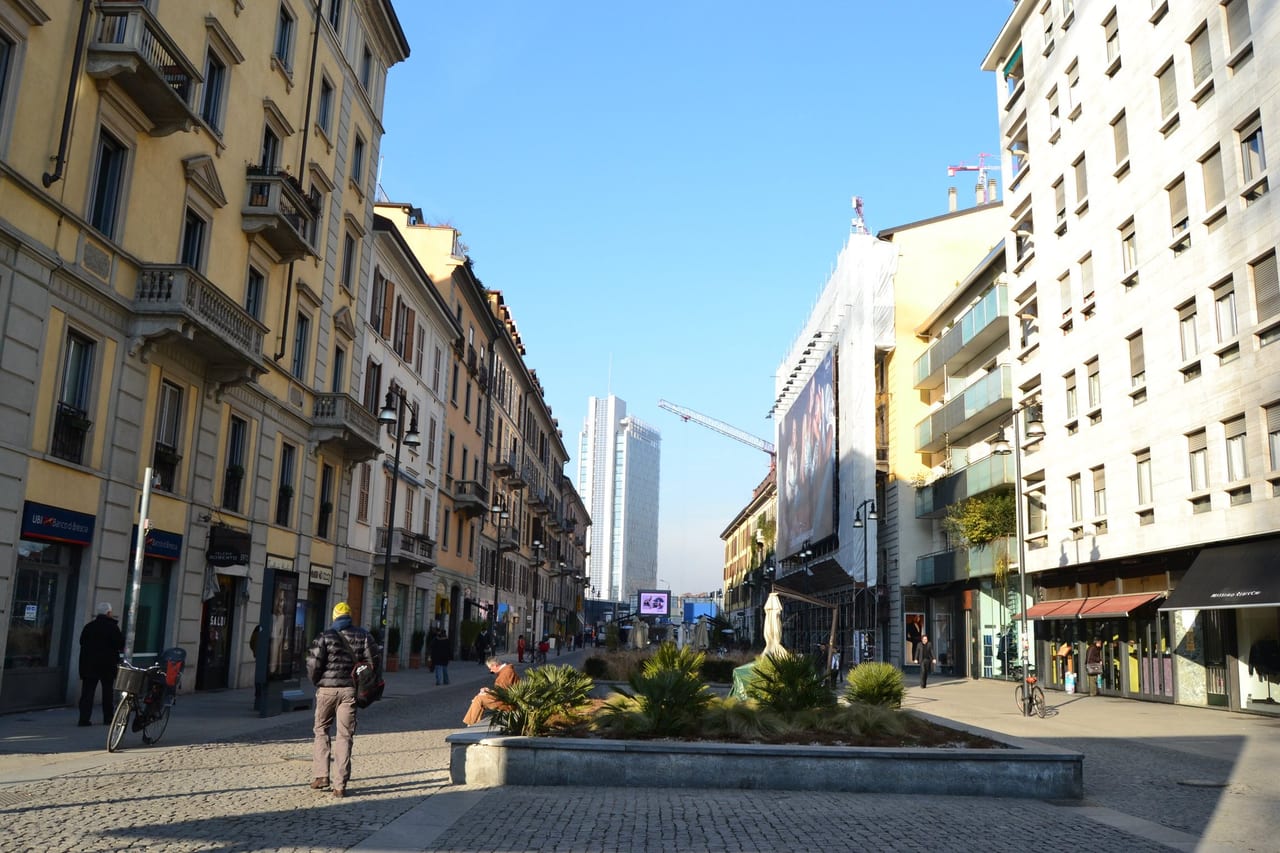
Corso Como follows the opening stretch of the ancient Comasina road, which left Porta Comasina—renamed Porta Garibaldi in 1860—towards Como. The present name was established by a municipal resolution in 1878. A 1720 map records an enclosed site called the Insola de Porta Comasina, probably a customs warehouse with guards’ quarters. At its corner stood a city wine stamp office and tavern, later known as the Osteria della mezza lingua, which became a hotel before closing in the early twentieth century. The site gave its name to the linear settlement later known as Isola. Railway construction transformed the area. A difficult elevated footbridge linked the two sides. Postwar plans for a business centre brought the 1961 Garibaldi station and several buildings on via Melchiorre Gioia, but left much of Corso Como run-down. Since the 1990s, renovation, pedestrianisation and the Porta Nuova project have reshaped it, linking the street to Piazza Gae Aulenti and the Isola district. Since 2012, it has also hosted Fuori Salone events.
Ways to explore Corso Como
Walk the full pedestrian stretch between Piazza XXV Aprile and Garibaldi FS, pausing to compare the restored buildings with the newer Munoz&Albin and Corte Verde complexes. Continue along via Vincenzo Capelli to reach Piazza Gae Aulenti and its elevated circular platform, then use the pedestrian connection towards Isola. For cultural stops, visit the nearby Fondazione Feltrinelli, designed by Herzog’s studio. Tram lines 10 and 33, plus Garibaldi FS, provide straightforward access.
Places to stay near Corso Como

Live availability and prices from Stay22's partners, refreshed periodically and subject to change. Booking through these links may earn us a commission at no extra cost to you. See our privacy policy.
Cafés near Corso Como
Cafés near Corso Como loads as you scroll.
Attractions nearby
Attractions near Corso Como loads as you scroll.
Cities nearby
Cities nearby loads as you scroll.
More in Milan
See more of Milan.
Find great cafés, places to stay and other interesting places to visit in Milan.