Attraction · Milan
Casa degli Omenoni
DirectionsIts façade is guarded by eight monumental atlantes—the “omenoni,” or “big men” in Milanese—sculpted by Antonio Abondio, probably from Leone Leoni’s designs.
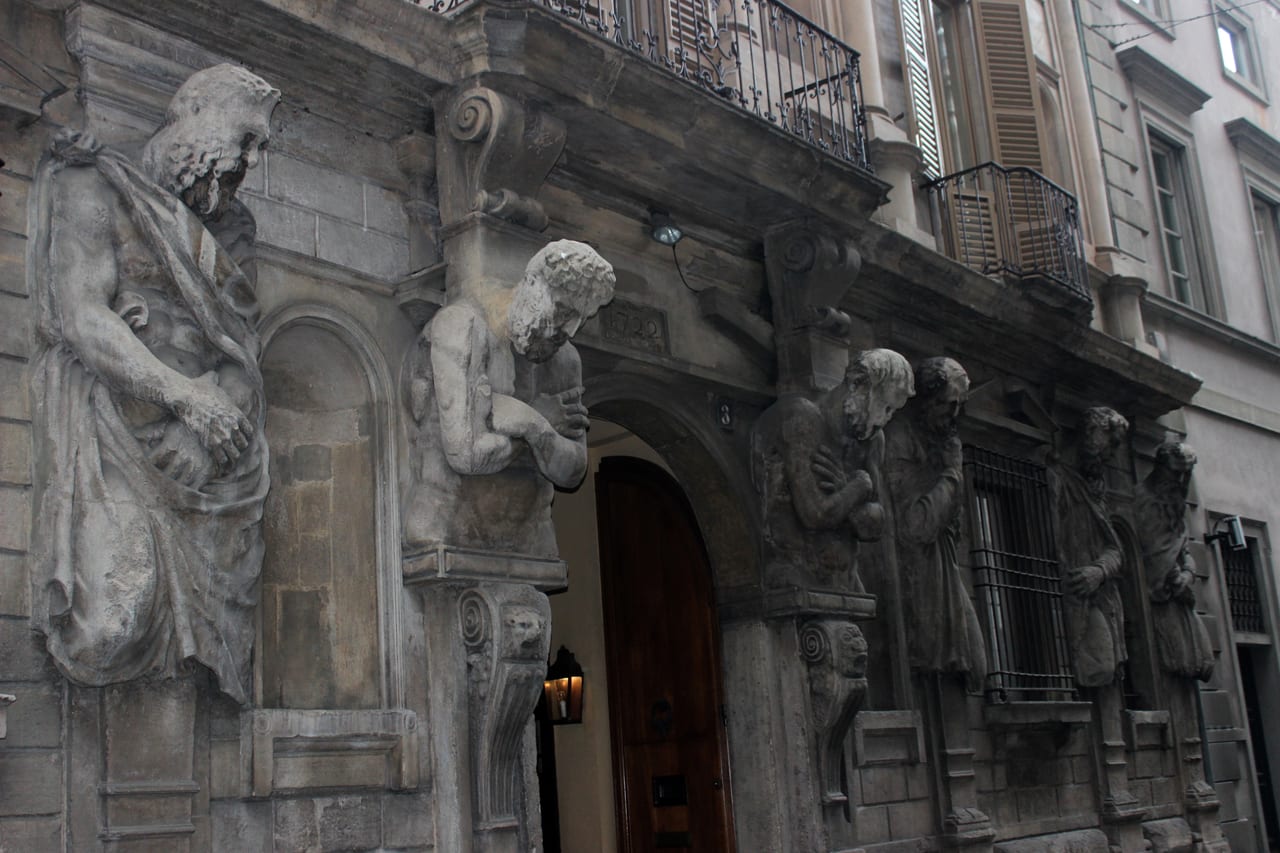
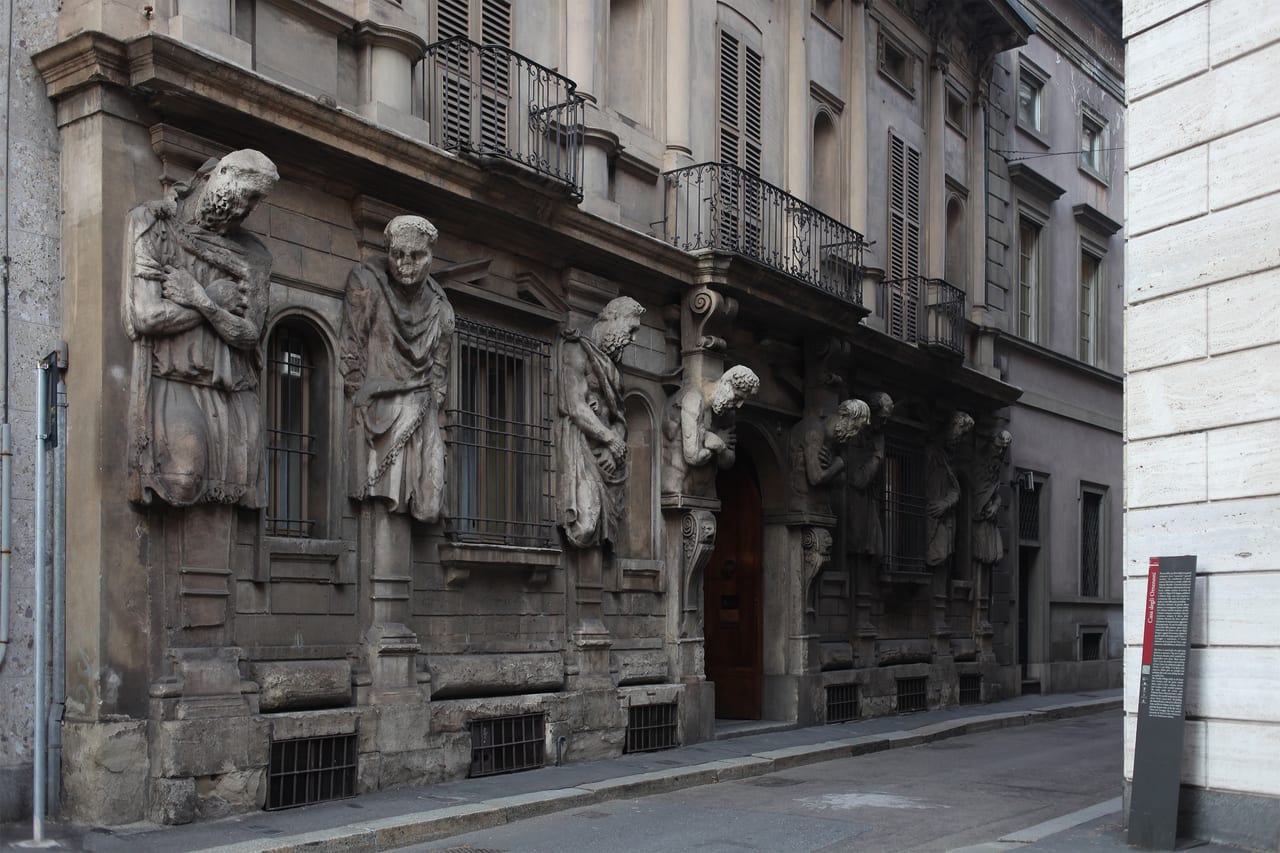
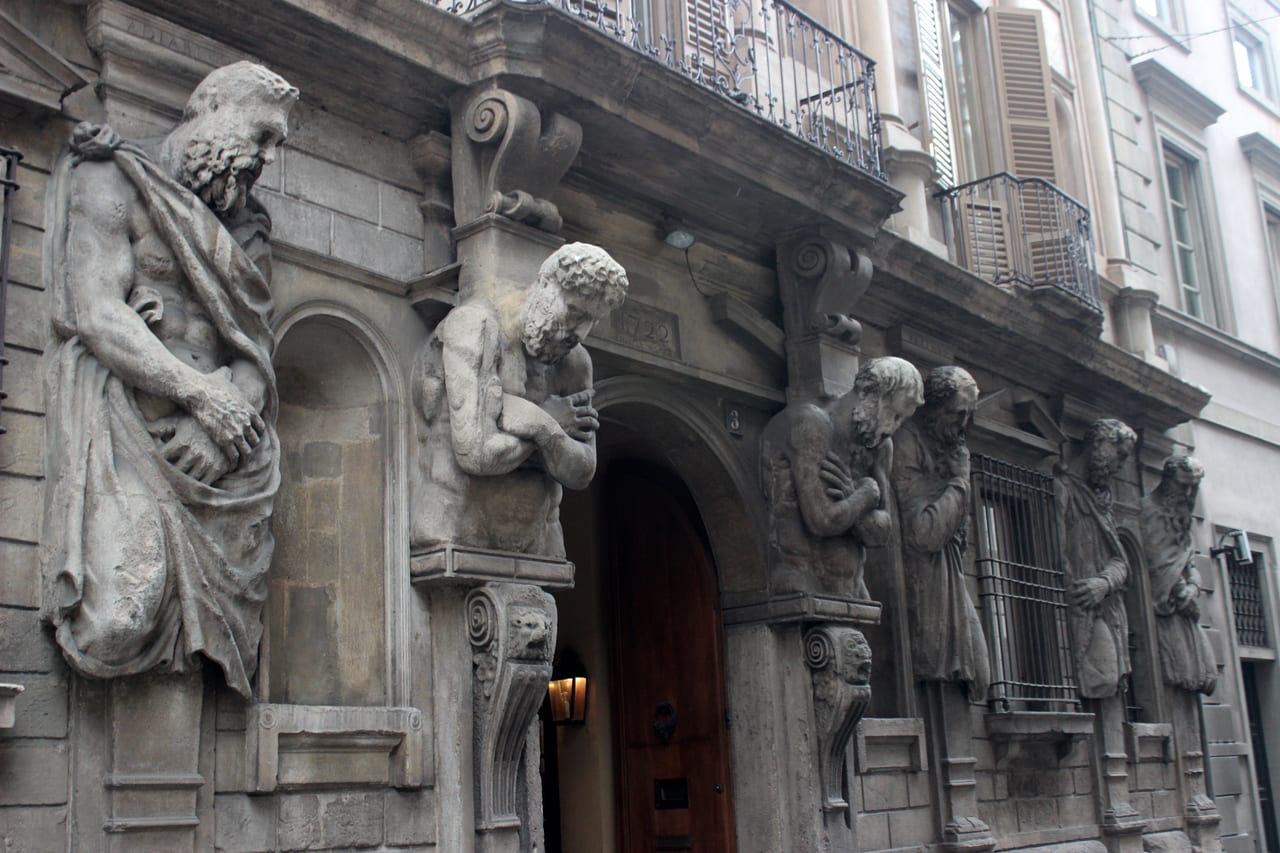
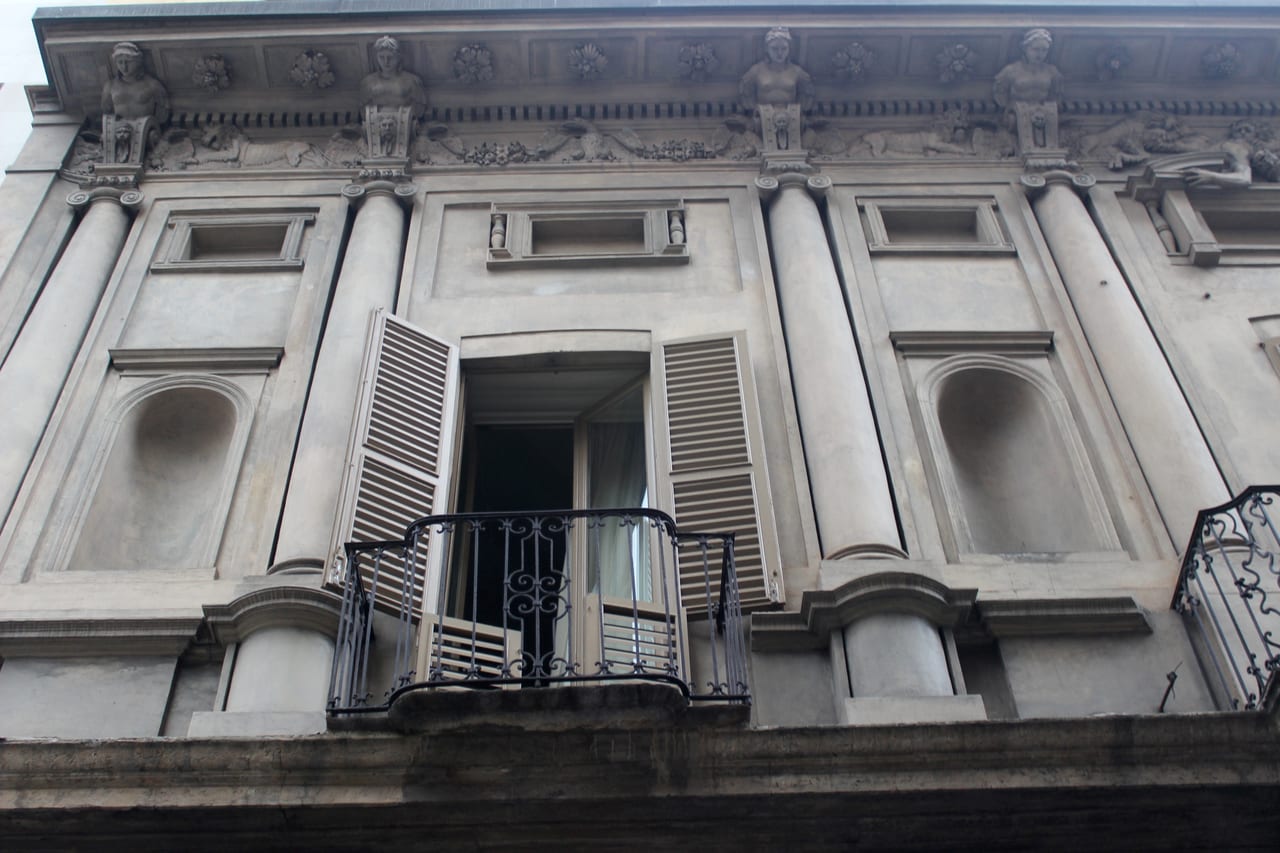
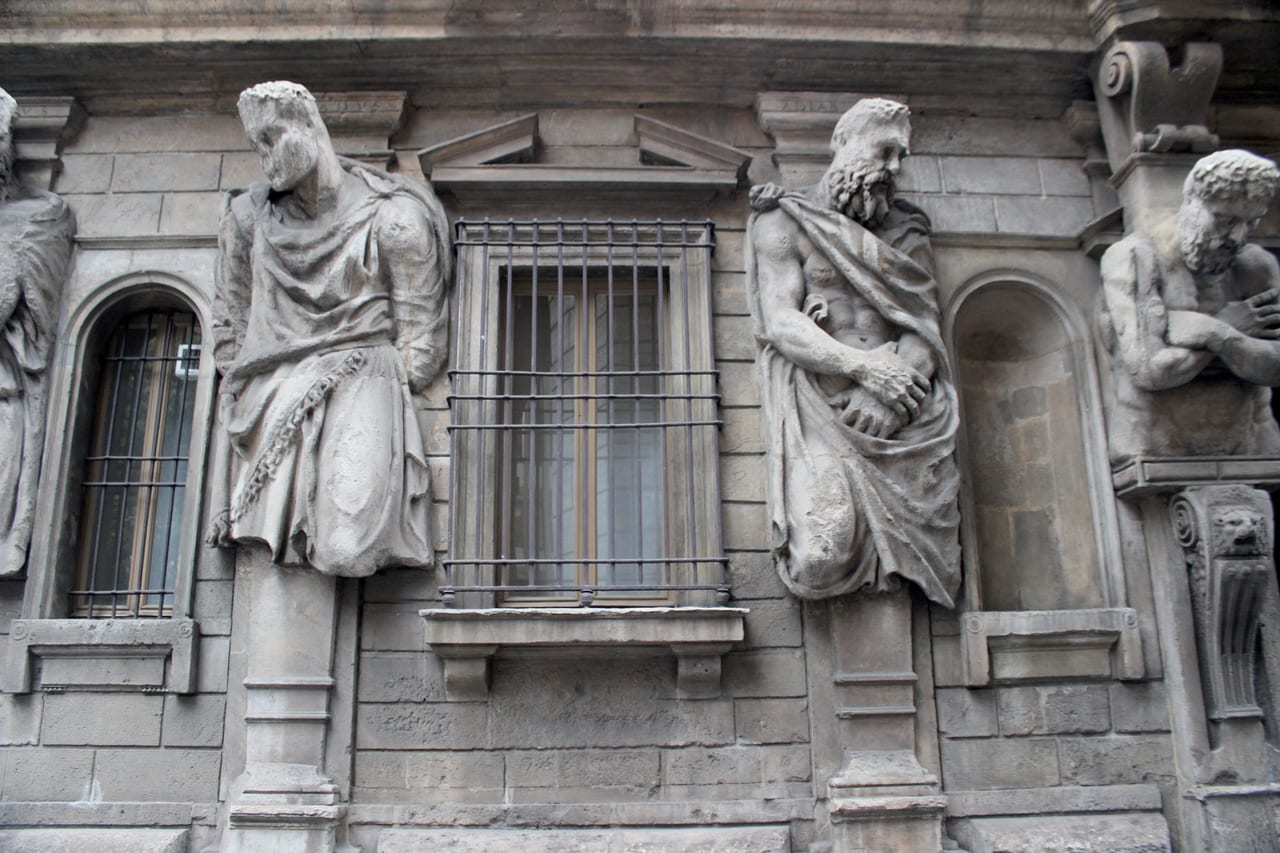
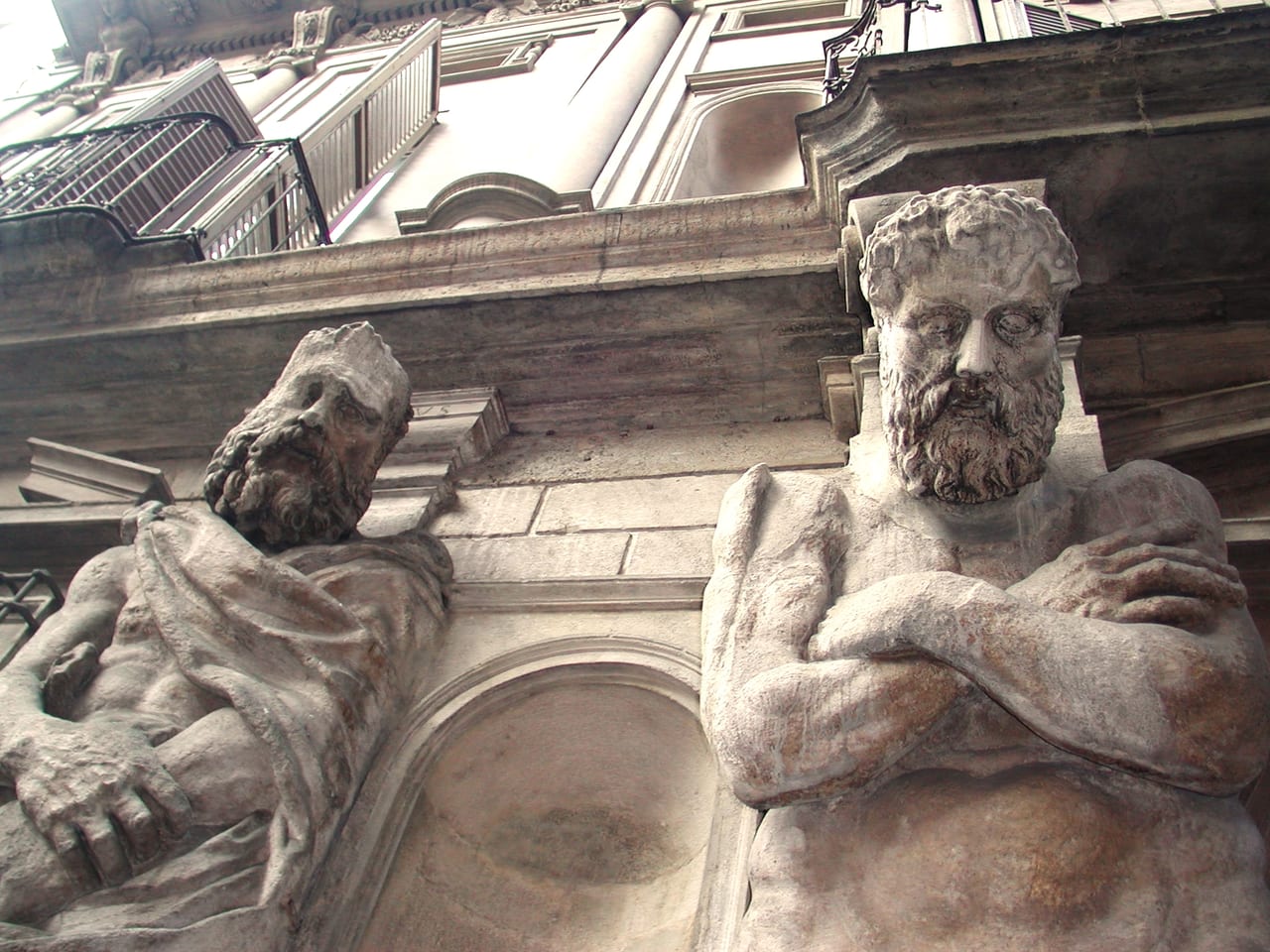
Photograph 1 of 8 of Casa degli Omenoni
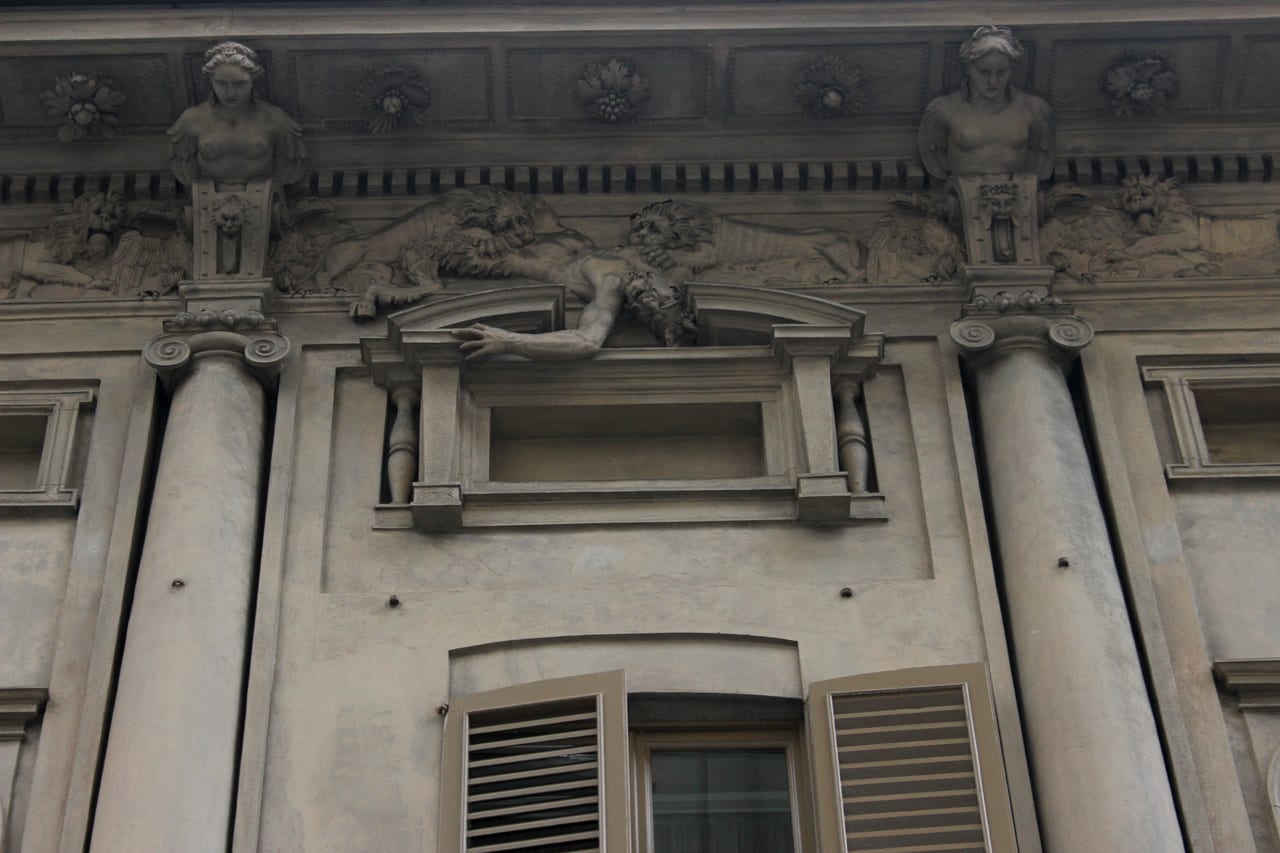
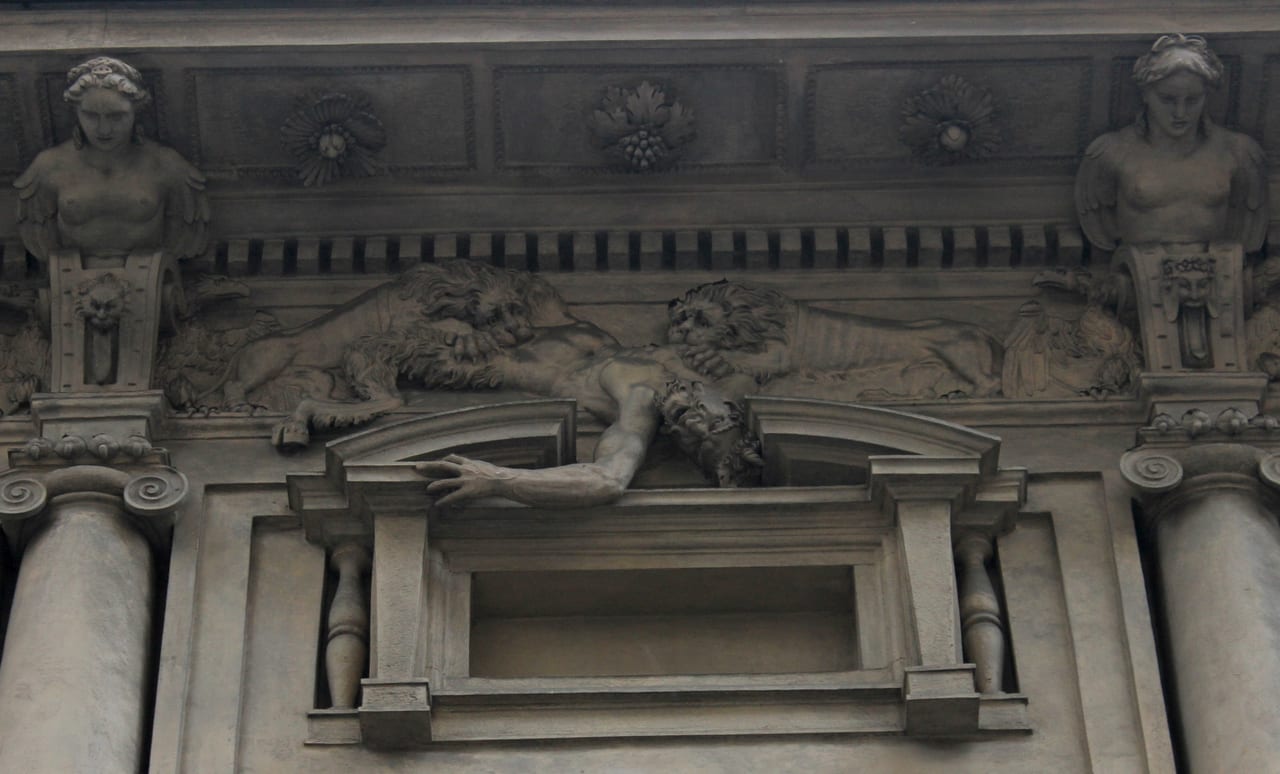
Leone Leoni conceived the palace as both home and studio, giving its Mannerist architecture an unusually personal character. Lions recur throughout the decoration as a play on the Leoni family name; beneath the cornice, a striking relief shows two lions tearing a satyr apart. The palace and its ornament have also been noted for their references to Michelangelo. Giorgio Vasari admired the building as “full of capricious inventions.” Its artistic importance was reinforced by Leoni’s collection of paintings and antiquities. An inventory from 1615 lists works by Titian, Parmigianino and Michelangelo, along with a book of drawings by Leonardo da Vinci that scholars identify with the Codex Atlanticus, now in the Biblioteca Ambrosiana. After Leoni and his son Pompeo, ownership passed through Polidoro Calchi and families including the Belgioioso, Pozzi and Besana. The palace later housed Casa Ricordi, the Fascist party and a theatre. Later restoration reshaped much of it, while the façade remained nearly intact apart from iron balconies and the attic.
At a glance
- Architect
- Leone Leoni
- Style
- Mannerist architecture
- Heritage
- Italian national heritage
Ways to explore Casa degli Omenoni
View No. 3 from across Via degli Omenoni, allowing enough distance to read the full façade before examining its sculptural details. If access is available, spend time in the internal courtyard: its colonnade is articulated with metopes and triglyphs, and was modified in 1929 by Piero Portaluppi. Note the contrast between the preserved street frontage and the later interventions.
Places to stay near Casa degli Omenoni

Live availability and prices from Stay22's partners, refreshed periodically and subject to change. Booking through these links may earn us a commission at no extra cost to you. See our privacy policy.
Cafés near Casa degli Omenoni
Cafés near Casa degli Omenoni loads as you scroll.
Attractions nearby
Attractions near Casa degli Omenoni loads as you scroll.
Cities nearby
Cities nearby loads as you scroll.
More in Milan
See more of Milan.
Find great cafés, places to stay and other interesting places to visit in Milan.