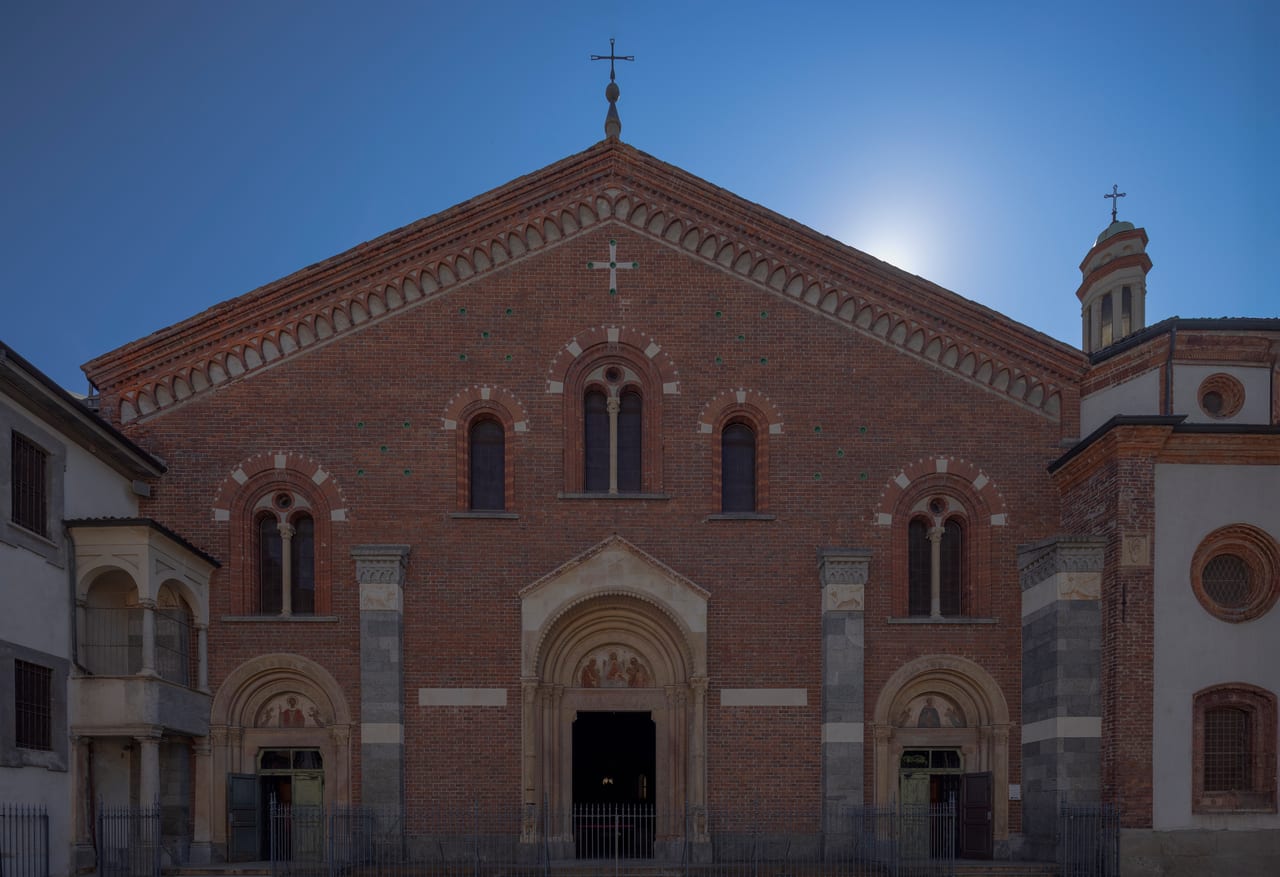
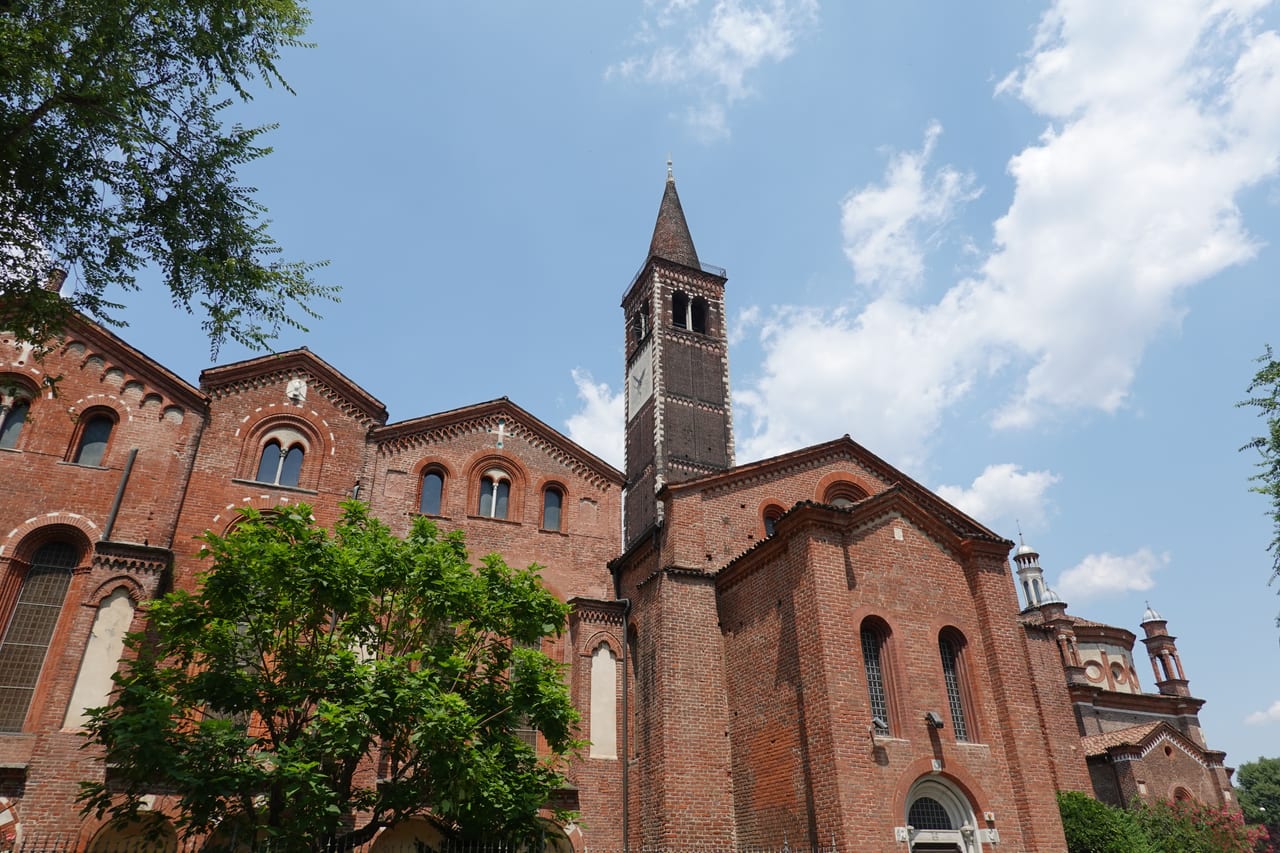
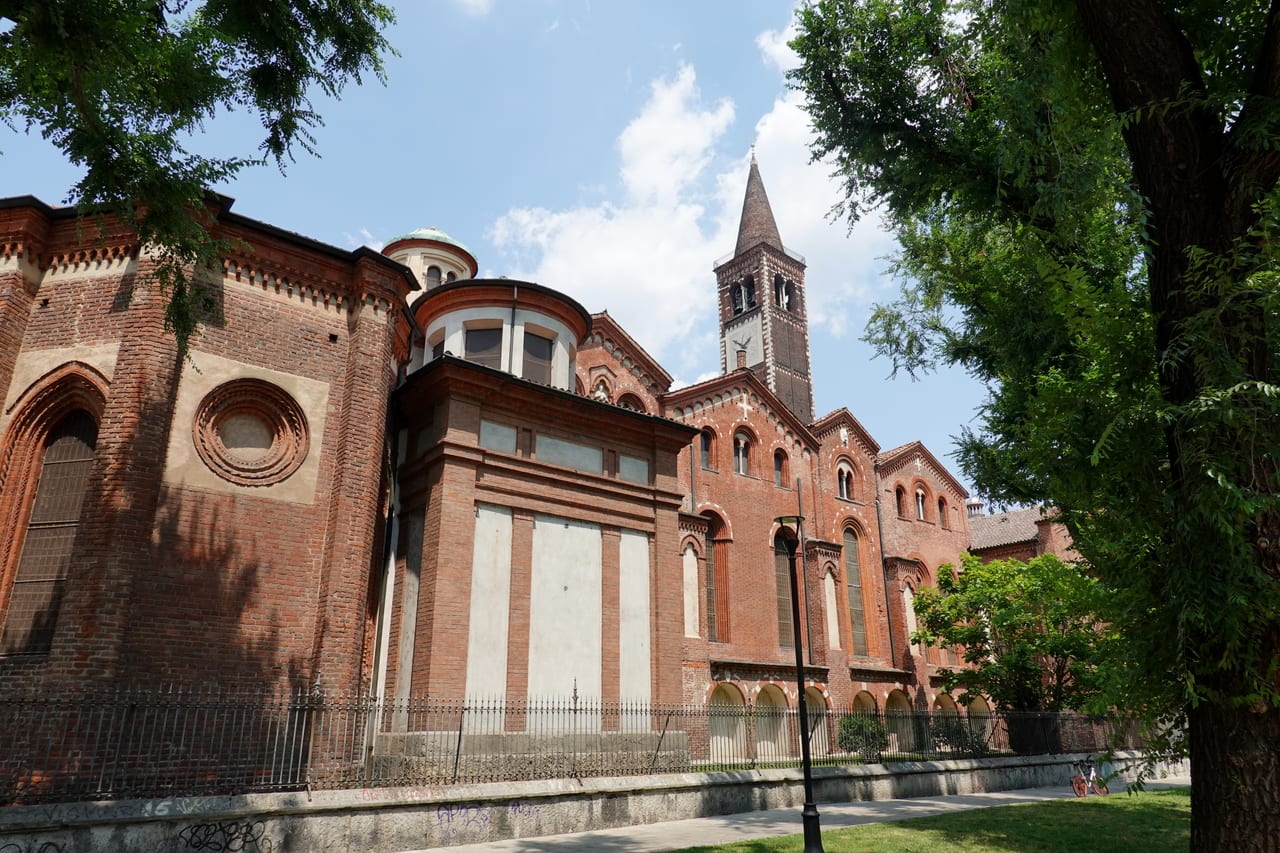
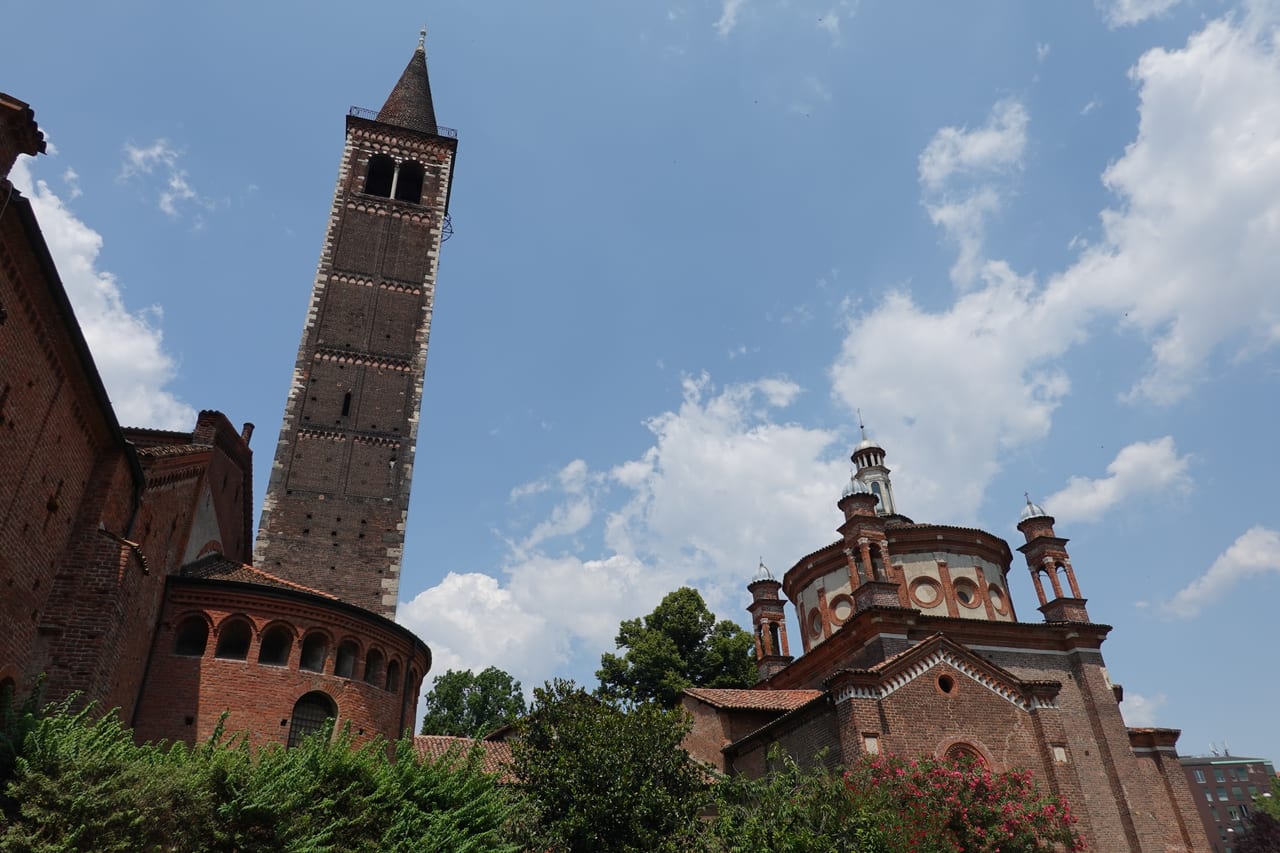
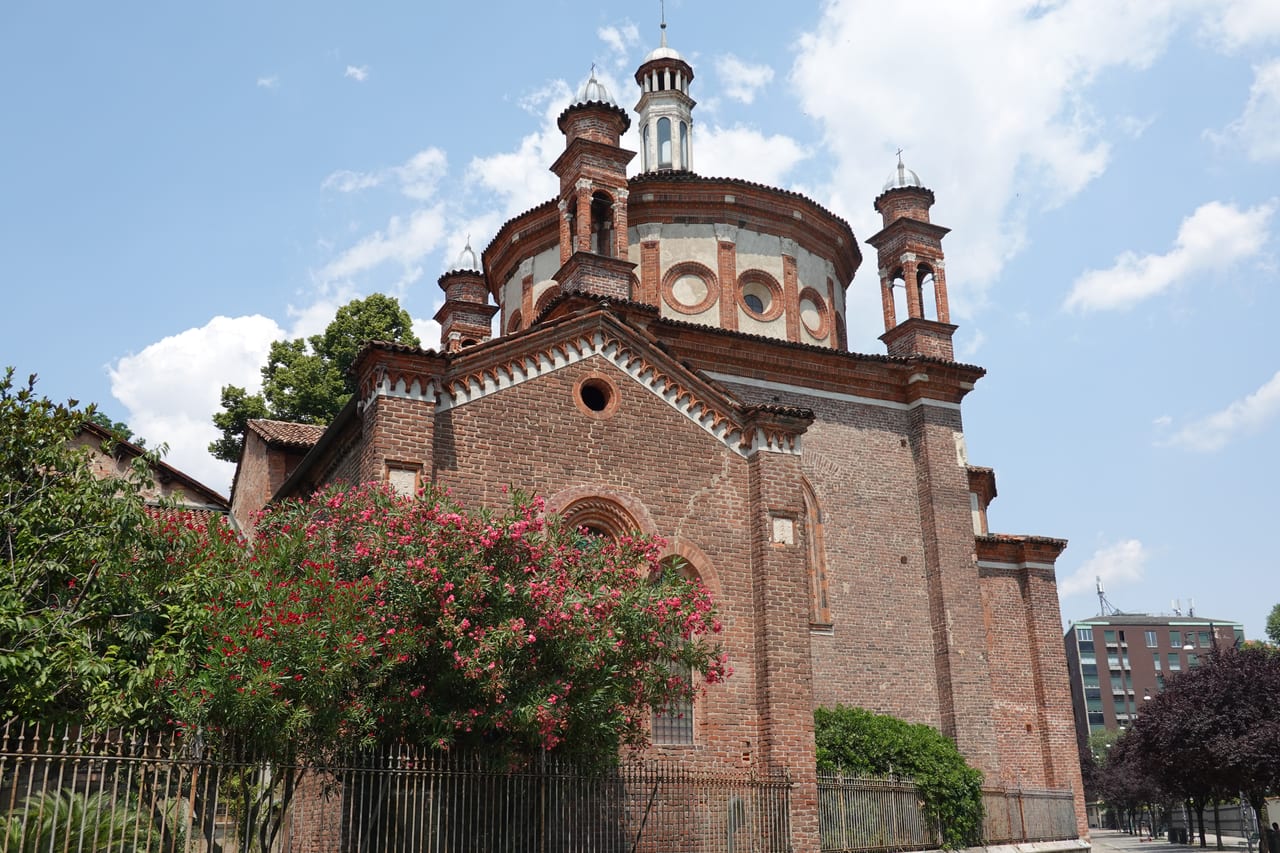
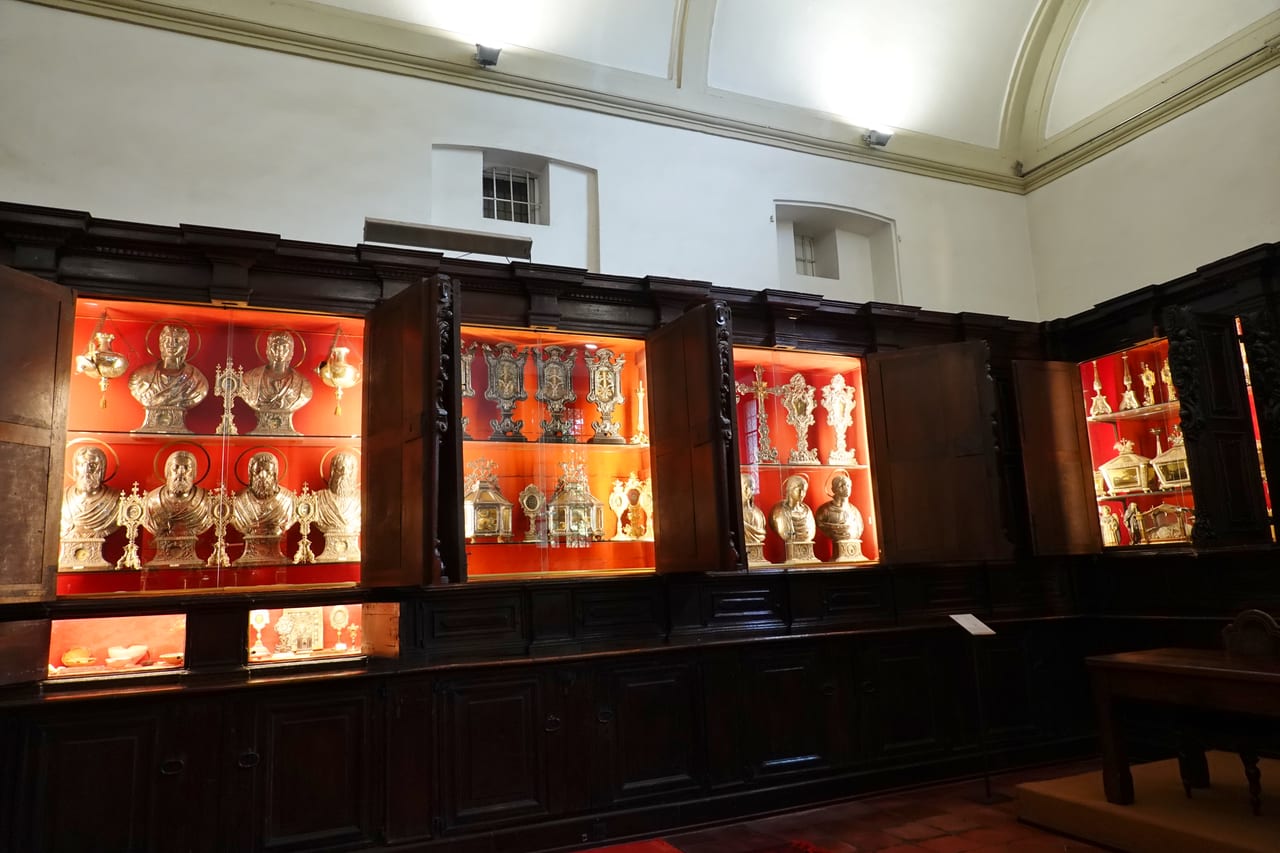
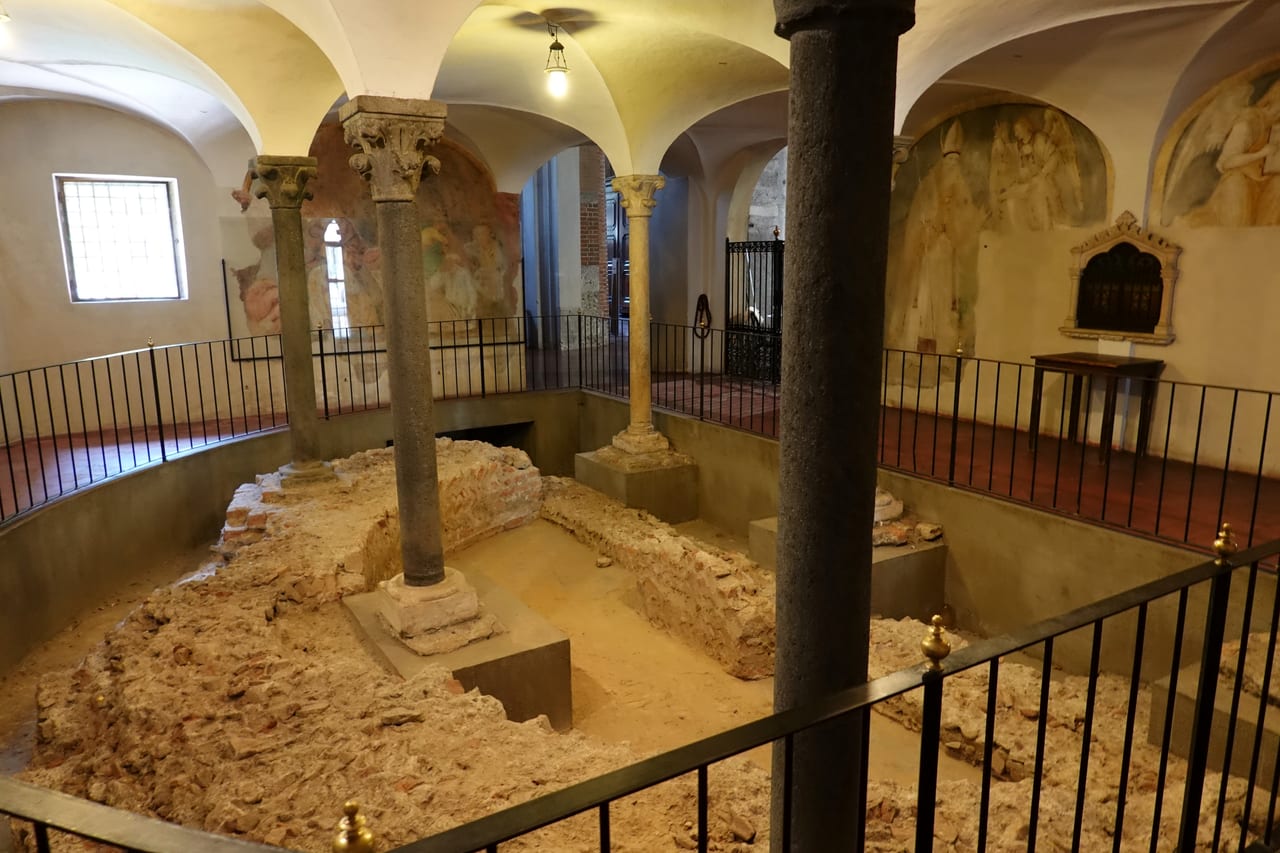
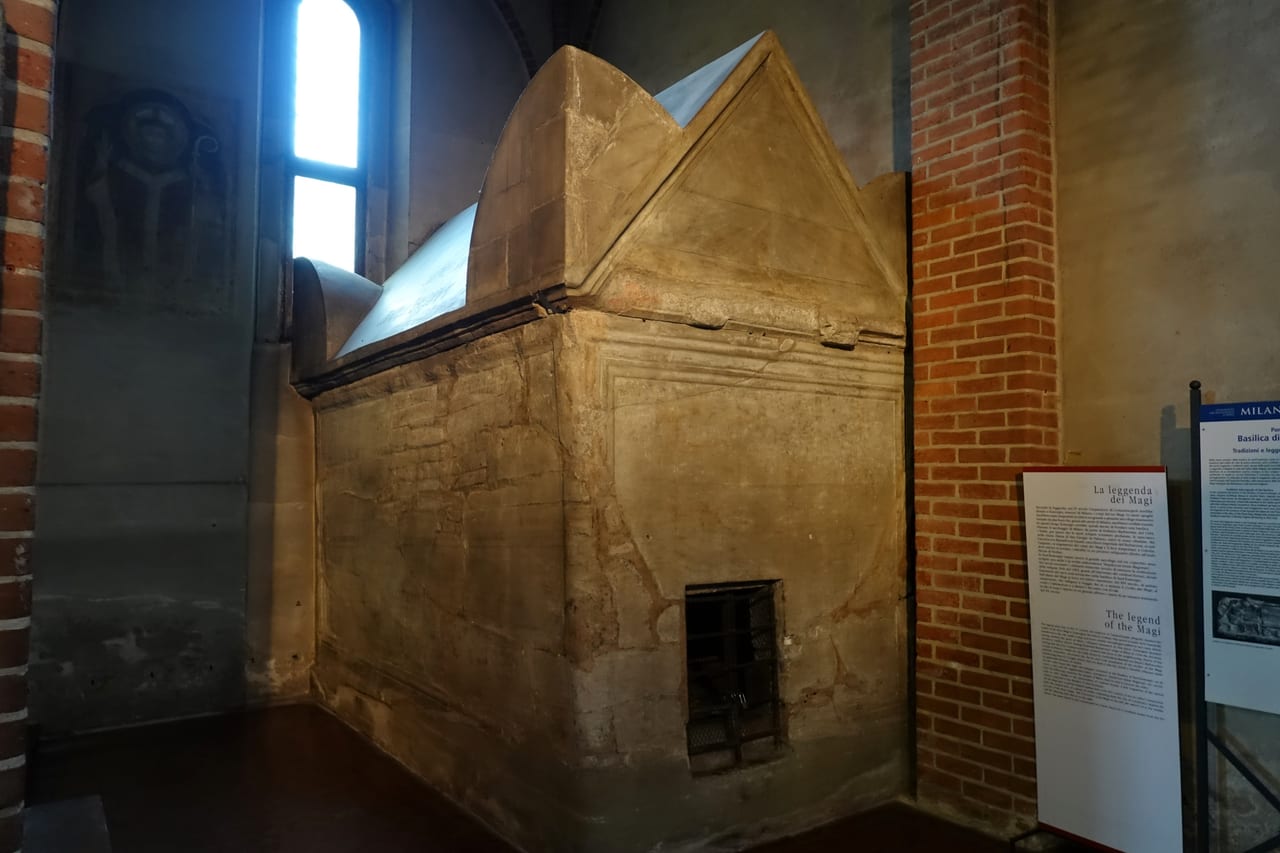
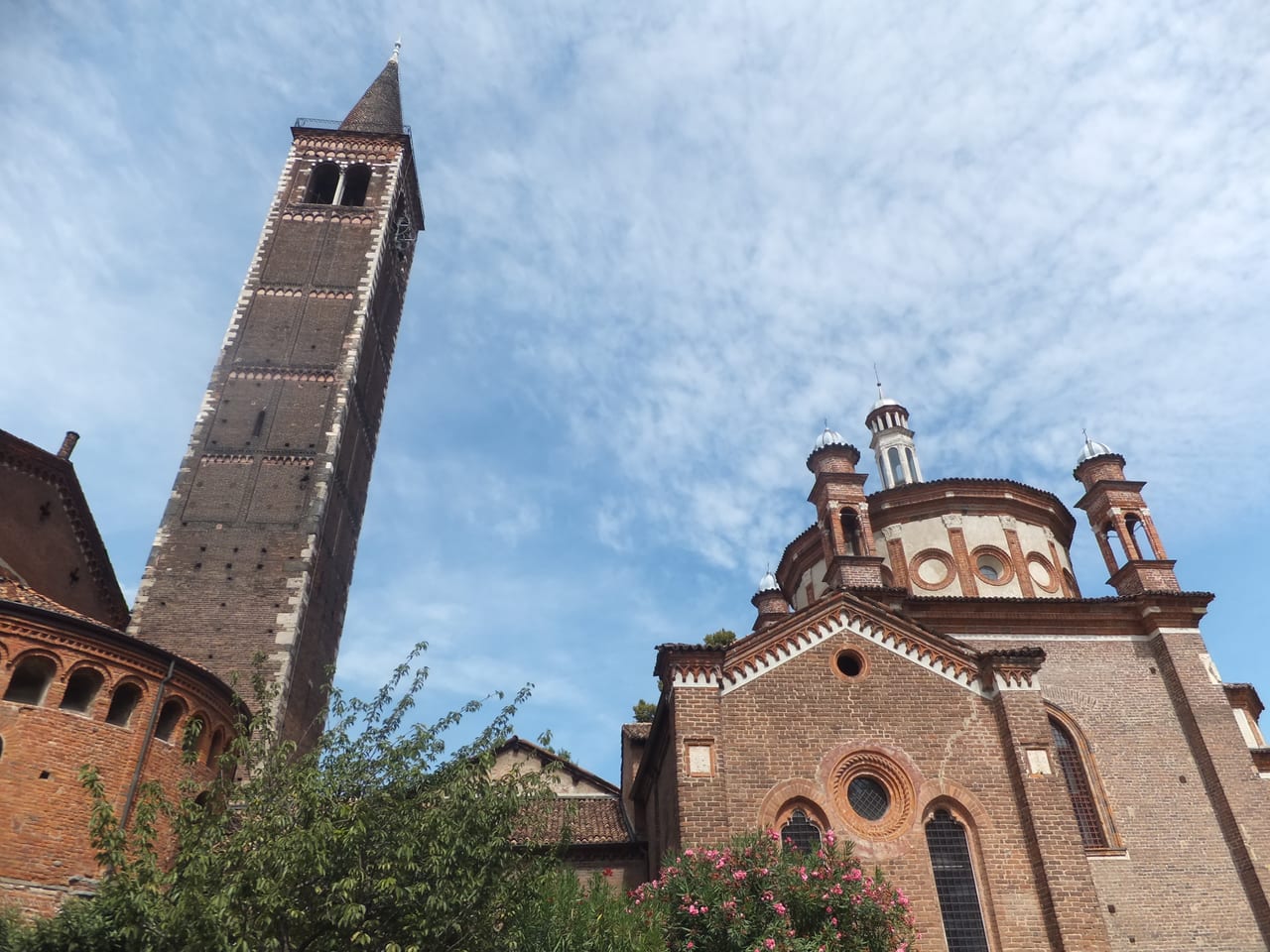
Photograph 1 of 42 of Basilica of Sant'Eustorgio
Church · Milan
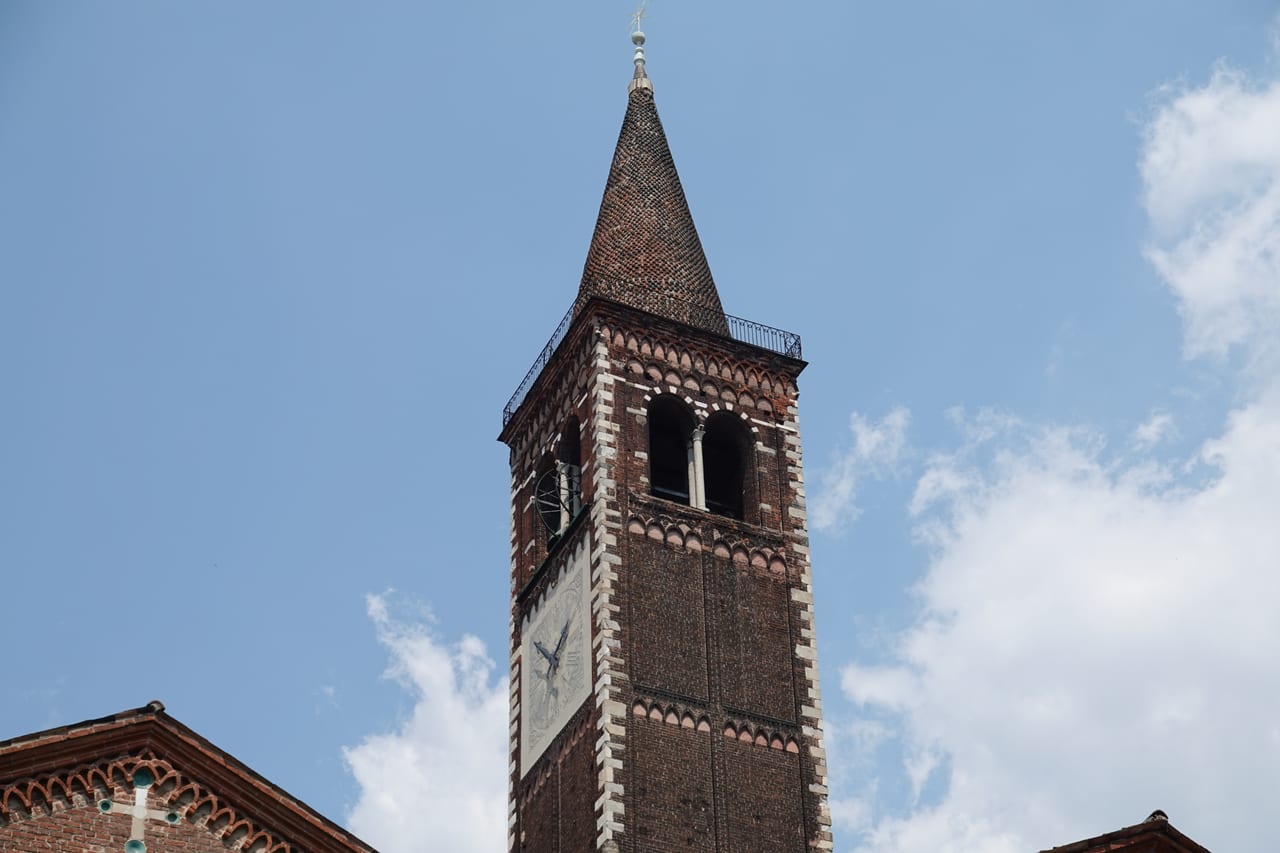
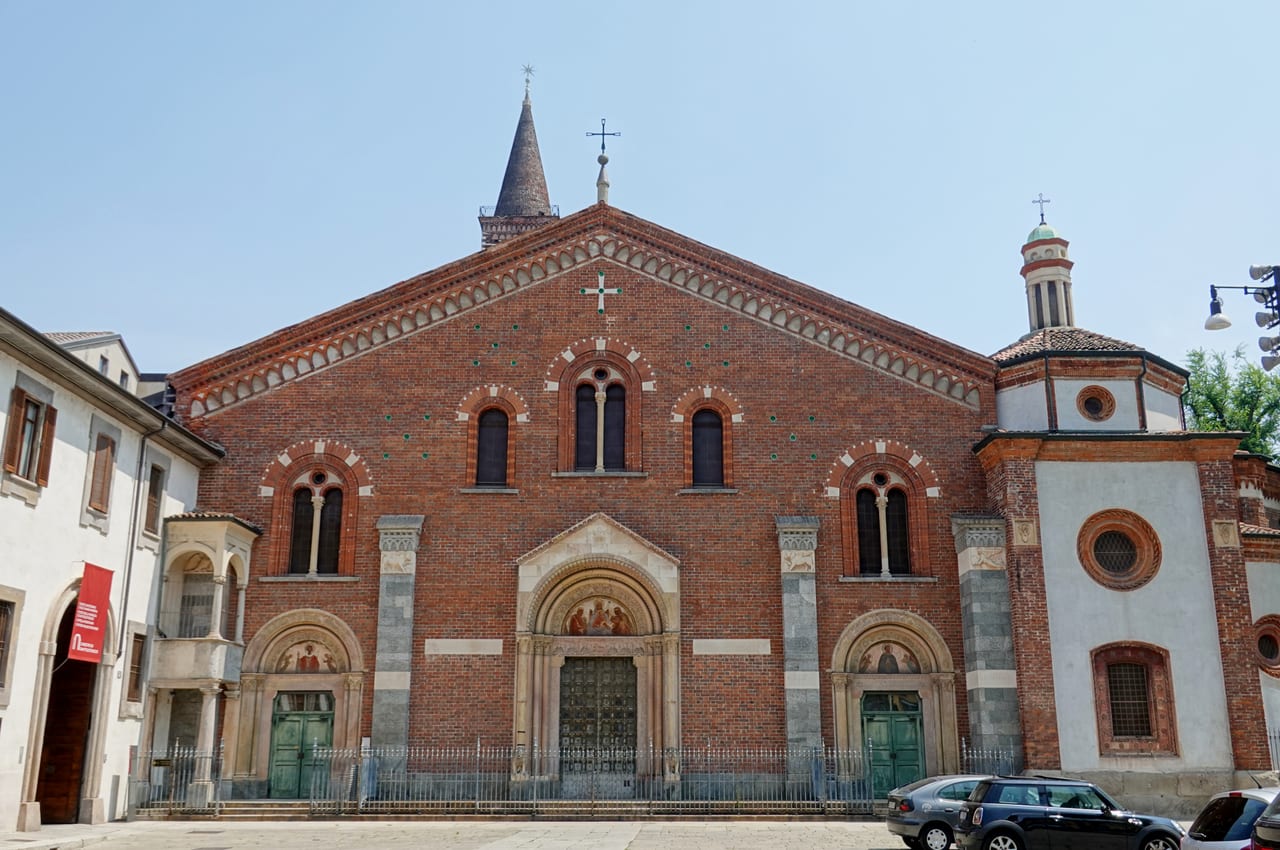
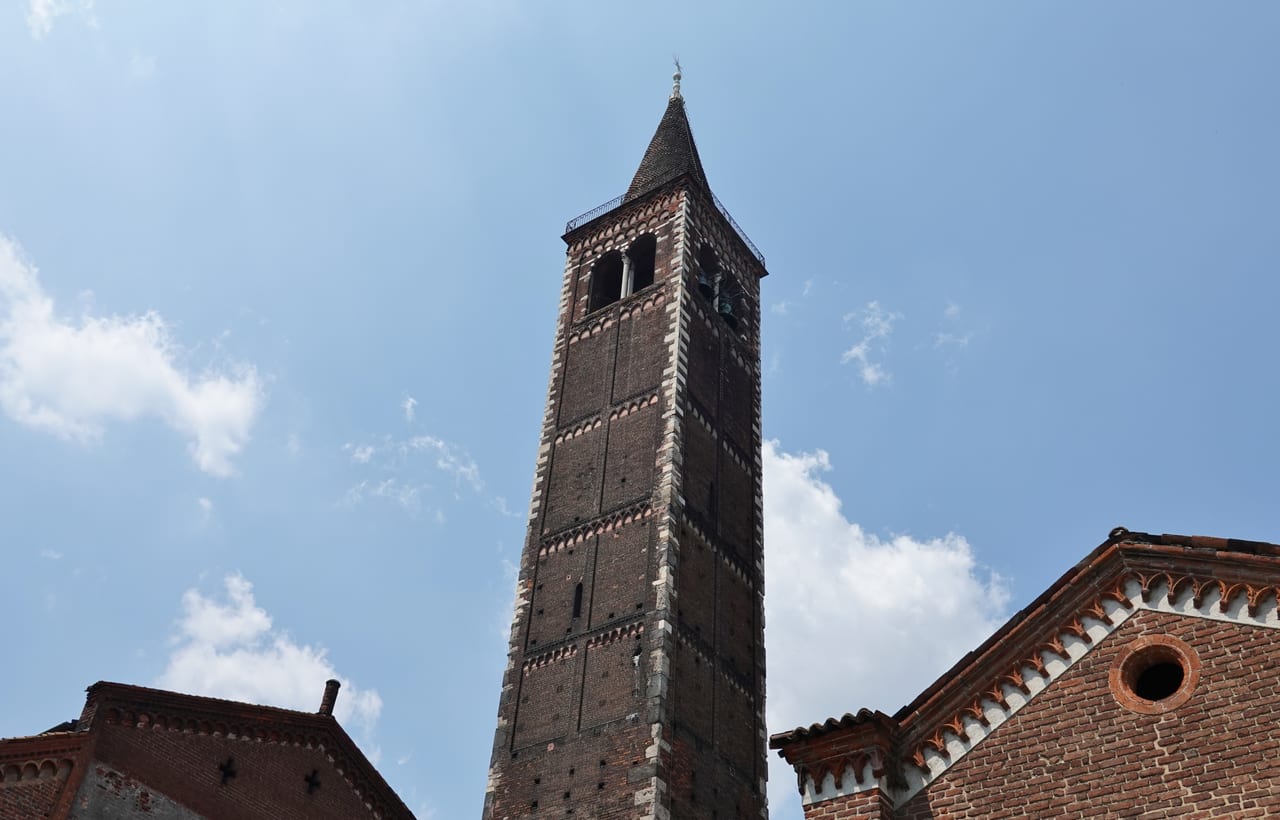
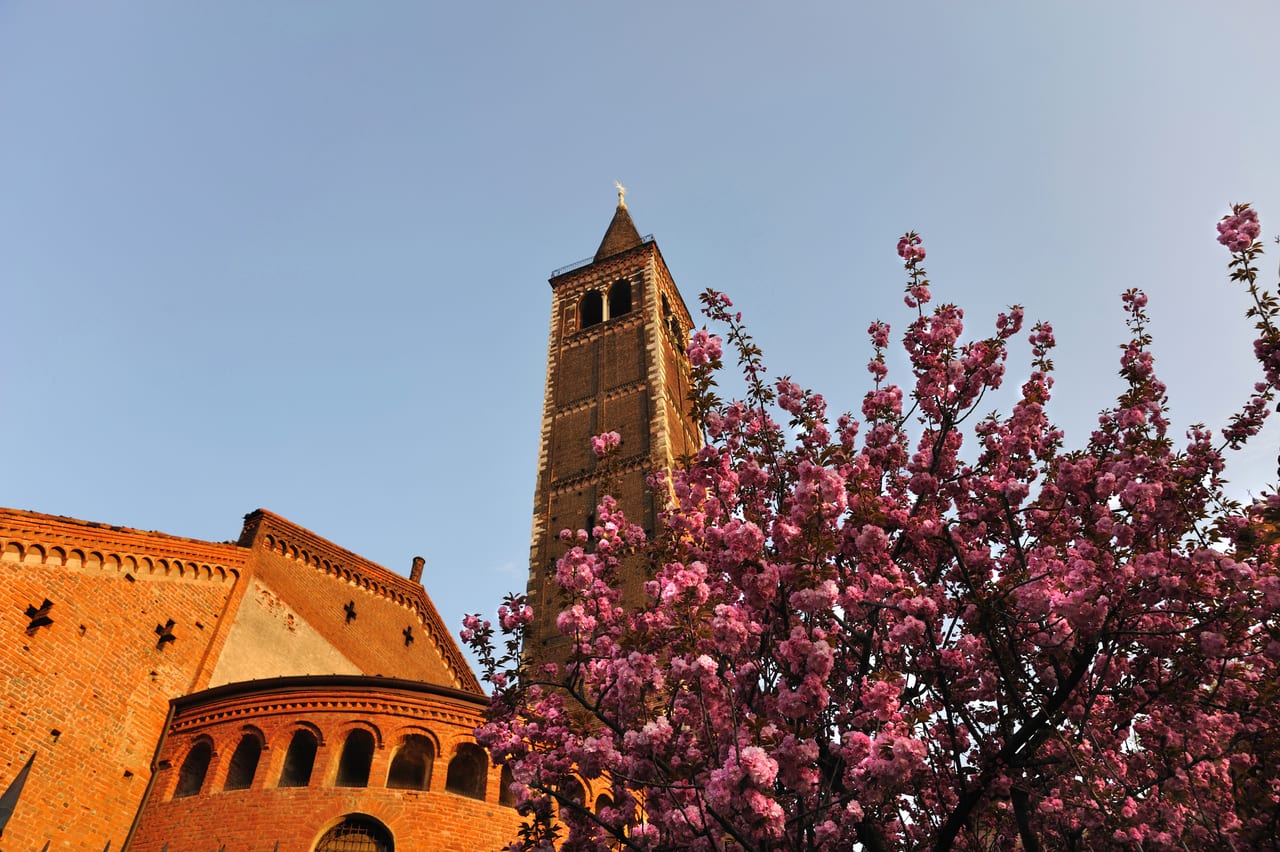
Its bell tower is crowned by a star rather than a traditional cross, preserving an unusually specific visual choice.
Photograph 1 of 42 of Basilica of Sant'Eustorgio
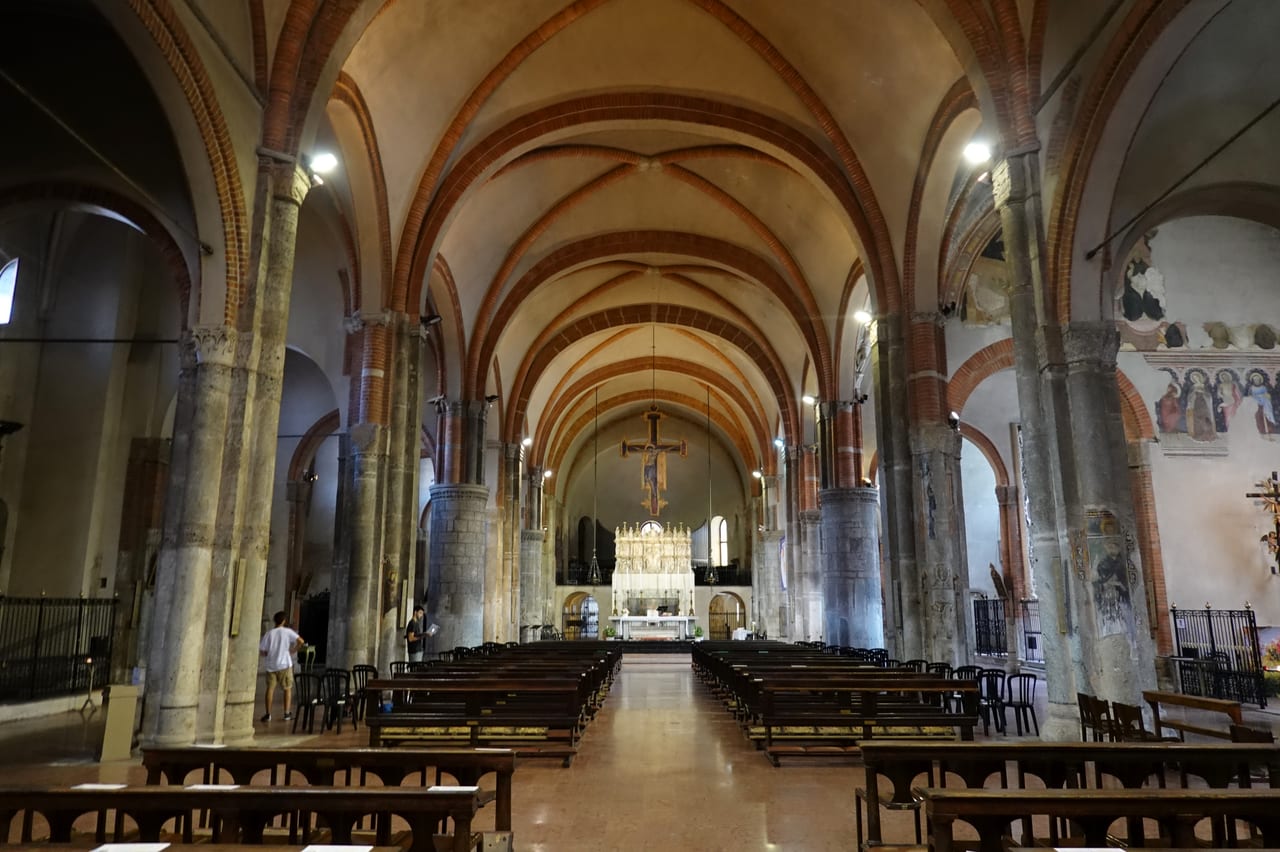
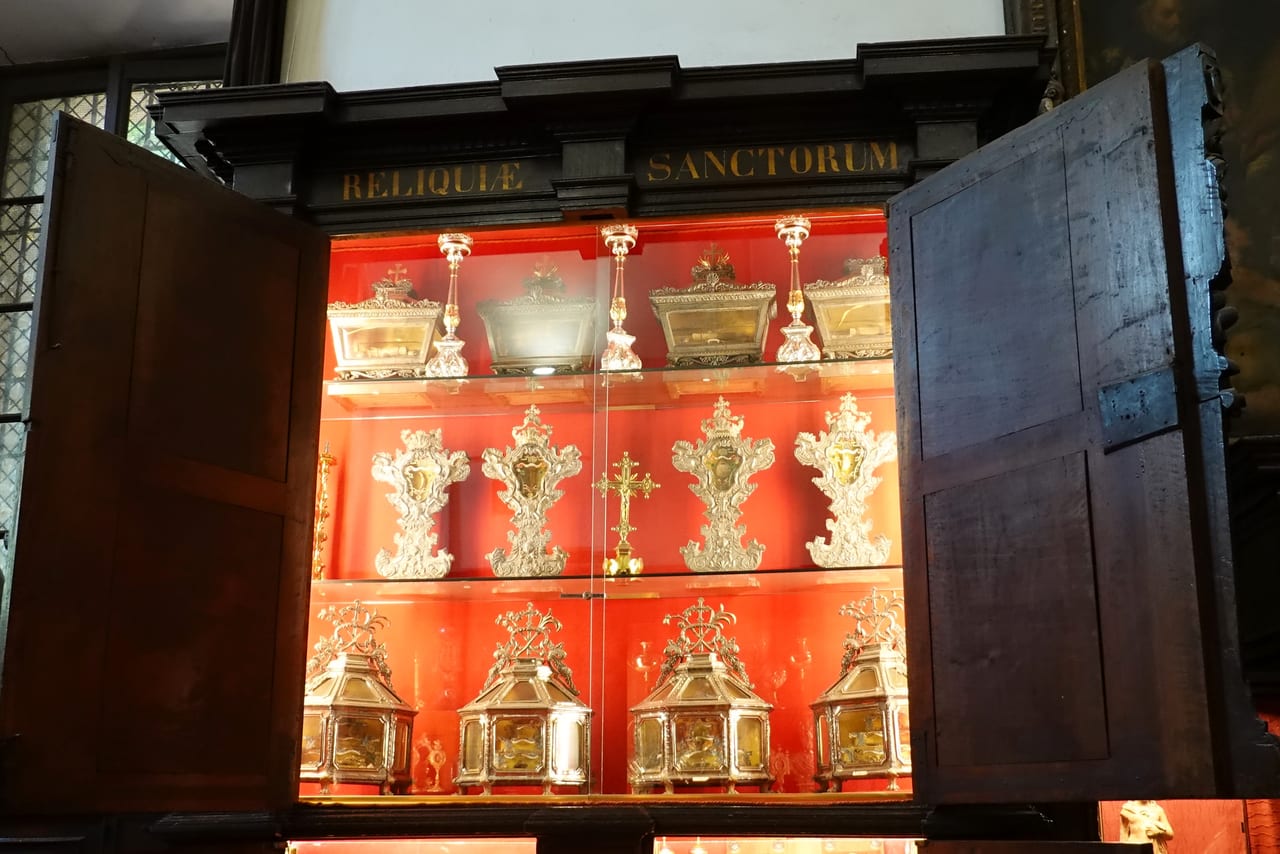
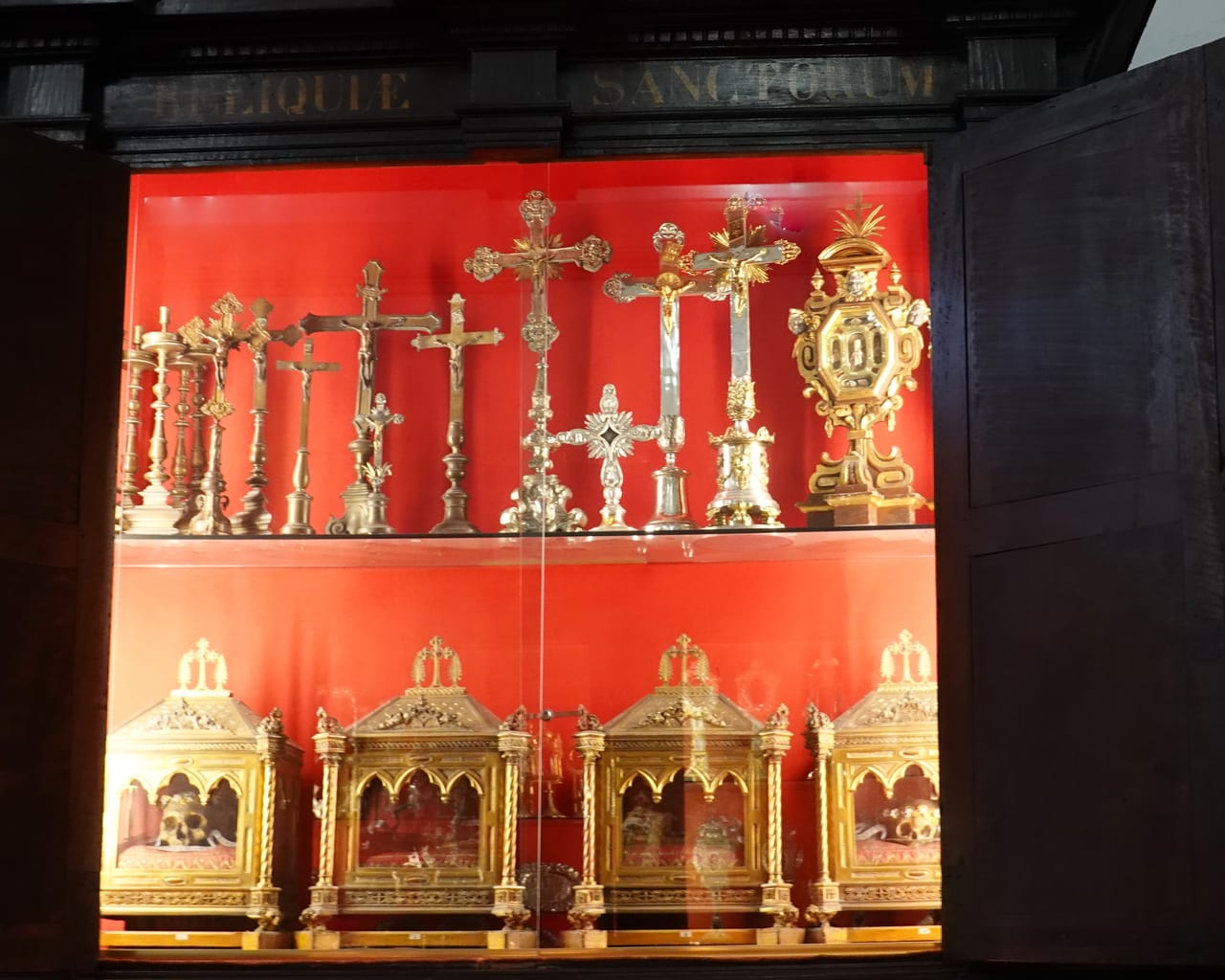
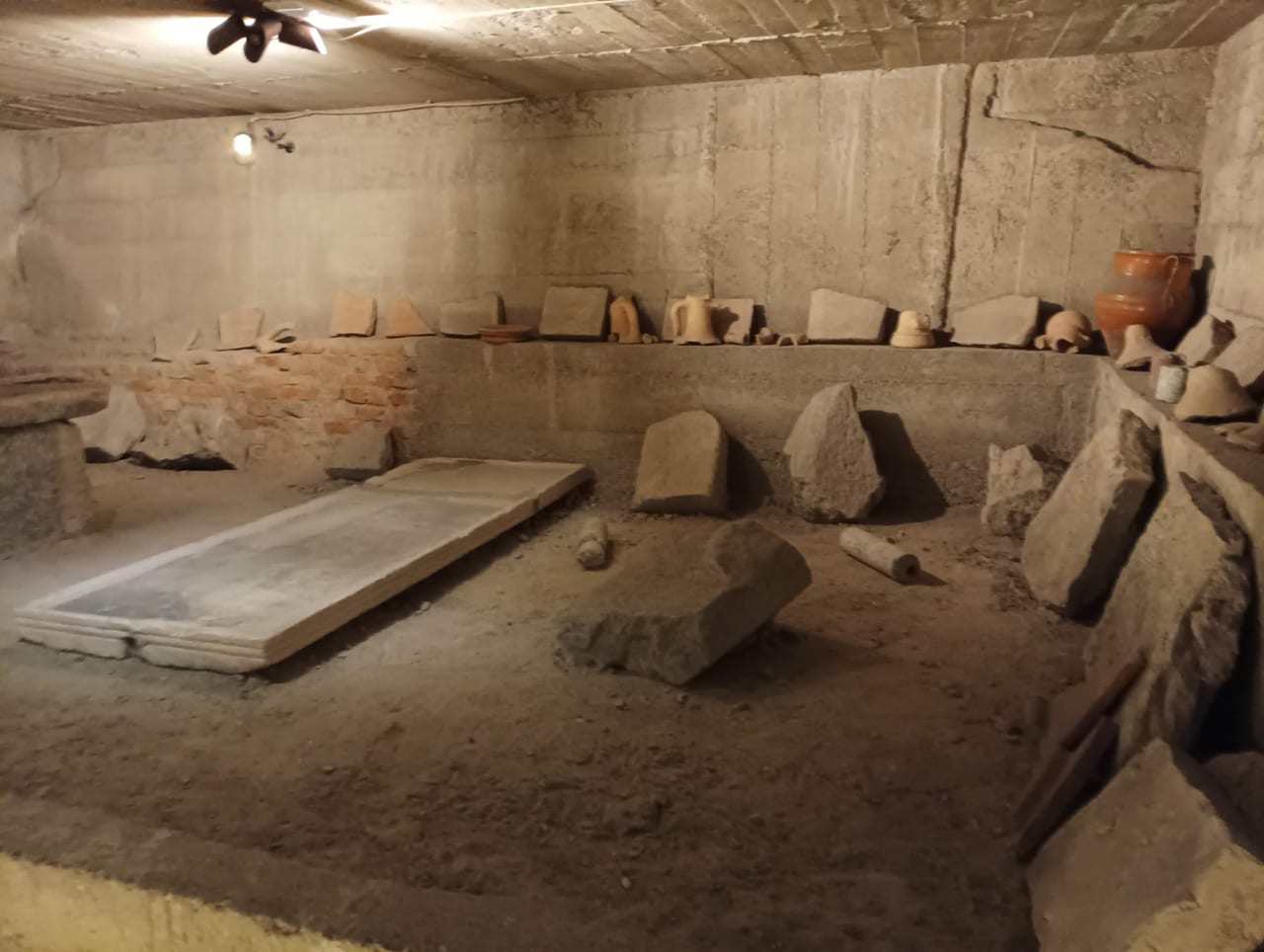
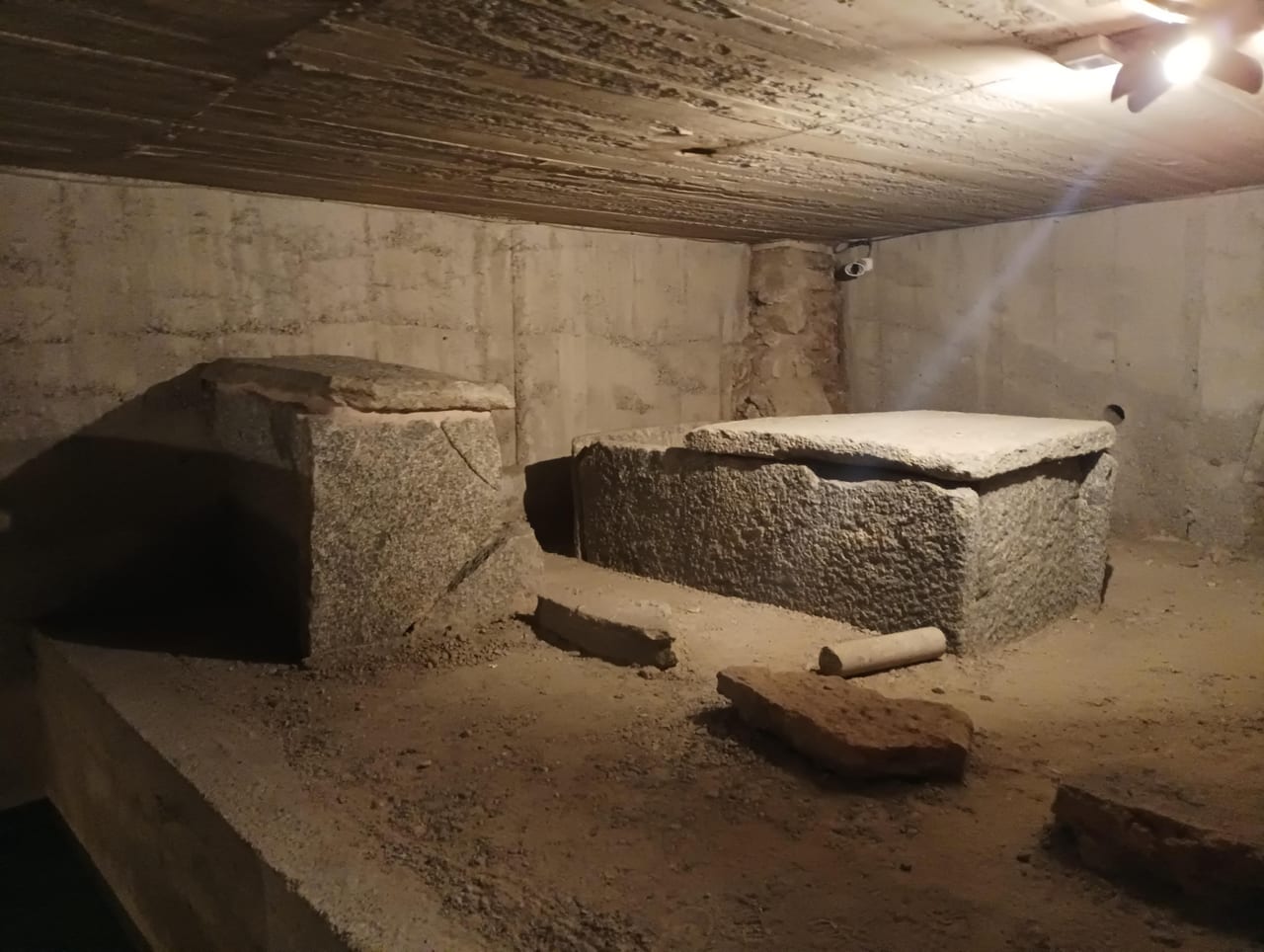
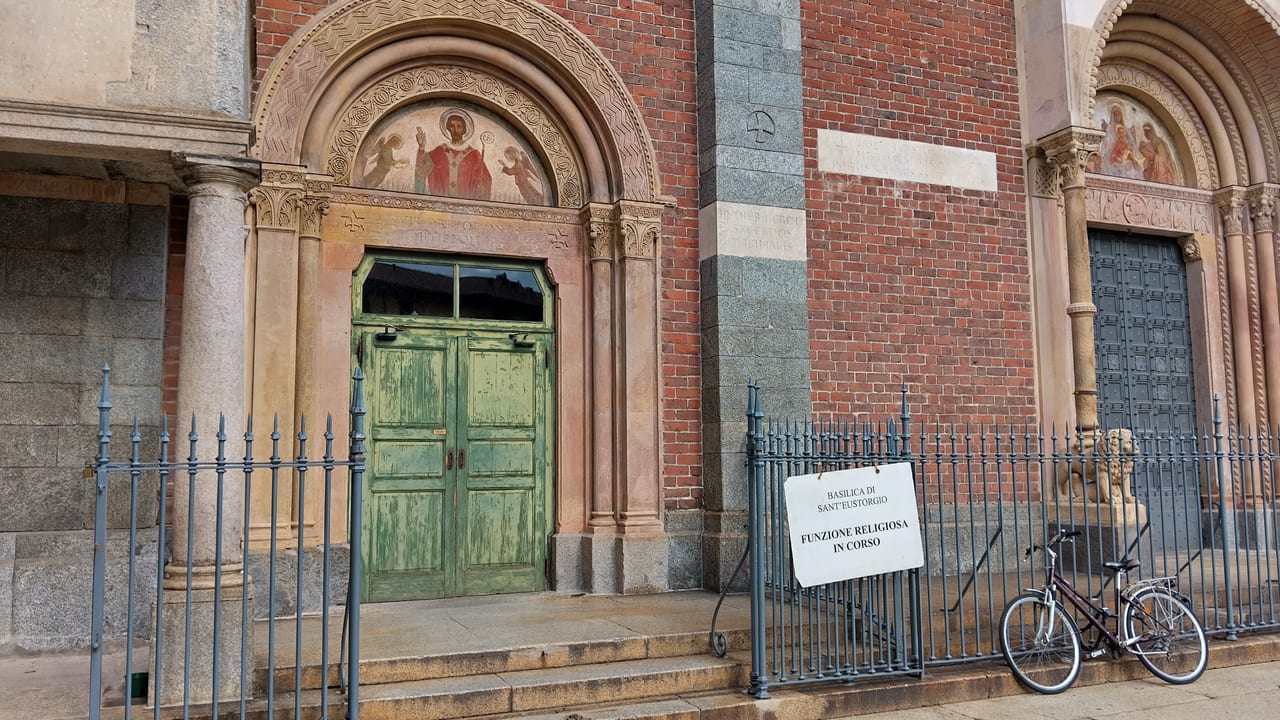
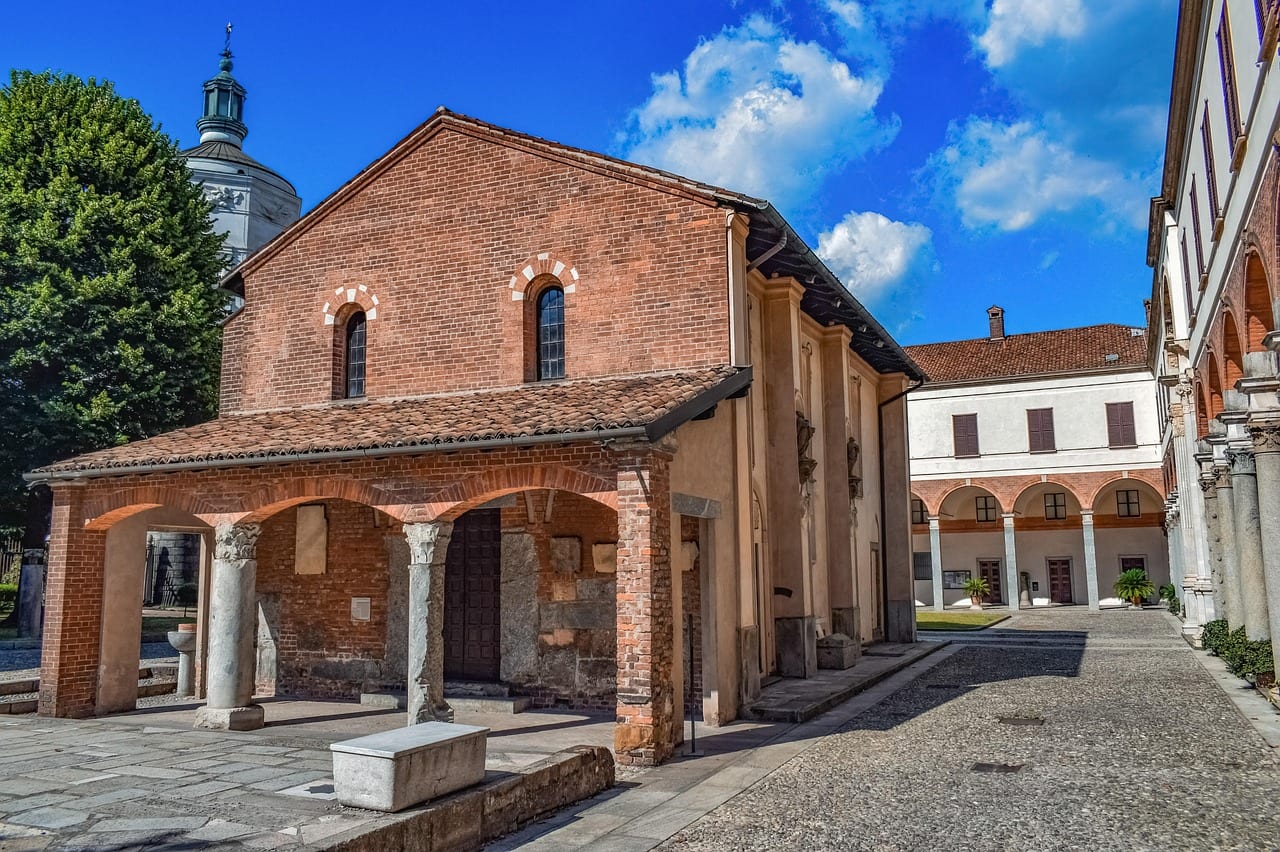
Probably founded in the 4th century, Sant’Eustorgio takes its name from Eustorgius I, the bishop credited with bringing the supposed relics of the Three Magi from Constantinople in 344. In 1764, removing an ancient pillar revealed a Christian burial containing coins of Constans. The church was rebuilt in Romanesque style. In the 12th century, Milan was sacked by Frederick Barbarossa, and the Magi relics were taken to Cologne; fragments of their bones and garments returned in 1903–04 and are now kept at the Three Kings altar beside the empty sarcophagus. The present façade dates from the 19th century; the interior retains a nave, two aisles and groin vaults, while excavations beneath the apse expose the earlier Christian structure. The church is Italian national heritage. Stefano Visconti, Bonacossa Borri and Matteo I Visconti are among those buried here.
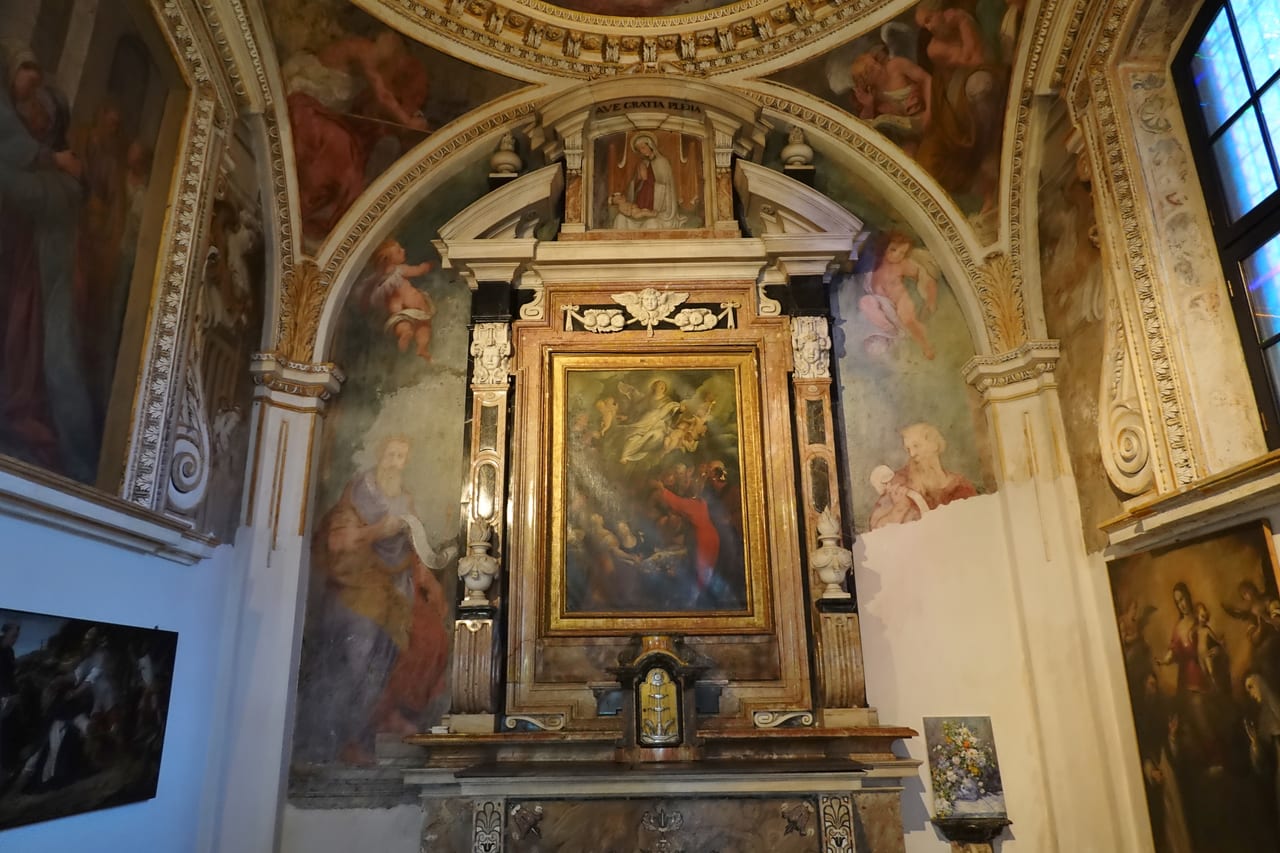
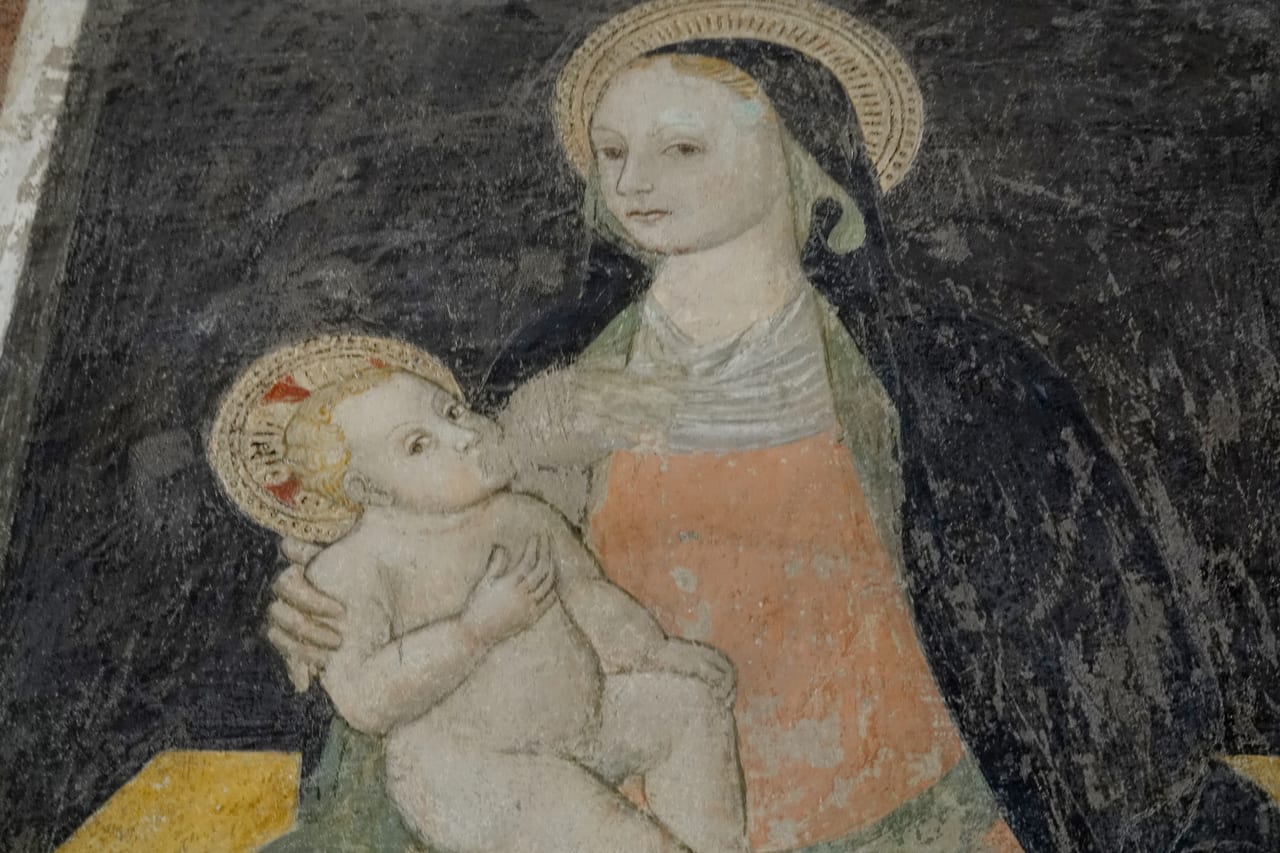
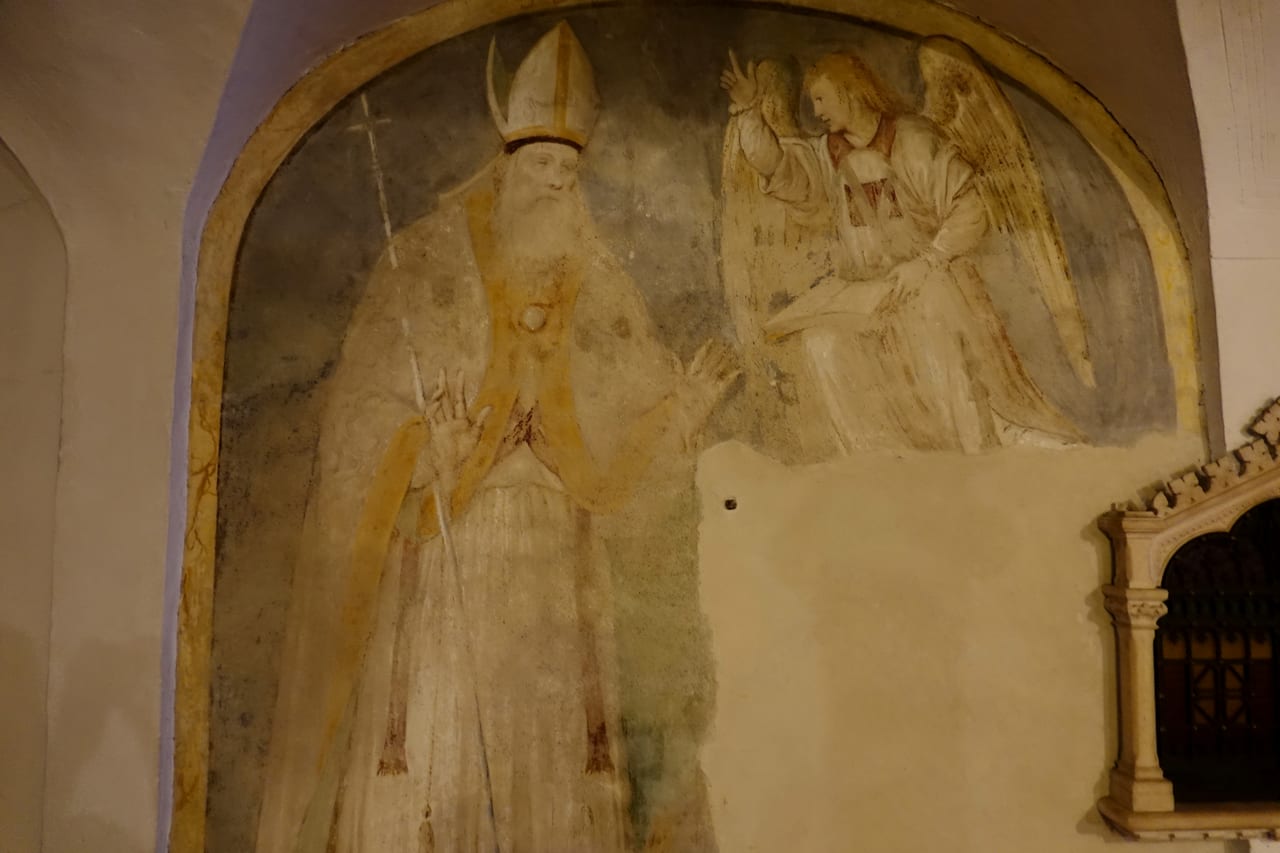
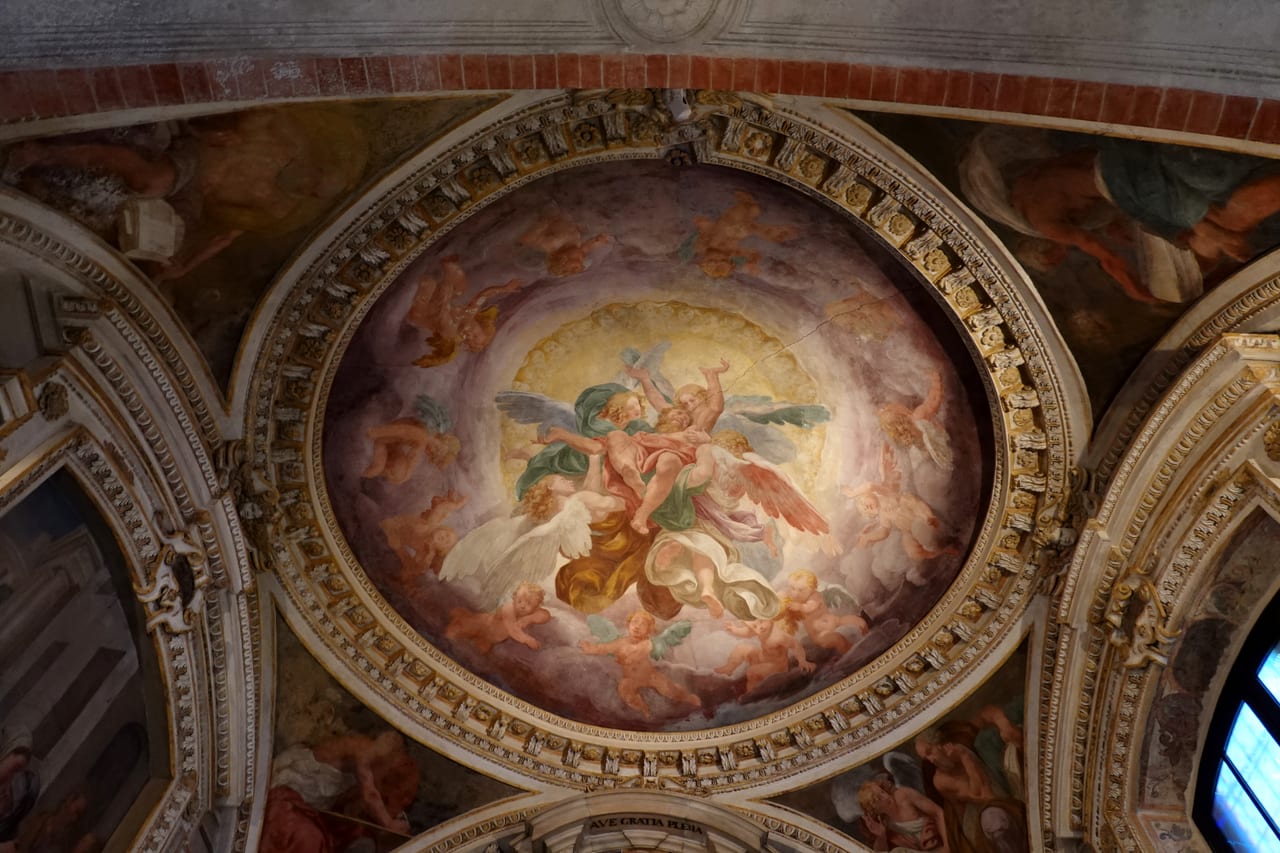
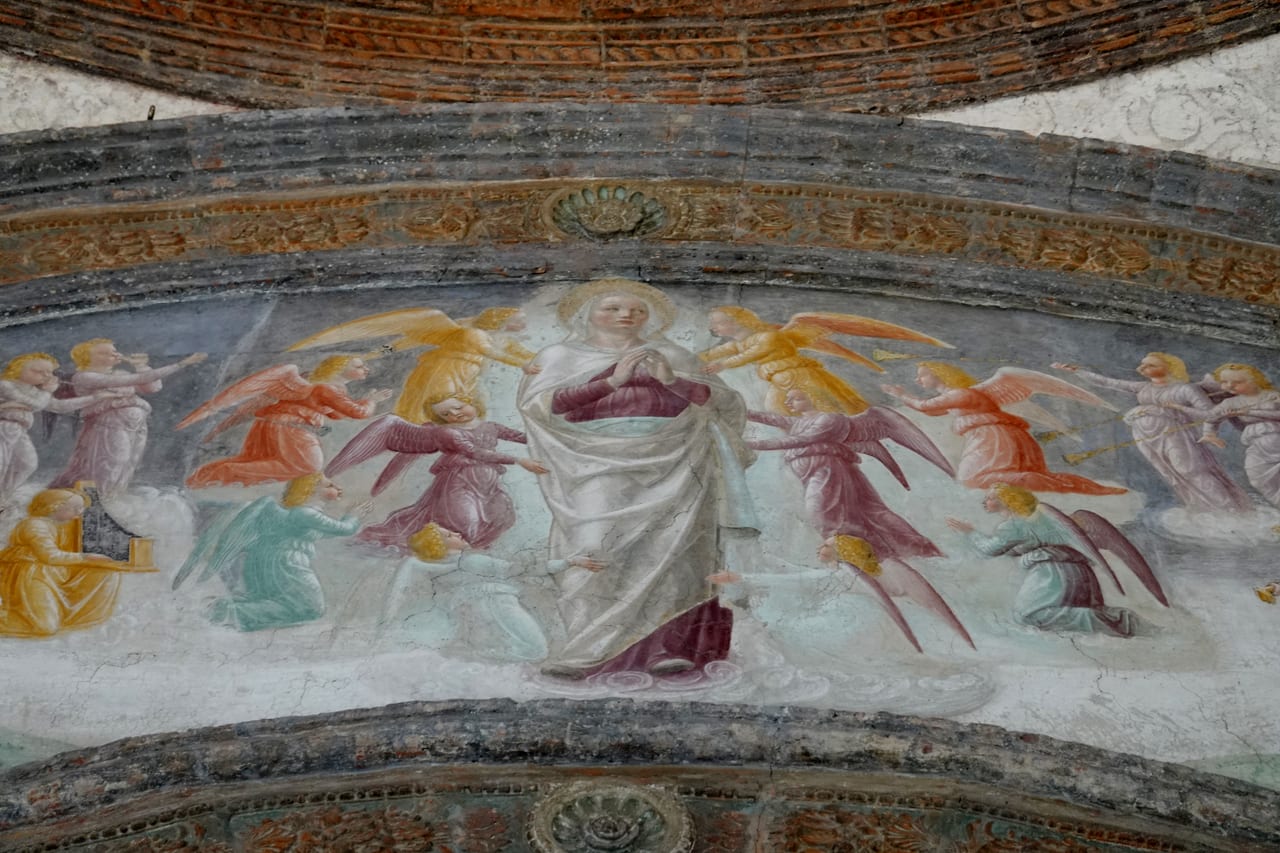
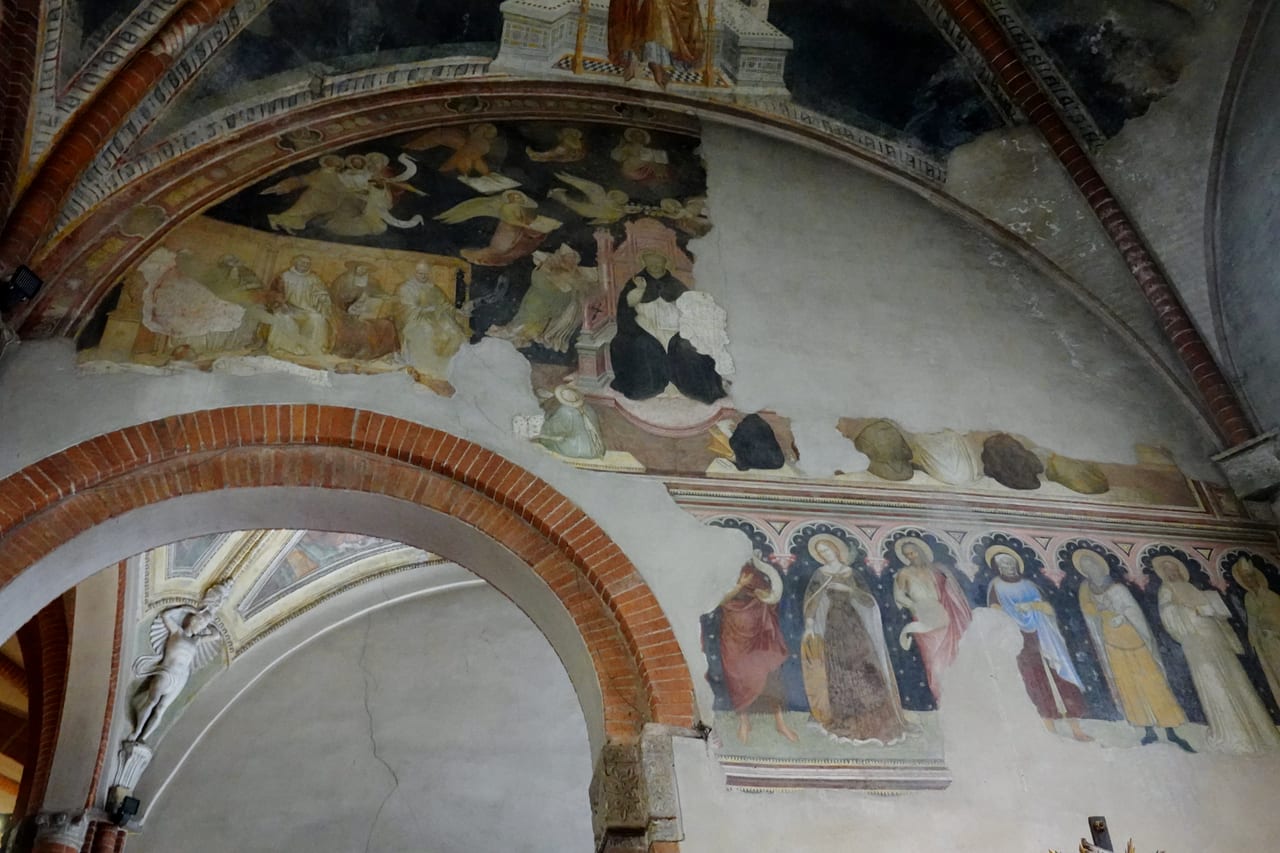
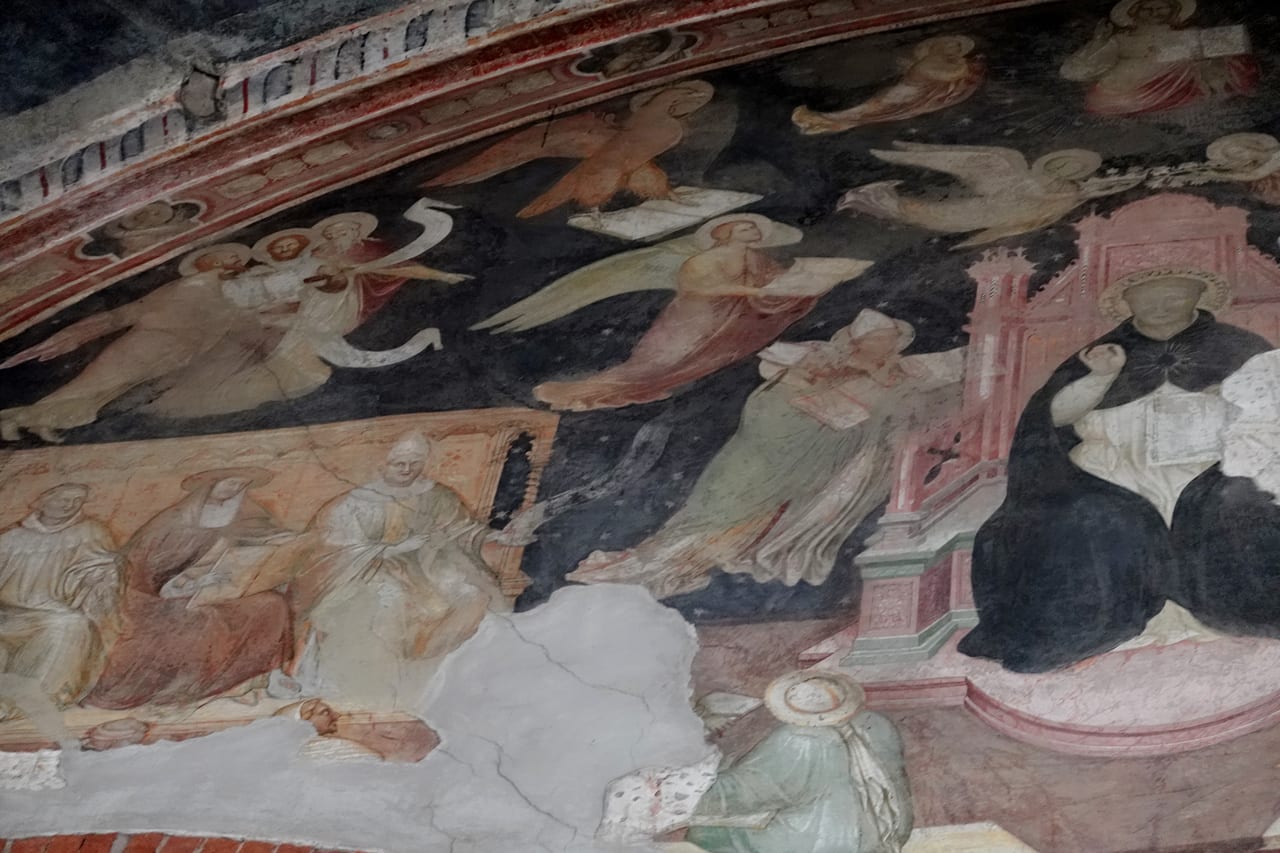
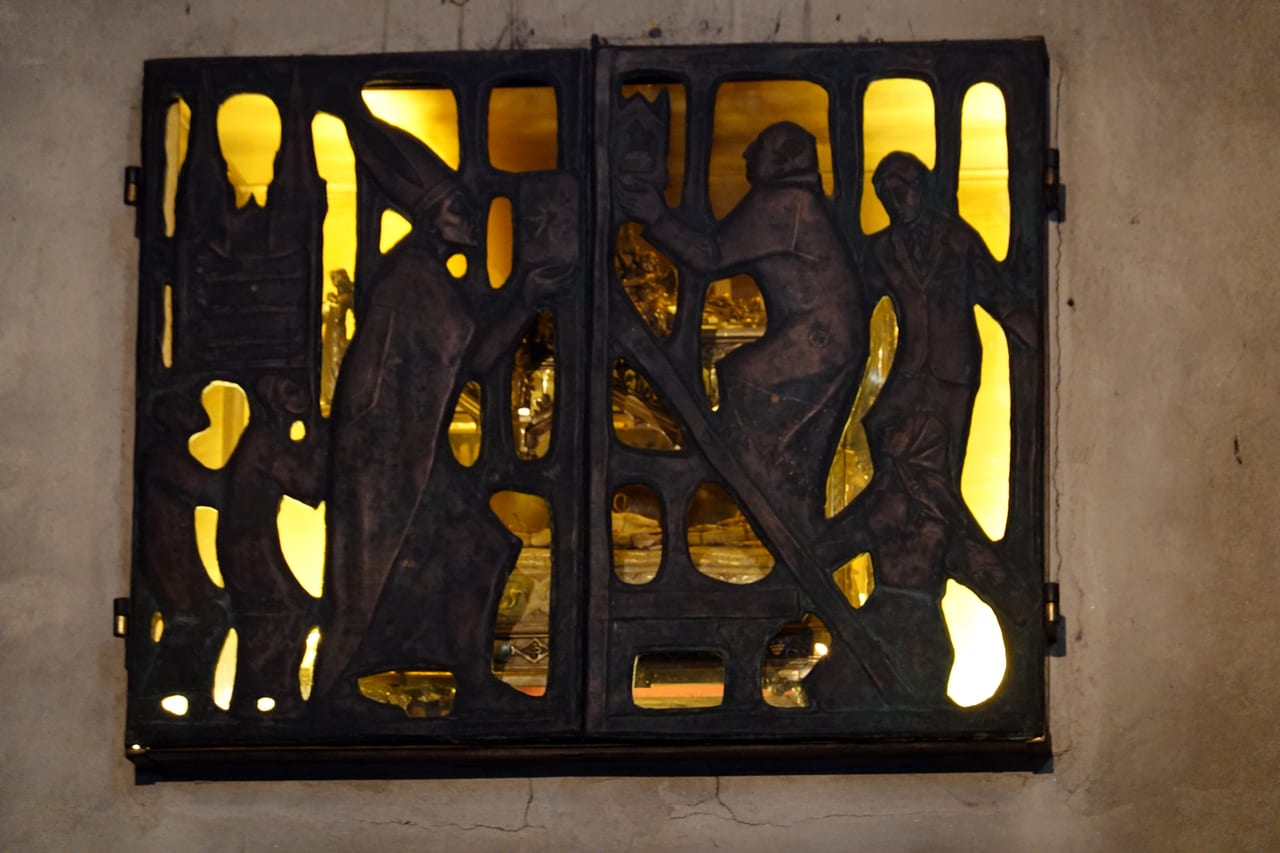
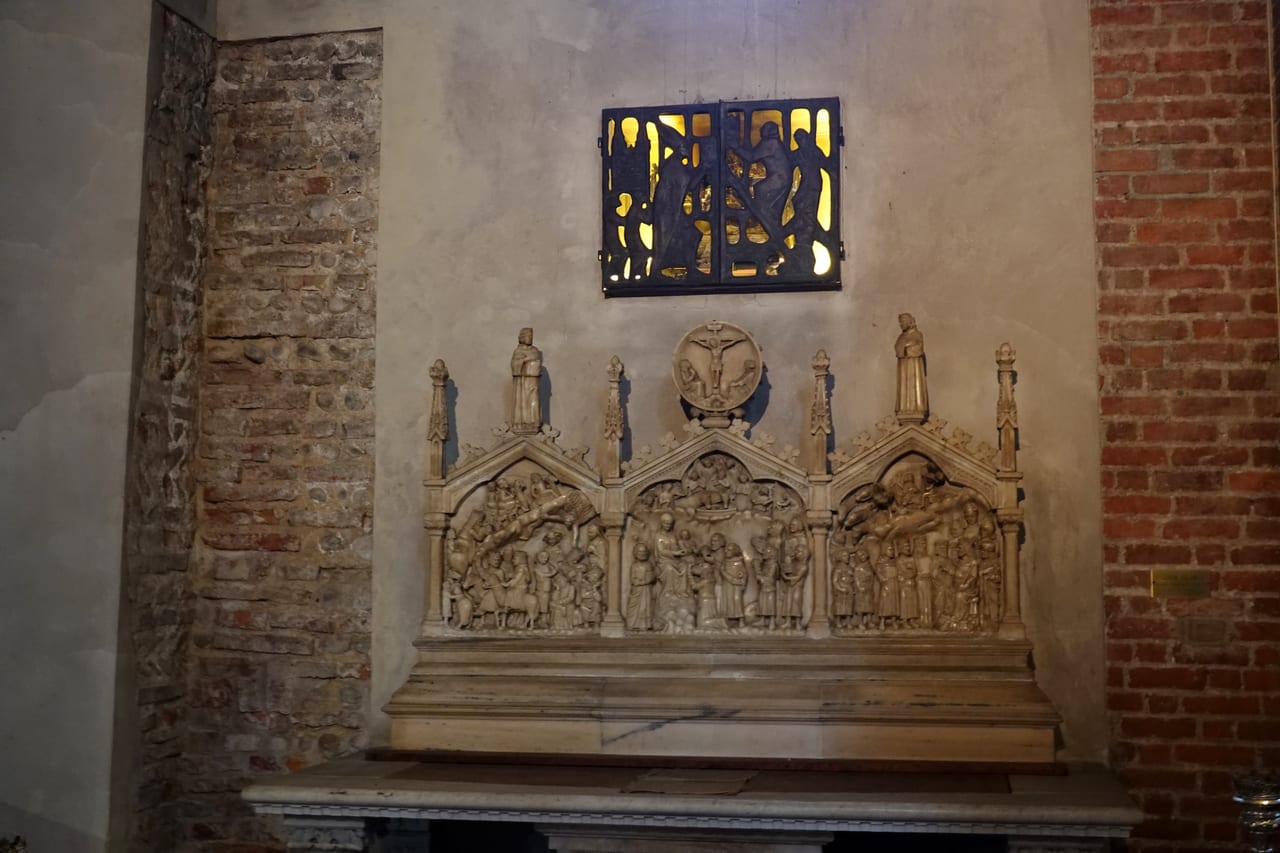
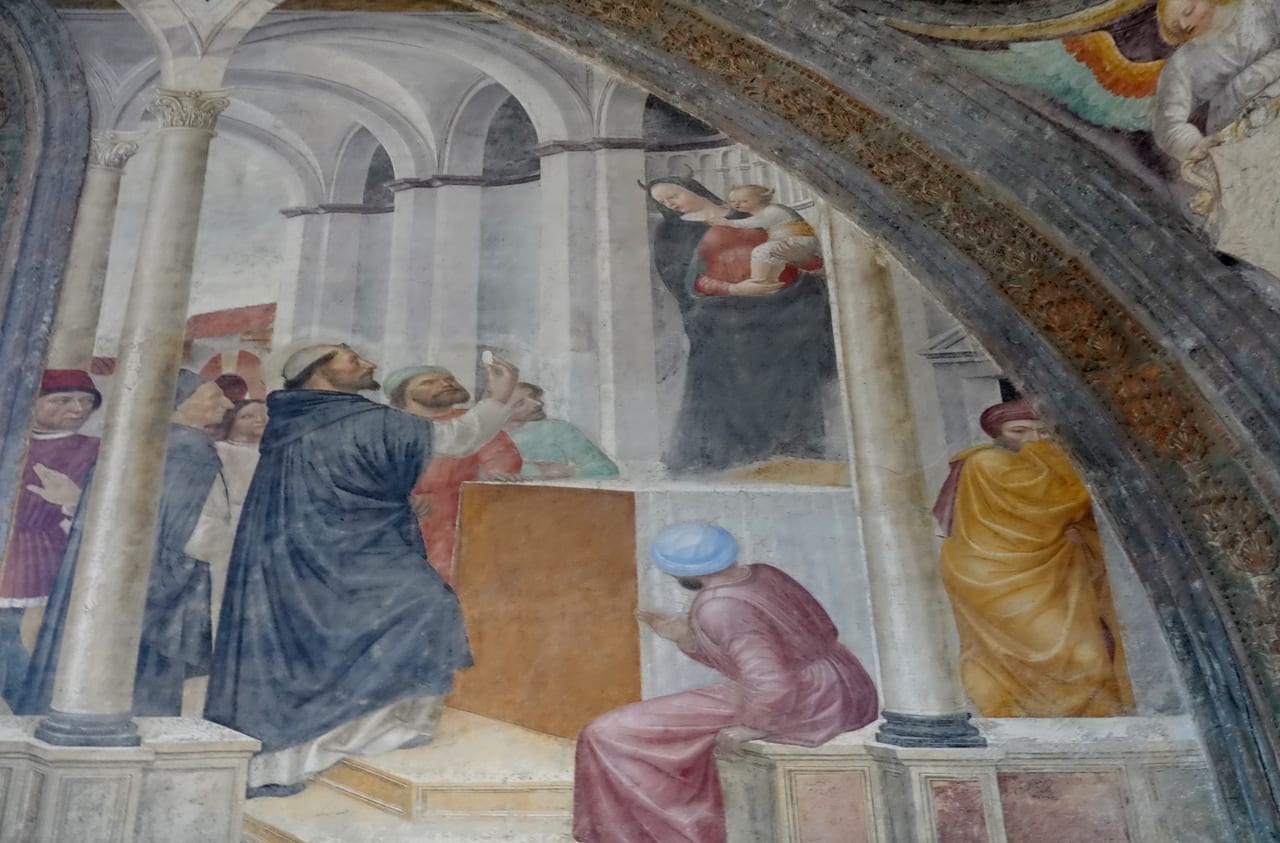
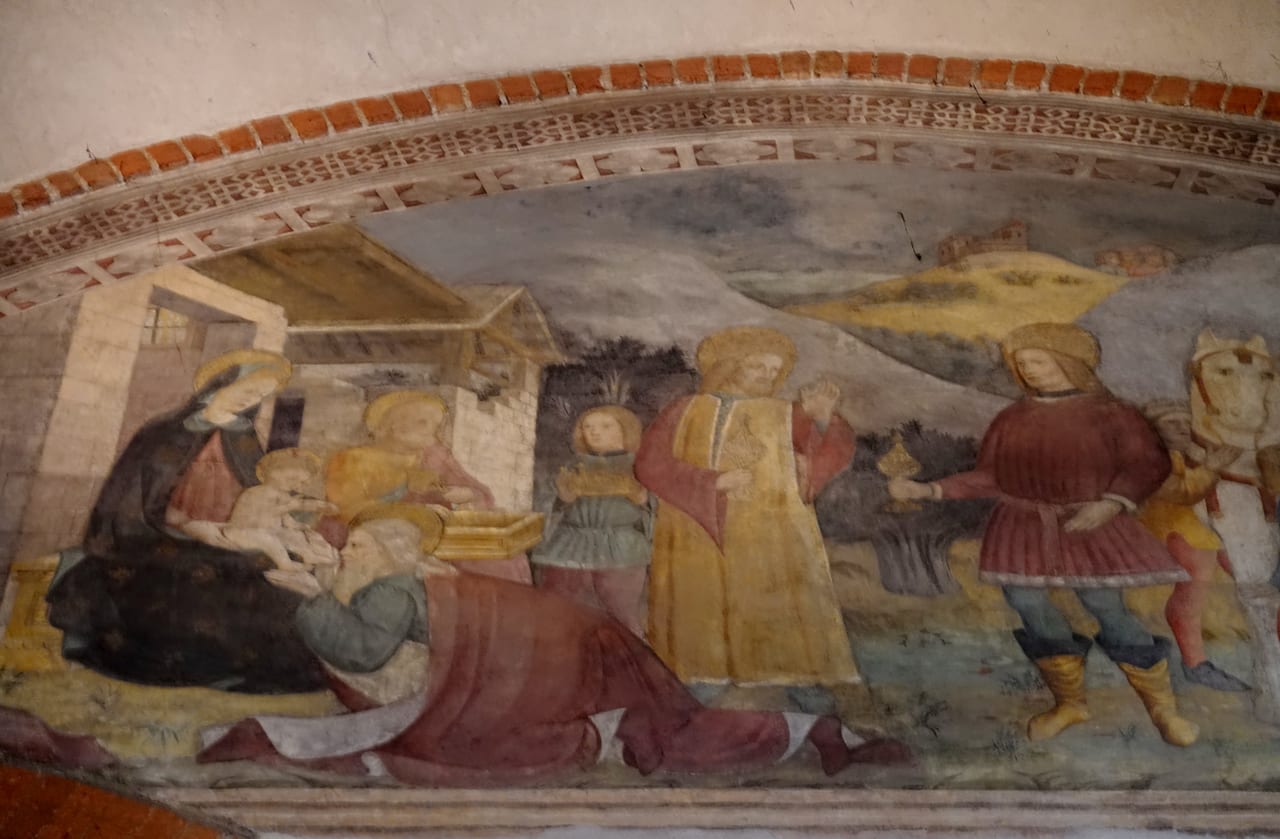
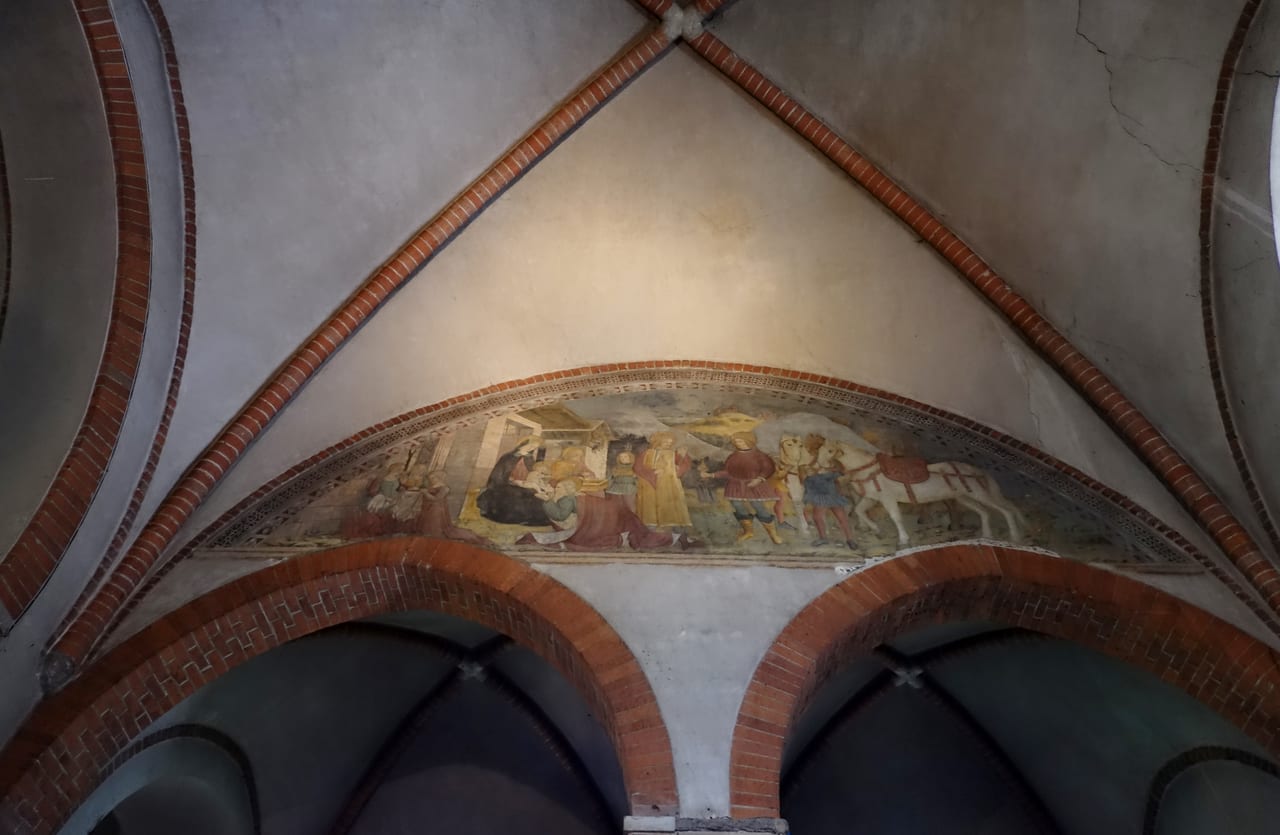
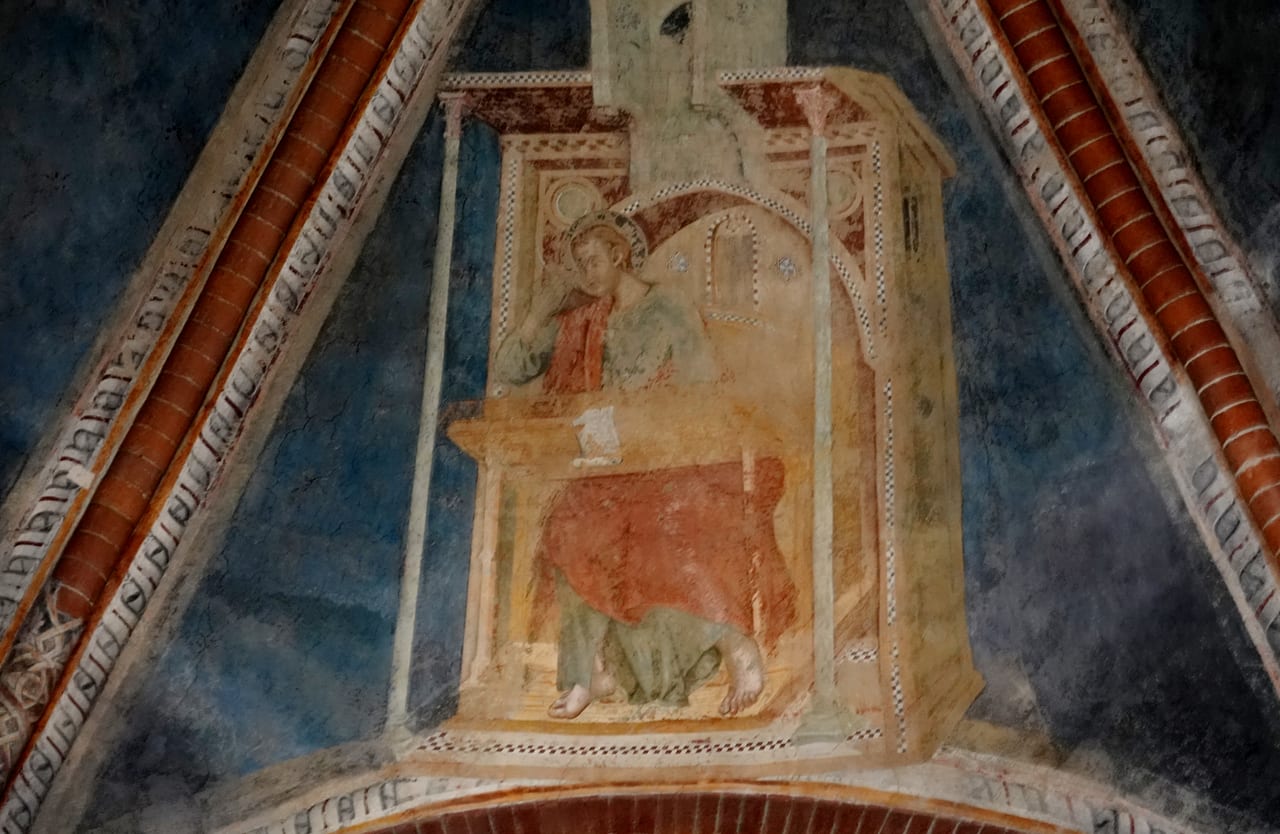
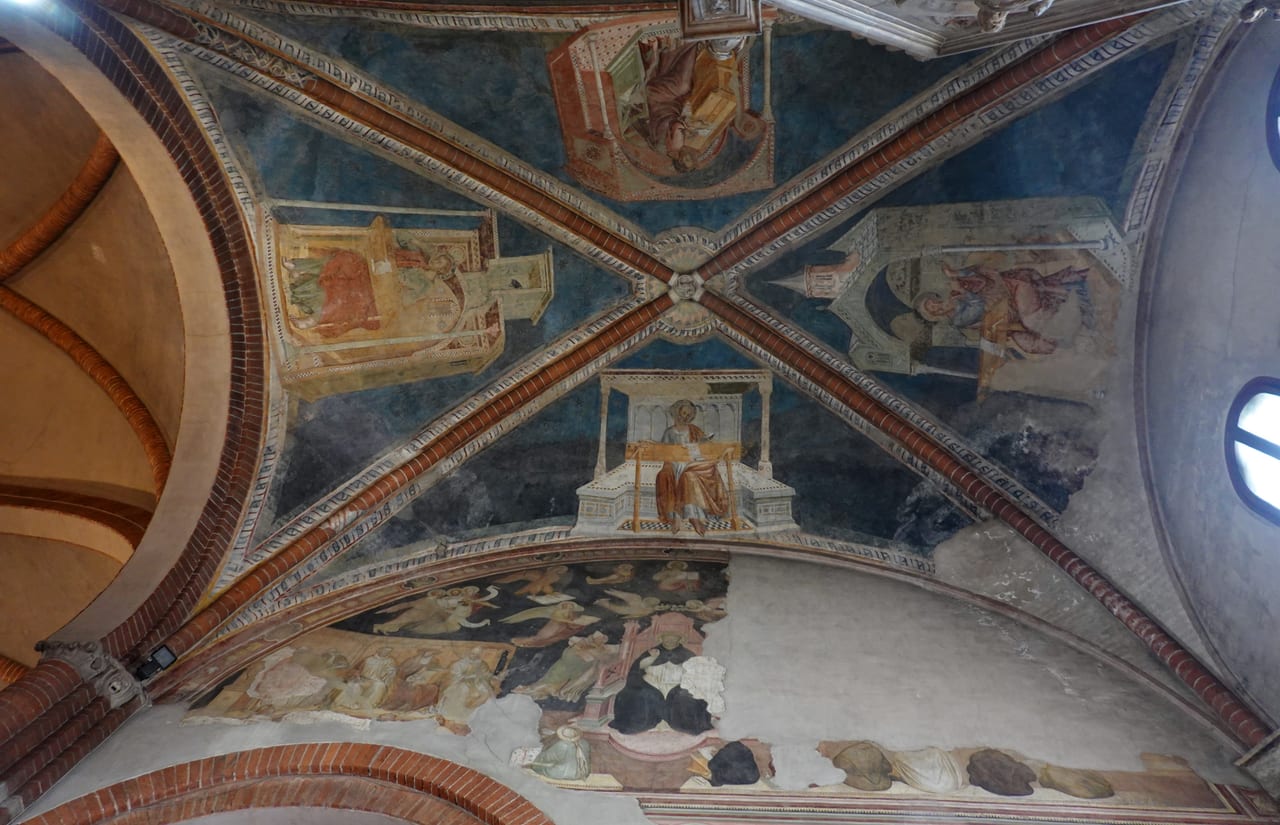
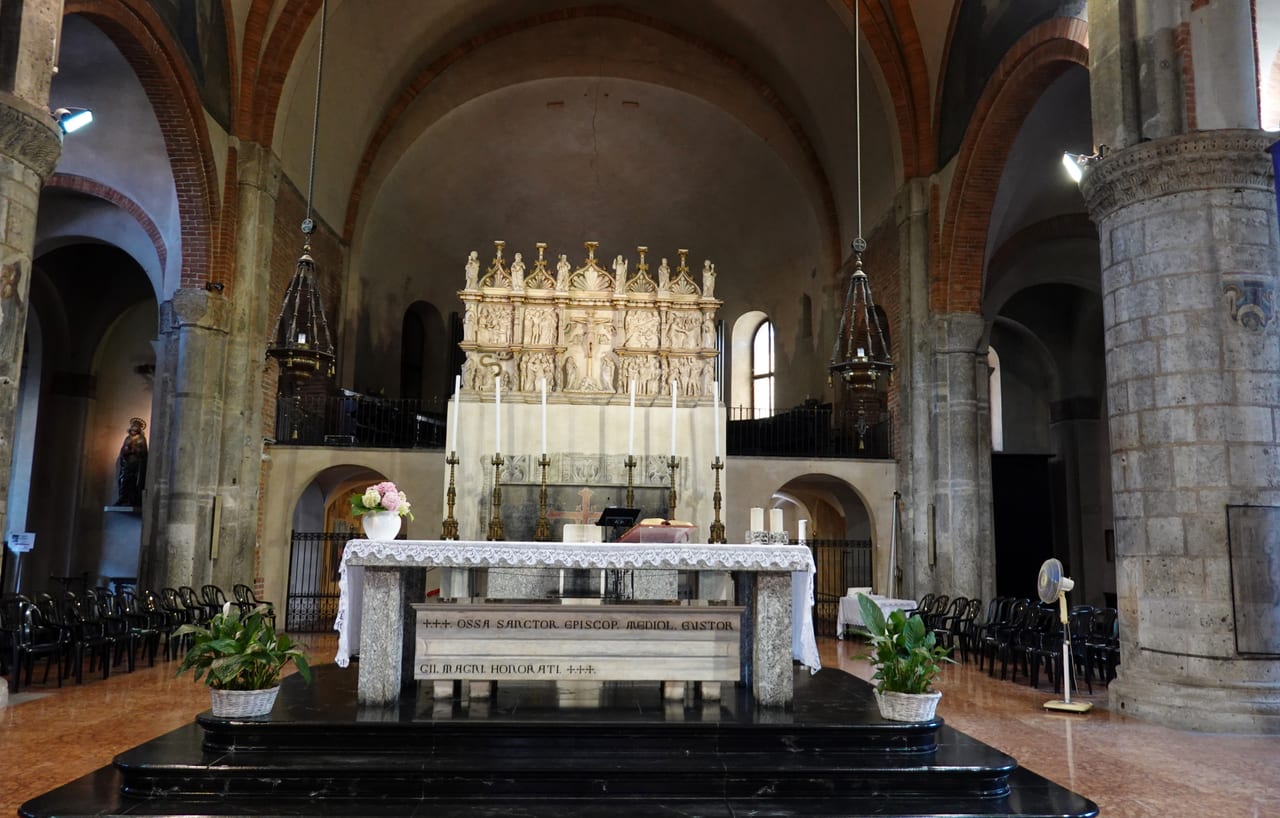
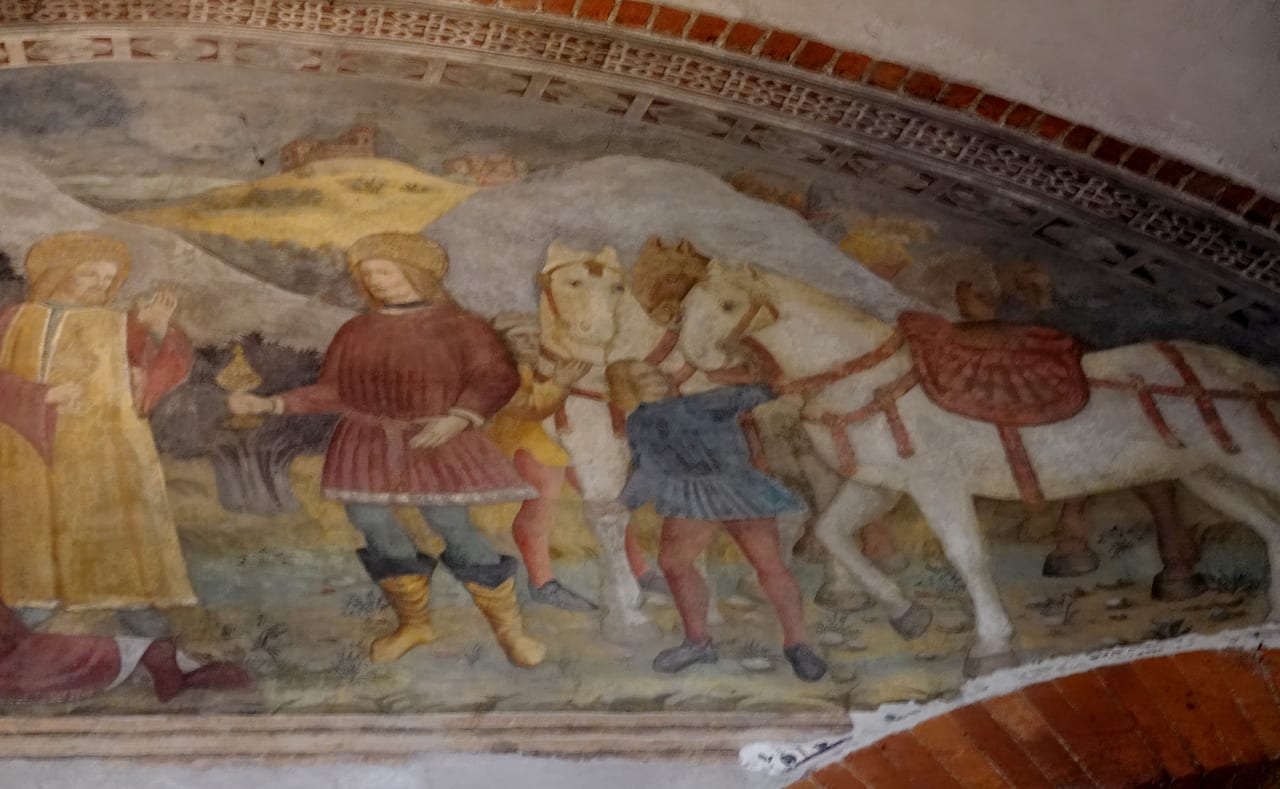
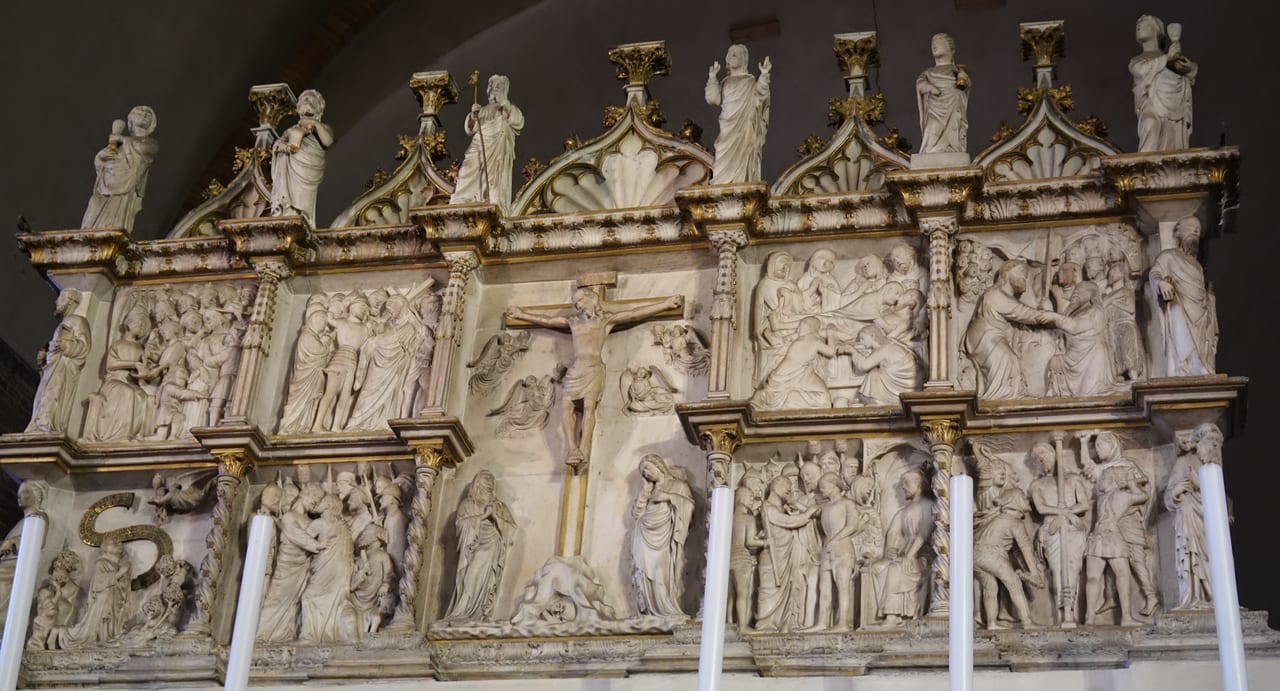
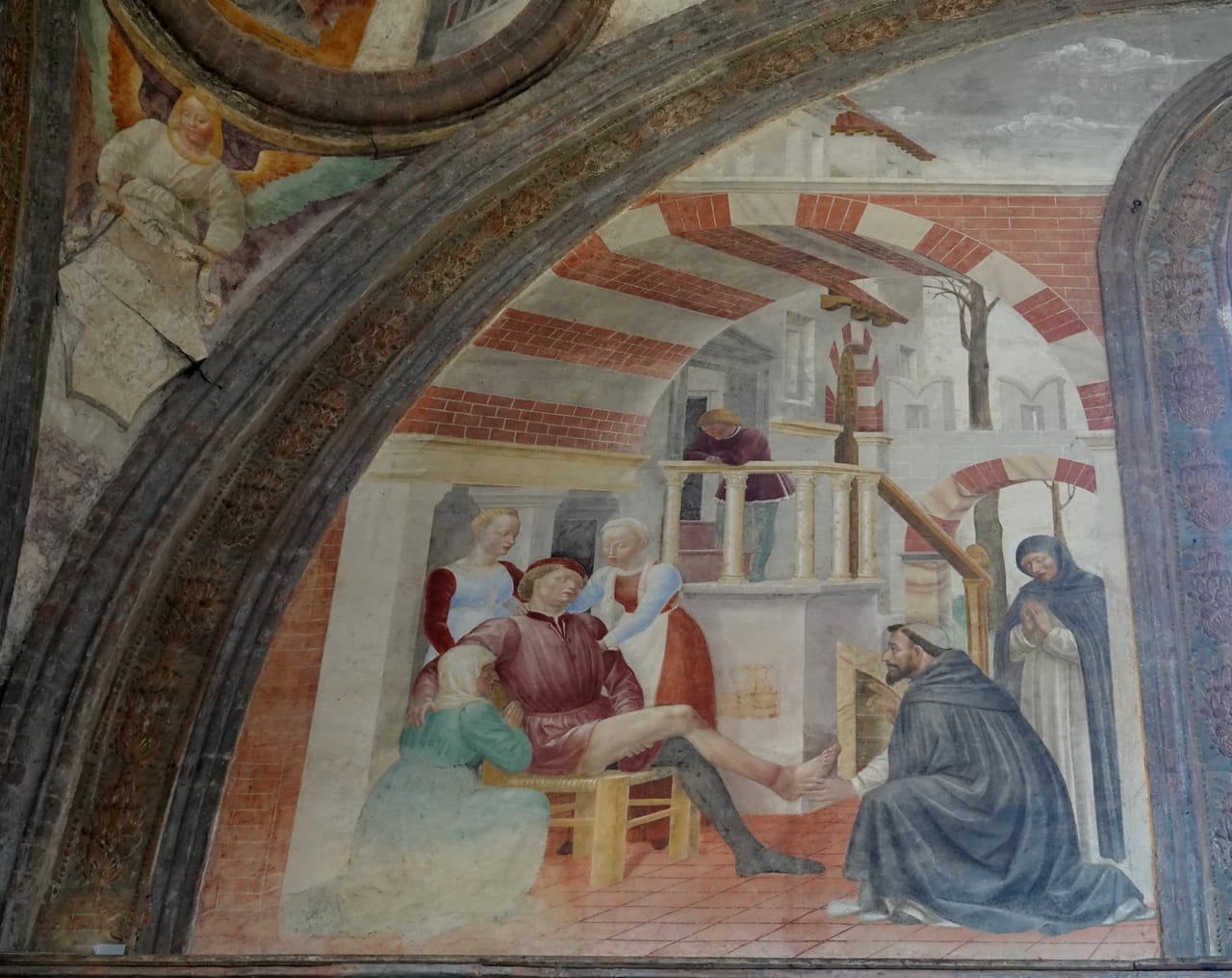
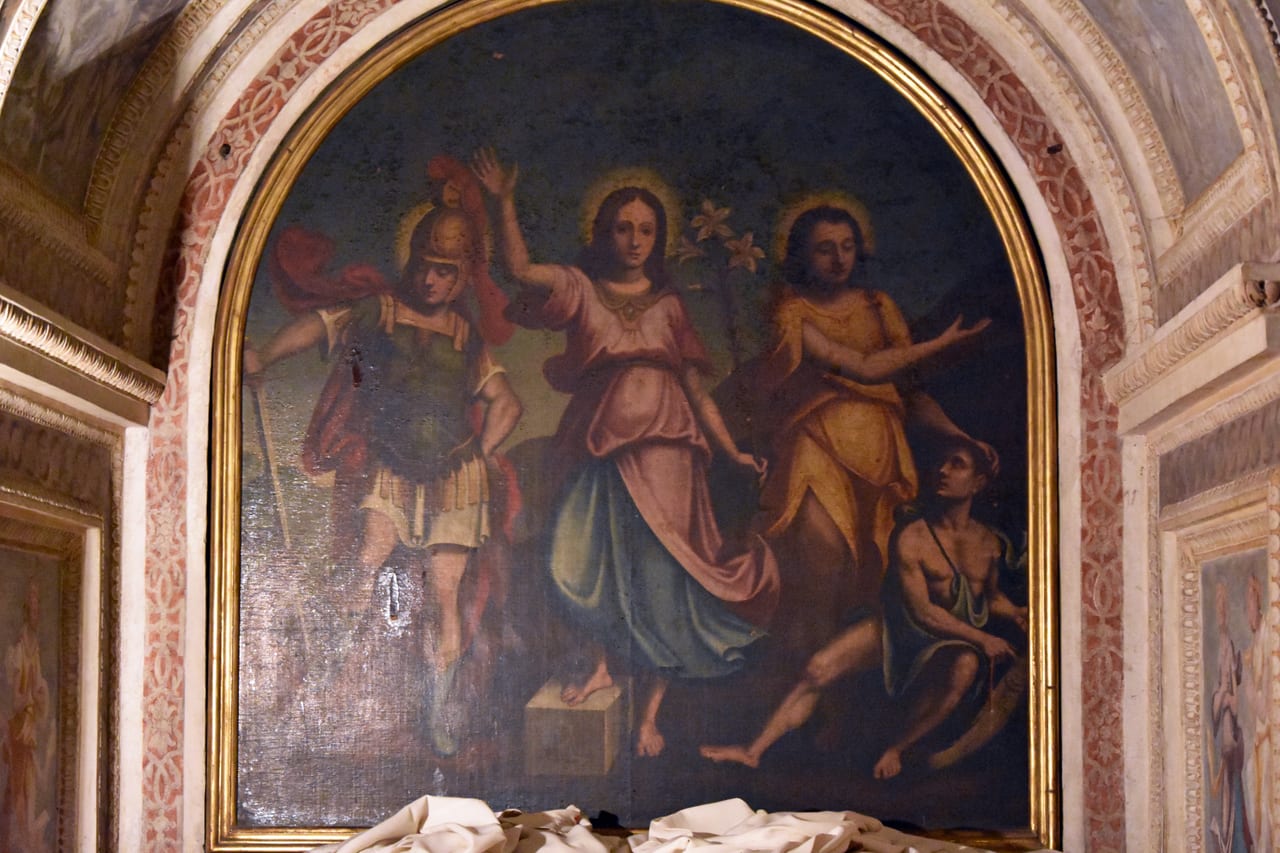
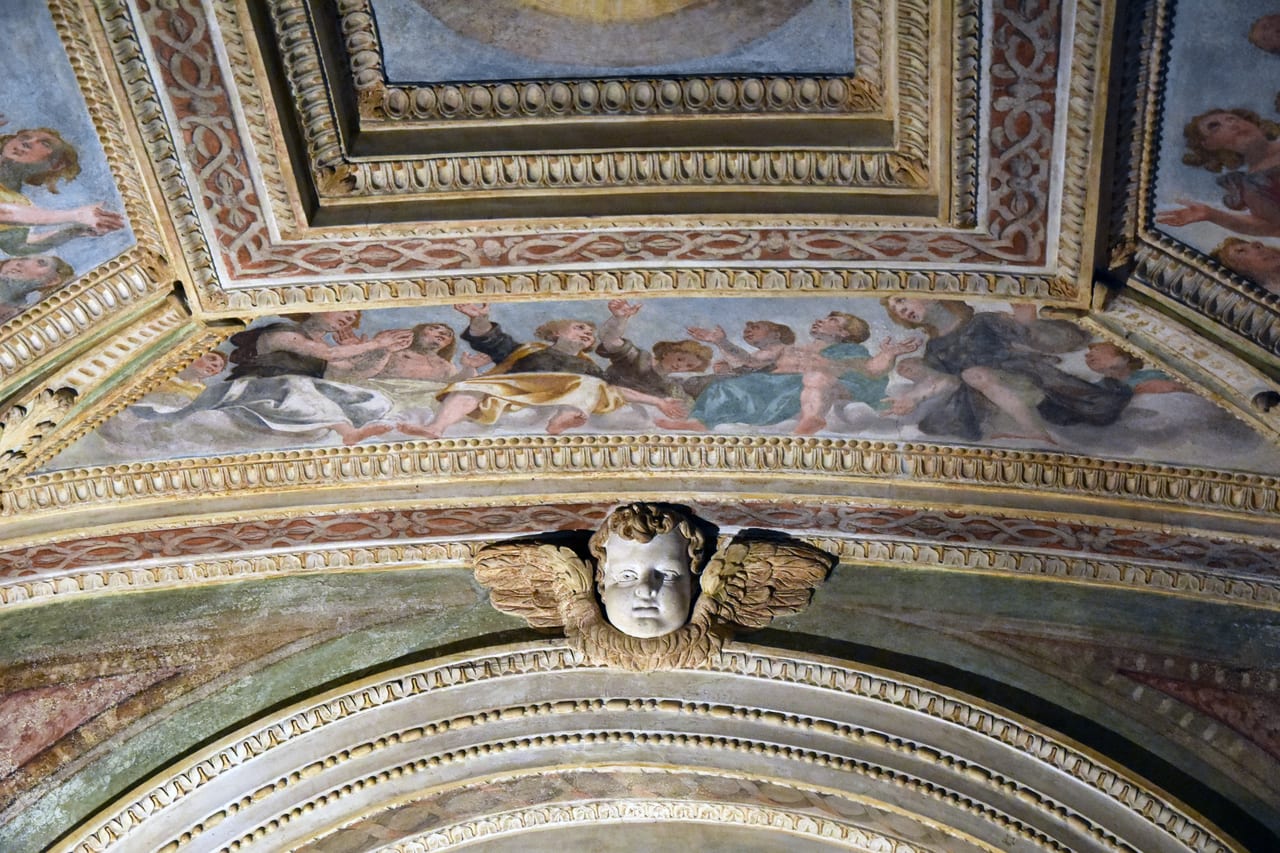
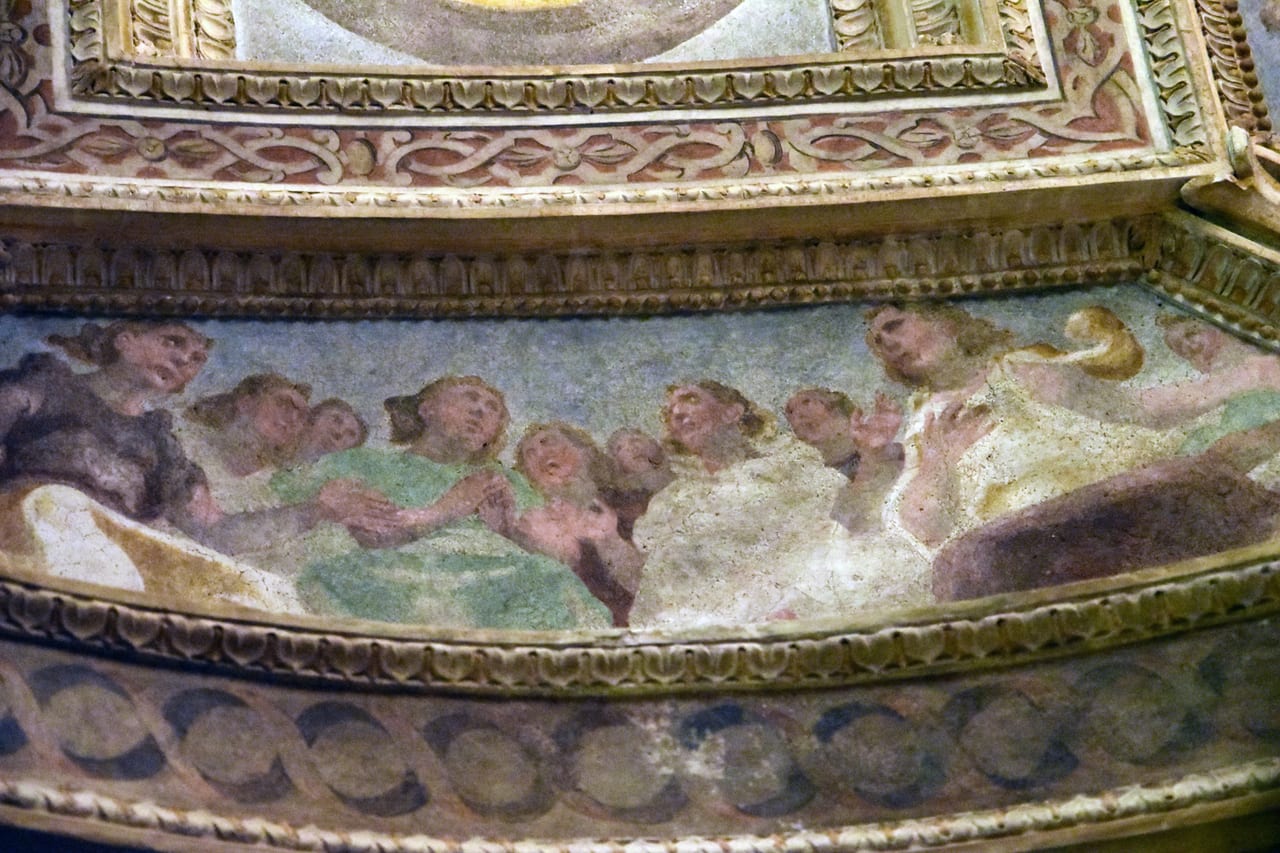
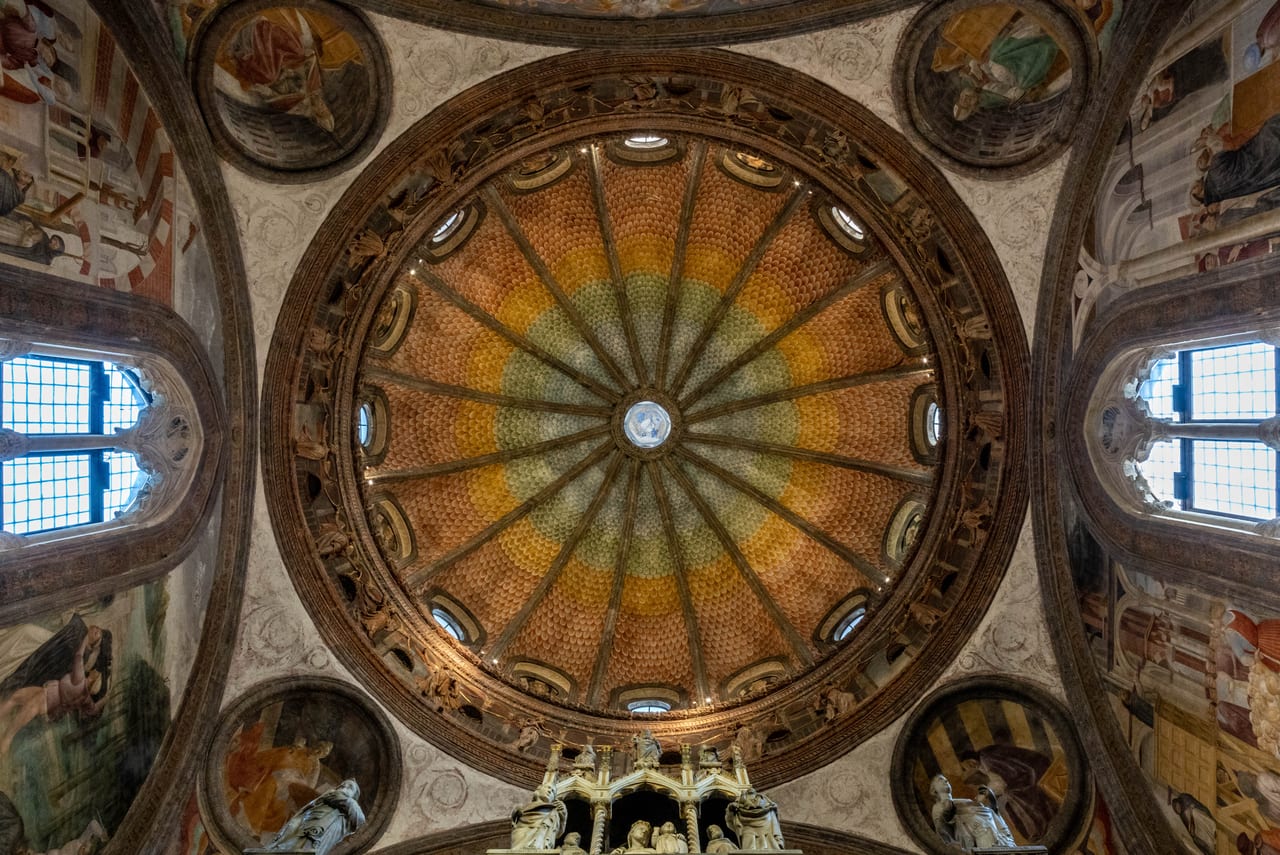
Begin with the right-hand chapels: look for the Renaissance sepulchre and Ambrogio Bergognone’s triptych, then examine the Giotto-school frescoes and Visconti tombs. The early-15th-century marble polyptych at the high altar has a related work in the right transept. Other details include the 13th-century Venetian Crucifixion and Ambrogio Figino’s St. Ambrose Defeating Arius. Behind the apse, the Portinari Chapel contains Vincenzo Foppa’s frescoes, Giovanni di Balduccio’s marble work and the Ark of Saint Peter of Verona.
Live availability and prices from Stay22's partners, refreshed periodically and subject to change. Booking through these links may earn us a commission at no extra cost to you. See our privacy policy.
More in Milan
Find great cafés, places to stay and other interesting places to visit in Milan.
