Church · Milan
Basilica of Sant'Ambrogio
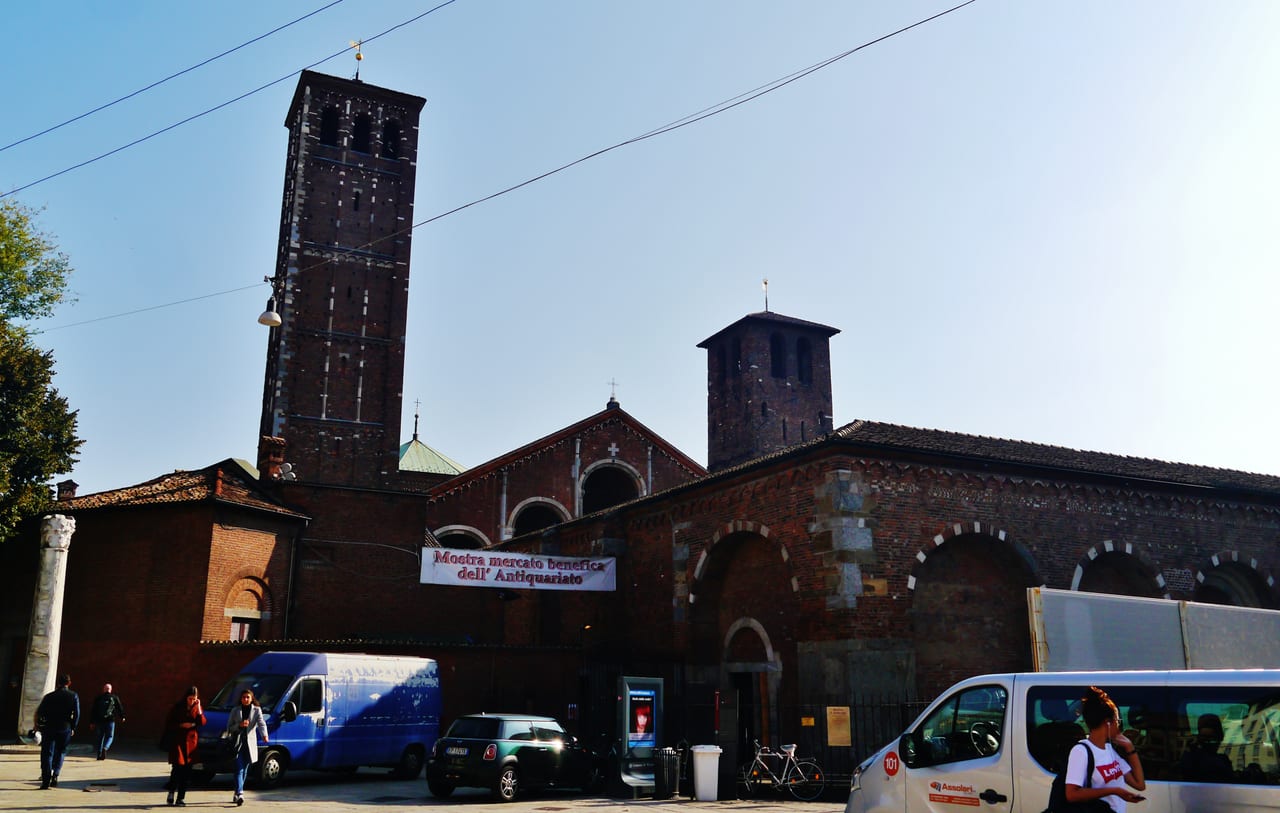
DirectionsBeside the basilica, the Devil’s Column bears two holes traditionally said to have been made when the Devil struck it with his horns while tempting St. Ambrose.
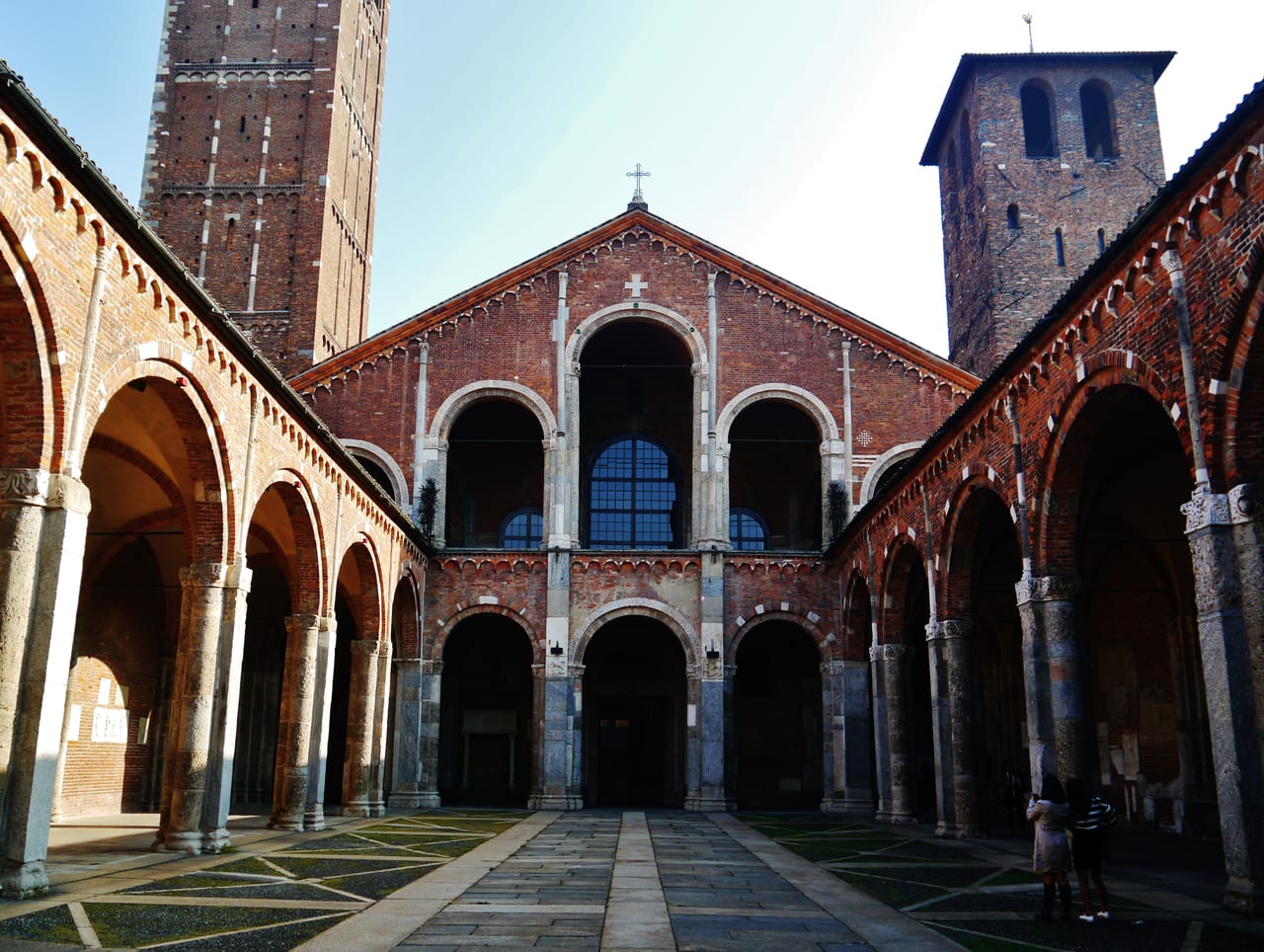
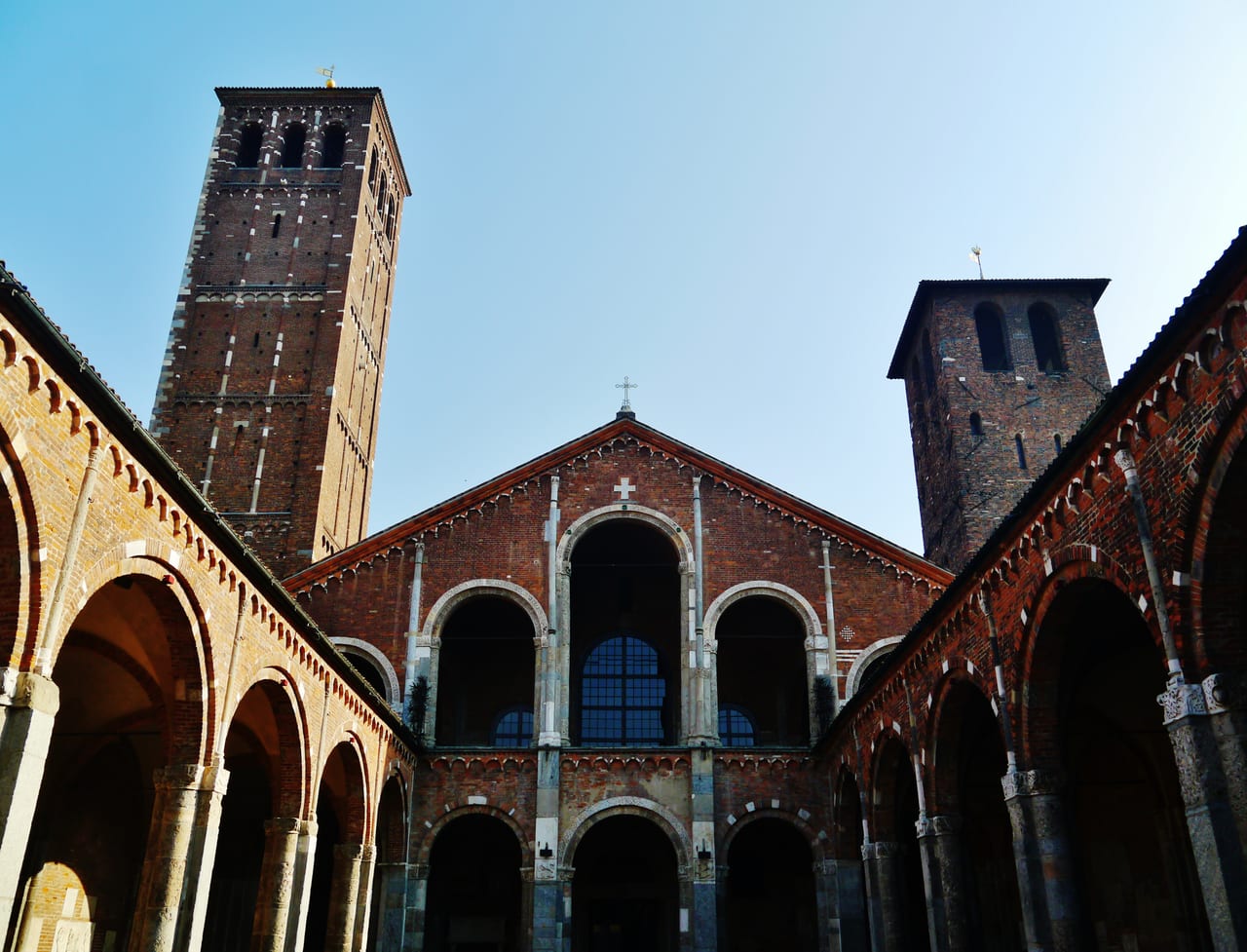
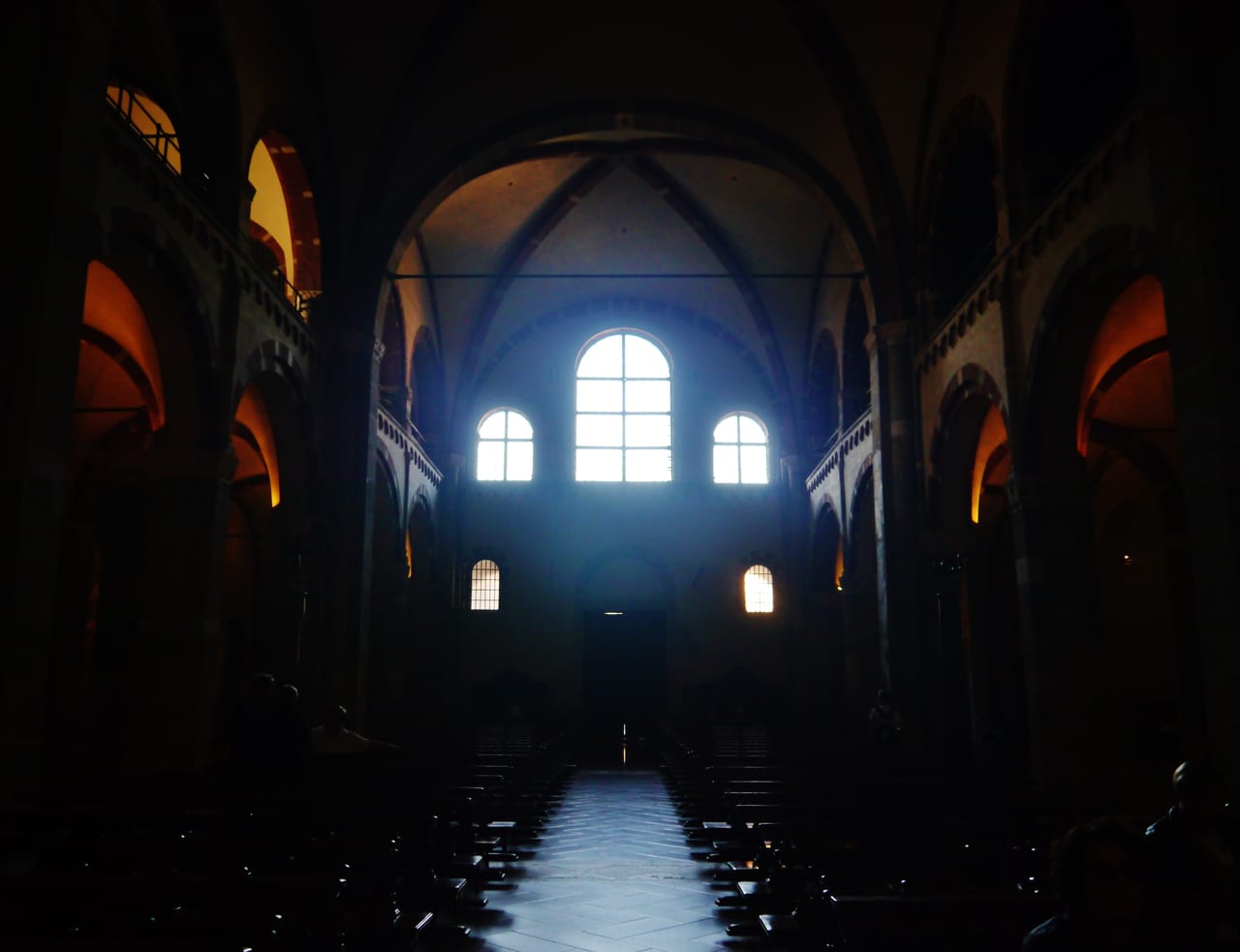
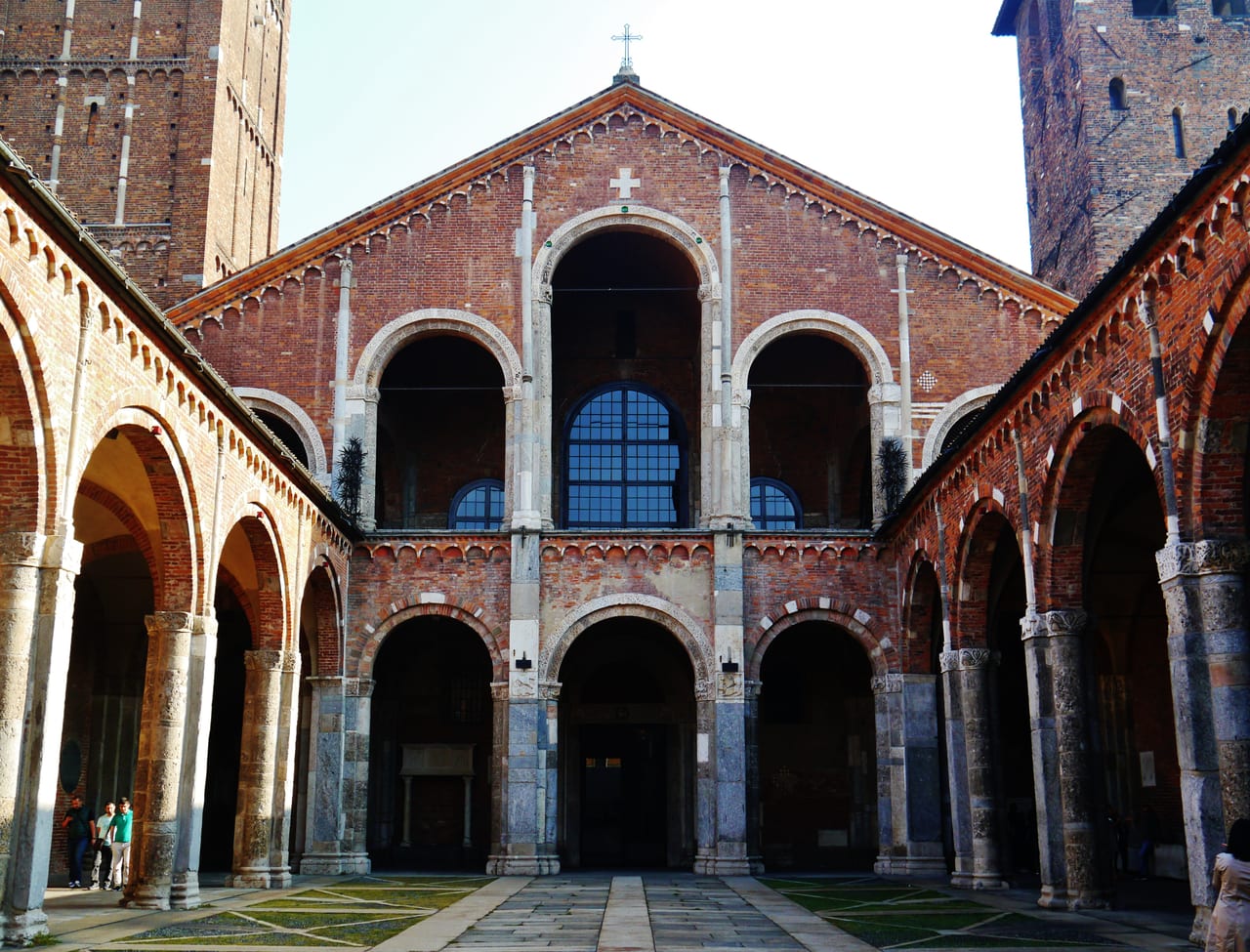
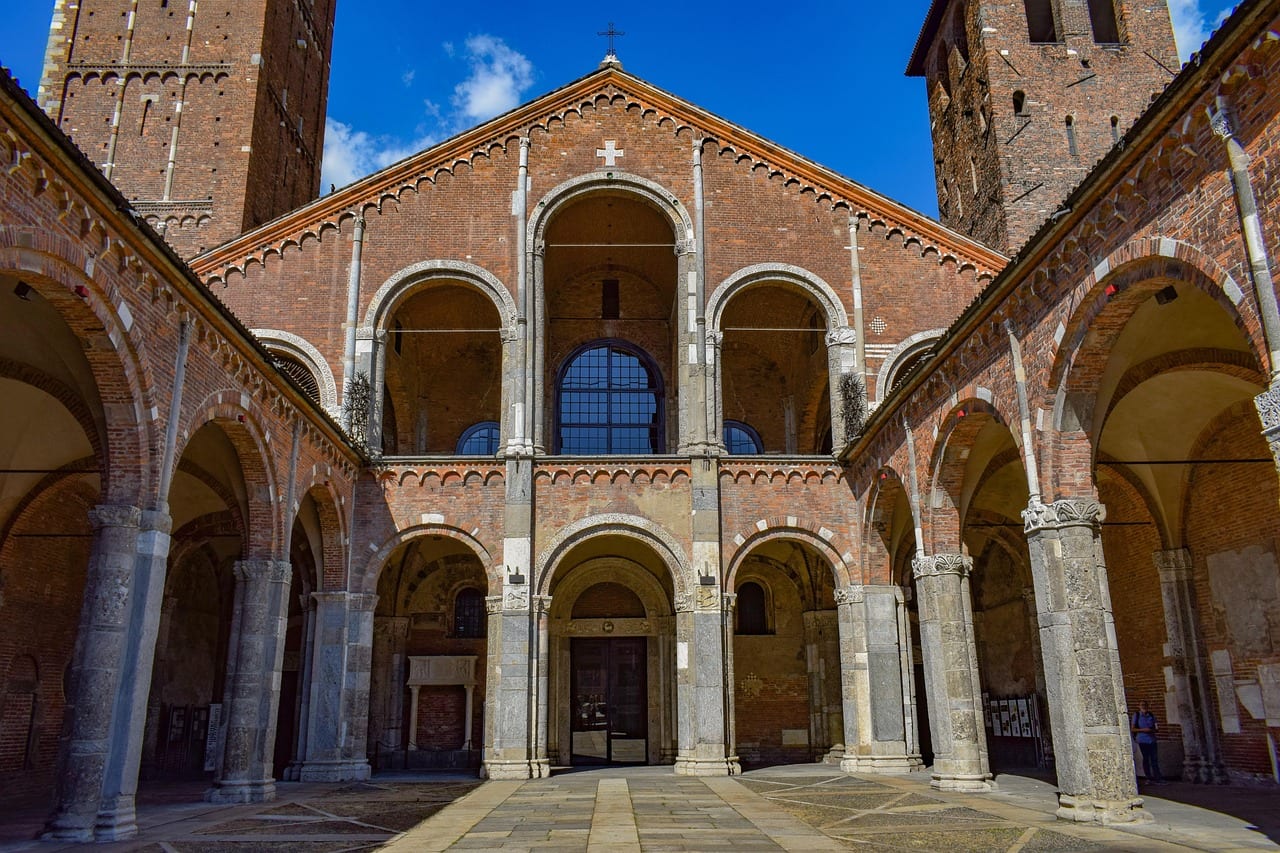
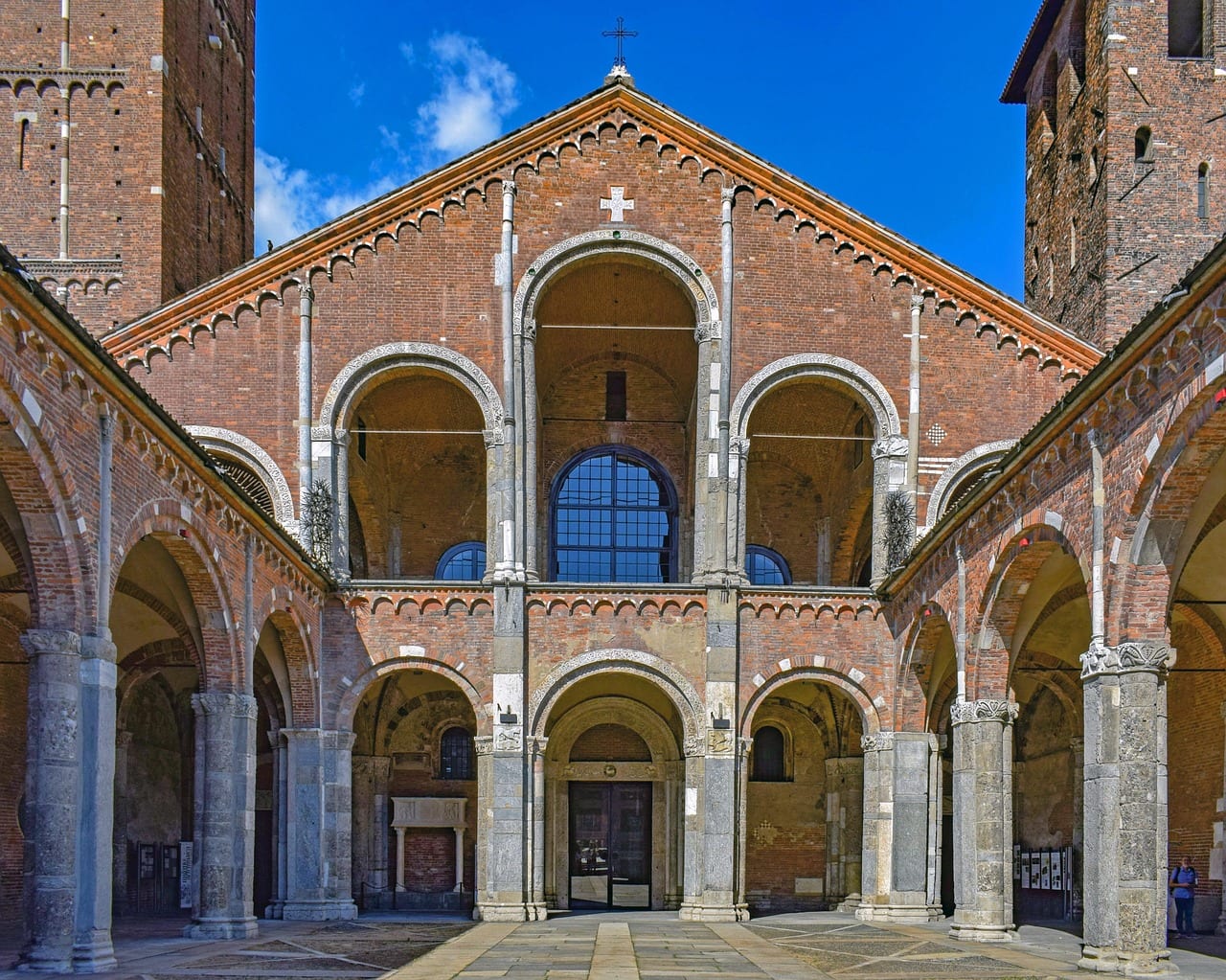
Photograph 1 of 26 of Basilica of Sant'Ambrogio
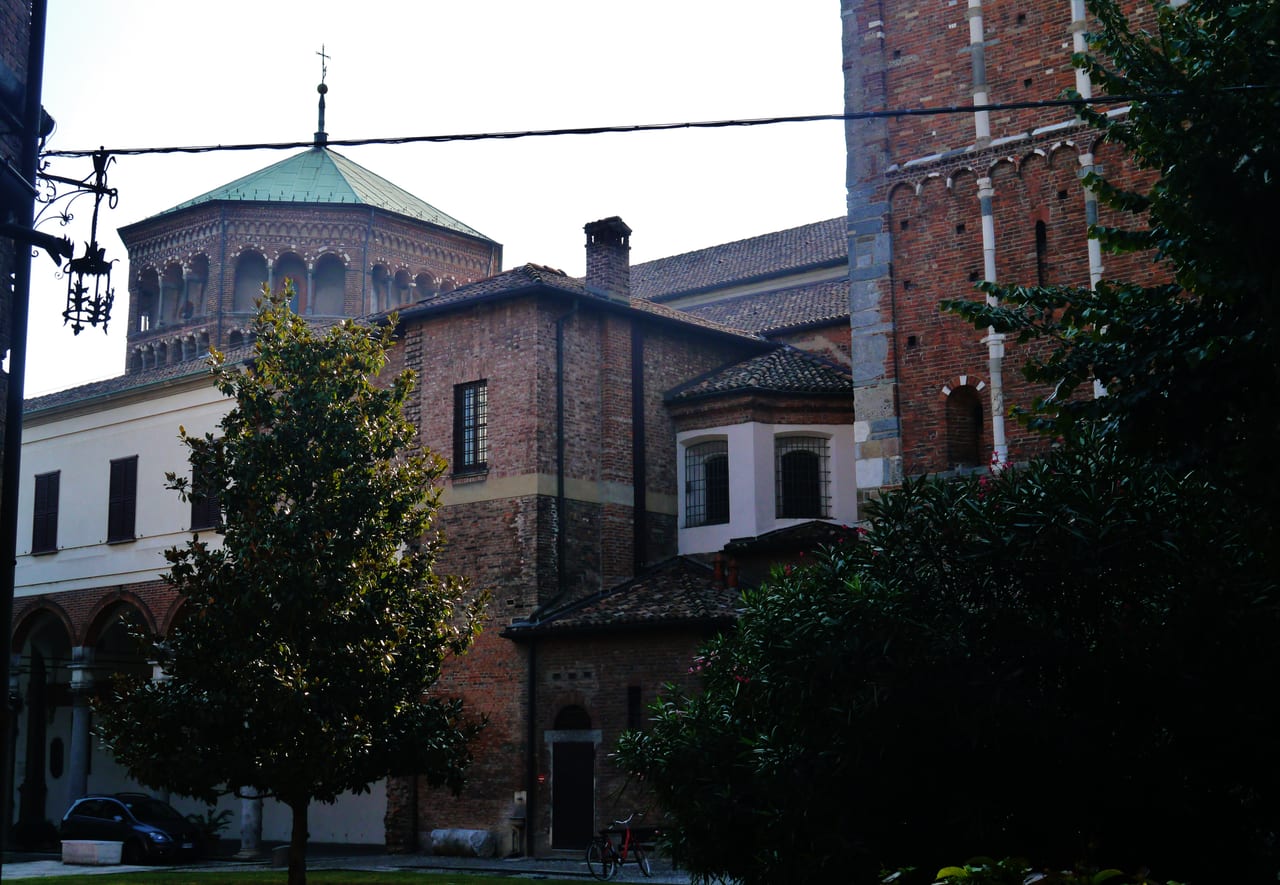
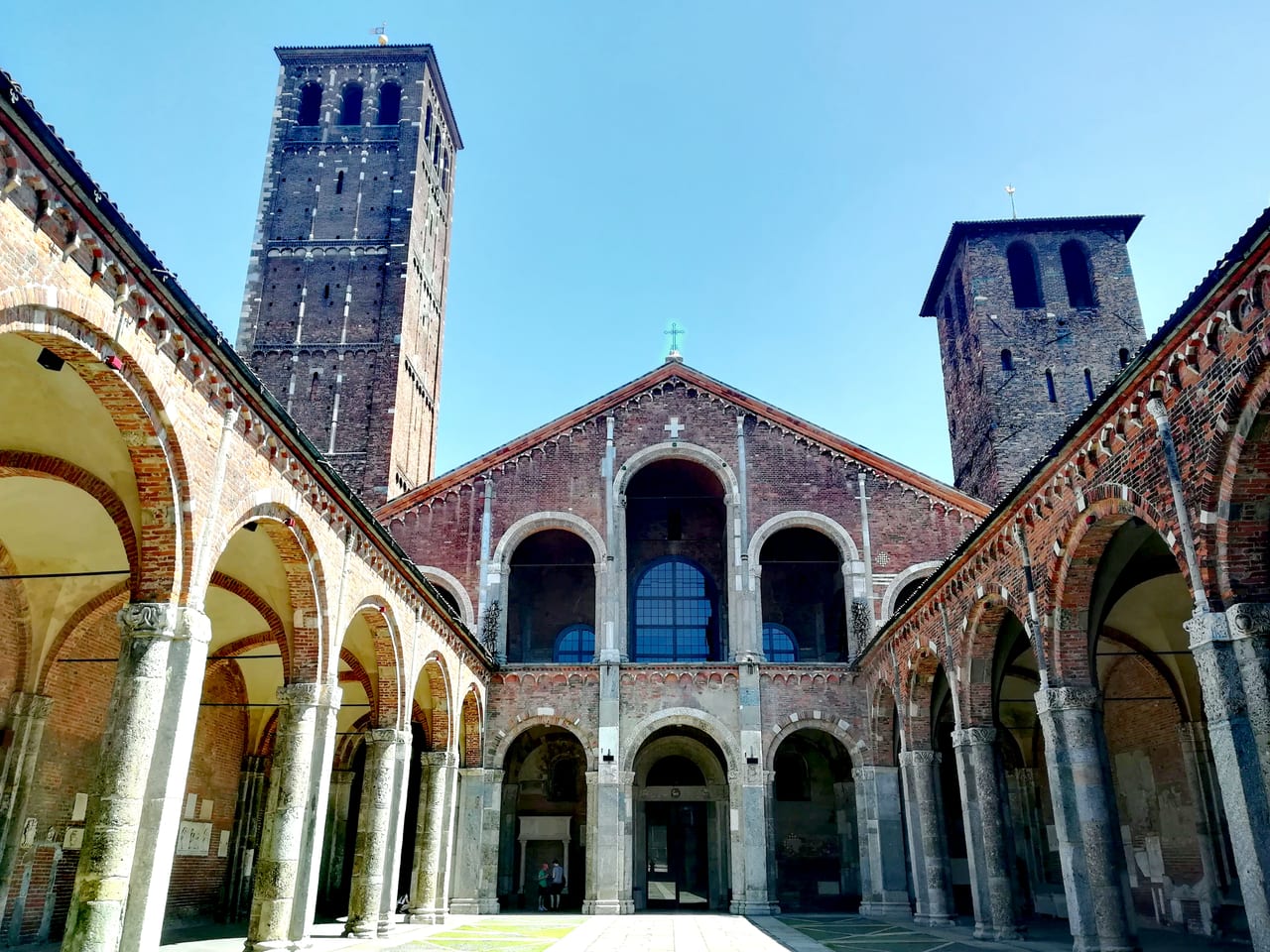
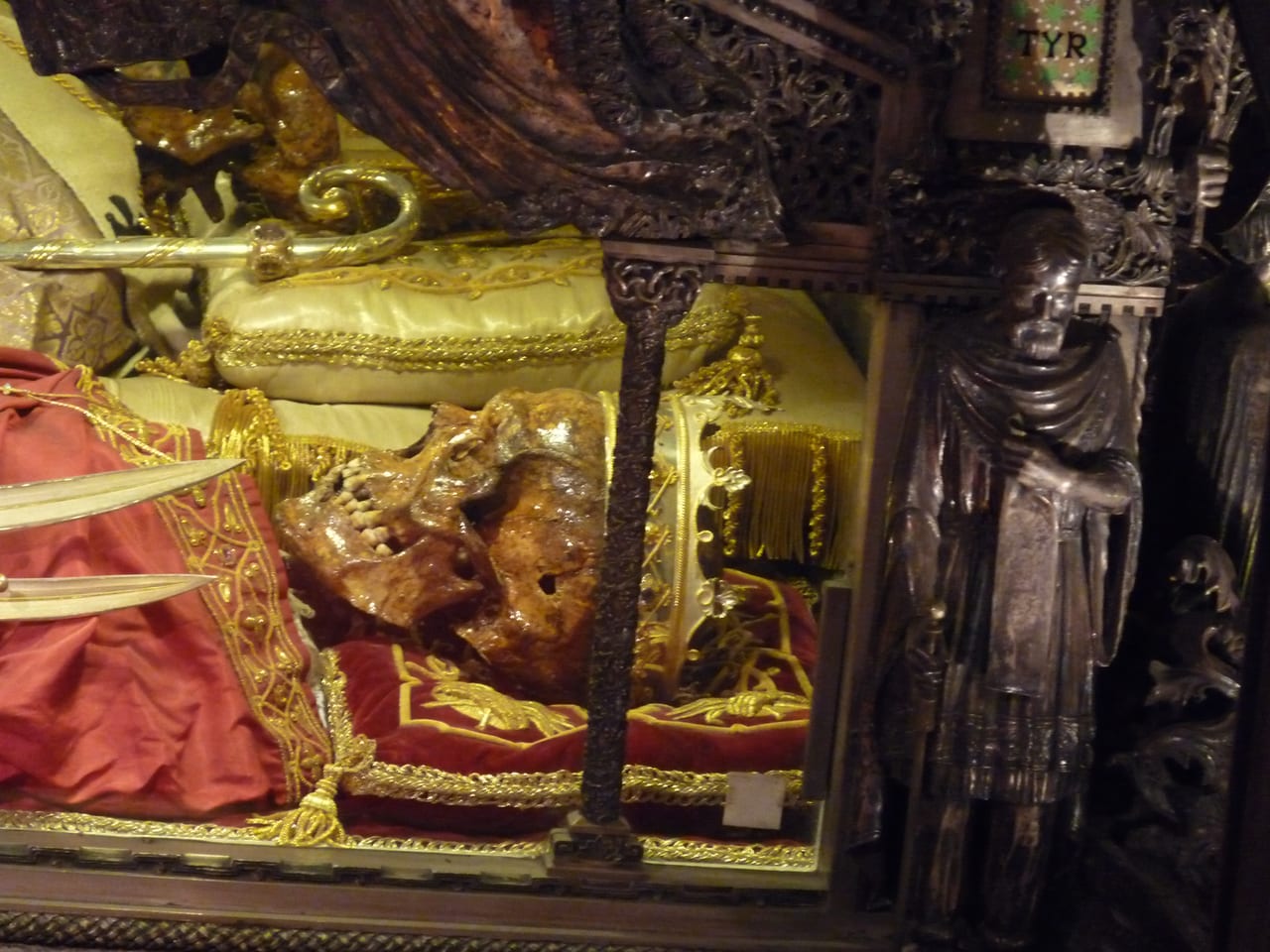
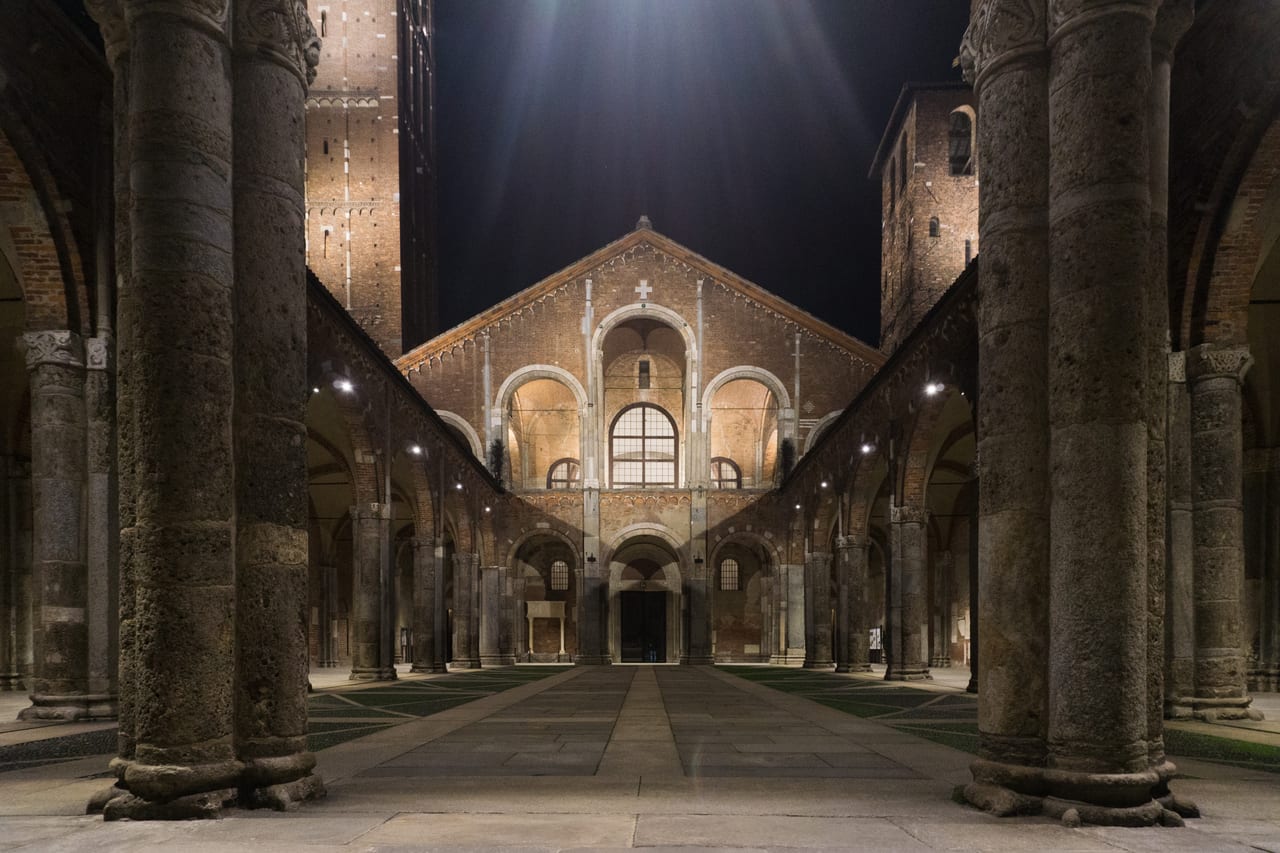
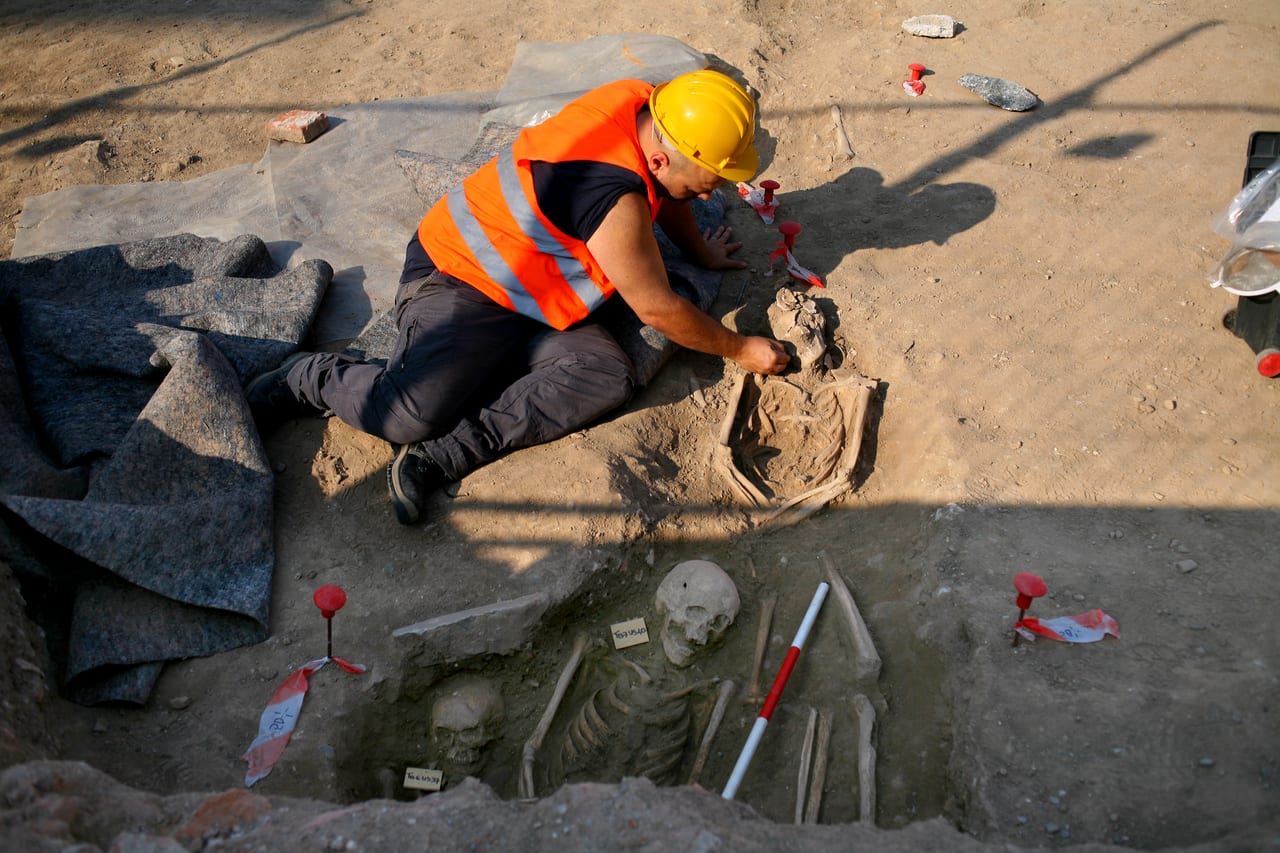
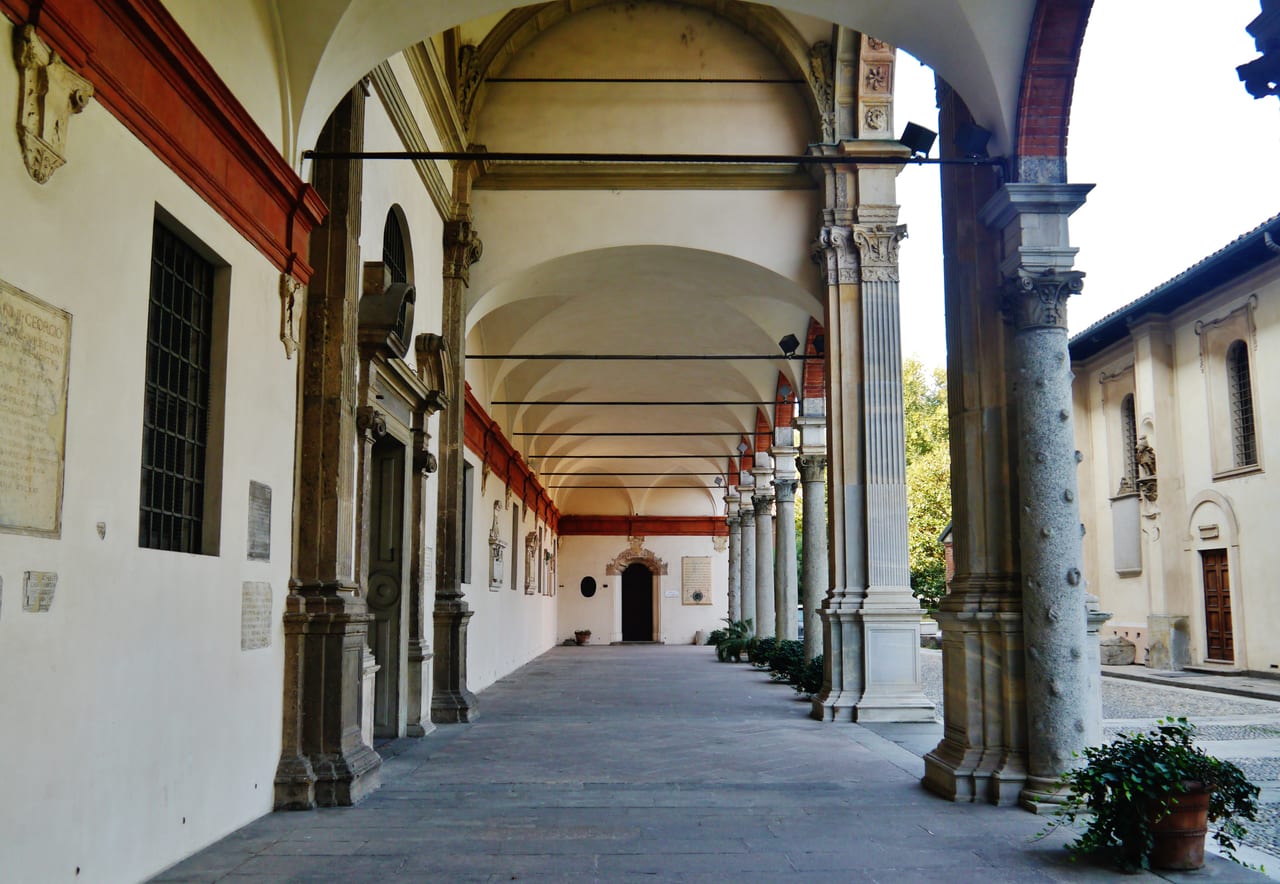
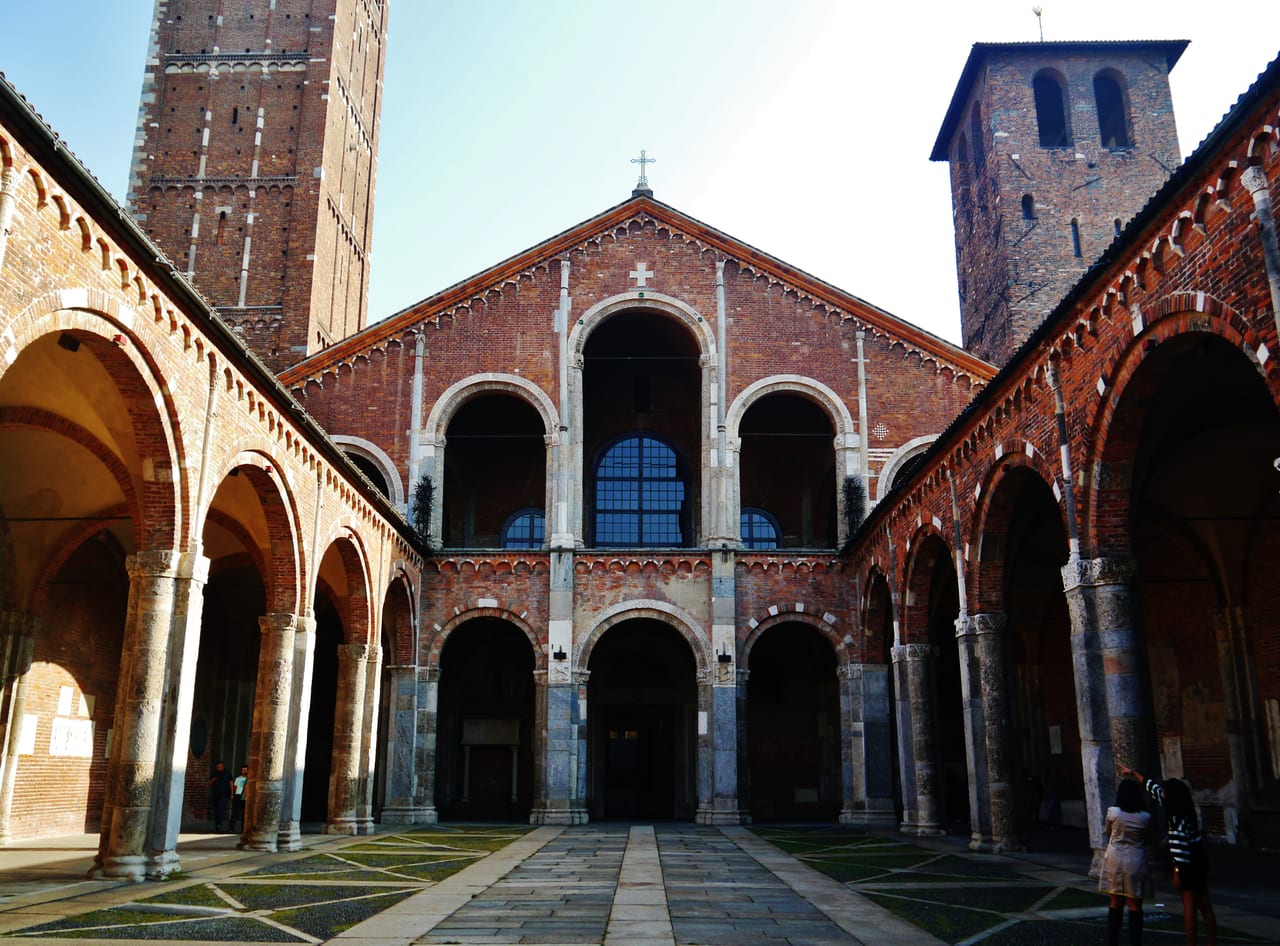
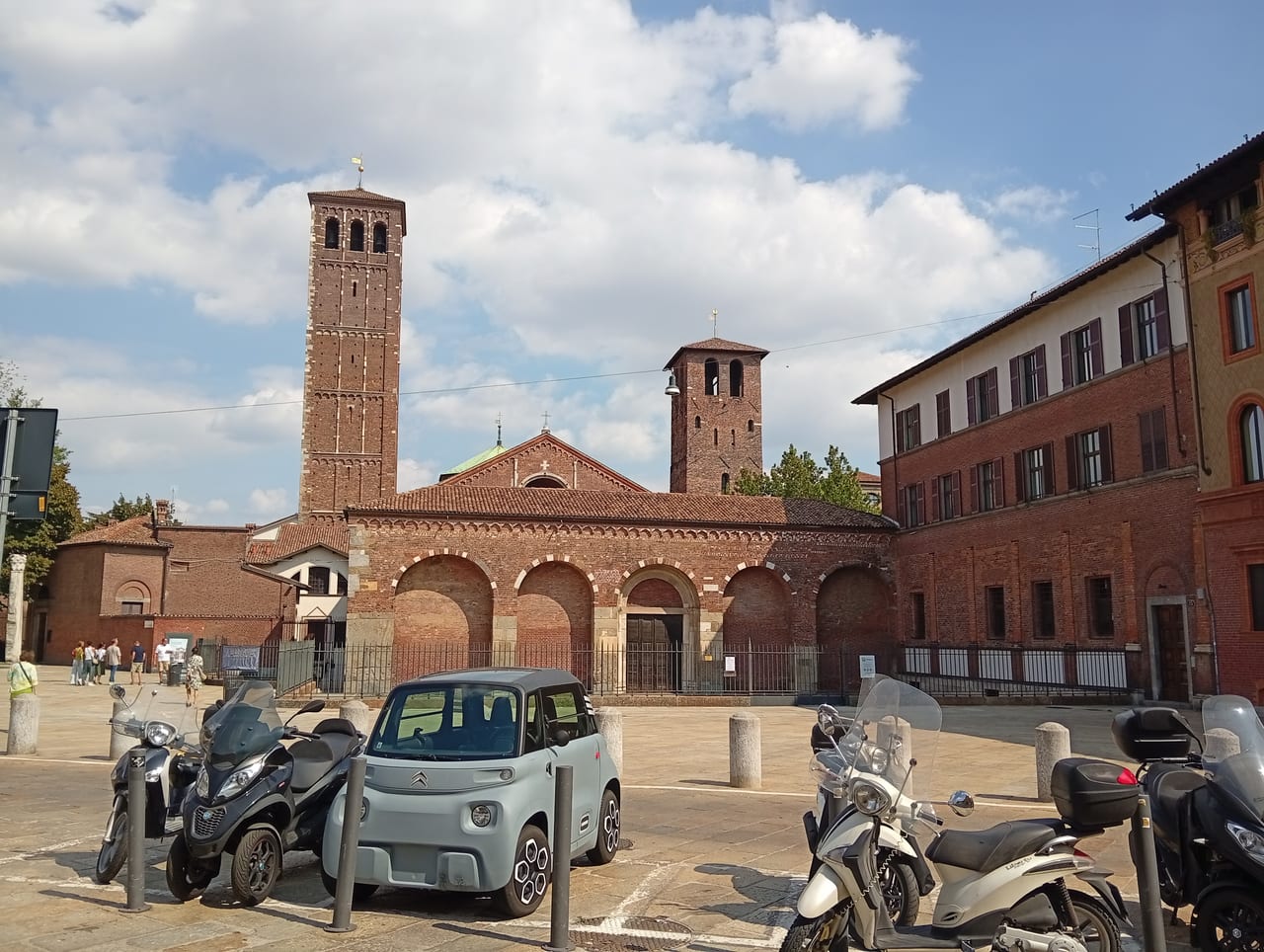
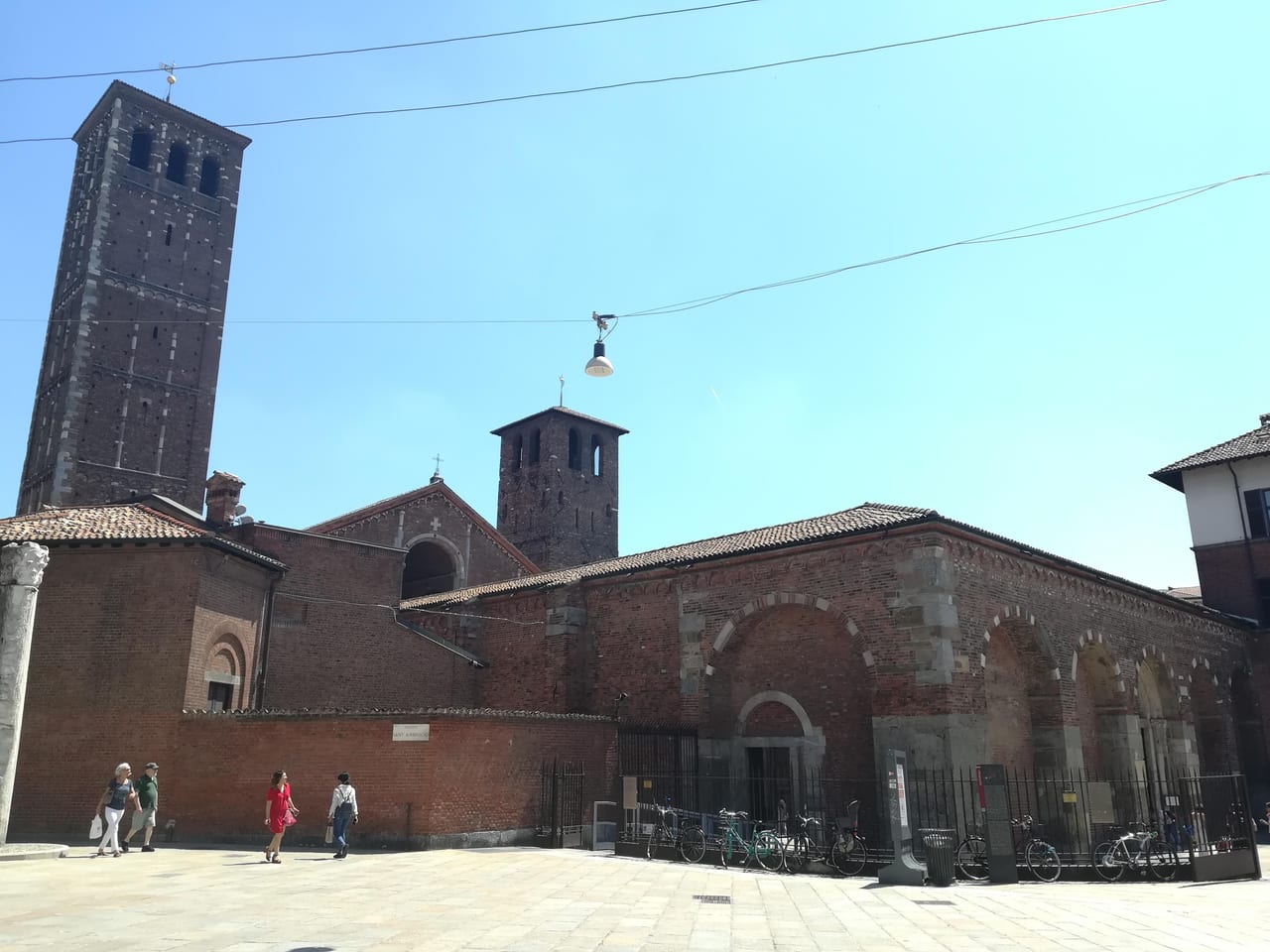
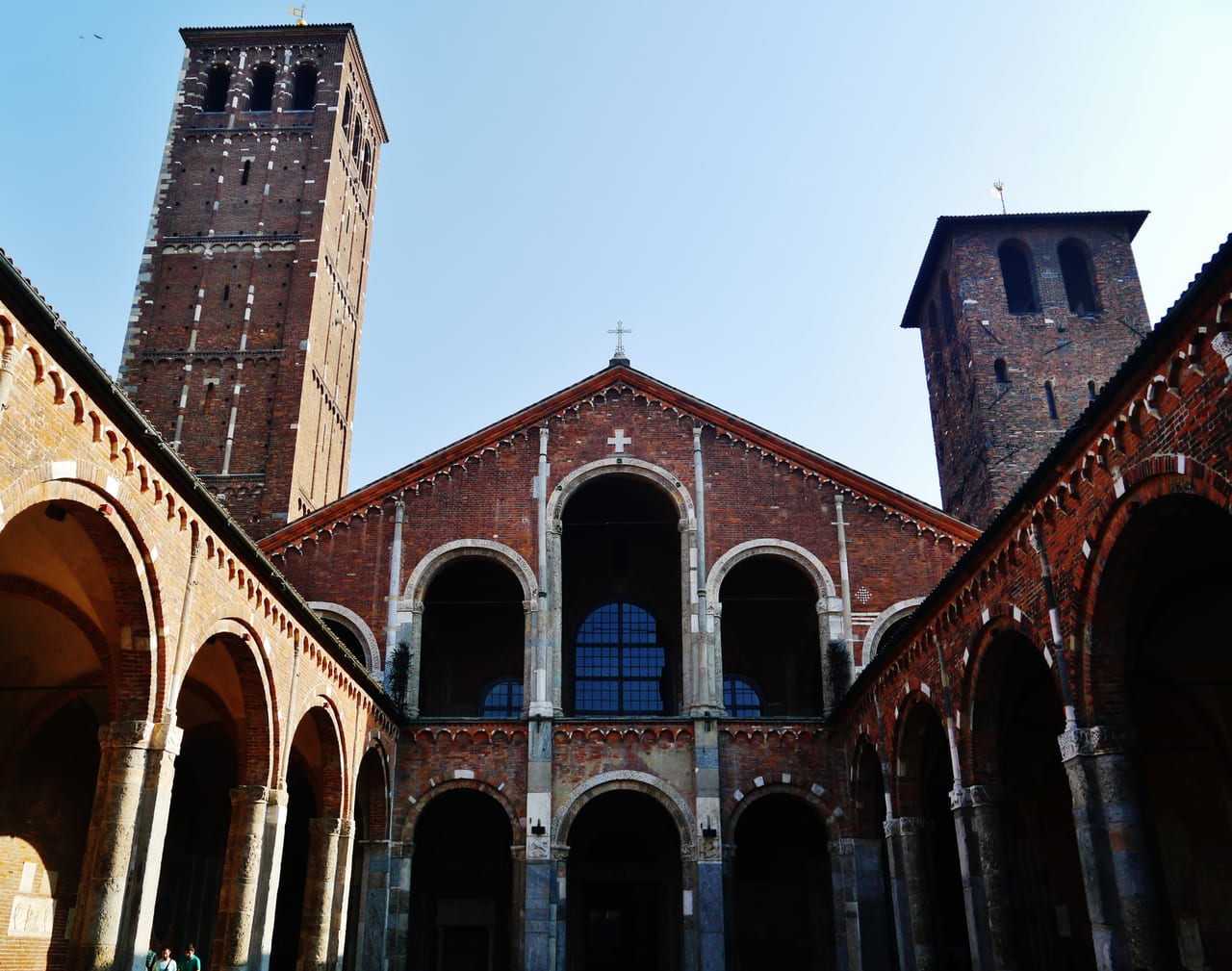
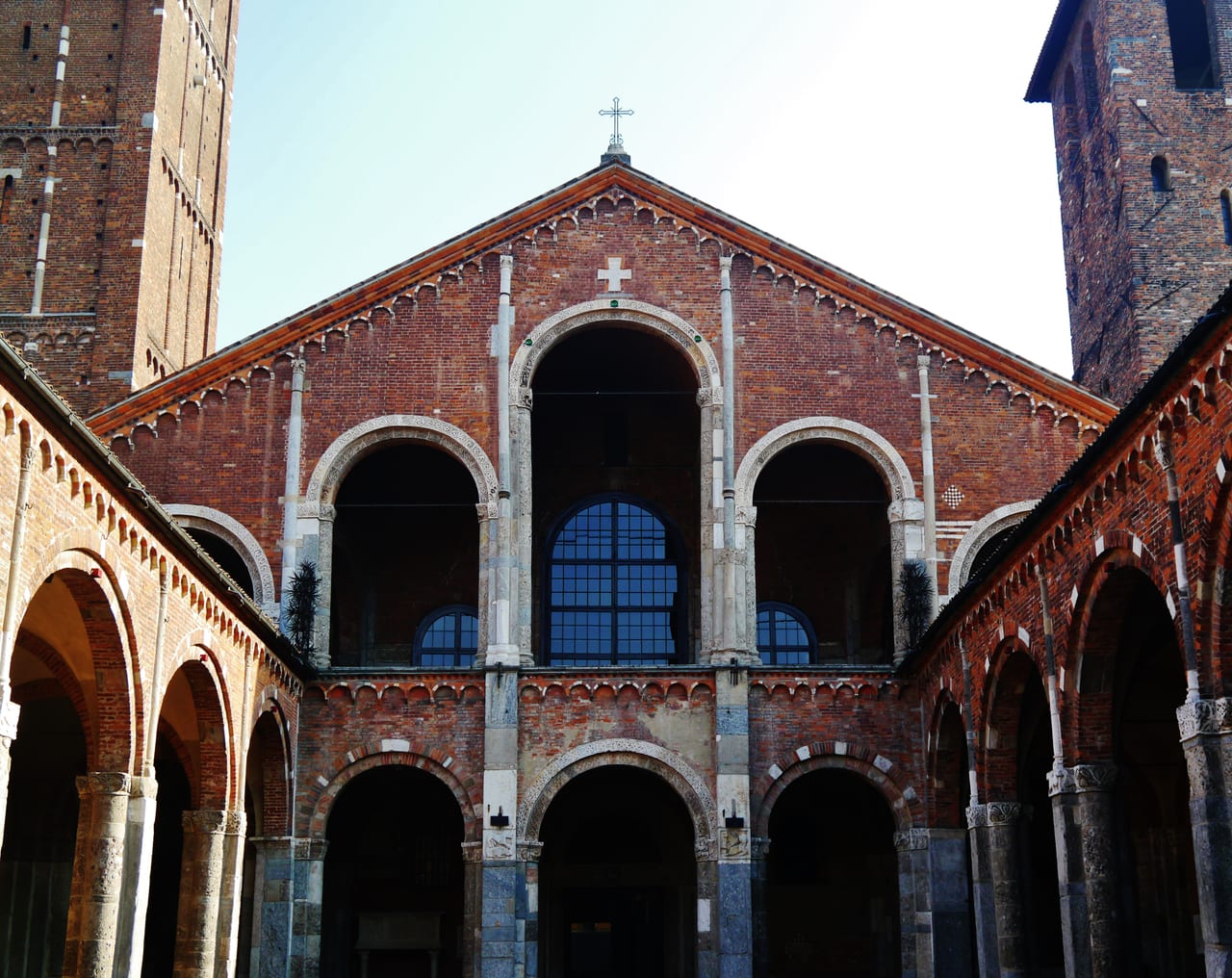
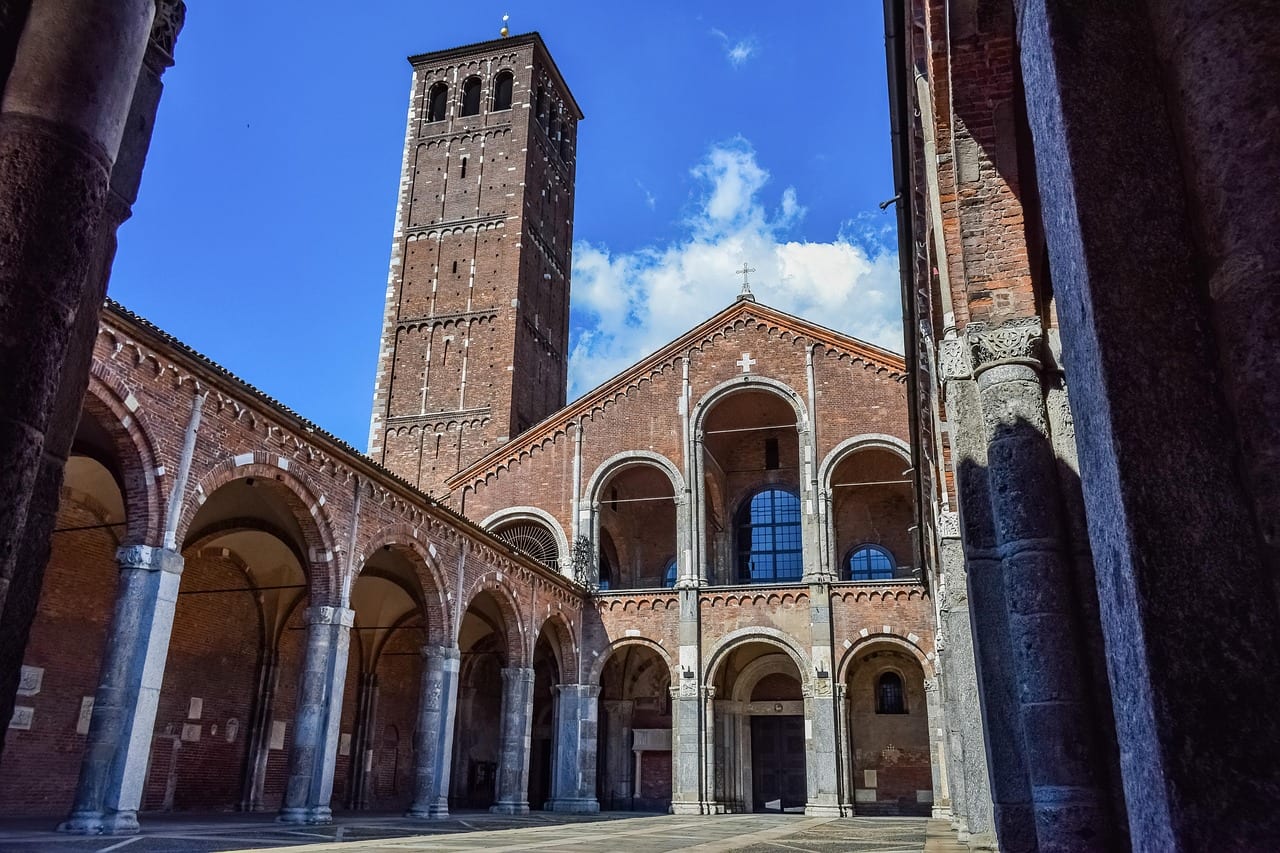
Its story begins in 379–386, when St. Ambrose commissioned a church among the burial places of martyrs of the Roman persecutions. Named Basilica Martyrum, it formed part of his programme of churches supporting the Nicene faction during Milan’s dispute with Arianism. The building originally stood beyond the city walls; urban growth later enclosed it. A monastery was established here in 789, while the canons retained a separate community. By the 11th century, the canons had become Canons Regular, living in the northern cloister, while monks occupied the southern buildings. Their division survives symbolically in the two towers: the 9th-century monks’ tower and the taller tower completed in 1144, whose upper floors were added in 1889. The present Romanesque structure emerged through rebuilding from around 1080; the nave dates to about 1128 and its rib vaults to about 1140. The basilica preserves its early basilica plan, with nave, aisles, apses and an atrium, while its brickwork varies in colour and origin. Bramante renovated the rectory in 1492. The Peace of St. Ambrose was signed here in 1528. Allied bombing in 1943 damaged the apse and surroundings, prompting construction of the pink building now housing the abbot’s offices and museum. Royce Hall and Powell Library at UCLA were modelled after it.
At a glance
- Built
- 300
- Style
- Romanesque architecture
- Heritage
- Italian national heritage
Ways to explore Basilica of Sant'Ambrogio
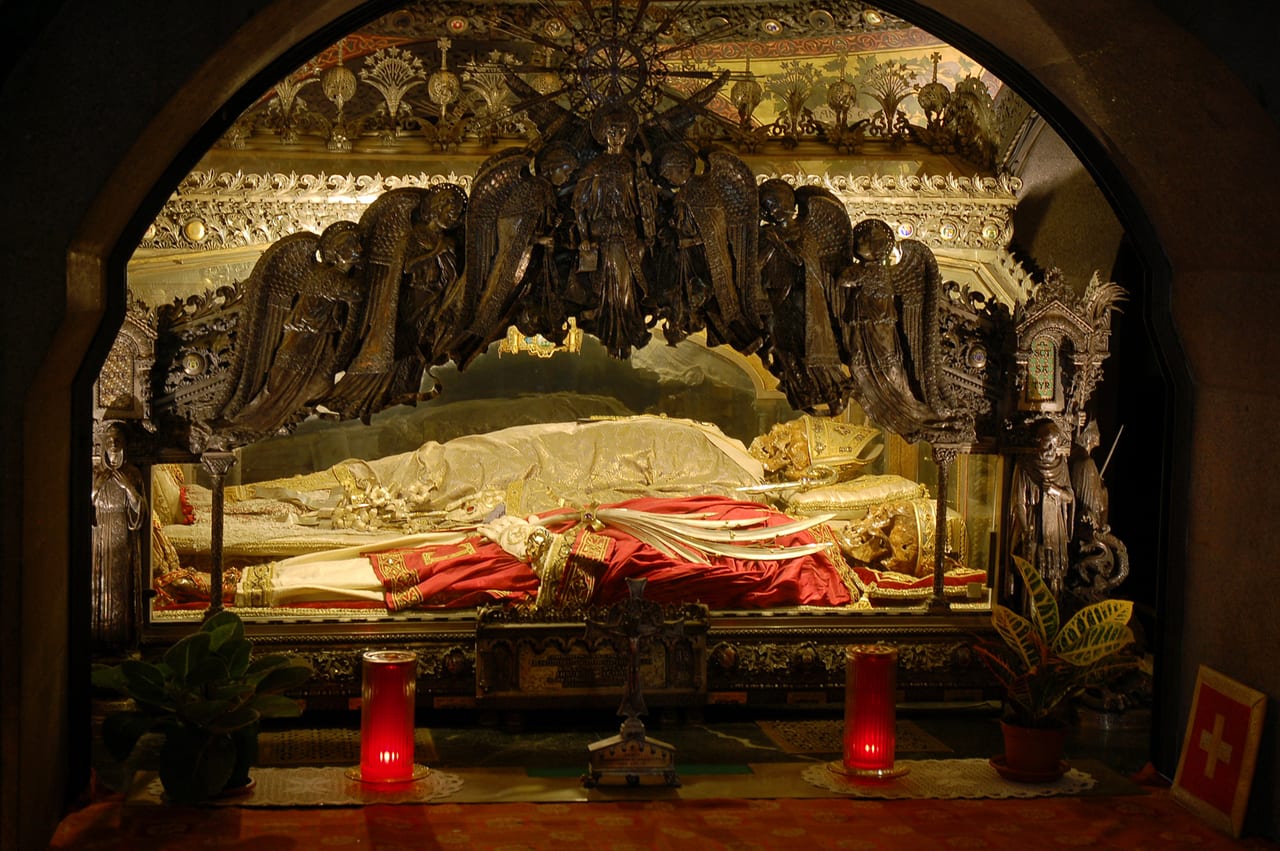
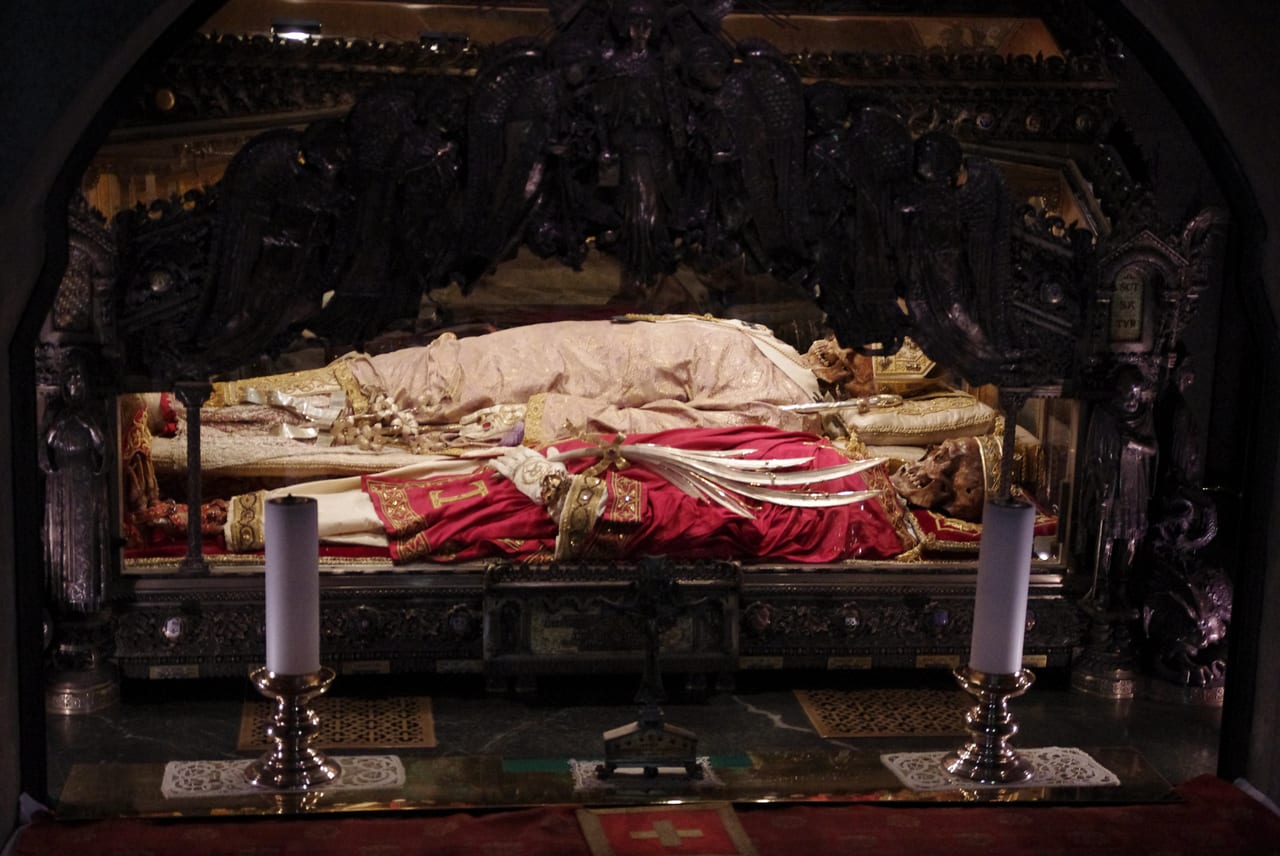
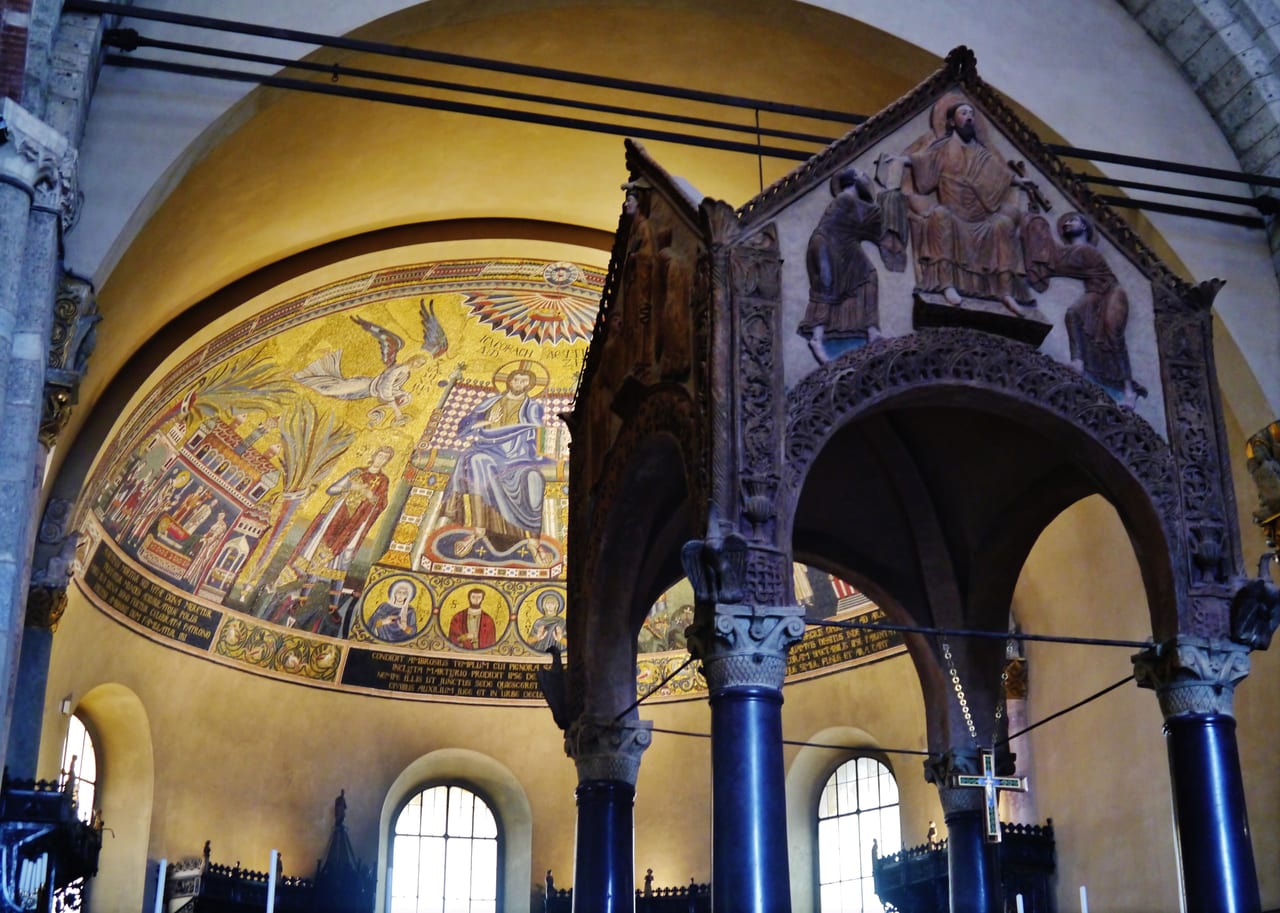
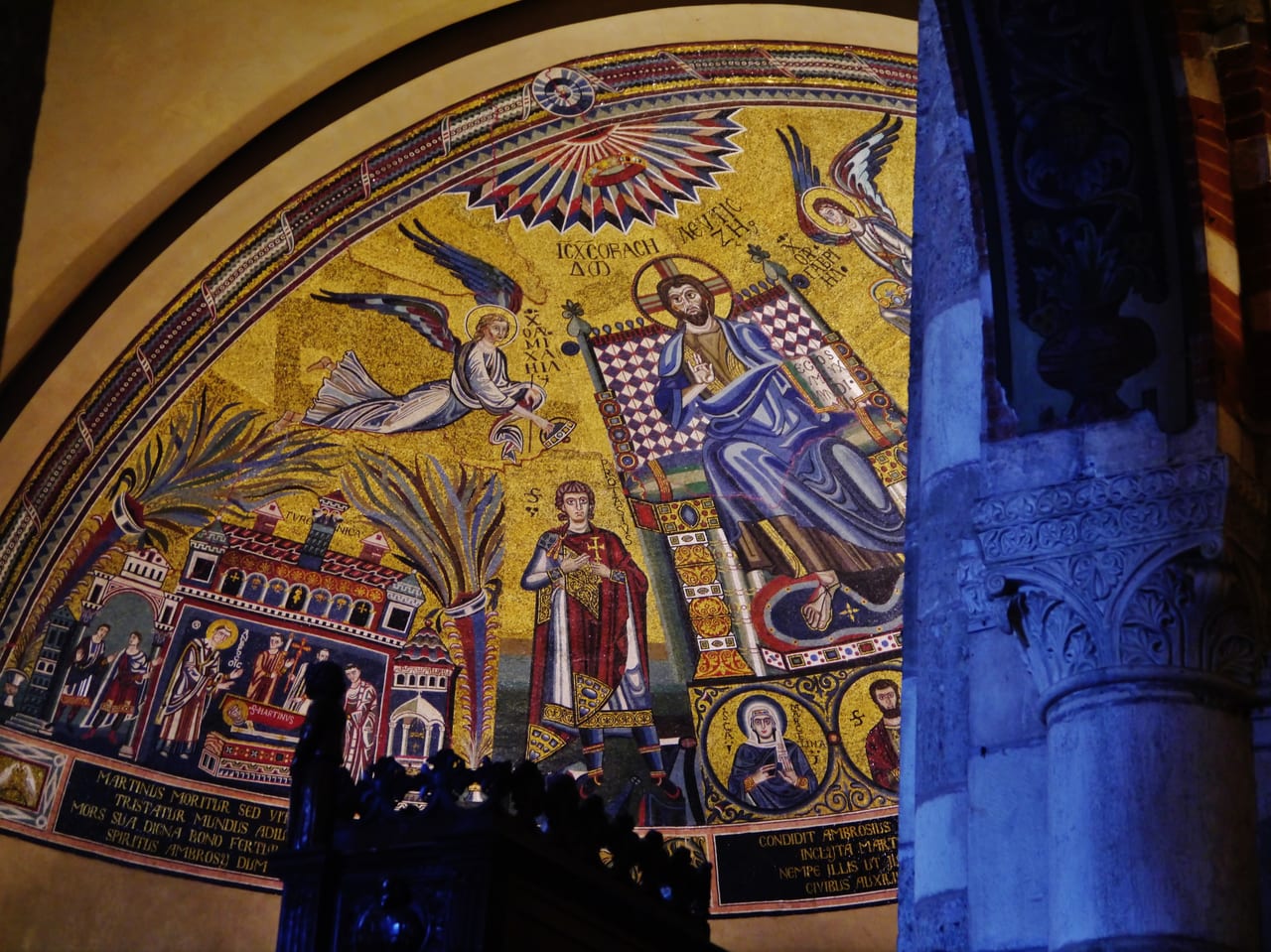
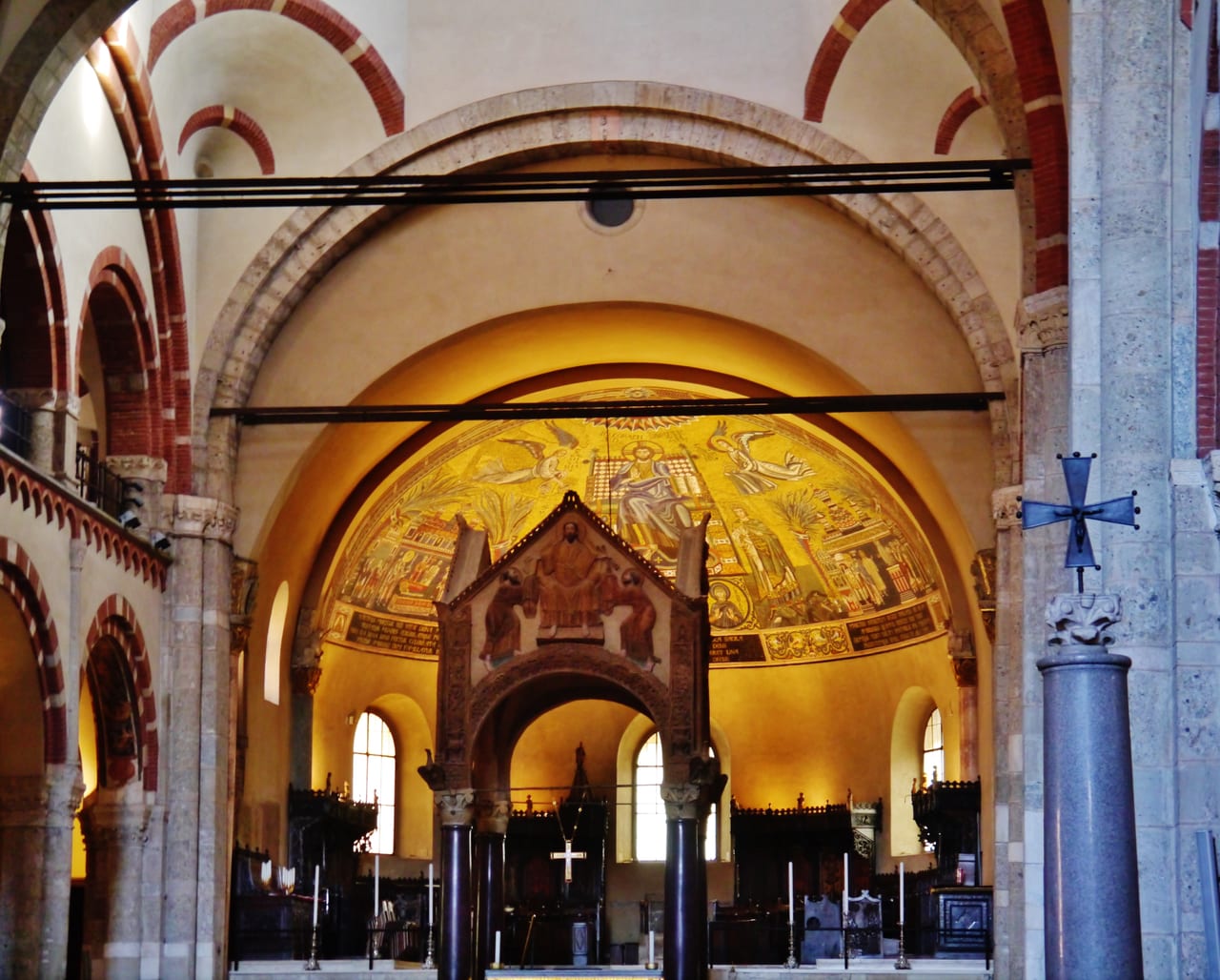
Begin beneath the entrance portico, studying its blind arcades, Lombard bands and capitals carved with animals, figures and vegetal or fantastic motifs. Examine the 15th-century sarcophagus beneath the narthex, then the Romanesque ambon and its gilt evangelist reliefs. In the sanctuary, inspect the jewelled altar, the porphyry-columned ciborium and the restored apse mosaic. Allow time for the oratory with its 5th-century mosaics and gilded dome, and for the crypt beneath the high altar.
Places to stay near Basilica of Sant'Ambrogio

Live availability and prices from Stay22's partners, refreshed periodically and subject to change. Booking through these links may earn us a commission at no extra cost to you. See our privacy policy.
Cafés near Basilica of Sant'Ambrogio
Cafés near Basilica of Sant'Ambrogio loads as you scroll.
Attractions nearby
Attractions near Basilica of Sant'Ambrogio loads as you scroll.
Cities nearby
Cities nearby loads as you scroll.
More in Milan
See more of Milan.
Find great cafés, places to stay and other interesting places to visit in Milan.