Monument · Milan
Arch of Peace
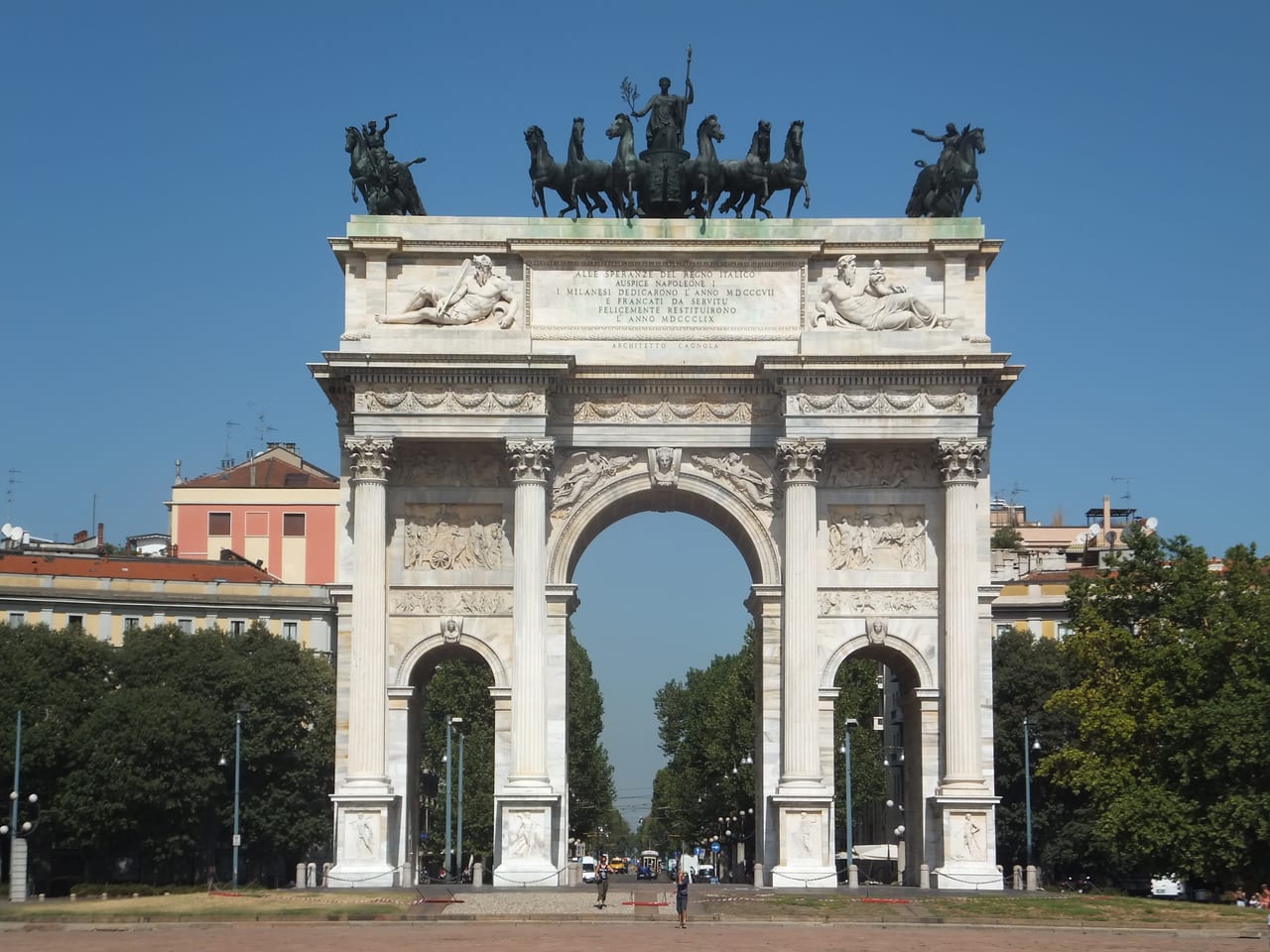
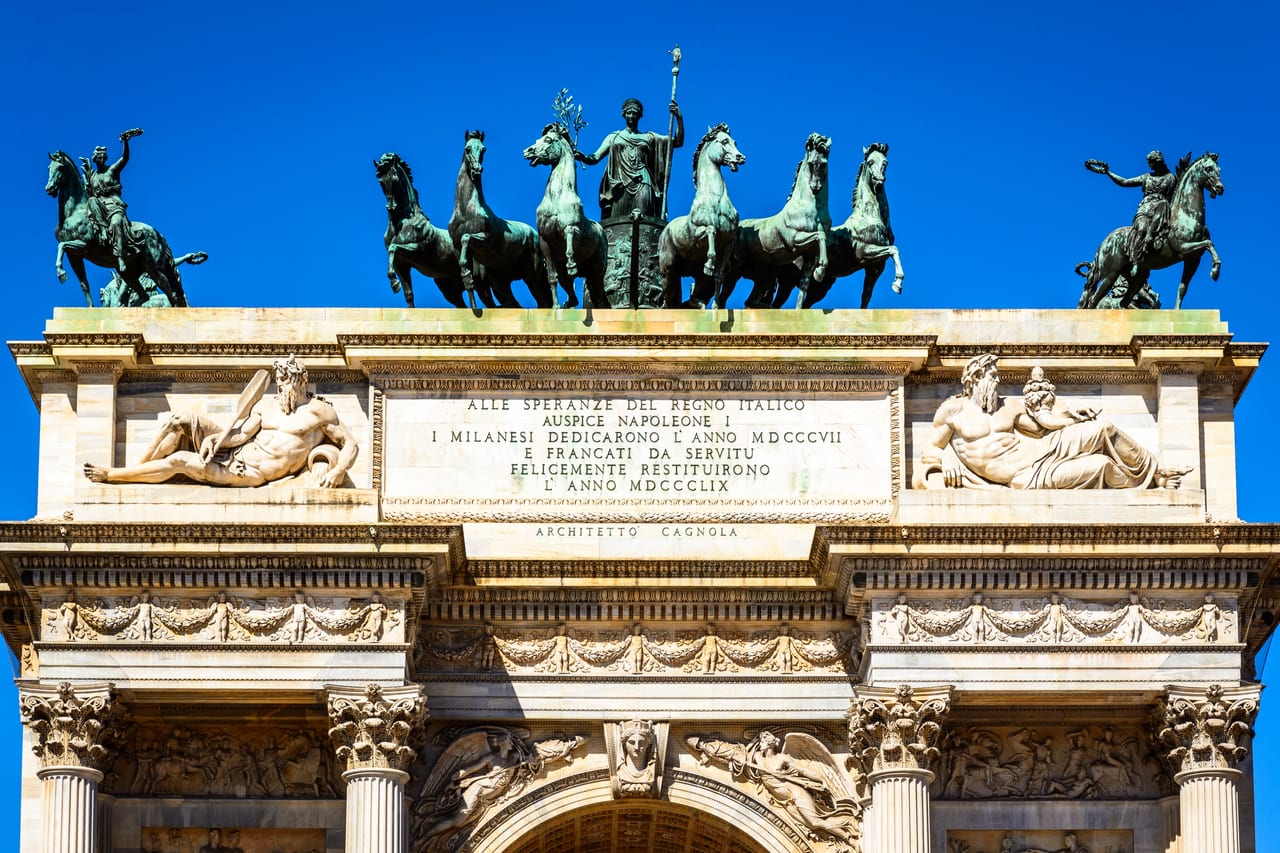
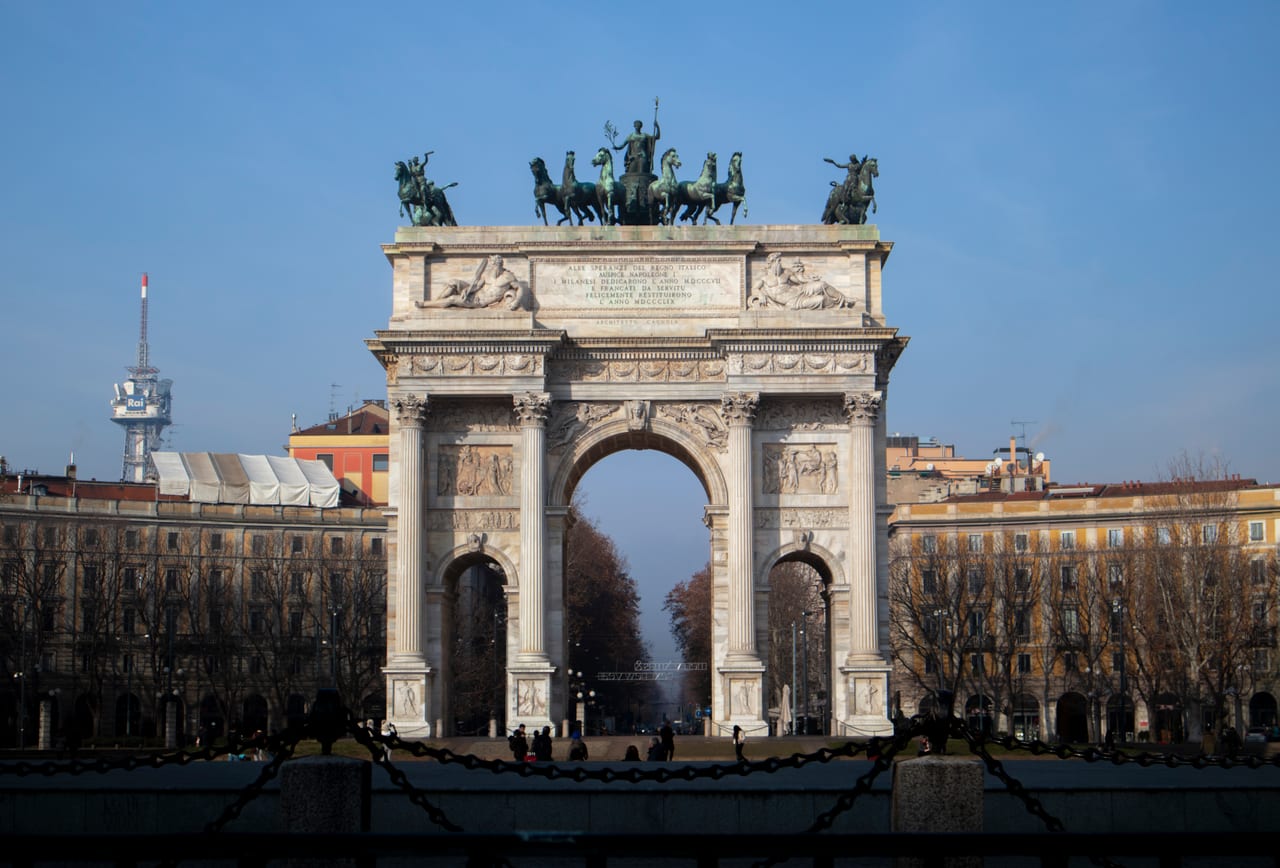
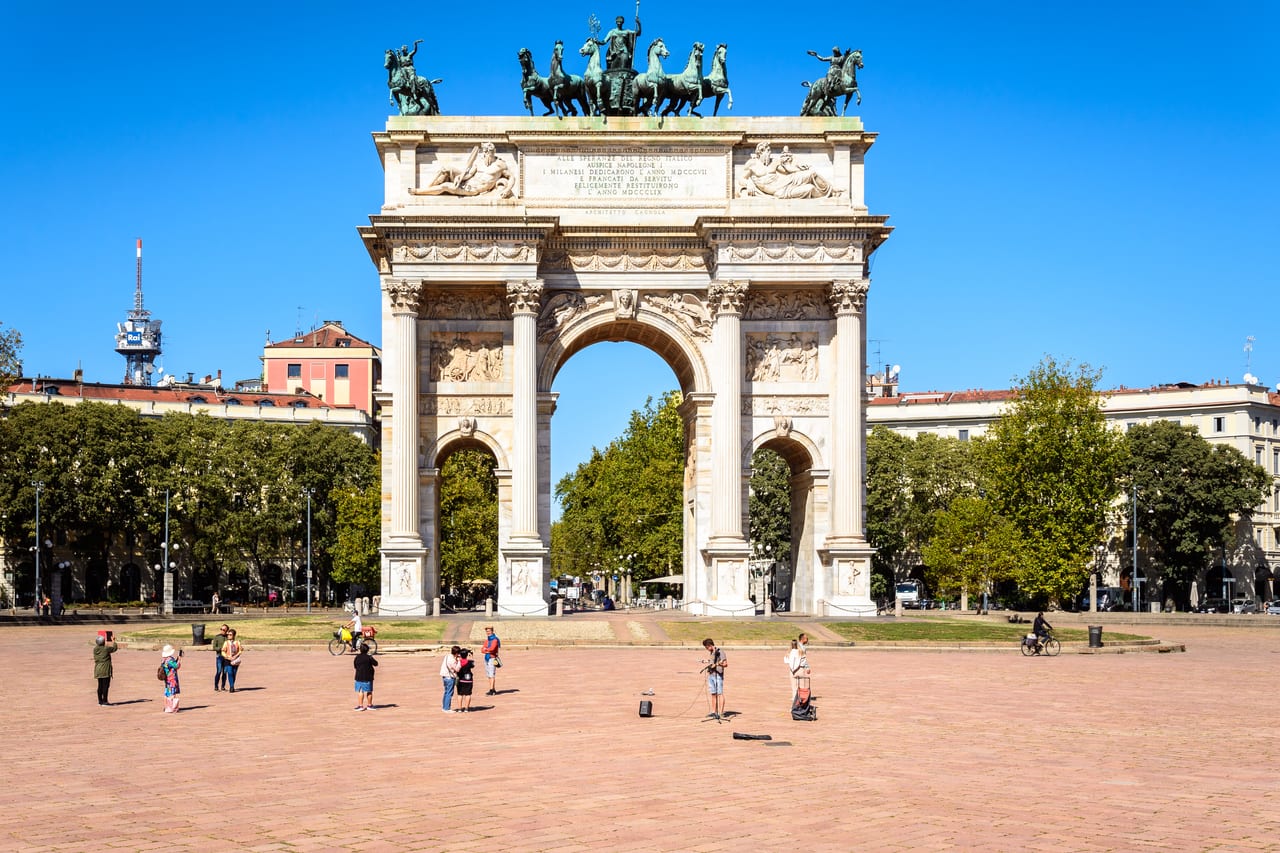
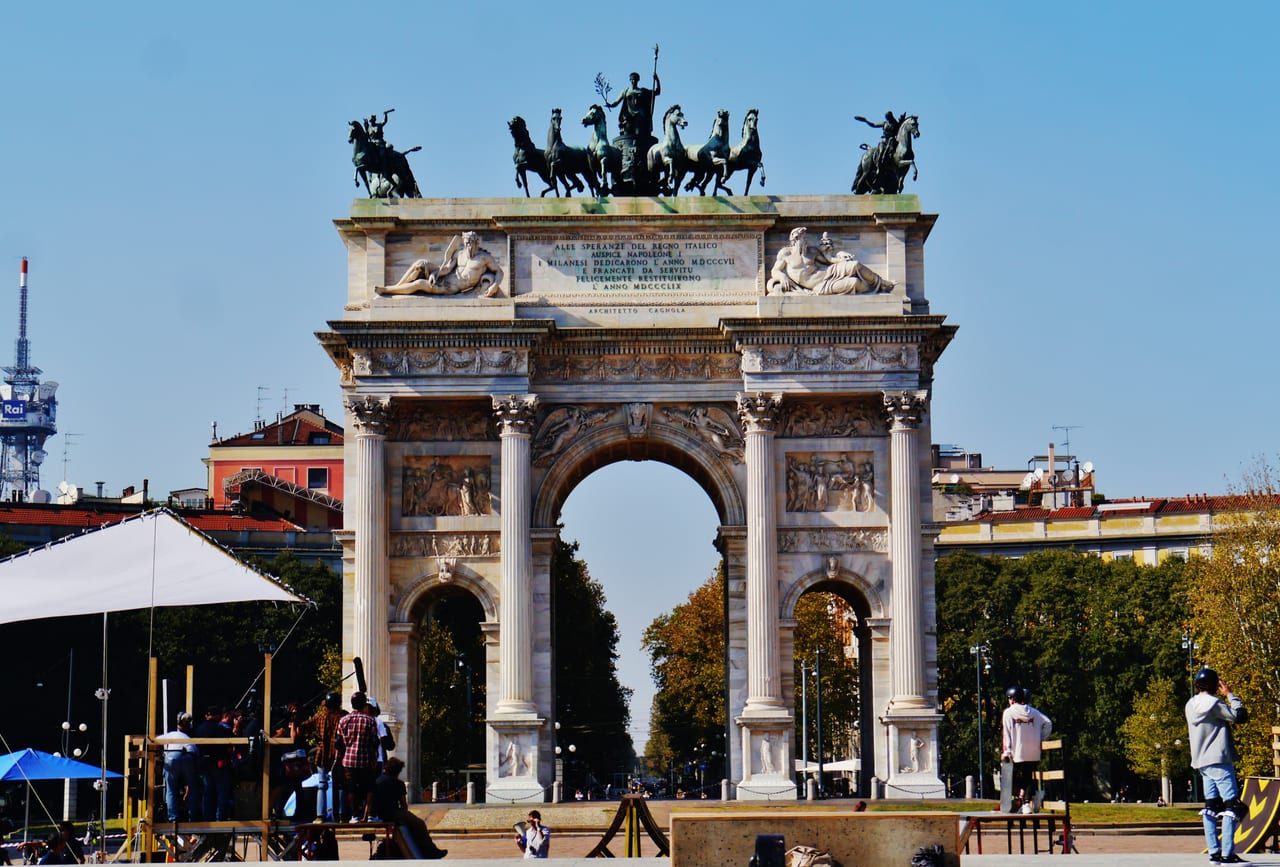
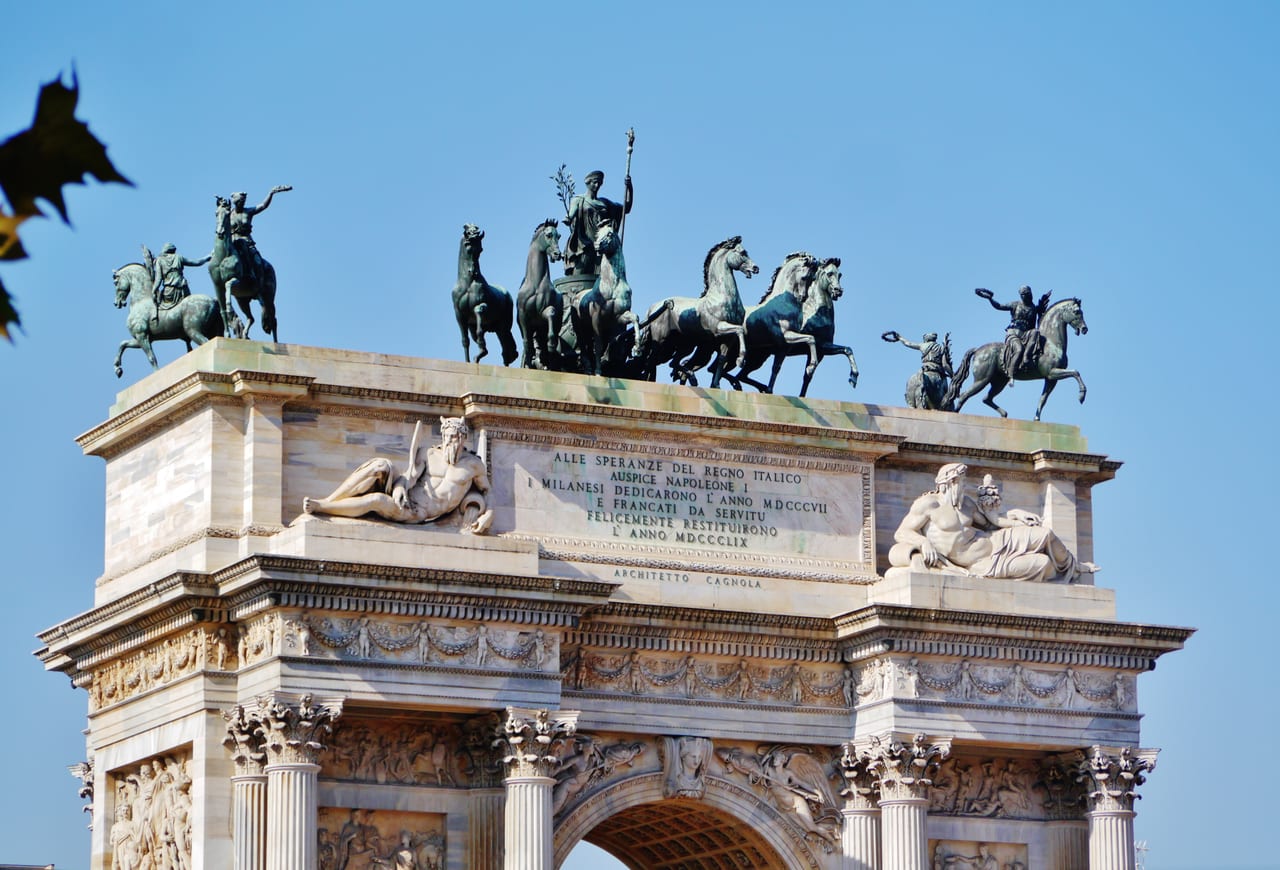
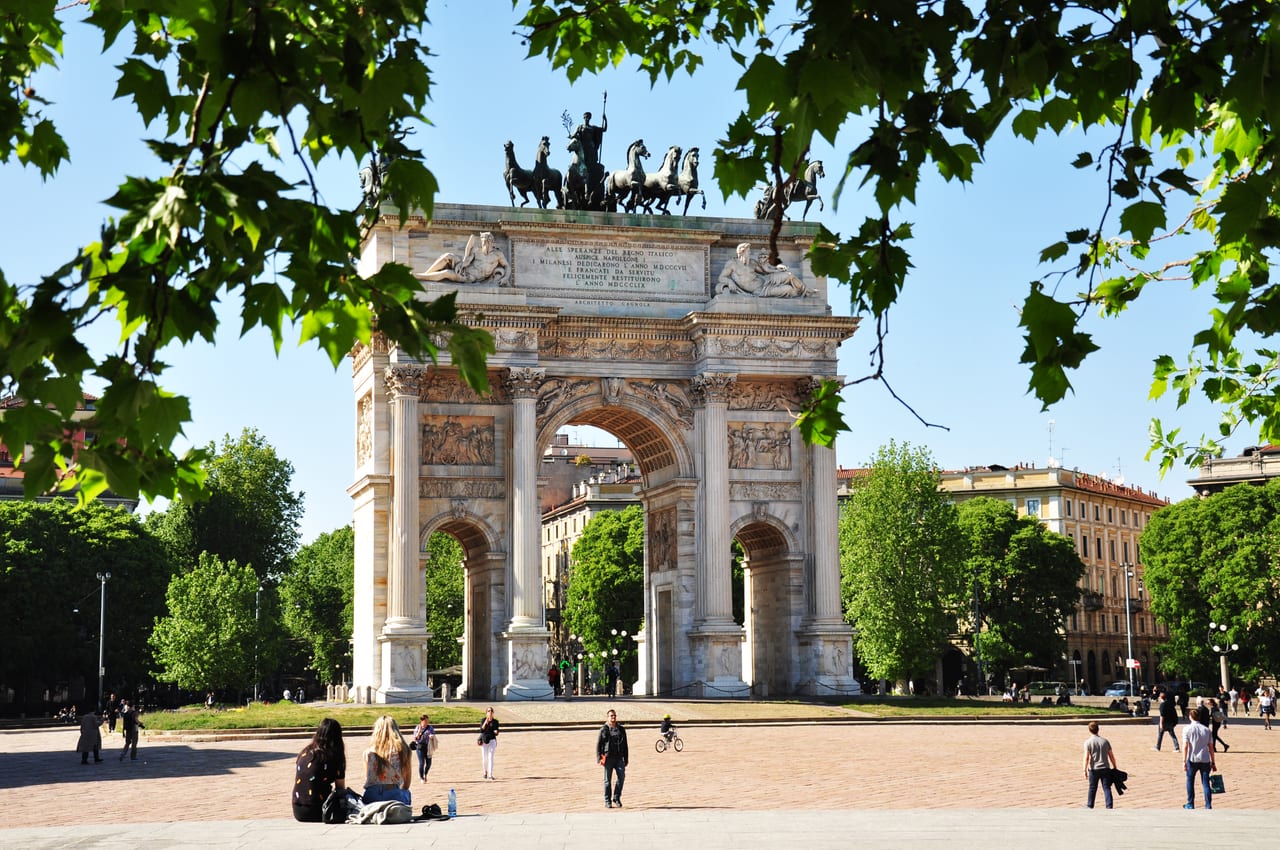
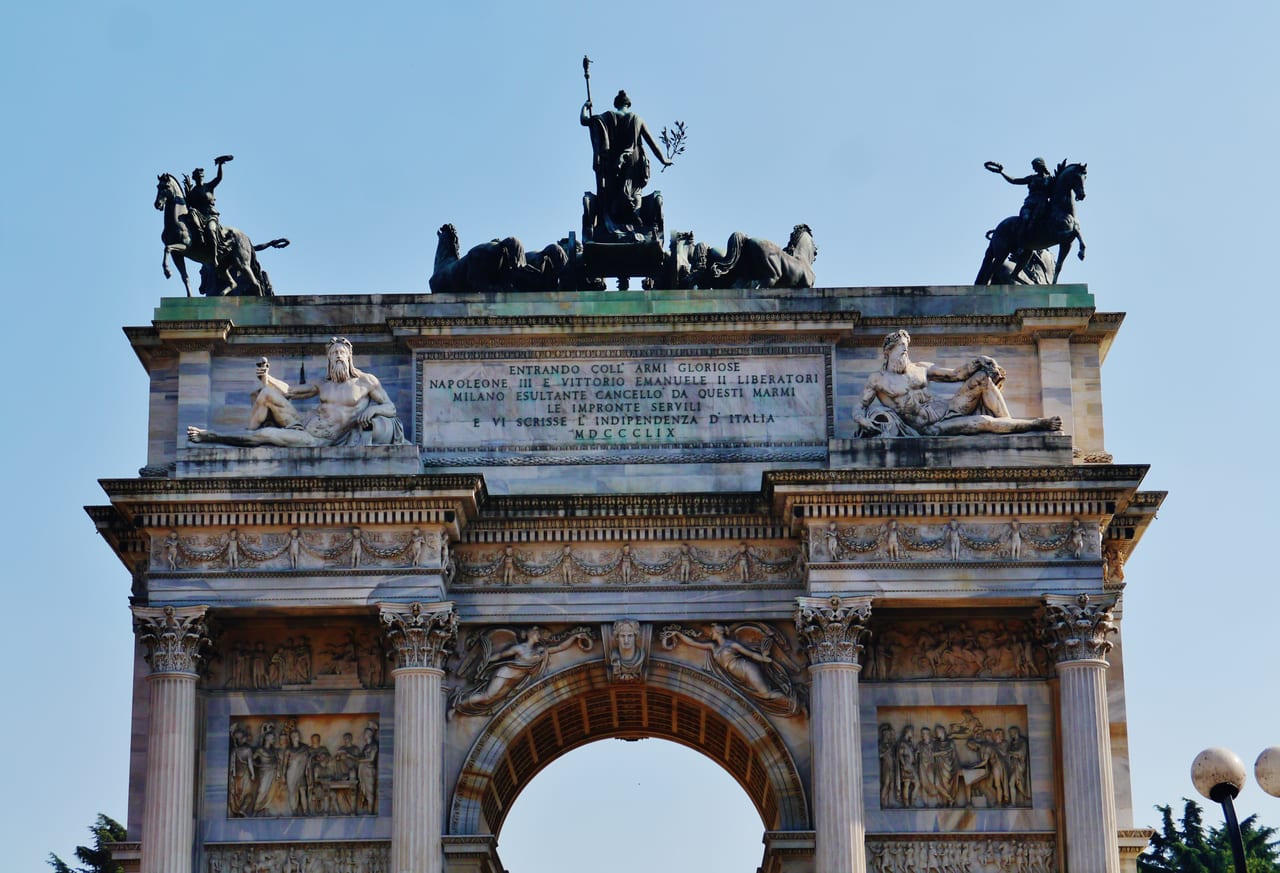
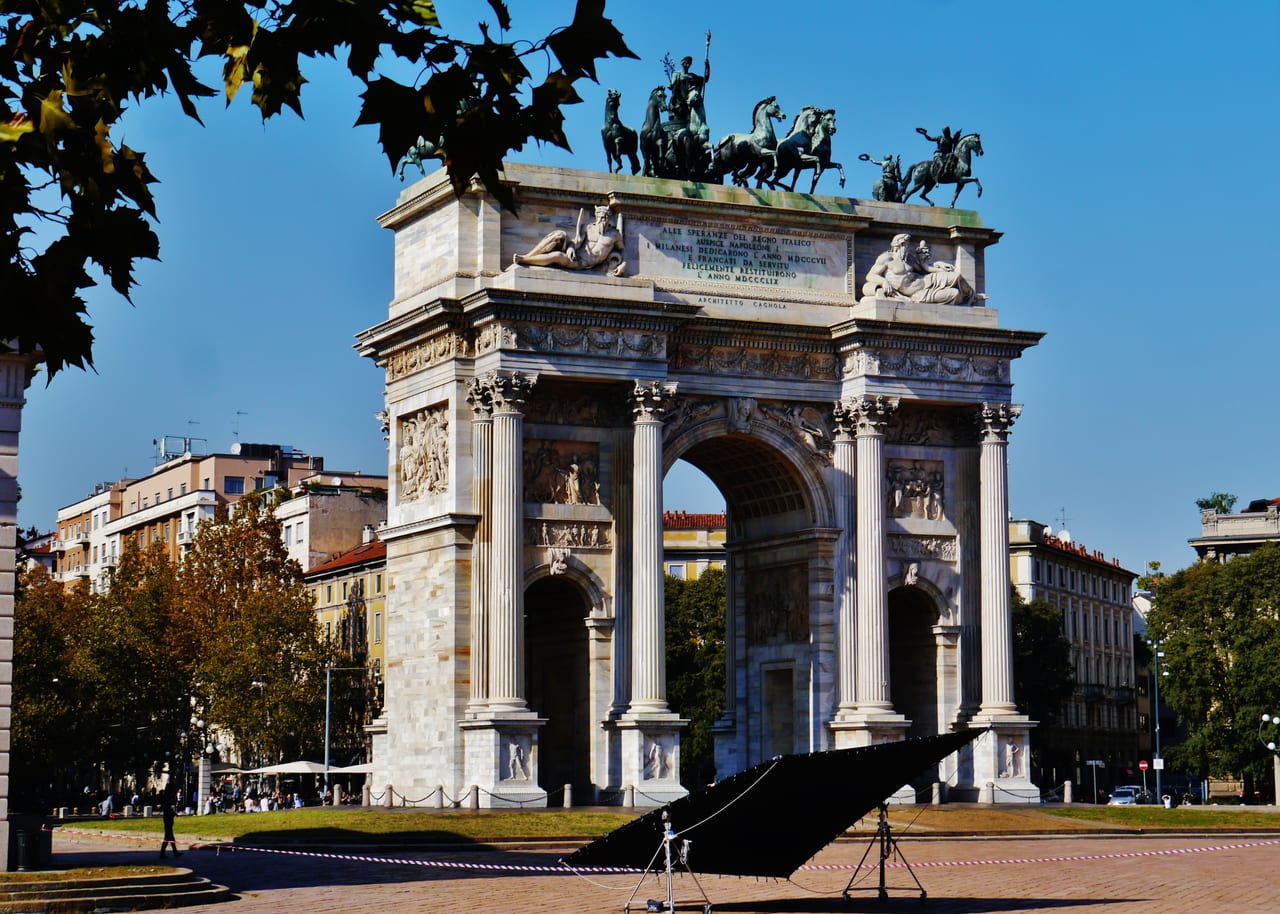
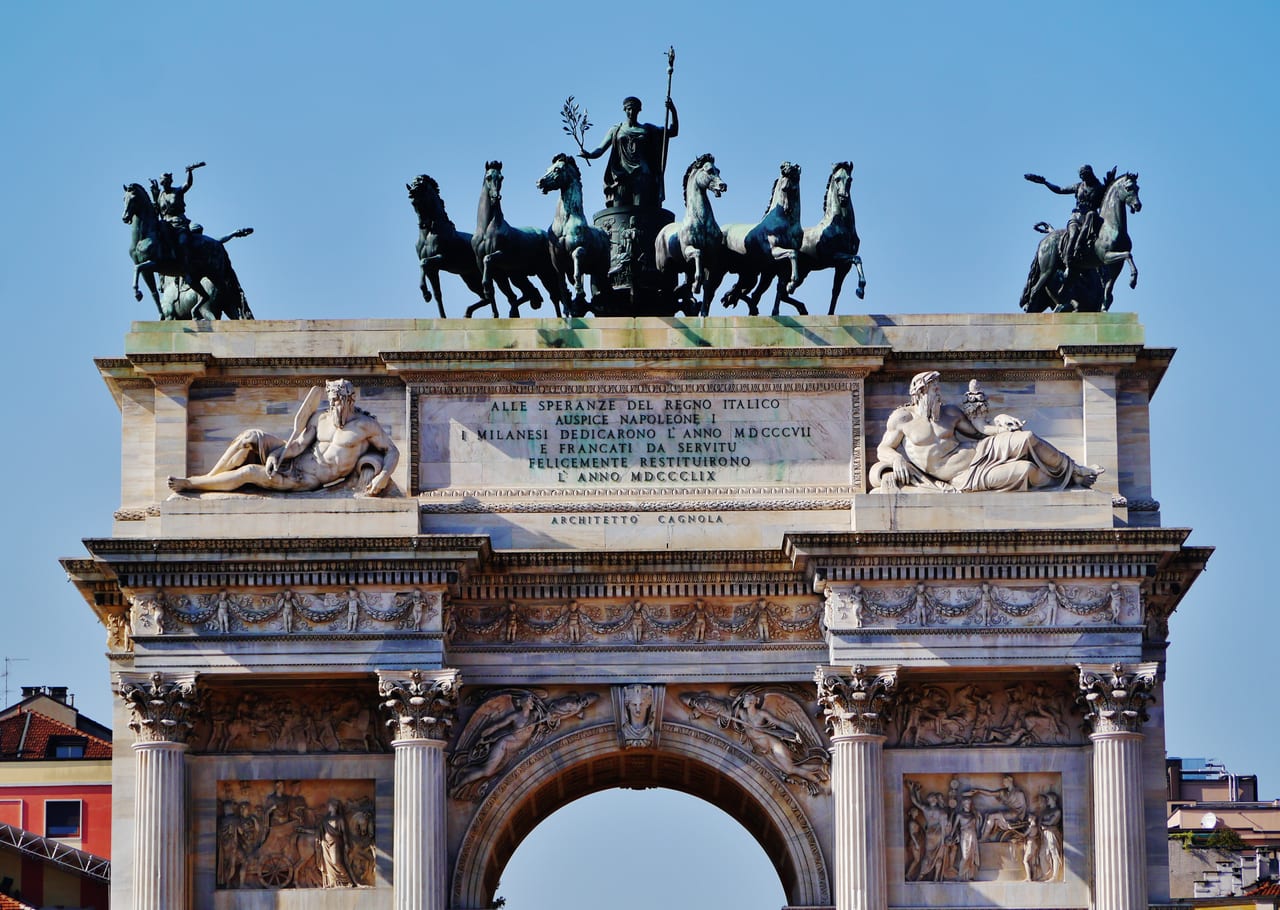
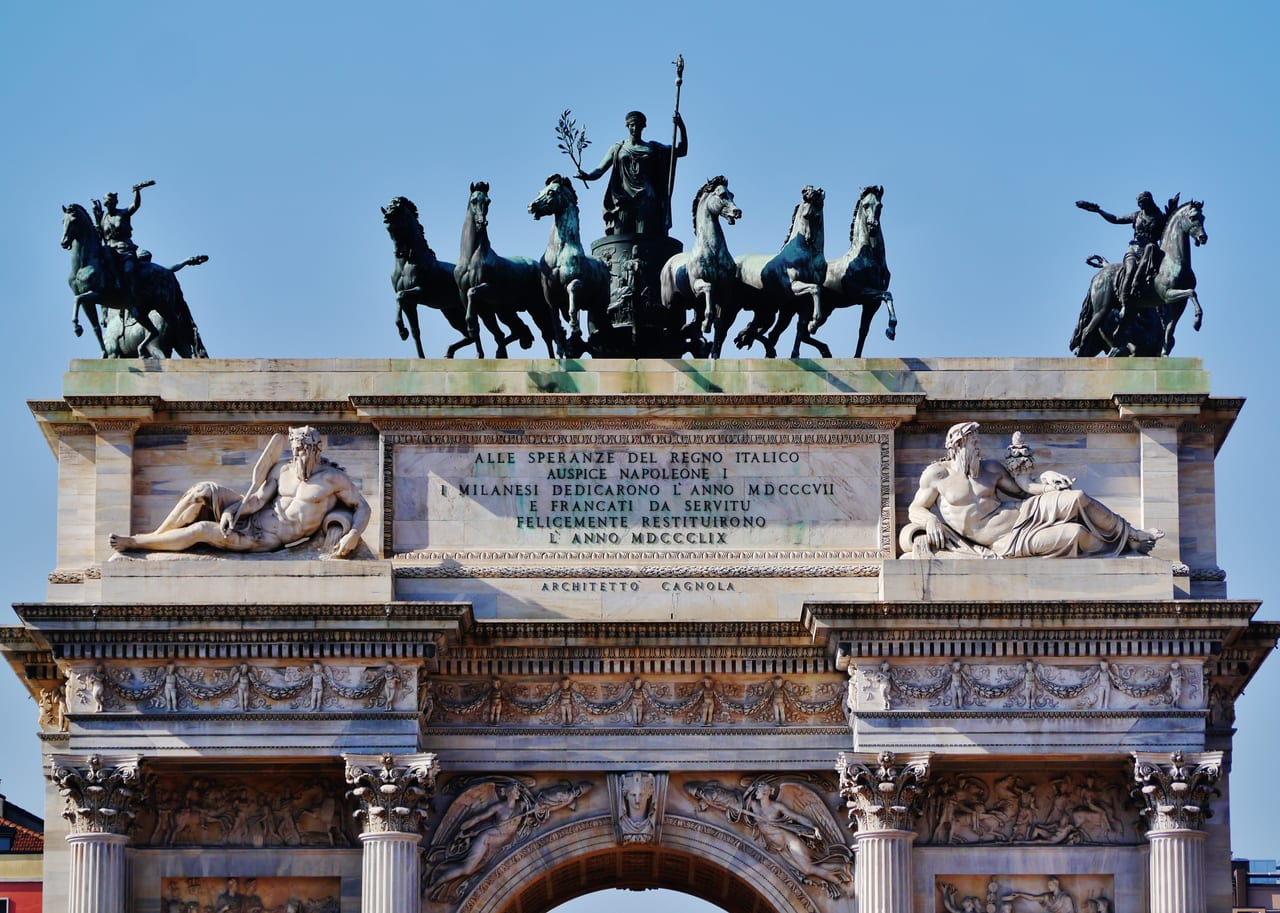
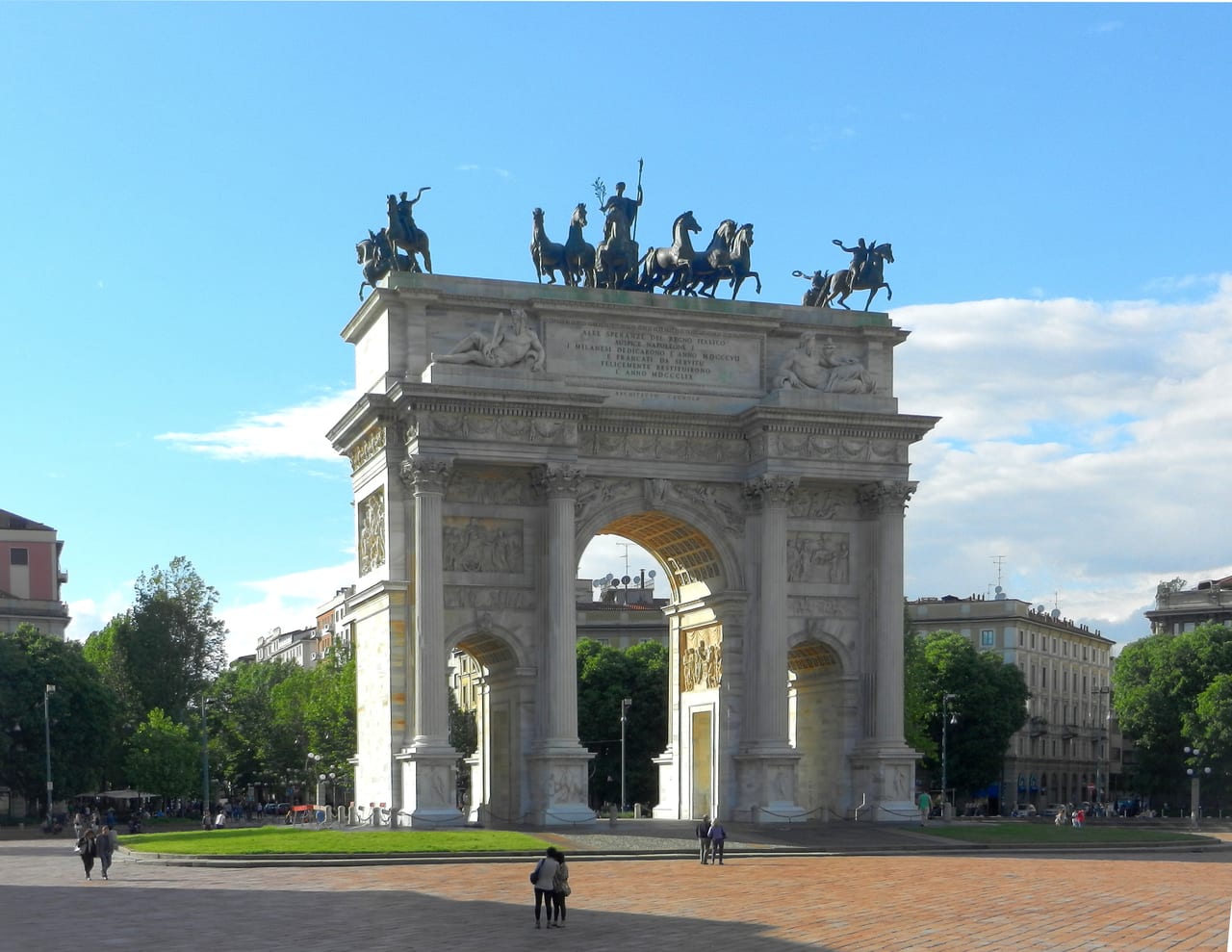
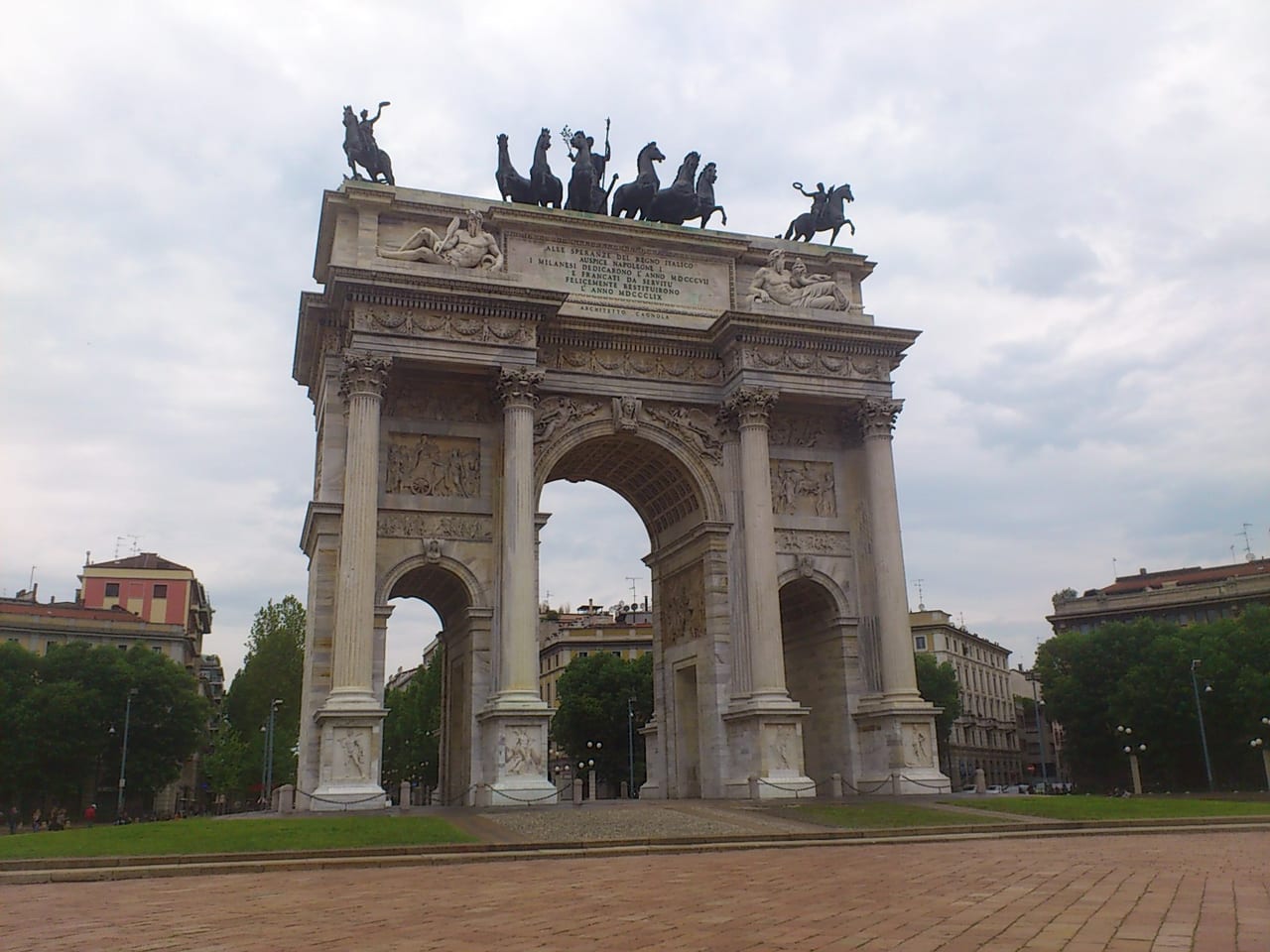
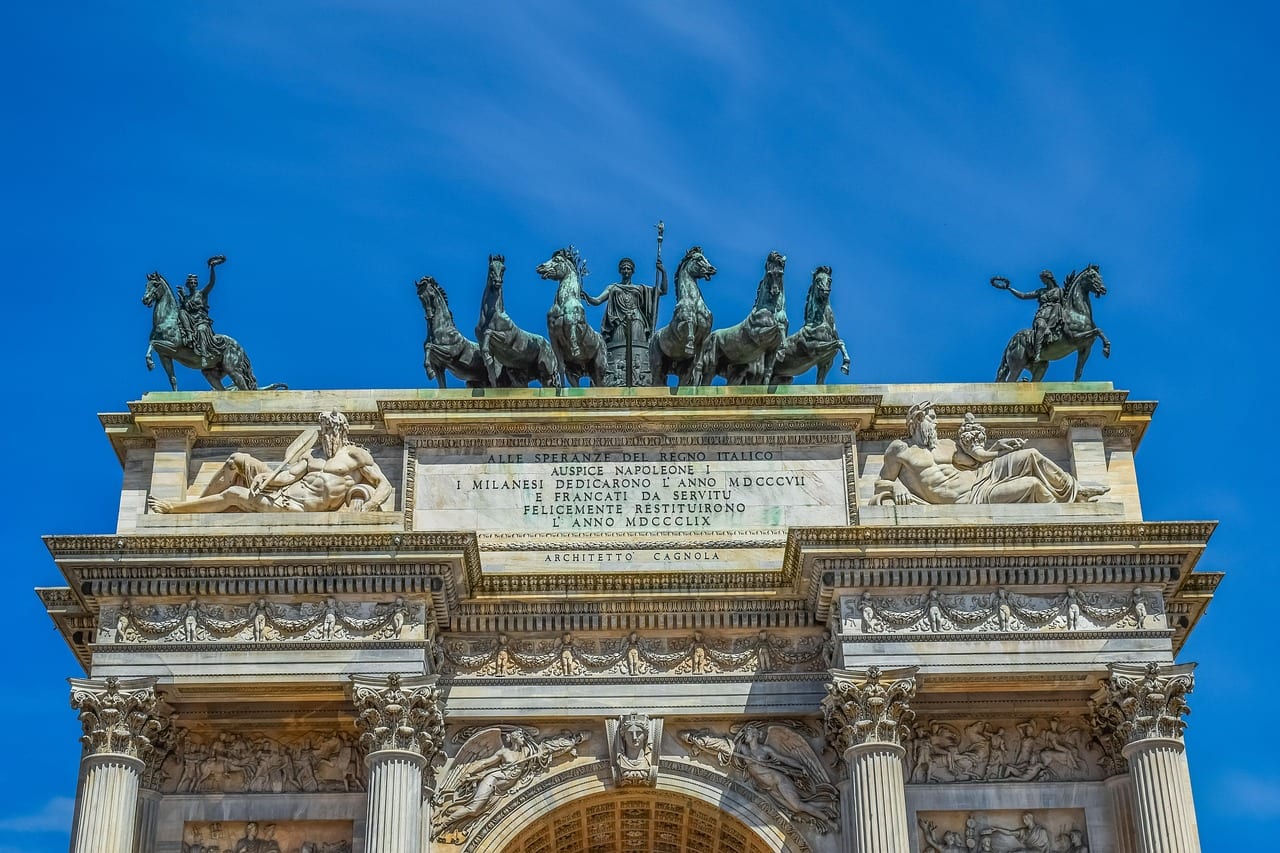
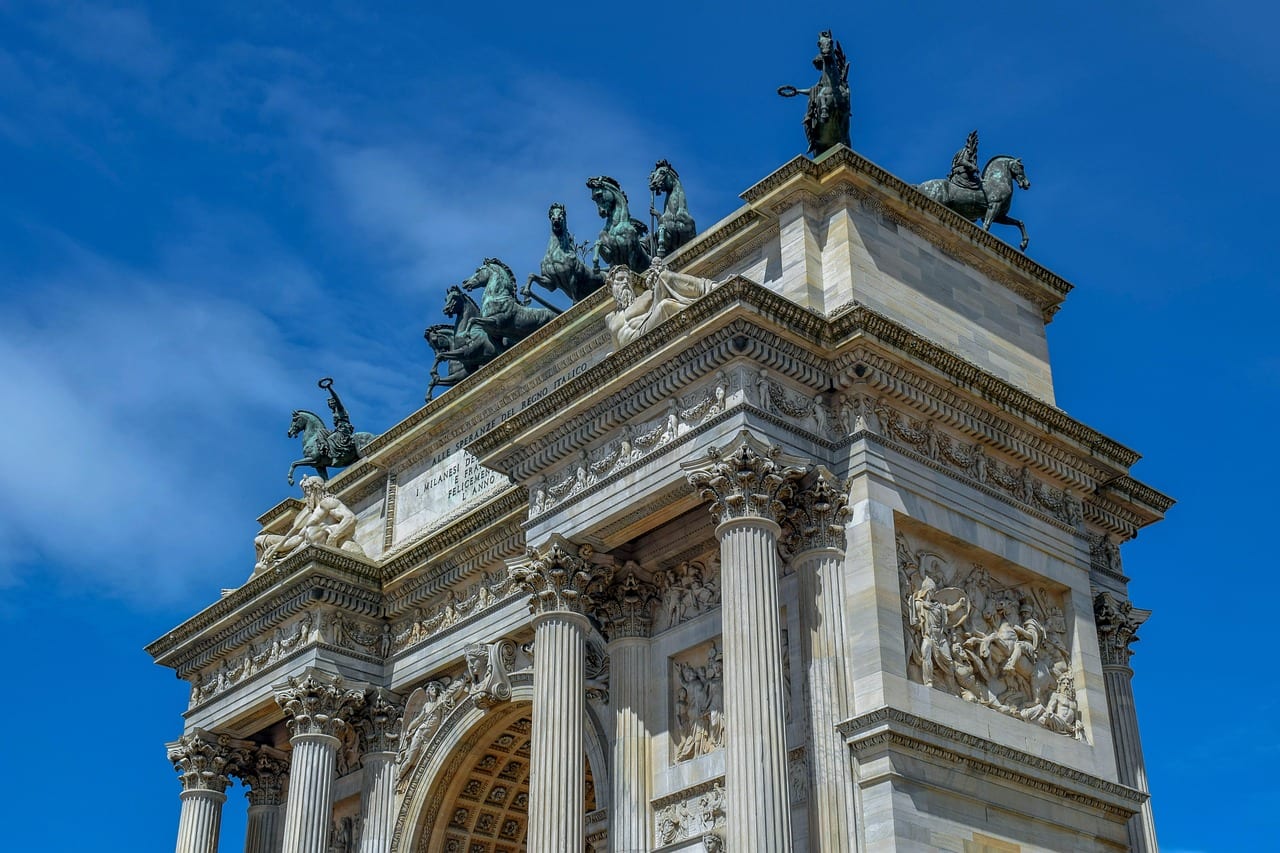
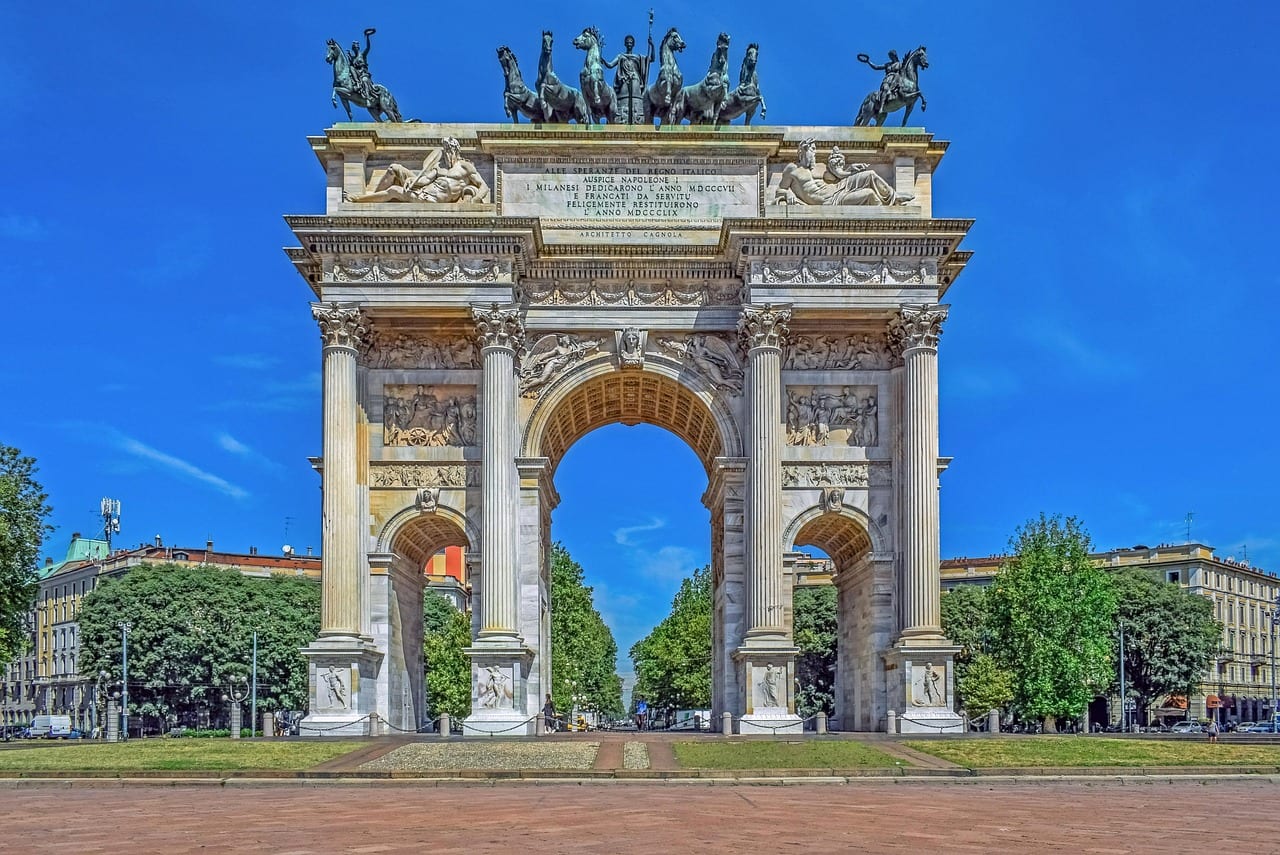
DirectionsIts crowning bronze Peace sestiga, drawn by six horses and weighing more than ten tonnes, turns a political monument into an unusually dramatic Neoclassical silhouette.
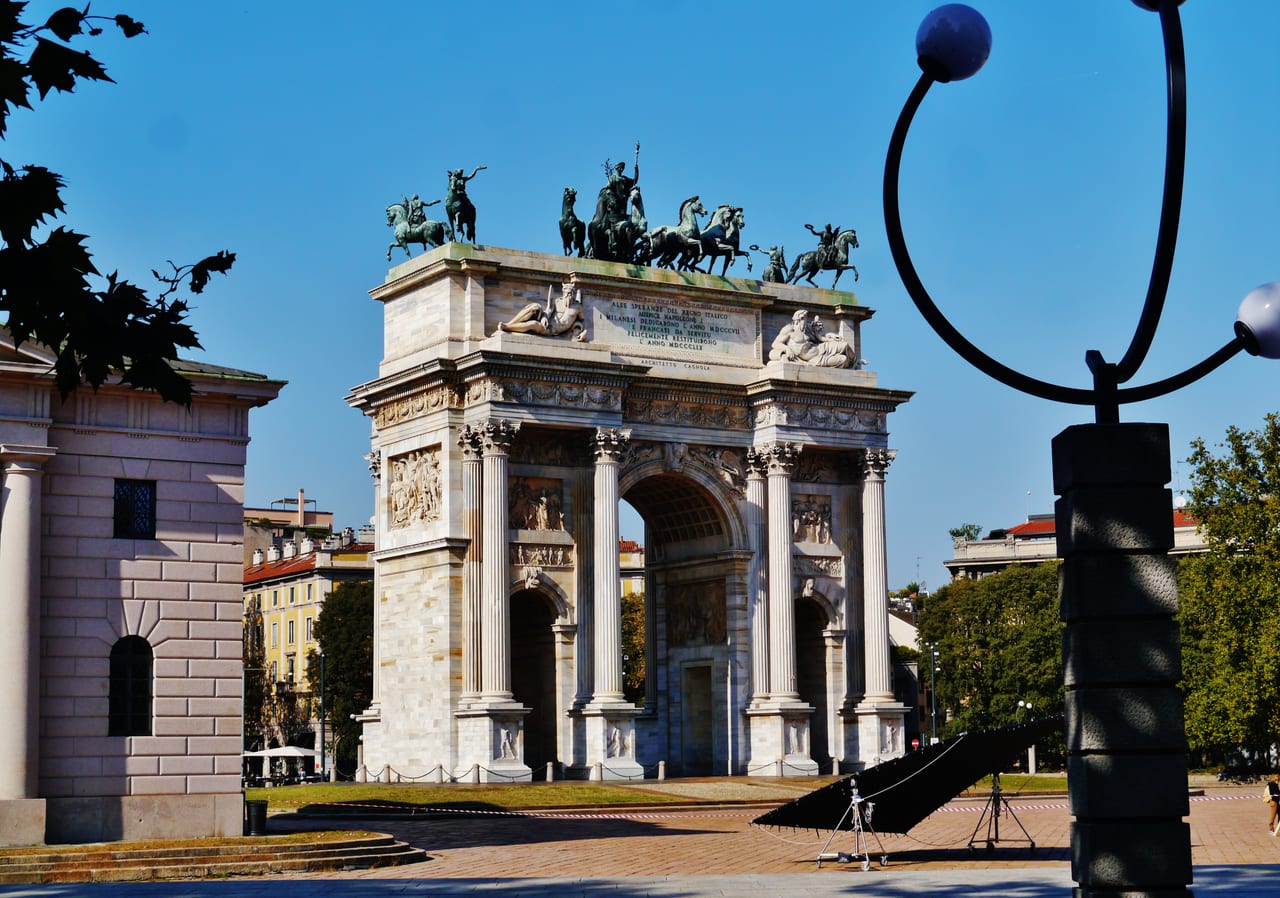
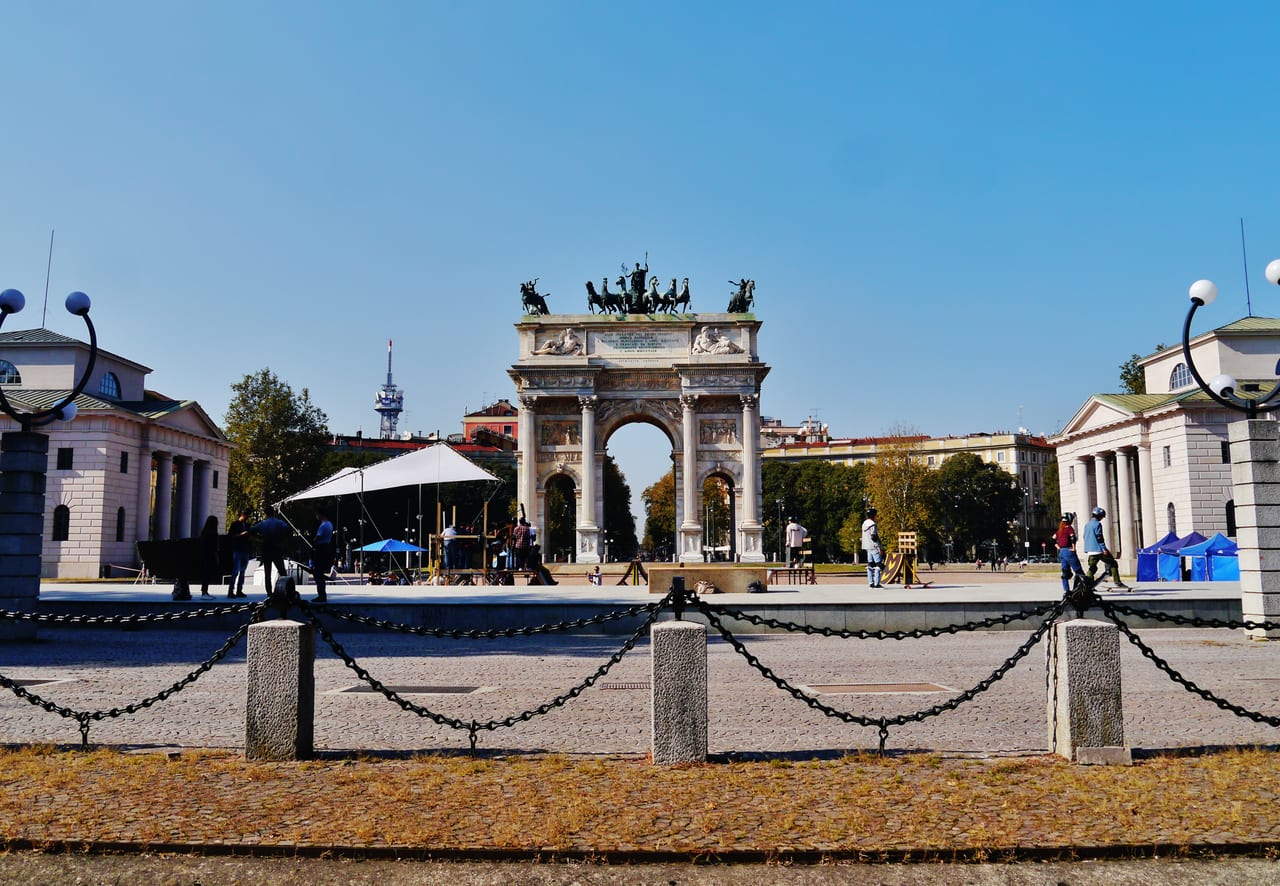
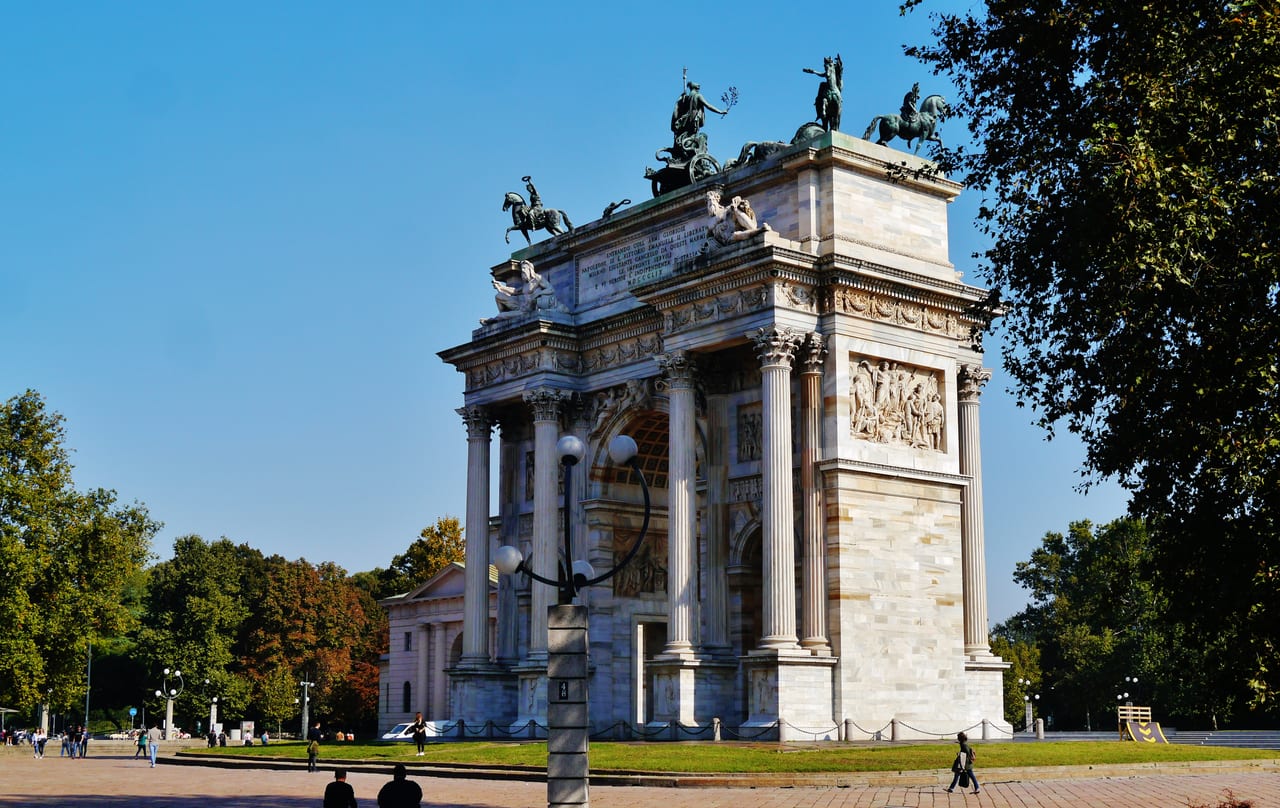
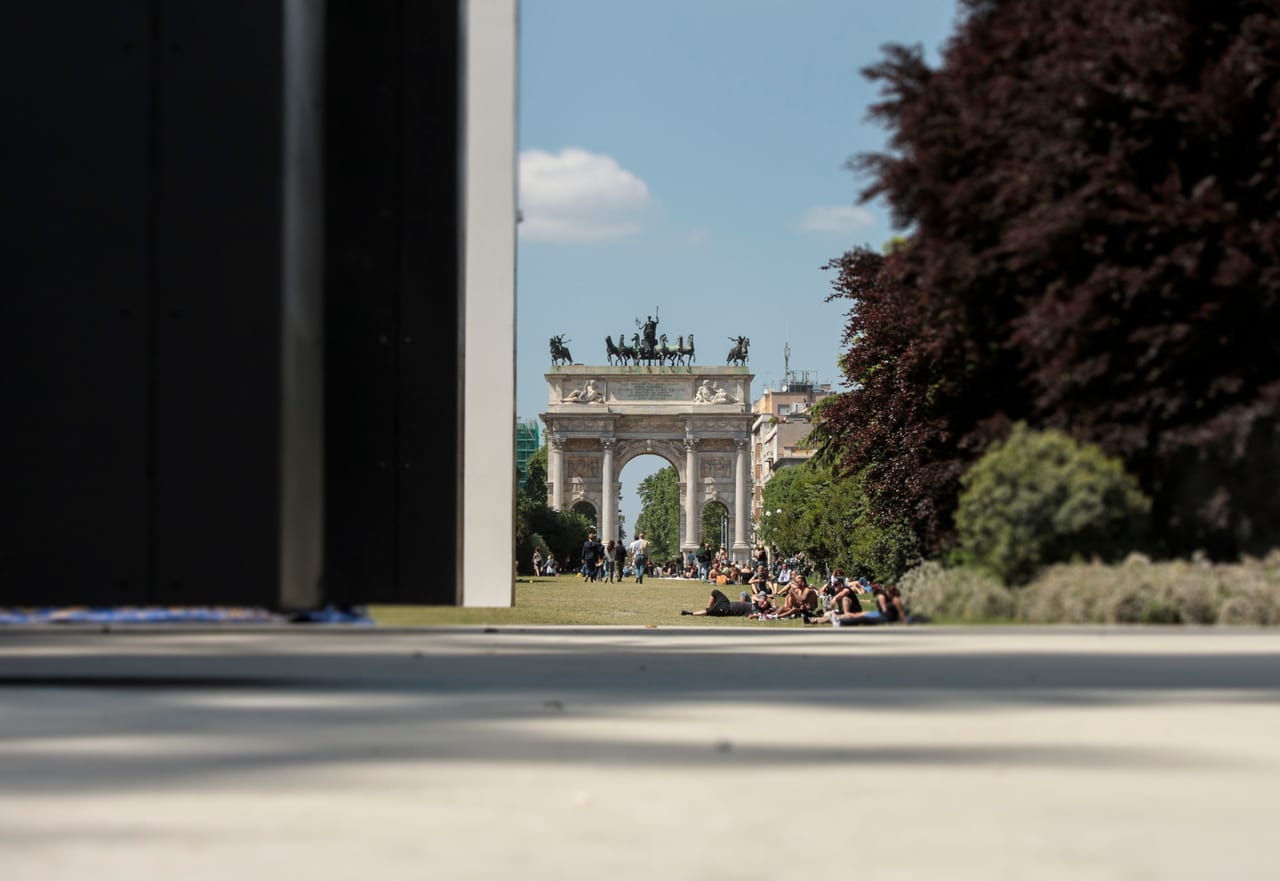
Photograph 1 of 46 of Arch of Peace
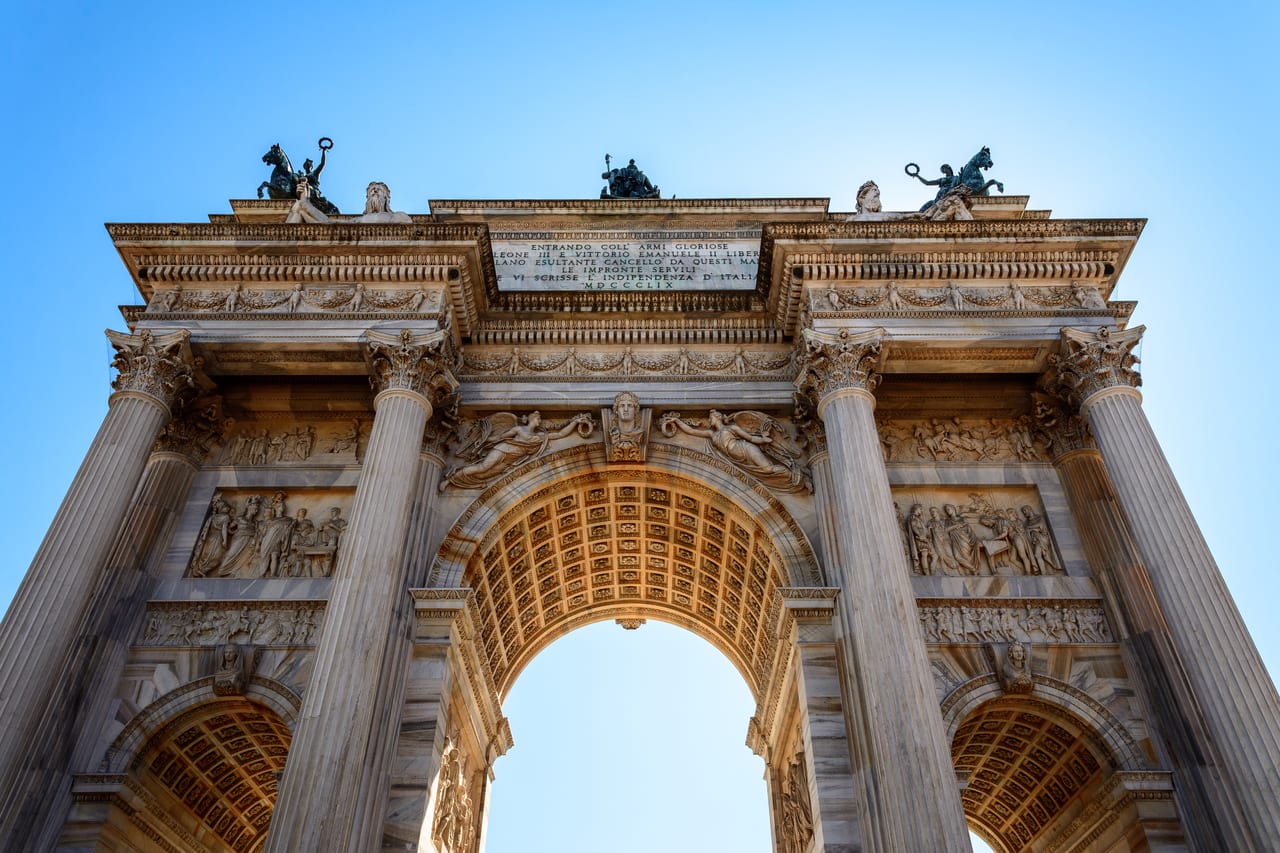
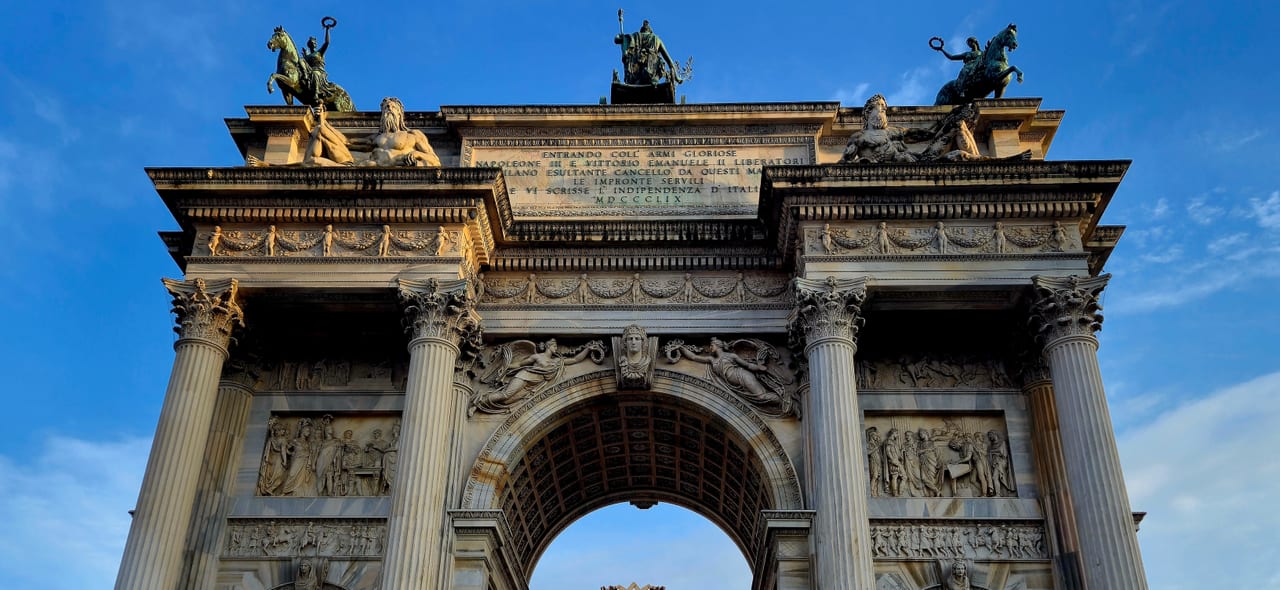
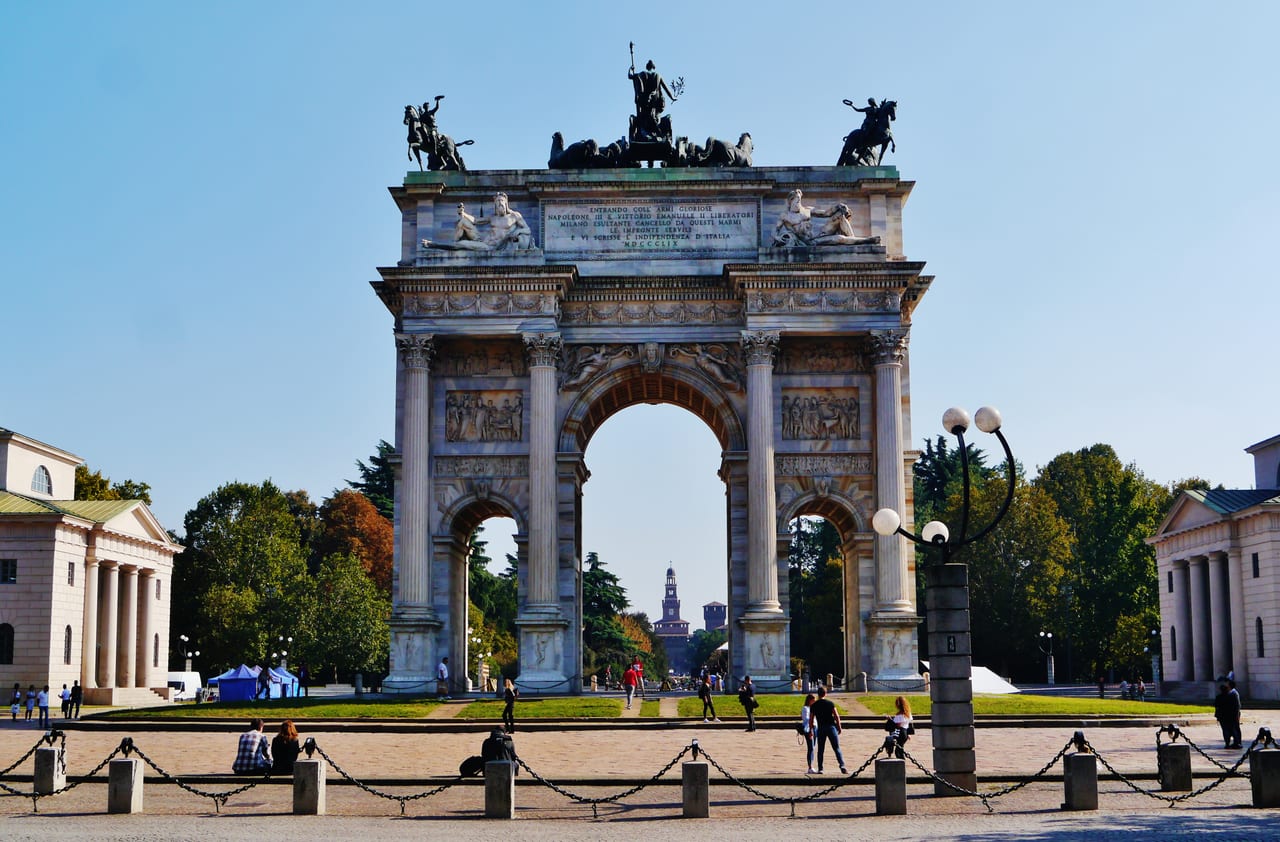
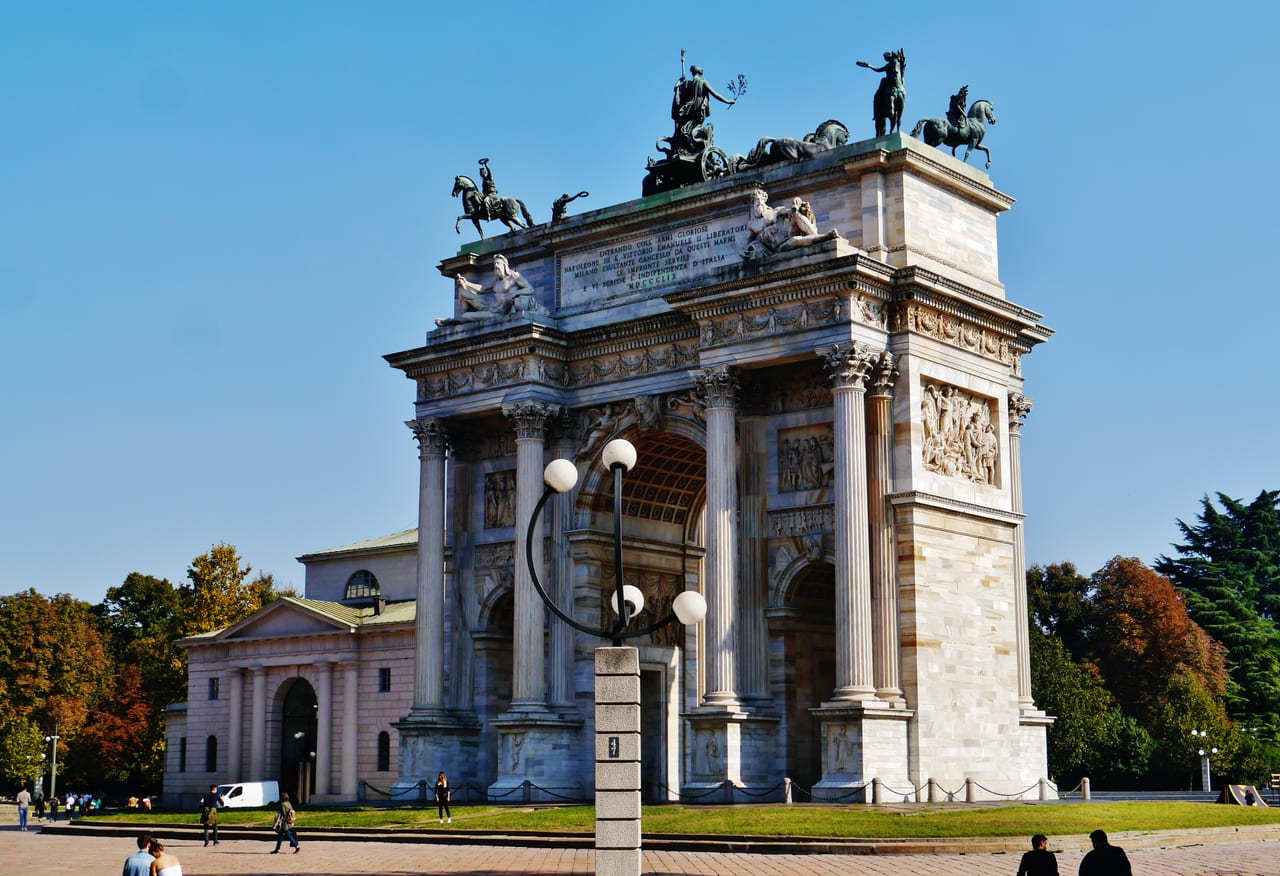
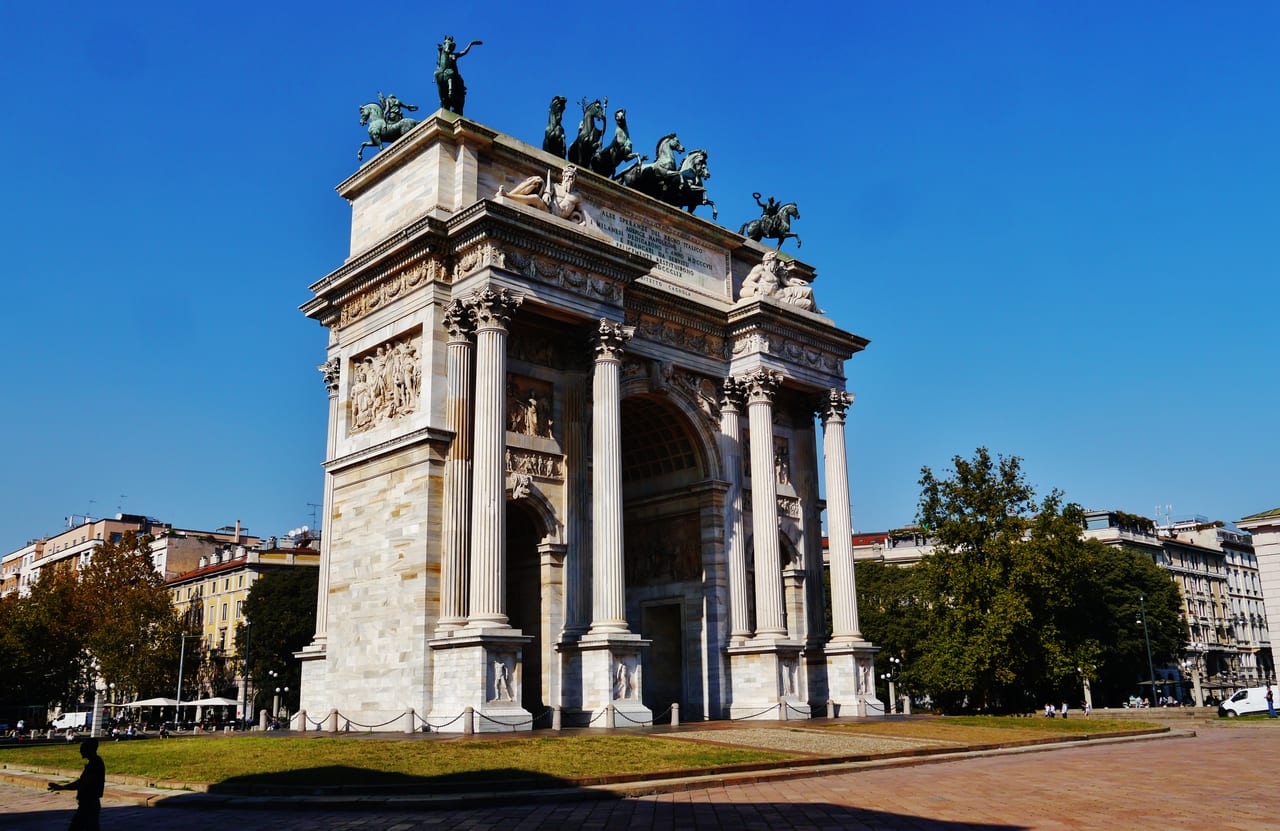
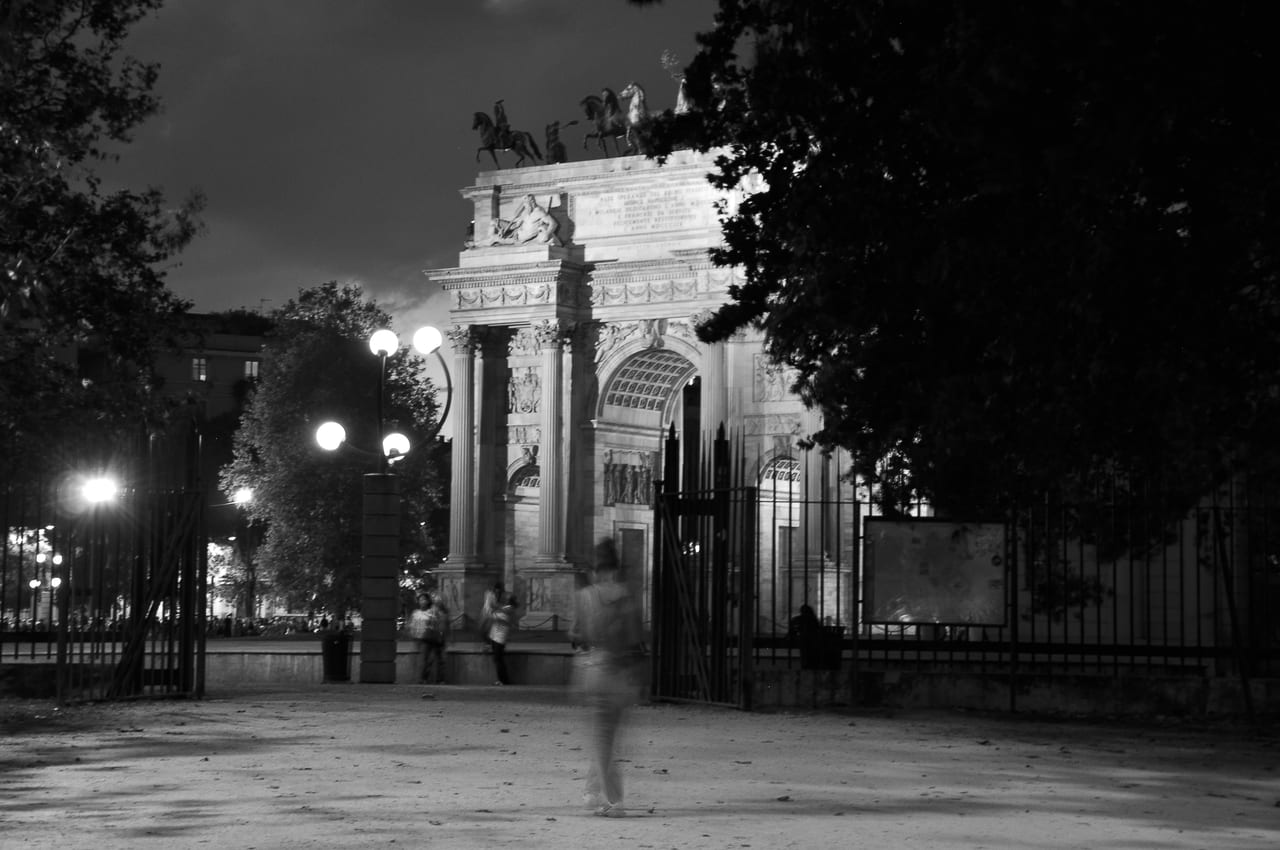
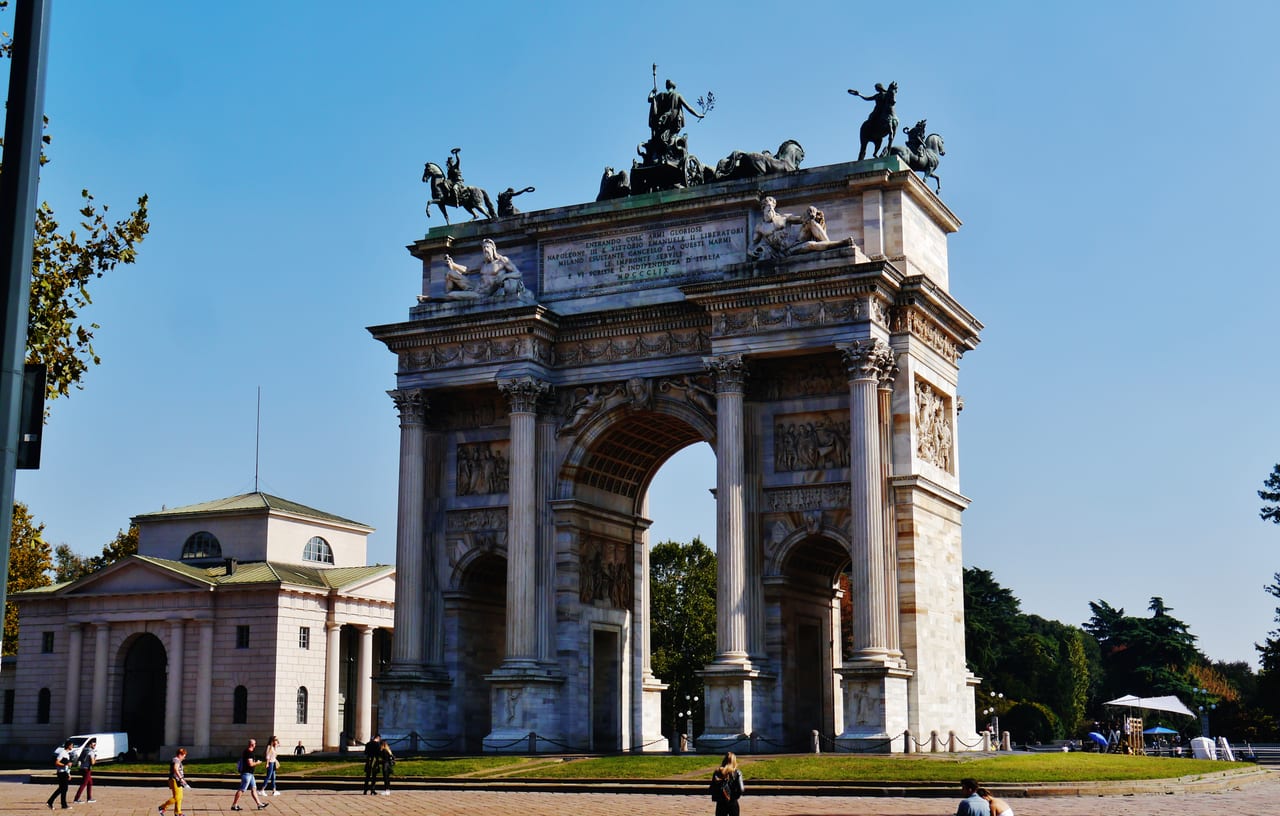
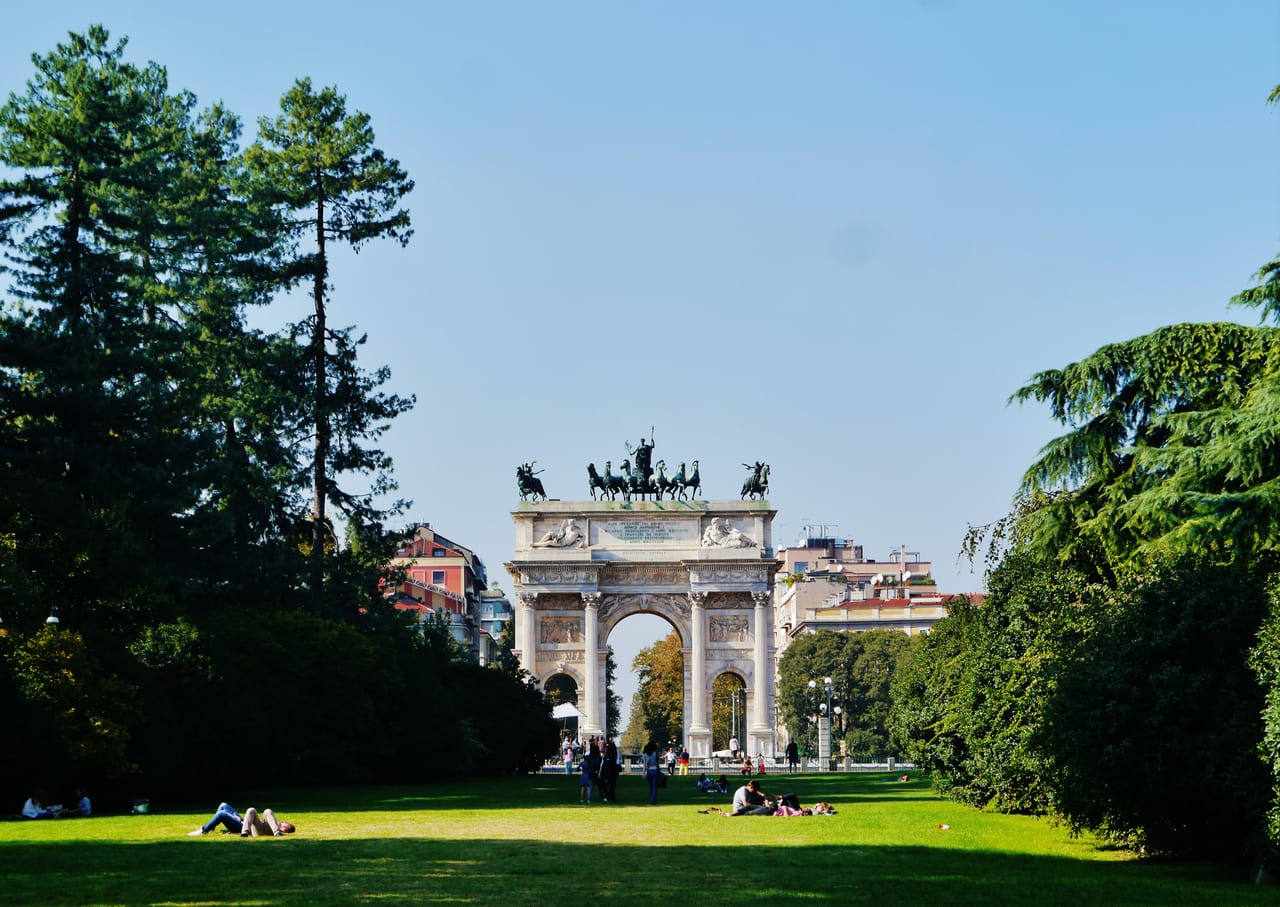
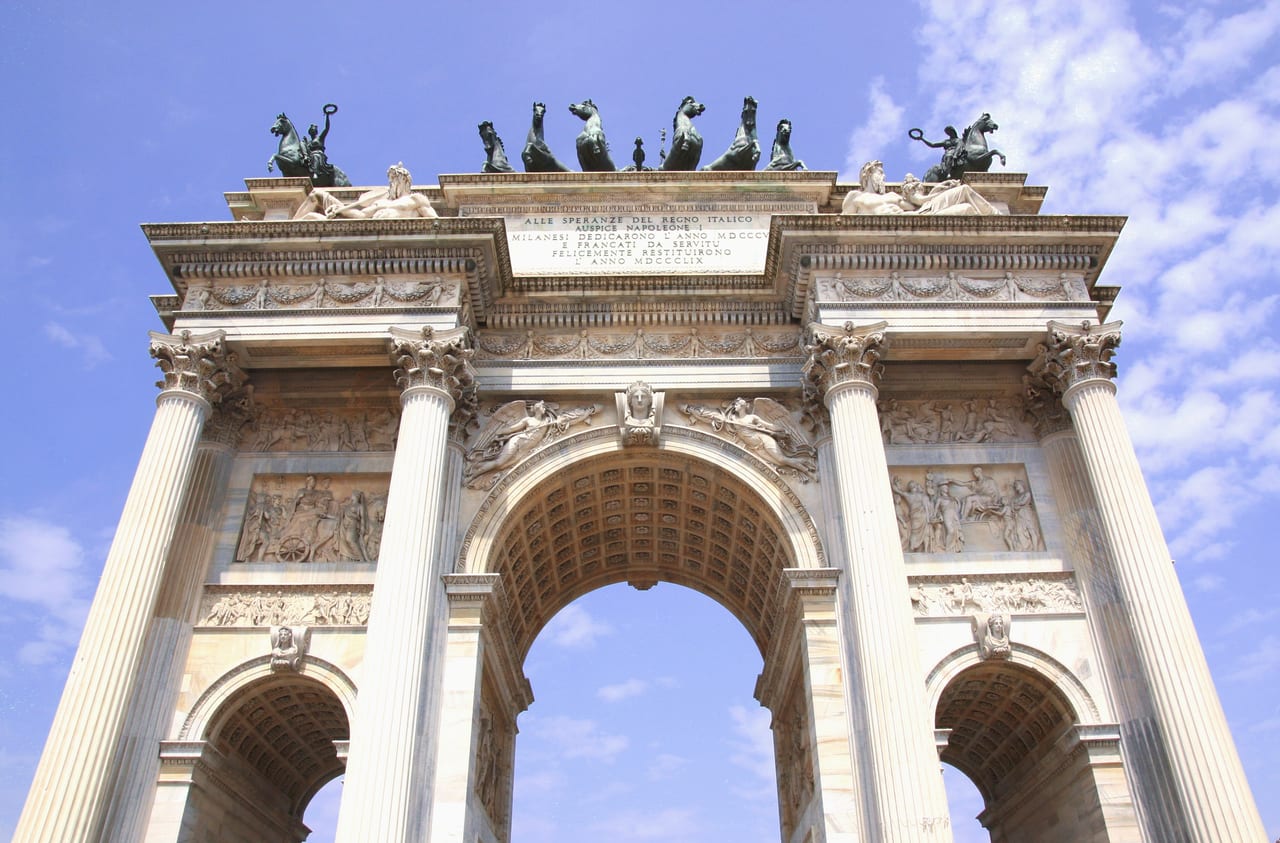
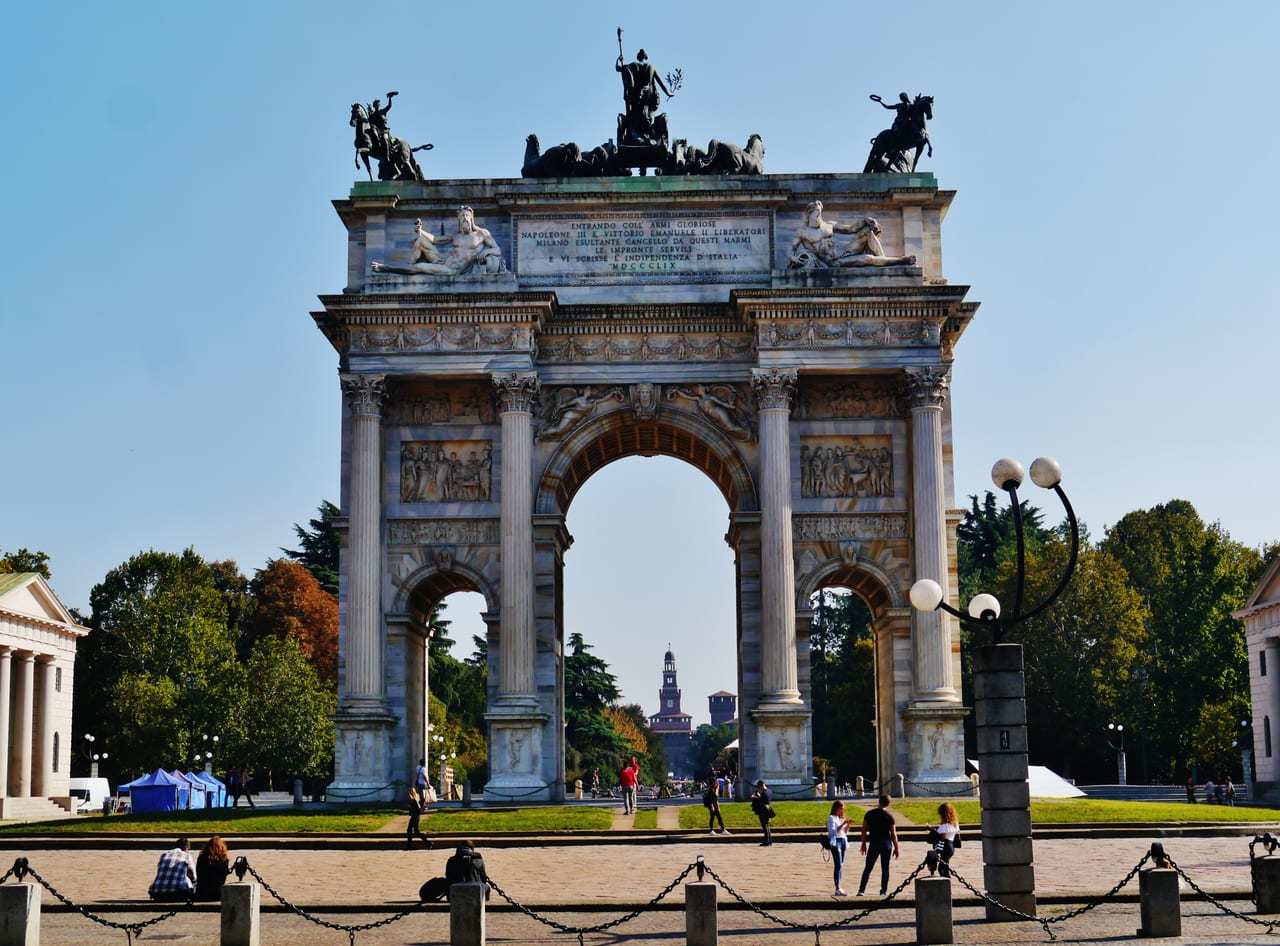
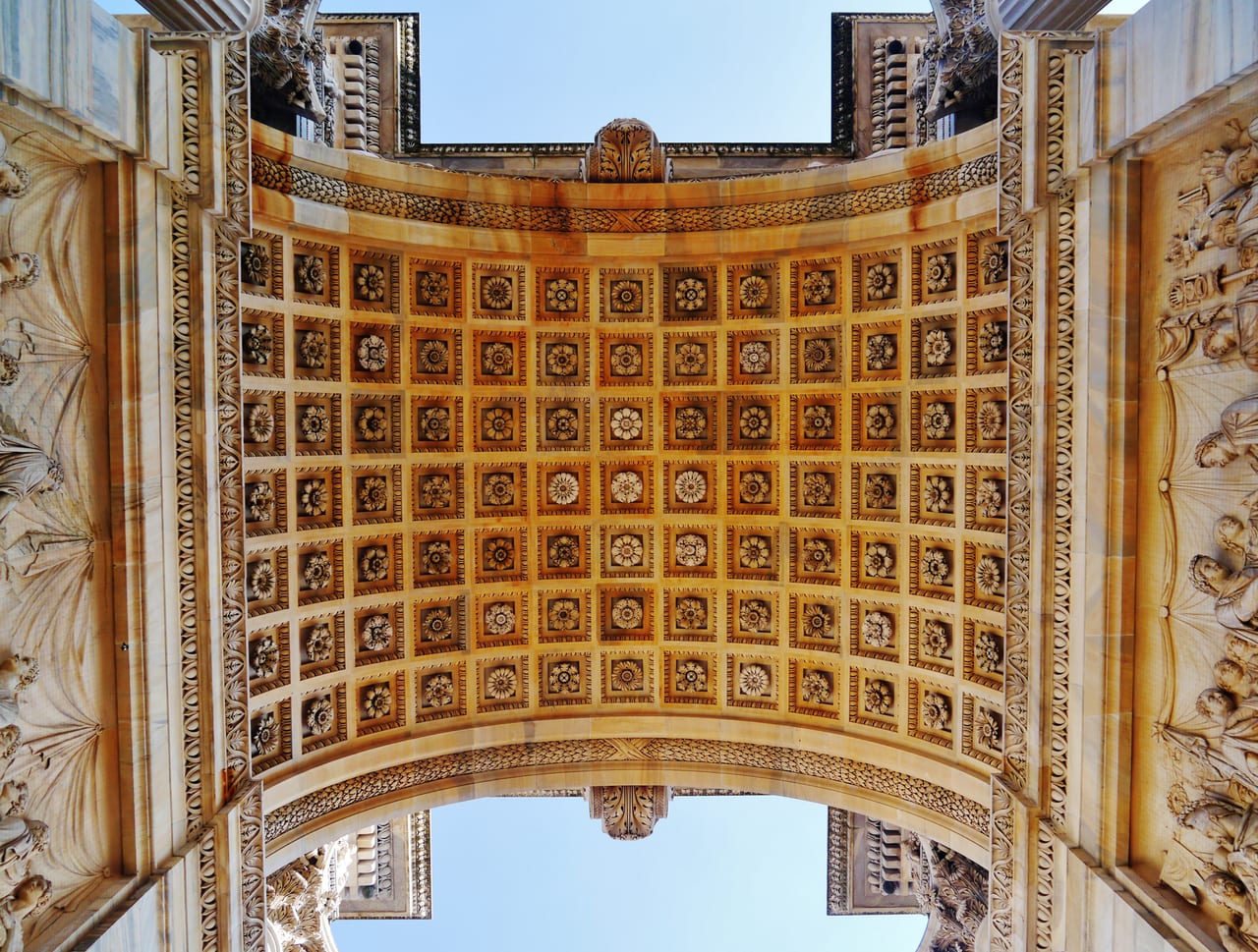
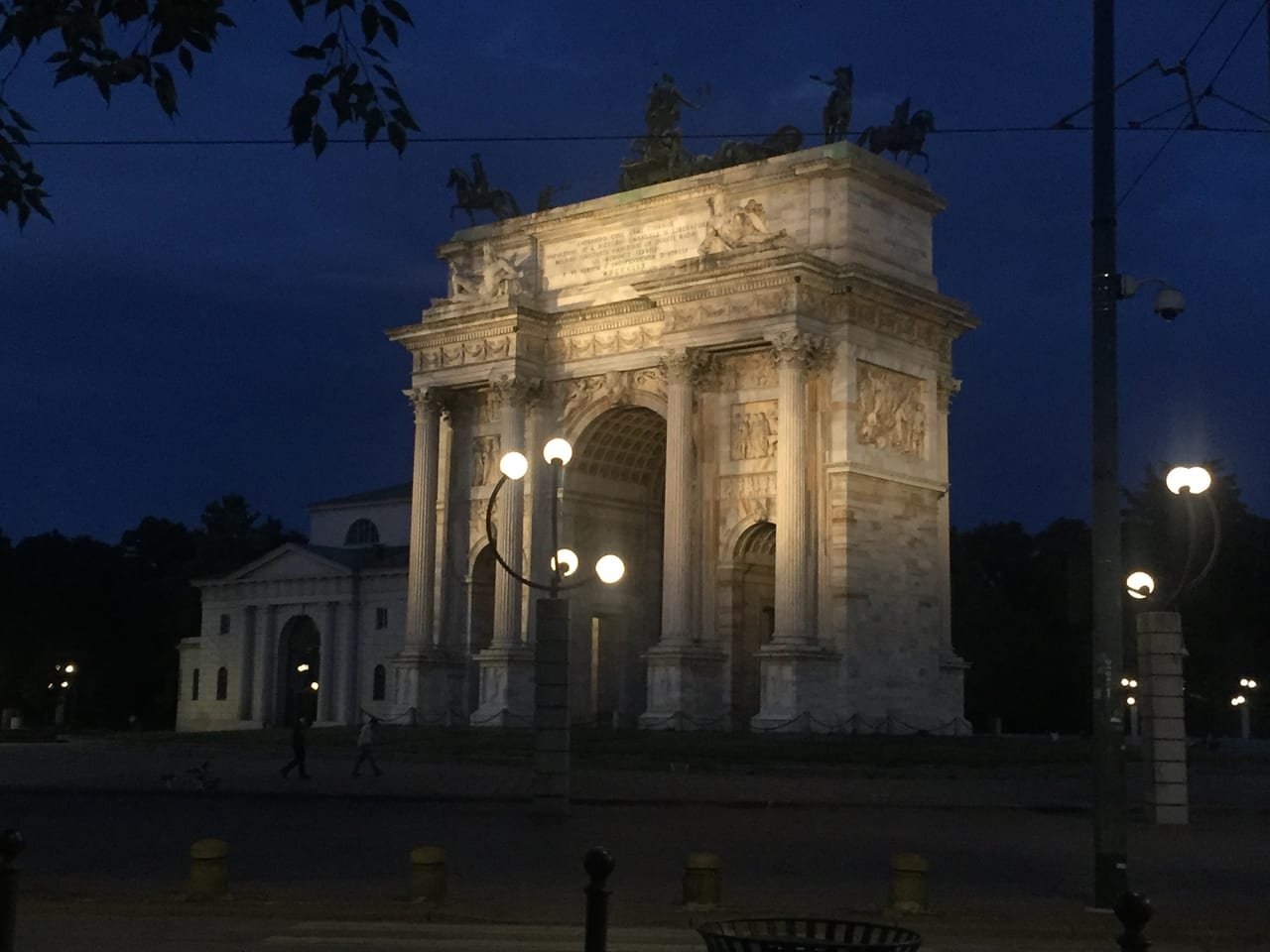
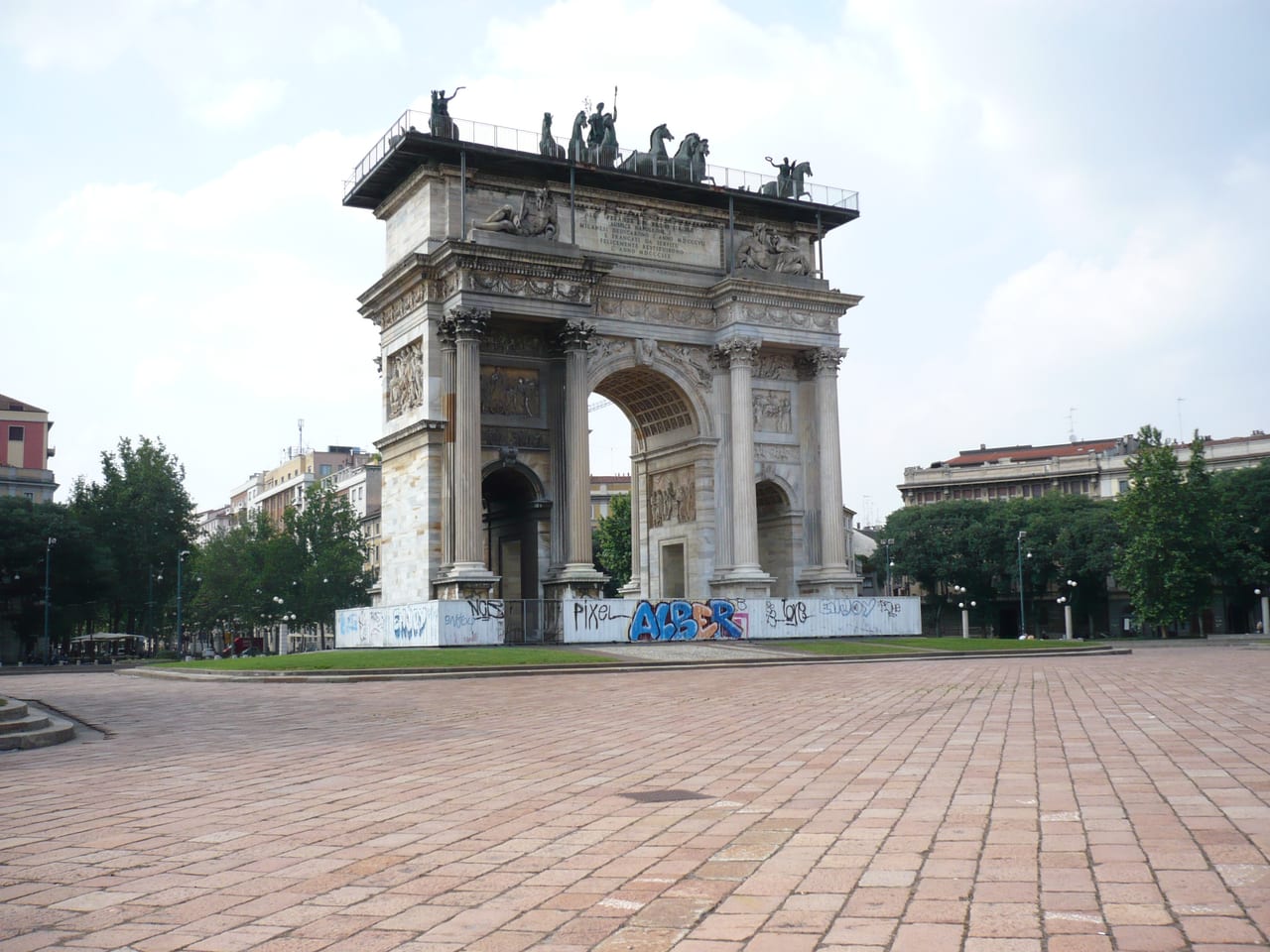
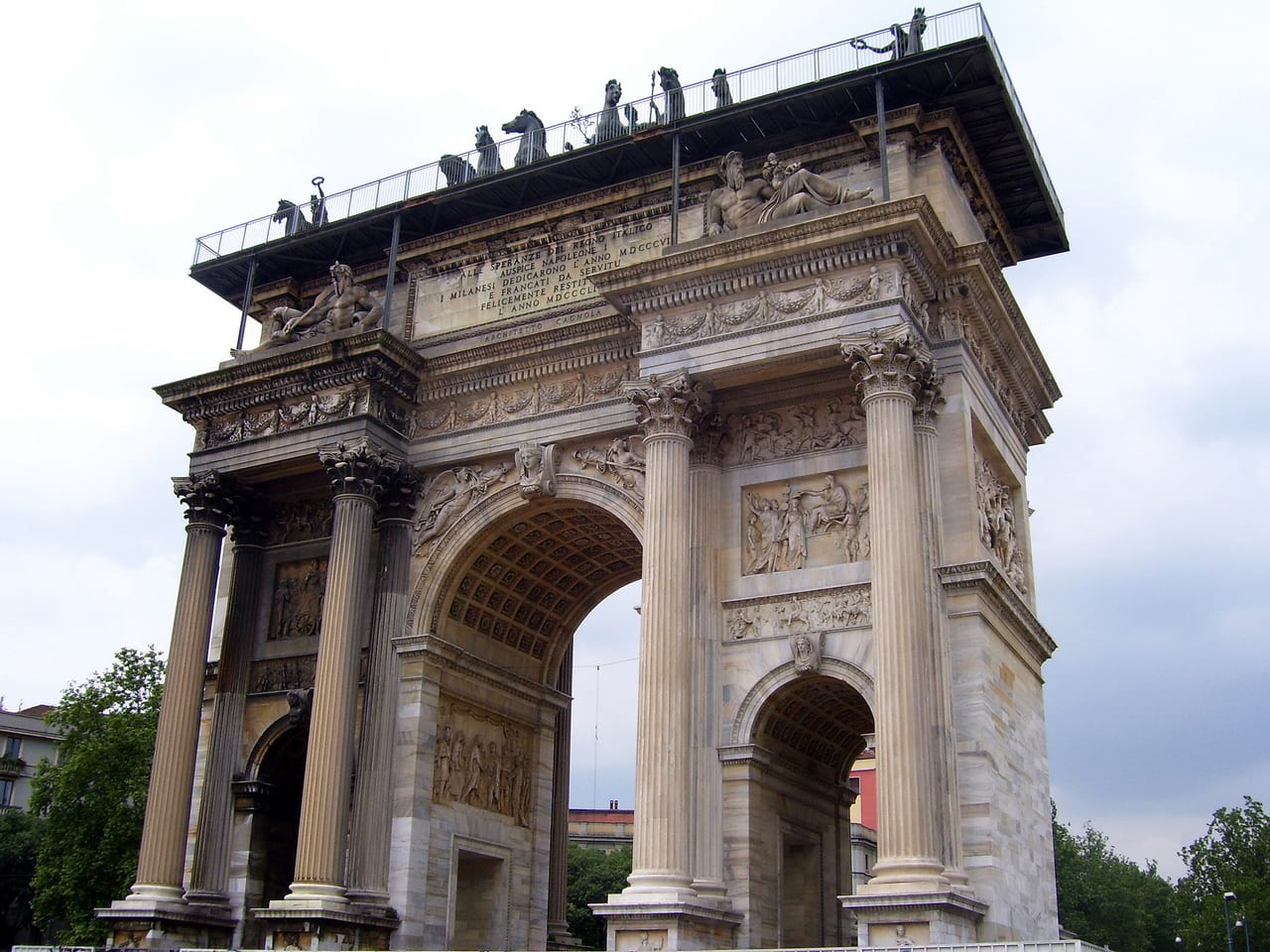
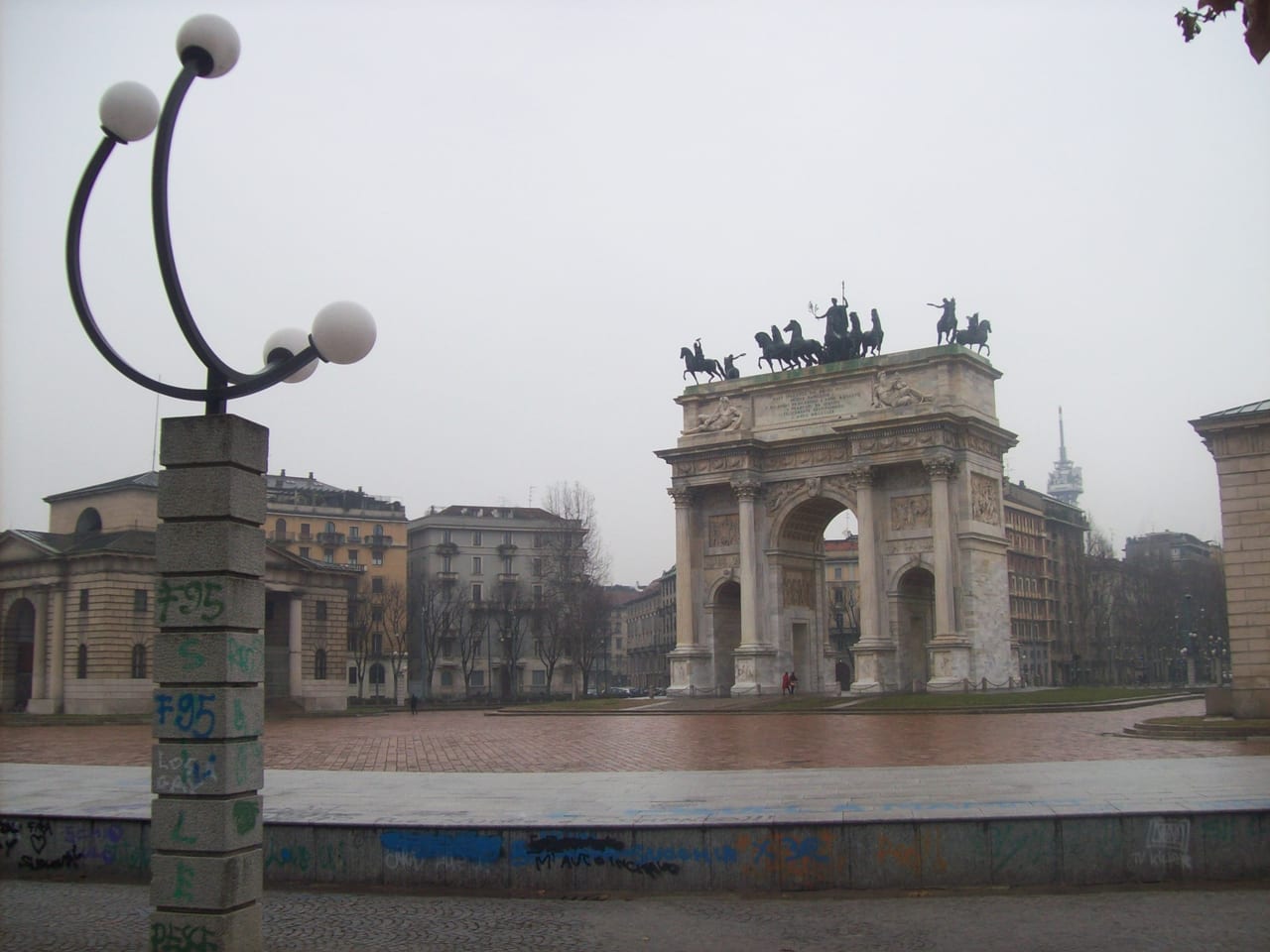
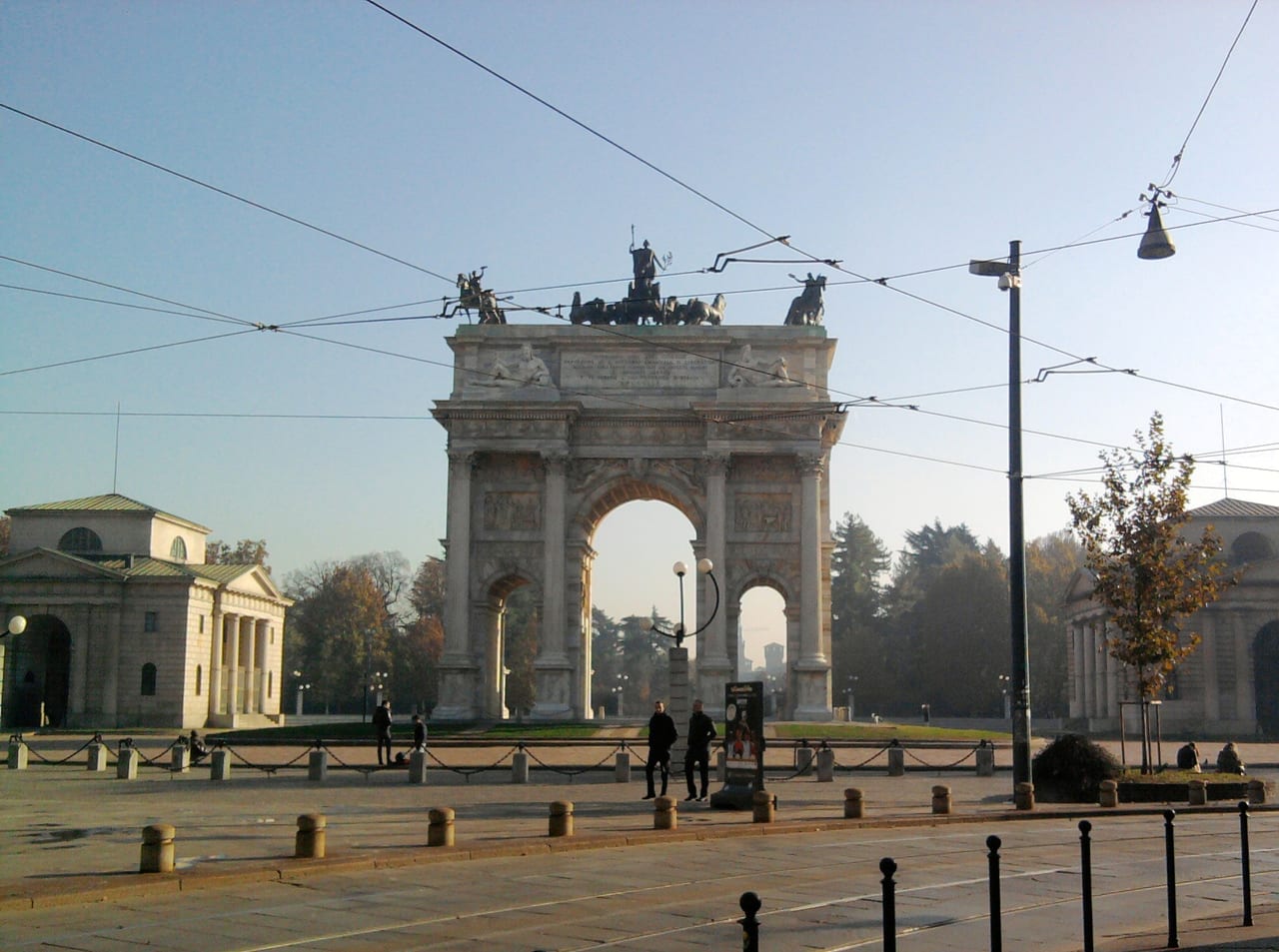
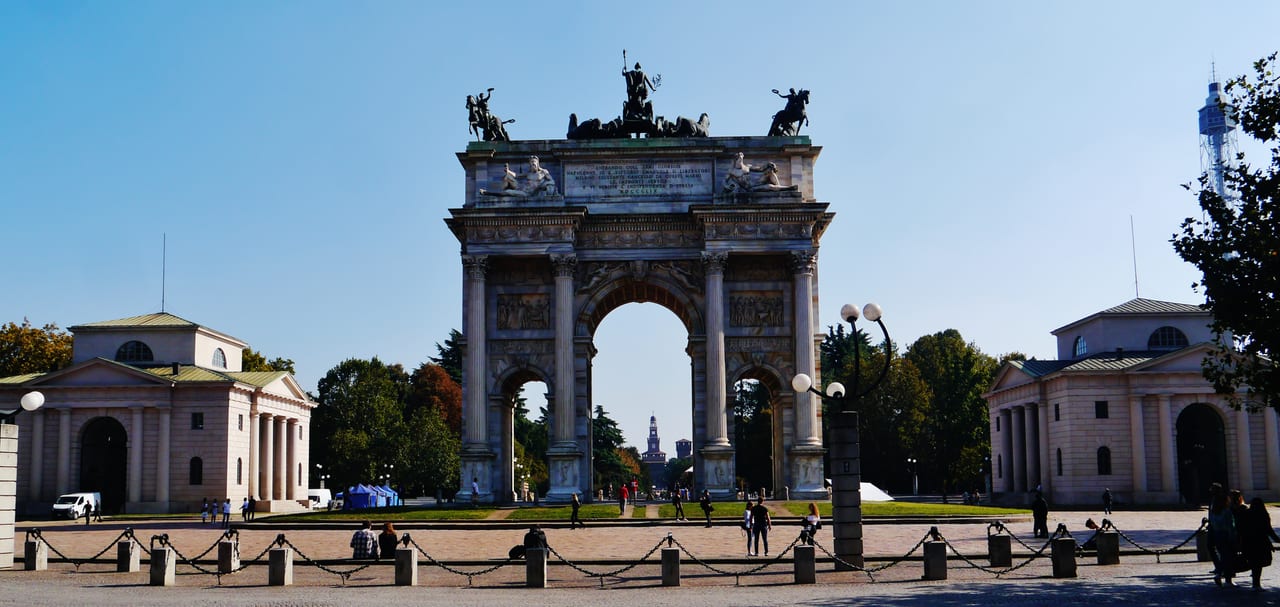
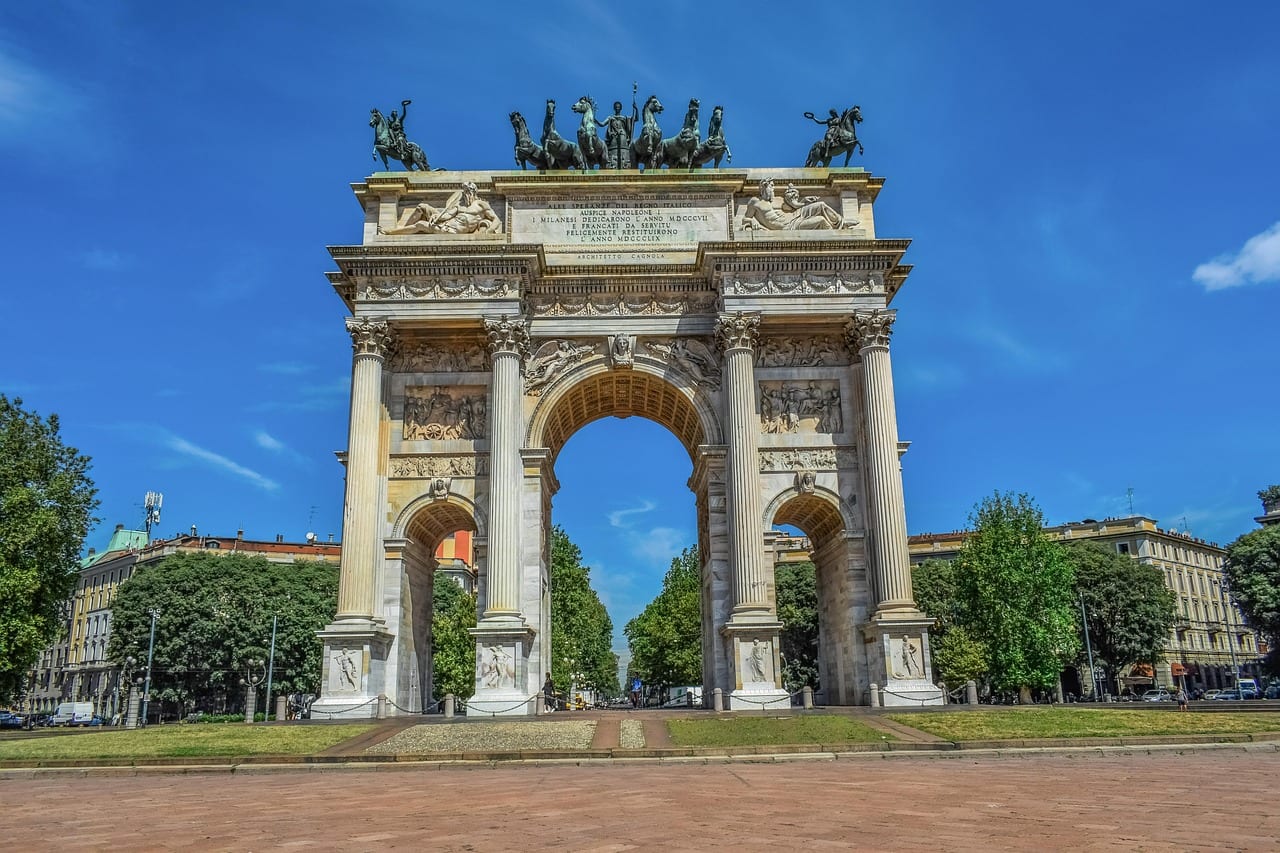
The monument began as a temporary triumphal arch erected in January 1806 for the Milanese arrival of newlyweds Eugène de Beauharnais and Augusta of Bavaria. Its success prompted the city council to commission a permanent marble version. Luigi Cagnola placed its foundation stone on 14 October 1807, conceiving it as an “Arch of Victory” commemorating the French victory at Jena. Work stopped in 1814 after Bonaparte’s fall, when the structure was already two-thirds complete and sculptures by Luigi Acquisti, including History and Poetry, were finished. Construction resumed in 1826 under Emperor Francis I of Austria, with the dedication changed to peace among European nations after the Congress of Vienna. Following Cagnola’s death in 1833, Carlo Giuseppe Londonio completed the work for its inauguration on 10 September 1838, attended by Ferdinand I. In 1859, Napoleon III and Victor Emmanuel II entered Milan after Magenta; new dedications marked the monument’s passage into the story of Italian unification. Built in Baveno granite faced with Crevoladossola stone, it combines three openings with four fluted Corinthian columns in the Italian Neoclassical manner. The façade measures 24 metres wide and 25 metres high.
At a glance
- Architect
- Luigi Cagnola
- Style
- Italian Neoclassical architecture
Ways to explore Arch of Peace
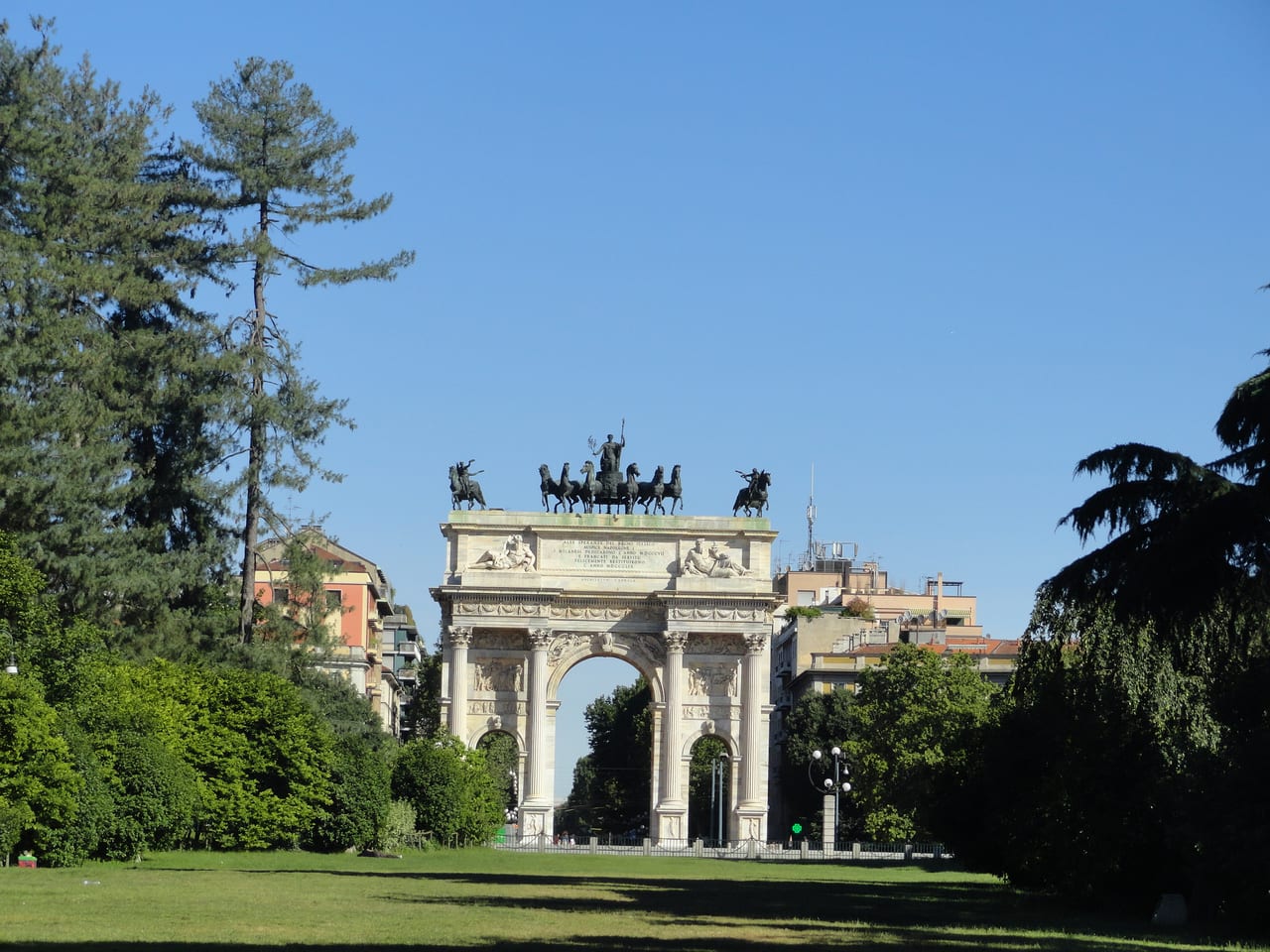
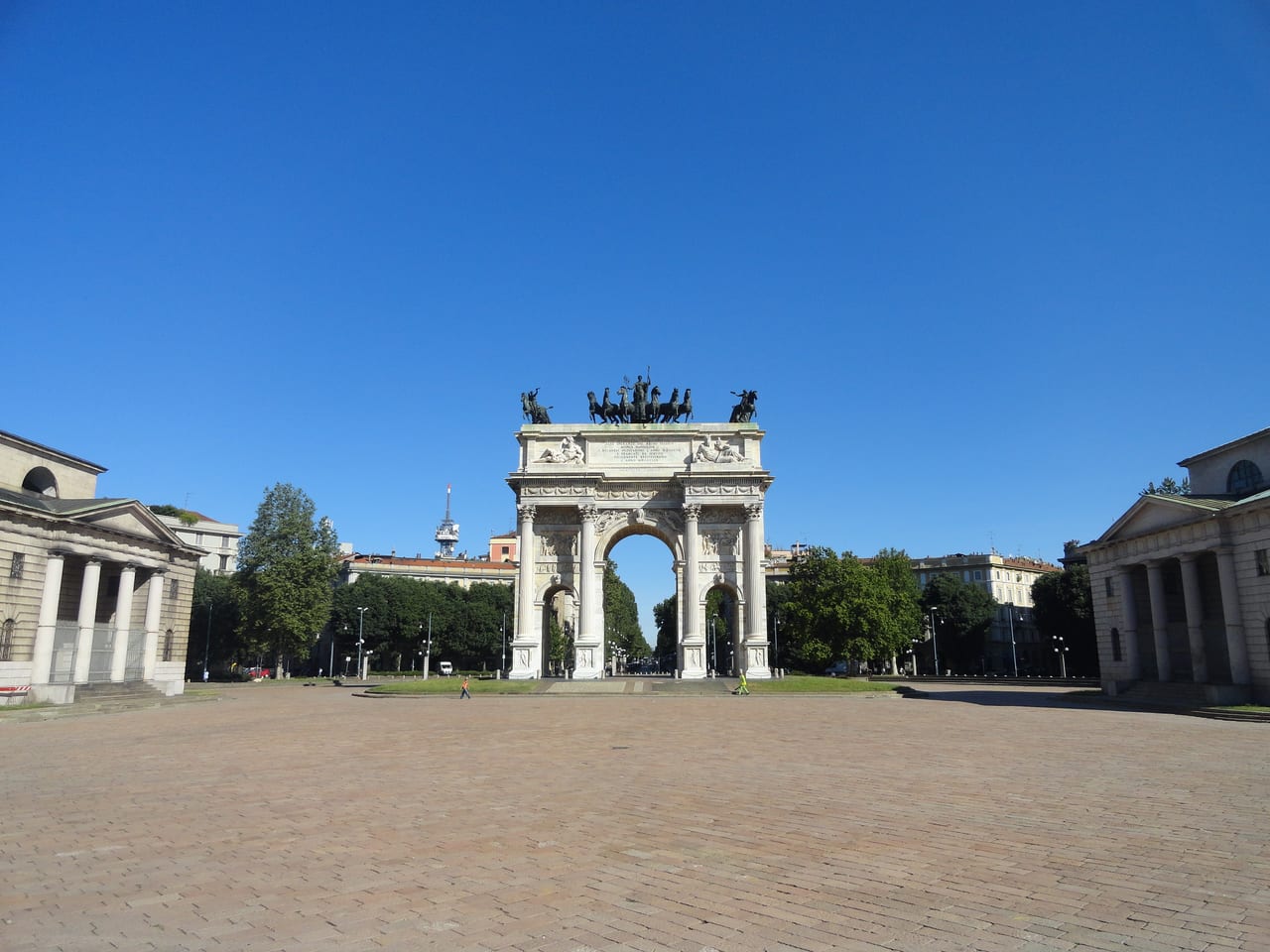
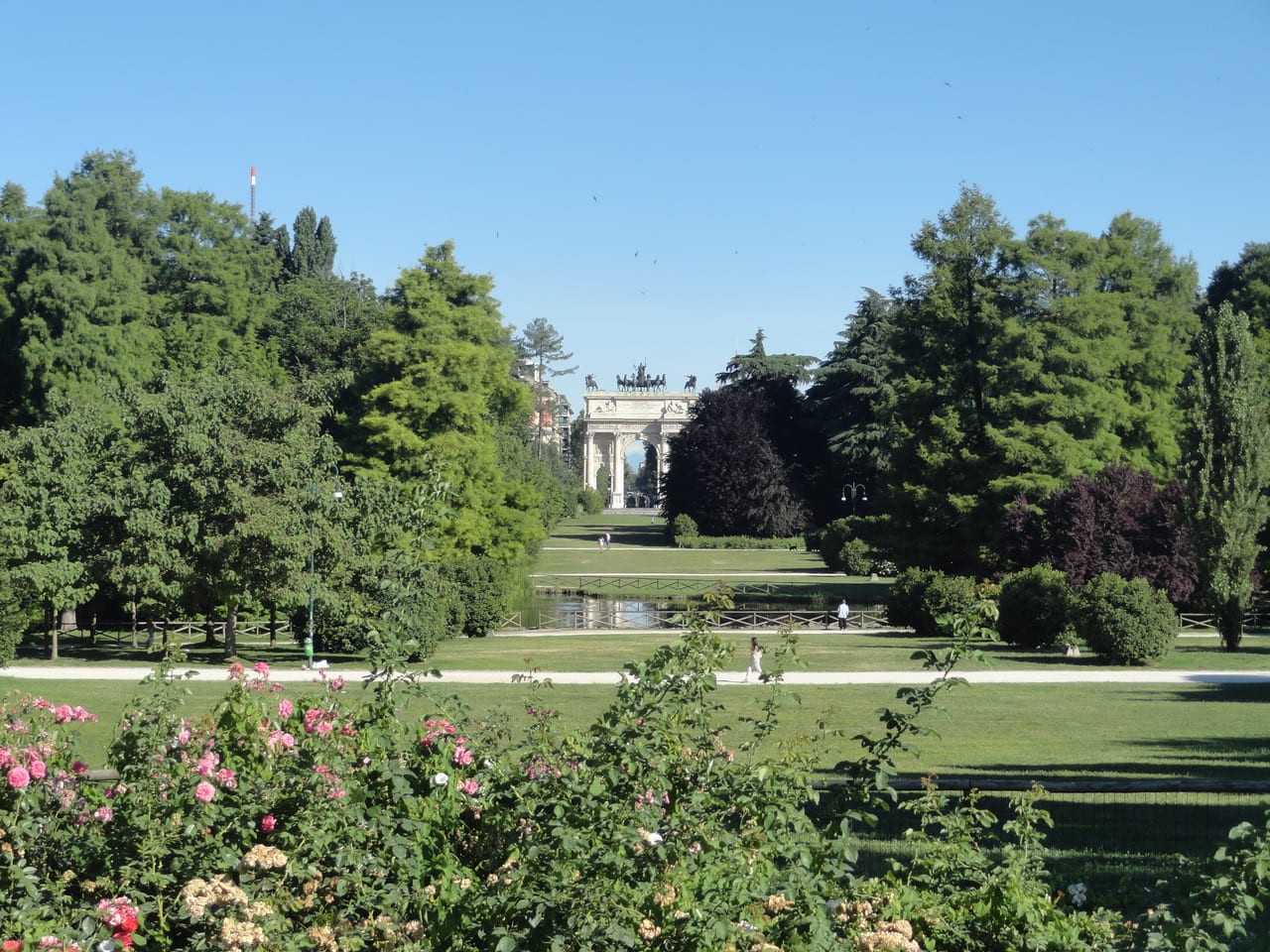
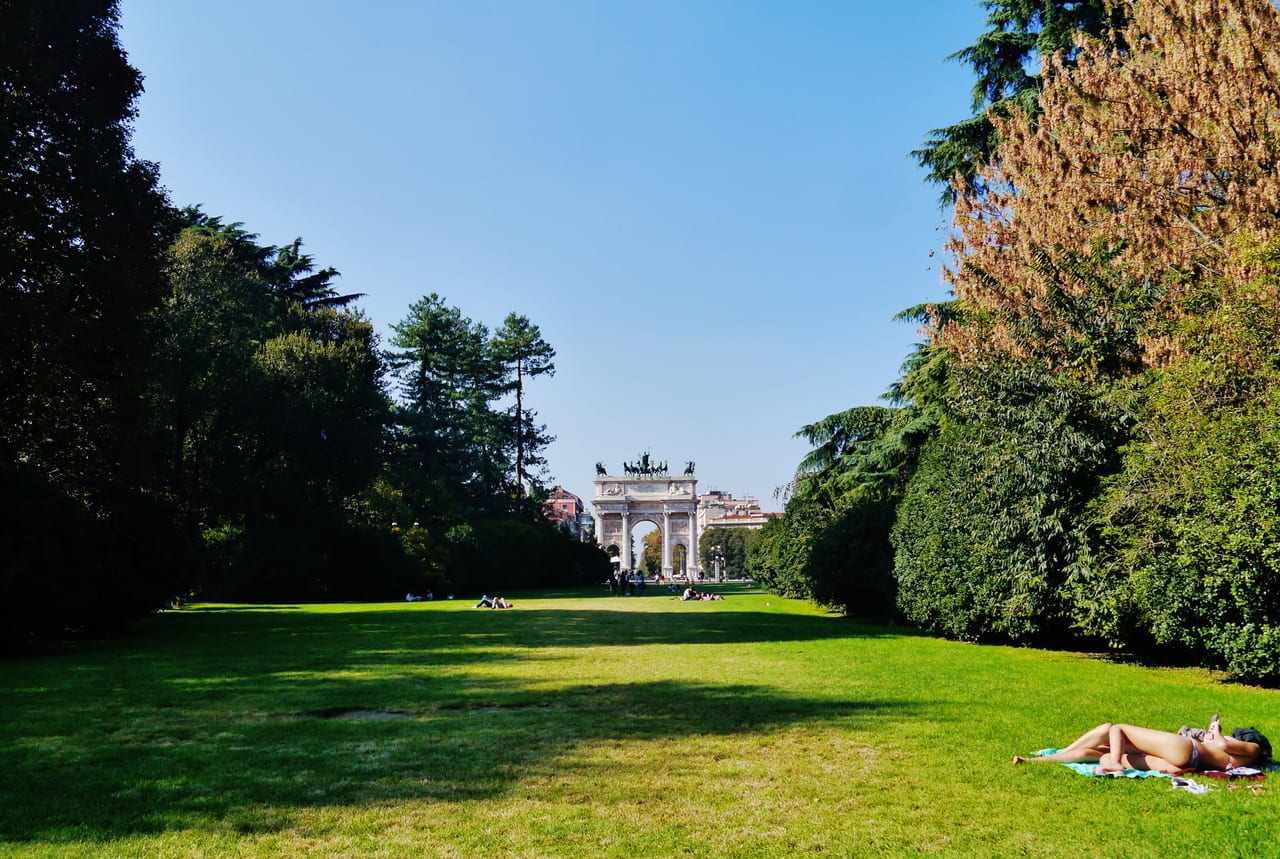
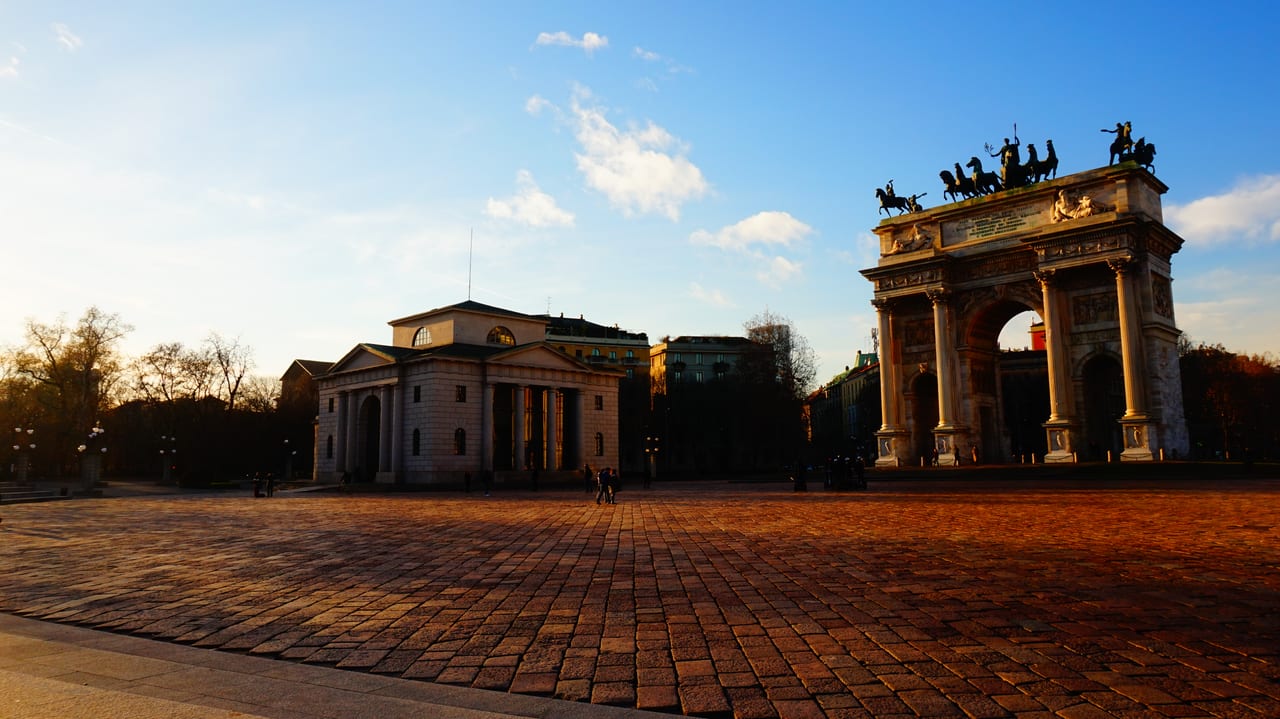
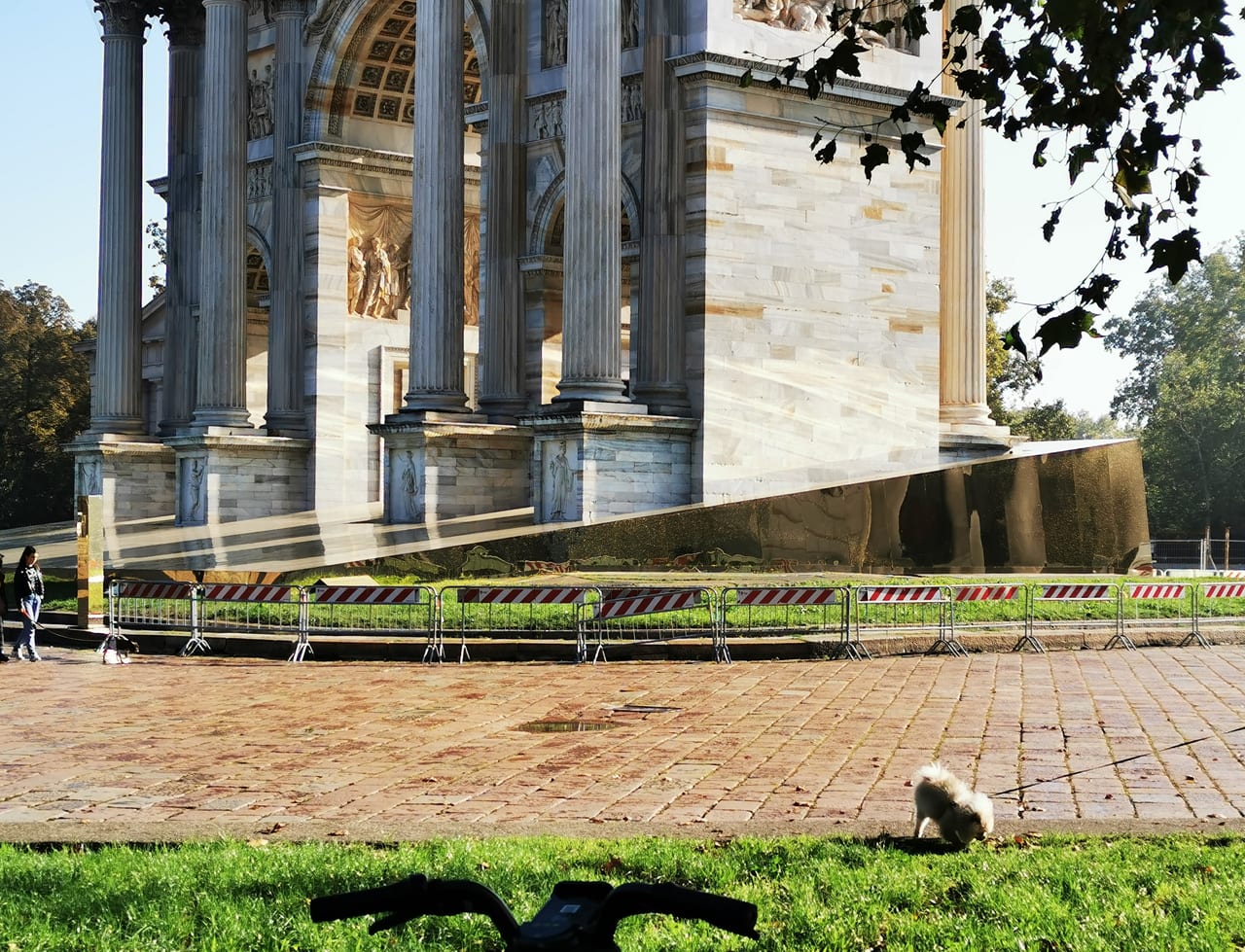
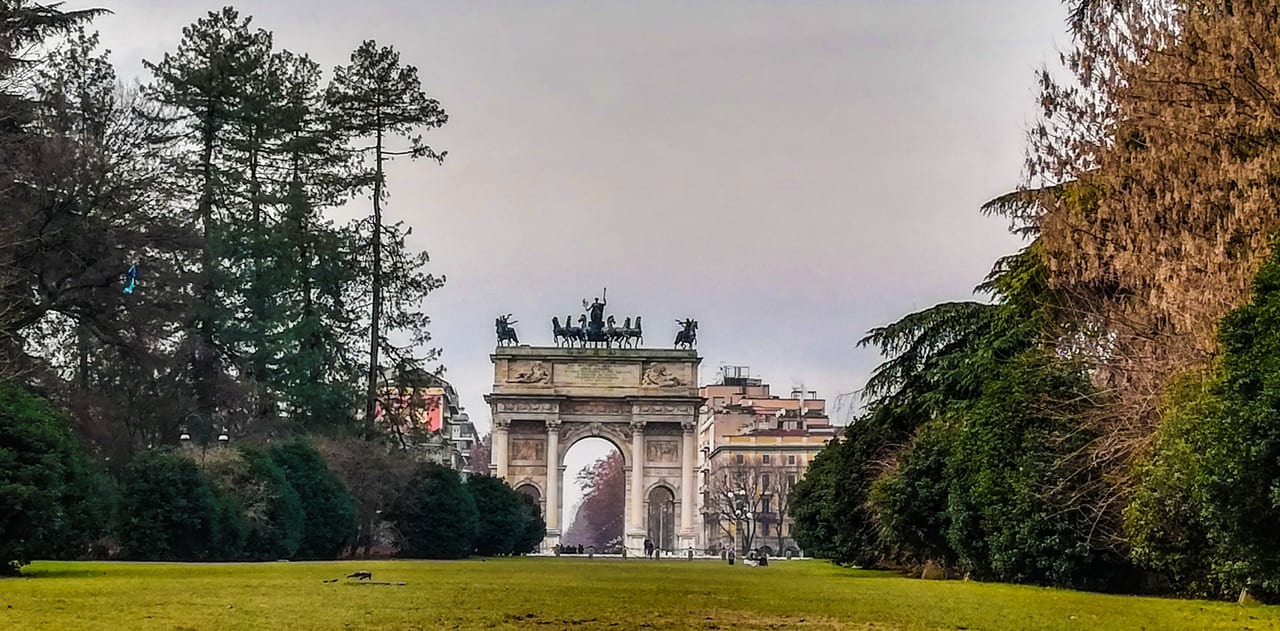
Approach from the Parco Sempione side and study the three openings as a single, carefully proportioned composition; the central arch reaches 14.24 metres. Look closely at the fluted columns, Corinthian capitals, bronze mounted Victories at the attic’s corners, and the sculptural details attributed to Giovanni Putti and Abbondio Sangiorgio. Read the dedications on both faces, especially the city-facing inscription, and compare the monument’s formal stonework with its animated bronze ornament.
Places to stay near Arch of Peace

Live availability and prices from Stay22's partners, refreshed periodically and subject to change. Booking through these links may earn us a commission at no extra cost to you. See our privacy policy.
Cafés near Arch of Peace
Cafés near Arch of Peace loads as you scroll.
Attractions nearby
Attractions near Arch of Peace loads as you scroll.
Cities nearby
Cities nearby loads as you scroll.
More in Milan
See more of Milan.
Find great cafés, places to stay and other interesting places to visit in Milan.