Attraction · Paris
Vignes de Montmartre
DirectionsIn 1934, its inaugural harvest festival displayed grapes bought at Les Halles and tied to the vines, because the newly planted vines had produced none.
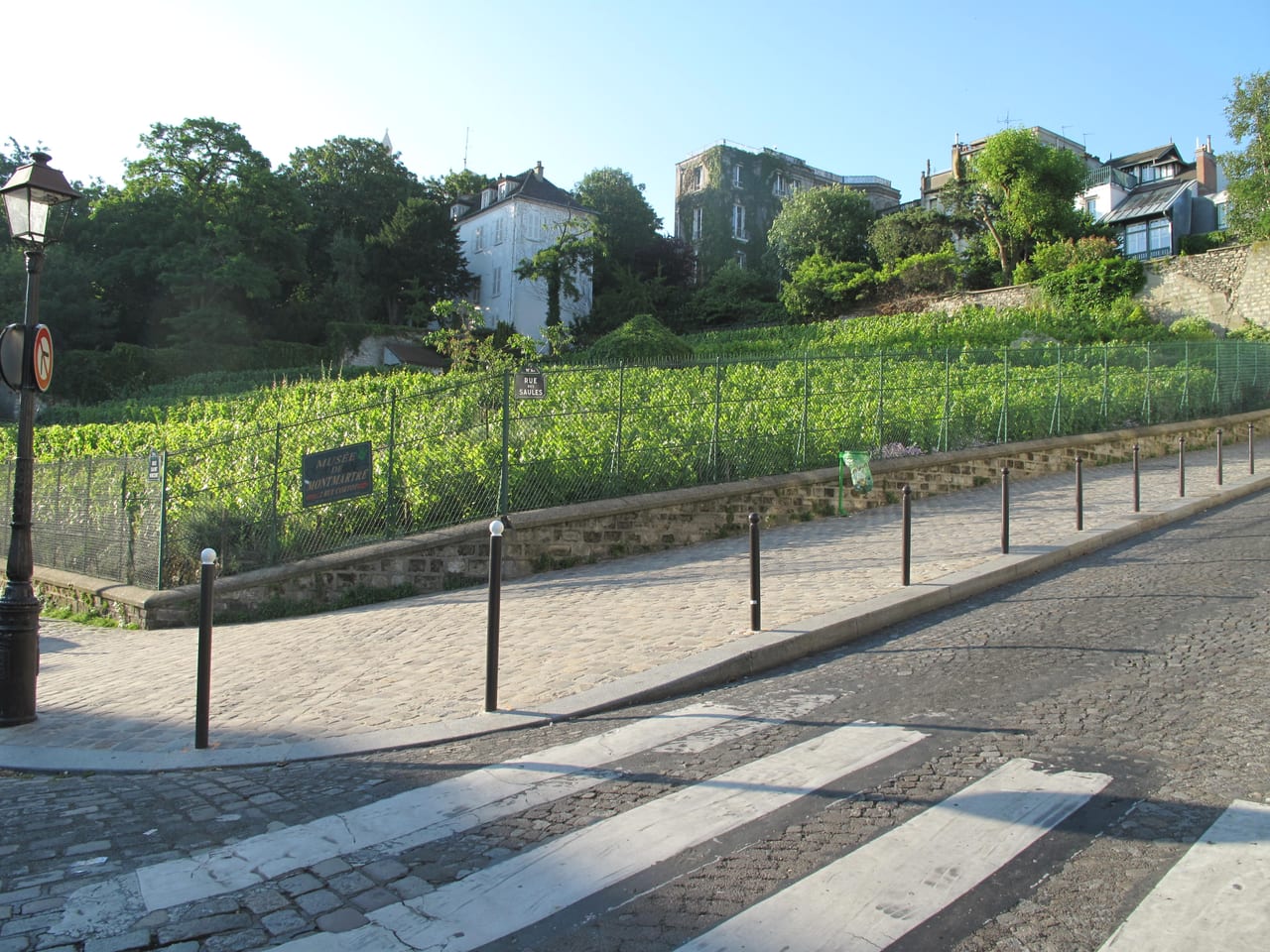
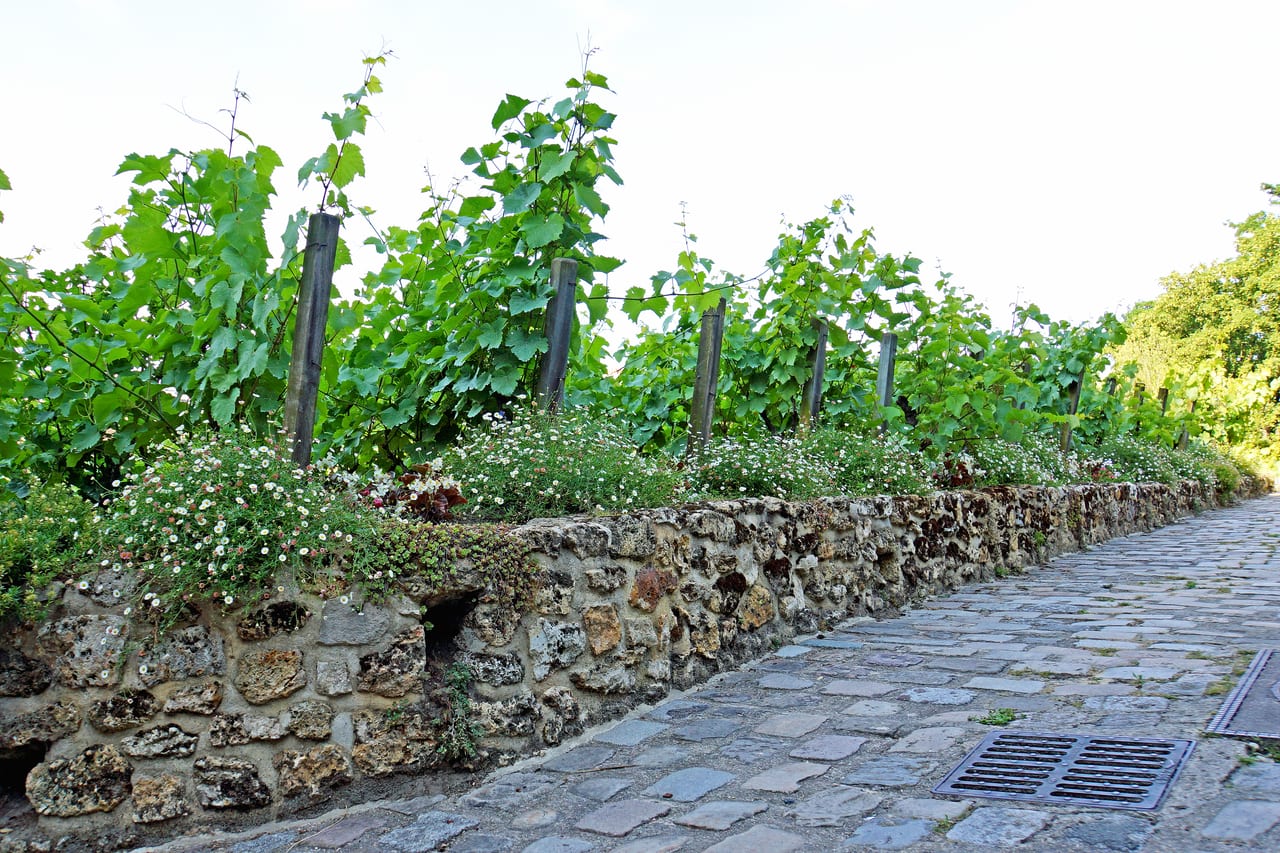
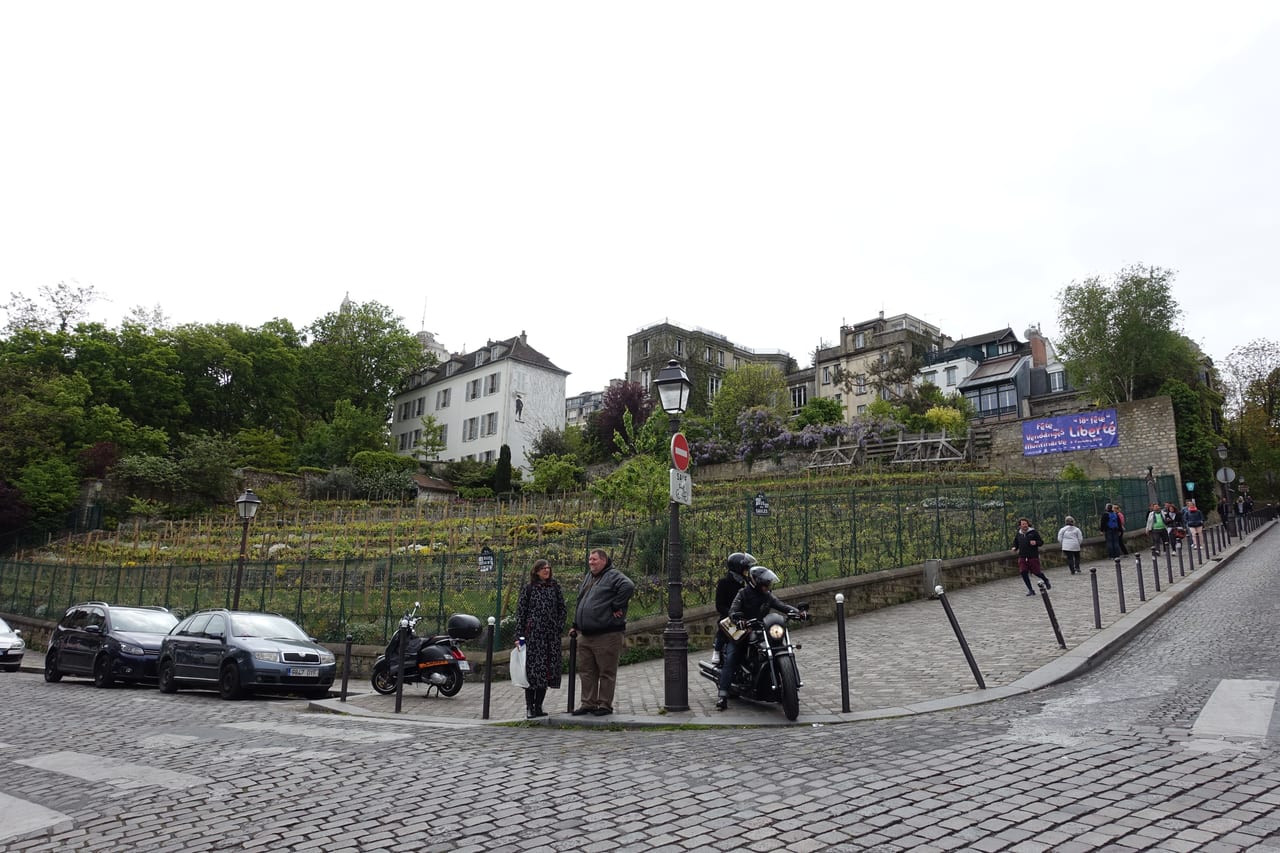
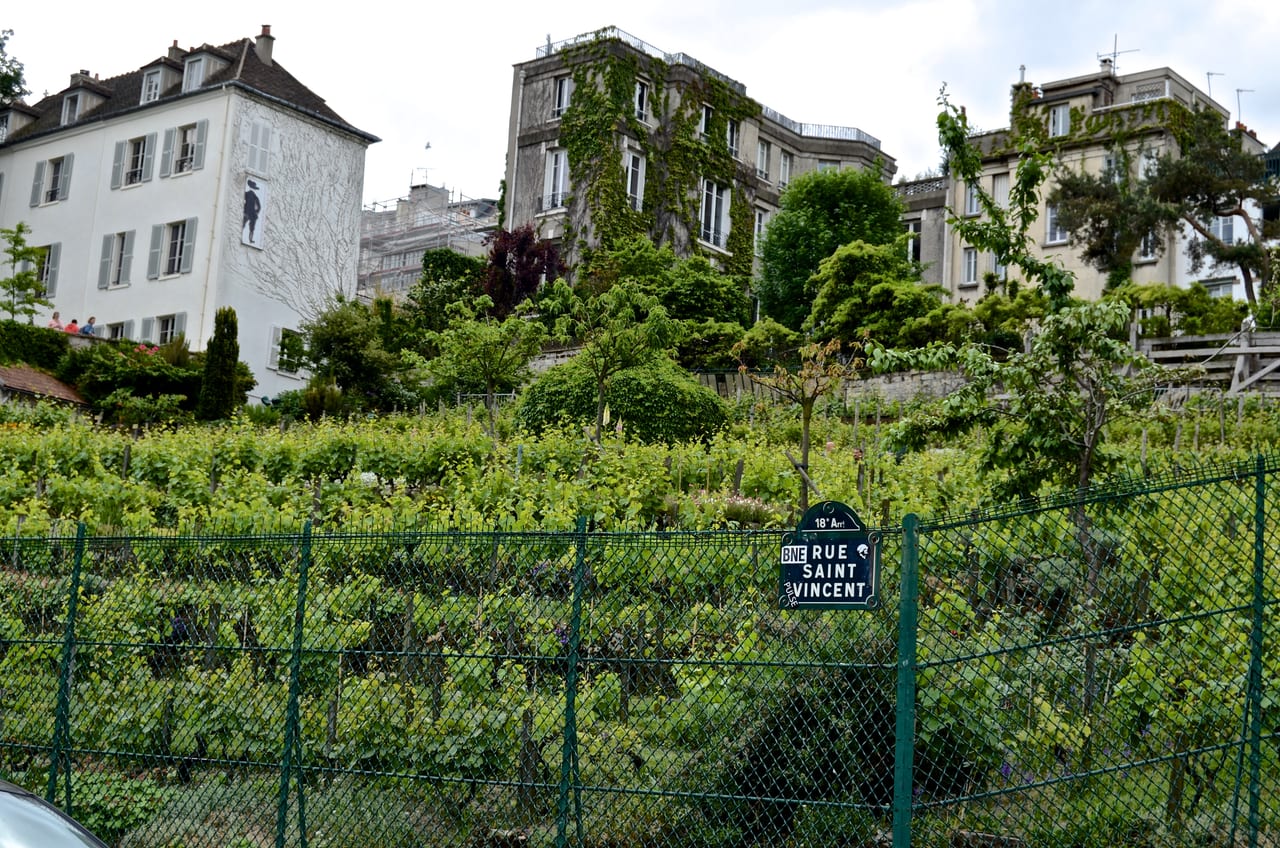
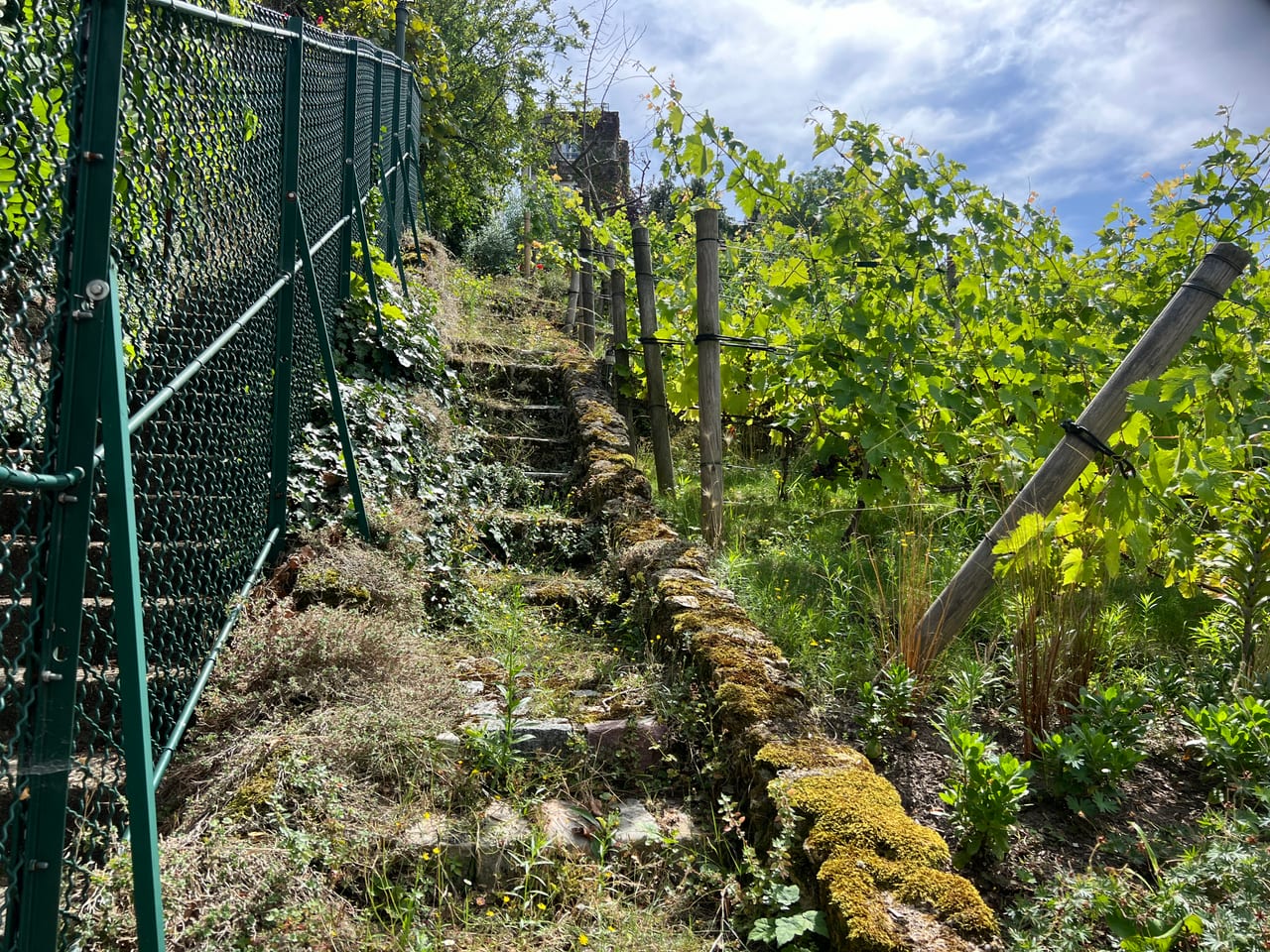
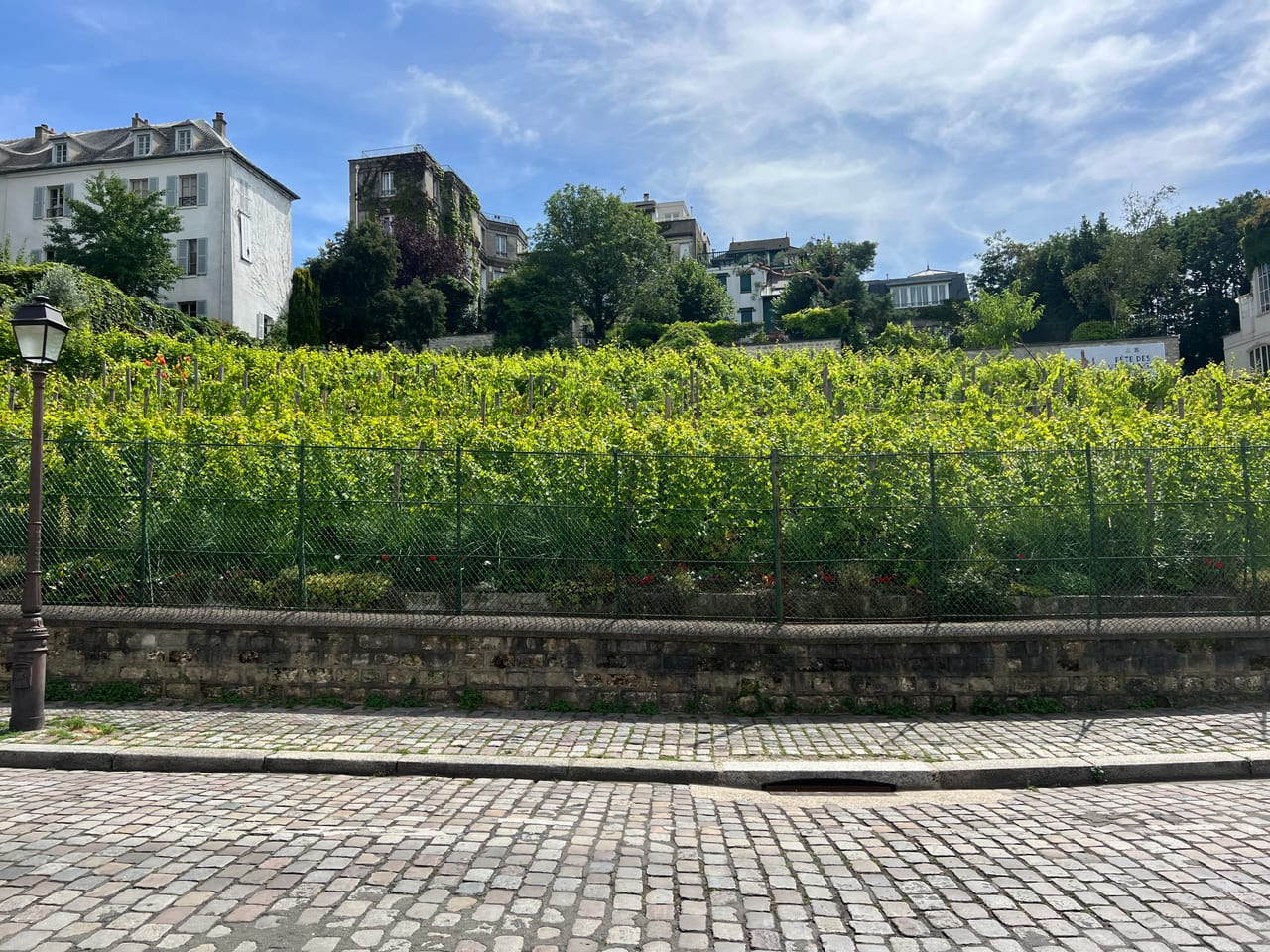
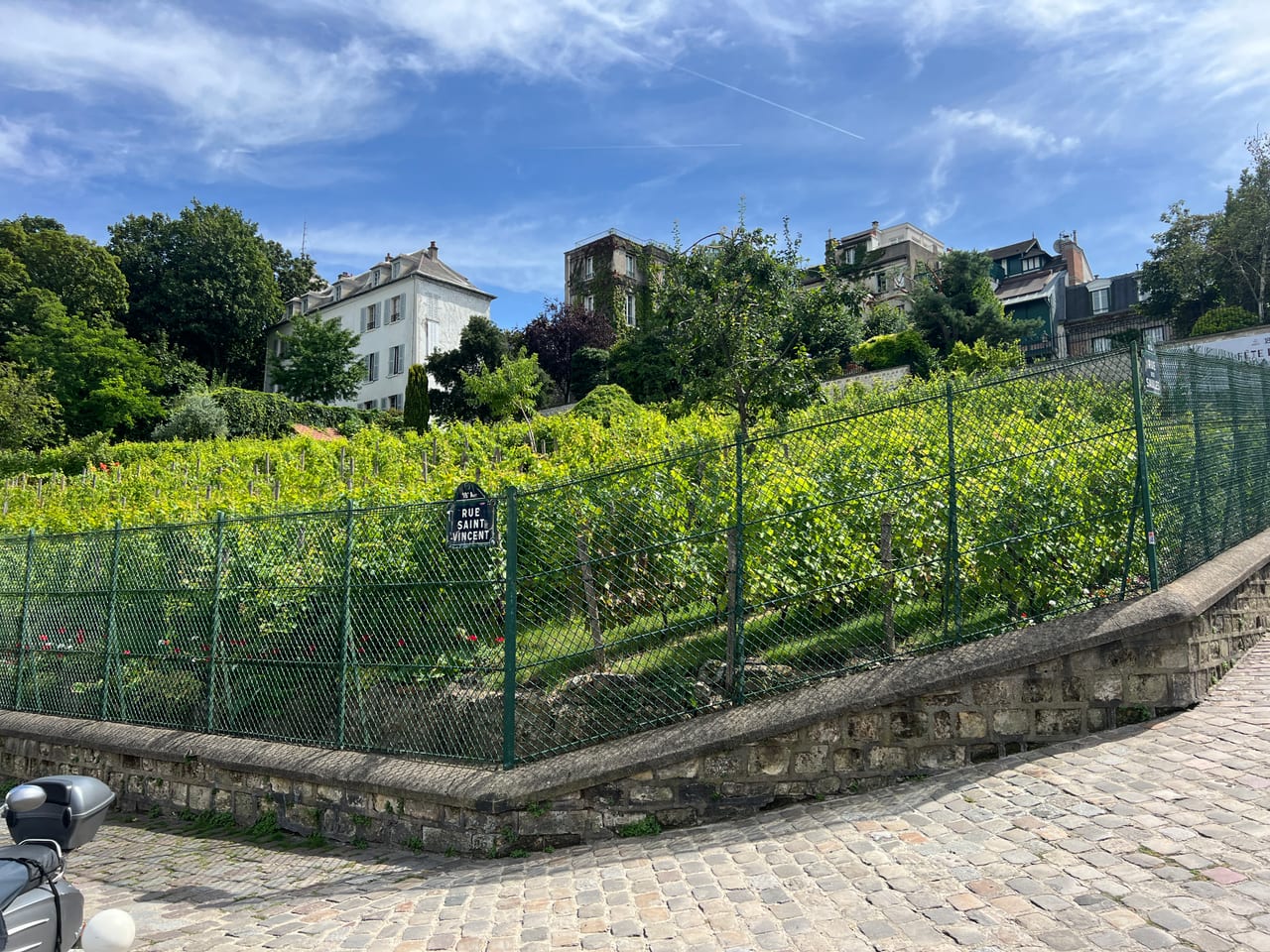
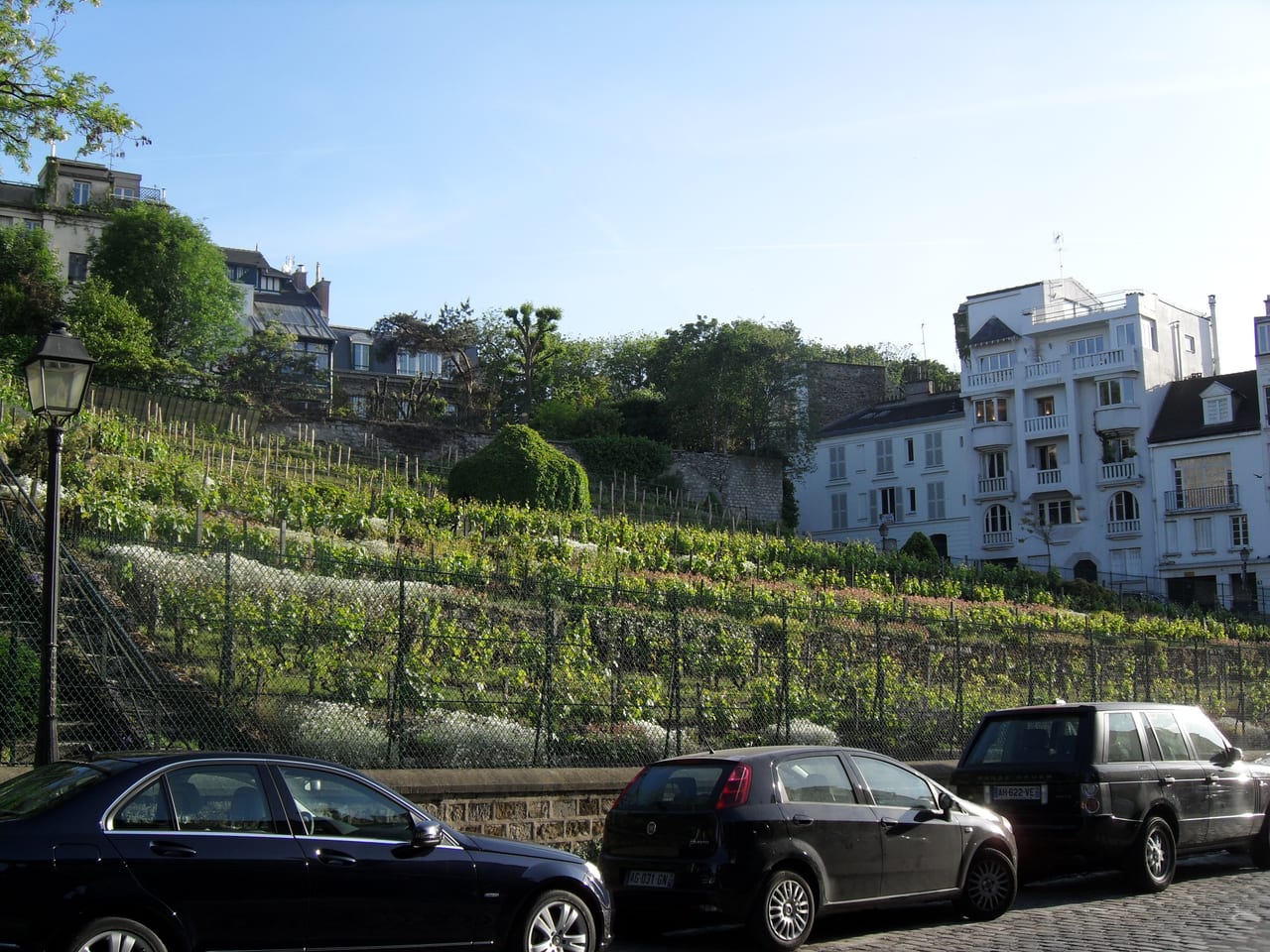
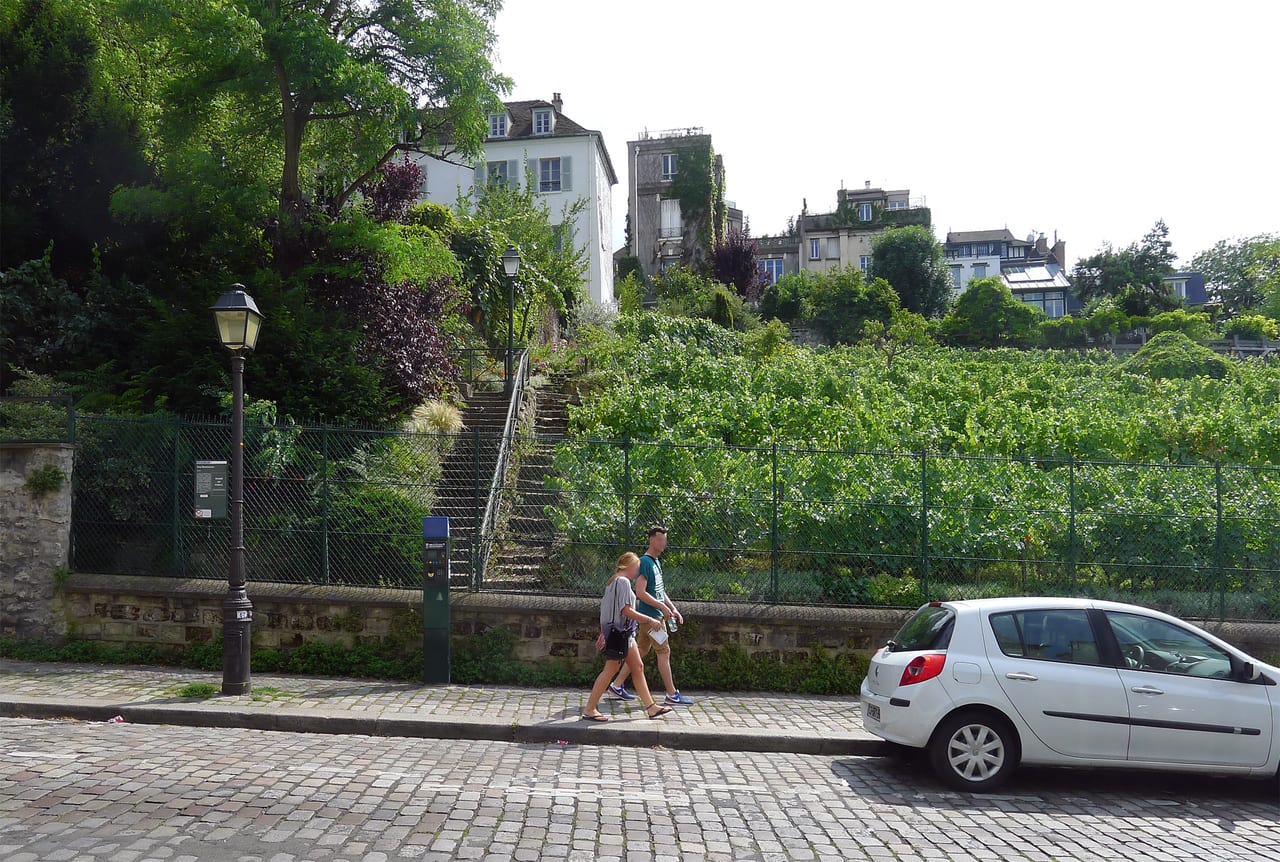
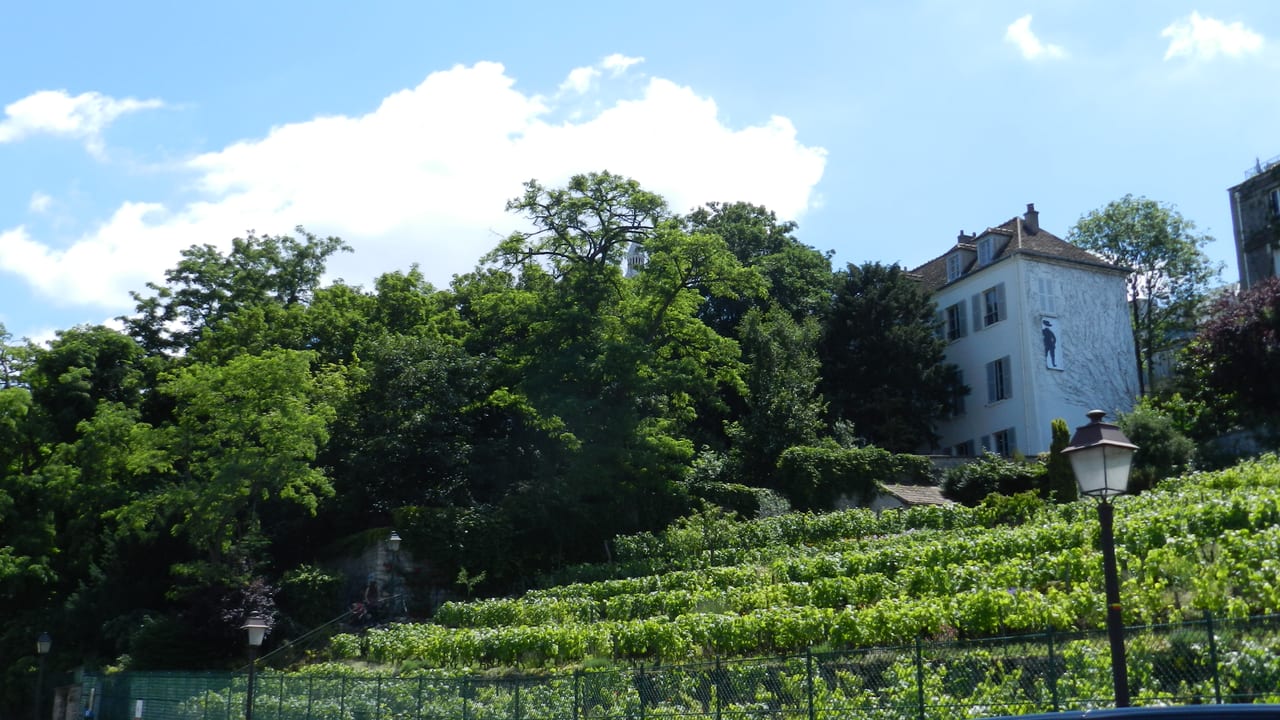
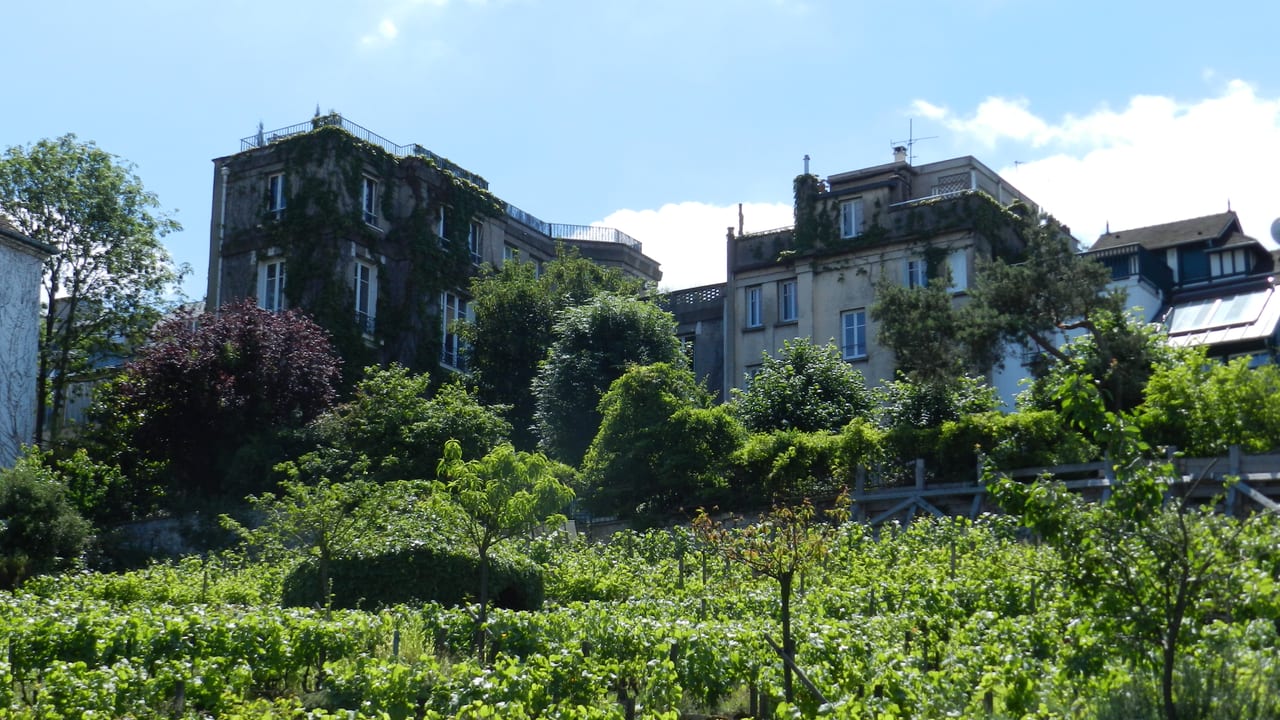
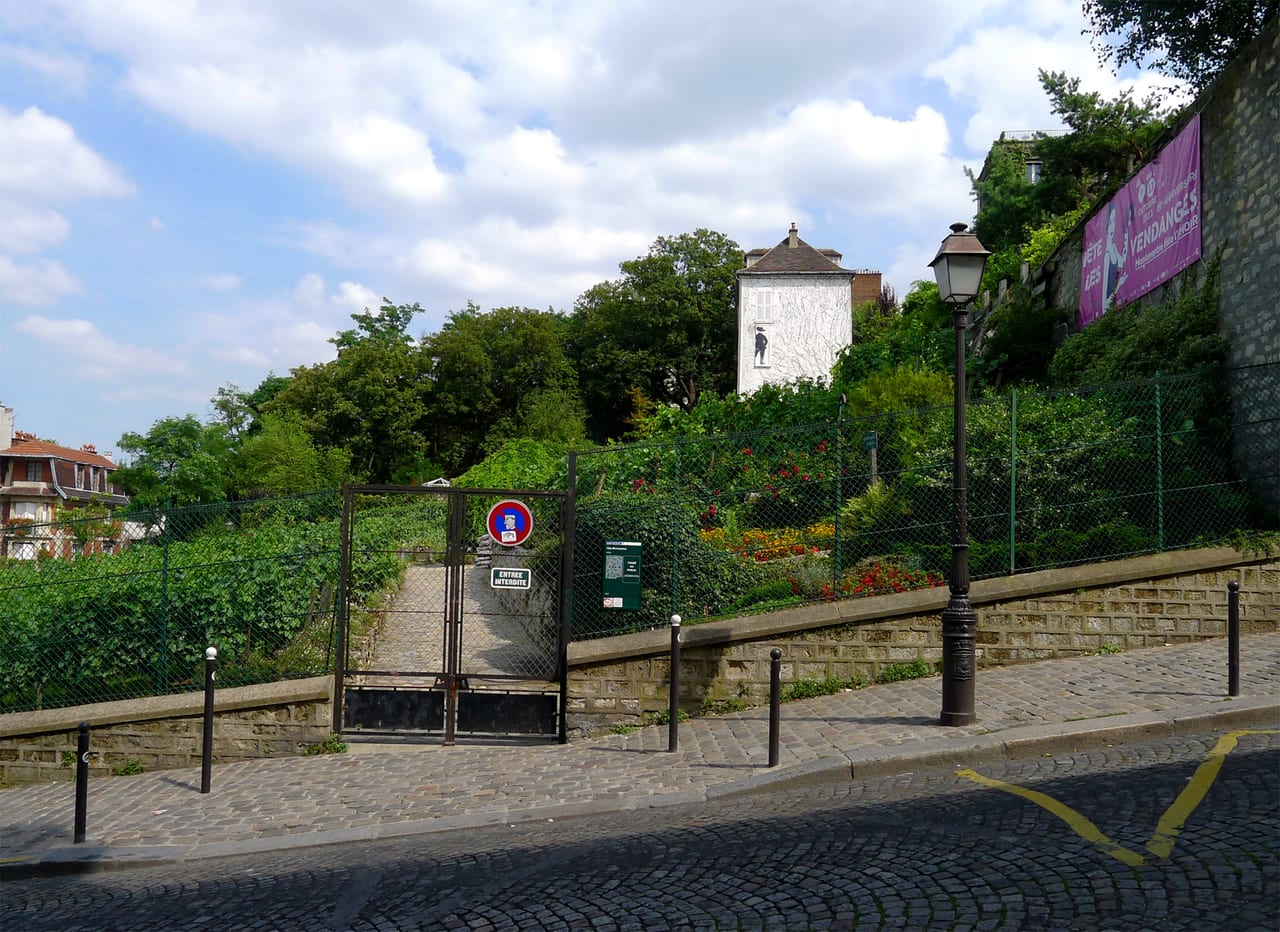
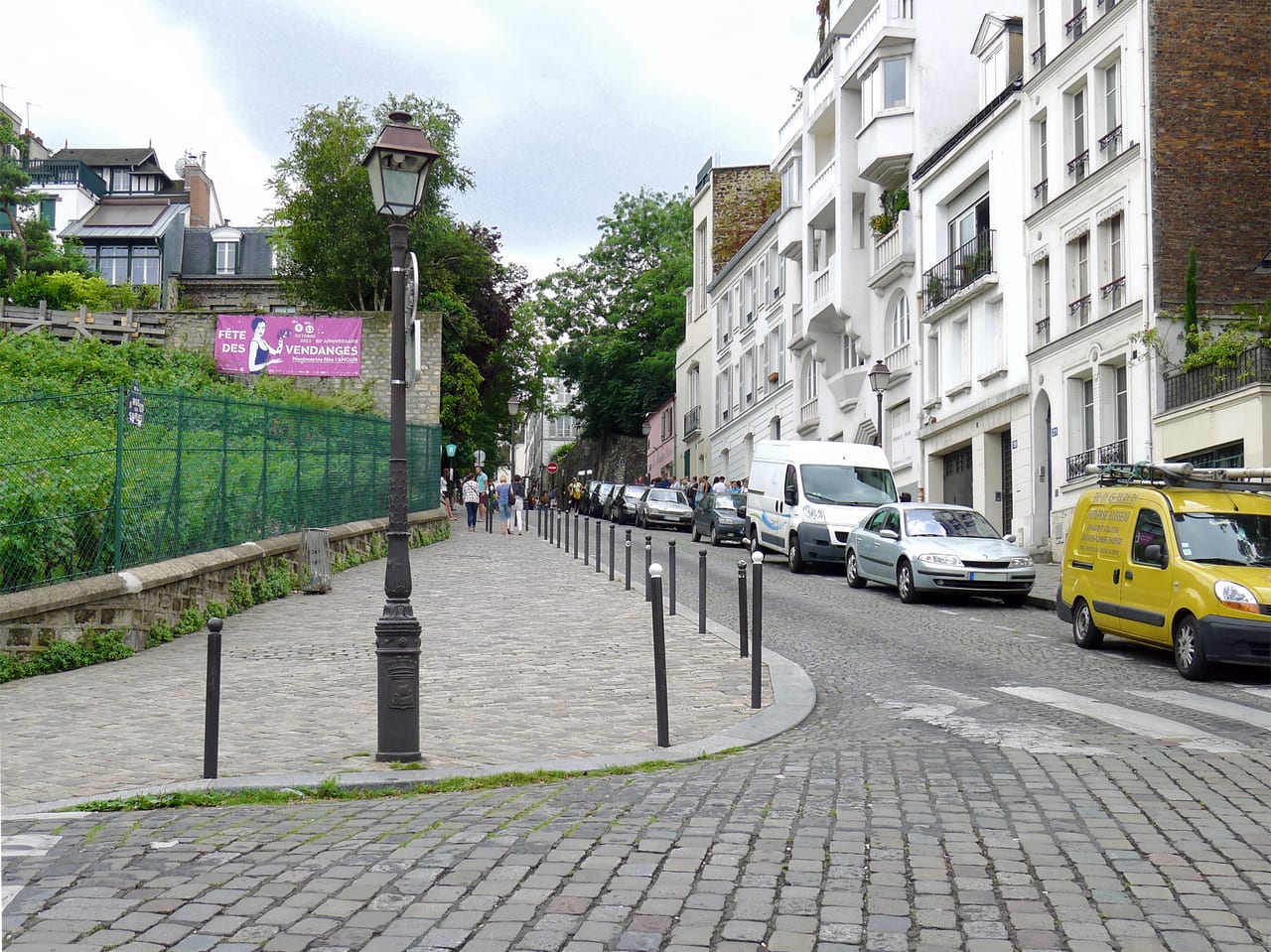
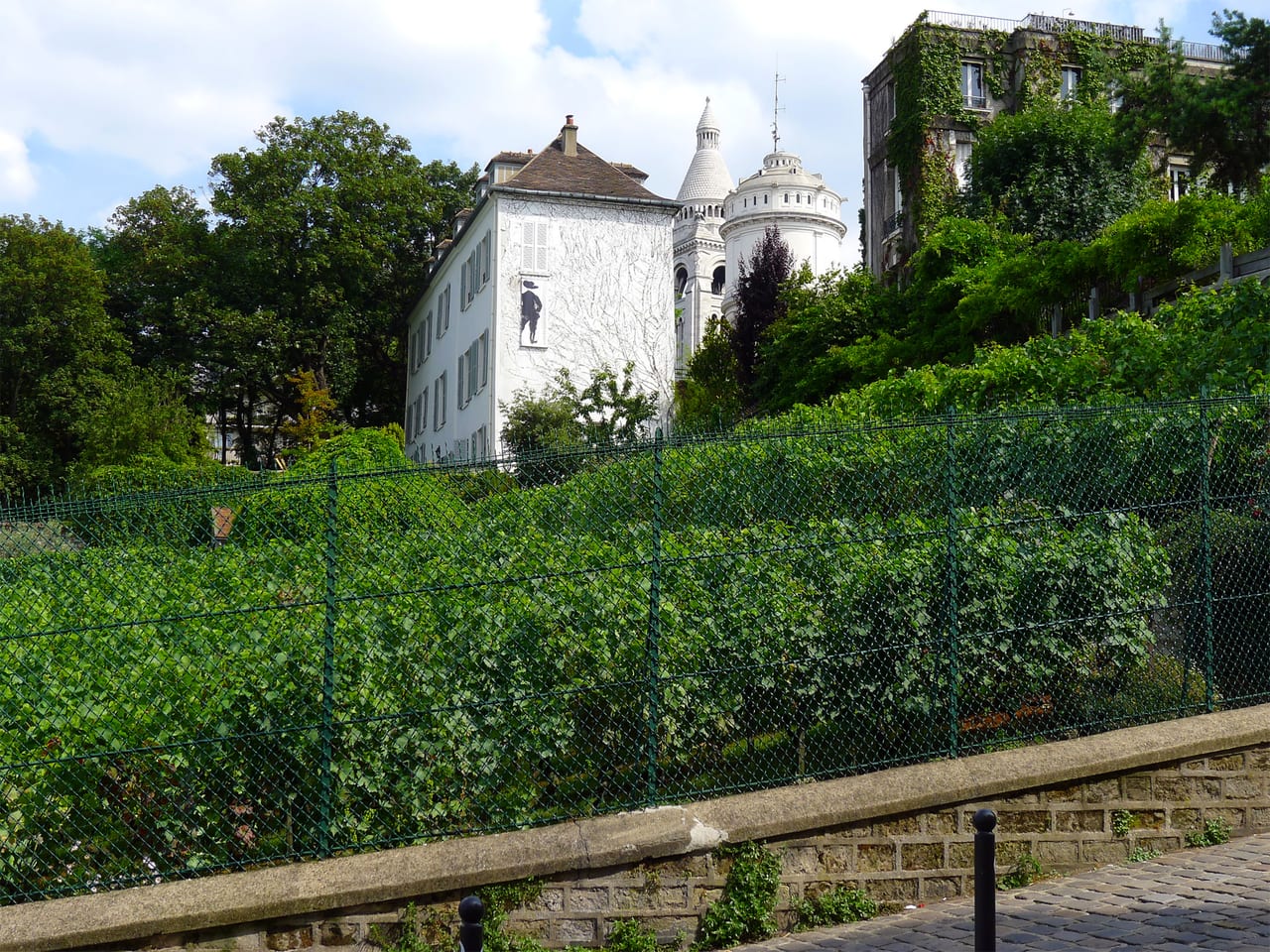
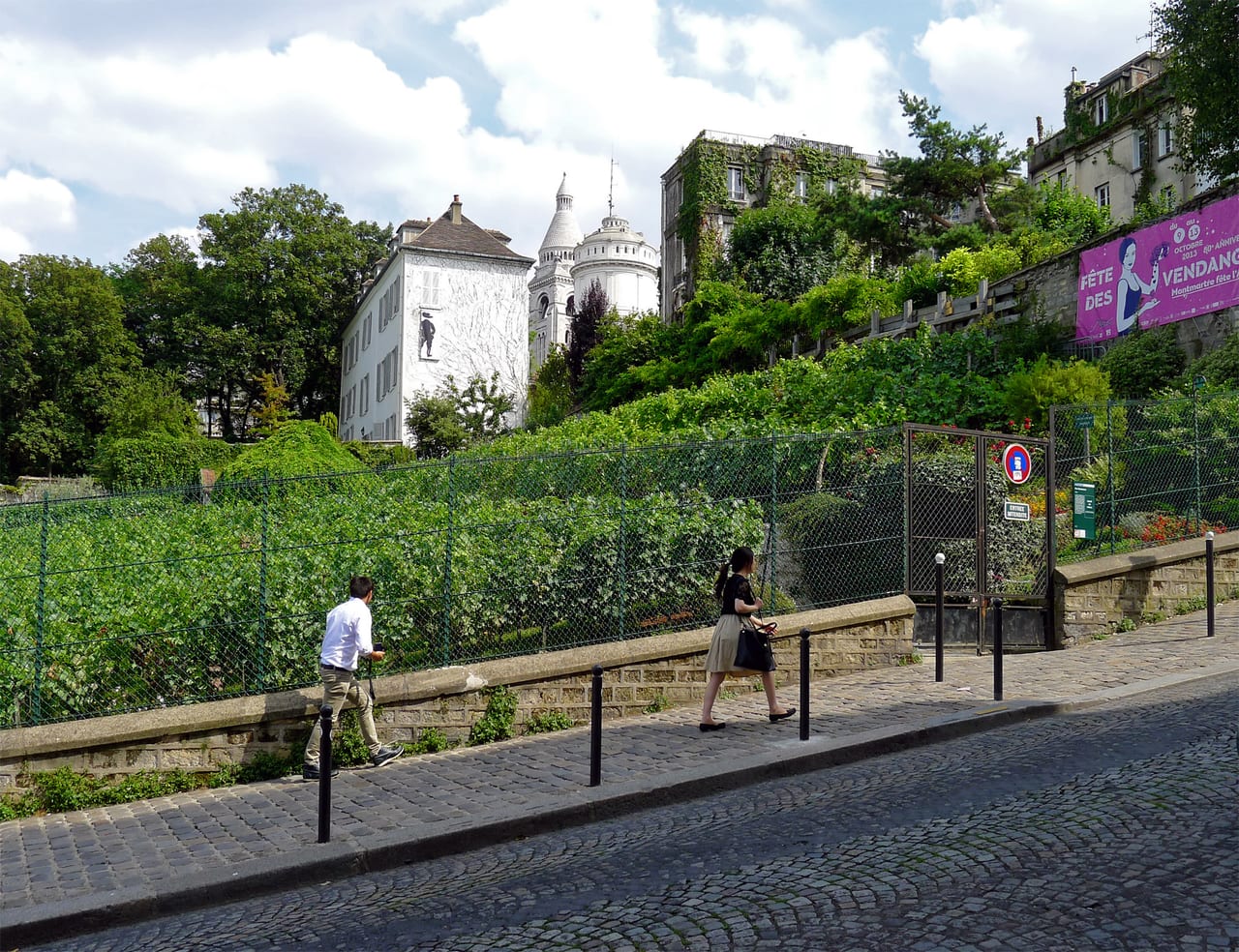
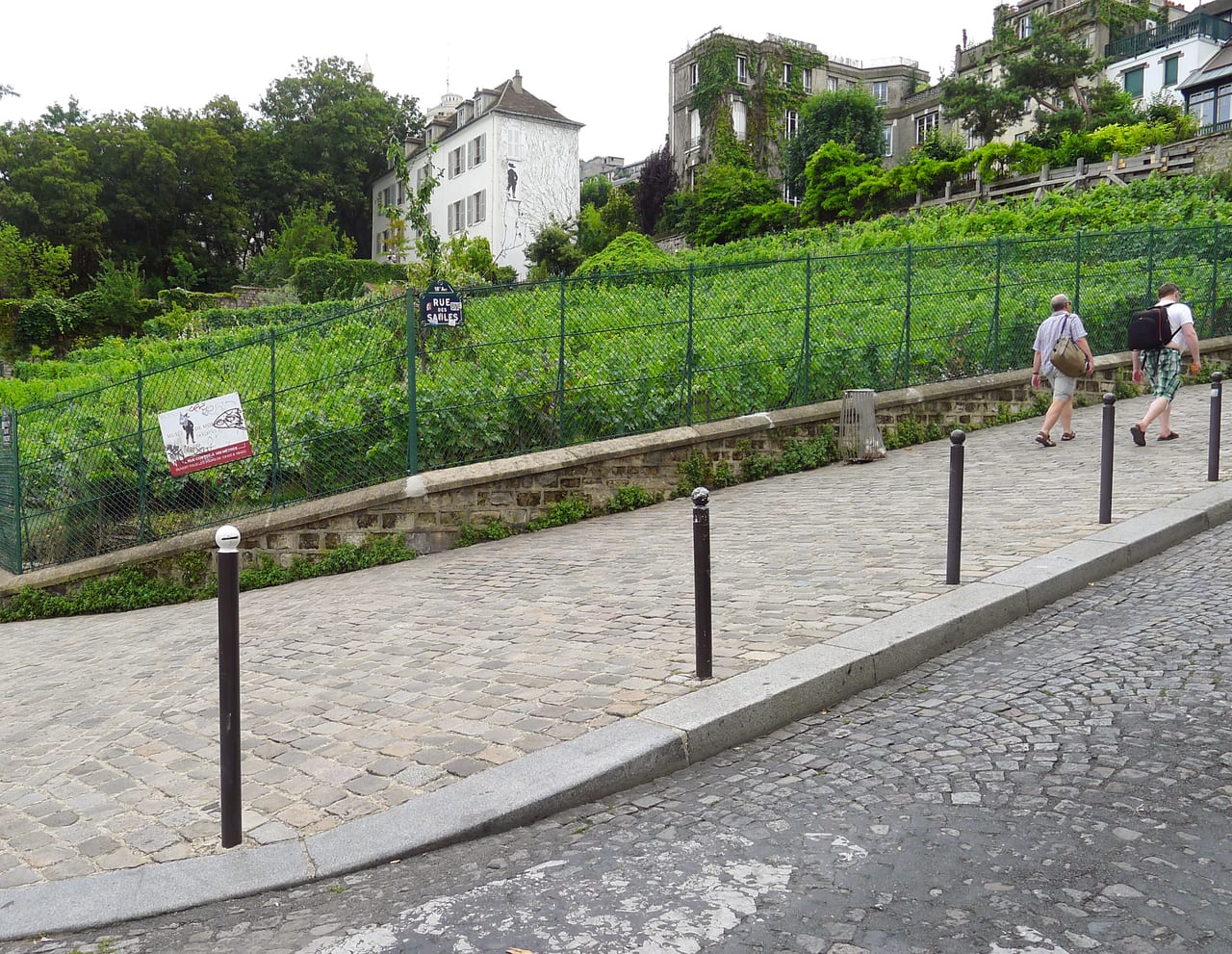
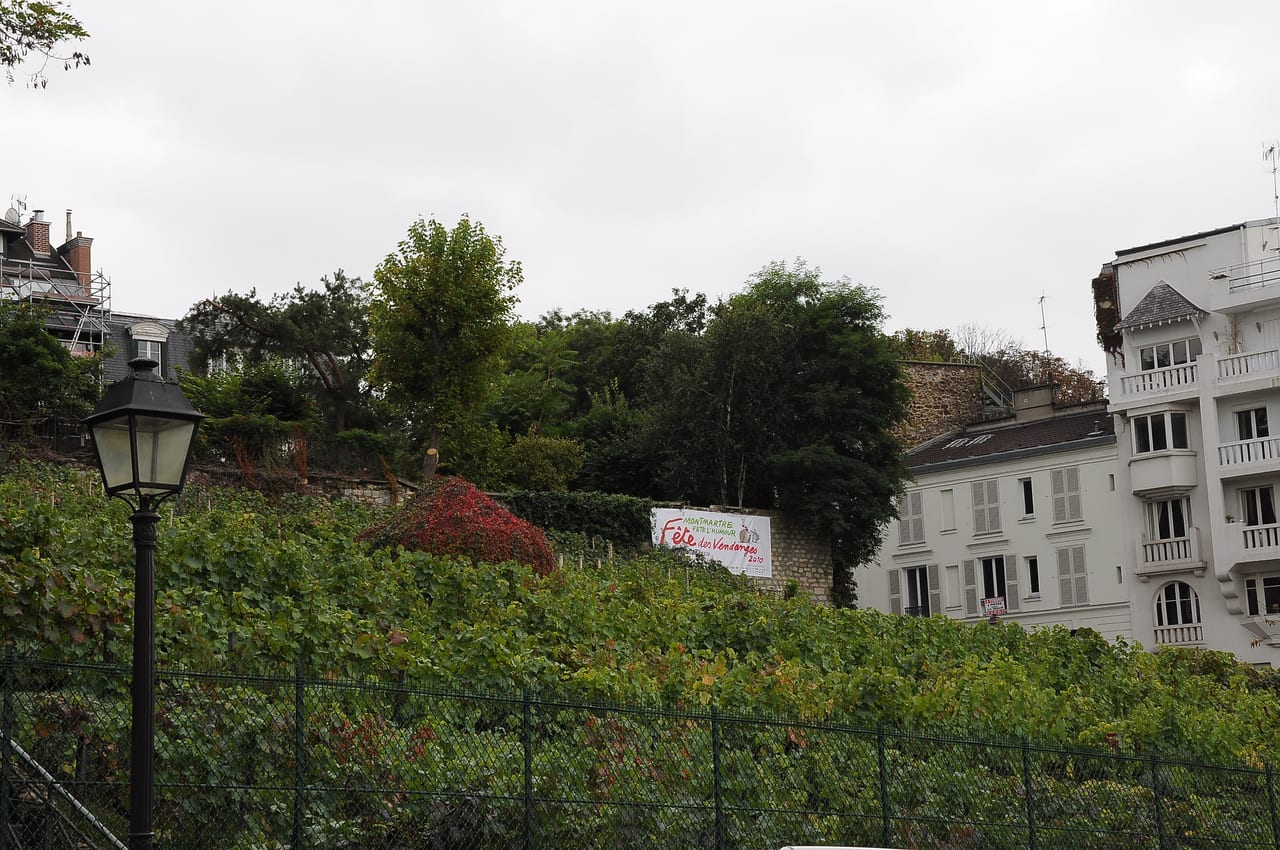

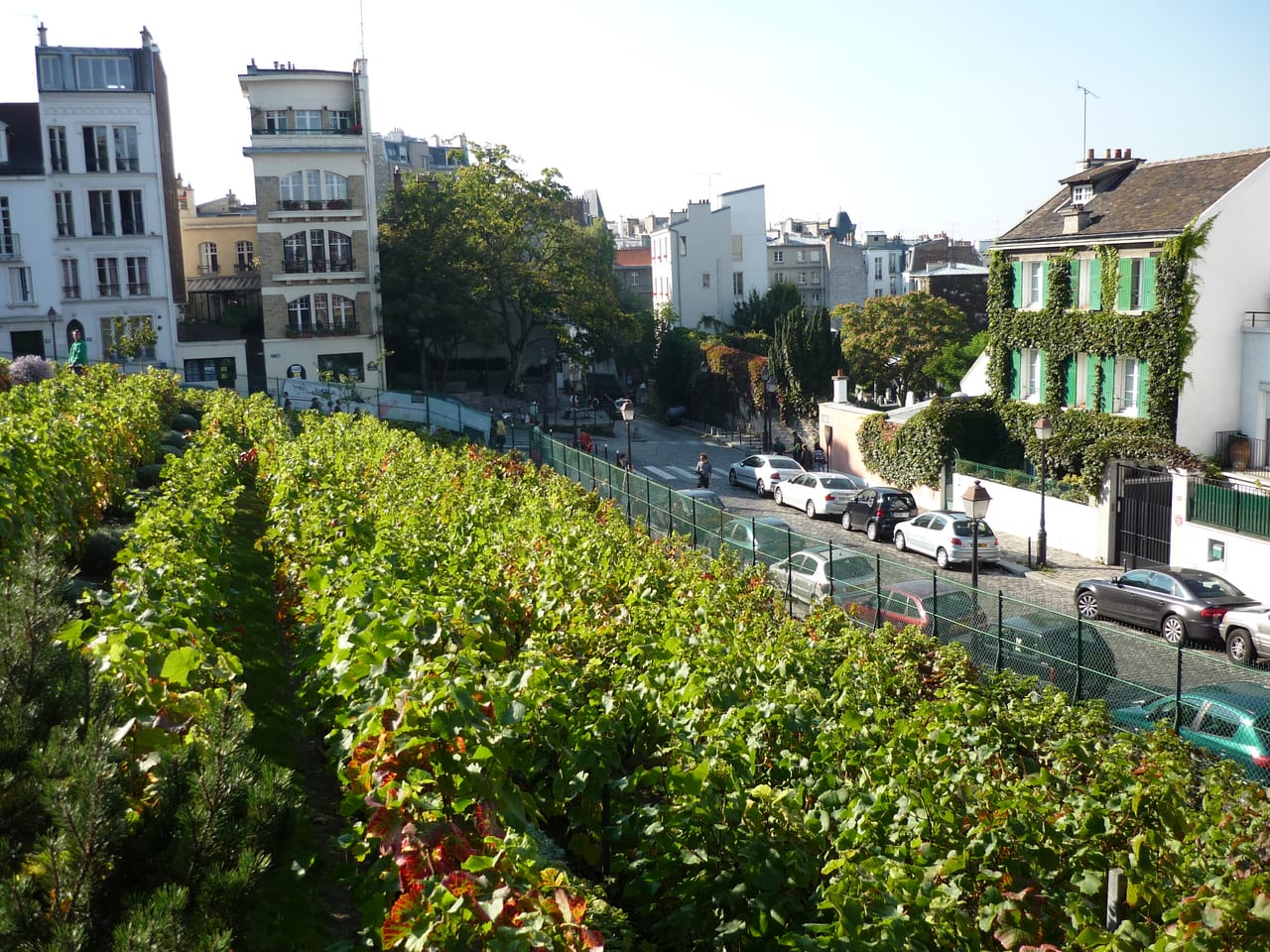
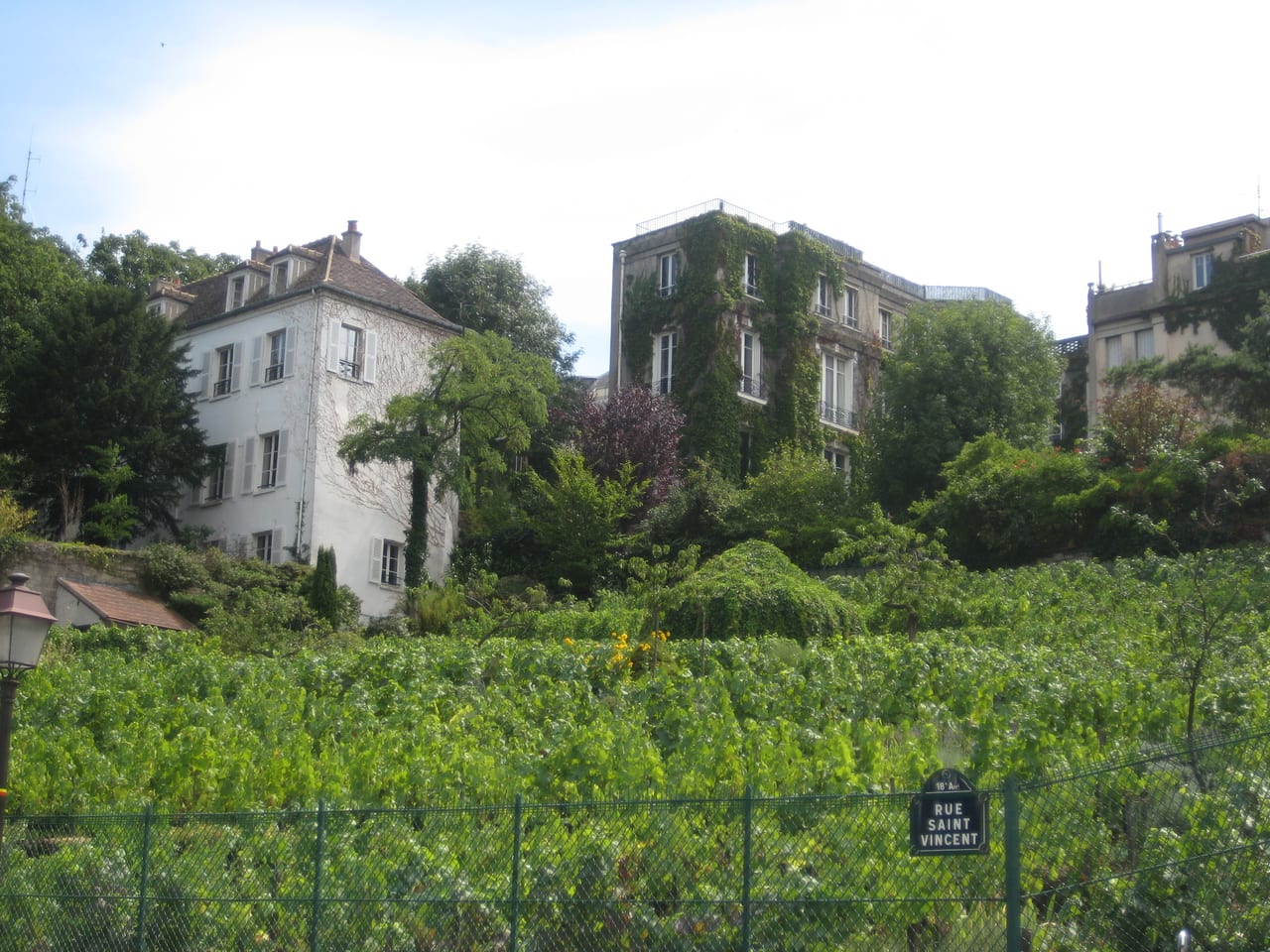
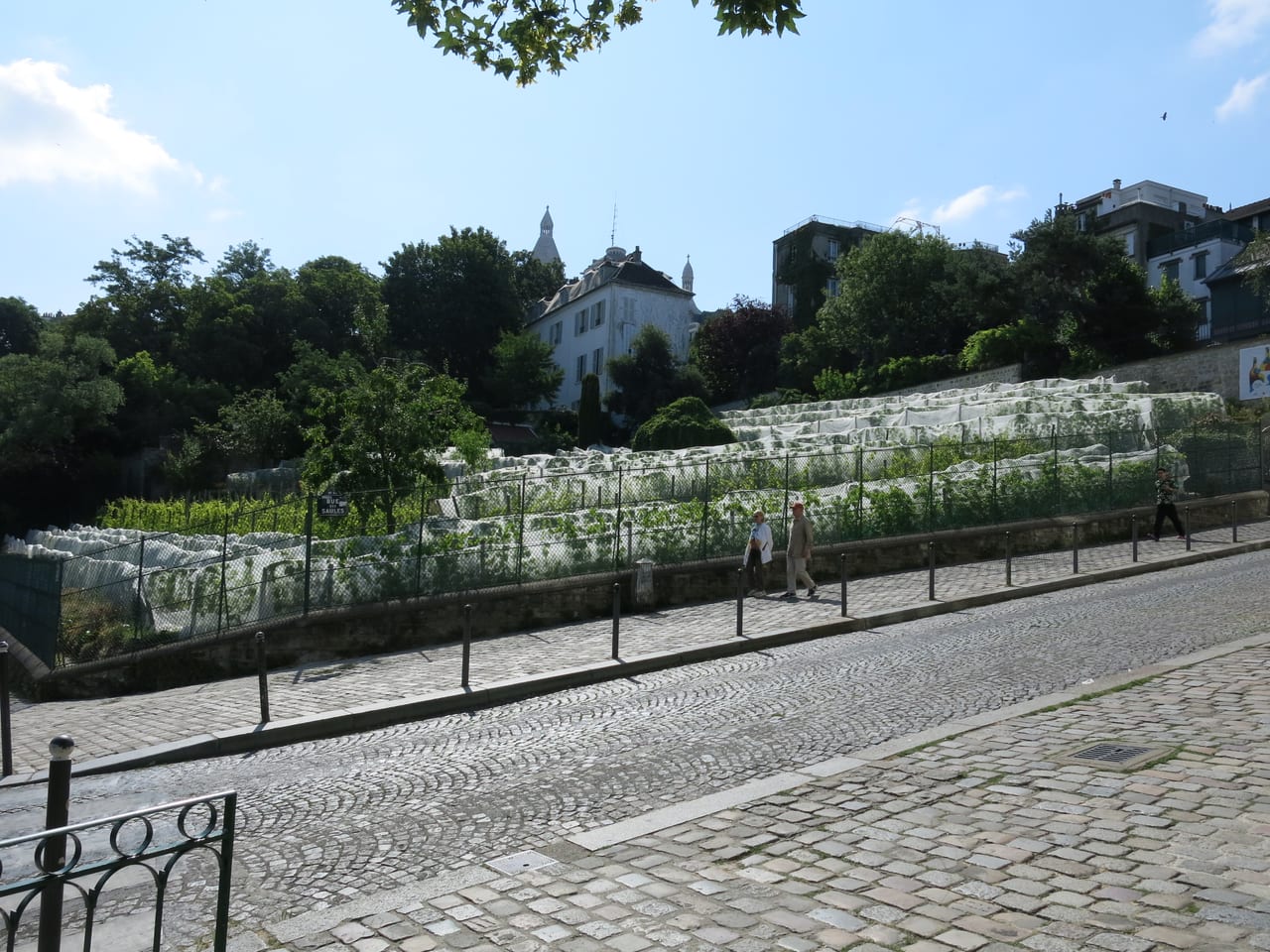
Photograph 1 of 28 of Vignes de Montmartre
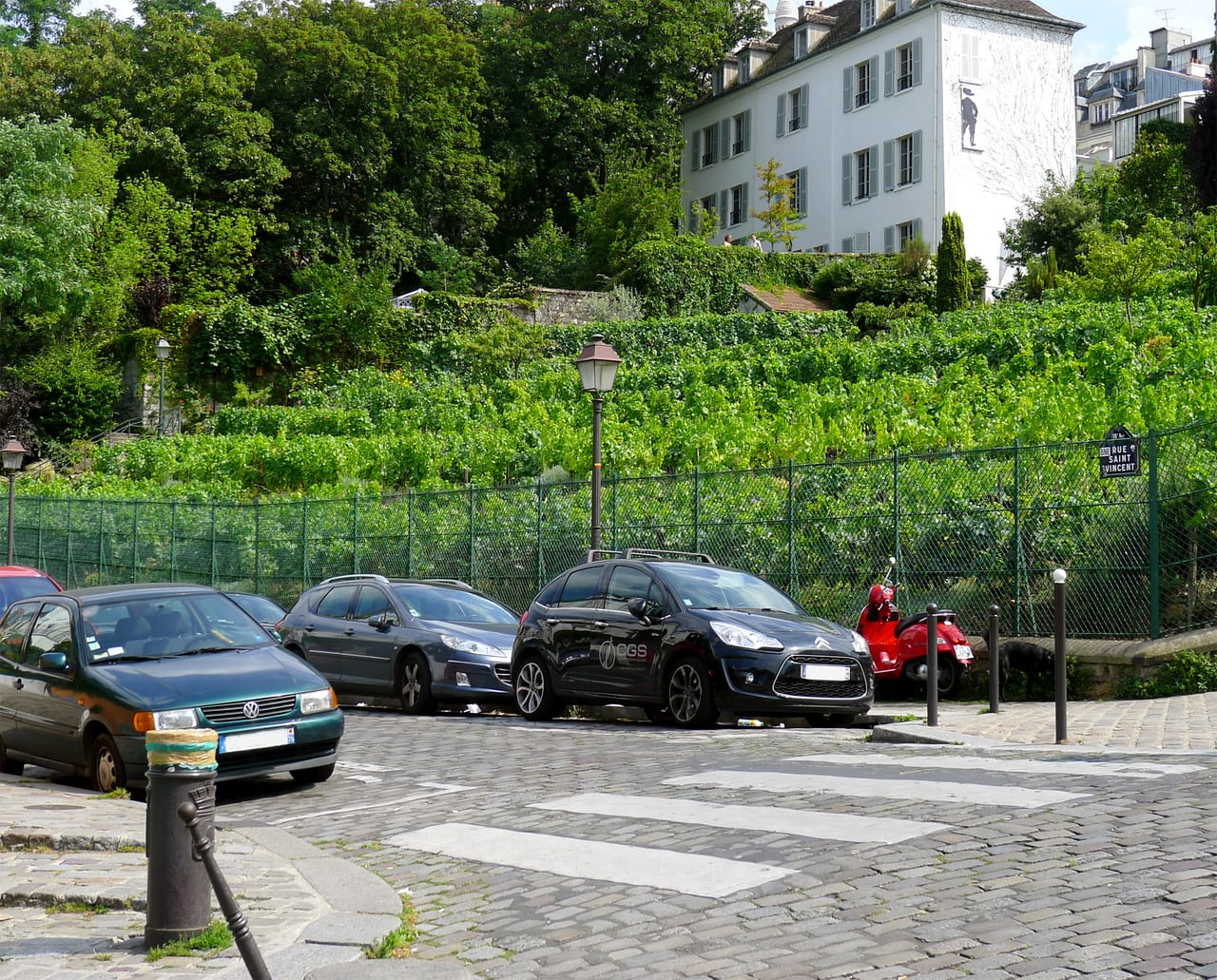
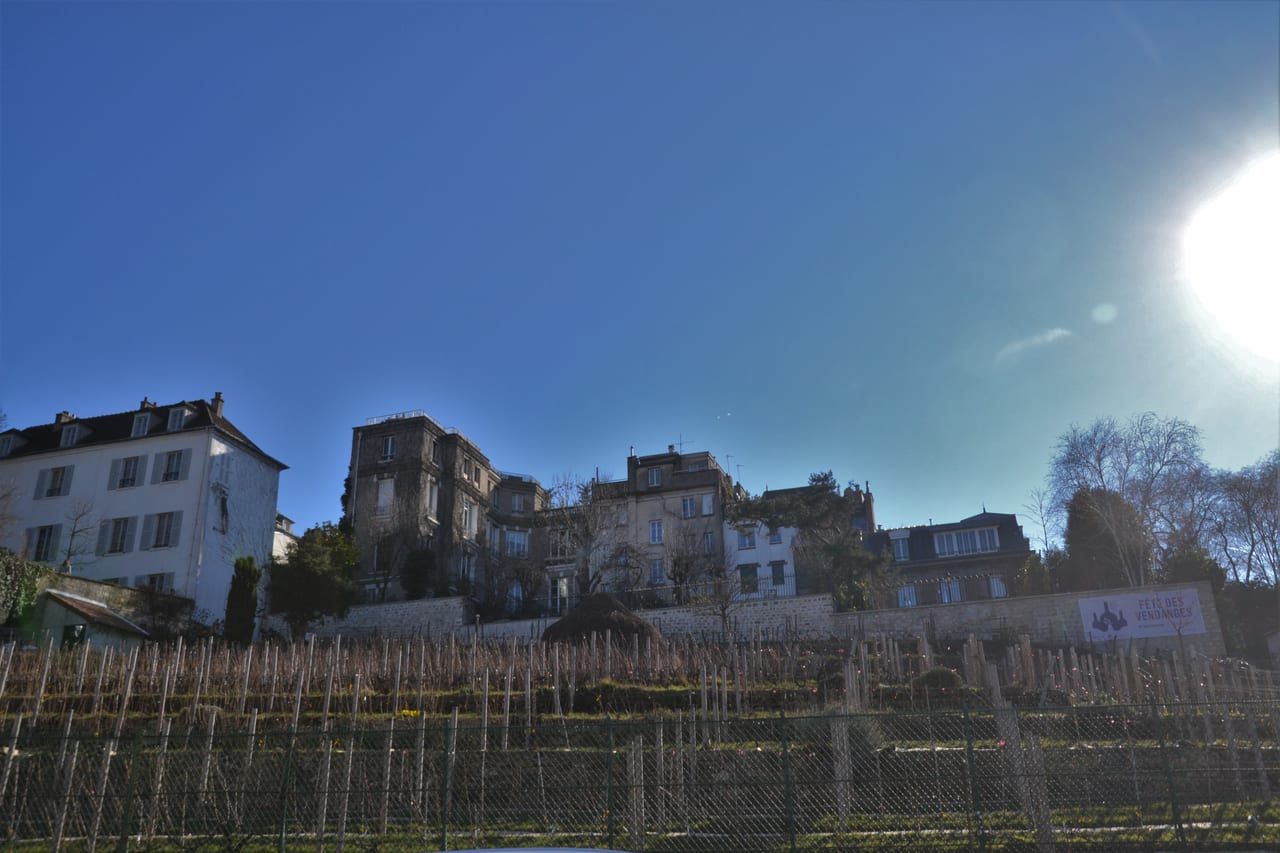
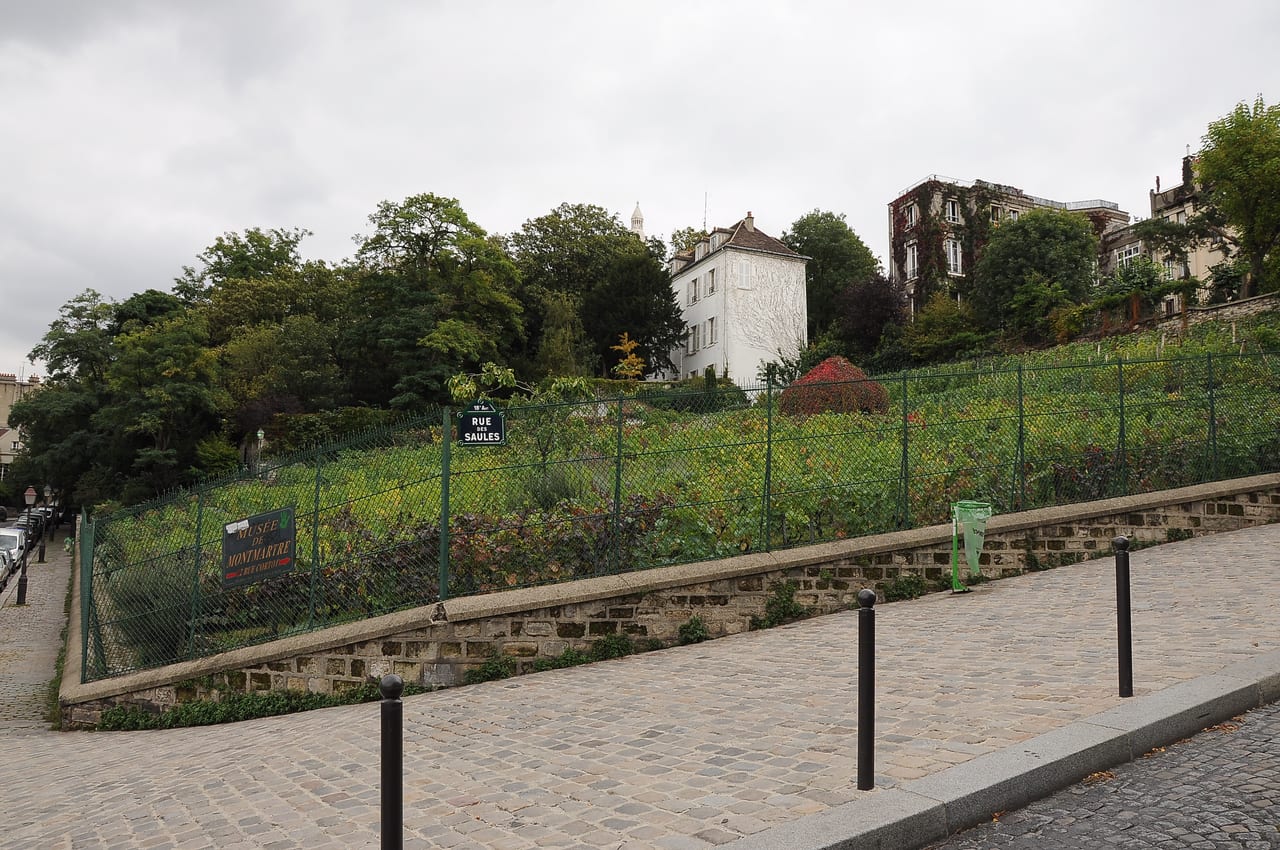
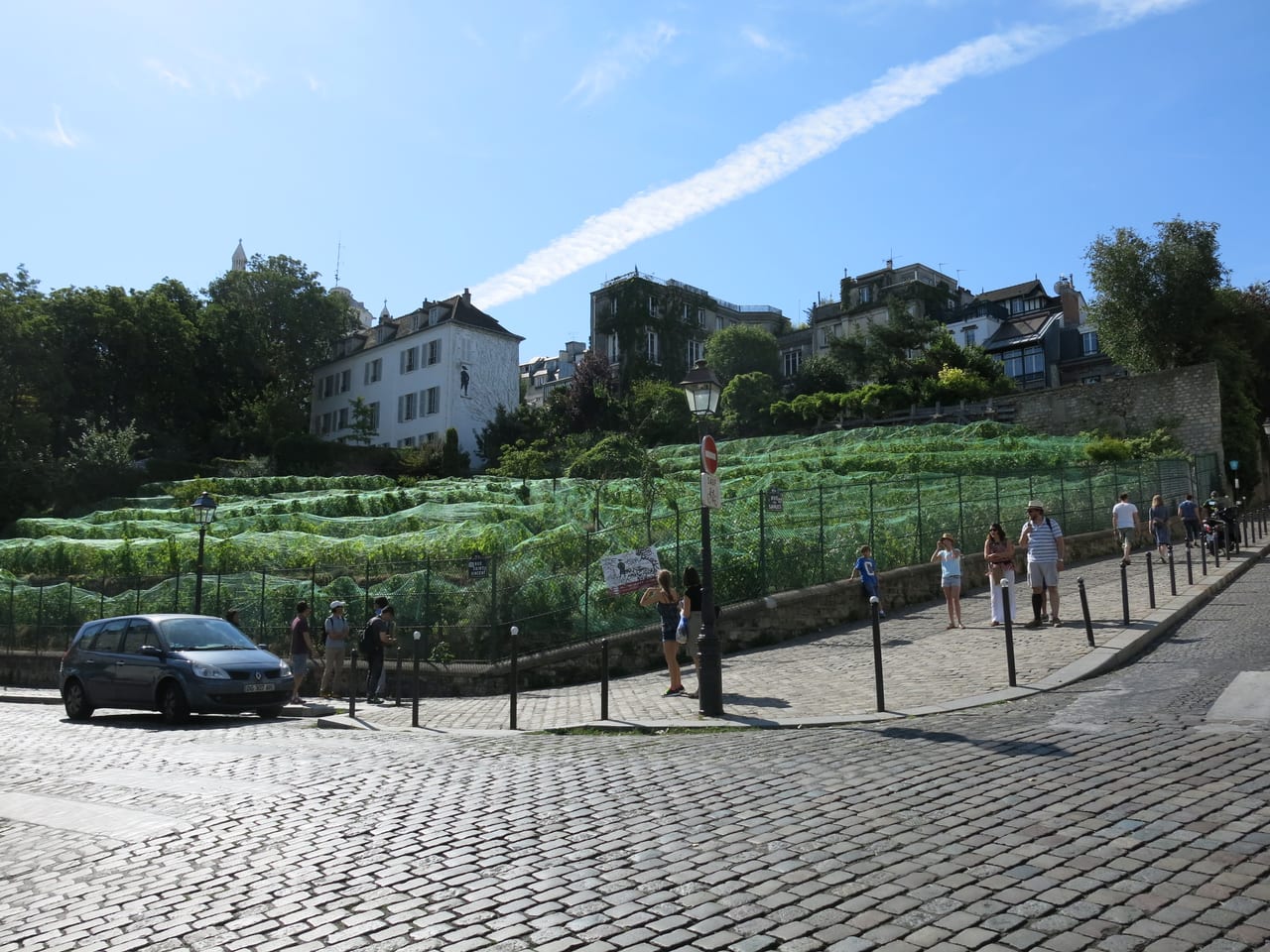
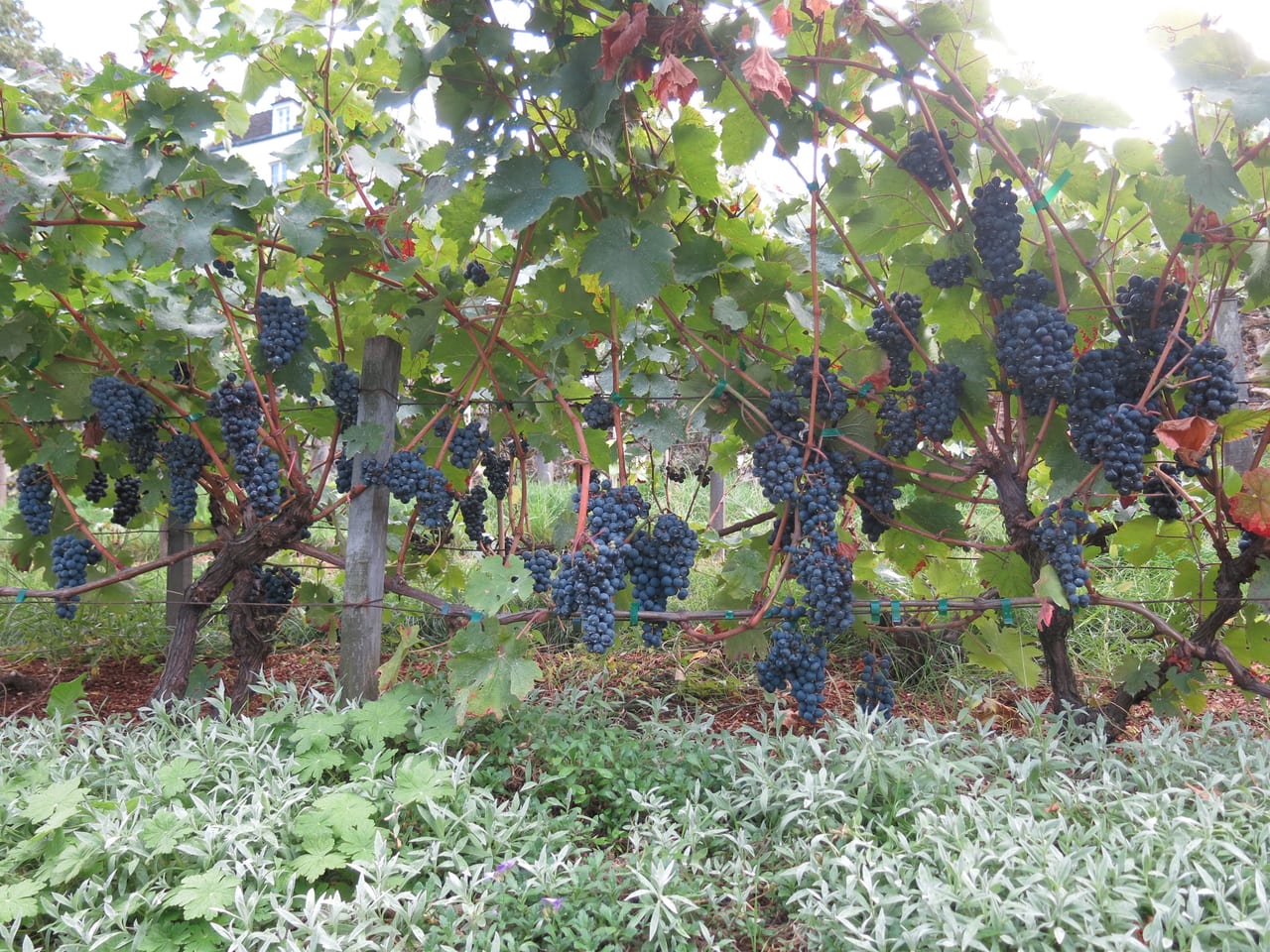
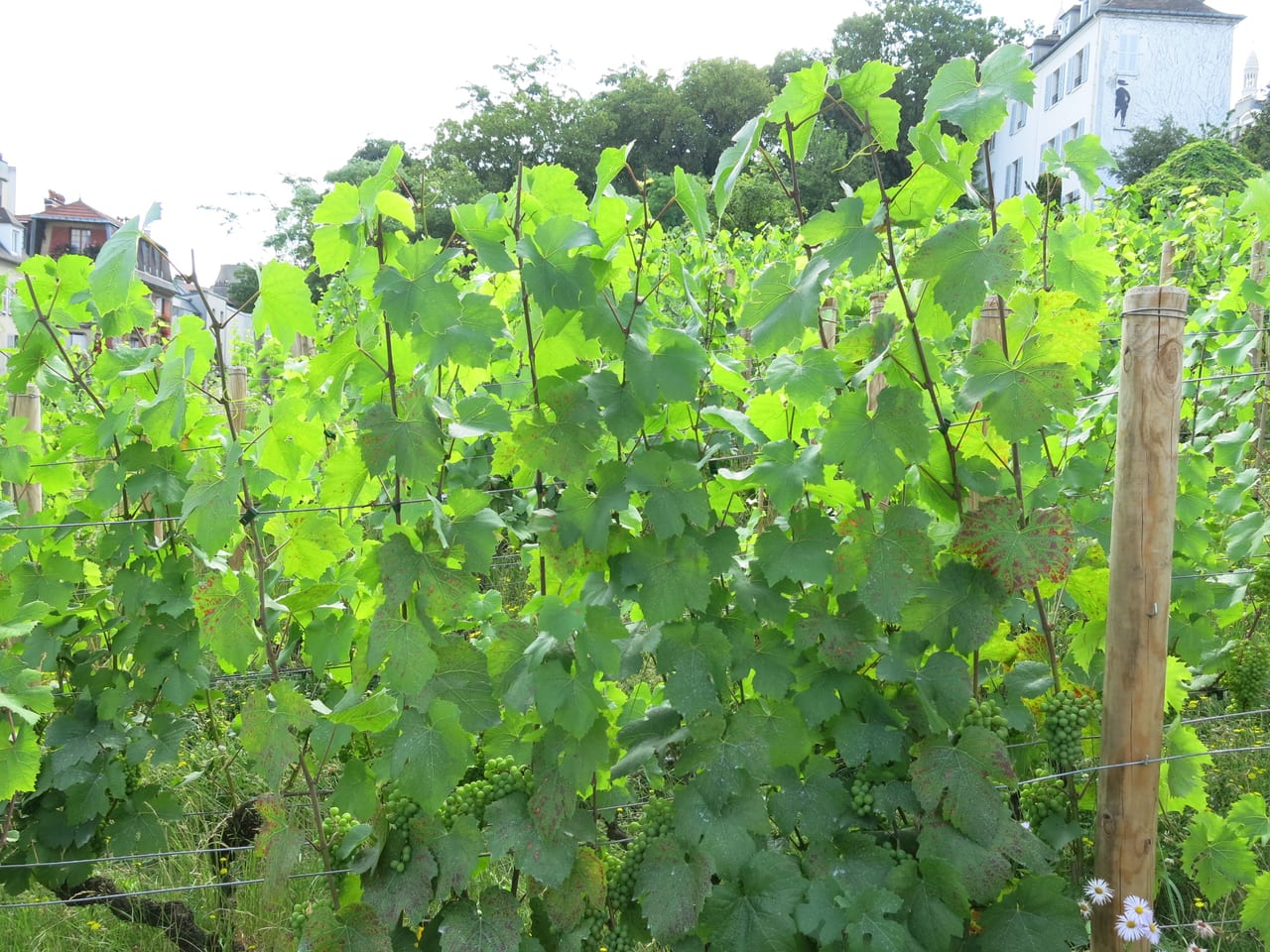
The site’s viticultural past reaches back to 944. In the 12th century, the women of the abbey founded by Adelaide of Savoy planted vines here; after the abbey’s decline, its parcels were sold. By the 16th century, Montmartre’s residents were chiefly farmer-vintners, cultivating vines from the hilltop into the surrounding plains. The wine shifted between white and red and acquired names including Clos Berthaud, La Goutte d’Or, Le Sacalie, La Sauvageonne and, later, Le Picolo. In the 18th century, vines covered three-quarters of the hill, encouraging taverns because the area lay beyond Paris’s octroi boundary. After Montmartre was annexed in 1860, housing displaced the remaining vines. Aristide Bruant lived in a house and garden on the present site; Toulouse-Lautrec painted there, while Renoir worked next door, now the Musée de Montmartre. Following Bruant’s death, the city bought the property. When the vines disappeared in 1928, local residents and the Vieux Montmartre society successfully opposed building plans. Today, its north-facing 0.15-hectare plot contains 30 grape varieties, including many old types and hybrids.
Ways to explore Vignes de Montmartre
The vines are normally viewed from outside, along rue Saint-Vincent and rue des Saules; the plot lies beside Au Lapin Agile and the Musée de Montmartre. Public entry is generally restricted, with exceptional access during the Fête des jardins, held each autumn since 1980. Reach the site via Lamarck–Caulaincourt station on metro line 12, or bus 40 at the Les Vignes stop.
Places to stay near Vignes de Montmartre

Live availability and prices from Stay22's partners, refreshed periodically and subject to change. Booking through these links may earn us a commission at no extra cost to you. See our privacy policy.
Cafés near Vignes de Montmartre
Cafés near Vignes de Montmartre loads as you scroll.
Attractions nearby
Attractions near Vignes de Montmartre loads as you scroll.
Cities nearby
Cities nearby loads as you scroll.
More in Paris
See more of Paris.
Find great cafés, places to stay and other interesting places to visit in Paris.