Park · Paris
square des Batignolles
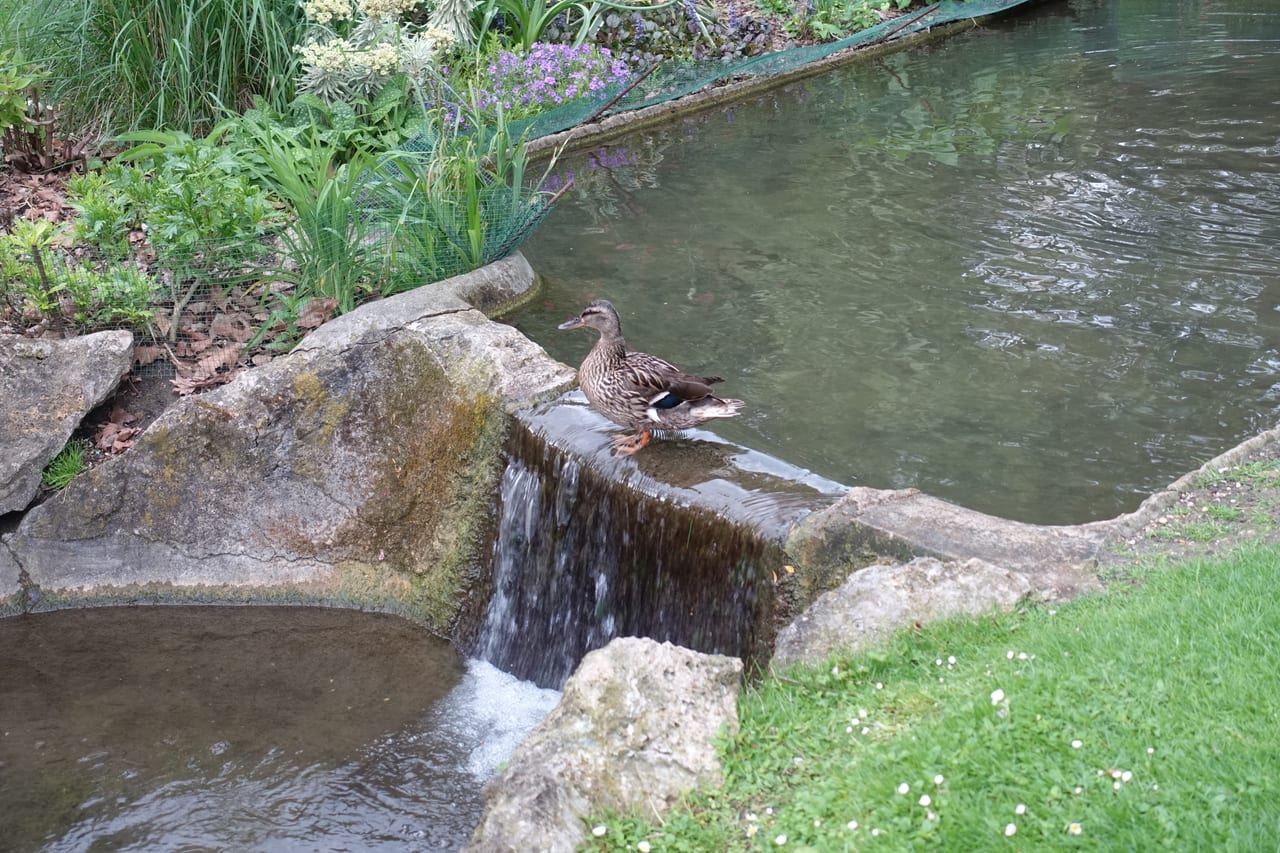
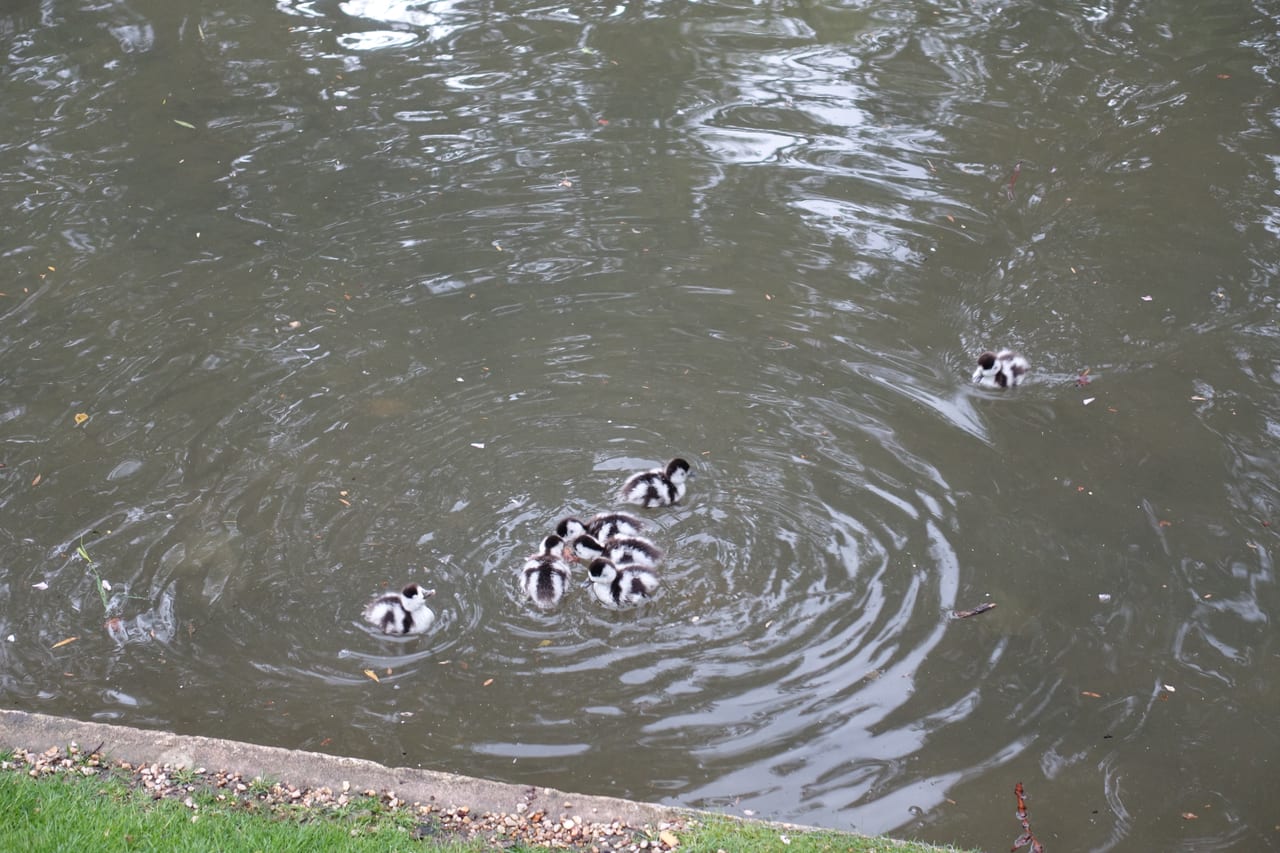
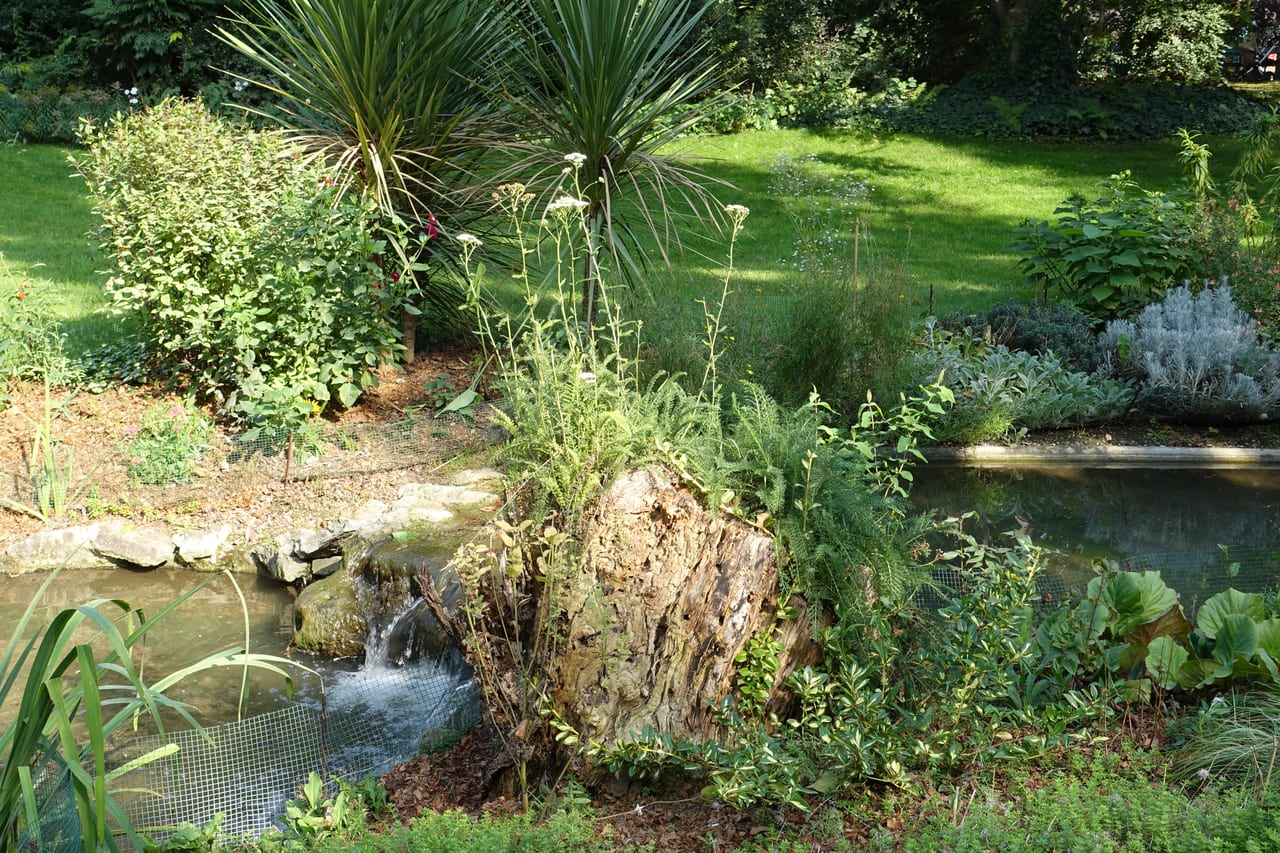
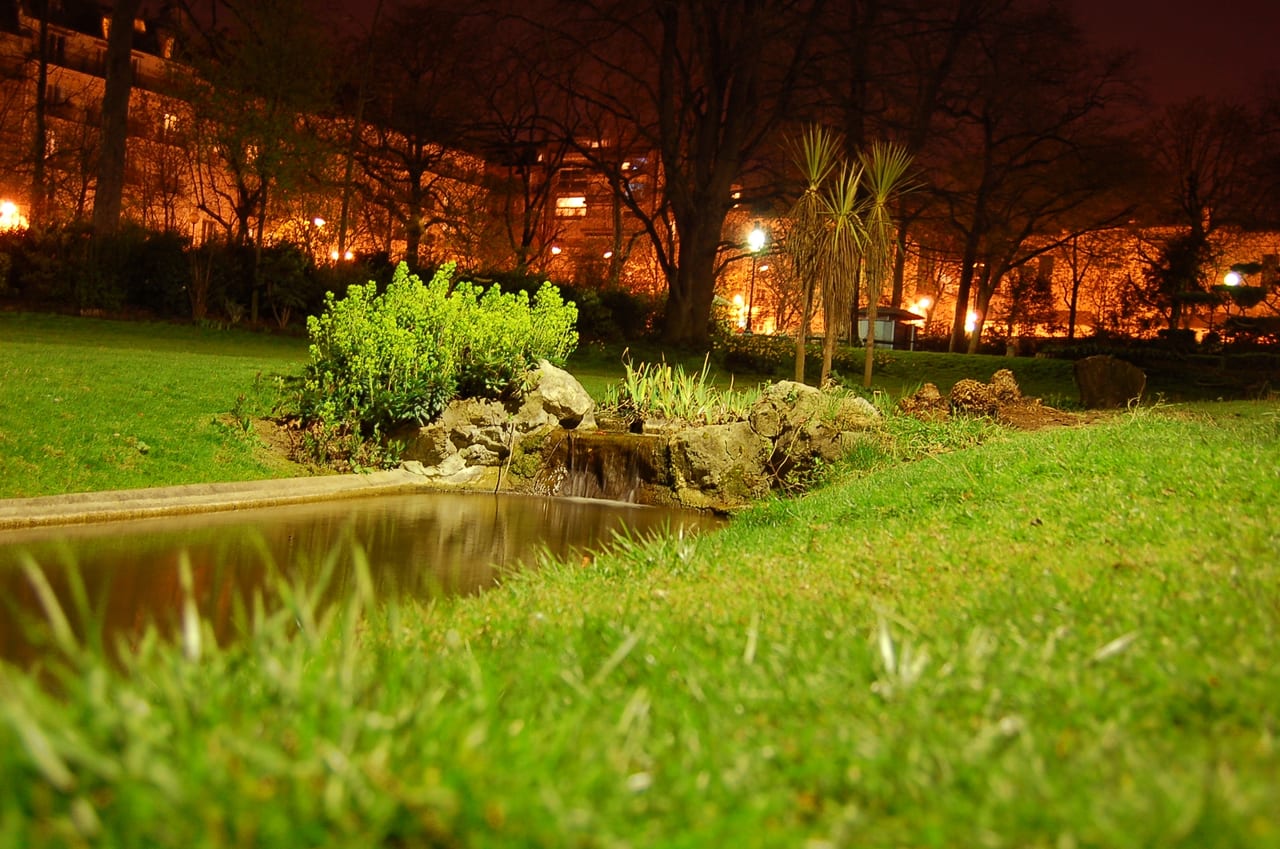
DirectionsA glass-walled gazebo greenhouse crowns a rocky outcrop, sheltering a solitary tropical palm amid the park’s deliberately naturalistic landscape.
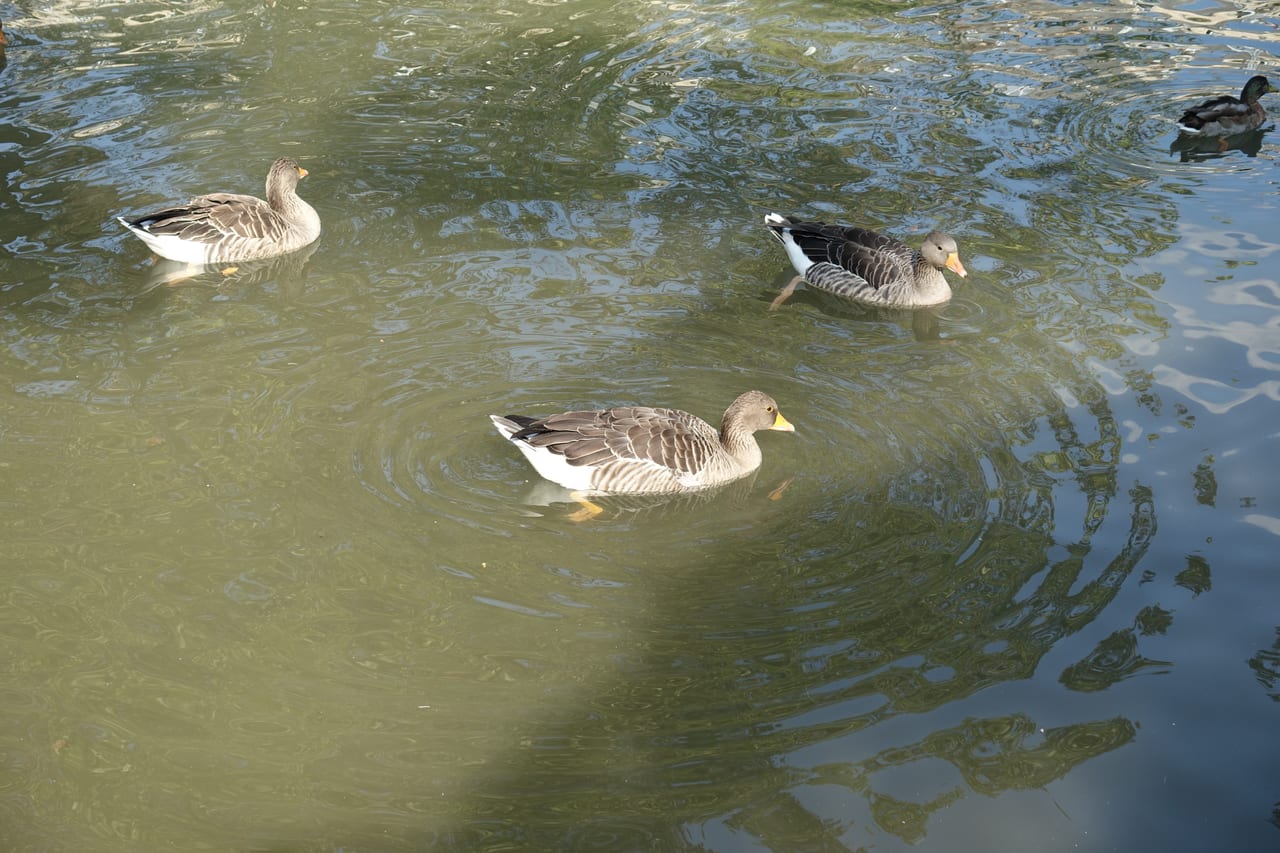
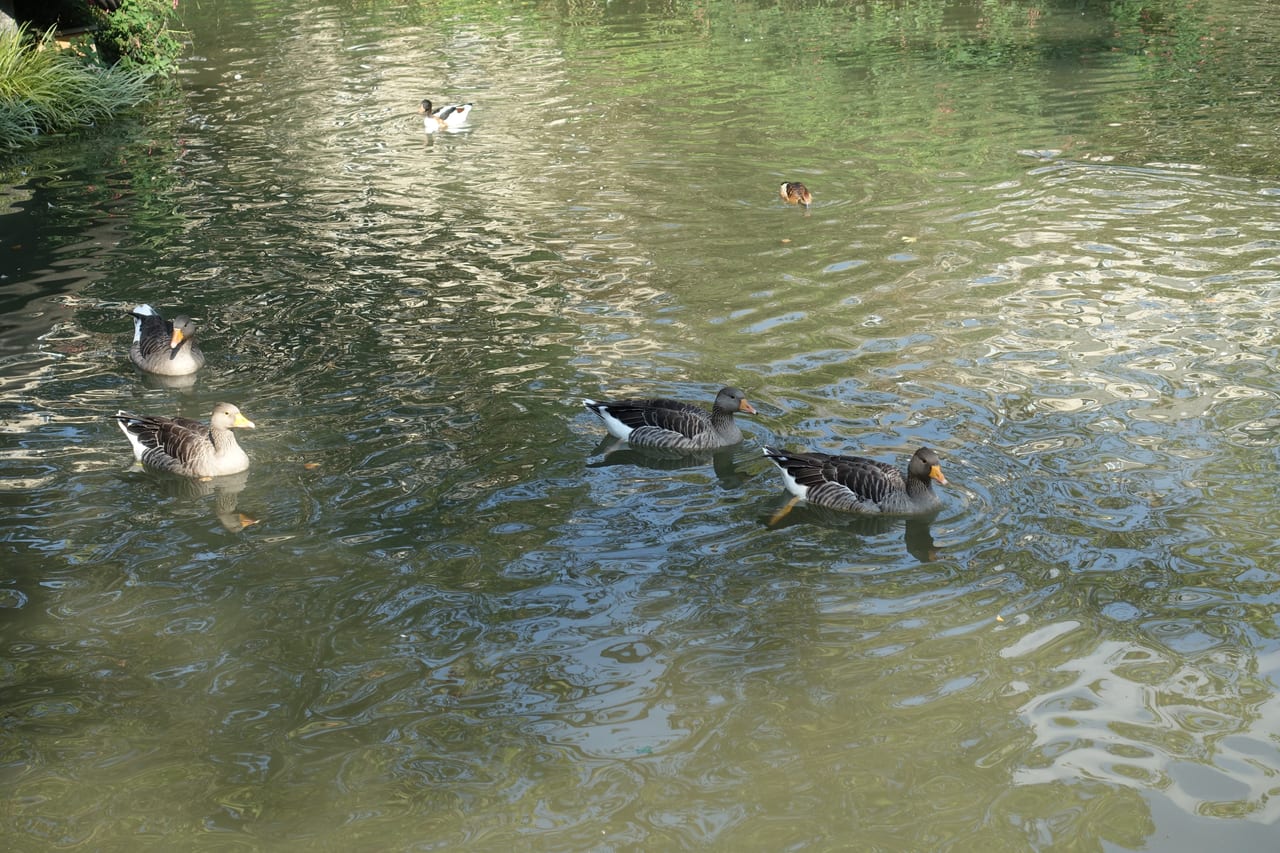
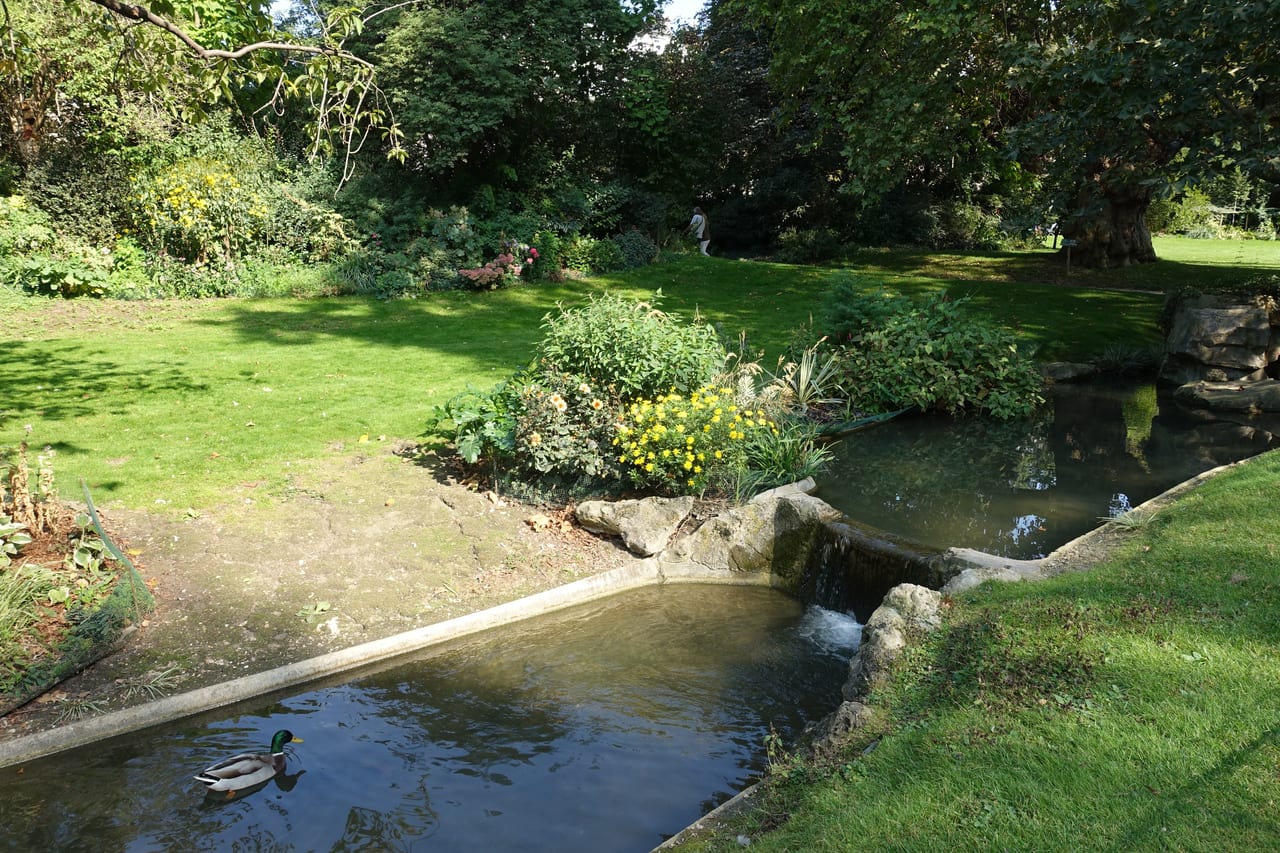
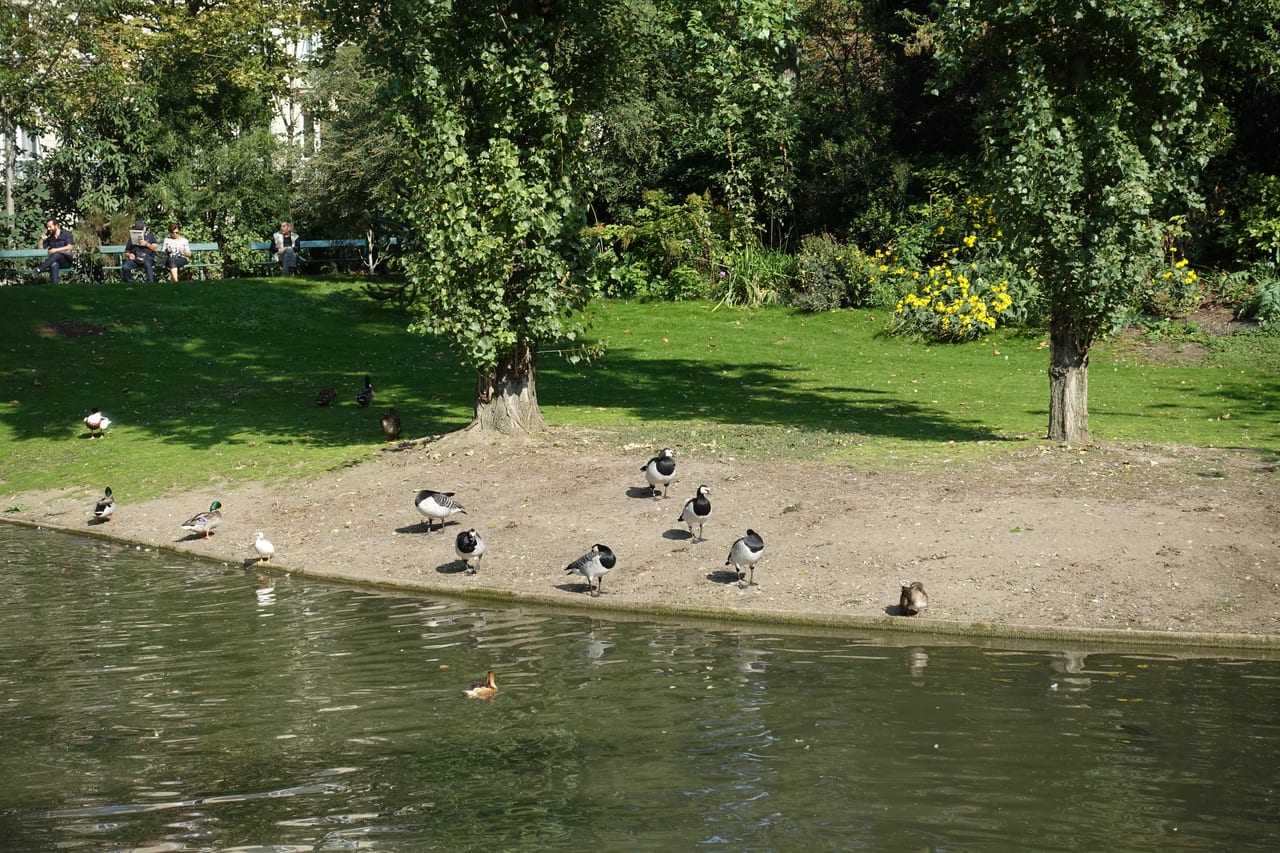
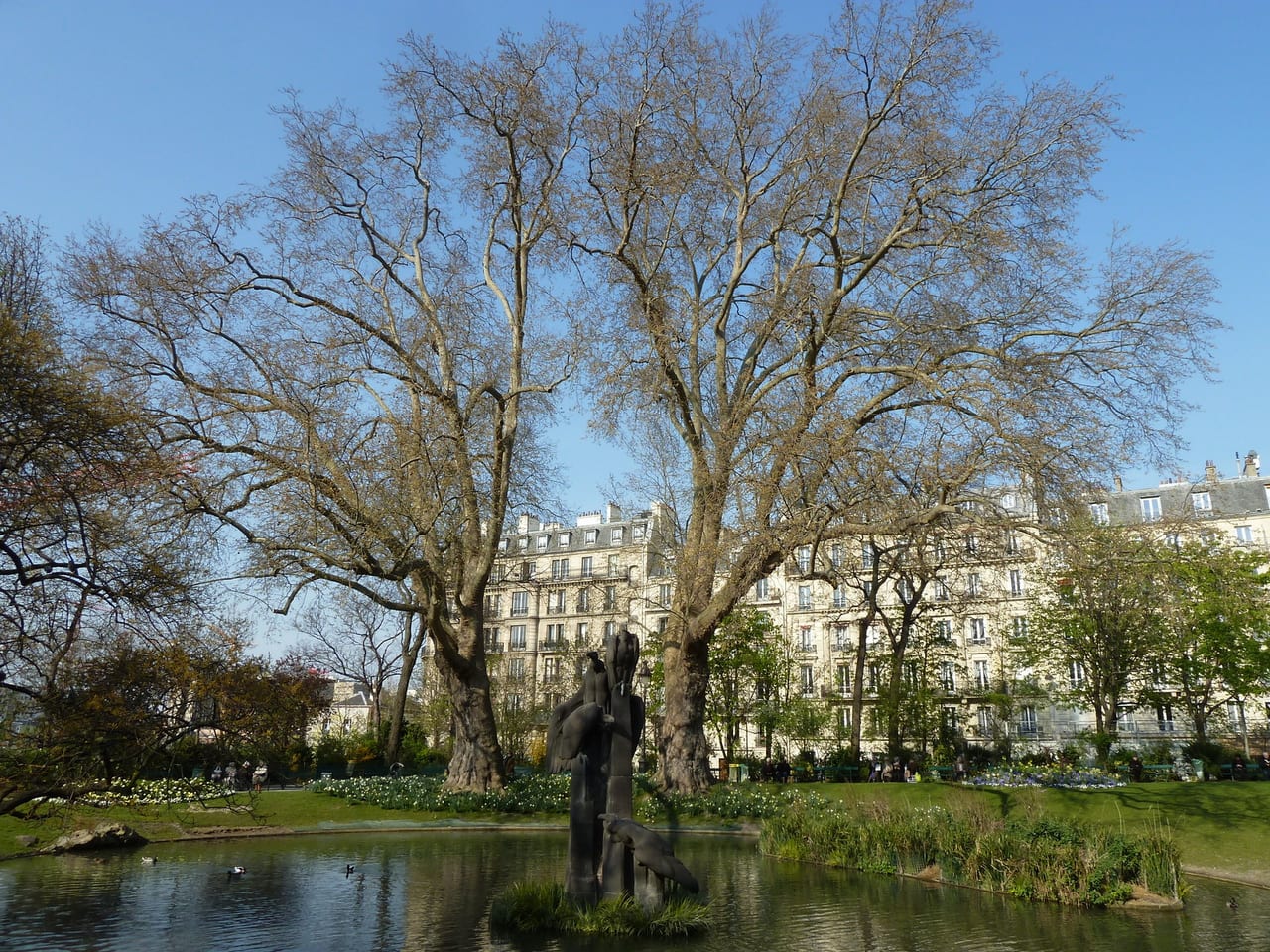
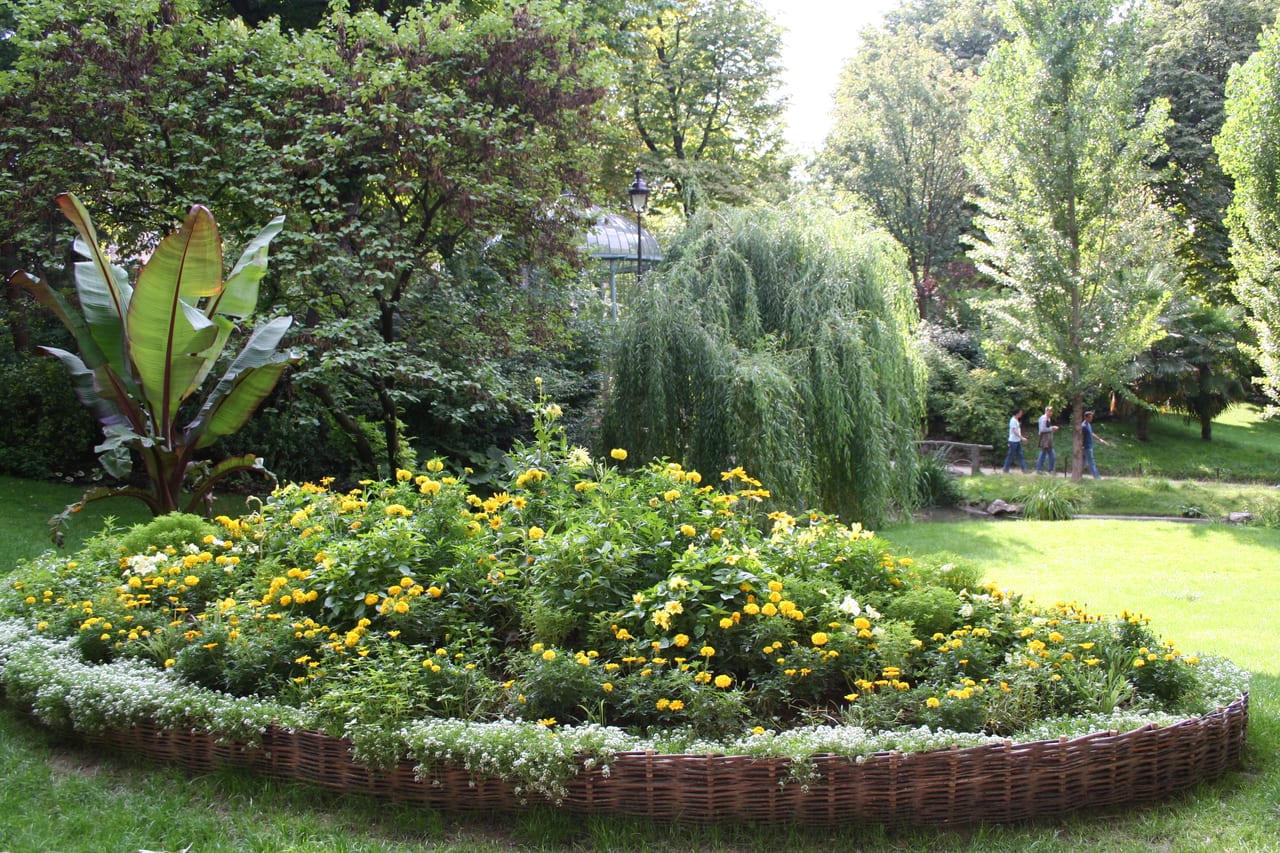
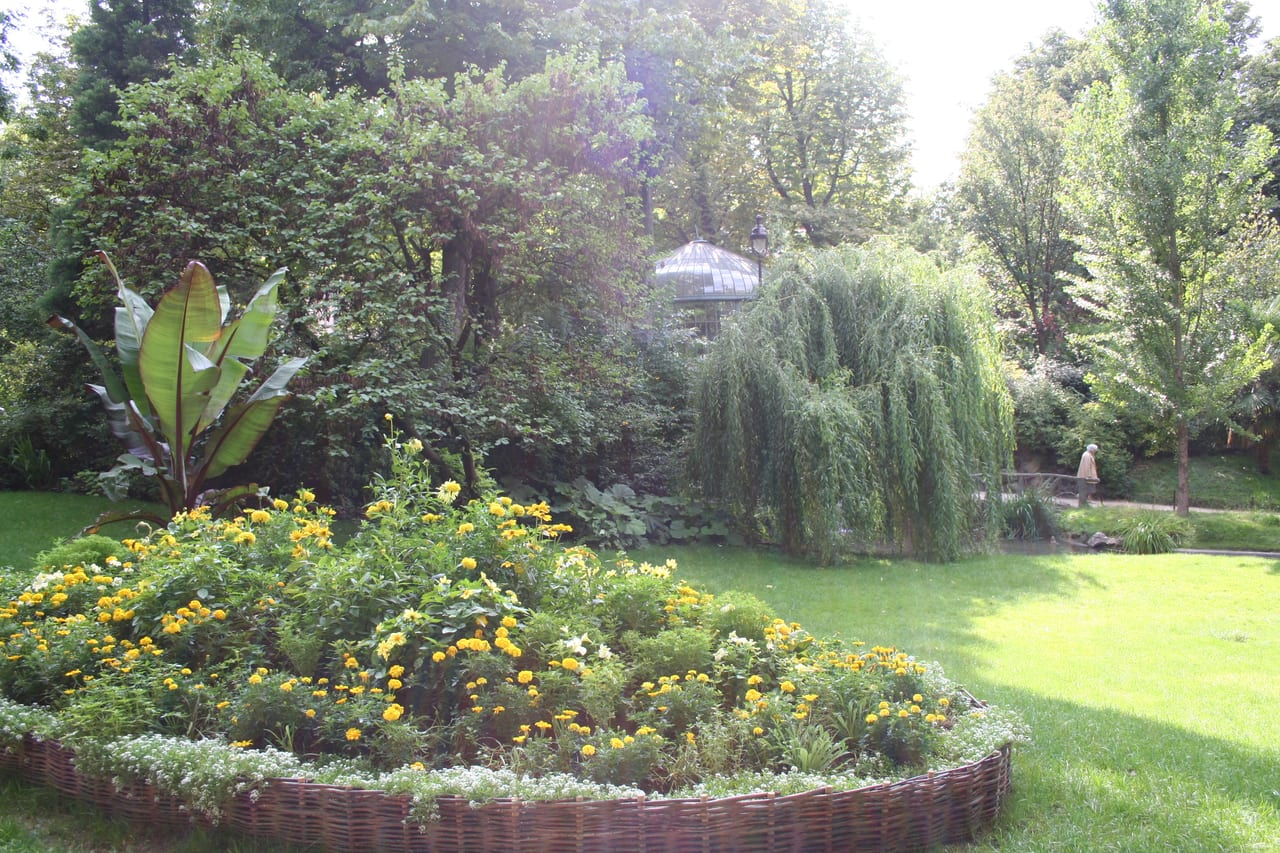
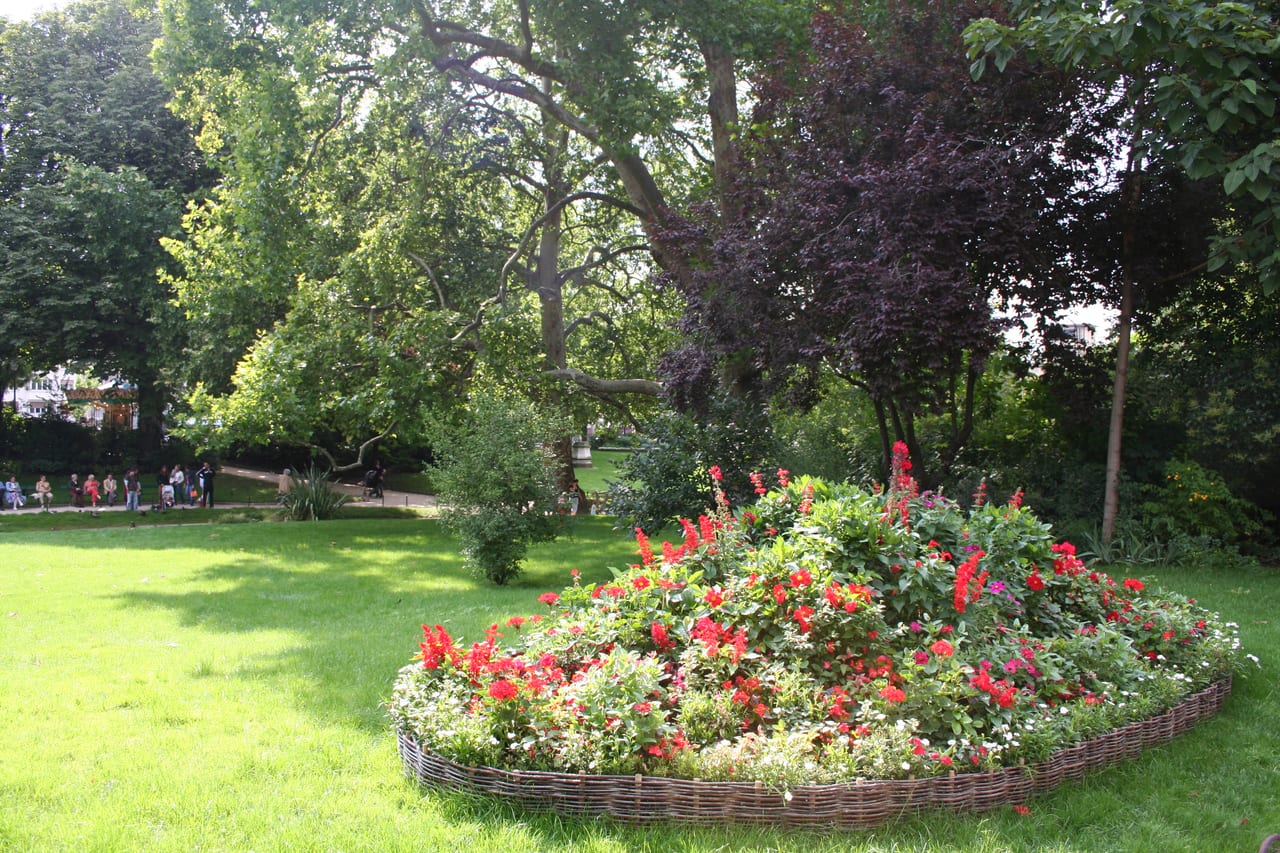
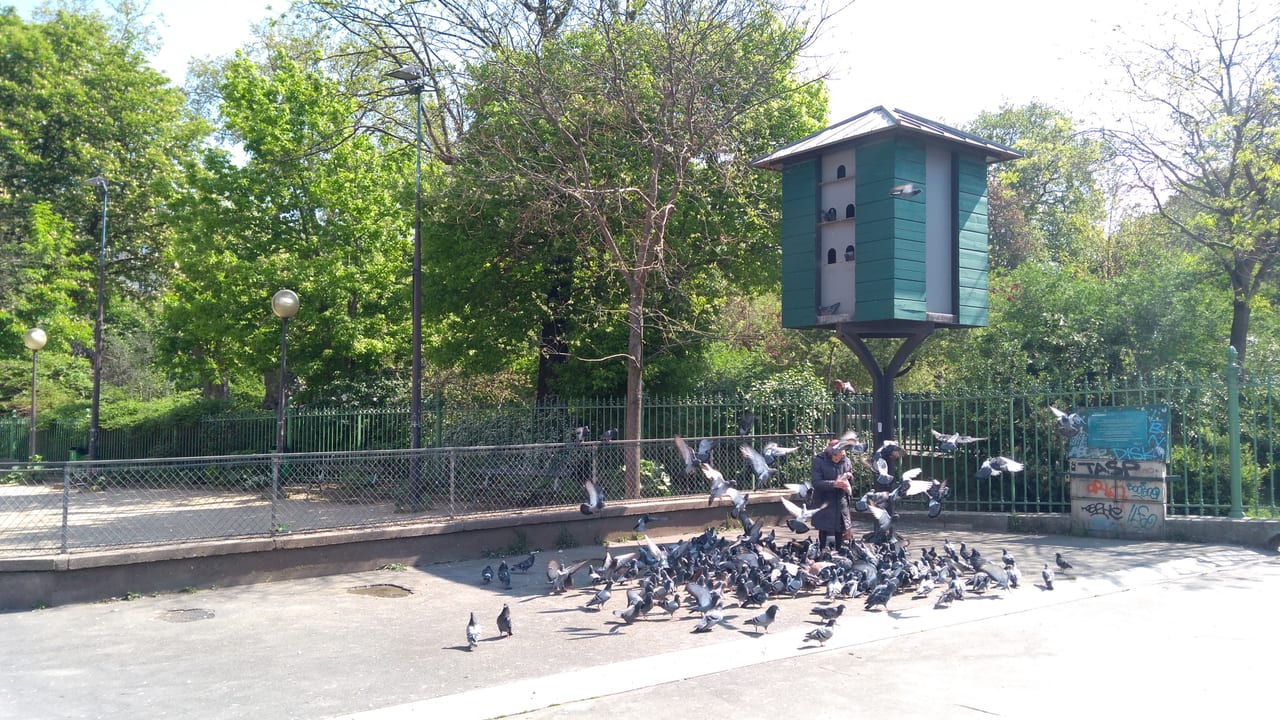
Photograph 1 of 46 of square des Batignolles
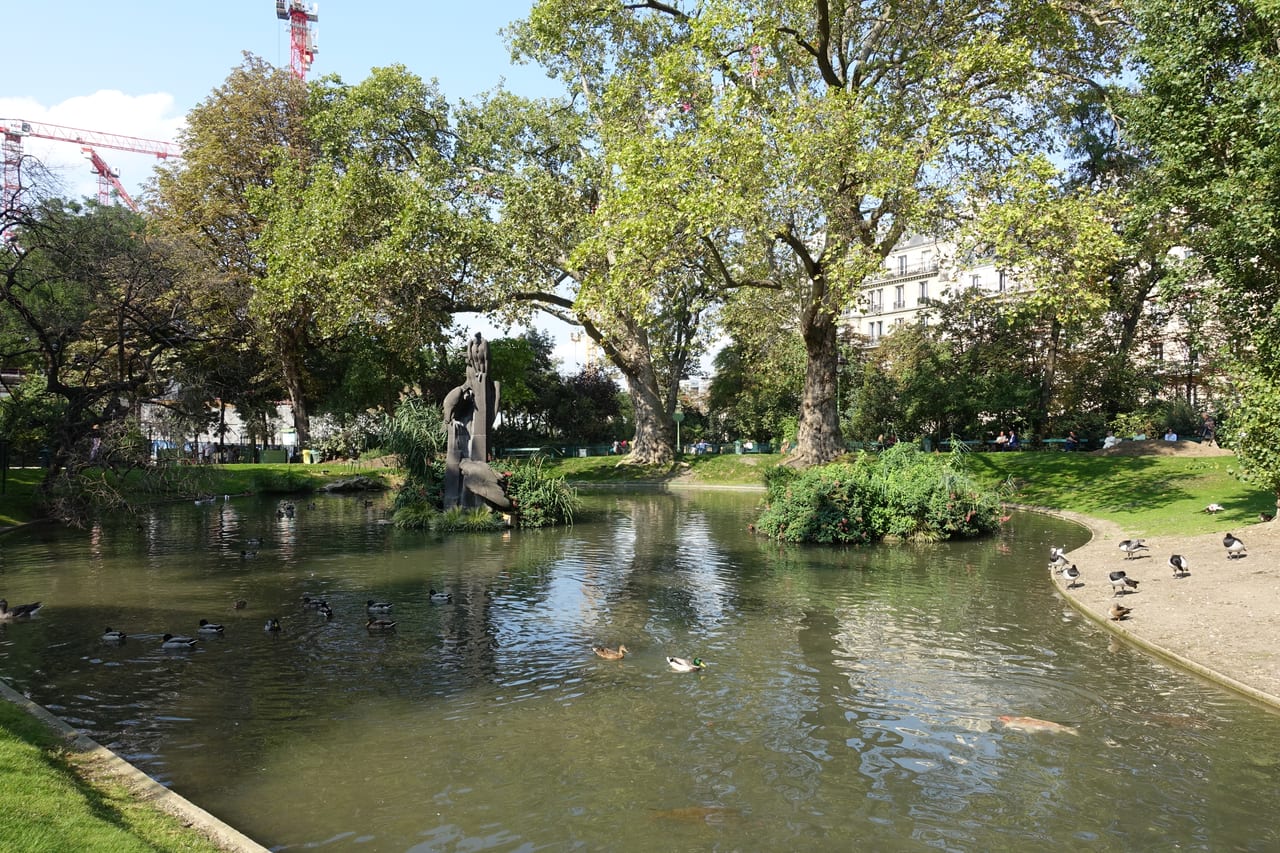
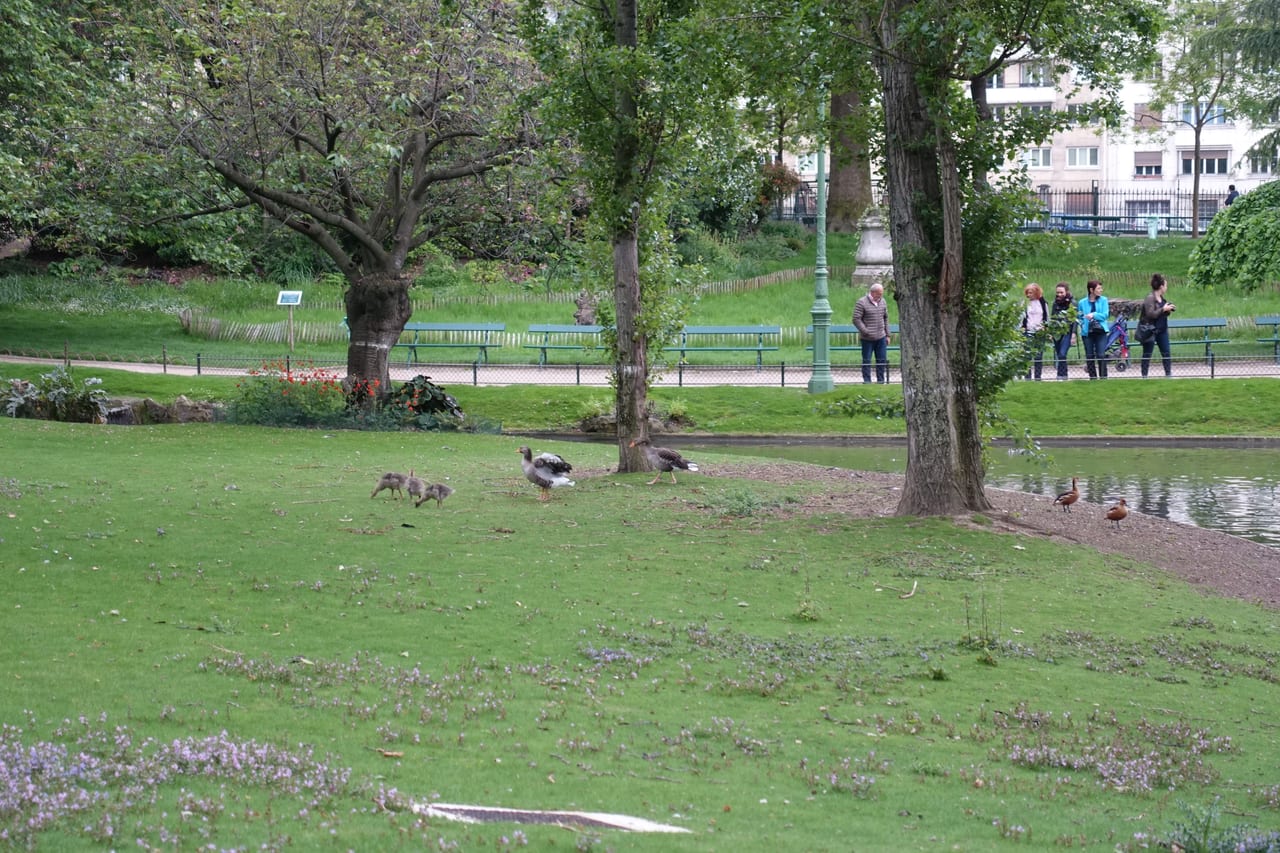
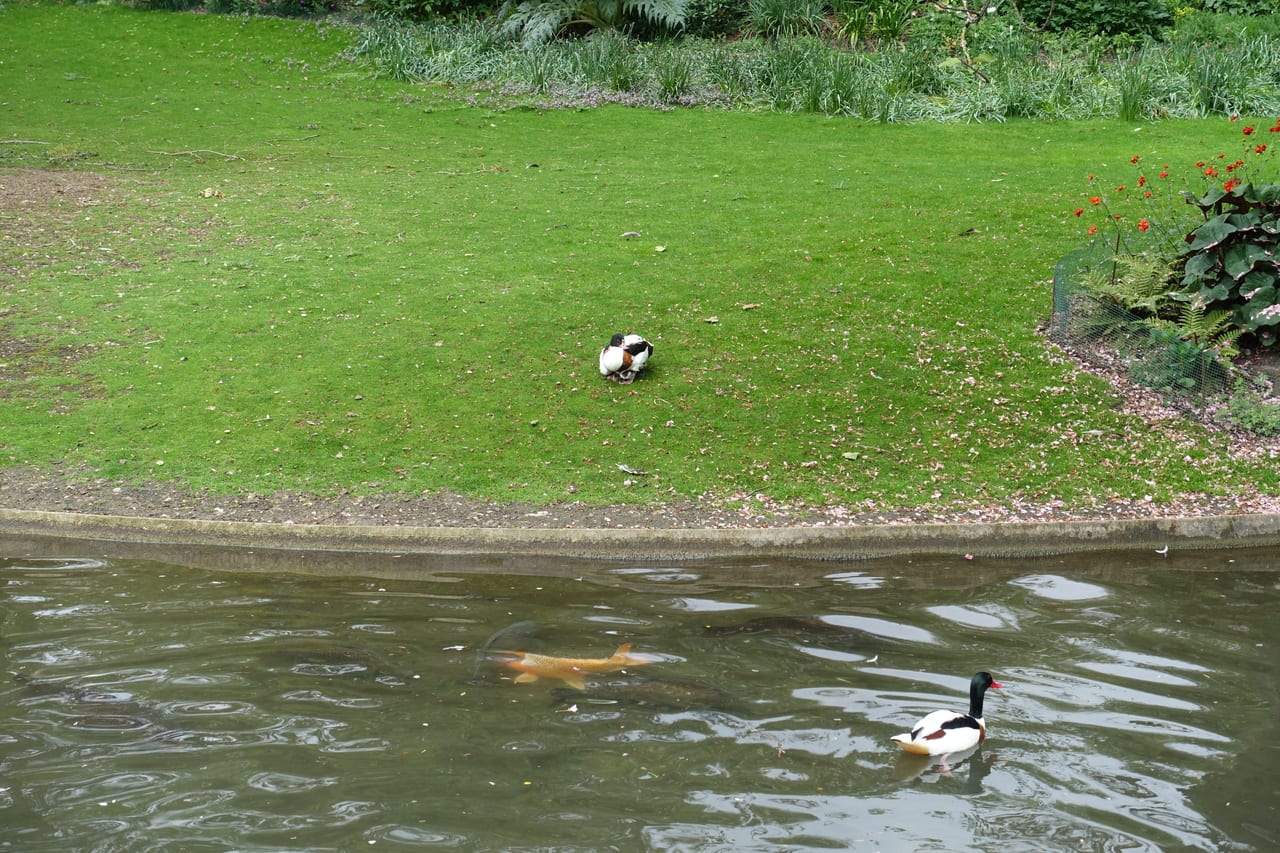
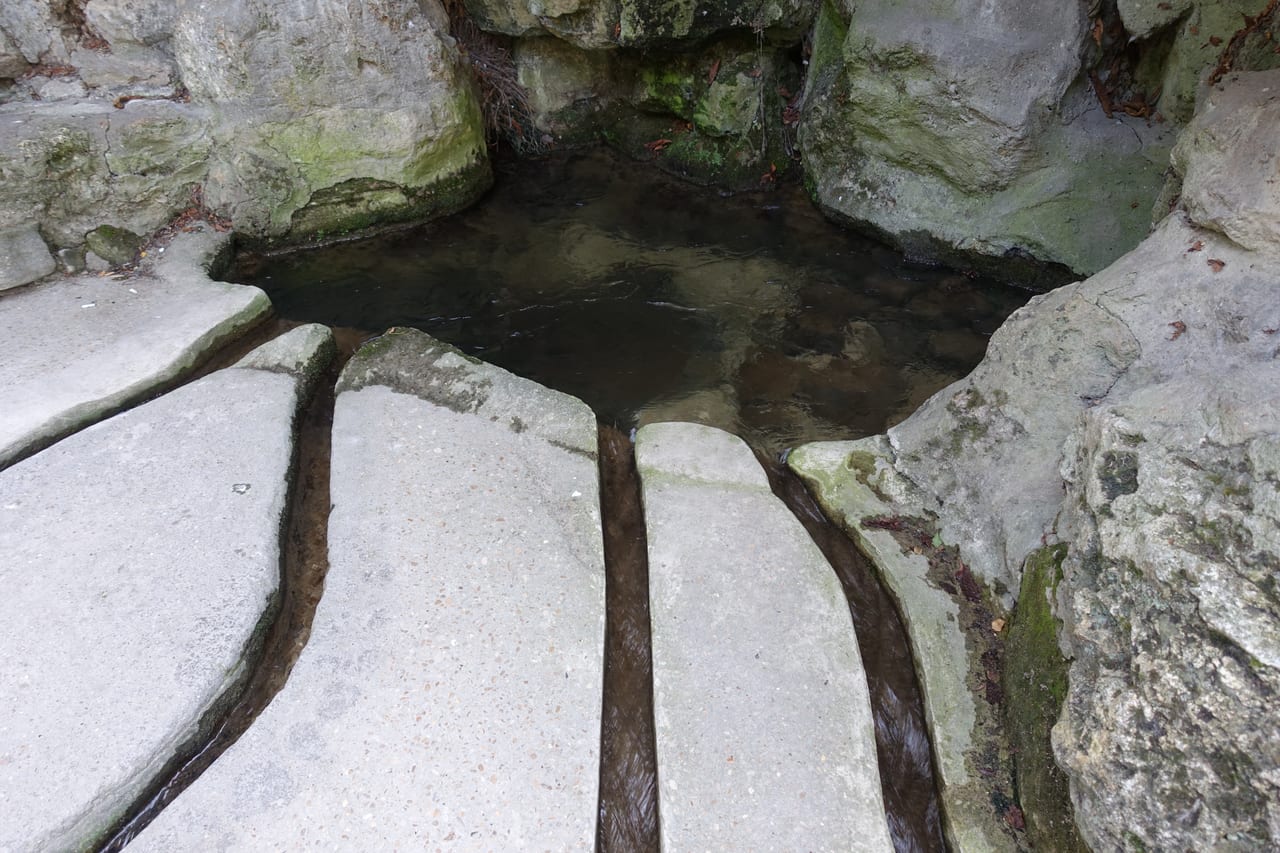
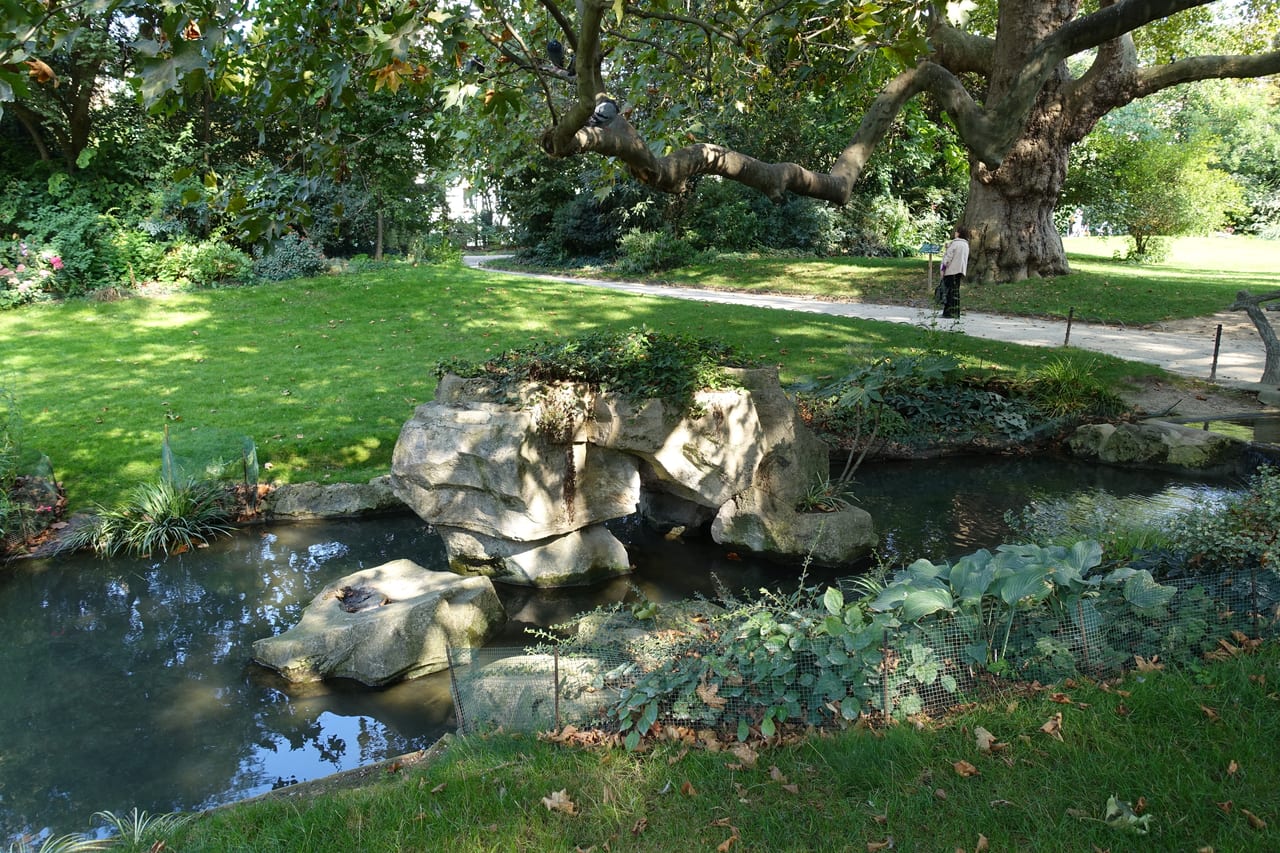
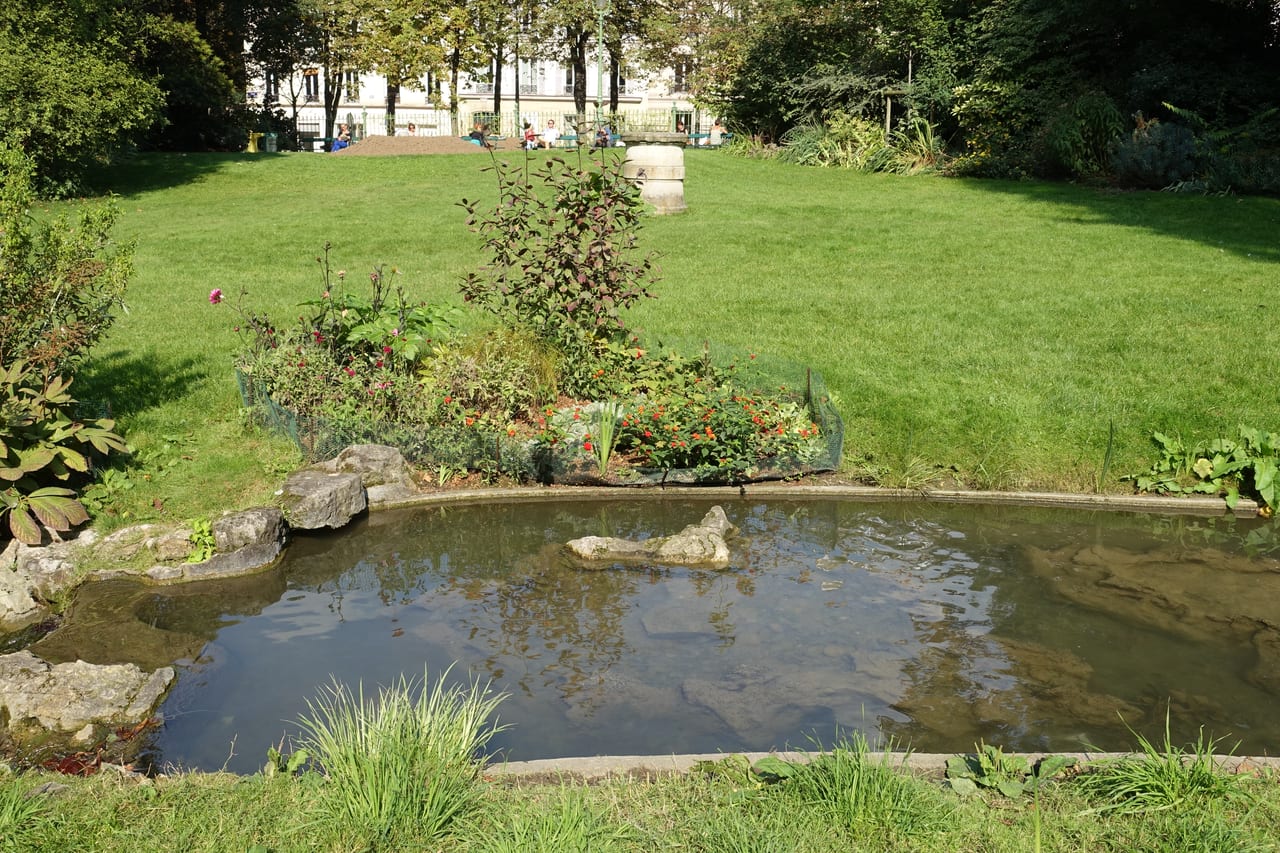
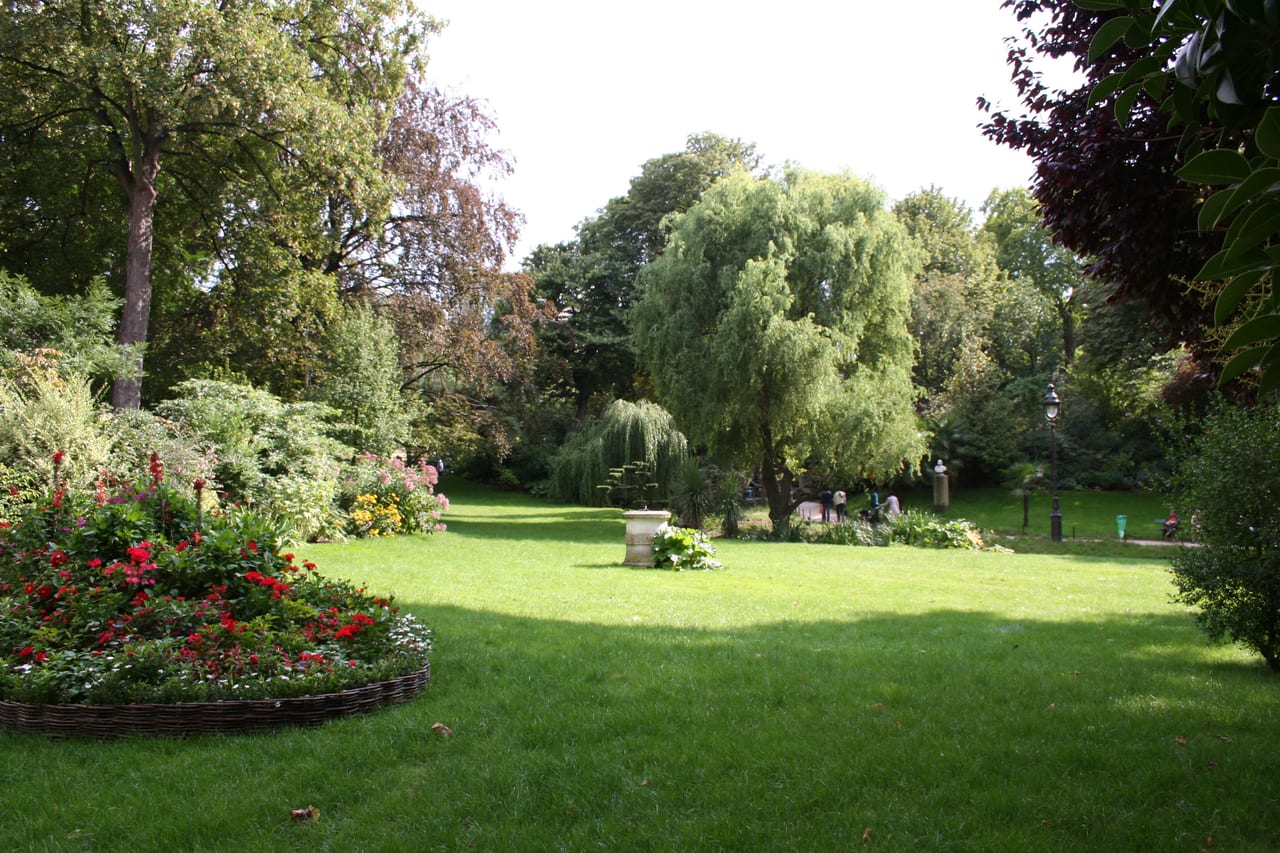
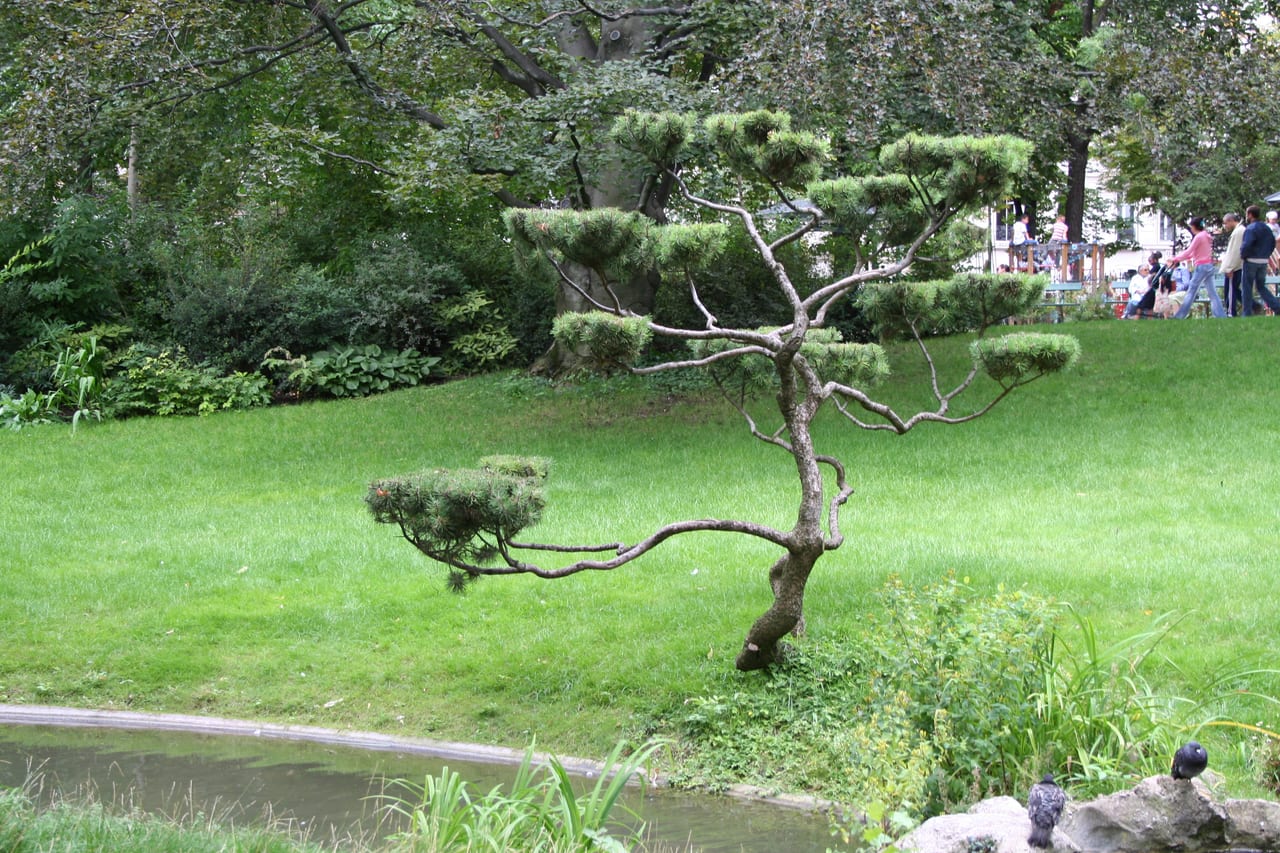
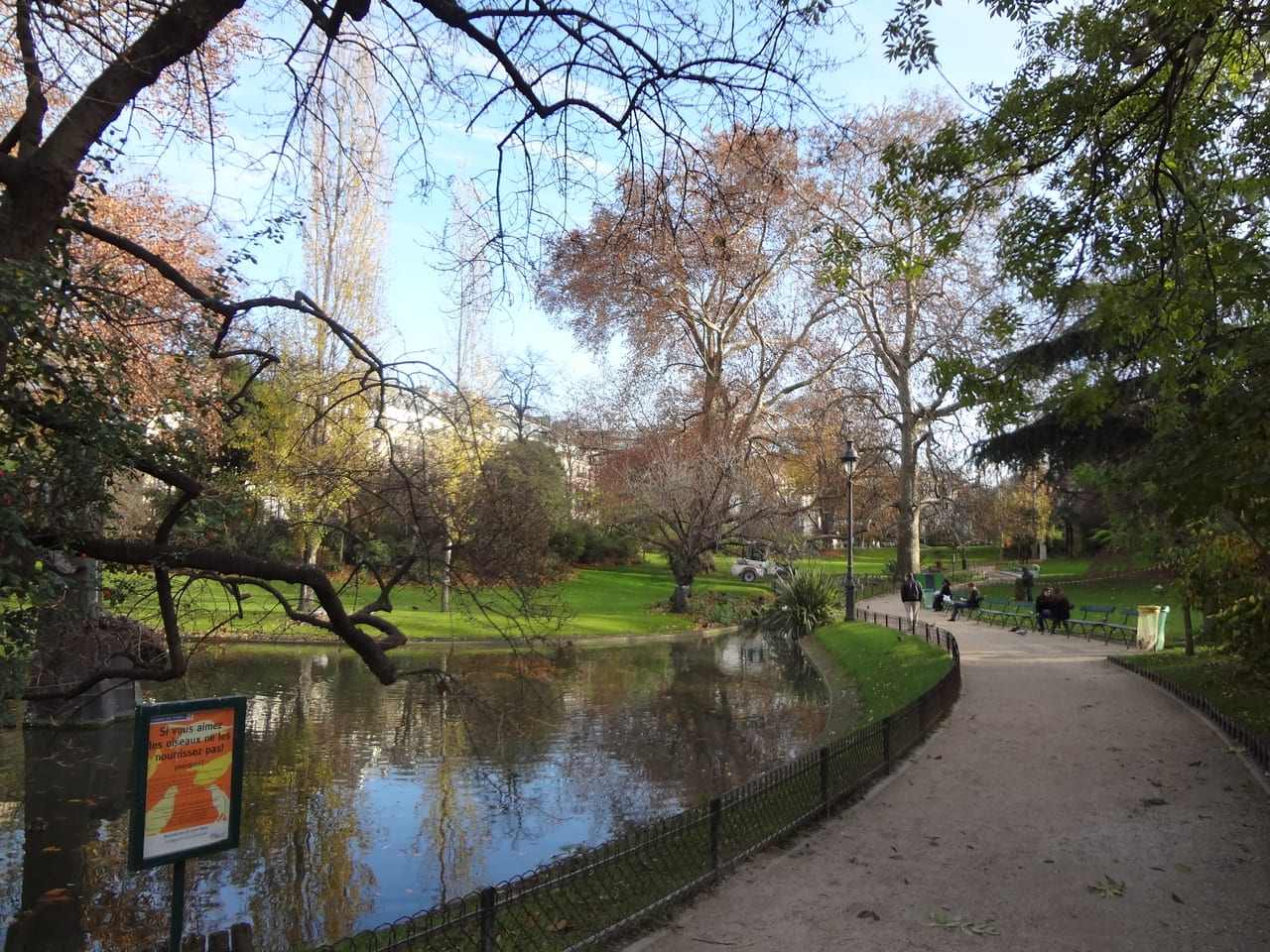
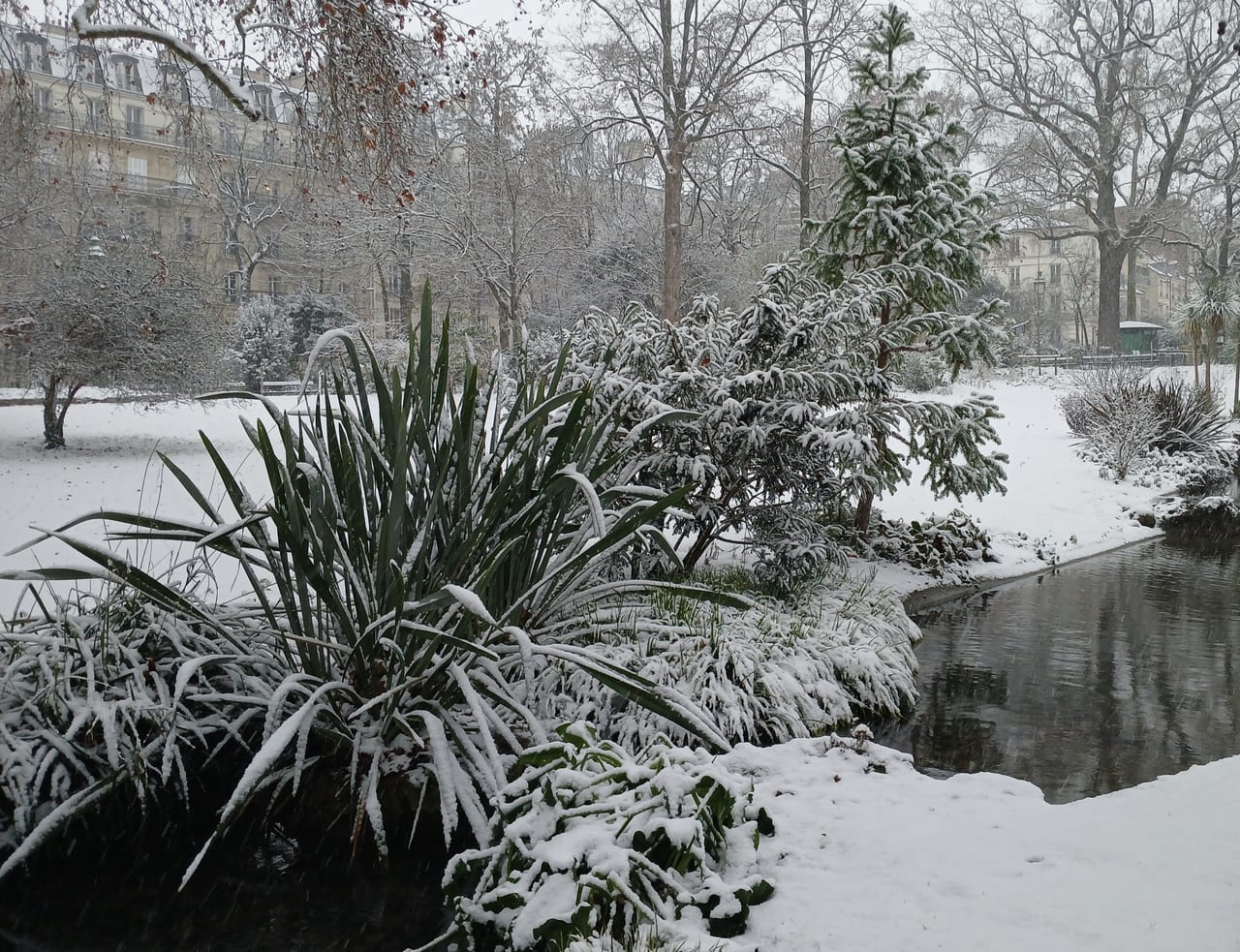
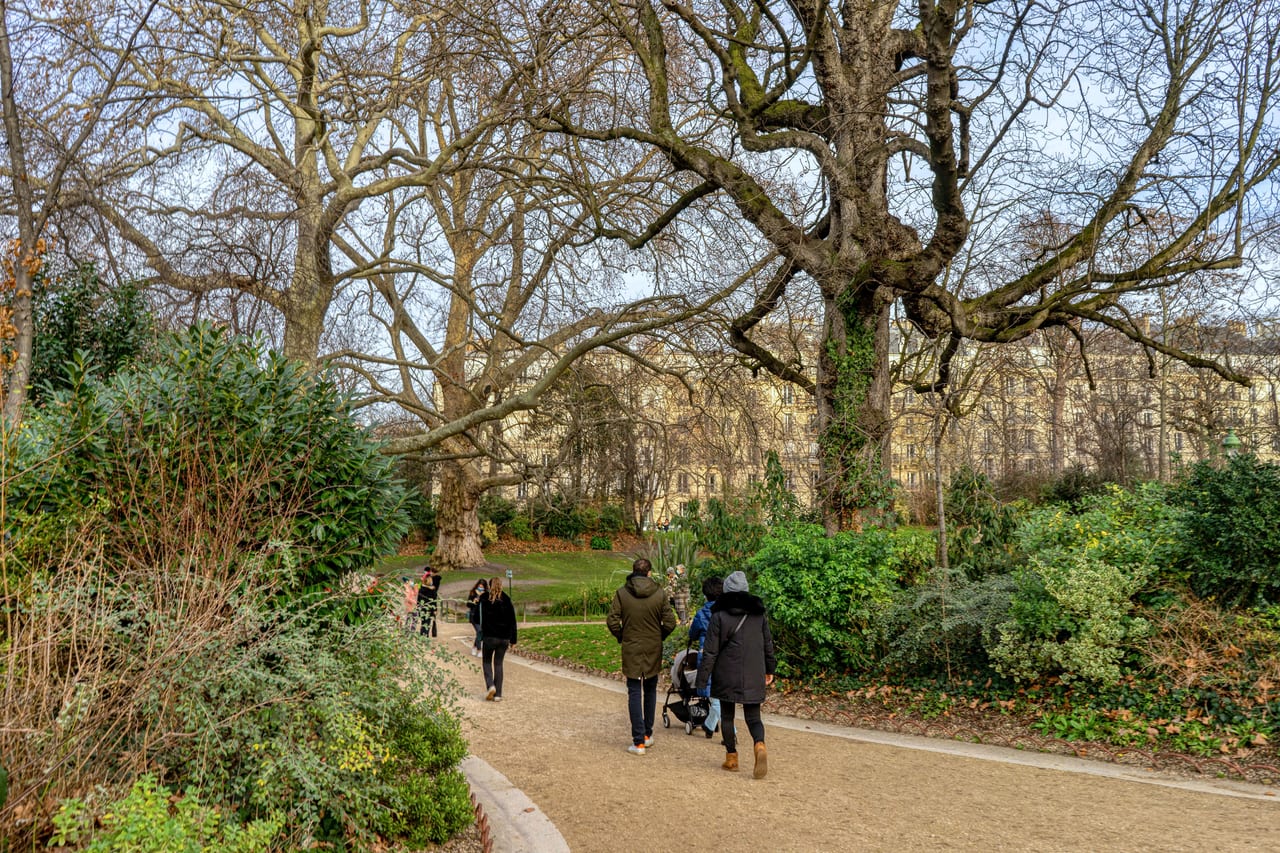
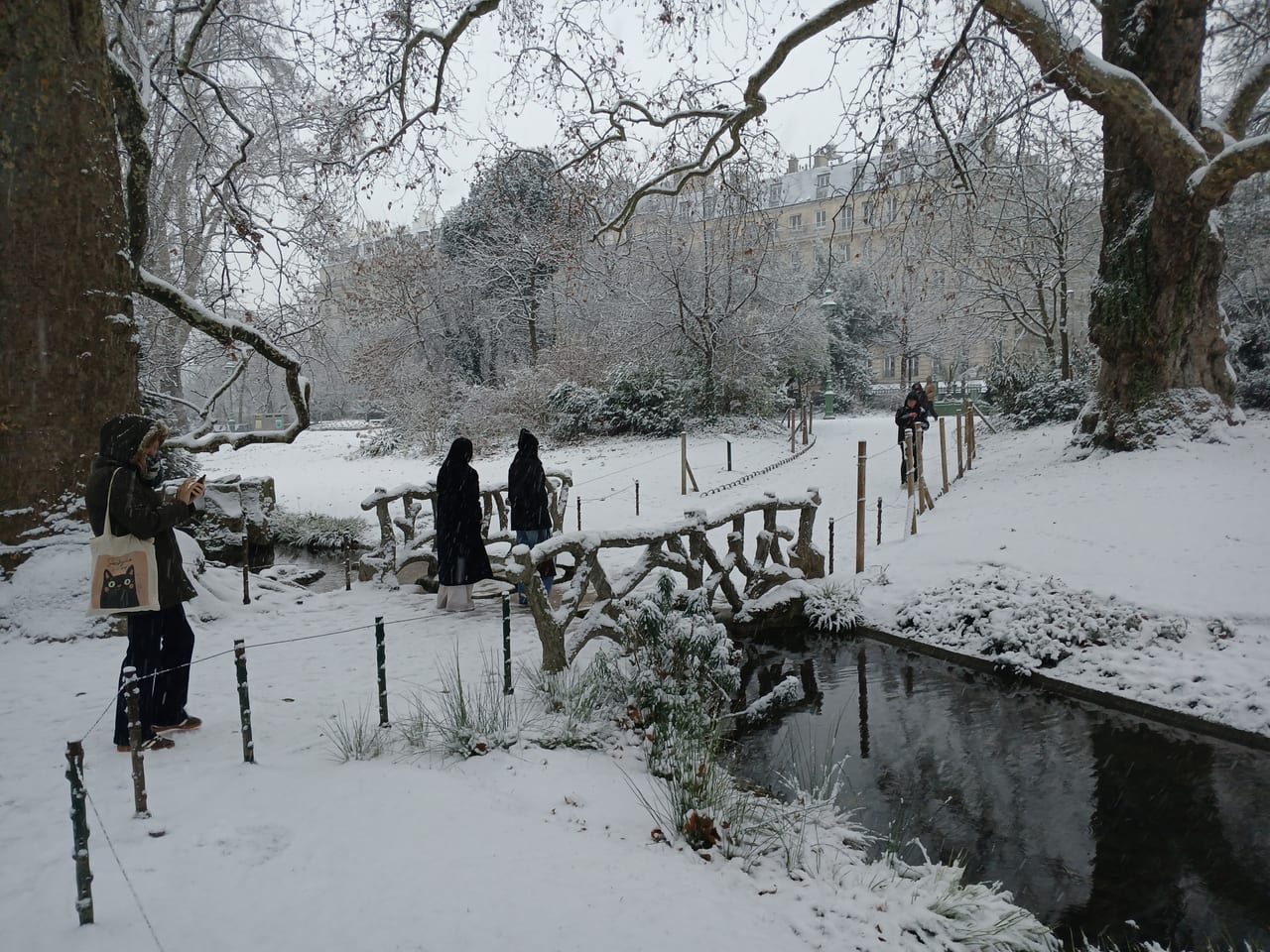
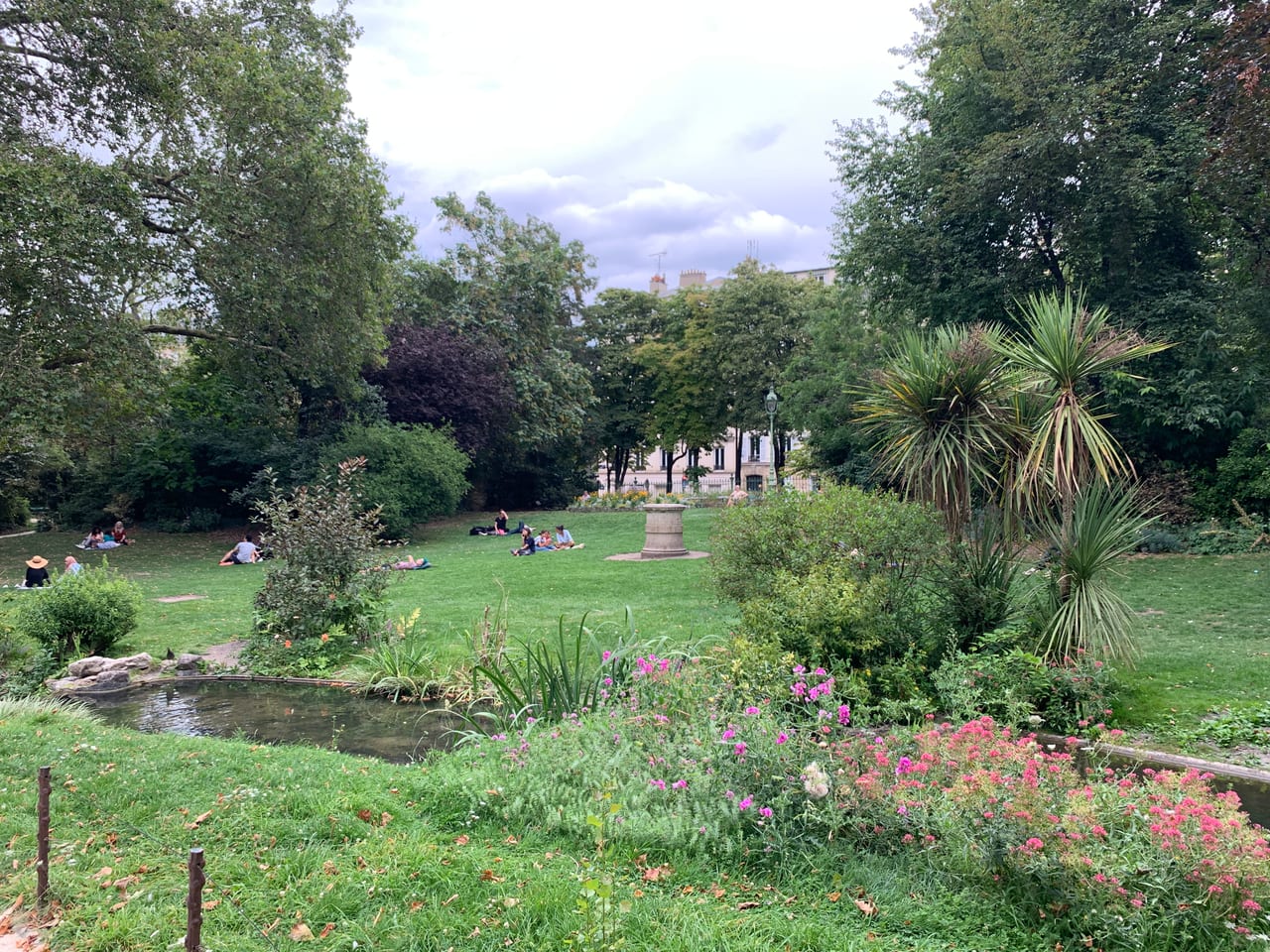
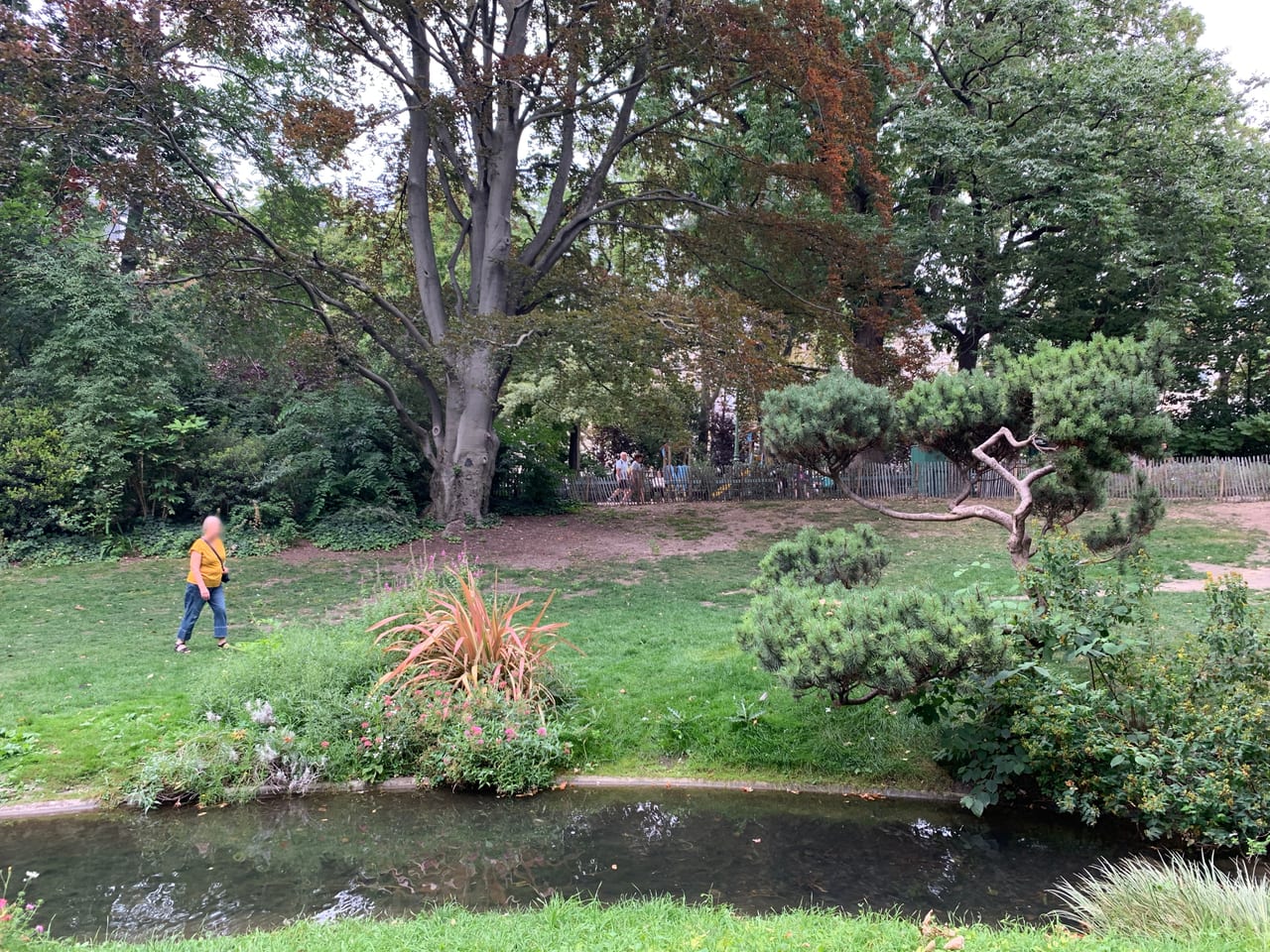
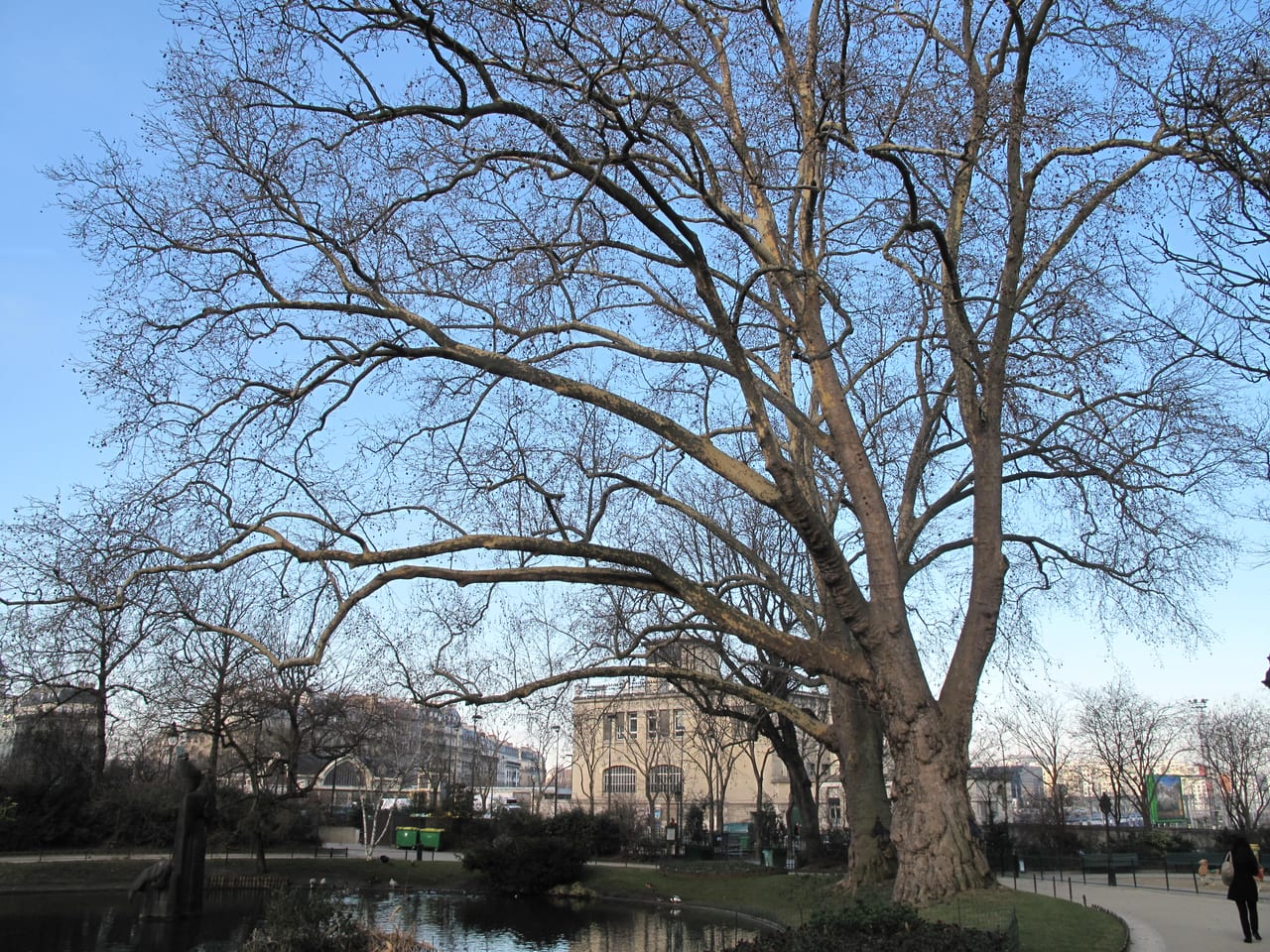
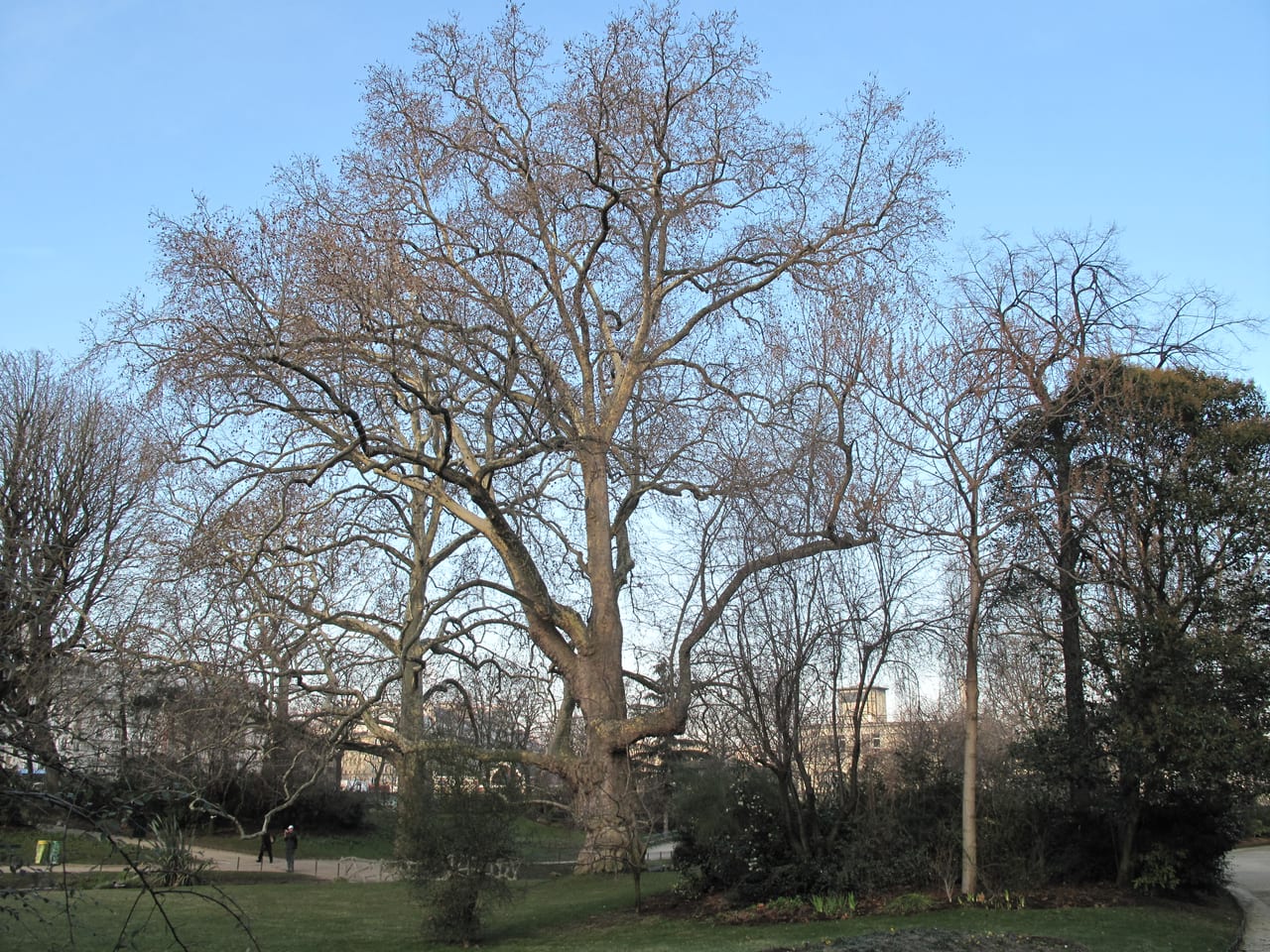
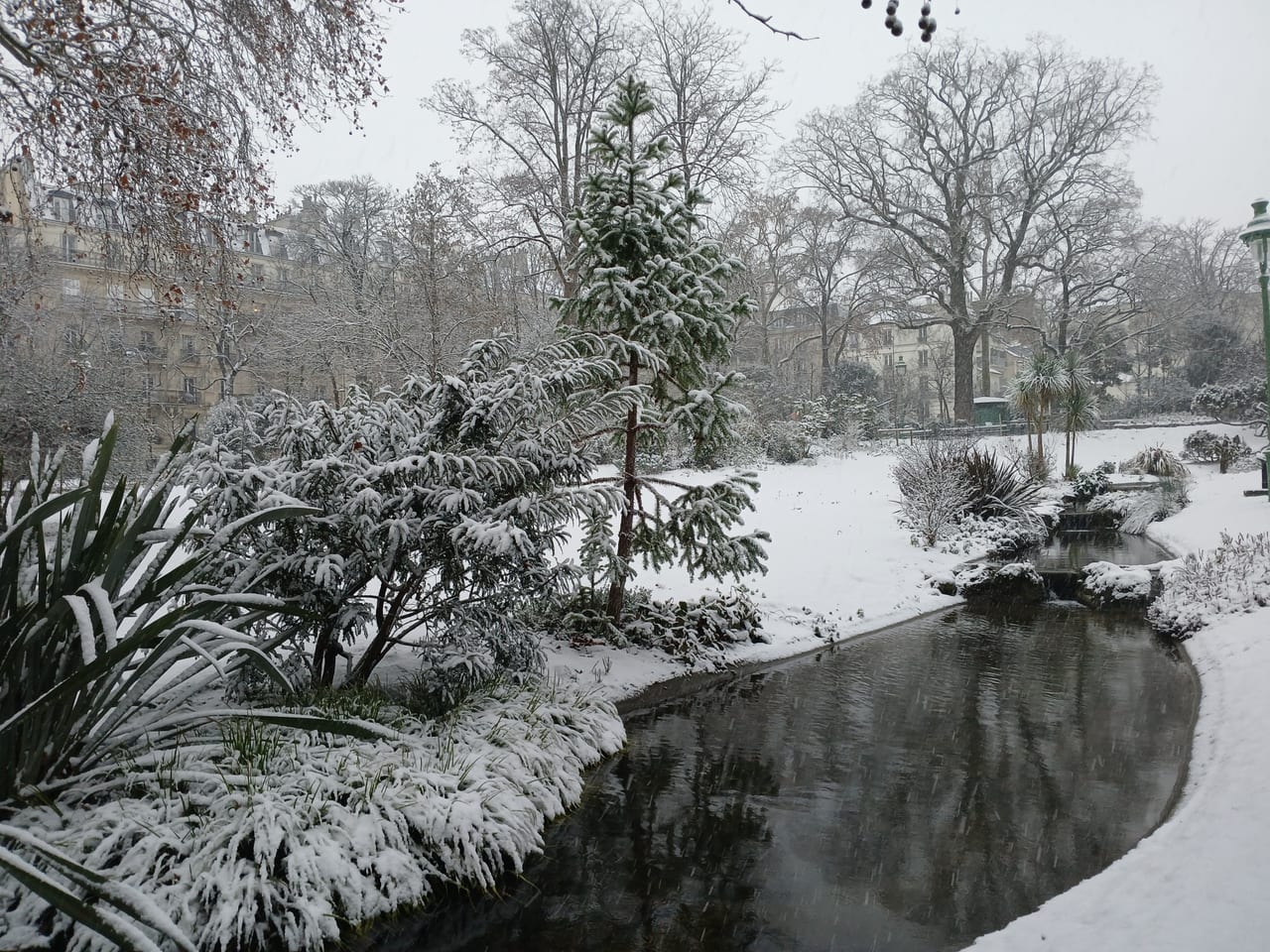
The park emerged under the Second Empire when Baron Haussmann answered Napoleon III’s wish for English-style gardens; the emperor had acquired his taste for them during exile in England before 1848. Batignolles was annexed to Paris in 1860, and Jean-Charles Adolphe Alphand created the park in 1862 on what had been called “a vast wasteland.” He worked with engineer Jean Darcel, architect Gabriel Davioud and horticulturist Jean-Pierre Barillet-Deschamps, the same team assembled for the Bois de Boulogne. Its landscape-garden design uses asymmetric balance, wandering paths, lawns and exotic planting to make artifice appear natural. Haussmann-Alphand details remain visible in small bridges, plant-motif concrete work and stratified faux rock. The park’s name may derive from the Latin “batillus,” meaning mill, or the Provençal “bastidiole,” meaning small farmhouse. Barbara mentioned it in “Perlimpinpin,” while Yves Duteil’s “Les Batignolles” appeared in 1976.
At a glance
- Built
- 1862
Ways to explore square des Batignolles
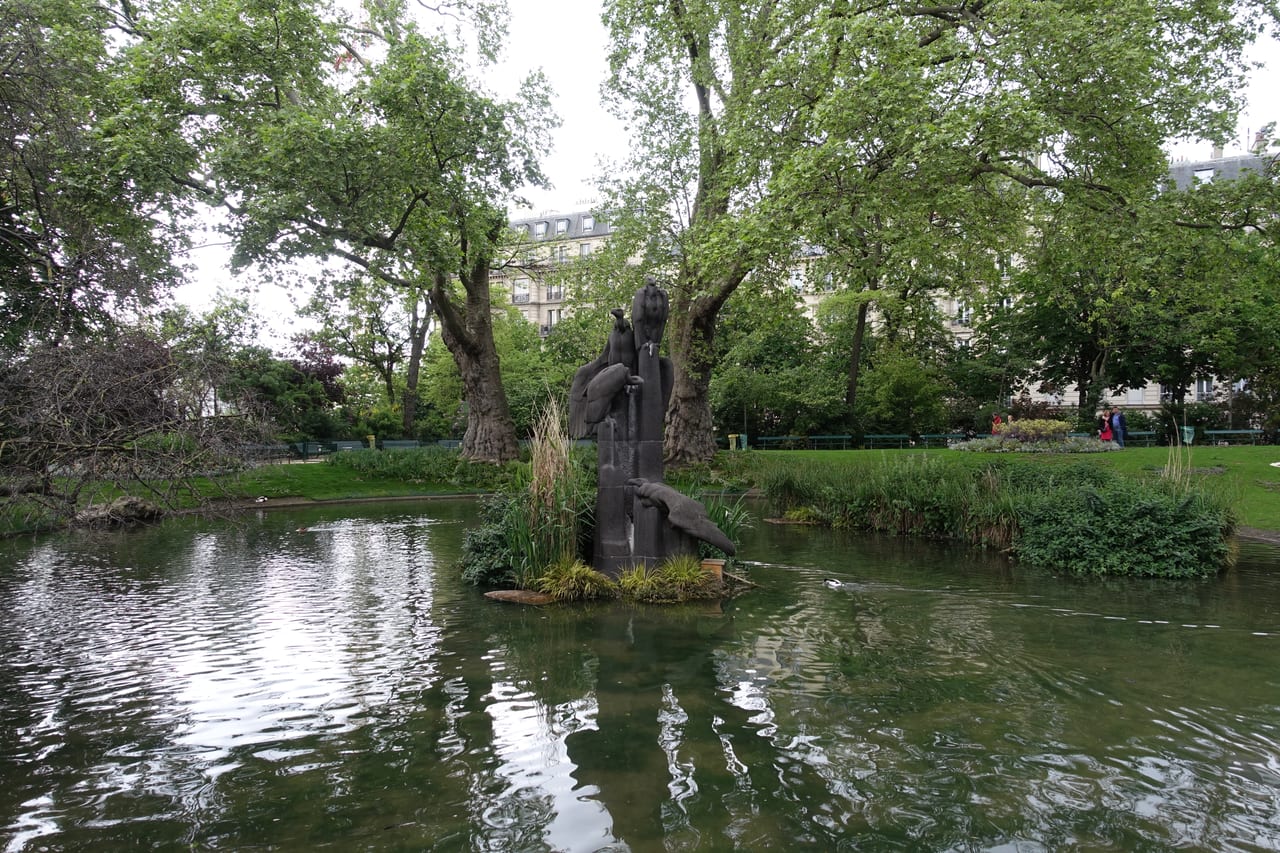
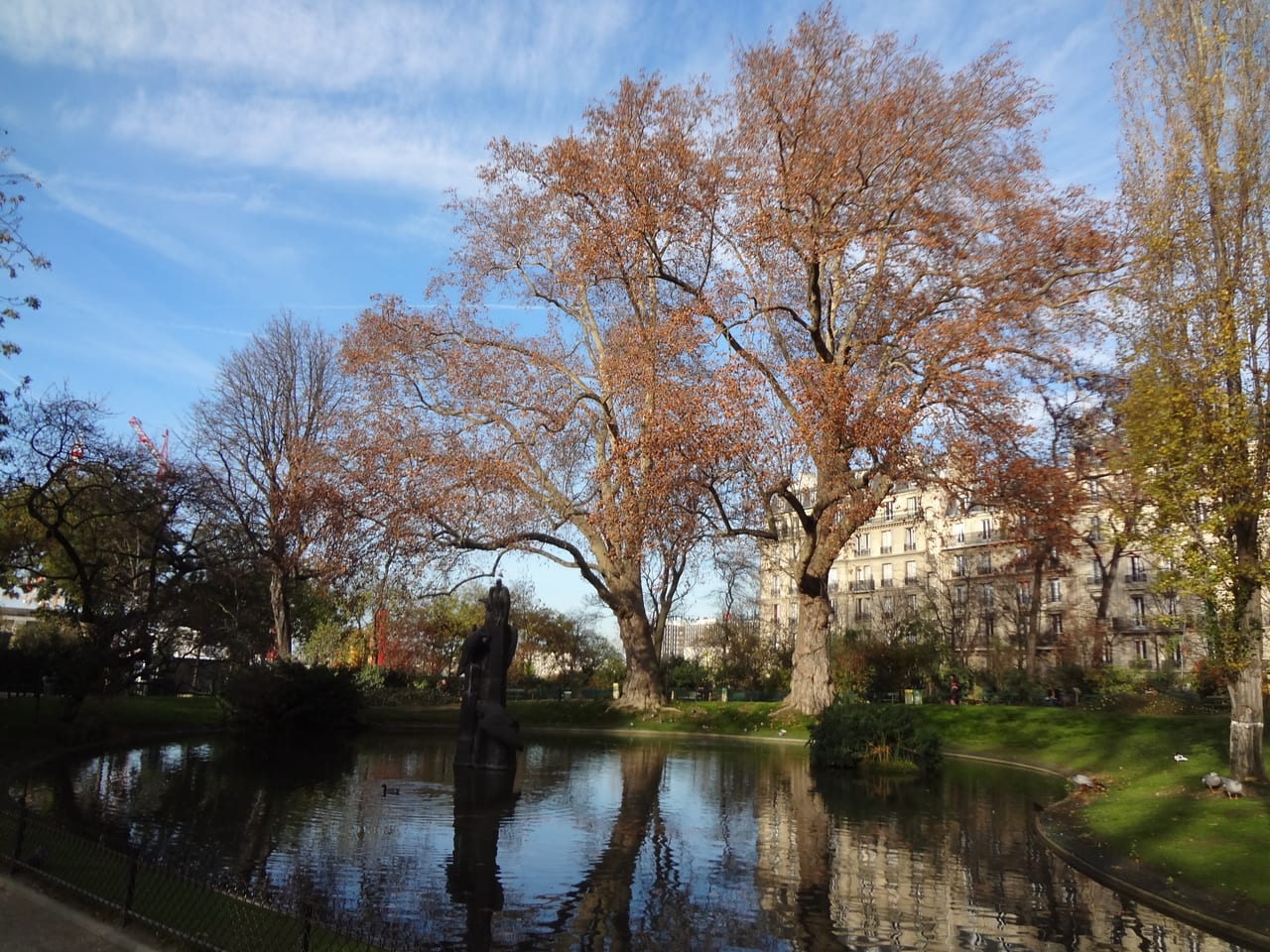
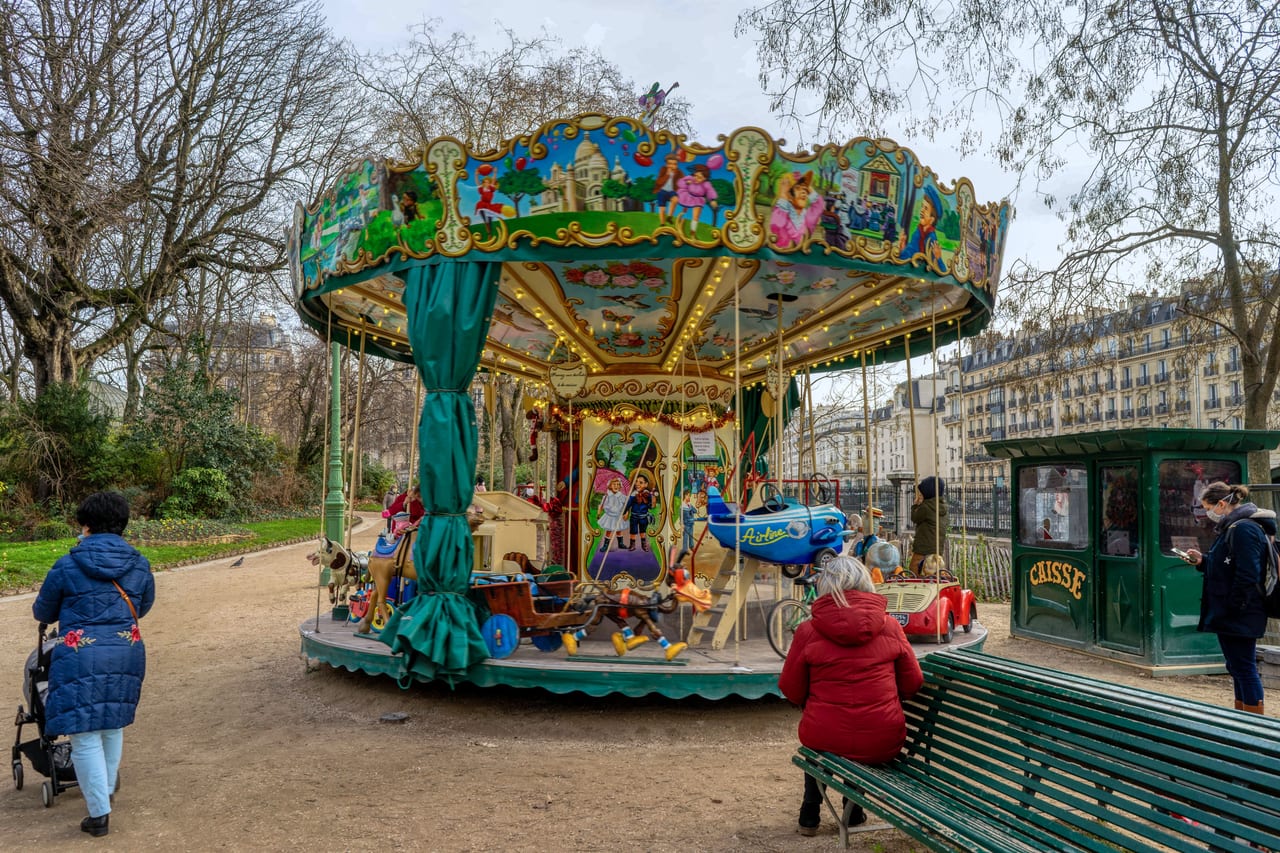
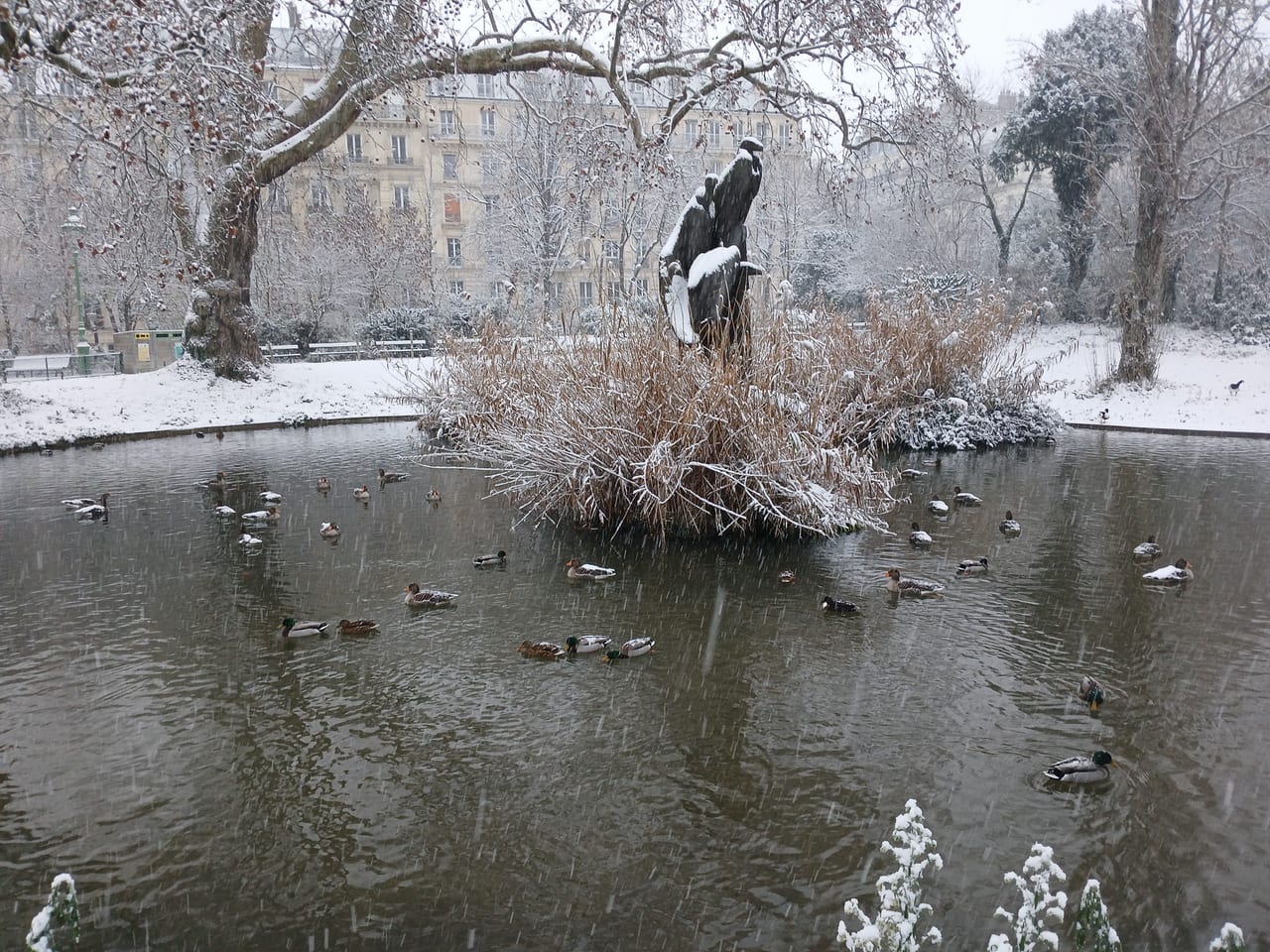
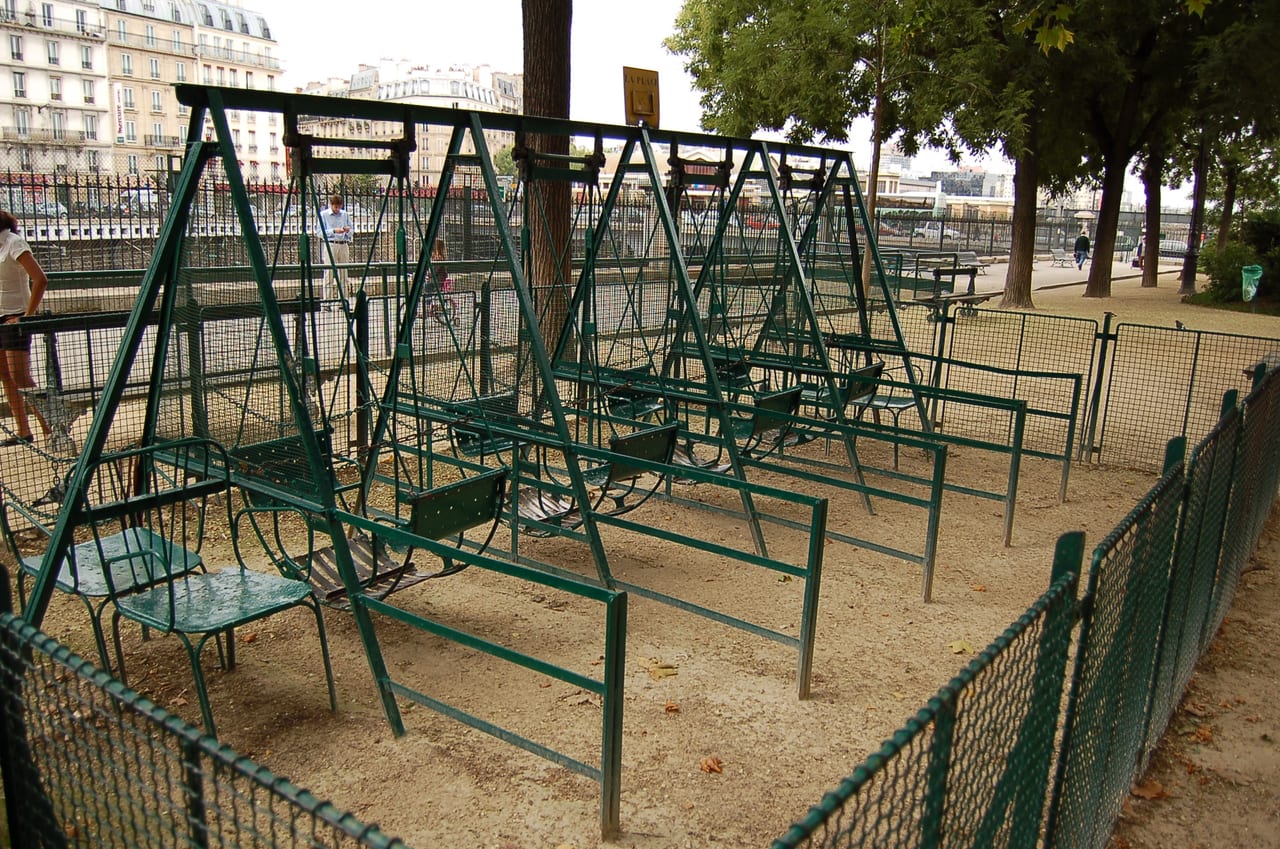
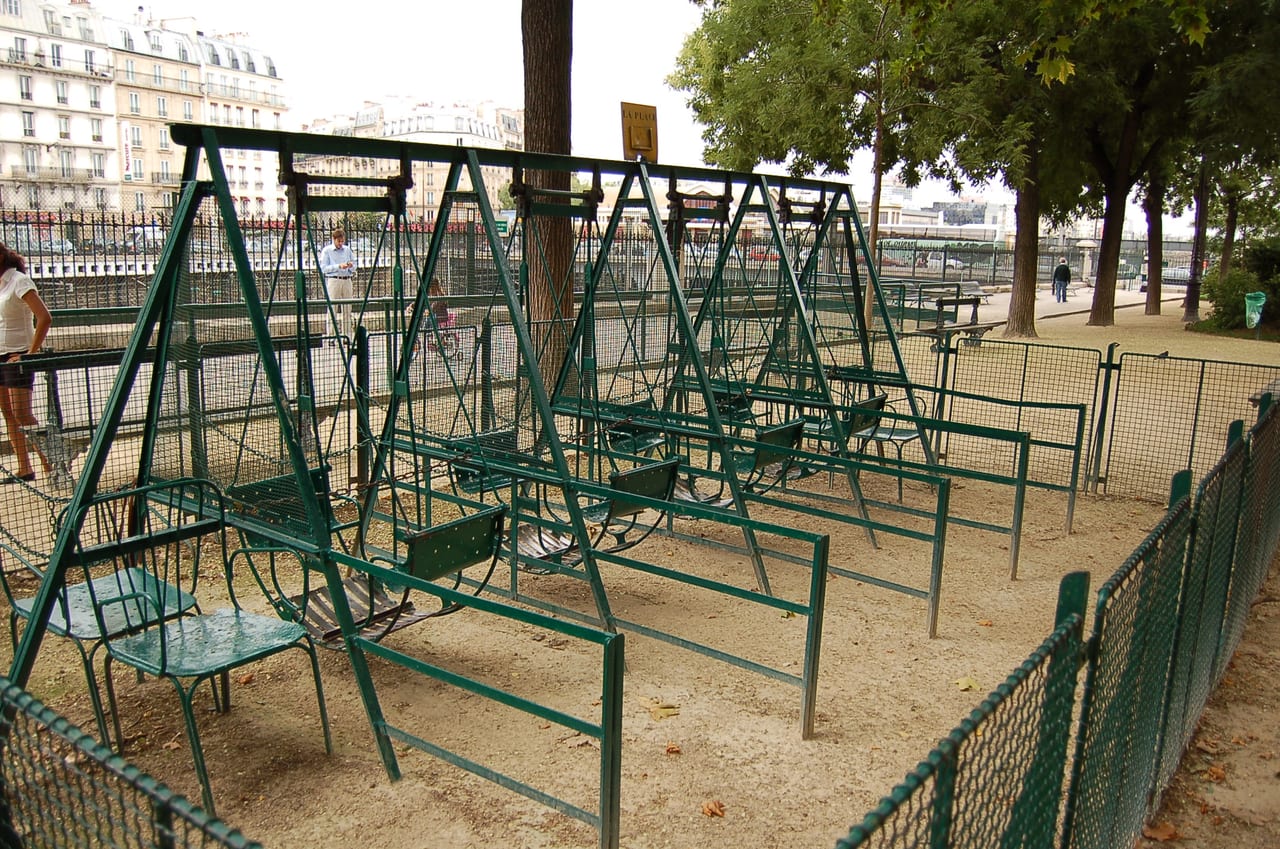
In the water stands Louis de Monard’s 1930 sculpture Vautours; elsewhere, seek Bony de Lavergne’s 1932 bust of Léon Dierx. Children can use the playgrounds, carousel, sandboxes, swings, roller-skating area and ping-pong tables; adults have pétanque areas. Pont Cardinet is served by Métro line 14 and Line L rail.
Places to stay near square des Batignolles
Live availability and prices from Stay22's partners, refreshed periodically and subject to change. Booking through these links may earn us a commission at no extra cost to you. See our privacy policy.
Cafés near square des Batignolles
Cafés near square des Batignolles loads as you scroll.
Attractions nearby
Attractions near square des Batignolles loads as you scroll.
Cities nearby
Cities nearby loads as you scroll.
More in Paris
See more of Paris.
Find great cafés, places to stay and other interesting places to visit in Paris.