Church · Paris
Saint-Séverin
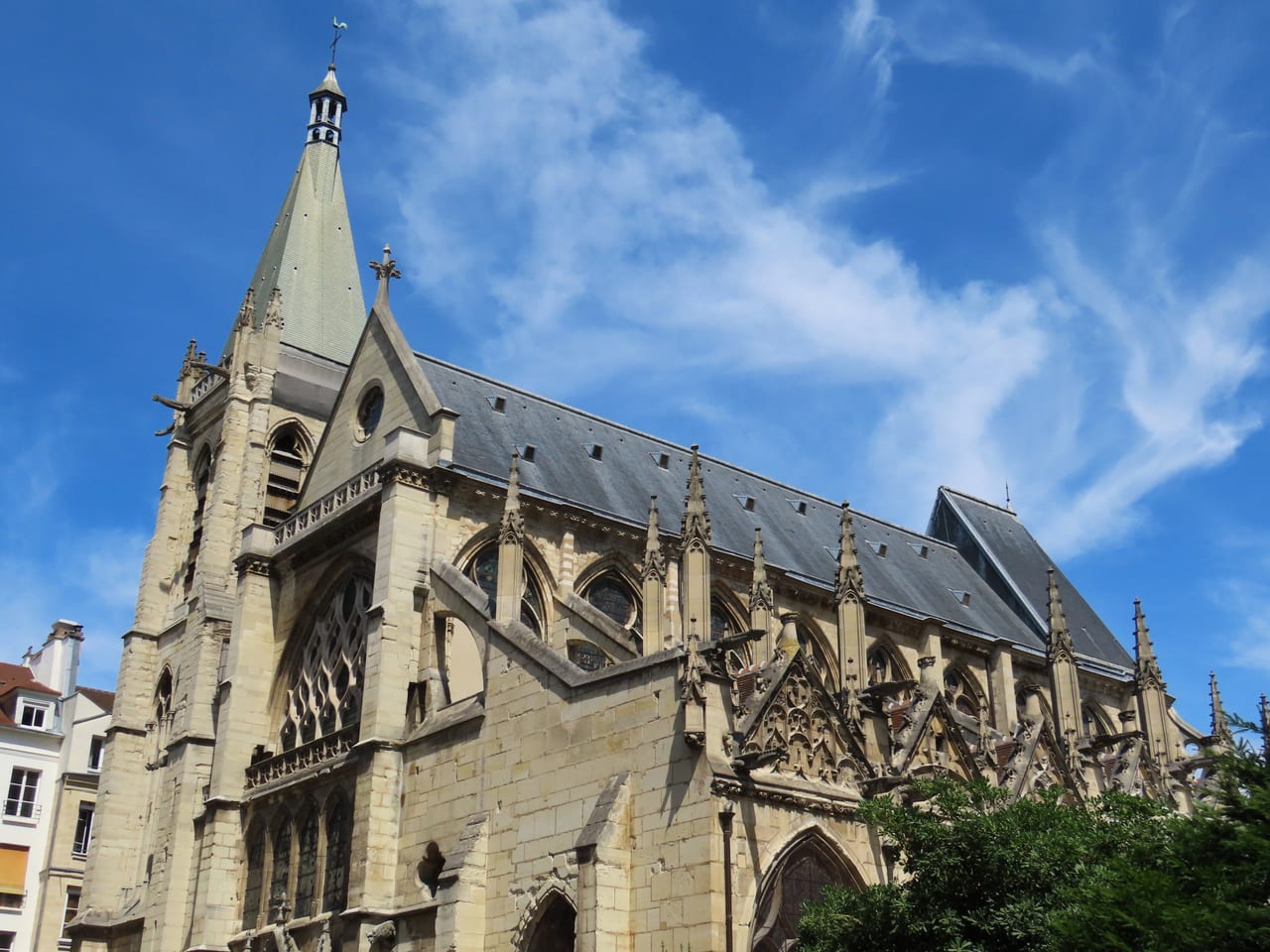
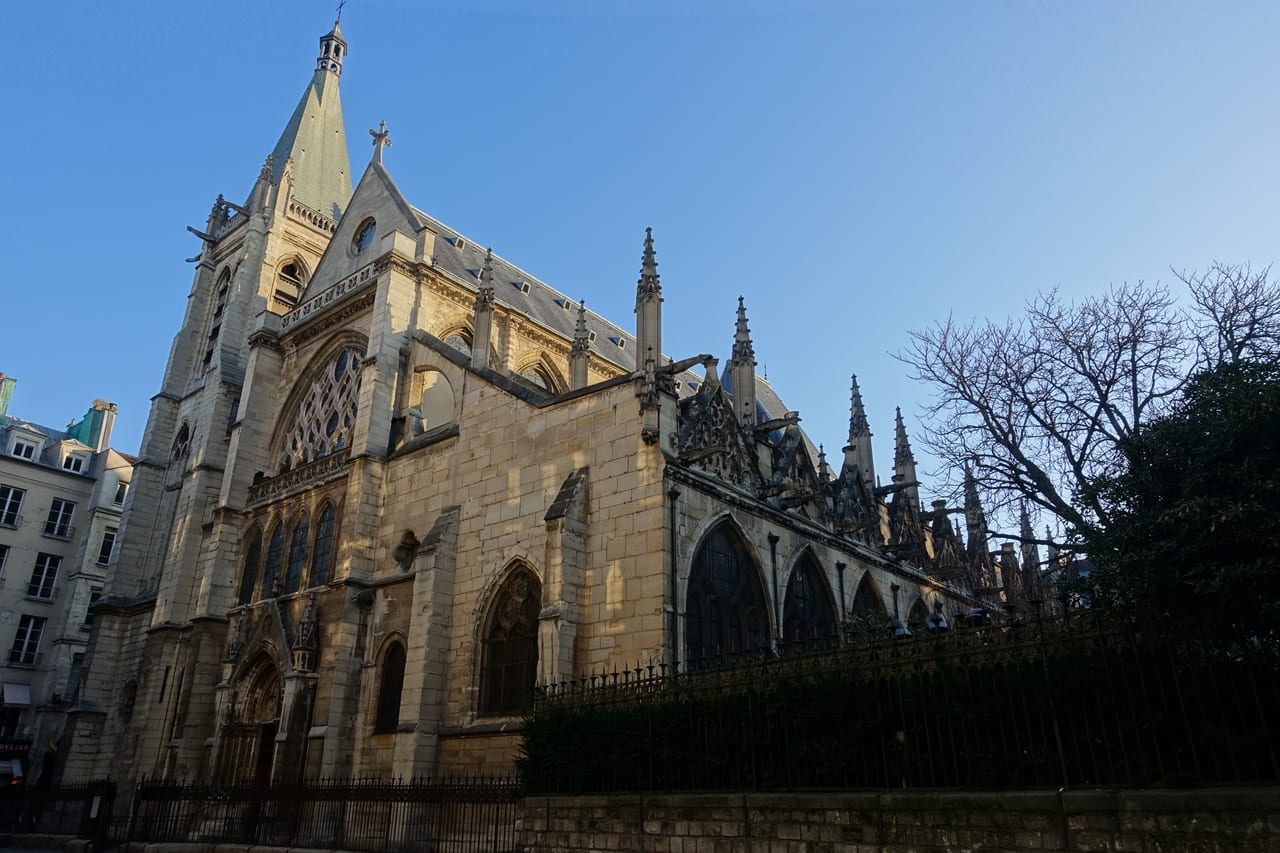
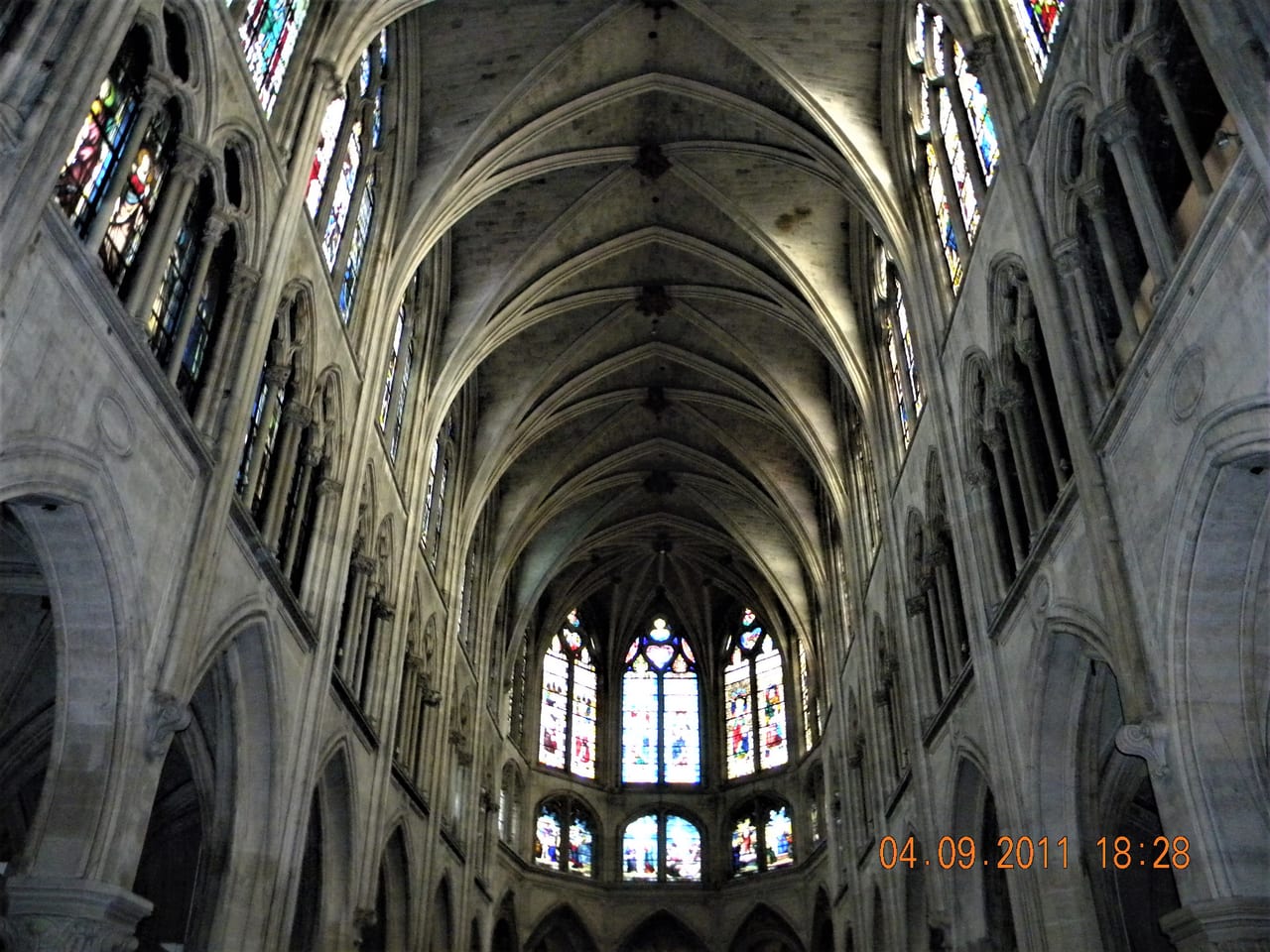
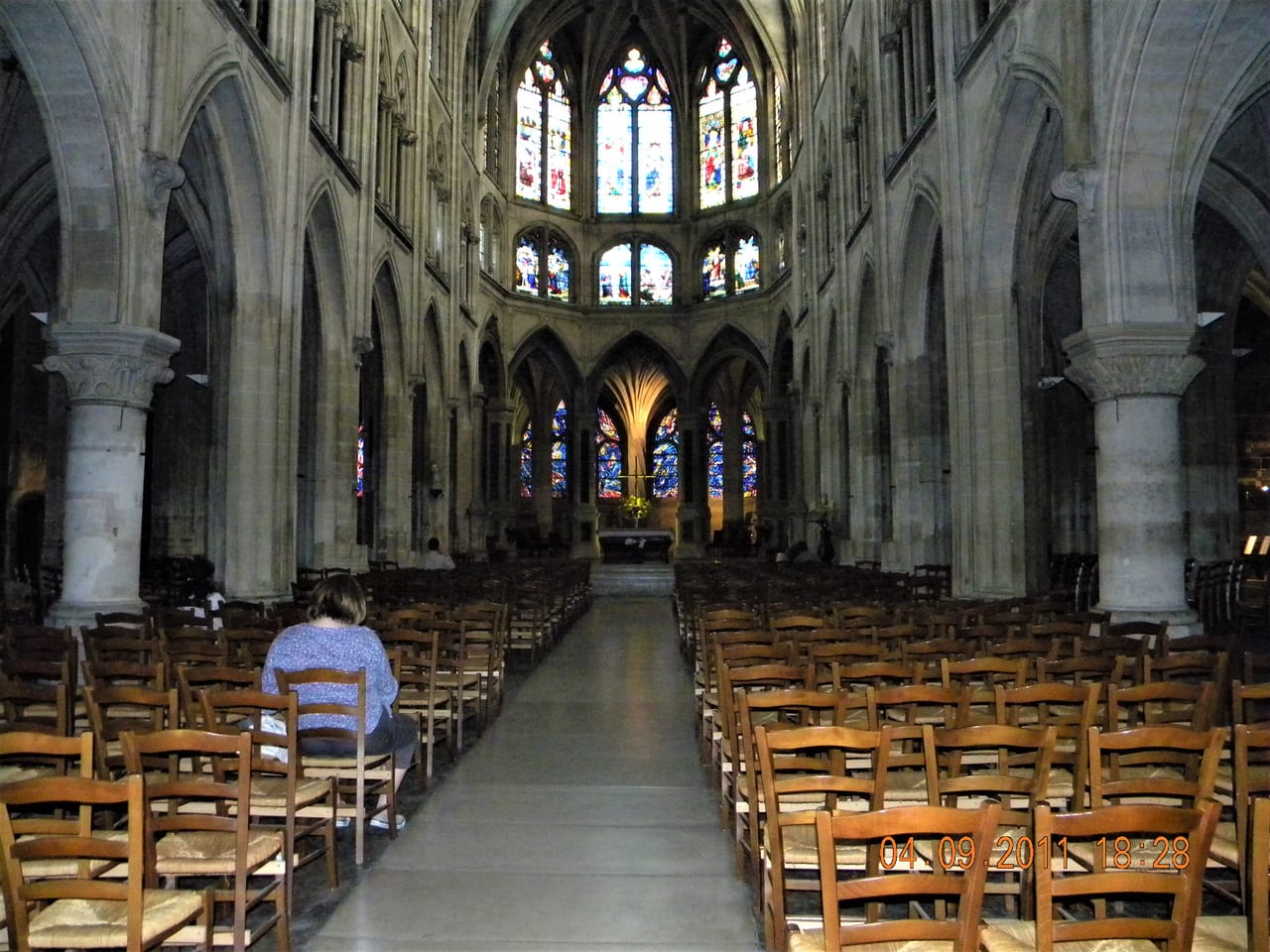
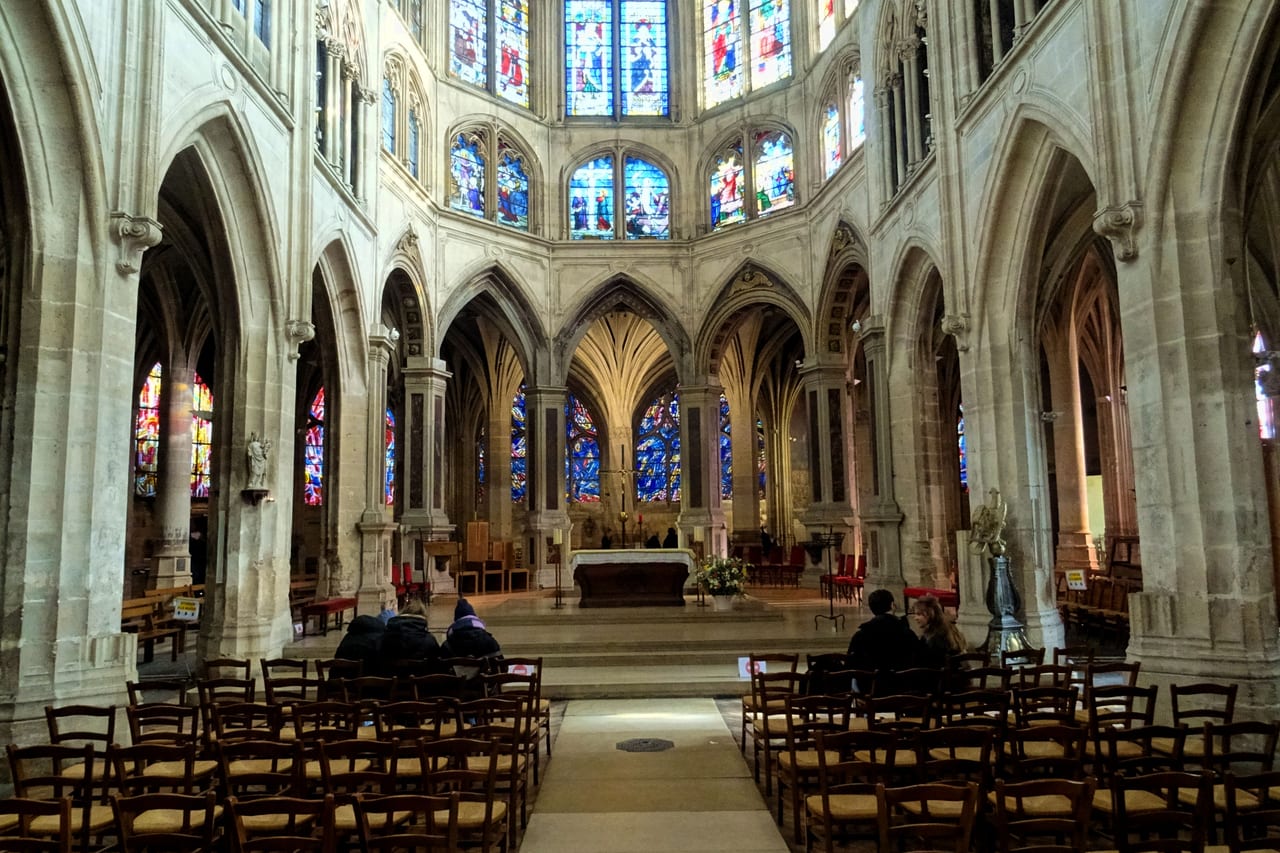
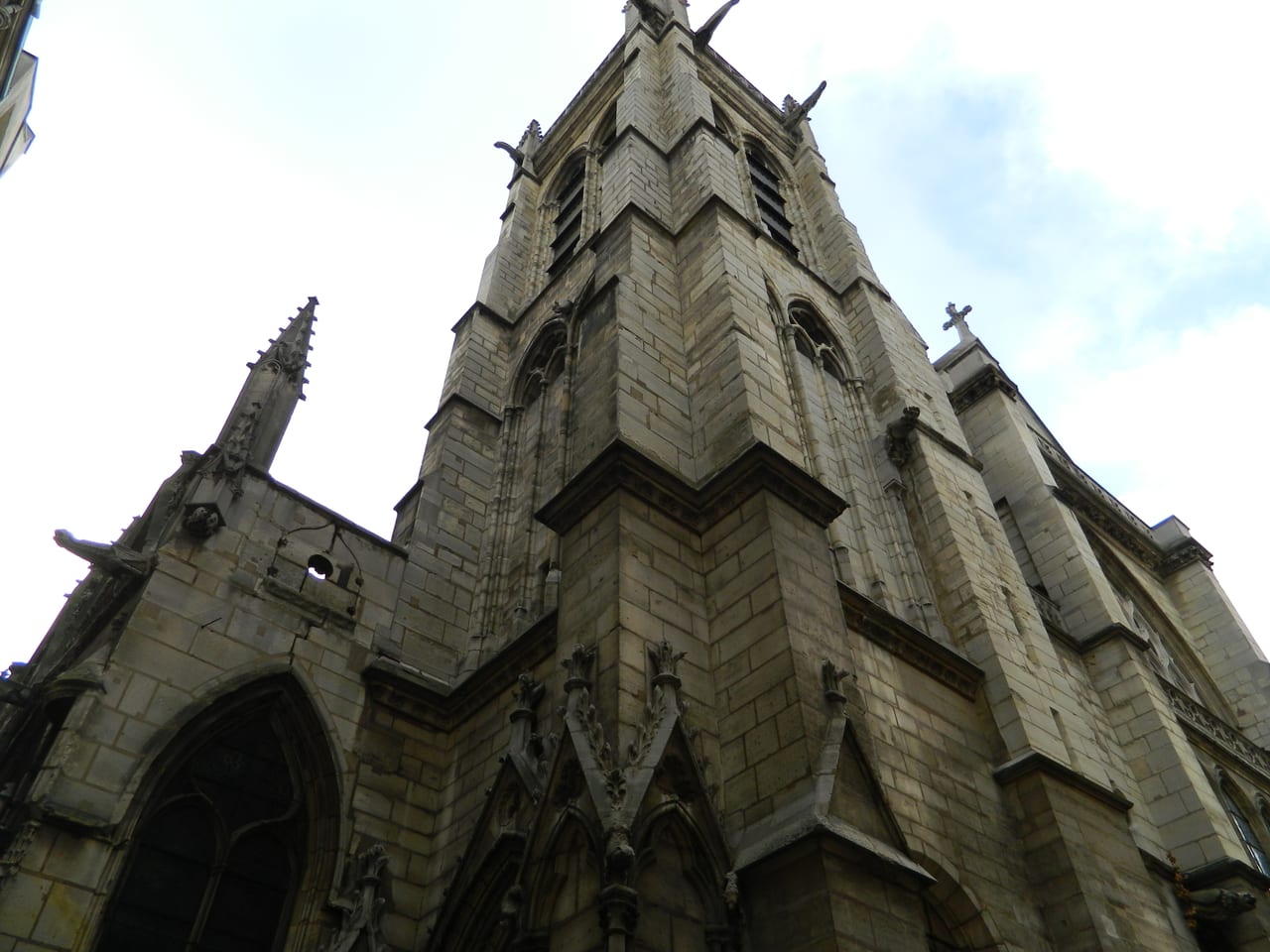
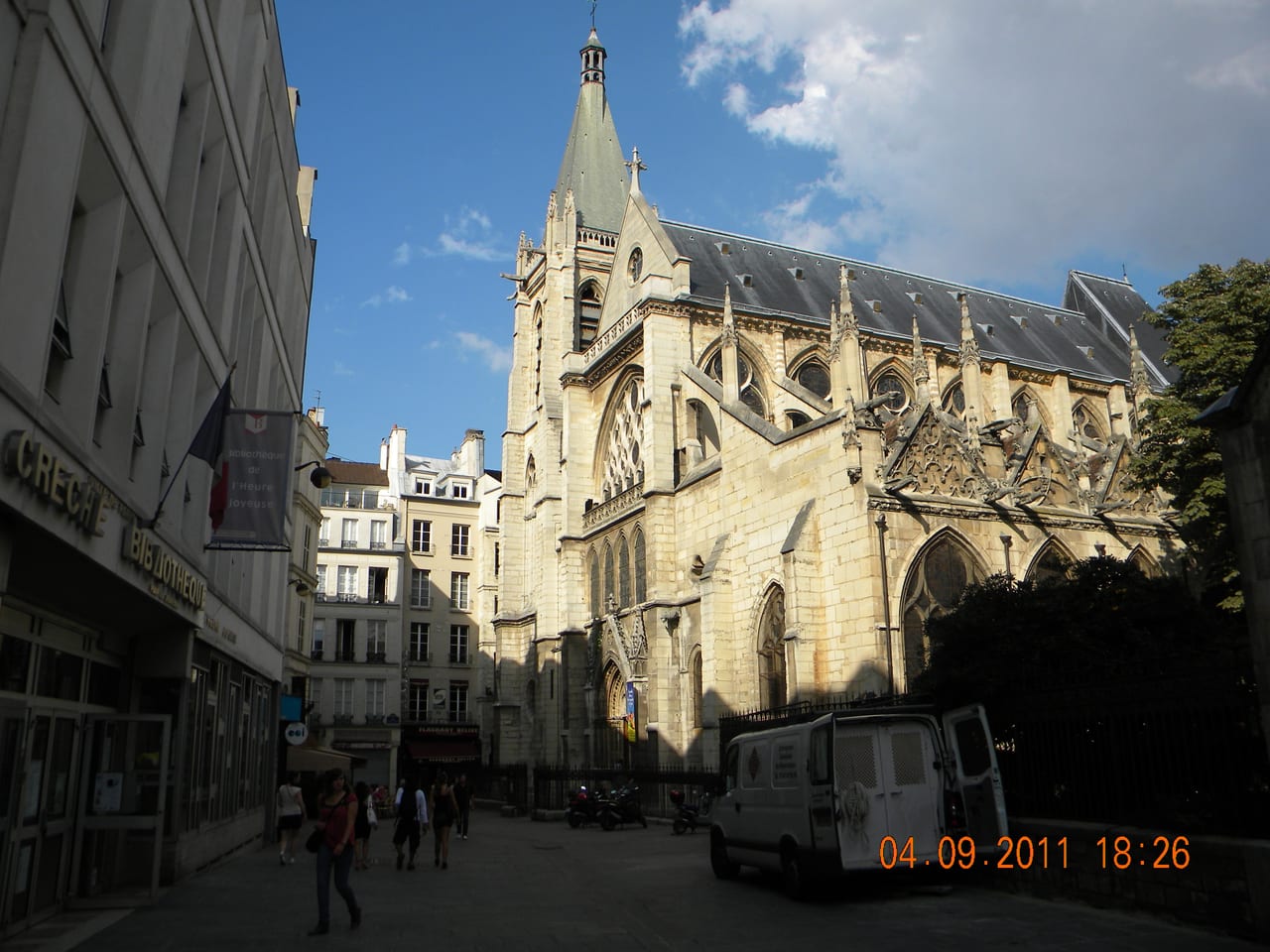
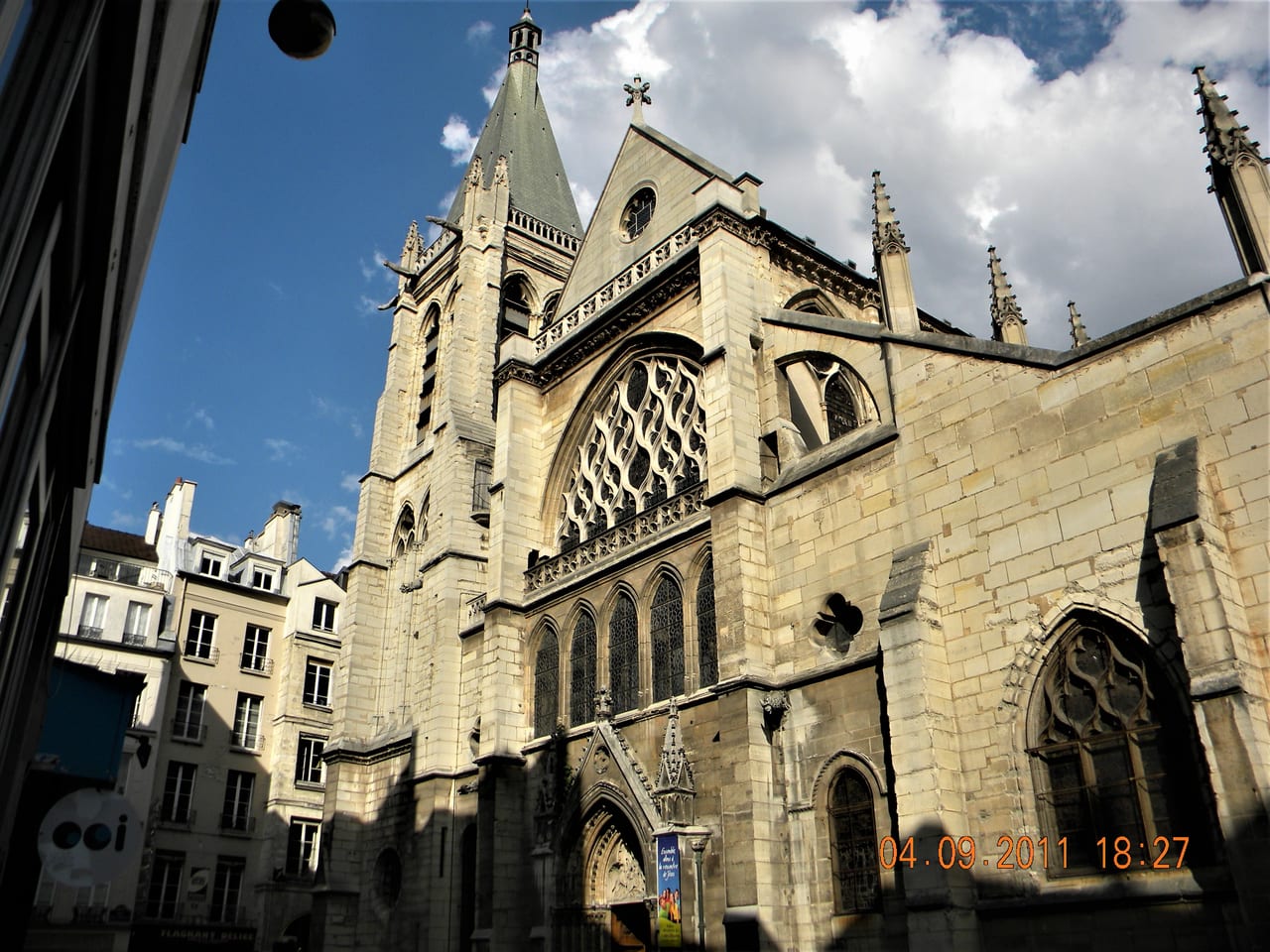
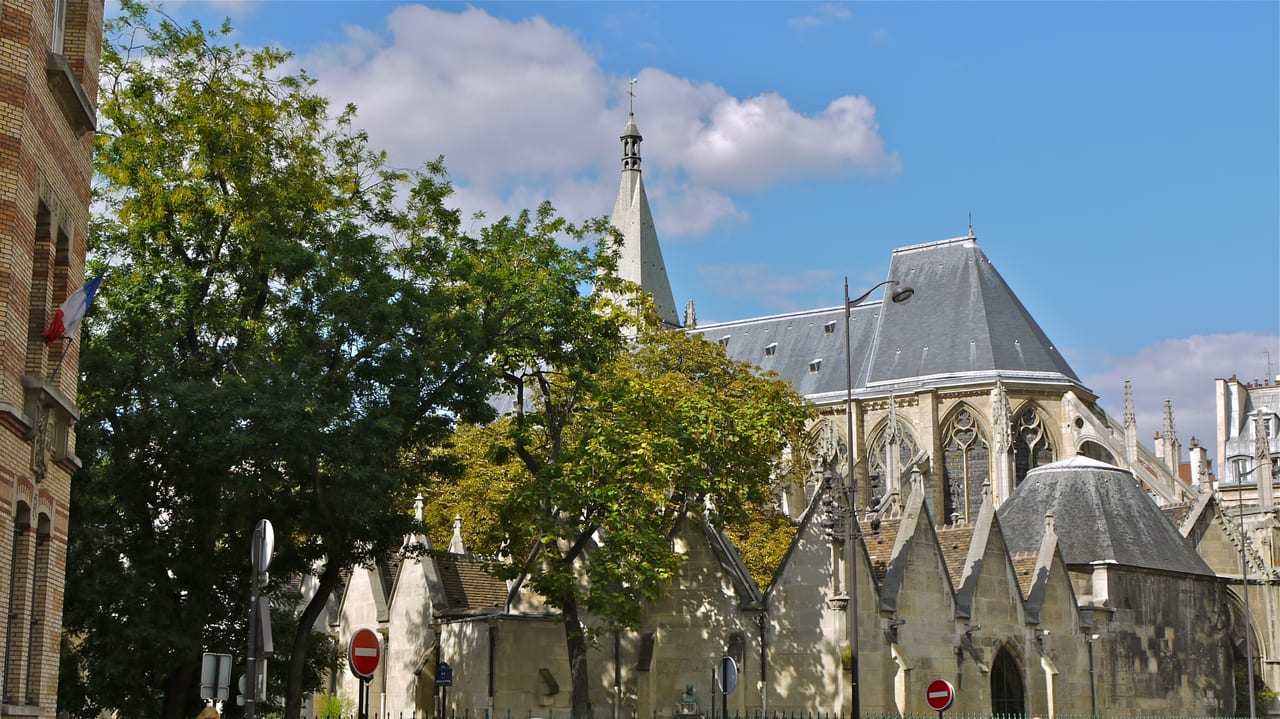
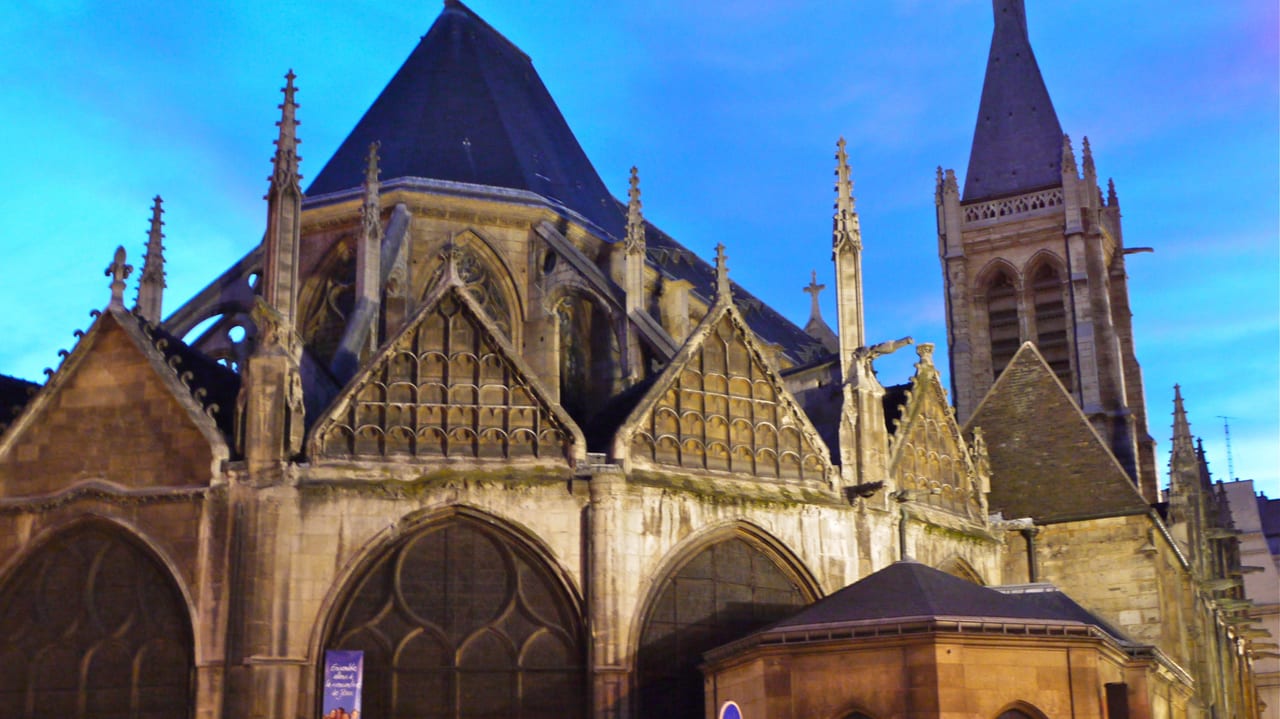
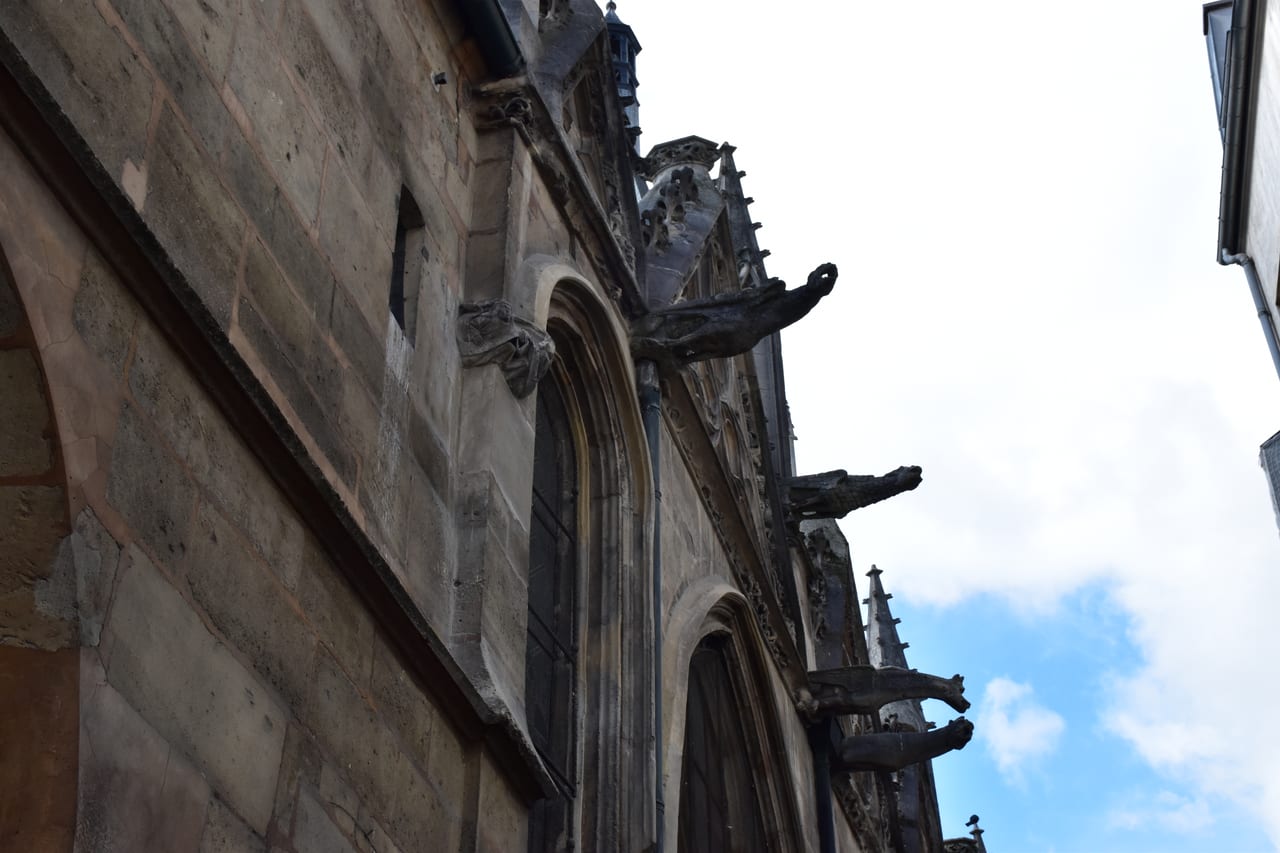
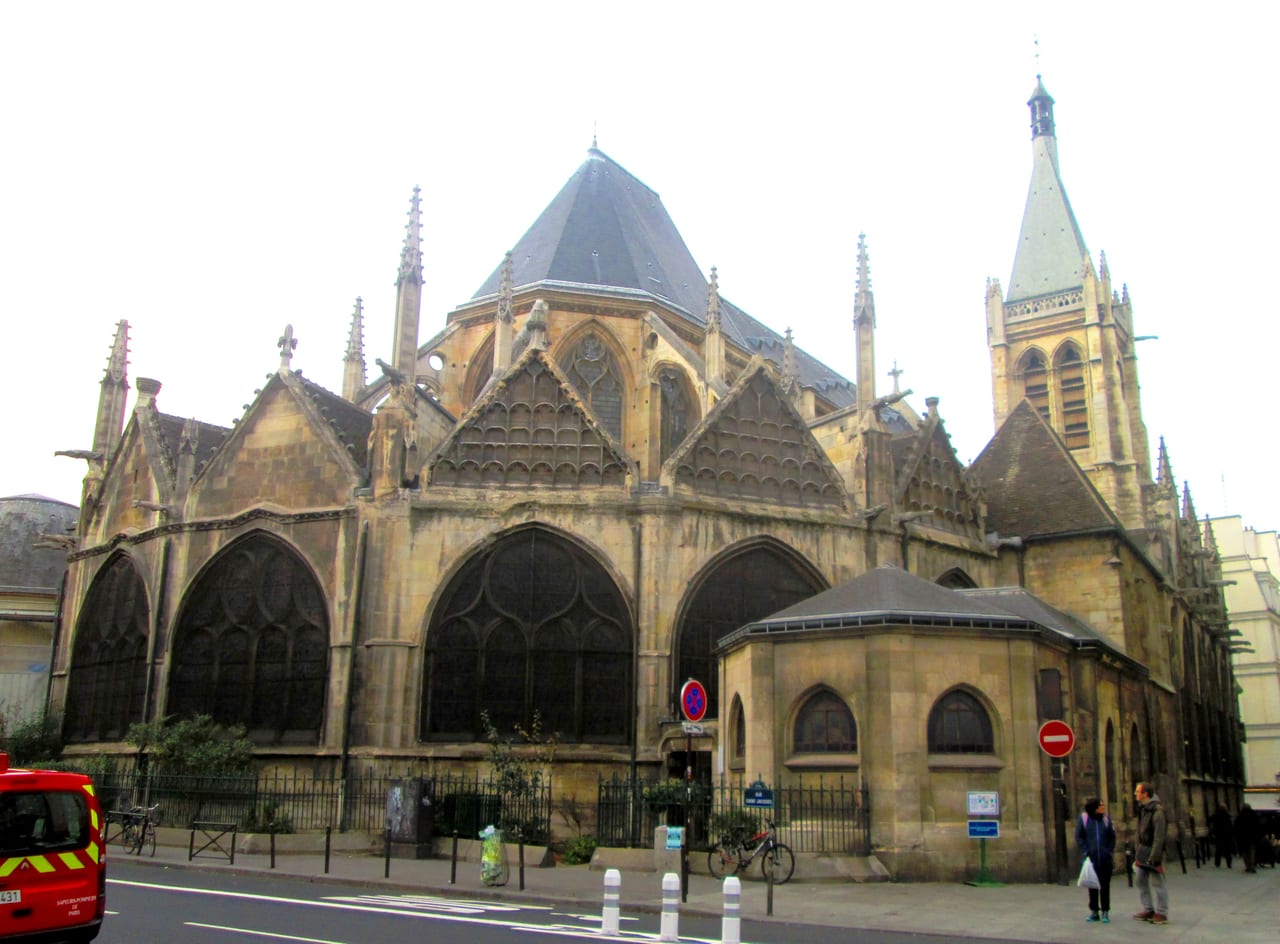
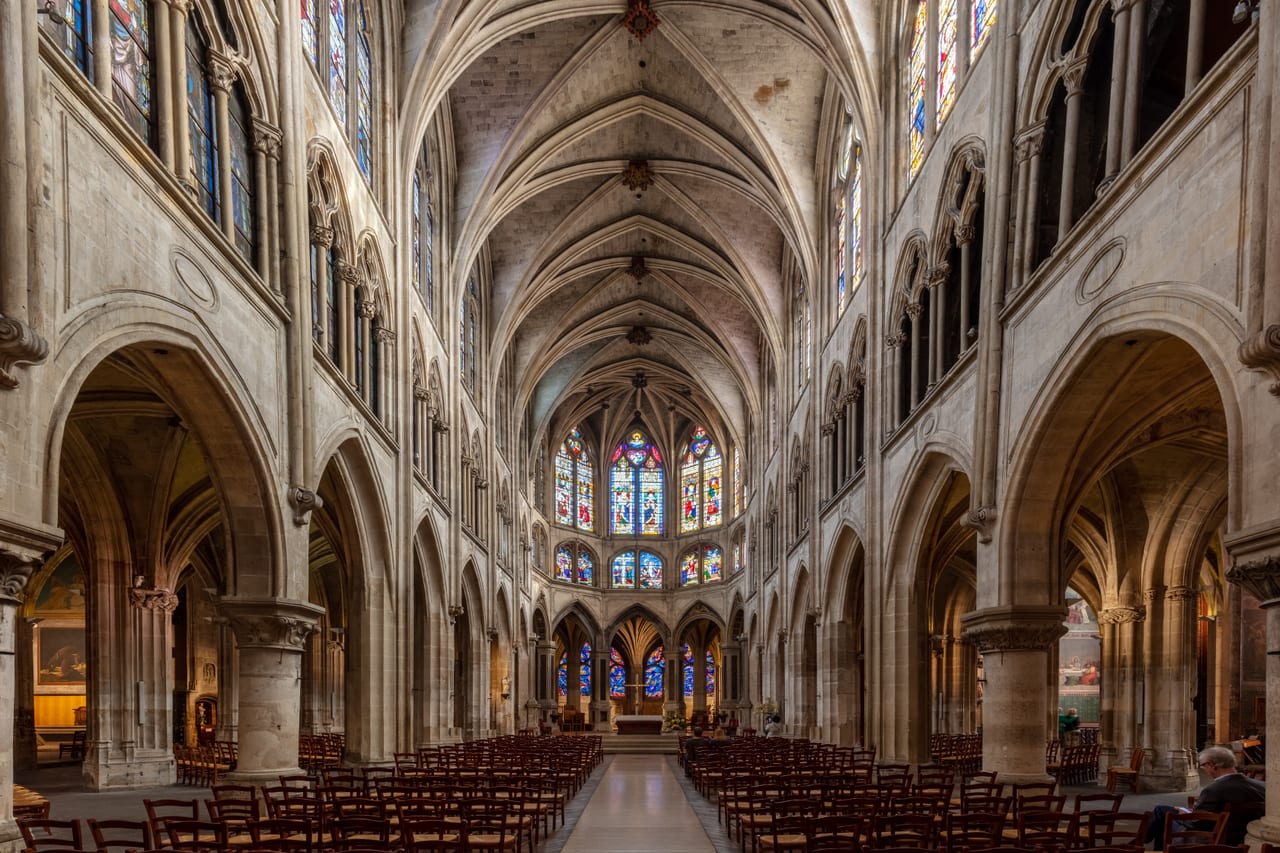
DirectionsSaint-Séverin’s late-fifteenth-century ambulatory turns its central pillar into a stone palm tree, whose twisting branches dissolve into an intricate Flamboyant vault.
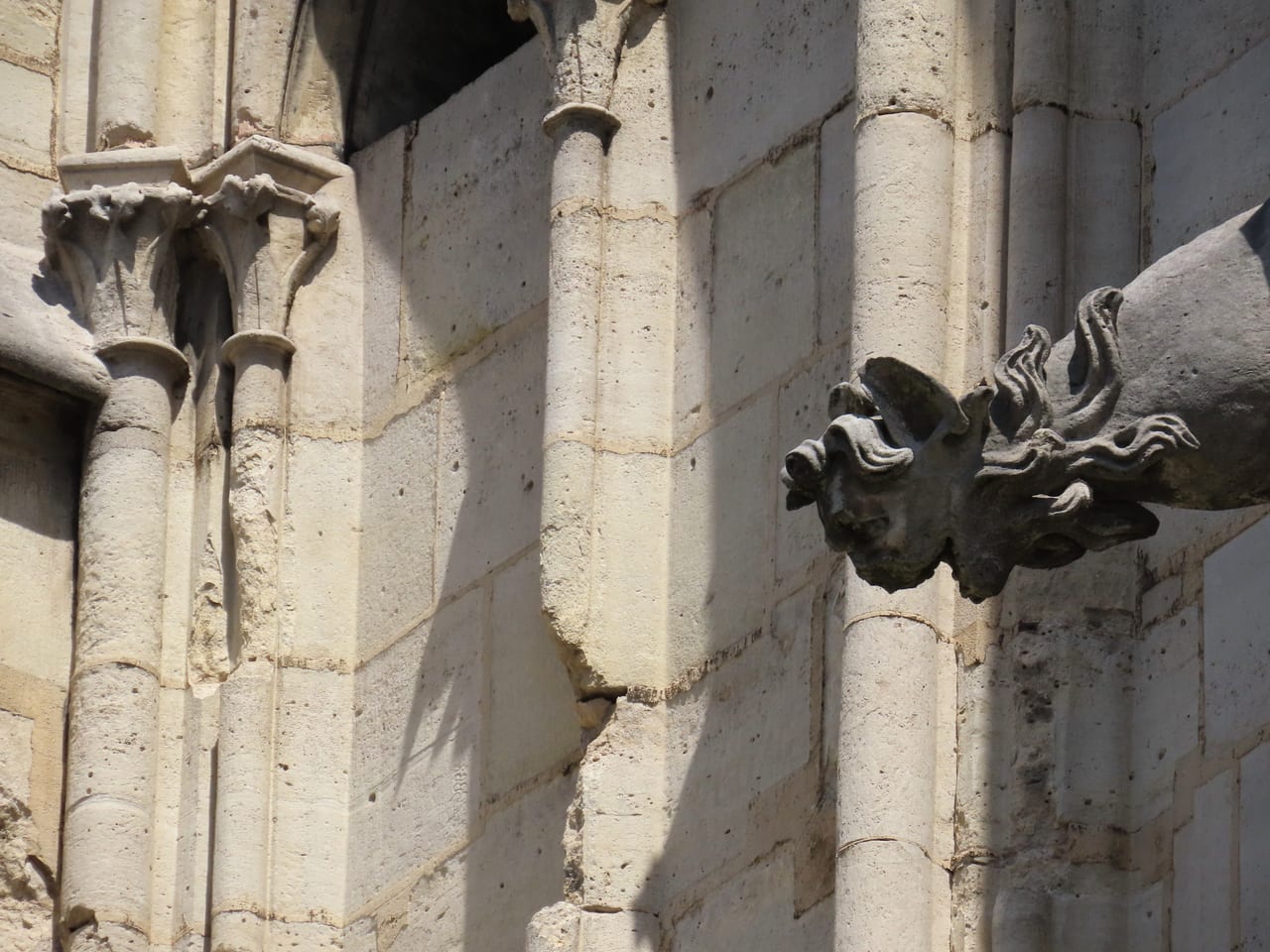
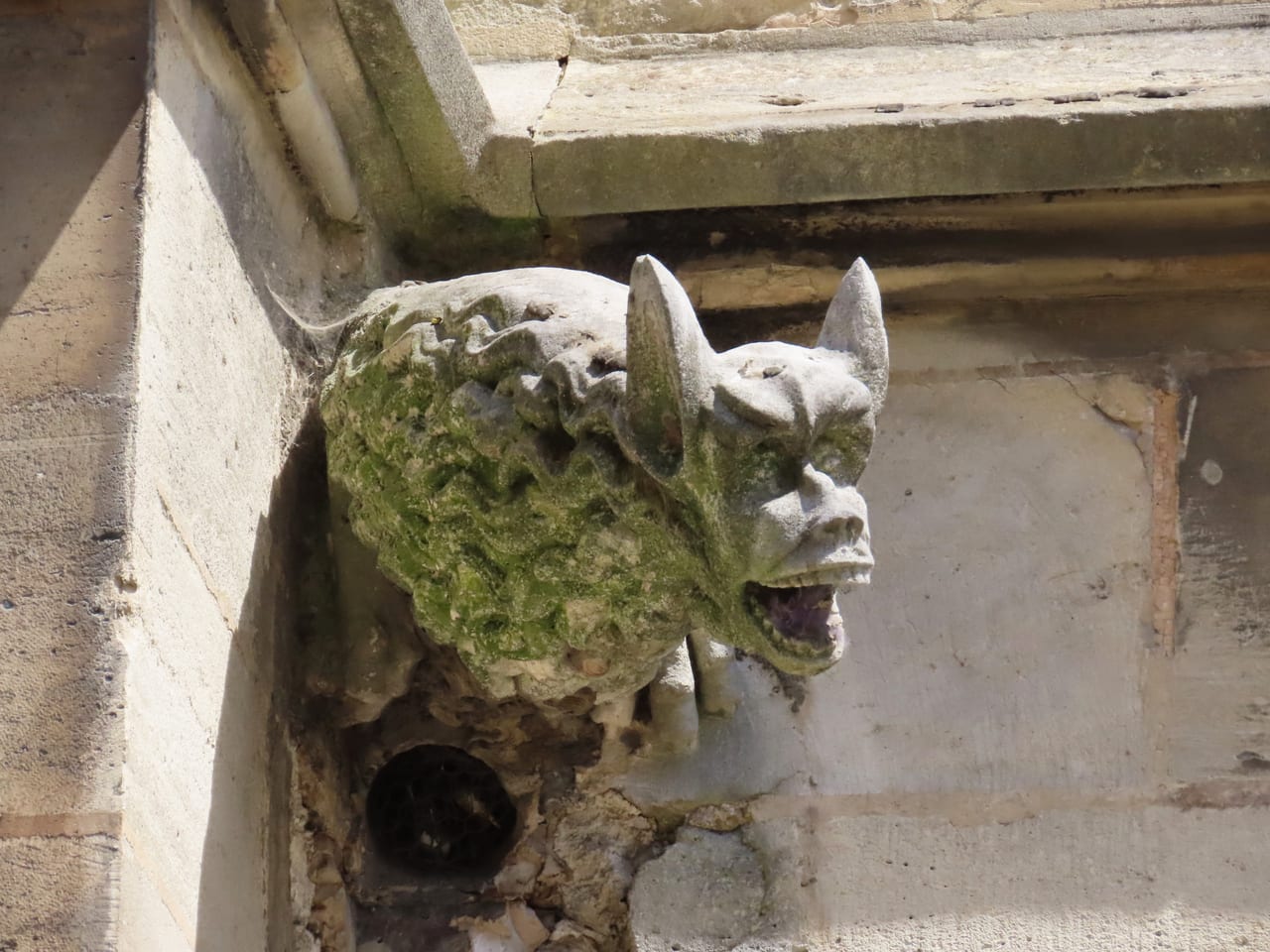
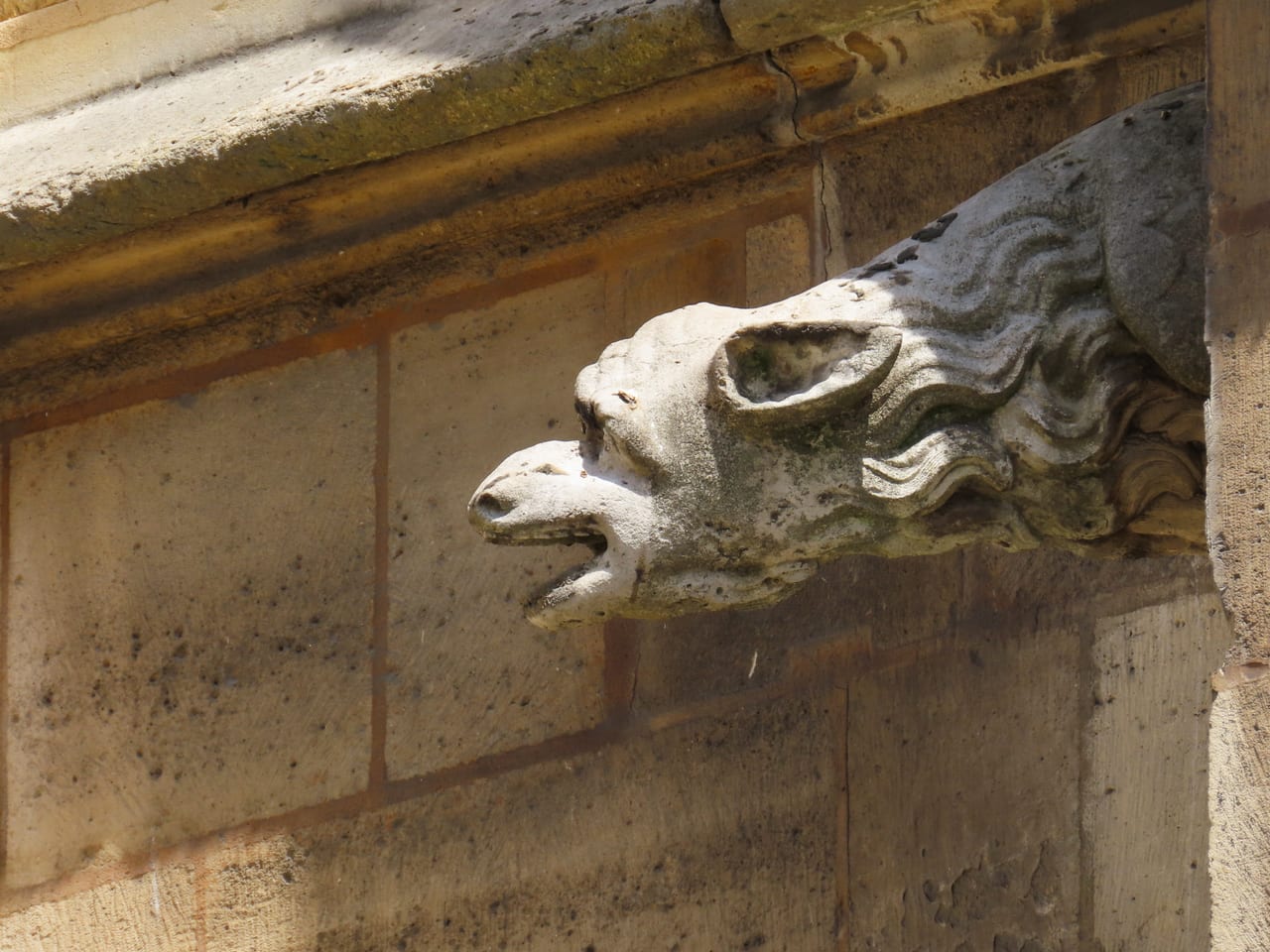
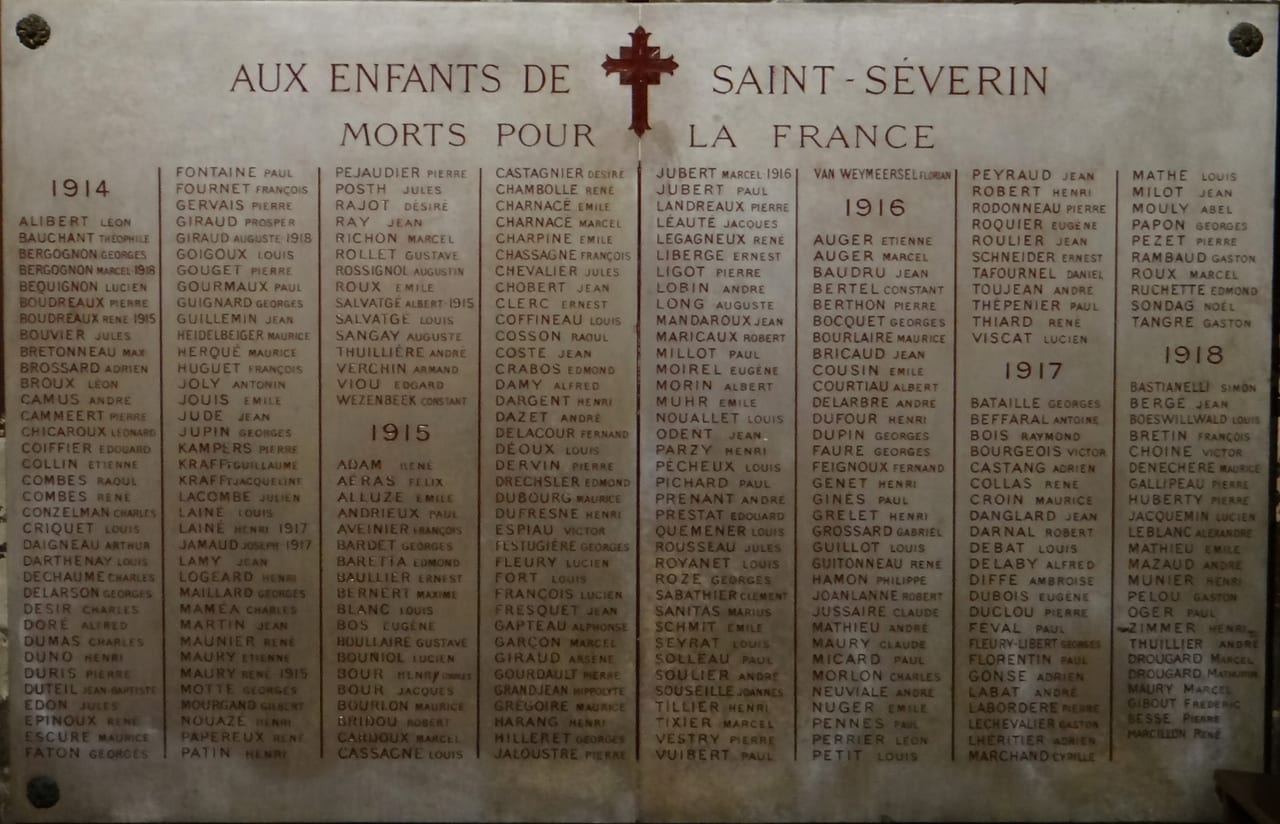
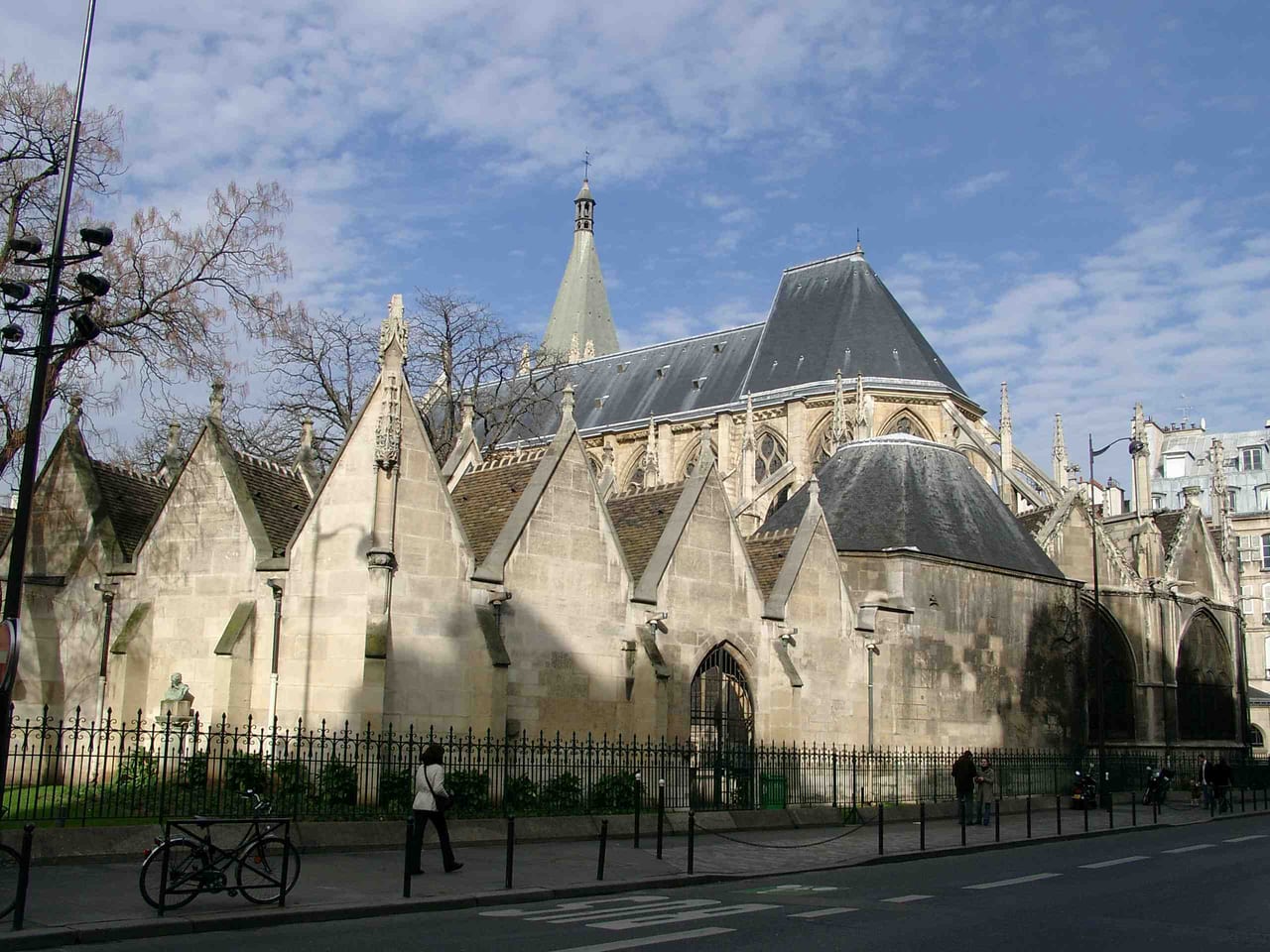
Photograph 1 of 41 of Saint-Séverin
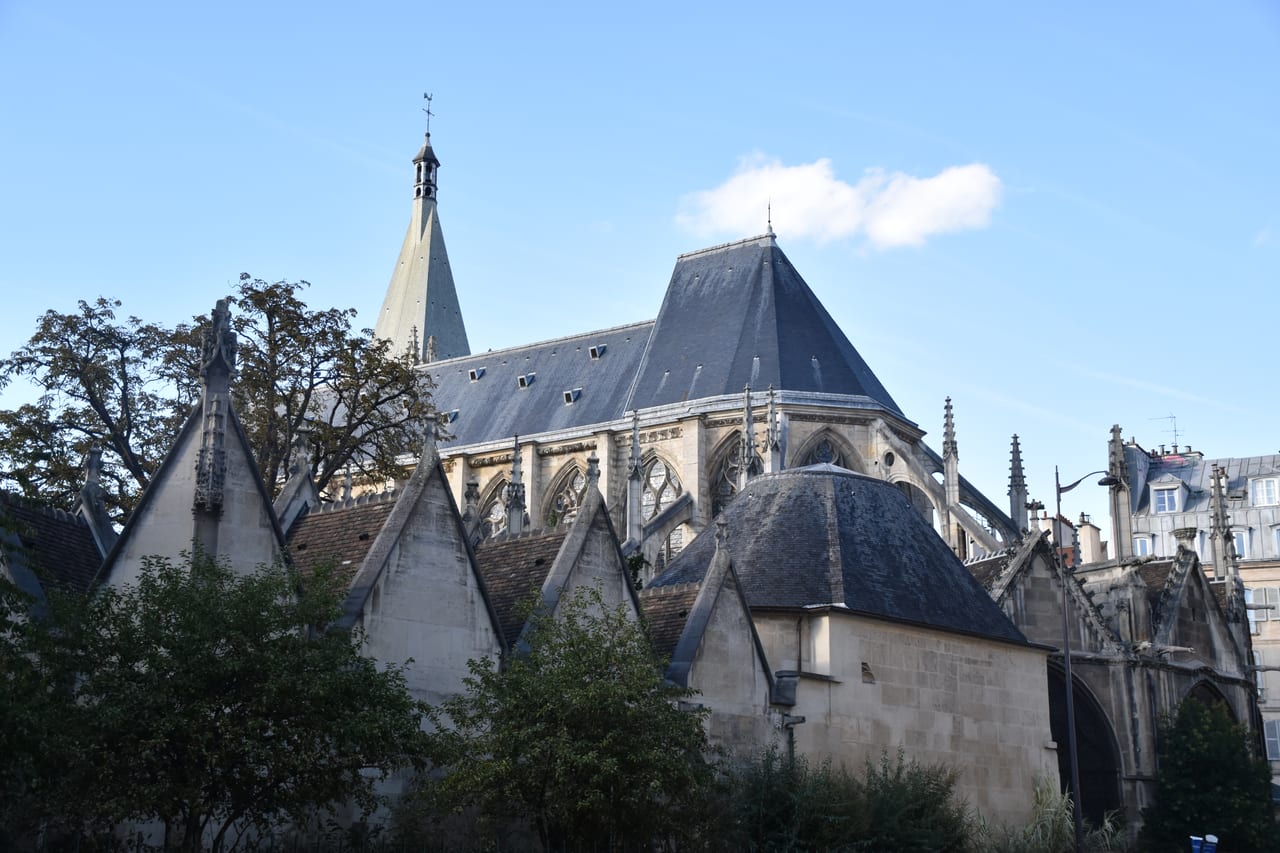
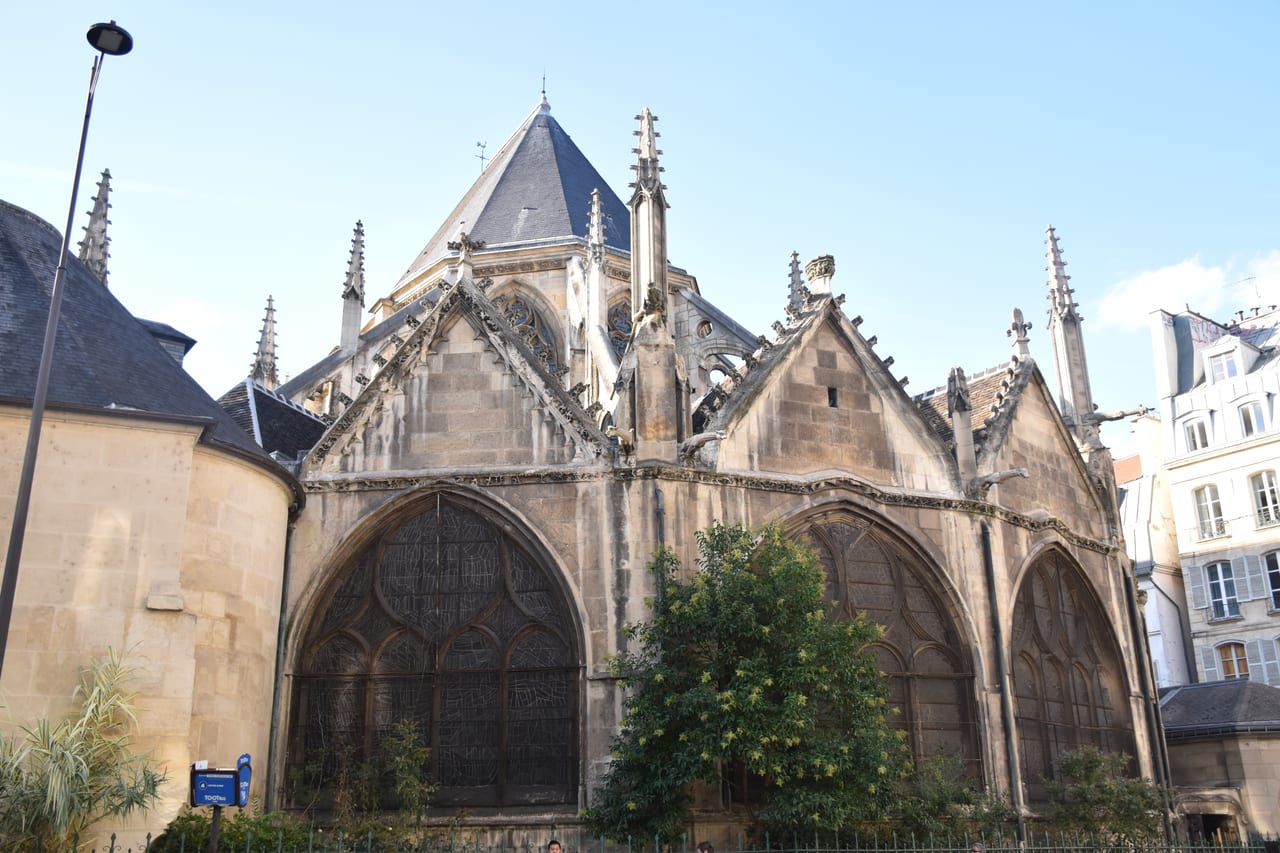
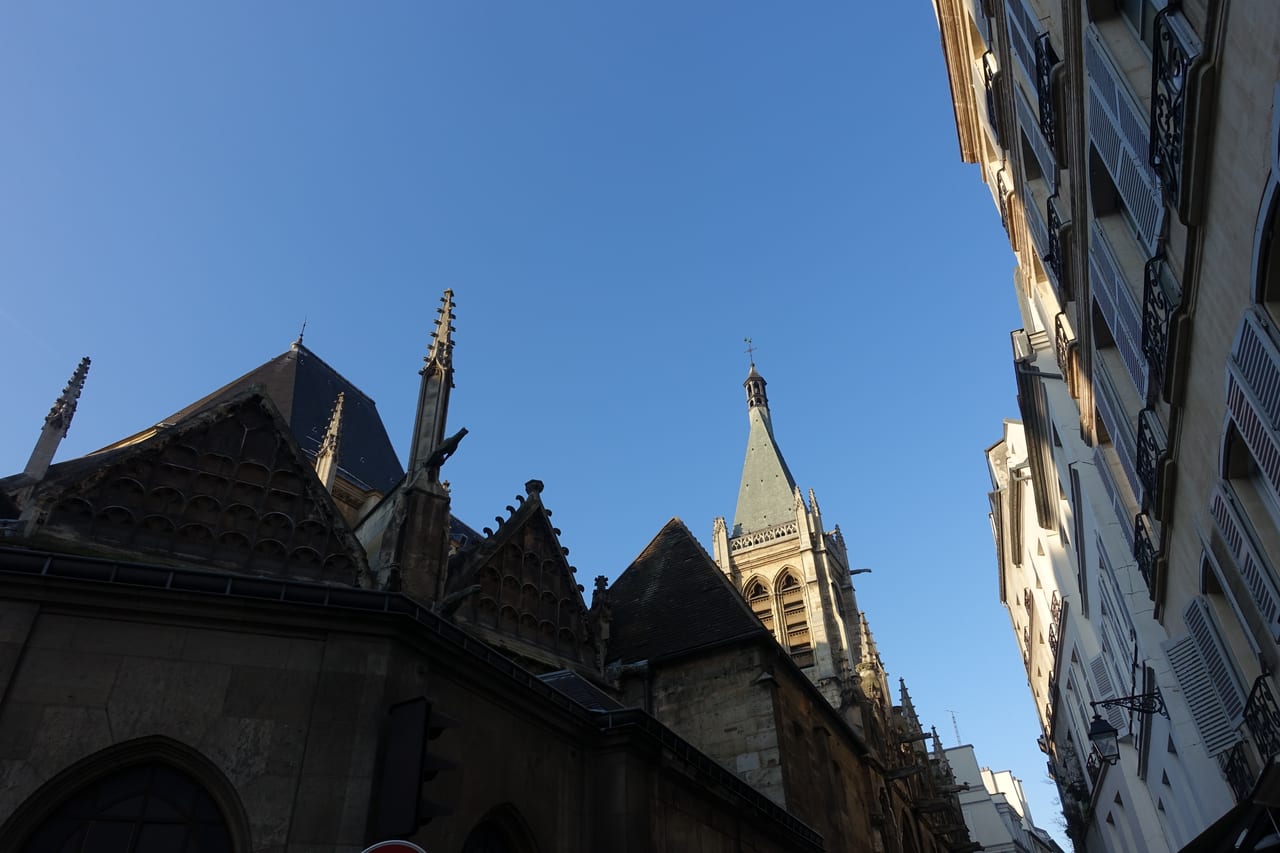
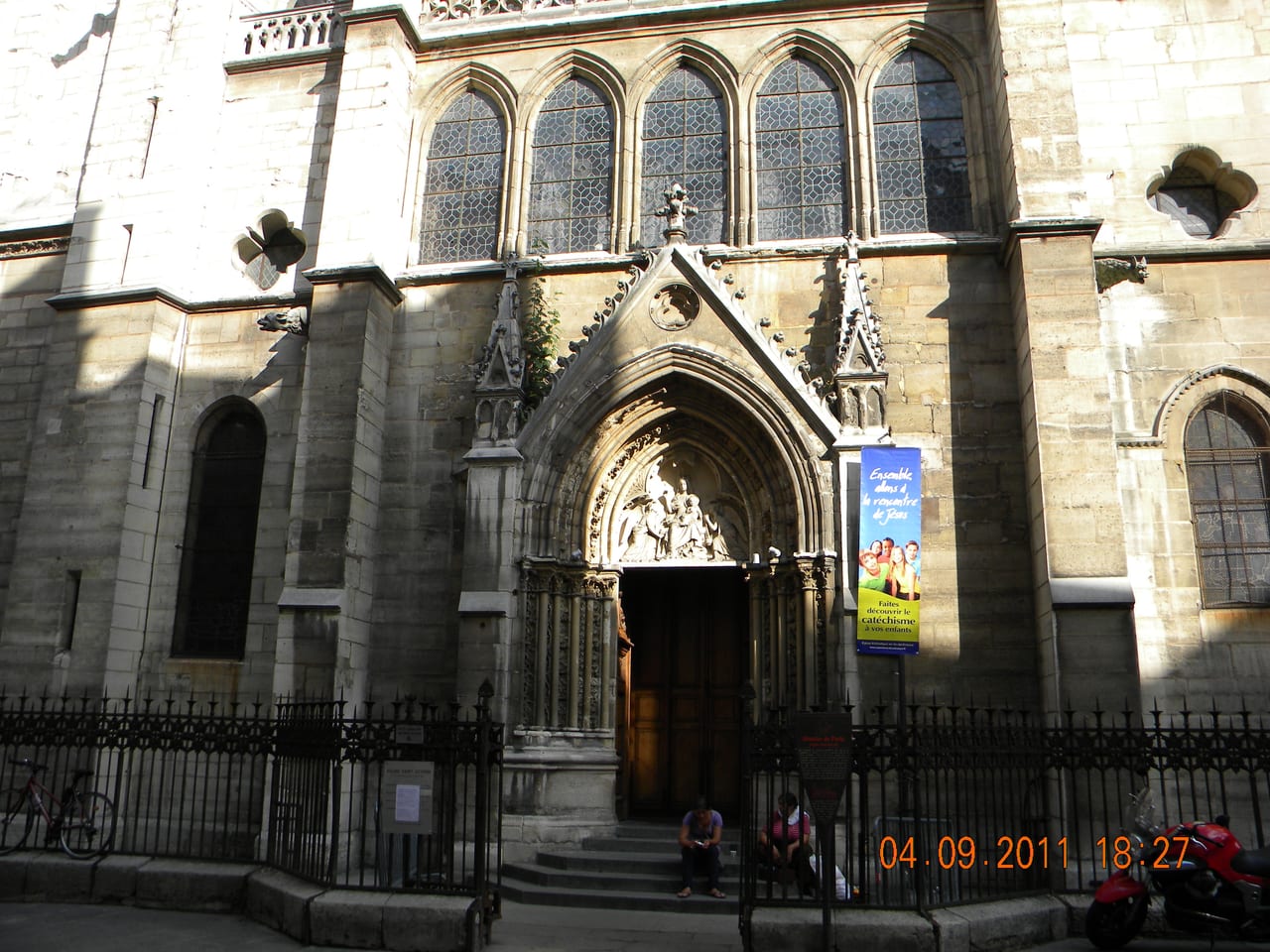
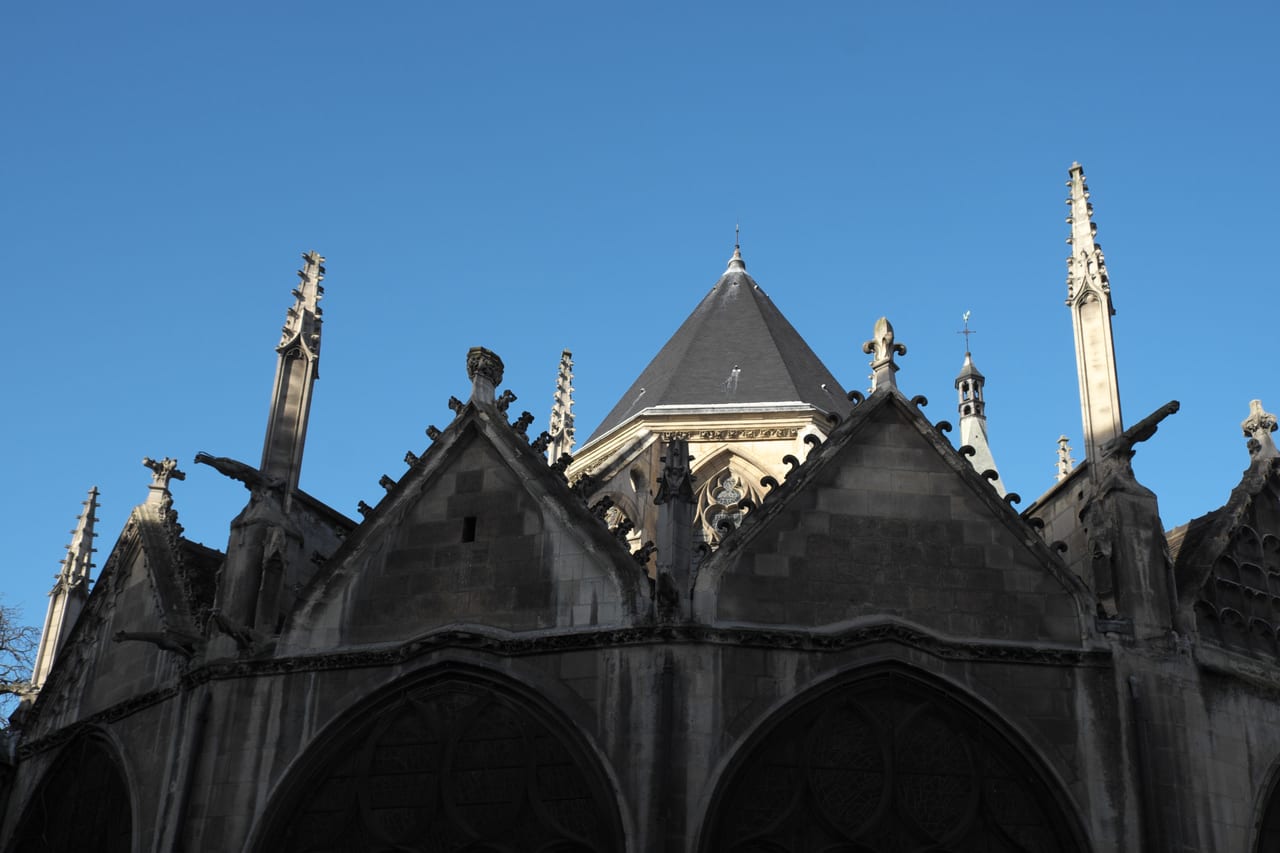
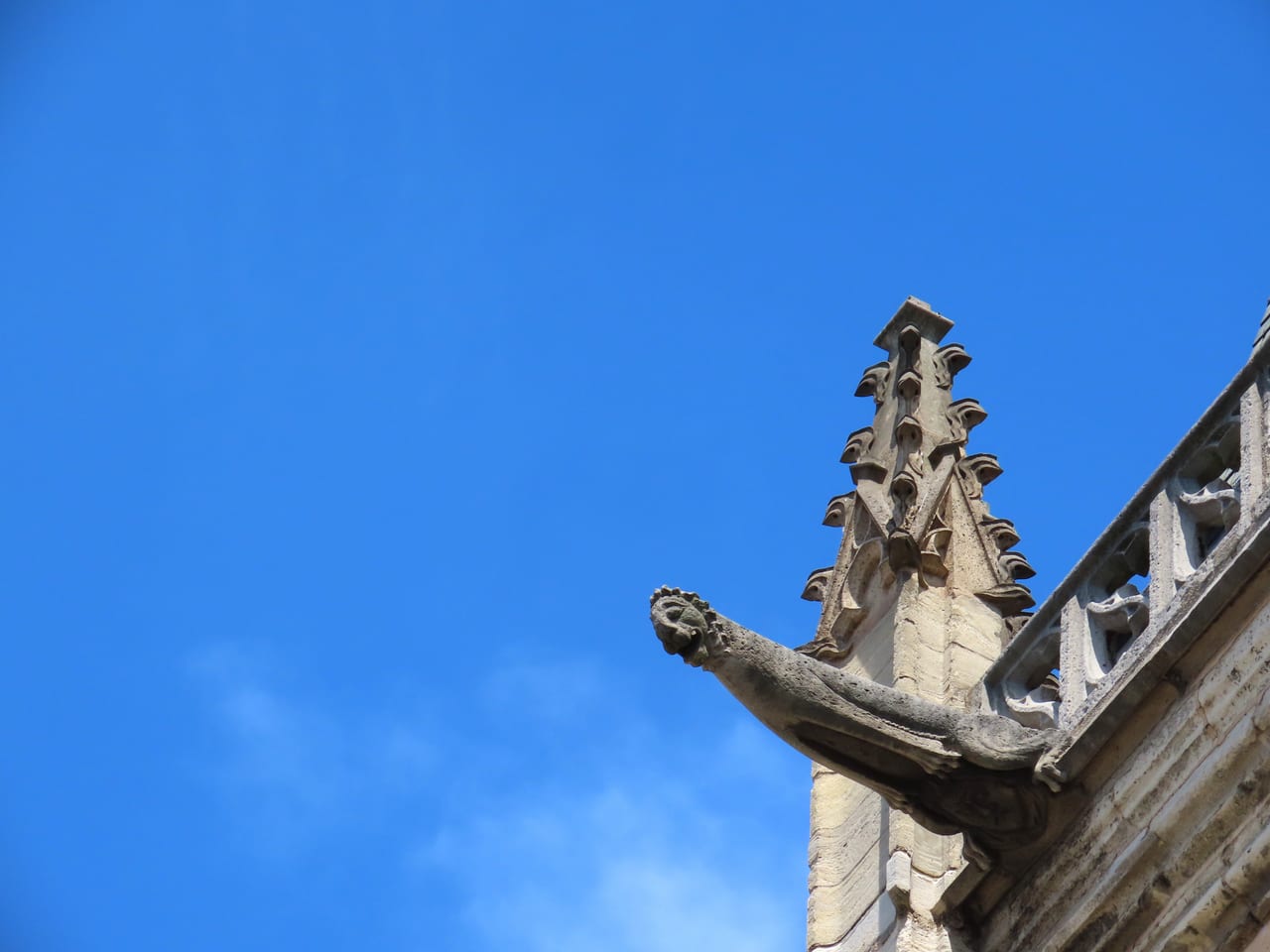
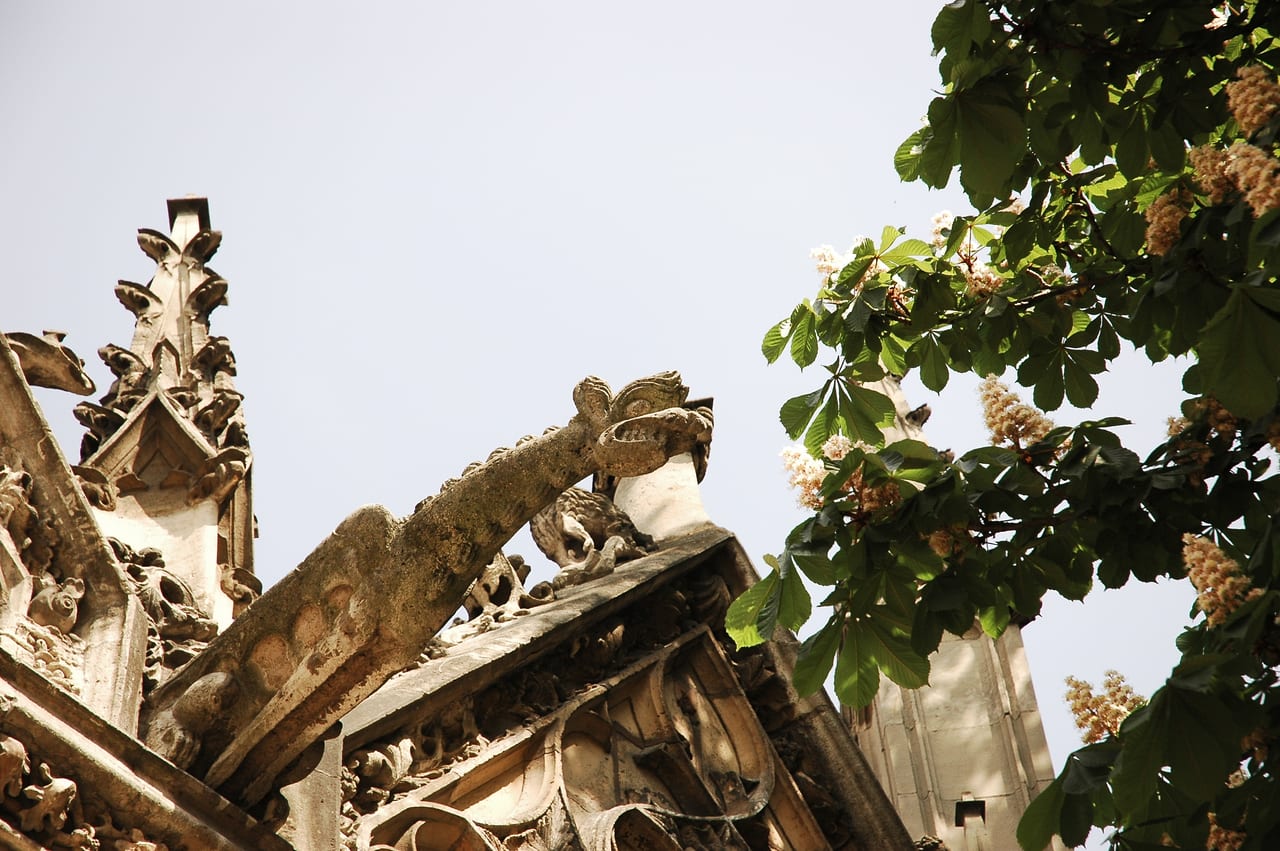
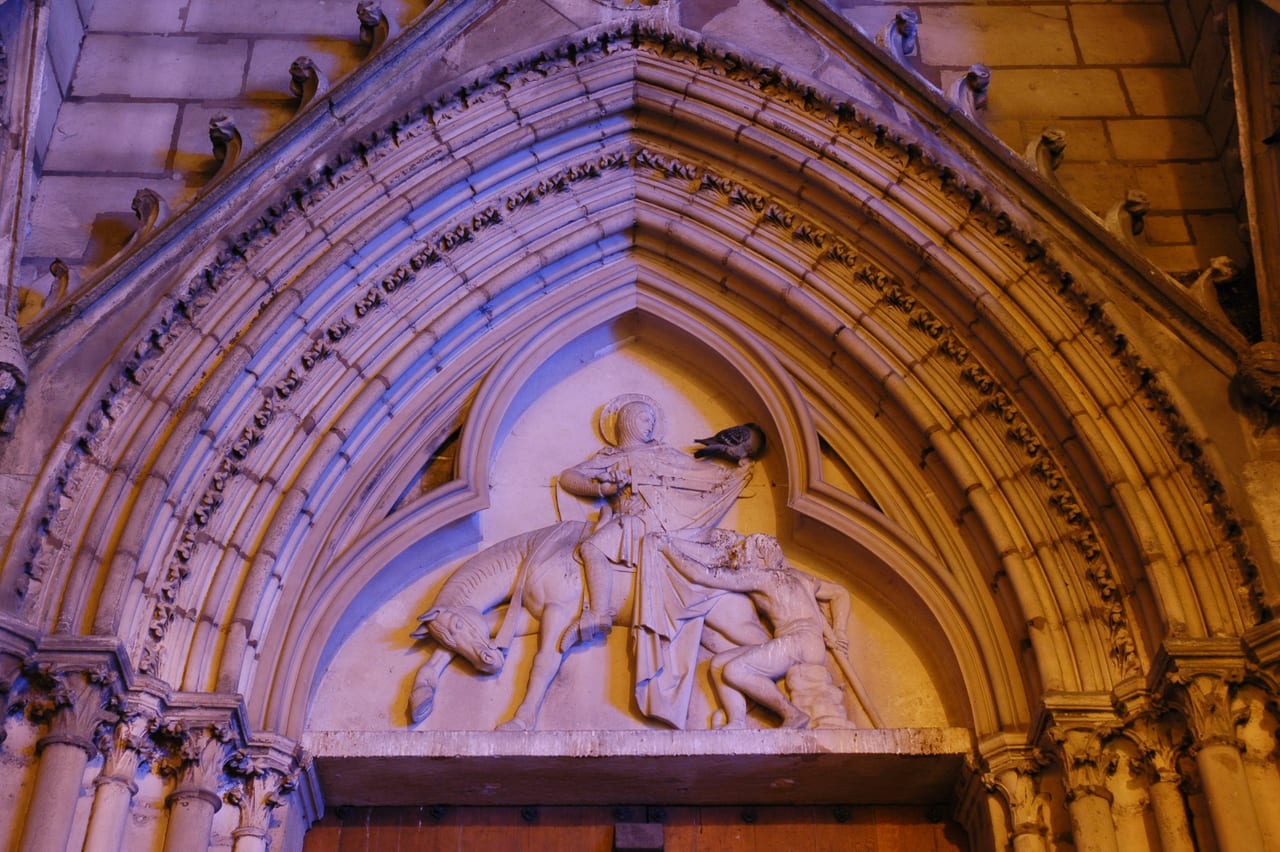
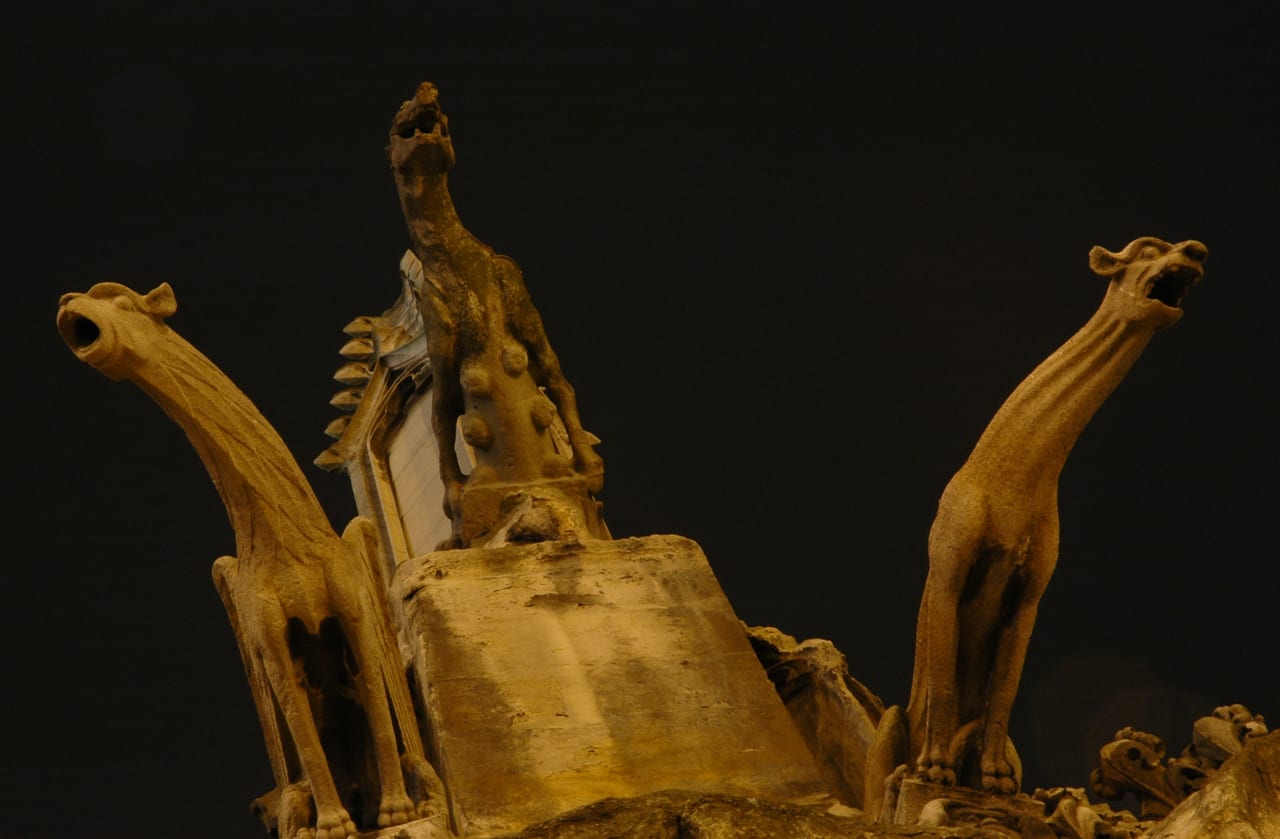
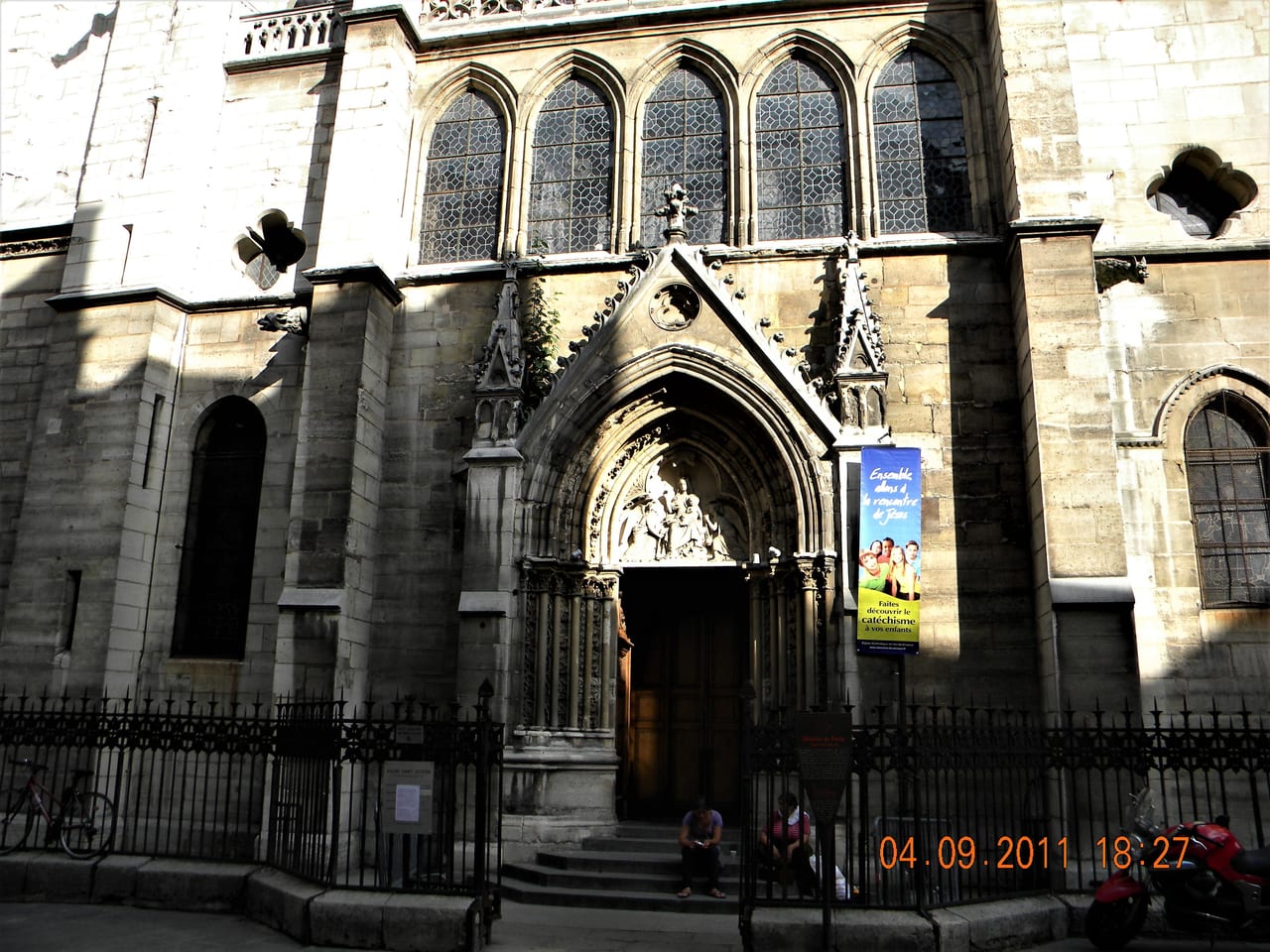
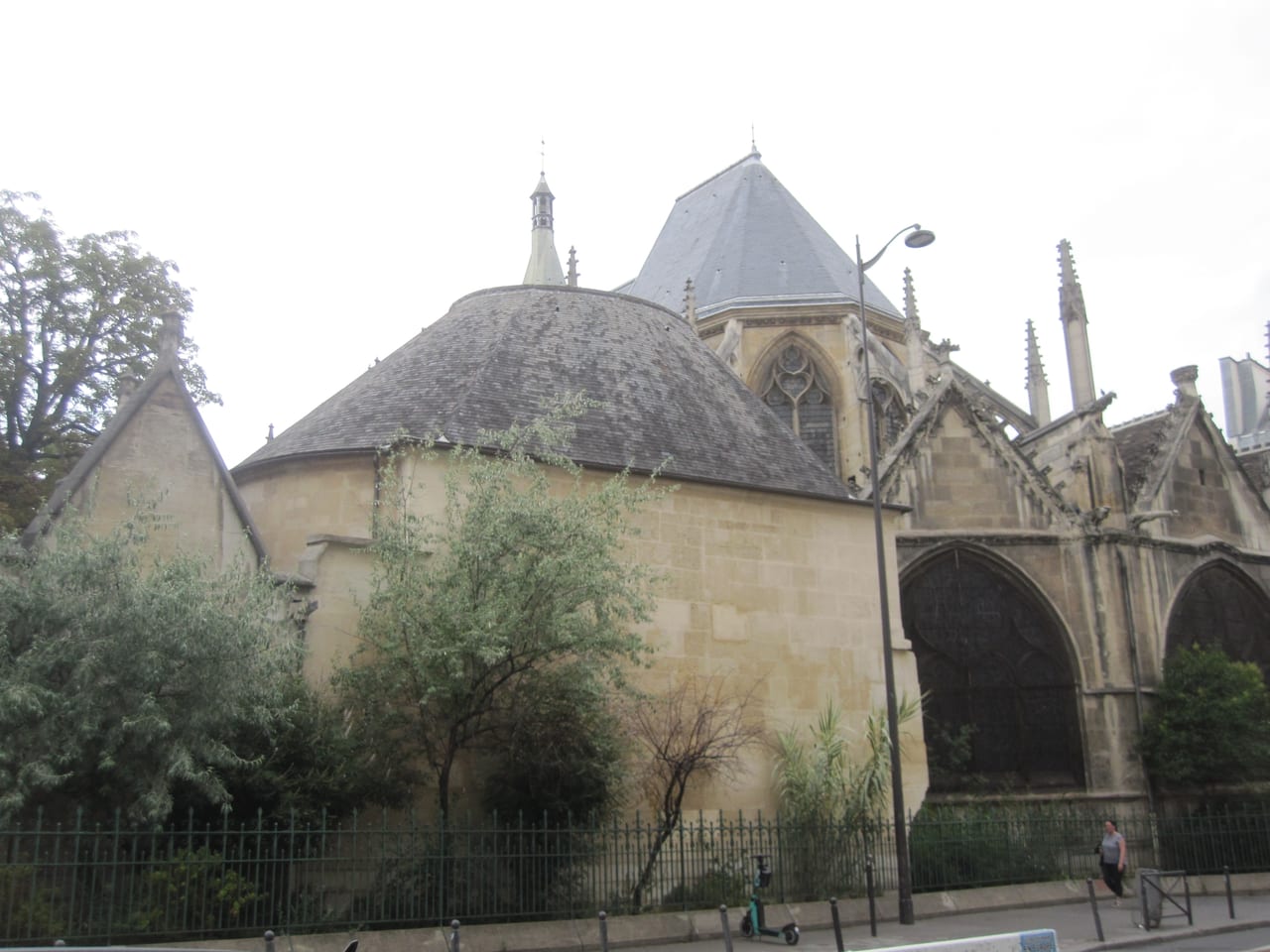
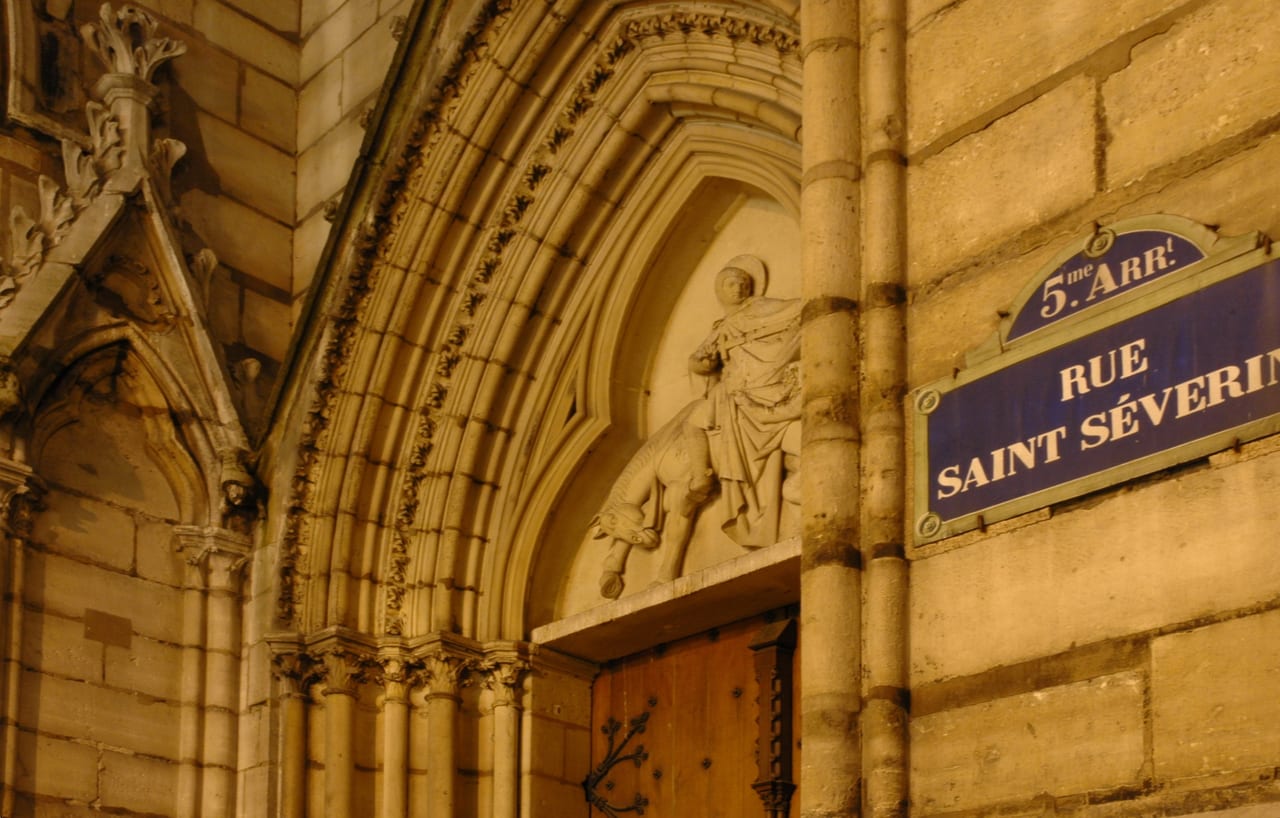
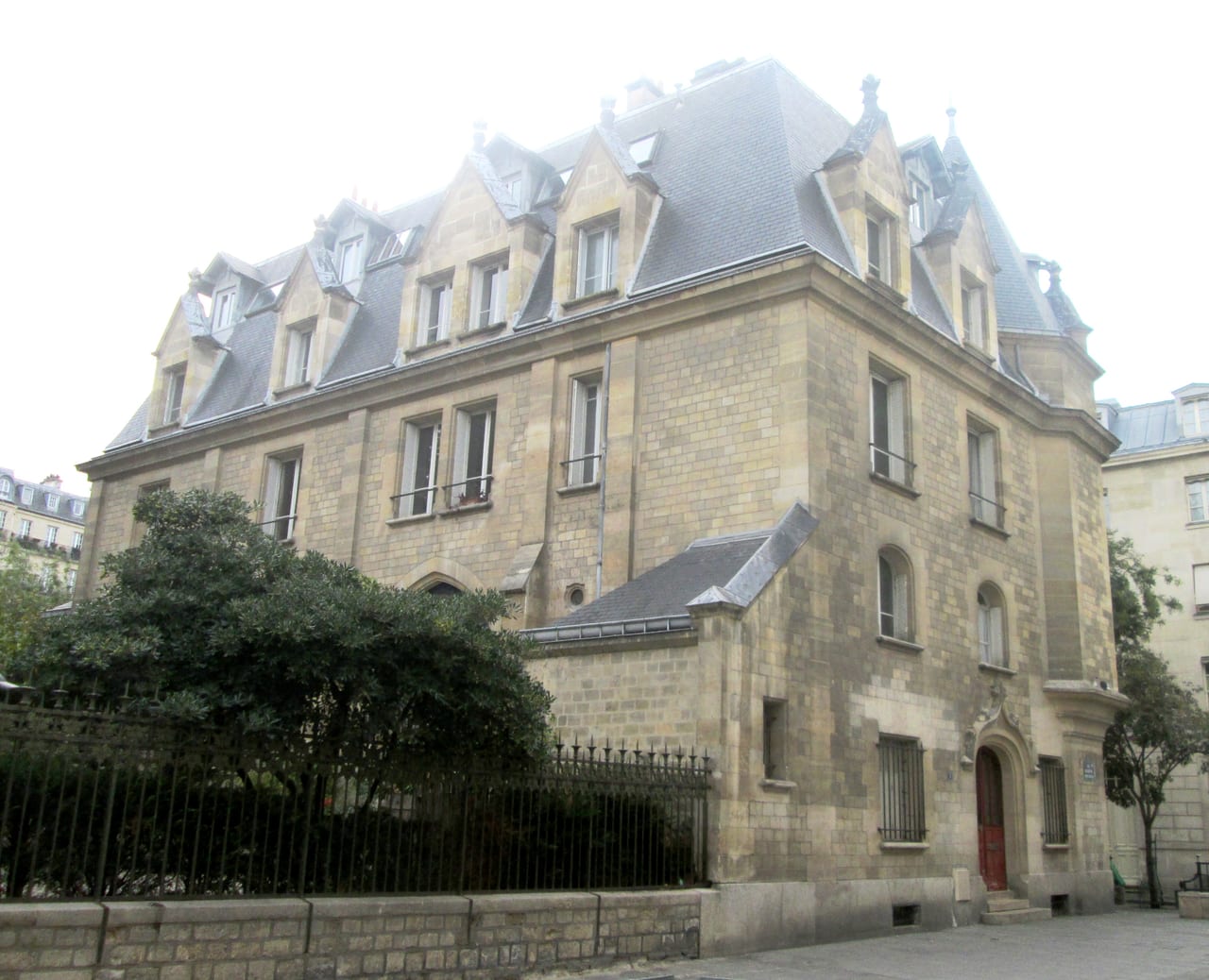
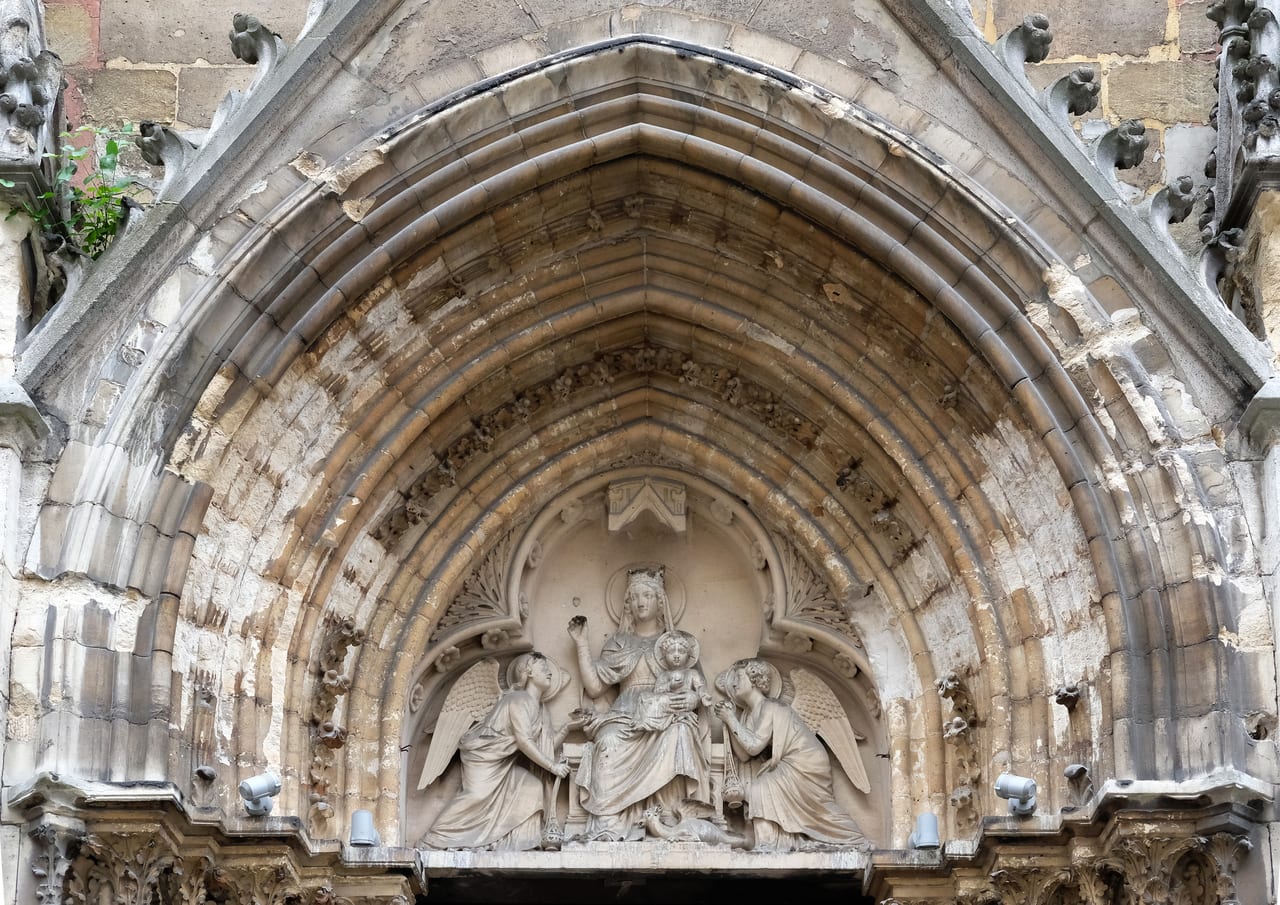
Saint-Séverin takes its name from a sixth-century hermit who died around 540; a chapel reportedly stood beside his cell until Norman invasions destroyed it in the ninth century. Rebuilt in the eleventh century, the site later yielded Merovingian sarcophagi. A larger building began around 1230 in the High Gothic style, with a south aisle added in the early fourteenth century. Fire during the Hundred Years’ War in 1448 prompted Guillaume d’Estouteville to rebuild and enlarge it in the more ornamental Flamboyant manner; the church reached its present general appearance by 1520. Later additions include a sacristy in 1643, Jules Hardouin-Mansart’s communion chapel in 1673, and choir alterations by Charles Le Brun in 1684. During the Revolution, the church became storage space for gunpowder, grain and bells, returning to Catholic use in 1803. François Mitterrand and Danielle Gouze married here on October 28, 1944.
At a glance
- Style
- Flamboyant
- Heritage
- classified historical monument
Ways to explore Saint-Séverin
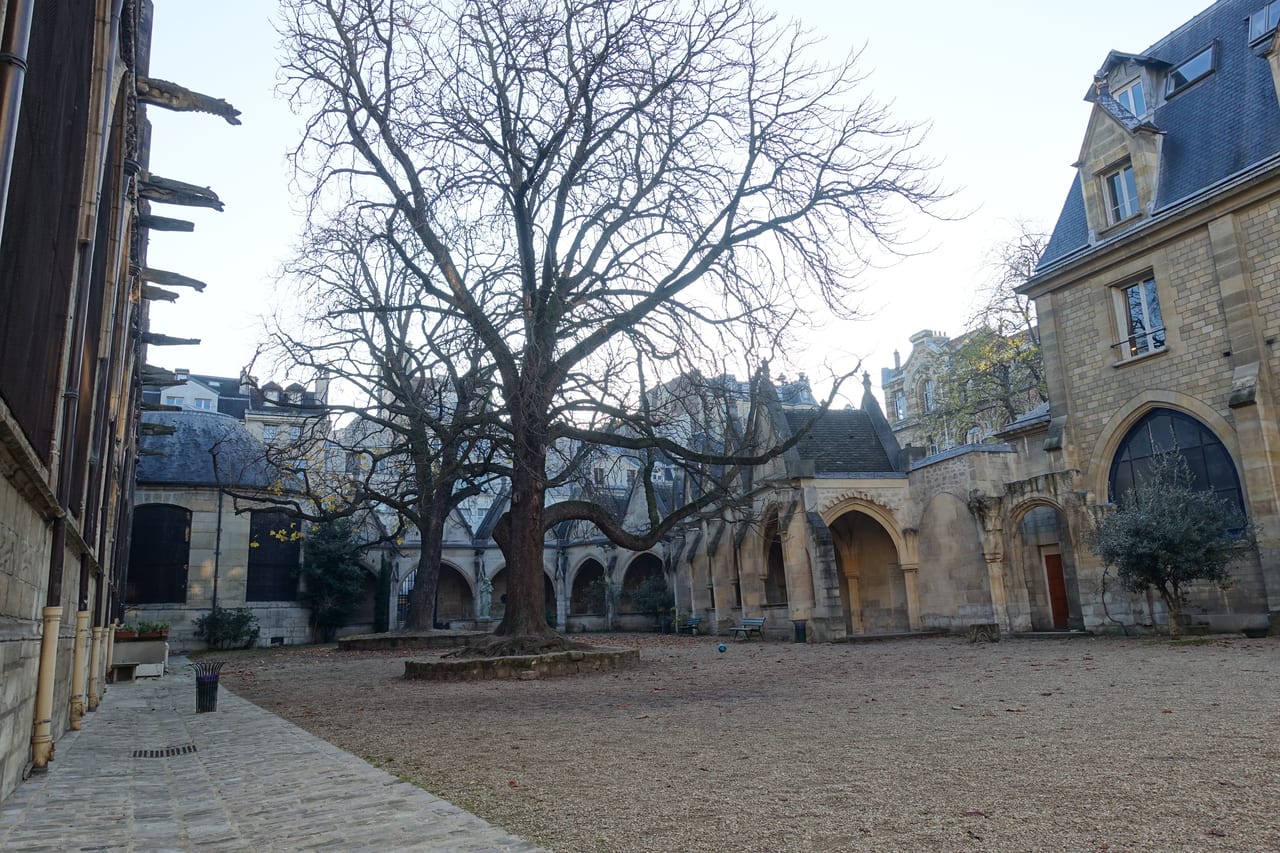
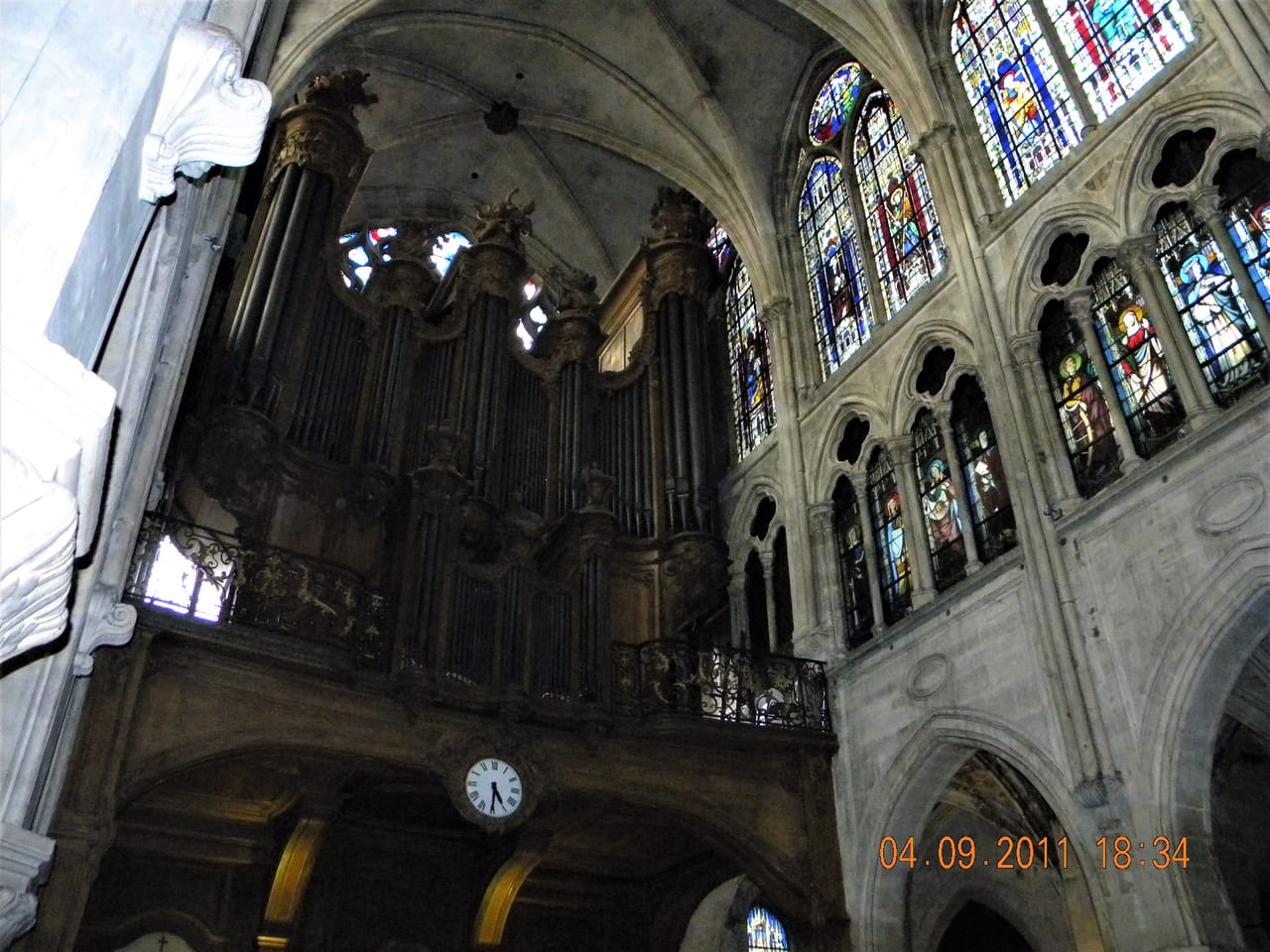
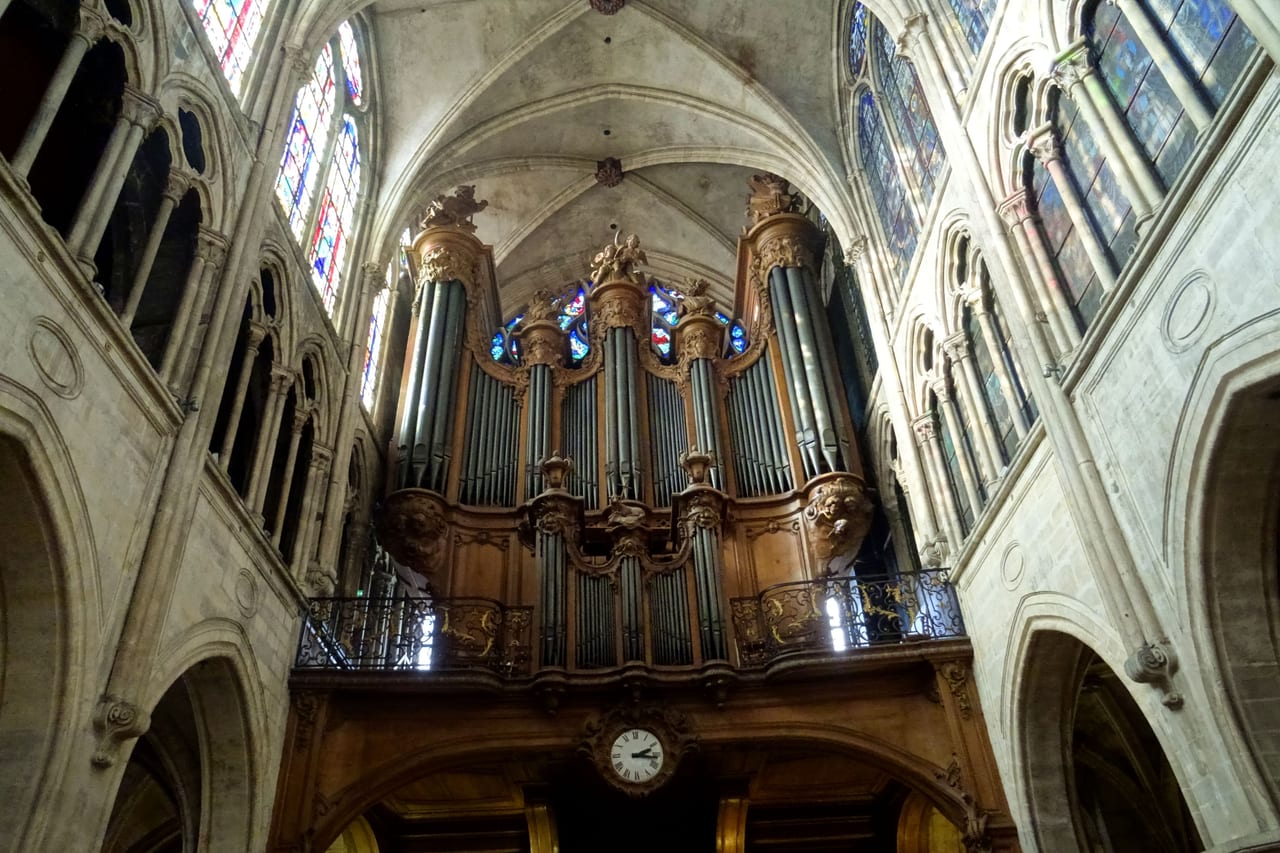
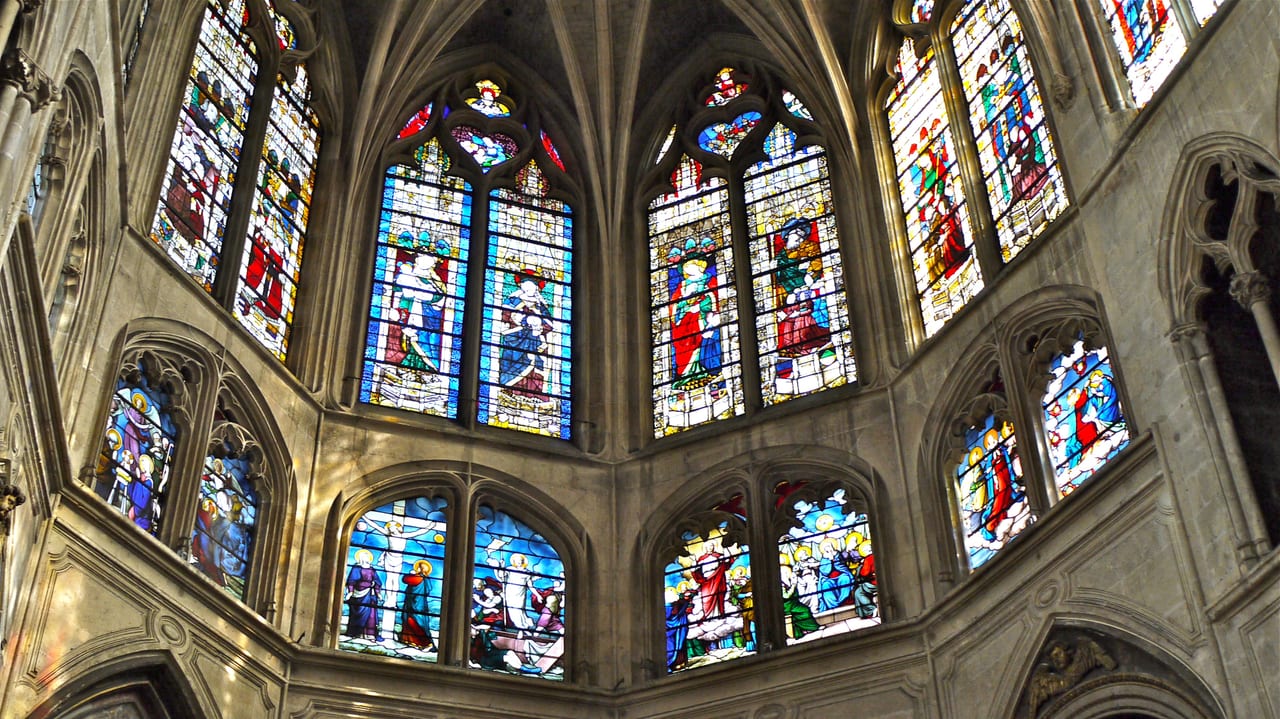
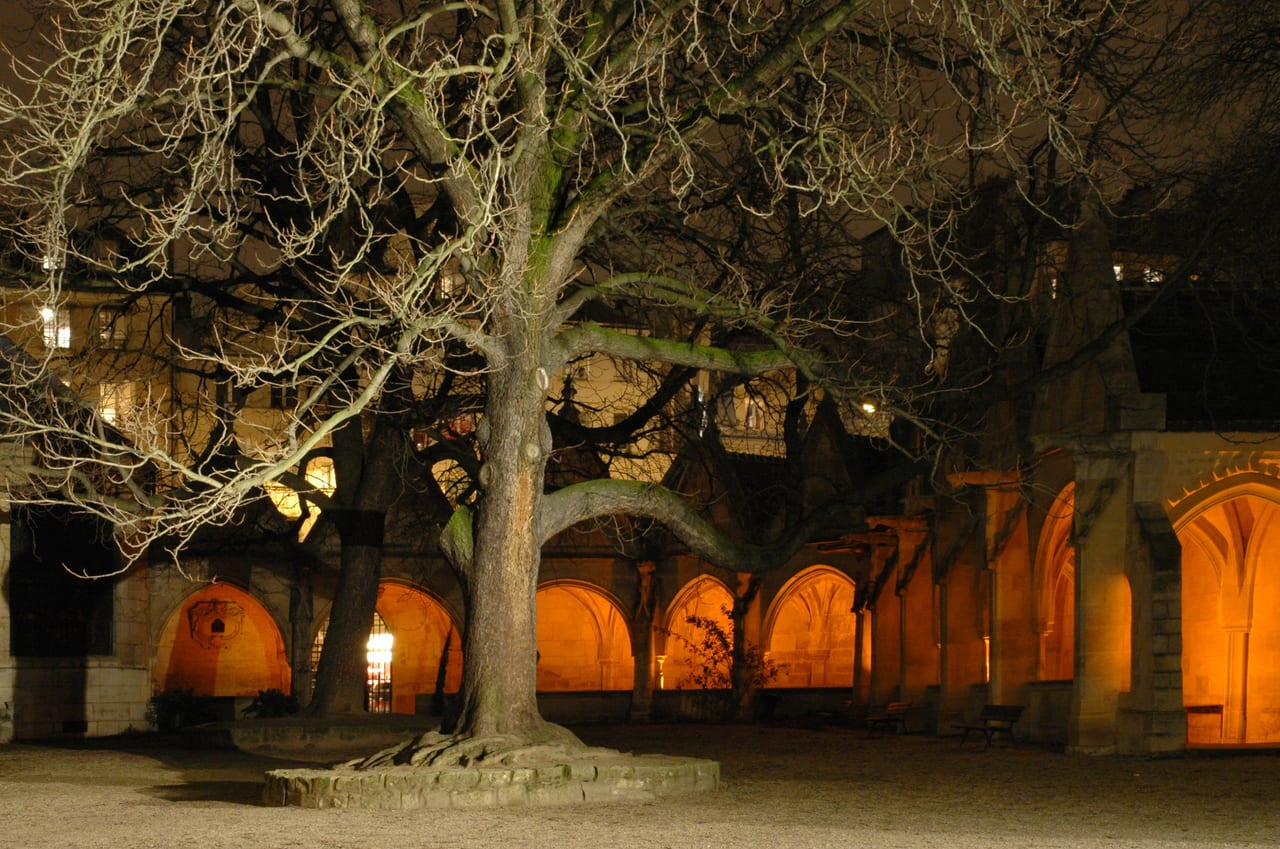
Begin with the nave: compare its massive early pillars and rounded arches with the slimmer, pointed forms nearer the apse. Notice the richly coloured windows depicting the Apostles, the Tree of Jesse rose window, and the sixteenth-century scenes of saints around the choir. In the south garden, inspect the surviving fifteenth-century charnel house. The organ combines a 1745 carved case with Alfred Kern’s 1963 instrument; also see the oldest bell still remaining in Paris. The eight abstract Bazaine windows bring blue and red colour around the baptistry.
Places to stay near Saint-Séverin
Live availability and prices from Stay22's partners, refreshed periodically and subject to change. Booking through these links may earn us a commission at no extra cost to you. See our privacy policy.
Cafés near Saint-Séverin
Cafés near Saint-Séverin loads as you scroll.
Attractions nearby
Attractions near Saint-Séverin loads as you scroll.
Cities nearby
Cities nearby loads as you scroll.
More in Paris
See more of Paris.
Find great cafés, places to stay and other interesting places to visit in Paris.