Attraction · Paris
rue des Rosiers
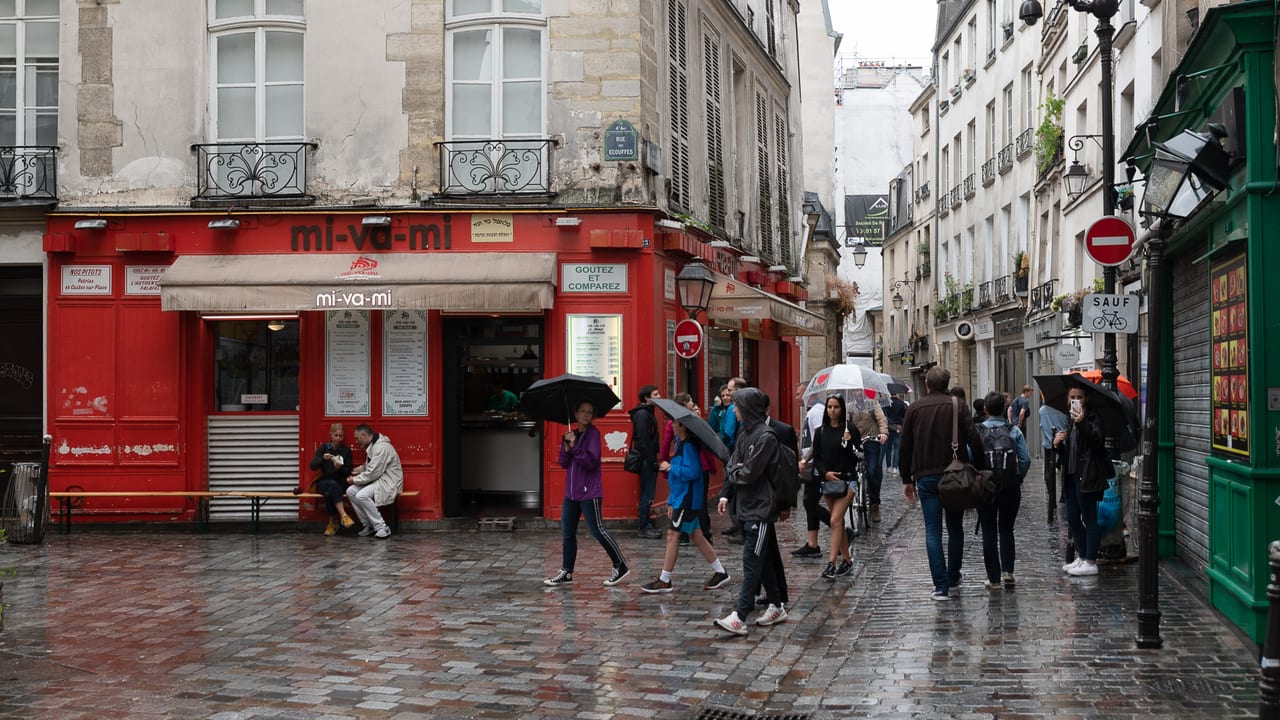
DirectionsSince 1979, rue des Rosiers has been closely associated with falafel, its competing restaurants helping make the street a defining address for this vegetarian sandwich.
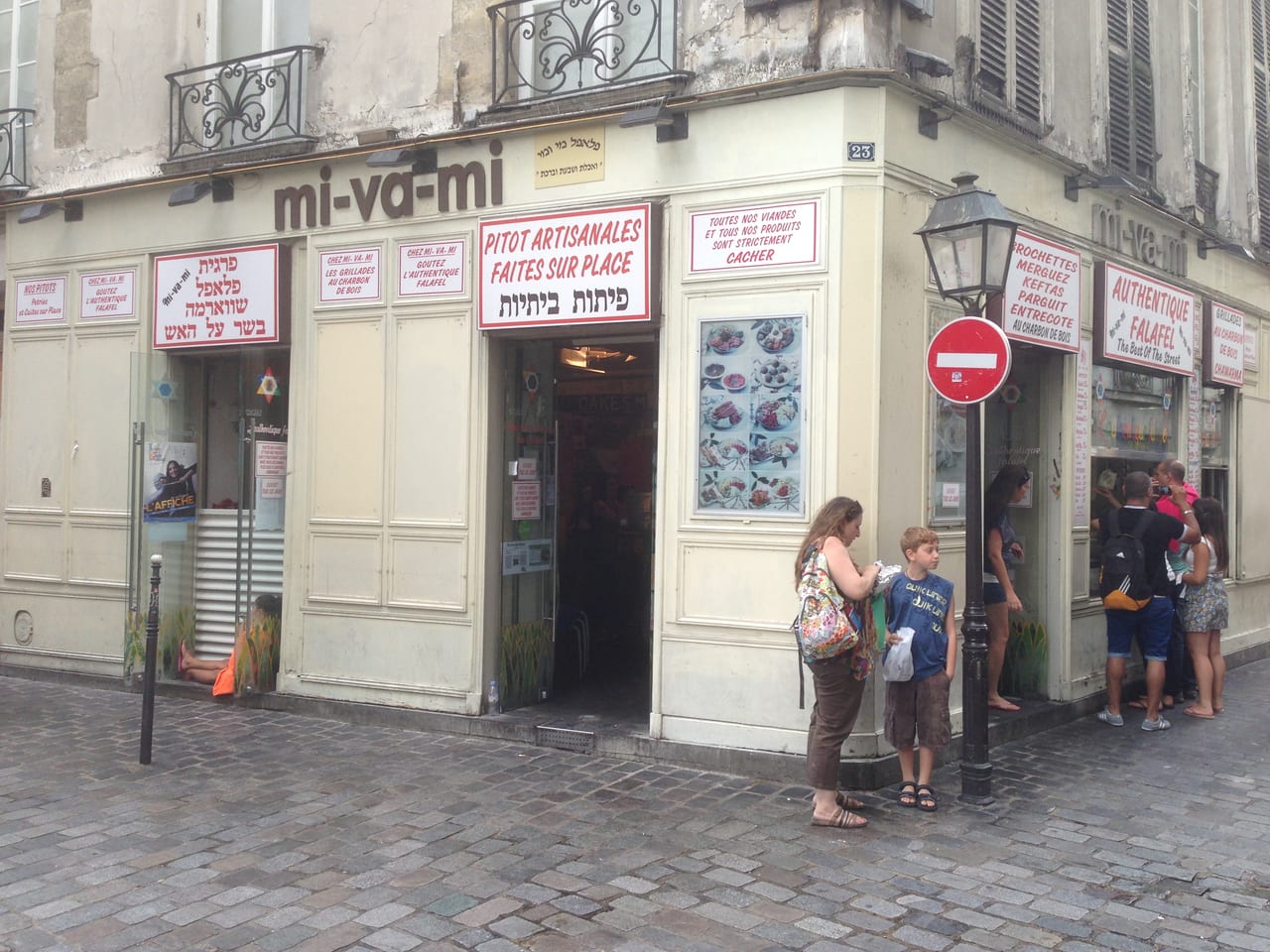
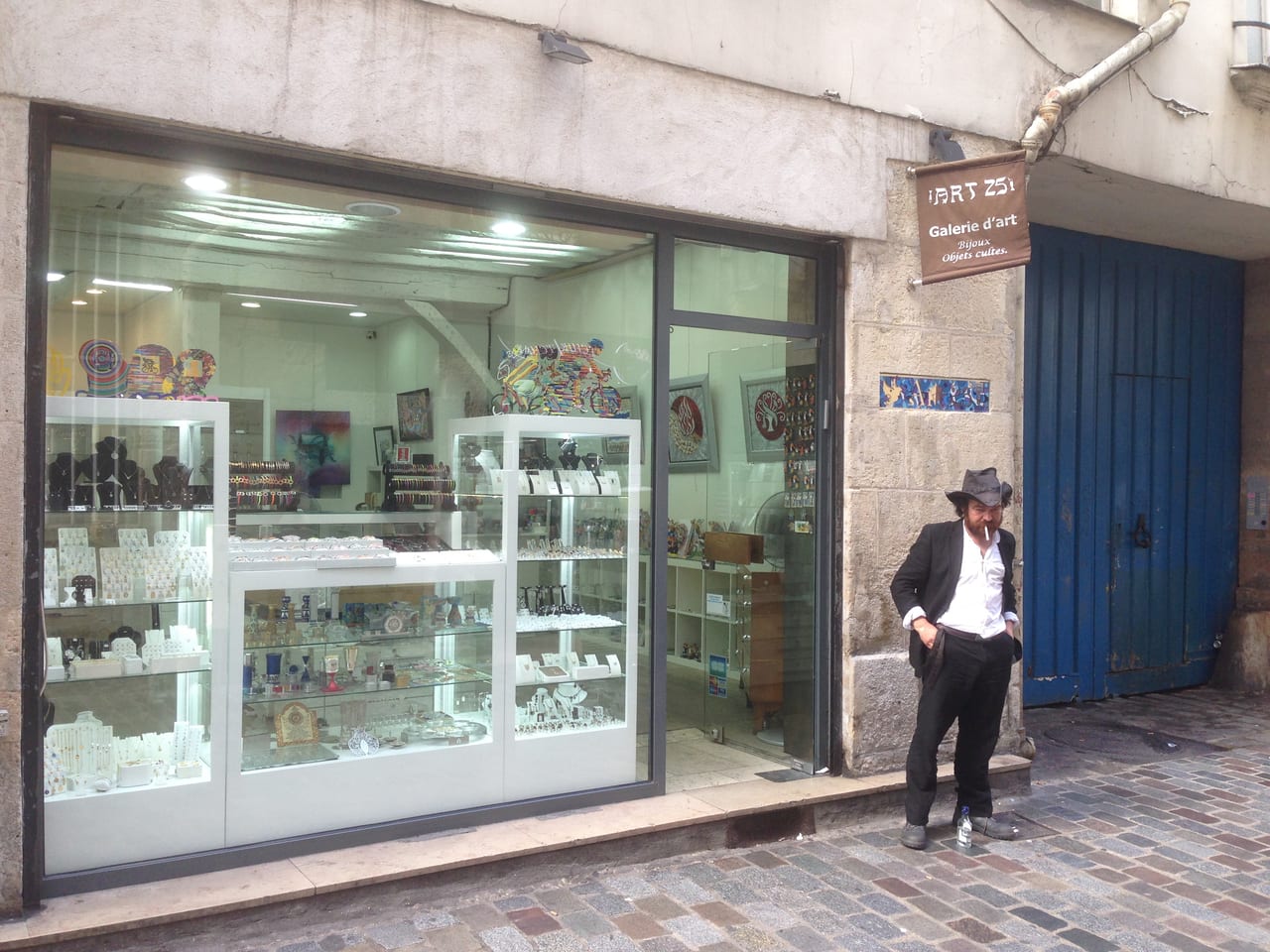
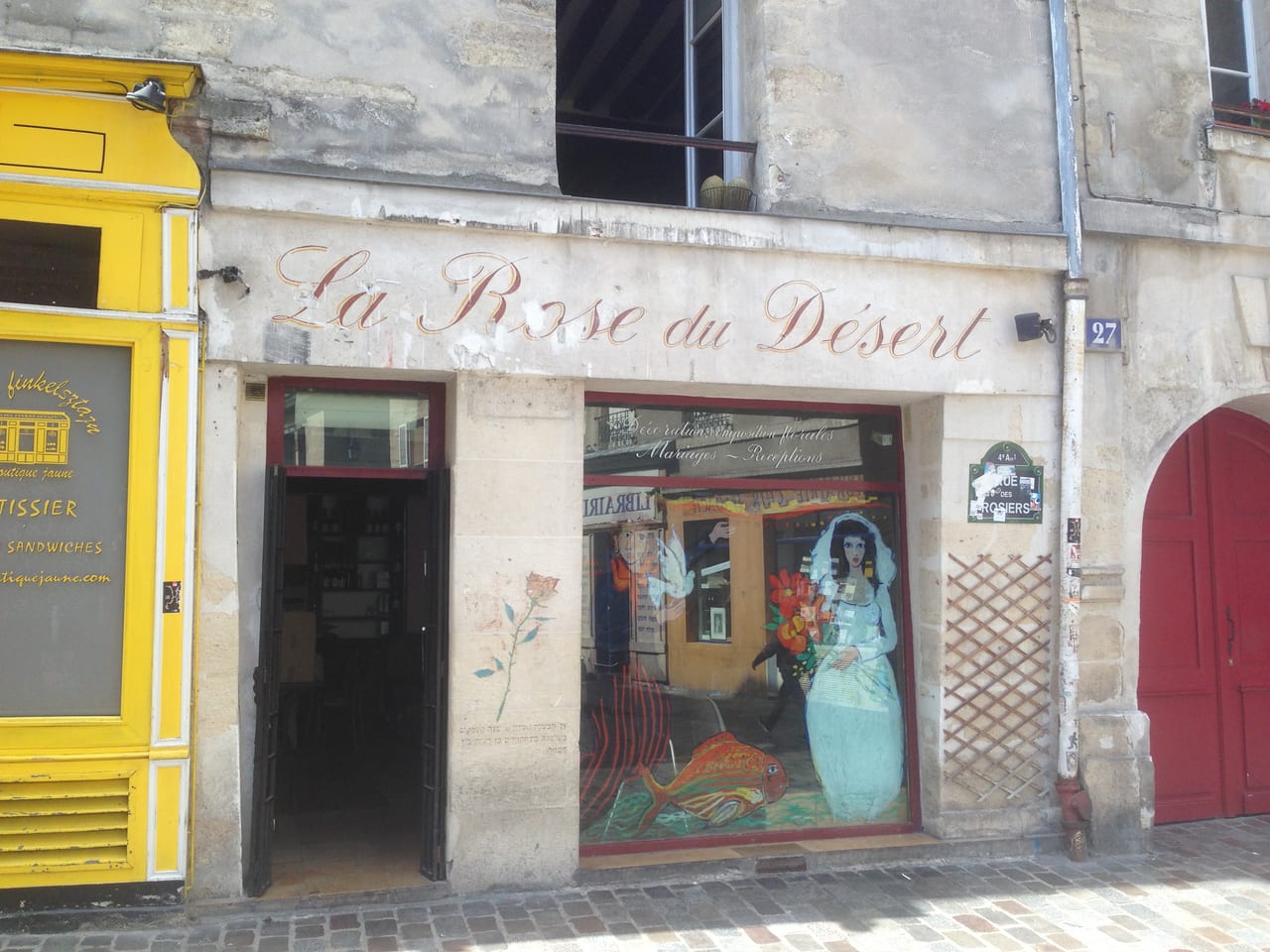
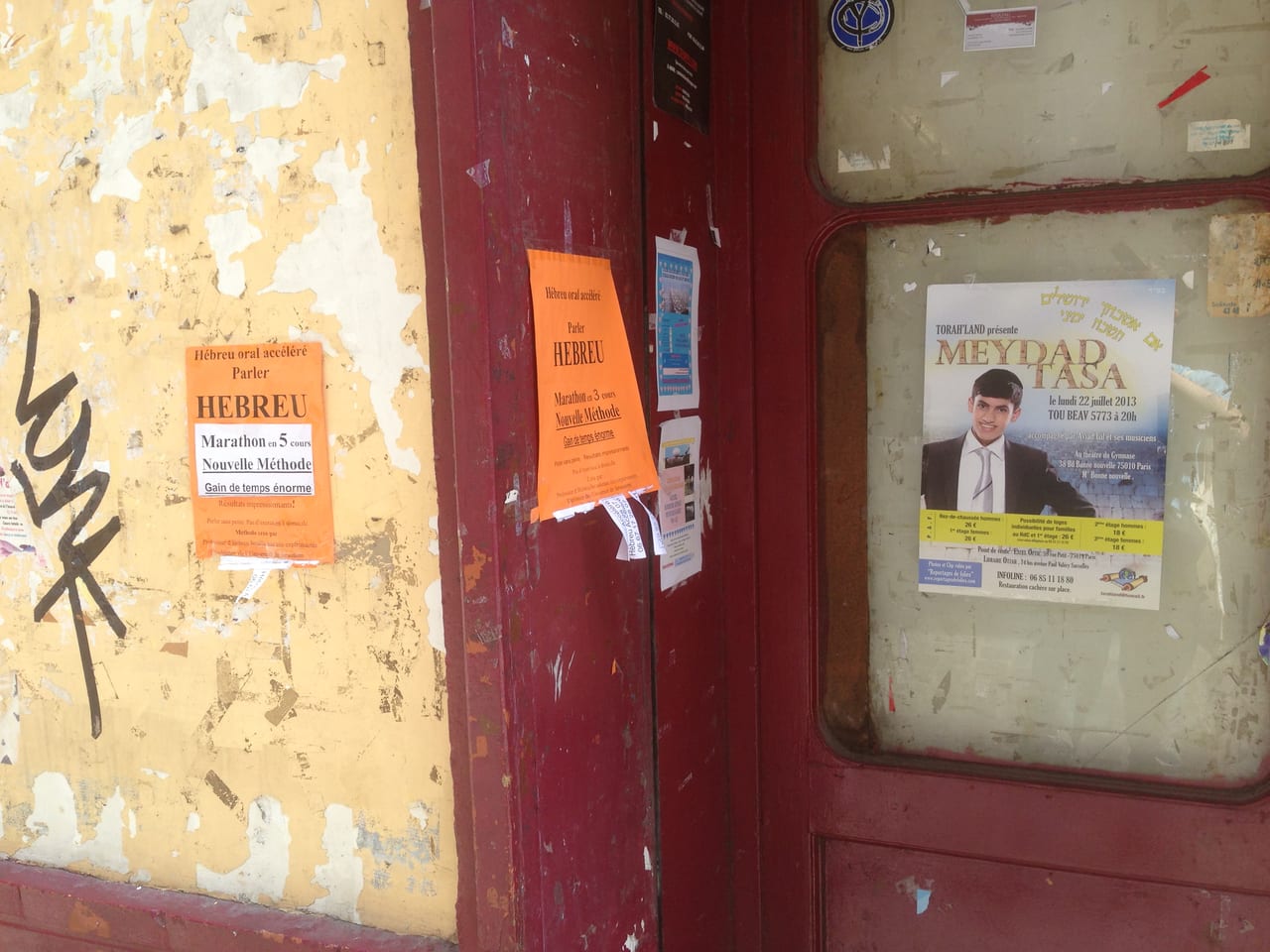
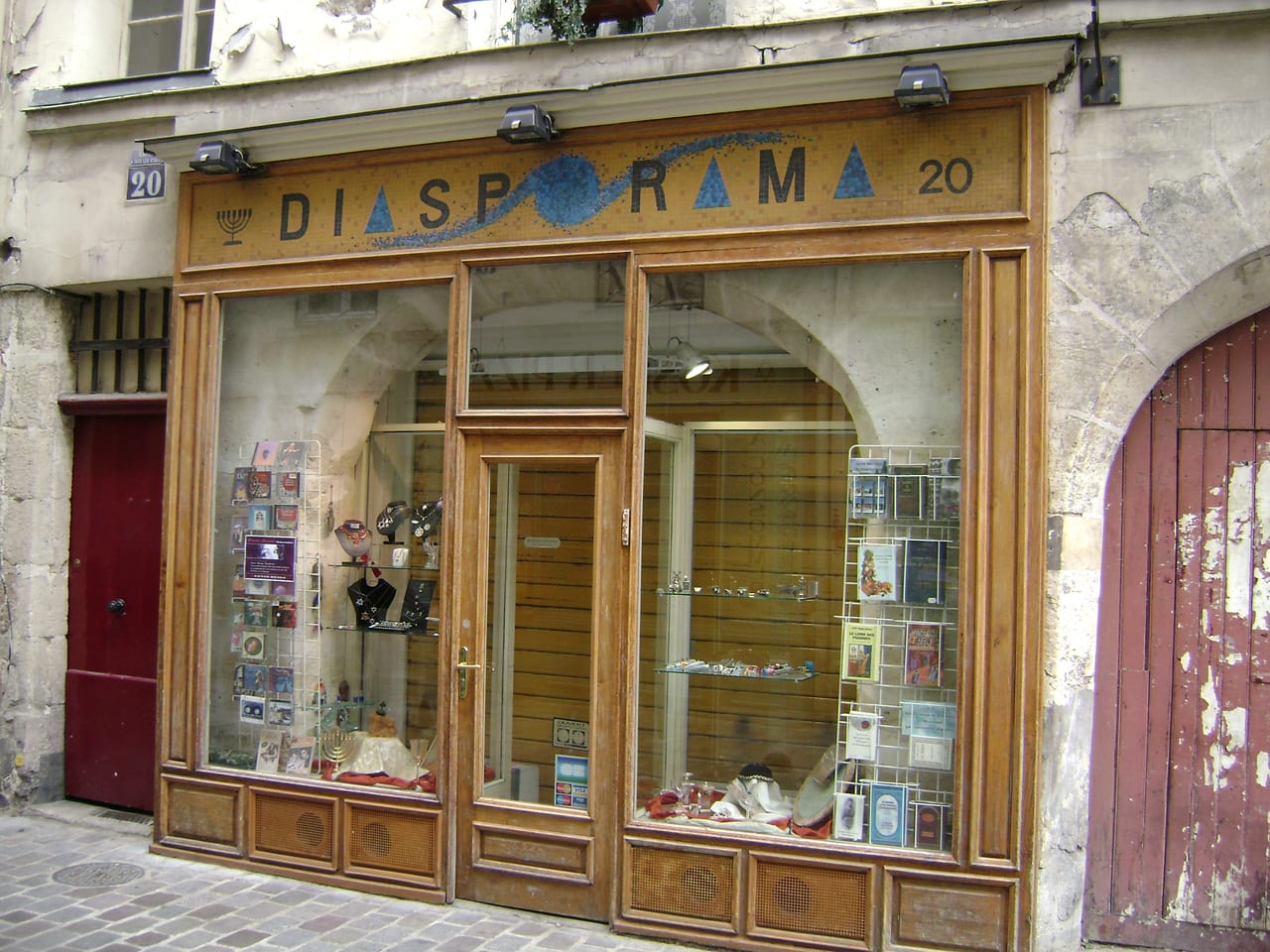
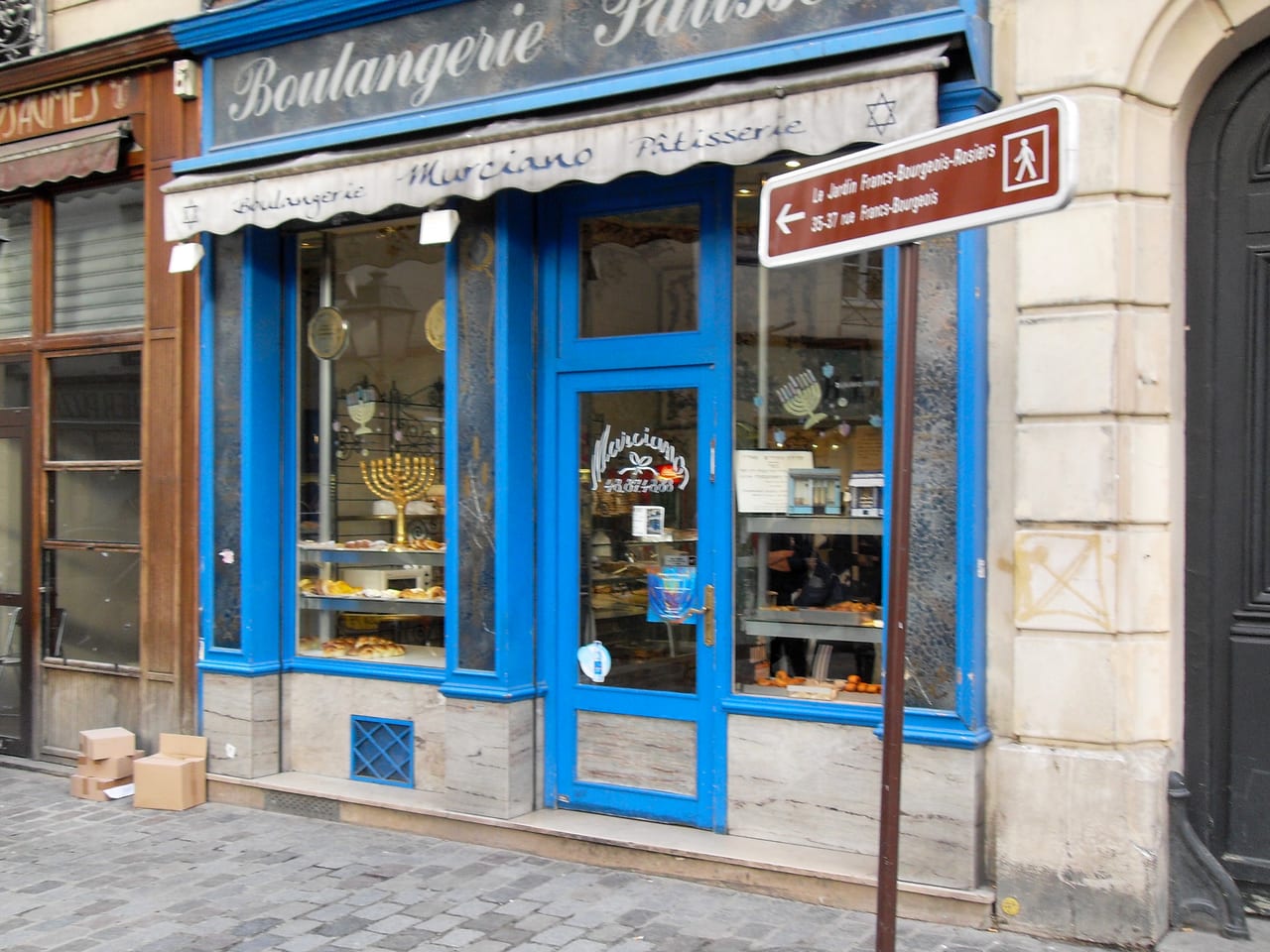
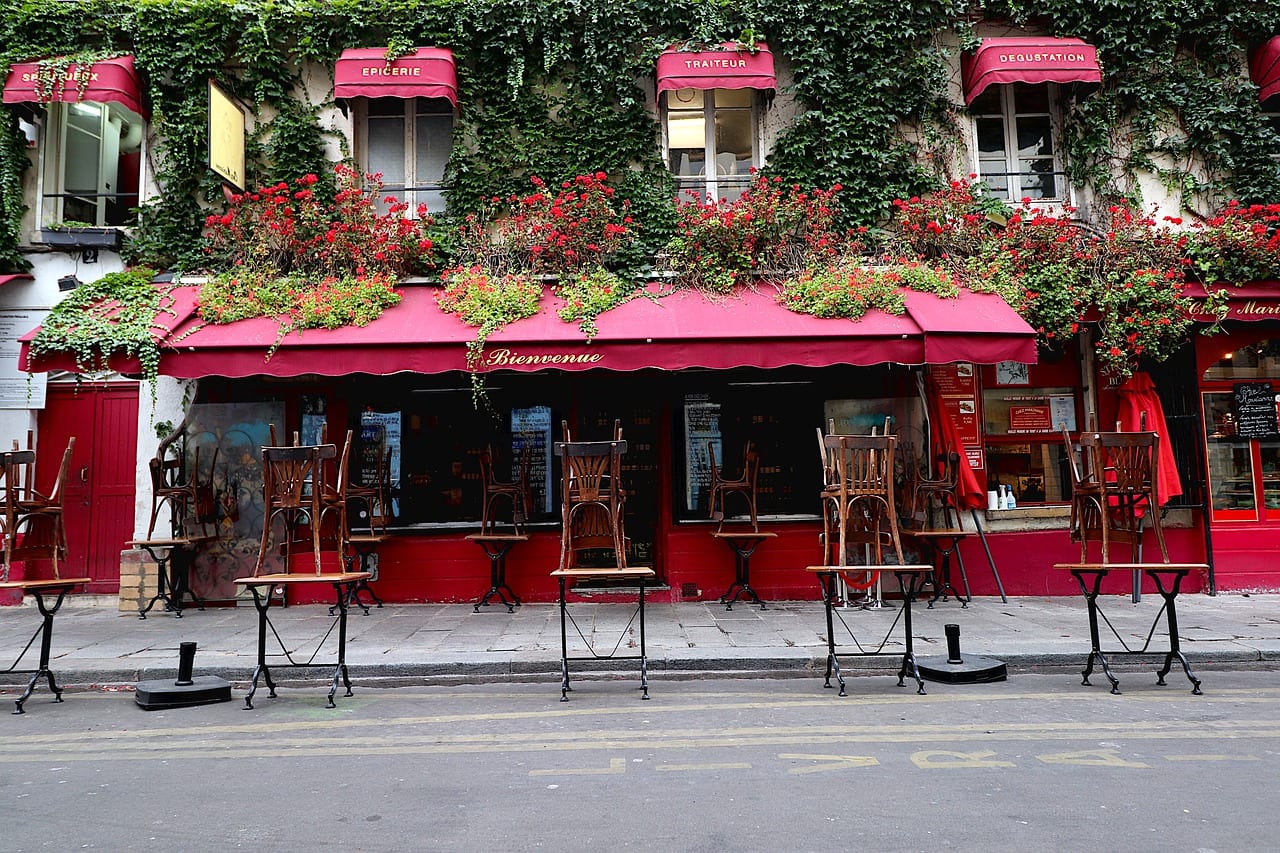
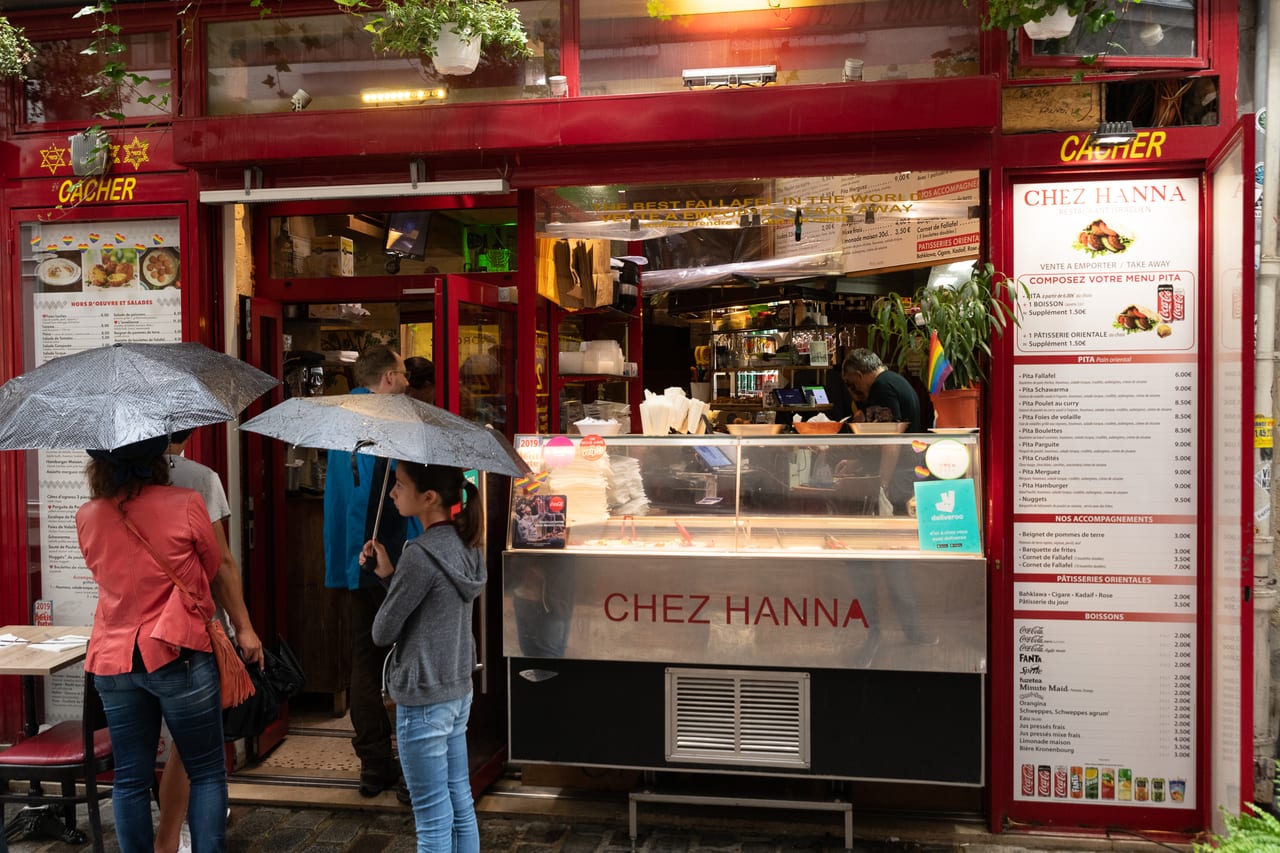
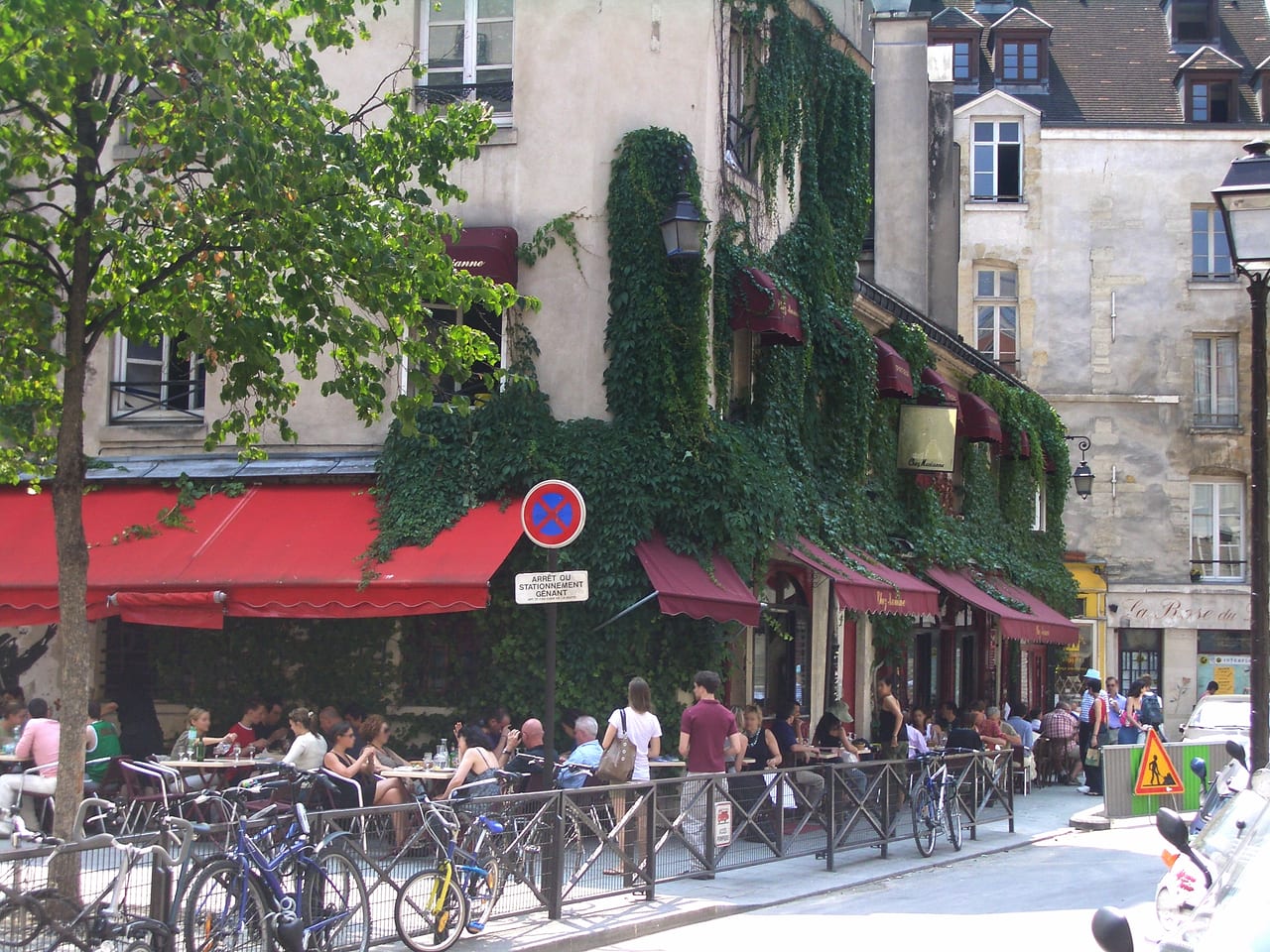
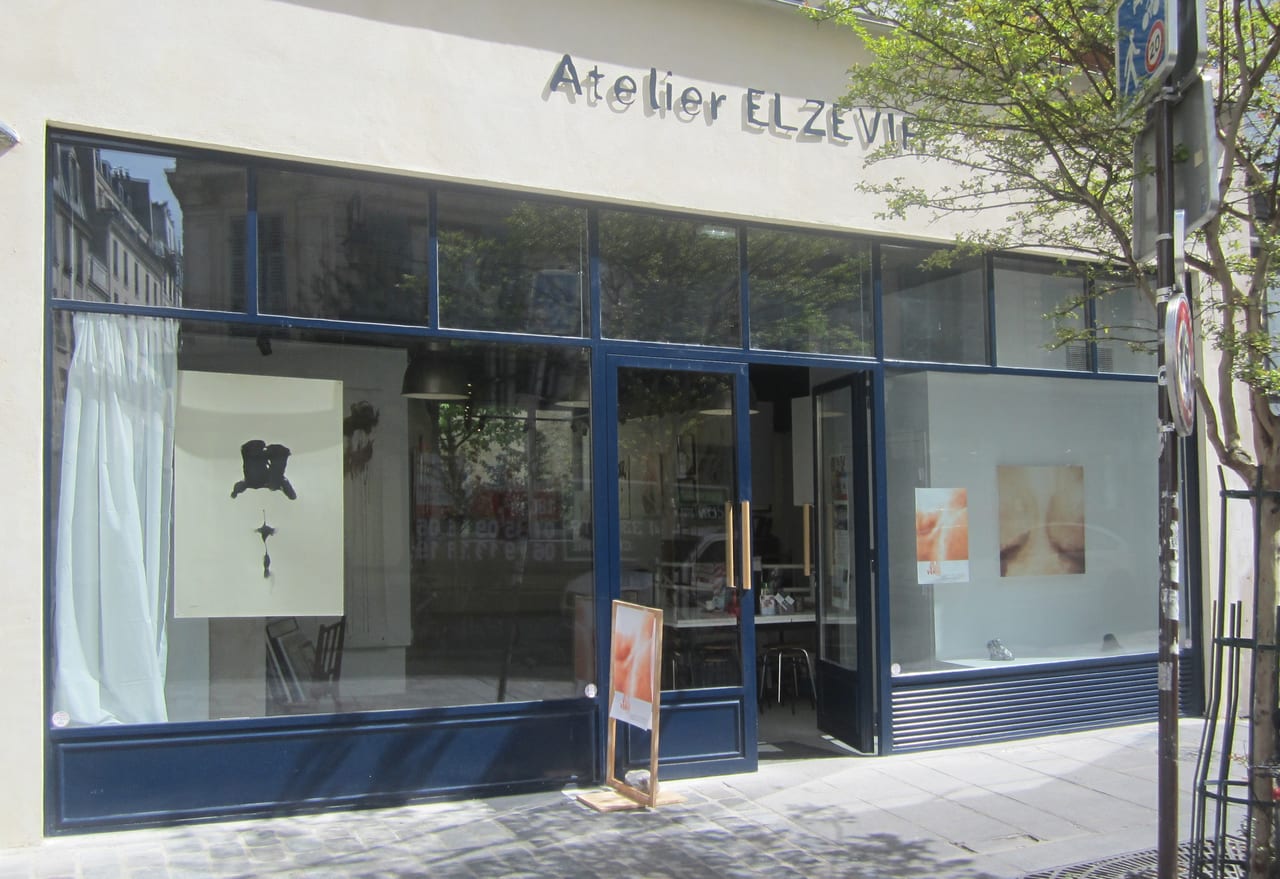
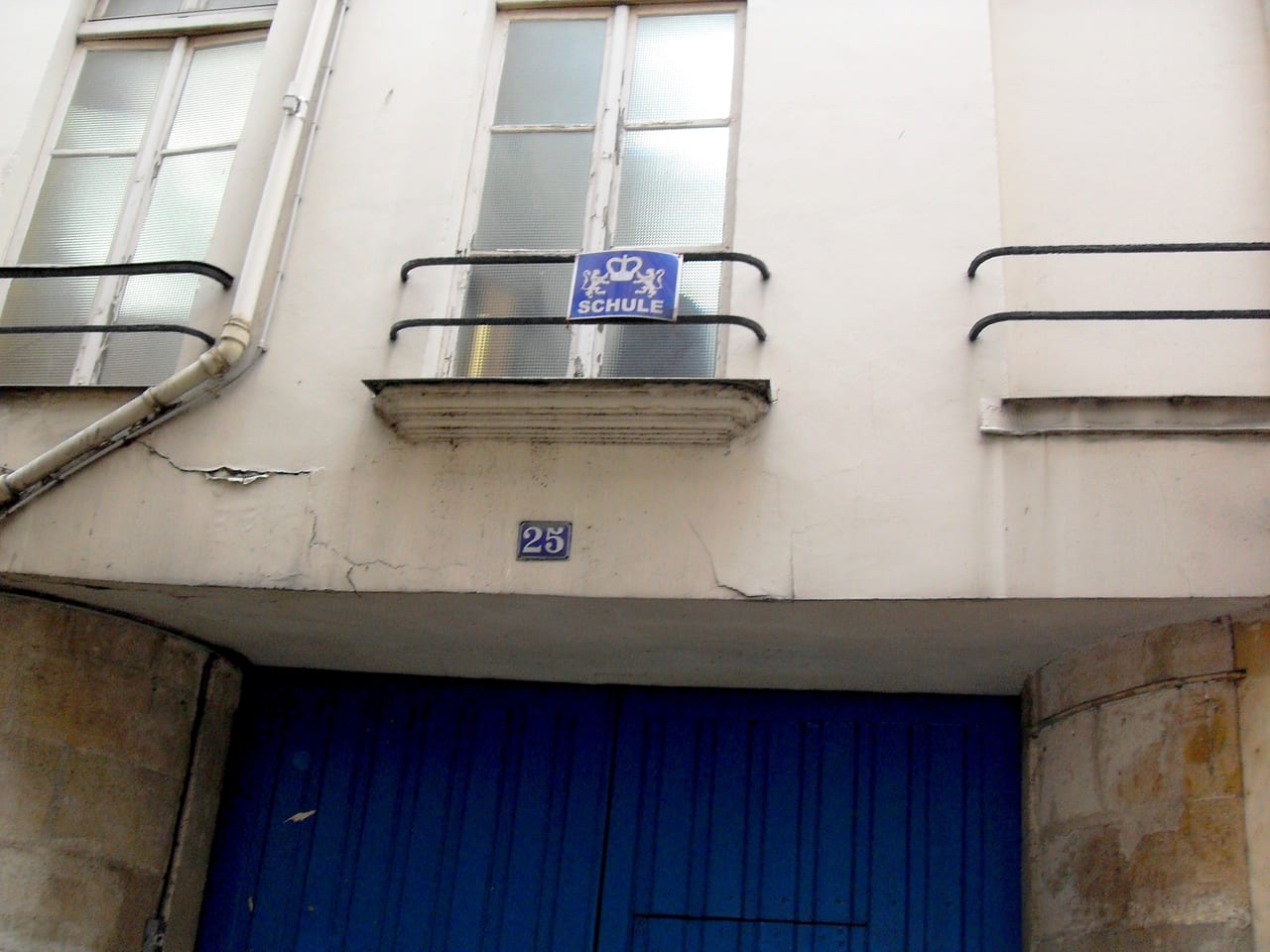
Photograph 1 of 19 of rue des Rosiers
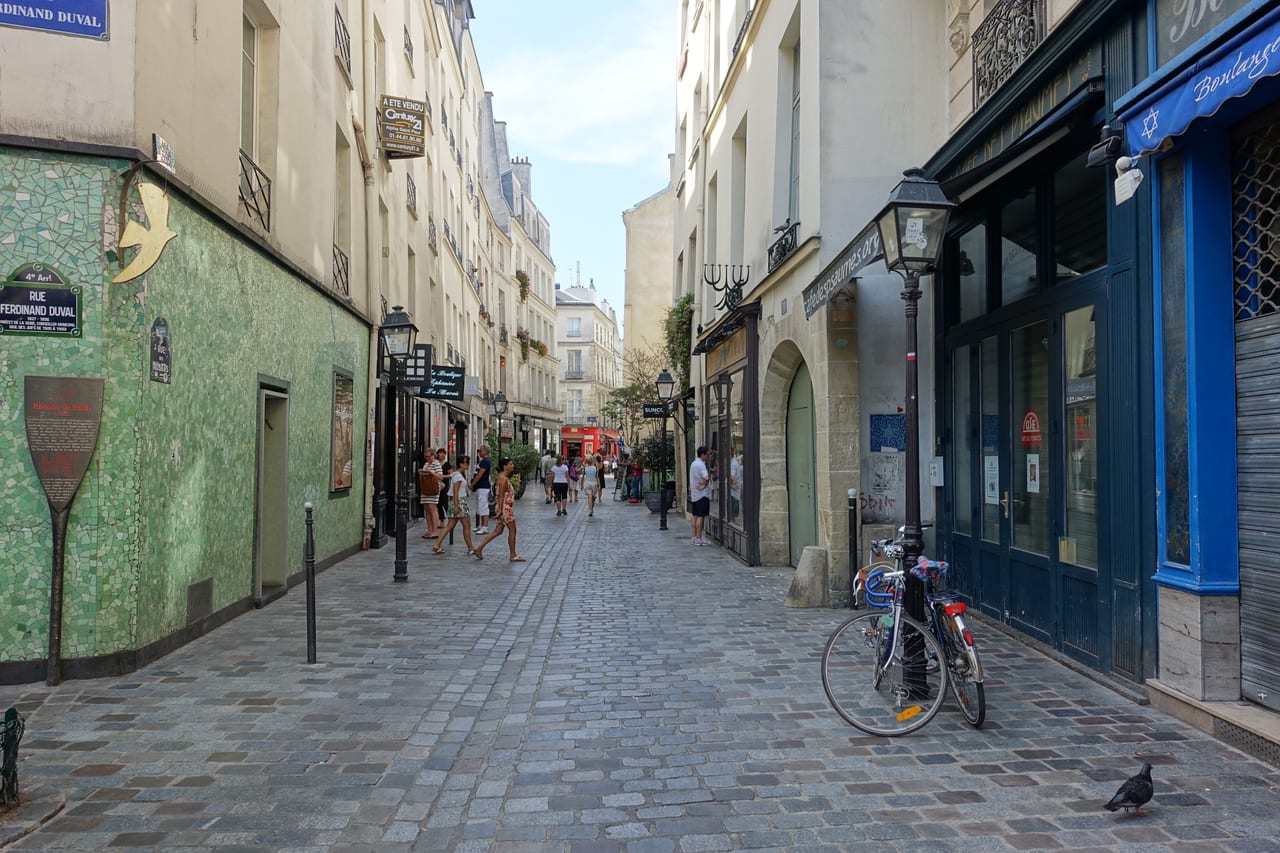
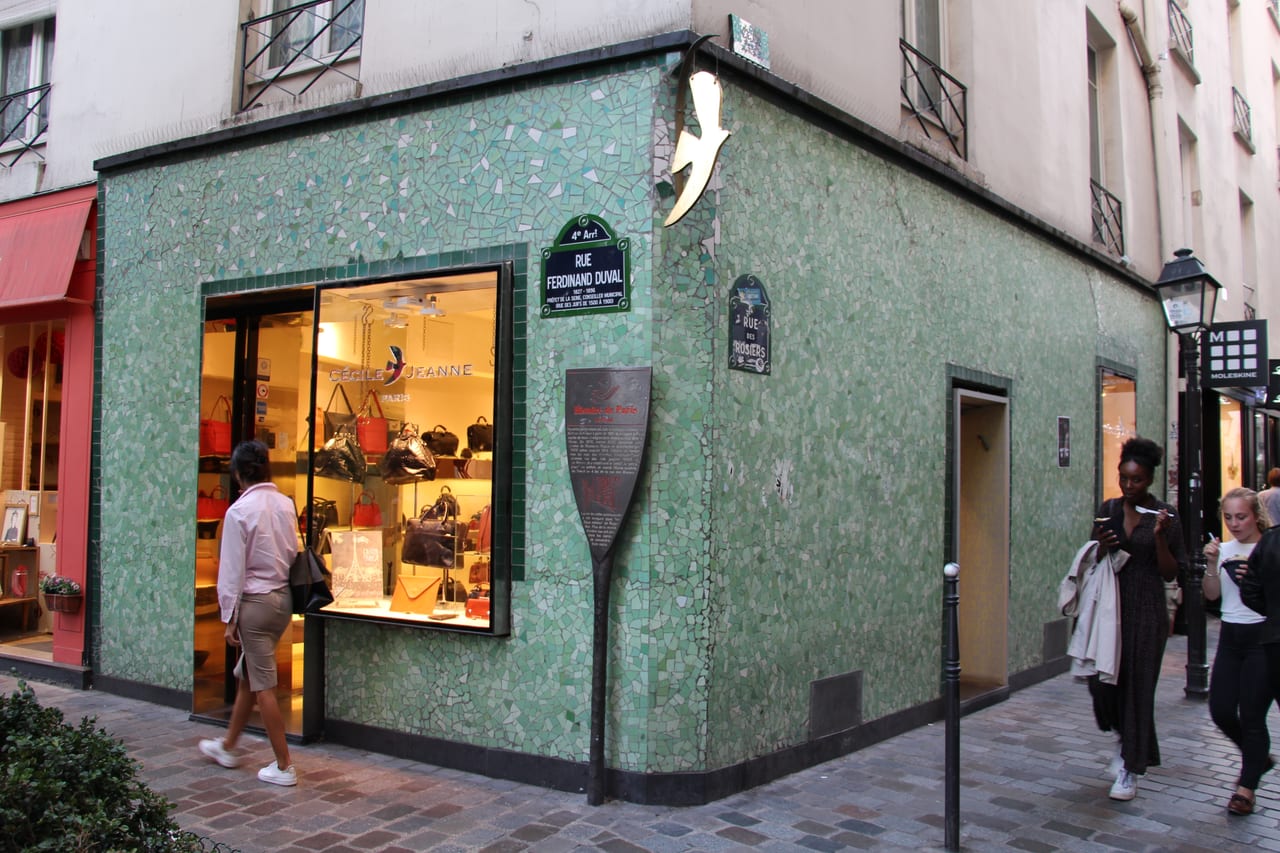
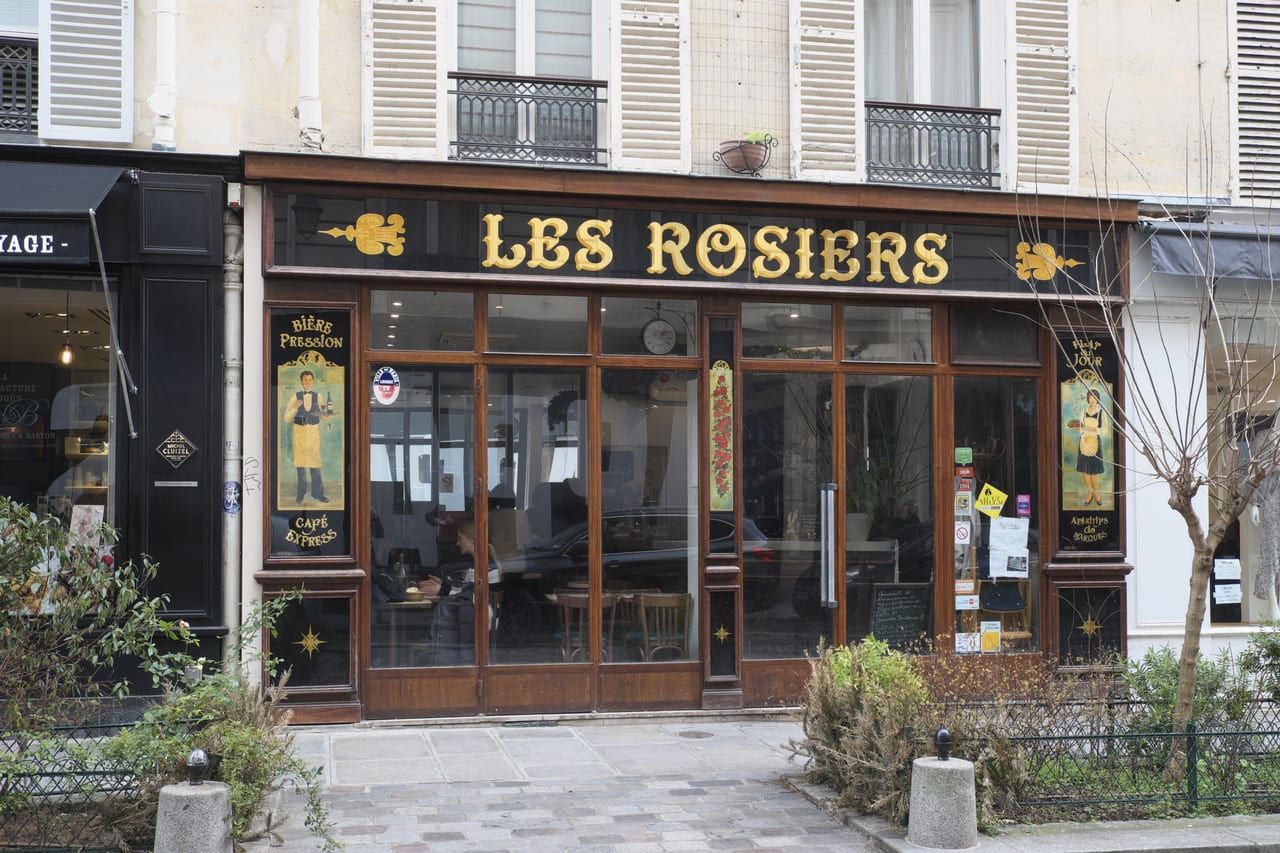
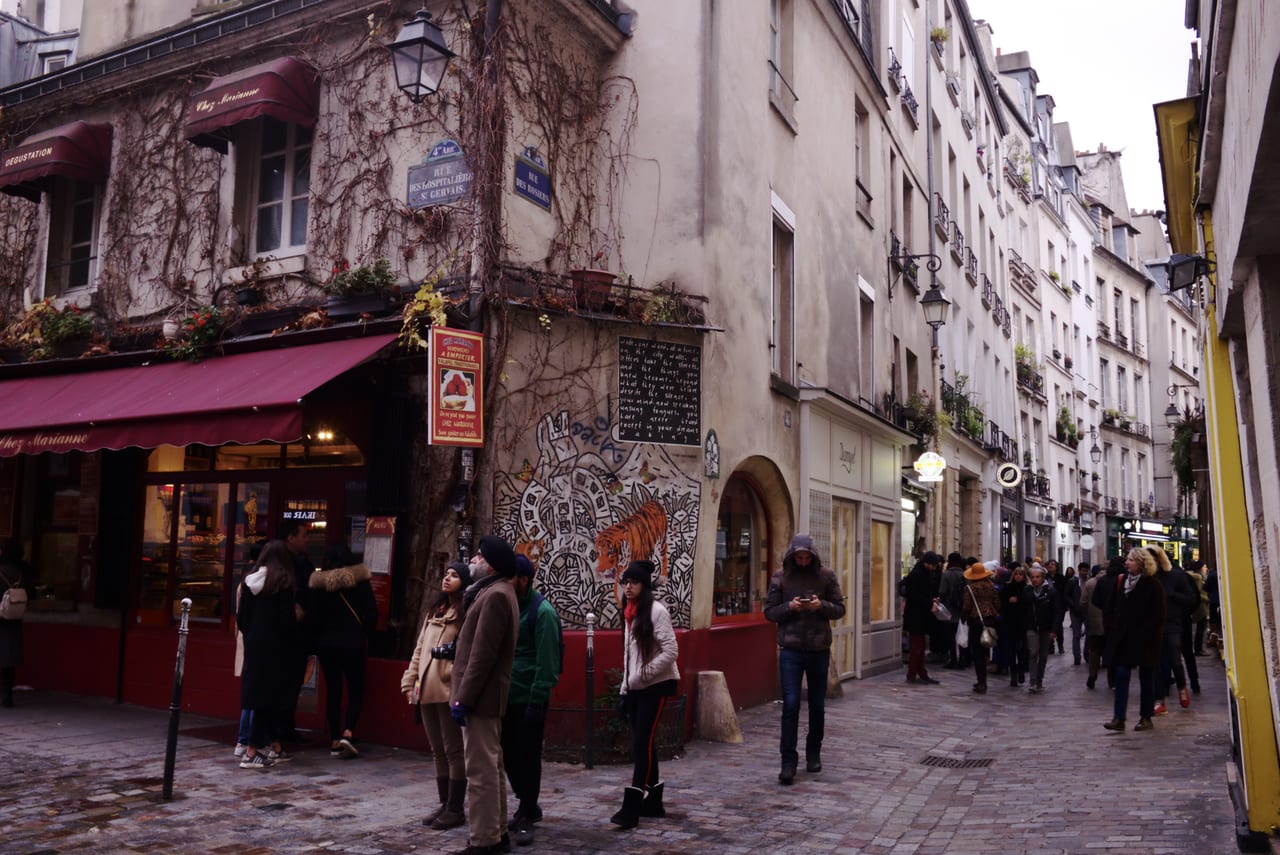
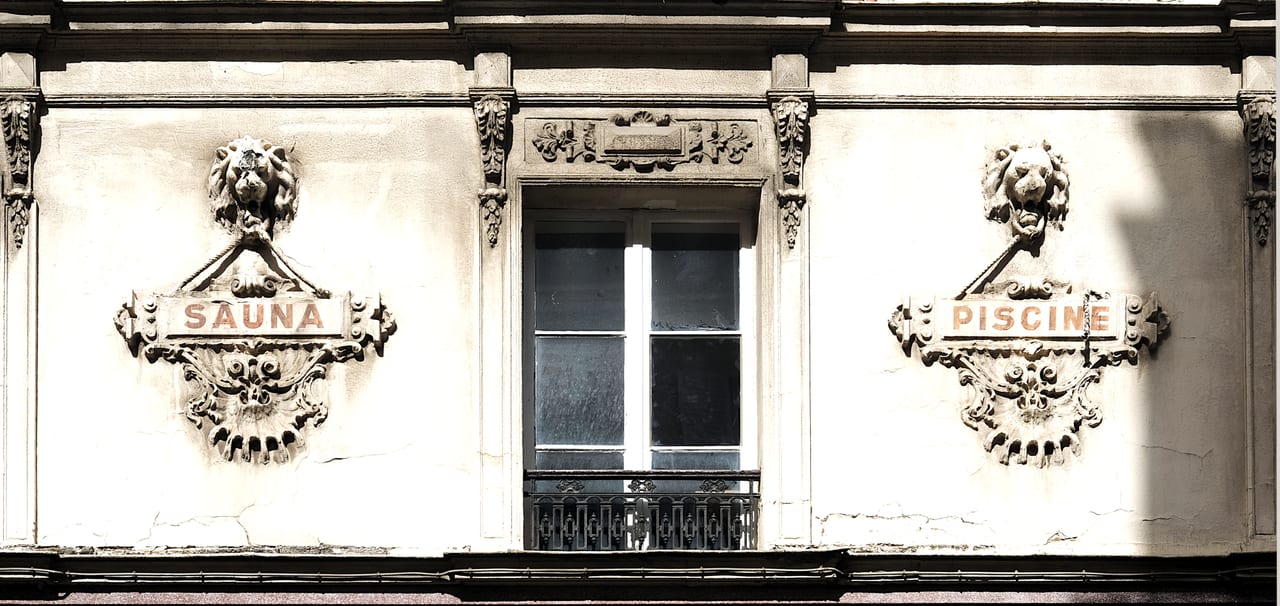
Rue des Rosiers follows a route first recorded in 1230, when its name referred to rosebushes in neighbouring gardens. Much of the street then ran beside Philippe Auguste’s fortifications, and its eastern section was a shifting dead end known by names including rue de la Quoquerée and impasse Coquerelle. The street once bent through what is now rue Ferdinand-Duval; its present extension to rue Mahler was completed between 1848 and 1850. Ashkenazi and Yiddish-speaking life shaped the Pletzl, alongside a Sephardic presence. The narrow, slightly winding central section escaped Haussmann’s realignment. Addresses preserve layers of memory: the former 1863 Hammam Saint-Paul, the École de travail at no. 4 bis, Orthodox synagogues at nos. 17 and 25, and plaques commemorating resistance figures and wartime deportees. Since the 1980s, luxury retail has joined kosher food shops, restaurants and bookshops, altering the street’s character.
Ways to explore rue des Rosiers
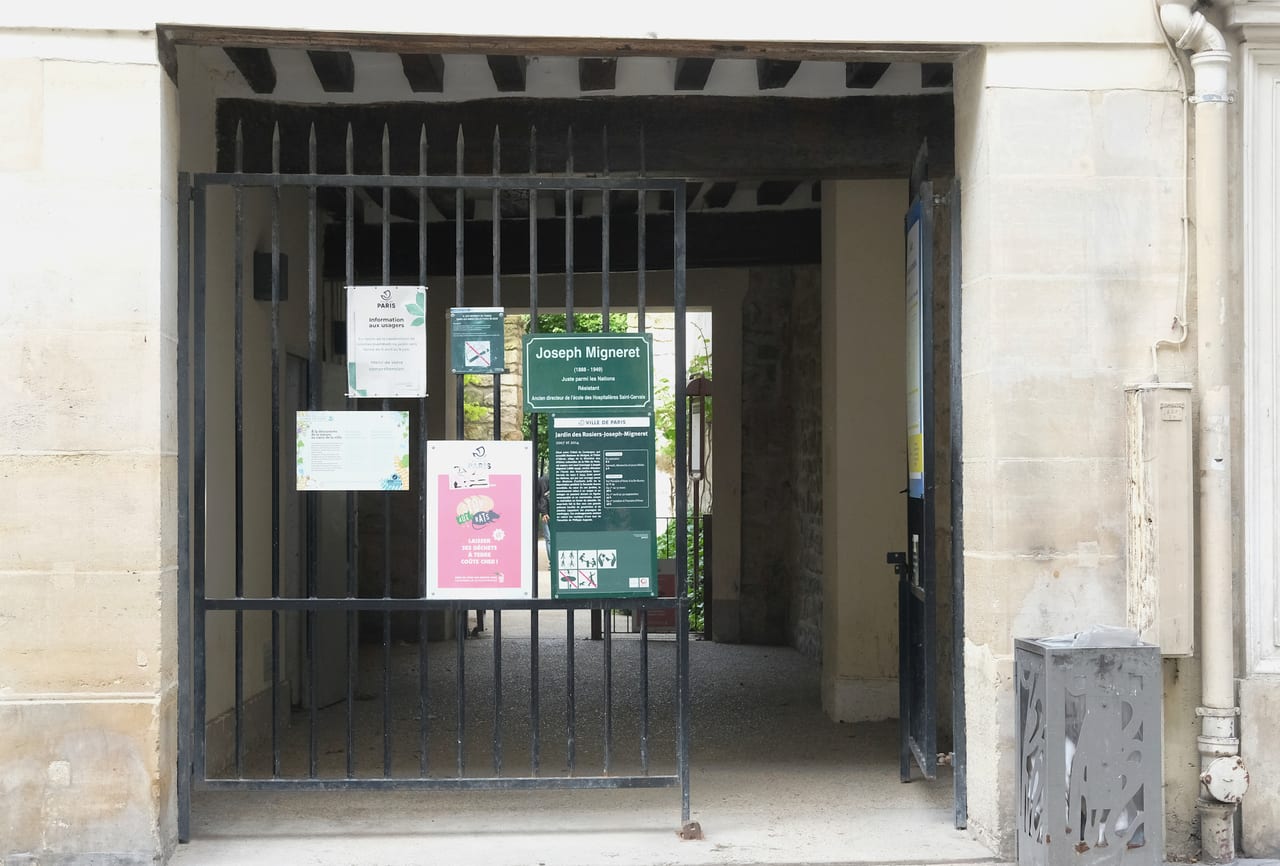
Enter from rue Mahler and walk west toward rue Vieille-du-Temple, noting the paved surface and the street’s surviving irregular alignment. At no. 10, take the passage into jardin des Rosiers–Joseph-Migneret and look for stones from the Philippe Auguste wall. At nos. 17 and 25, the red eternal lamp and the small “Schule” sign identify the two synagogues. Read the memorial plaques at nos. 4 bis, 26 and 34, and compare the preserved Hammam Saint-Paul façade at no. 4 with newer shopfronts. Sundays are pedestrian-only; Saint-Paul is the nearest métro station.
Places to stay near rue des Rosiers
Live availability and prices from Stay22's partners, refreshed periodically and subject to change. Booking through these links may earn us a commission at no extra cost to you. See our privacy policy.
Cafés near rue des Rosiers
Cafés near rue des Rosiers loads as you scroll.
Attractions nearby
Attractions near rue des Rosiers loads as you scroll.
Cities nearby
Cities nearby loads as you scroll.
More in Paris
See more of Paris.
Find great cafés, places to stay and other interesting places to visit in Paris.