Attraction · Paris
Pont Neuf
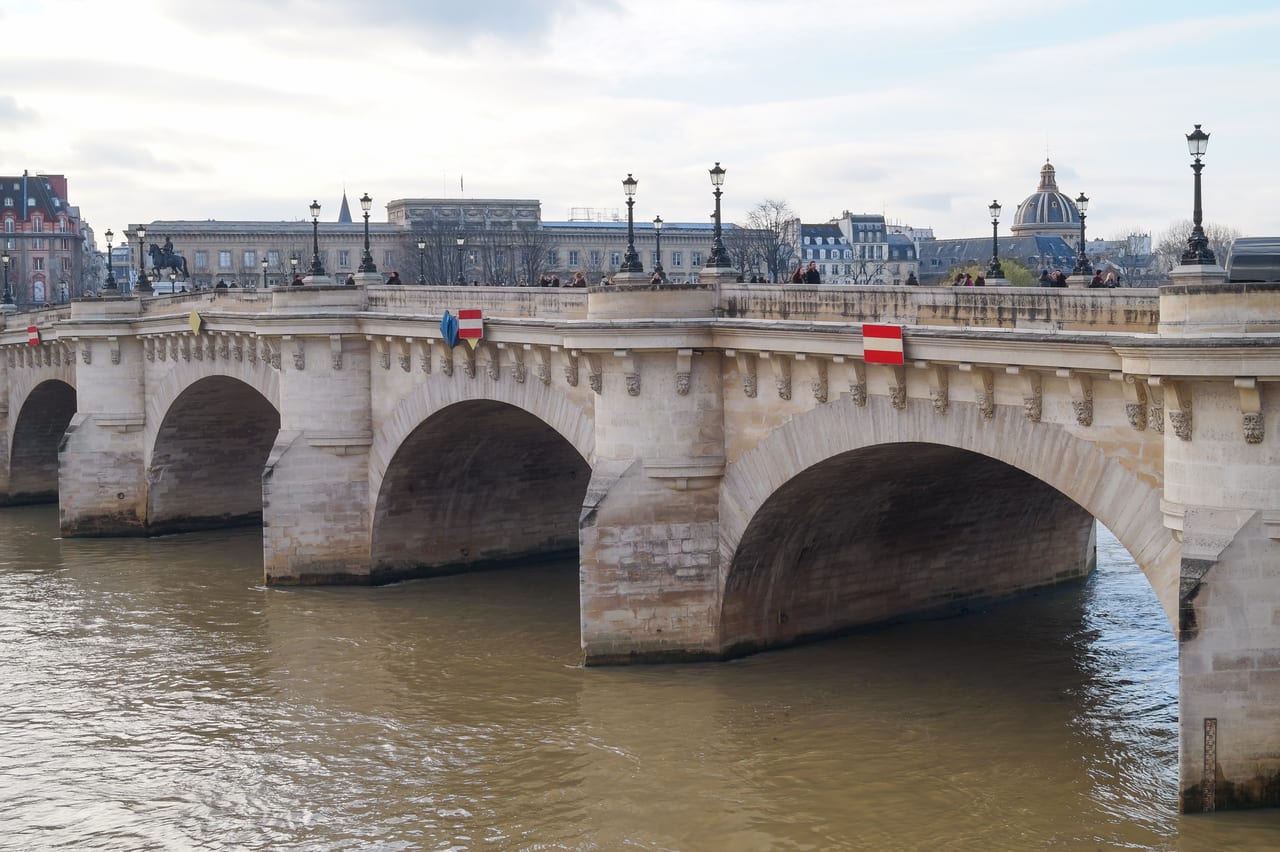
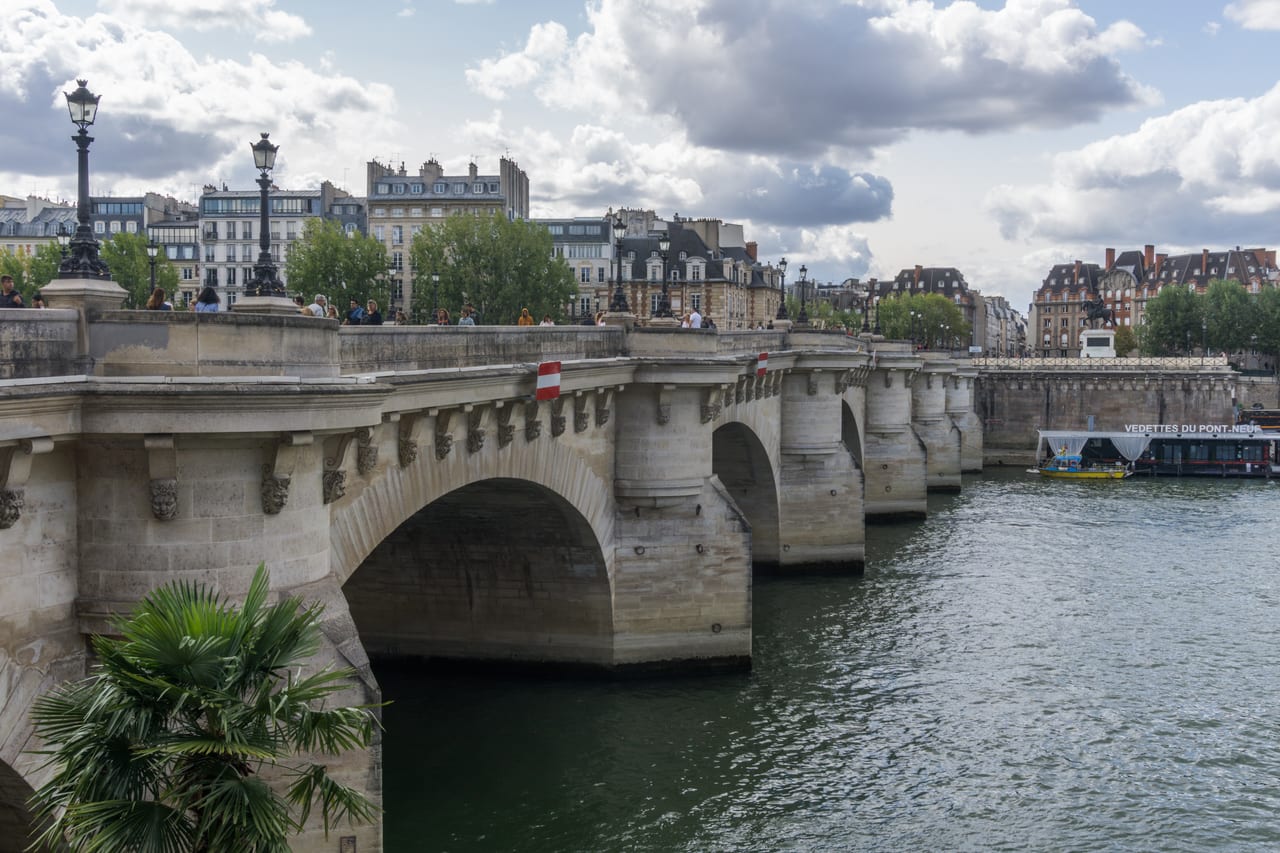
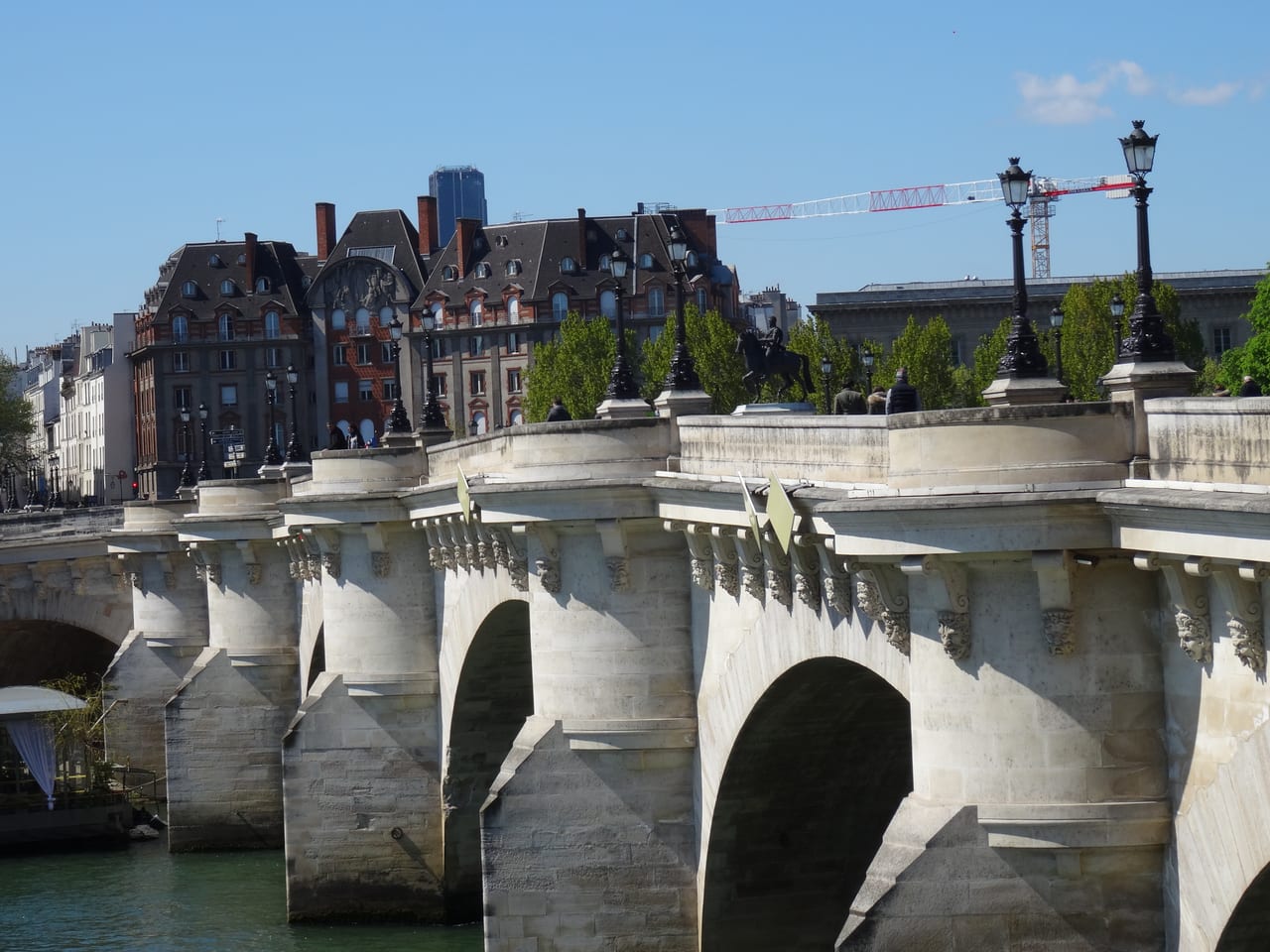
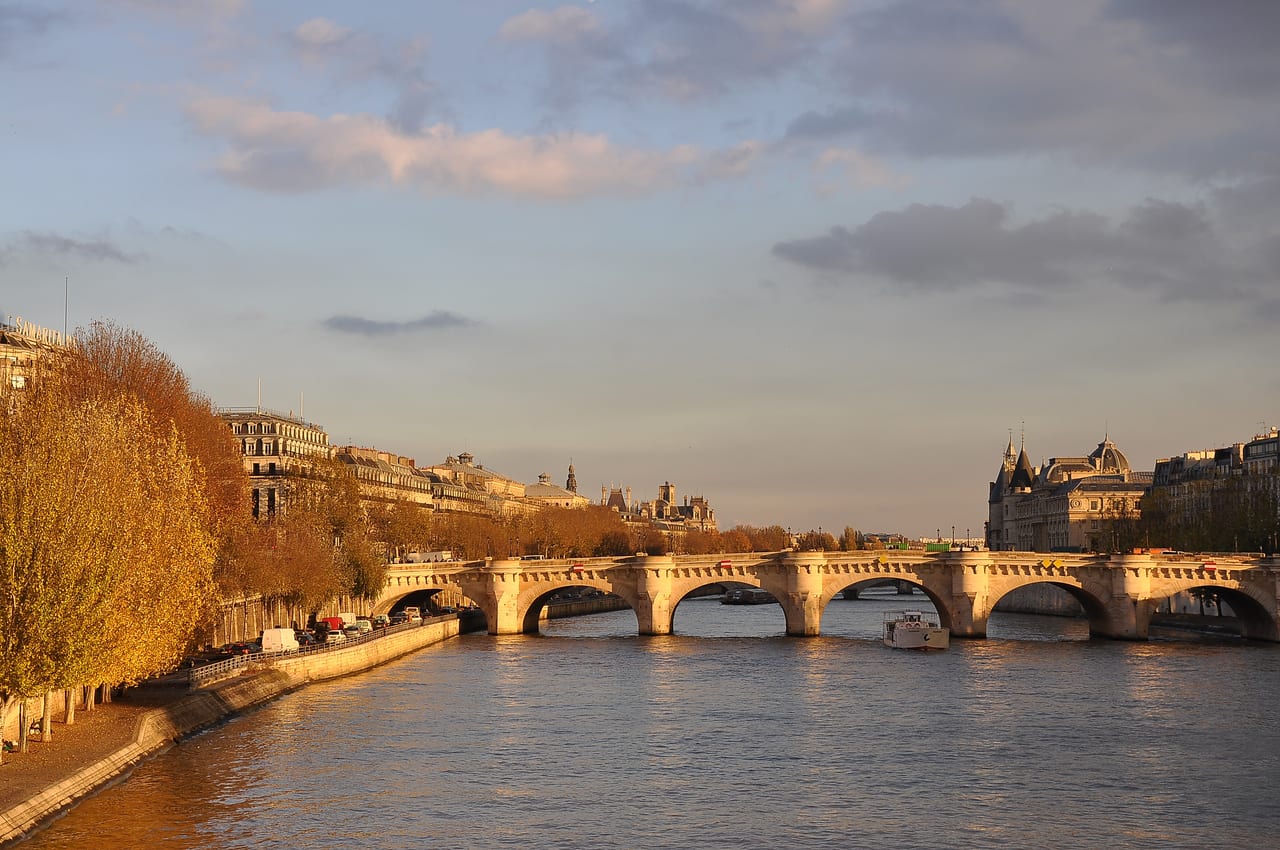
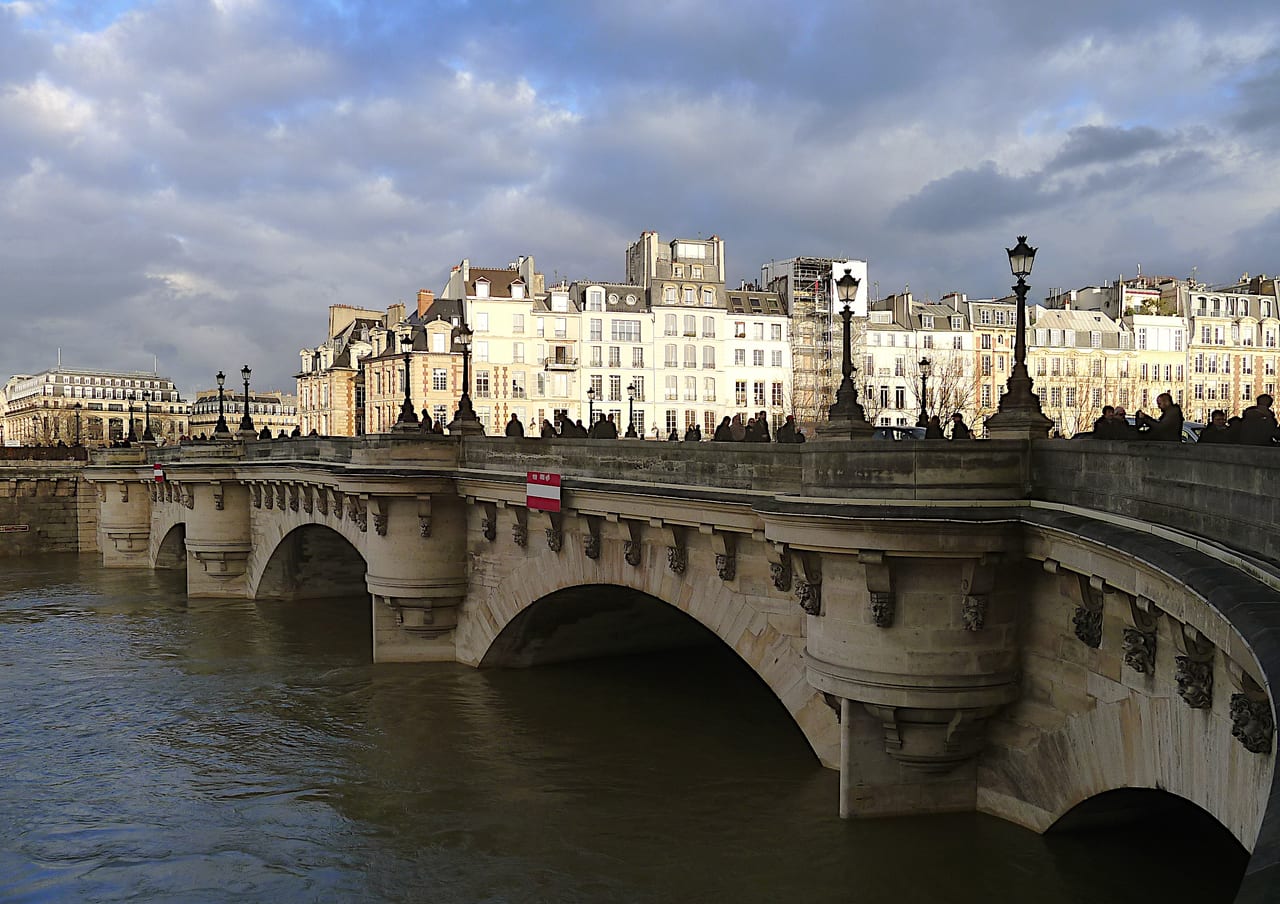
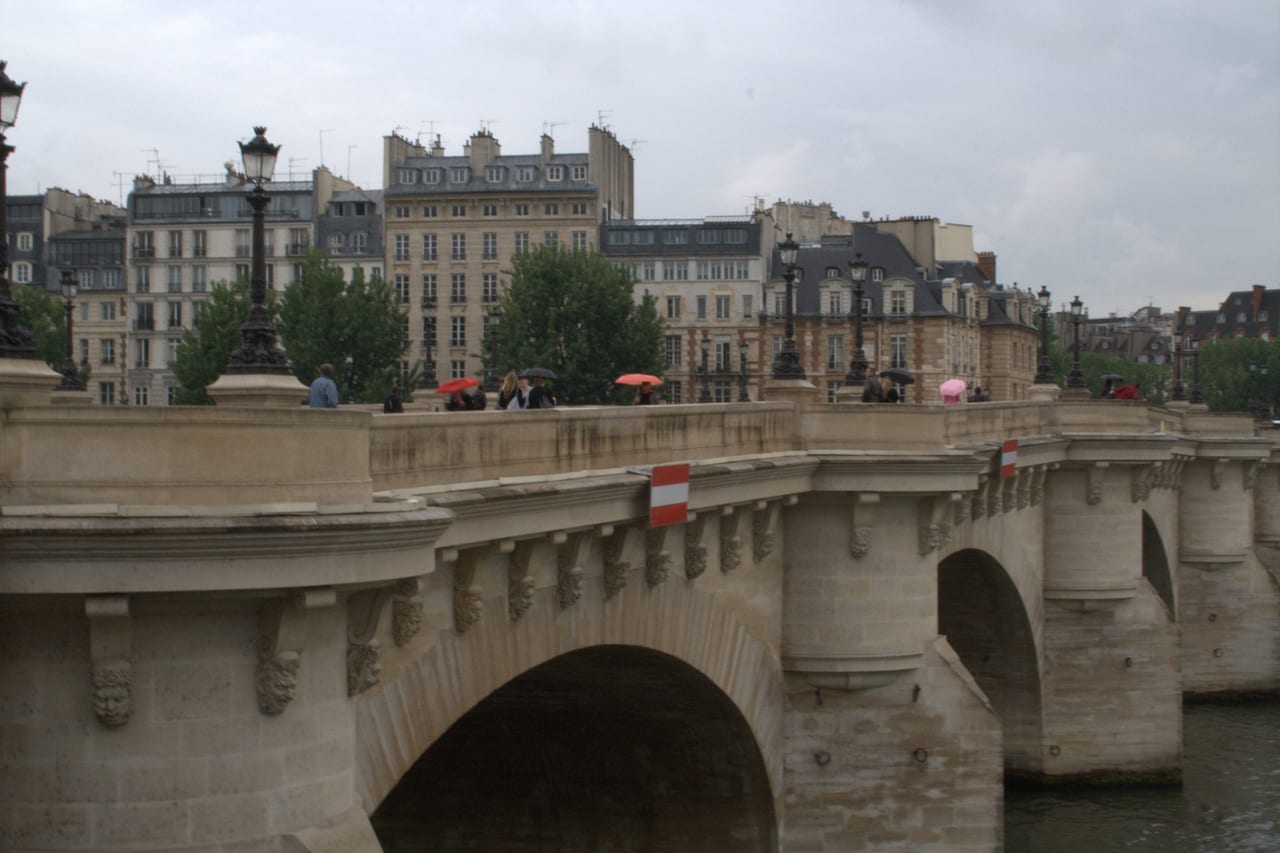
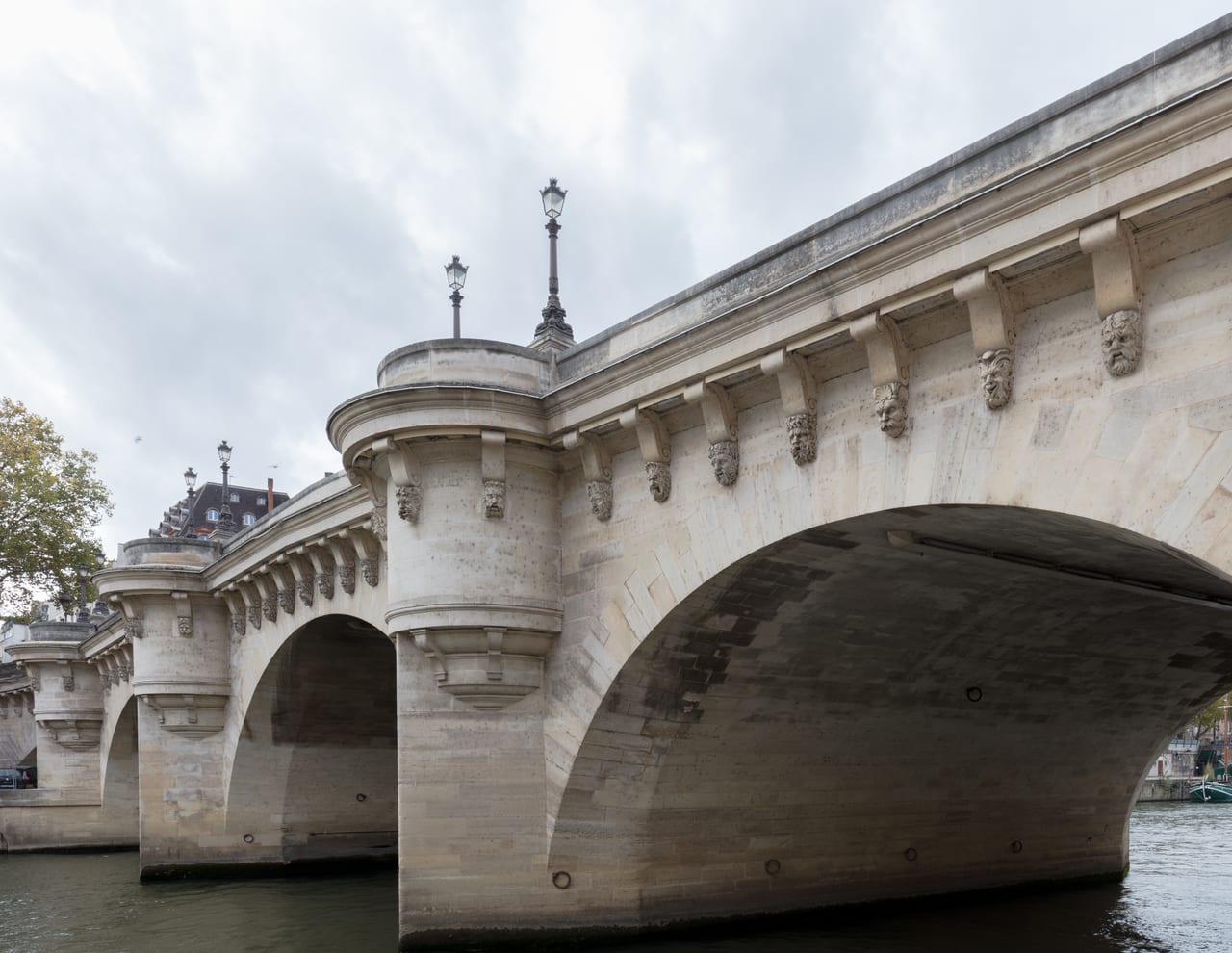
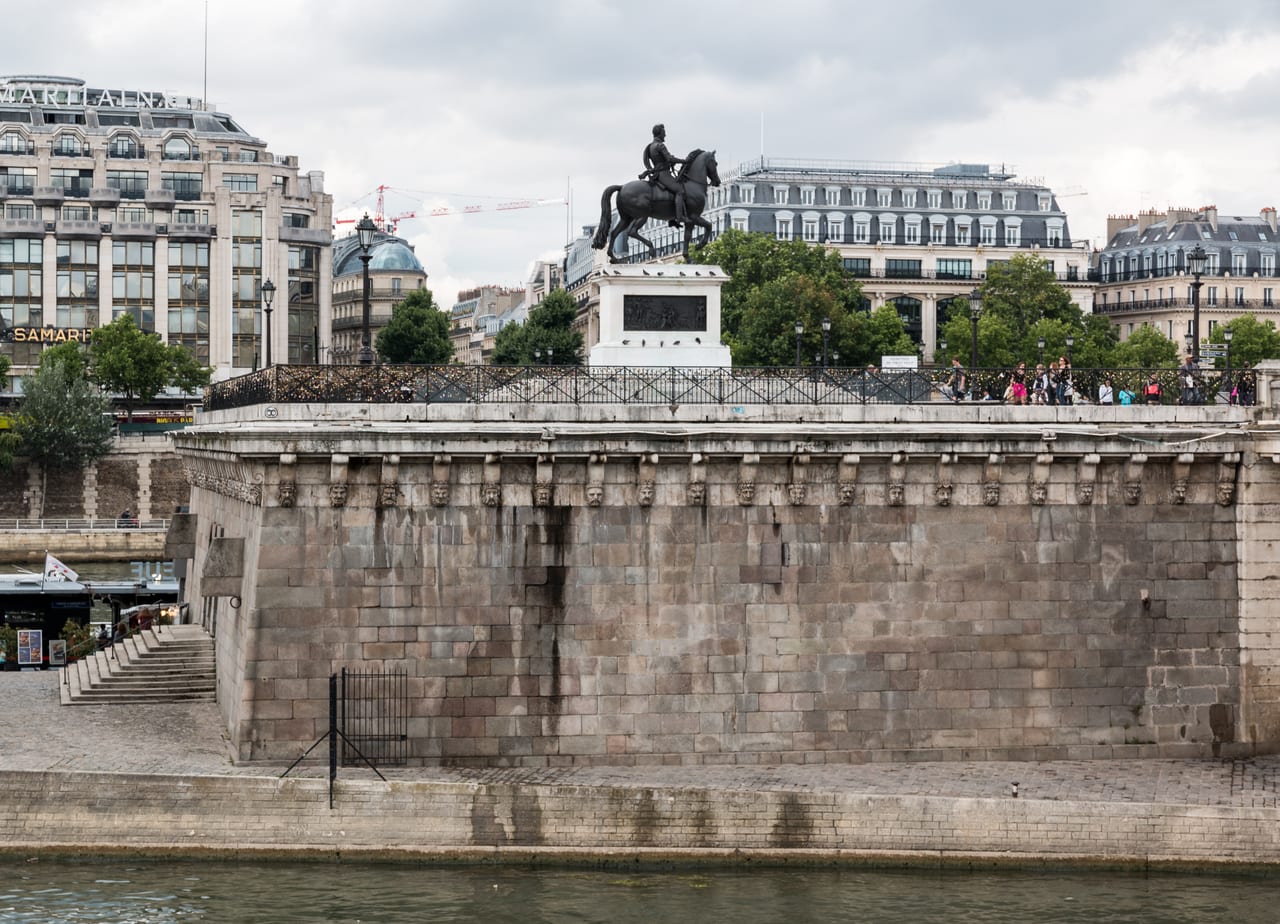
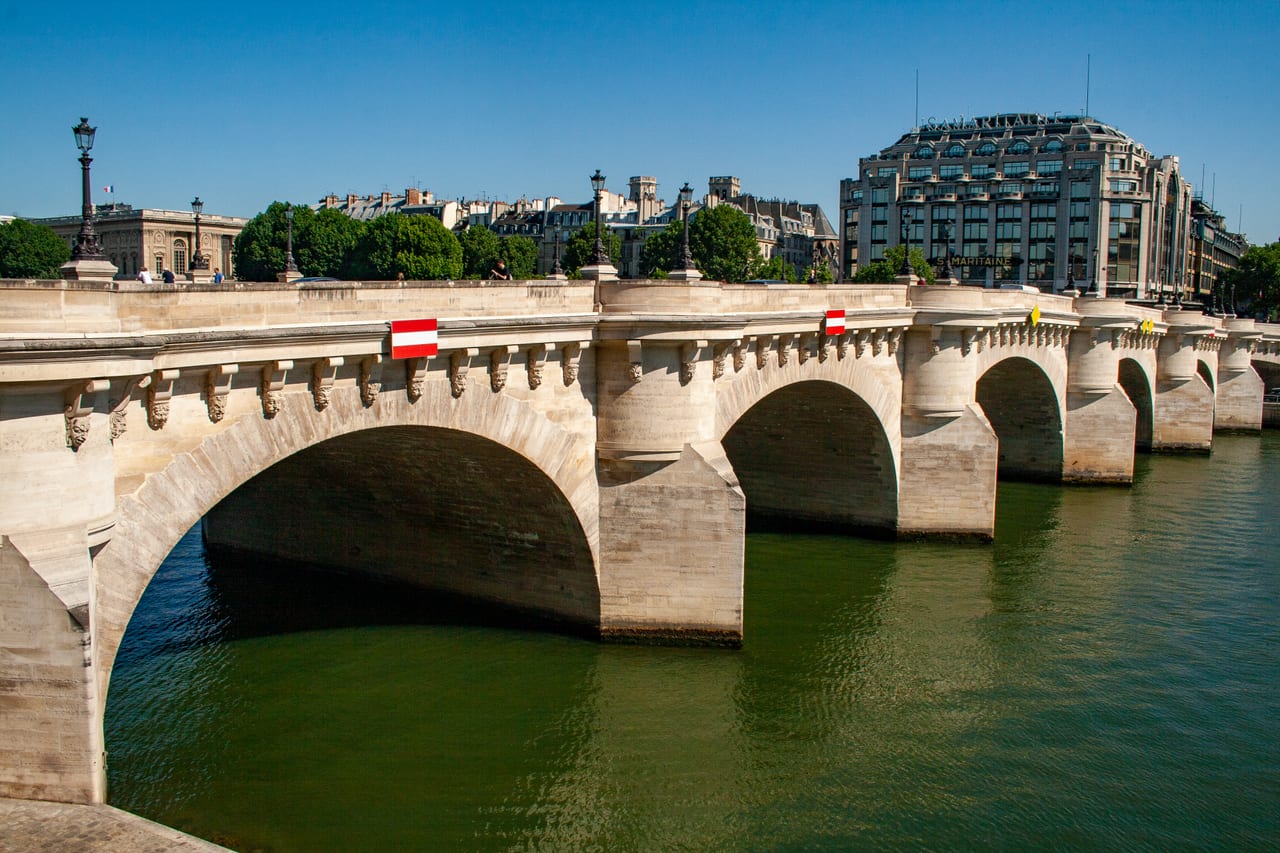
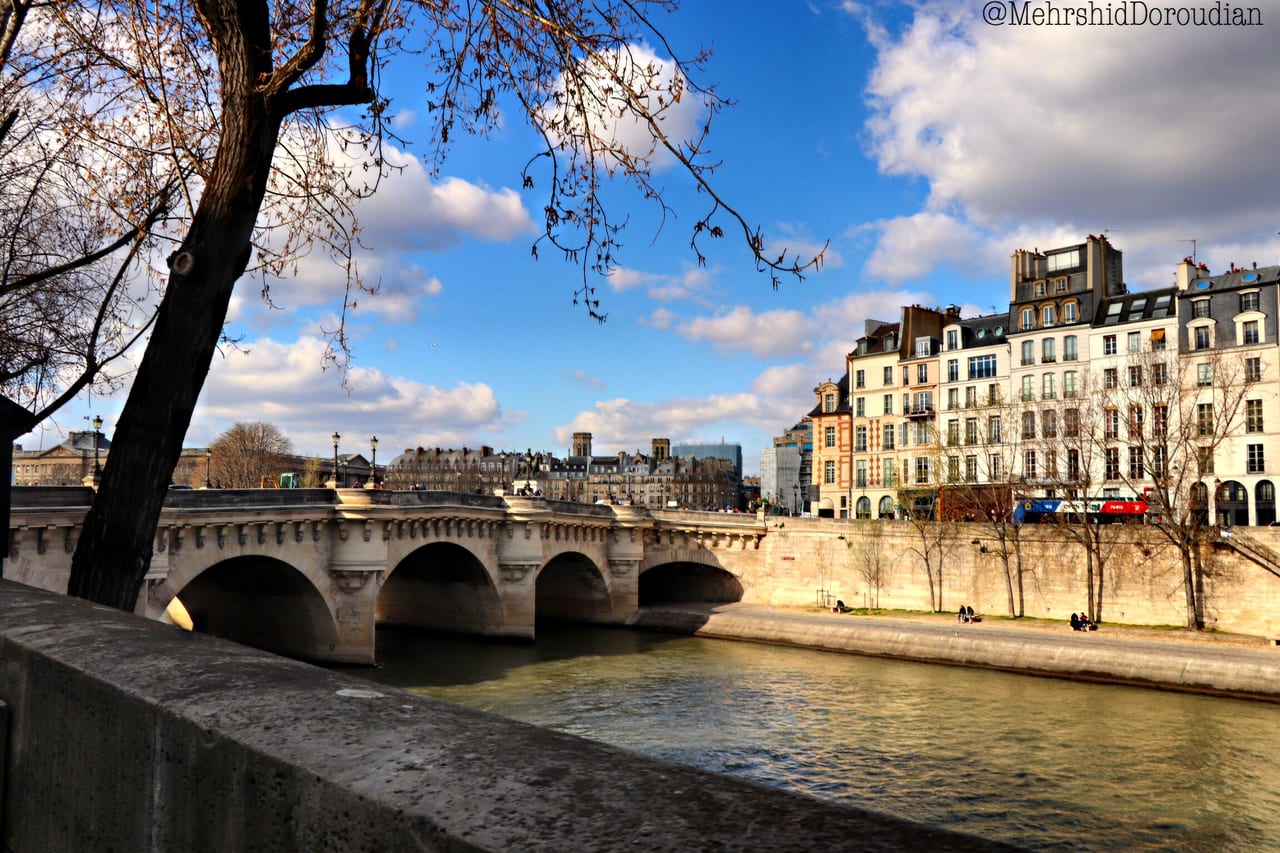
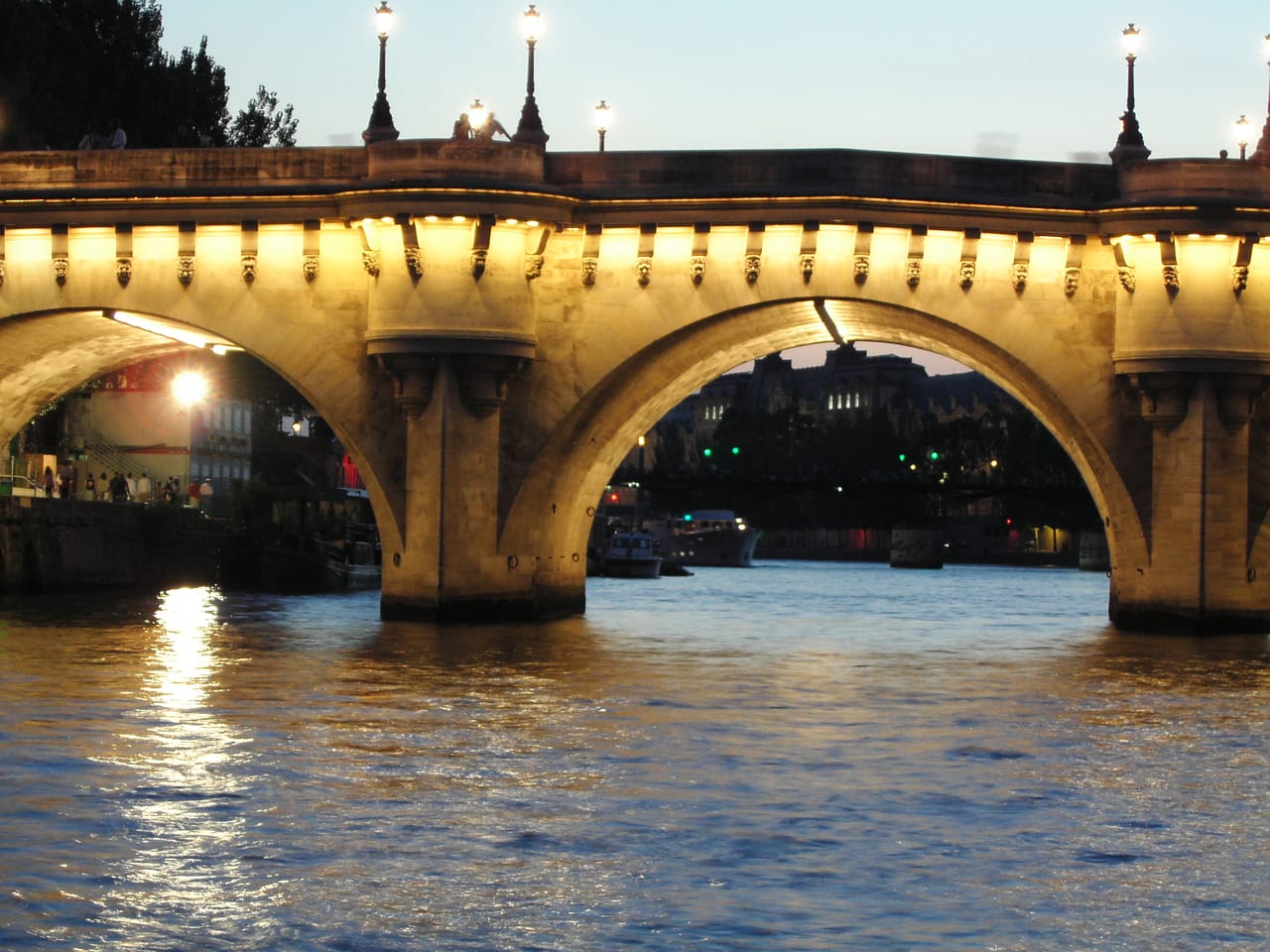
DirectionsAlong its cornices, the Pont Neuf originally carried 381 individually varied grotesque masks; the surviving versions are copies installed during restorations in 1851–1855 and 1993–1994.
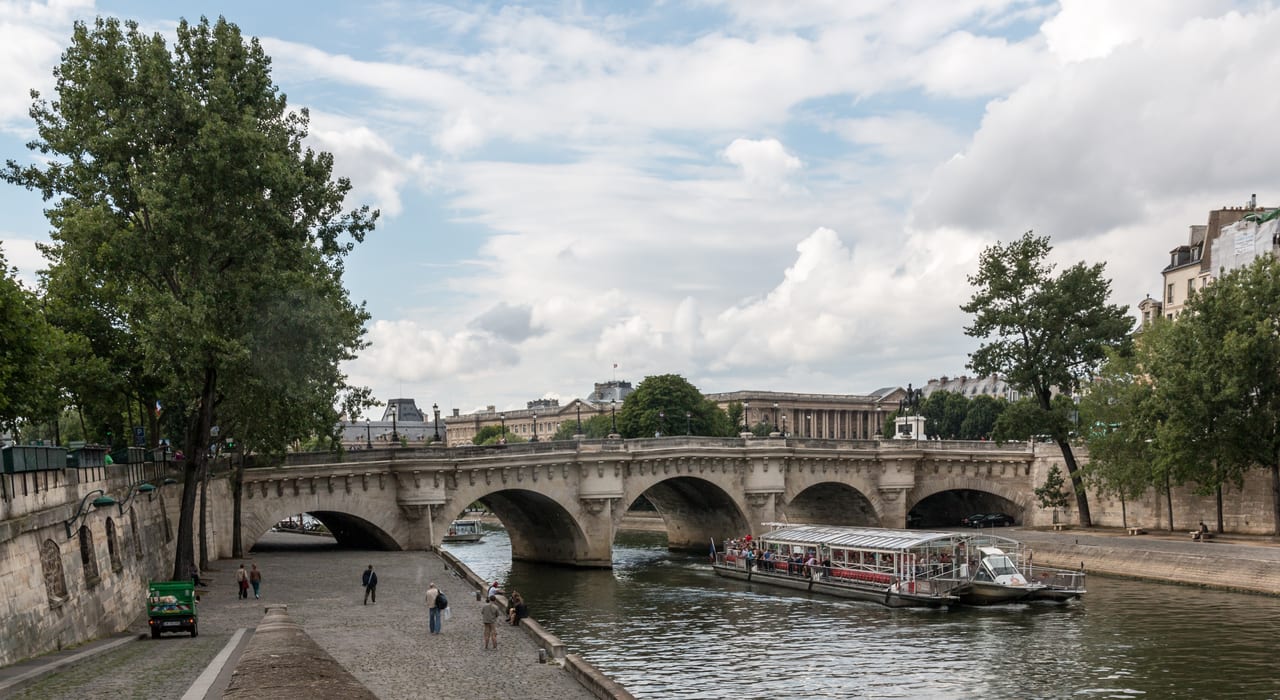
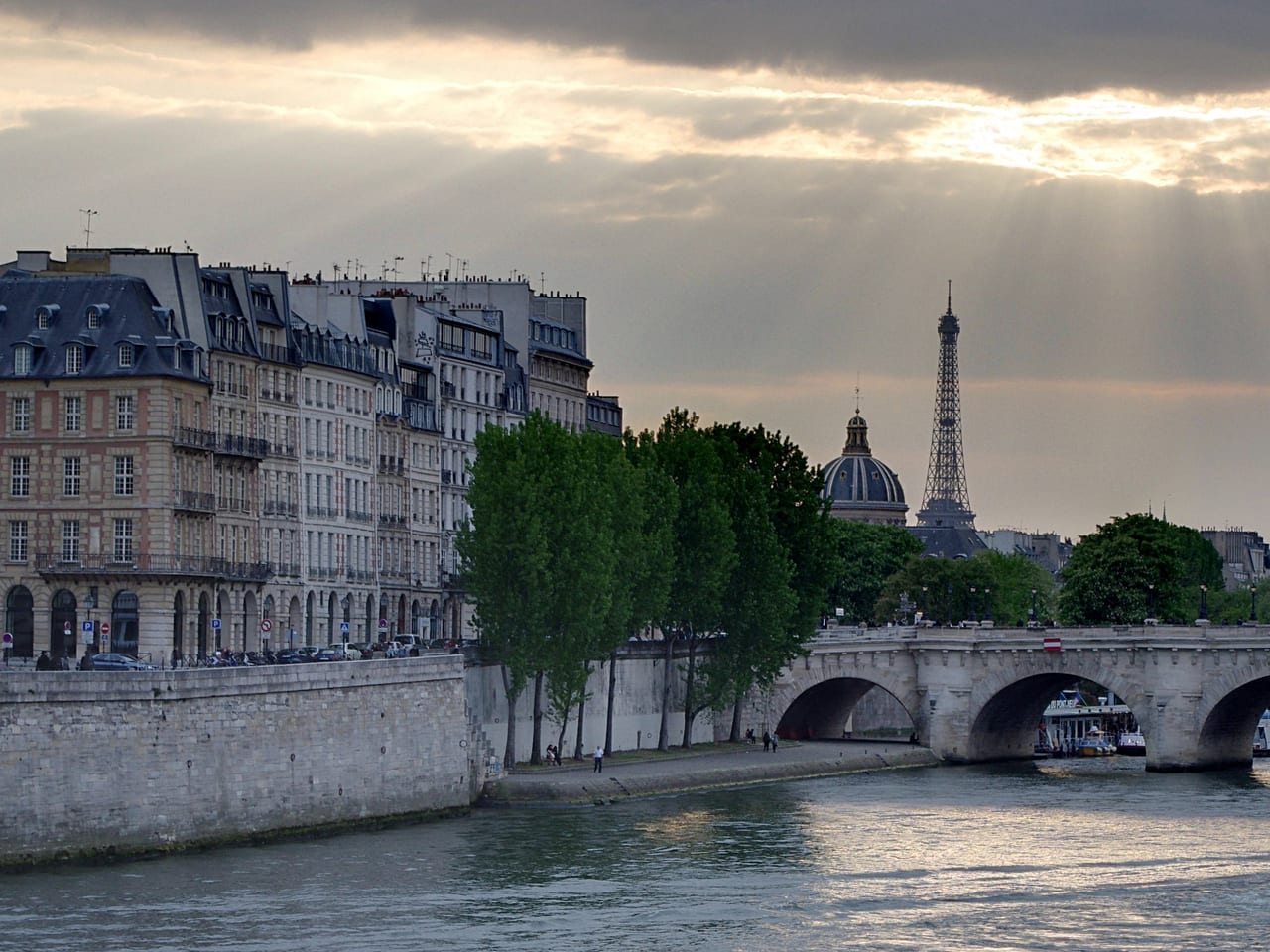
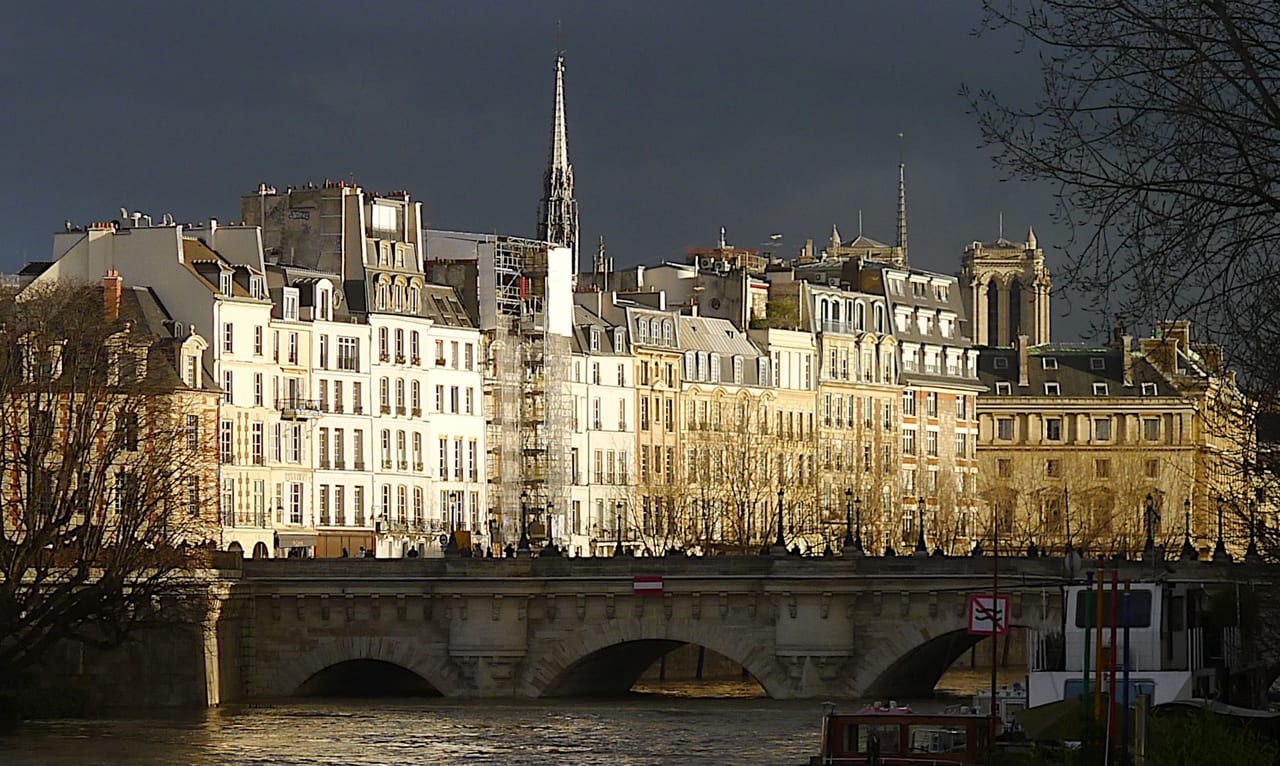
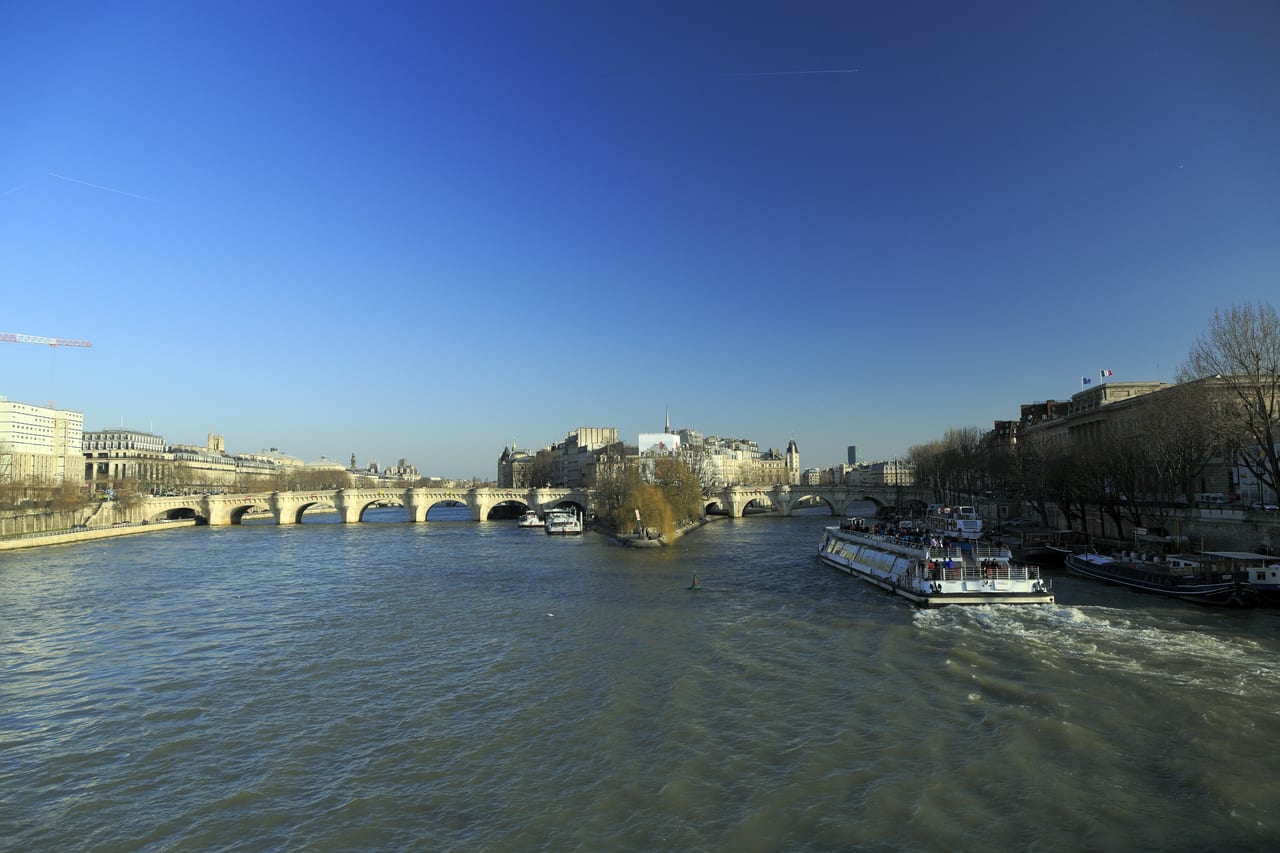
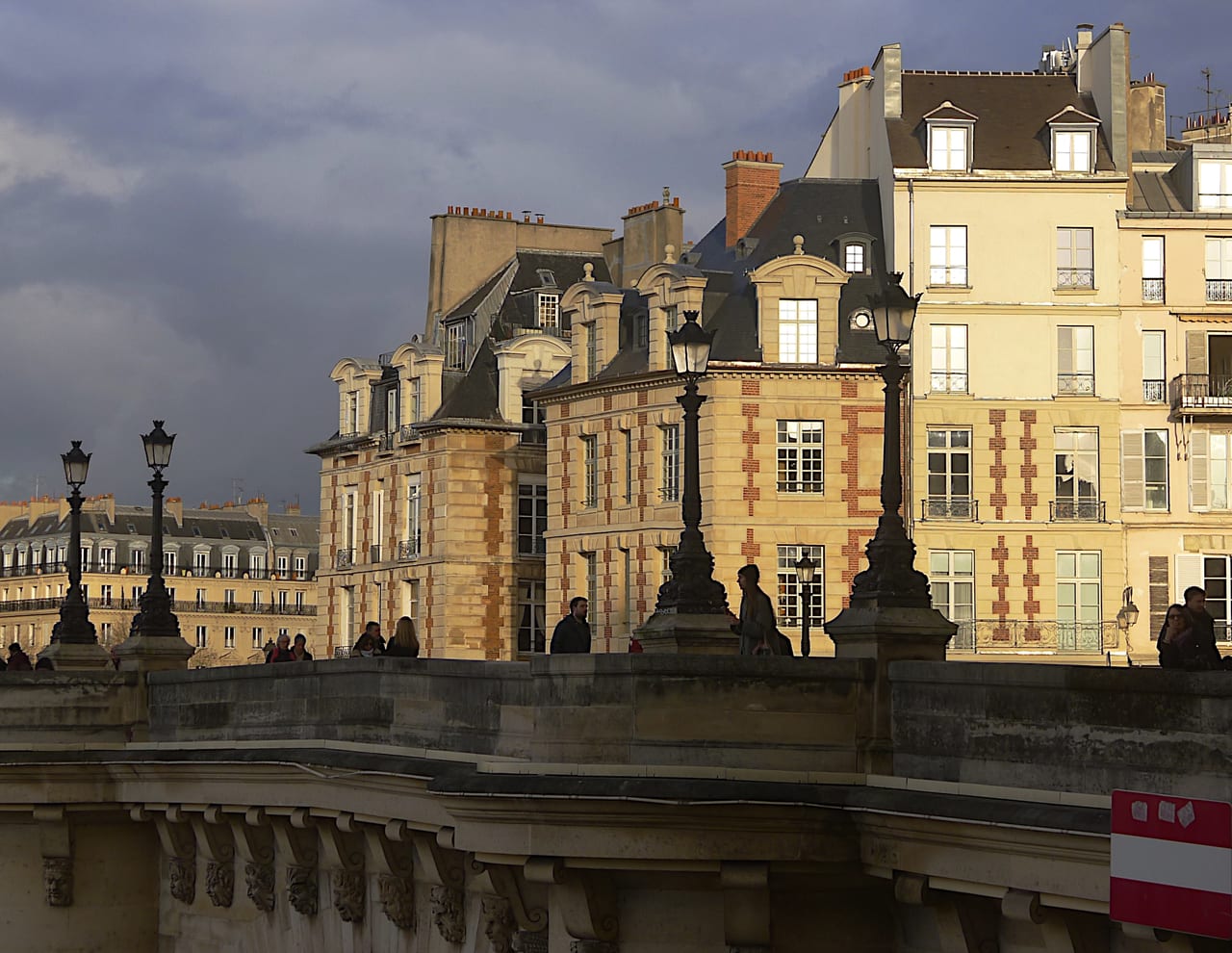
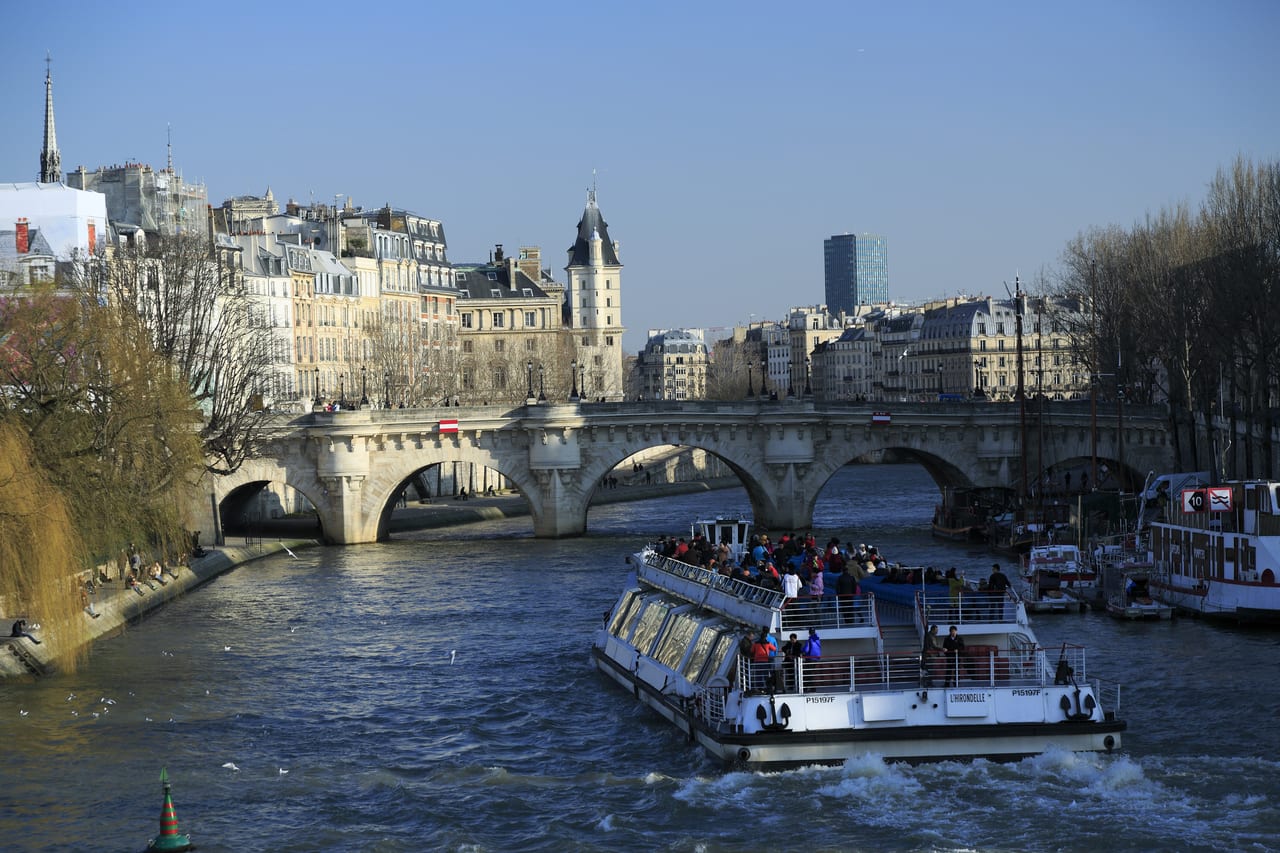
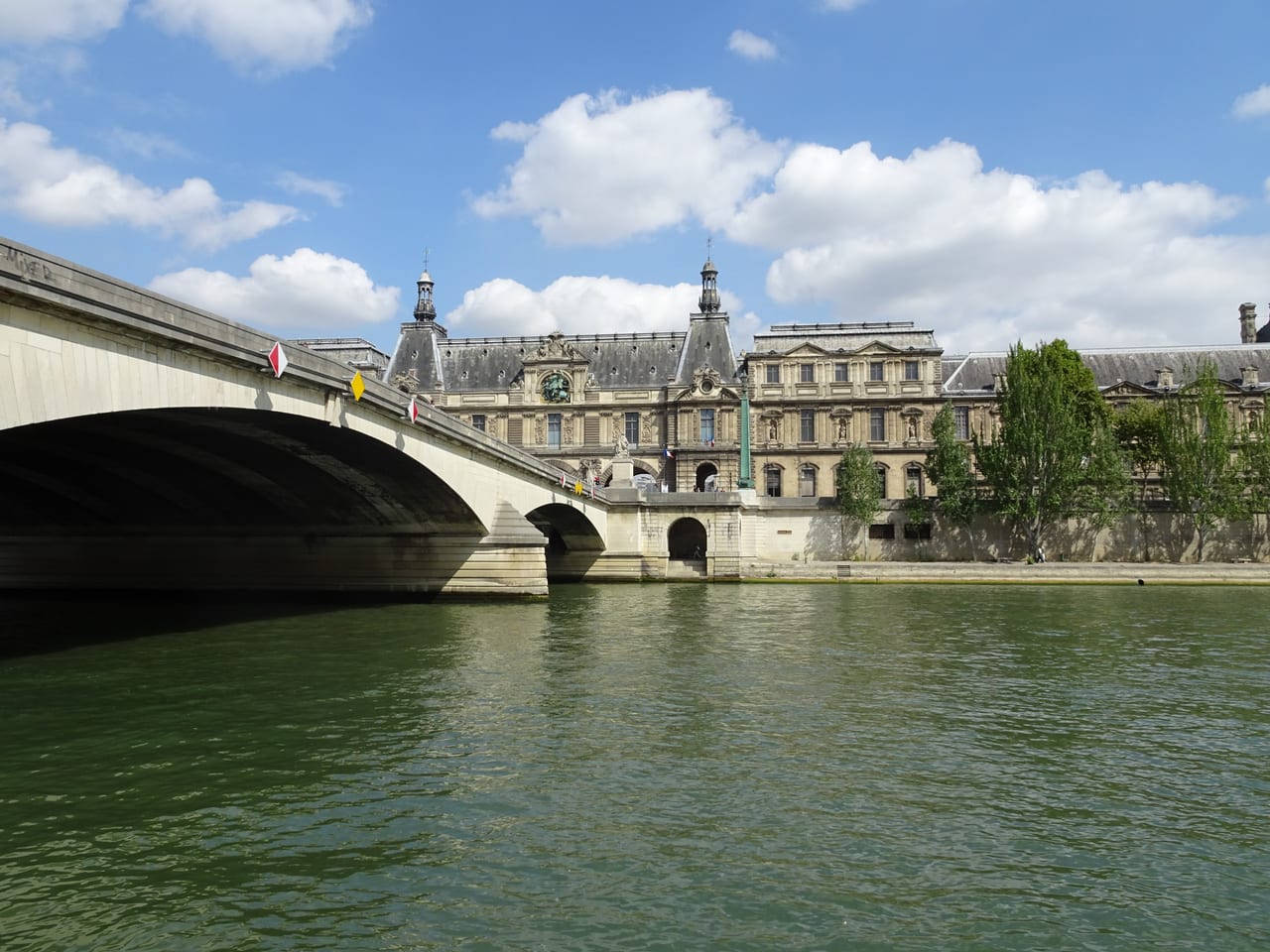
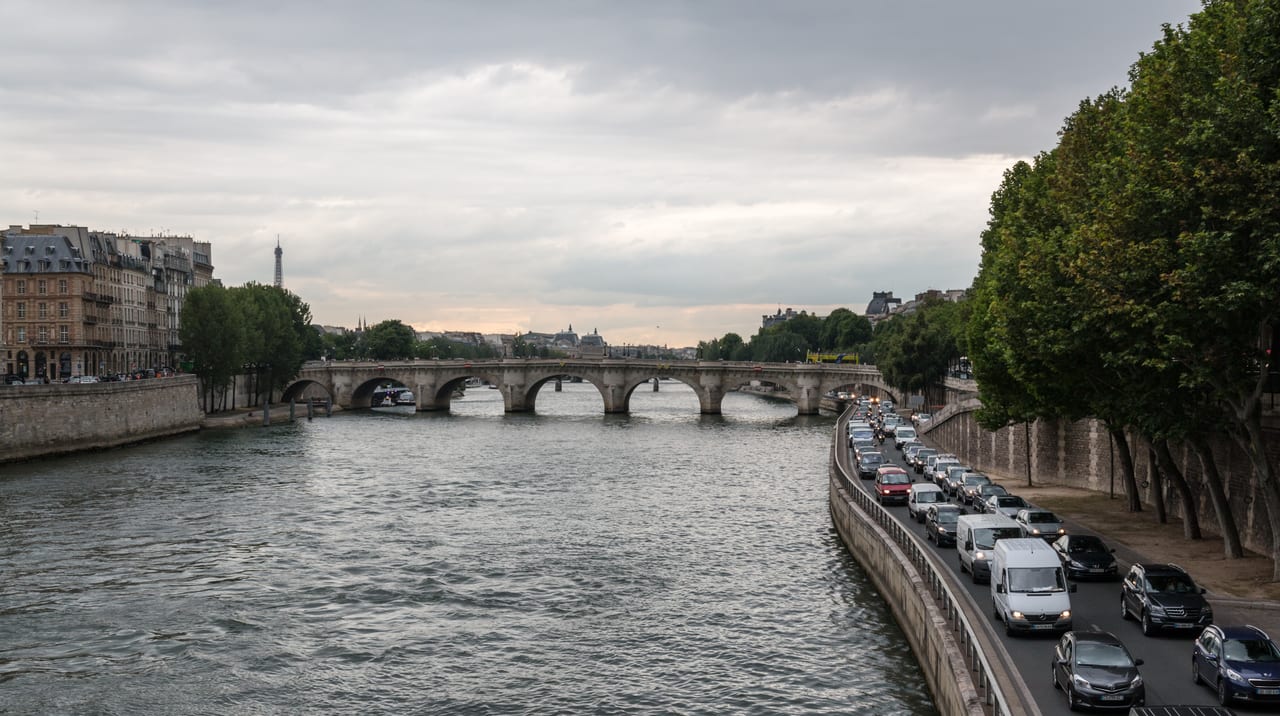
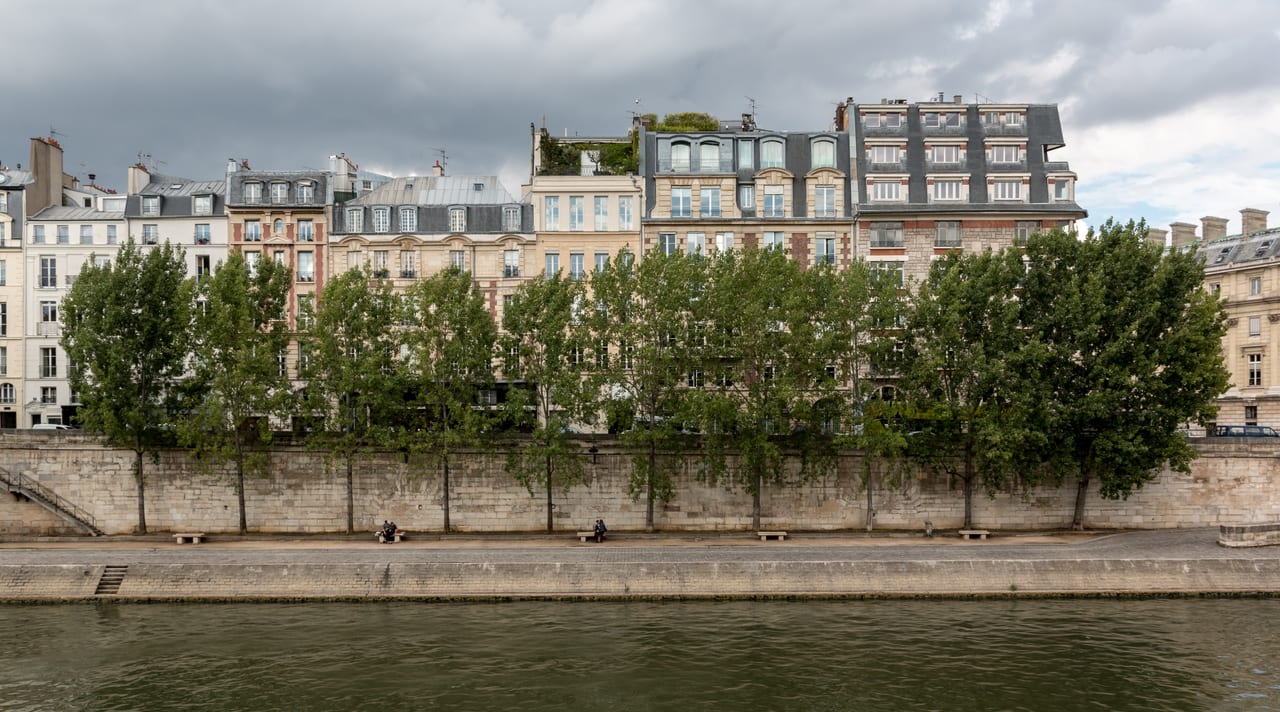
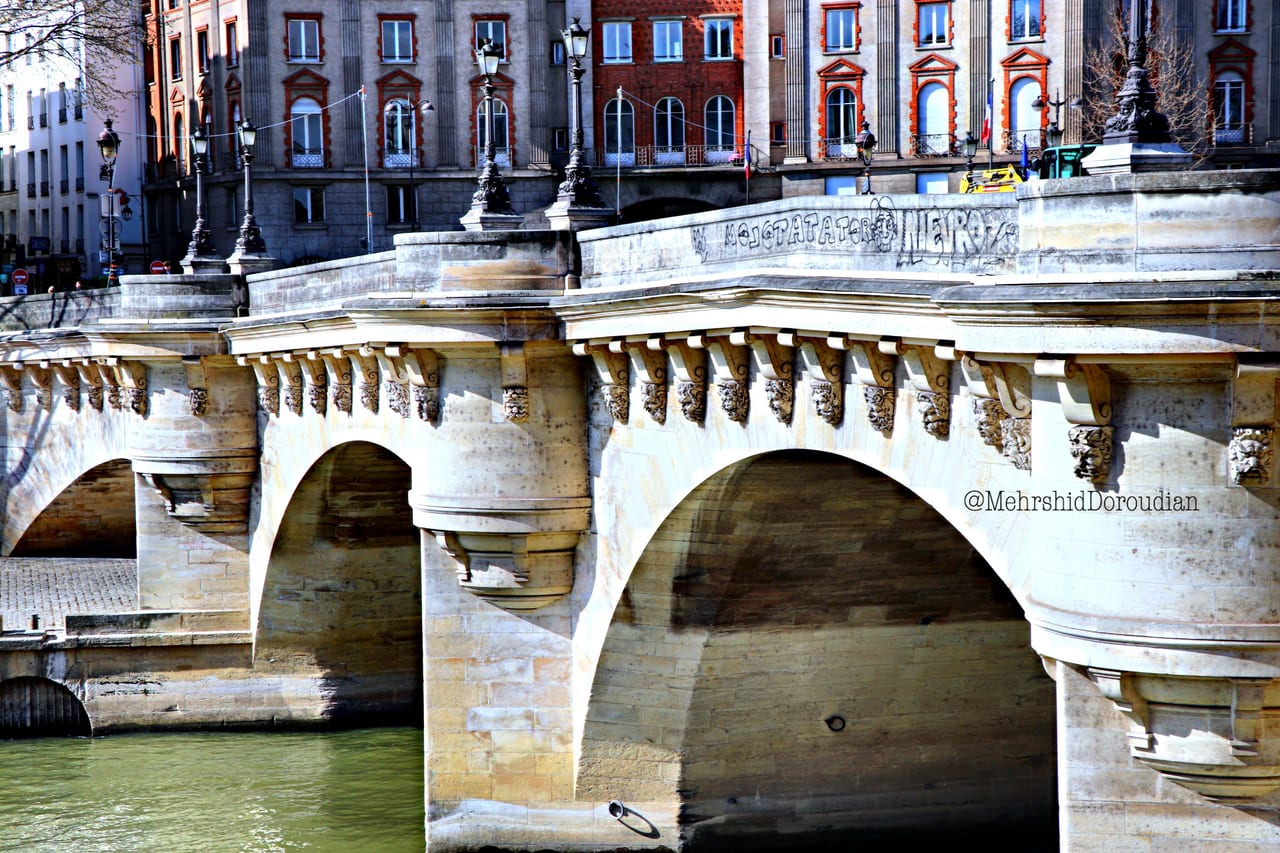
Photograph 1 of 51 of Pont Neuf
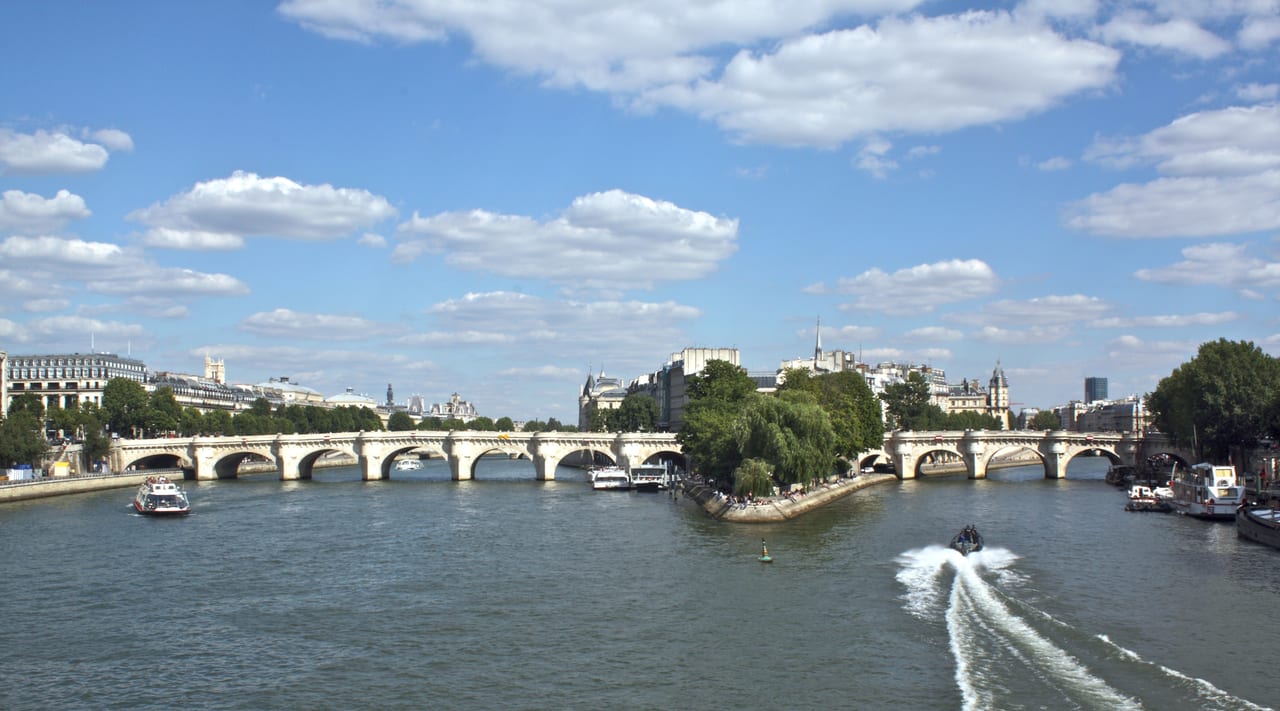
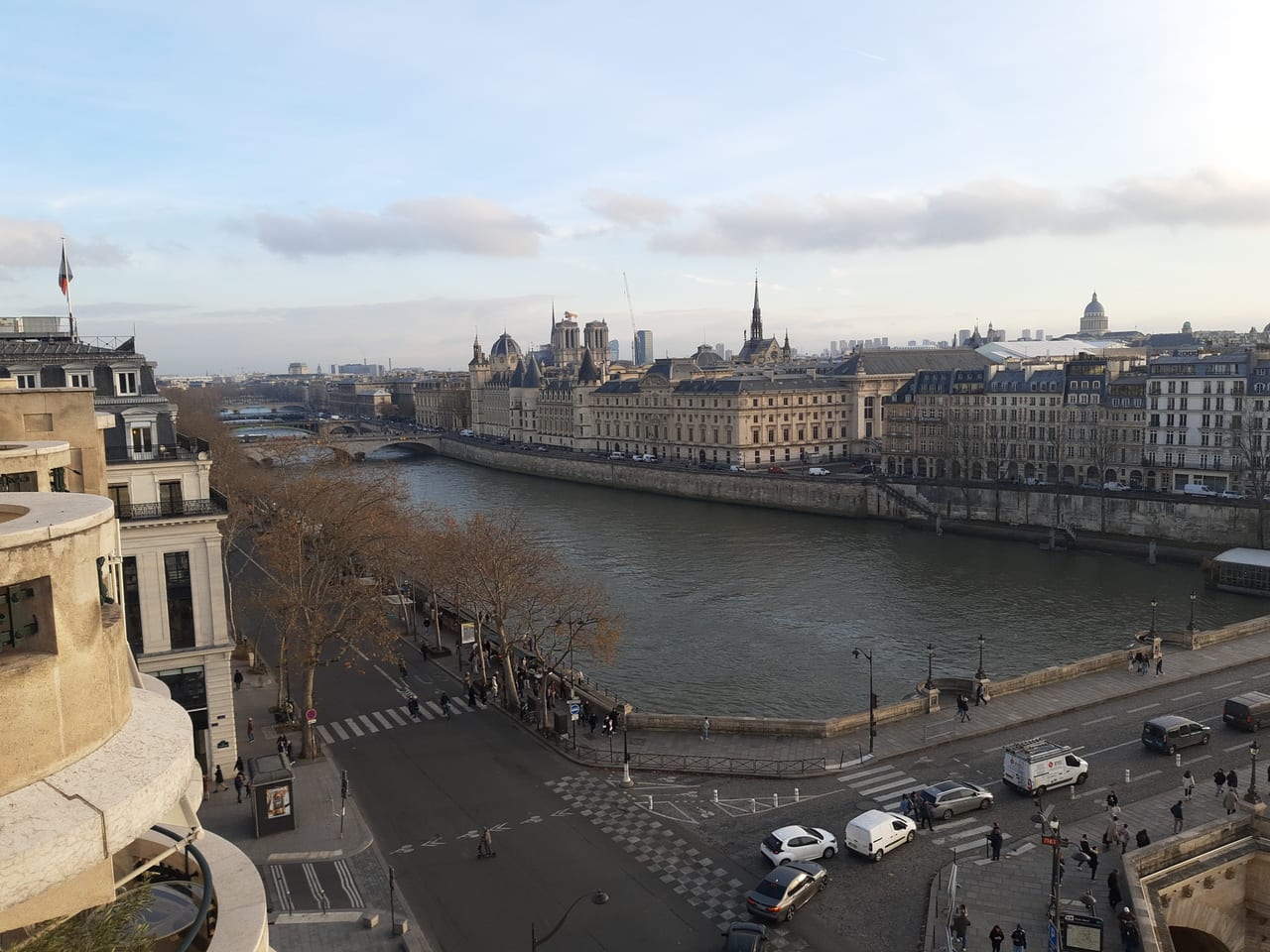
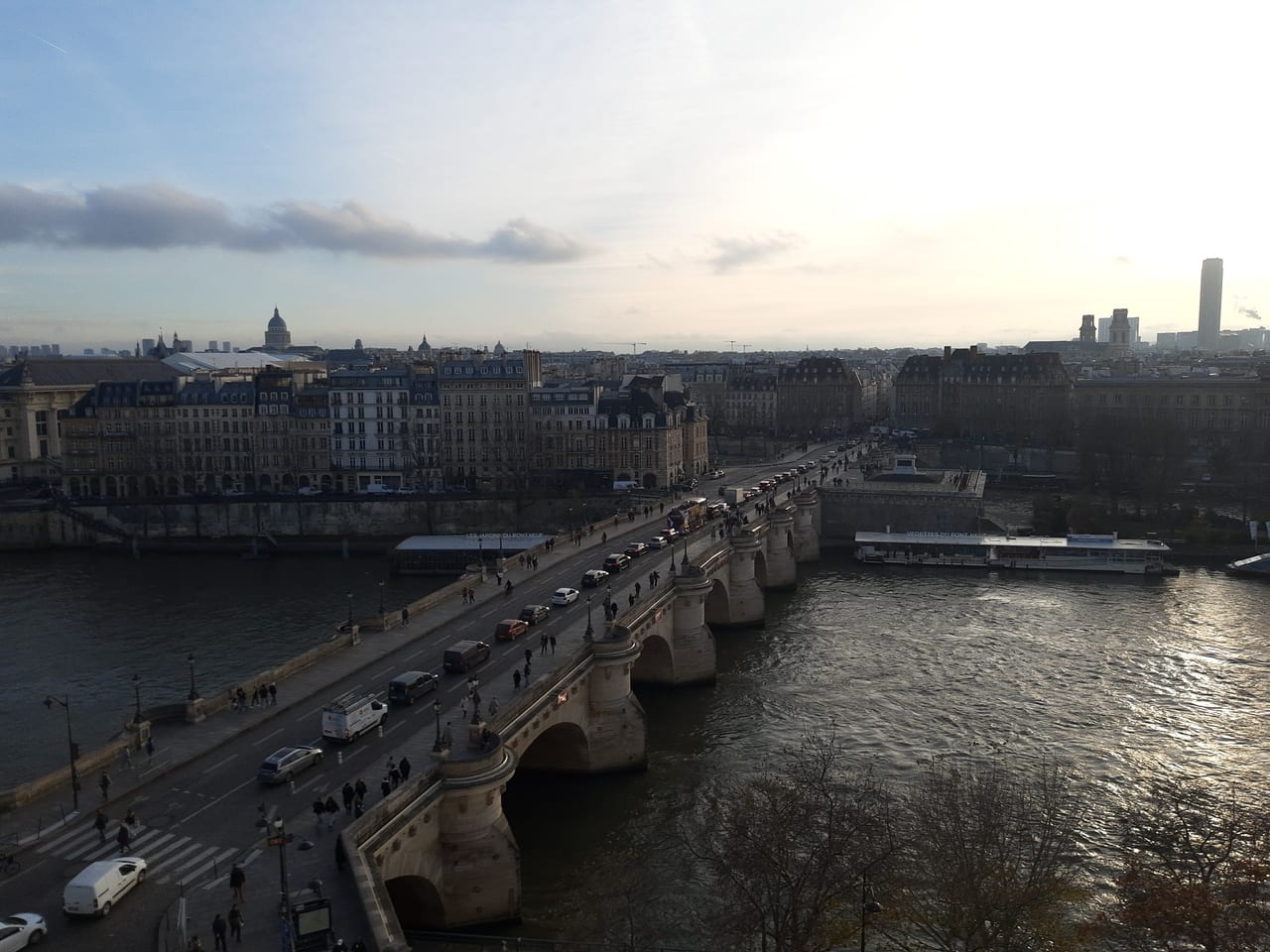
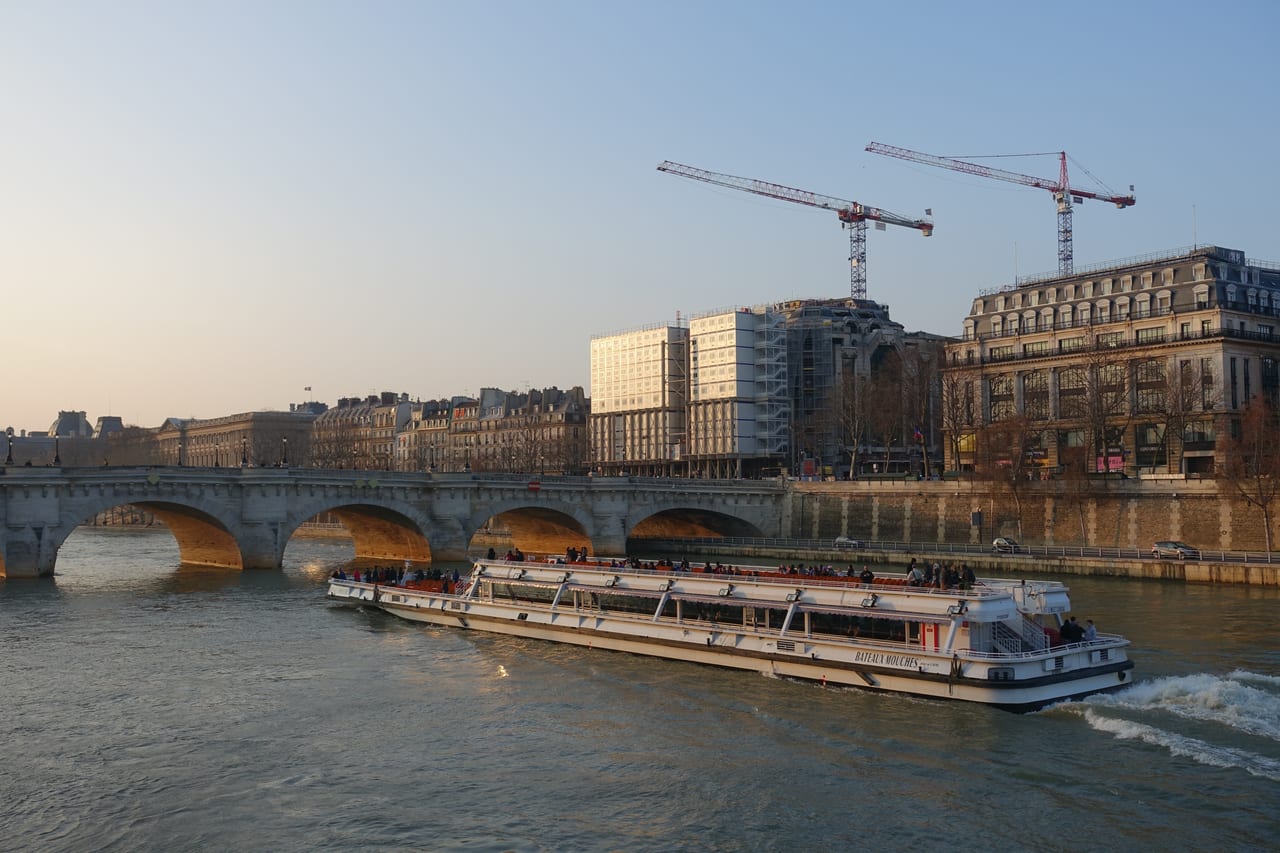
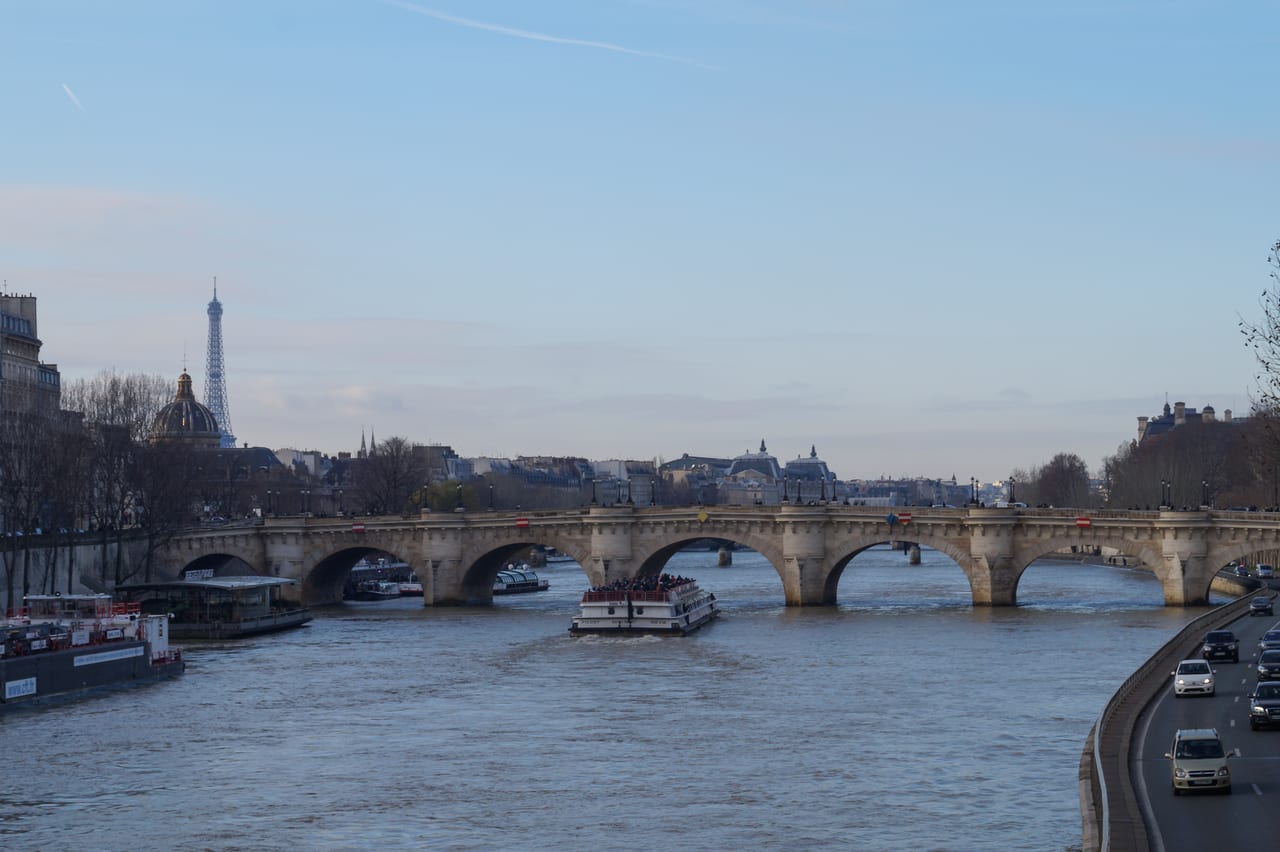
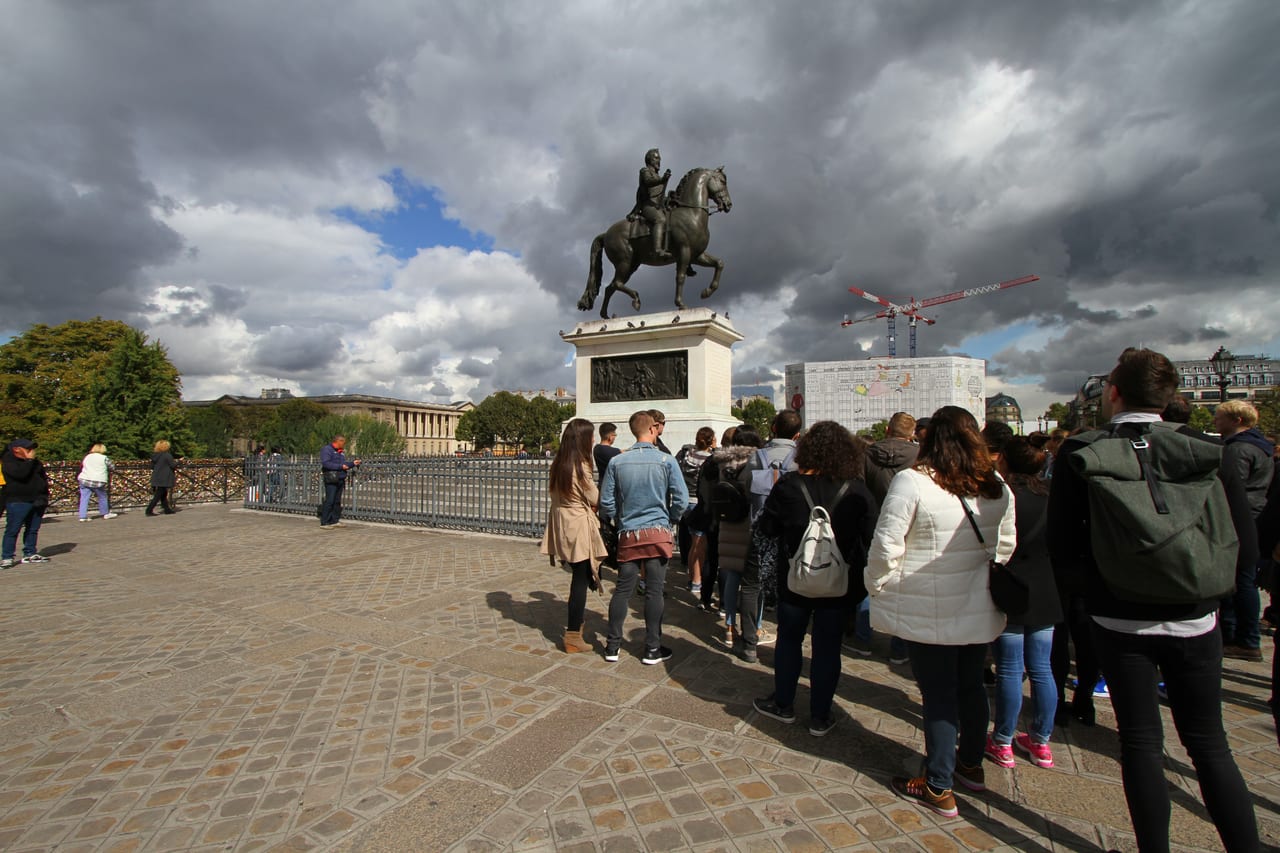
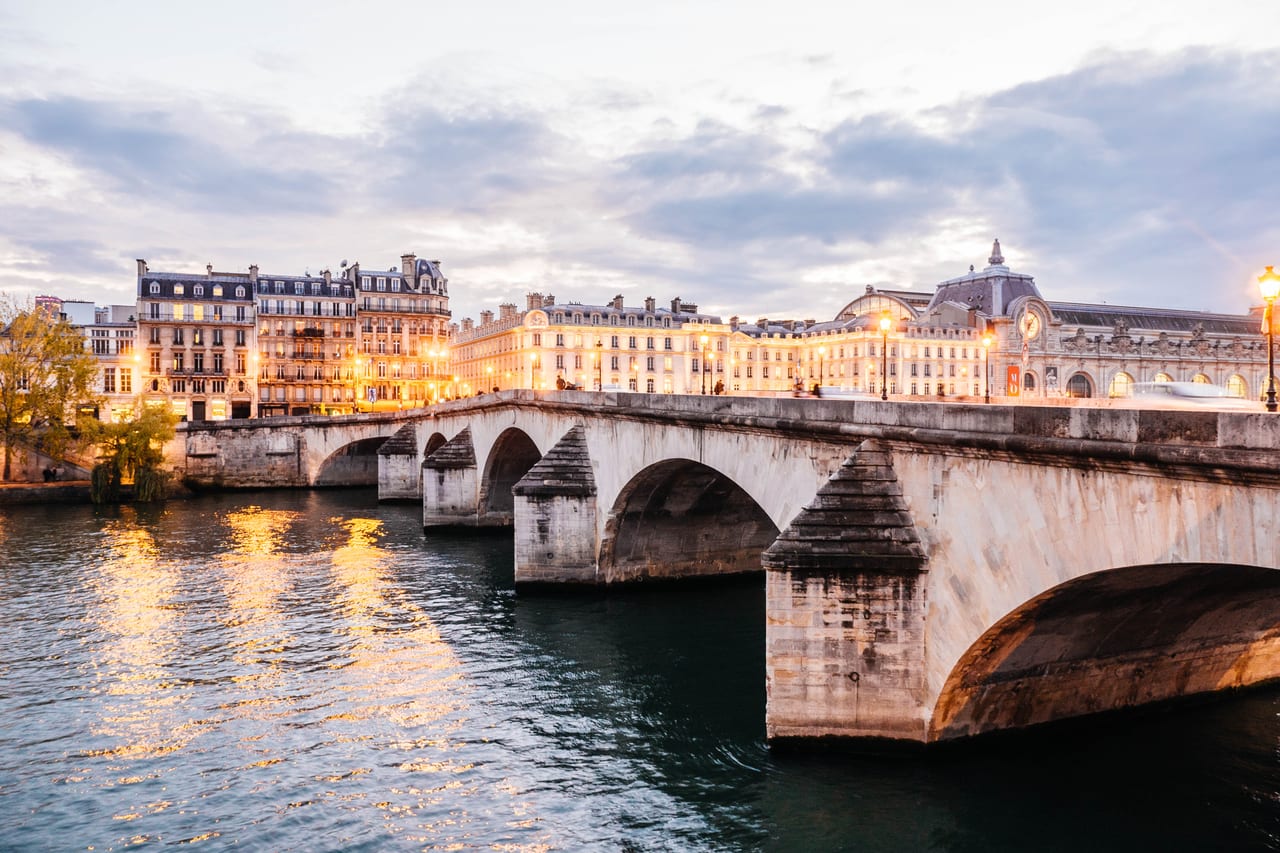
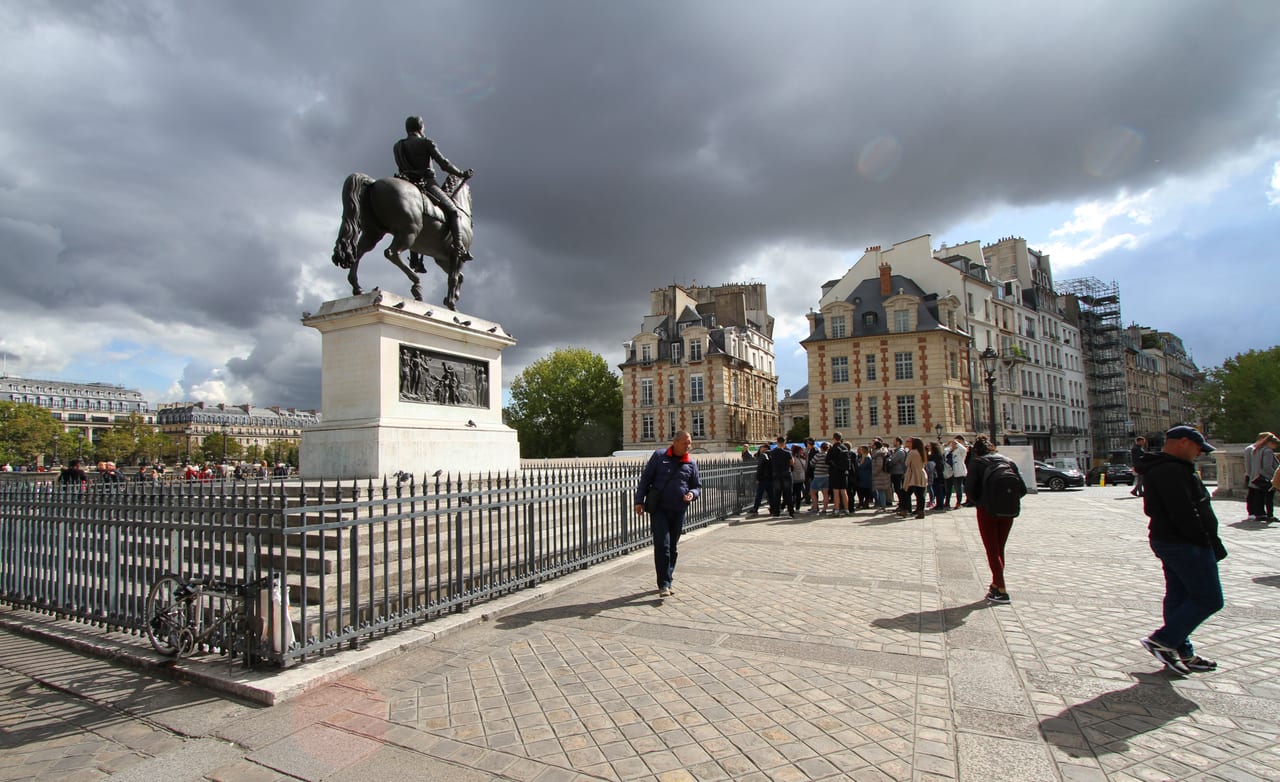
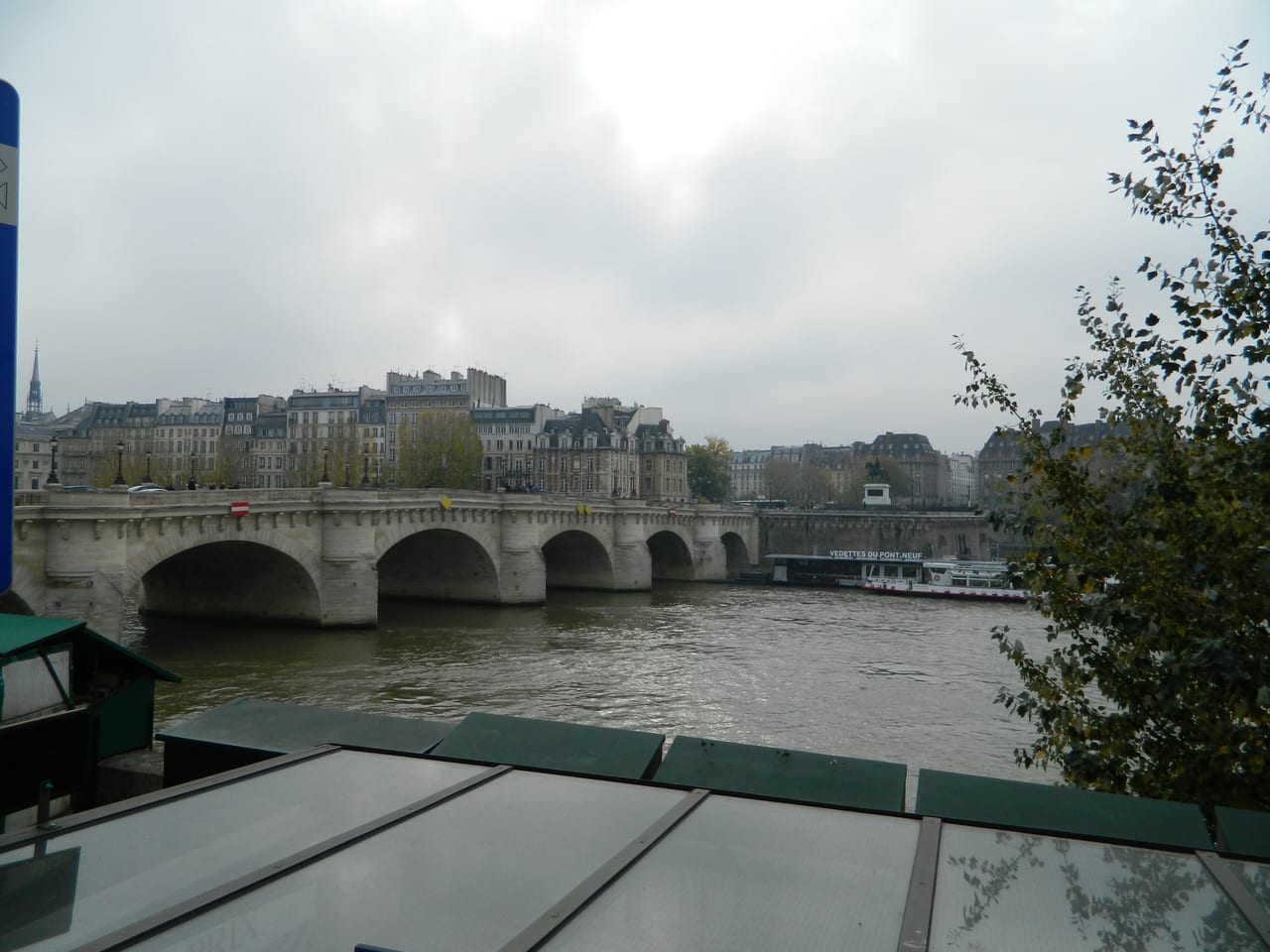
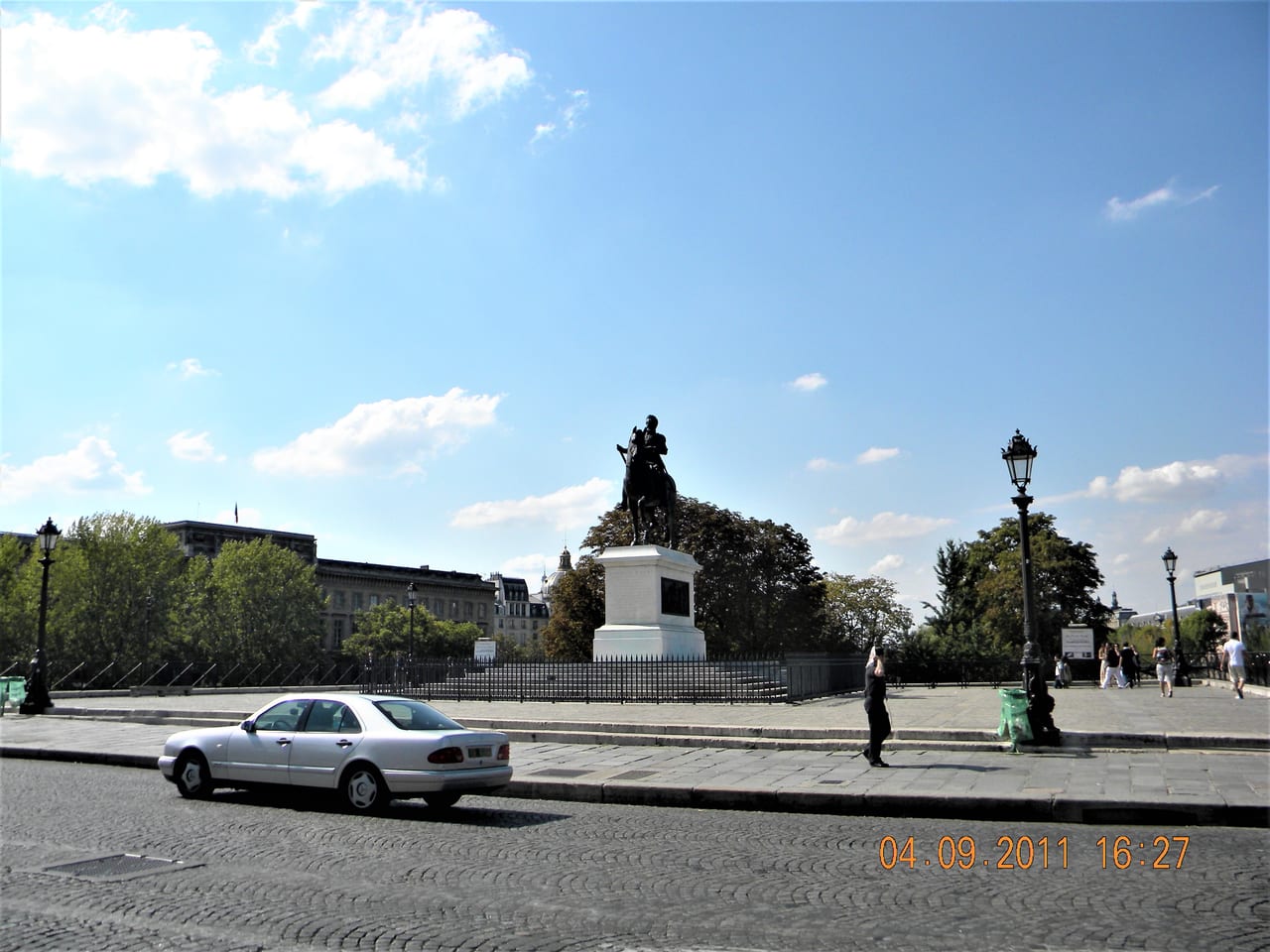
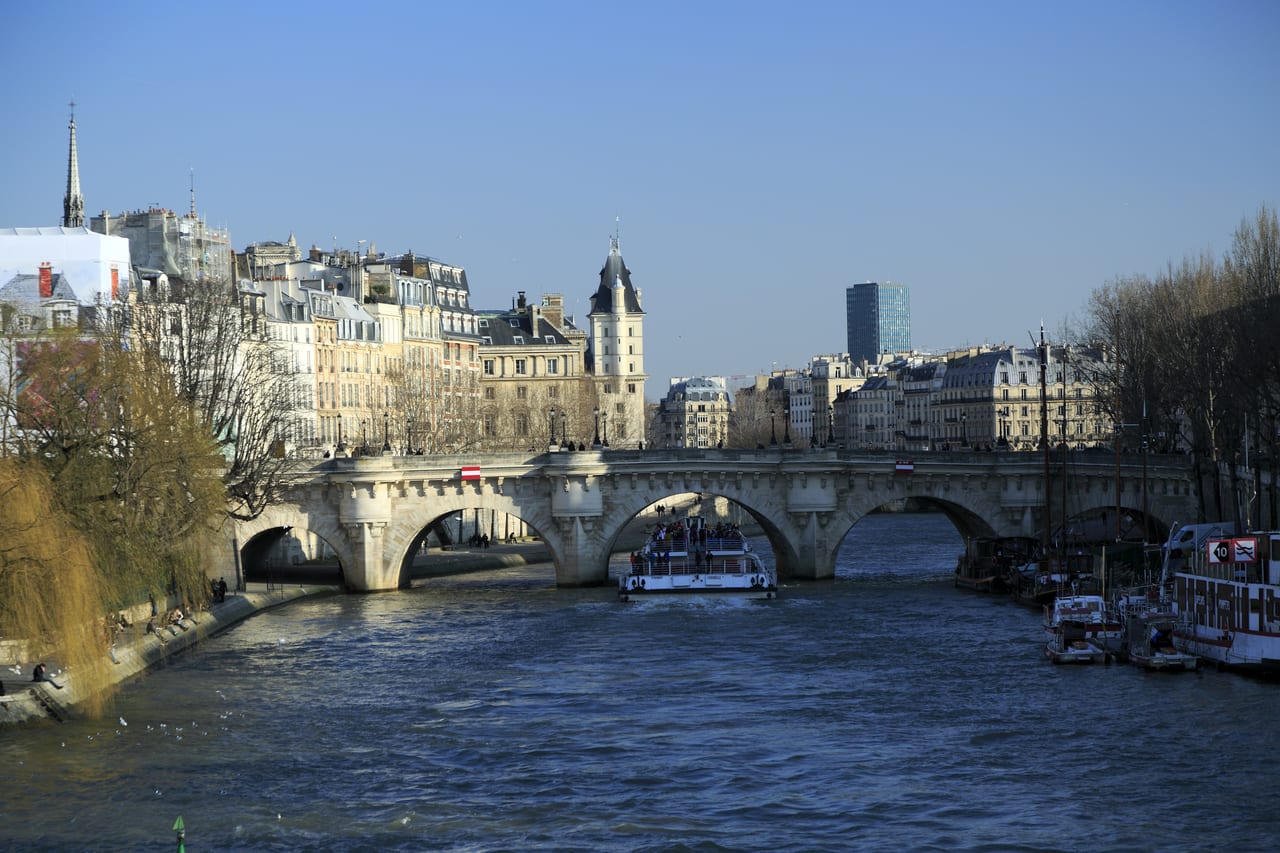
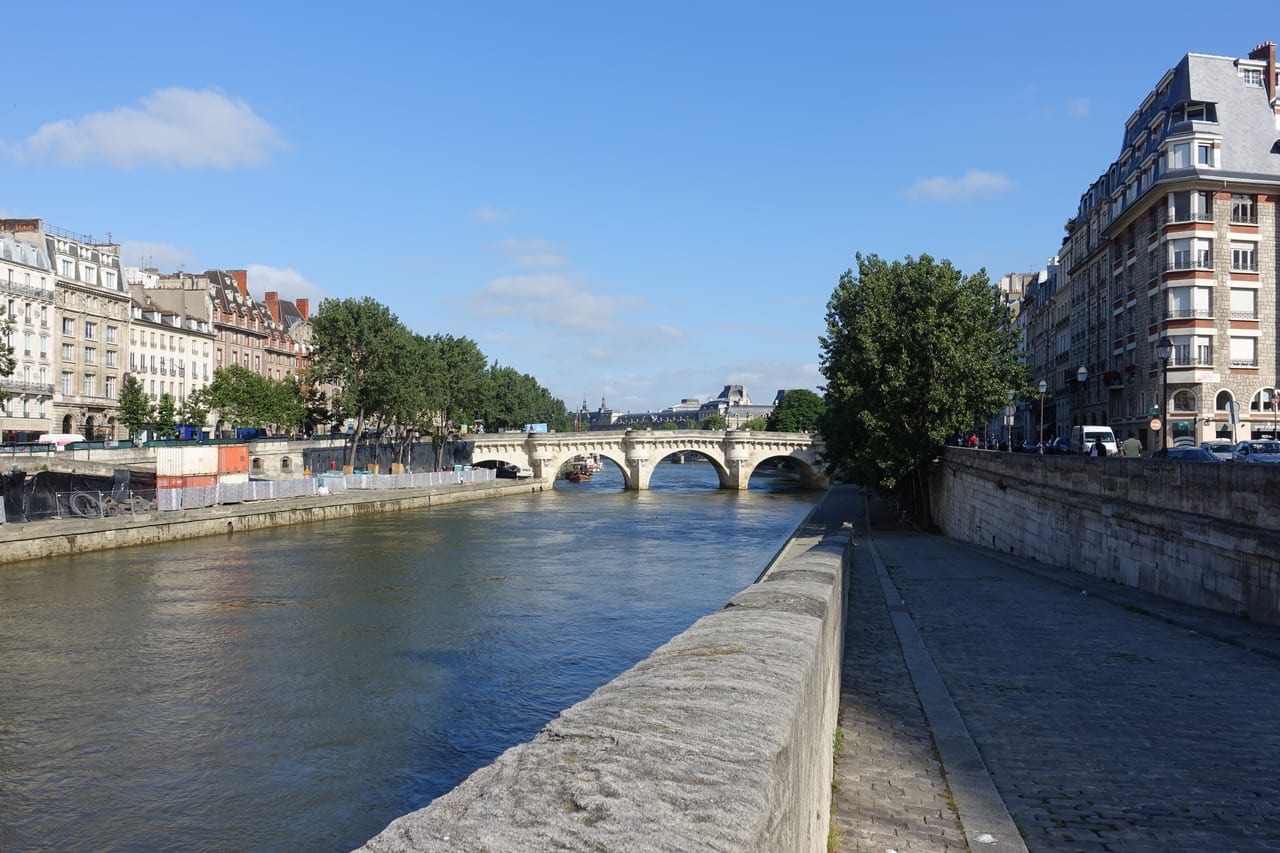
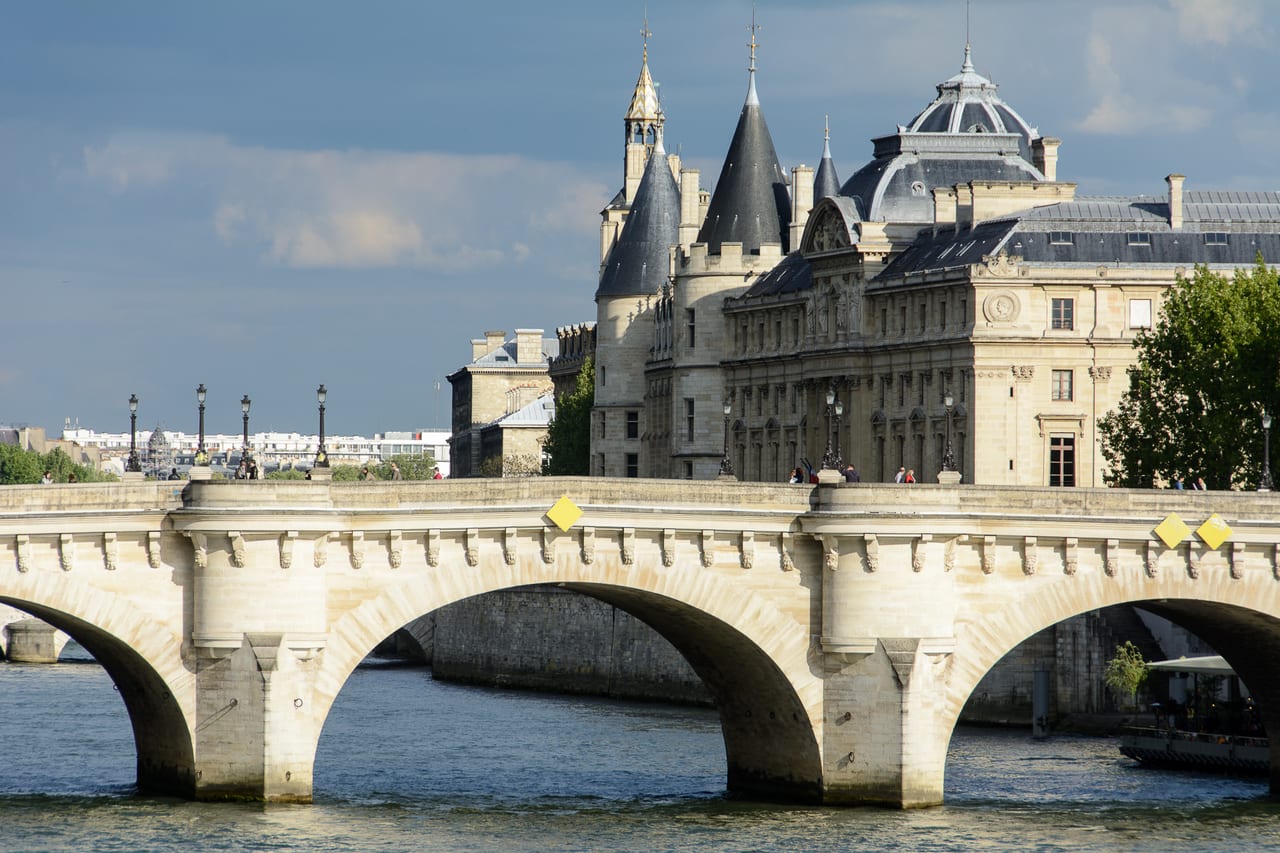
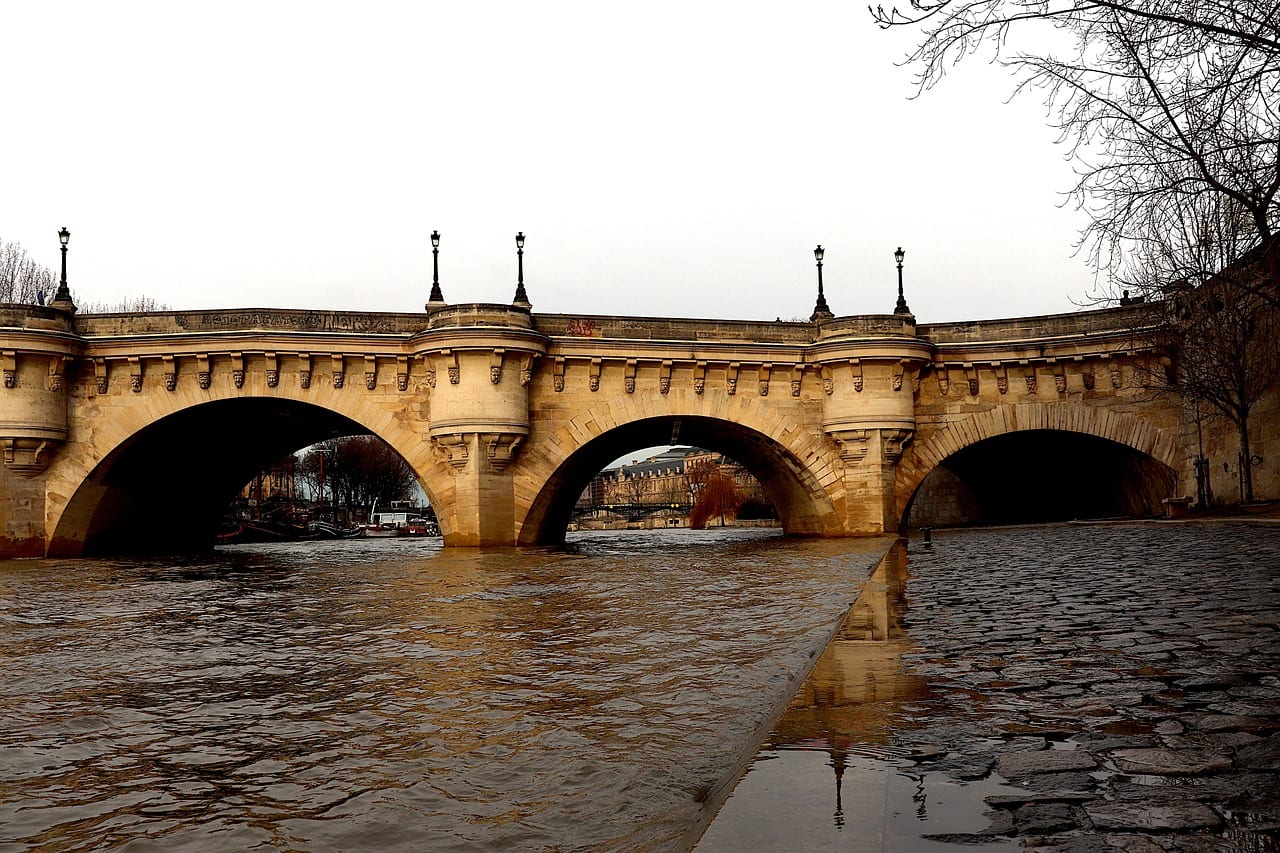
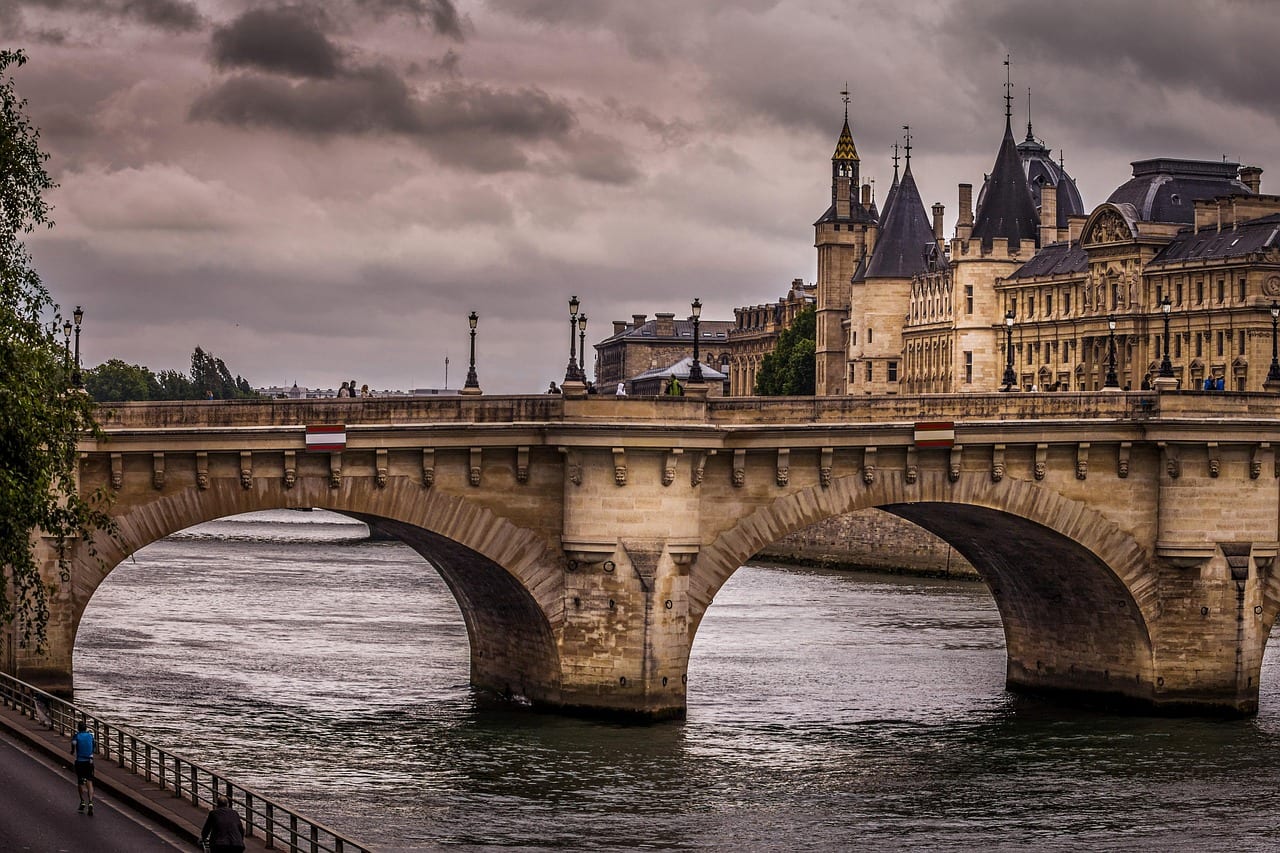
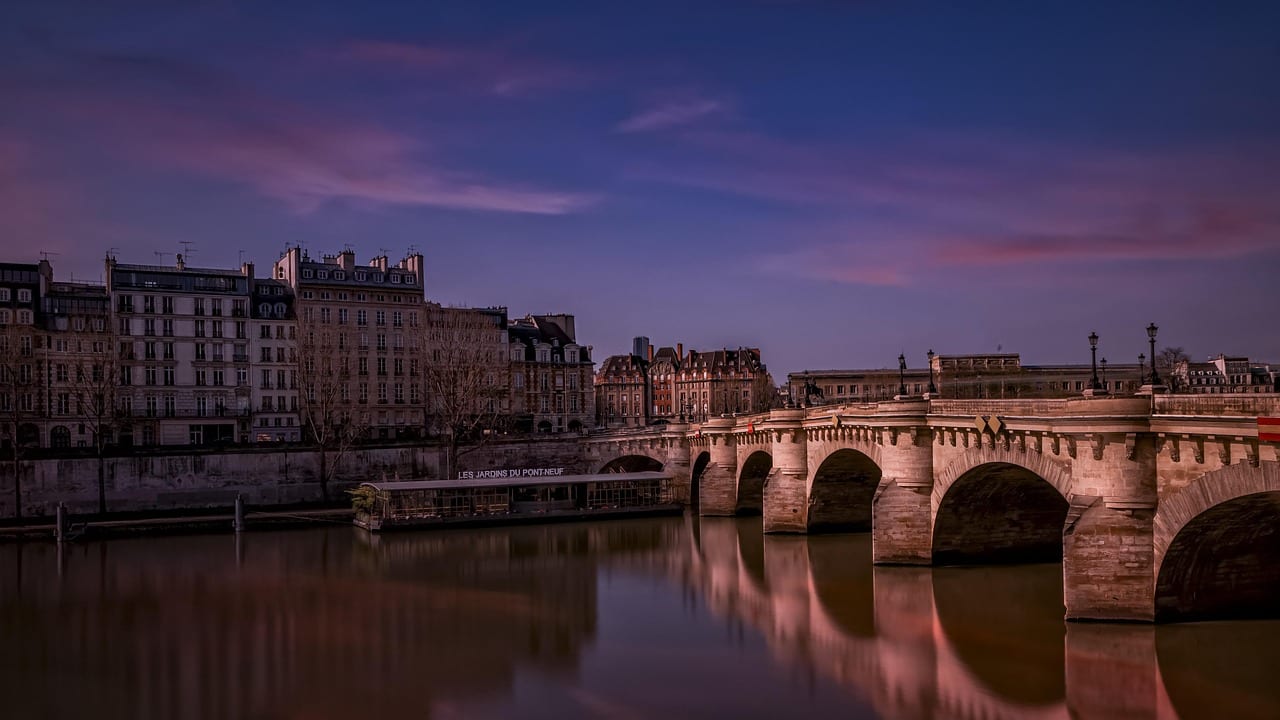
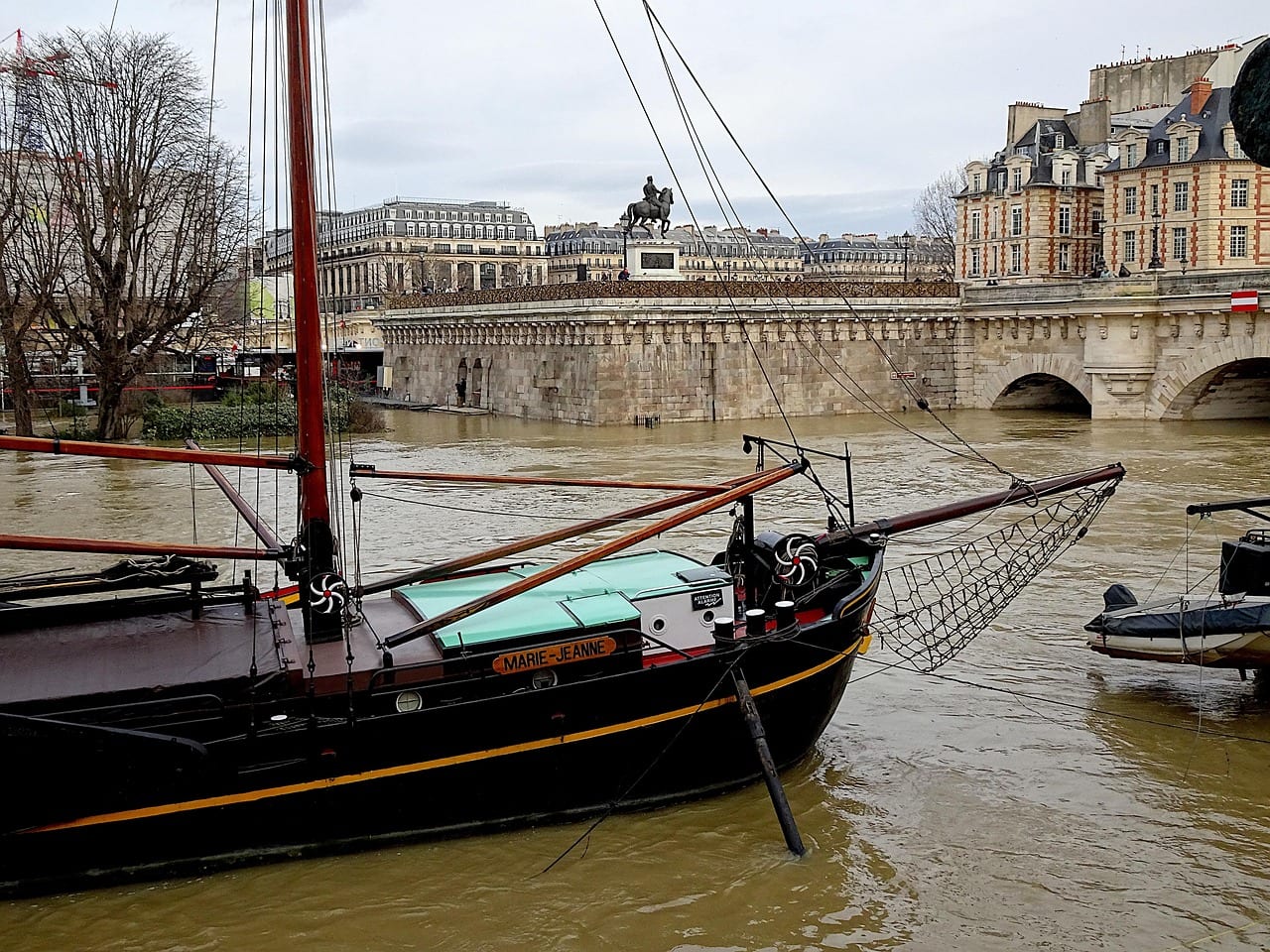
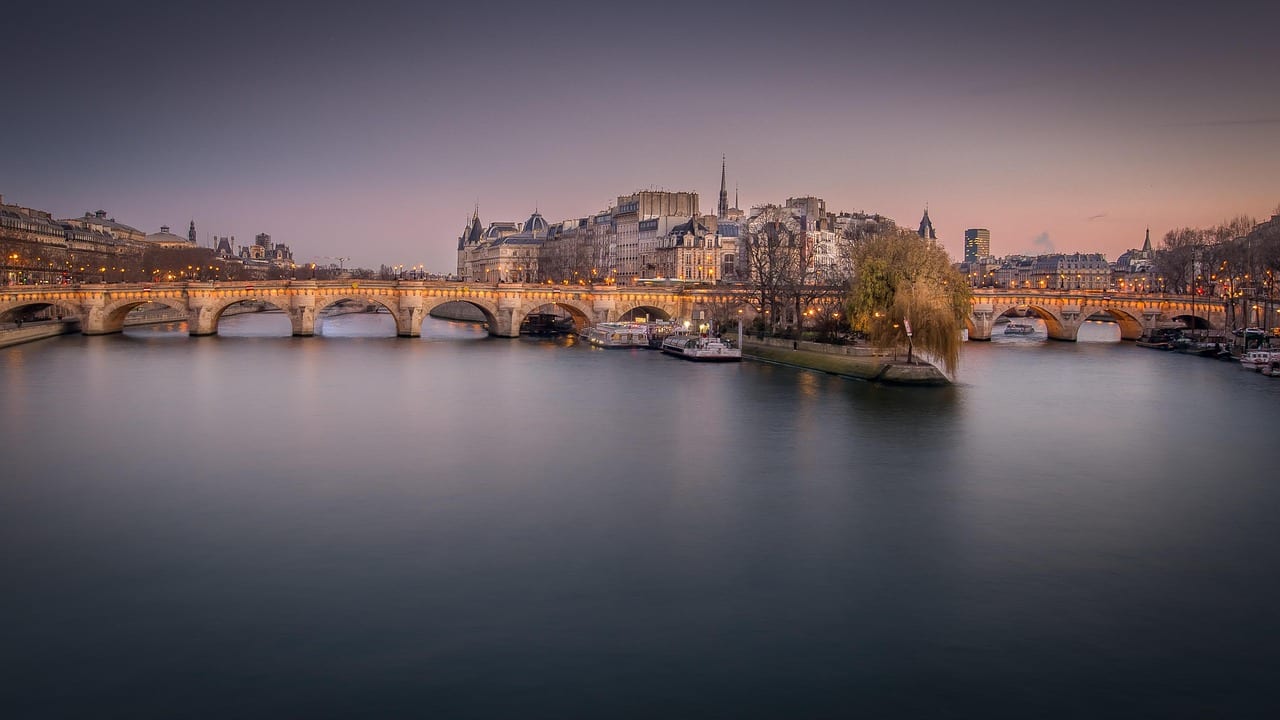
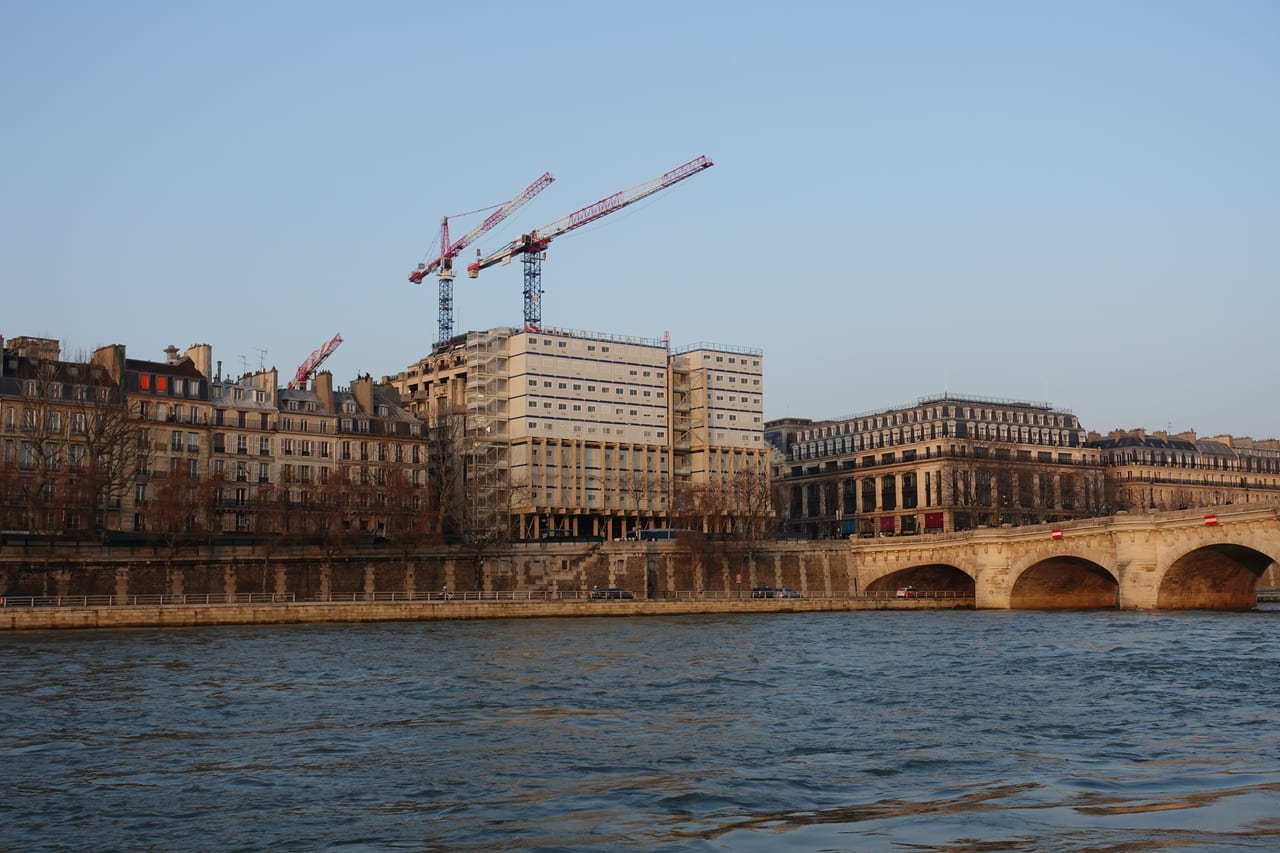
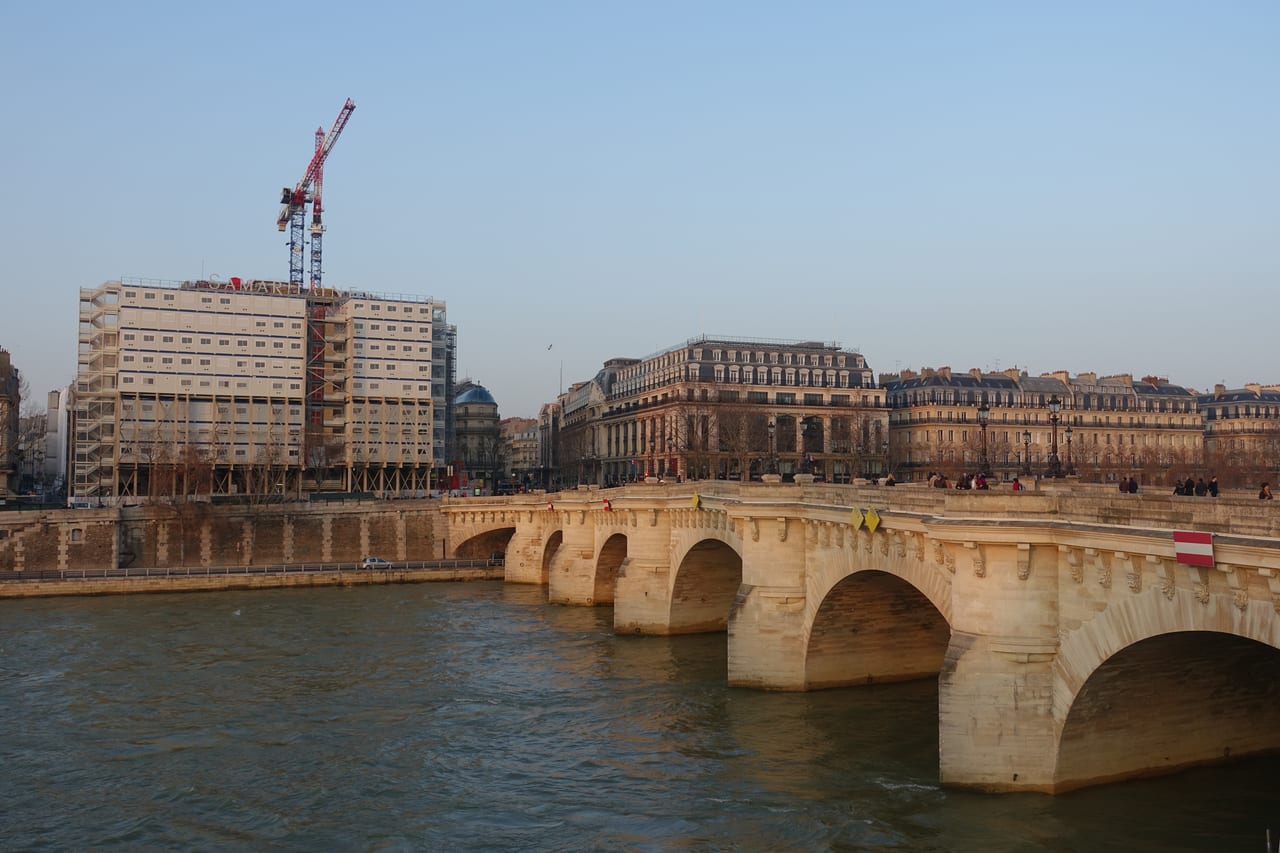
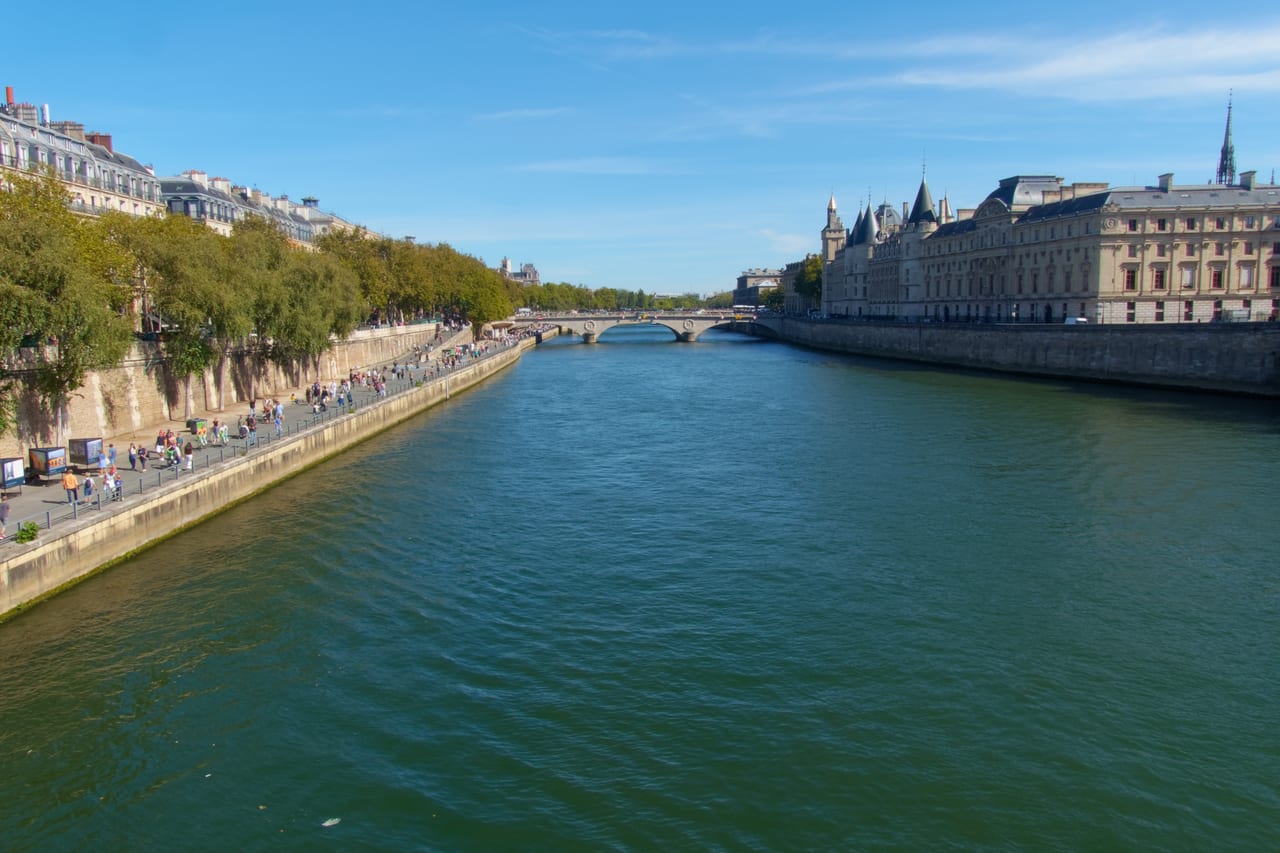
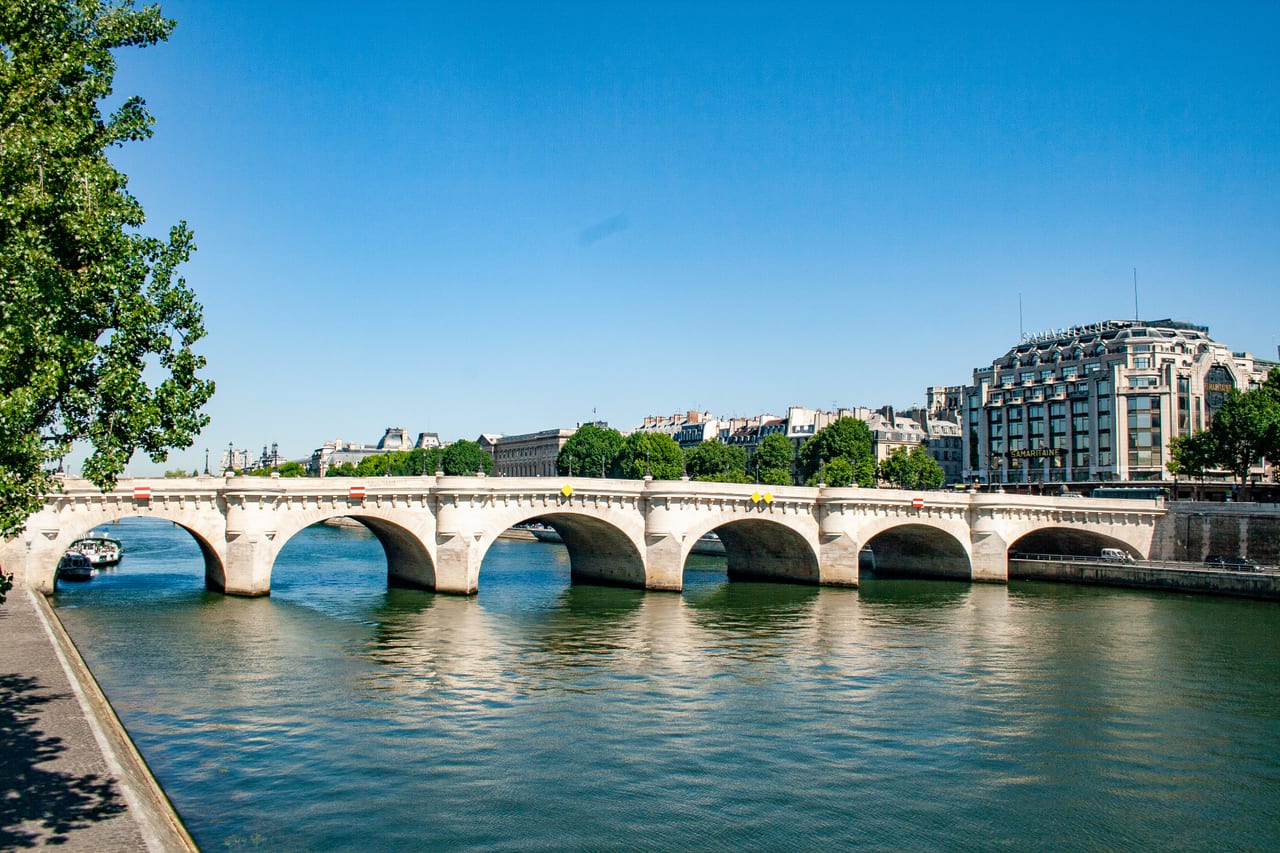
Decided upon in 1577 under Henri III, the Pont Neuf was begun on 31 May 1578 and completed in 1607 under Henri IV. Construction paused for ten years during the city’s uprising, then resumed in 1599 under Guillaume Marchant and François Petit. Its design broke with Parisian precedent: no houses lined the bridge, while its first pedestrian sidewalks and semicircular trading balconies separated walkers from traffic and mud. The masonry structure measures 238 metres, with seven arches over the greater arm of the Seine and five over the lesser. Henri IV also shaped its setting, commissioning a nearly enclosed square beside the bridge and an equestrian statue inaugurated in 1614—the first royal statue erected in a public square. Destroyed during the Revolution, it was replaced in 1818 by François-Frédéric Lemot’s version. The Samaritaine water pump, Paris’s first water-lifting machine, once stood beneath the bridge and supplied the Louvre and Tuileries. Its complete restoration ended in 2007. Artists including Turner, Renoir, Monet and Pissarro later made it a recurring subject.
Ways to explore Pont Neuf
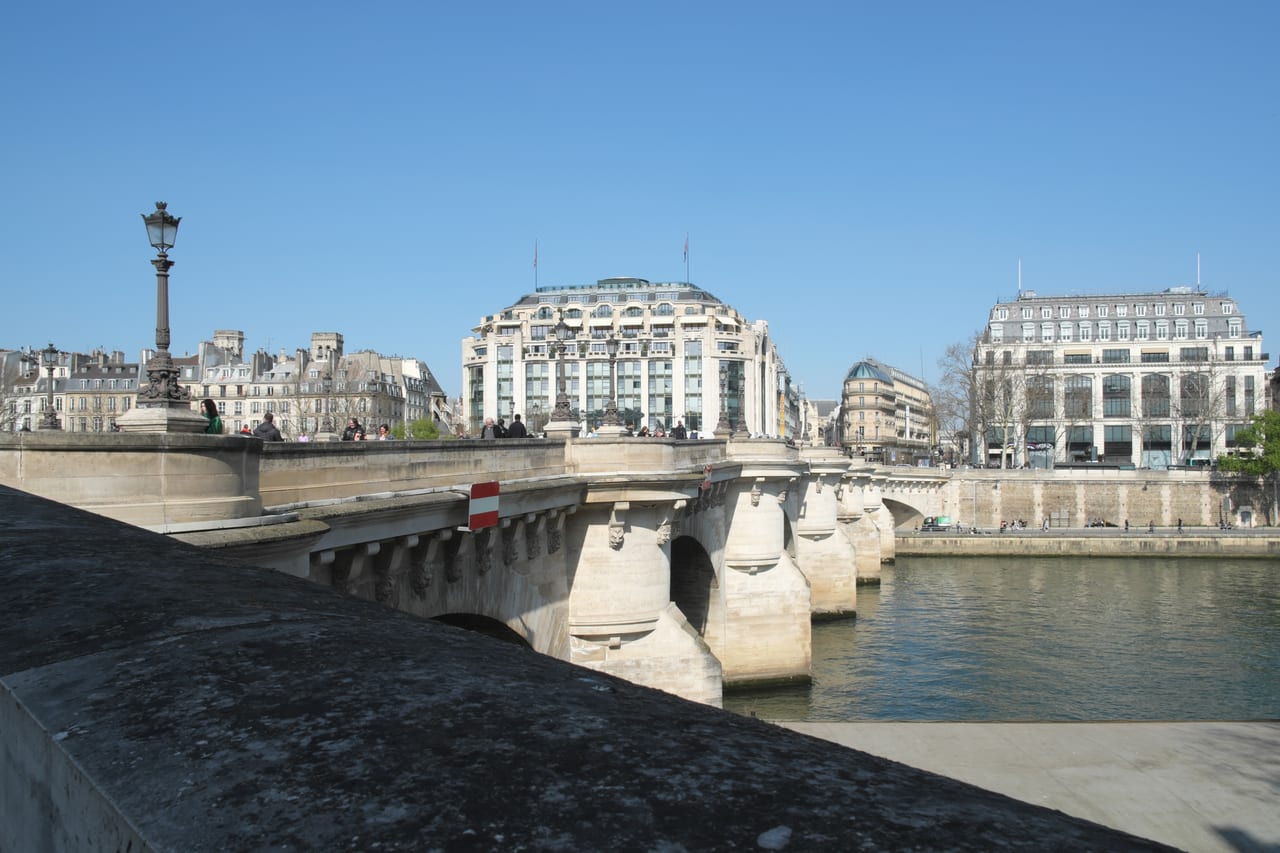
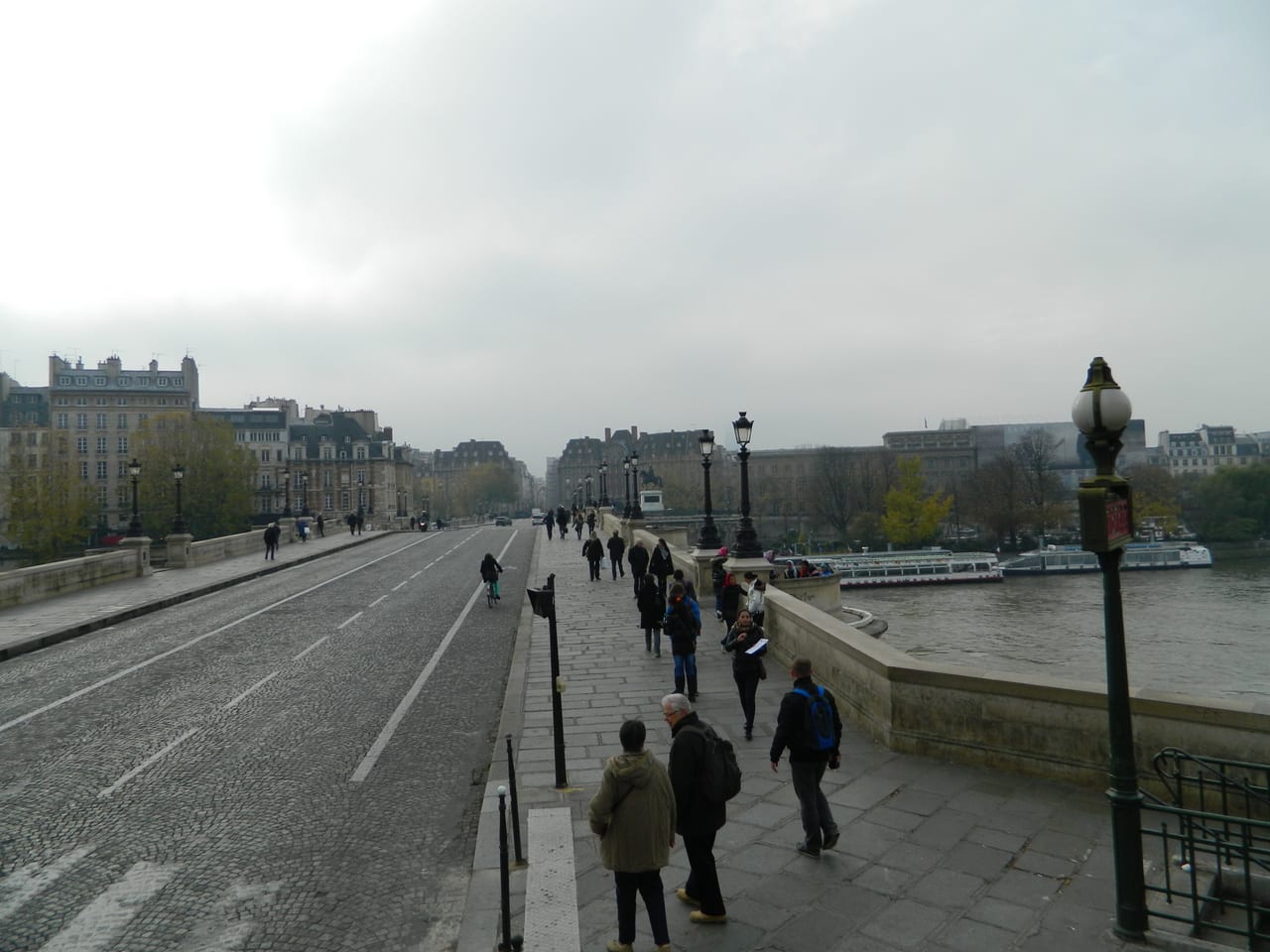
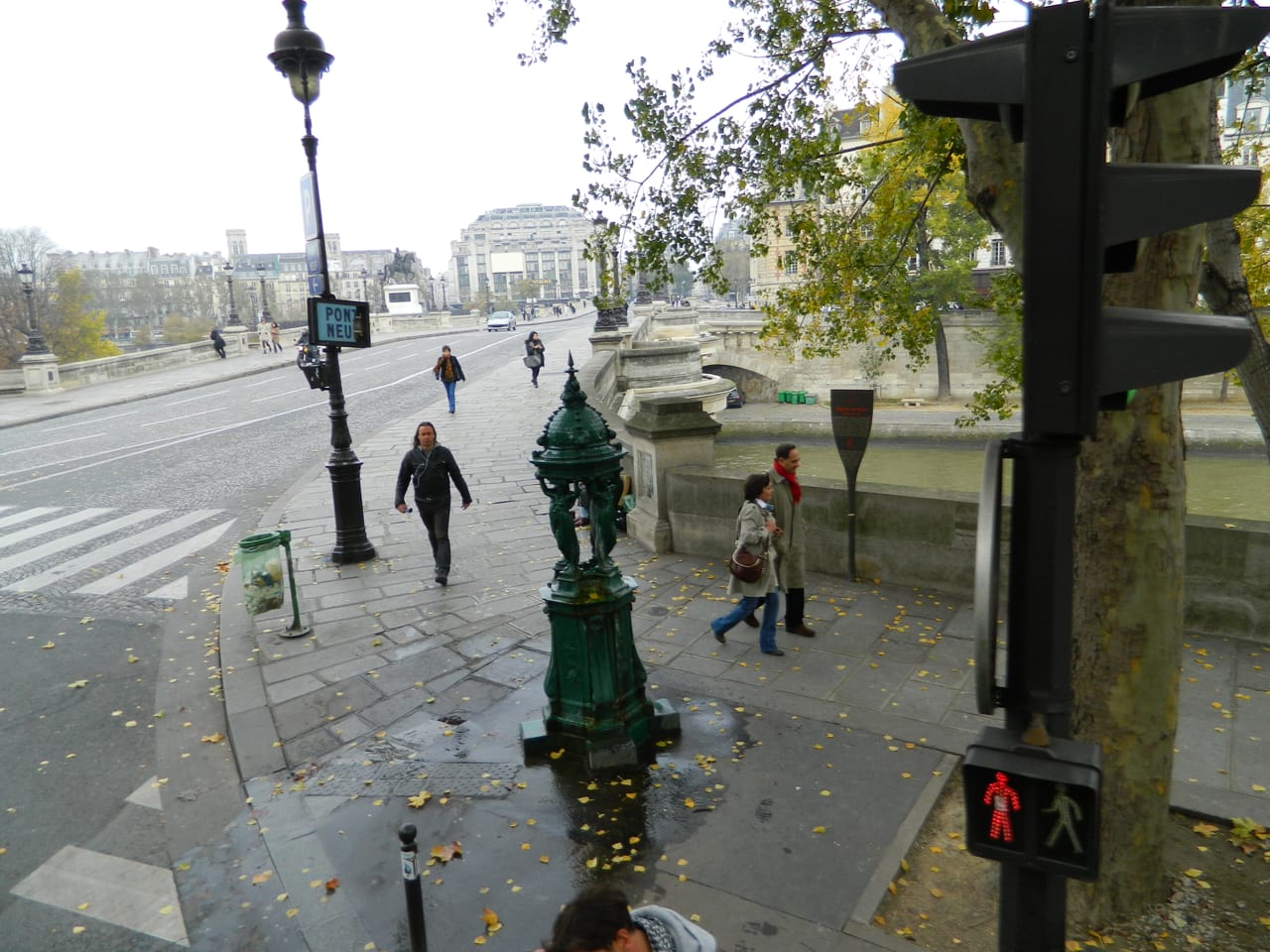
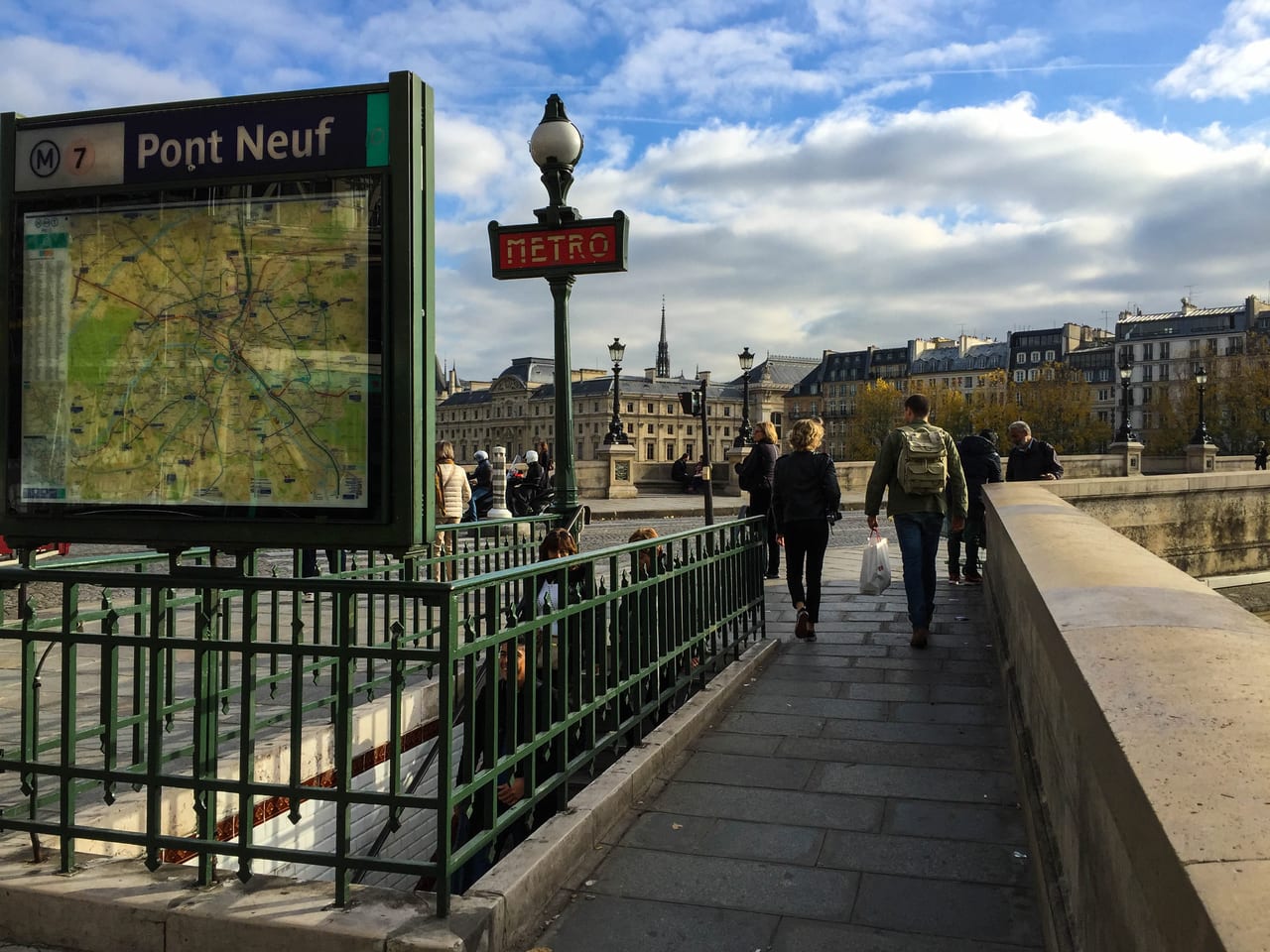
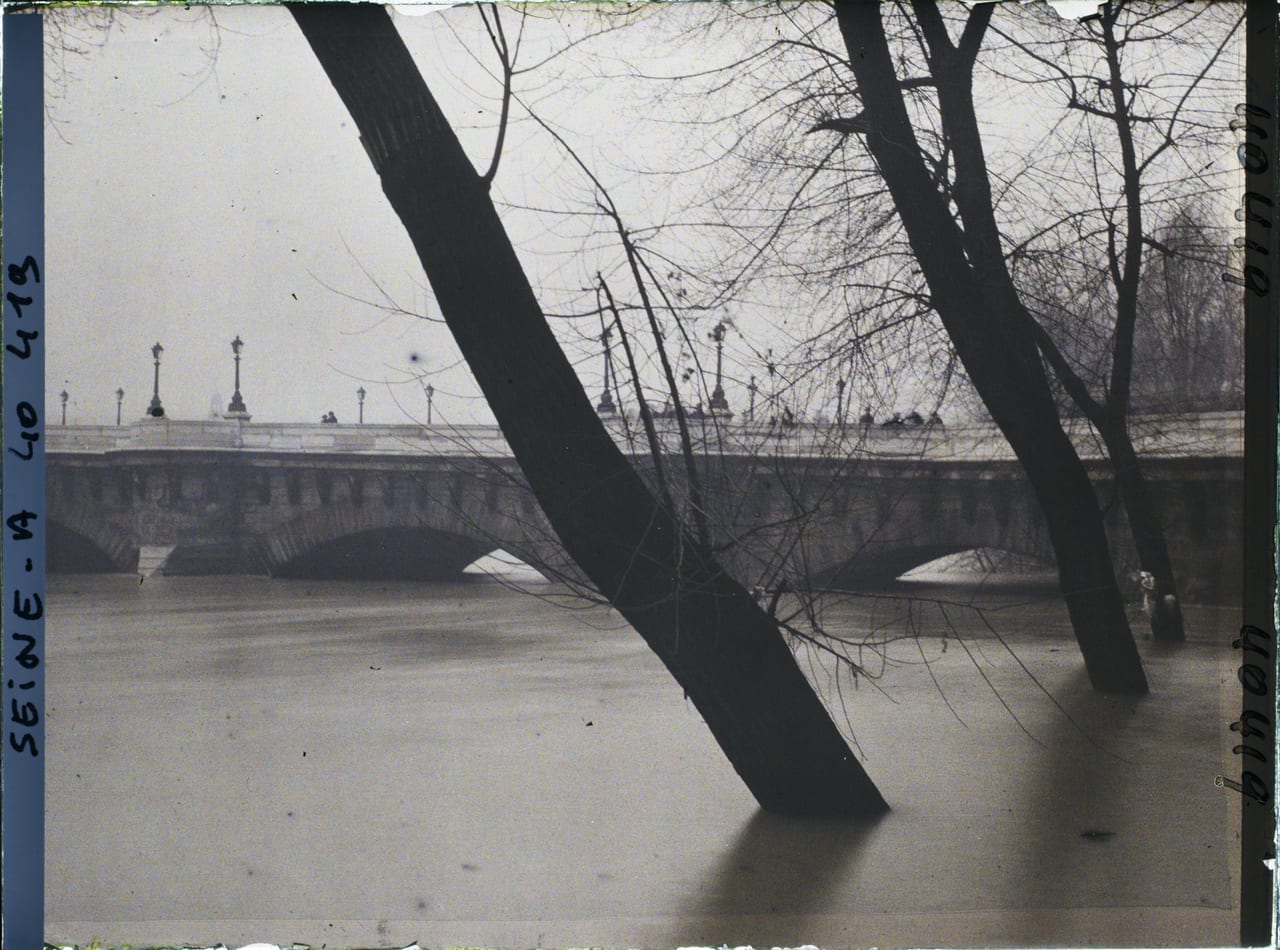
Walk across both sidewalks to compare the bridge’s seven- and five-arch sequences and pause on the semicircular balconies above the piers. Examine Victor Baltard’s 1854 lamp standards, with their Neptune and dolphin ornament, and look for the 1910 Seine-flood markers on either side. A Paris History panel stands on the quai des Grands-Augustins. The bridge is served by métro line 7 at Pont-Neuf.
Places to stay near Pont Neuf
Live availability and prices from Stay22's partners, refreshed periodically and subject to change. Booking through these links may earn us a commission at no extra cost to you. See our privacy policy.
Cafés near Pont Neuf
Cafés near Pont Neuf loads as you scroll.
Attractions nearby
Attractions near Pont Neuf loads as you scroll.
Cities nearby
Cities nearby loads as you scroll.
More in Paris
See more of Paris.
Find great cafés, places to stay and other interesting places to visit in Paris.