Square · Paris
place Pigalle
DirectionsAt no. 9, the former Nouvelle Athènes became the Sphynx in the 1920s–40s and later New Moon, a 1970s–80s rock venue, before fire destroyed the original building in 2004.
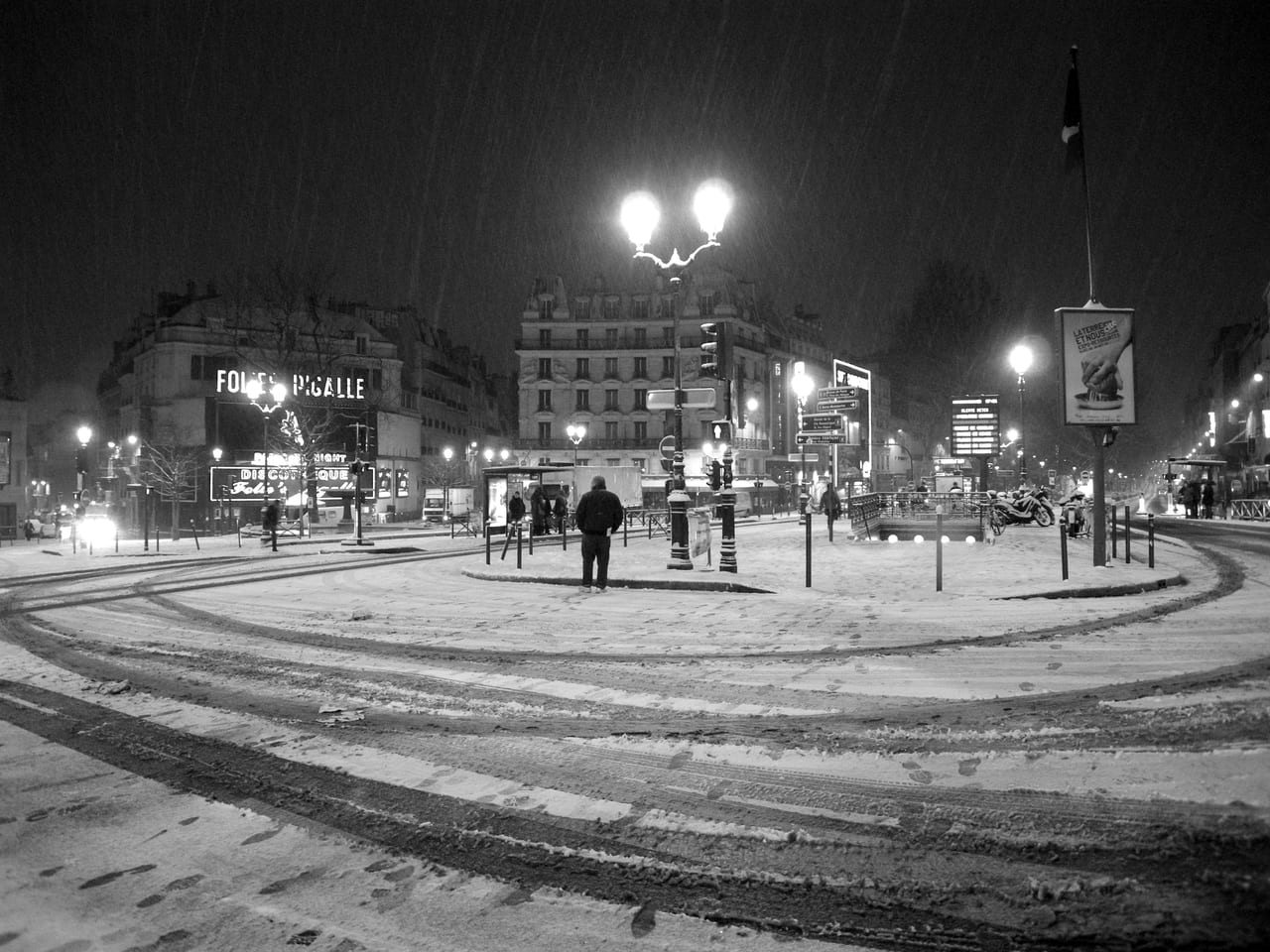
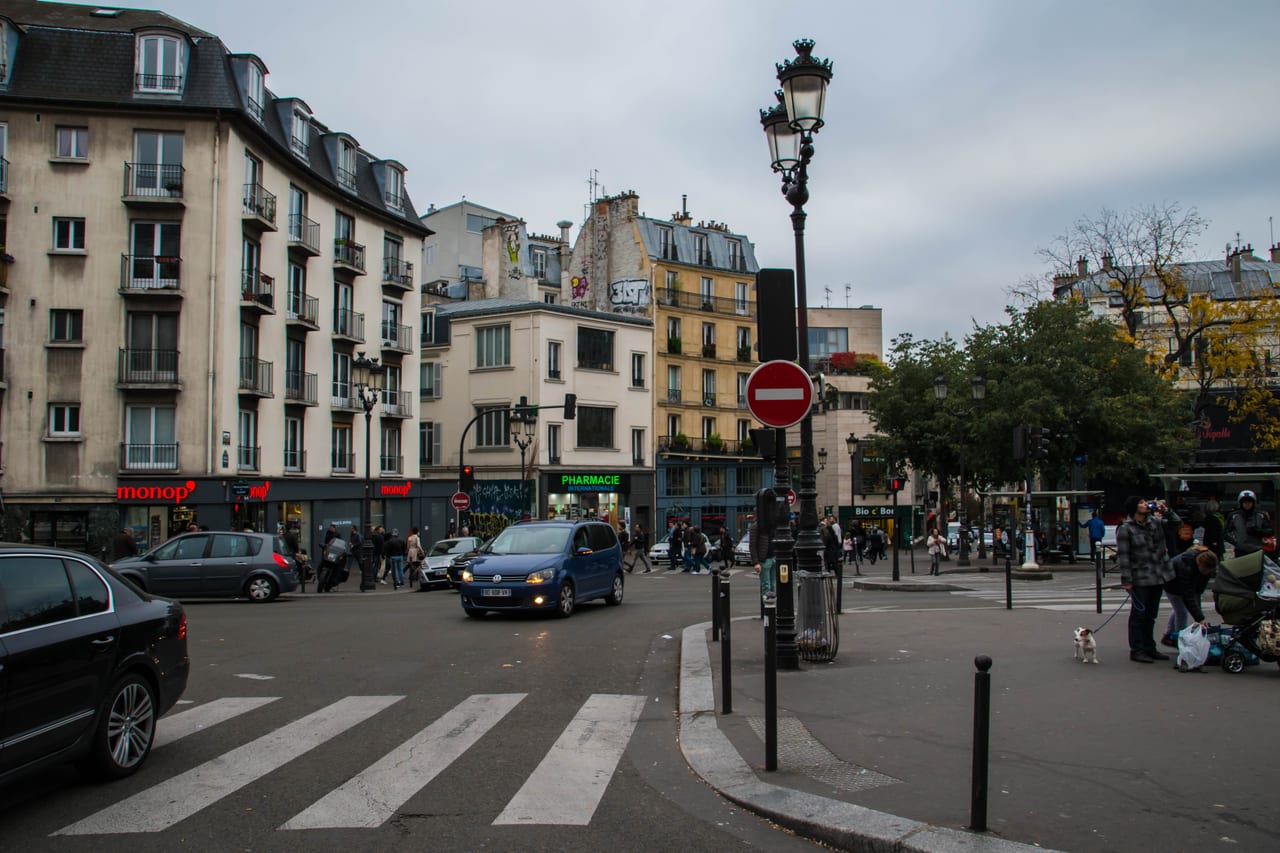
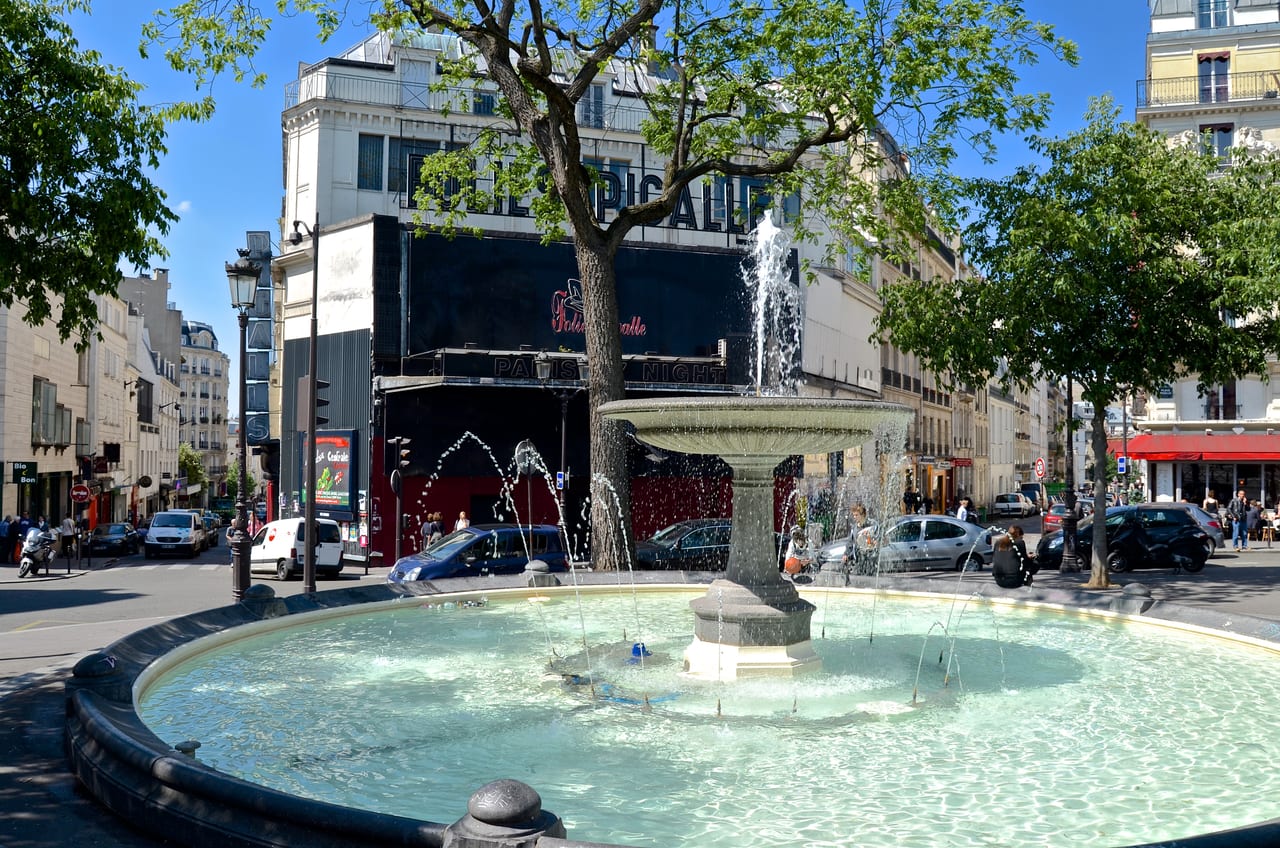
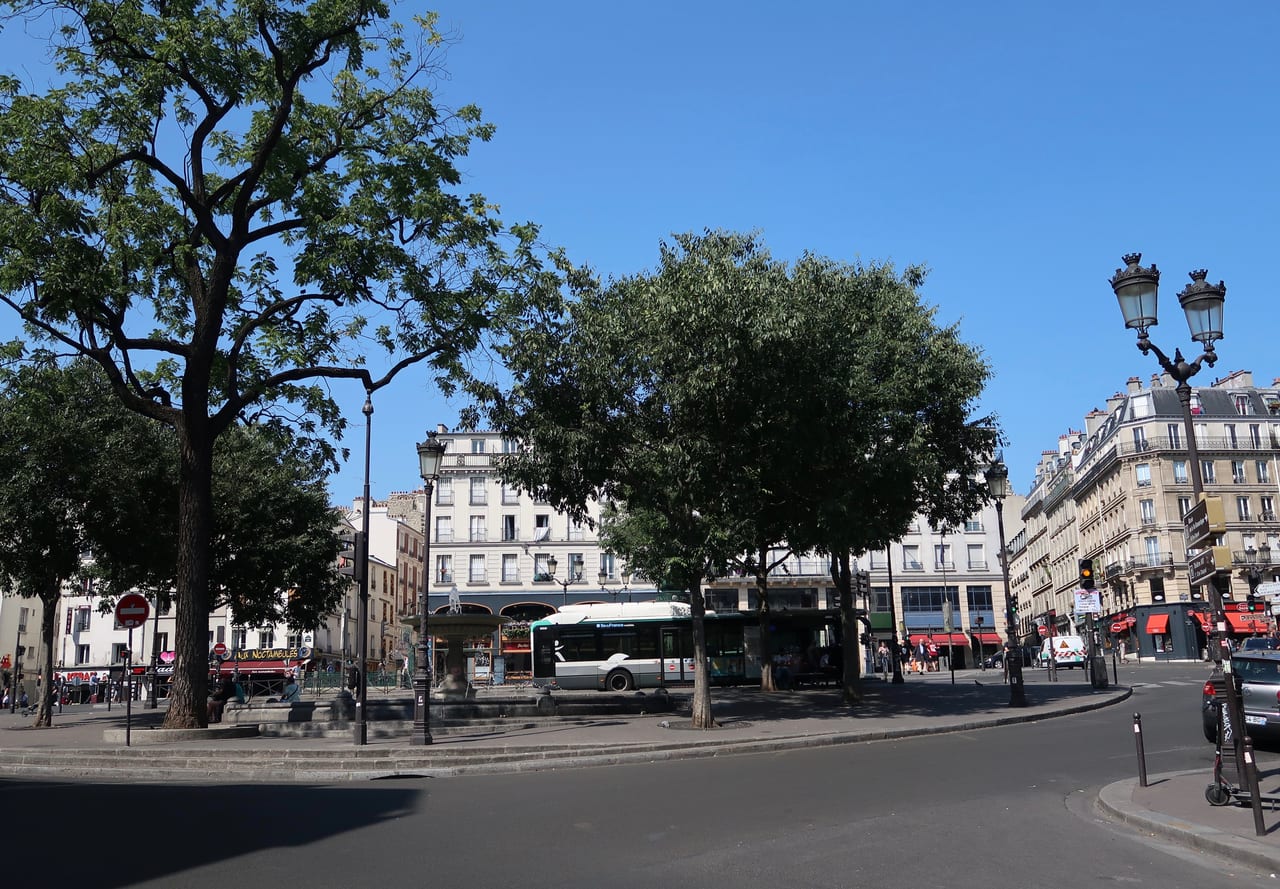
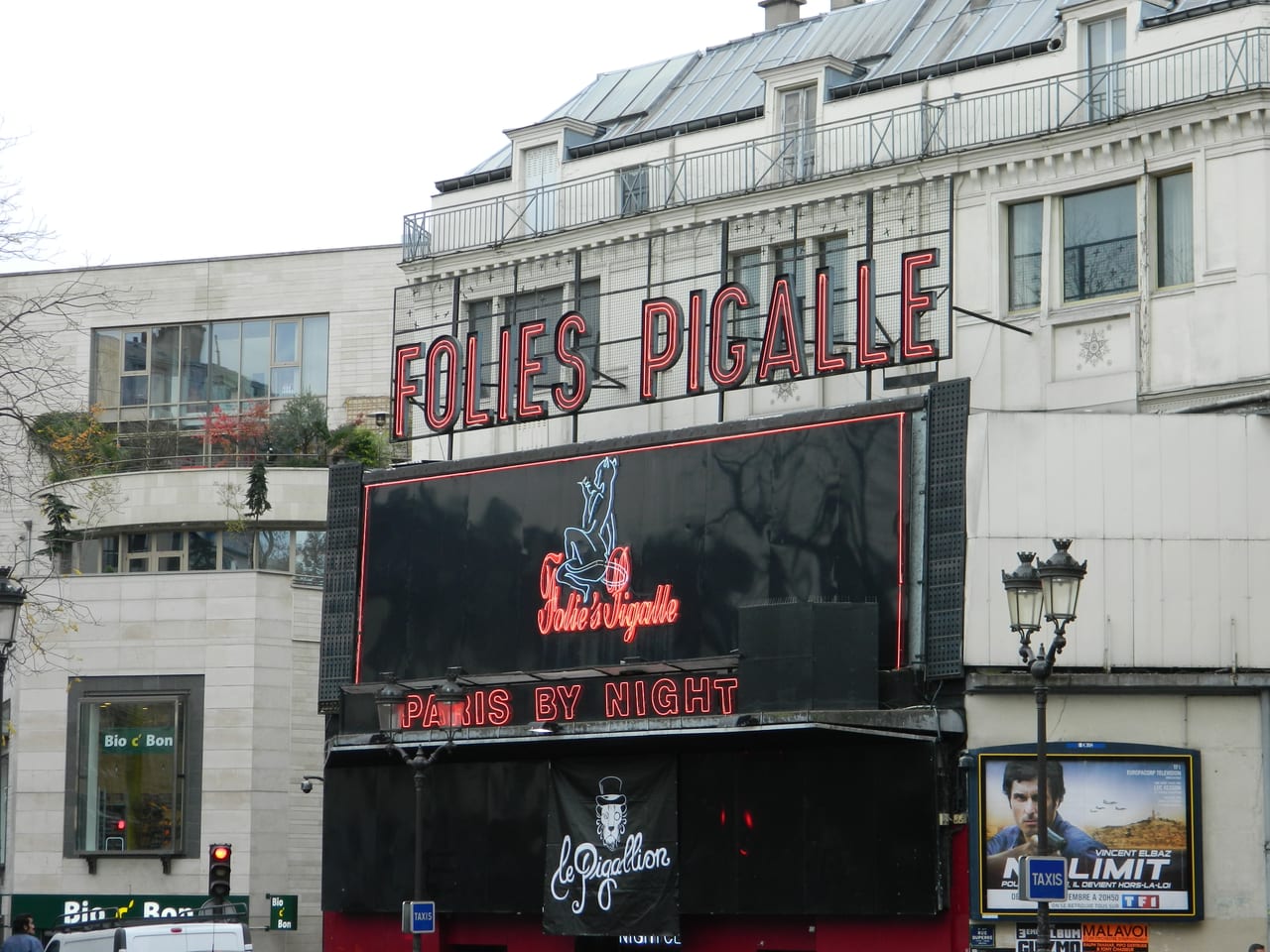
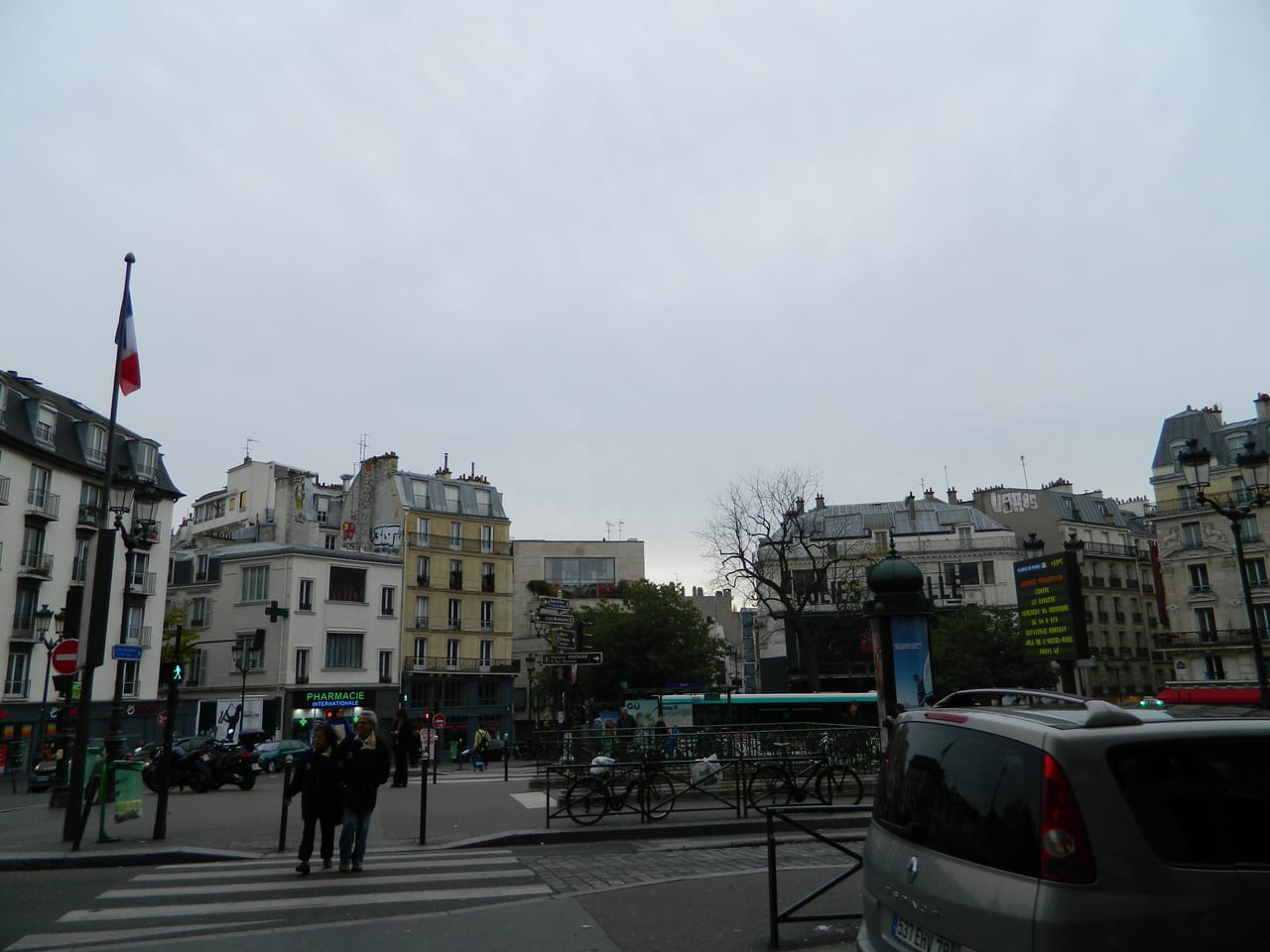
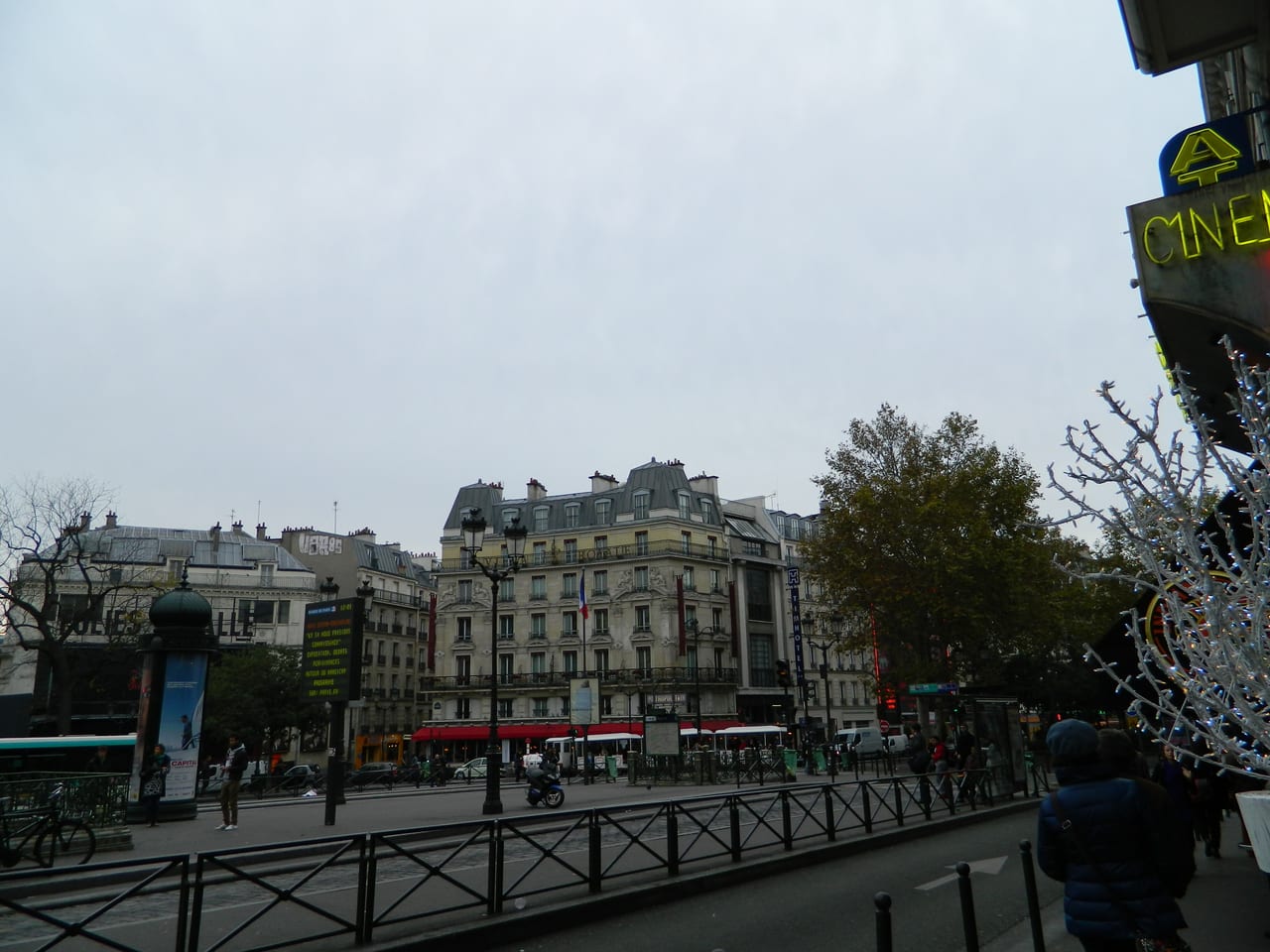
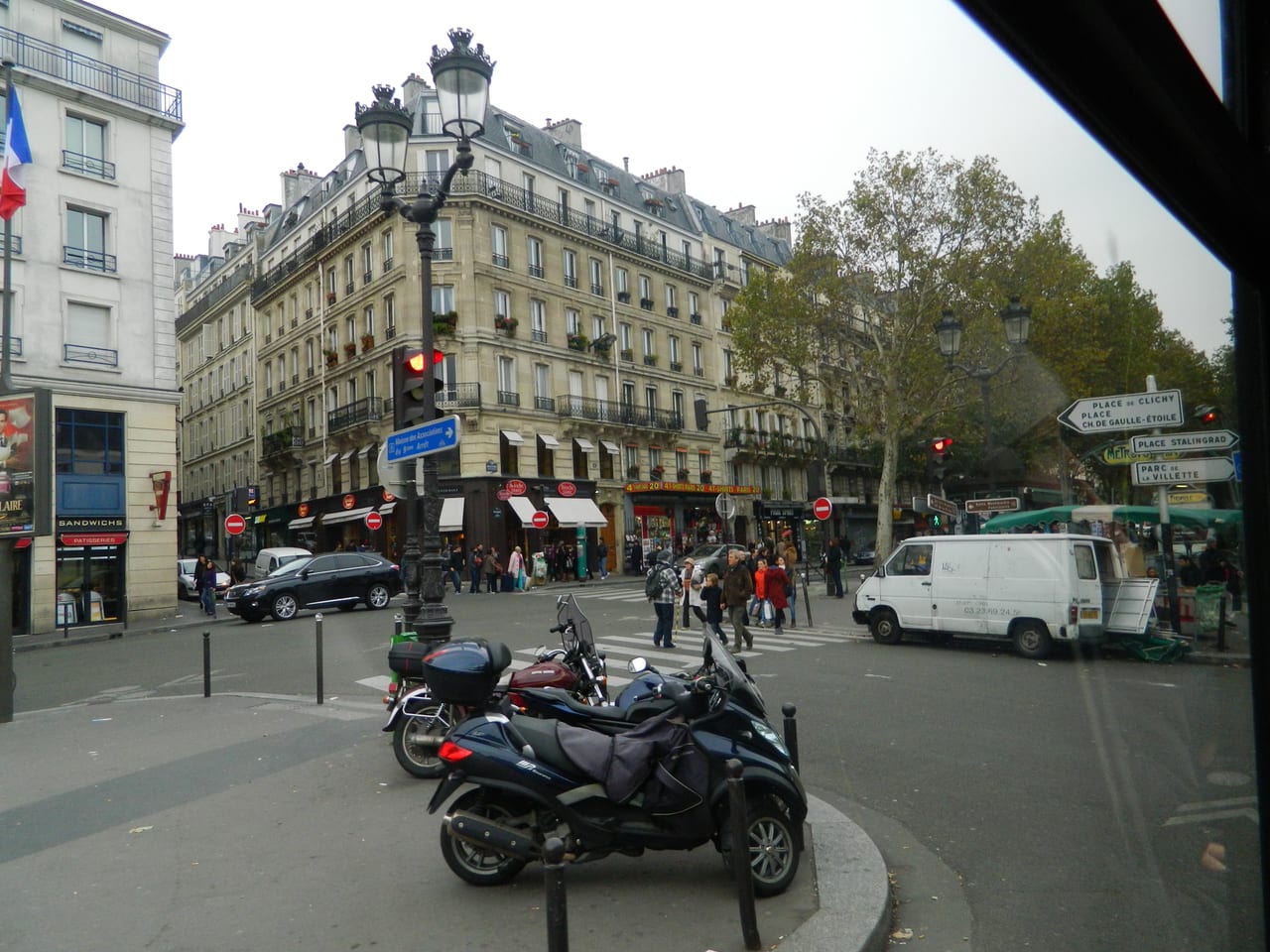
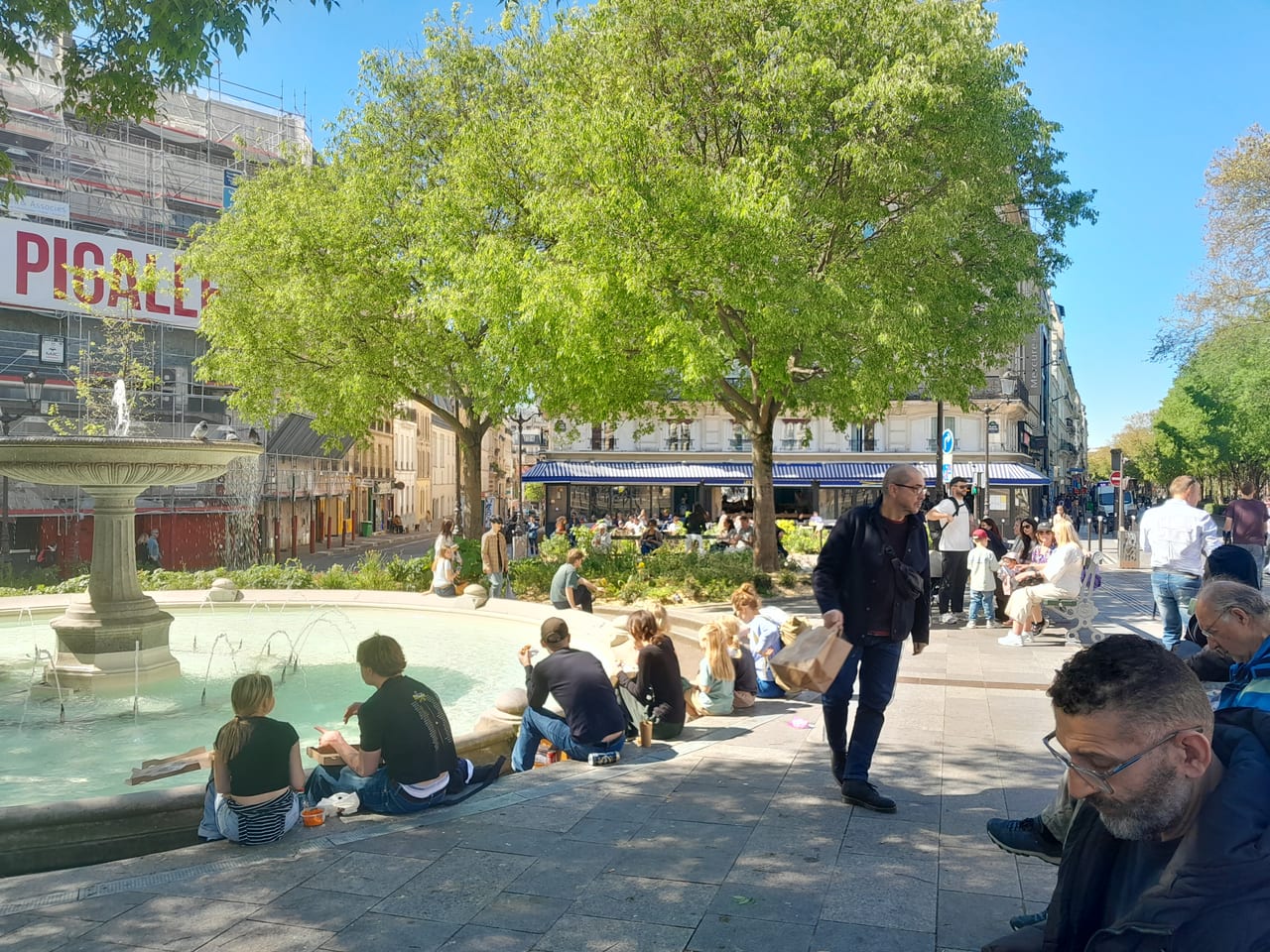
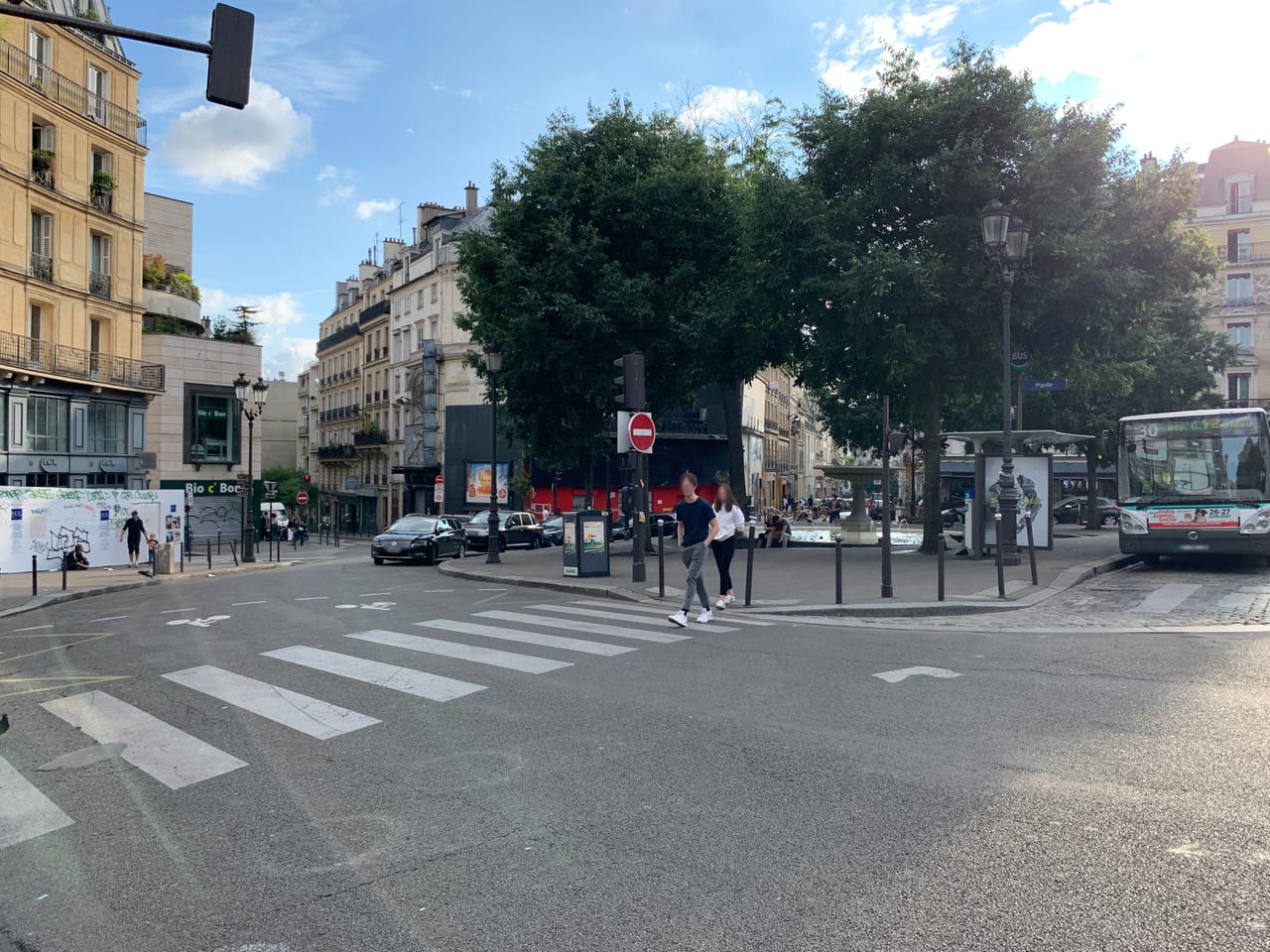
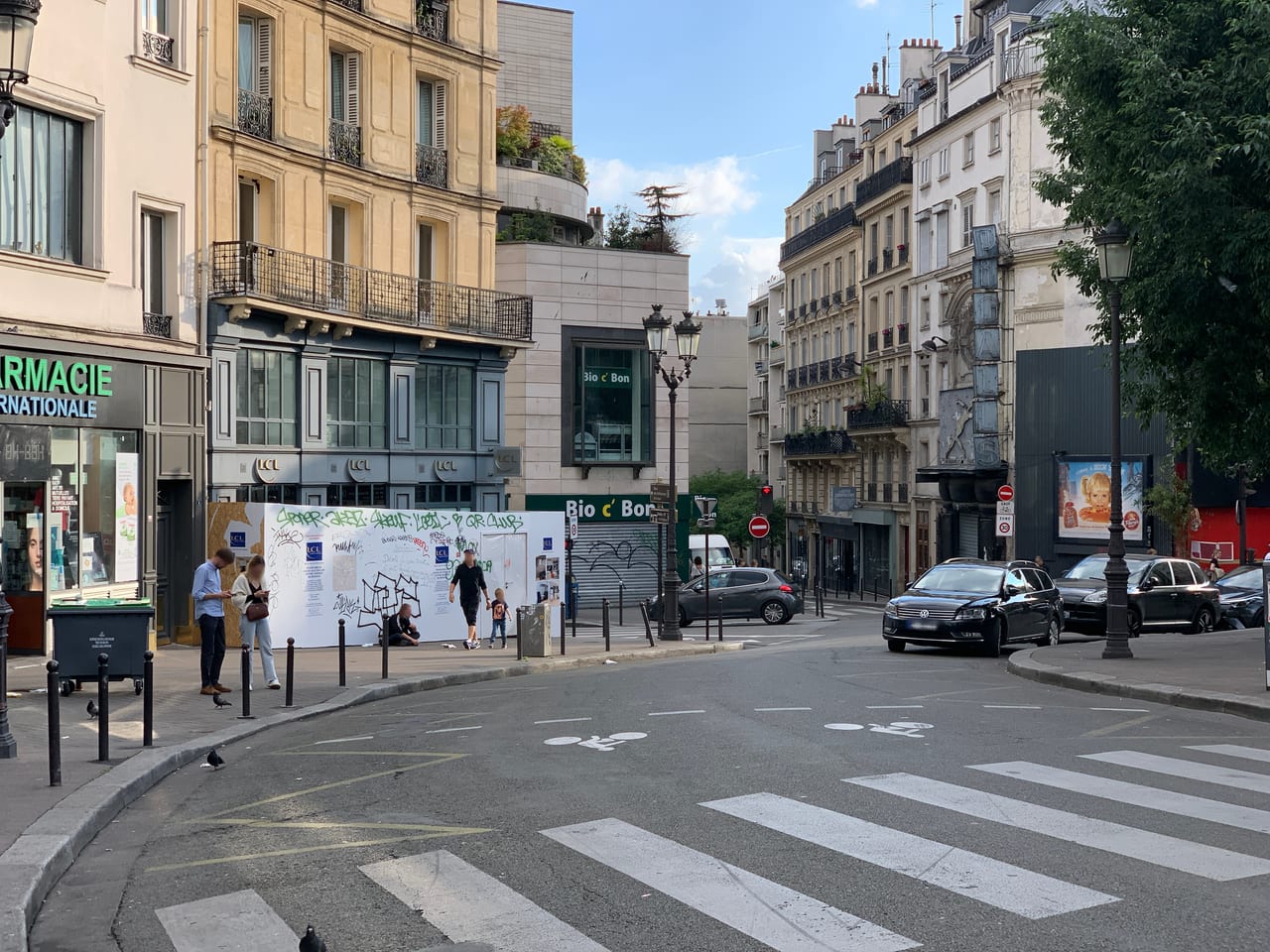
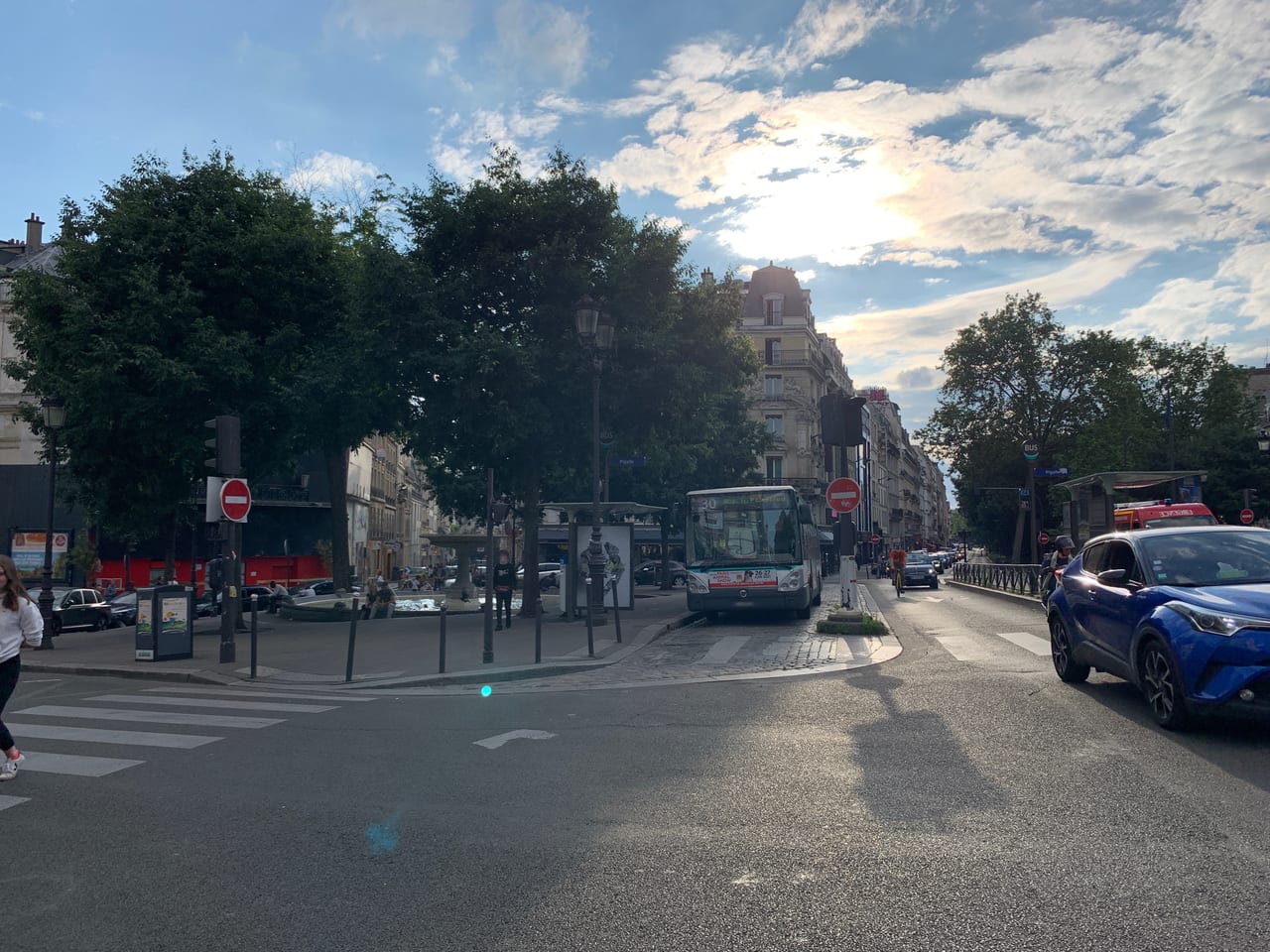
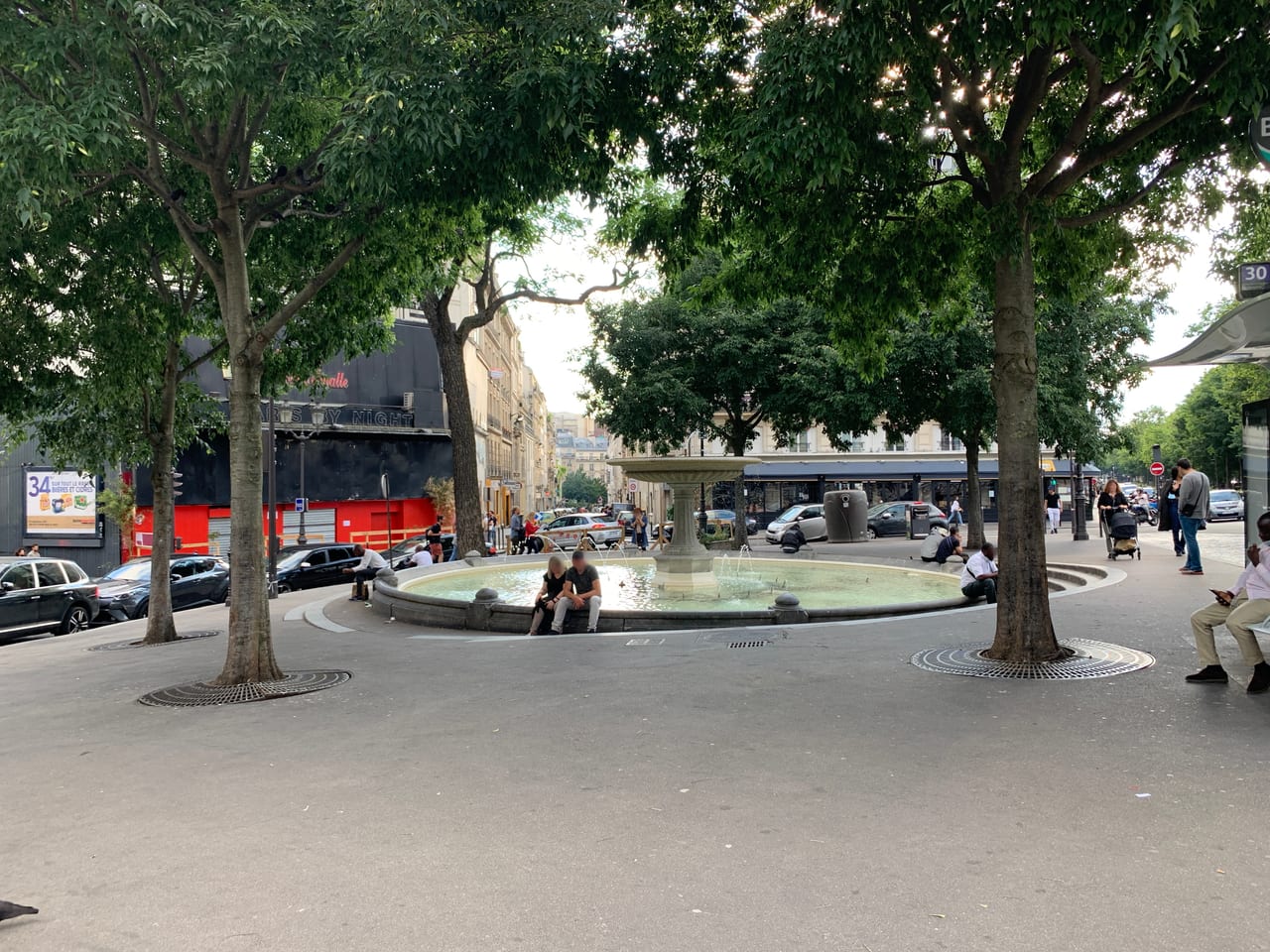
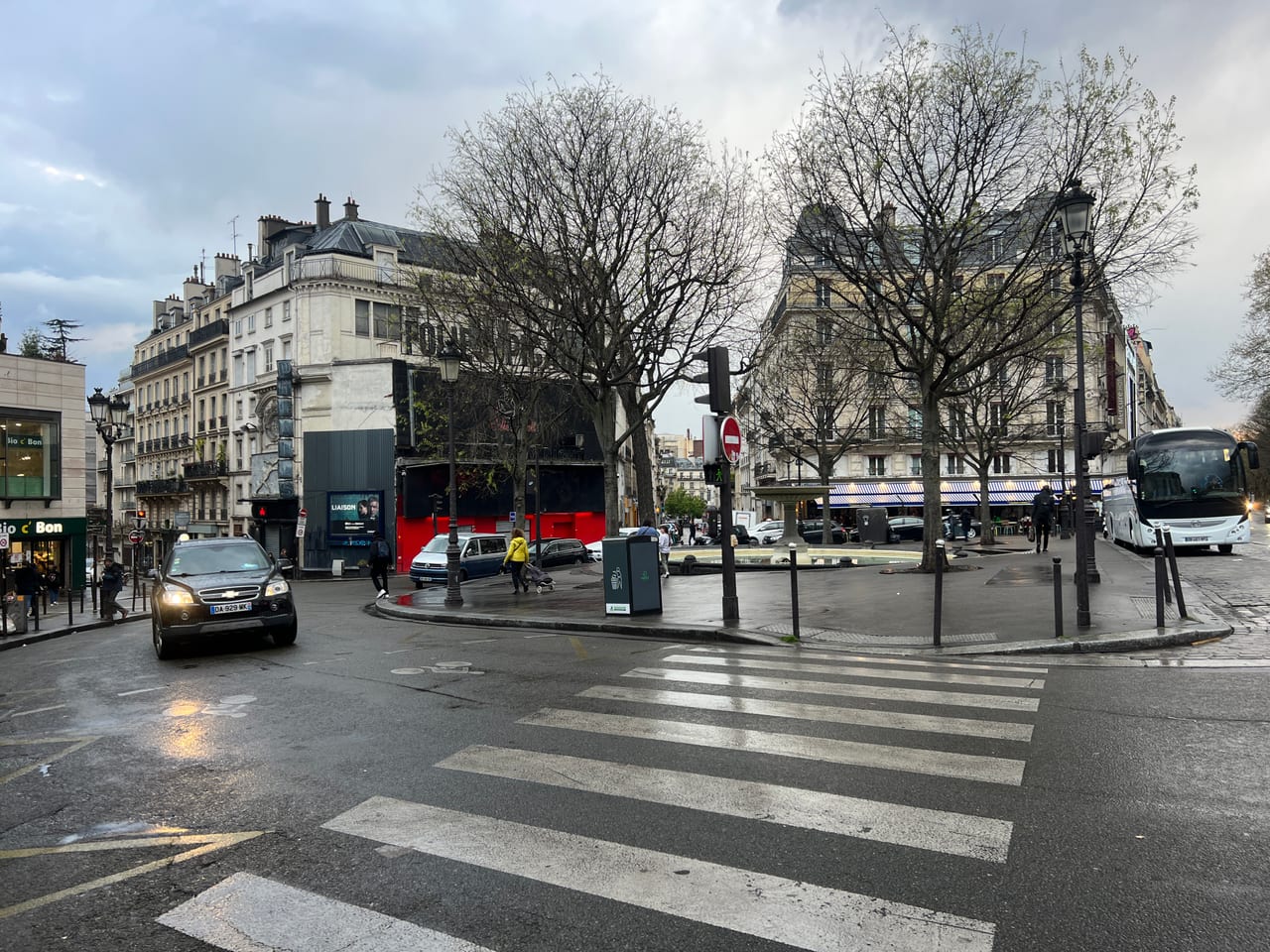
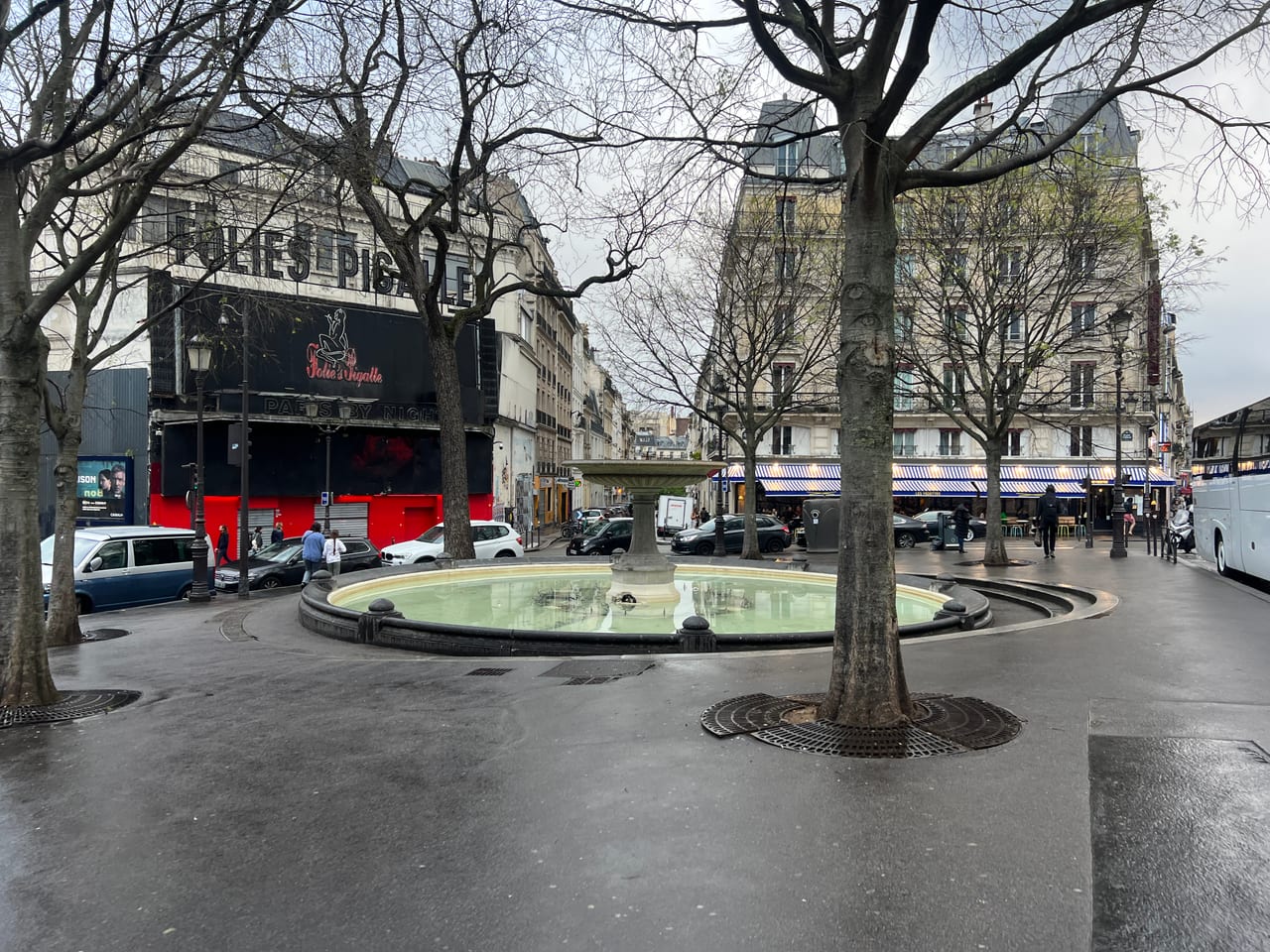
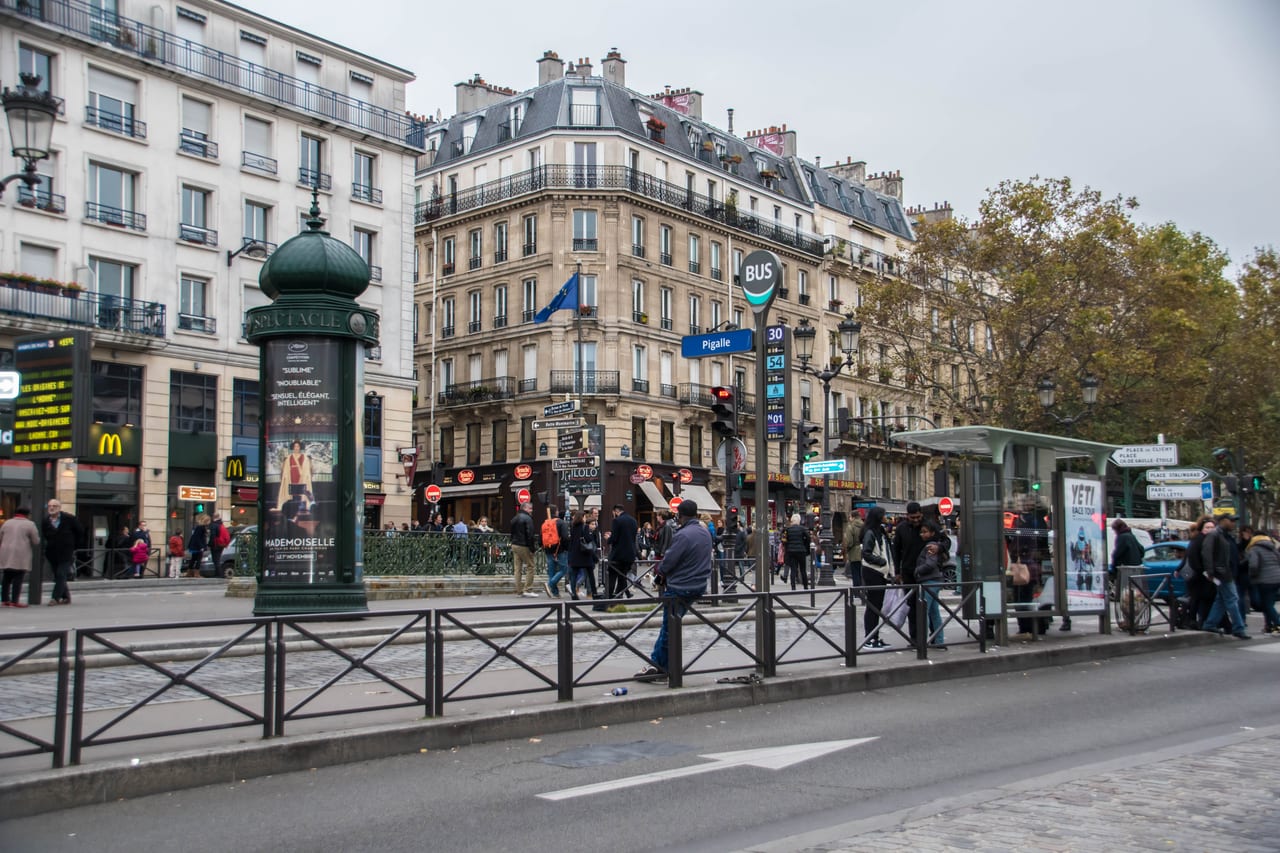
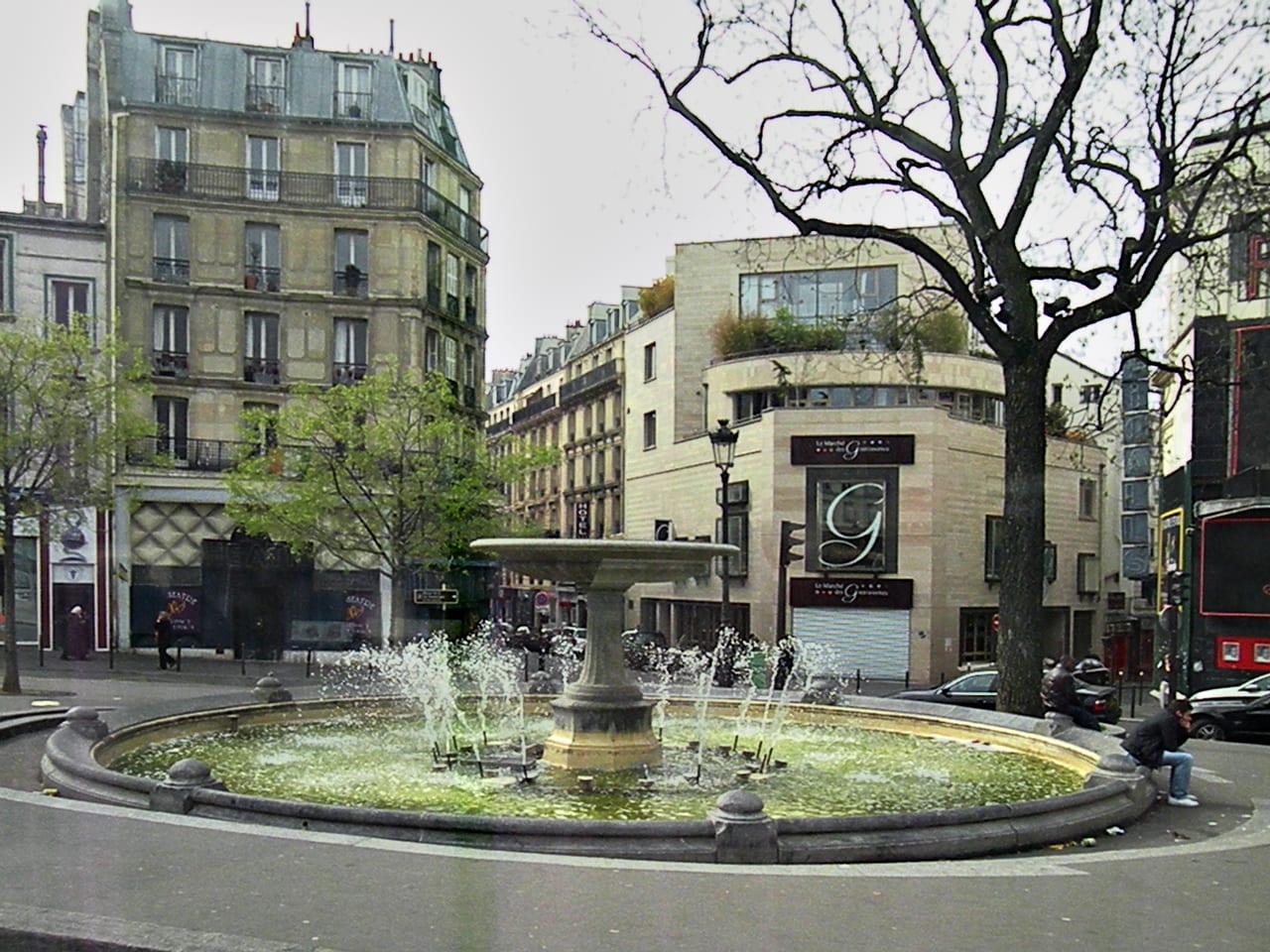
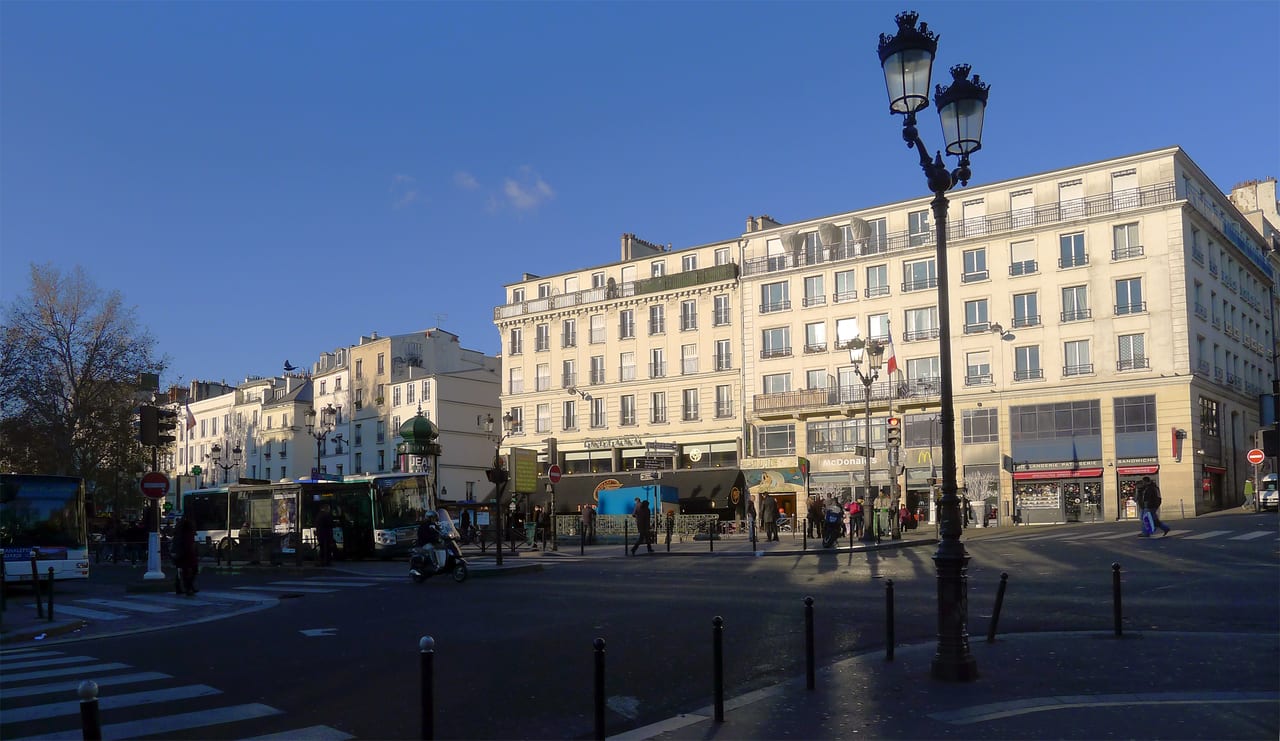
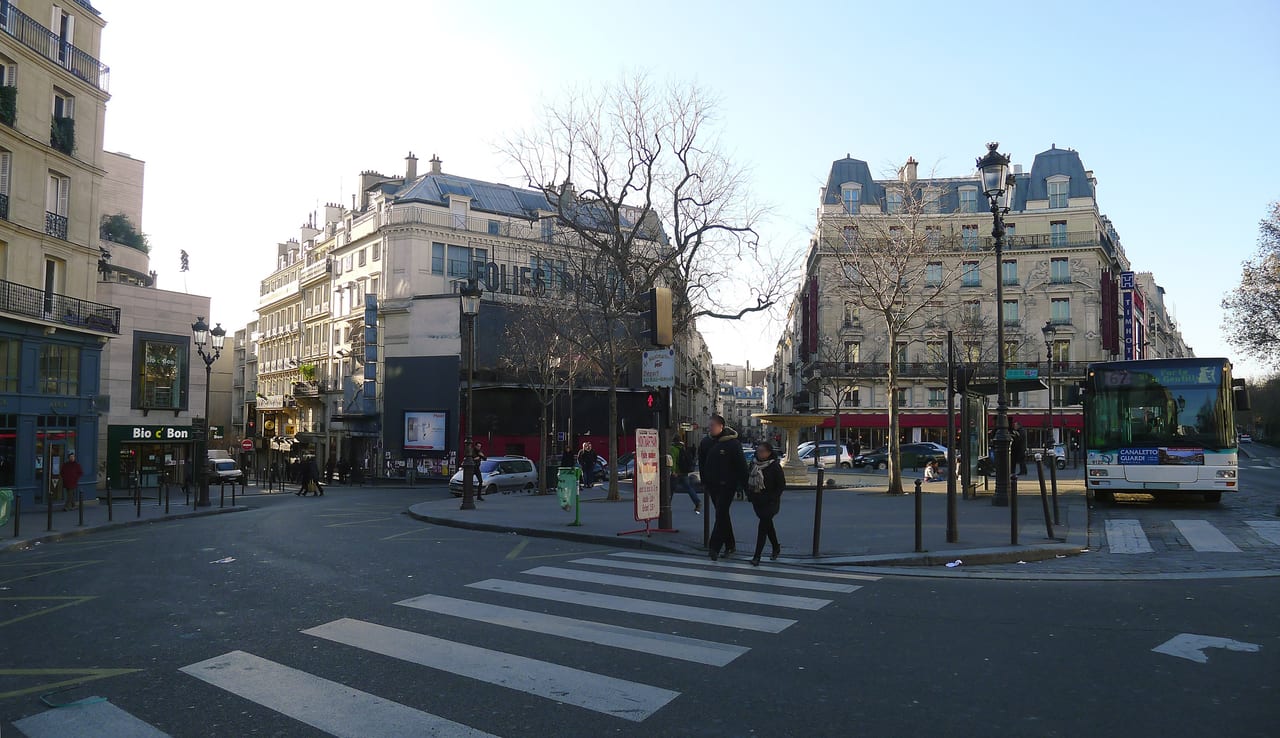
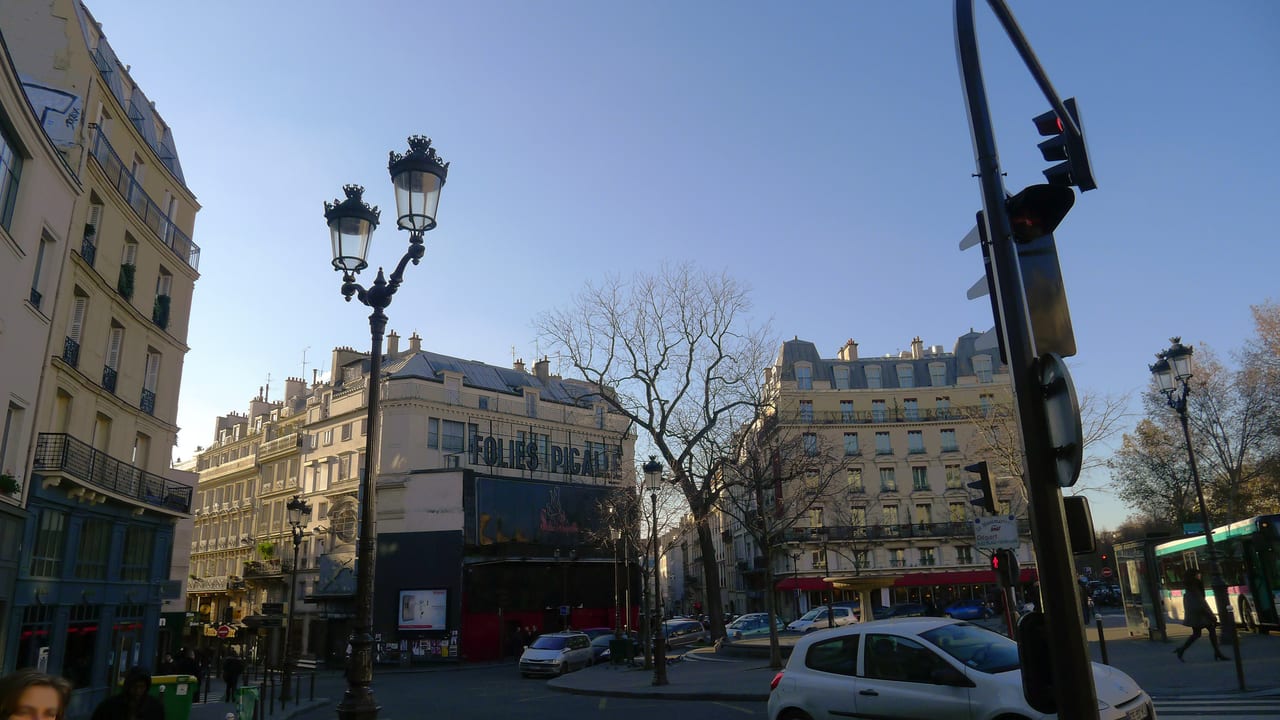
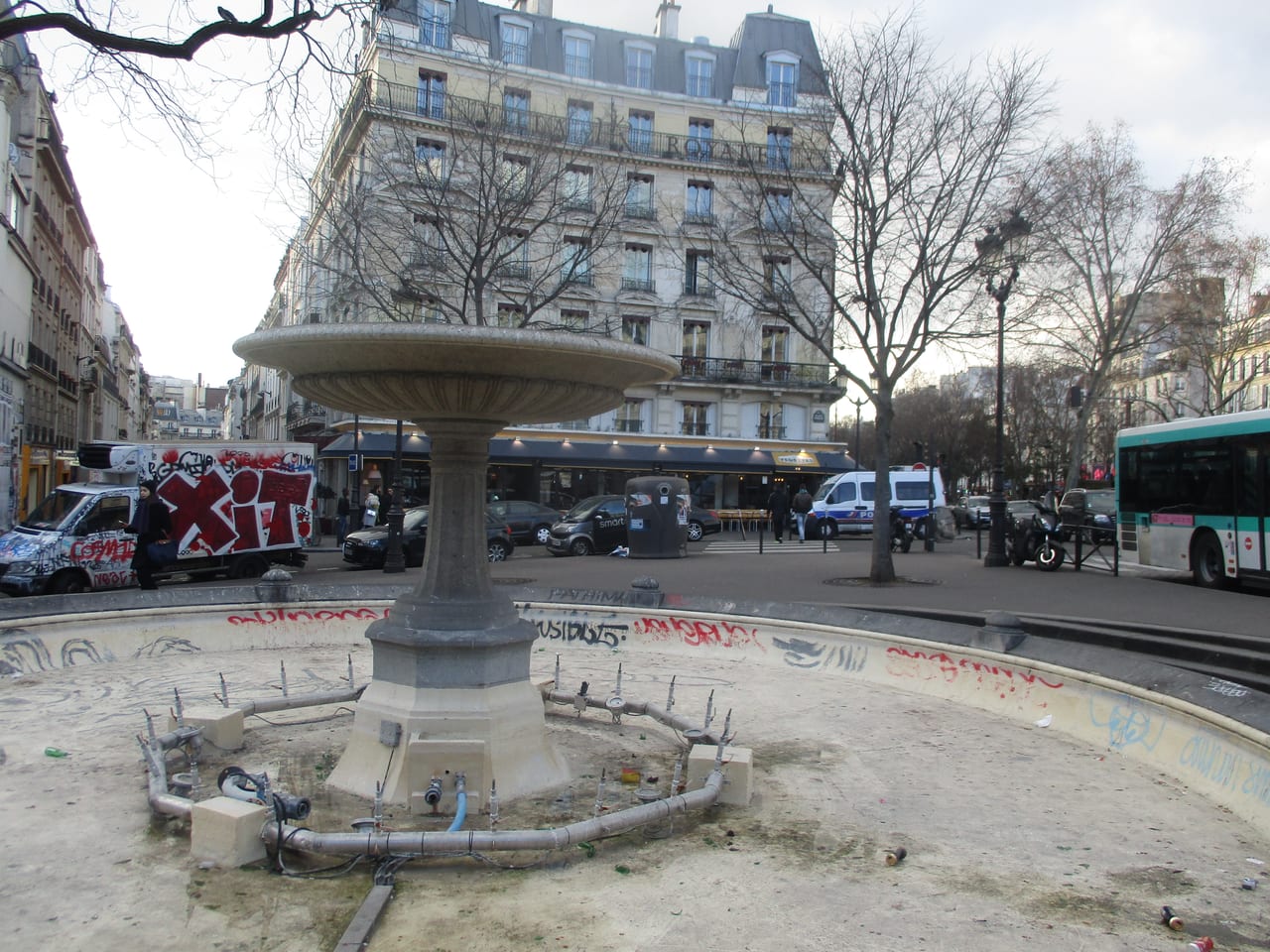
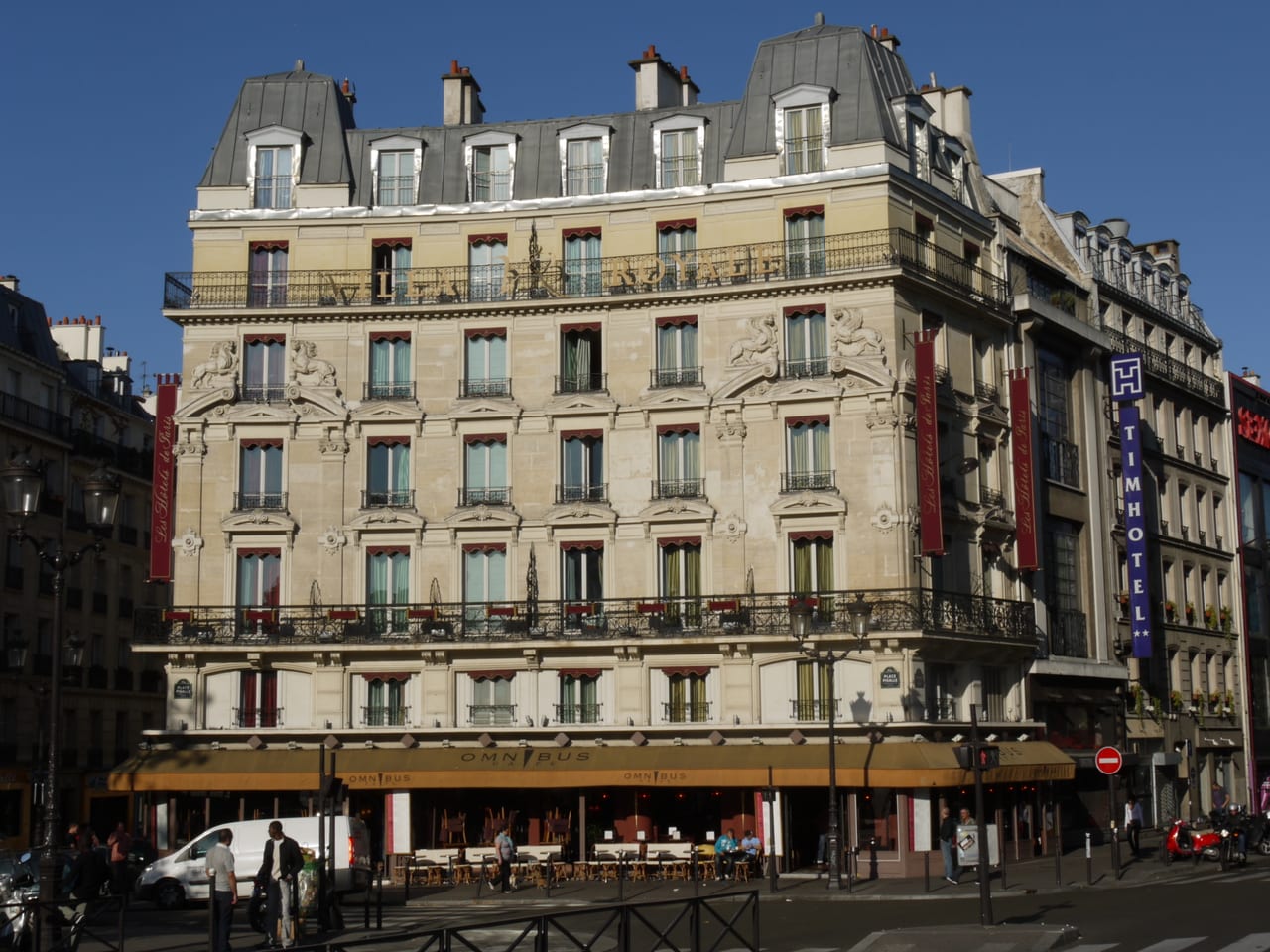
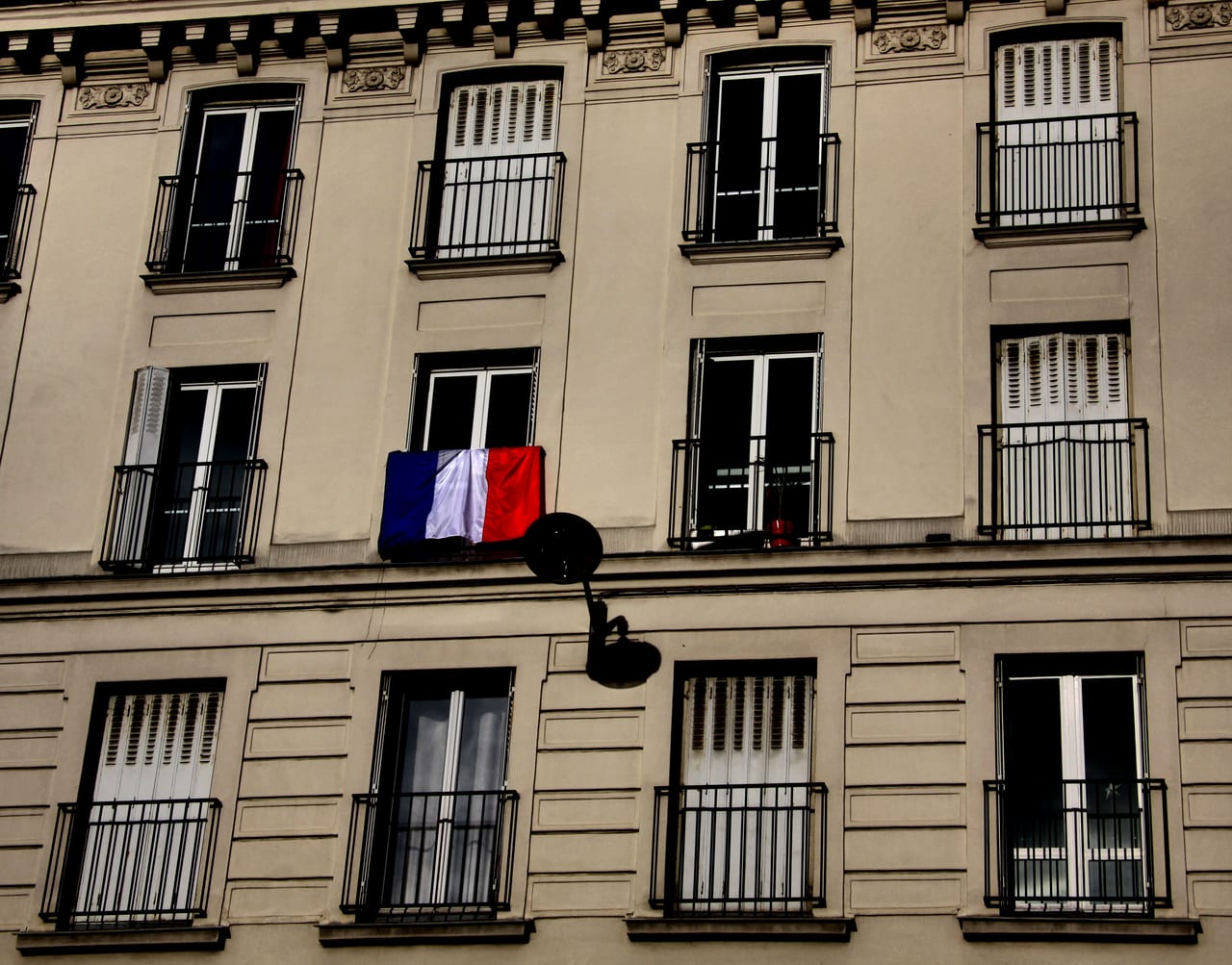

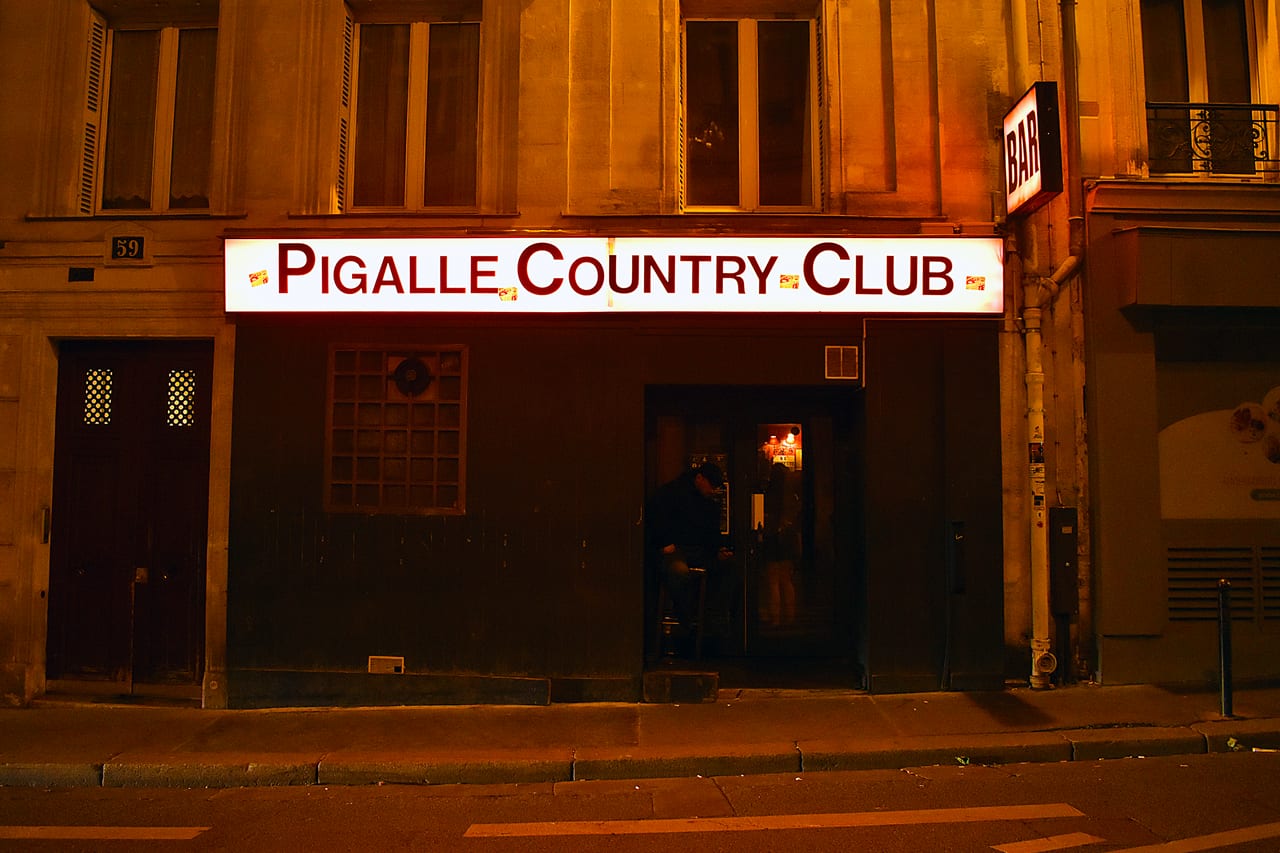
Photograph 1 of 32 of place Pigalle
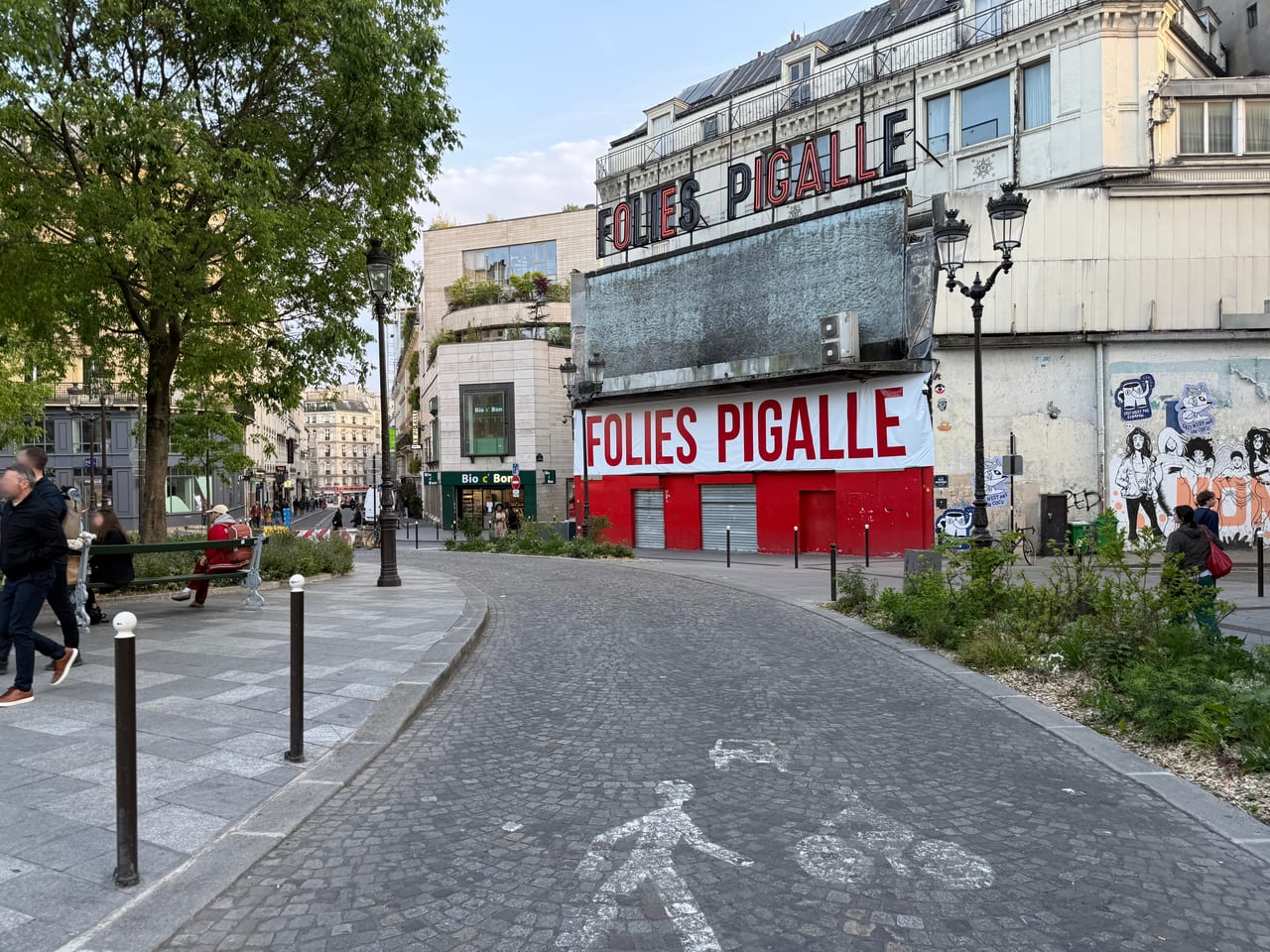
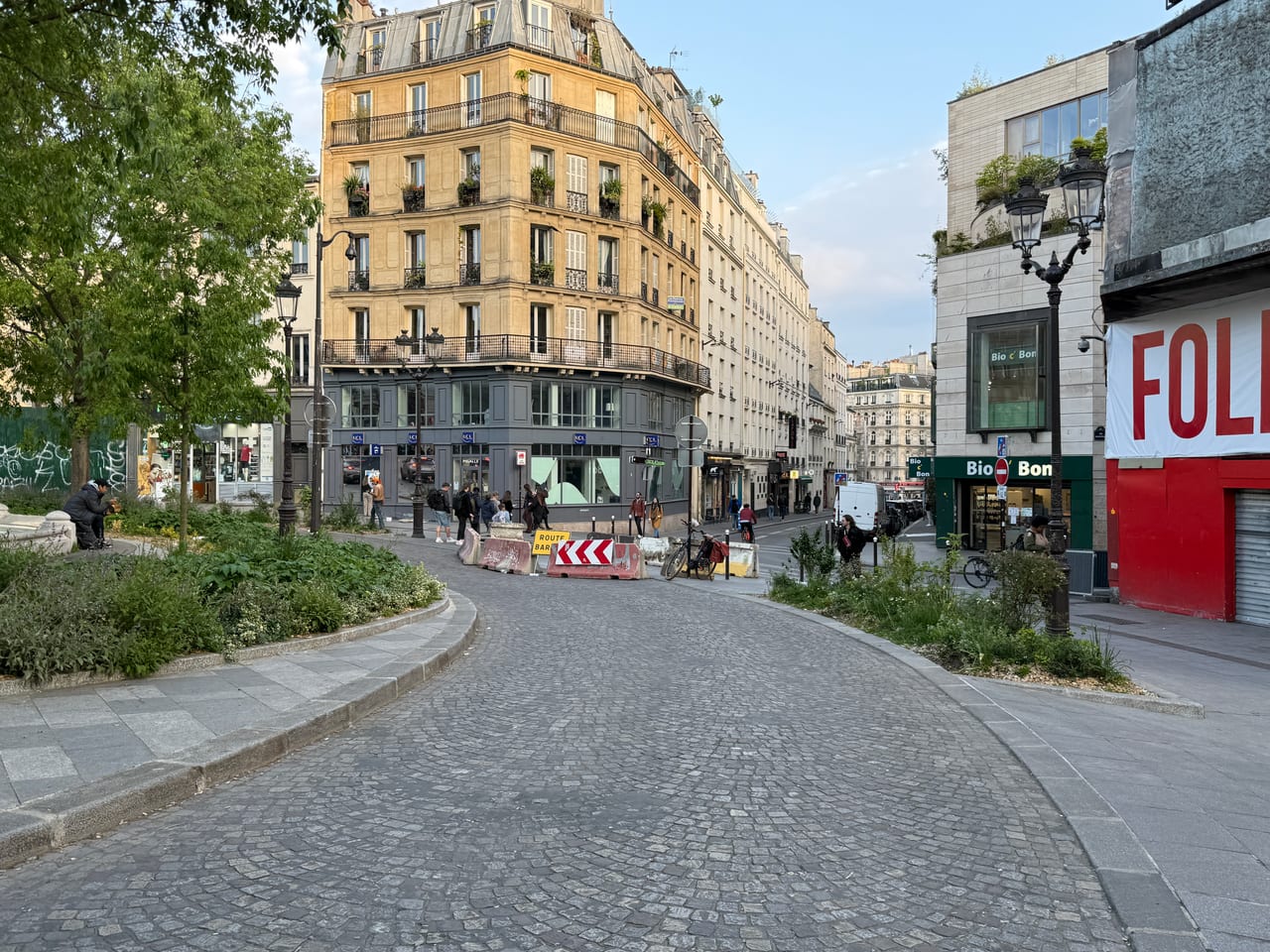
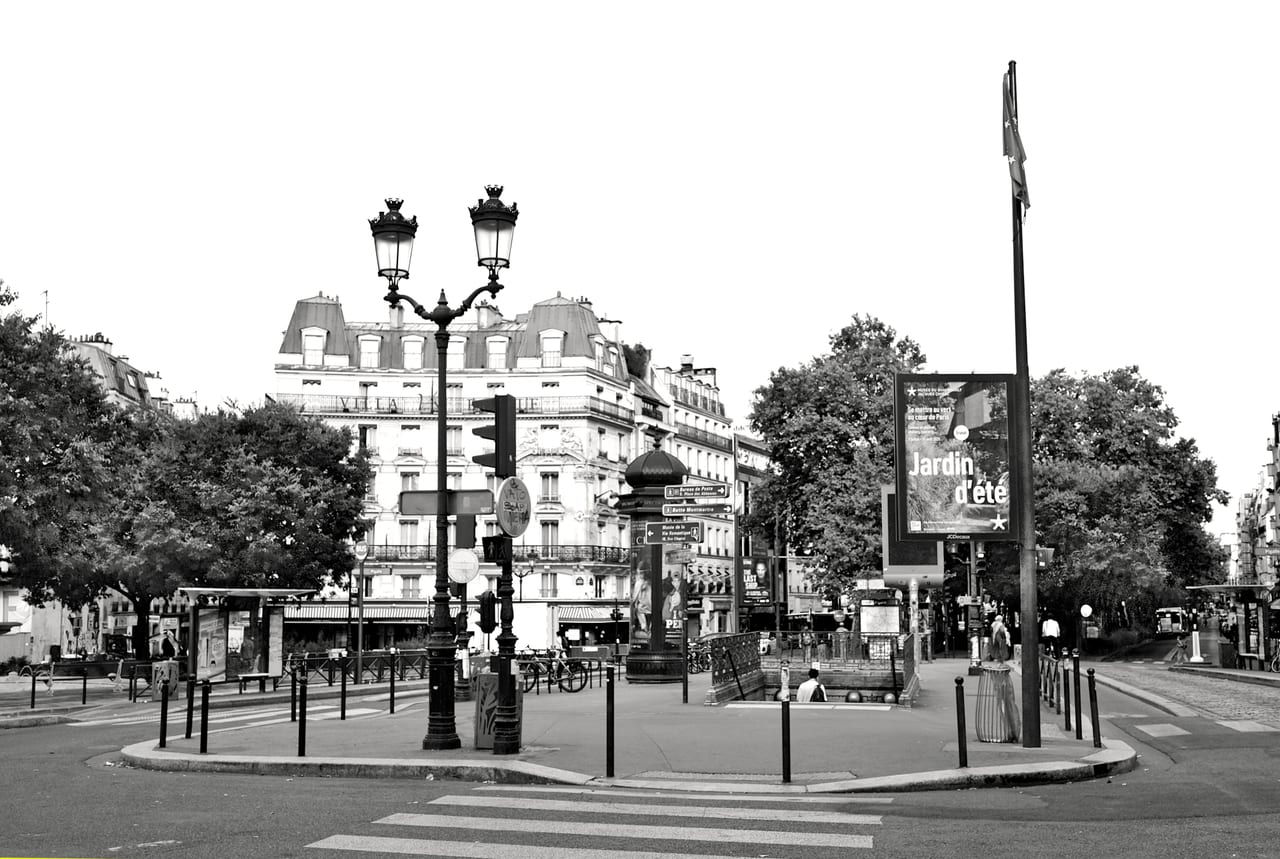
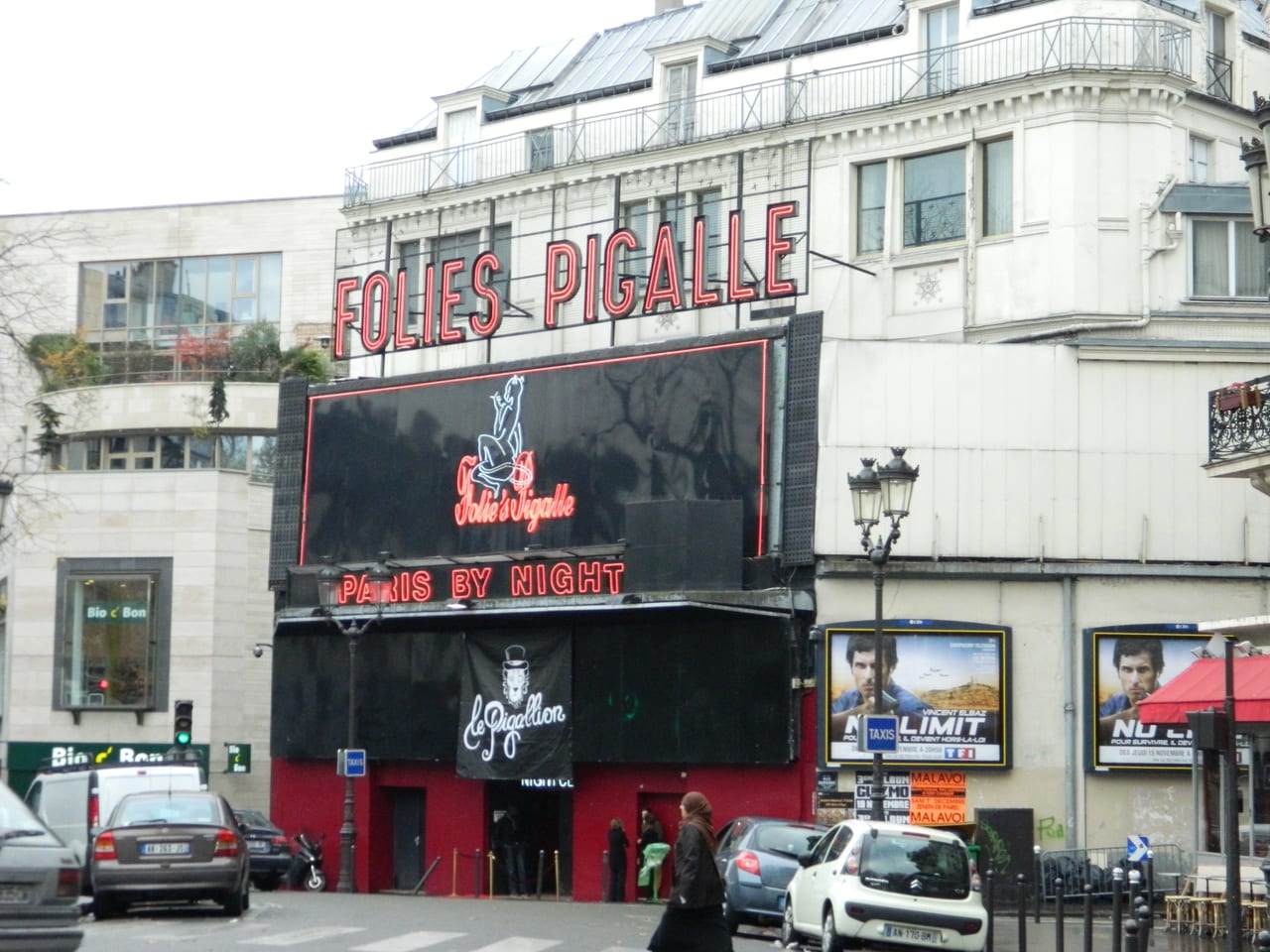
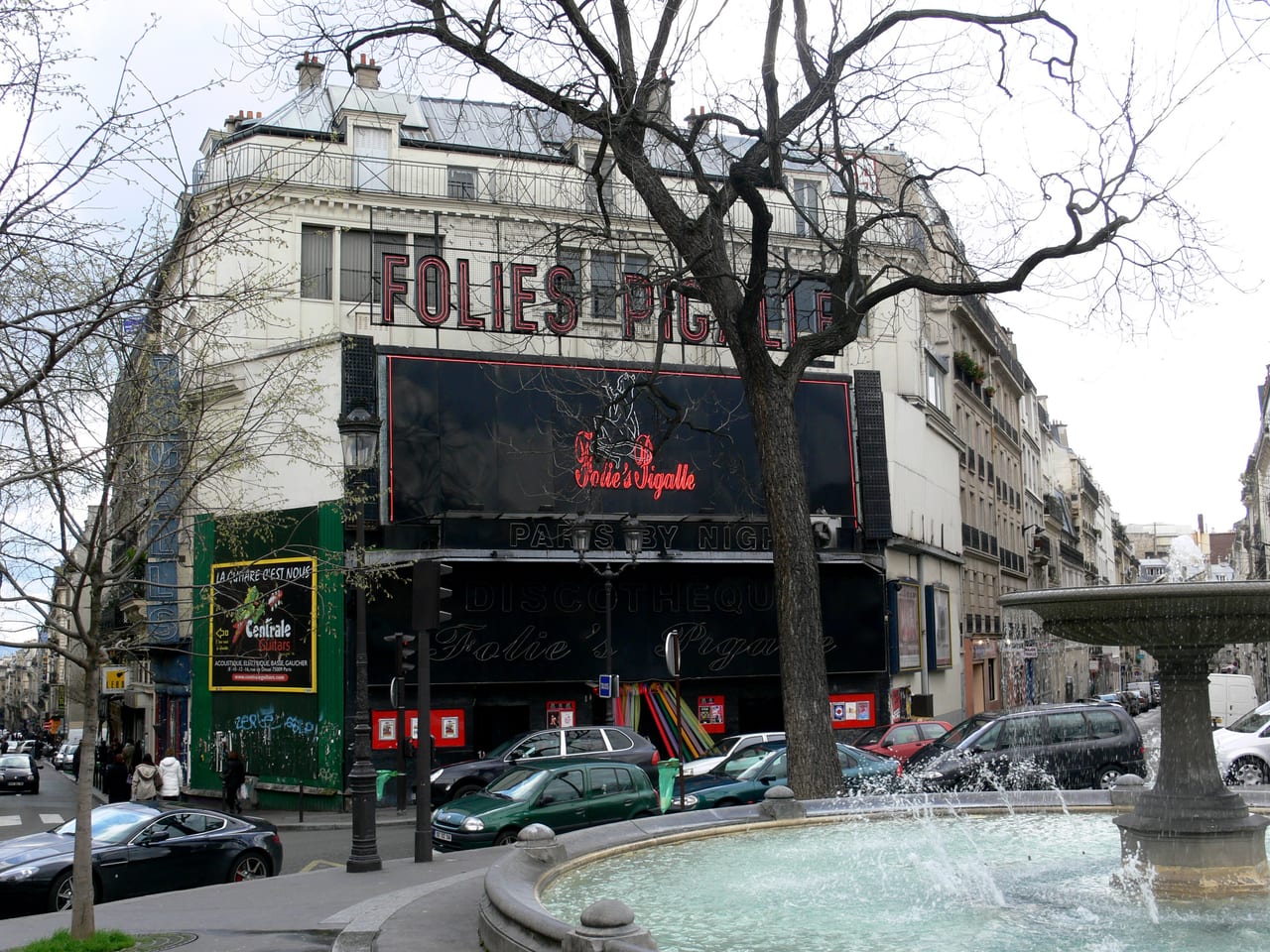
Named for the sculptor Jean-Baptiste Pigalle (1714–1785), the place took shape through an urban project authorised in 1826. Brack was permitted to open a 12-metre-wide street between what is now rue Victor-Massé and the Montmartre barrier, with a semicircular place planned before the barrier. First called place de la Barrière-Montmartre, it officially became place Pigalle in 1864. On 18 March 1871, General Clément Thomas arrived here disguised as a civilian while searching for General Lecomte; recognised by his white beard, he was taken towards rue des Rosiers. By the late 19th century, the surrounding streets formed a district of painters’ studios and literary cafés, notably the Nouvelle Athènes. No. No. 5 was Gabriel Dauchot’s studio, while no. 7 marked the all-night Rat mort, decorated with Joseph Faverot’s frescoes. At no. 11, Louis Becq de Fouquières financed eleven artists’ studios in 1846; the site later became a cinema, nude-dance venue and, from 1991, a discothèque. Songs, films, a television series, Christian Louboutin’s Pigalle pumps and Monopoly have all carried its name.
At a glance
- Built
- 1789
Ways to explore place Pigalle
Use Pigalle station, served by Métro lines 2 and 12, then walk the perimeter between the two boulevards. Read the numbered façades as a sequence of former cultural venues: no. 1, no. 5, no. 7 and no. 11 reward close attention, while no. 7’s present-day bank occupies the former Rat mort site. Continue towards the nearby Sacré-Cœur and the lower slopes of Montmartre for the neighbourhood’s changing street perspective.
Places to stay near place Pigalle
Live availability and prices from Stay22's partners, refreshed periodically and subject to change. Booking through these links may earn us a commission at no extra cost to you. See our privacy policy.
Cafés near place Pigalle
Cafés near place Pigalle loads as you scroll.
Attractions nearby
Attractions near place Pigalle loads as you scroll.
Cities nearby
Cities nearby loads as you scroll.
More in Paris
See more of Paris.
Find great cafés, places to stay and other interesting places to visit in Paris.