Street & promenade · Paris
place du Tertre
DirectionsOn 24 December 1898, Louis Renault drove his own petrol car onto the Place du Tertre, an early public milestone in the story of French automobile manufacturing.
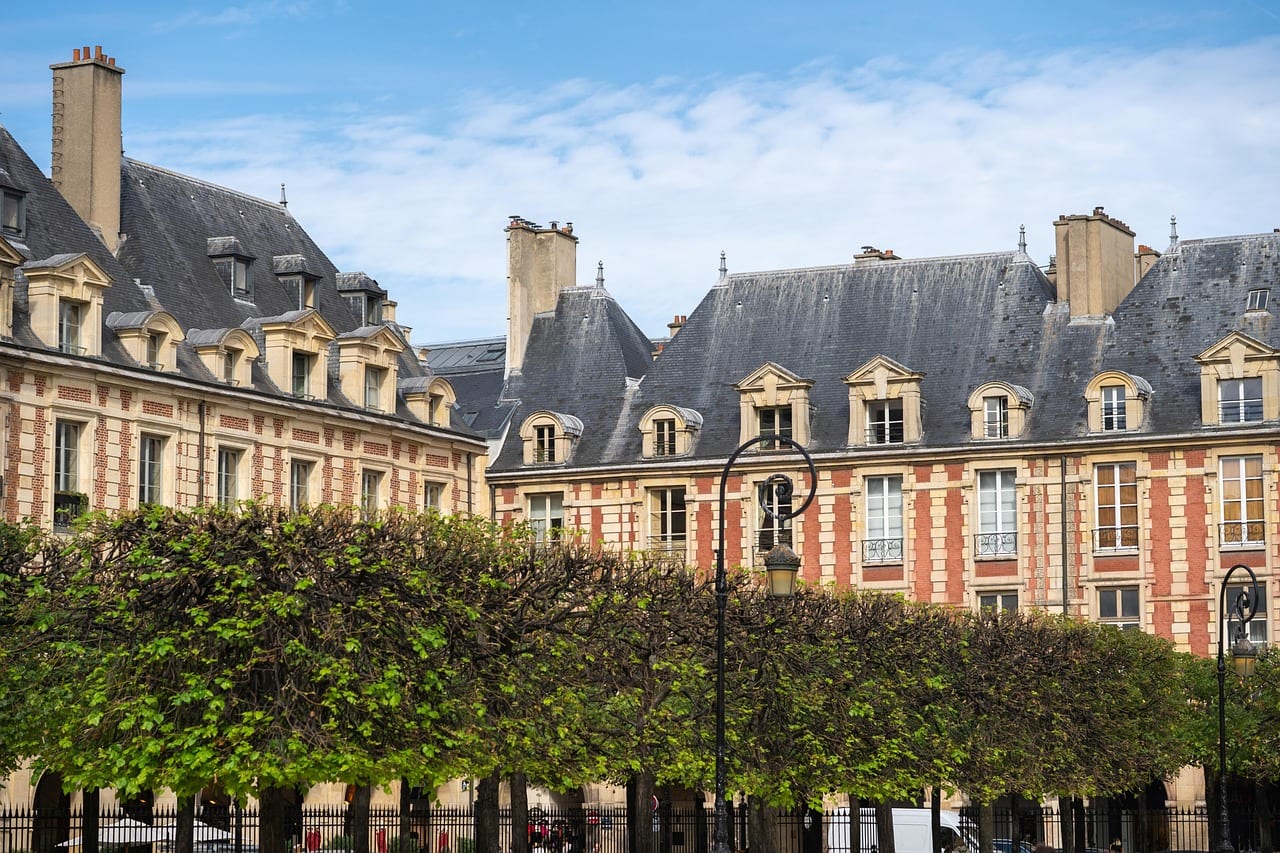
The Place du Tertre occupies part of an enclosure ceded by the nuns of Montmartre Abbey in 1635 and was drawn on Jouvin de Rochefort’s plan of 1672. Once planted with trees protected by a thirty-livre fine, it also held the abbesses’ gallows. The abbey moved downhill in 1686, leaving the site at the centre of the old village. From 1790 until Montmartre joined Paris in 1860, the place belonged to the former commune. Its first mairie was established in 1790 at the home of Félix Desportes, while the restaurant À la Mère Catherine dates from 1793. During the late nineteenth and early twentieth centuries, painters including Toulouse-Lautrec, Poulbot, Picasso, Modigliani and Utrillo lived around Montmartre, giving the place its enduring artistic association. Its present tensions are also part of its story. Since the 1980s, restaurant terraces have reduced artists’ space; a 1998 Conseil d’État ruling upheld Paris’s system of 140 regulated one-square-metre locations. The name refers to the hill, or perhaps to the Dutertre family.
At a glance
- Built
- 1772
Ways to explore place du Tertre
Walk the perimeter slowly to take in the working easels, portraitists and silhouettists, then compare their activity with the café terraces occupying much of the public space. Look for the former mairie at no. 3, À la Mère Catherine at no. 6, the plaque for sculptor Maurice Douard at no. 7, and the telegraph marker at no. 15. The place is reached via Abbesses on metro line 12, Anvers on line 2, or bus 40.
Places to stay near place du Tertre
Live availability and prices from Stay22's partners, refreshed periodically and subject to change. Booking through these links may earn us a commission at no extra cost to you. See our privacy policy.
Cafés near place du Tertre
Cafés near place du Tertre loads as you scroll.
Attractions nearby
Attractions near place du Tertre loads as you scroll.
Cities nearby
Cities nearby loads as you scroll.
More in Paris
See more of Paris.
Find great cafés, places to stay and other interesting places to visit in Paris.