Street & promenade · Paris
place des Abbesses
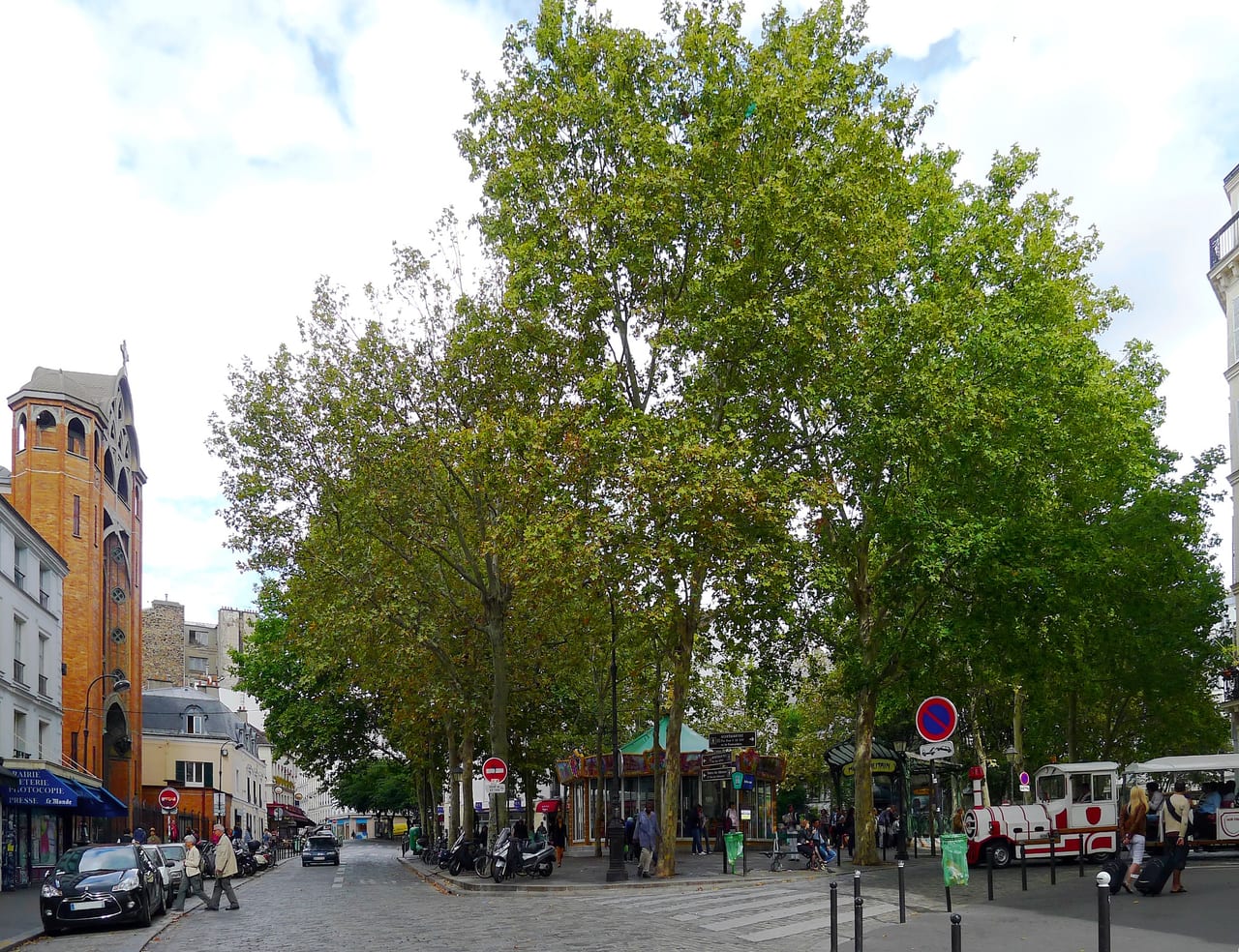
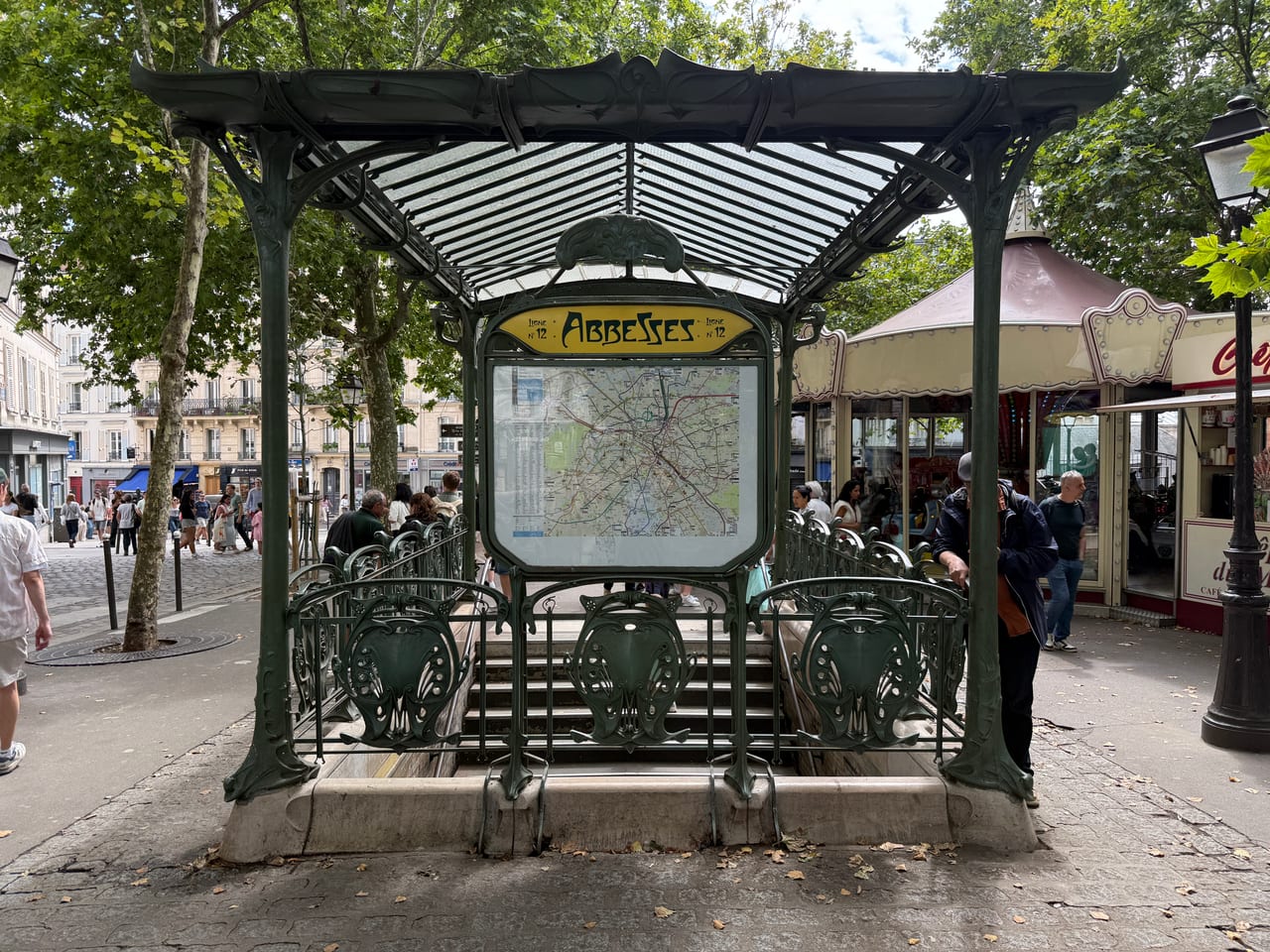
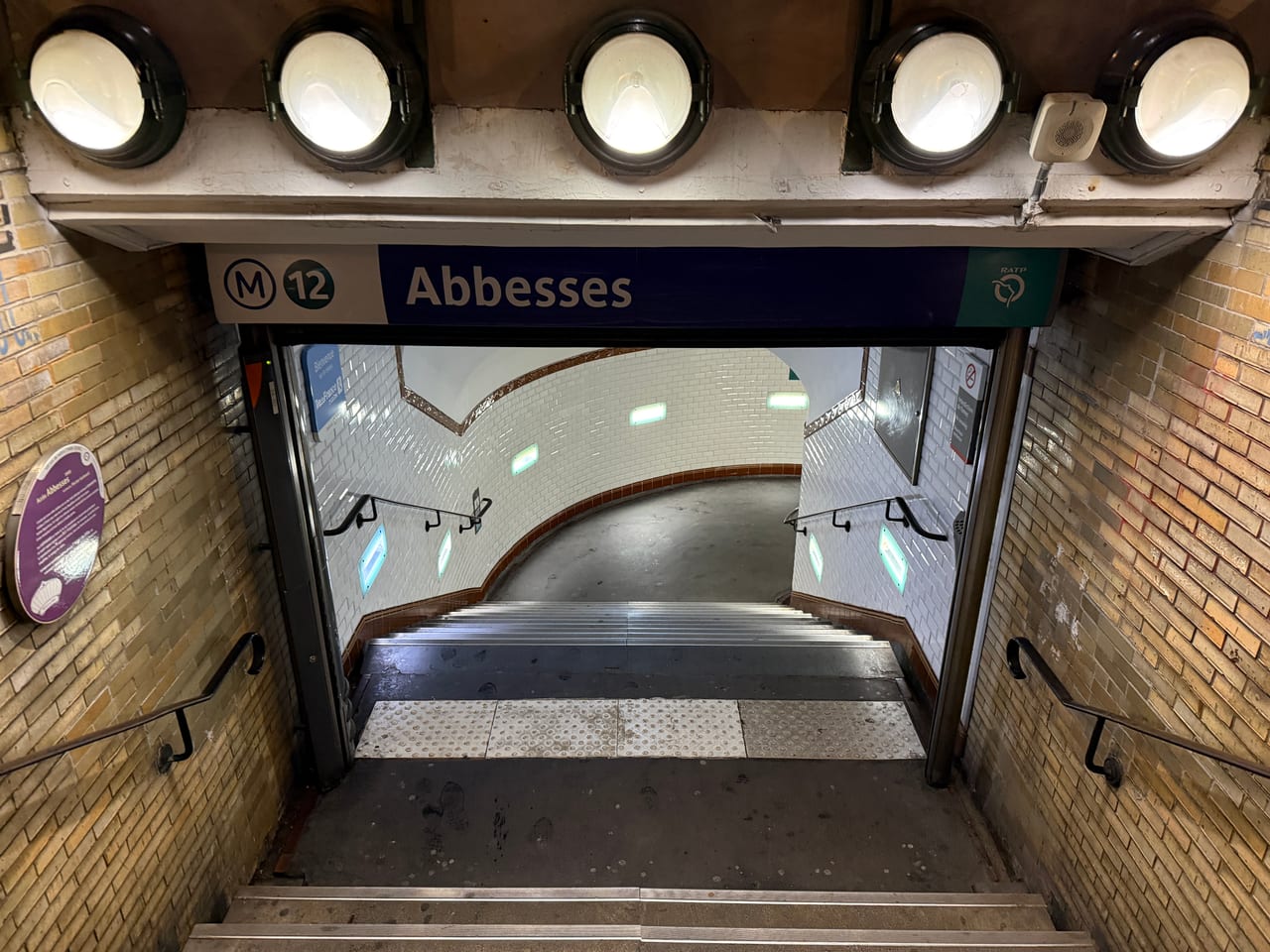
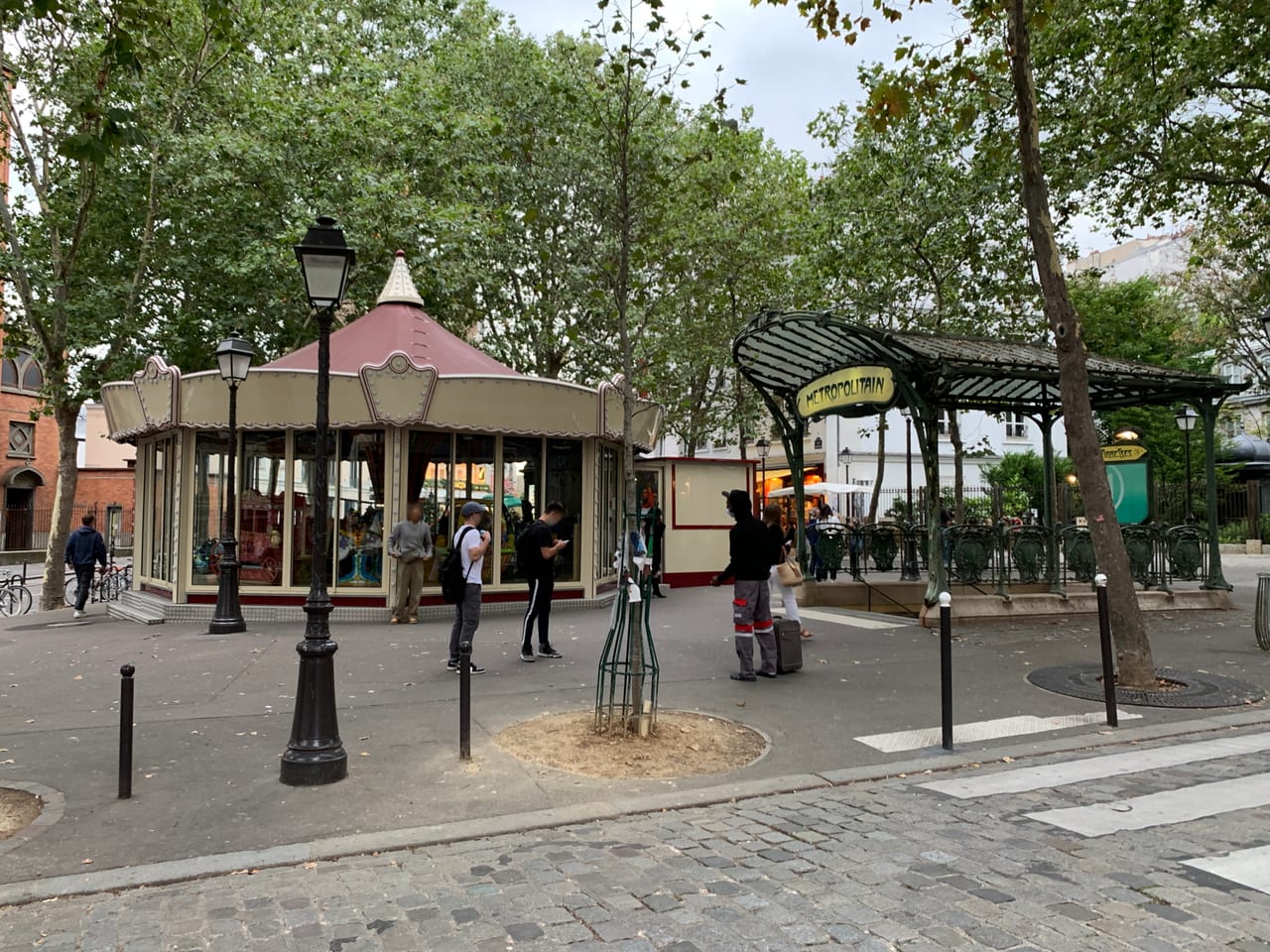
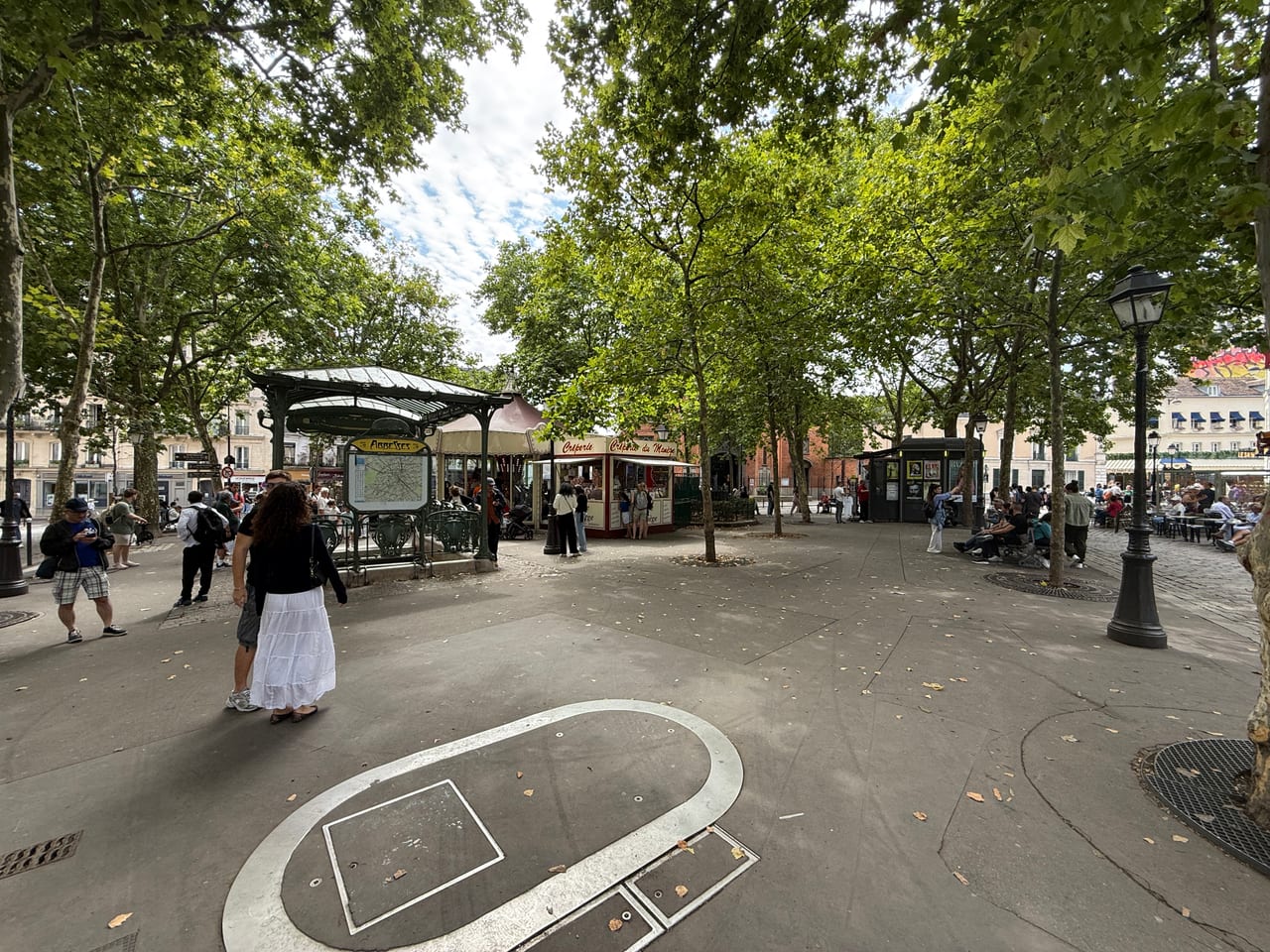
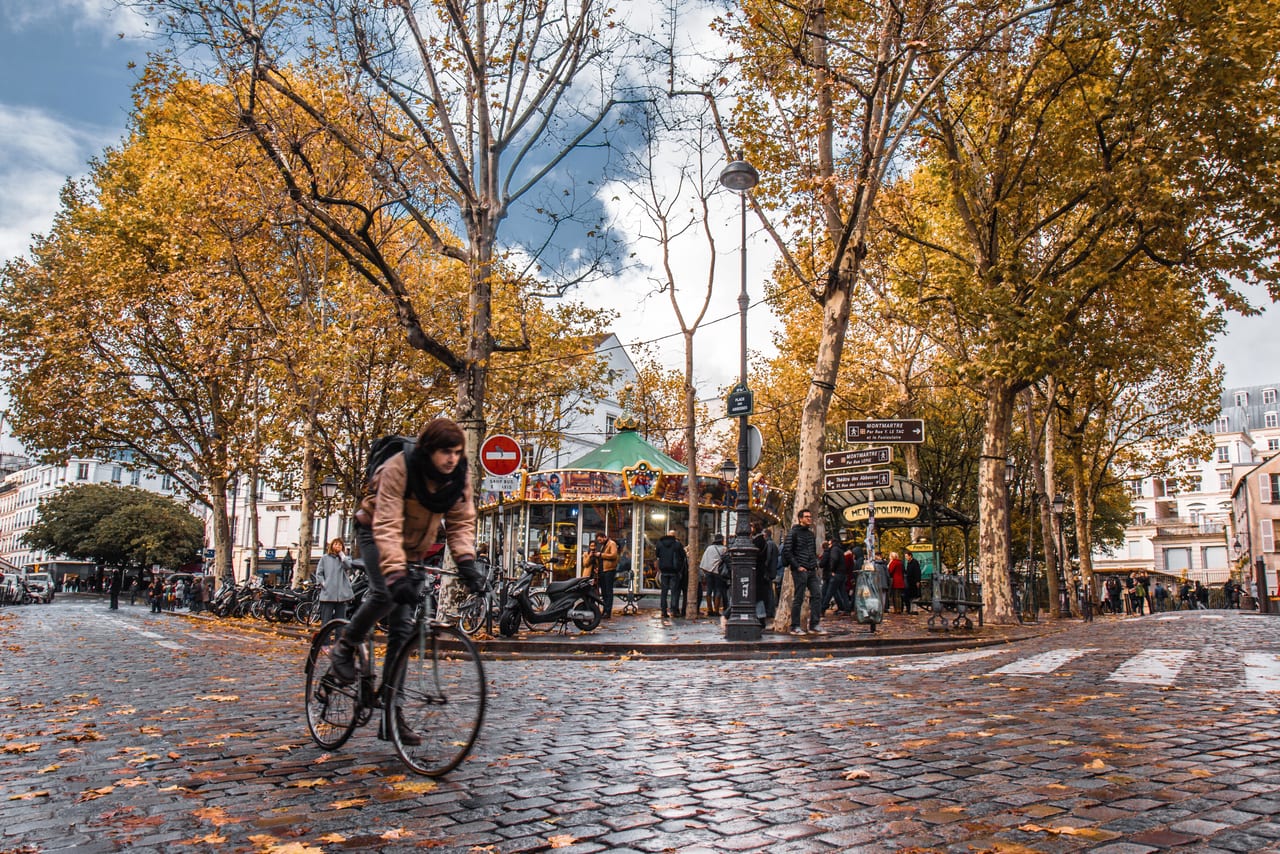
DirectionsIts Guimard metro entrance, moved here from Hôtel de Ville in 1974, marks Paris’s deepest station and remains the square’s most distinctive visual signature.
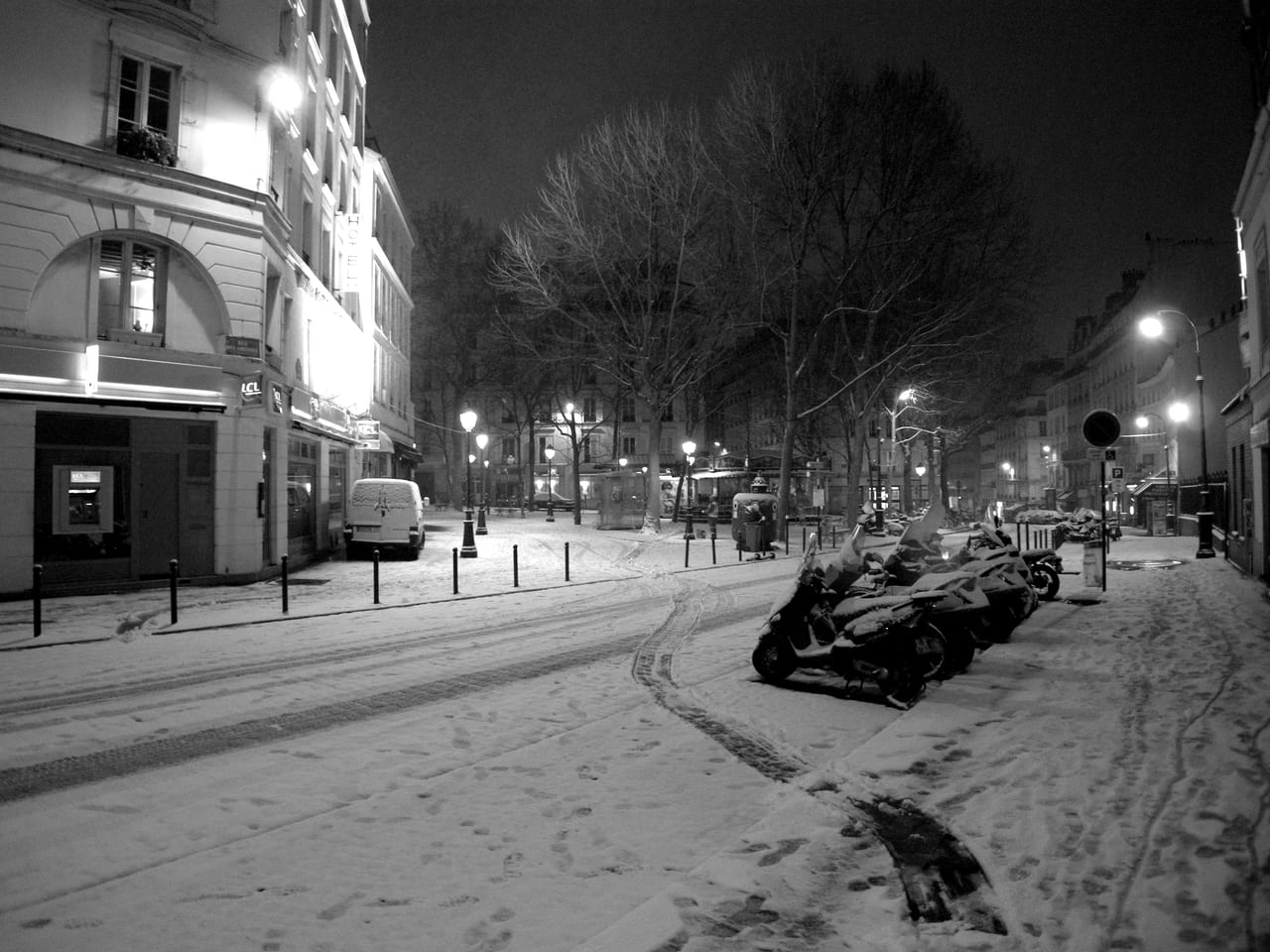
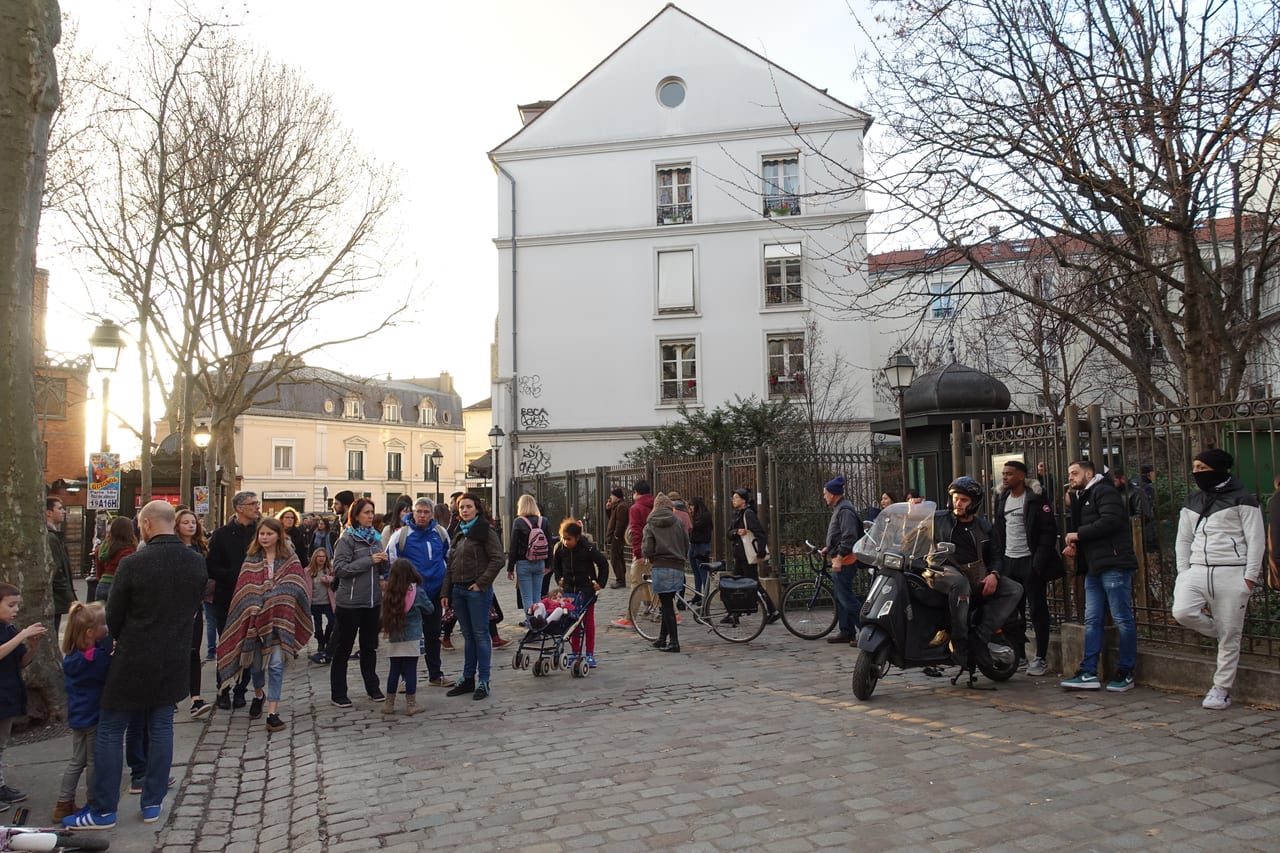
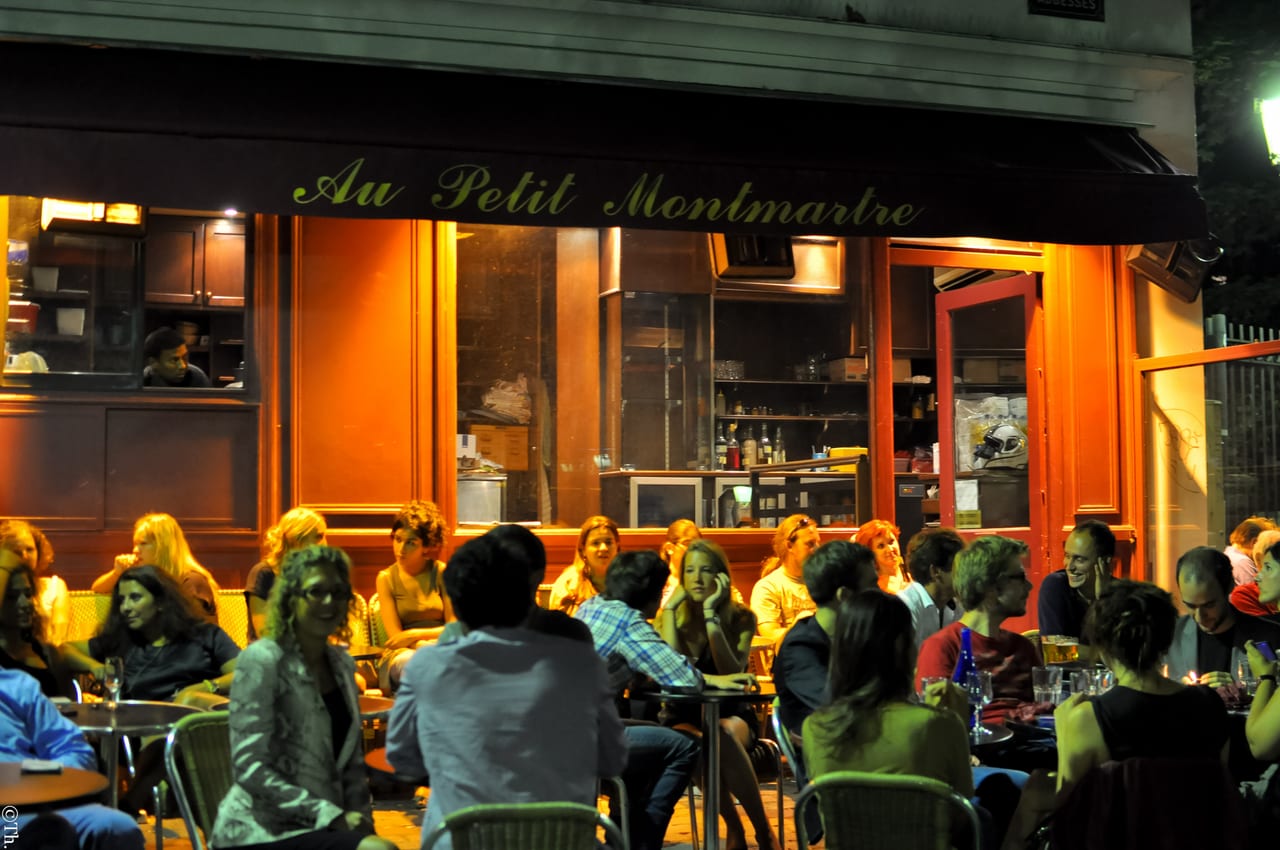
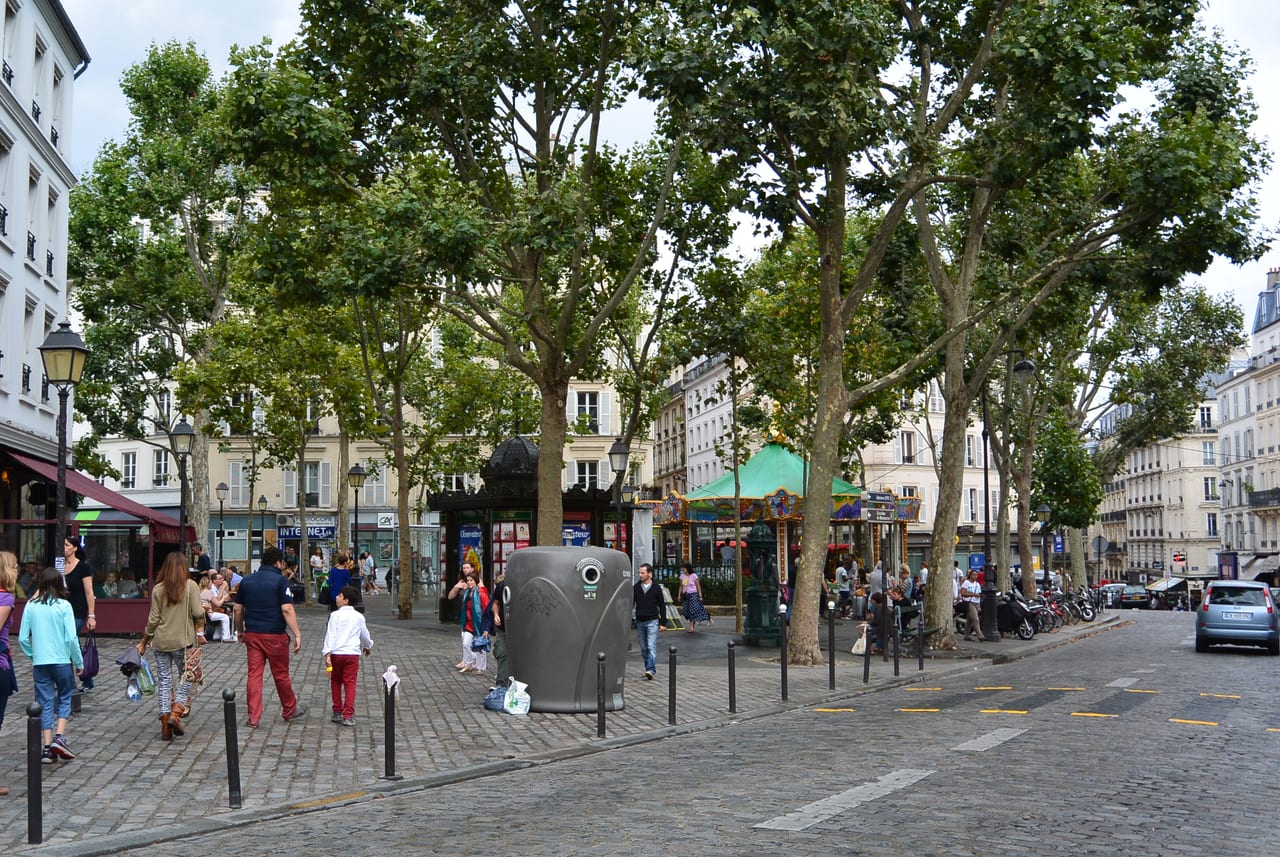
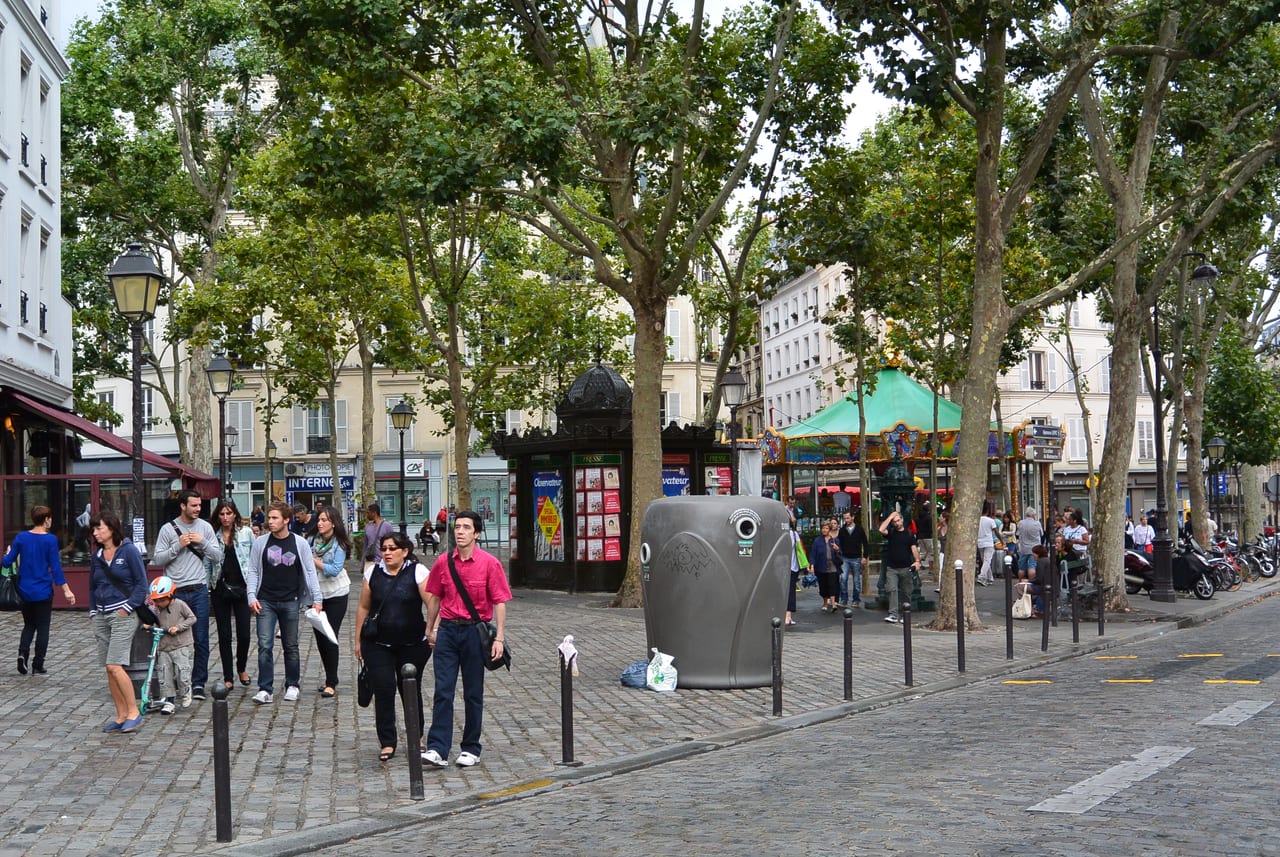
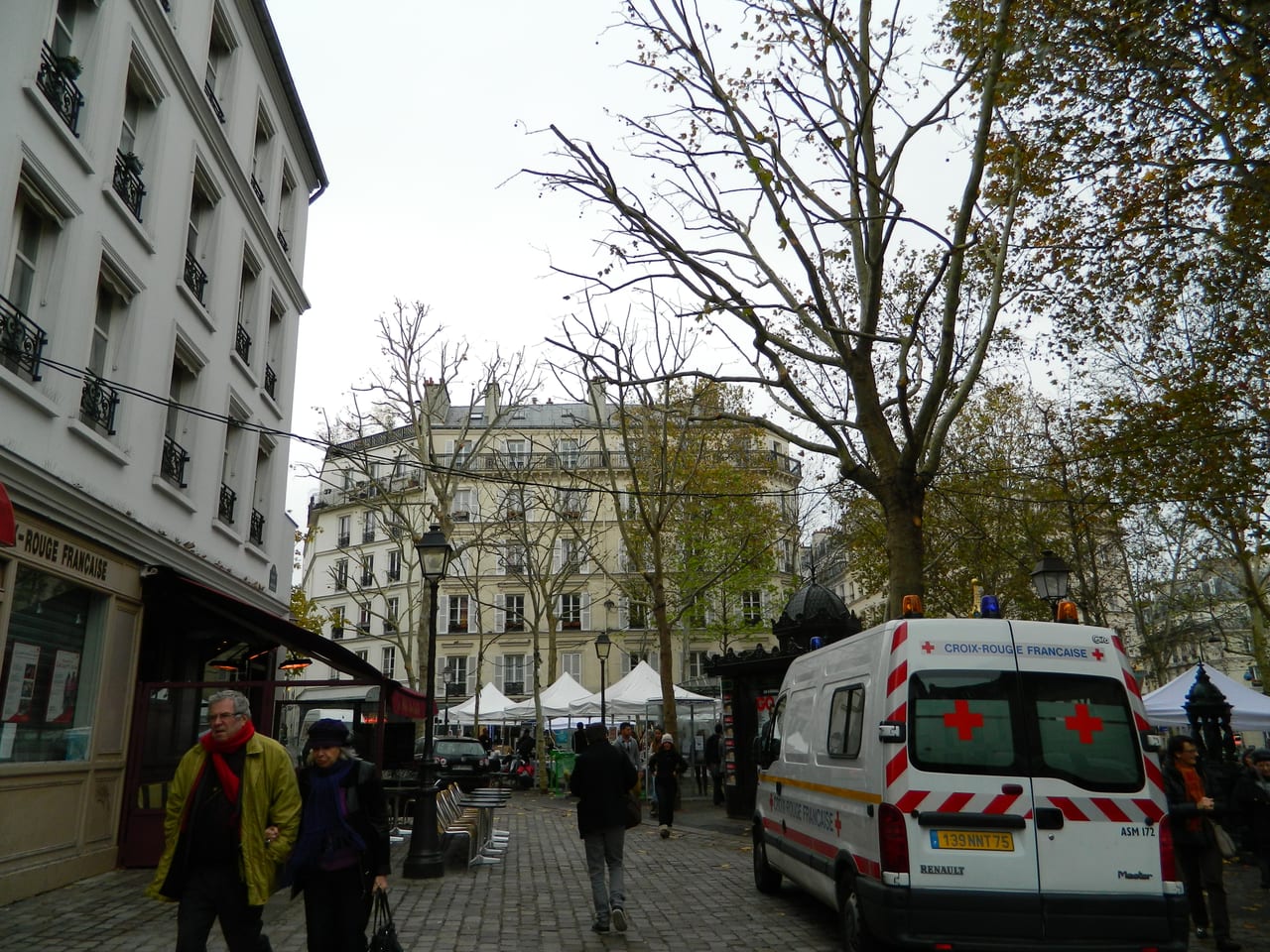
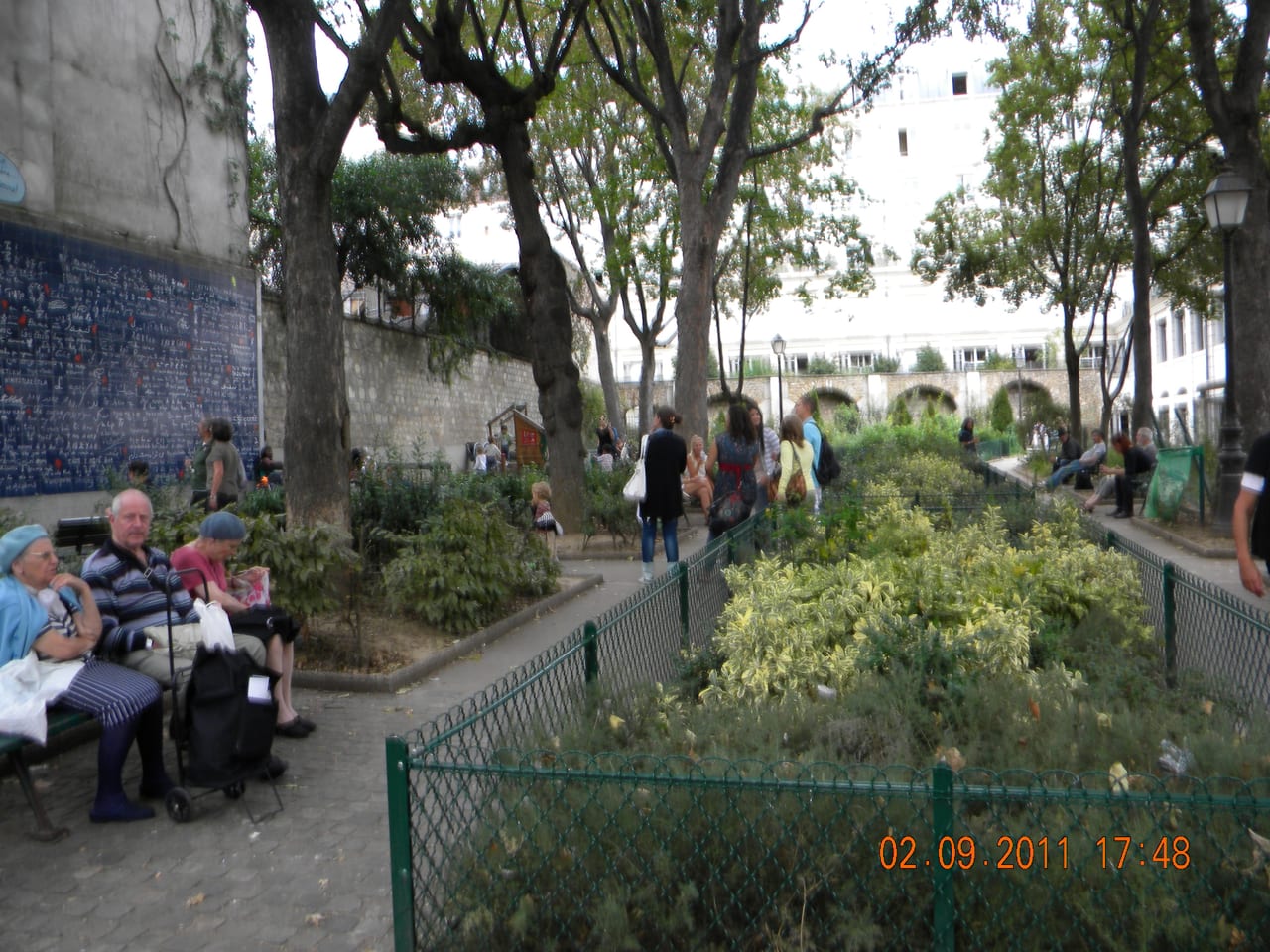
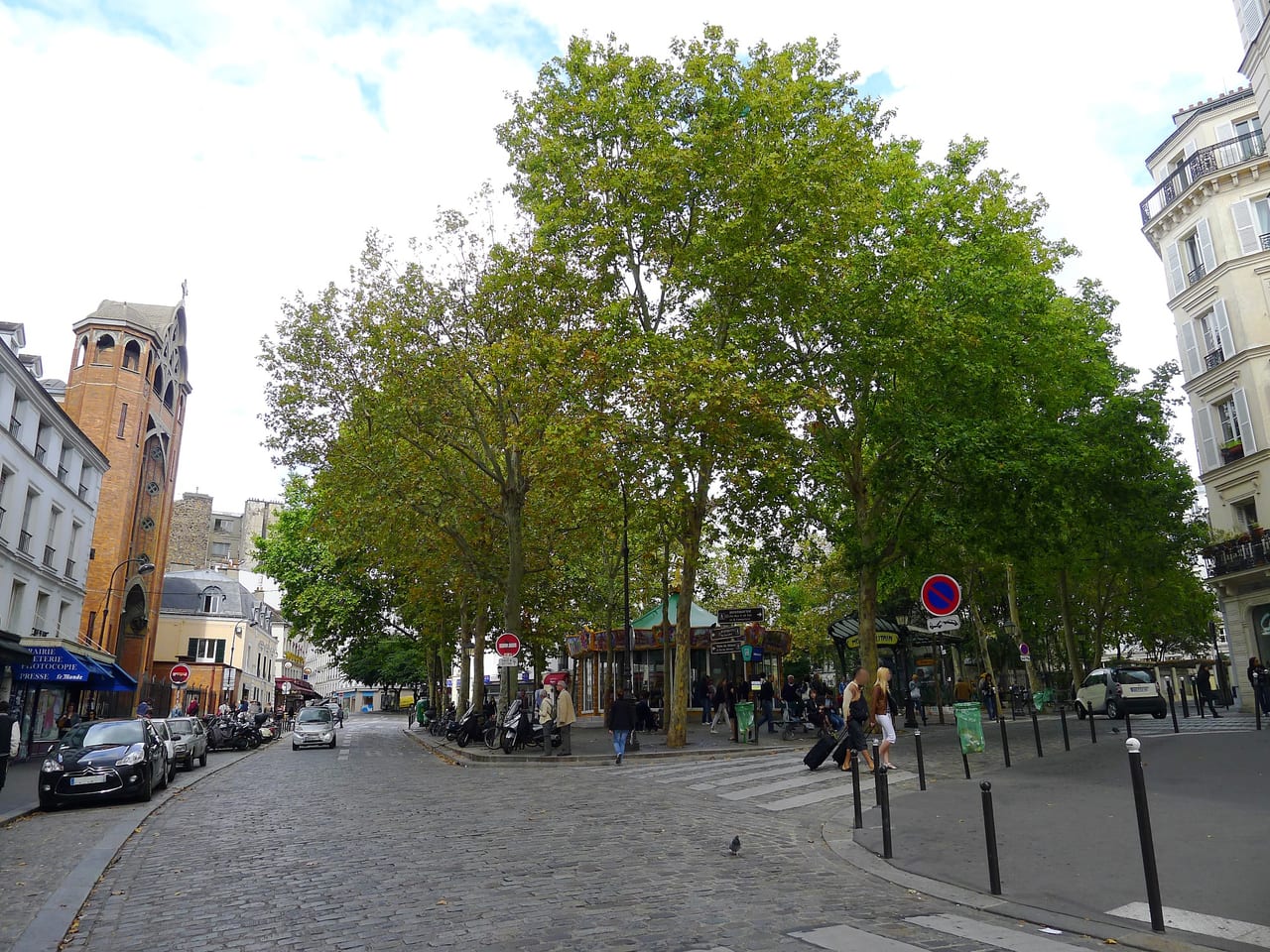
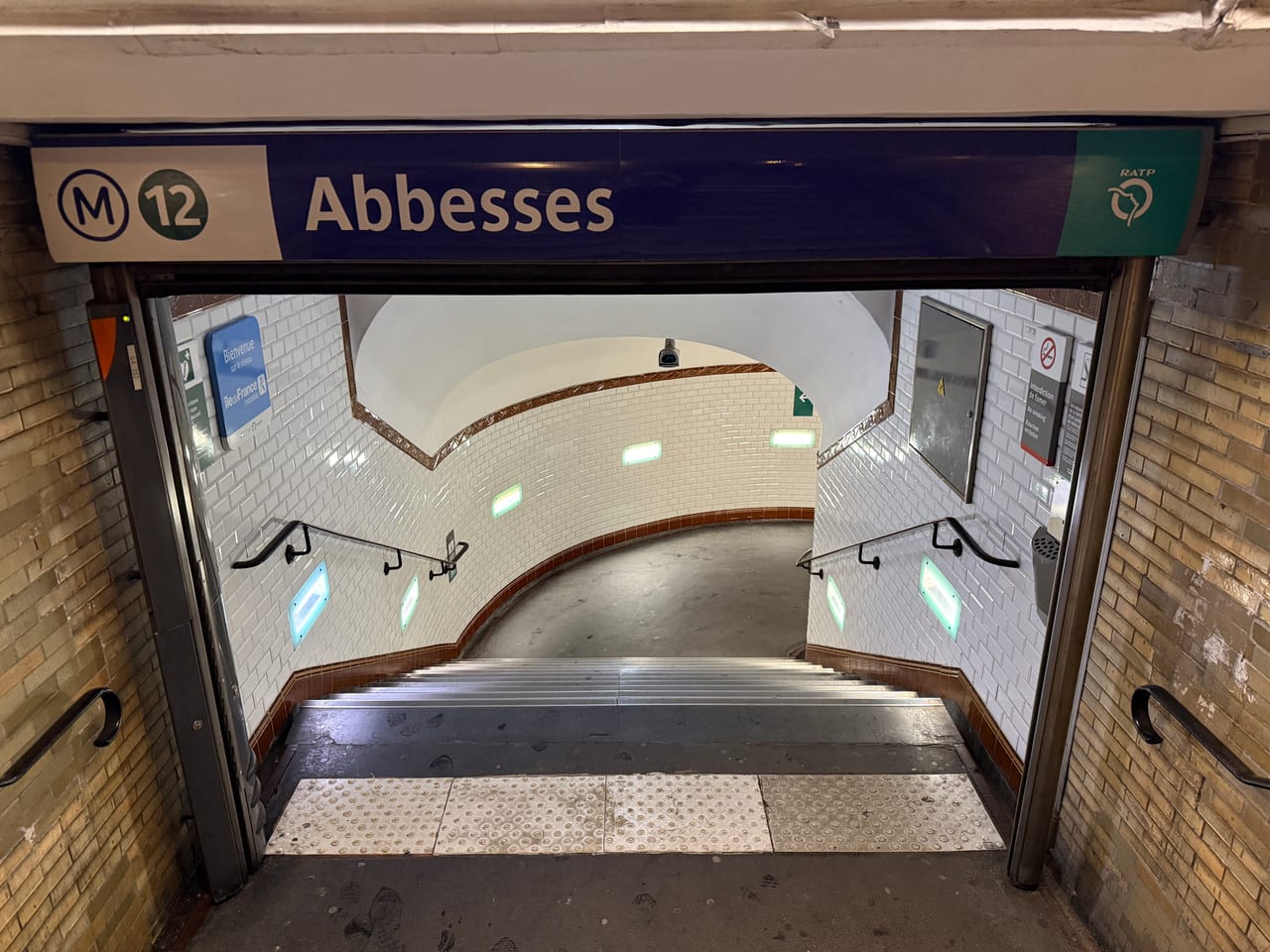
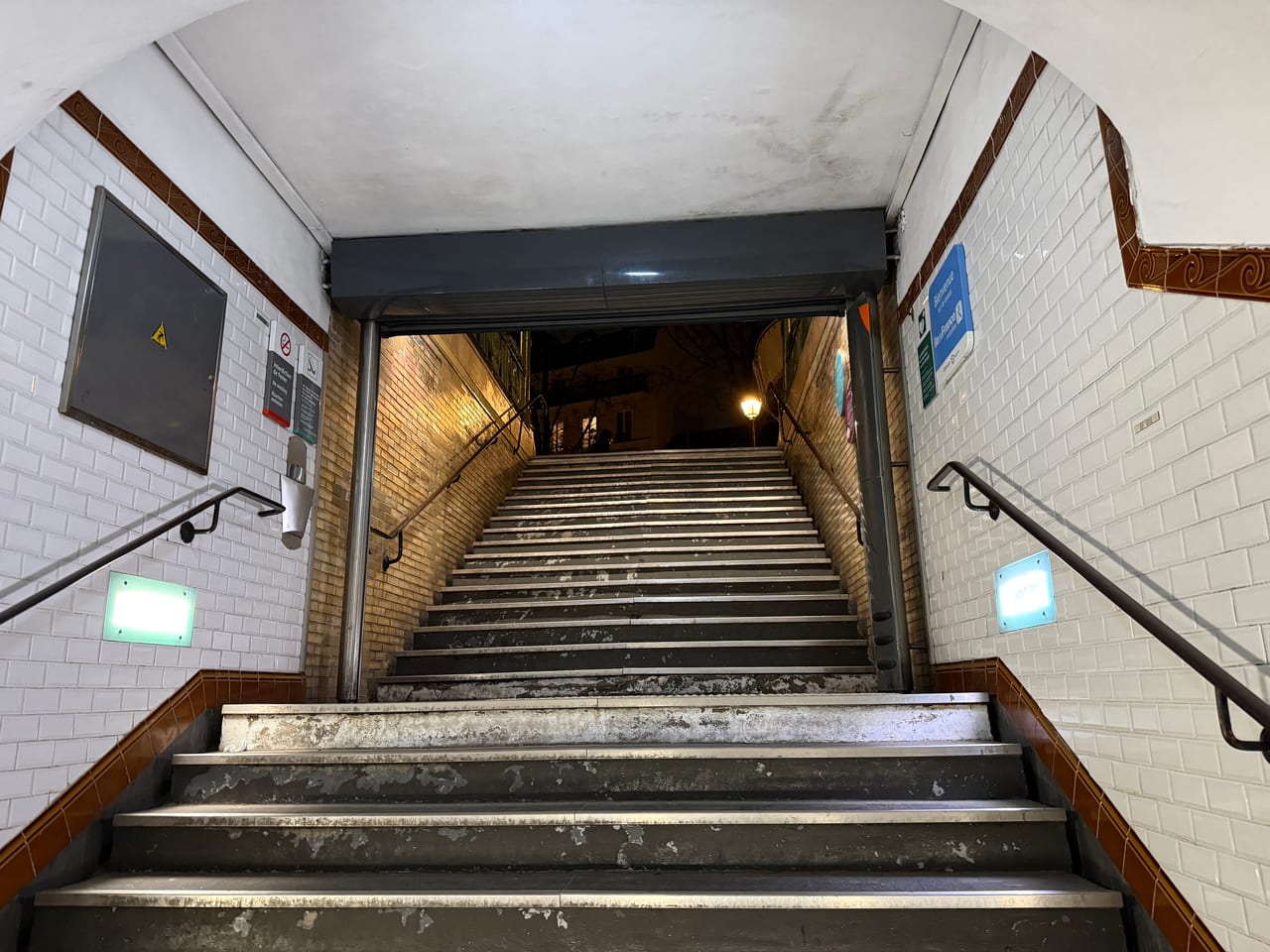
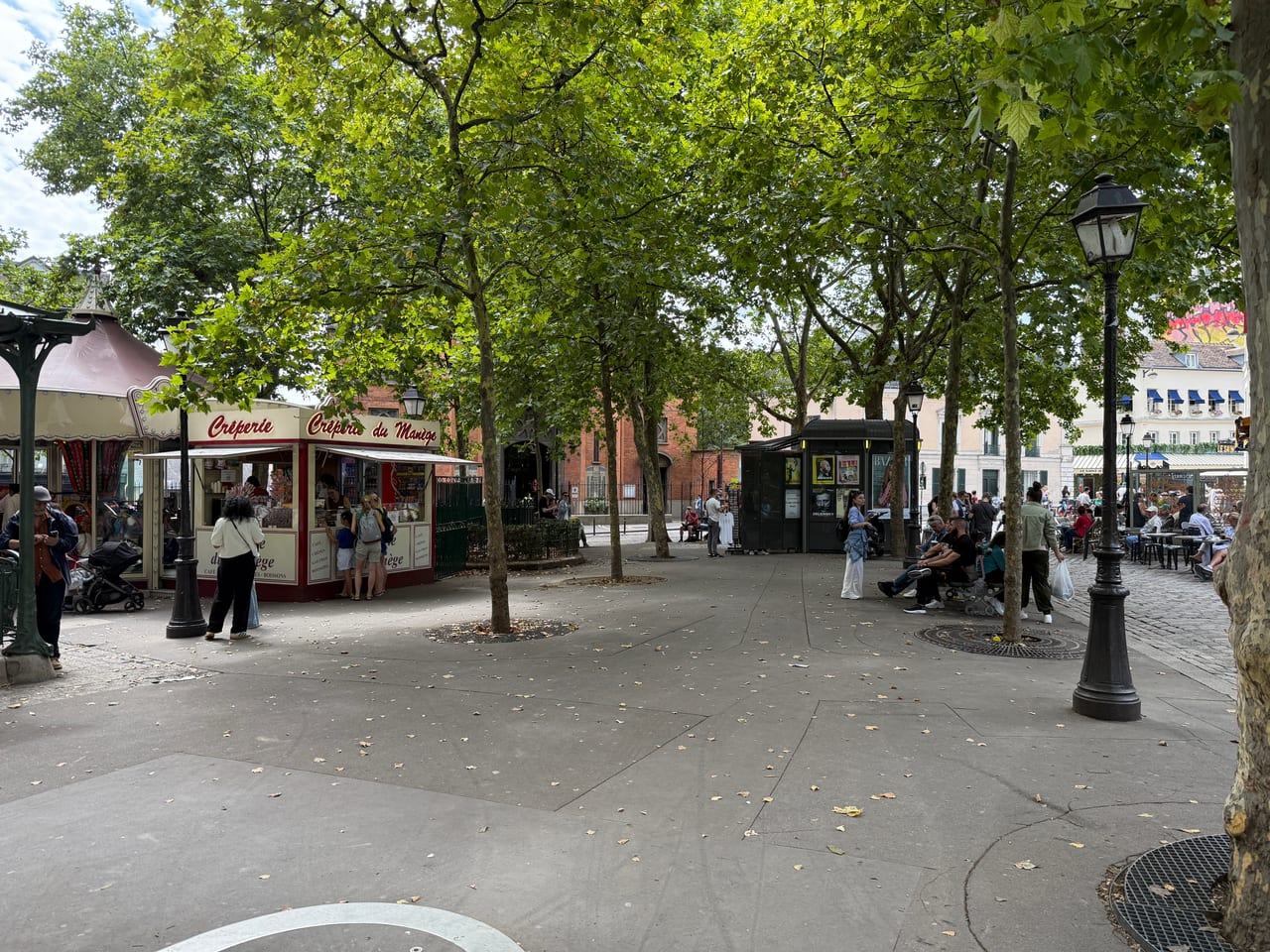
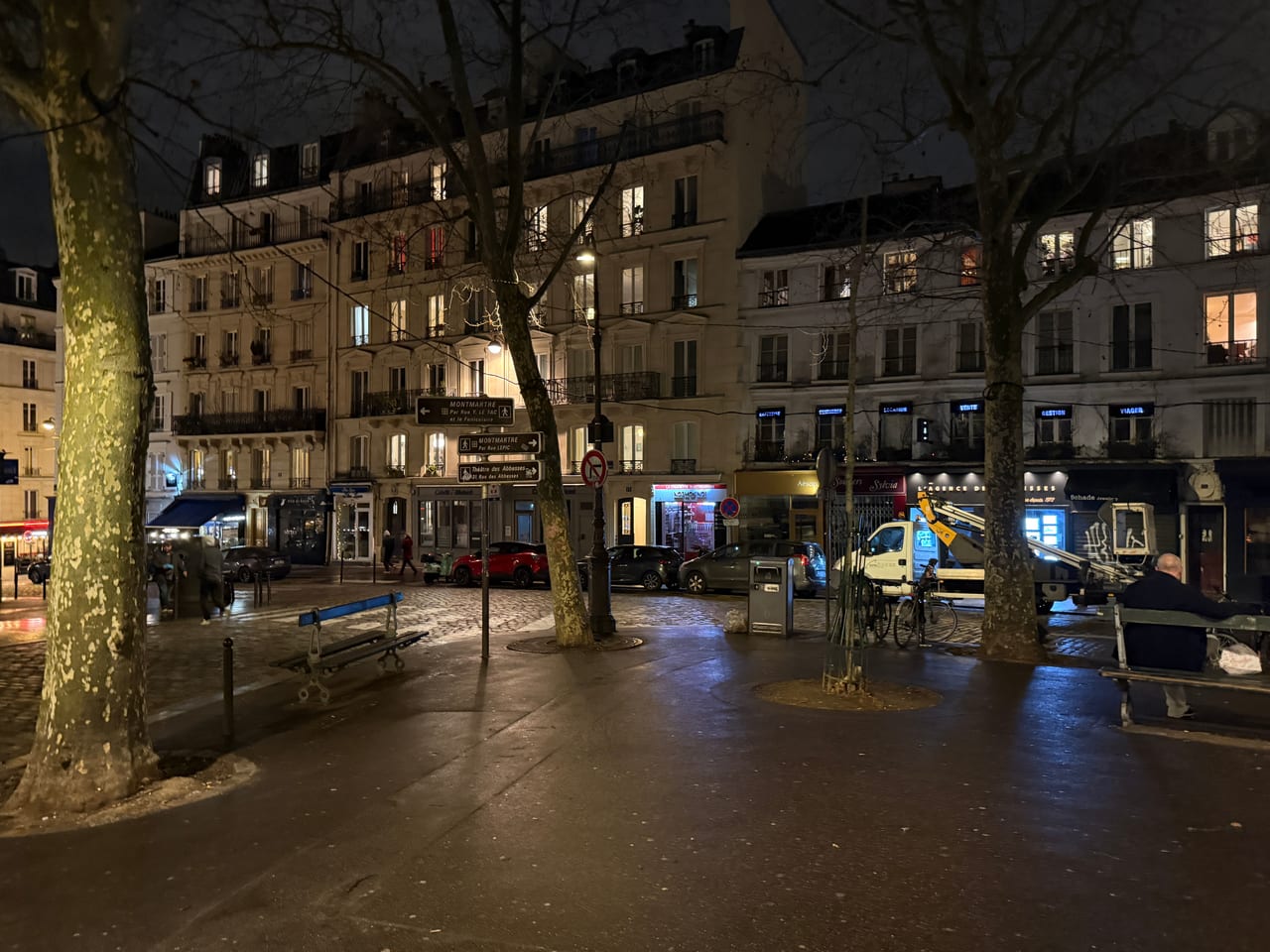
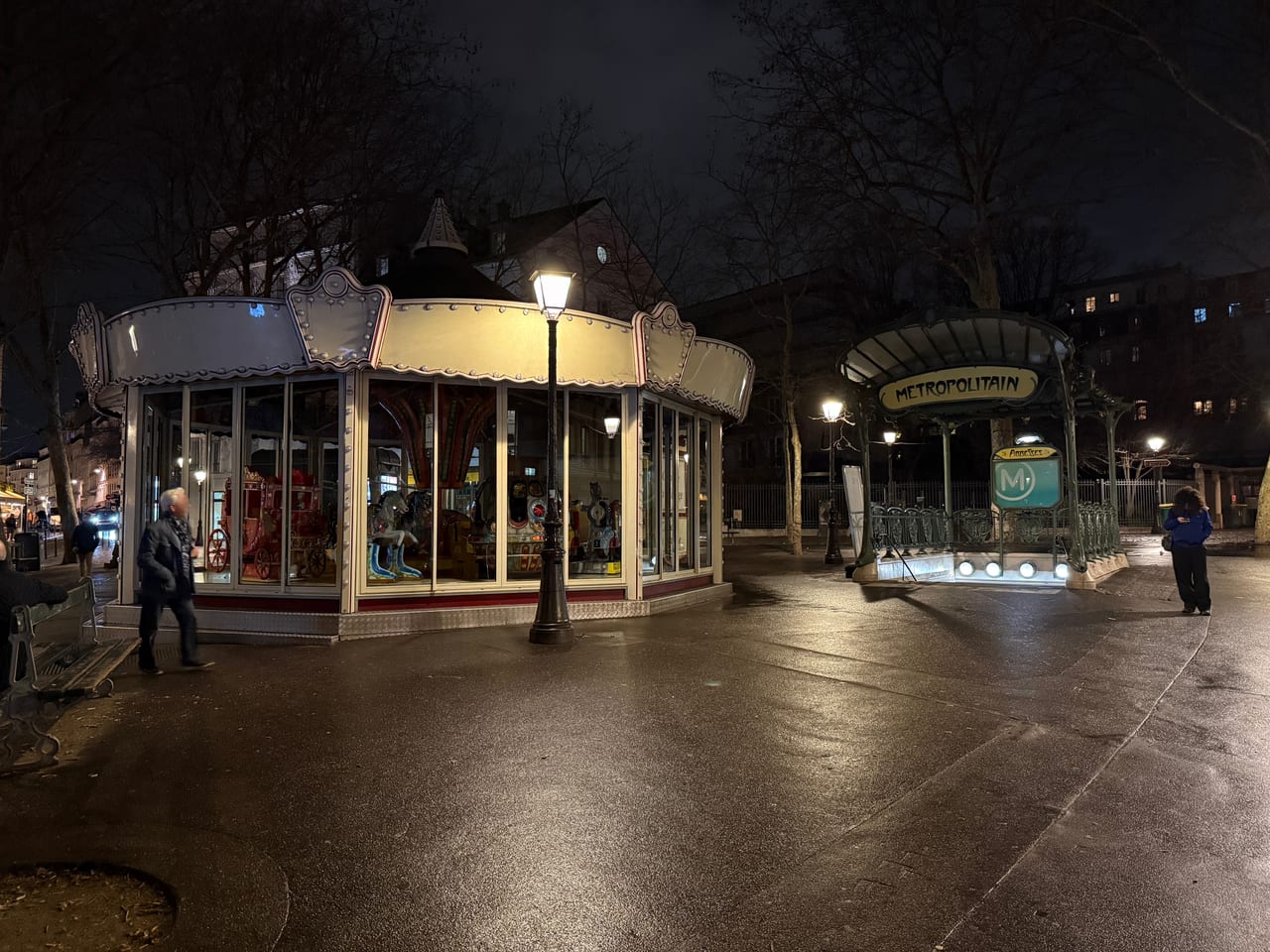
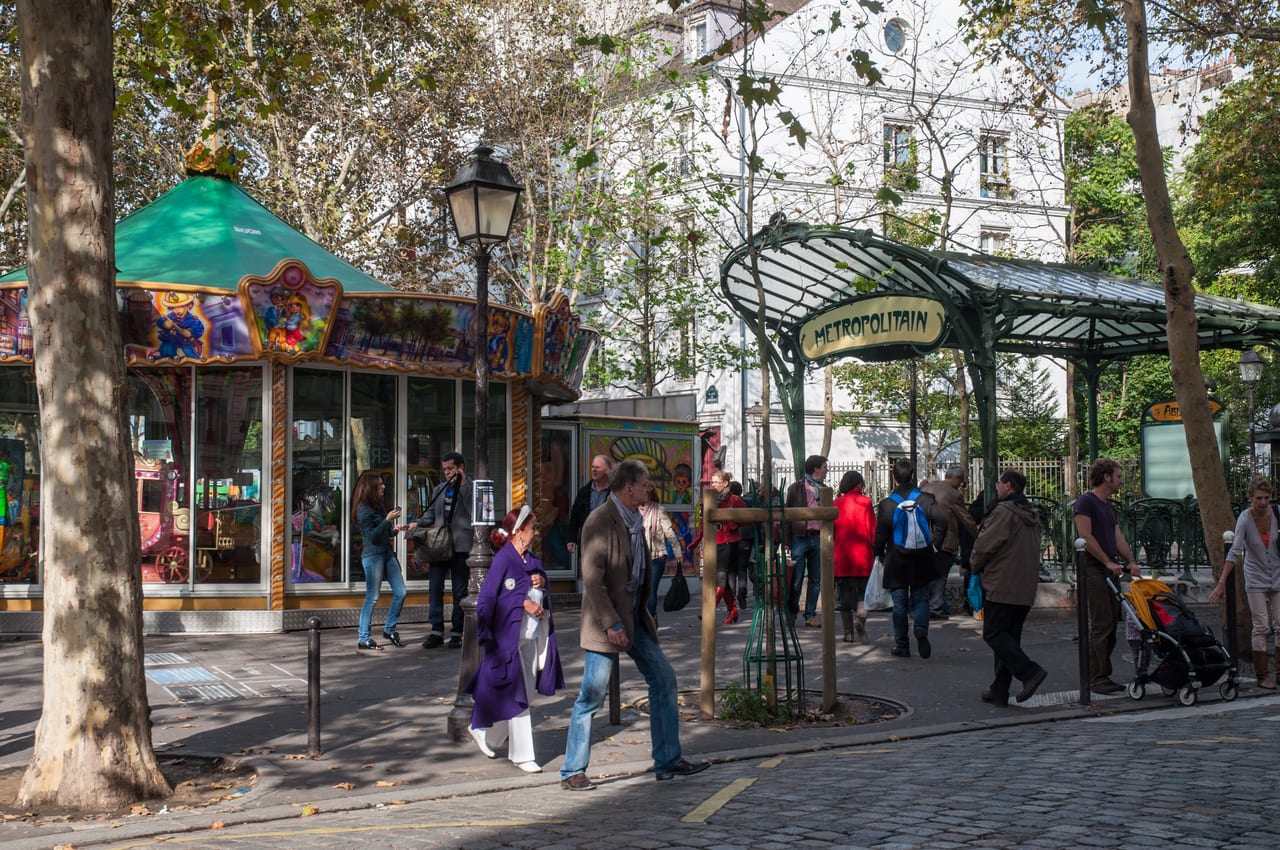
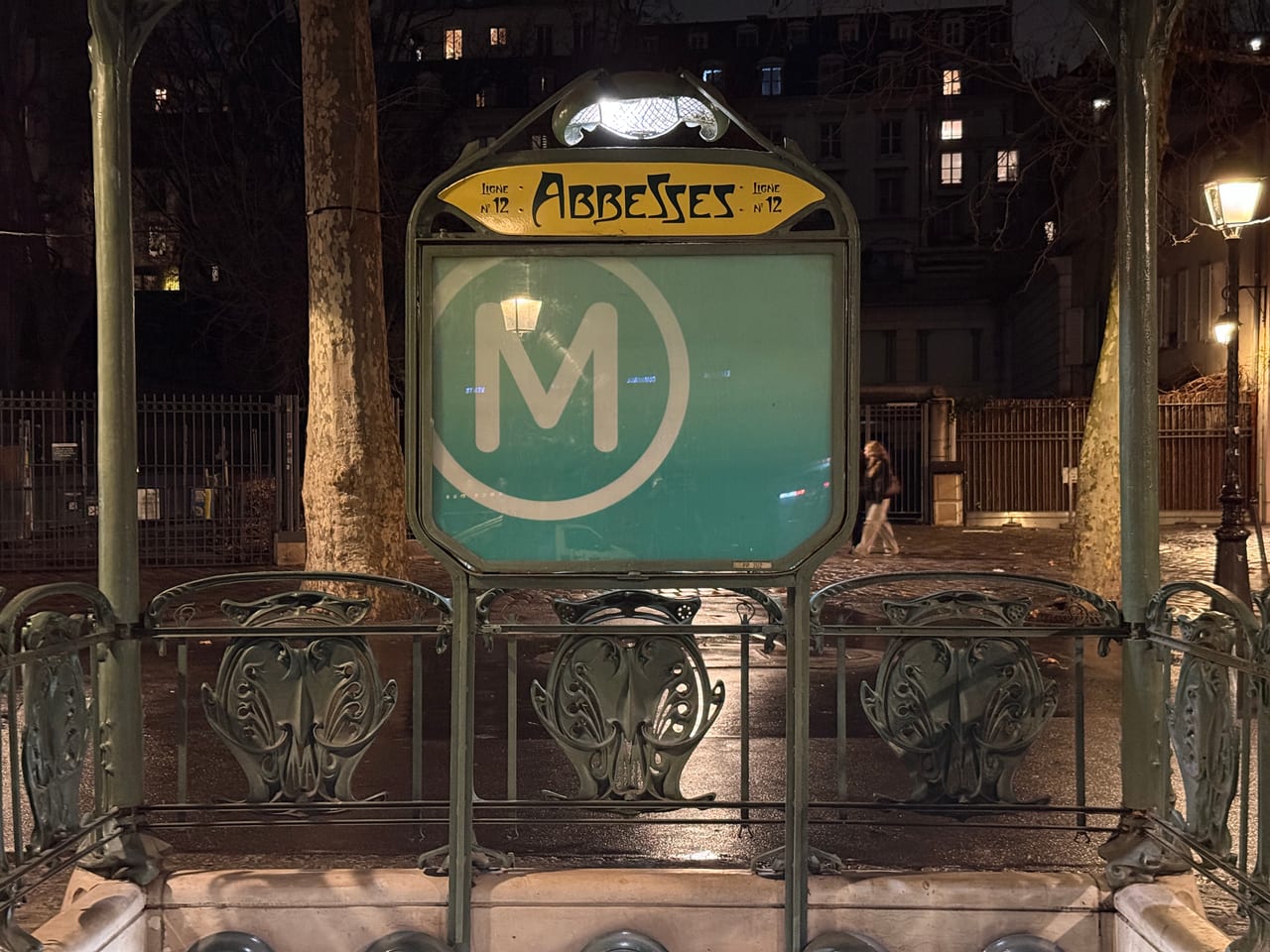
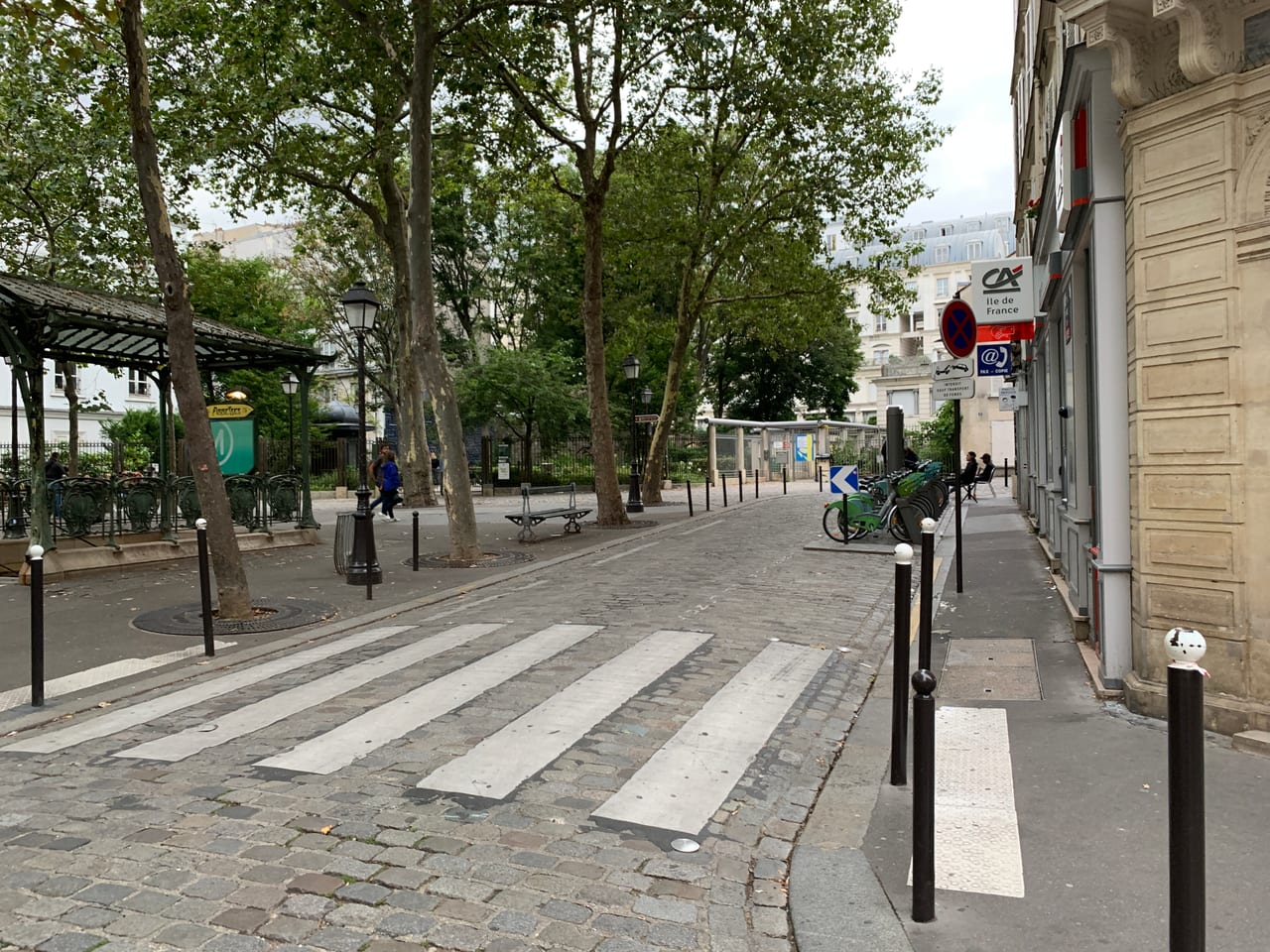
Photograph 1 of 27 of place des Abbesses
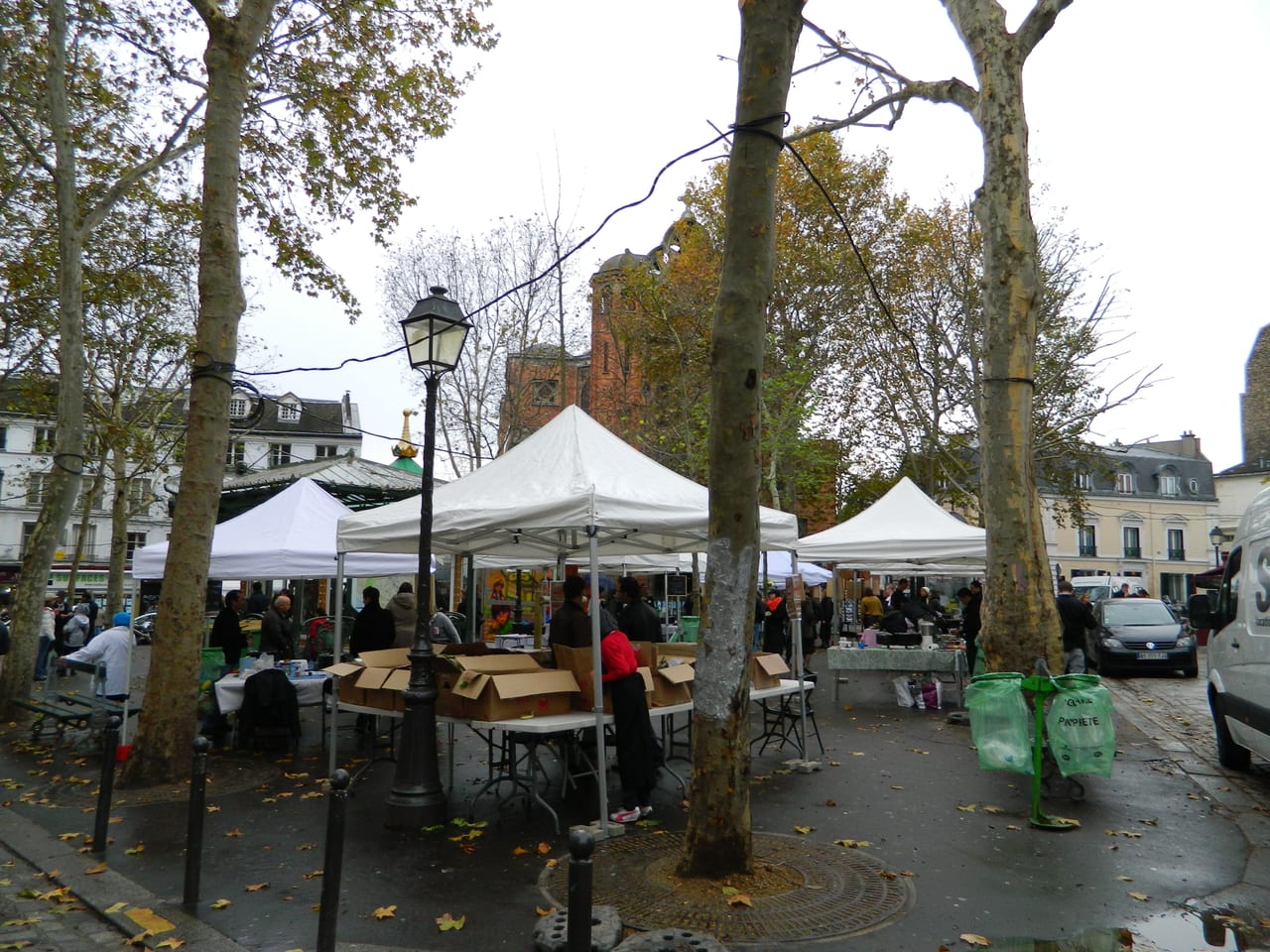
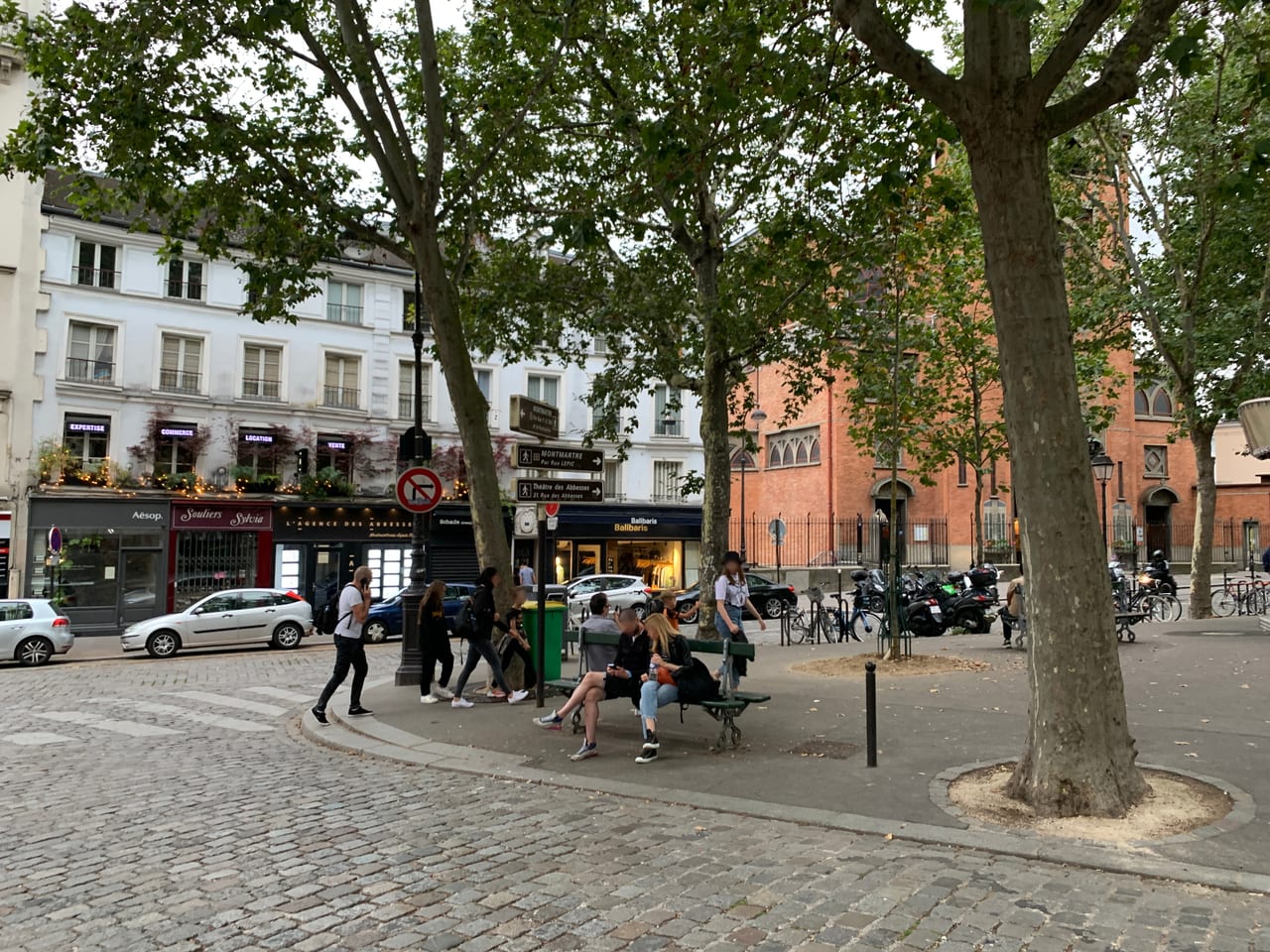
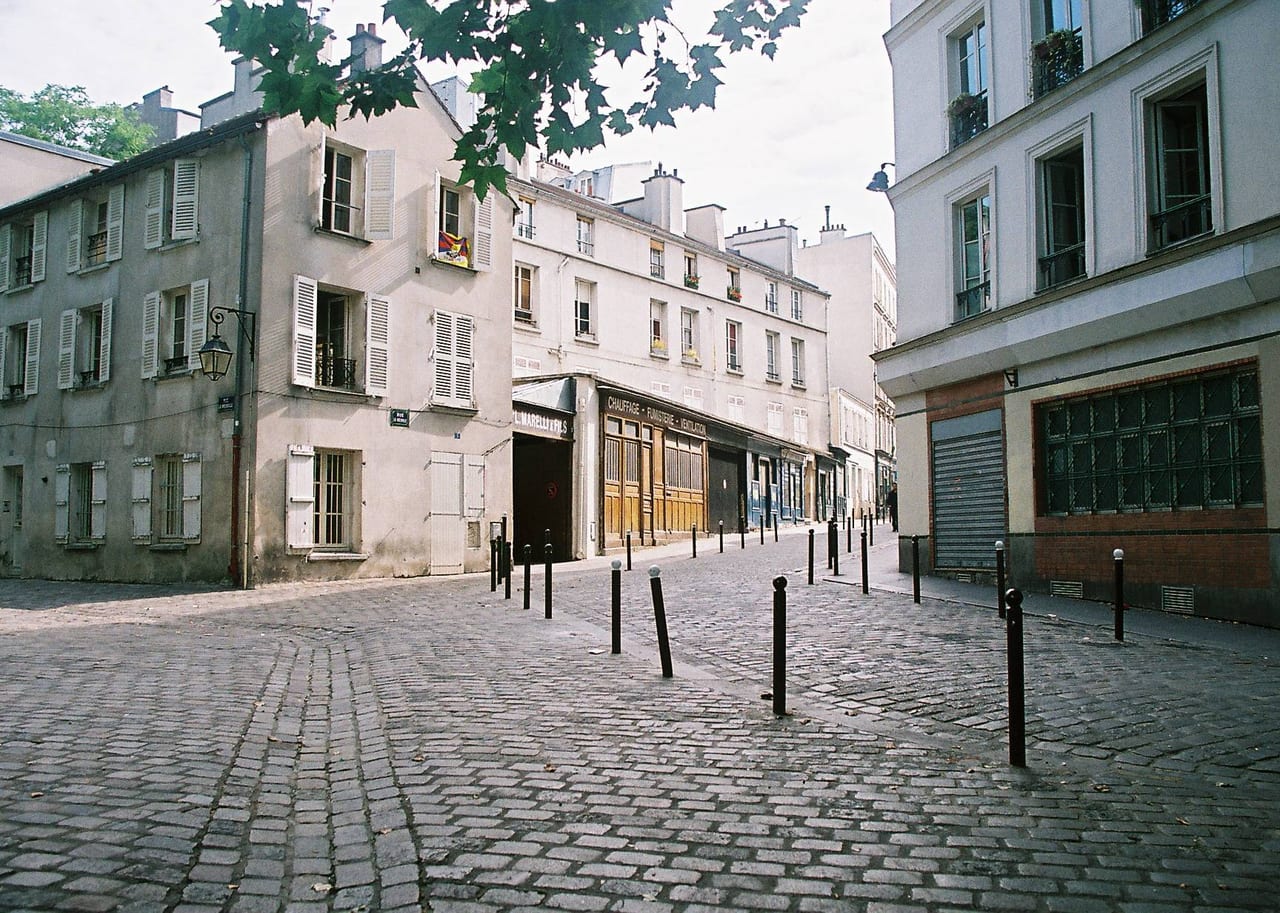
The square’s name reaches back to the abbesses of Montmartre Abbey, founded by Louis le Gros in 1134. Several abbesses are remembered in nearby street names, including Marguerite de Rochechouart, Louise-Émilie de La Tour d’Auvergne, Marie-Éléonore de Bellefond and Catherine de La Rochefoucauld. Triangular in plan, the square belonged to the commune of Montmartre until its incorporation into Paris in 1860. A decree of 23 May 1863 brought it into the Paris street network; it was called place de l’Abbaye until 26 February 1867, when it adopted the name of rue des Abbesses along its south-west side. A building on the north side housed Montmartre’s town hall from 1837 and later the first town hall of the 18th arrondissement. Demolished by 1905, it gave way to square Jehan-Rictus in 1936. Saint-Jean de Montmartre occupies the south-west side, while the Musée de Montmartre preserves Roland Dubuc’s painting La Place des Abbesses.
Ways to explore place des Abbesses
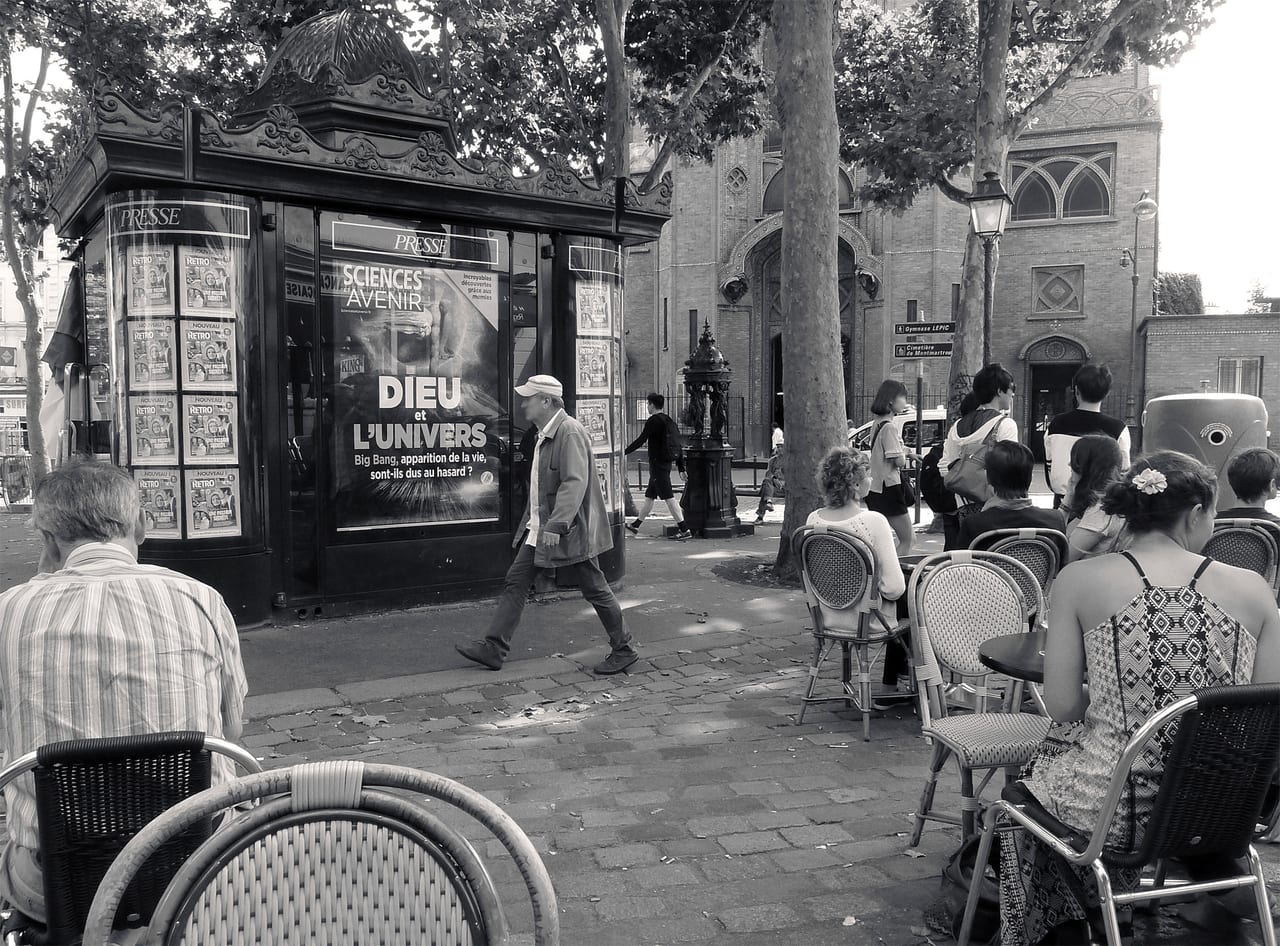
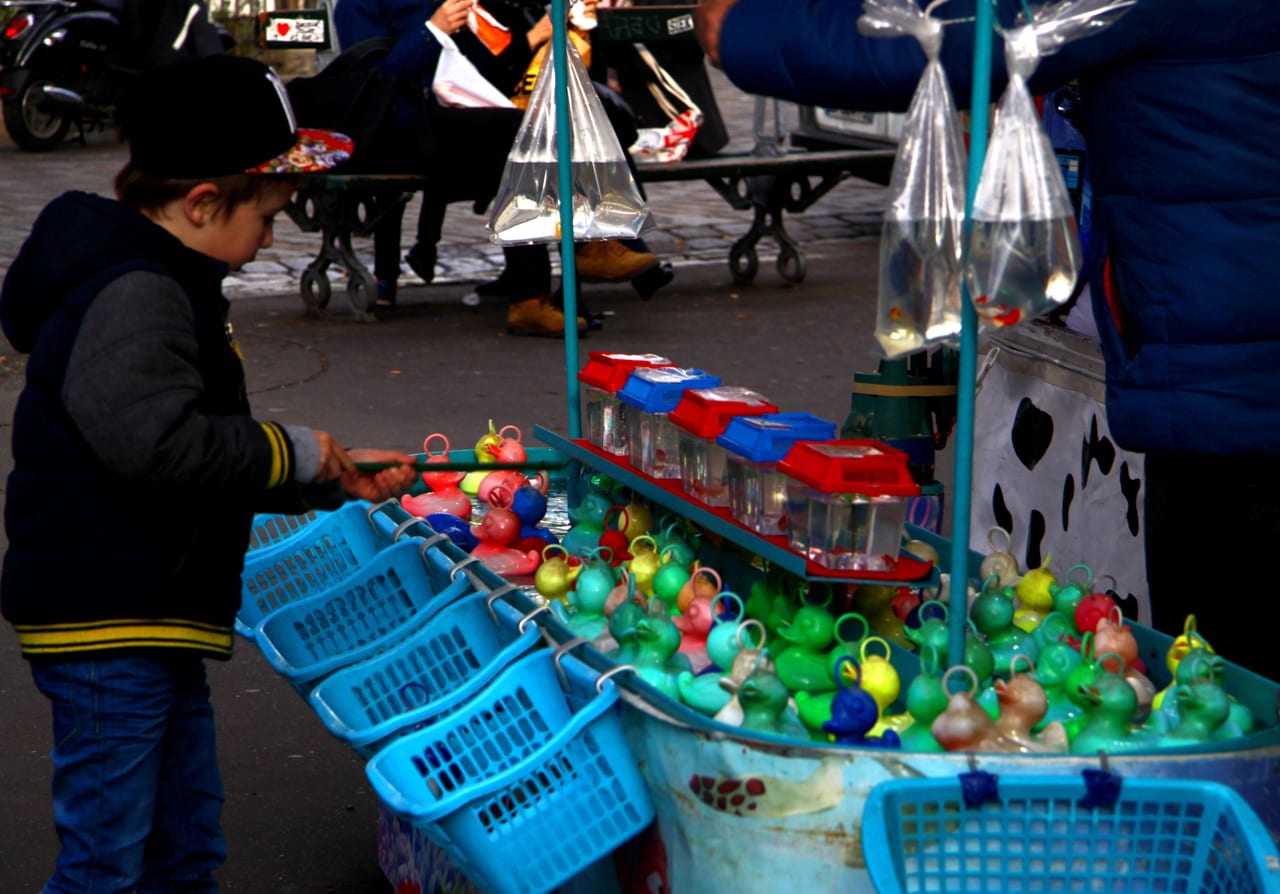
Walk the square’s three-sided layout, noting the different traffic arrangement: rue des Abbesses and rue La Vieuville are one-way, while the northern edge is pedestrian. Look for the Wallace fountain, the carousel, and the Paris Abbesses post office at number 7. Continue into square Jehan-Rictus for Frédéric Baron and Claire Kito’s Mur des je t’aime, then examine Saint-Jean de Montmartre at 19 rue des Abbesses. The square is reached by Abbesses station or bus 40.
Places to stay near place des Abbesses
Live availability and prices from Stay22's partners, refreshed periodically and subject to change. Booking through these links may earn us a commission at no extra cost to you. See our privacy policy.
Cafés near place des Abbesses
Cafés near place des Abbesses loads as you scroll.
Attractions nearby
Attractions near place des Abbesses loads as you scroll.
Cities nearby
Cities nearby loads as you scroll.
More in Paris
See more of Paris.
Find great cafés, places to stay and other interesting places to visit in Paris.