Museum · Paris
Petit Palais
DirectionsIn 1967, its exhibition Treasures of Tutankhamun drew about 1.2 million visitors and helped popularise Egypt in France while supporting the rescue of Nubian temples.
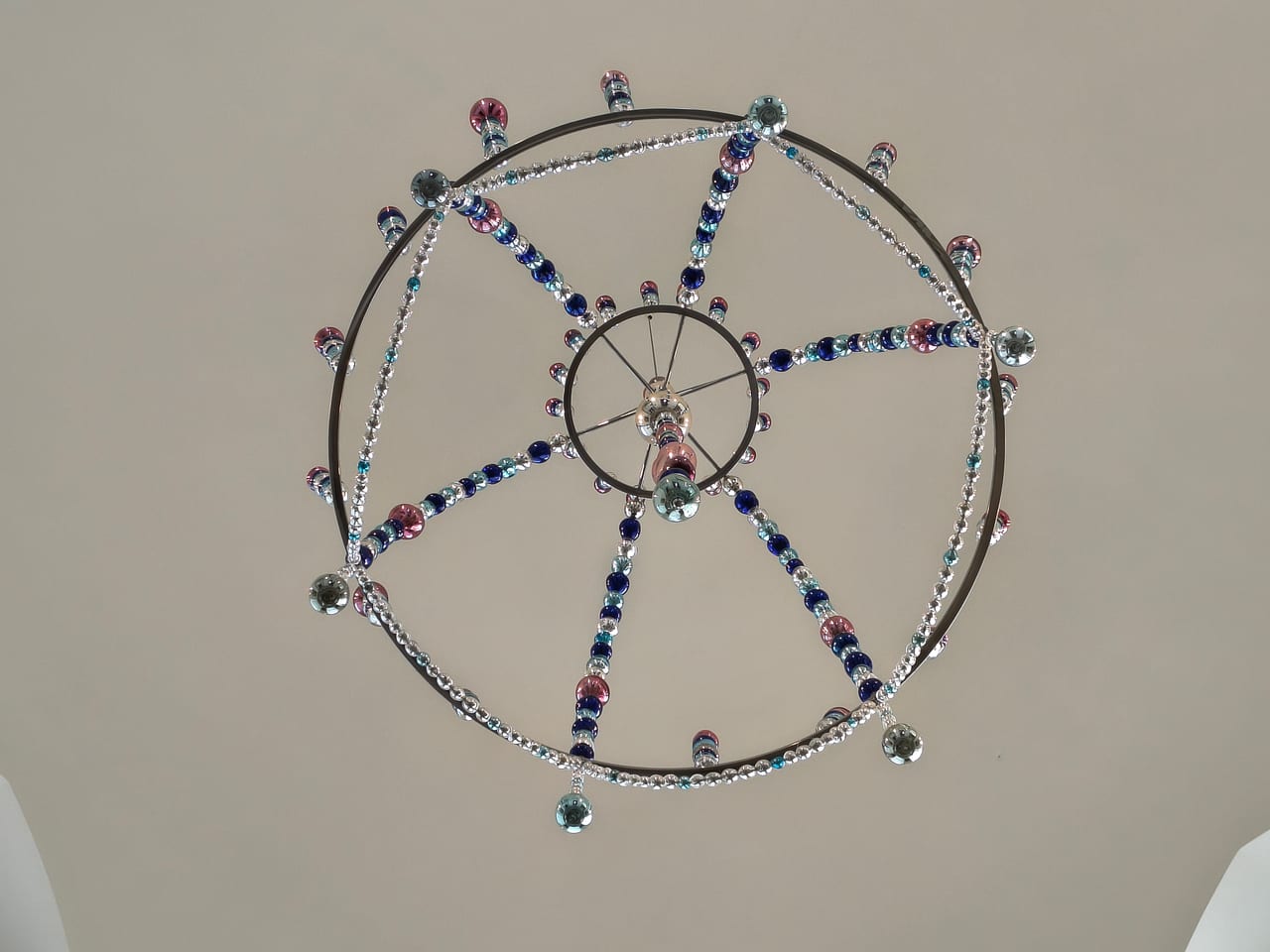
Built for the 1900 Exposition universelle, the Petit Palais replaced part of the Palais de l’Industrie, demolished in 1896. Charles Girault won the 1896 competition for the Petit and Grand Palais unanimously; construction ran from 1897 to April 1900, followed by works preparing the museum’s opening in 1902. Later gifts included the Tuck collection of eighteenth-century French decorative art in 1930, modern works from Ambroise Vollard, and Roger Cabal’s icons in 1998. Girault’s Beaux-Arts building is arranged around a semicircular garden. Its nearly 125-metre façade centres on a domed monumental porch, with composite-order columns, a Tuscan peristyle and extensive bas-relief decoration. Natural light enters through glass roofs, transparent domes and broad windows. A renovation from 2001 to 2005 added exhibition space and moved storage underground; the museum reopened on 10 December 2005. It has been a listed monument historique since 1975 and has been managed by Paris Musées since 2013.
At a glance
- Built
- 1902
- Architect
- Charles Girault
- Style
- Beaux-Arts
- Heritage
- monument historique inscrit
Ways to explore Petit Palais
Enter with the permanent collection on the left and temporary exhibitions on the right and below. In the permanent galleries, look for Rembrandt’s self-portrait, Rubens’s Abduction of Proserpine and Bonnard’s portrait of Ambroise Vollard with a cat. The café sits at the rear of the garden; lines 1 and 13 stop at Champs-Élysées–Clemenceau.
Places to stay near Petit Palais
Live availability and prices from Stay22's partners, refreshed periodically and subject to change. Booking through these links may earn us a commission at no extra cost to you. See our privacy policy.
Cafés near Petit Palais
Cafés near Petit Palais loads as you scroll.
Attractions nearby
Attractions near Petit Palais loads as you scroll.
Cities nearby
Cities nearby loads as you scroll.
More in Paris
See more of Paris.
Find great cafés, places to stay and other interesting places to visit in Paris.