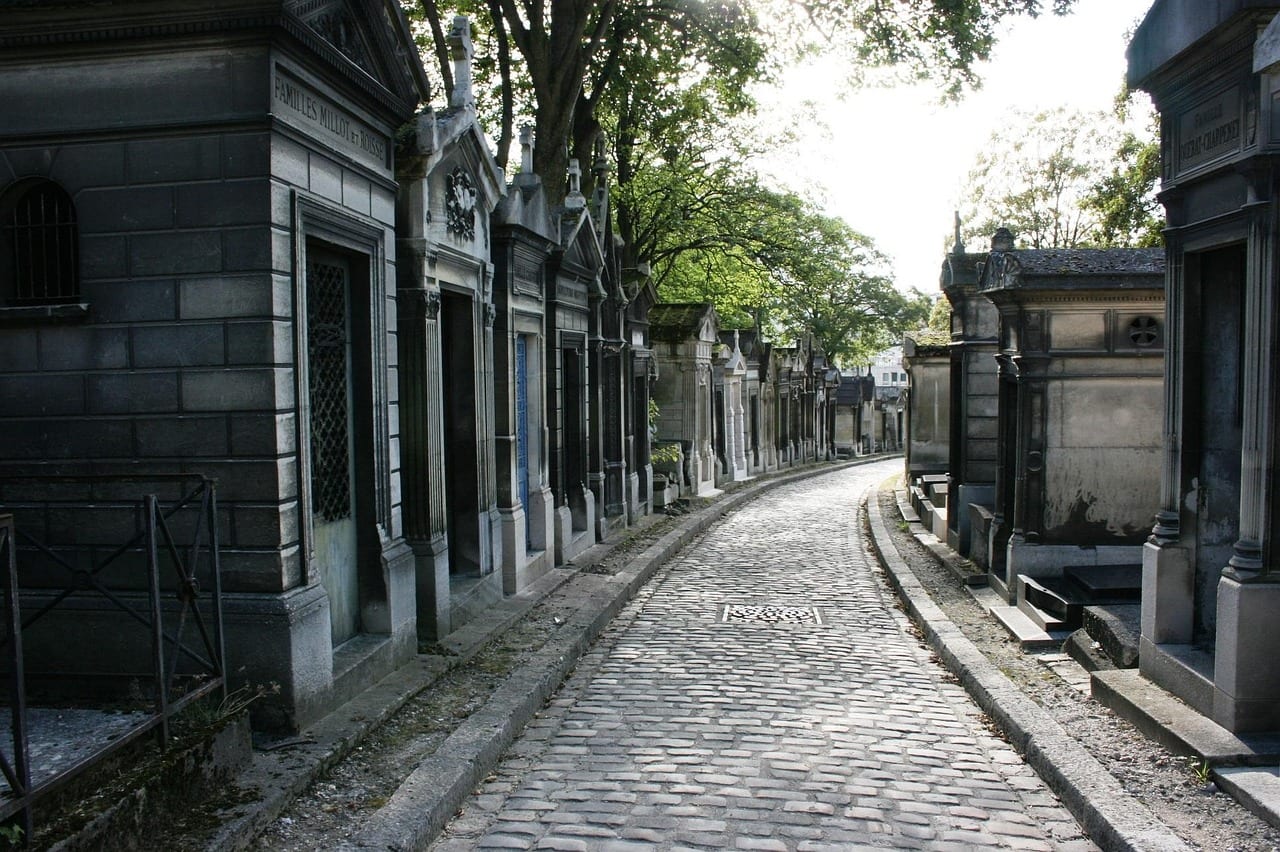
Photograph 1 of 20 of Père Lachaise Cemetery
Heritage landscape · Paris
A heritage landscape in Paris, designed by Alexandre-Théodore Brongniart.
Photograph 1 of 20 of Père Lachaise Cemetery
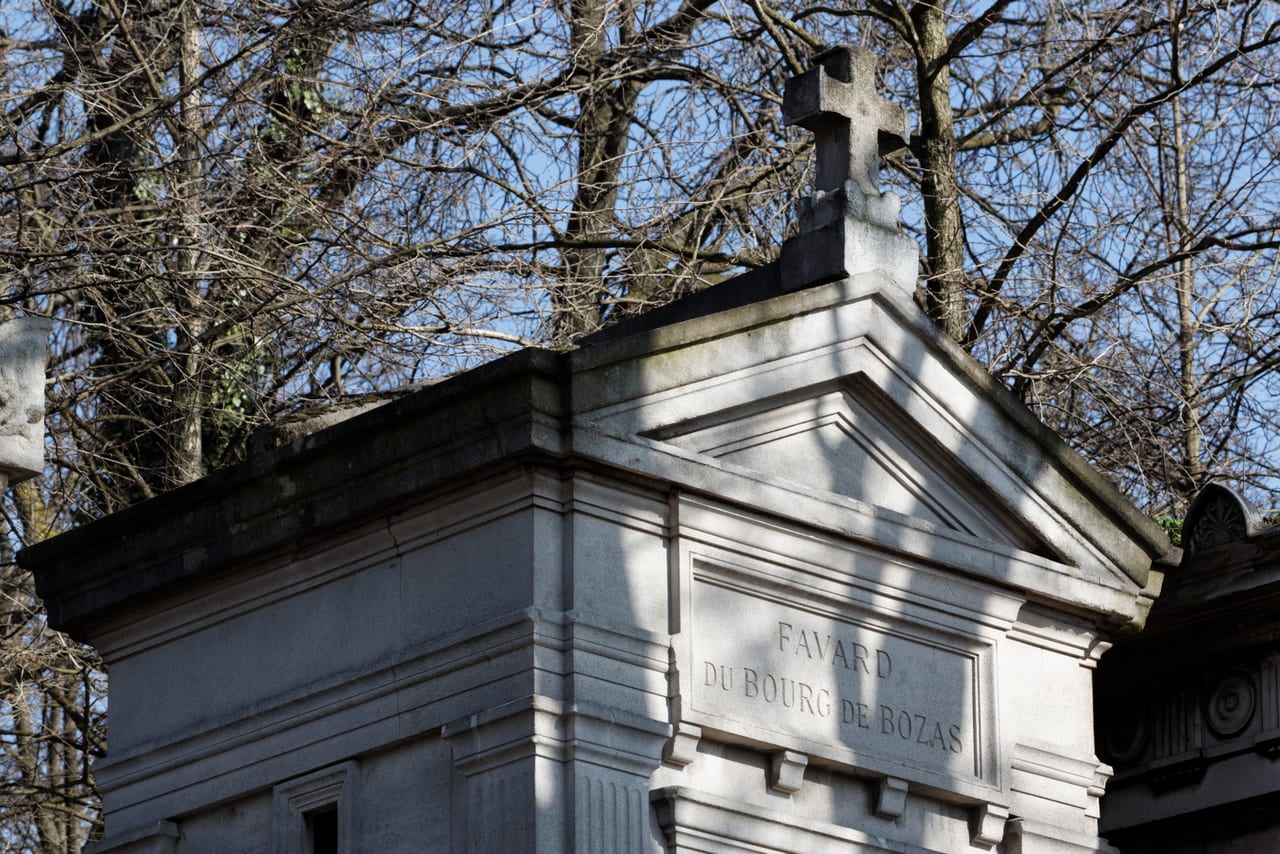
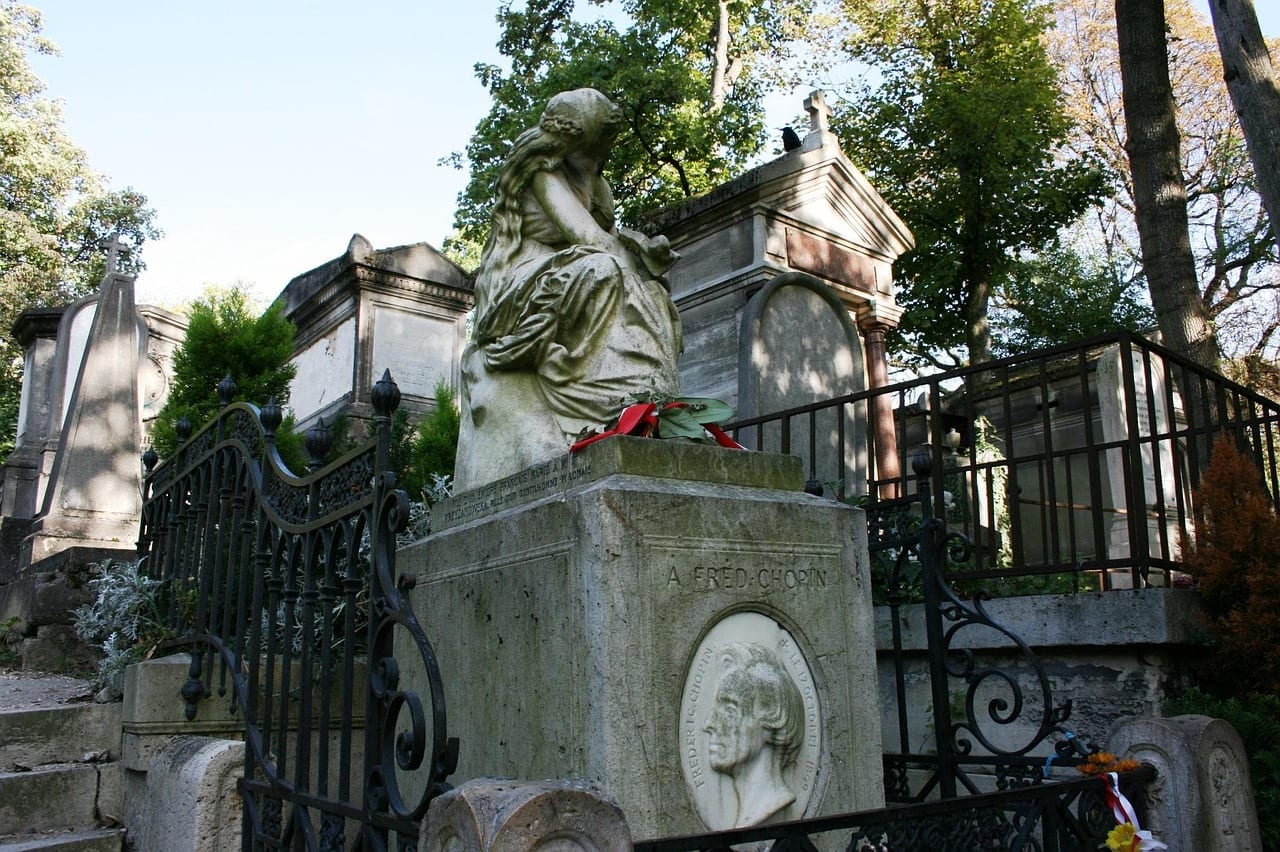
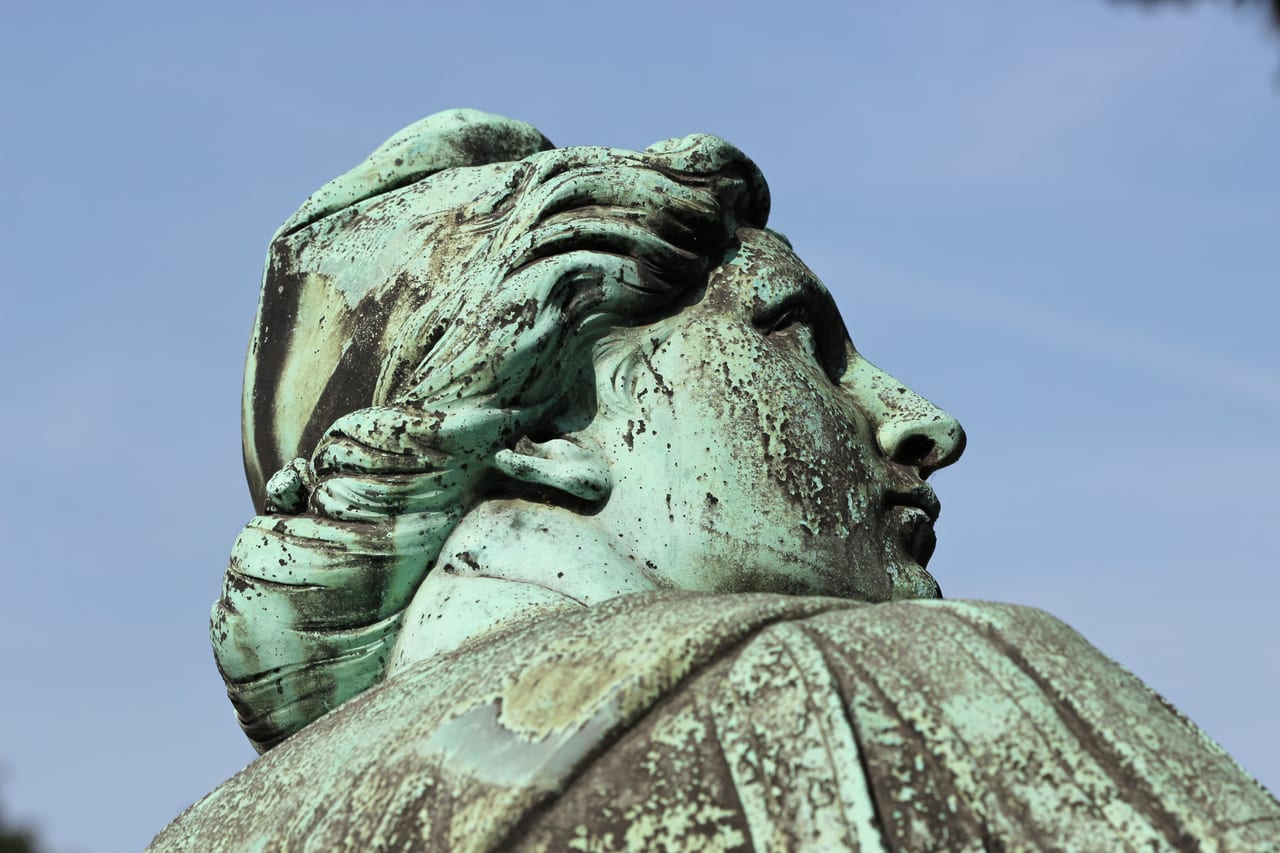
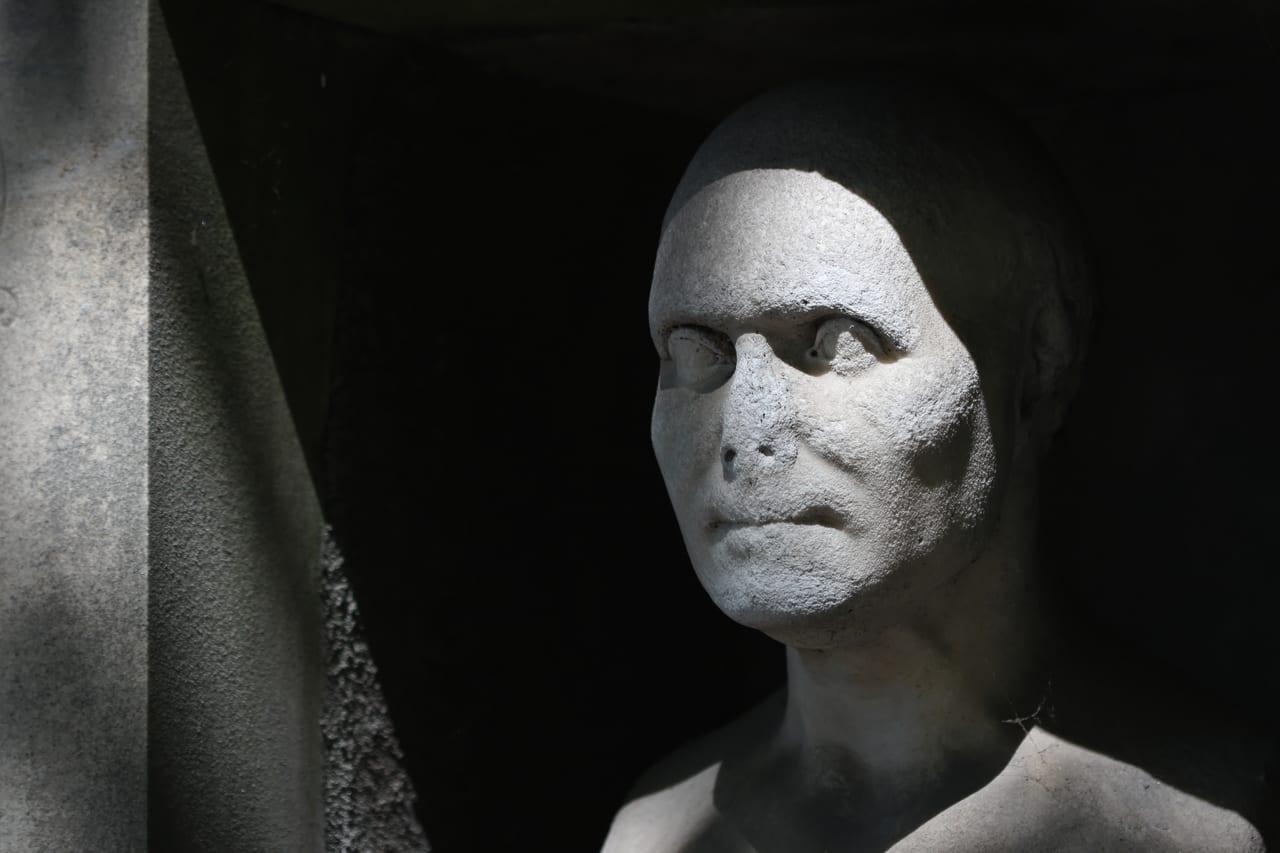
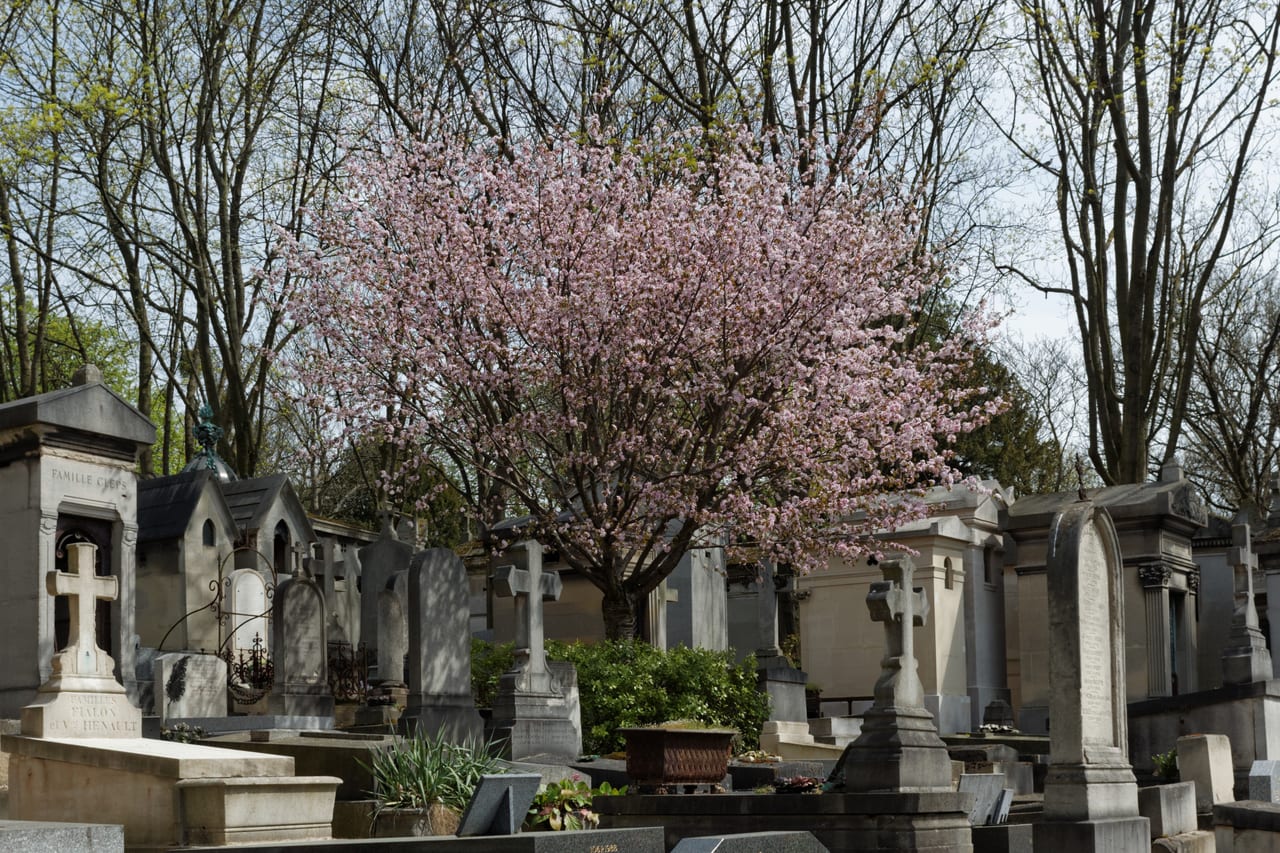
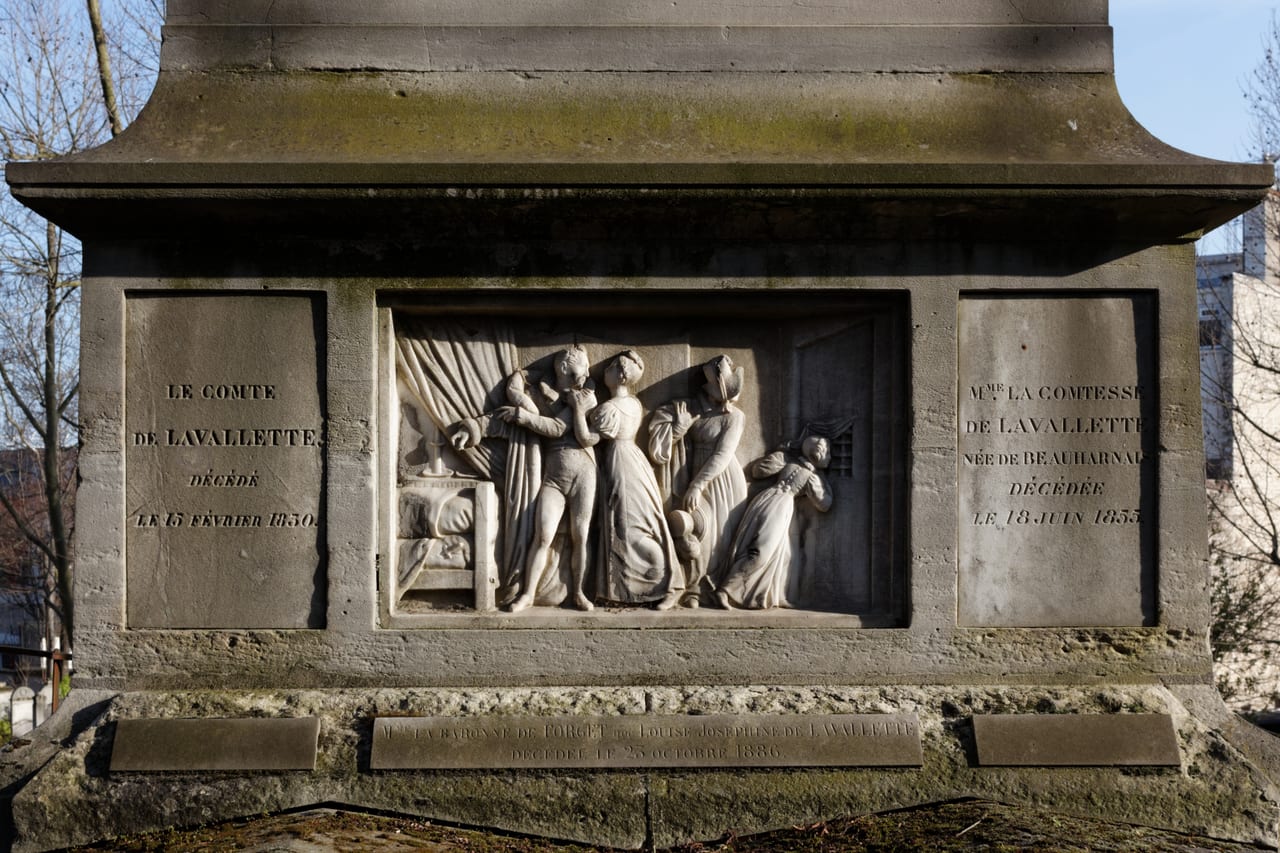
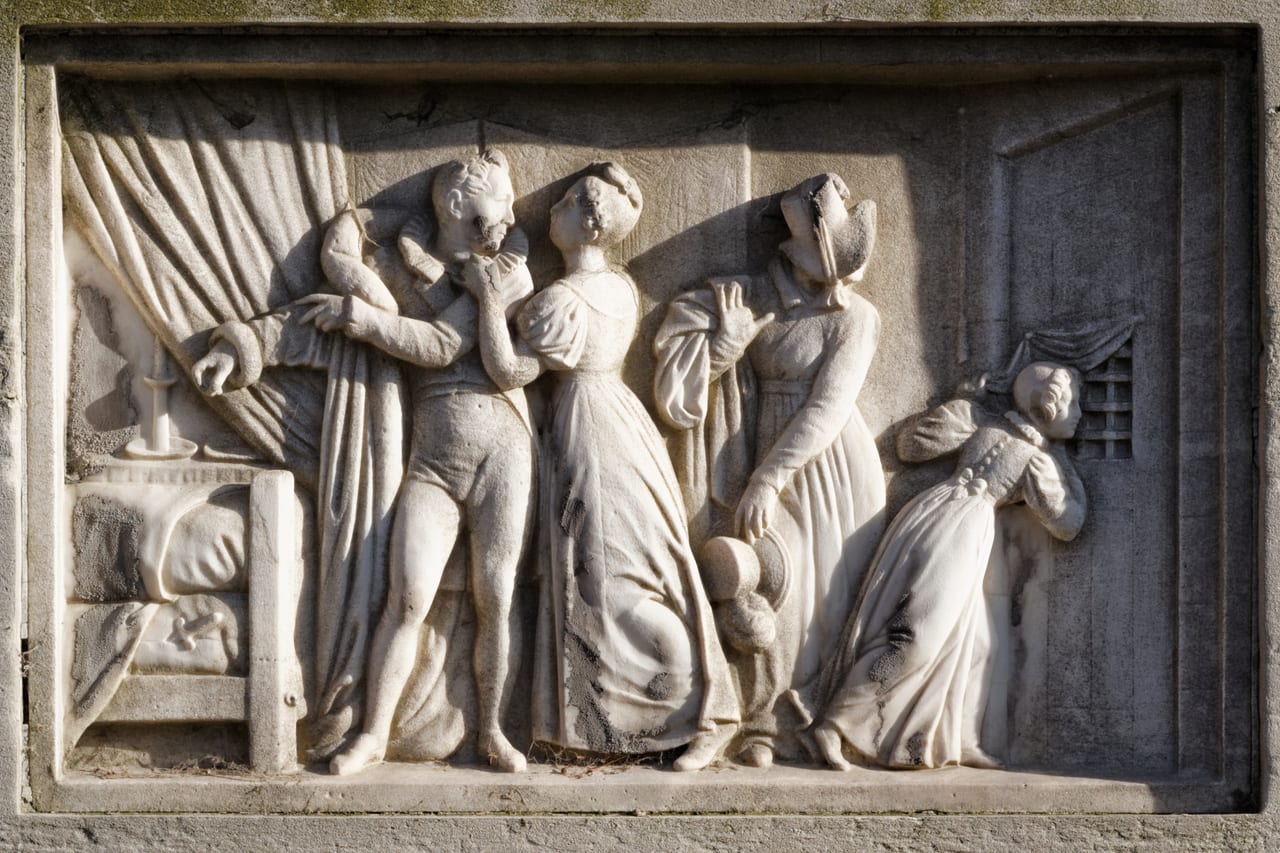
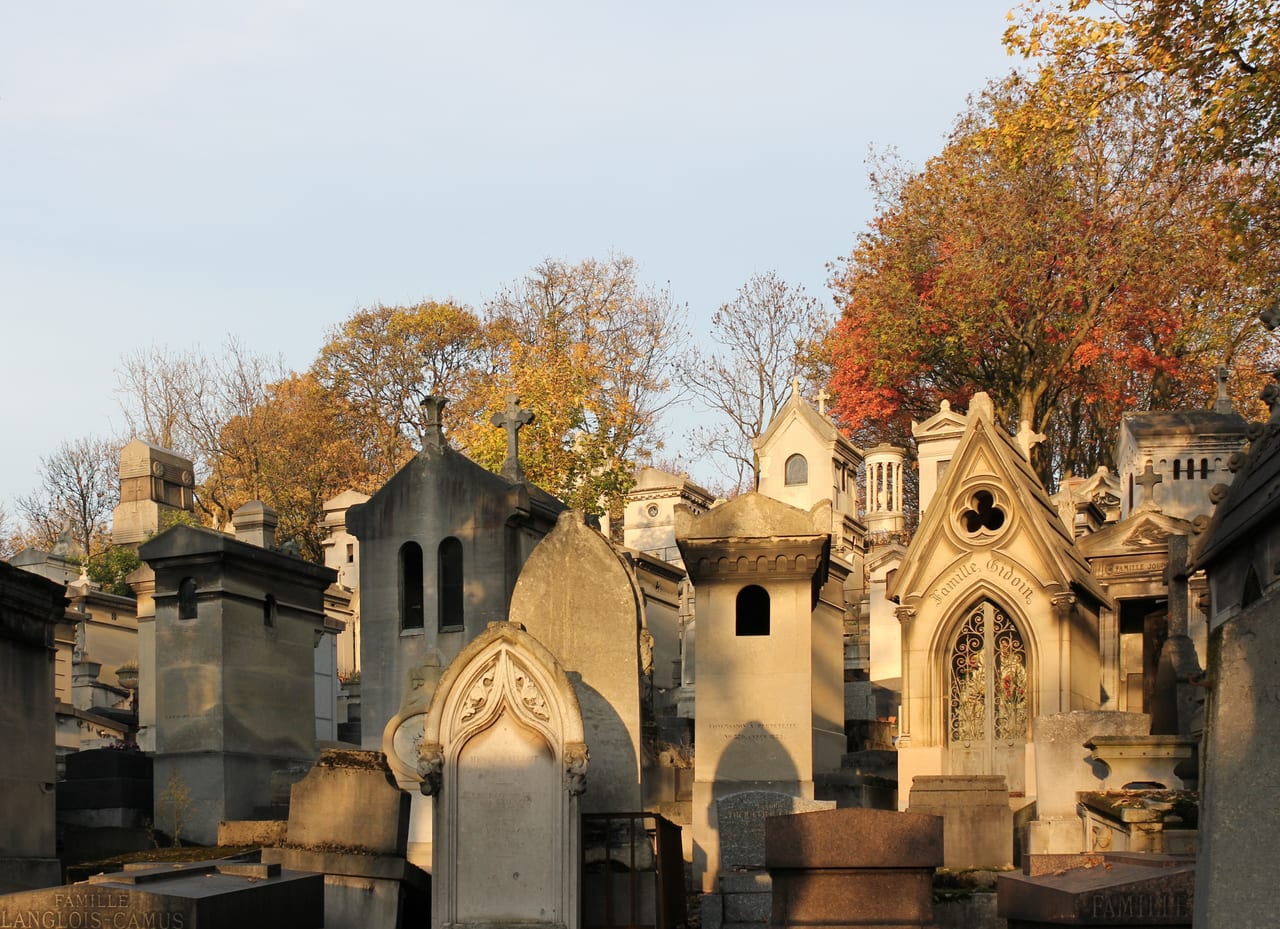
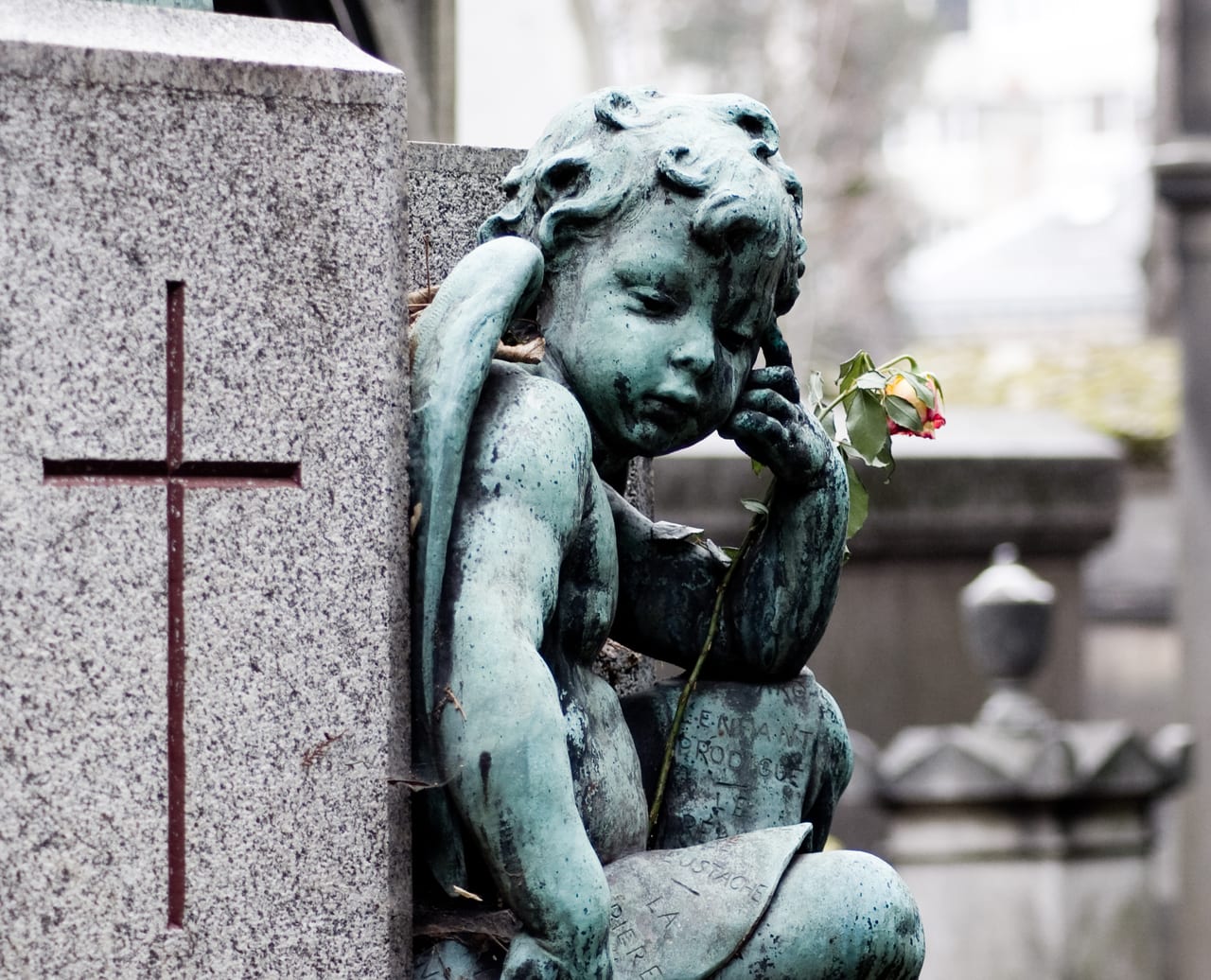
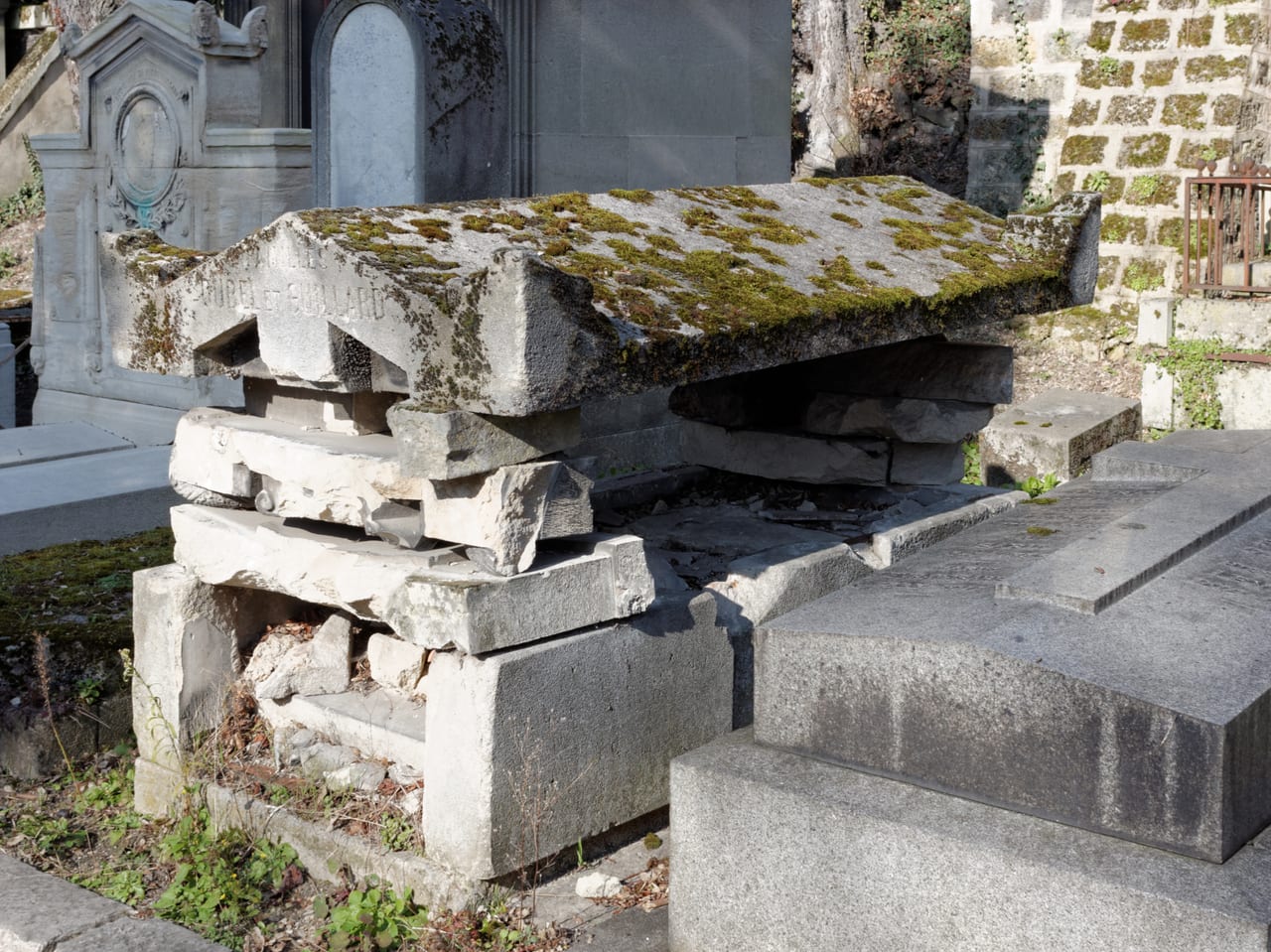
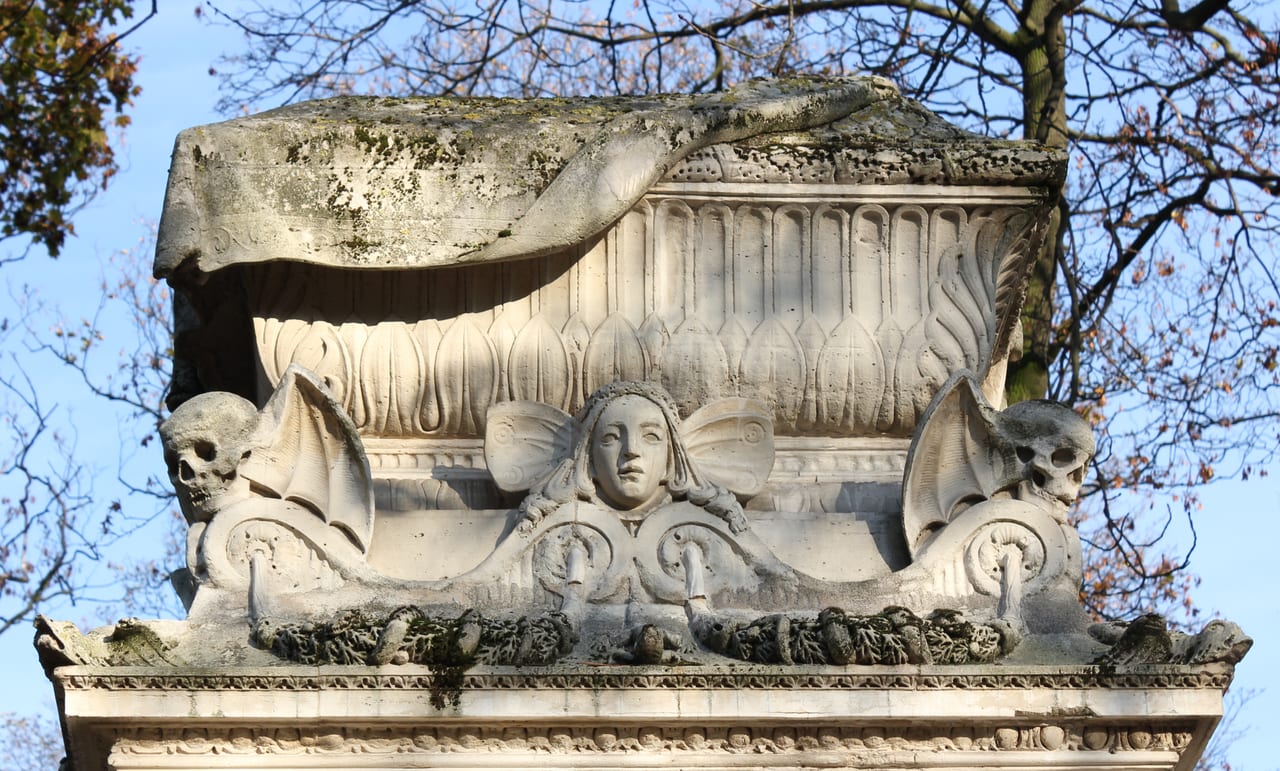
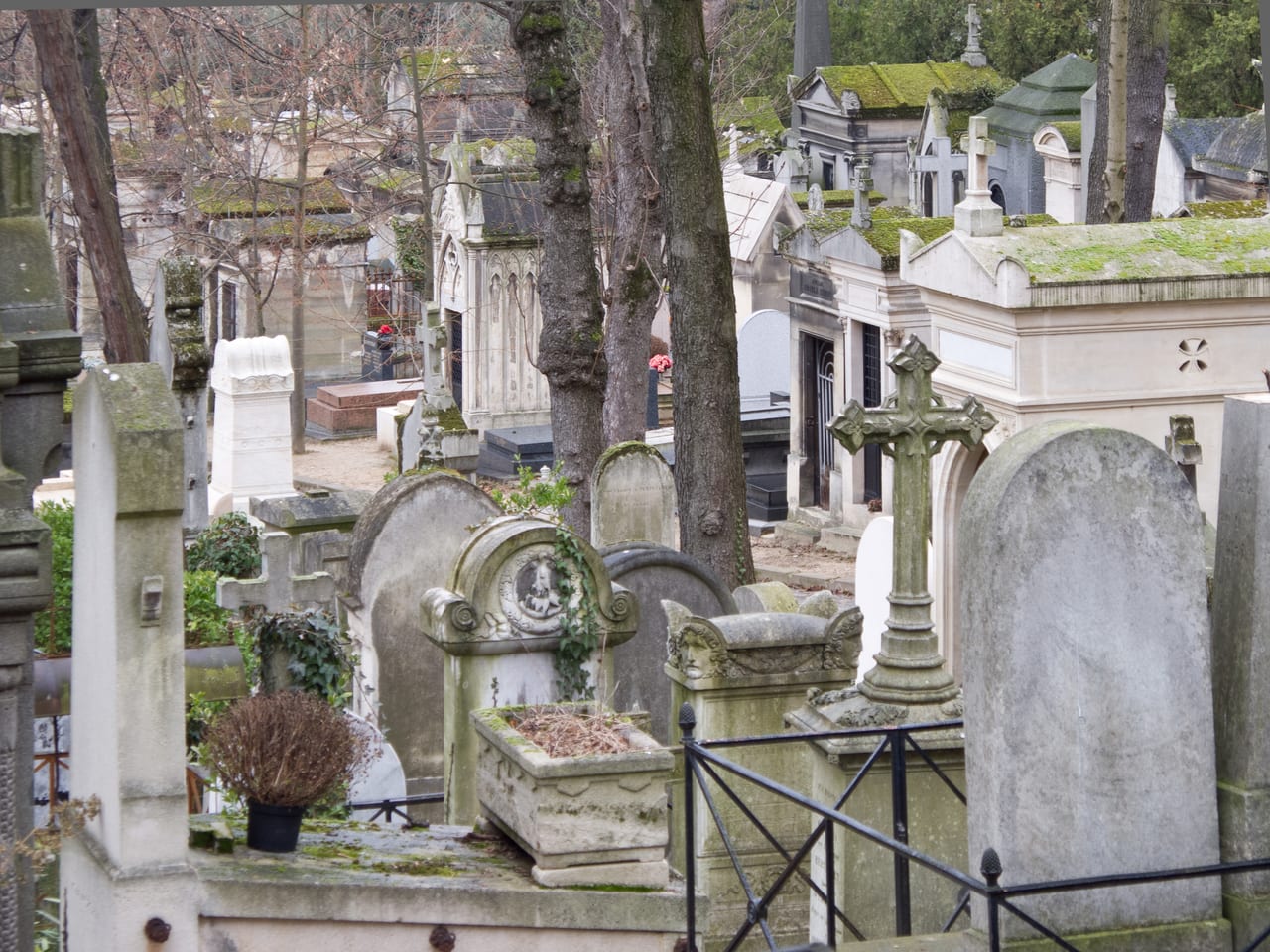
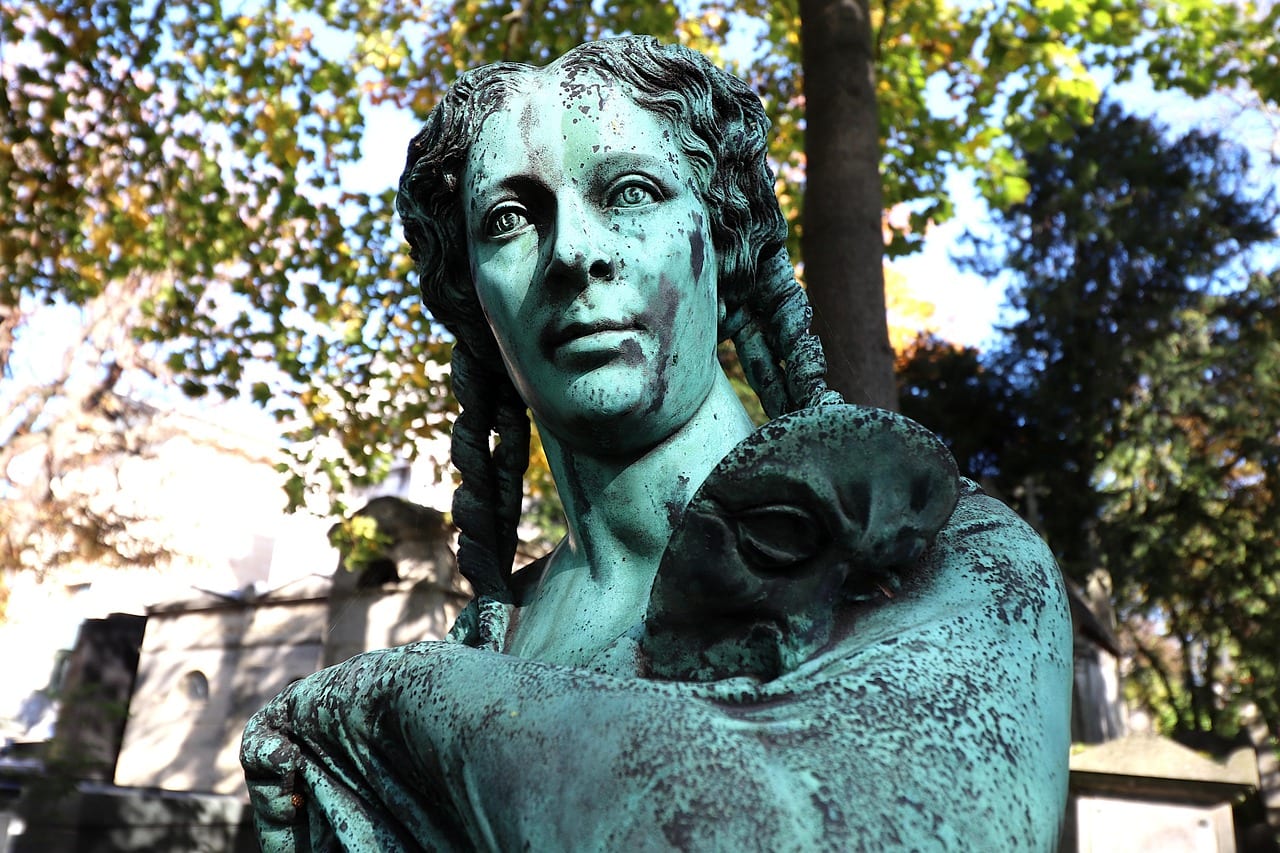
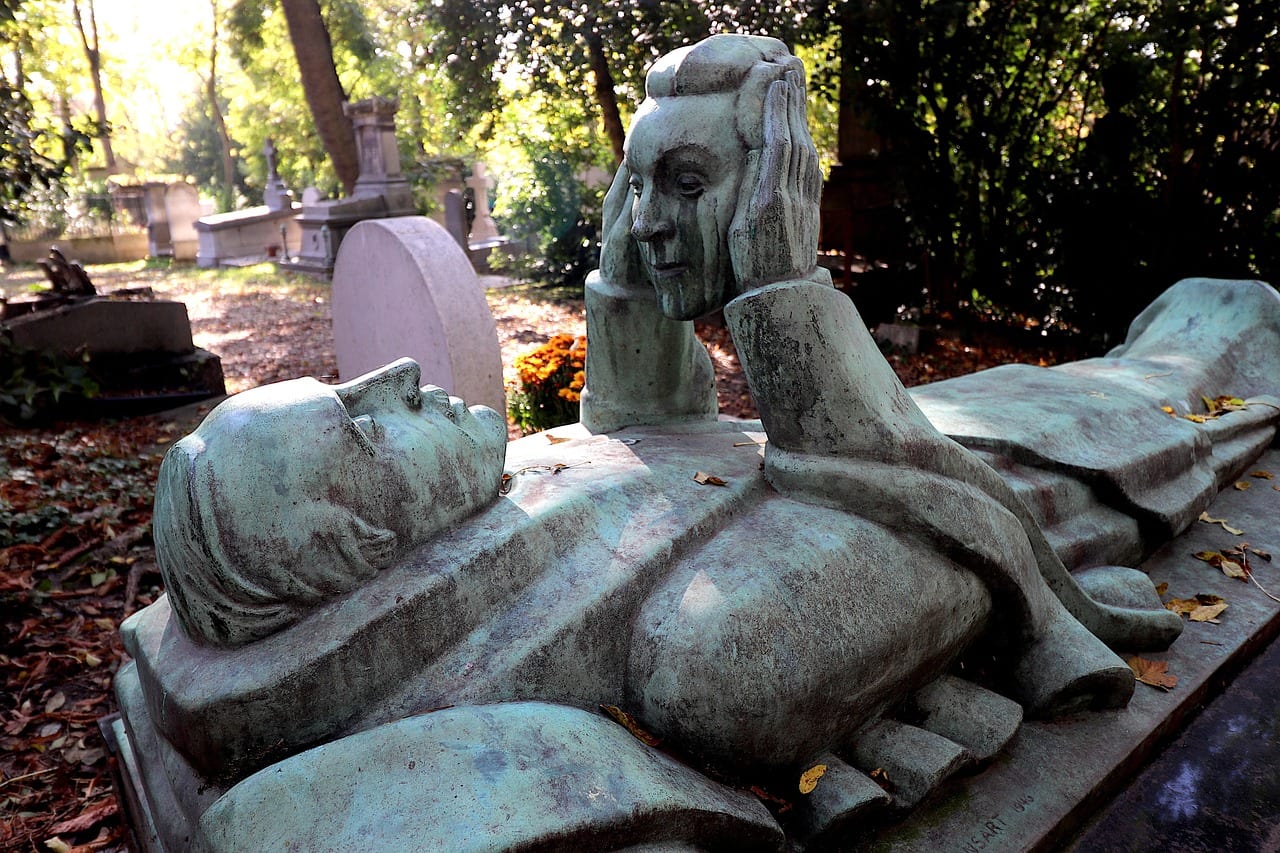
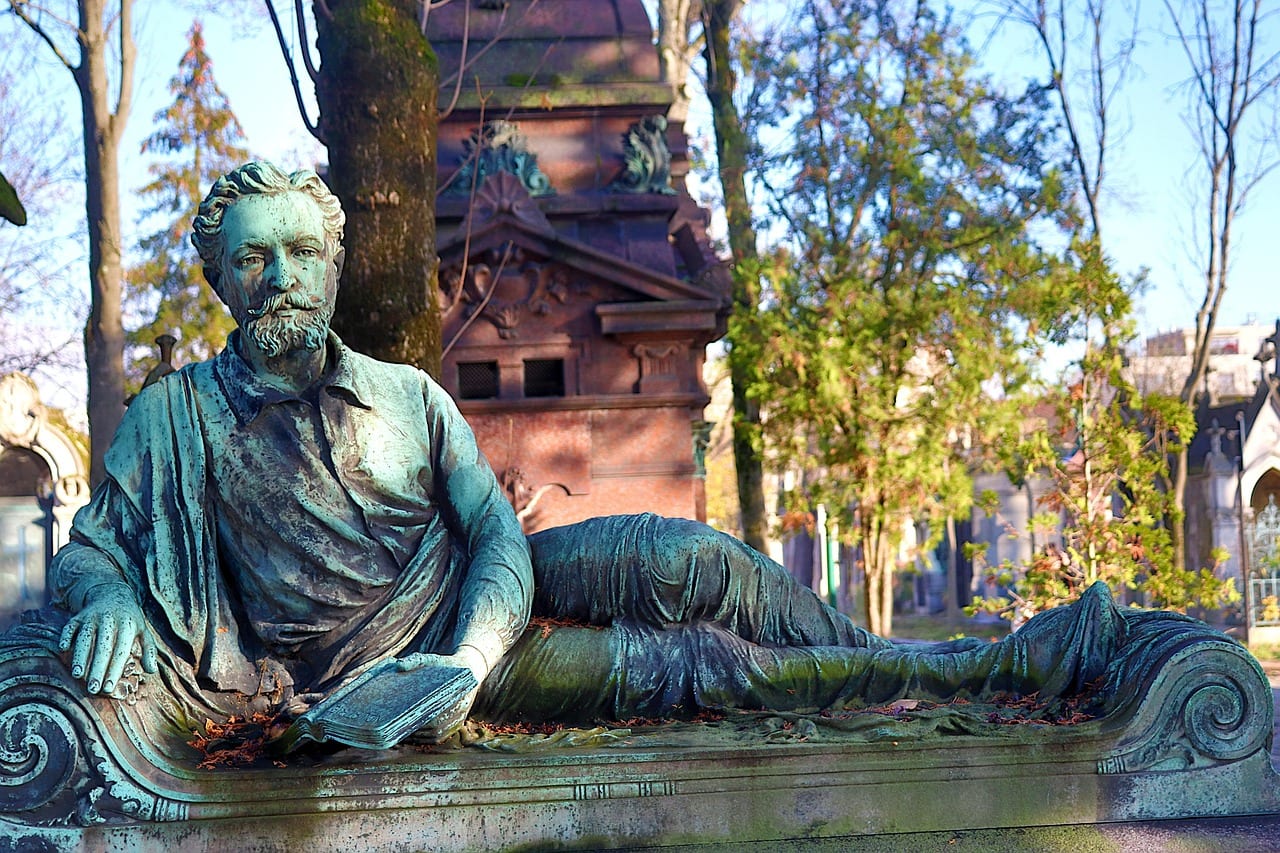
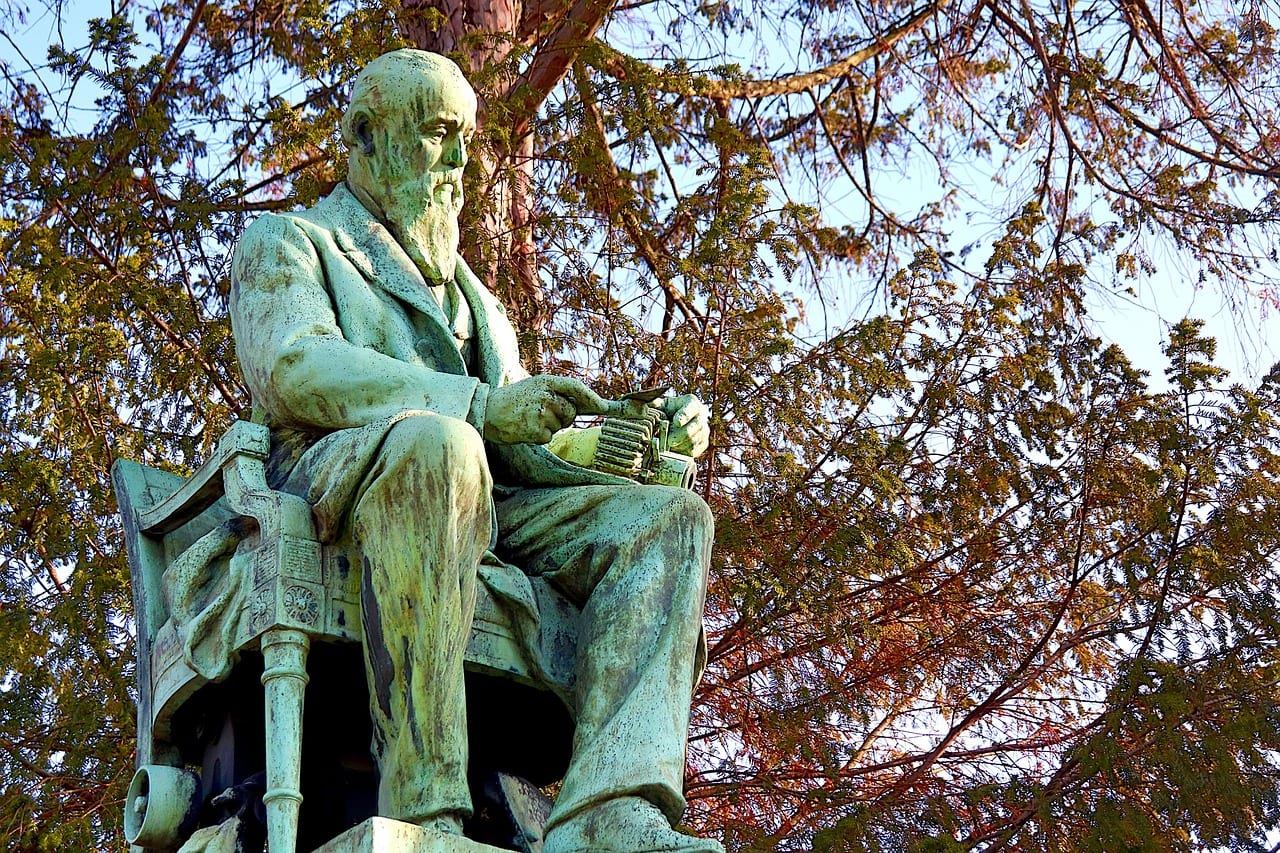
The grounds take their name from François d’Aix de La Chaise, Louis XIV’s confessor, who lived here from 1675 until his death in 1709. Alexandre-Théodore Brongniart designed the cemetery in 1803 as an immense English-style garden, with irregular paths, varied planting and sculpted tombs. Opened on 21 May 1804, it initially attracted few burials, prompting the transfer in 1817 of Héloïse and Abélard, Molière and La Fontaine to enhance its prestige. The Greffulhe tomb introduced a restrained neo-Gothic style. During the Commune, fighting continued through 27 May 1871; 147 survivors were executed. The grounds also contain a Catholic chapel completed in 1821 and consecrated in 1834, former Jewish and Muslim sections, and memorials including the monument to victims of June 1832, April 1834 and Fieschi’s 1835 attack. It remains an active burial ground and is protected as a monument historique inscrit.
Enter through the monumental main gate at 28 ter boulevard de Ménilmontant, whose neoclassical pylons carry winged hourglasses, torches, floral garlands and two Latin biblical inscriptions. The Porte du Repos is closest to the administrative Conservation; Porte Gambetta is closest to the crematorium-columbarium. Walk the uneven, tree-lined avenues slowly, comparing densely packed family chapels with sculpted individual graves, then seek the Mur des Fédérés and the memorials distributed through the divisions. Five entrances provide access, with metro connections at Philippe Auguste, Alexandre Dumas, Gambetta and Père Lachaise.
Live availability and prices from Stay22's partners, refreshed periodically and subject to change. Booking through these links may earn us a commission at no extra cost to you. See our privacy policy.
More in Paris
Find great cafés, places to stay and other interesting places to visit in Paris.