Park · Paris
parc Monceau
DirectionsIn 1797, André-Jacques Garnerin made the first silk parachute jump here, descending from a Montgolfier balloon before a gathered crowd.
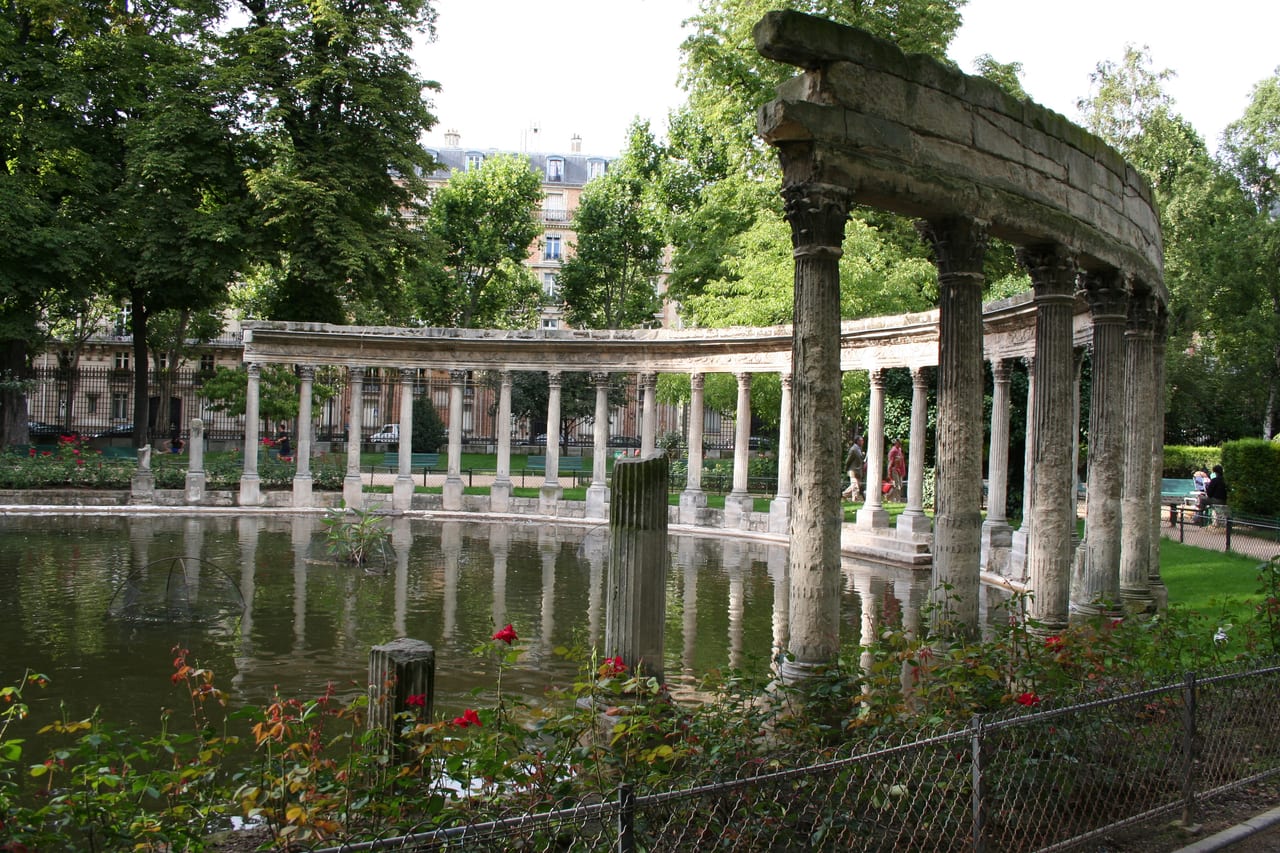
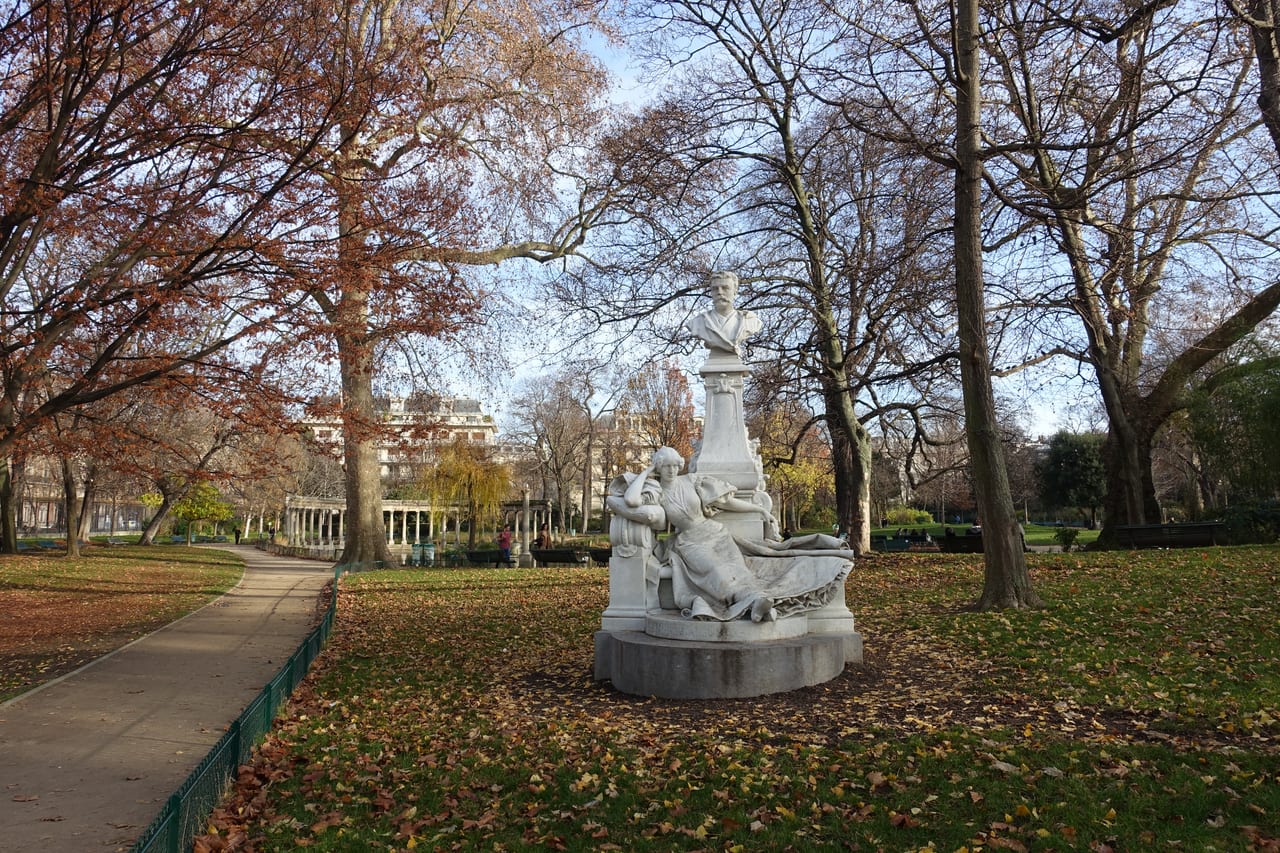
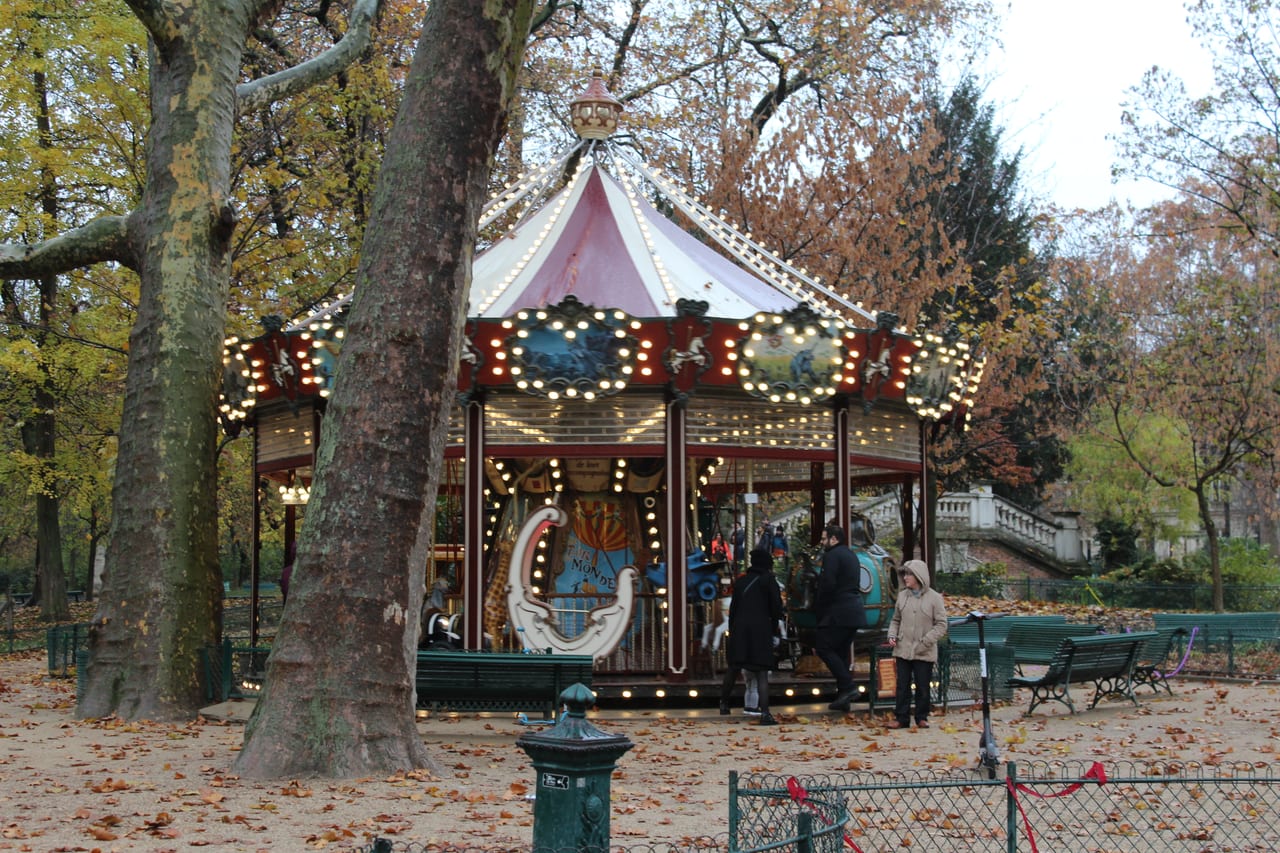
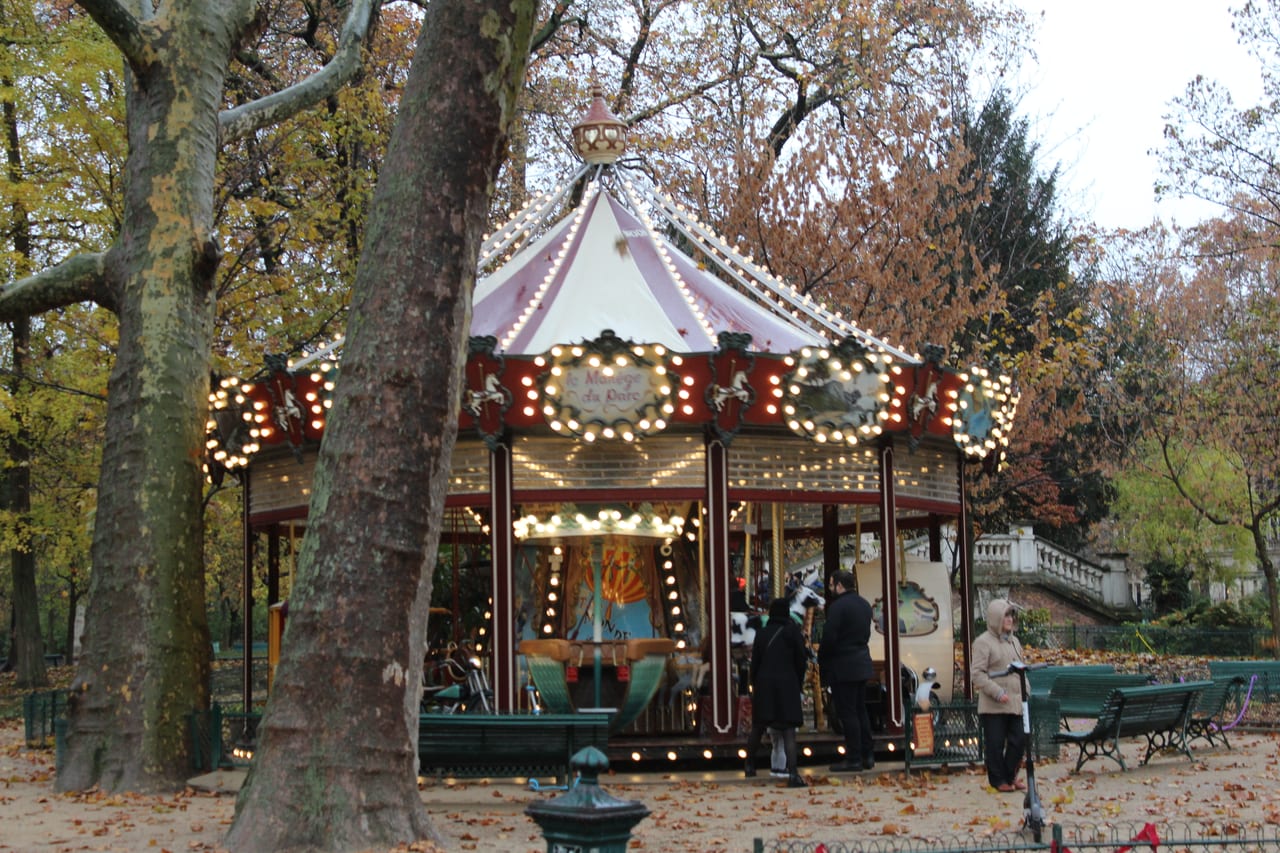
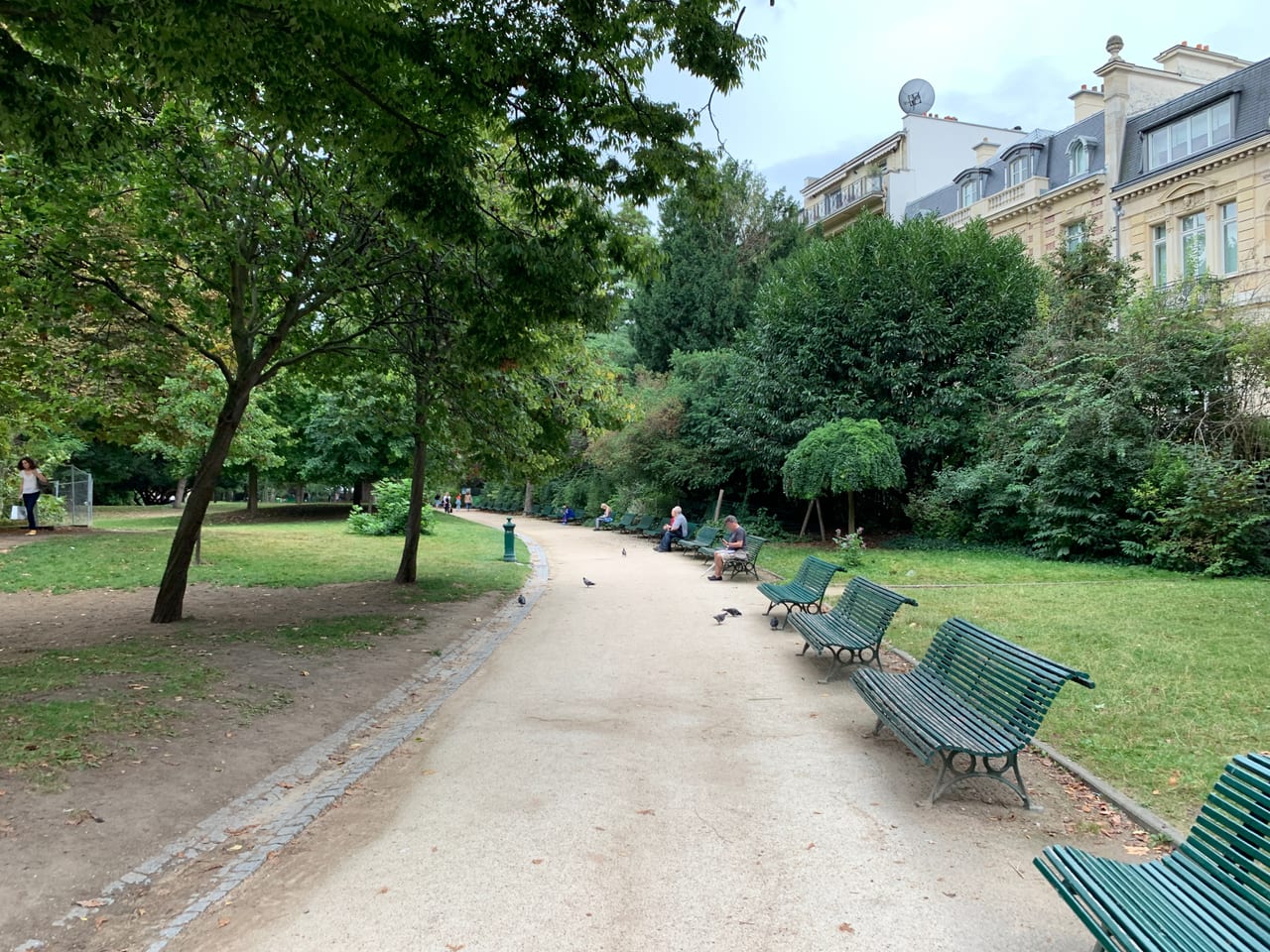
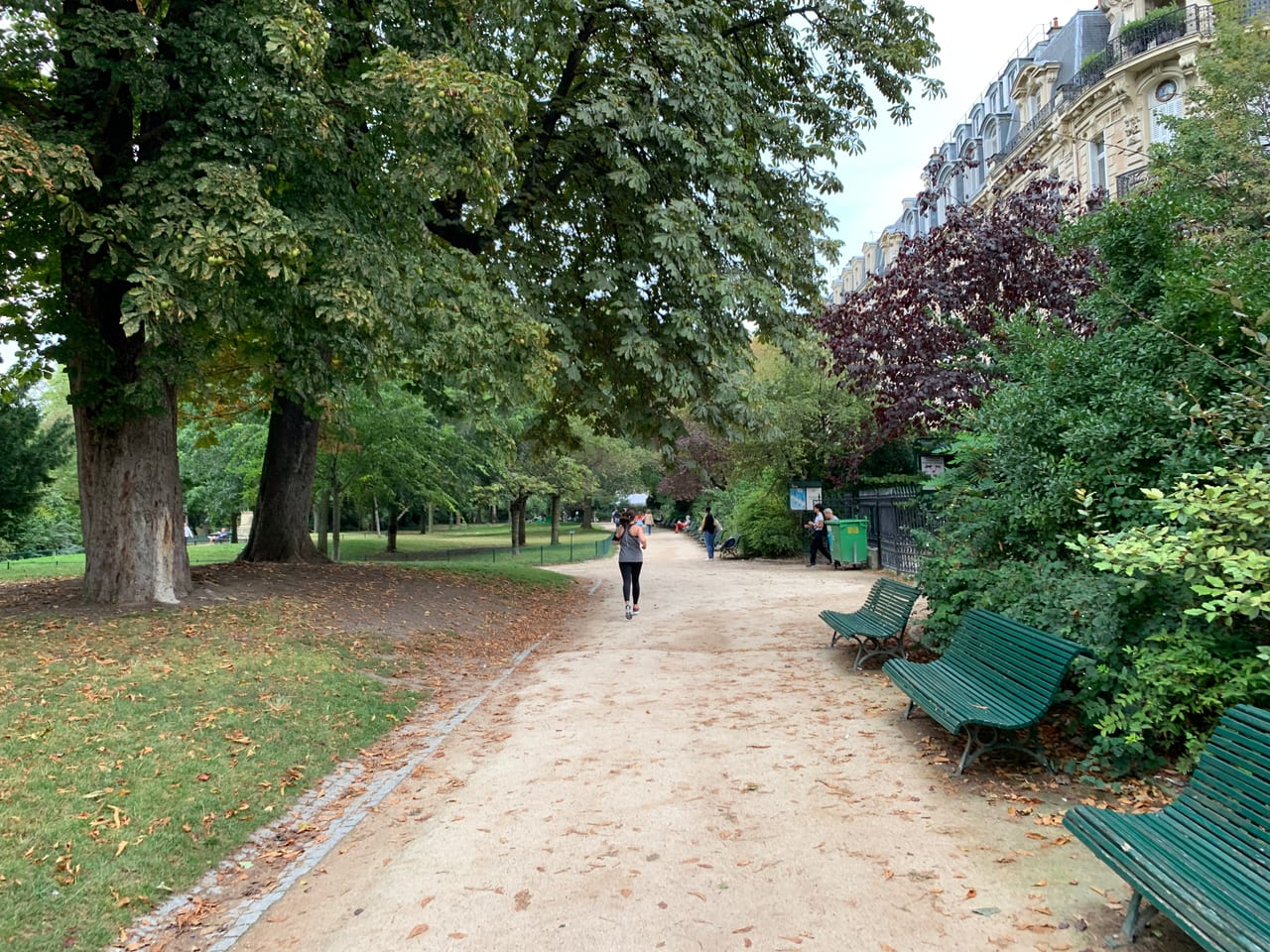
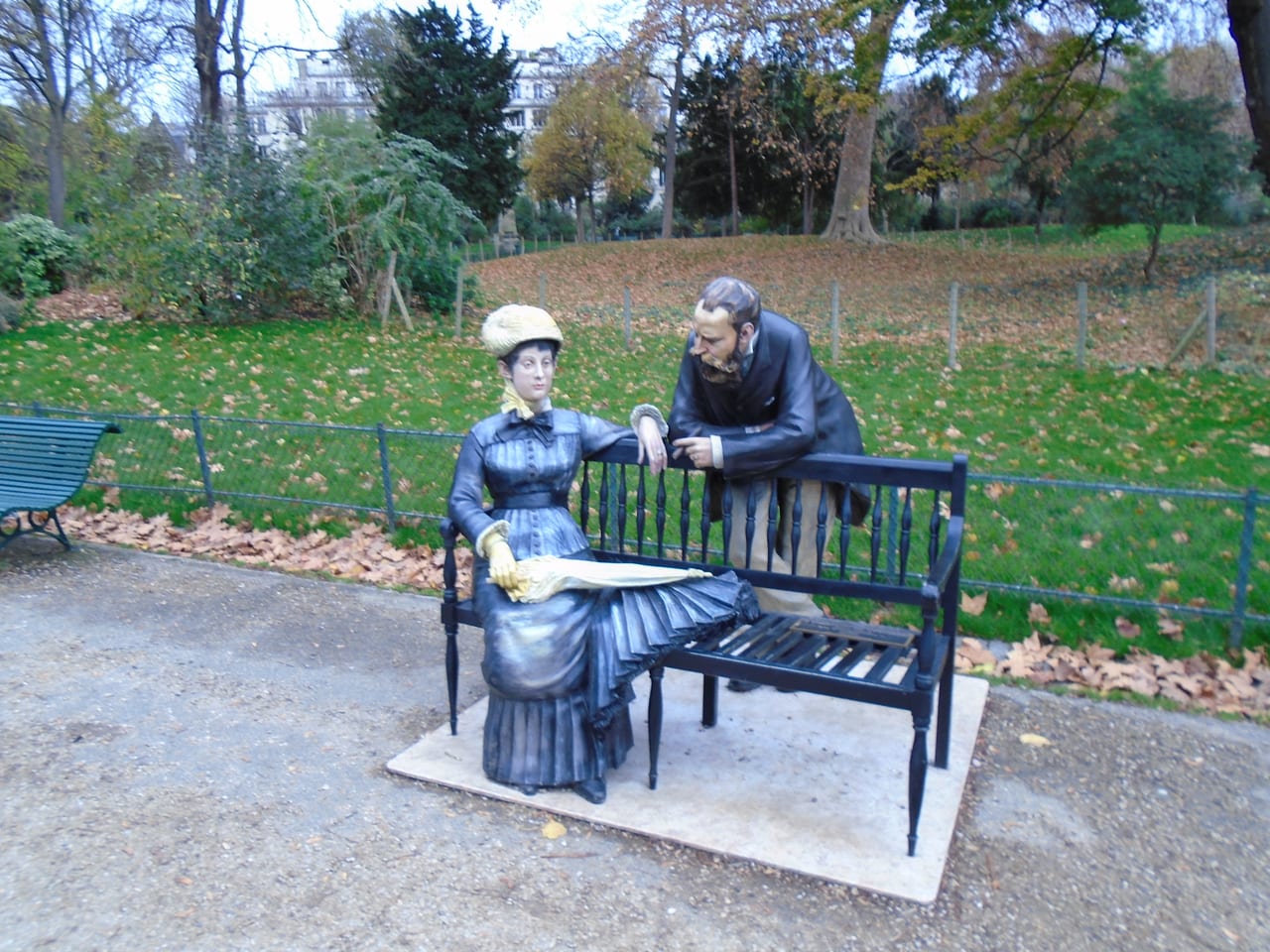
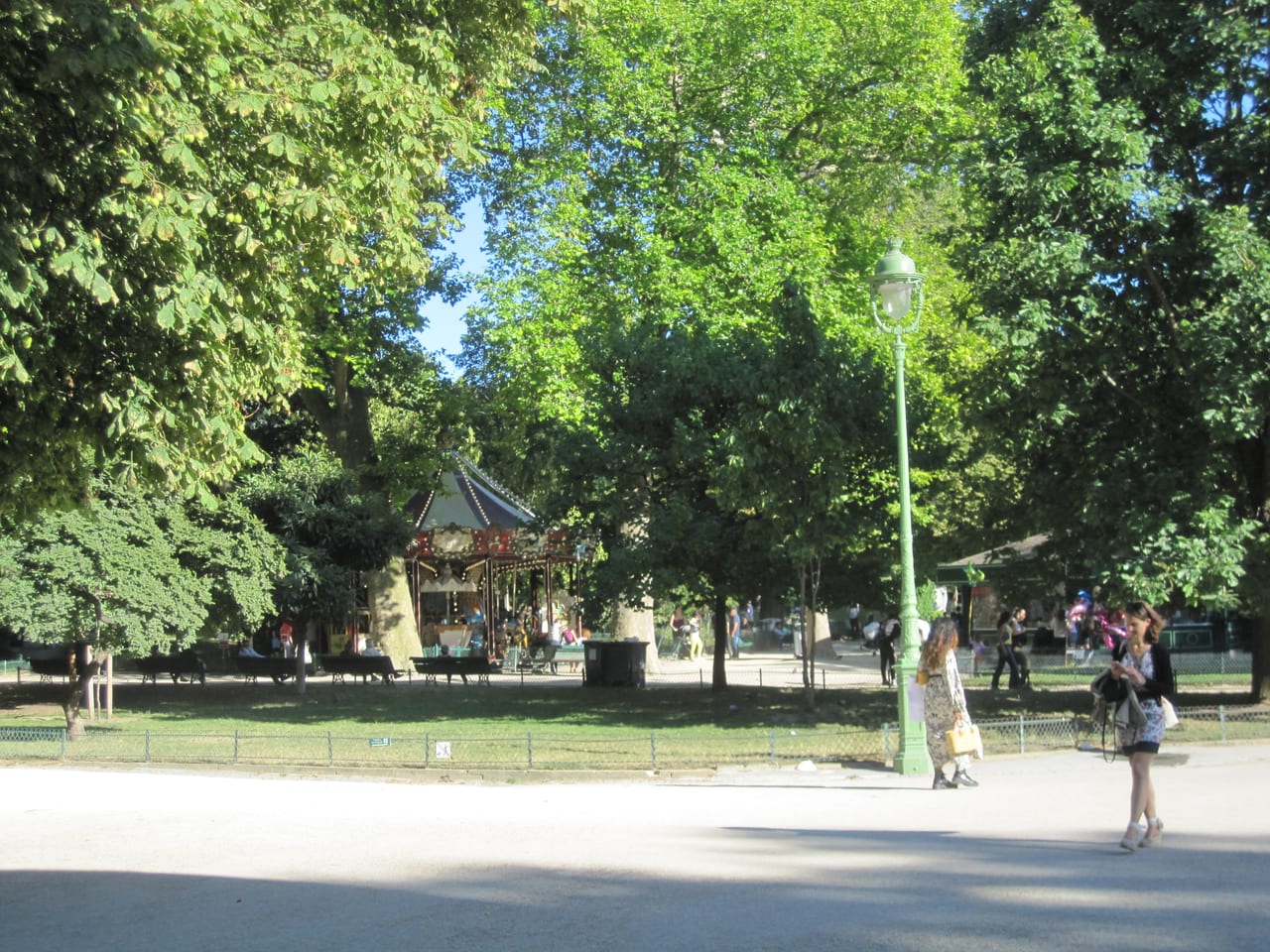
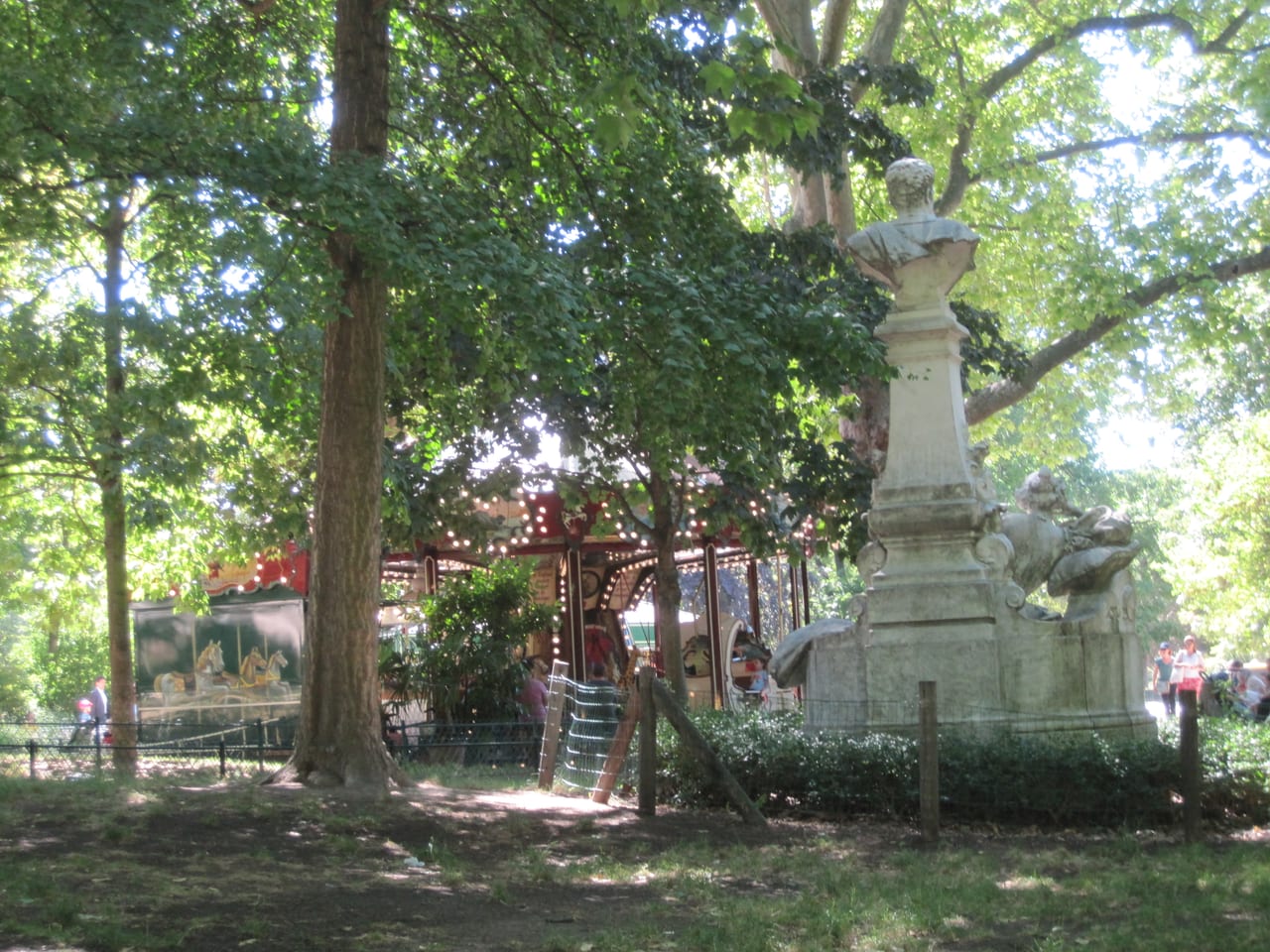
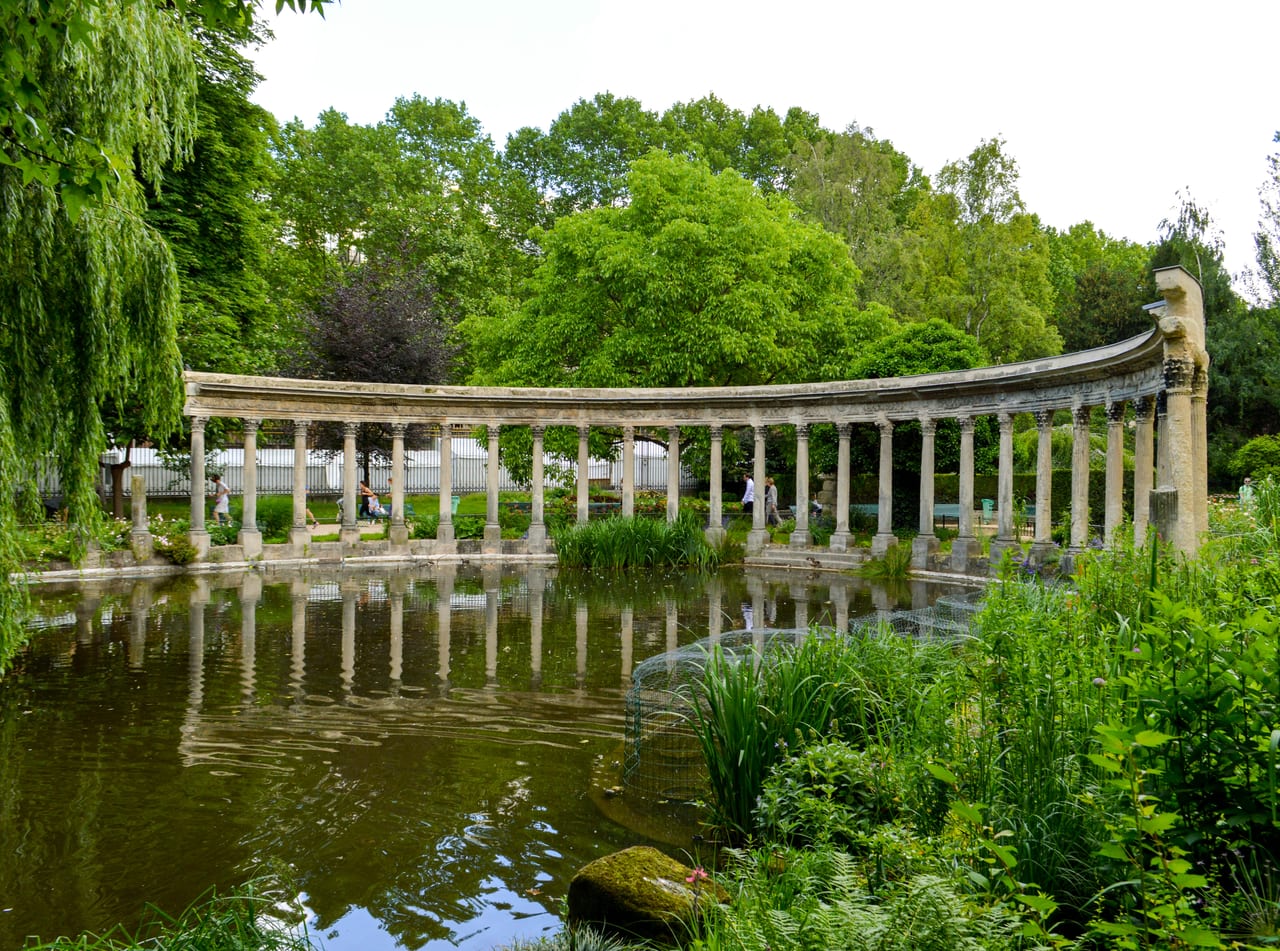
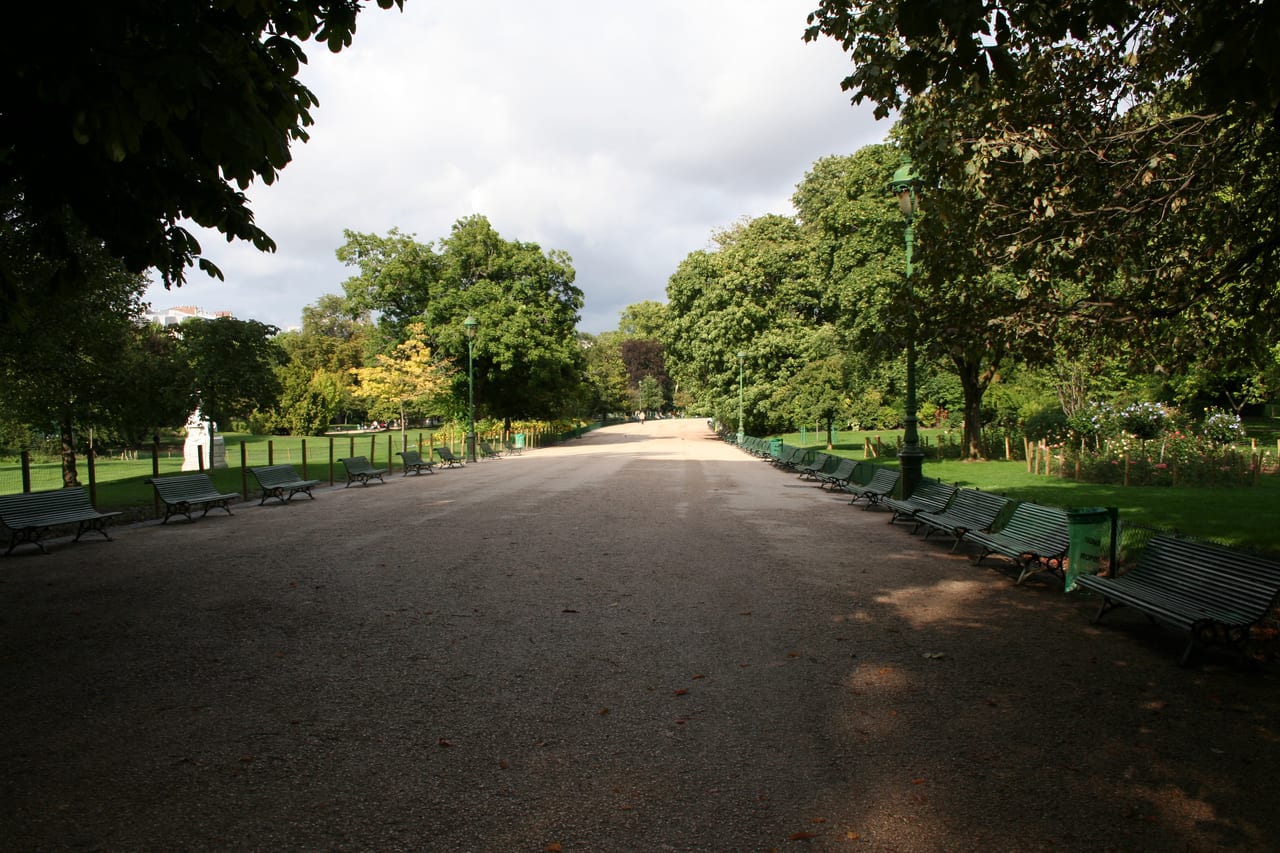
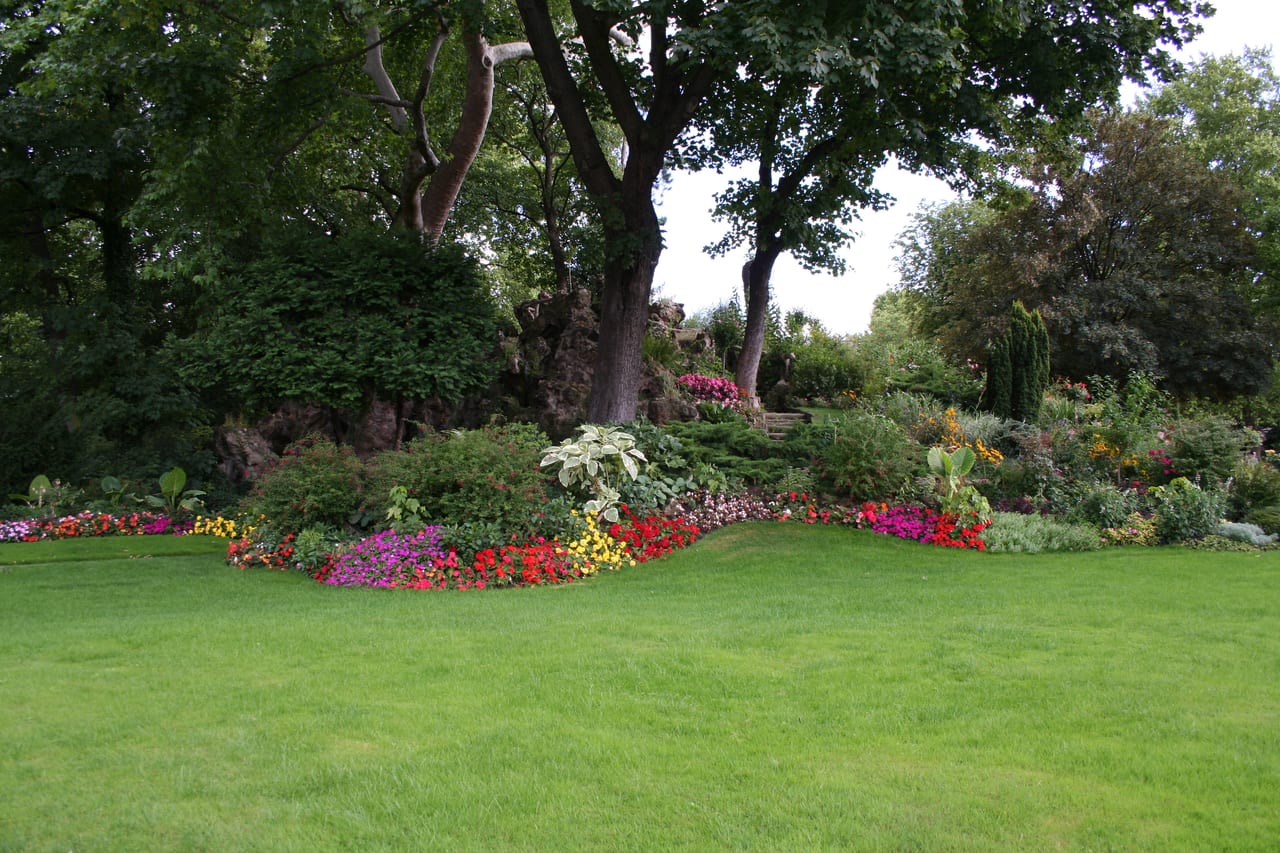
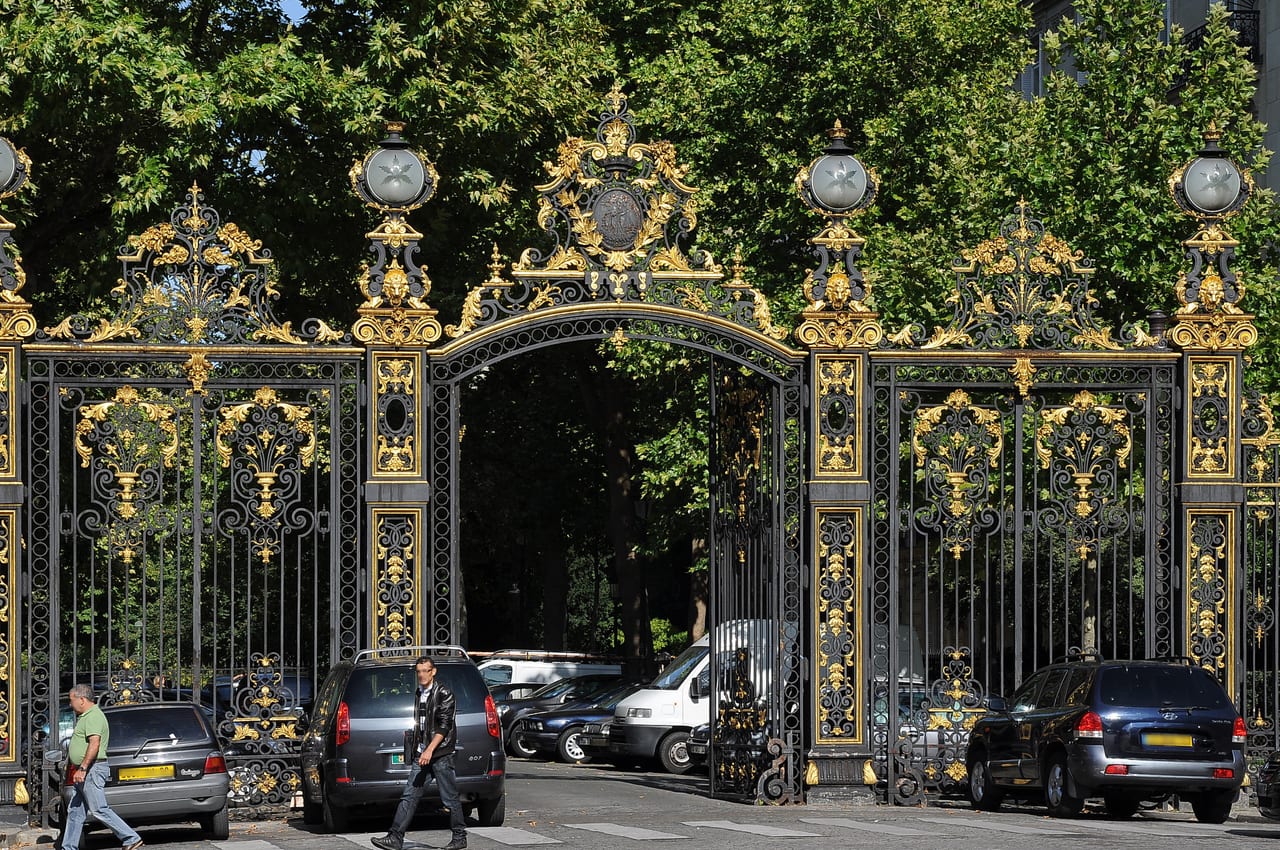
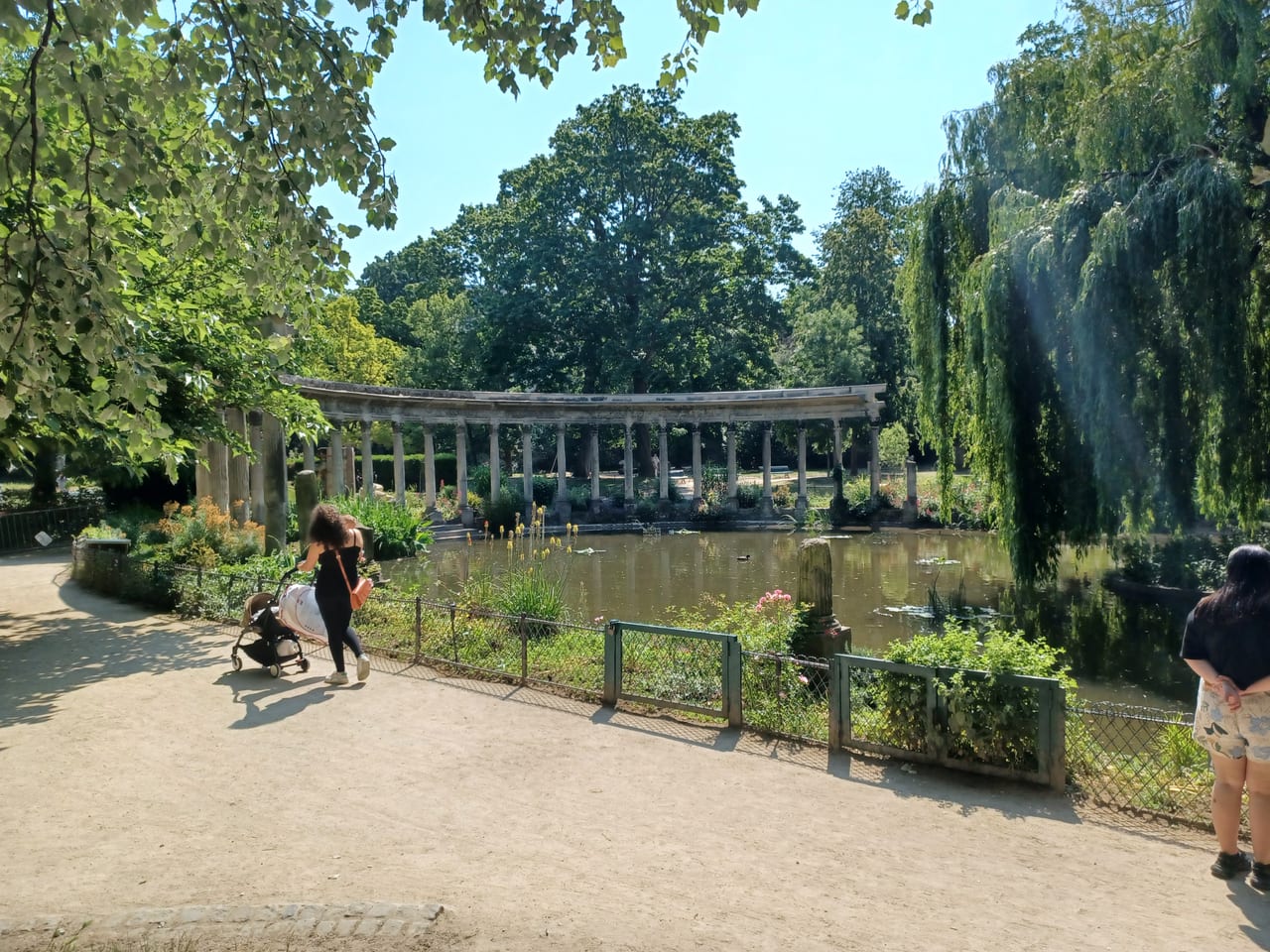
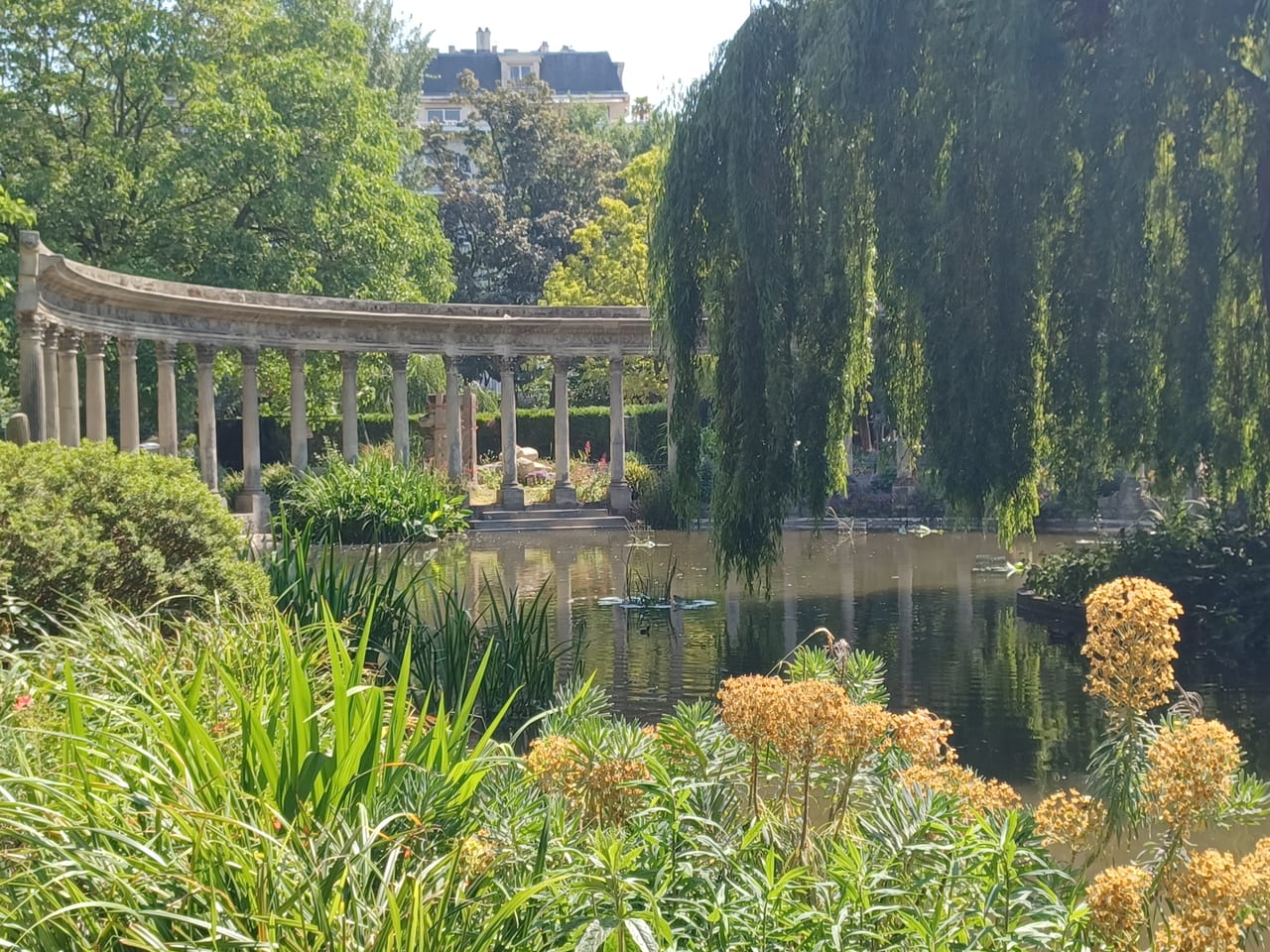
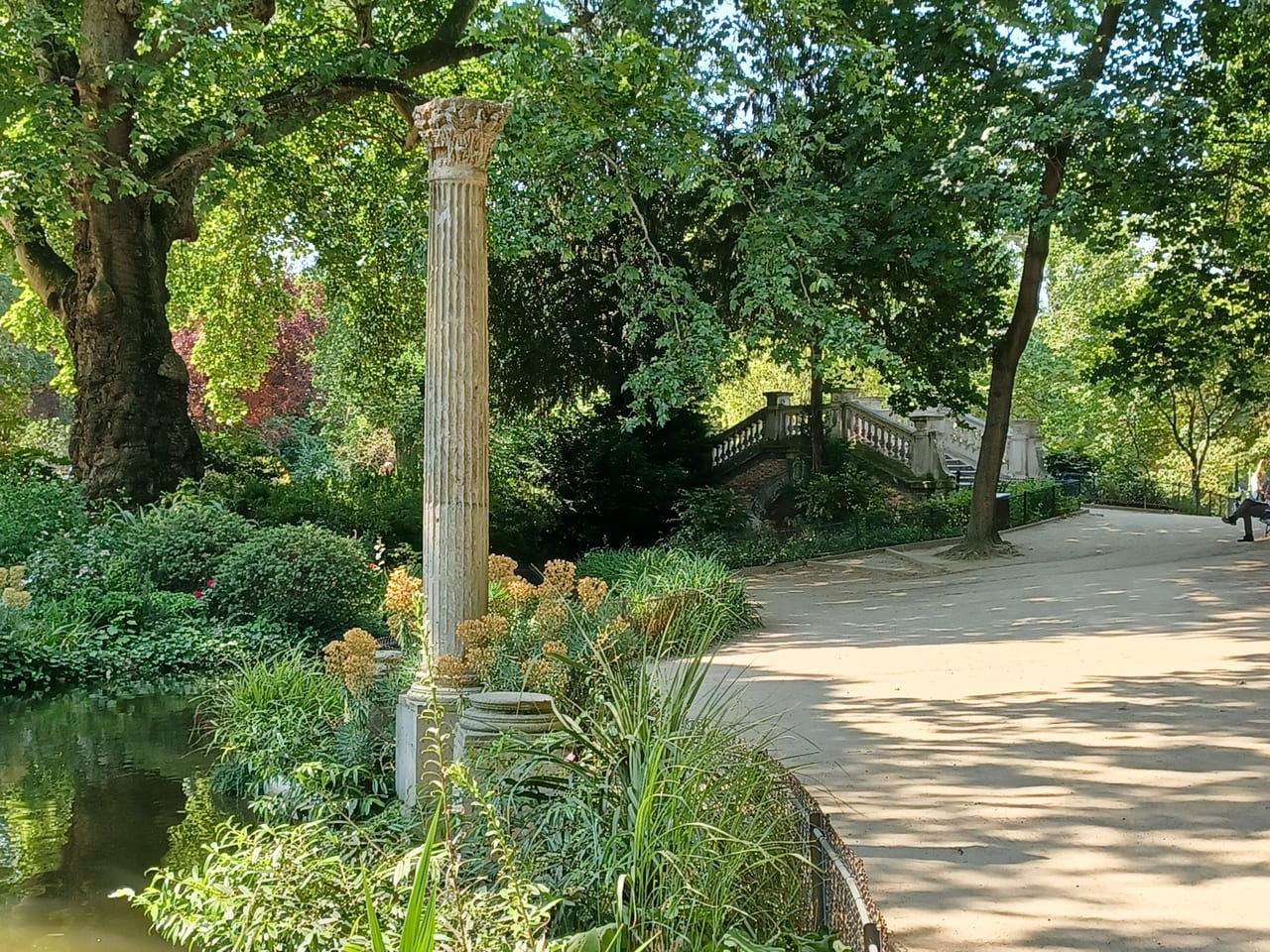
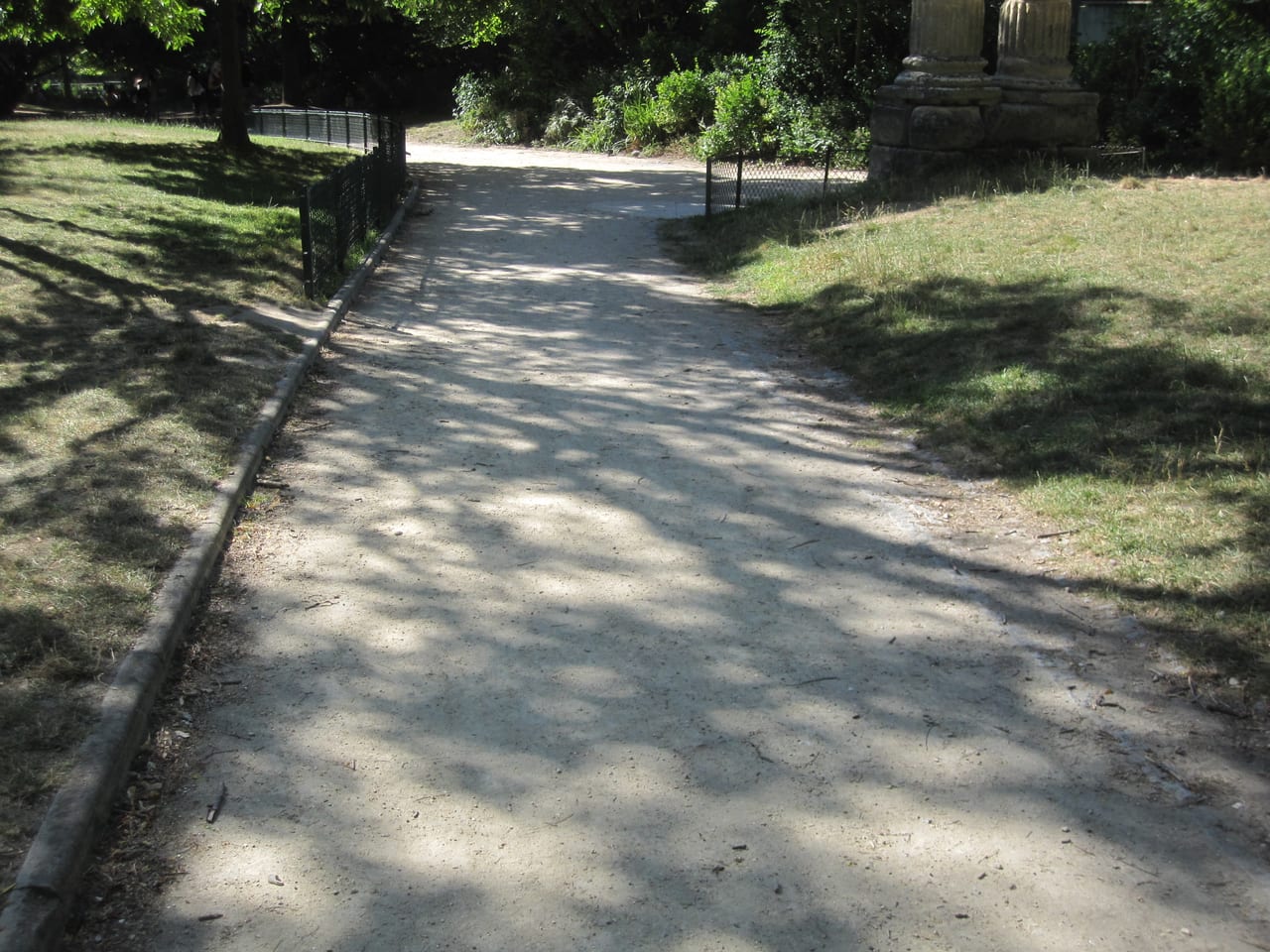
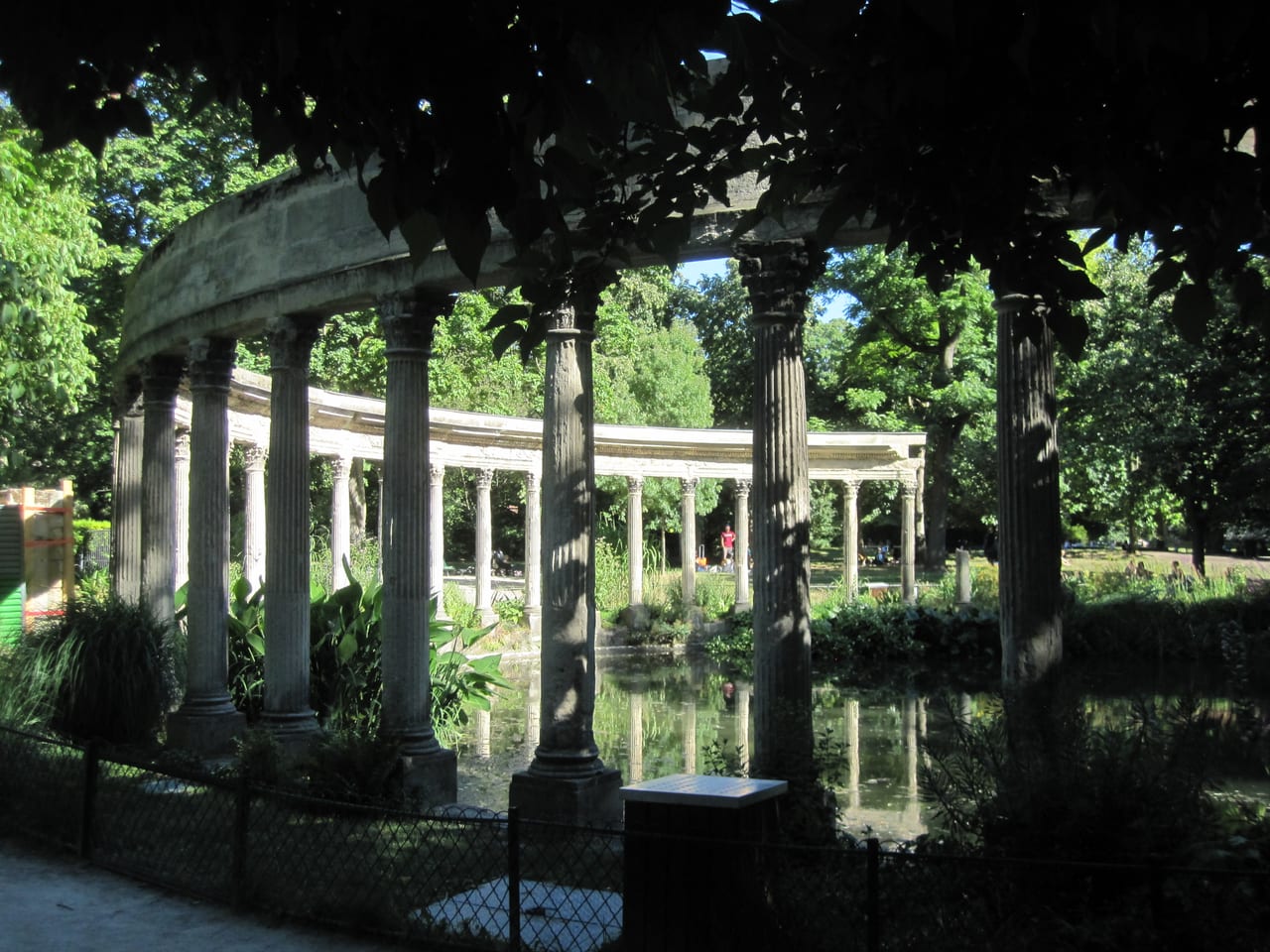
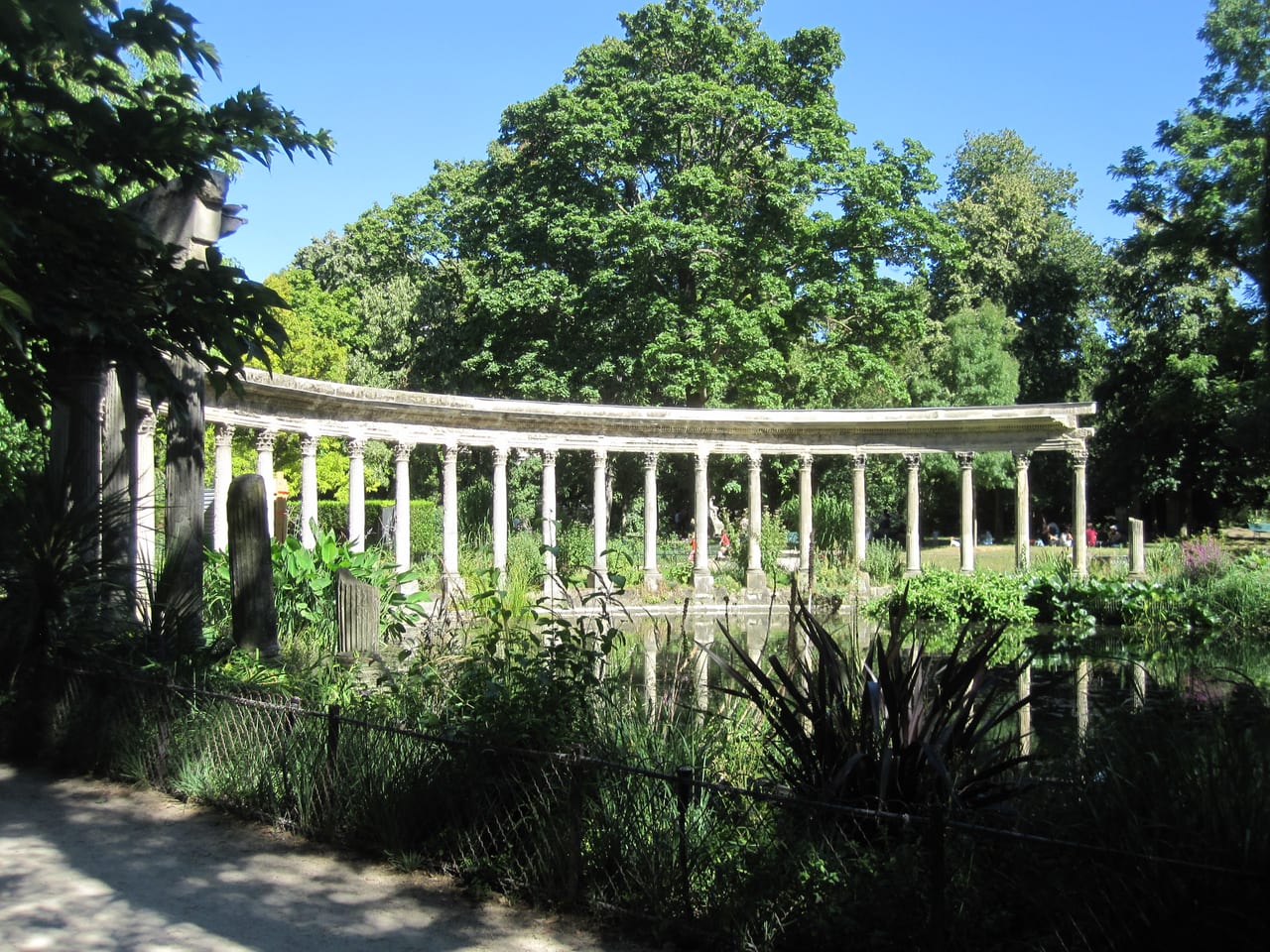
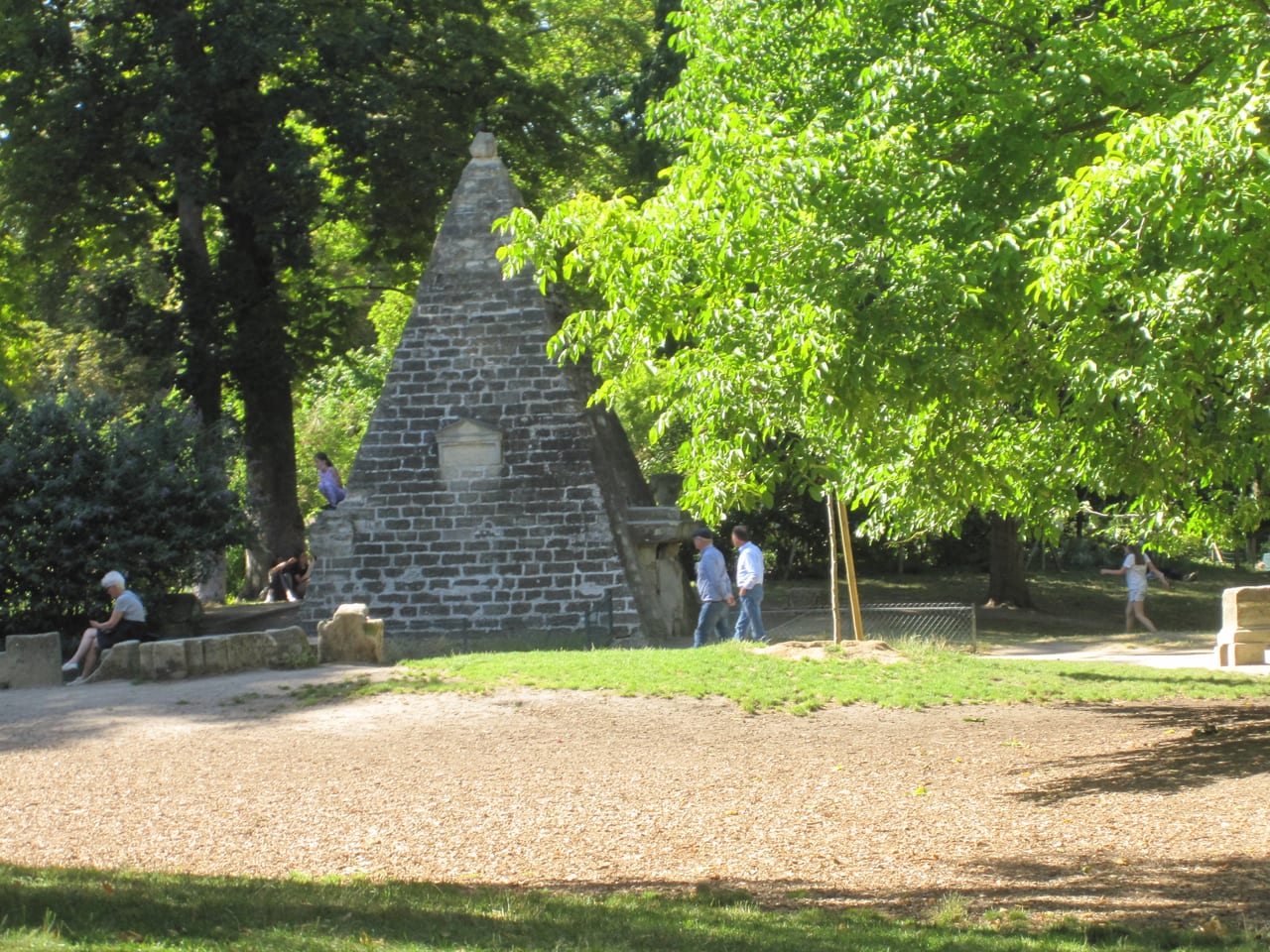
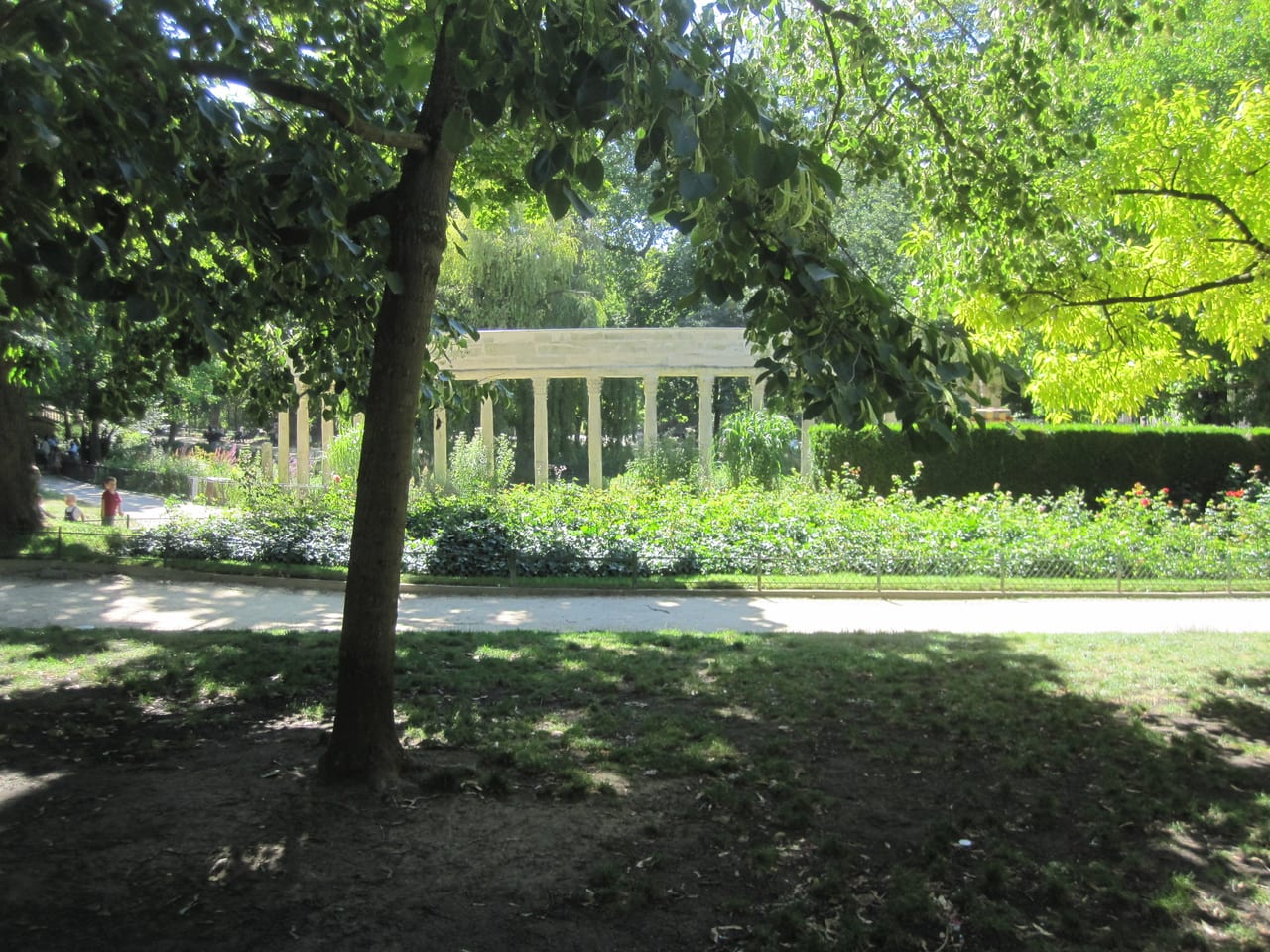
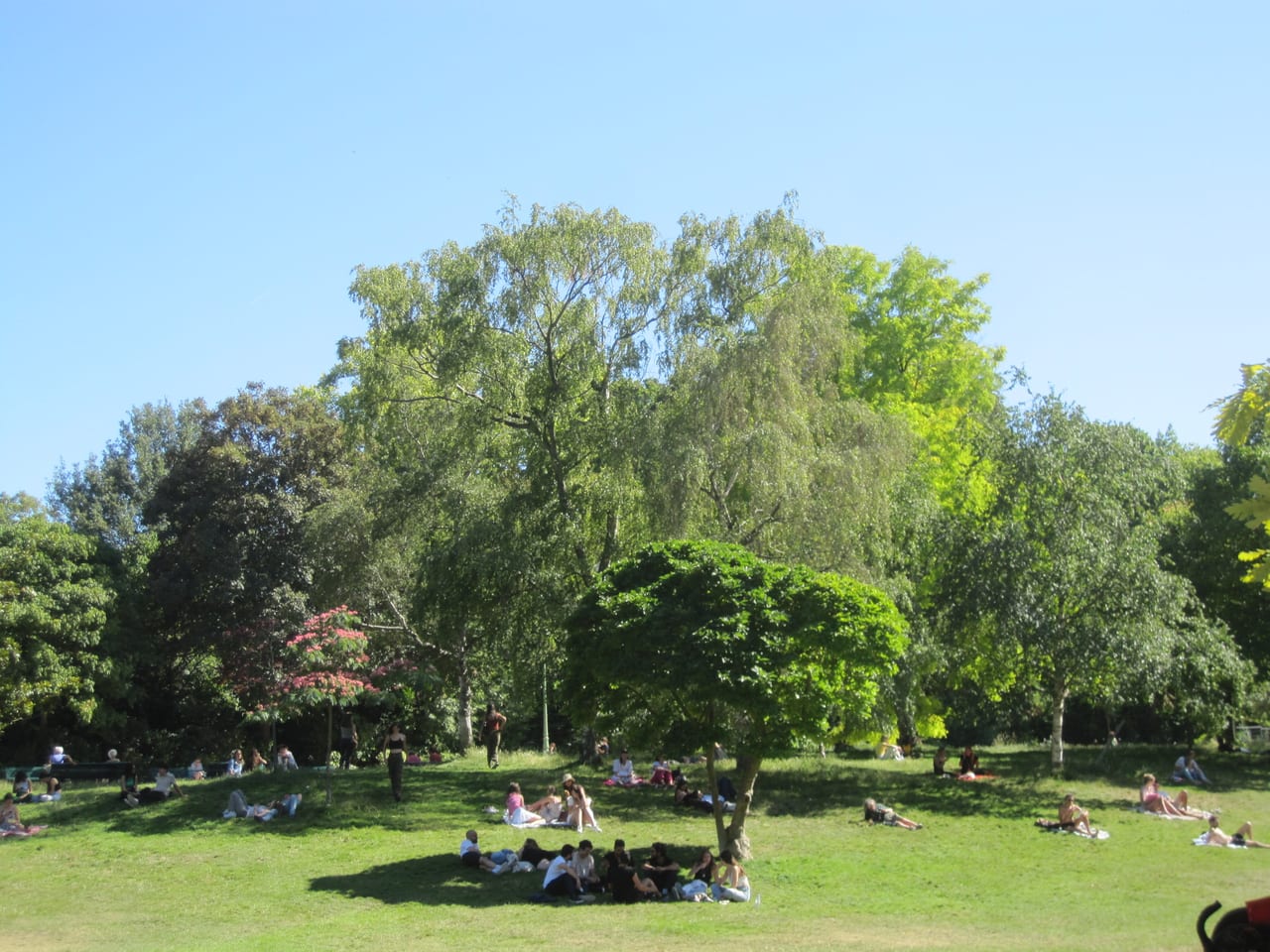
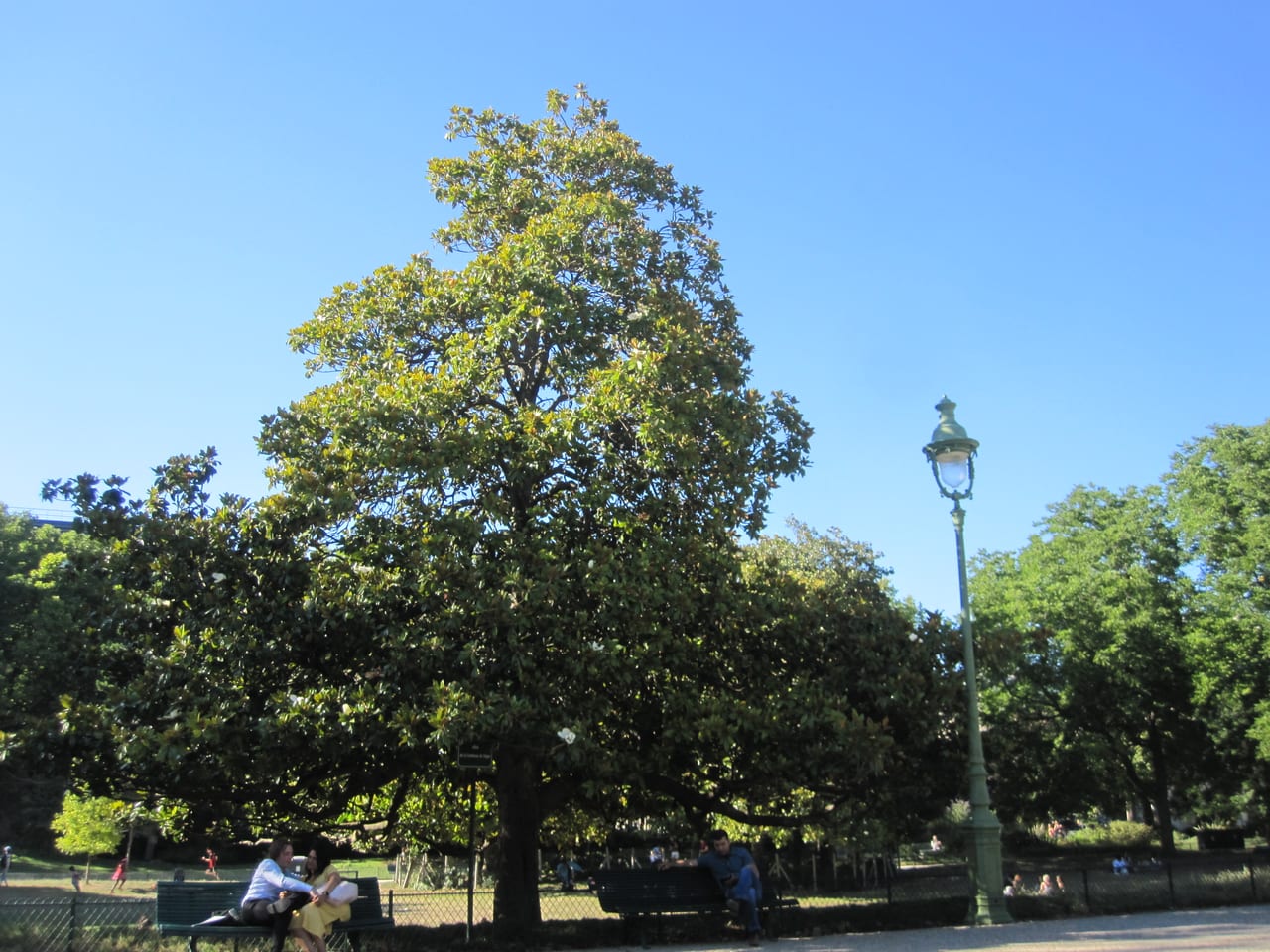
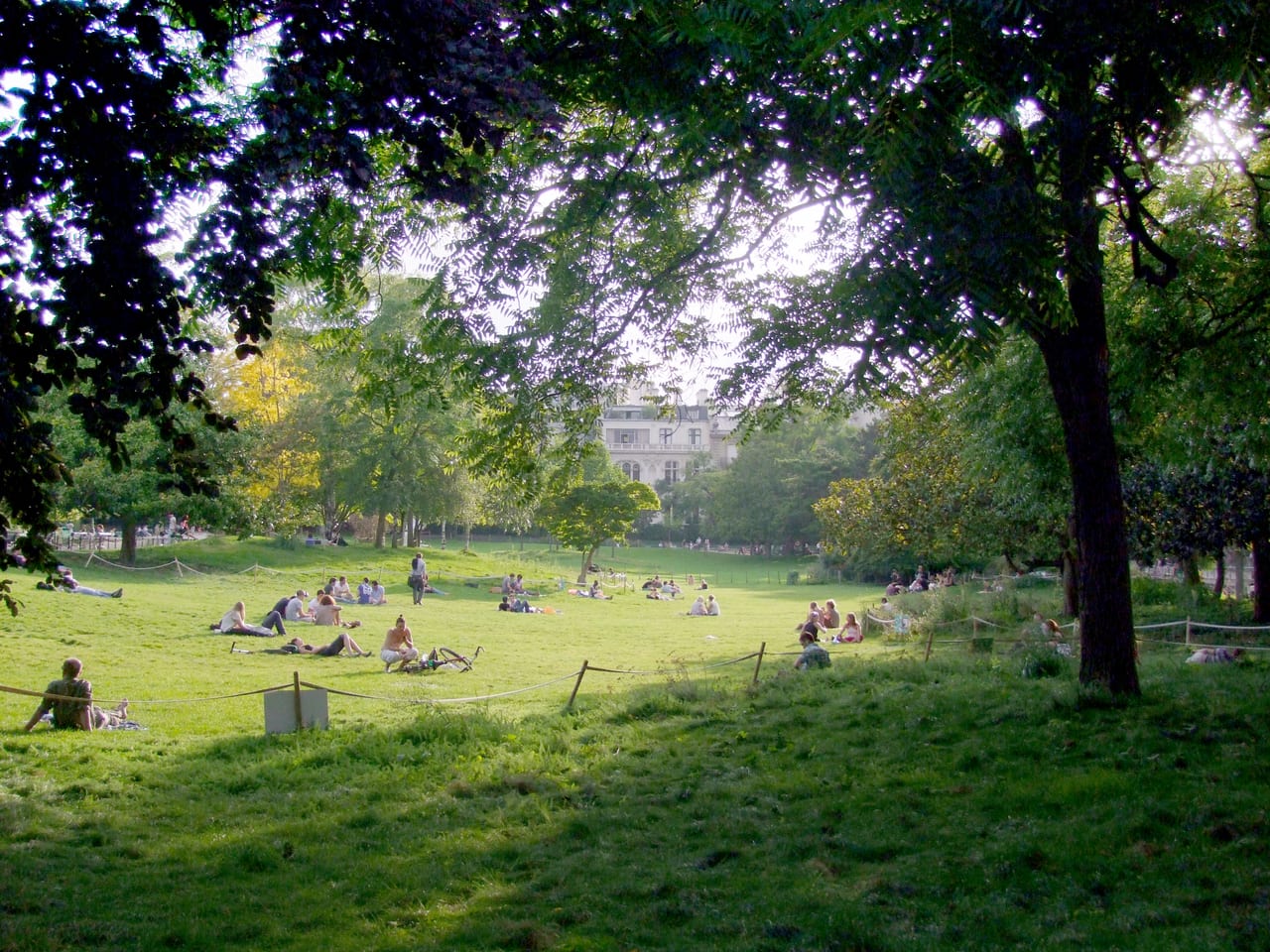
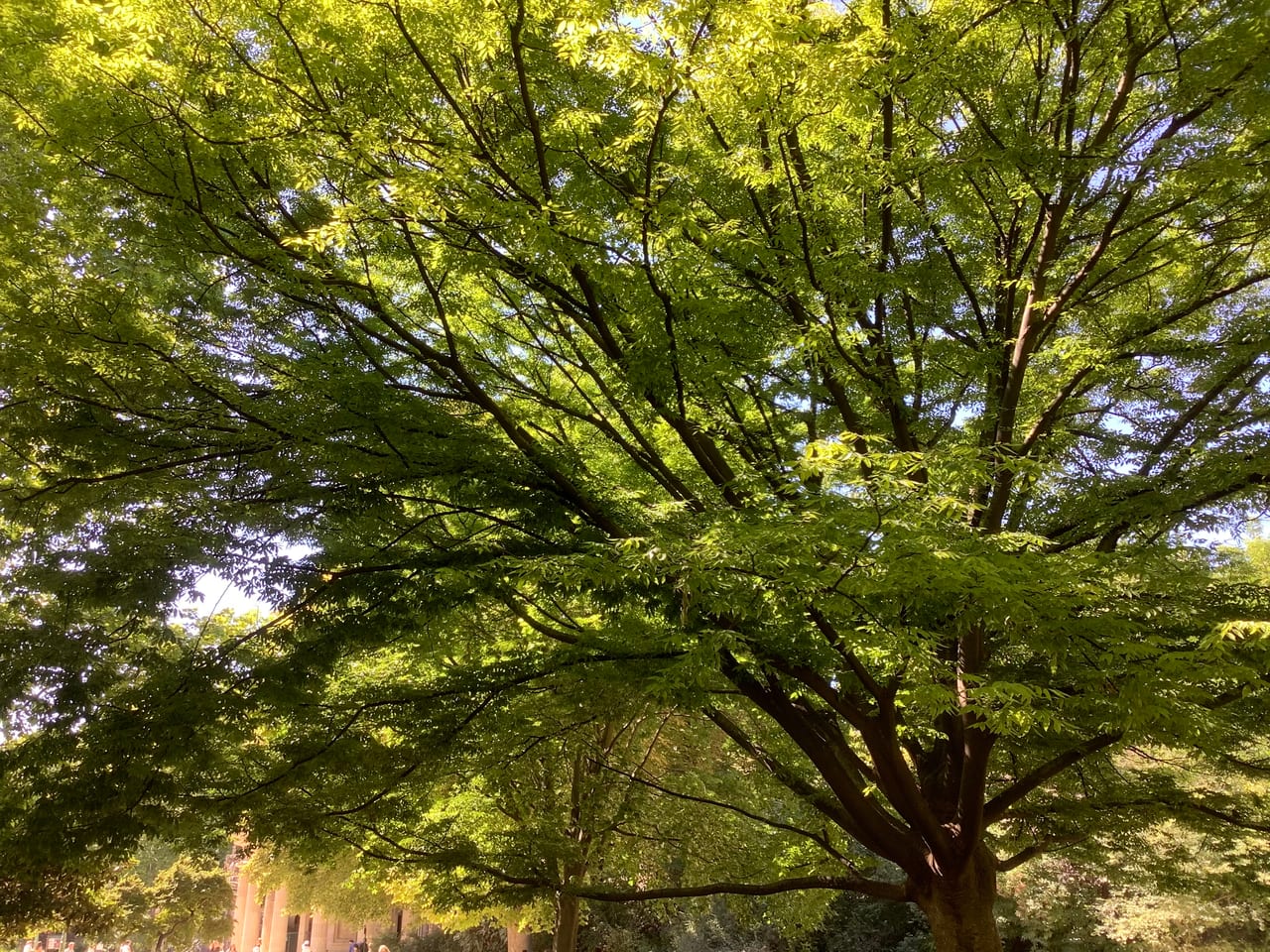
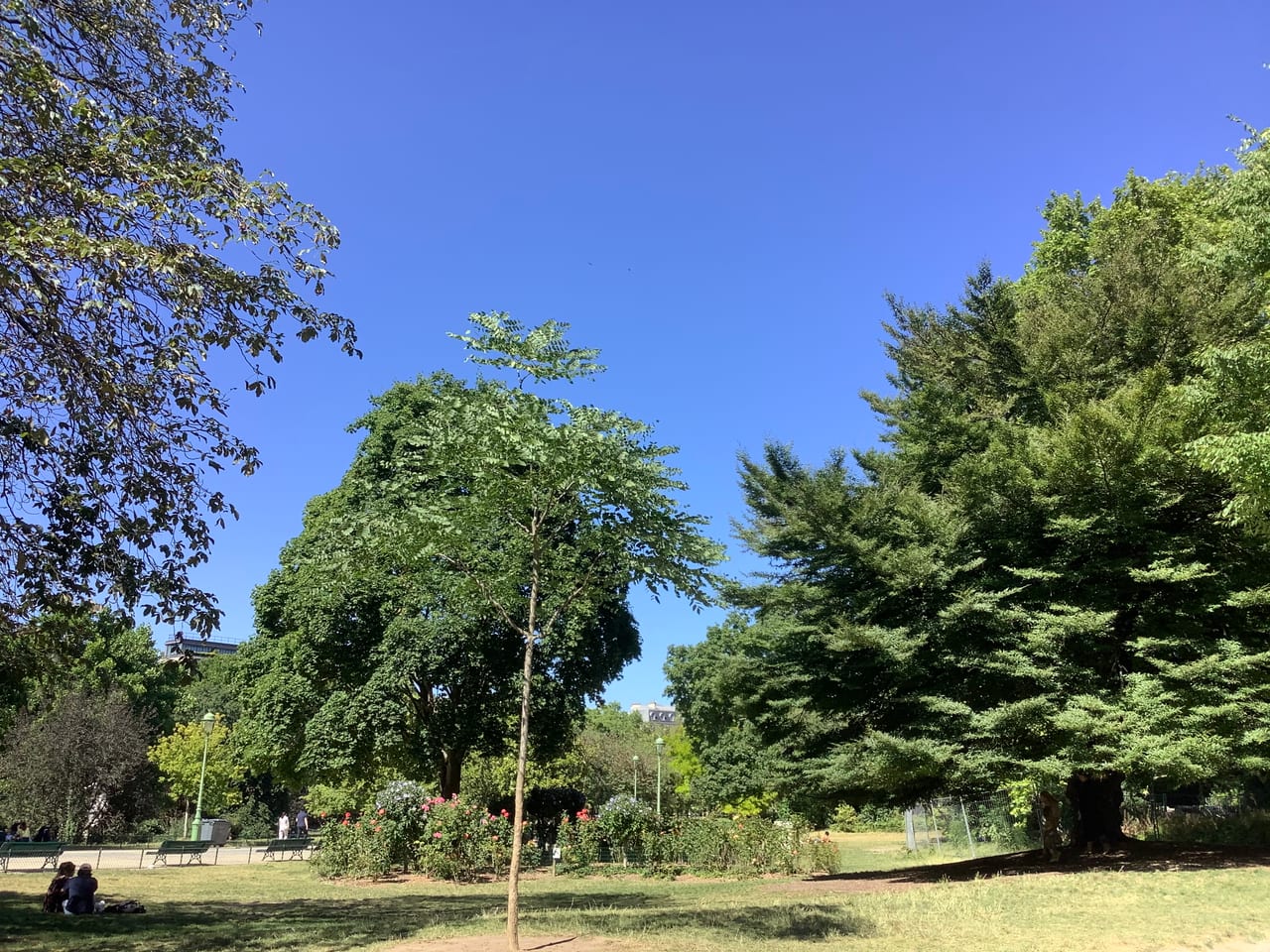
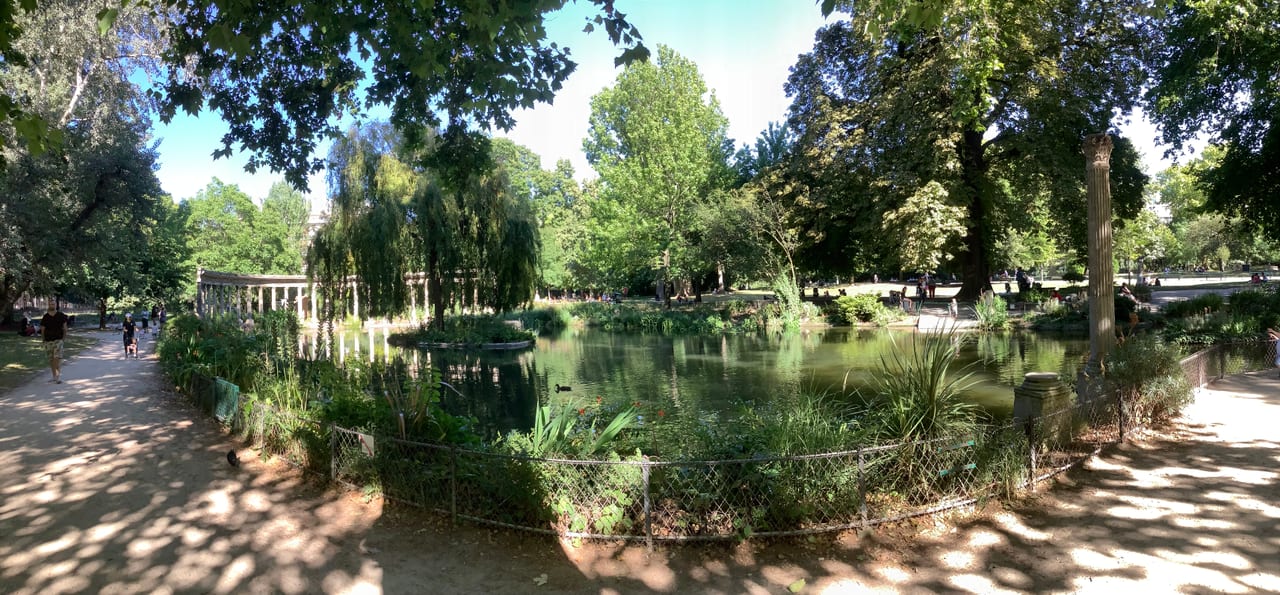
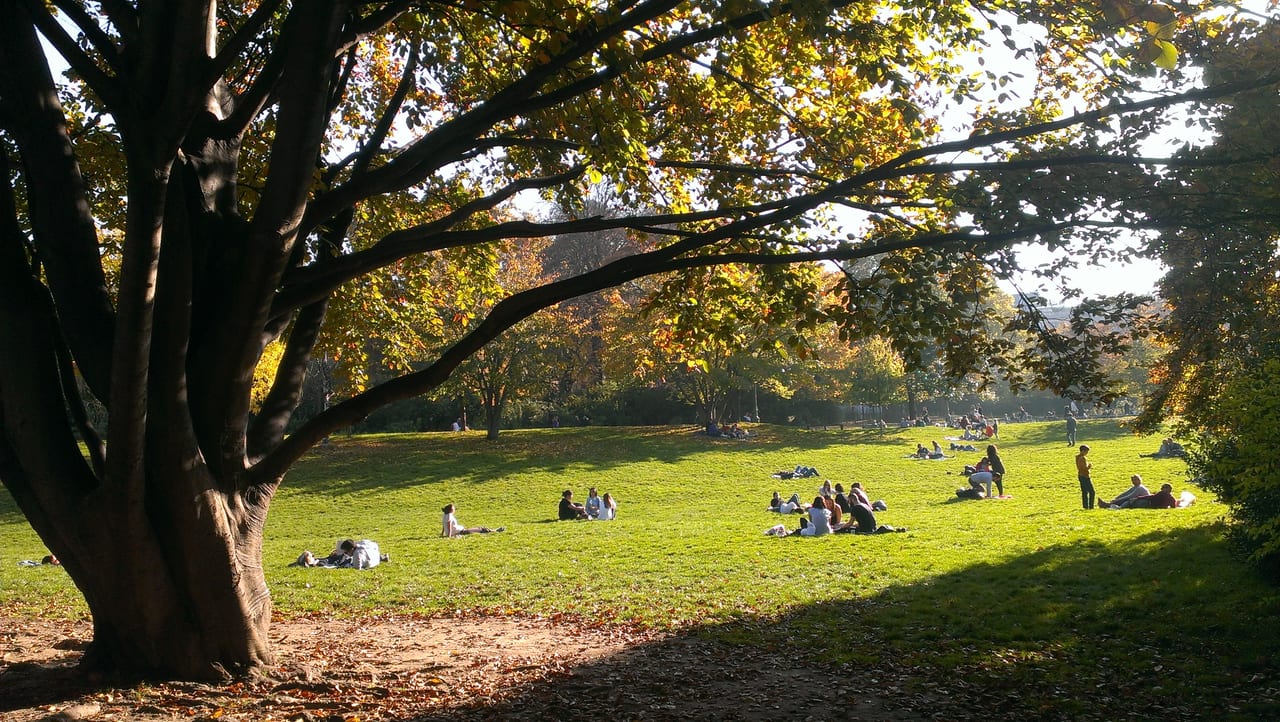
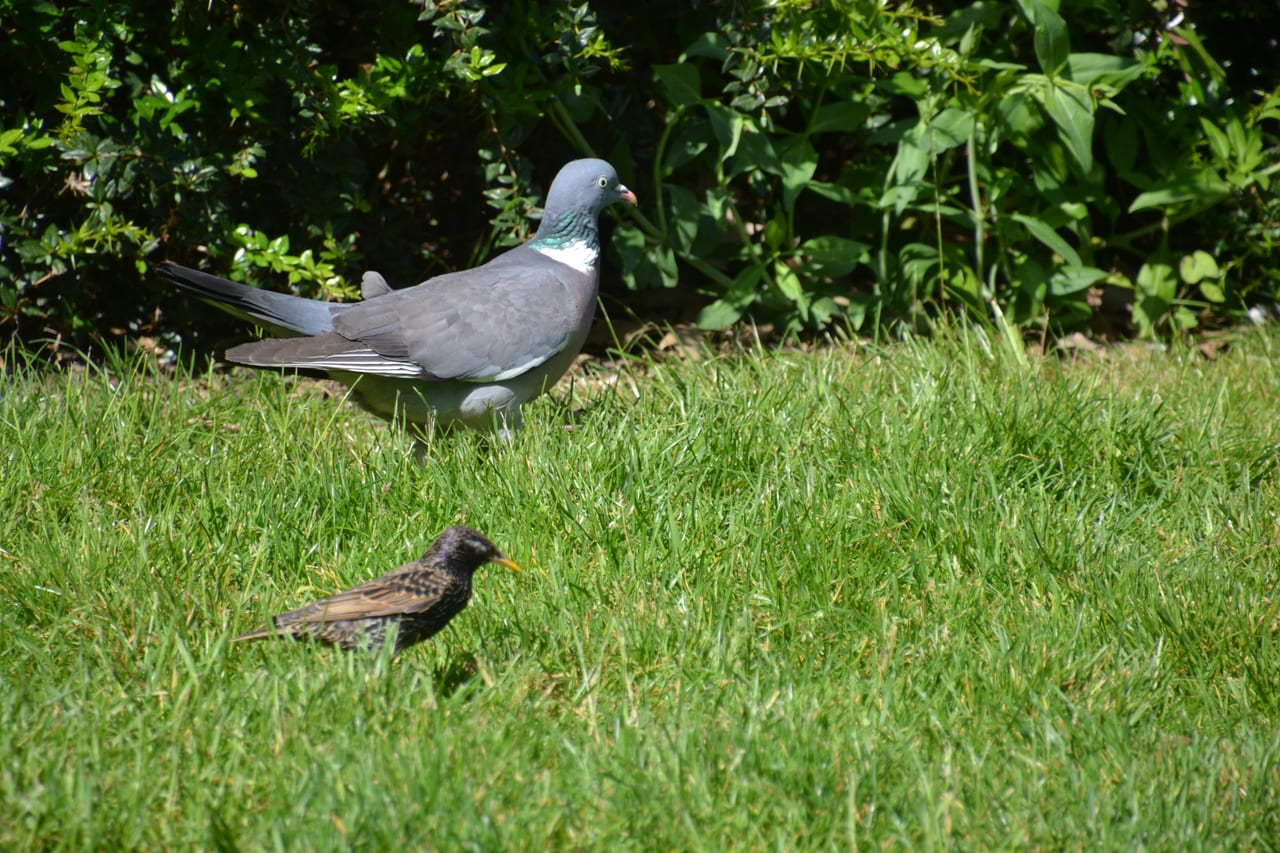
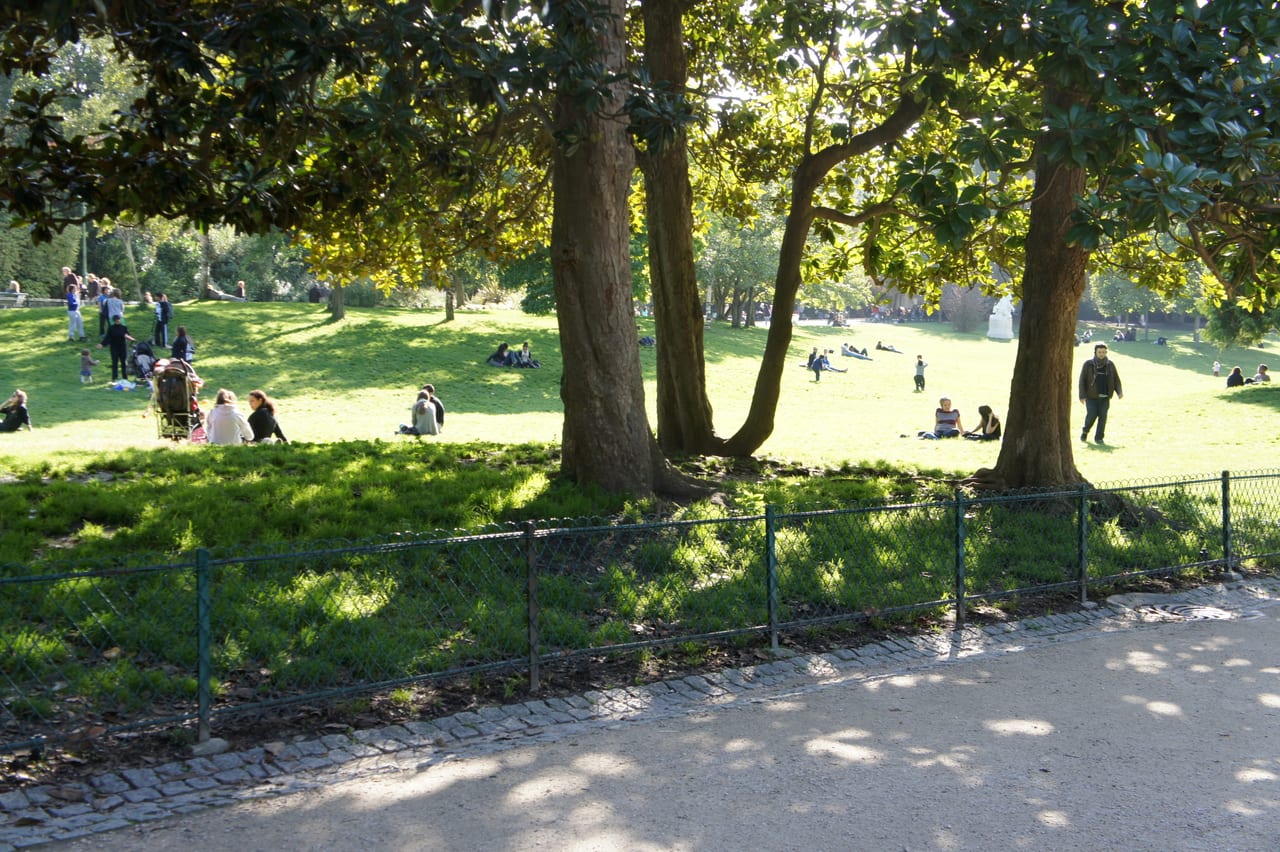
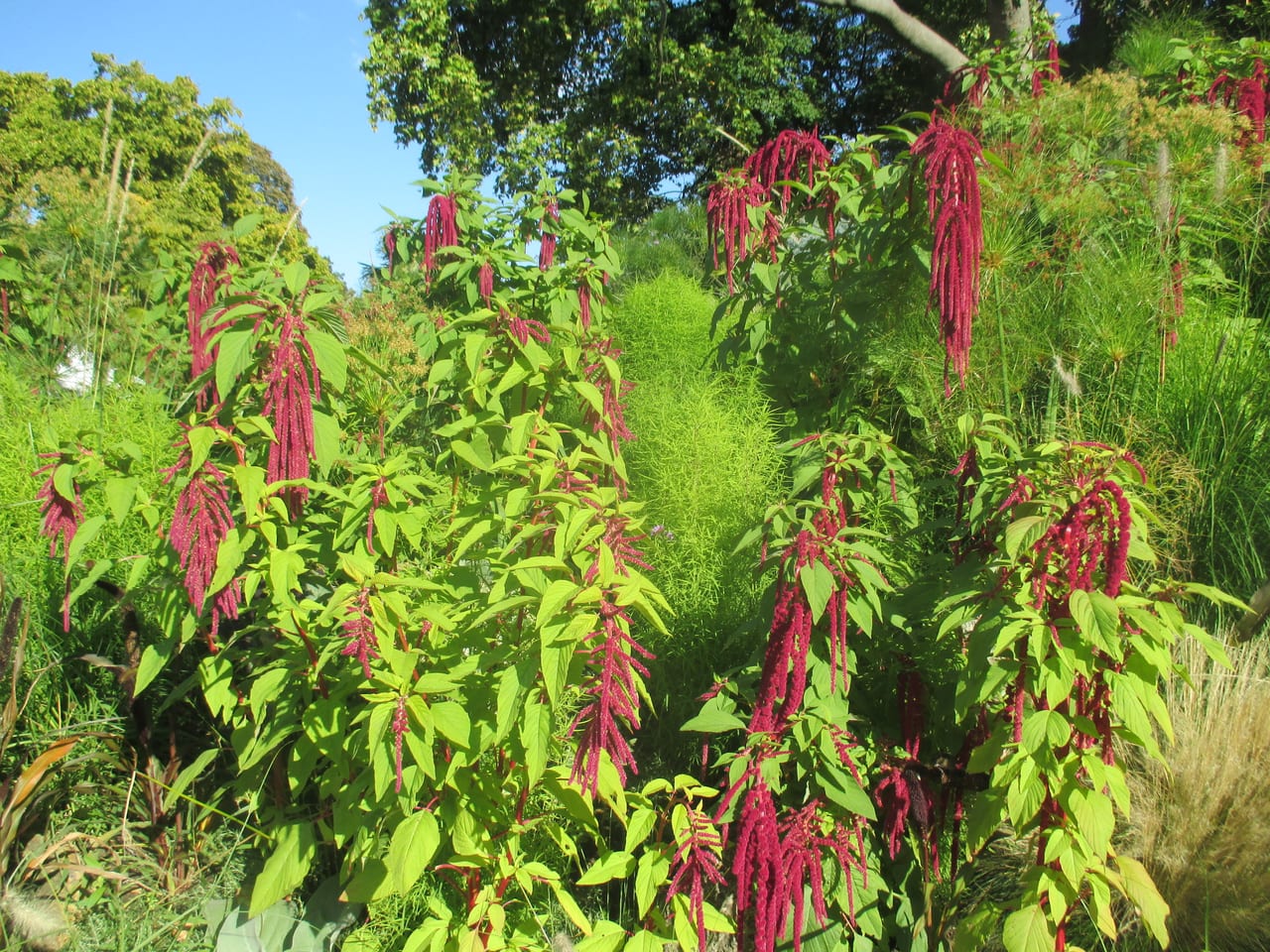
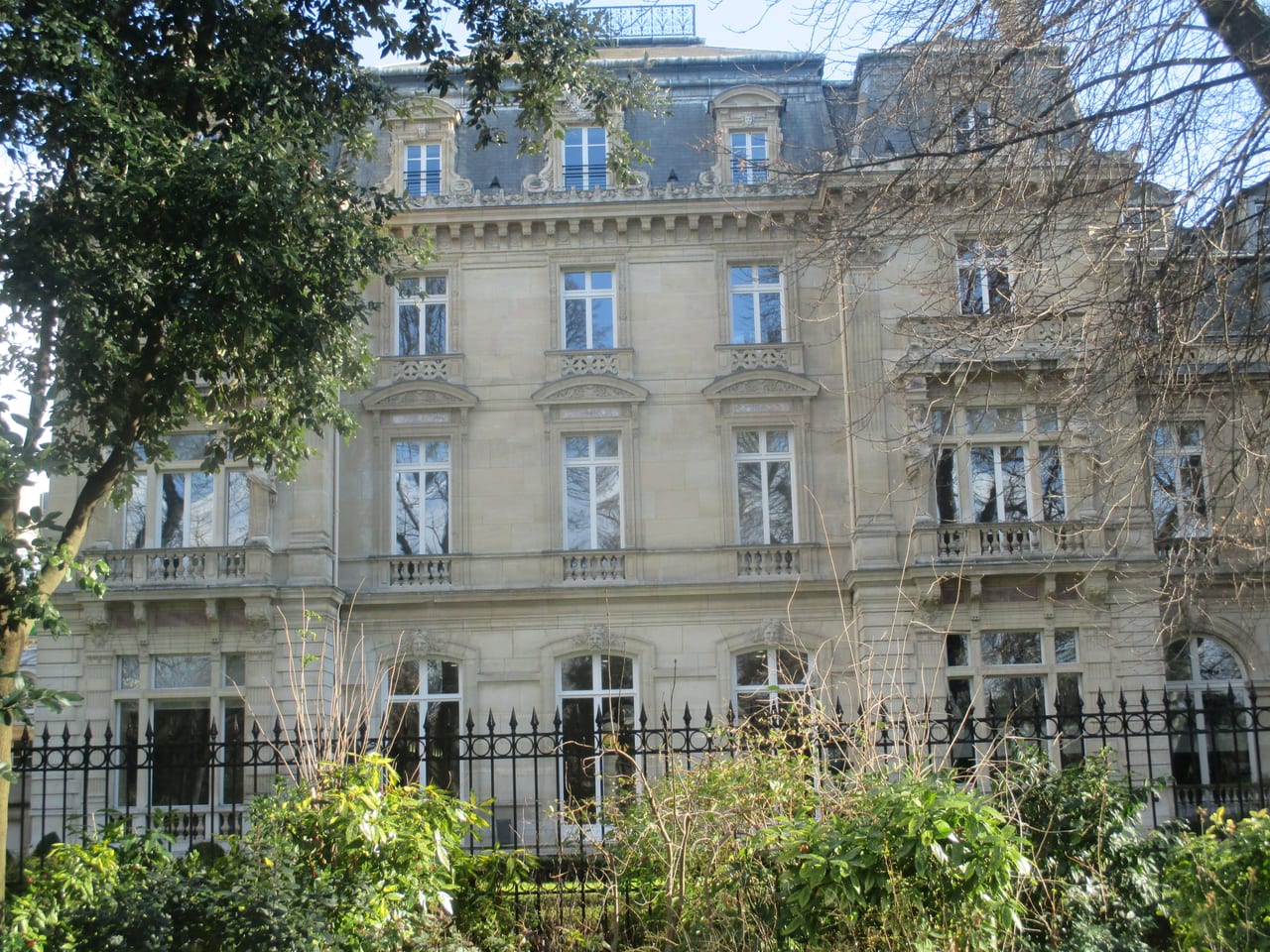
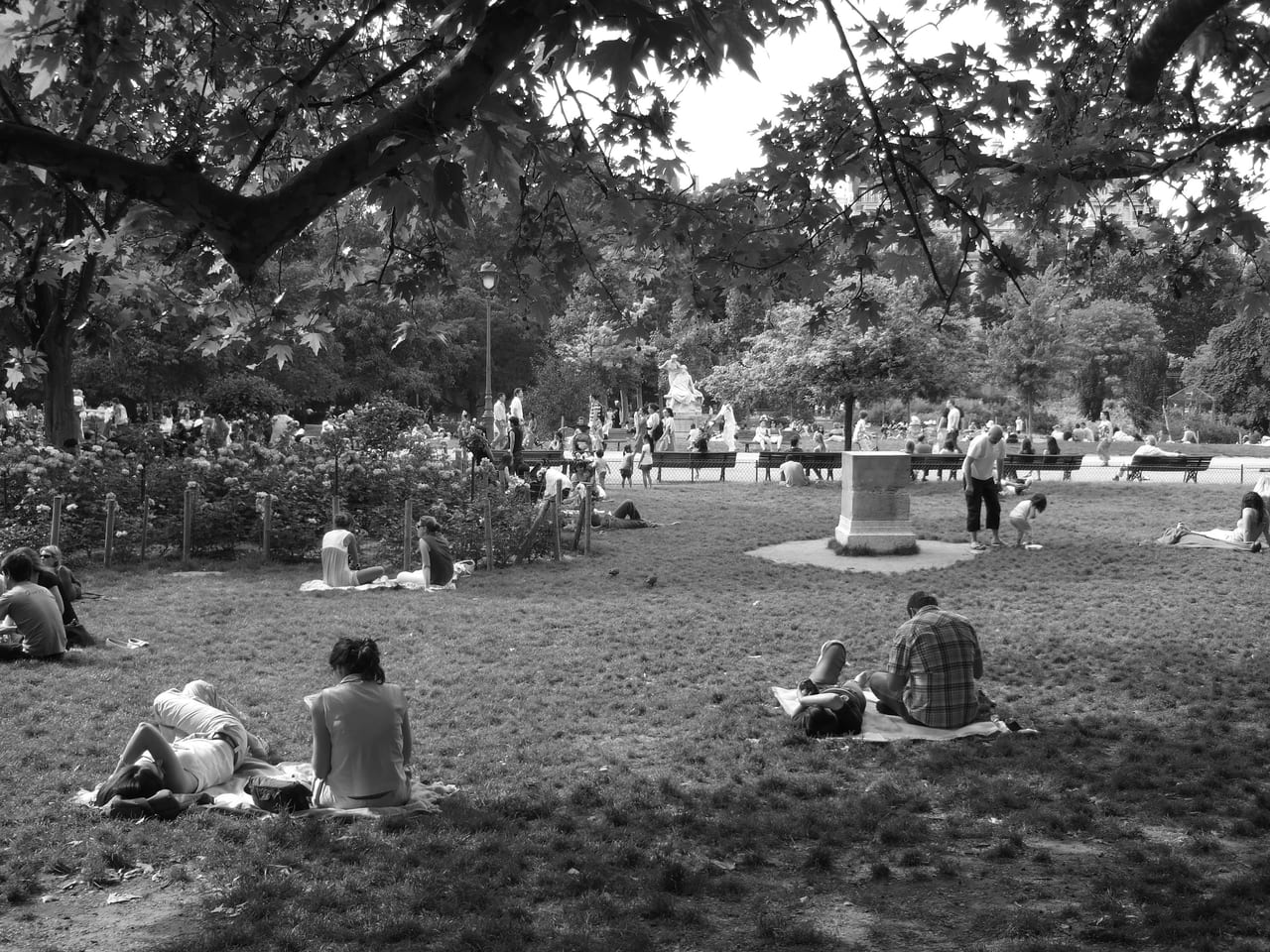
Photograph 1 of 47 of parc Monceau
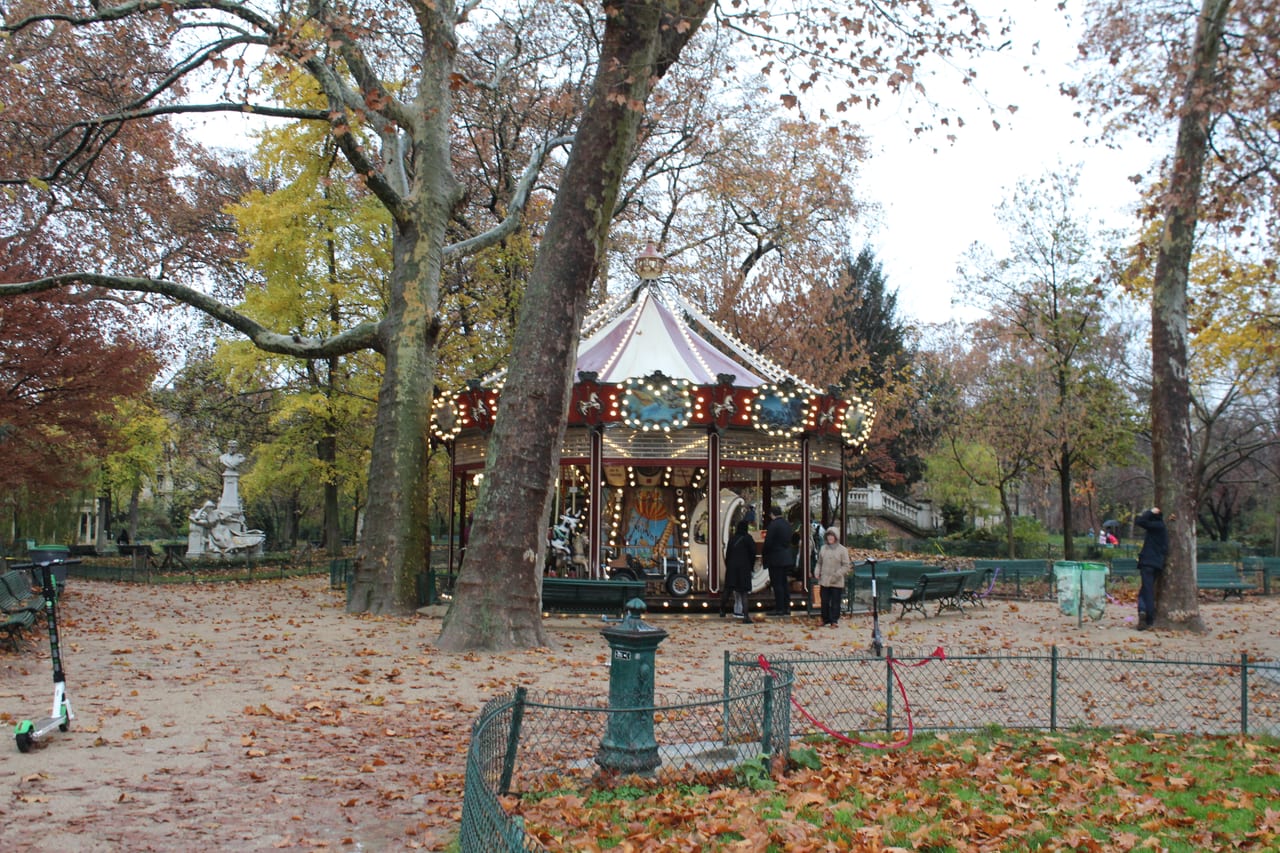
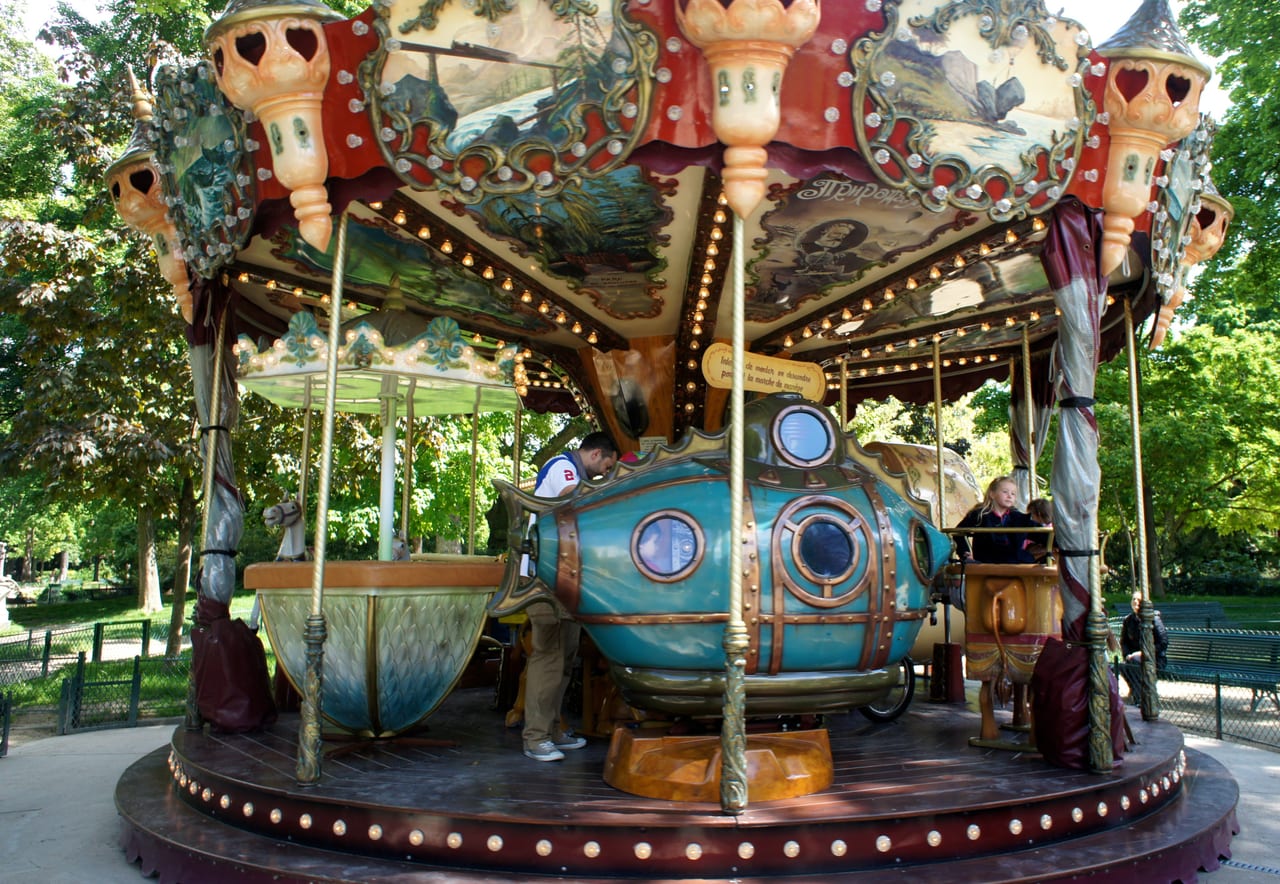
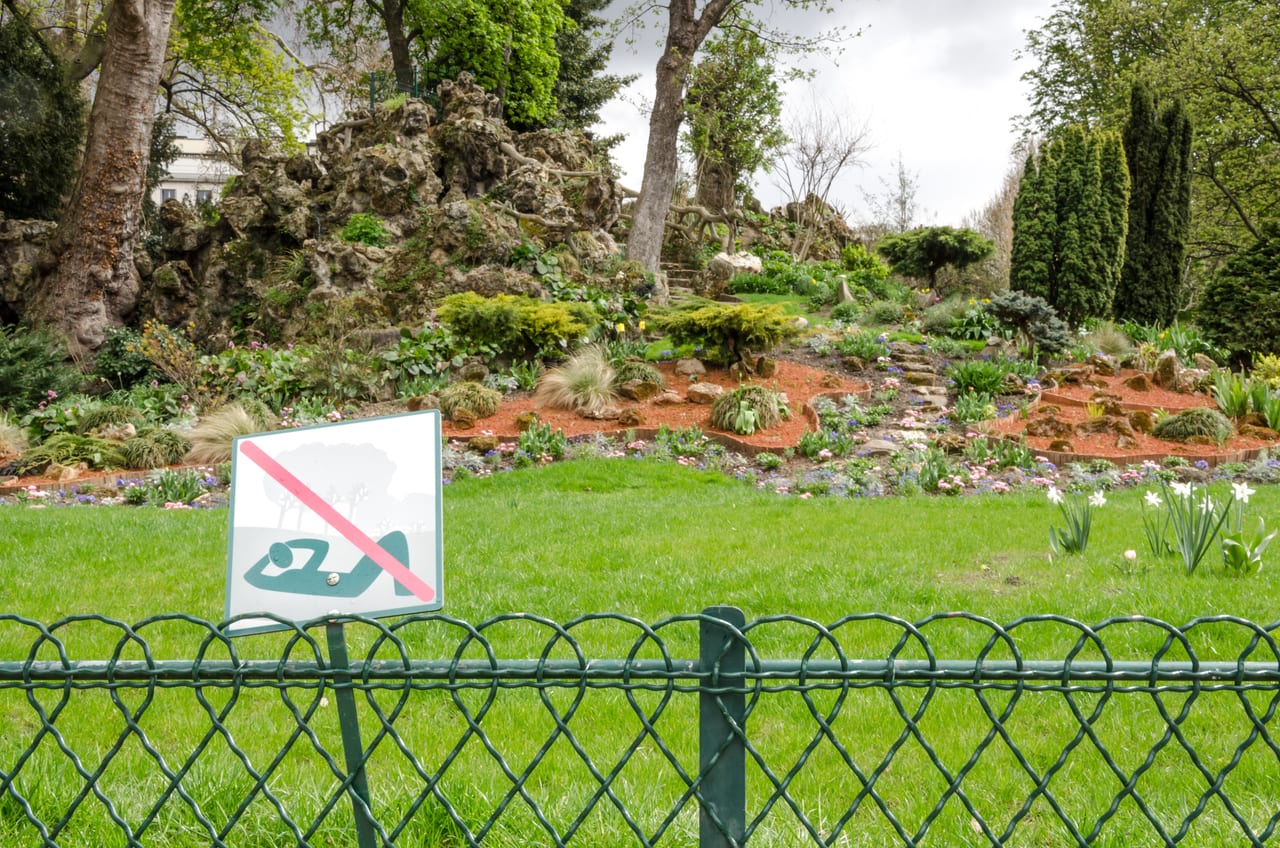
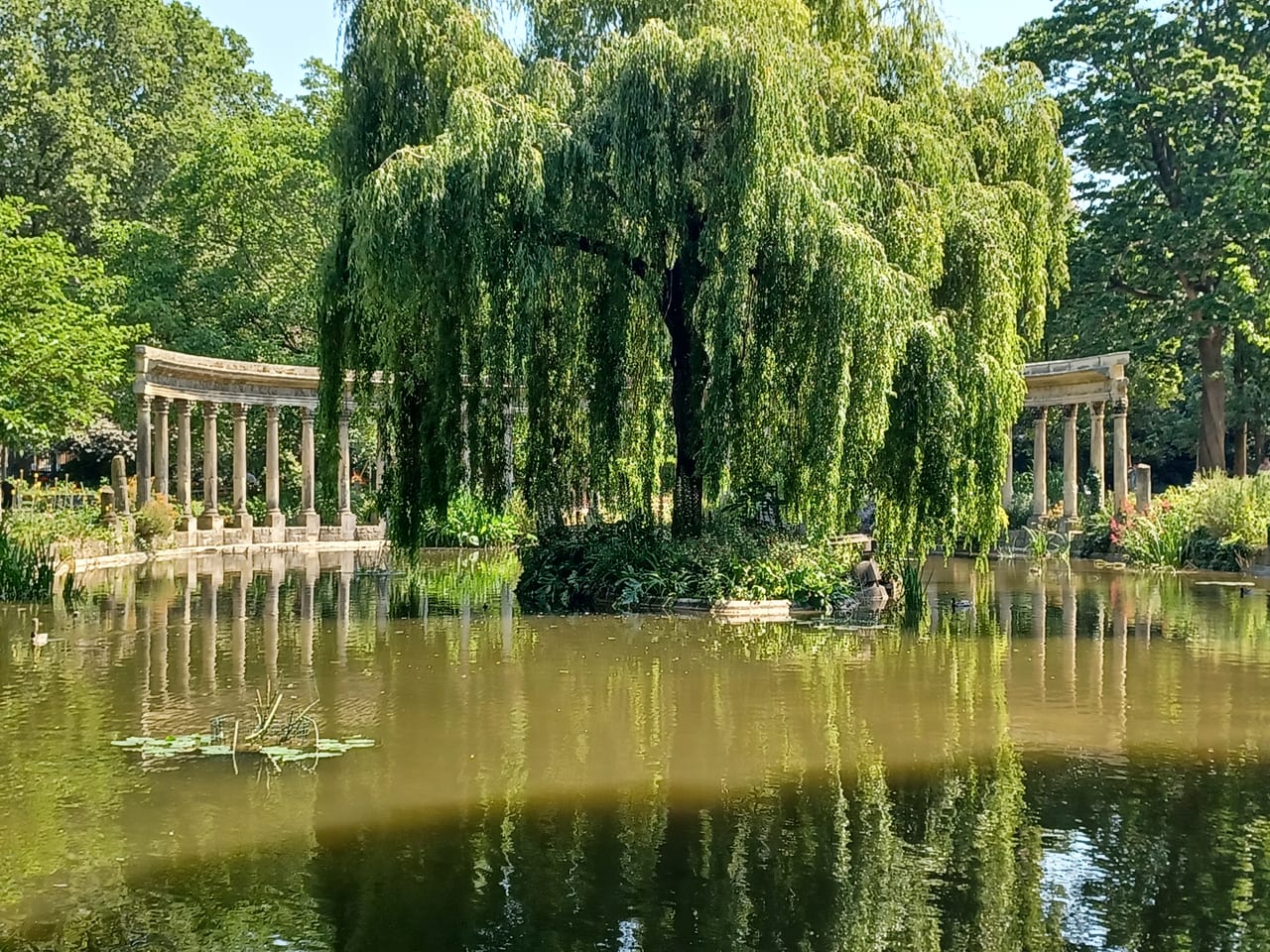
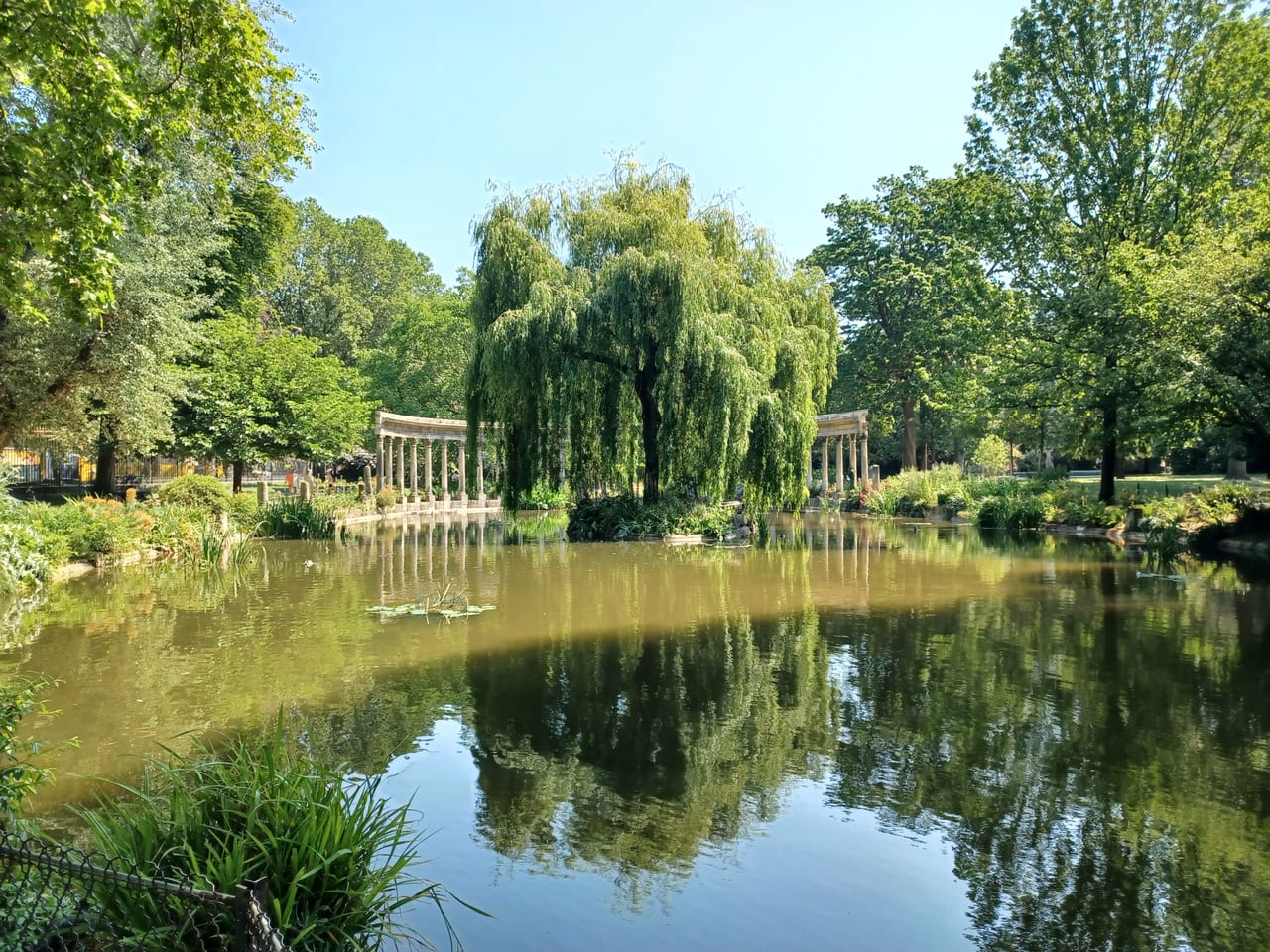
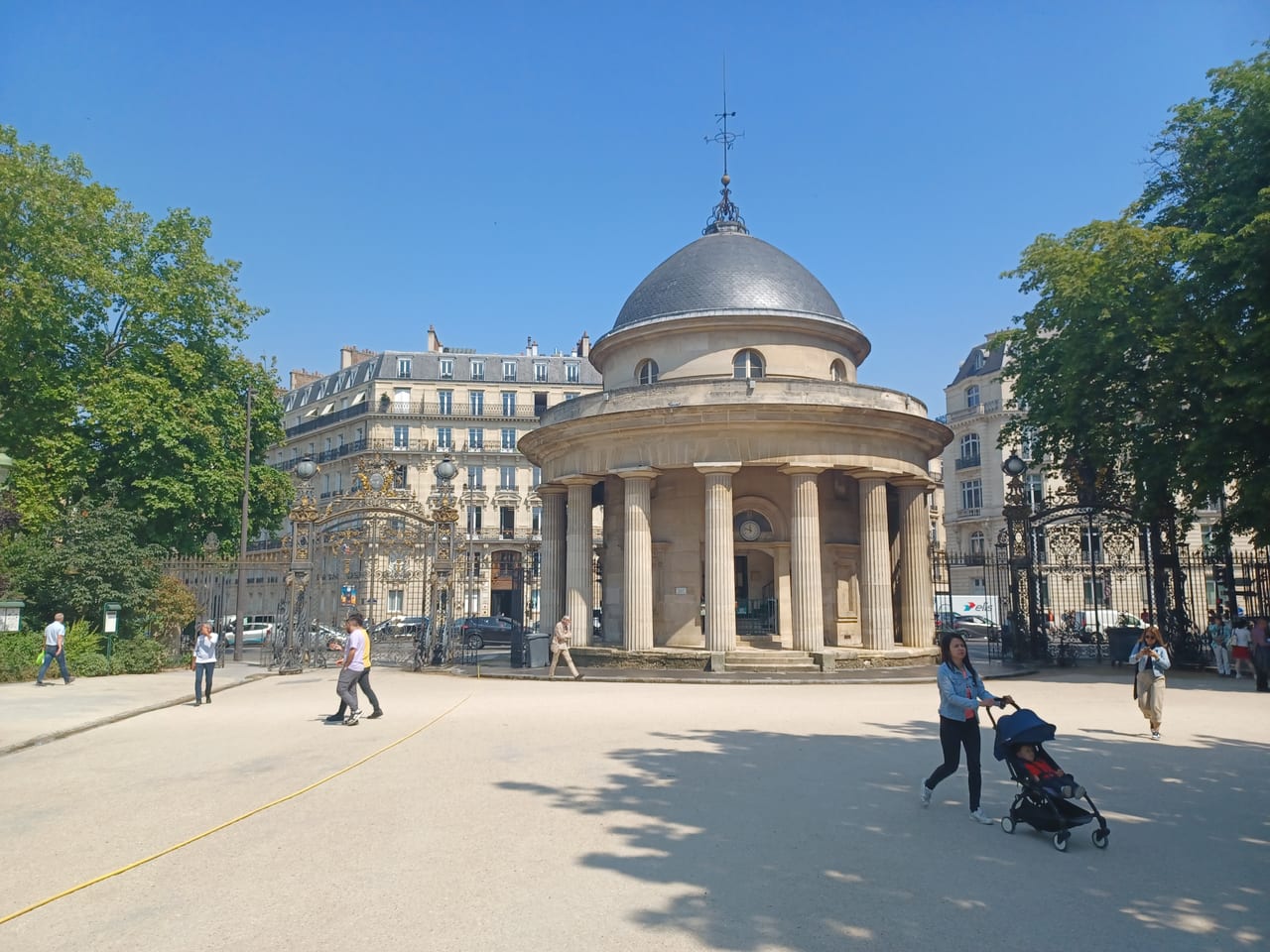
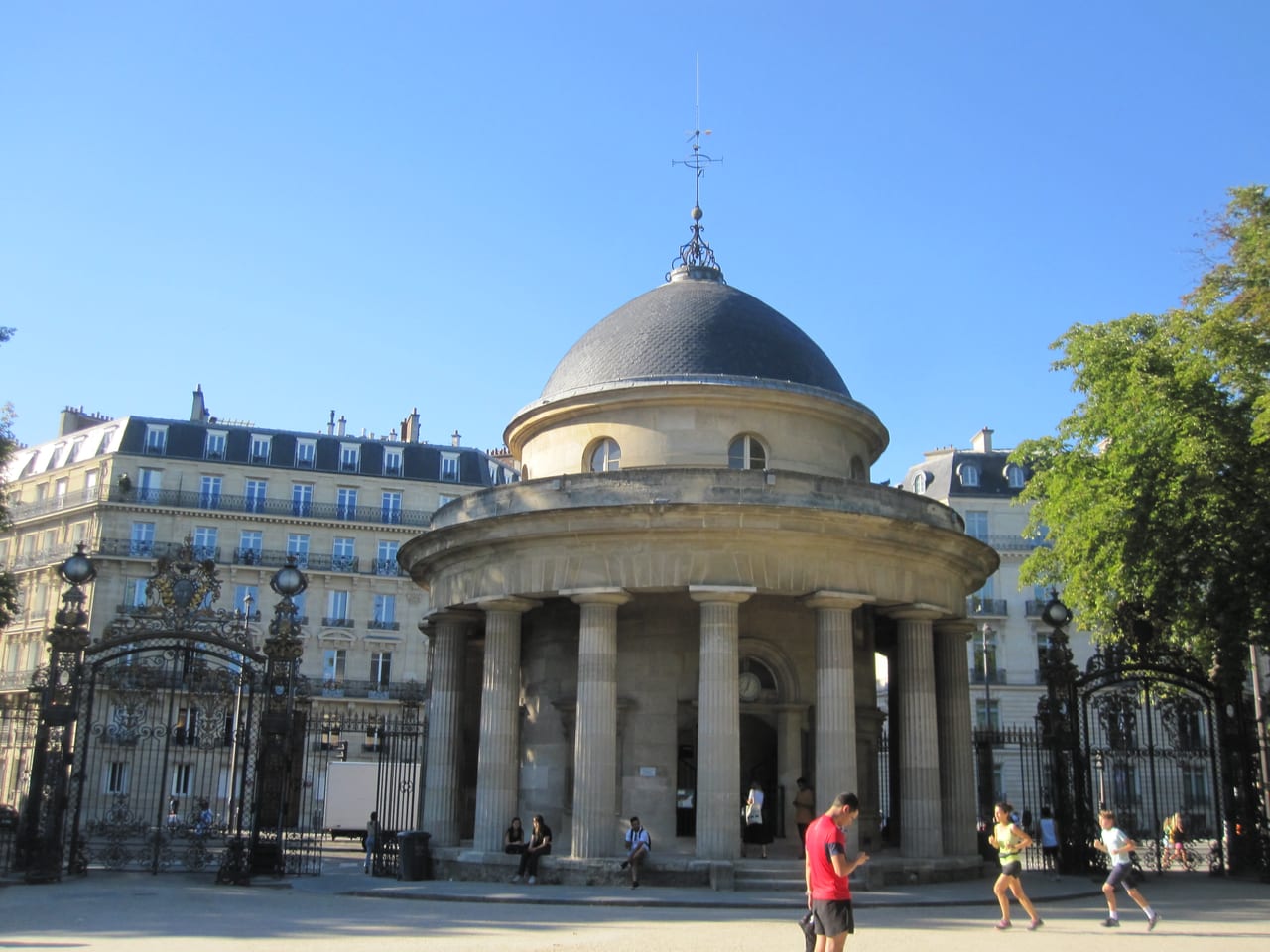
Completed in 1779, it drew on Anglo-Chinese and English landscape ideas, while Carmontelle described his design instead as a fantasy bringing together all times and places. Etickhausen and Bernard Poyet built its theatrical follies; Thomas Blaikie remodelled parts of the grounds in 1781. In 1787, Claude Nicolas Ledoux designed the Doric Pavilion de Chartres beside the new Wall of the Farmers-General. After the duke was guillotined in 1793, the park was nationalized. The restored monarchy returned it to his family, who sold building plots that halved its area. Paris bought the remainder in 1860, and Baron Haussmann made it the first new public park of his transformation of the city in 1861. Gabriel Davioud added the dome and a Rialto-inspired bridge. The park later witnessed the 1871 massacre of Communards, inspired Claude Monet’s paintings, and gained statues of writers and musicians during the Third Republic. It is a classified historical monument.
At a glance
- Built
- 1852
- Heritage
- classified historical monument
Ways to explore parc Monceau
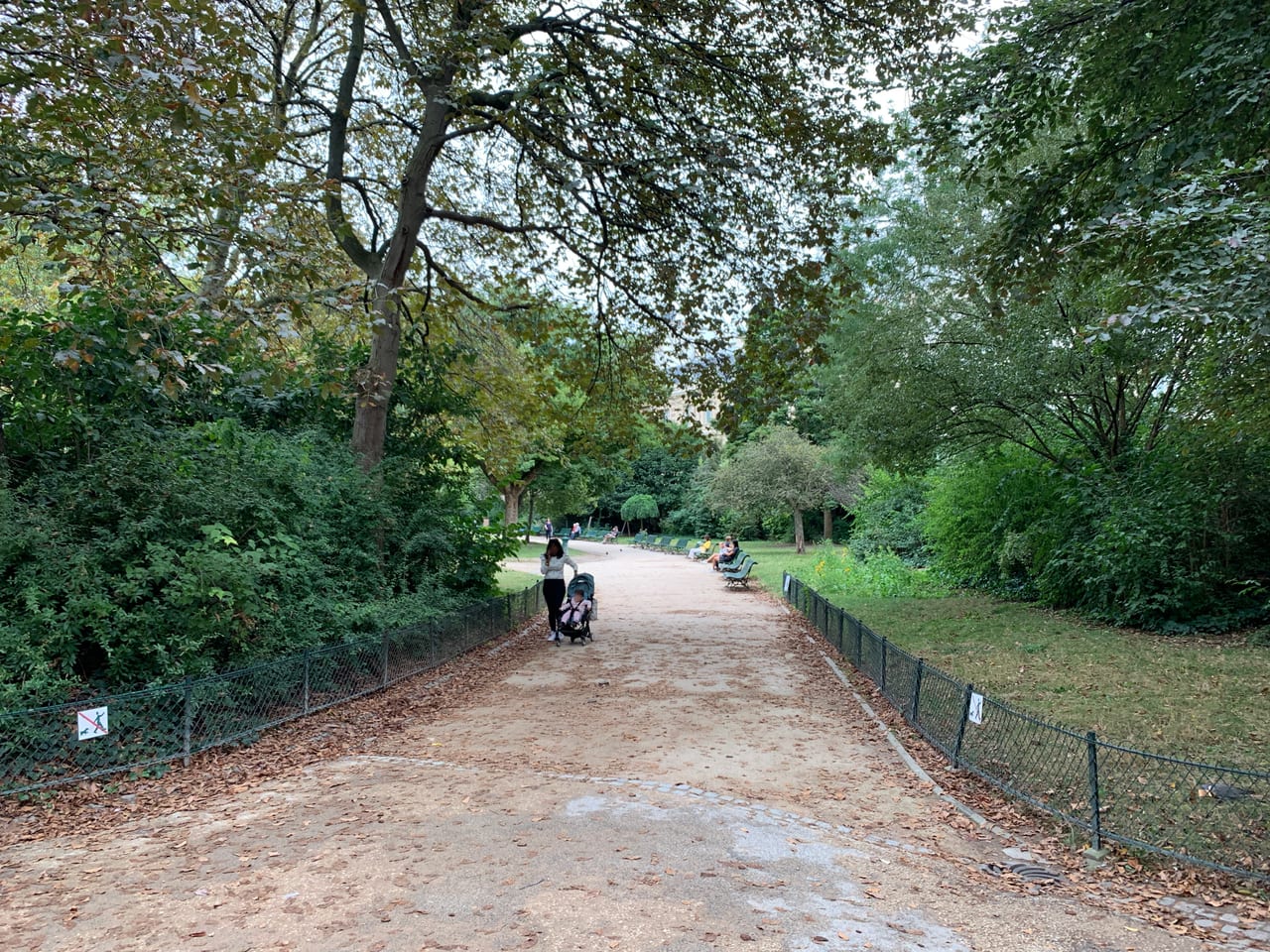
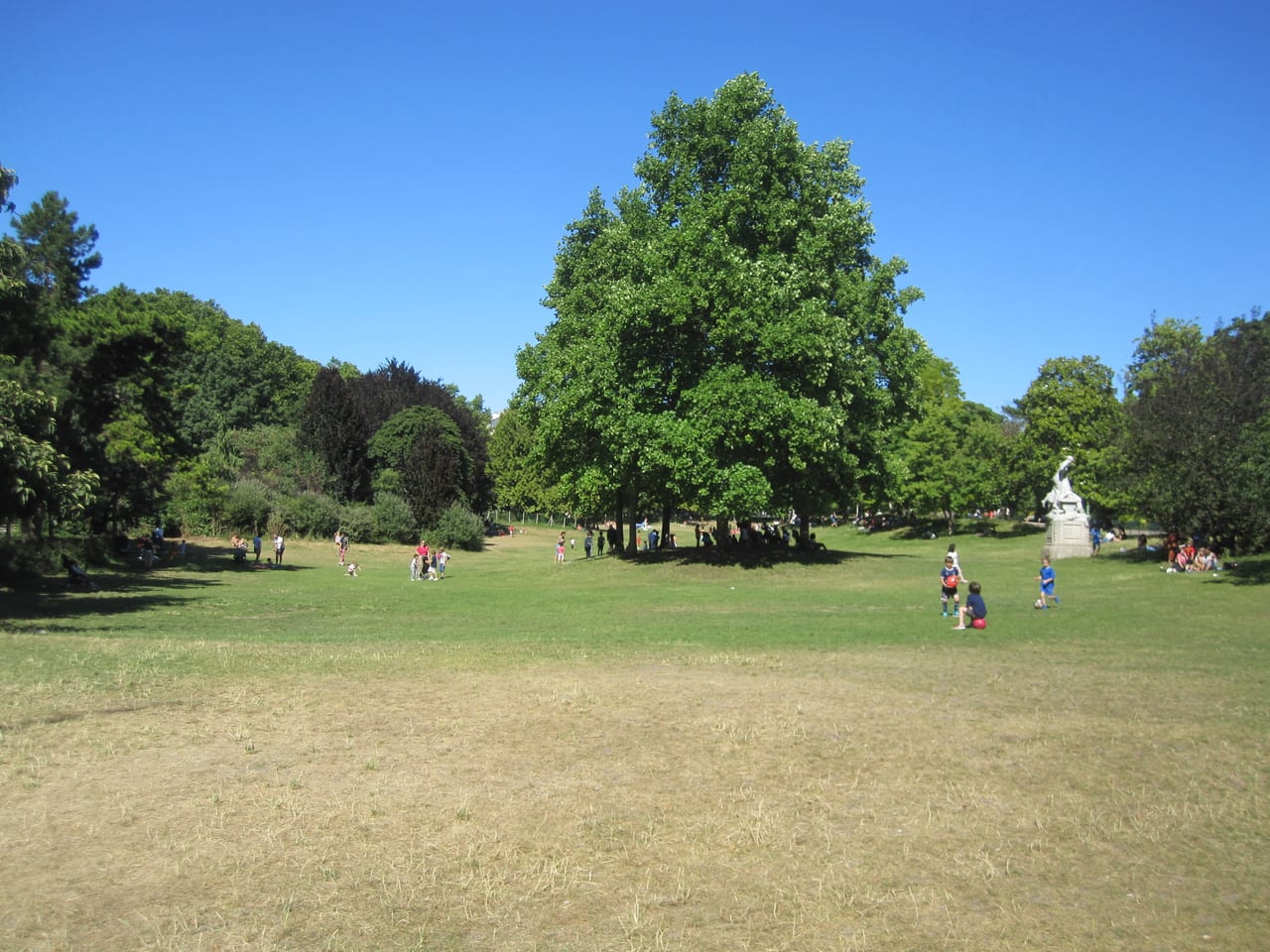
Enter from Boulevard de Courcelles beside Métro Monceau, or use any of the nine gated entrances. The park opens from sunrise to sunset, with longer summer hours. Follow both major avenues through the centre, then take the curving paths for a slower circuit. See the children’s play areas and the free Wi-Fi zone; six residences bordering the grounds retain round-the-clock access, so observe those boundaries.
Places to stay near parc Monceau
Live availability and prices from Stay22's partners, refreshed periodically and subject to change. Booking through these links may earn us a commission at no extra cost to you. See our privacy policy.
Cafés near parc Monceau
Cafés near parc Monceau loads as you scroll.
Attractions nearby
Attractions near parc Monceau loads as you scroll.
Cities nearby
Cities nearby loads as you scroll.
More in Paris
See more of Paris.
Find great cafés, places to stay and other interesting places to visit in Paris.