Park · Paris
Parc de Bagatelle
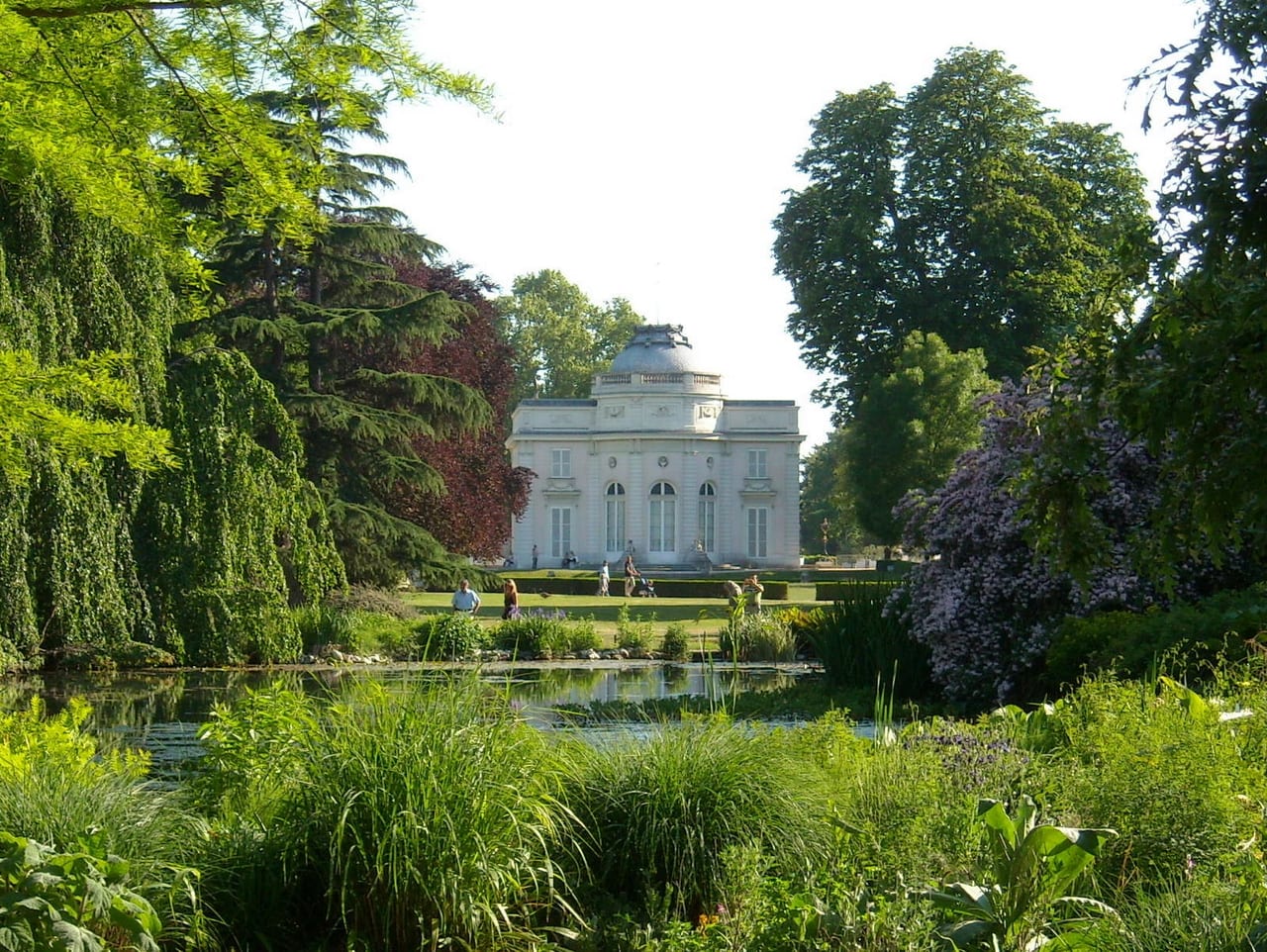
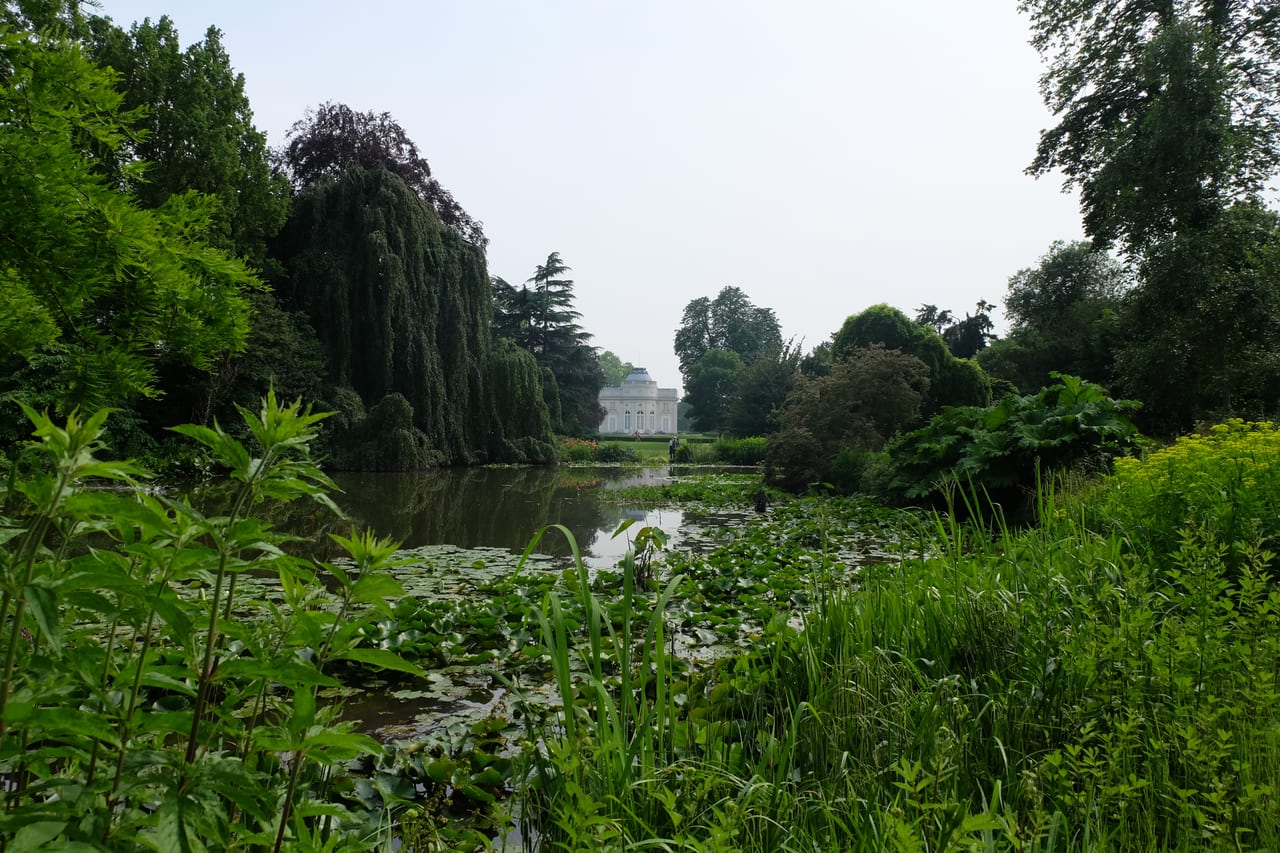
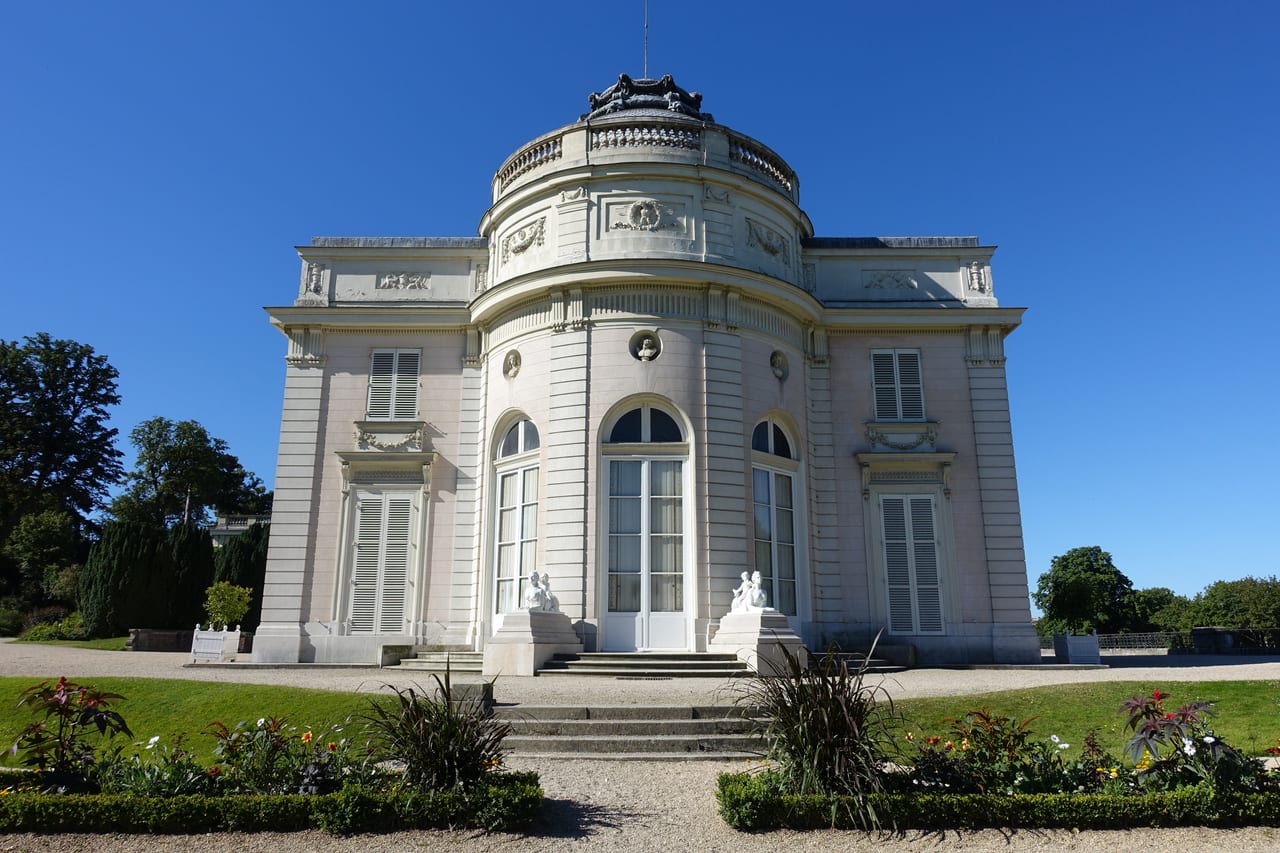
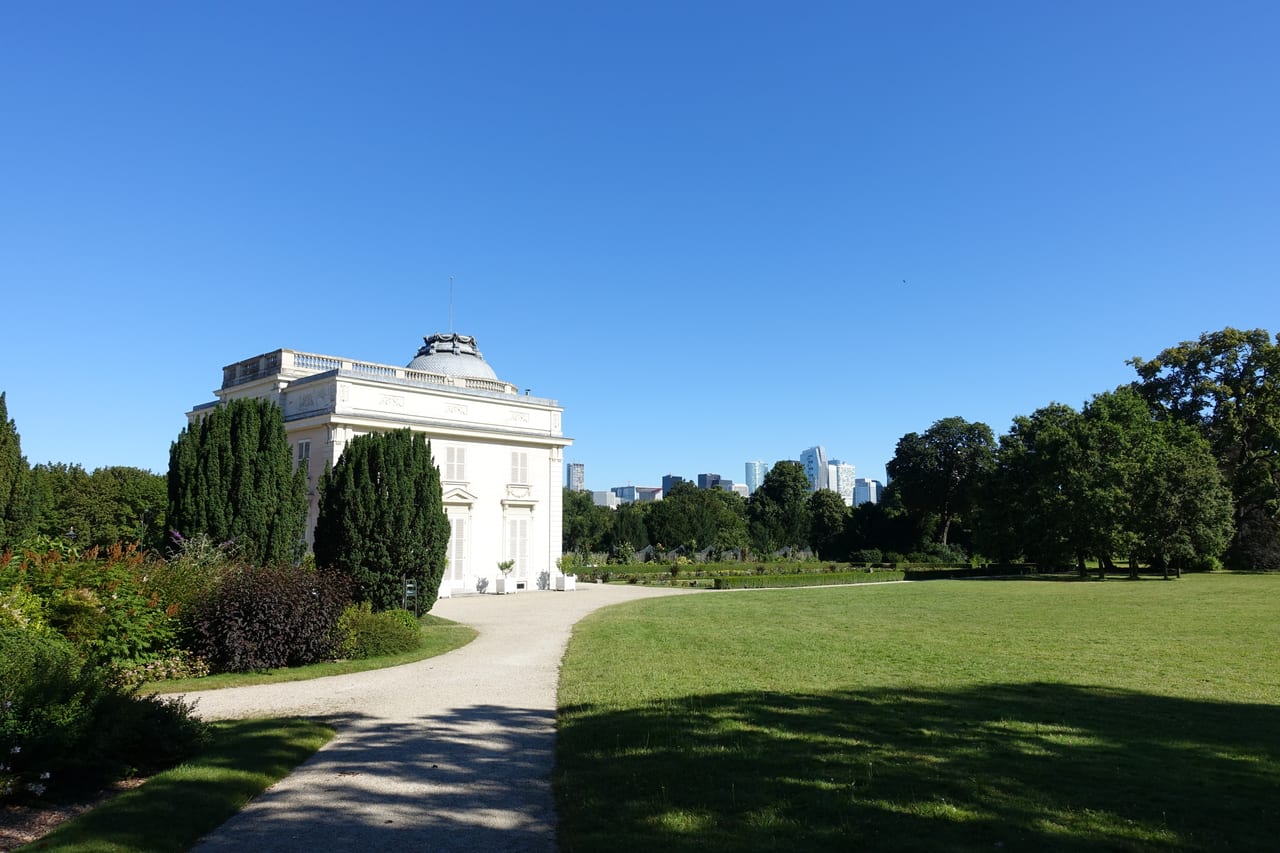
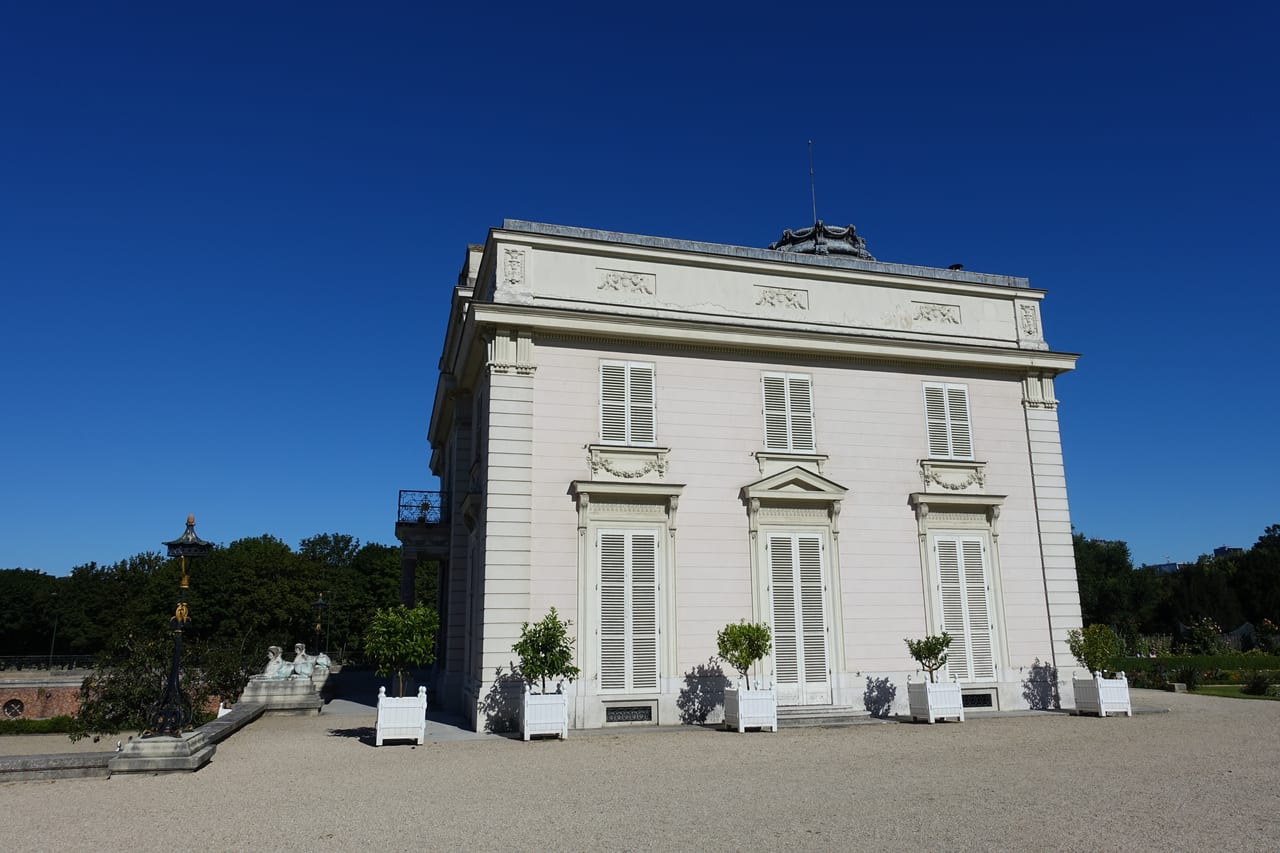
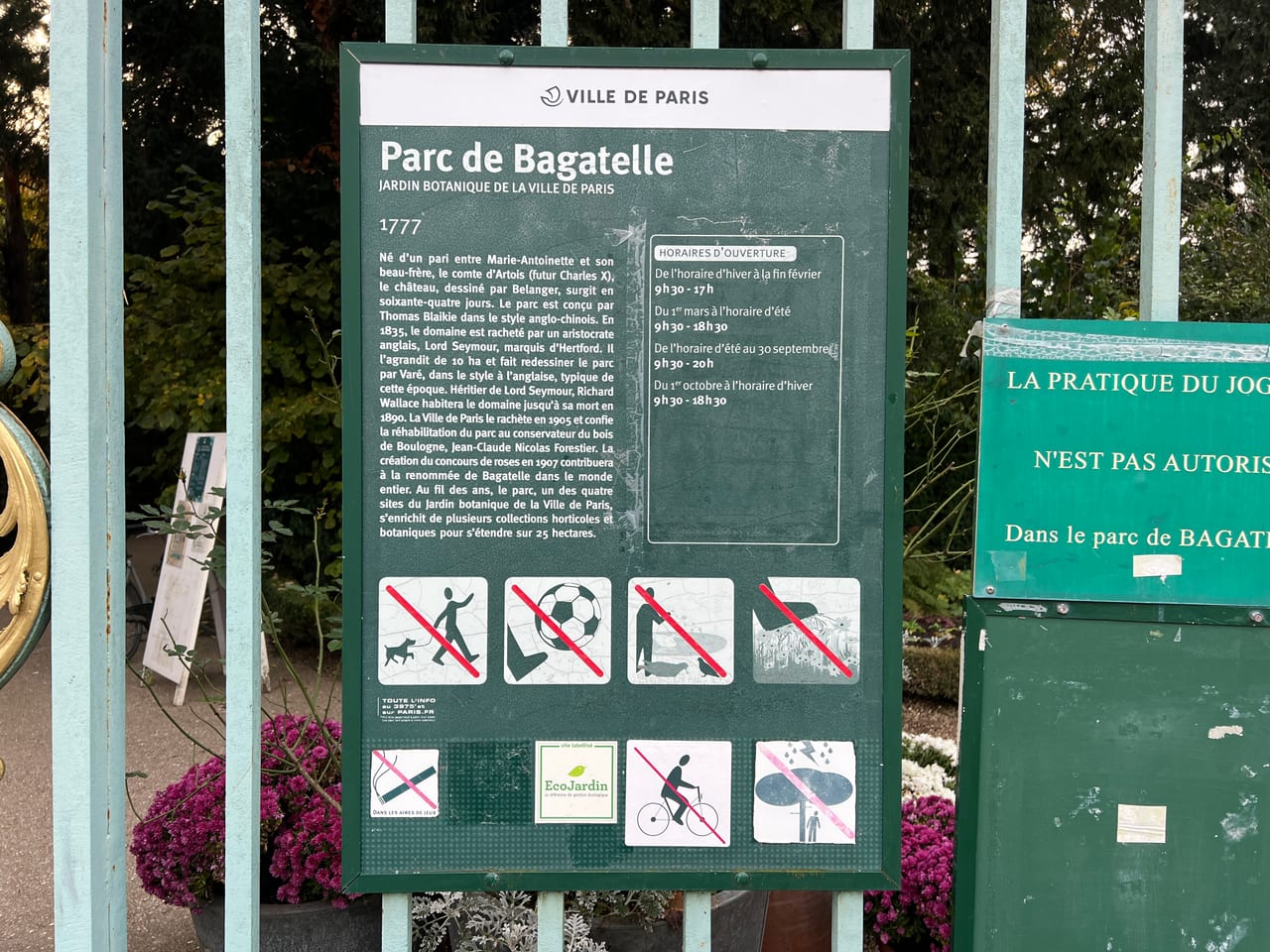
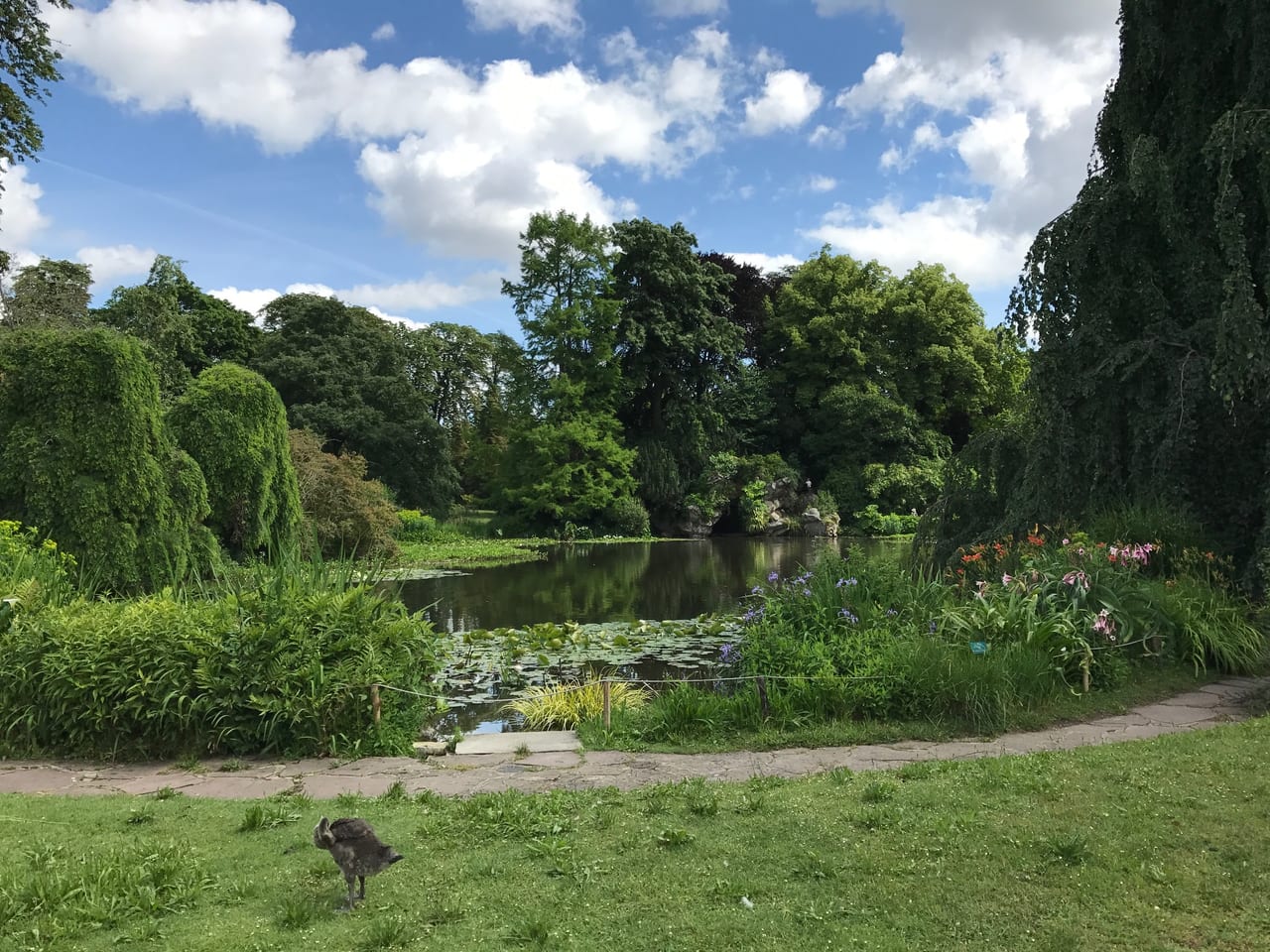
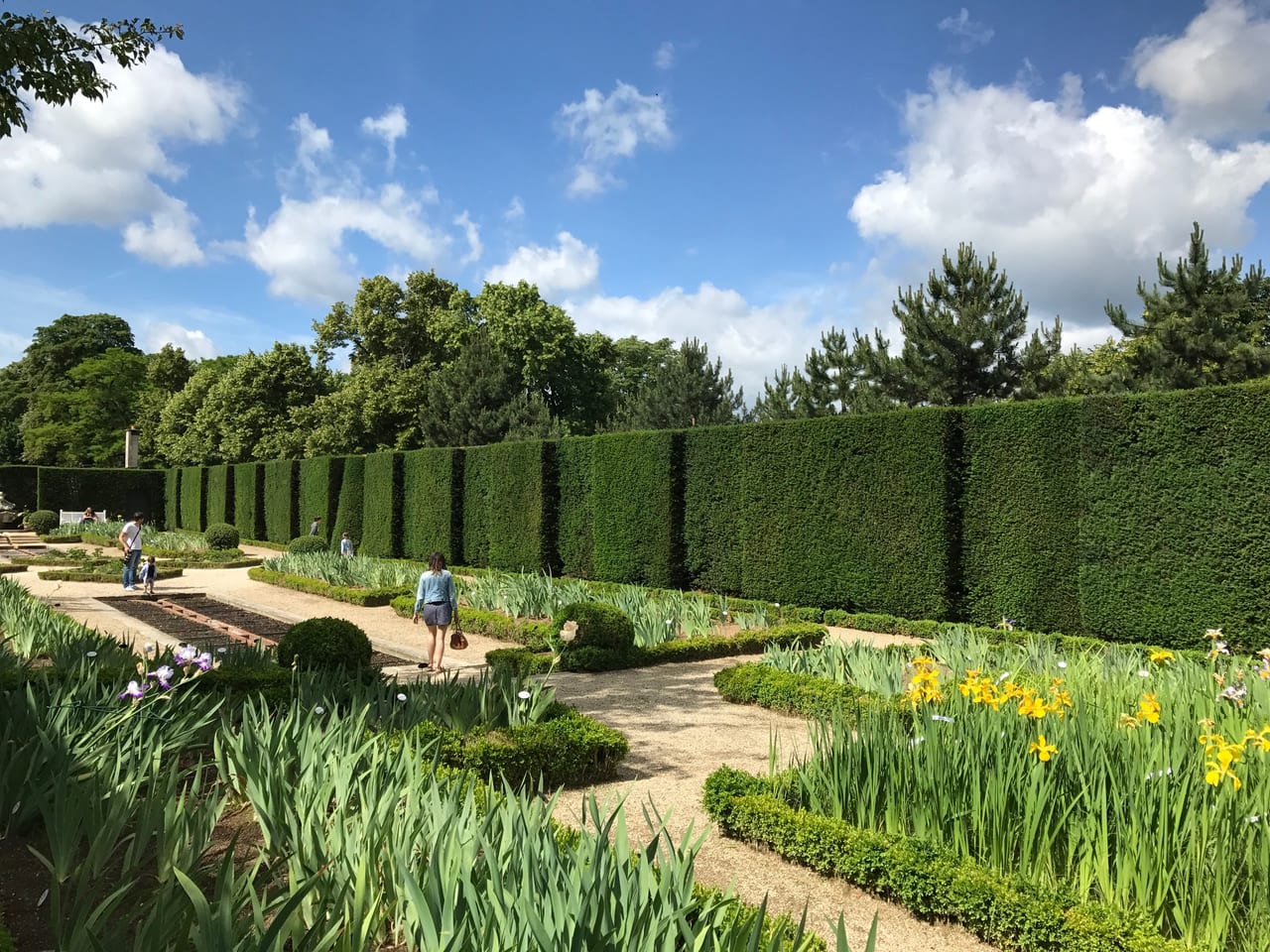
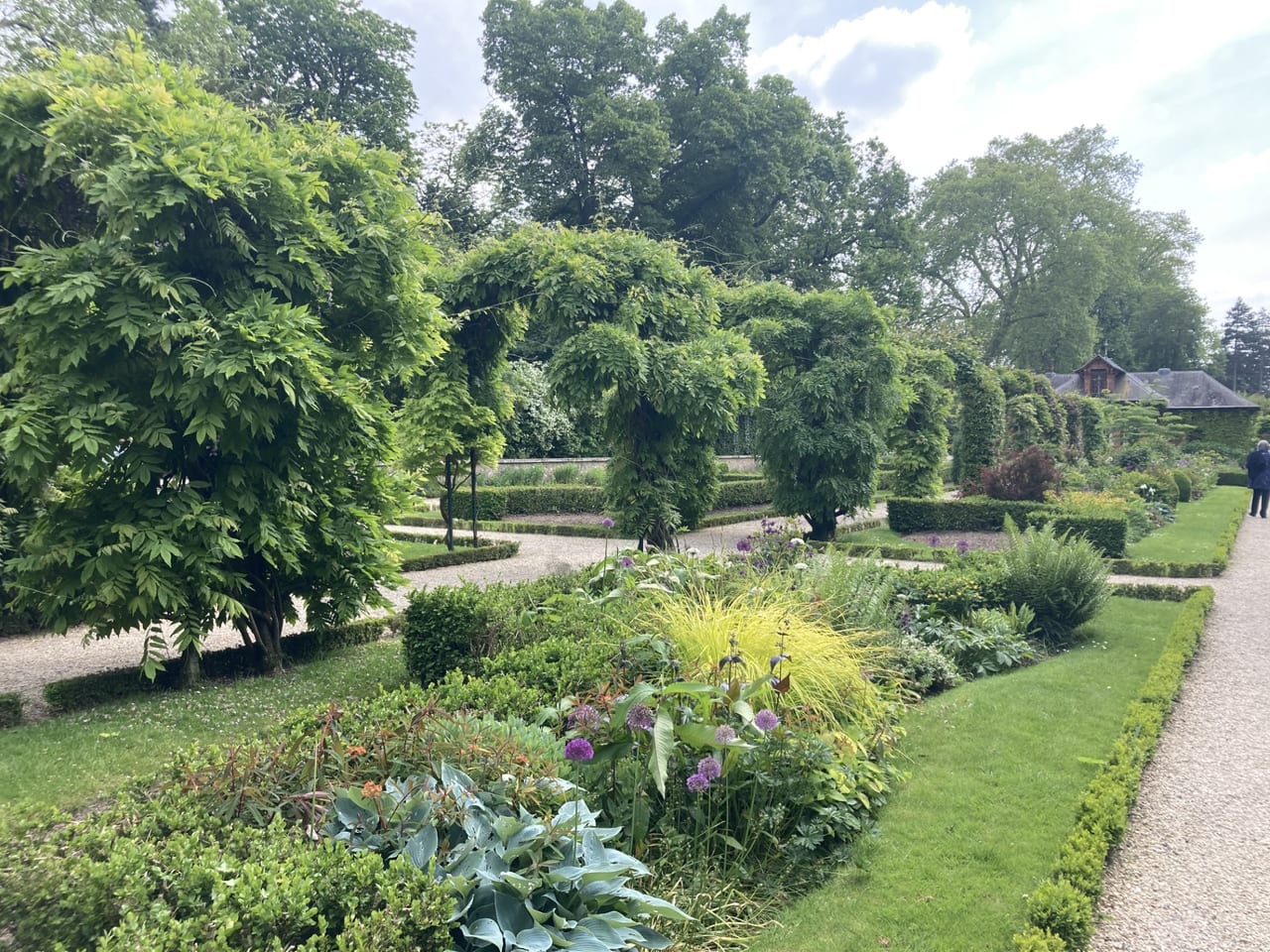
DirectionsBorn from a wager between Marie-Antoinette and the comte d’Artois, Bagatelle’s château and park were designed and built in just sixty-four days in 1775.
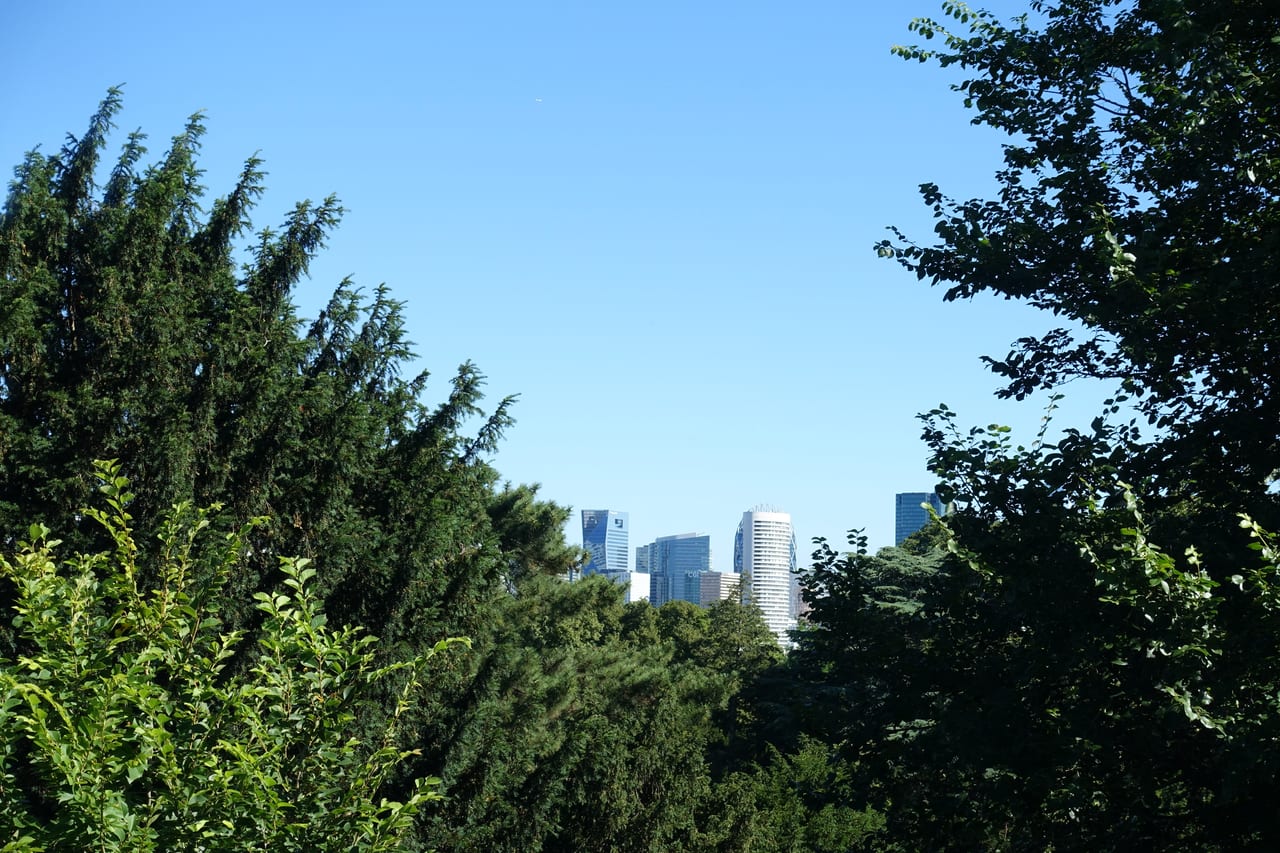
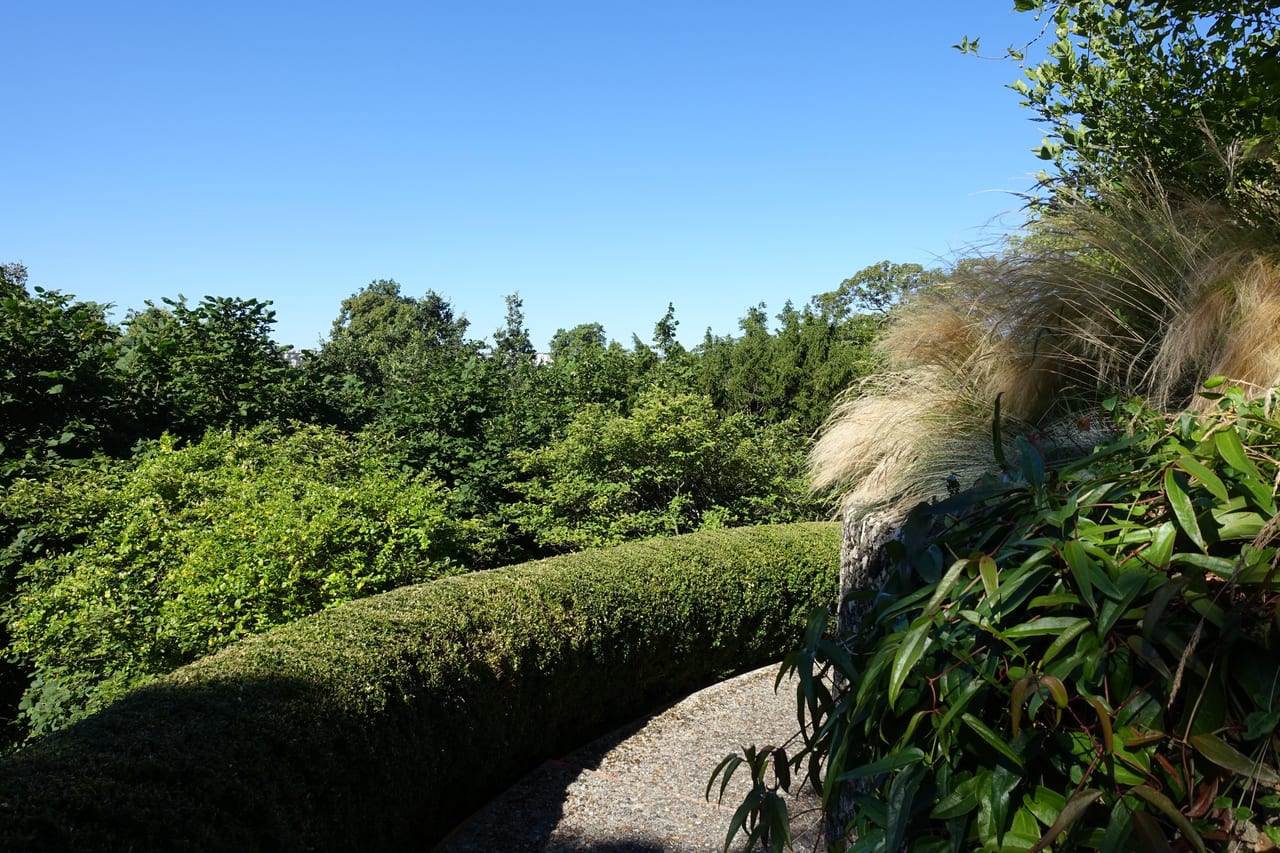
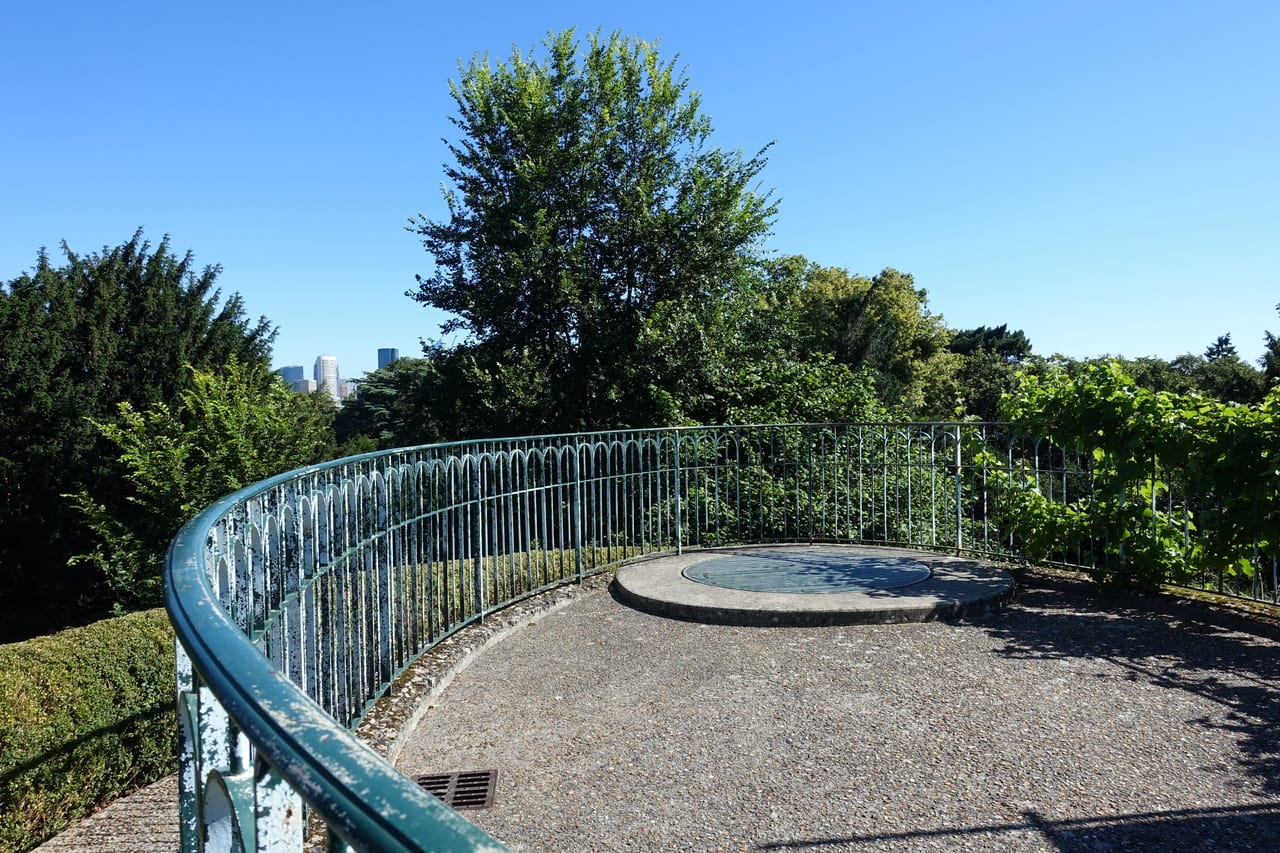
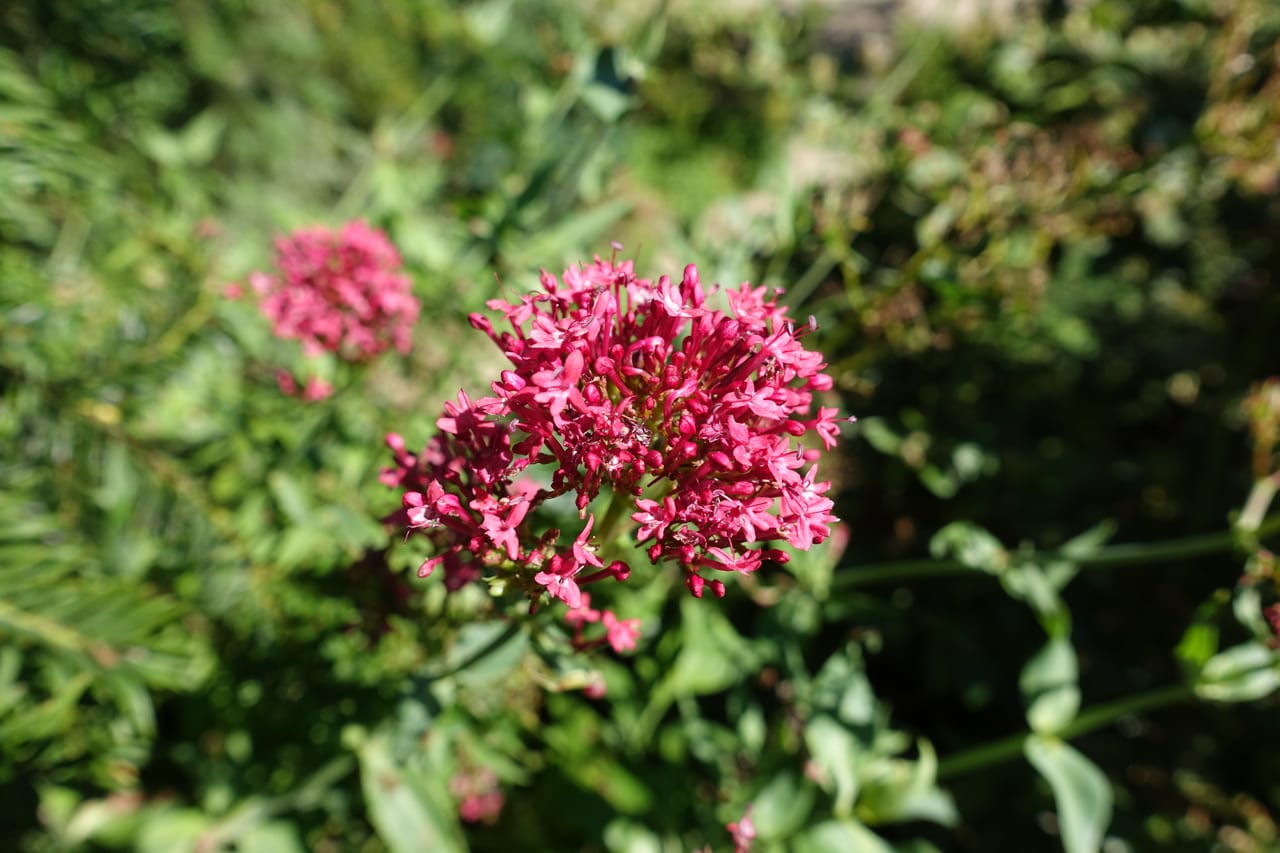
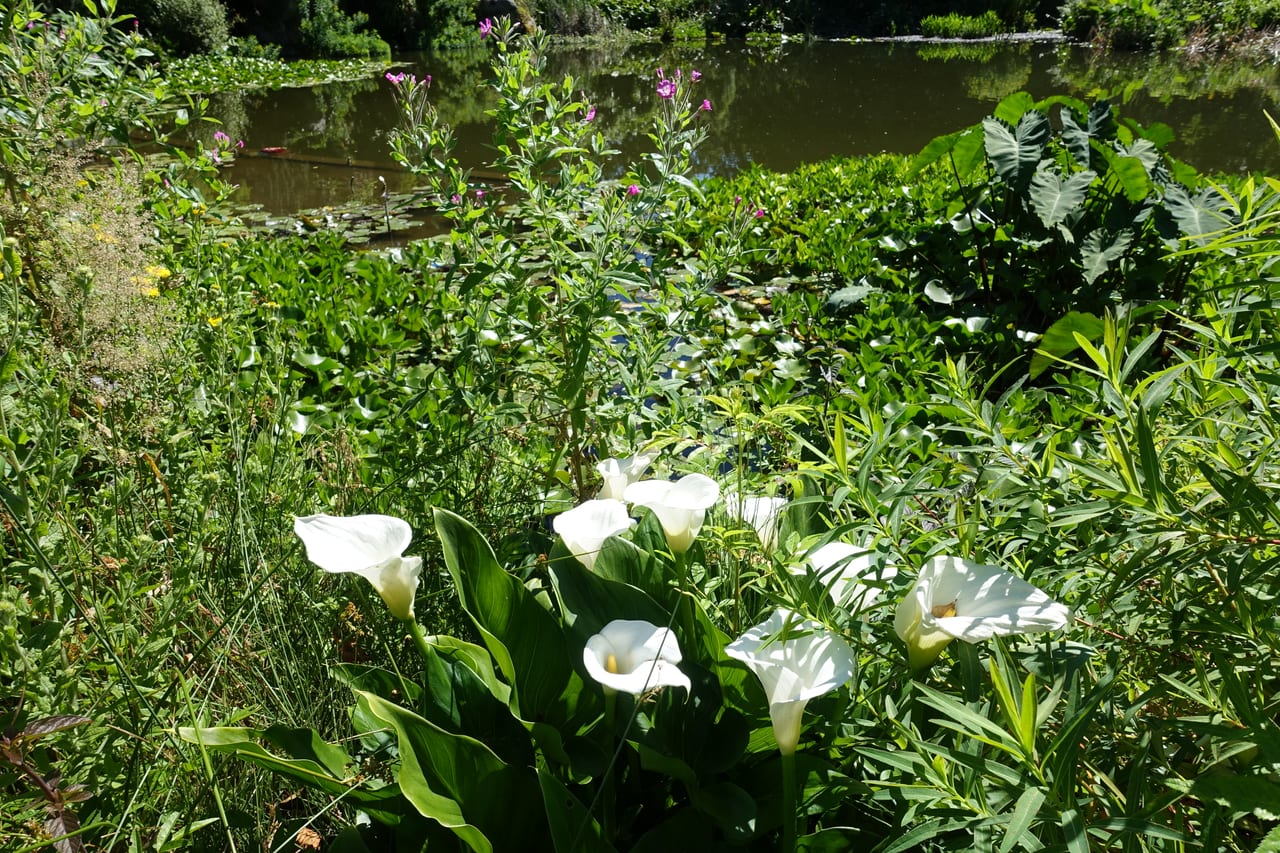
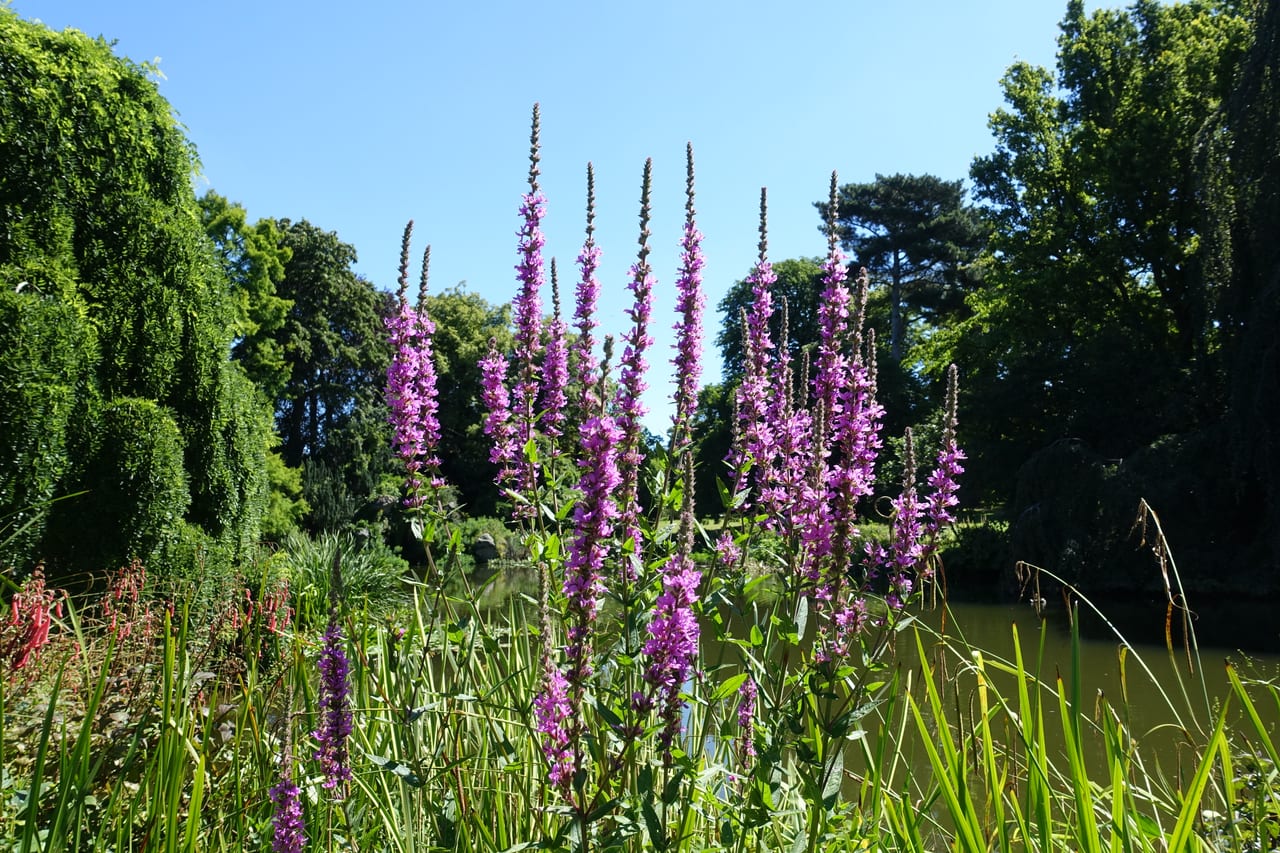
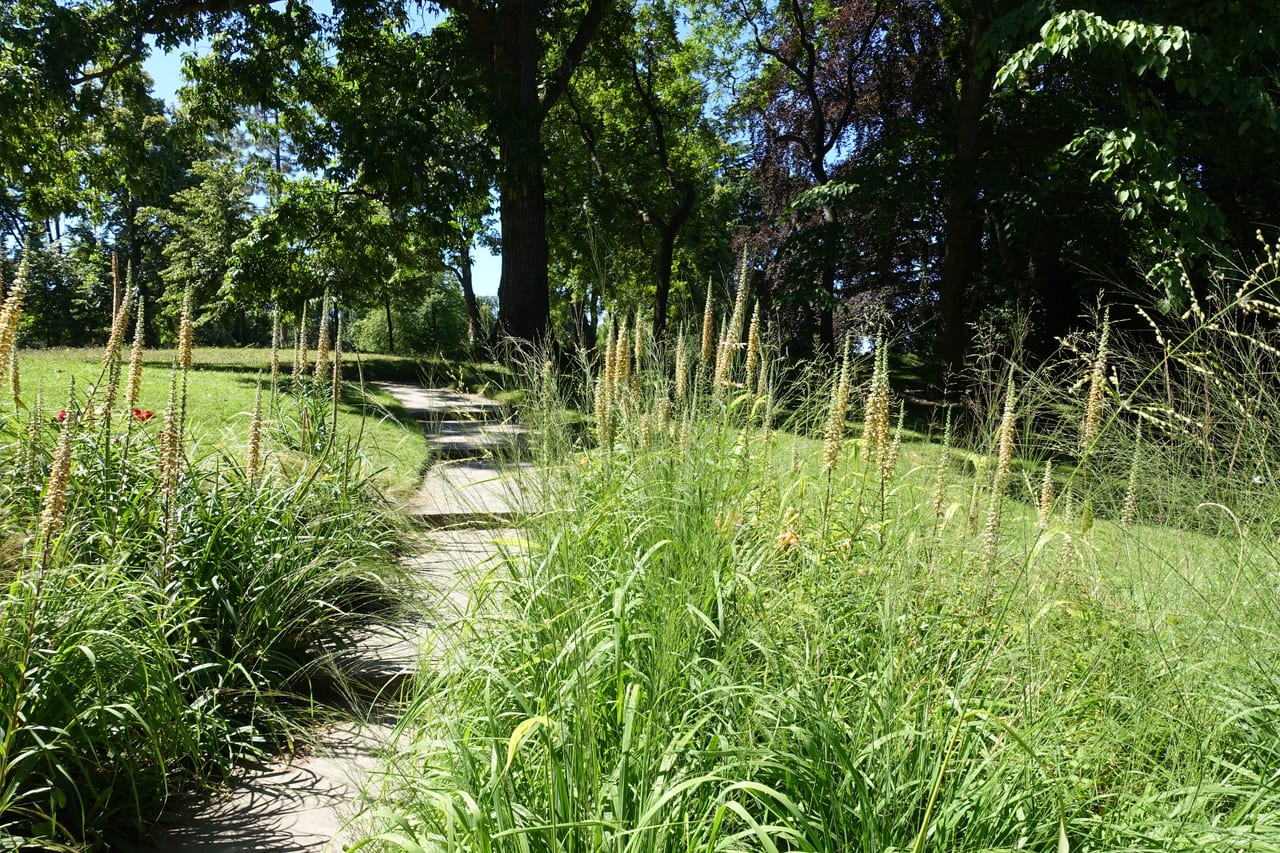
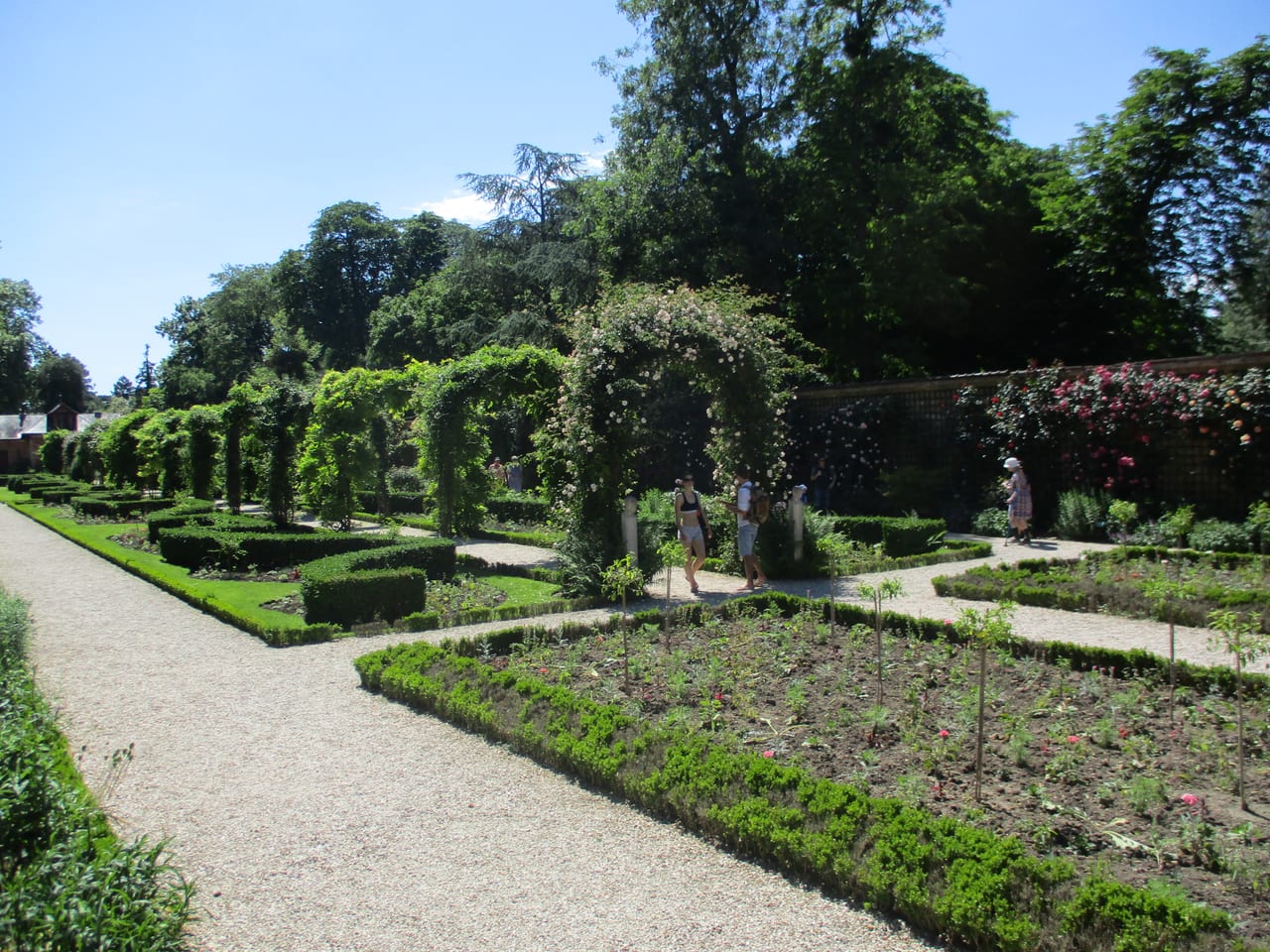
Photograph 1 of 51 of Parc de Bagatelle
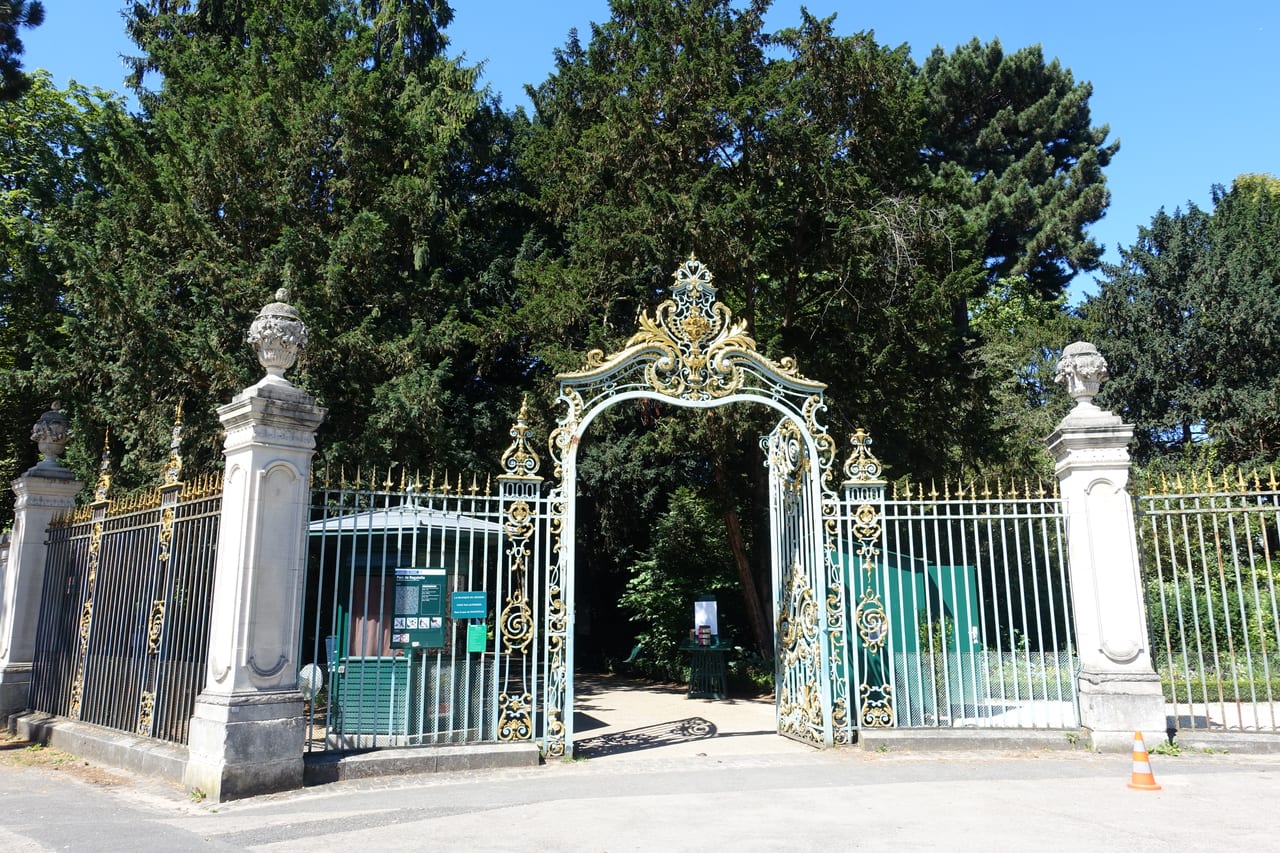
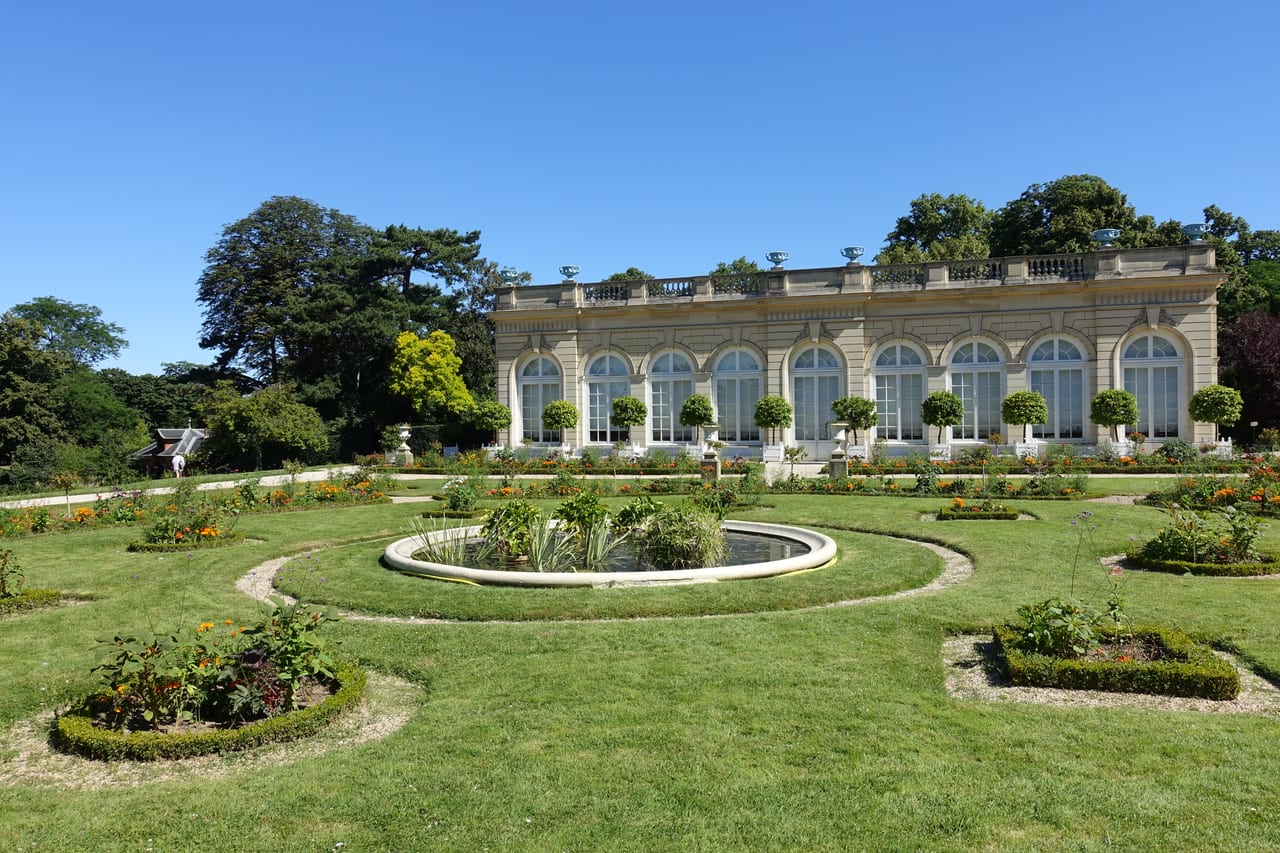
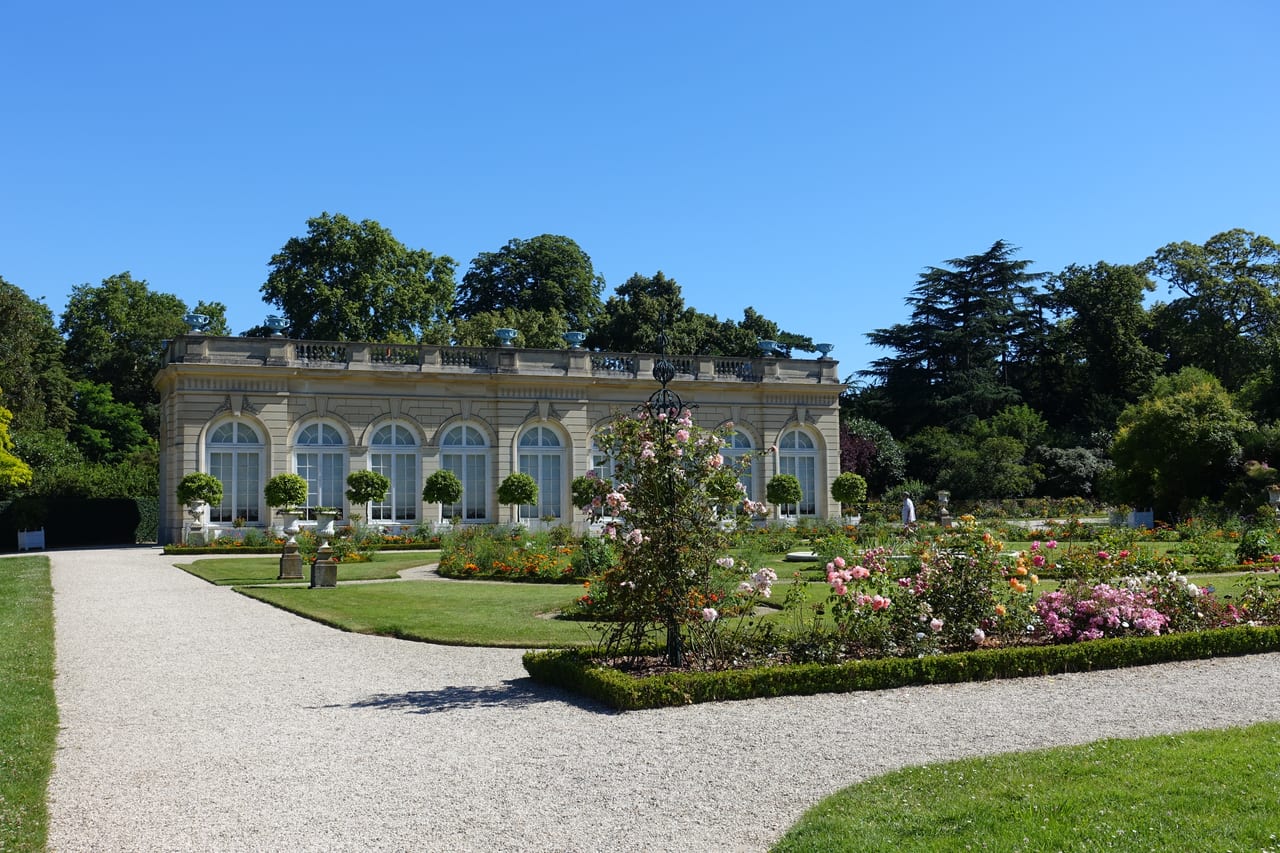
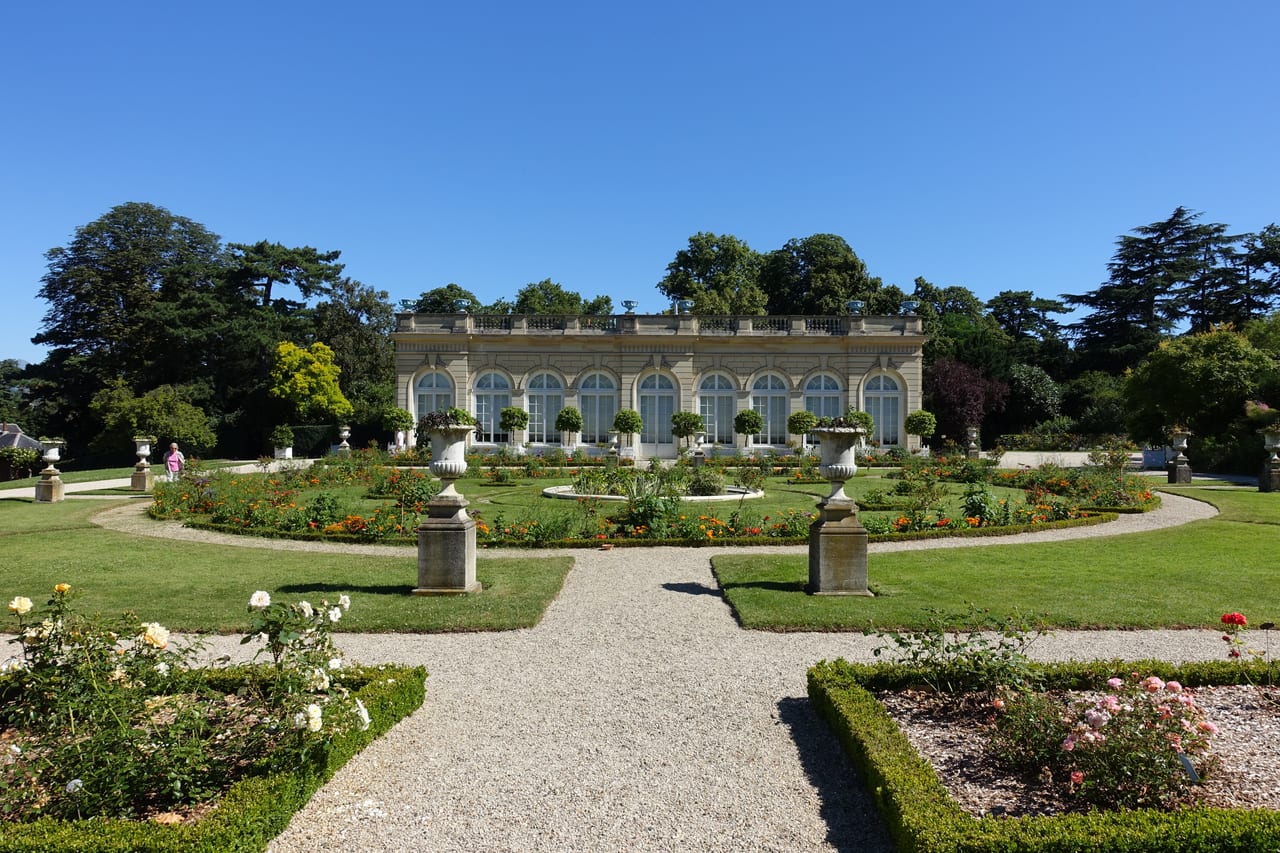
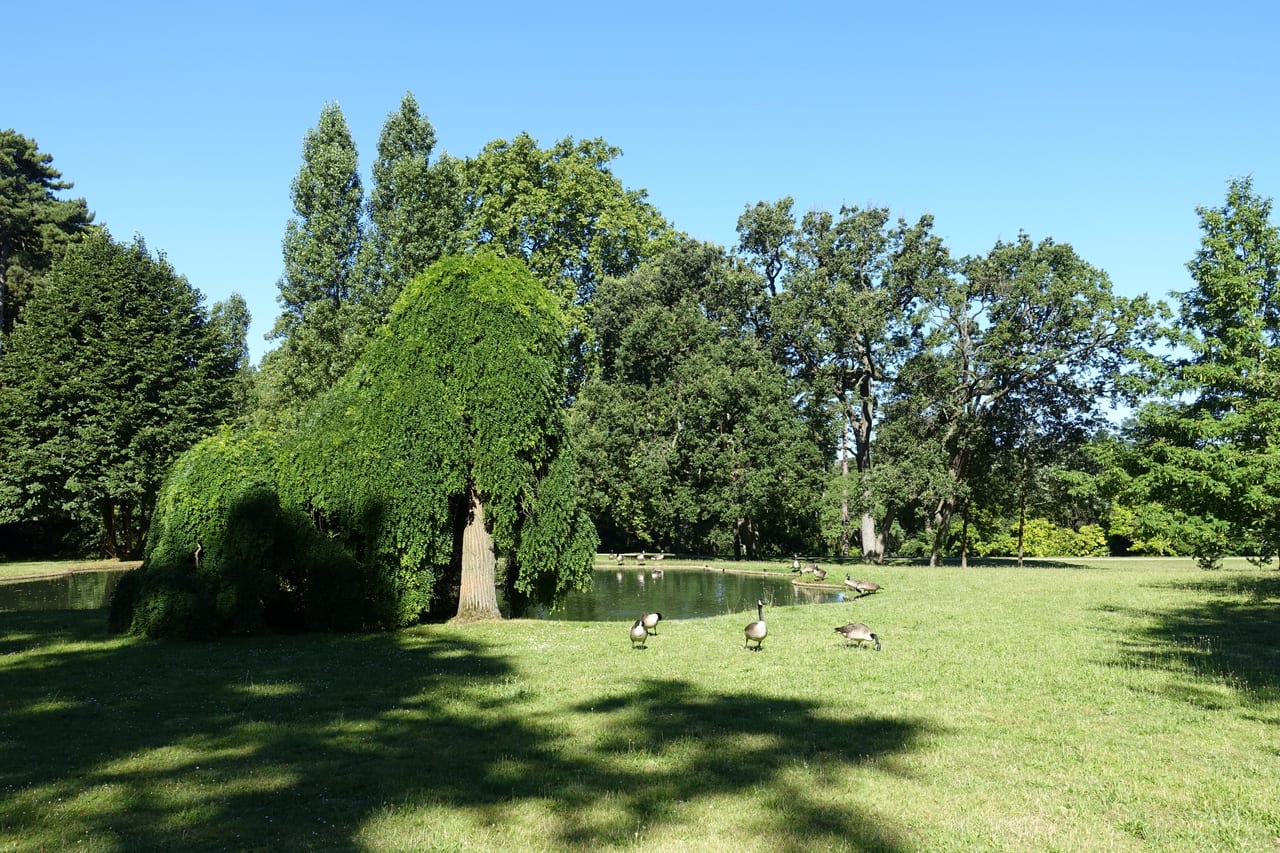
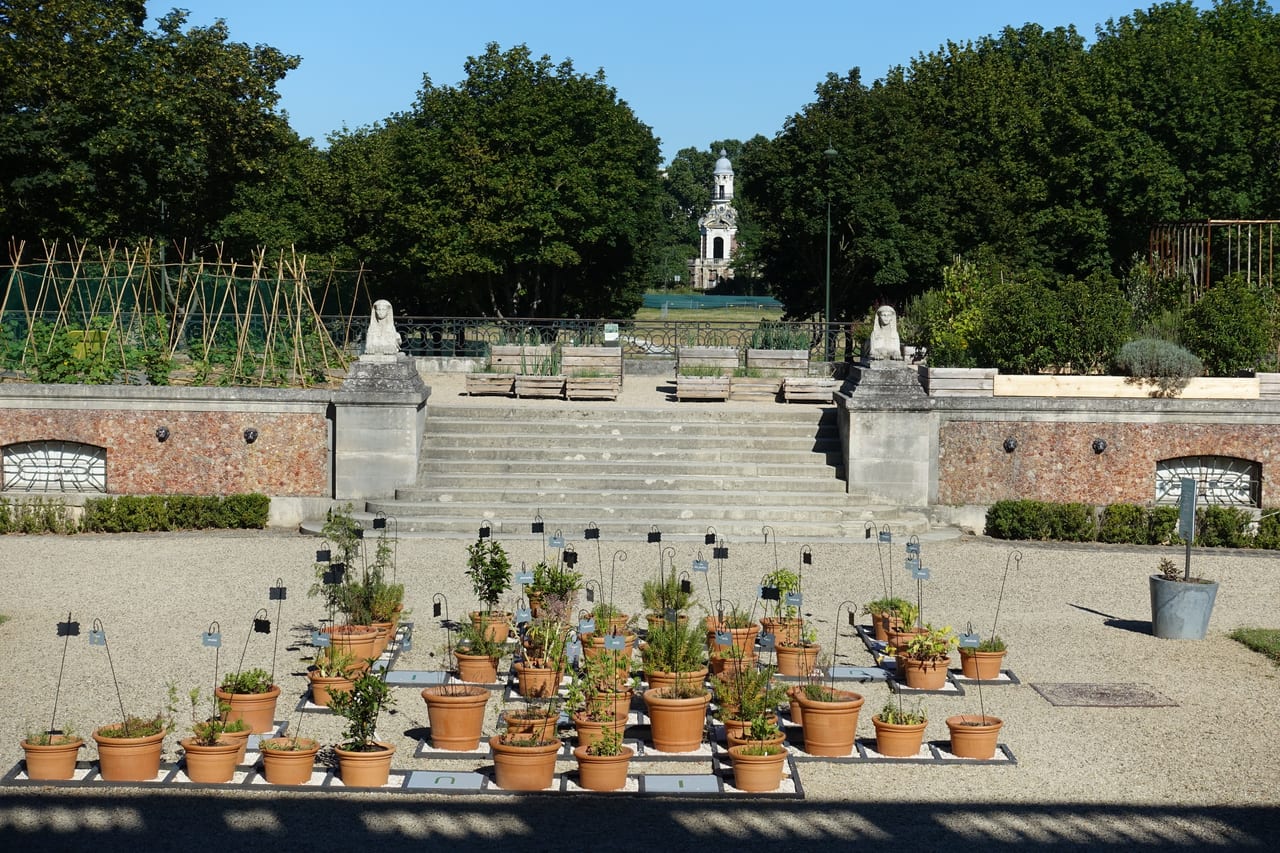
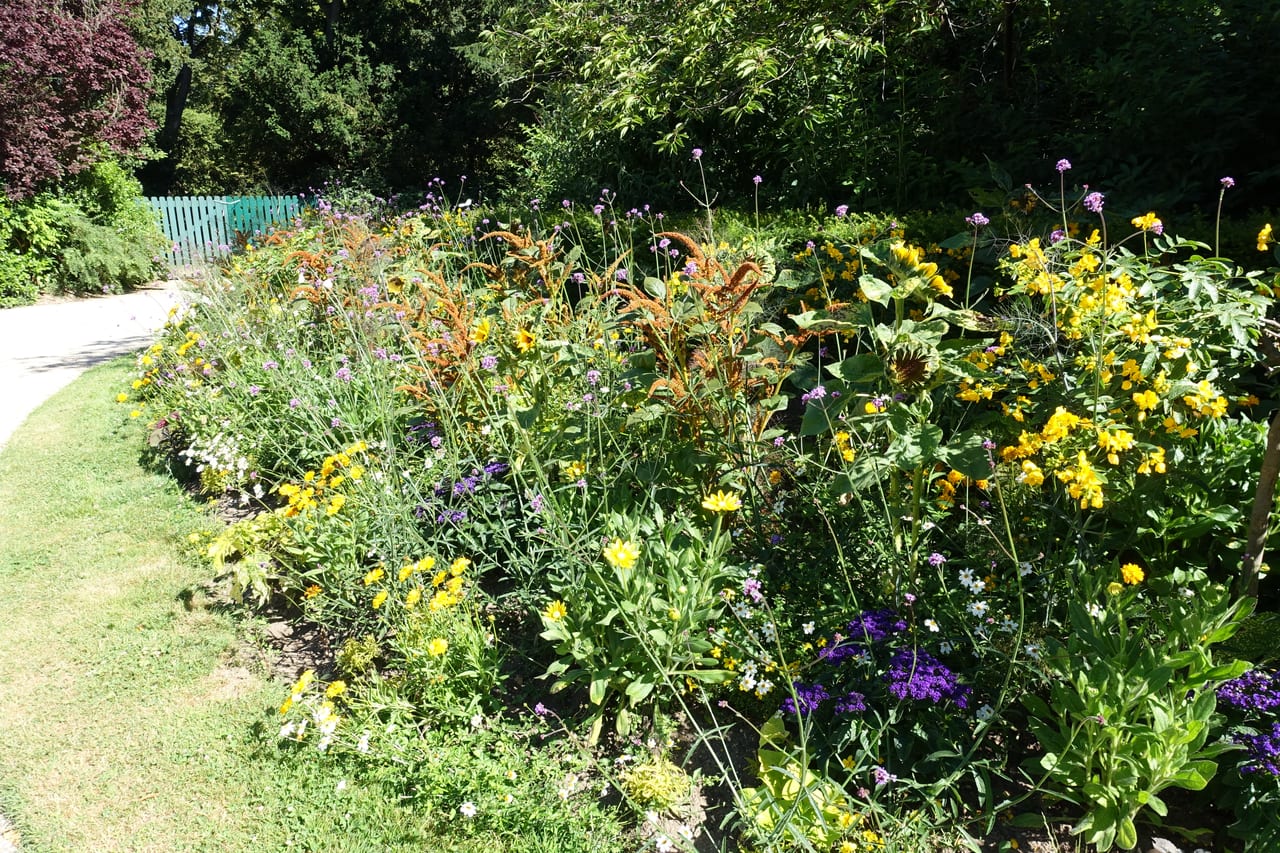
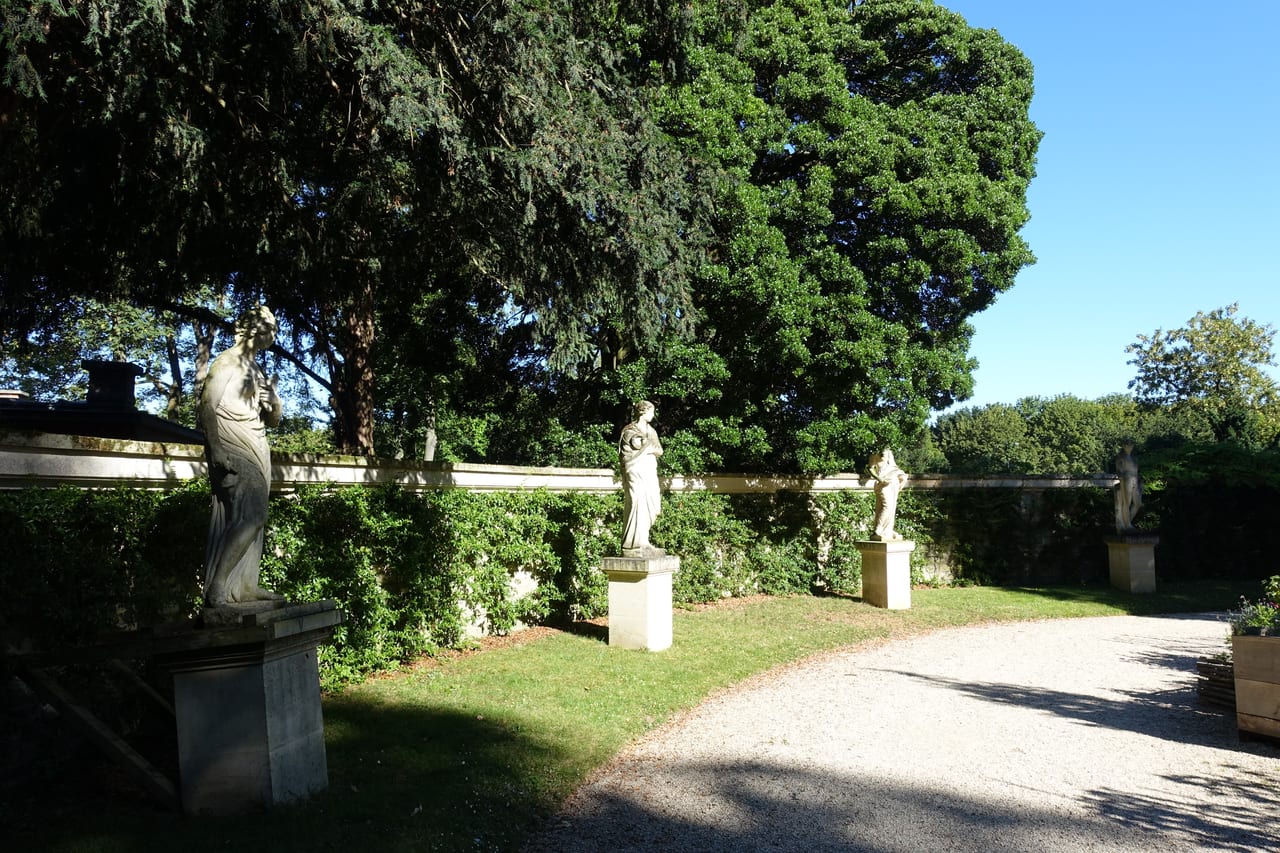
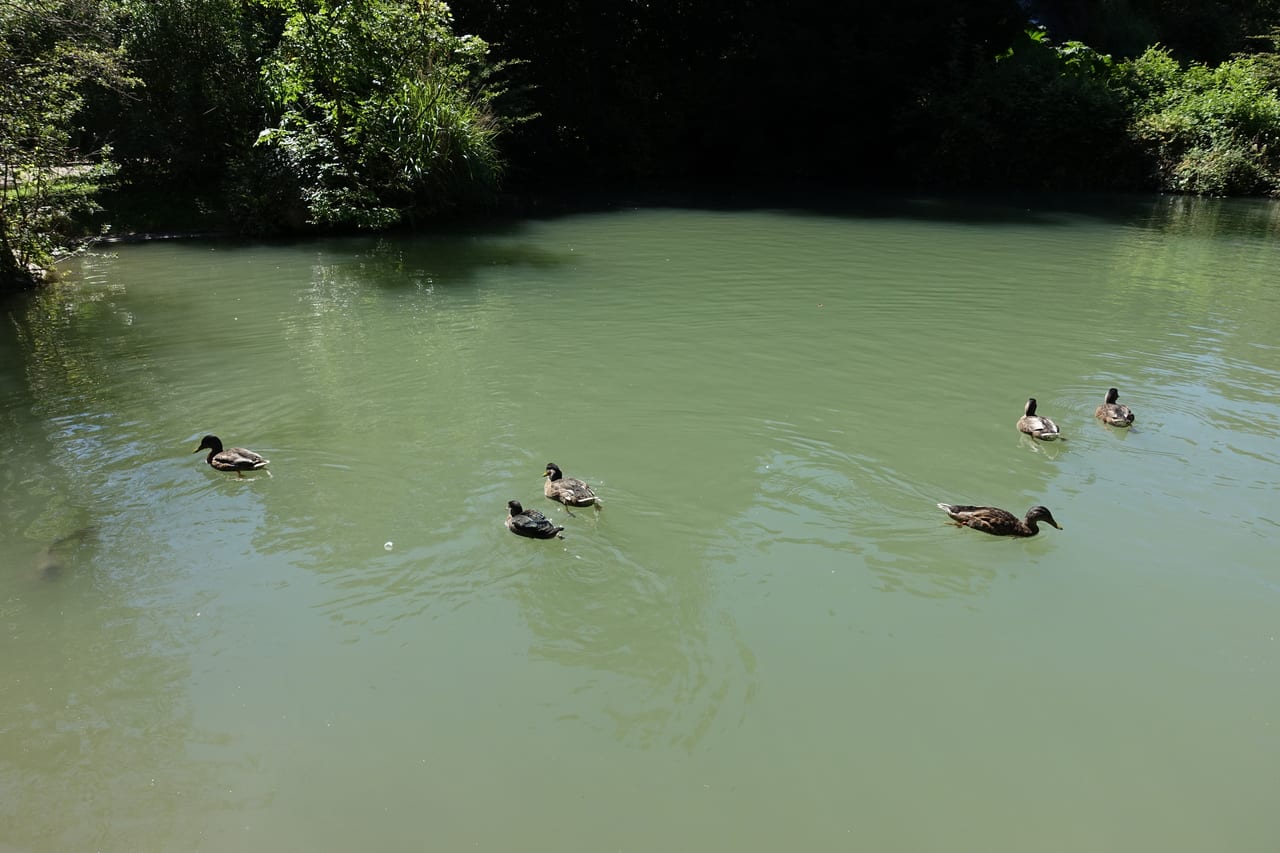
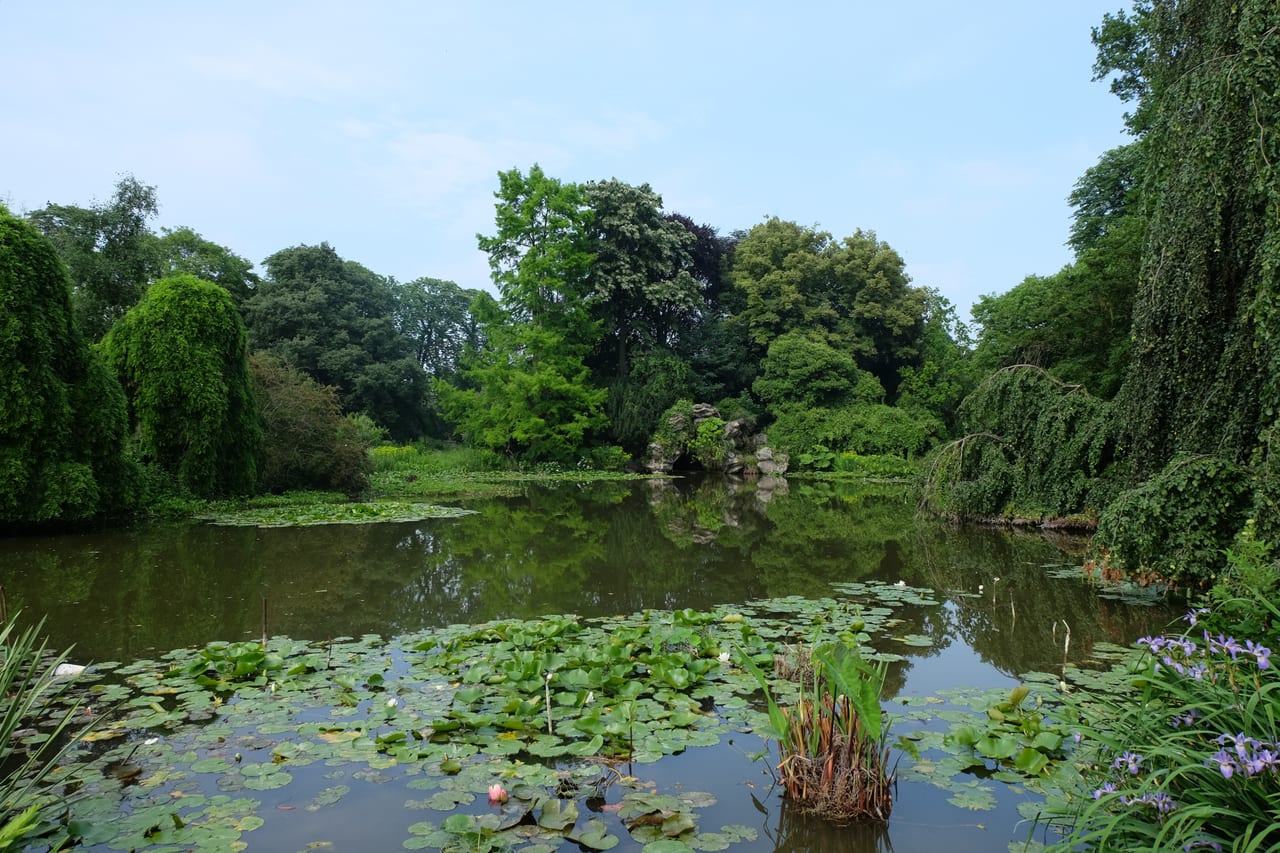
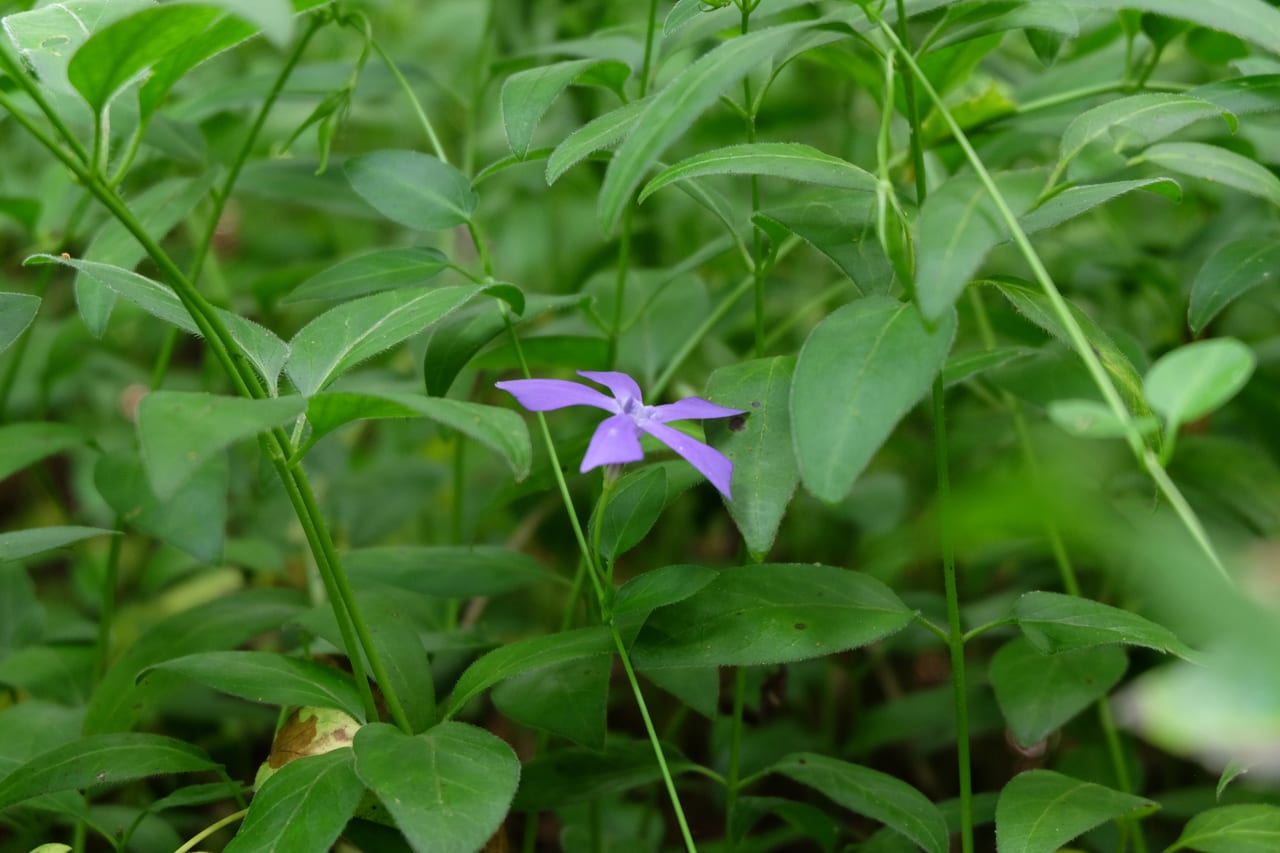
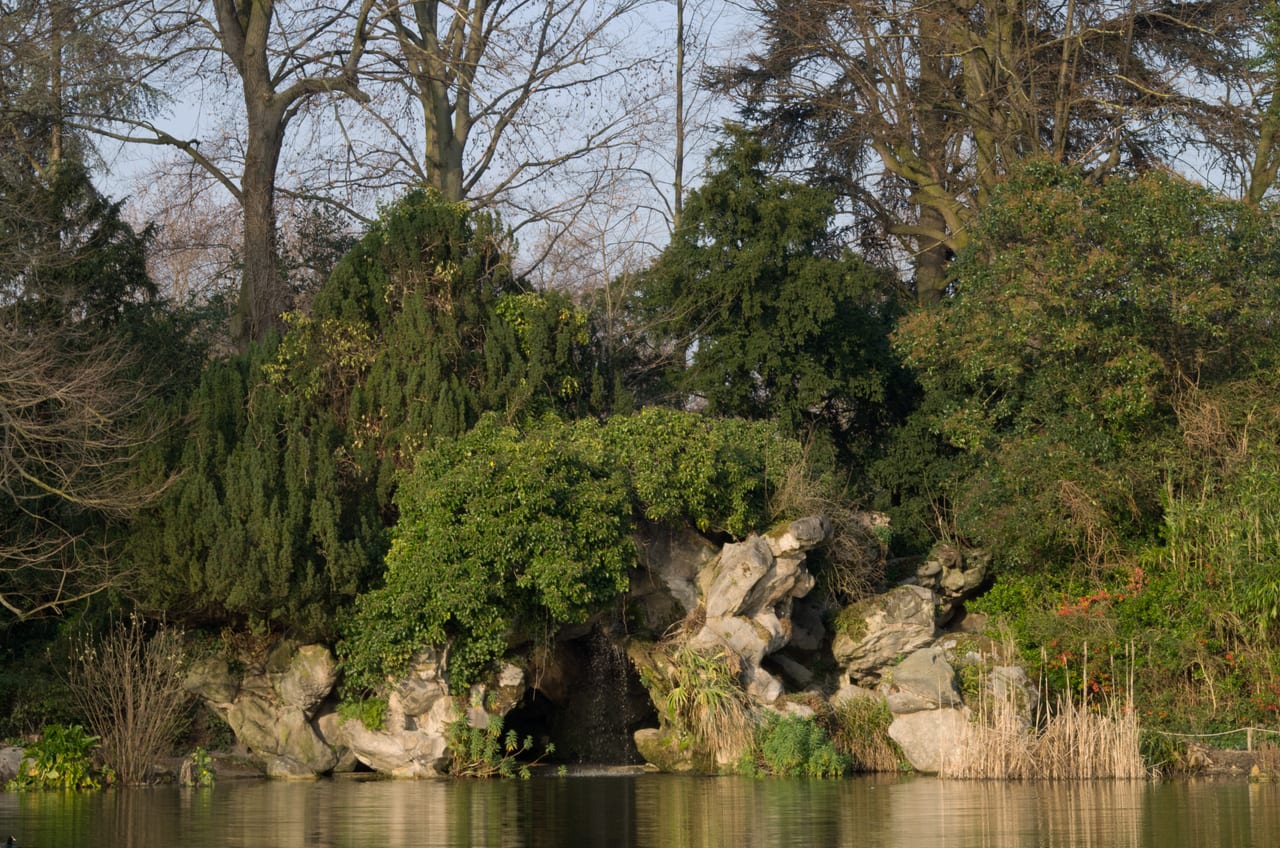
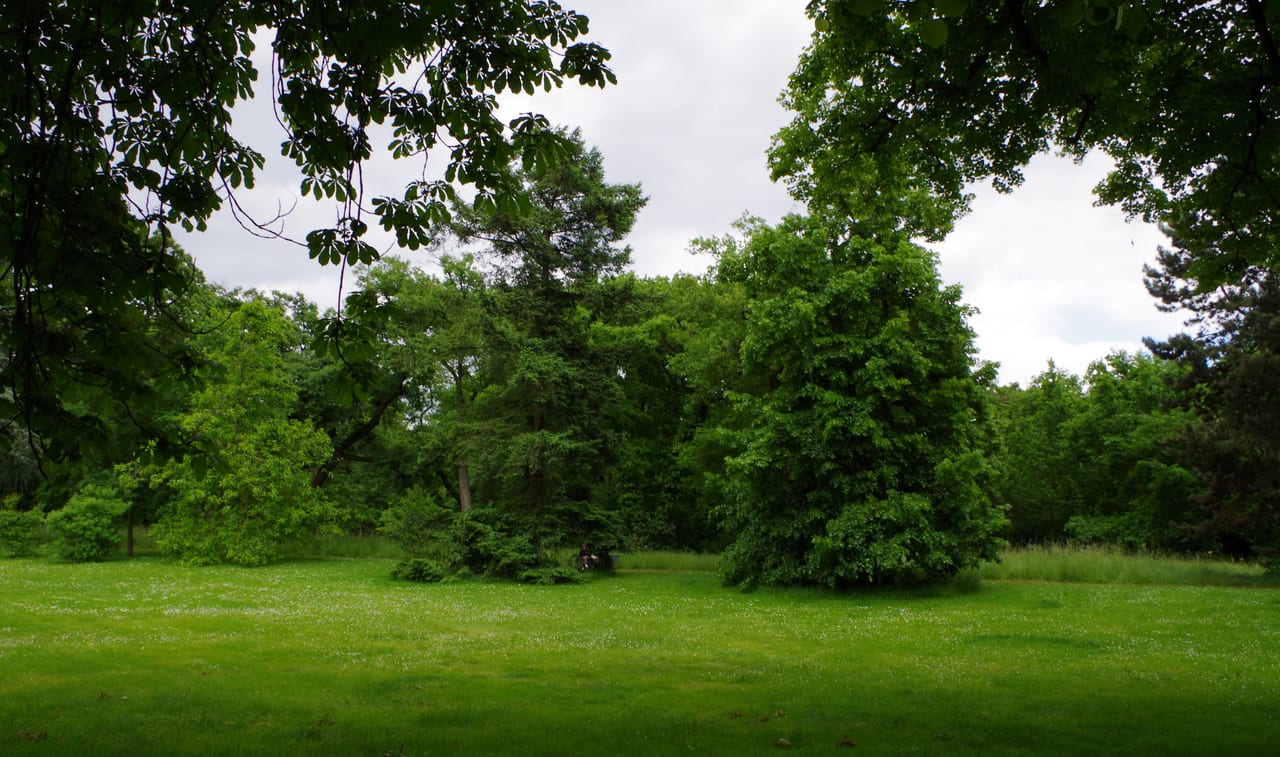
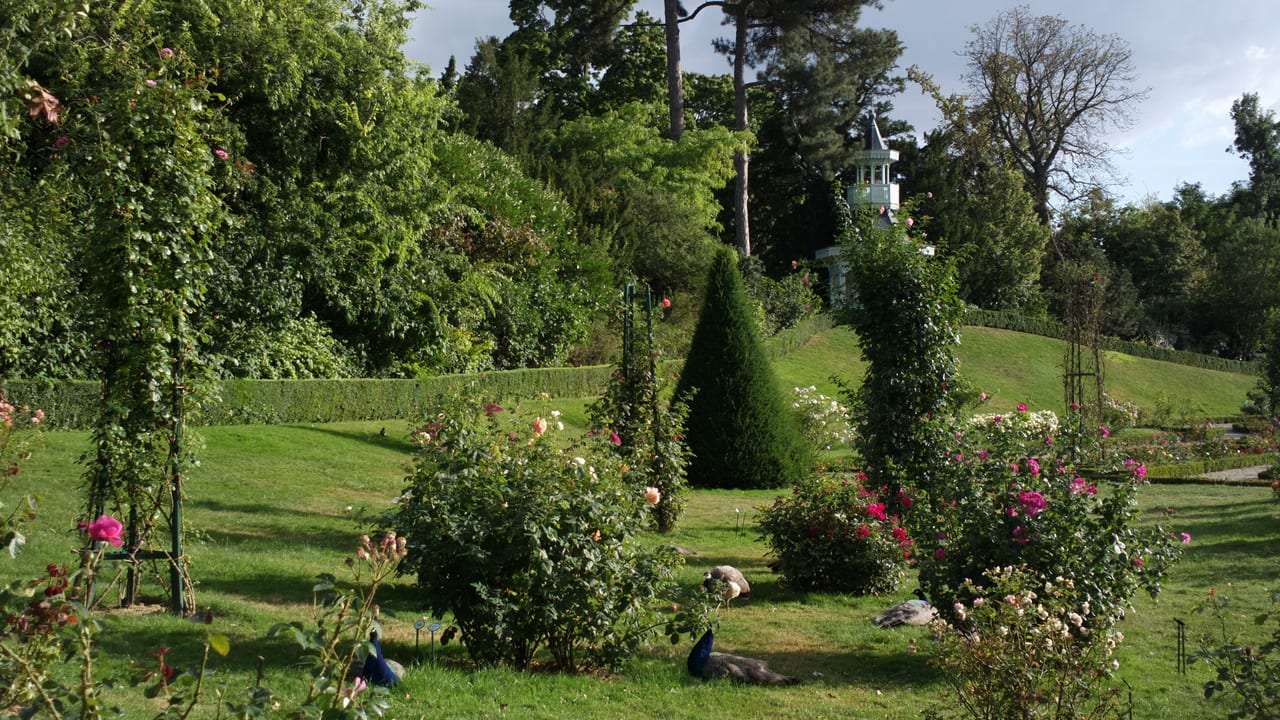
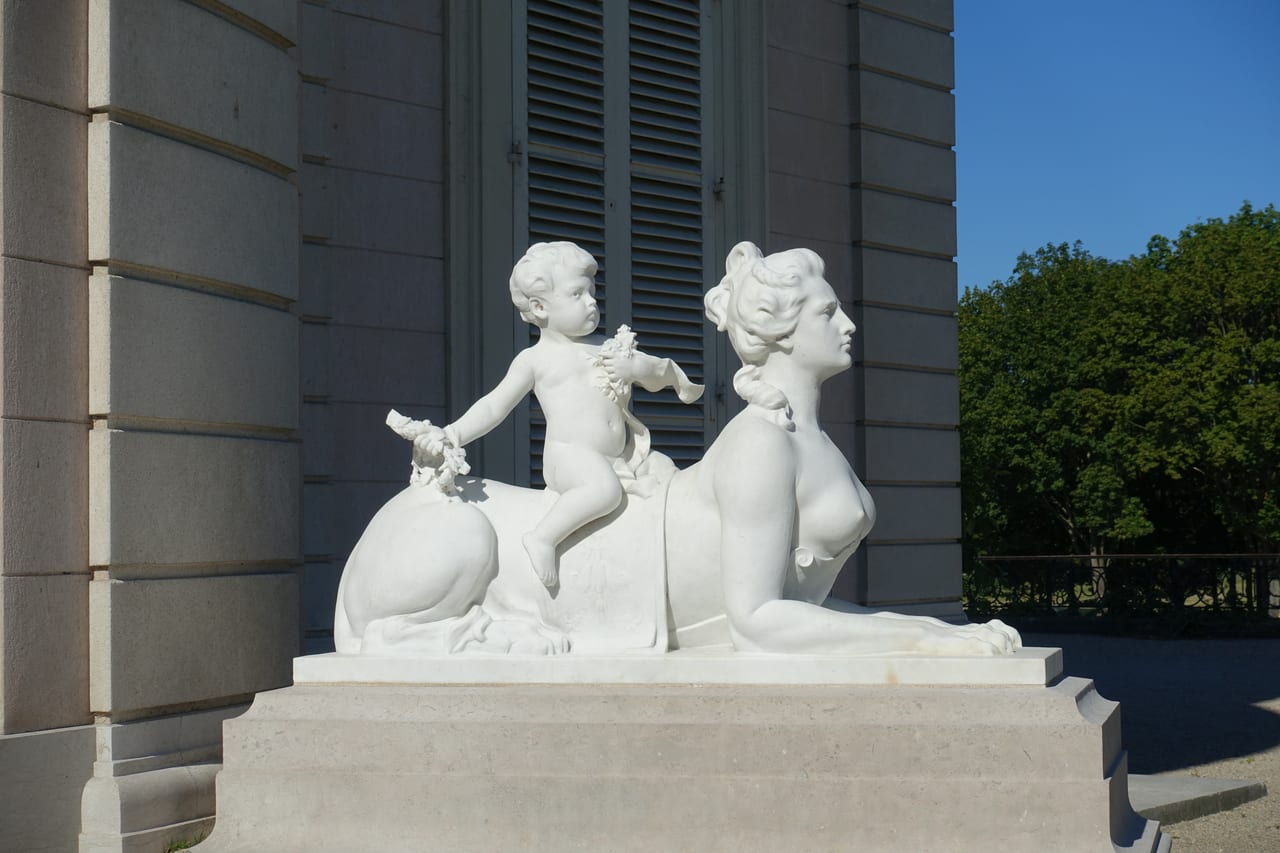
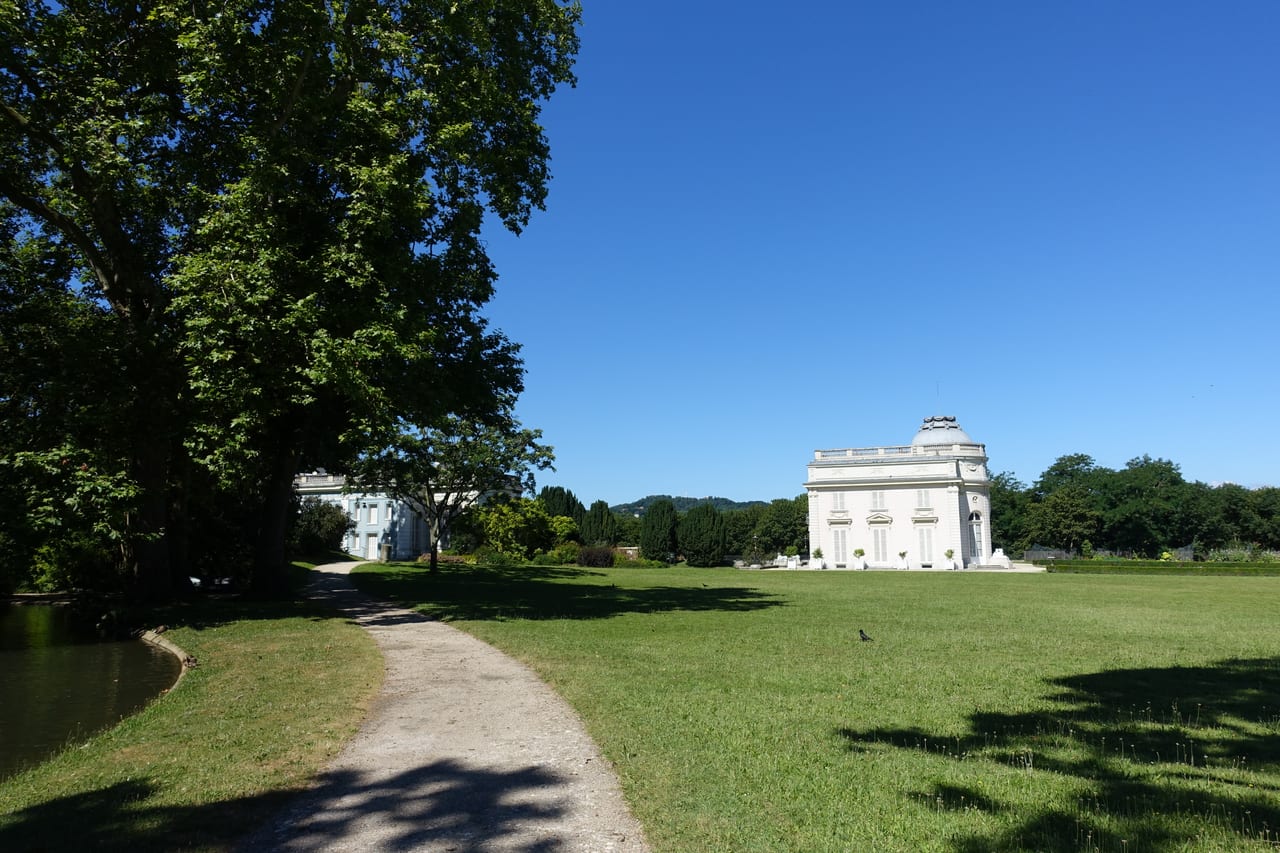
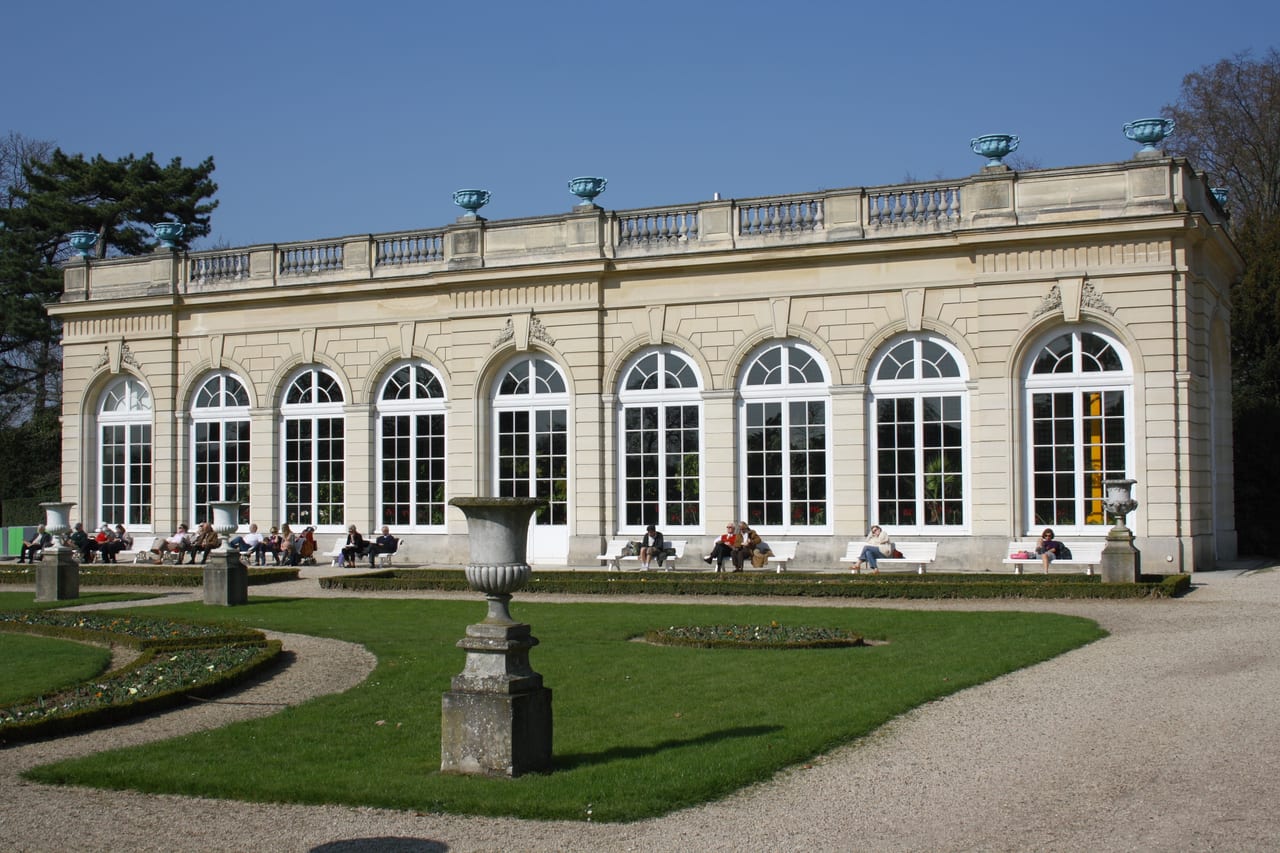
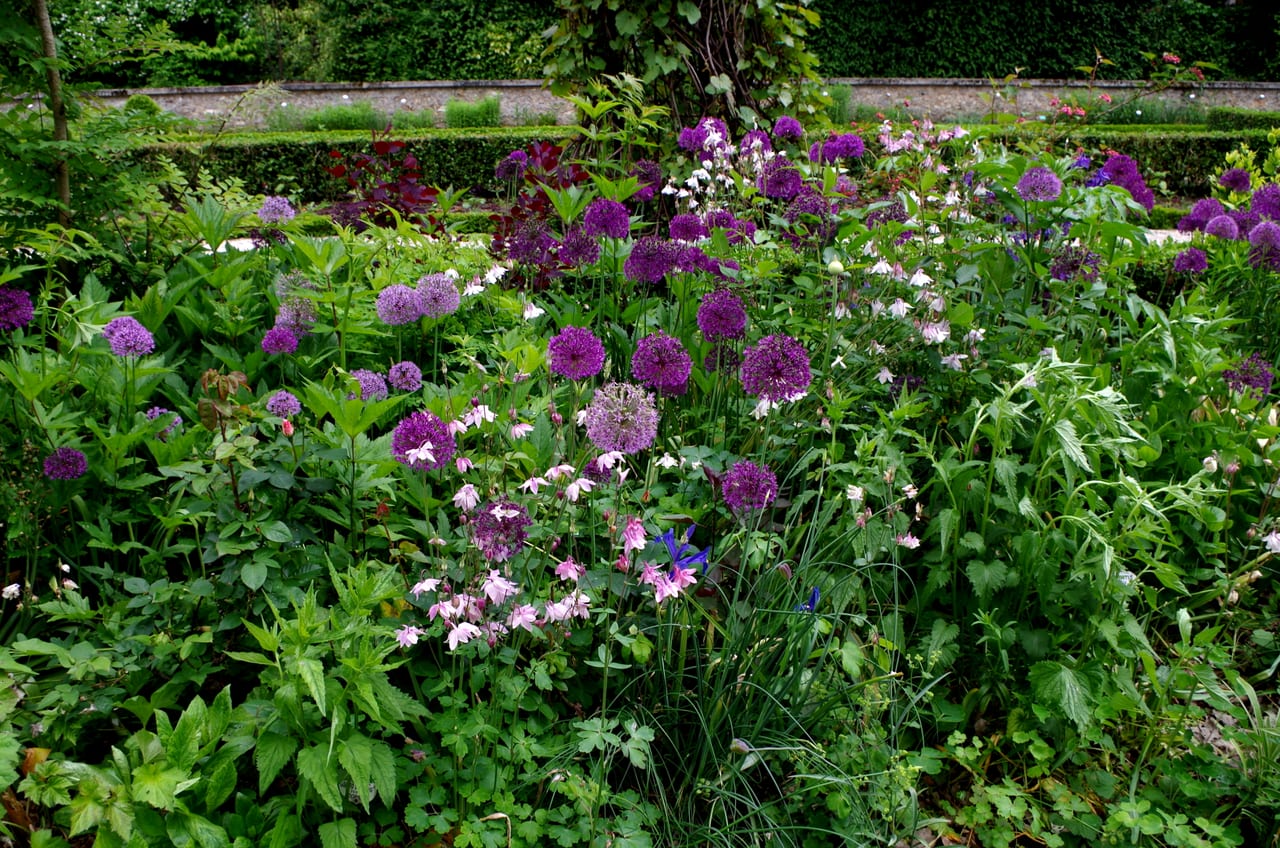
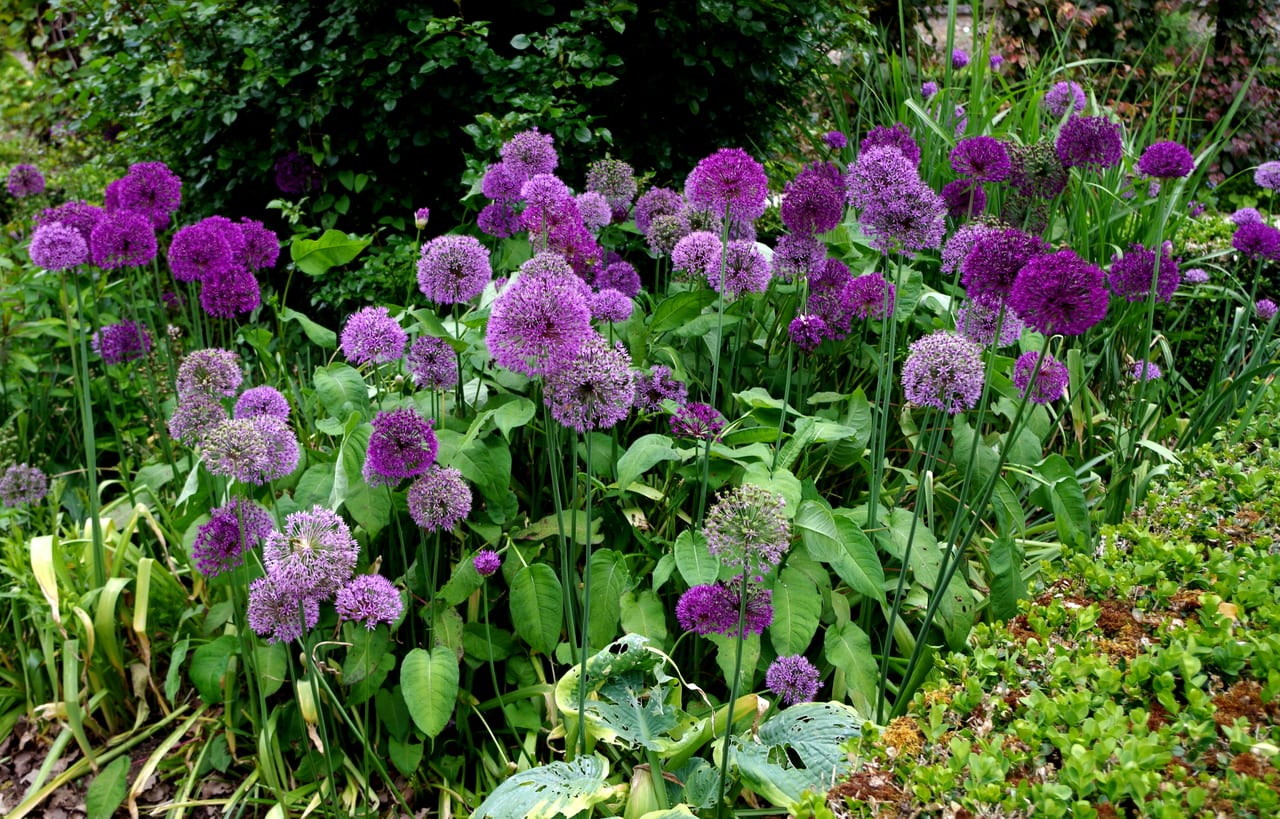
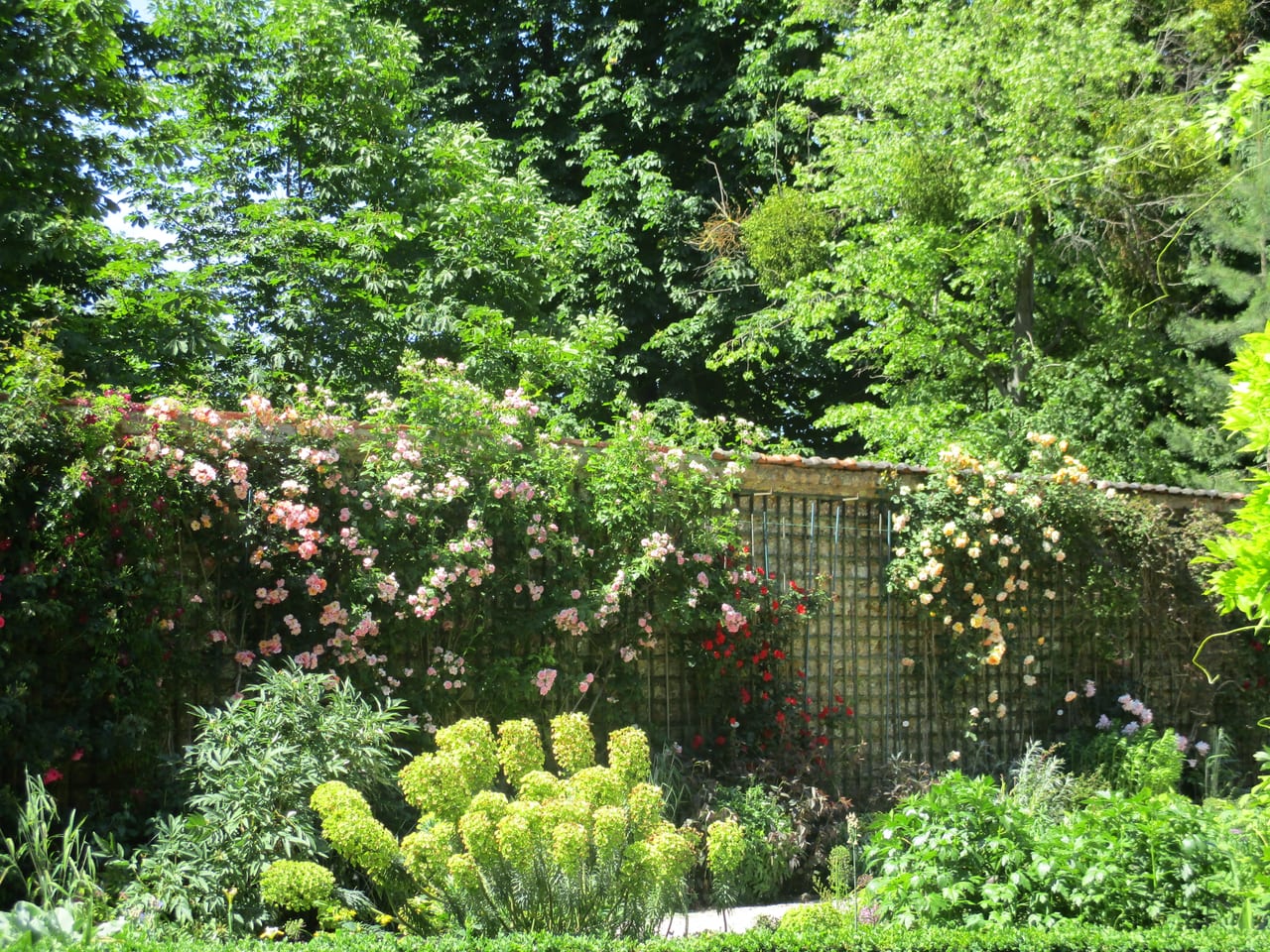
François-Joseph Bélanger drew the plans in a single night, while Thomas Blaikie oversaw construction in the Anglo-Chinese style then fashionable in Europe. More than 900 workers contributed to the project, whose theatrical landscape combined semi-English and semi-French arrangements with rococo inventions: a temple of philosophy, an Indian pavilion, an hermitage, grottoes, cascades, rocks, lakes and wooden bridges. The estate narrowly escaped destruction during the French Revolution. An orangery, honour gate and stables were added in 1835, followed by guard pavilions, the Trianon and two terraces in 1870. Sir Richard Wallace enlarged the grounds by 10 hectares, and Louis-Sulpice Varé redesigned the park. After the estate was sold to the City of Paris in 1905, Jean Claude Nicolas Forestier rehabilitated the gardens. Bagatelle is now one of the four sites of the Jardin botanique de Paris and extends across 25 hectares. Its artistic afterlife includes exhibitions, Henry de Montherlant’s 1932 literary evocation, a setting in Bonjour sourire, and an episode of Paris Police 1900.
At a glance
- Built
- 1775
- Heritage
- remarkable garden of France
Ways to explore Parc de Bagatelle
Begin with the château and move outward through the contrasting garden scenes, noting how formal passages meet theatrical rustic devices. Seek out the orangery, honour gate, stables, guard pavilions, Trianon and terraces. Outside the enclosure, the Bagatelle training field marks the site of Charles Voisin’s first powered aeroplane flight on 15 March 1907.
Places to stay near Parc de Bagatelle
Live availability and prices from Stay22's partners, refreshed periodically and subject to change. Booking through these links may earn us a commission at no extra cost to you. See our privacy policy.
Cafés near Parc de Bagatelle
Cafés near Parc de Bagatelle loads as you scroll.
Attractions nearby
Attractions near Parc de Bagatelle loads as you scroll.
Cities nearby
Cities nearby loads as you scroll.
More in Paris
See more of Paris.
Find great cafés, places to stay and other interesting places to visit in Paris.