Theatre · Paris
Palais Garnier
DirectionsIts vast foundation reservoir, built to contain groundwater beneath the site, helped inspire the underground lake in Gaston Leroux’s The Phantom of the Opera—though the supposed river runs elsewhere.
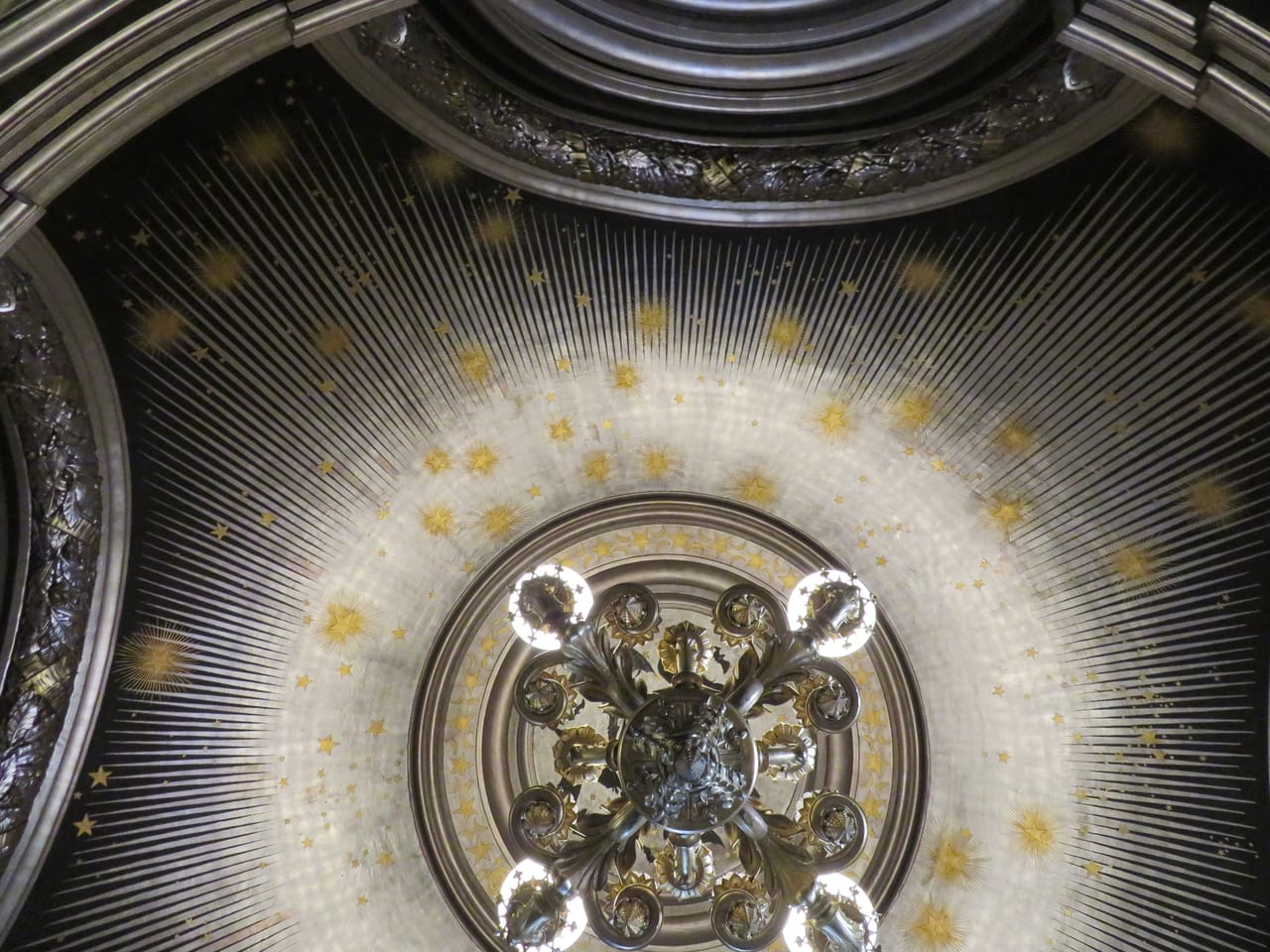
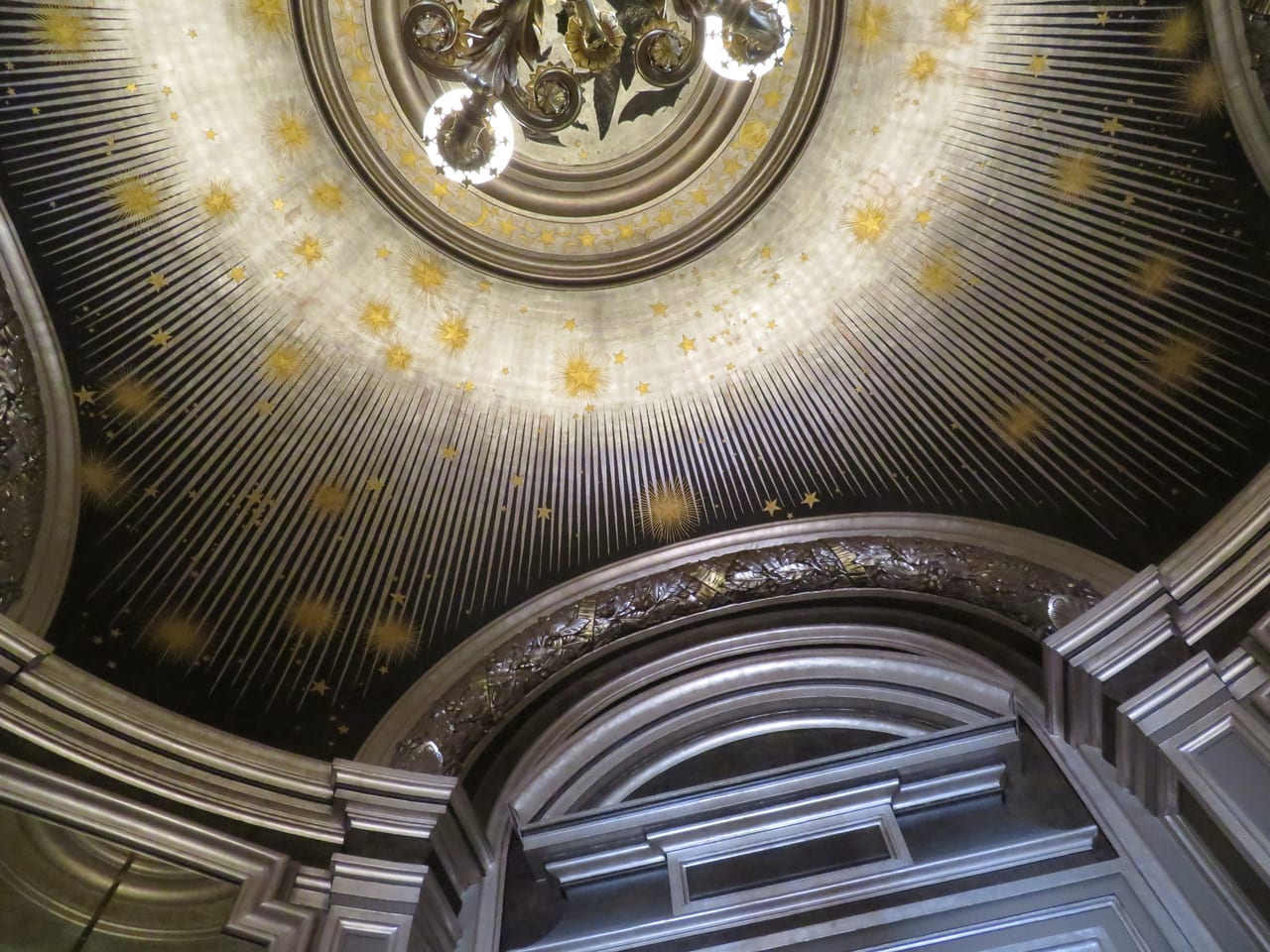
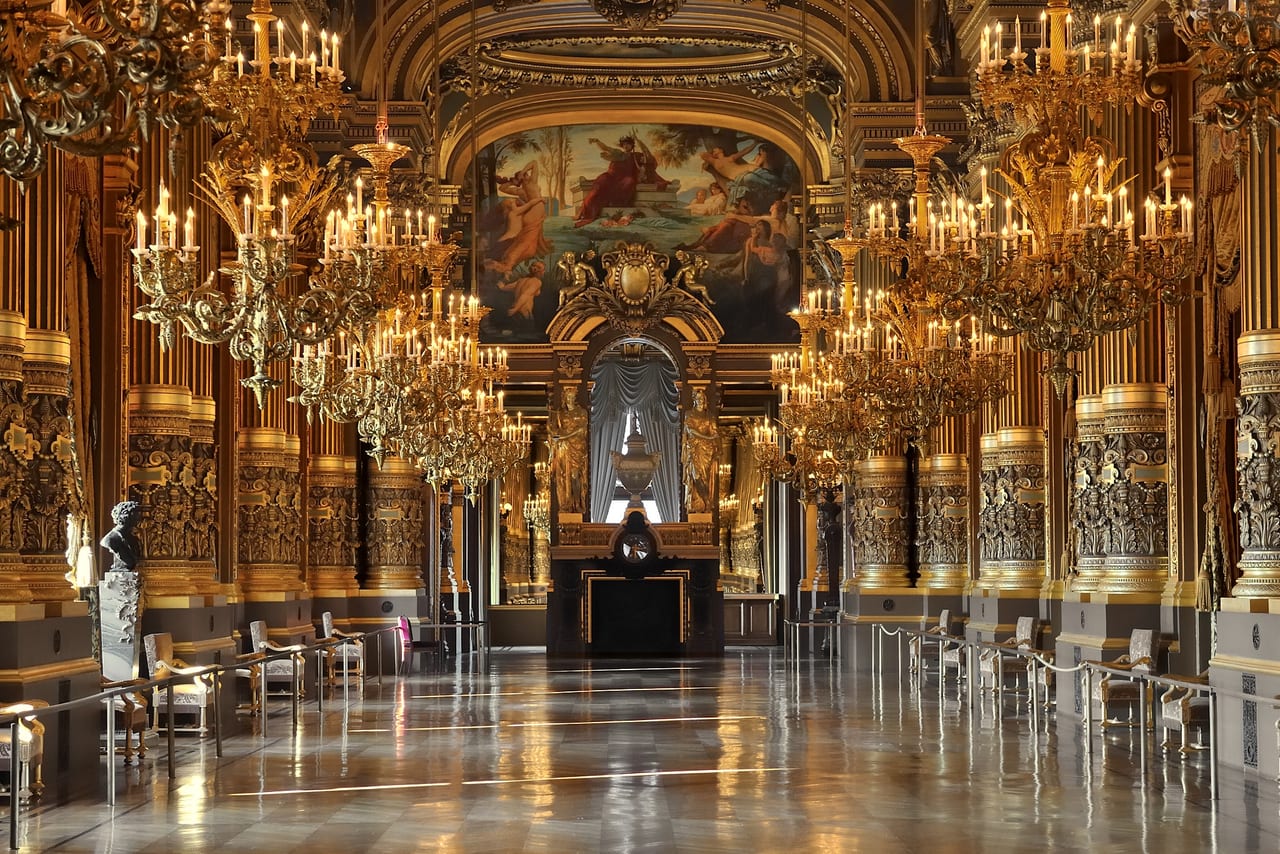
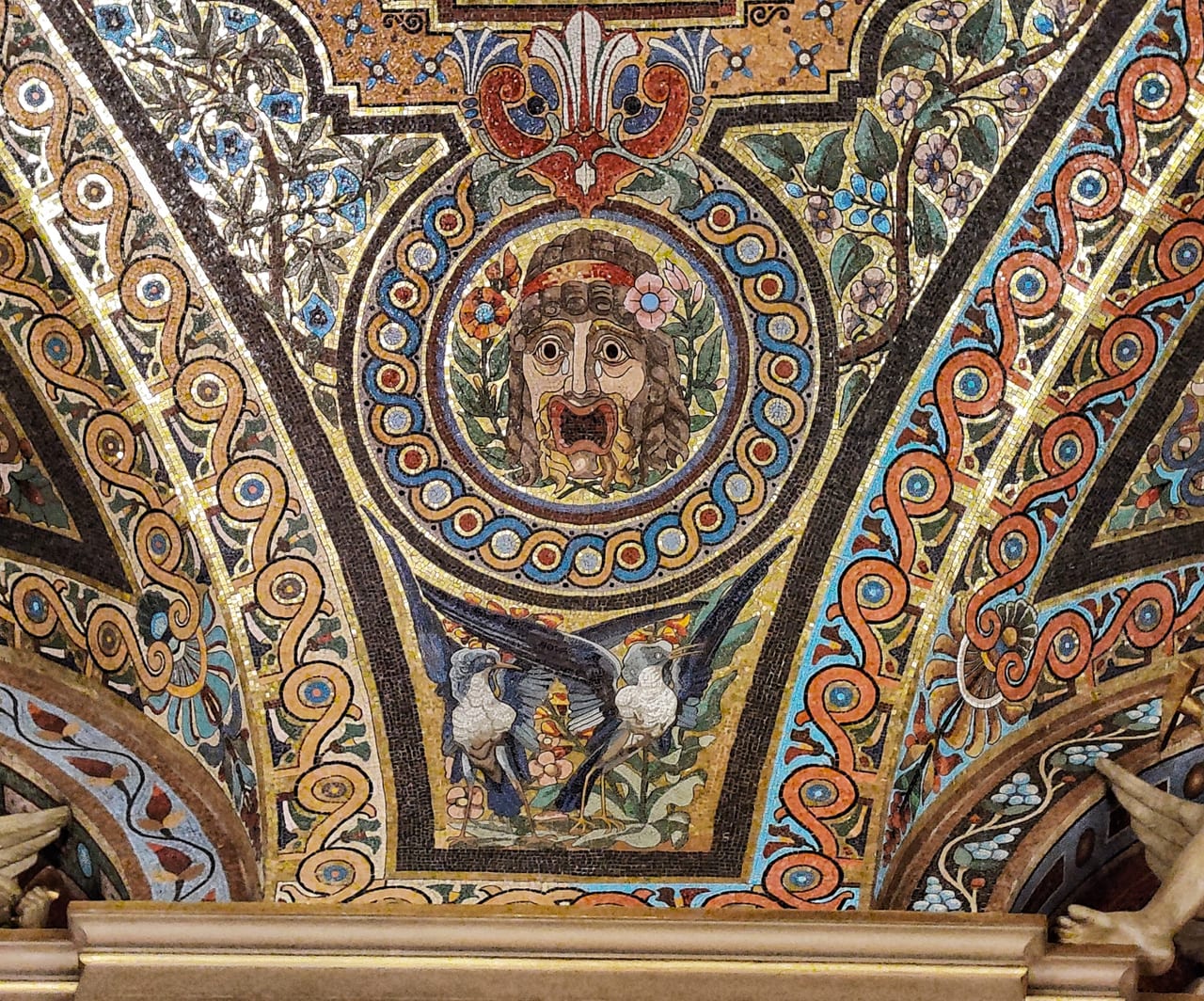
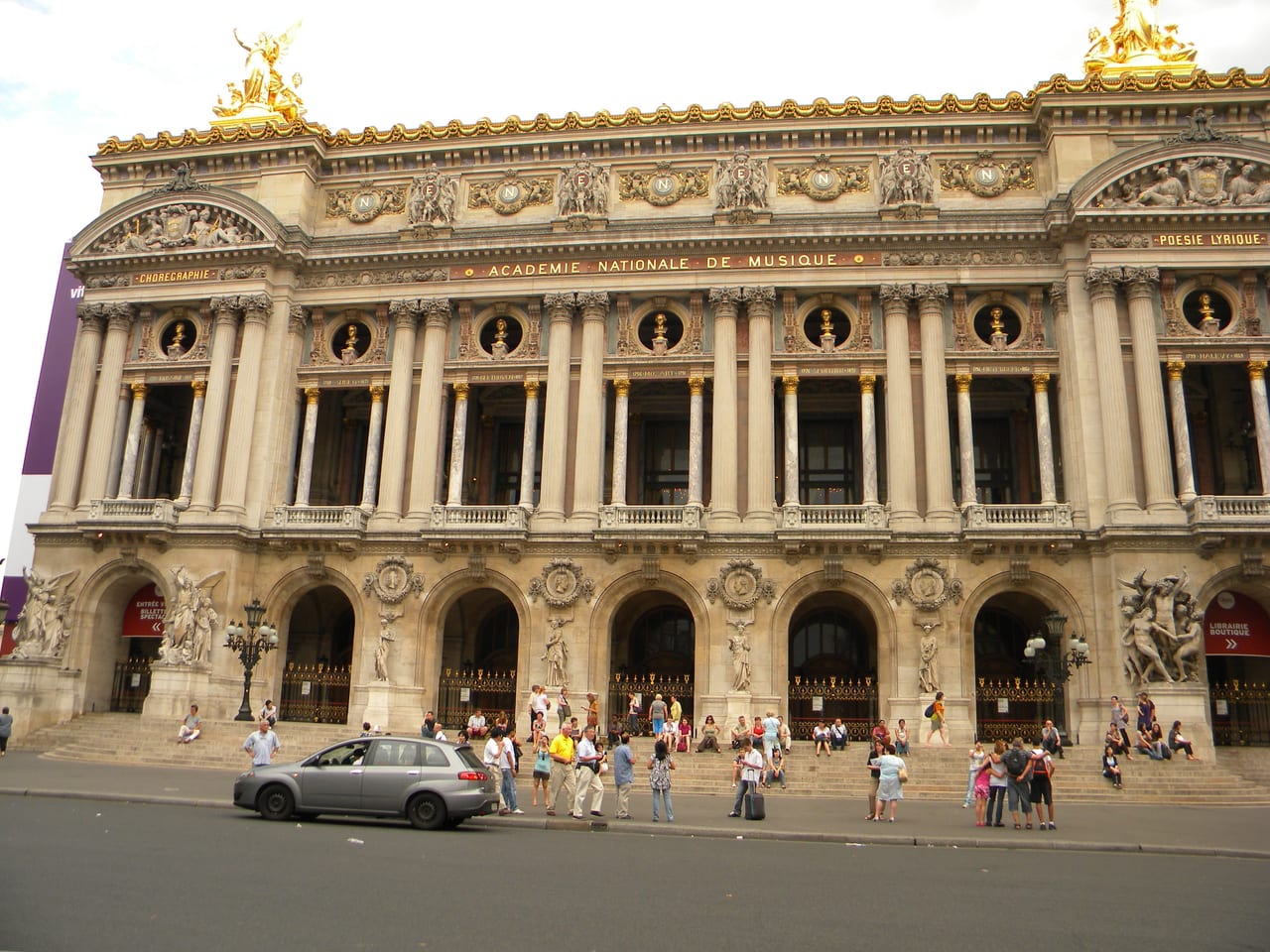
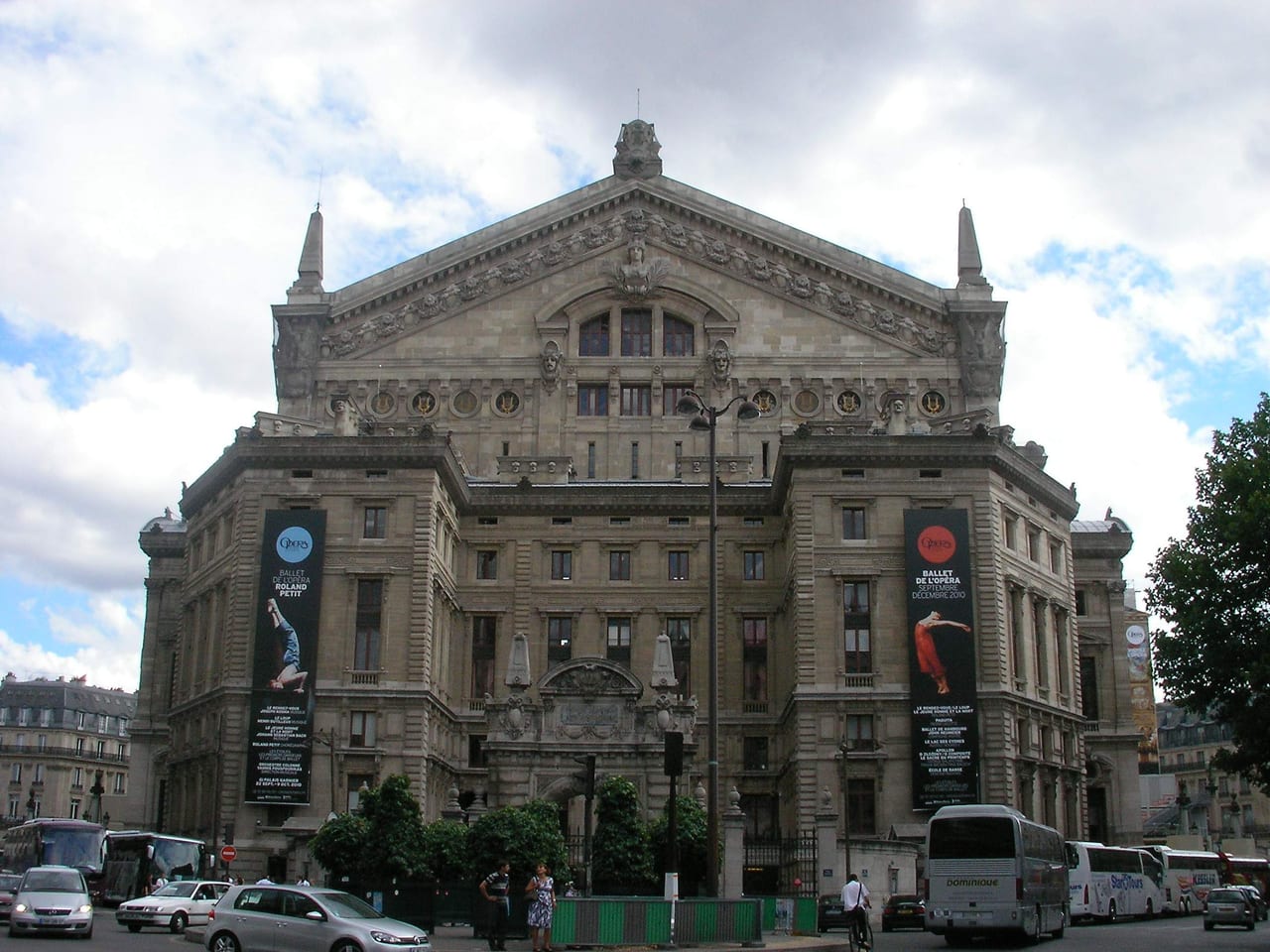
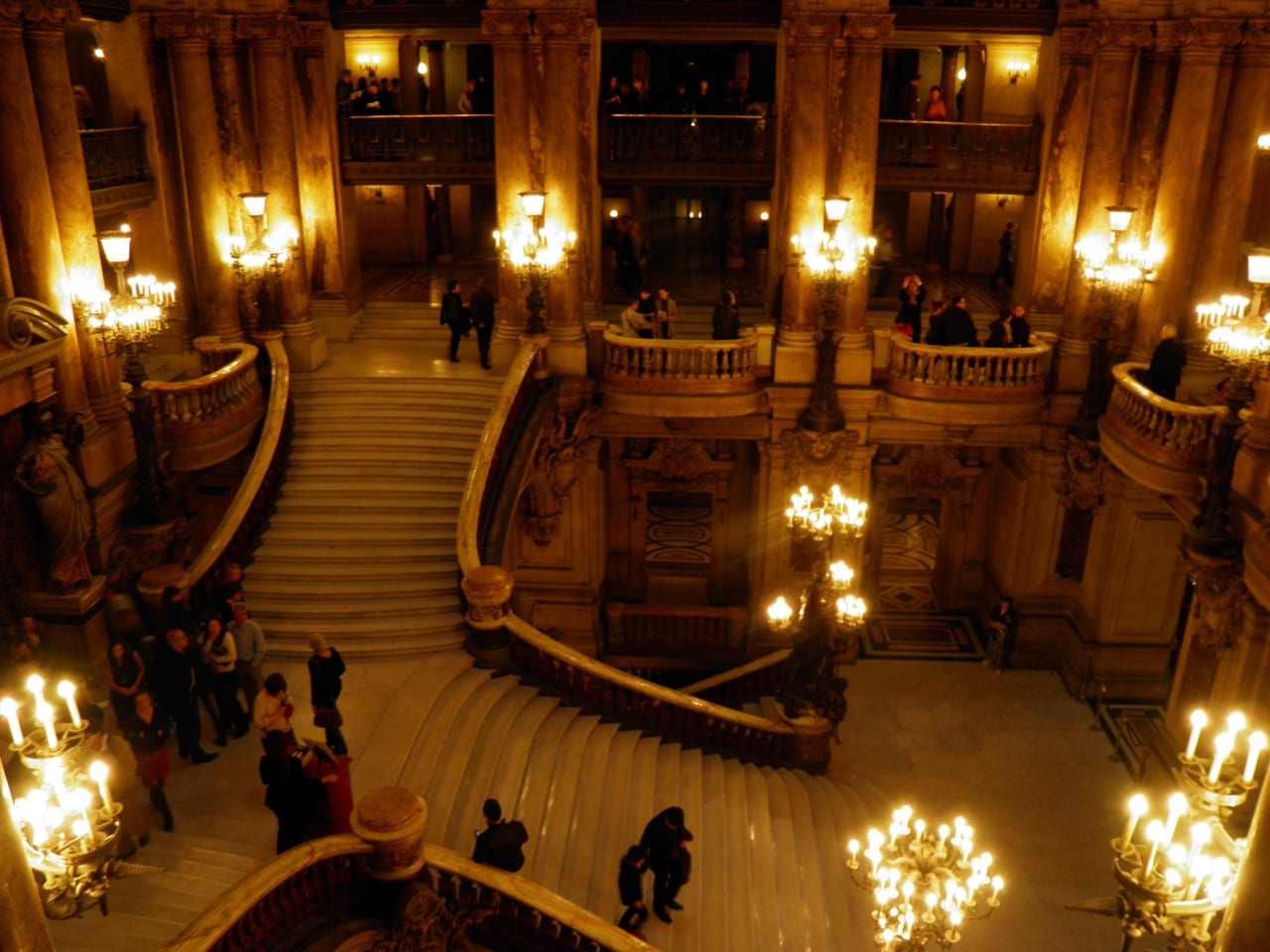
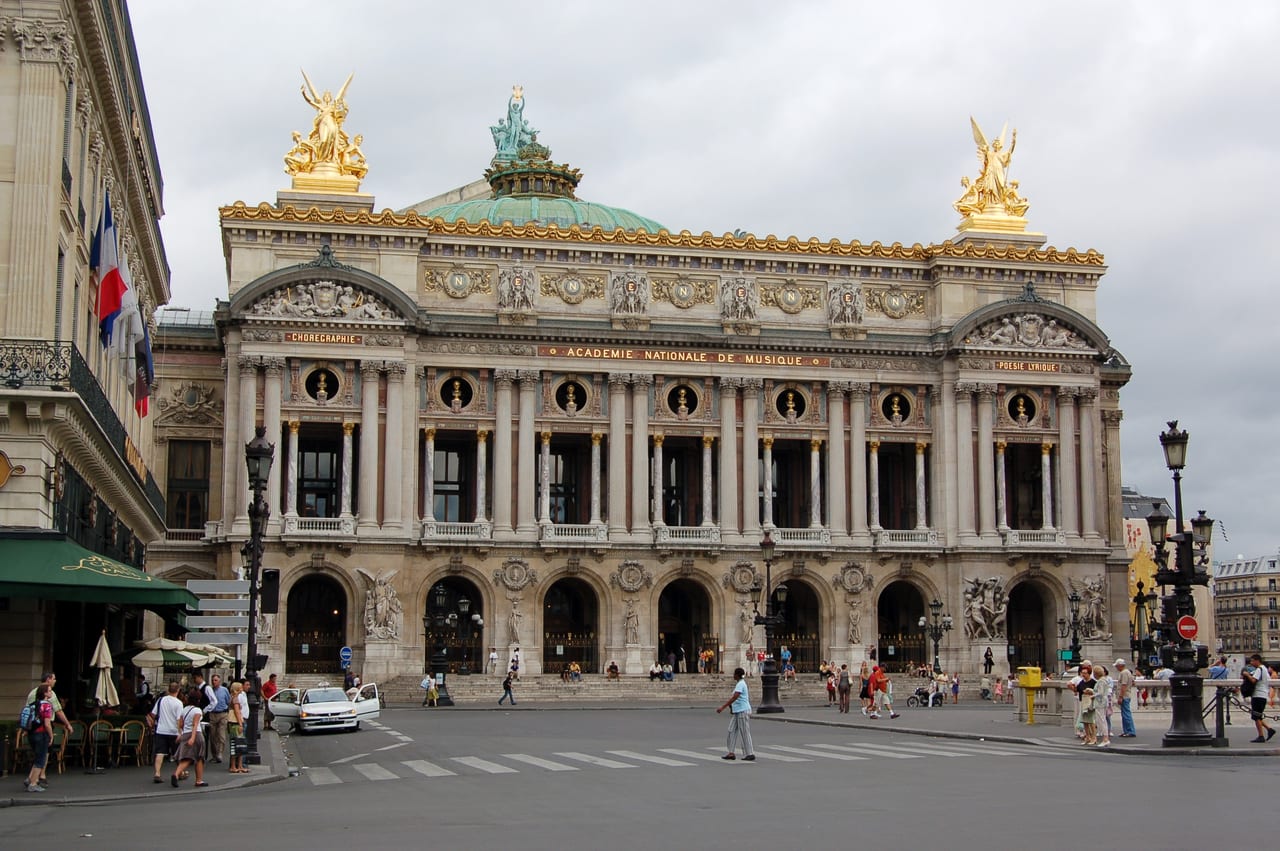
Photograph 1 of 48 of Palais Garnier
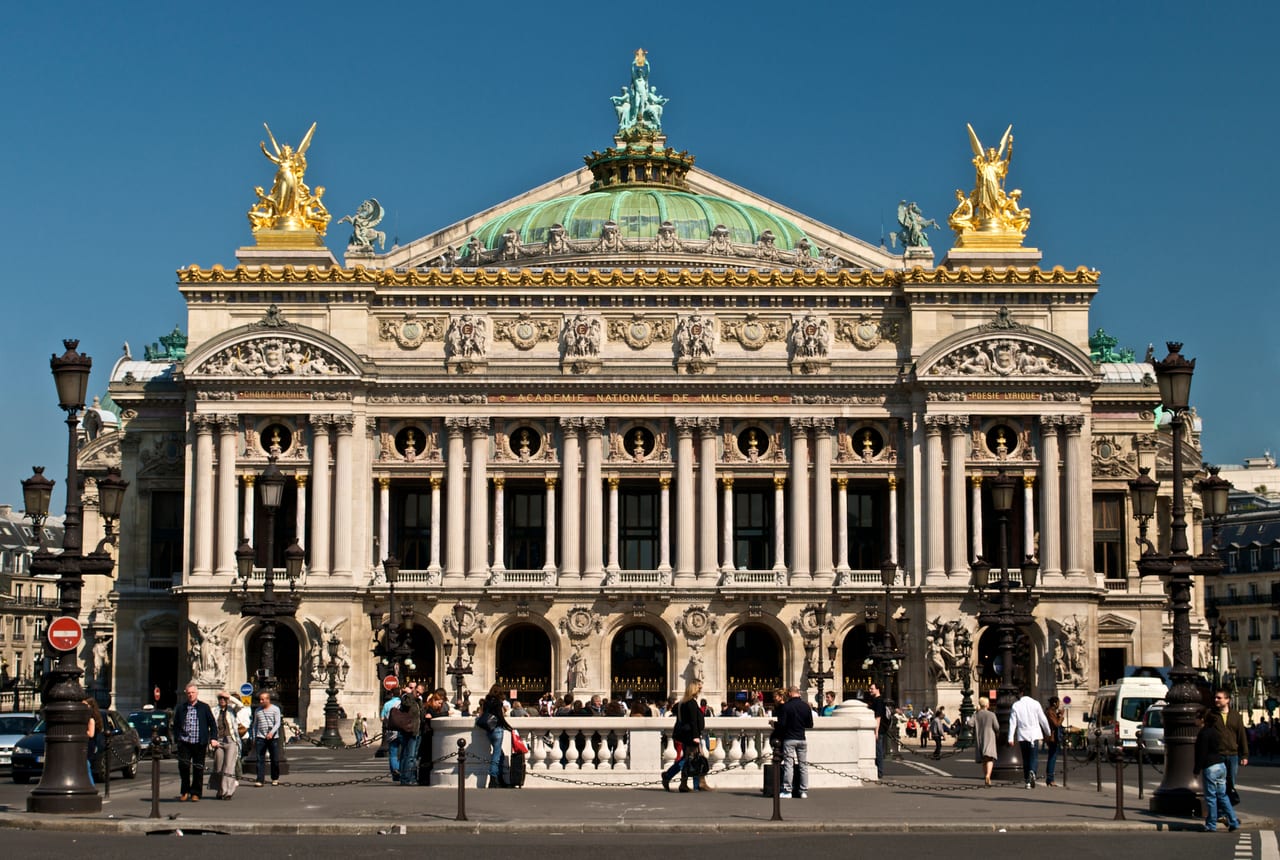
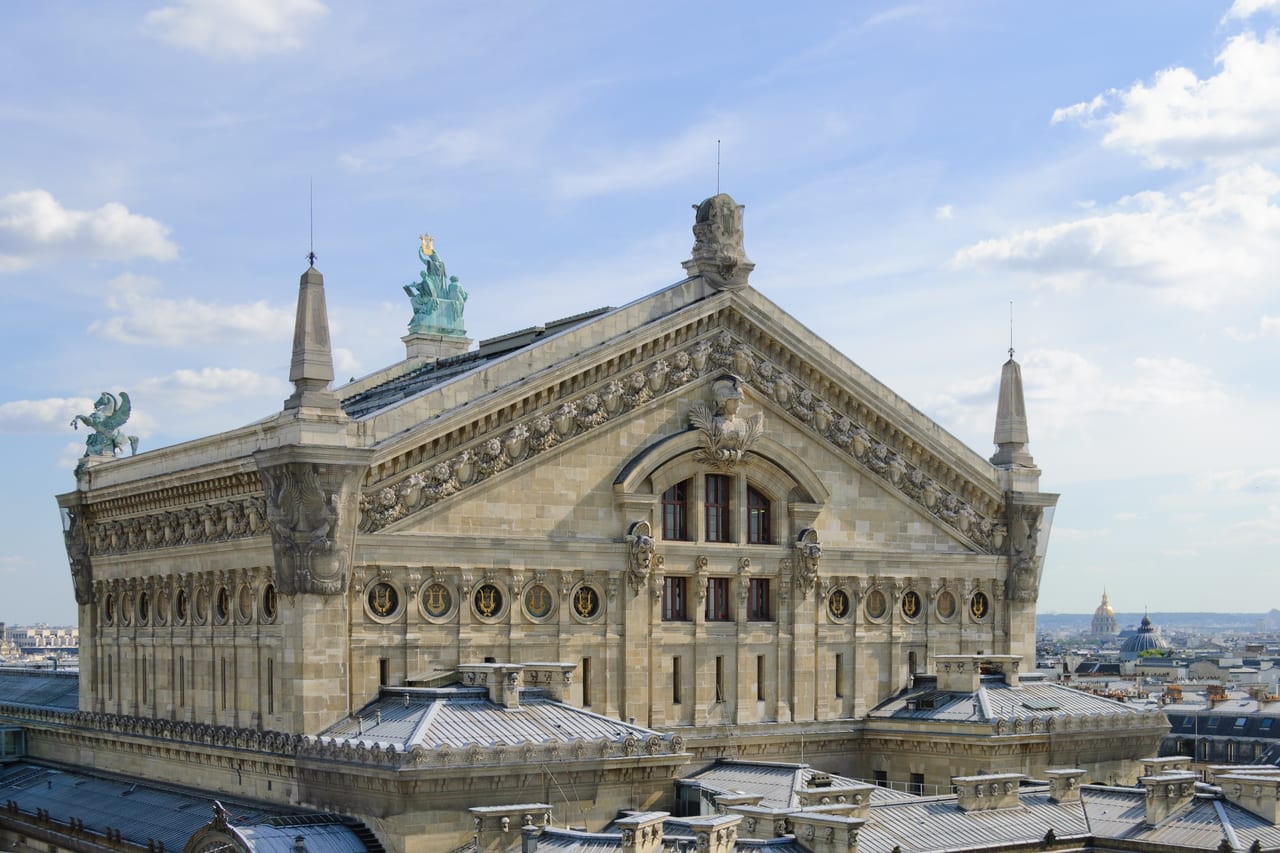
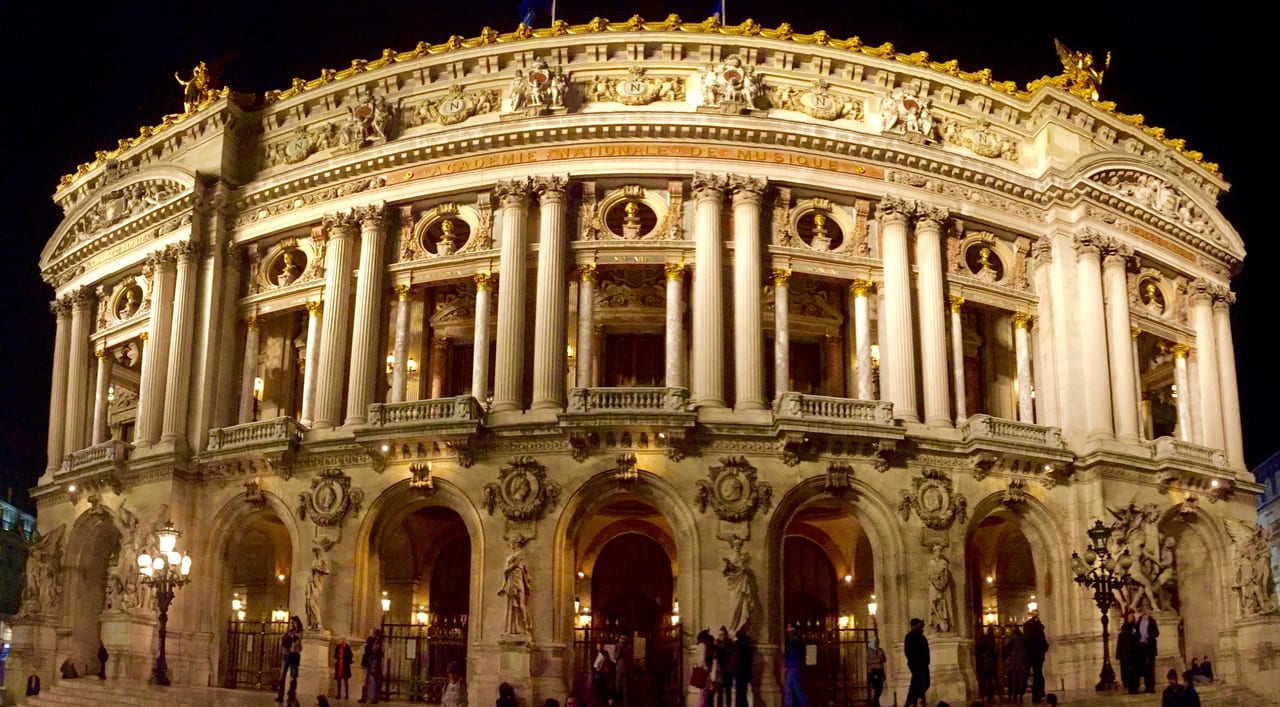
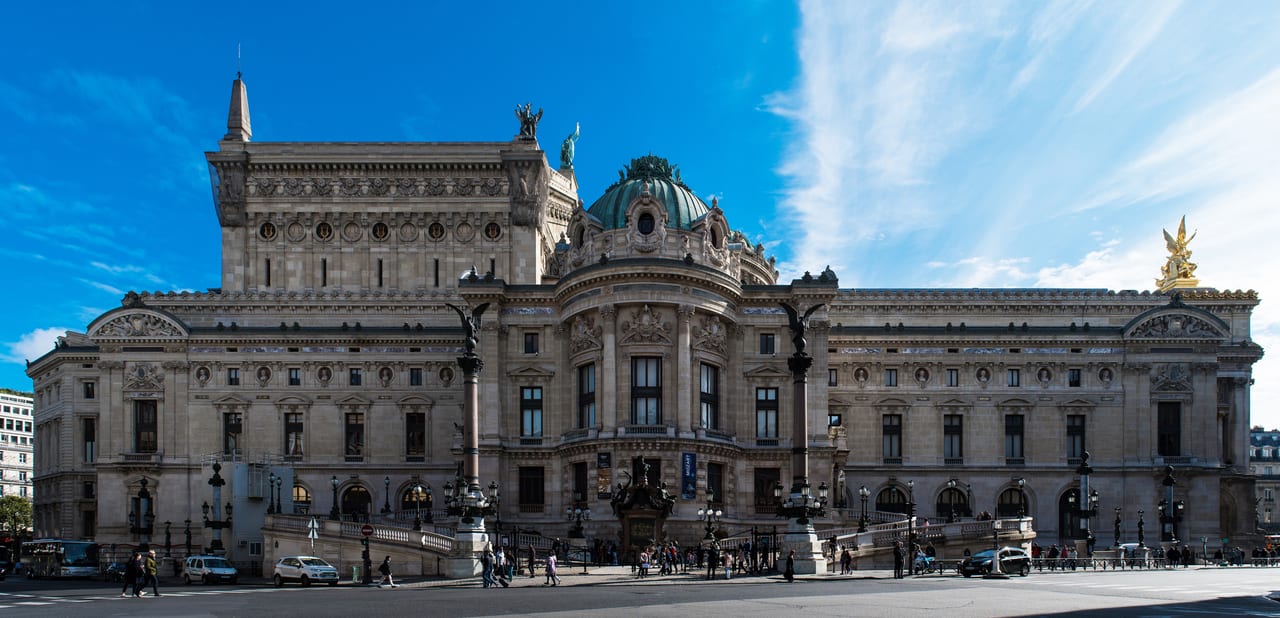
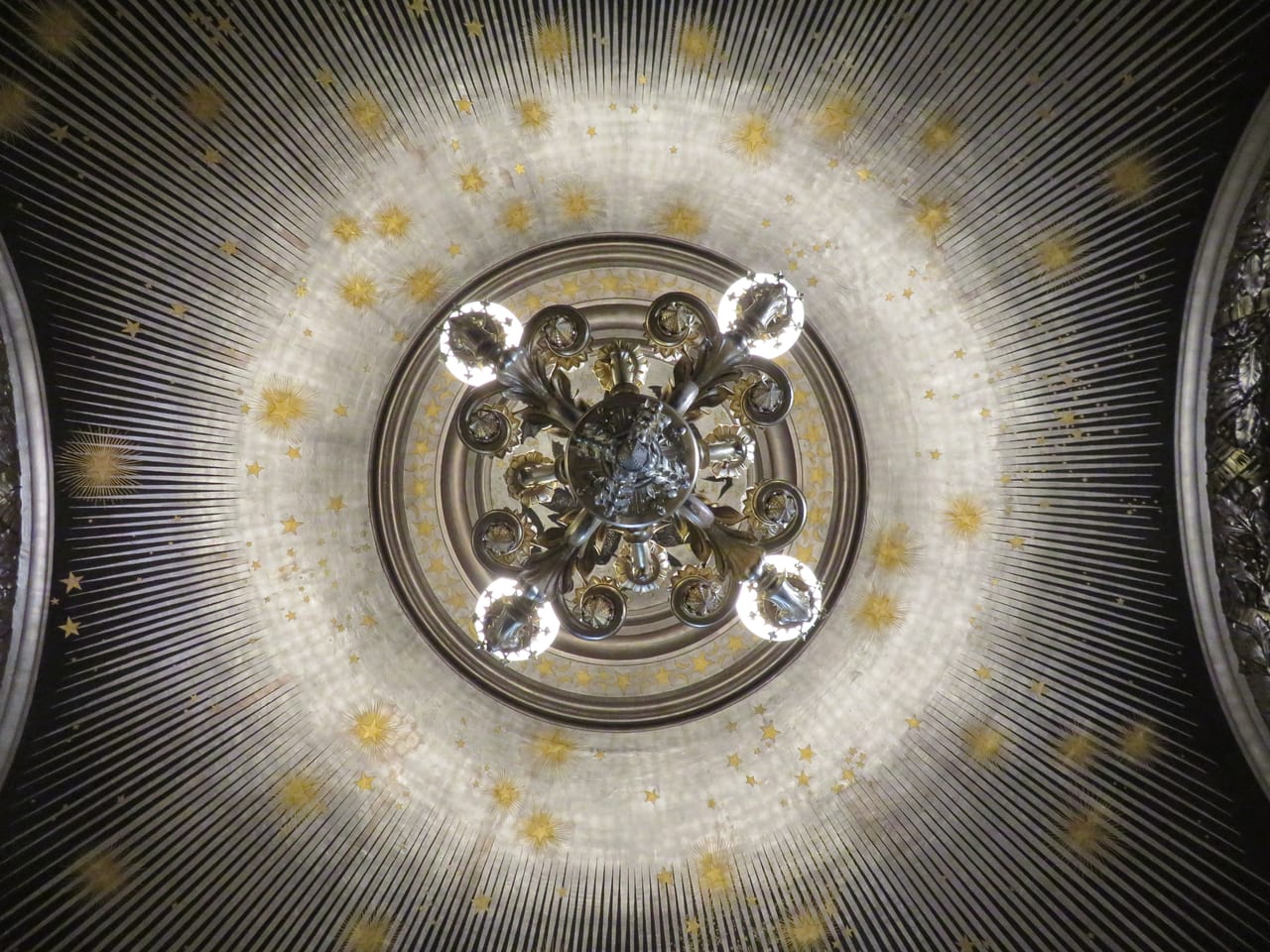
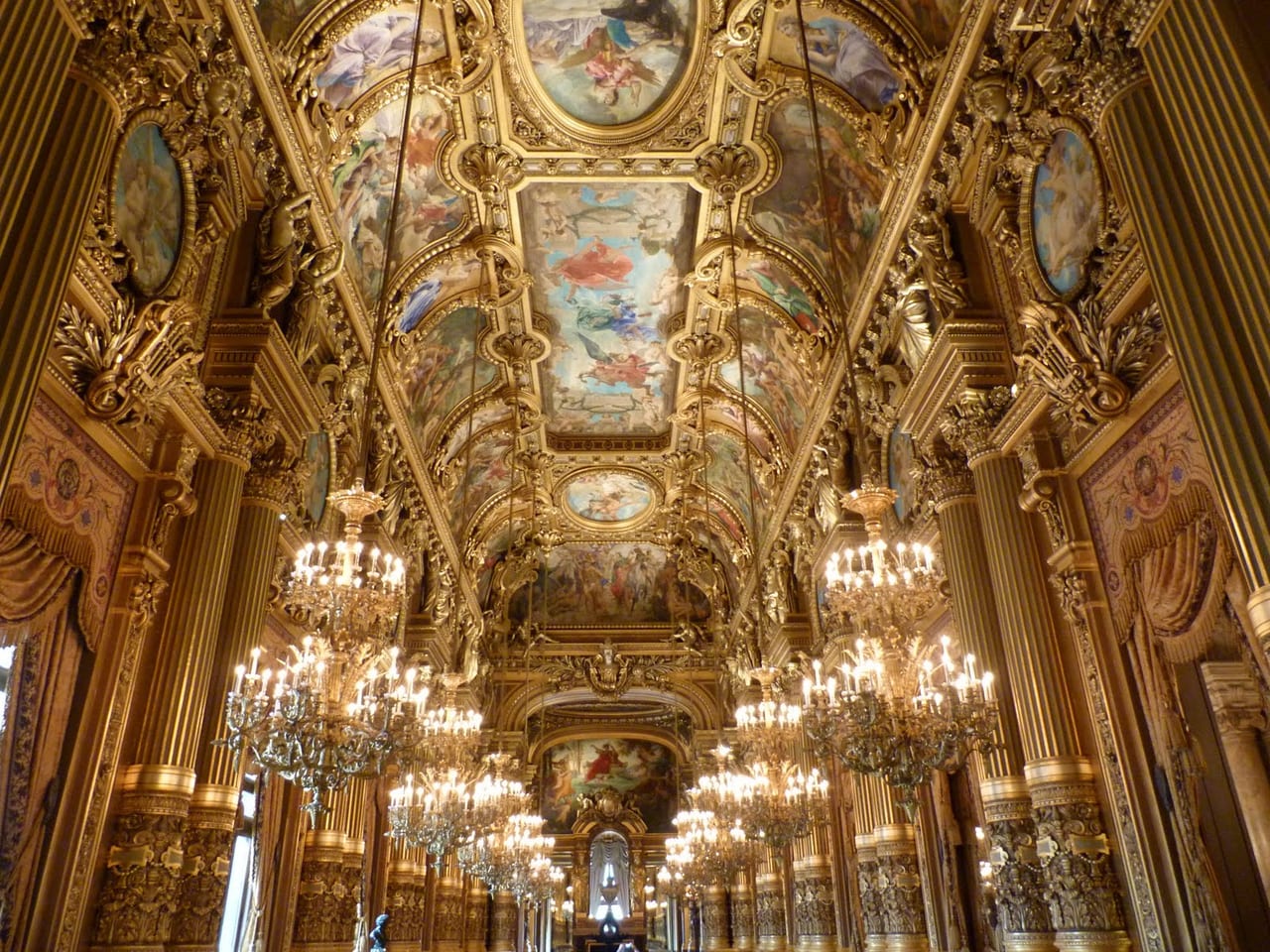
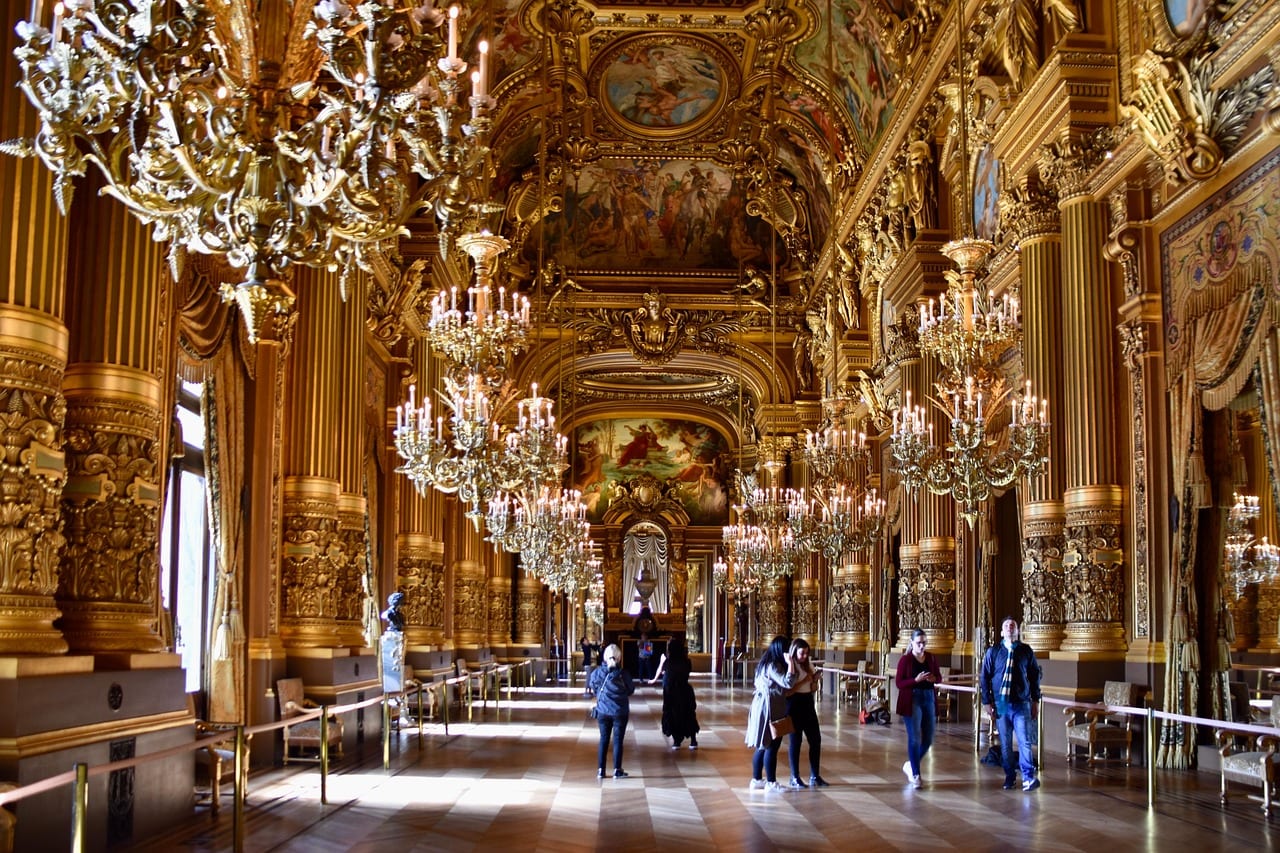
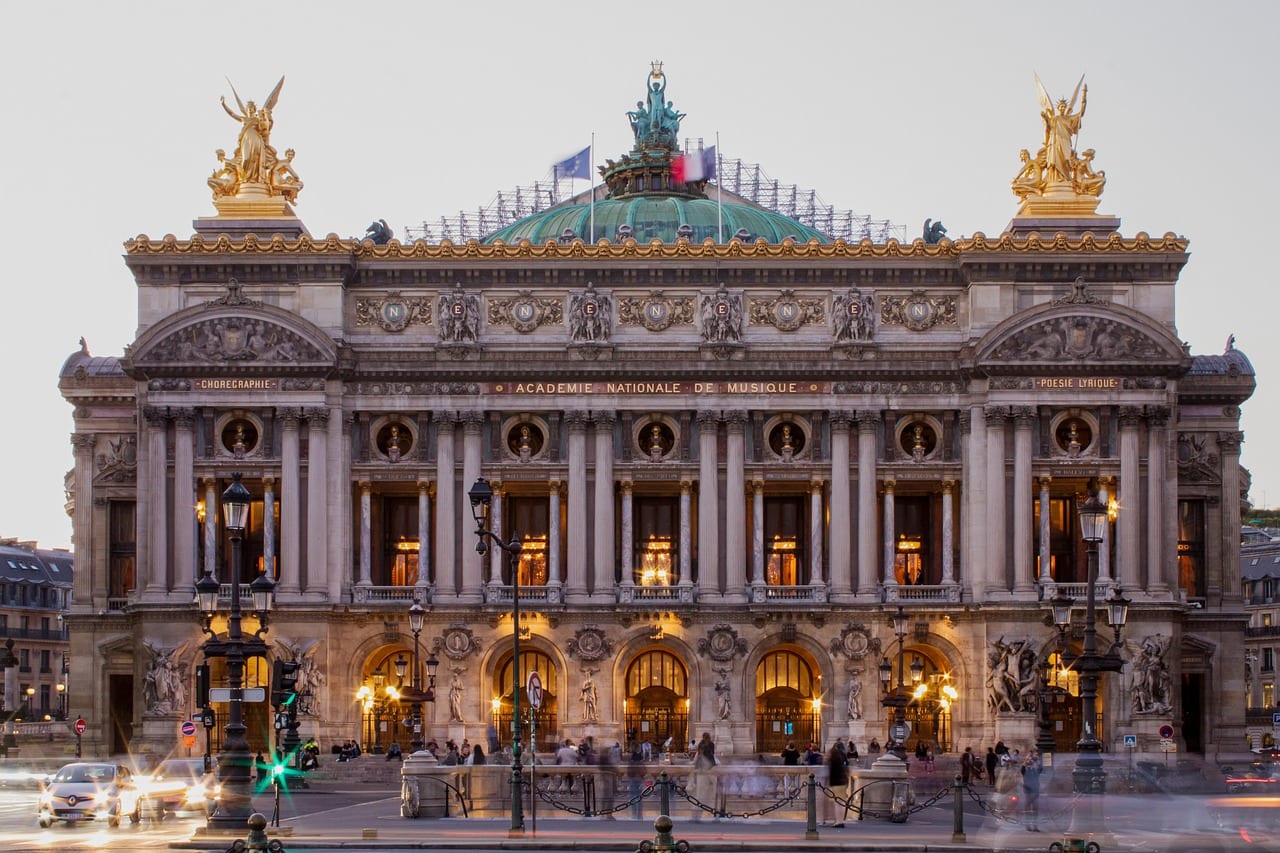
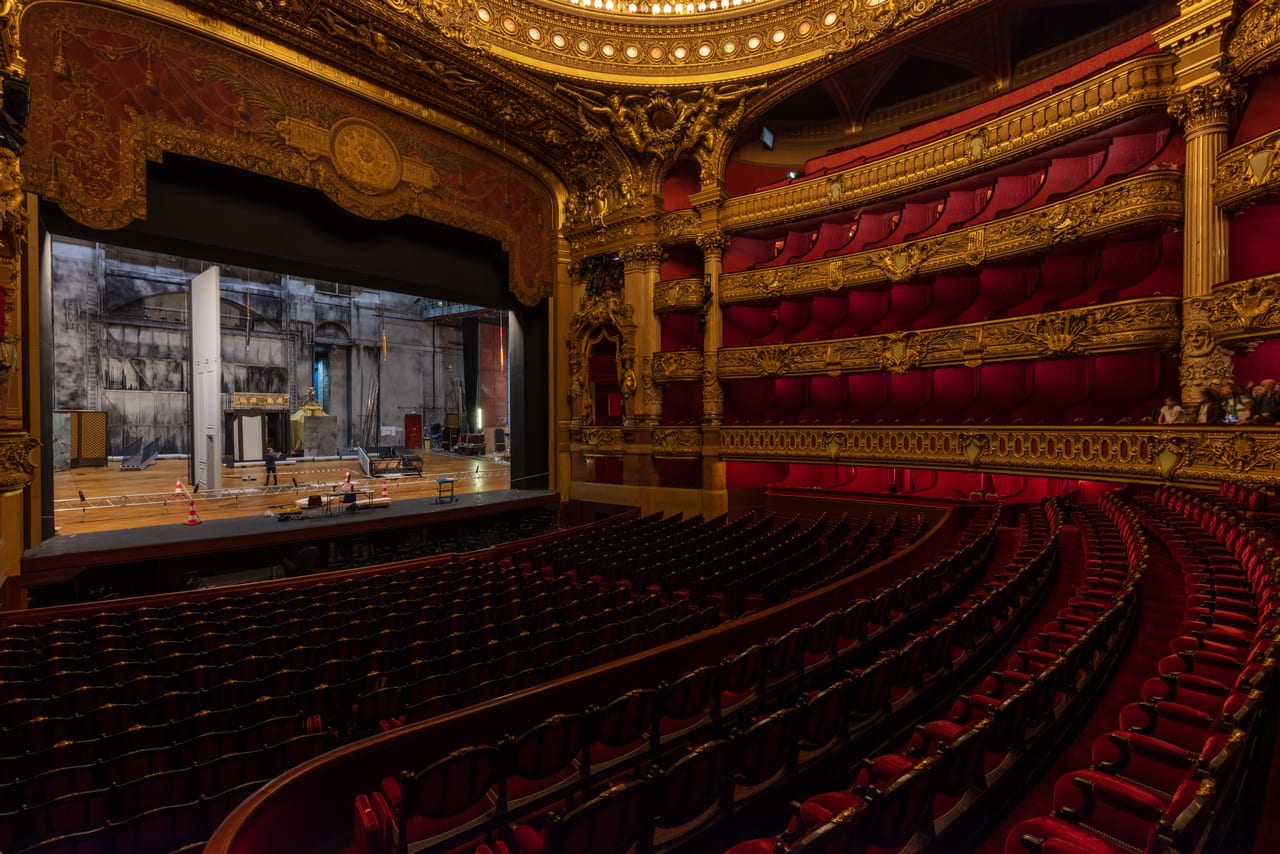
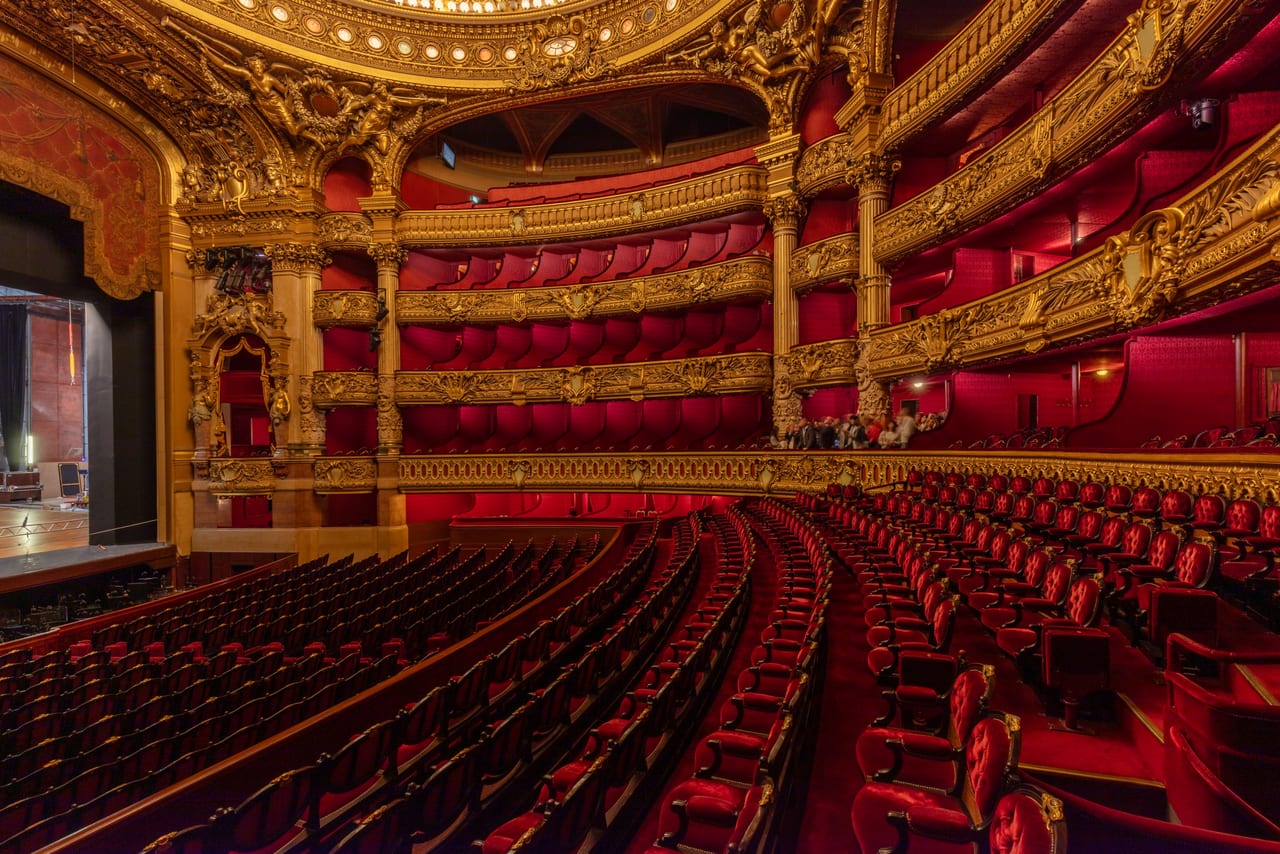
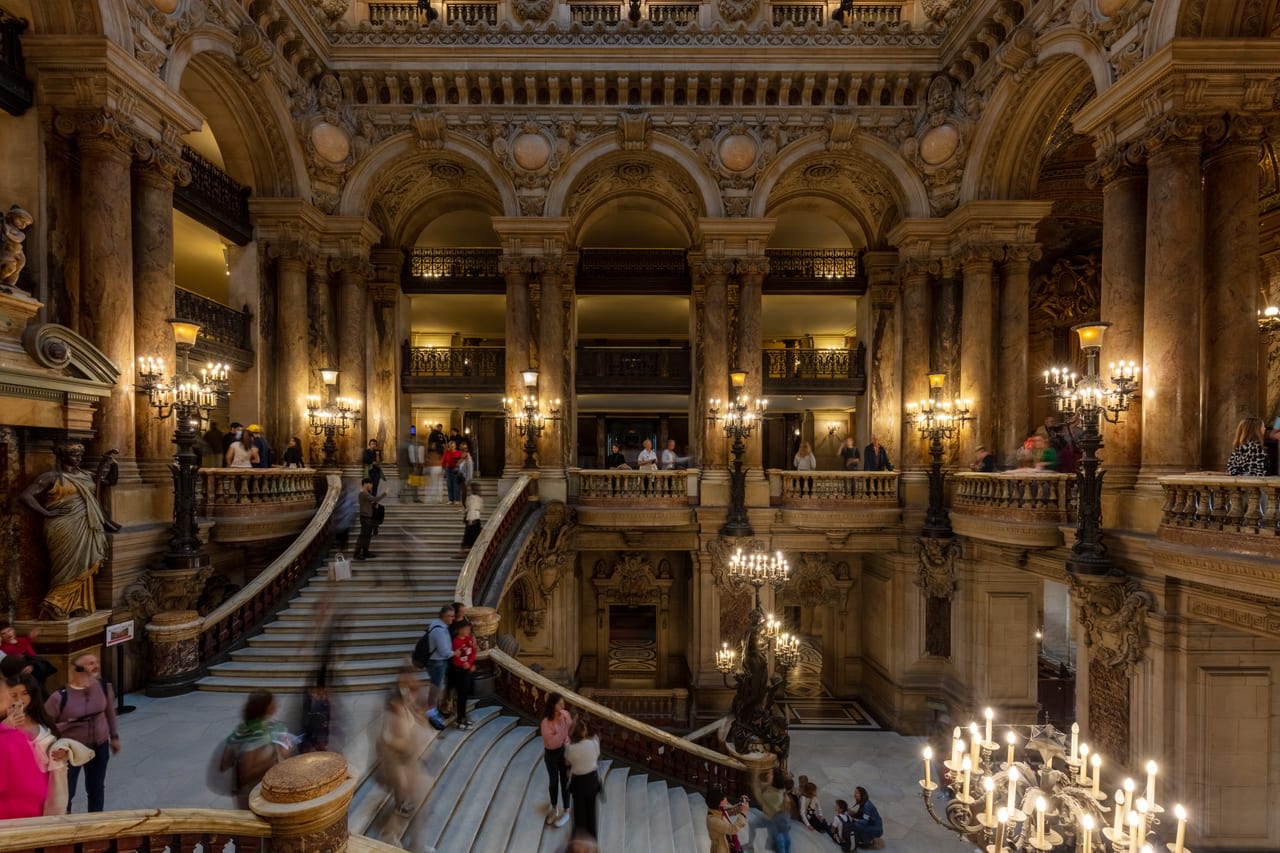
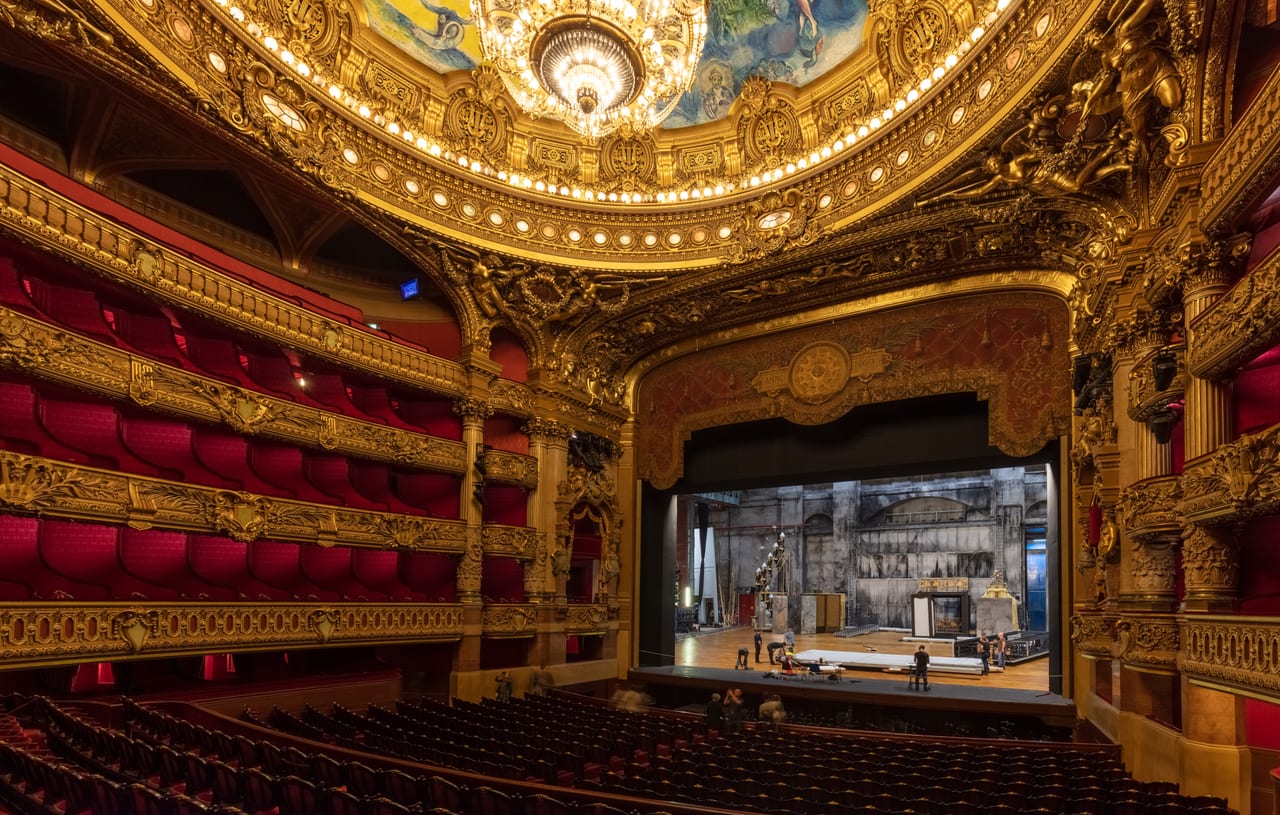
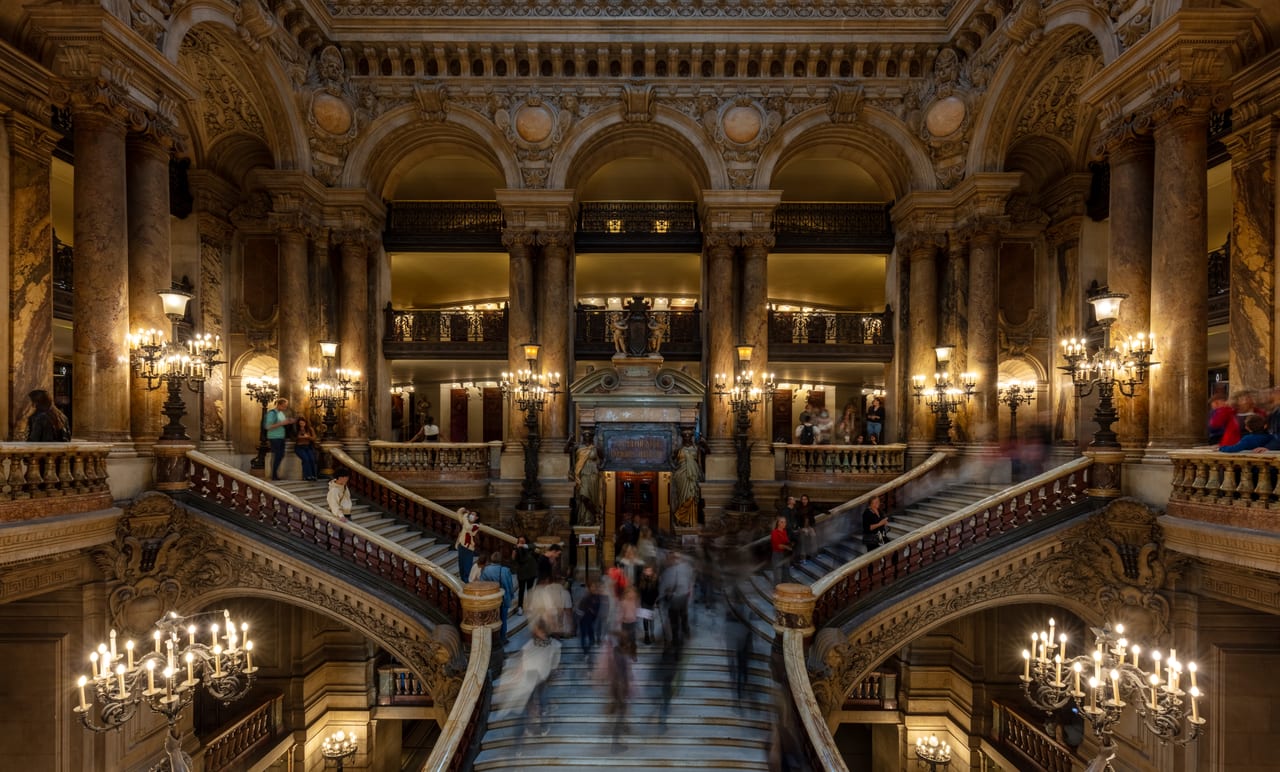
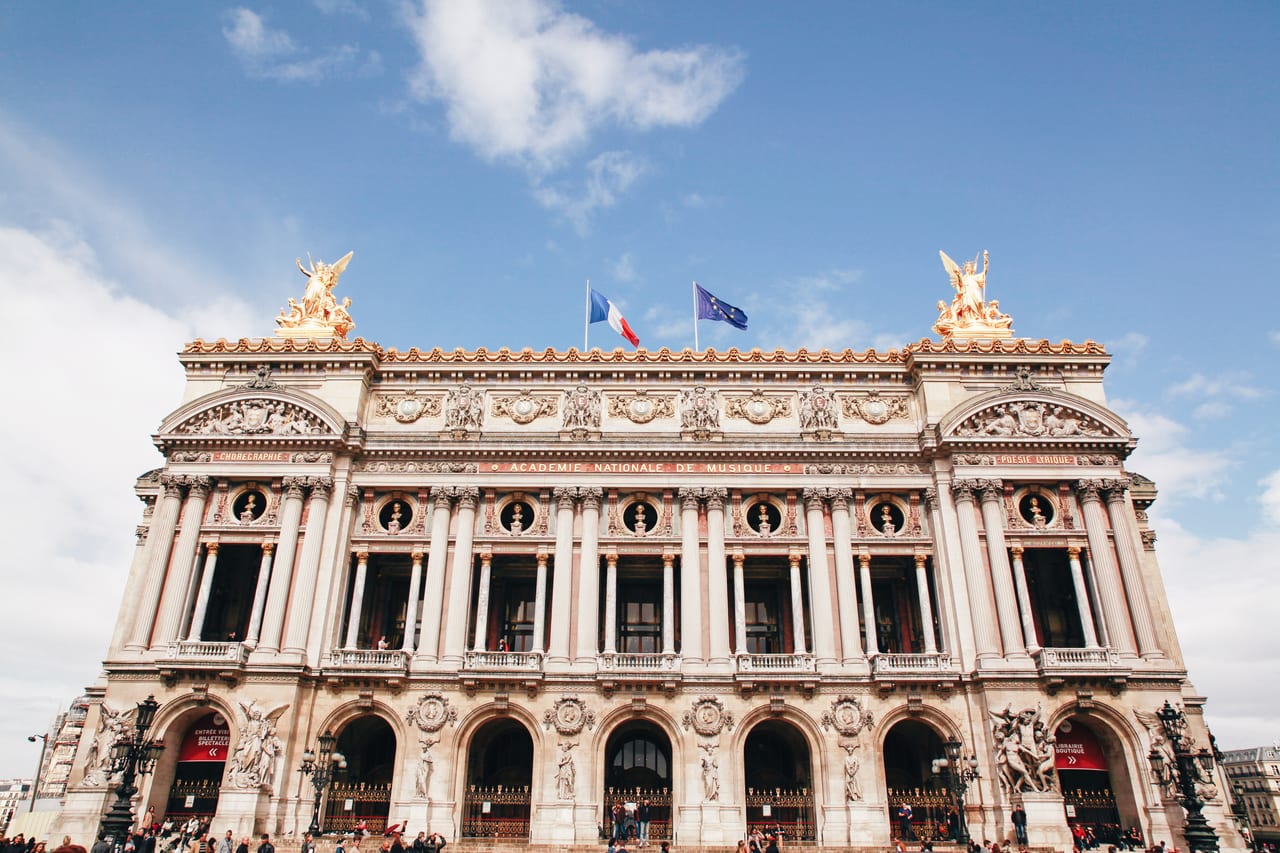
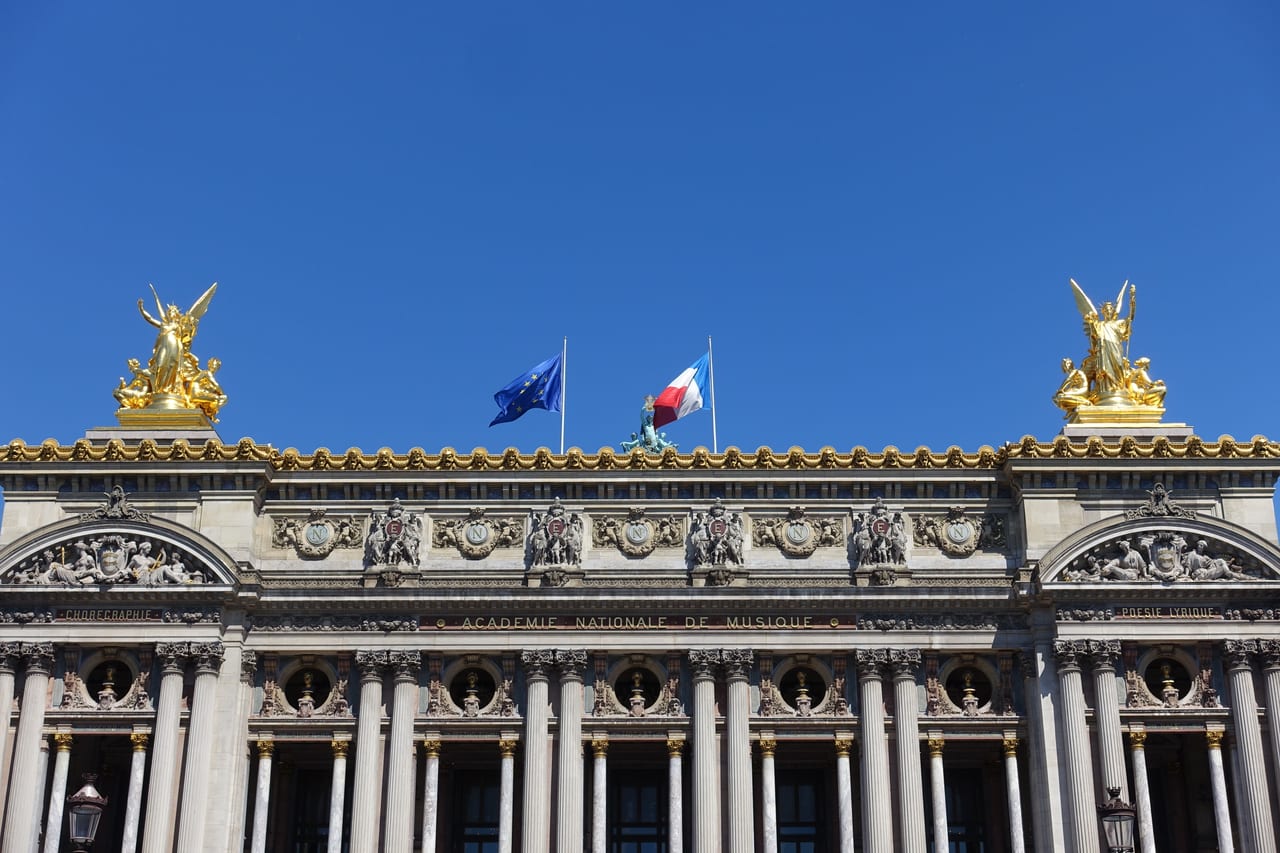
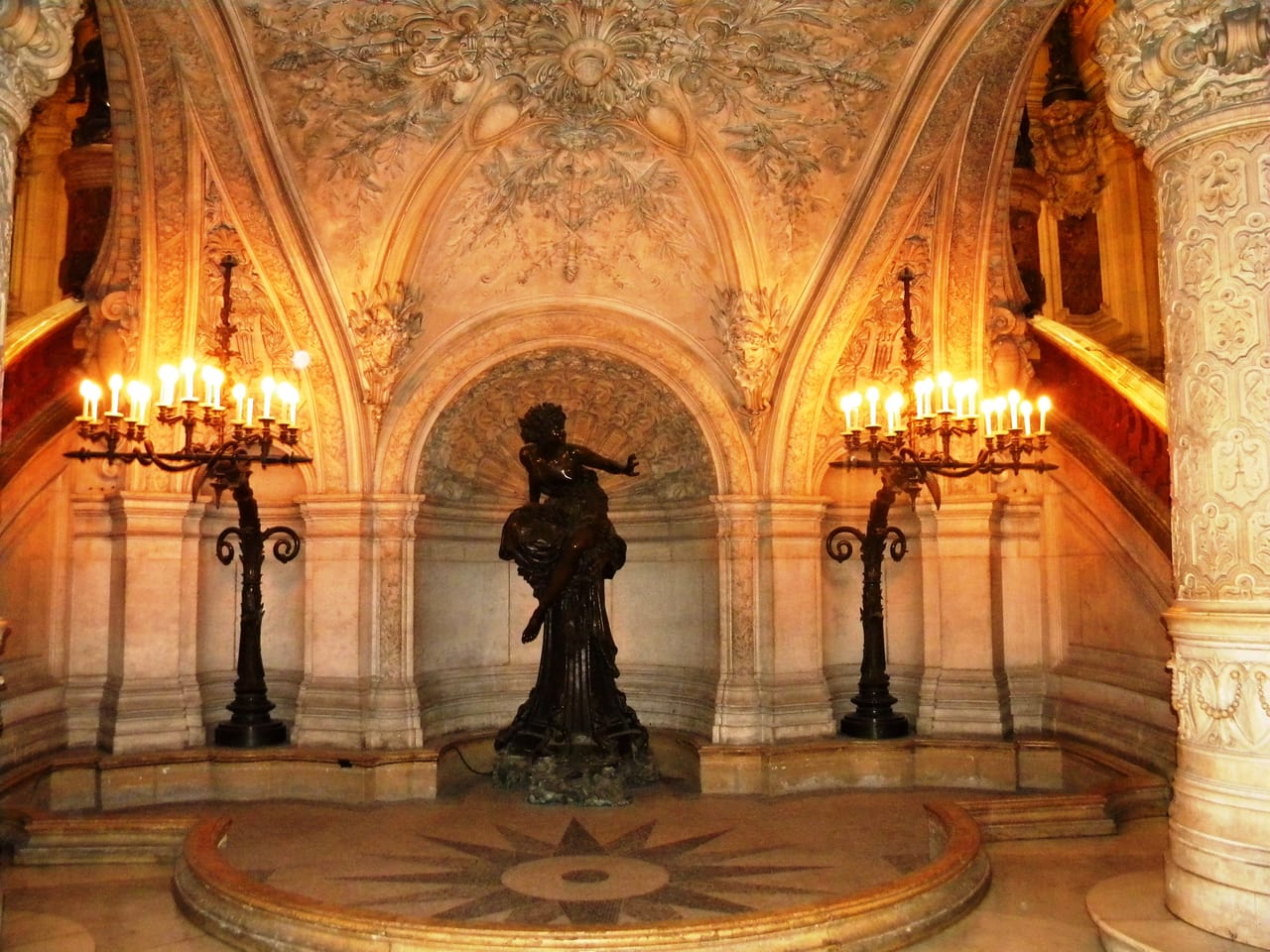
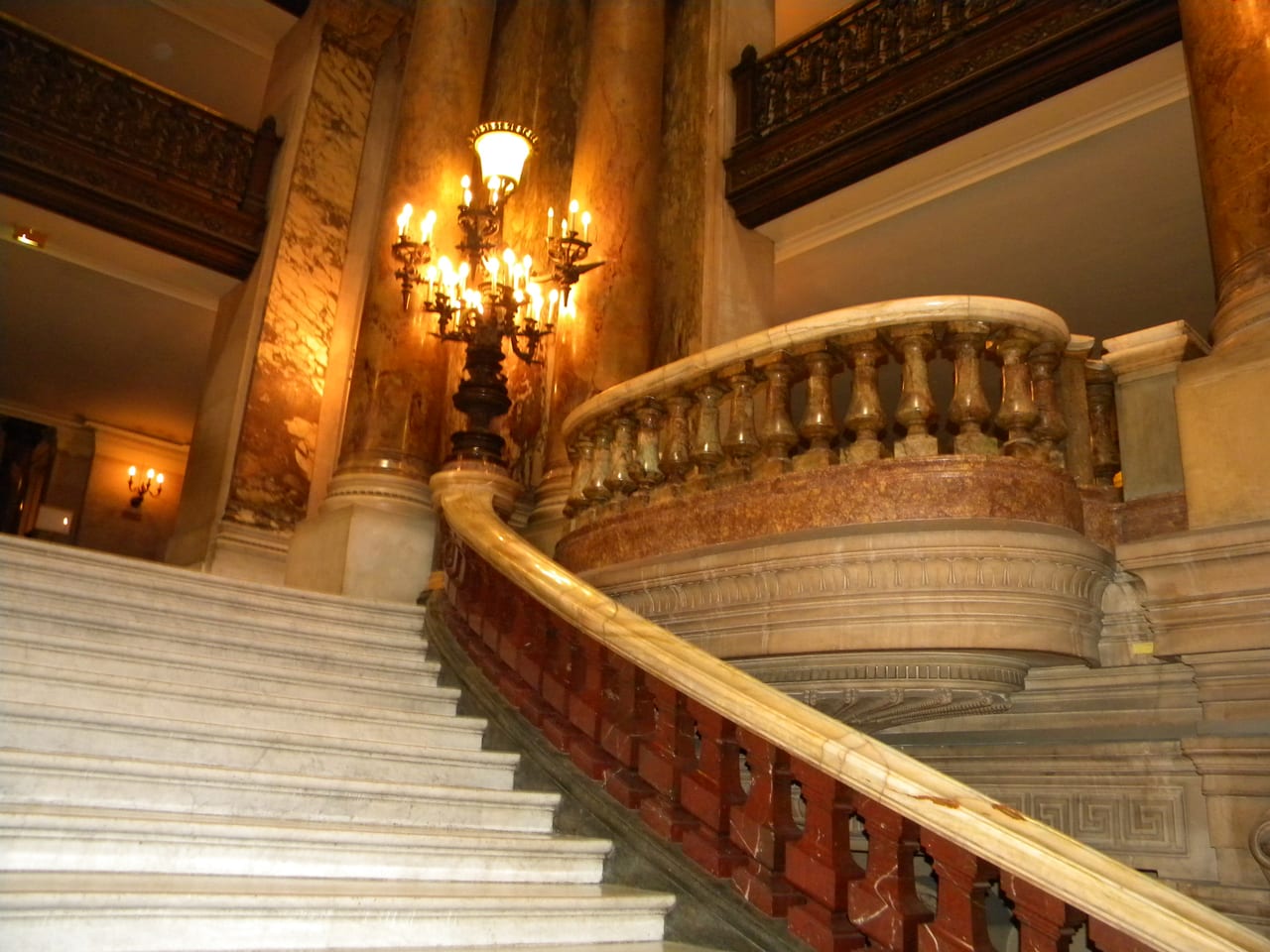
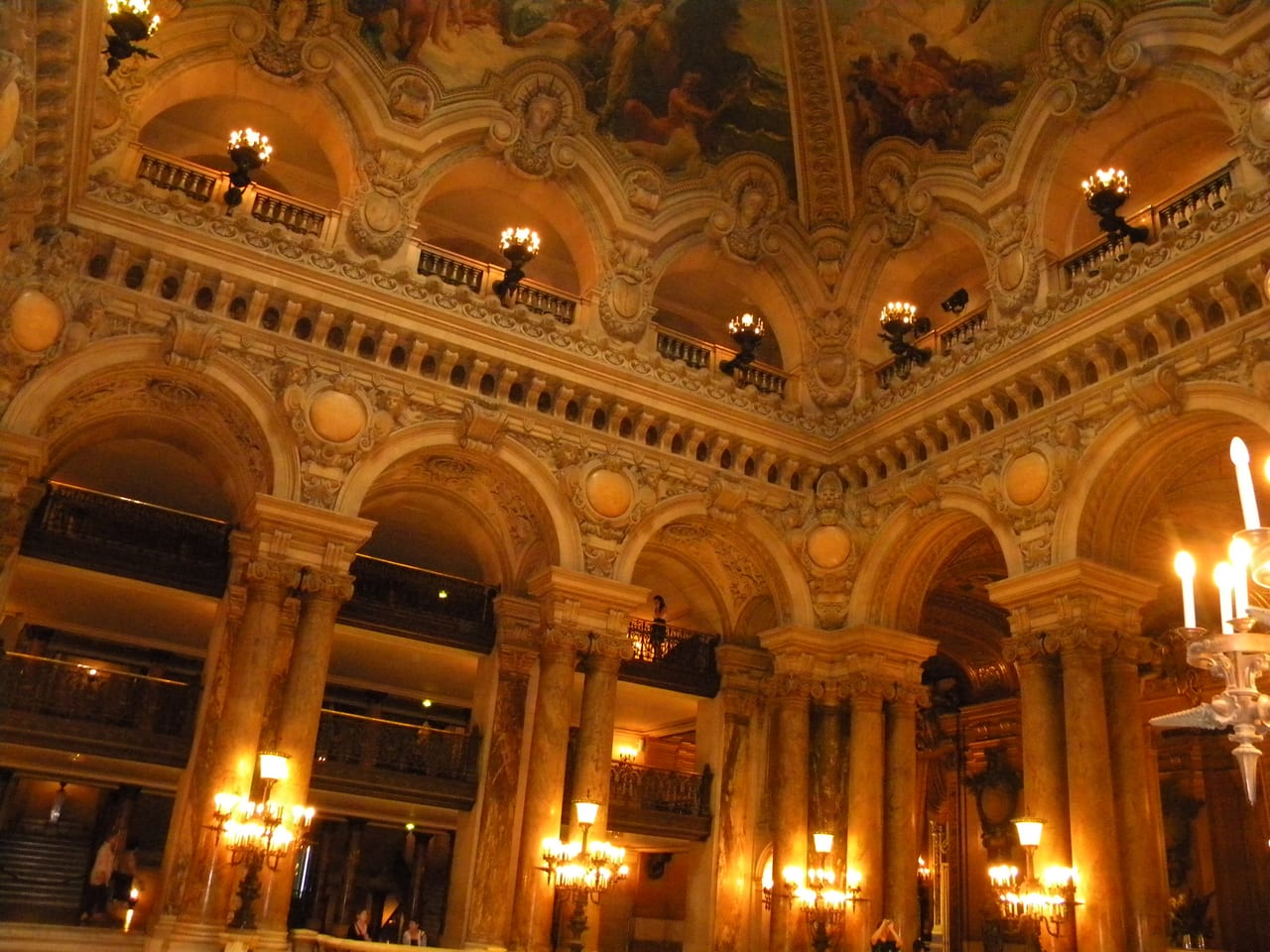
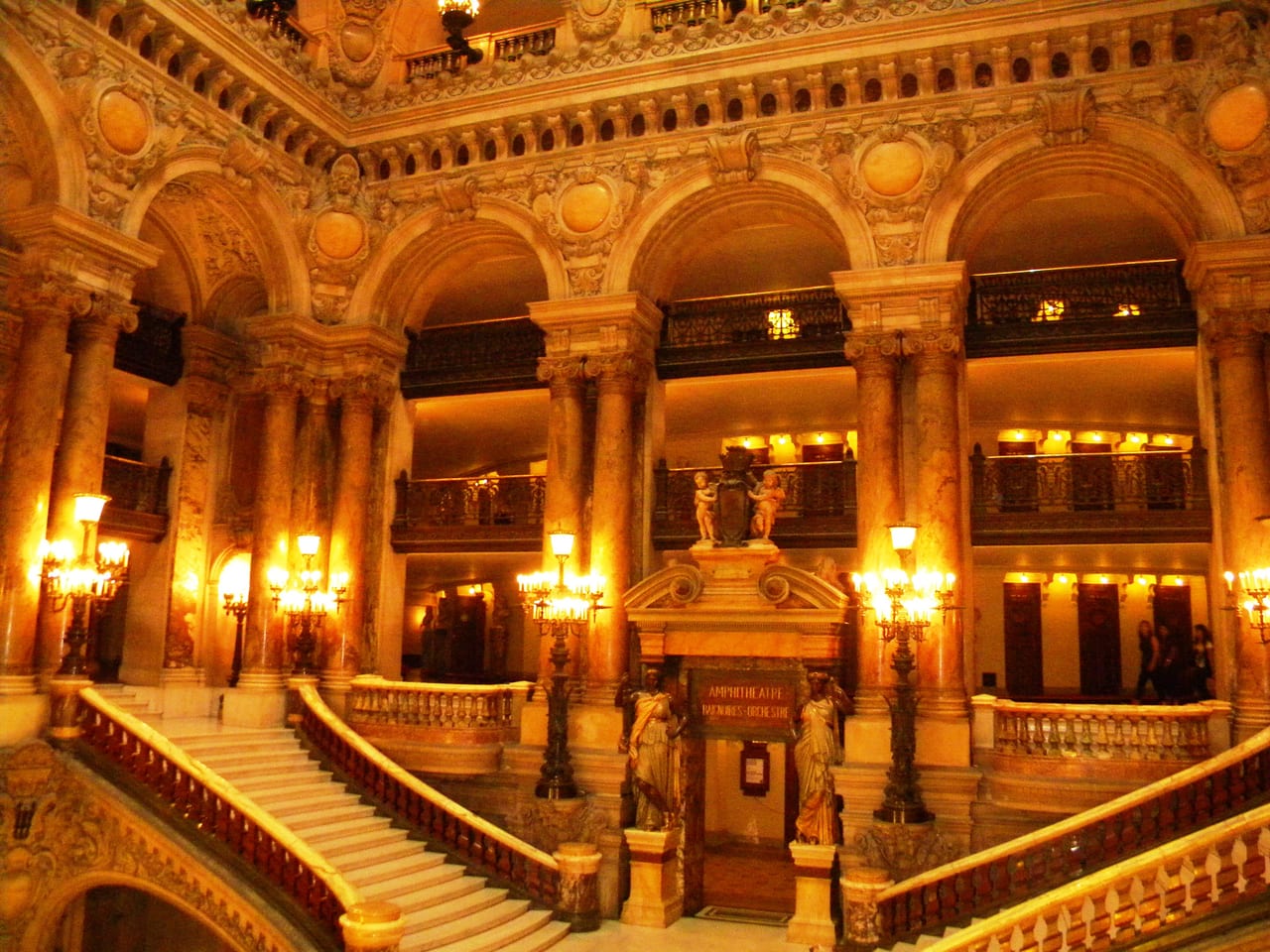
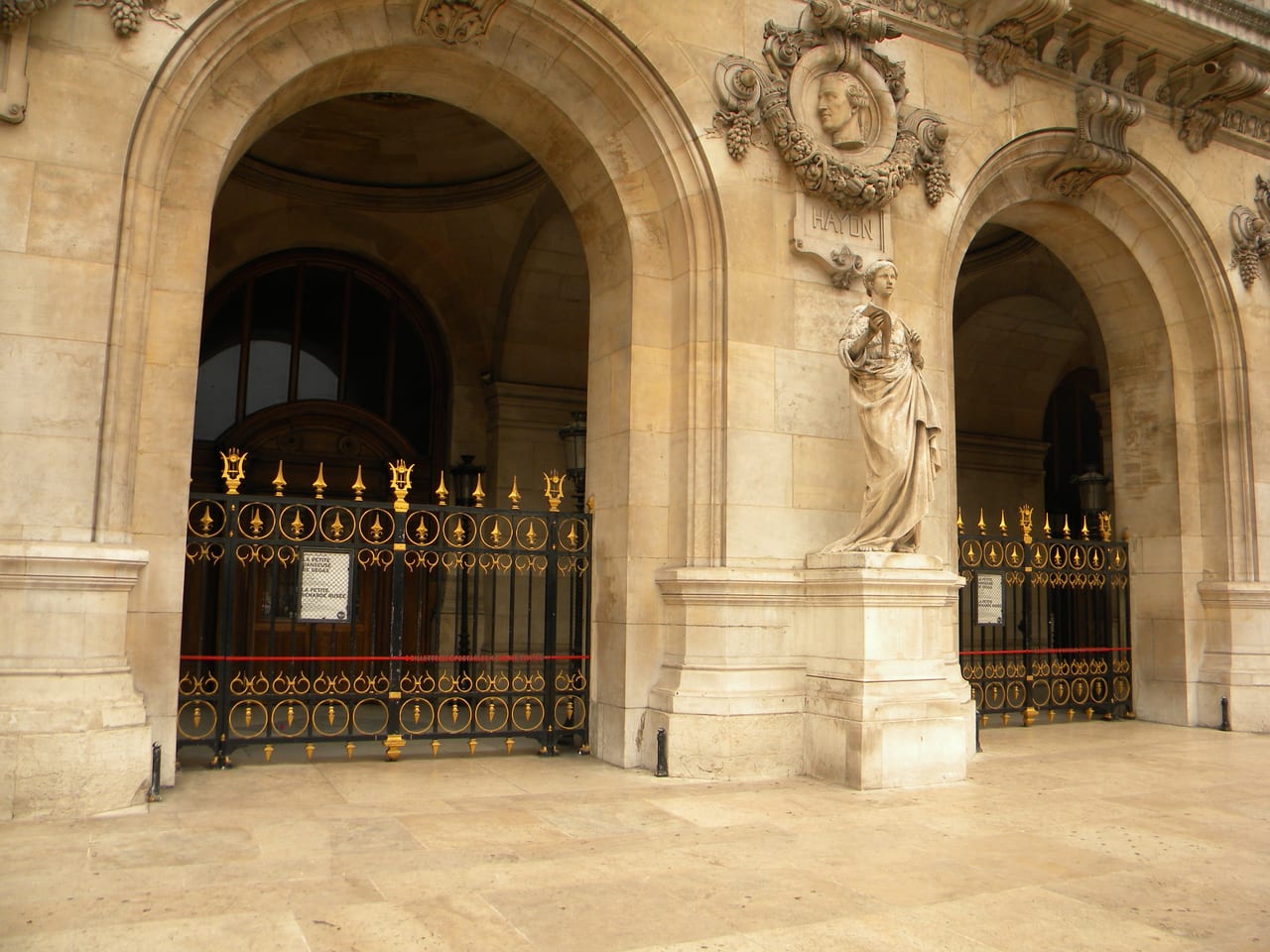
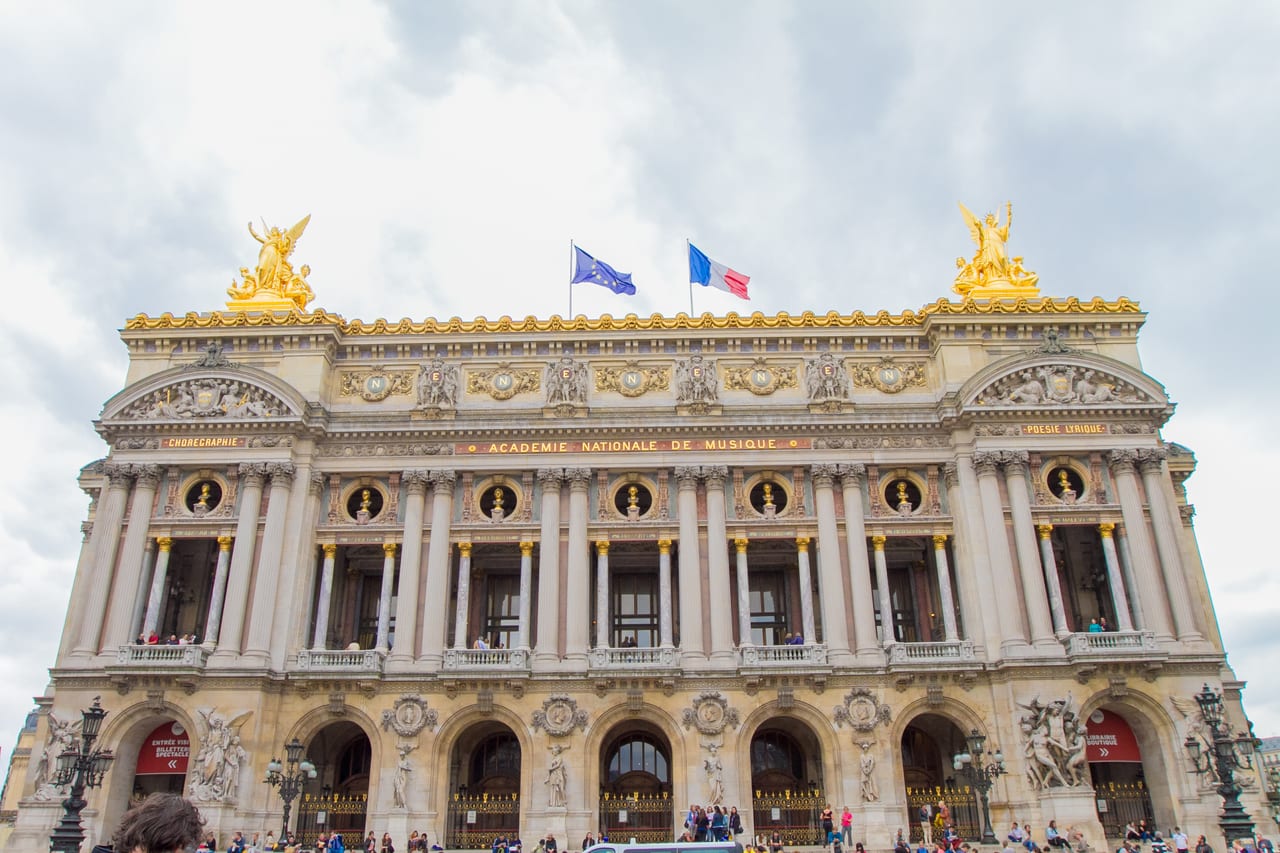
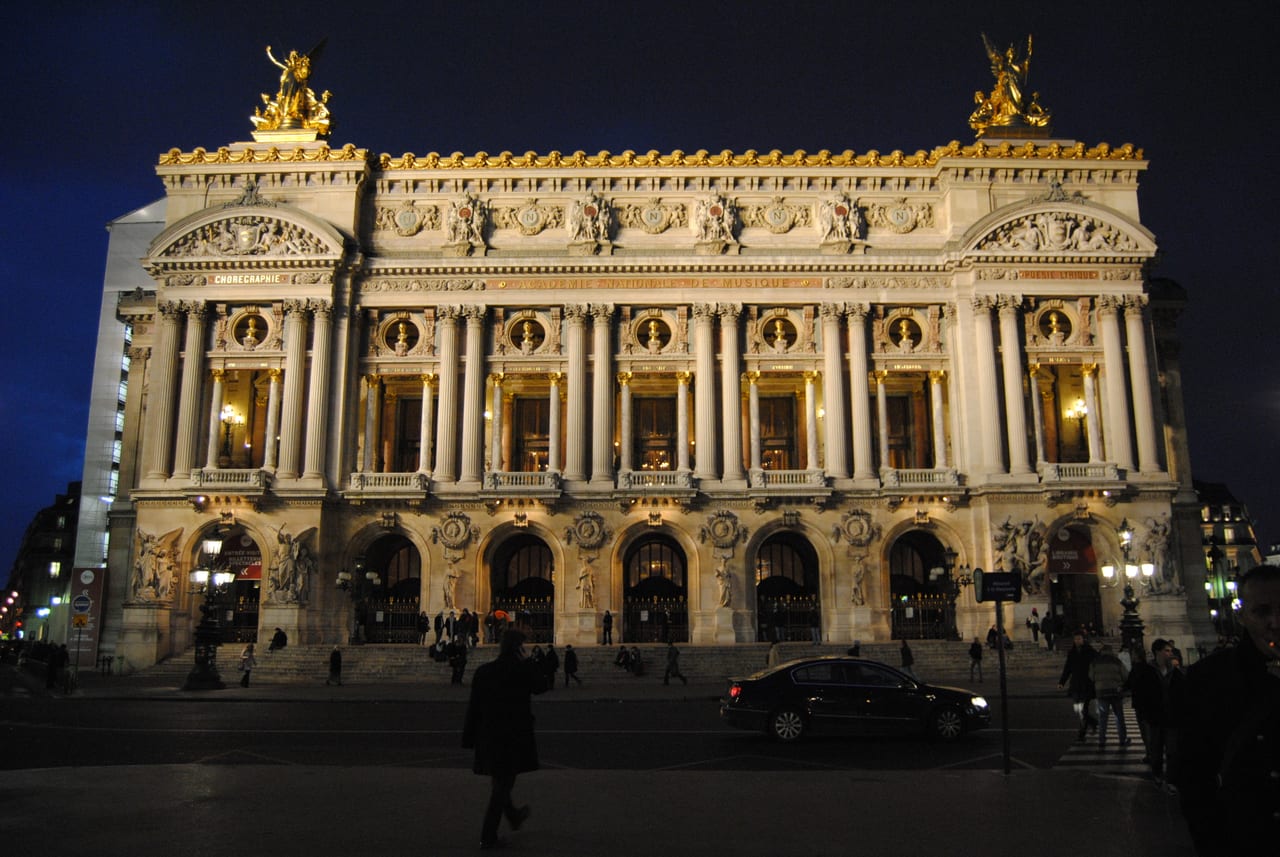
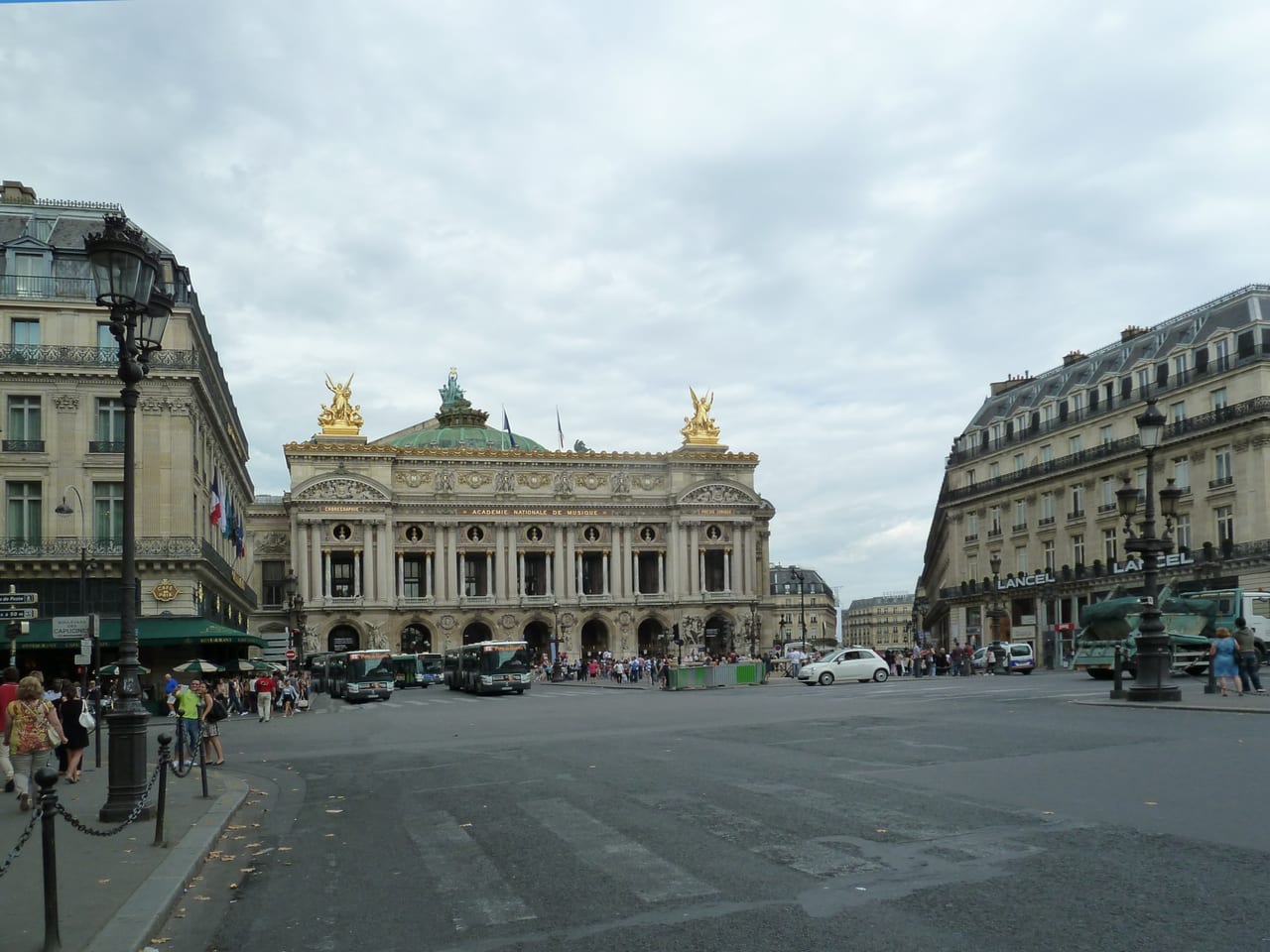
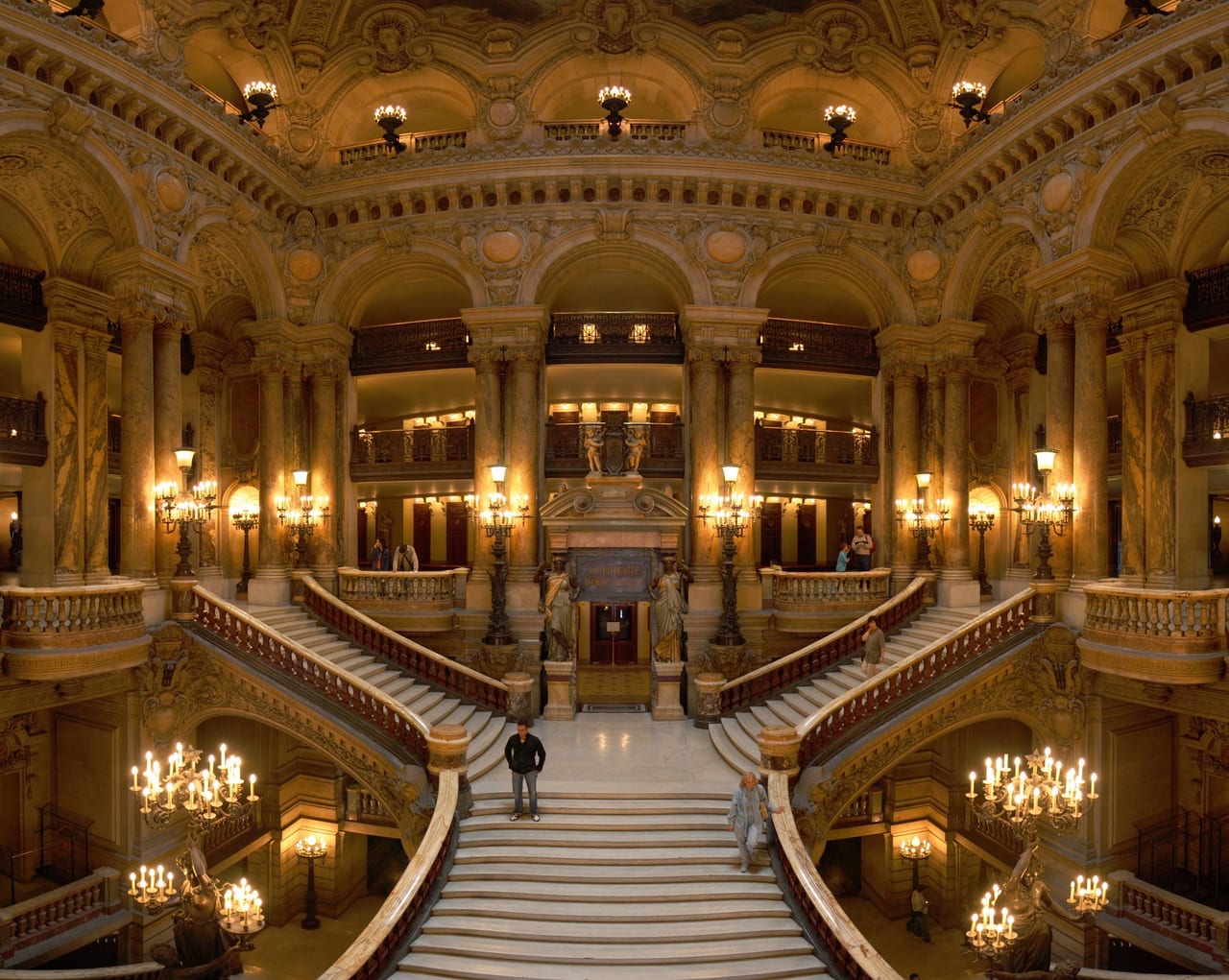
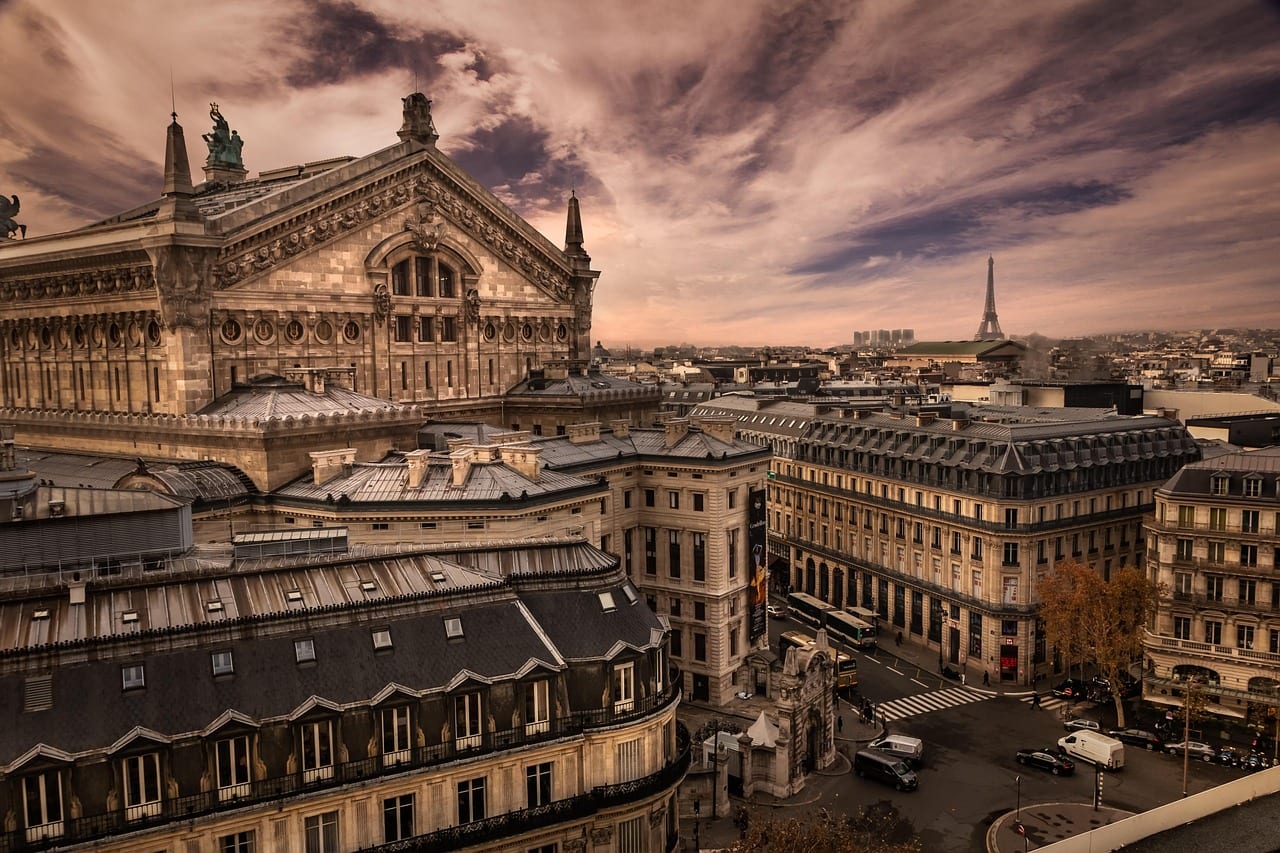
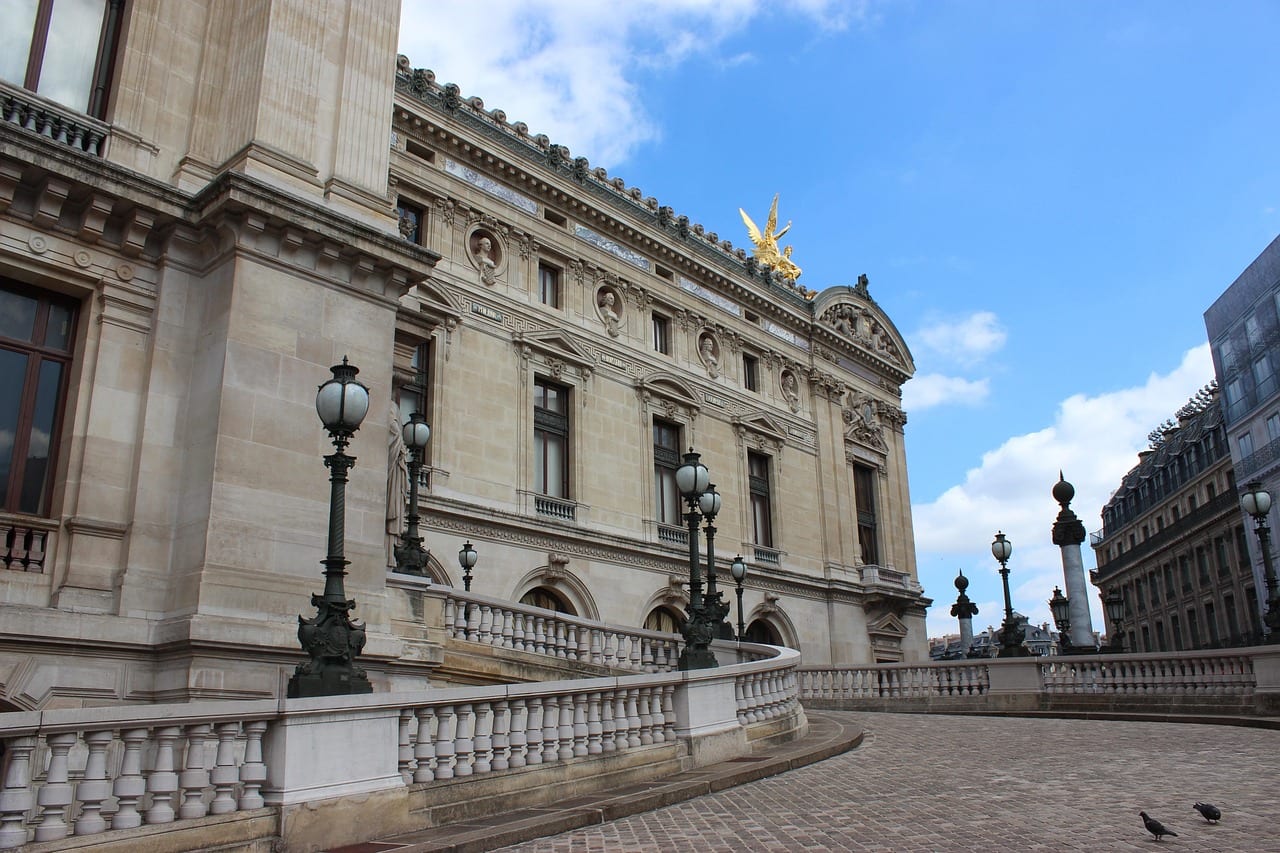
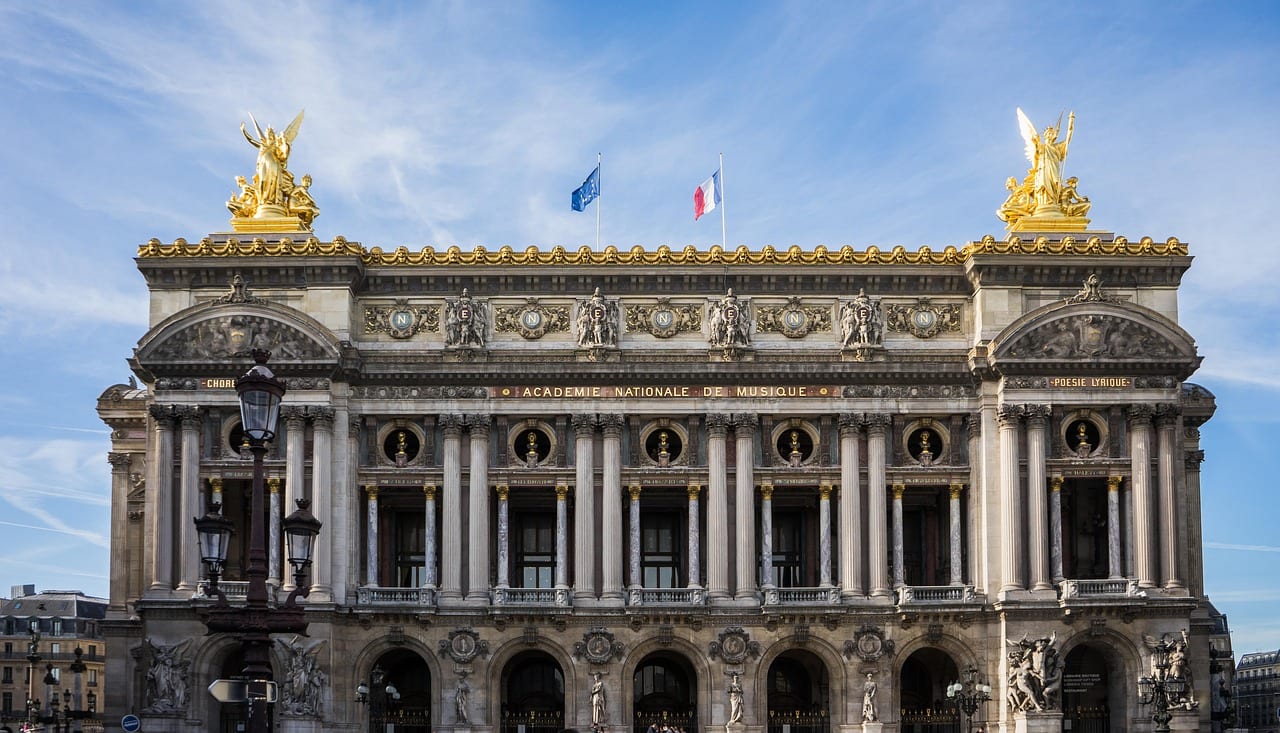
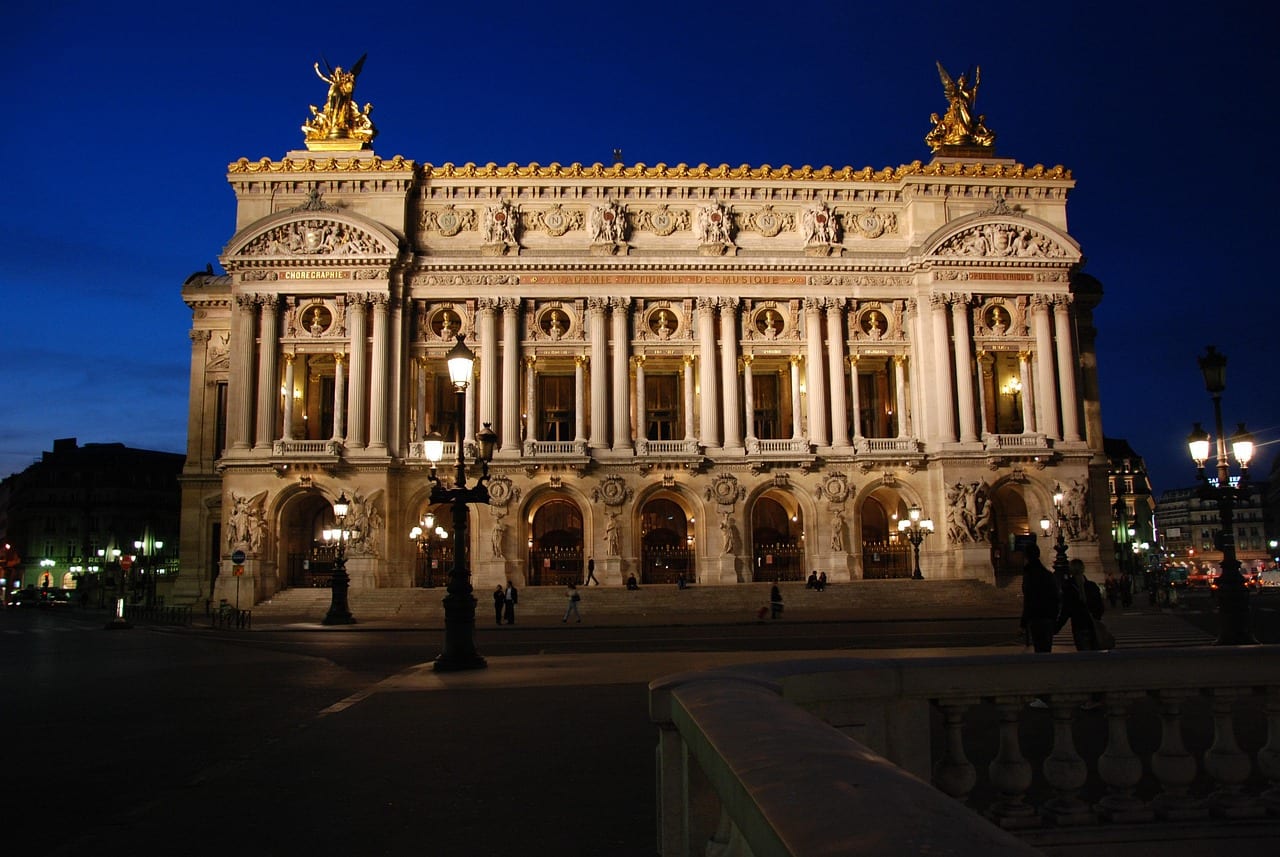
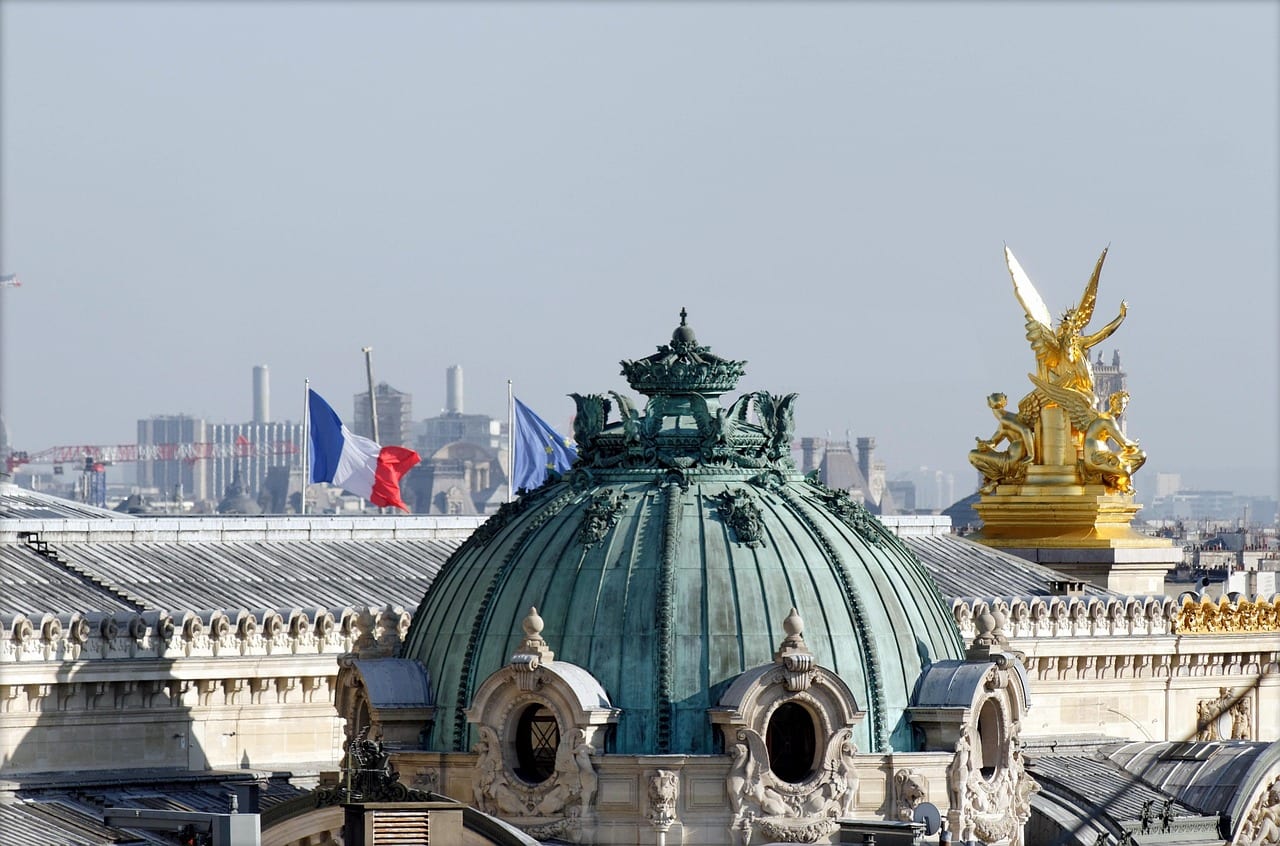
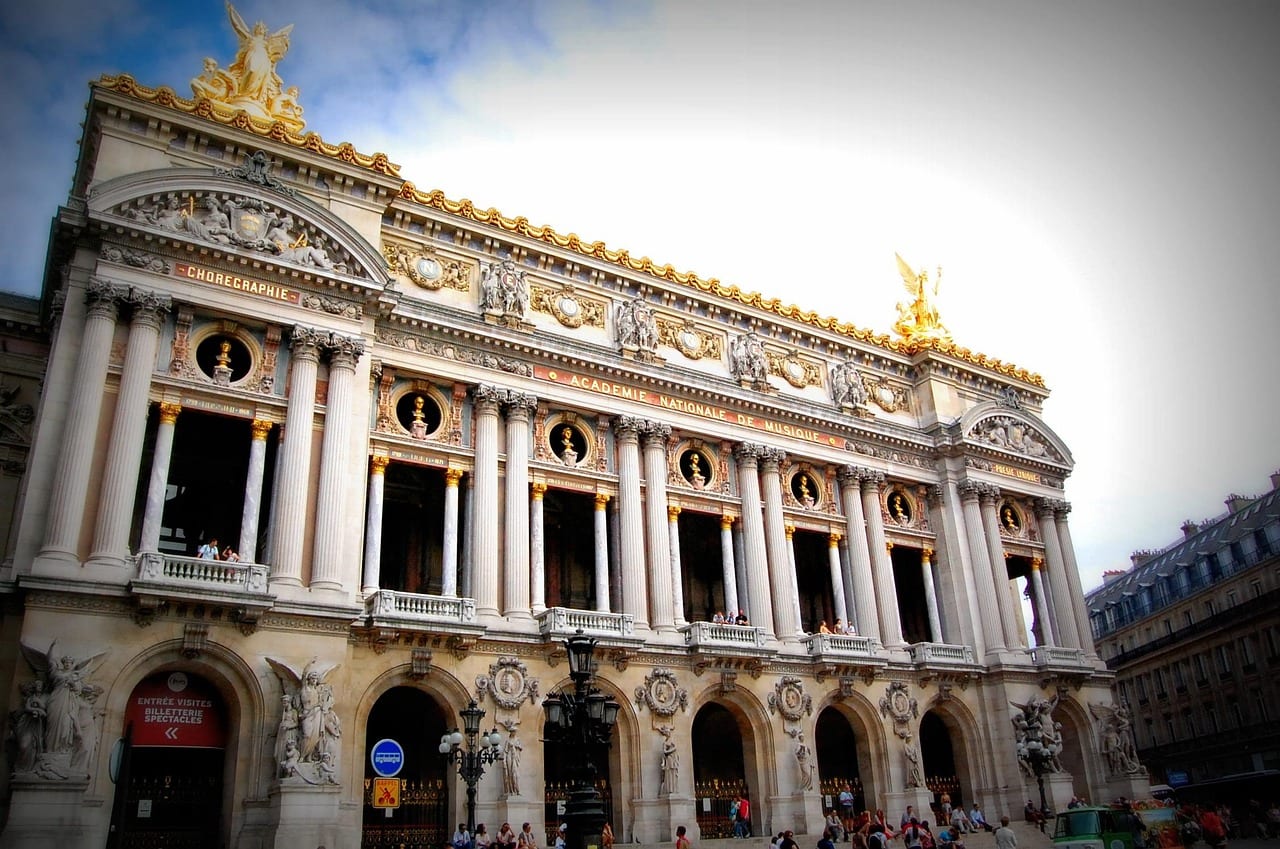
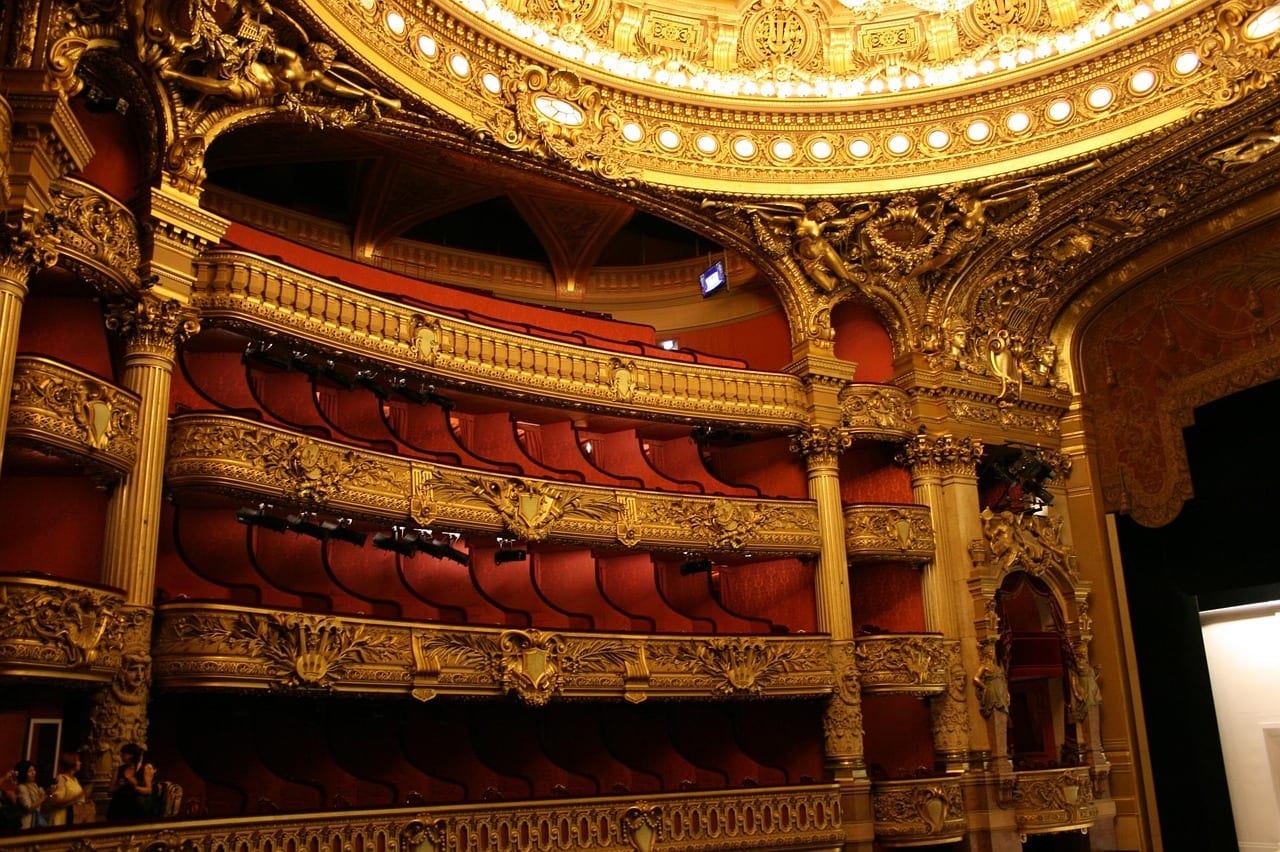
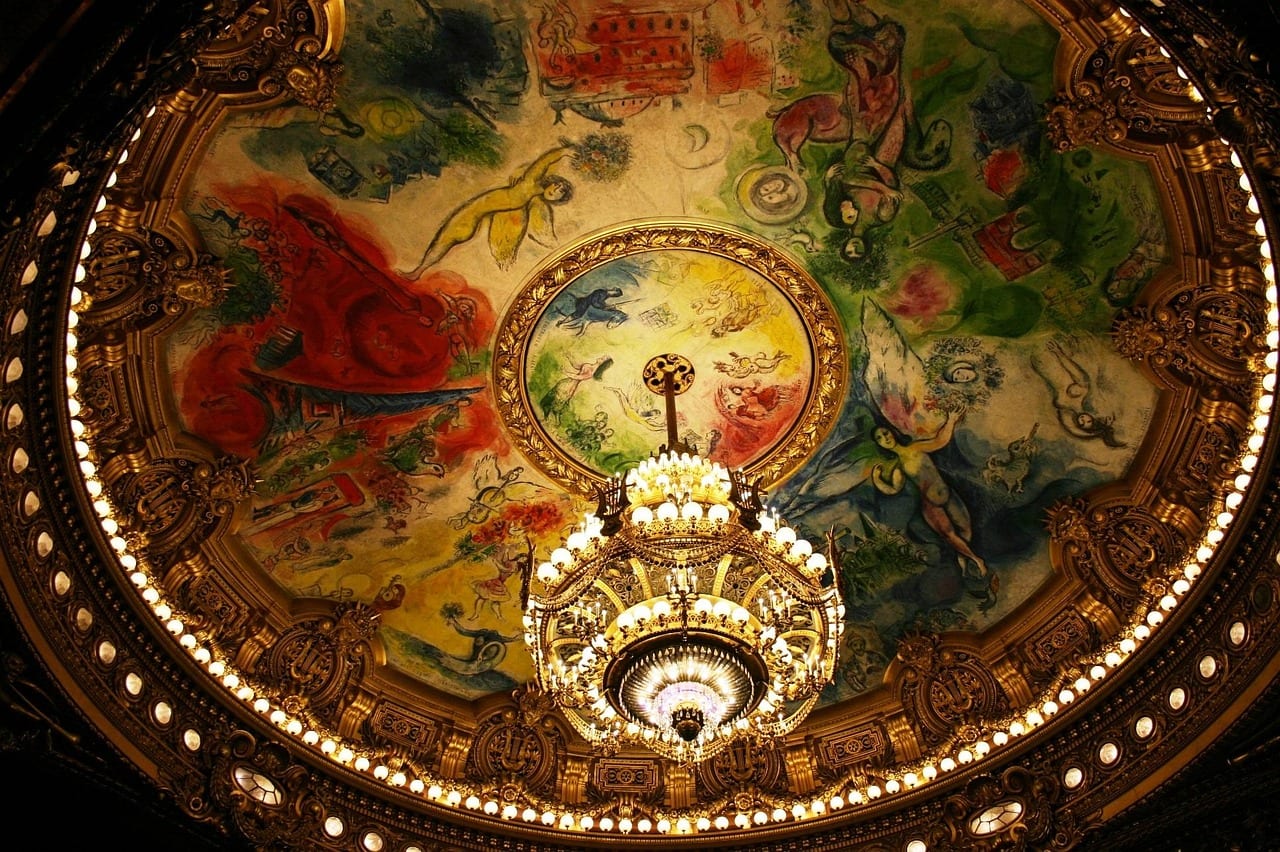
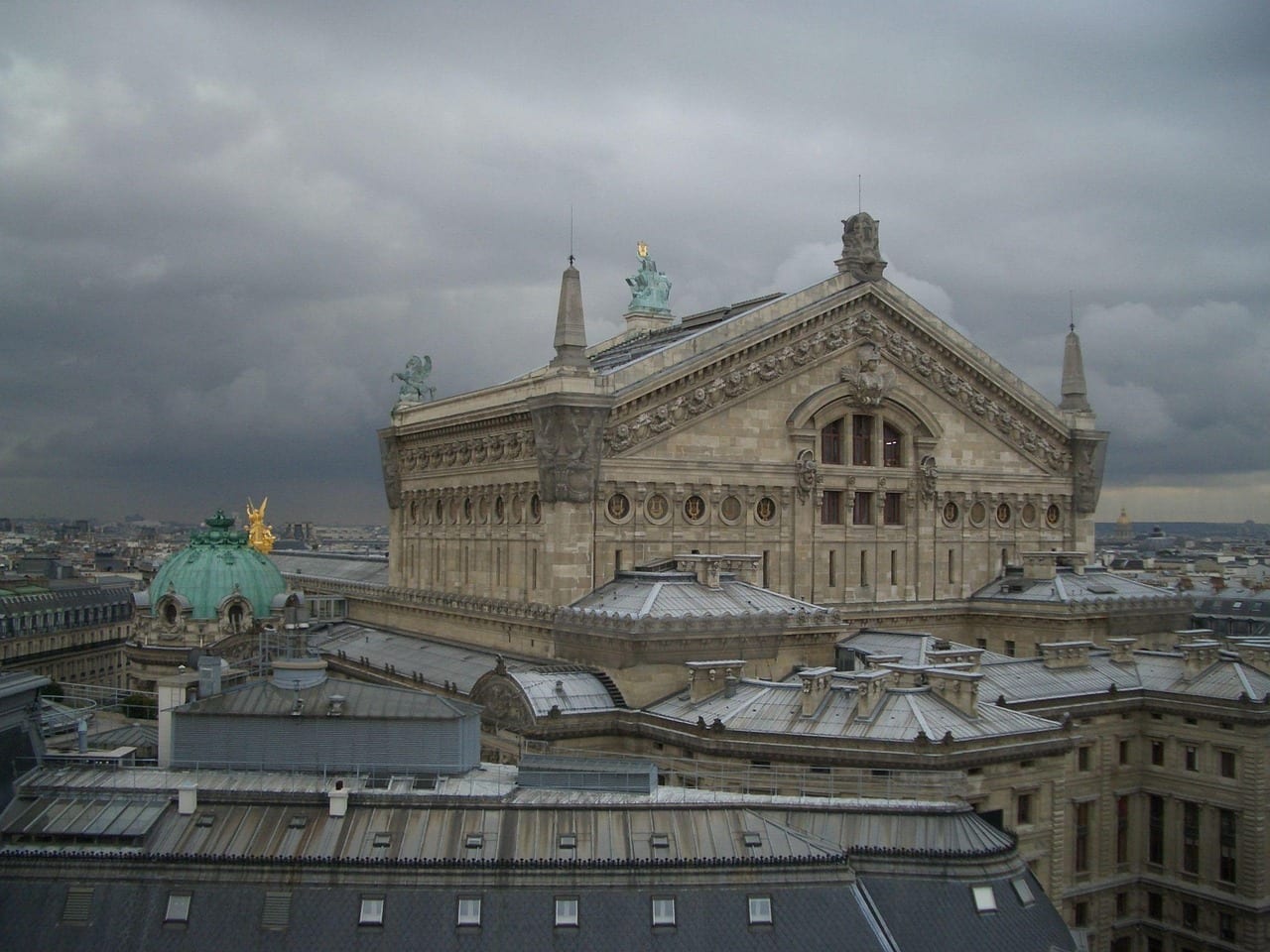
Commissioned by Napoléon III after the 1858 attack near the Le Peletier opera, the new theatre emerged from a public competition announced in 1860. The project formed part of Haussmann’s remaking of Paris and was designed for an awkward, diamond-shaped site beside the planned avenue de l’Opéra. Construction began in 1861, with the foundation stone laid on 5 May 1862. Groundwater, financial restraints, the Franco-Prussian War and the Paris Commune repeatedly disrupted the work. After Le Peletier burned in October 1873, funds were released to finish Garnier’s design. The building opened on 5 January 1875 under the Third Republic, in the presence of President Patrice de Mac Mahon. Its eclectic, historicist composition became the prototype of Second Empire, or Napoléon III, style: distinct exterior volumes reveal the auditorium, stage machinery and administration, while marble, sculpture, mosaics, painted gilding and elaborate foyers create an exceptionally theatrical interior. It was known as the Paris Opera until the Bastille Opera opened in 1989, and has been a classified historical monument since 1923.
At a glance
- Built
- 1861
- Architect
- Charles Garnier
- Style
- Second Empire style
- Heritage
- classified historical monument
Ways to explore Palais Garnier
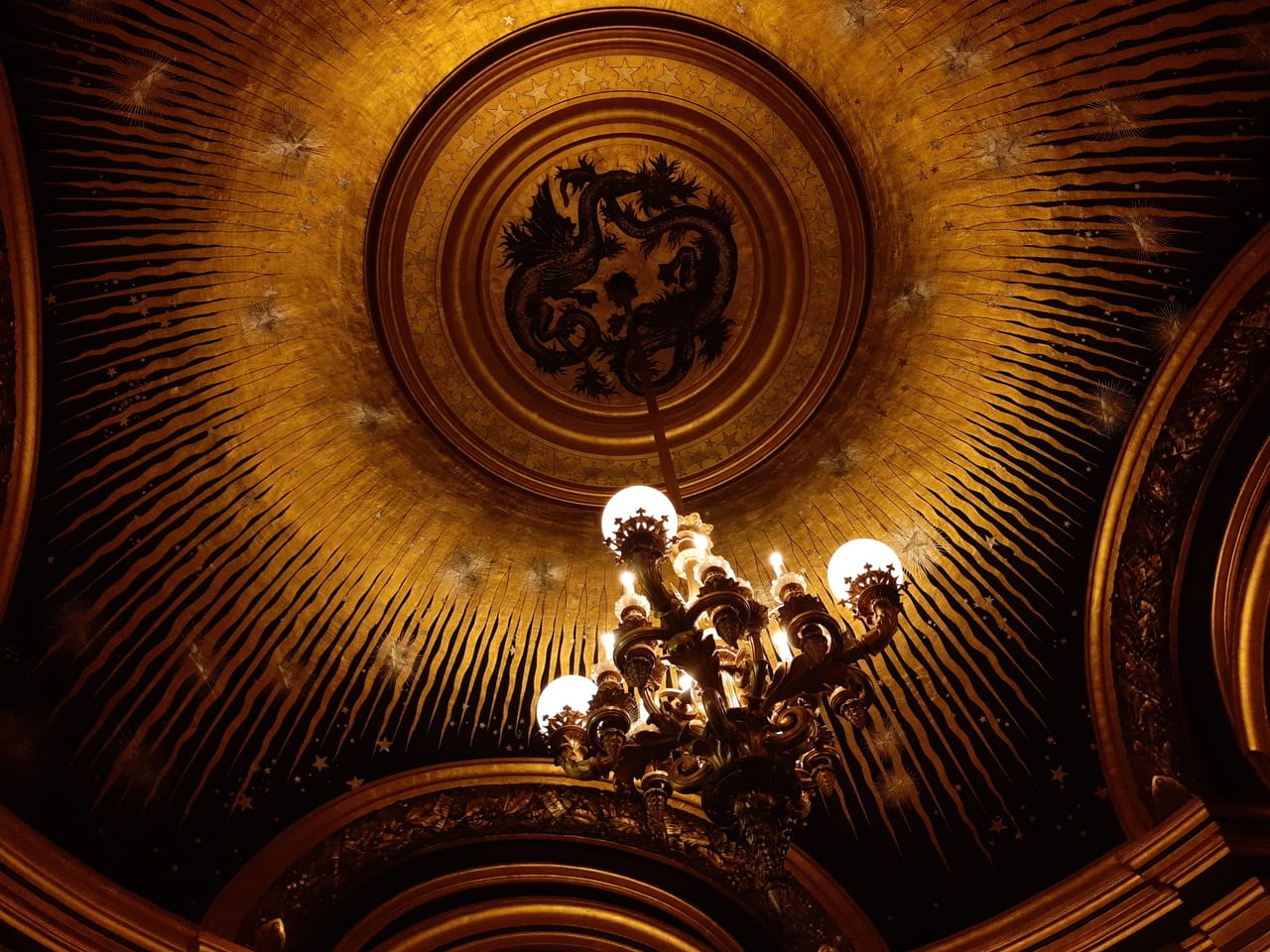
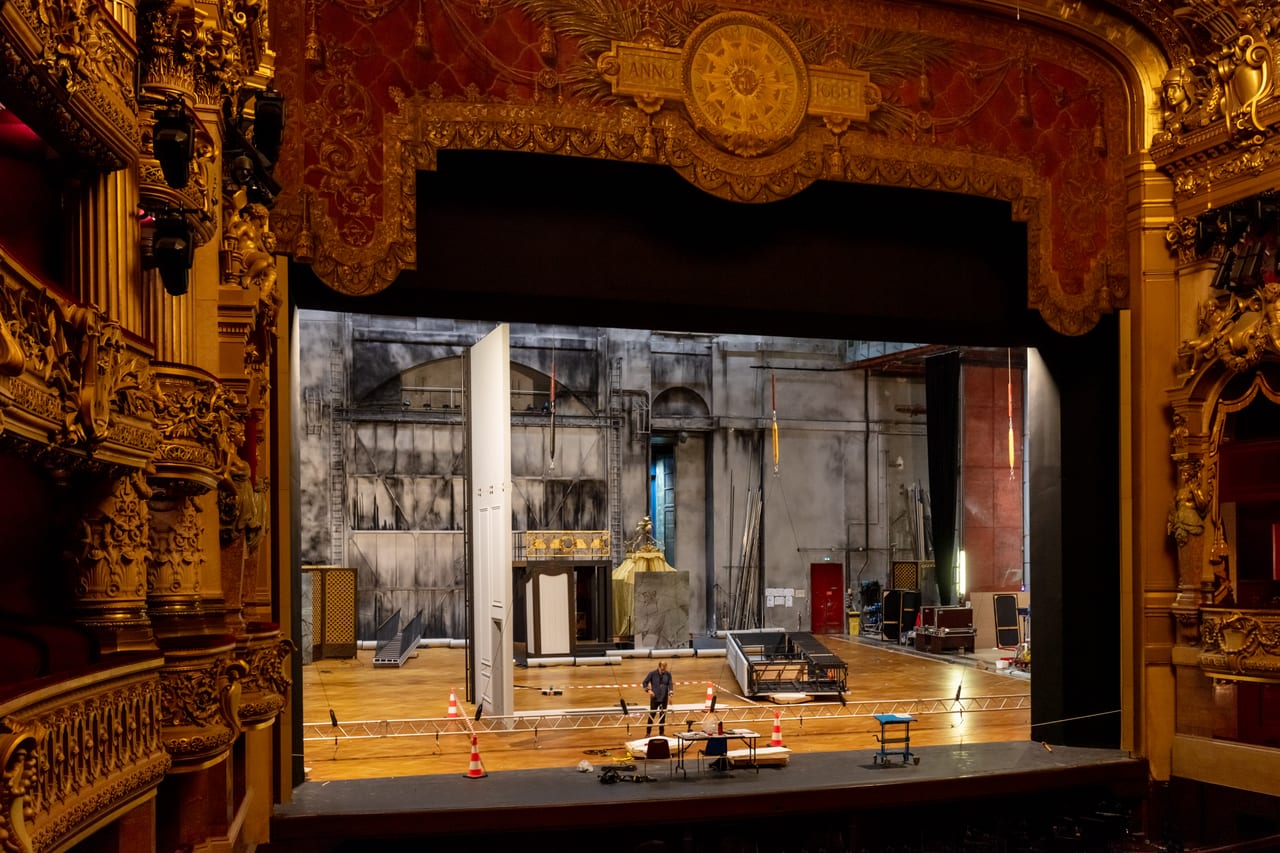
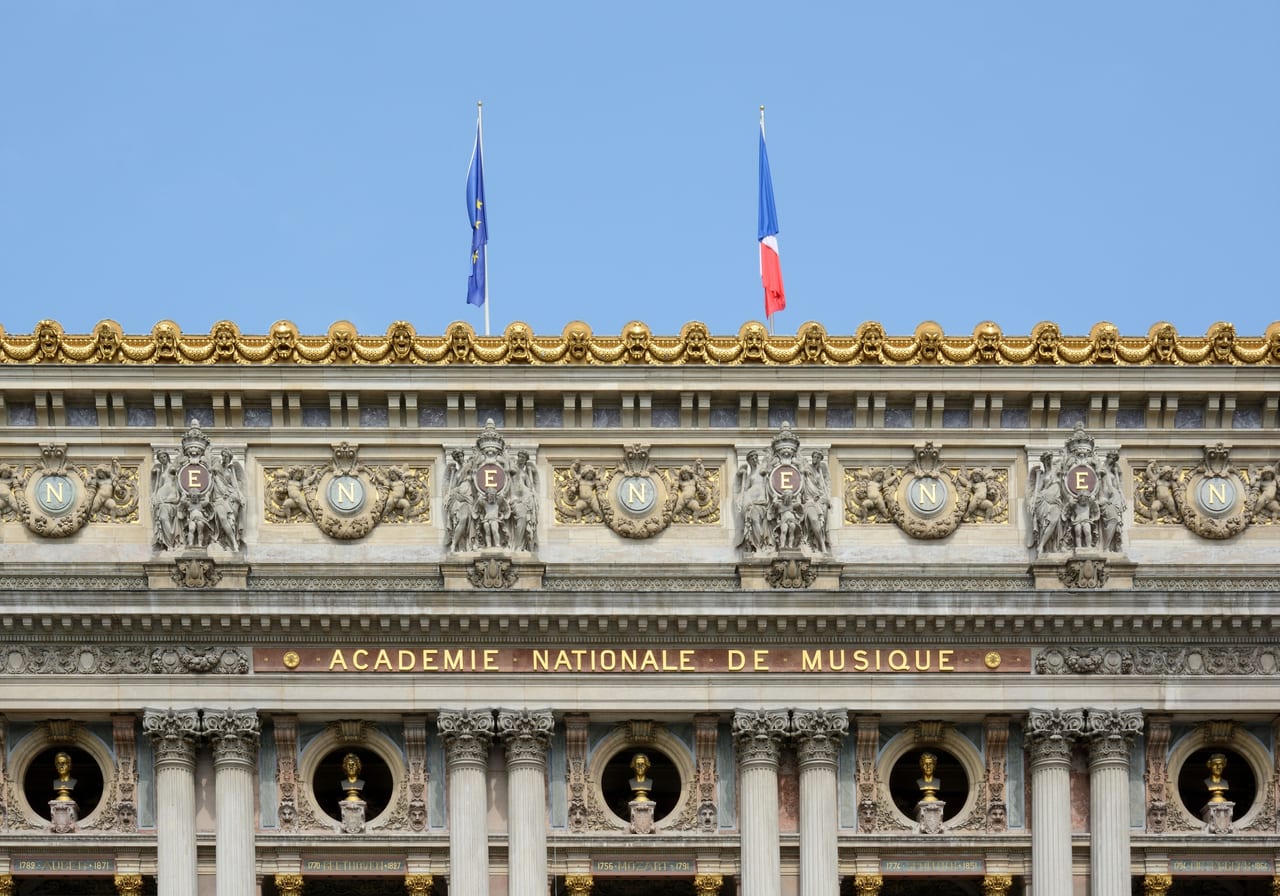
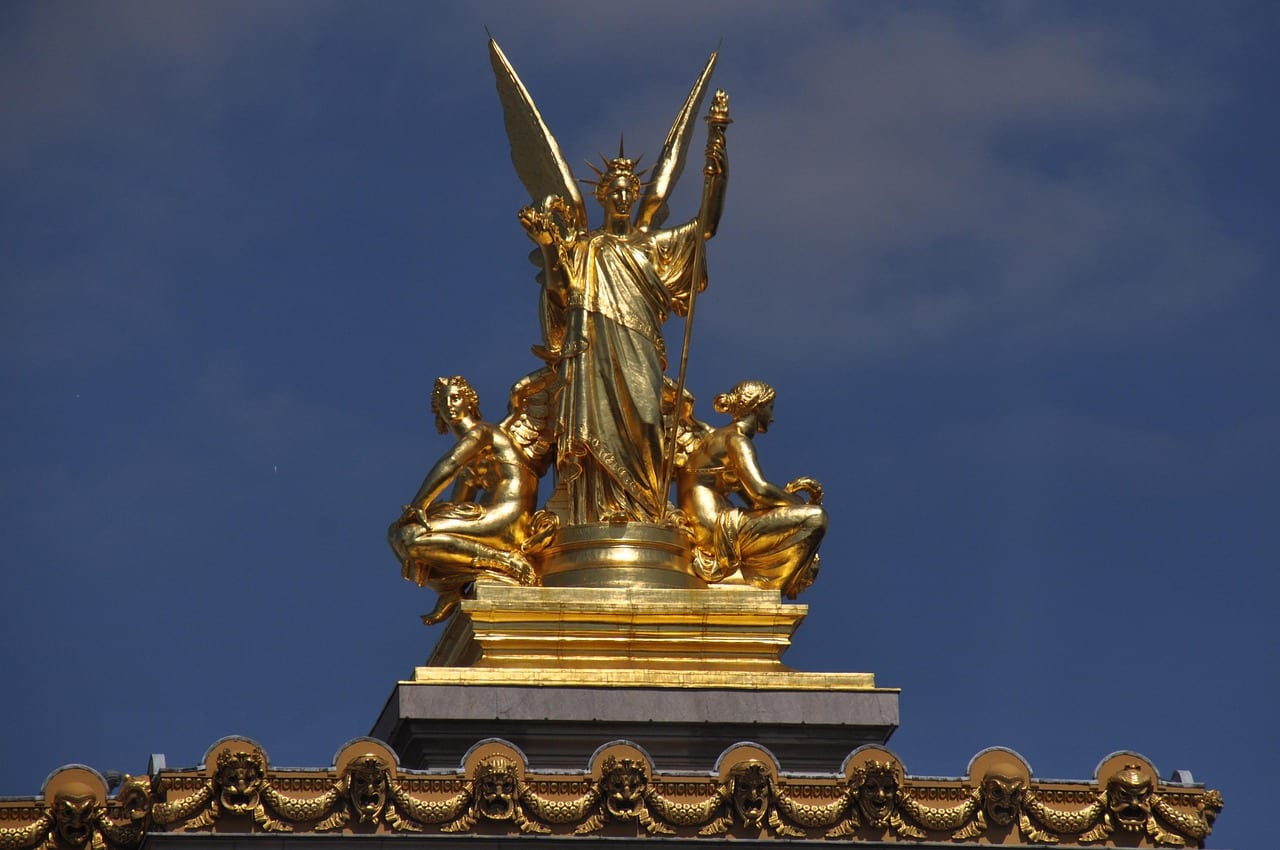
Begin with the principal façade, where mascarons, garlands and attic bas-reliefs reward a slow inspection. Inside, compare the scale of the auditorium with the unusually expansive stage volume, then linger over the Grand Foyer and the auditorium’s painted gilding, marble and ornament. Look for the building’s carefully separated functional zones rather than viewing it as a single mass. Access is available via Métro Opéra, RER A at Auber, and RATP buses.
Places to stay near Palais Garnier
Live availability and prices from Stay22's partners, refreshed periodically and subject to change. Booking through these links may earn us a commission at no extra cost to you. See our privacy policy.
Cafés near Palais Garnier
Cafés near Palais Garnier loads as you scroll.
Attractions nearby
Attractions near Palais Garnier loads as you scroll.
Cities nearby
Cities nearby loads as you scroll.
More in Paris
See more of Paris.
Find great cafés, places to stay and other interesting places to visit in Paris.