Theatre · Paris
Opéra-Comique
DirectionsThe present Salle Favart was France’s first theatre designed with fully electric lighting, unveiled in 1898 amid a blaze of gilded bronze chandeliers and wall lights.
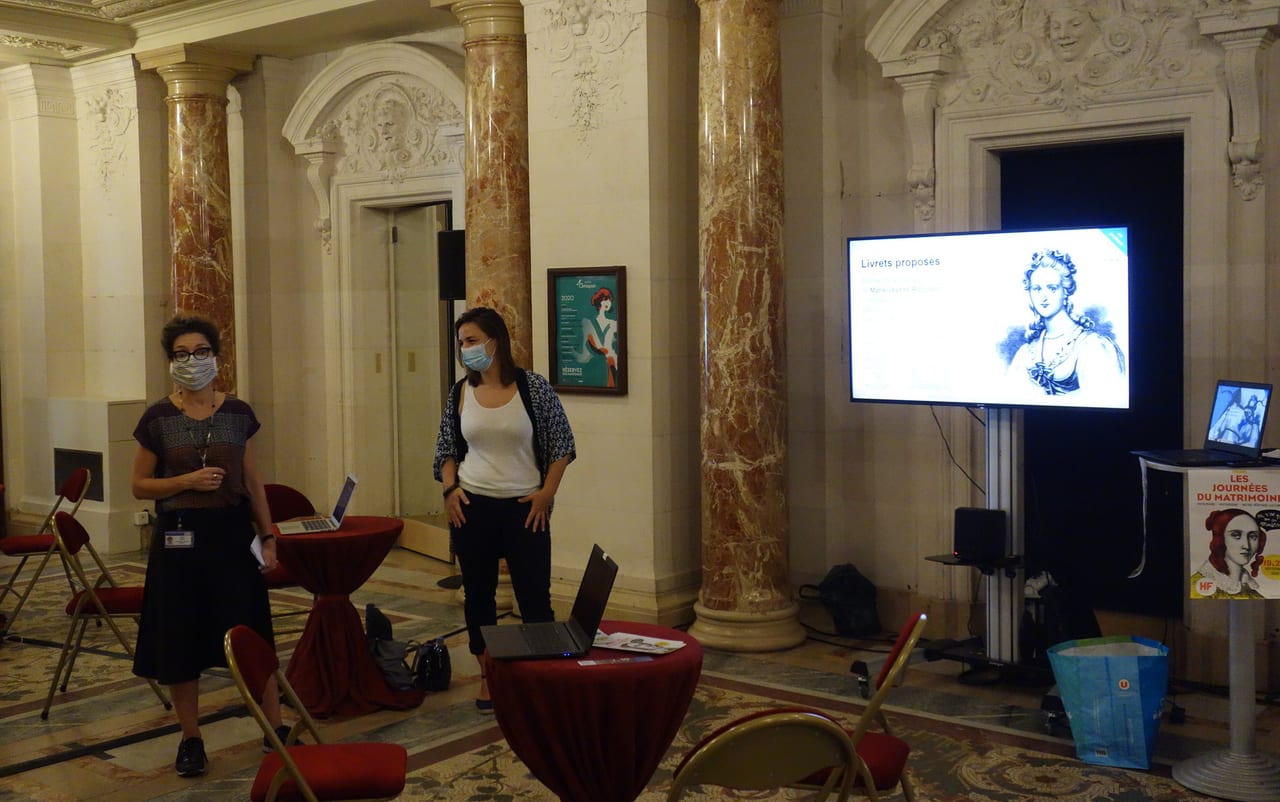

Photograph 1 of 8 of Opéra-Comique
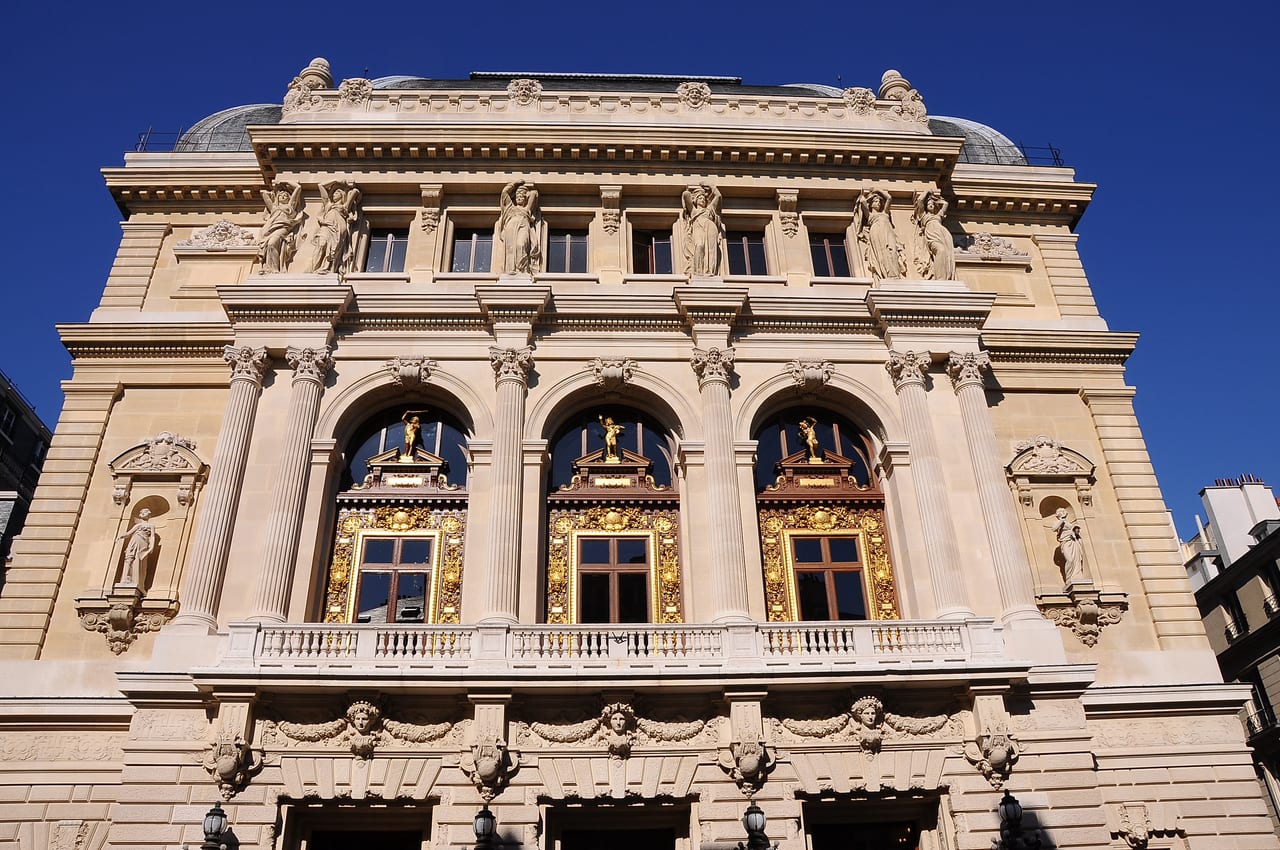
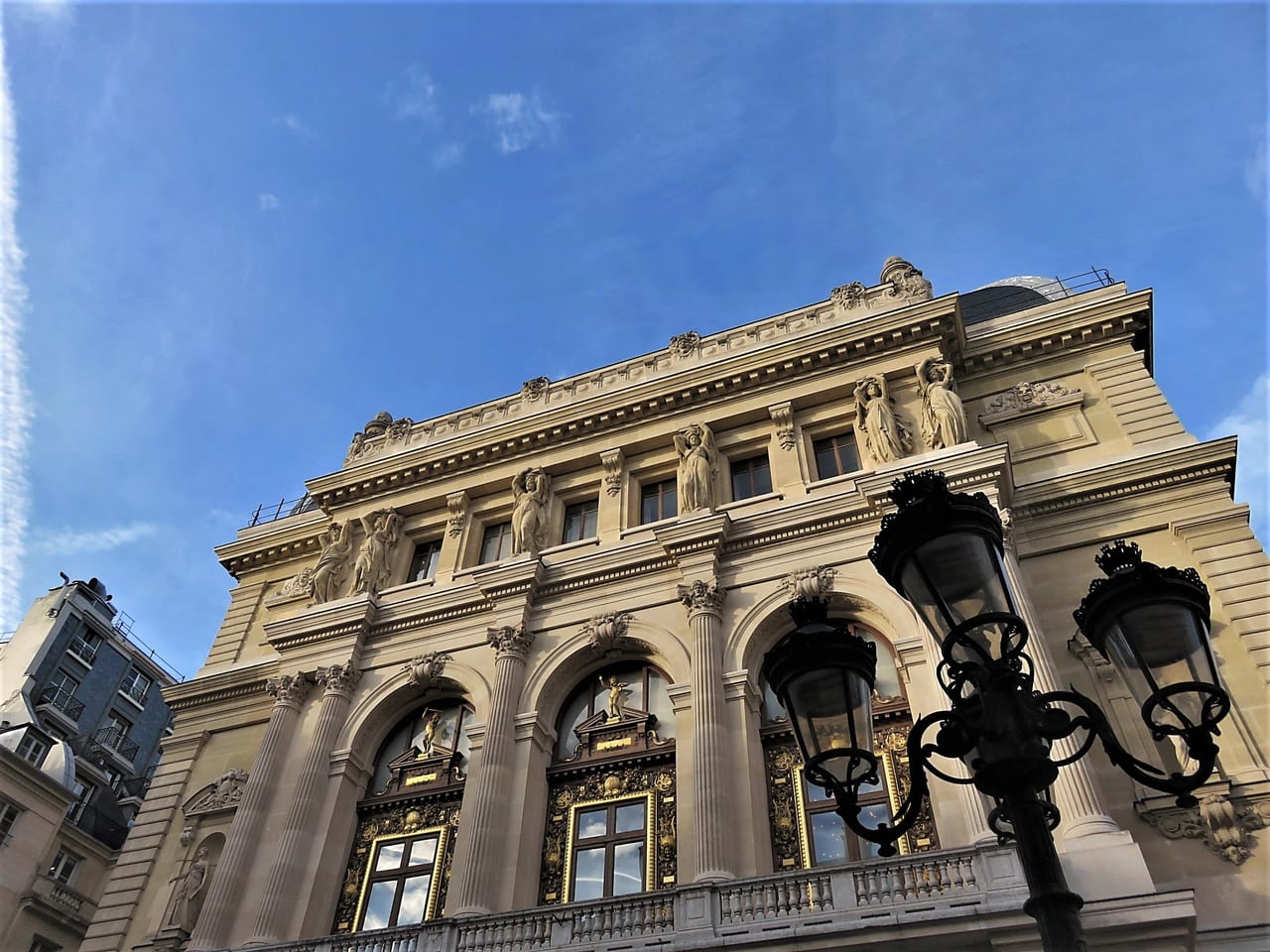
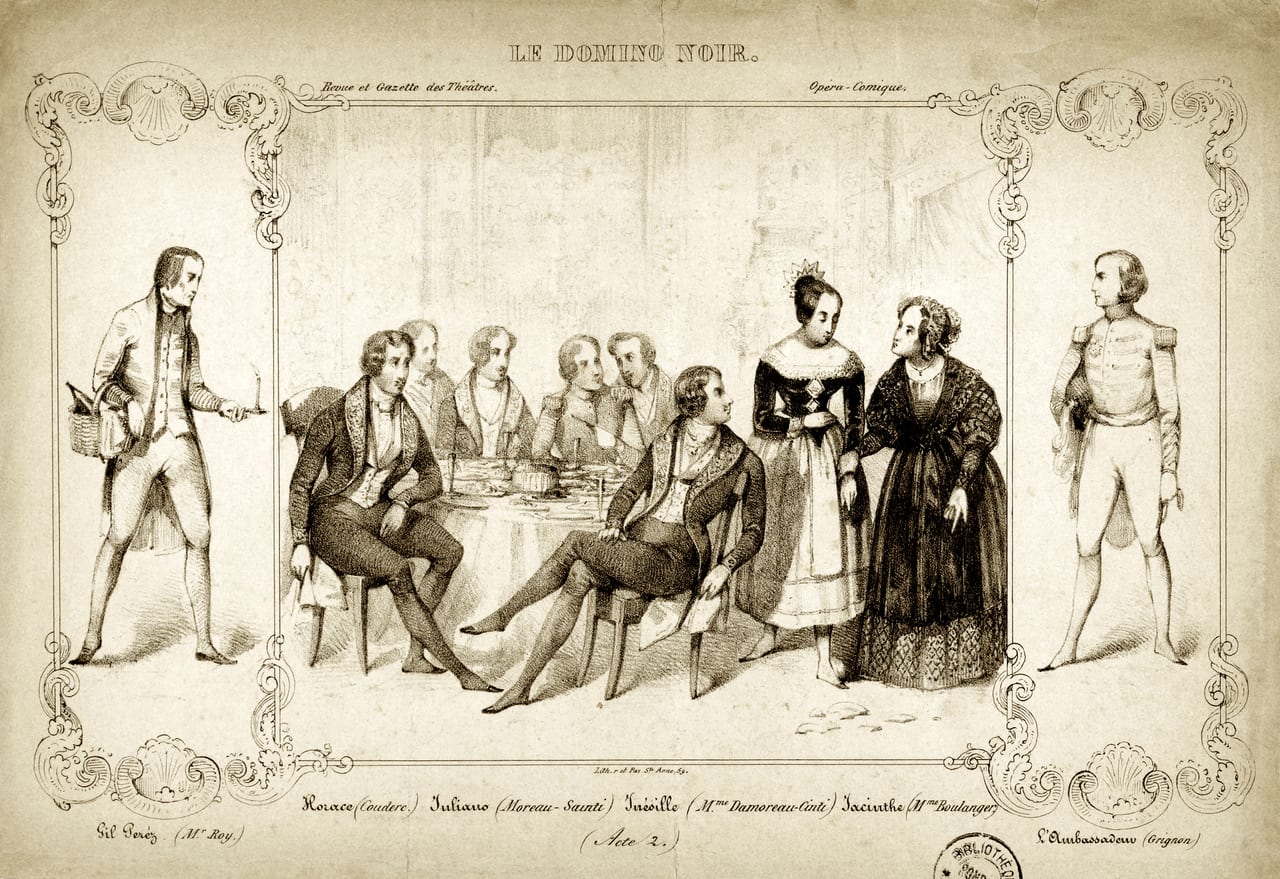
Founded on 26 December 1714 by Catherine Baron and Gautier de Saint-Edme from the fairground troupes of Paris, the Opéra-Comique developed a repertoire of pantomimes and opera parodies. A decree required sung works to include spoken dialogue, defining the form. Jean Monnet’s direction from 1743, with Charles-Simon Favart invited to write, brought success despite repeated closures and official opposition. After merging with the Comédie-Italienne in 1762, the company adopted its present name officially in 1780. The company moved repeatedly, and the building burned after Don Giovanni in 1838. Théodore Charpentier rebuilt it in 1840, introducing a striking iron structure. A second fire, during Mignon on 25 May 1887, killed 84 people. Louis Bernier’s replacement opened in 1898 after eleven years, with eclectic decoration, rich statuary and six caryatides. State reorganisation followed in 1936; the company later became independent in 1990 and an EPIC in 2005, with a repertoire spanning baroque to contemporary music. Productions have included Atys, Médée and Alcione. A costume workshop and the Fondation pour l’Opéra-Comique extend its work beyond performances.
At a glance
- Built
- 1715
Ways to explore Opéra-Comique
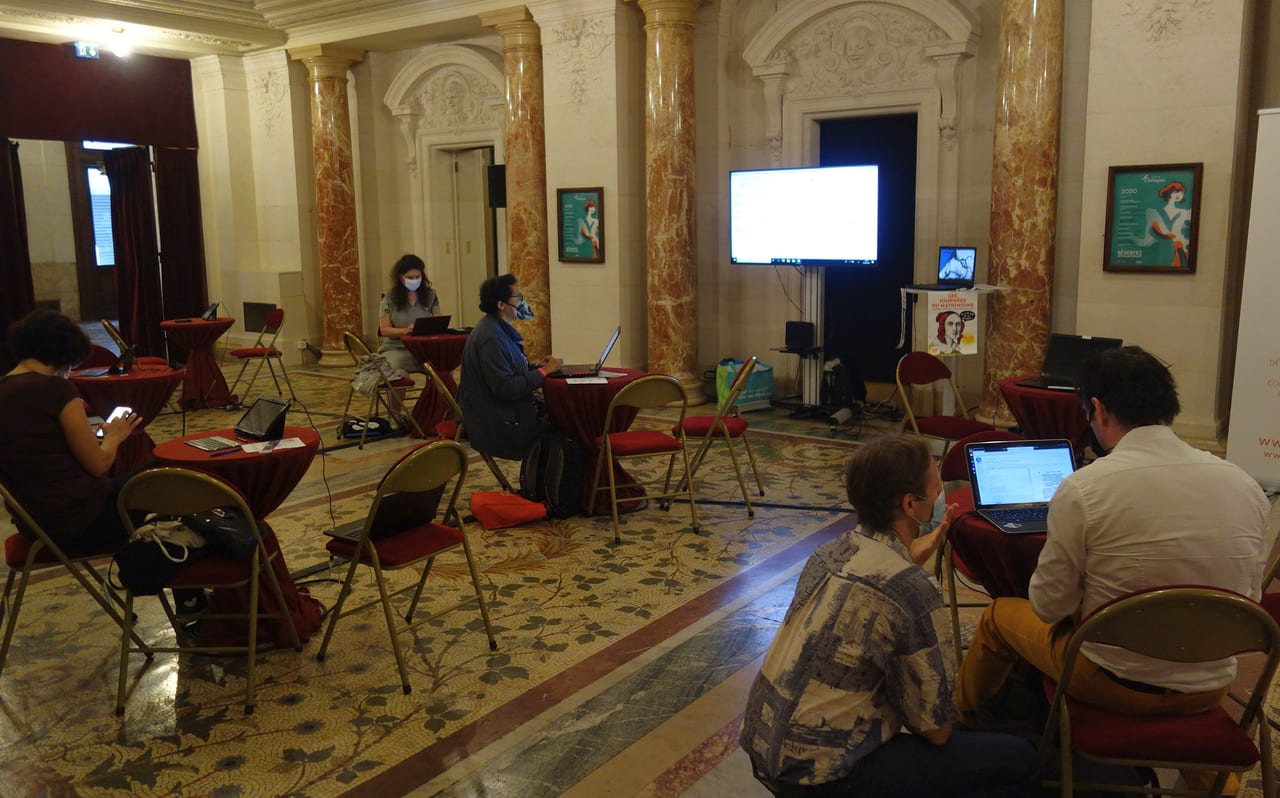
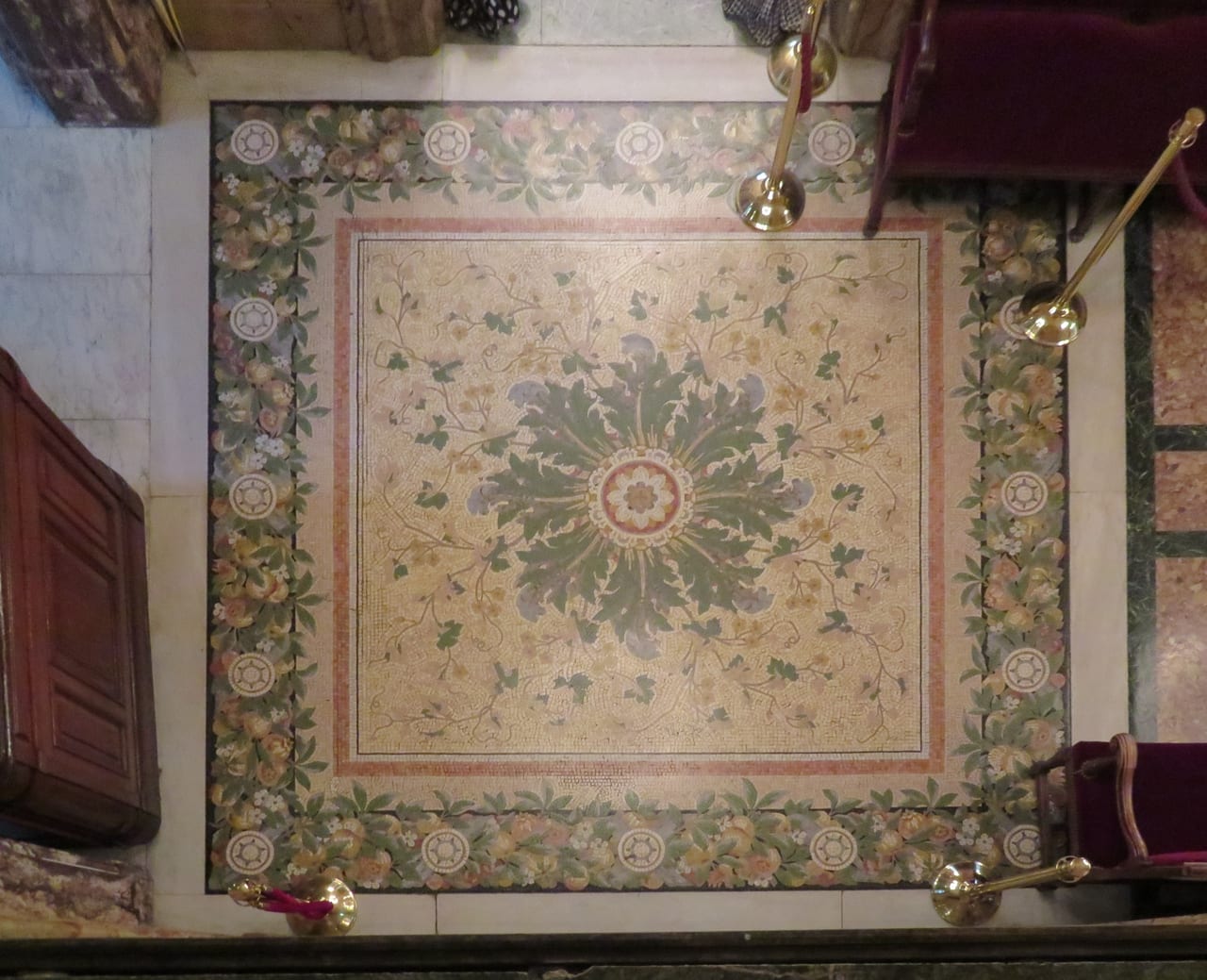
Begin at the façade, noting the six-step perron, Corinthian columns, masks and allegories of Music and Poetry. Inside, seek Carmen and Manon in the Boieldieu vestibule, then compare the busts of Jules Barbier and Jules Massenet at the orchestra entrance. The Marivaux and Favart staircases reward a slower look: their ceilings and wall paintings turn movement, song, tragedy and comedy into a visual programme. If access permits, look for the names of composers around the vestibule ceiling.
Places to stay near Opéra-Comique
Live availability and prices from Stay22's partners, refreshed periodically and subject to change. Booking through these links may earn us a commission at no extra cost to you. See our privacy policy.
Cafés near Opéra-Comique
Cafés near Opéra-Comique loads as you scroll.
Attractions nearby
Attractions near Opéra-Comique loads as you scroll.
Cities nearby
Cities nearby loads as you scroll.
More in Paris
See more of Paris.
Find great cafés, places to stay and other interesting places to visit in Paris.