Theatre · Paris
Opéra Bastille
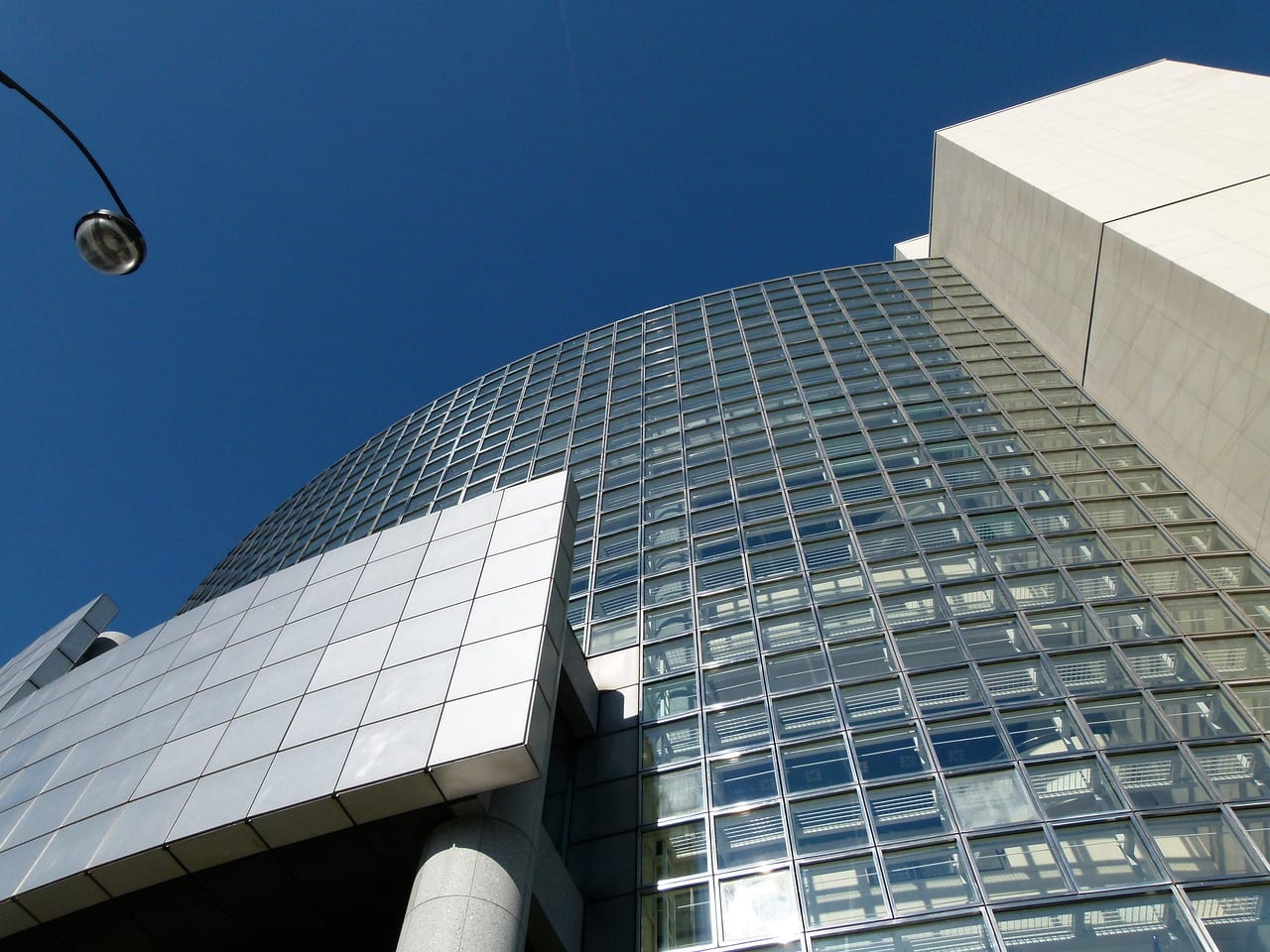
DirectionsA theatre in Paris, designed by Carlos Ott.


Photograph 1 of 18 of Opéra Bastille
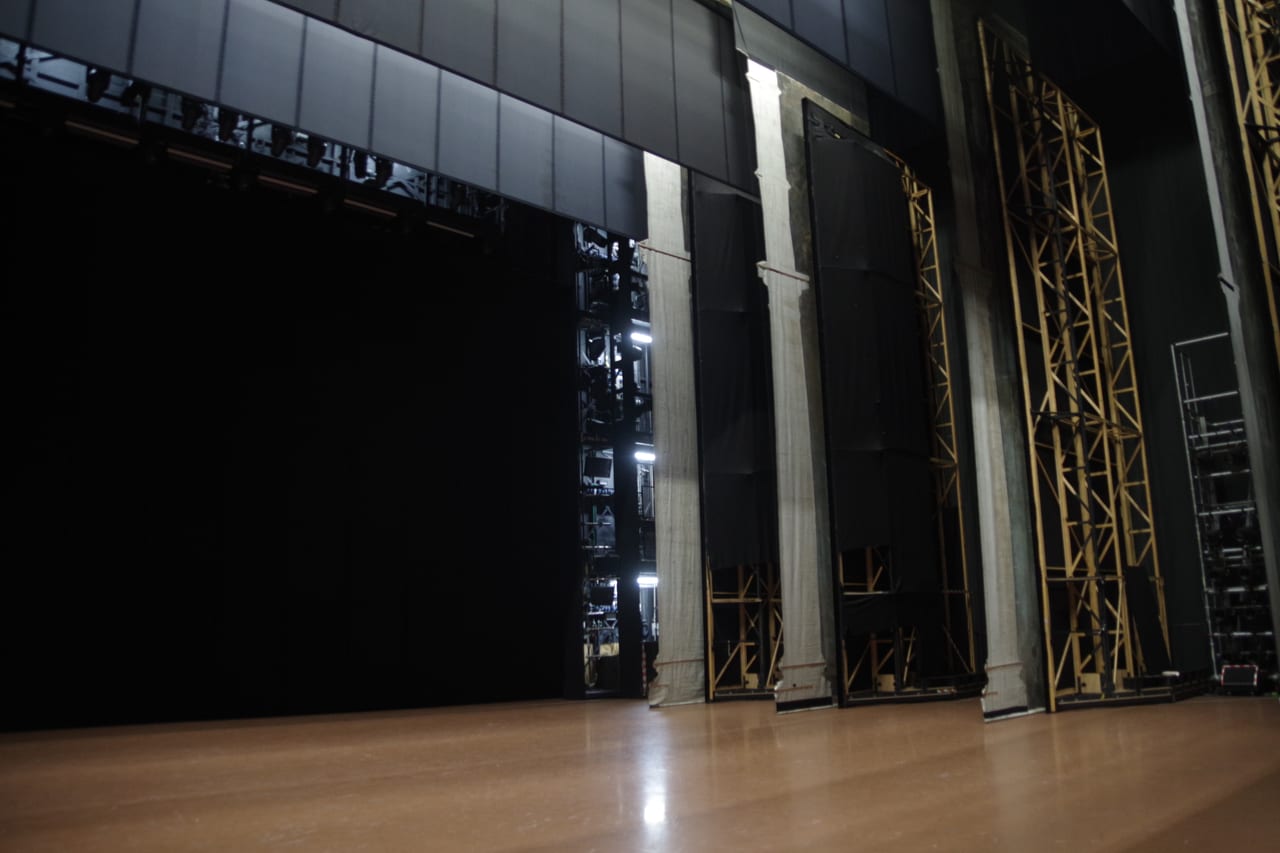
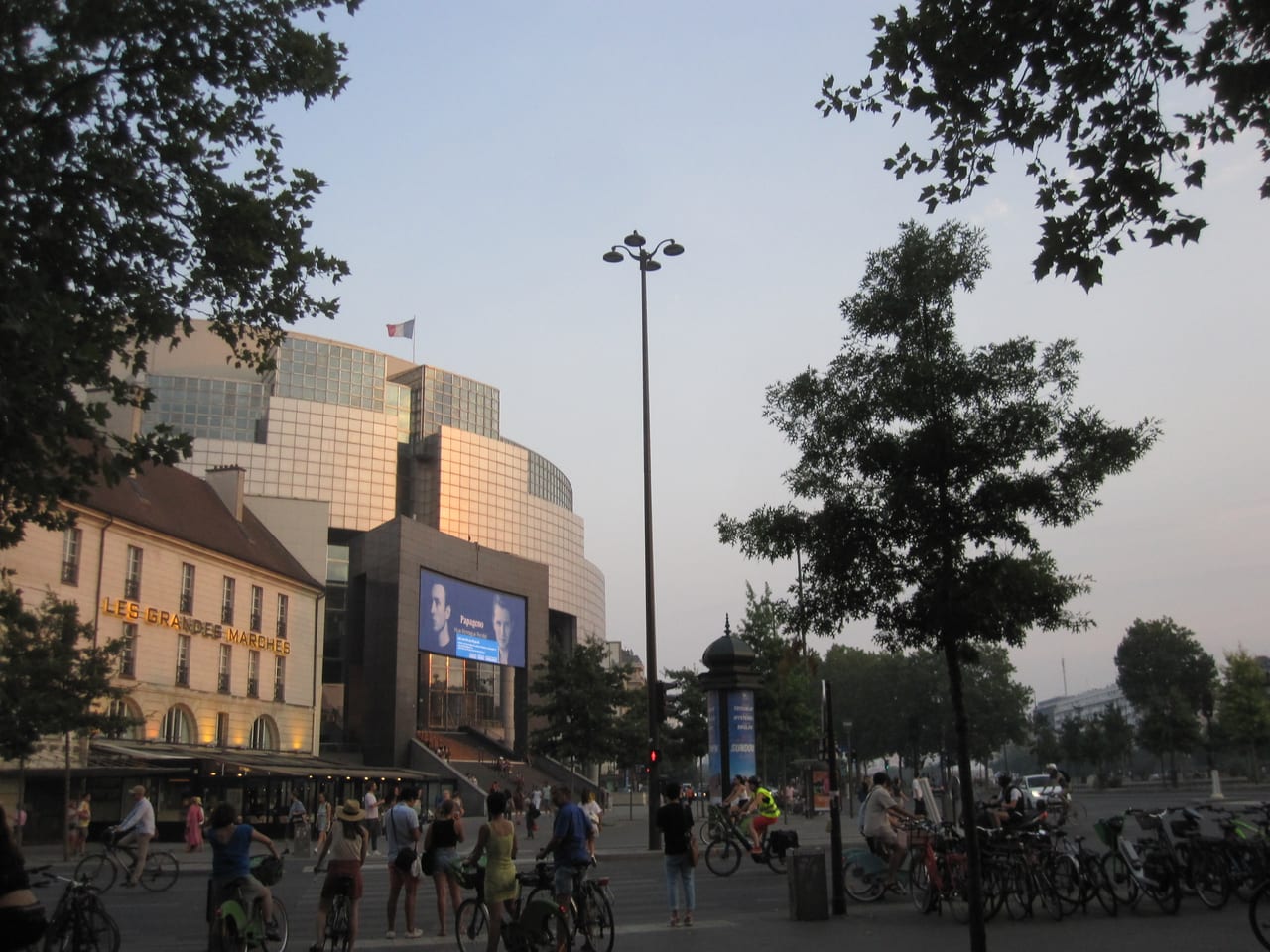
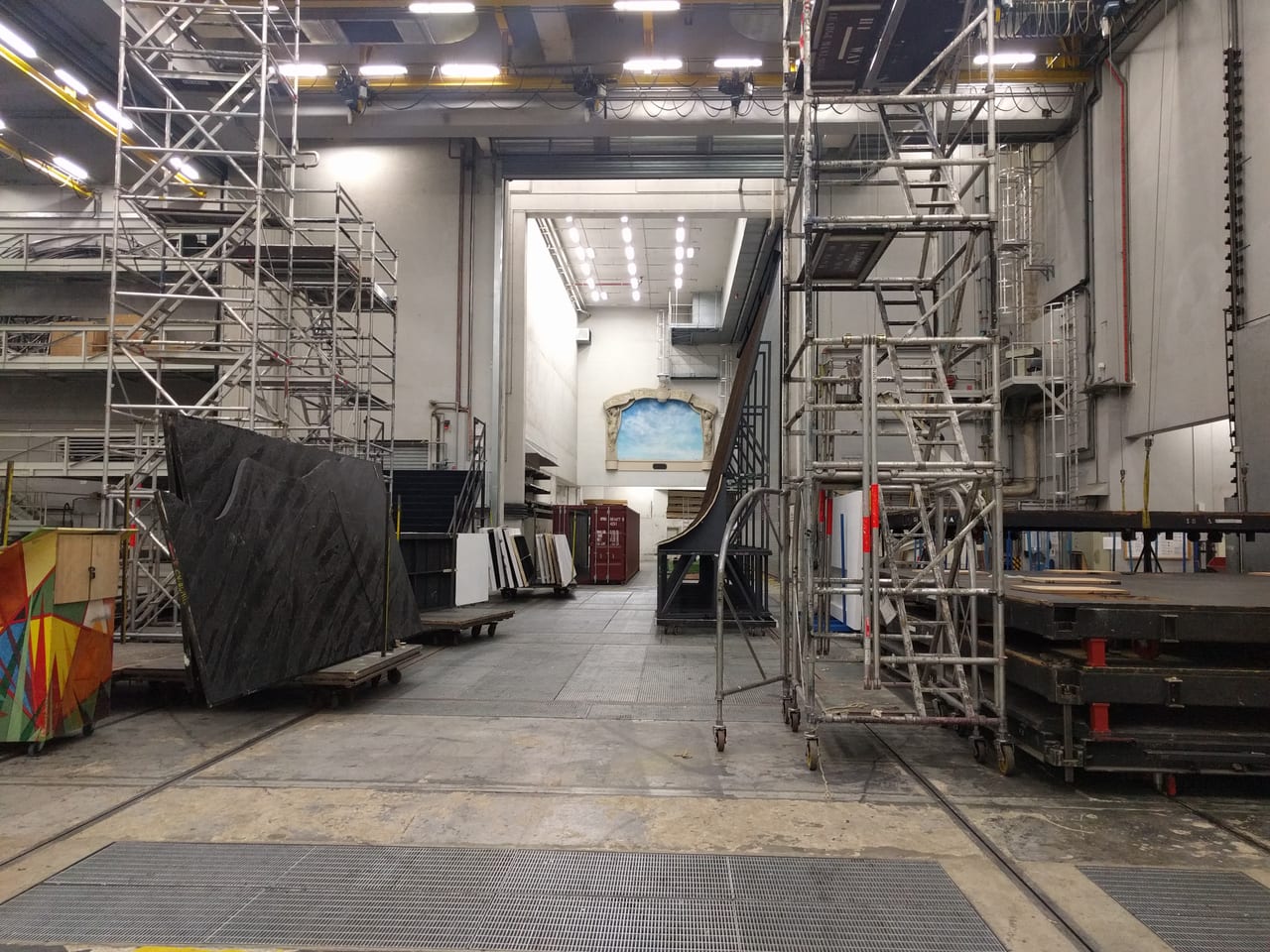
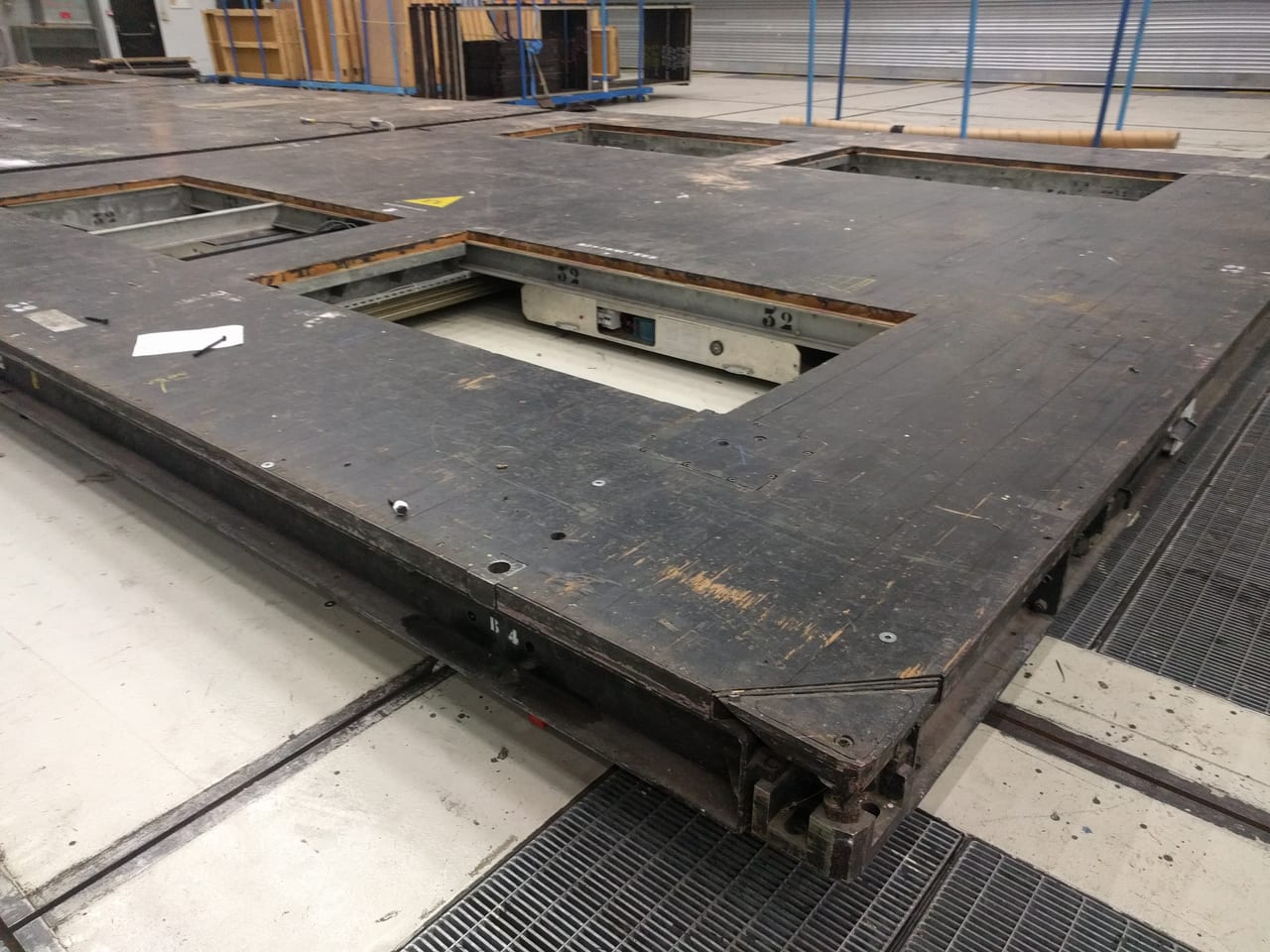
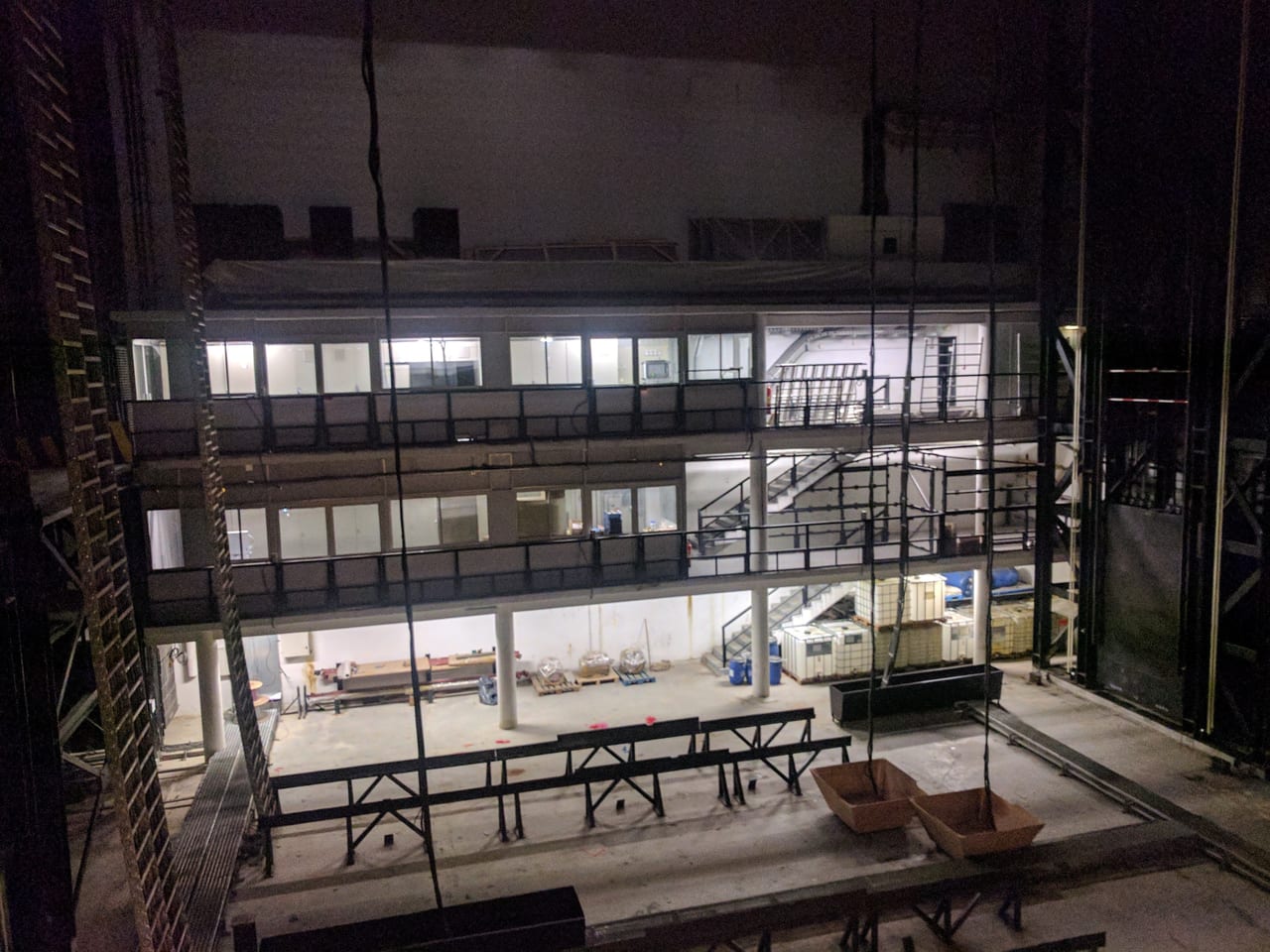
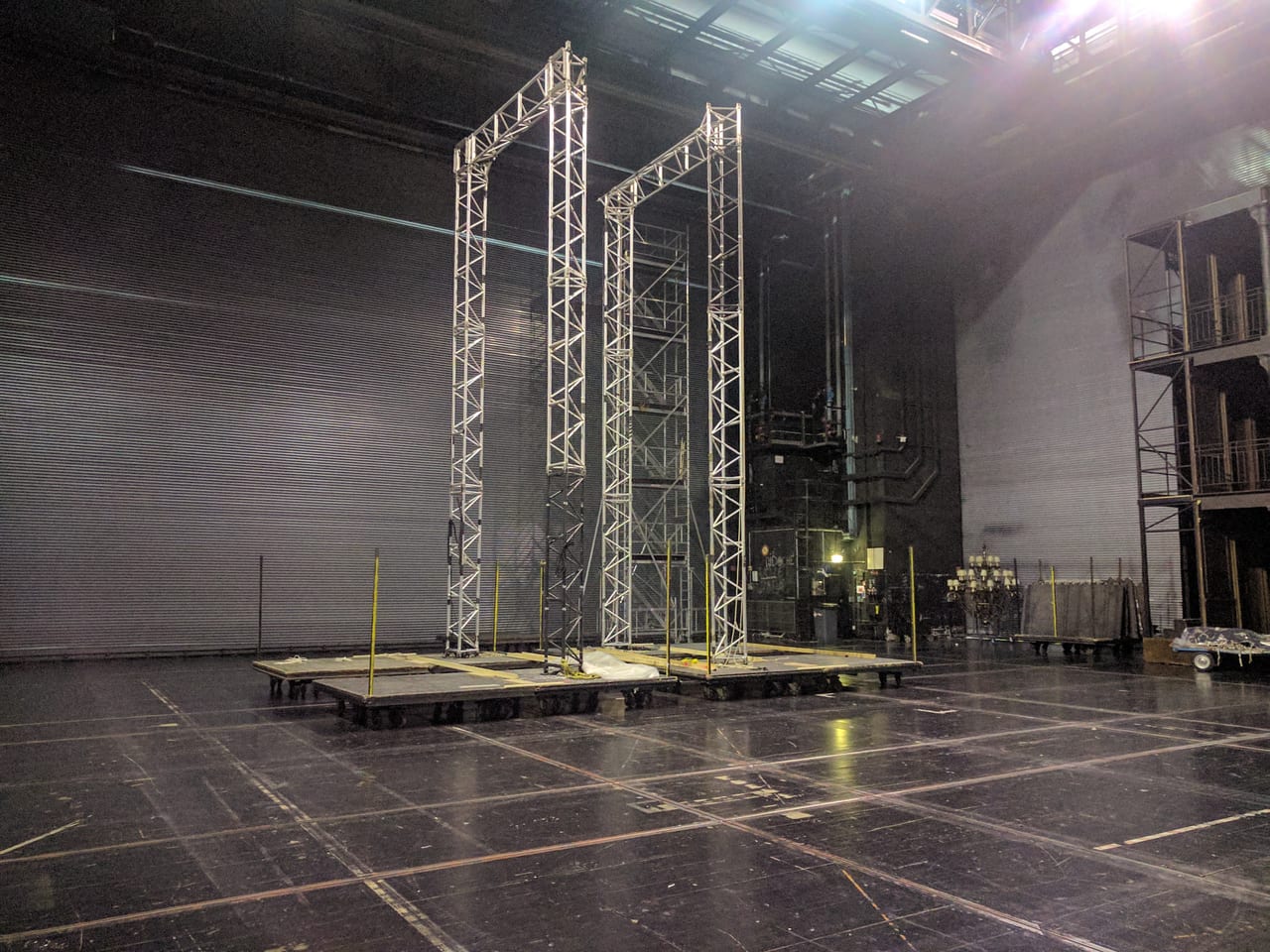
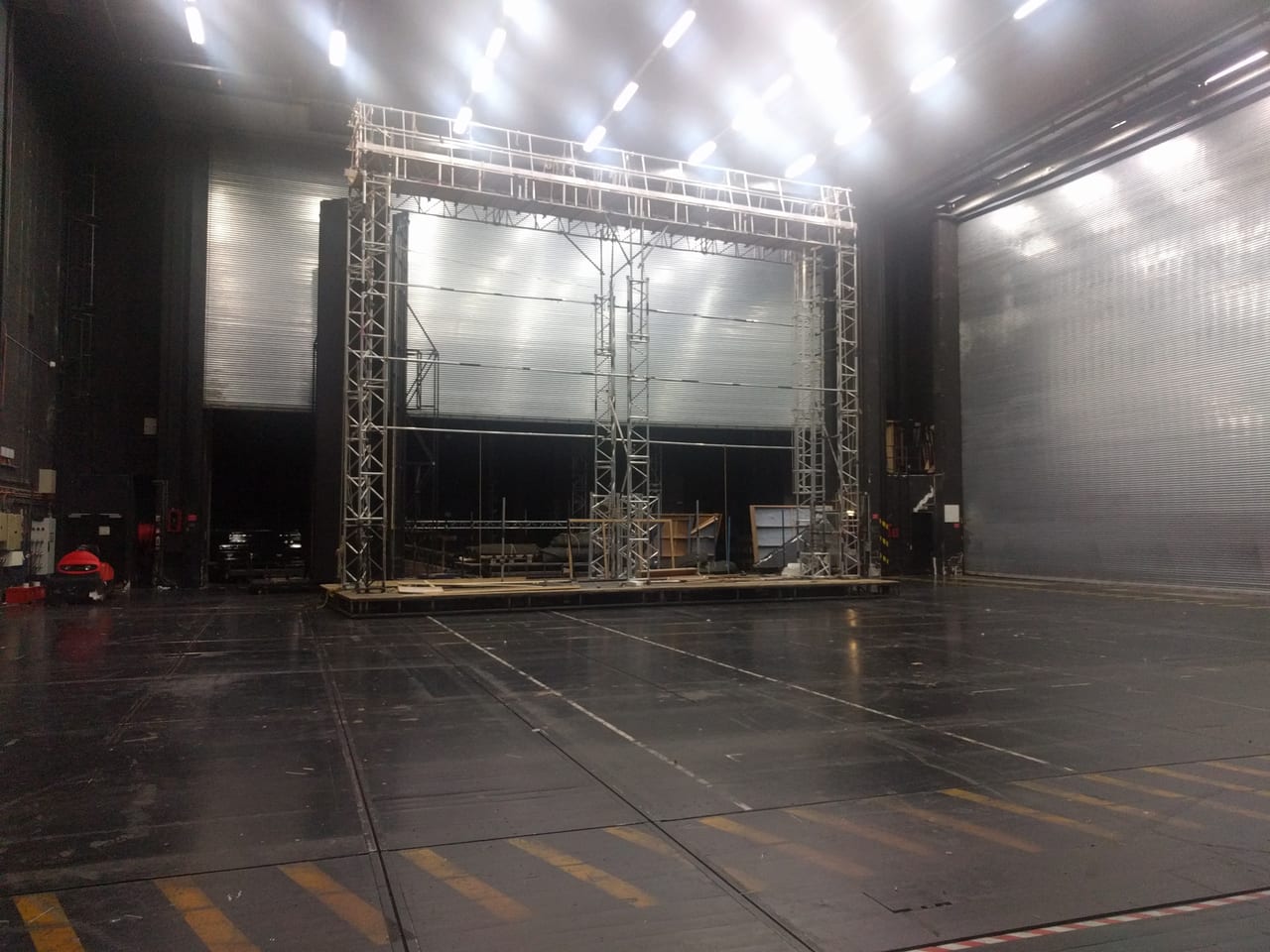
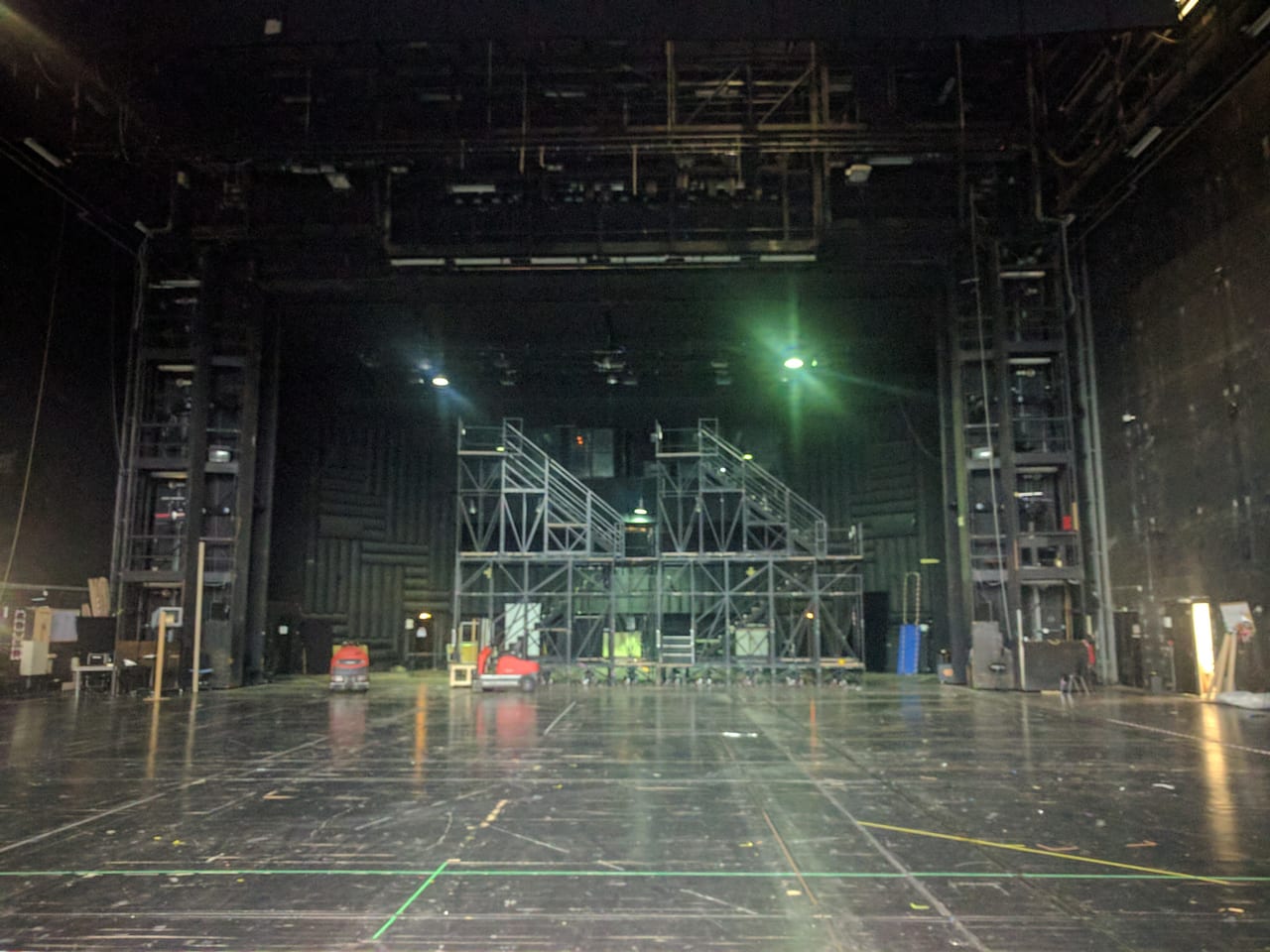
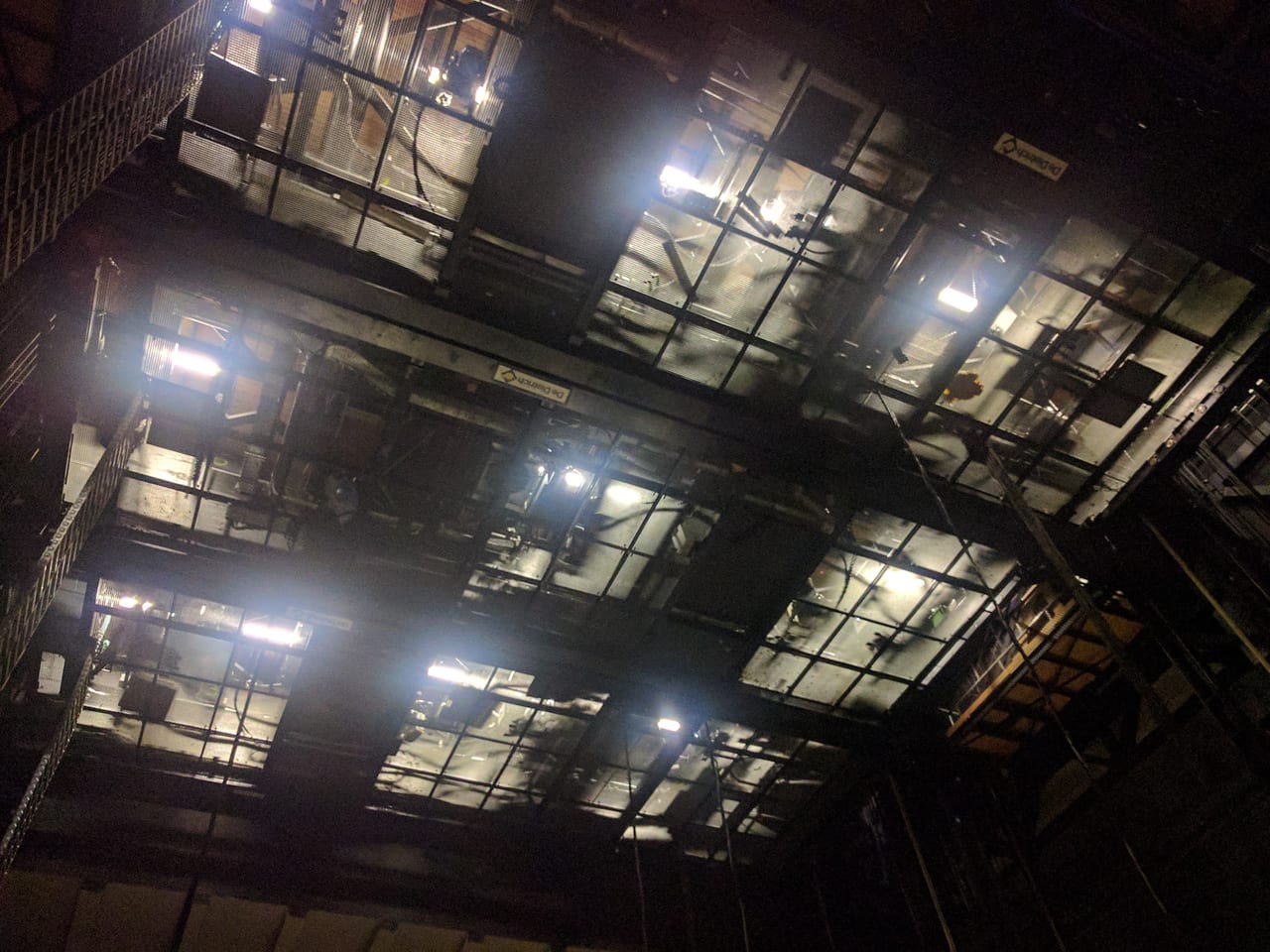
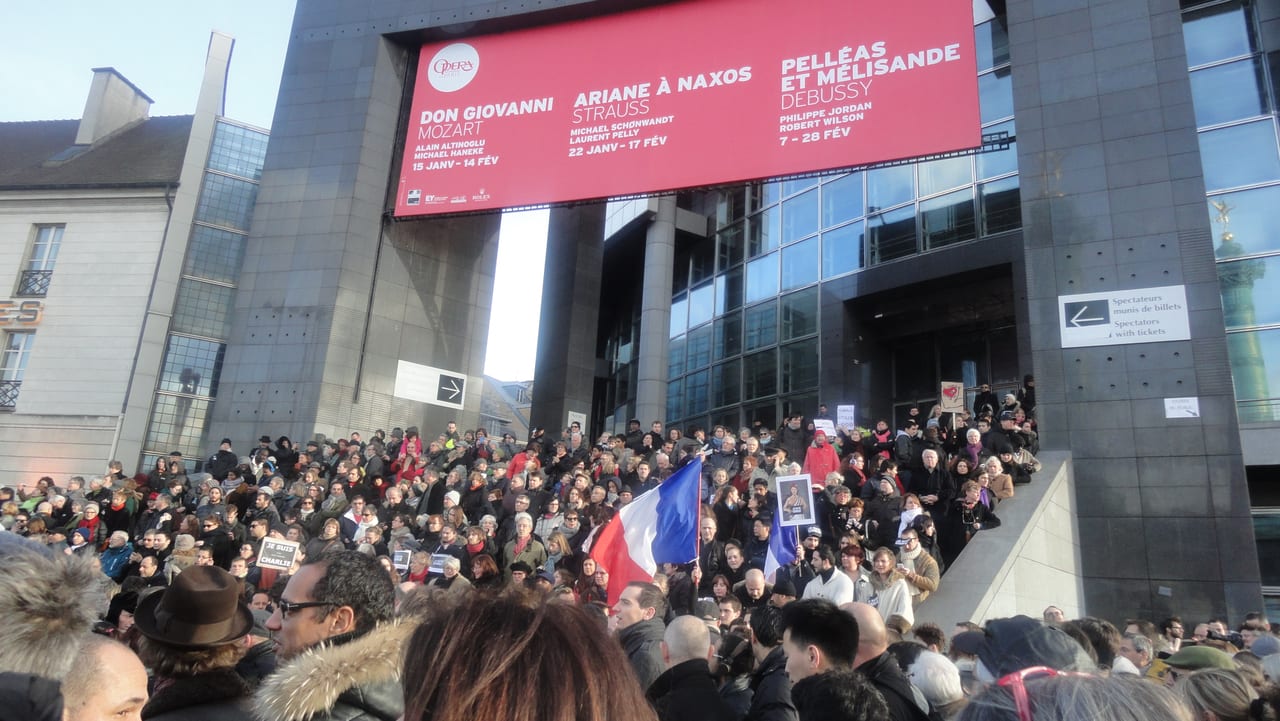
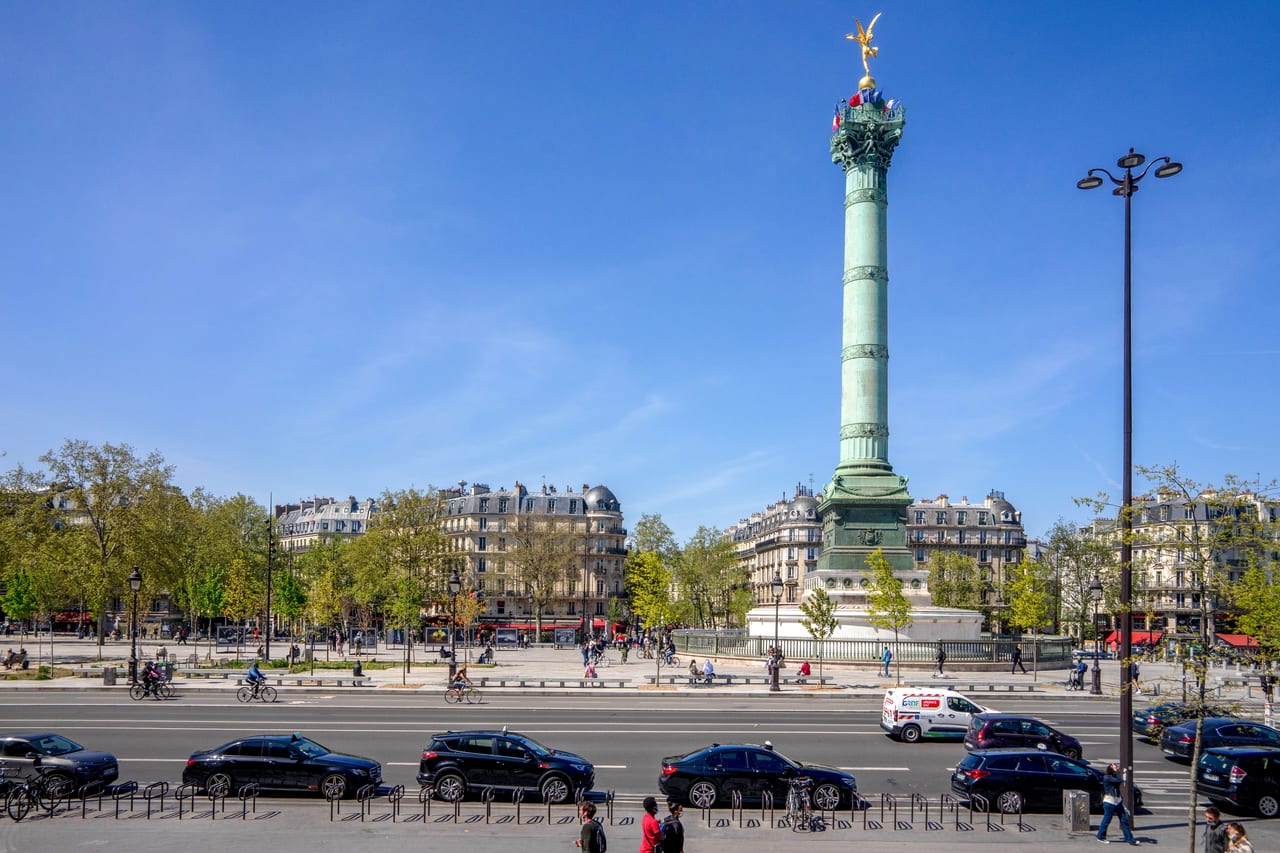
François Mitterrand approved a new opera house in 1982, at Jack Lang’s suggestion, judging the Opéra Garnier too small and technically outdated. The former Bastille railway station, opened in 1859 and closed in 1969, was demolished in 1984; its viaduct survives as the Coulée verte René-Dumont. Inaugurated on 13 July 1989 for the bicentenary of the storming of the Bastille, the building opened with Bob Wilson’s La Nuit avant le jour, attended by more than thirty heads of state or government. Regular performances began on 17 March 1990 with Berlioz’s Les Troyens. The EPOB was dissolved in 1993, and the following year the house became part of the Opéra de Paris. The main stage uses nine lifts, three principal elevators, motorised rails and two rear-stage levels, including a full-size rehearsal stage. Early automated-machinery failures led to controversy. Reports in 2024 and 2025 raised concerns about waterproofing, energy use and technical infrastructure; a two-year renovation from 2030 to 2032 has been reported.
At a glance
- Built
- 1990
- Architect
- Carlos Ott
- Heritage
- Remarkable Contemporary Architecture
Ways to explore Opéra Bastille
Study the auditorium’s blue Lanhélin granite, Chinese pearwood and luminous glass ceiling, then consider how the orchestra pit can be covered. Look for the amphitheatre beneath the main hall and the 237-seat studio in the adjoining building. The preserved former restaurant building now contains an opera studio and Les Grandes Marches. If accessible, the stage machinery and its vertical movement between levels are the building’s most revealing technical features.
Places to stay near Opéra Bastille
Live availability and prices from Stay22's partners, refreshed periodically and subject to change. Booking through these links may earn us a commission at no extra cost to you. See our privacy policy.
Cafés near Opéra Bastille
Cafés near Opéra Bastille loads as you scroll.
Attractions nearby
Attractions near Opéra Bastille loads as you scroll.
Cities nearby
Cities nearby loads as you scroll.
More in Paris
See more of Paris.
Find great cafés, places to stay and other interesting places to visit in Paris.