Attraction · Paris
National Assembly
DirectionsUnlike the Senate, the National Assembly can bring down a government through a successful motion of censure, making it the decisive chamber in parliamentary accountability.
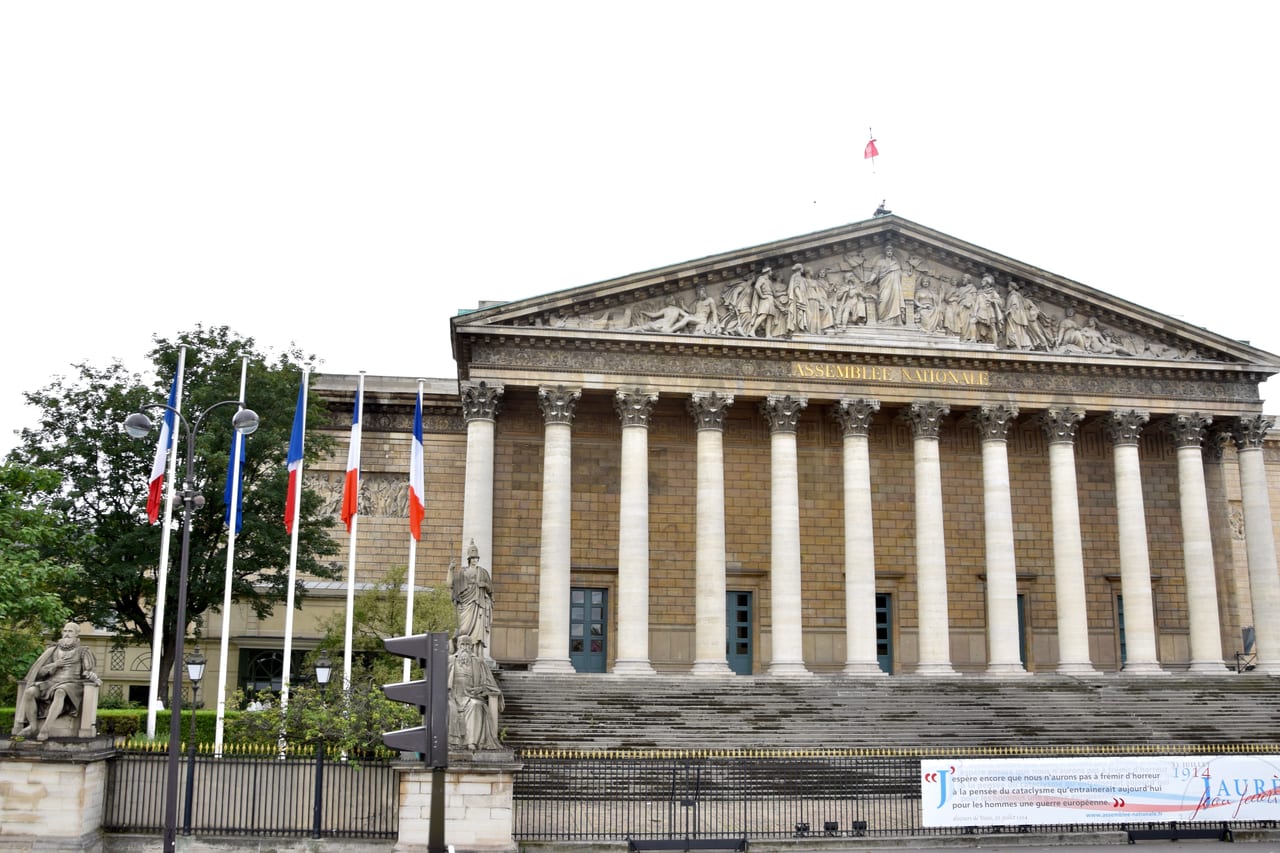
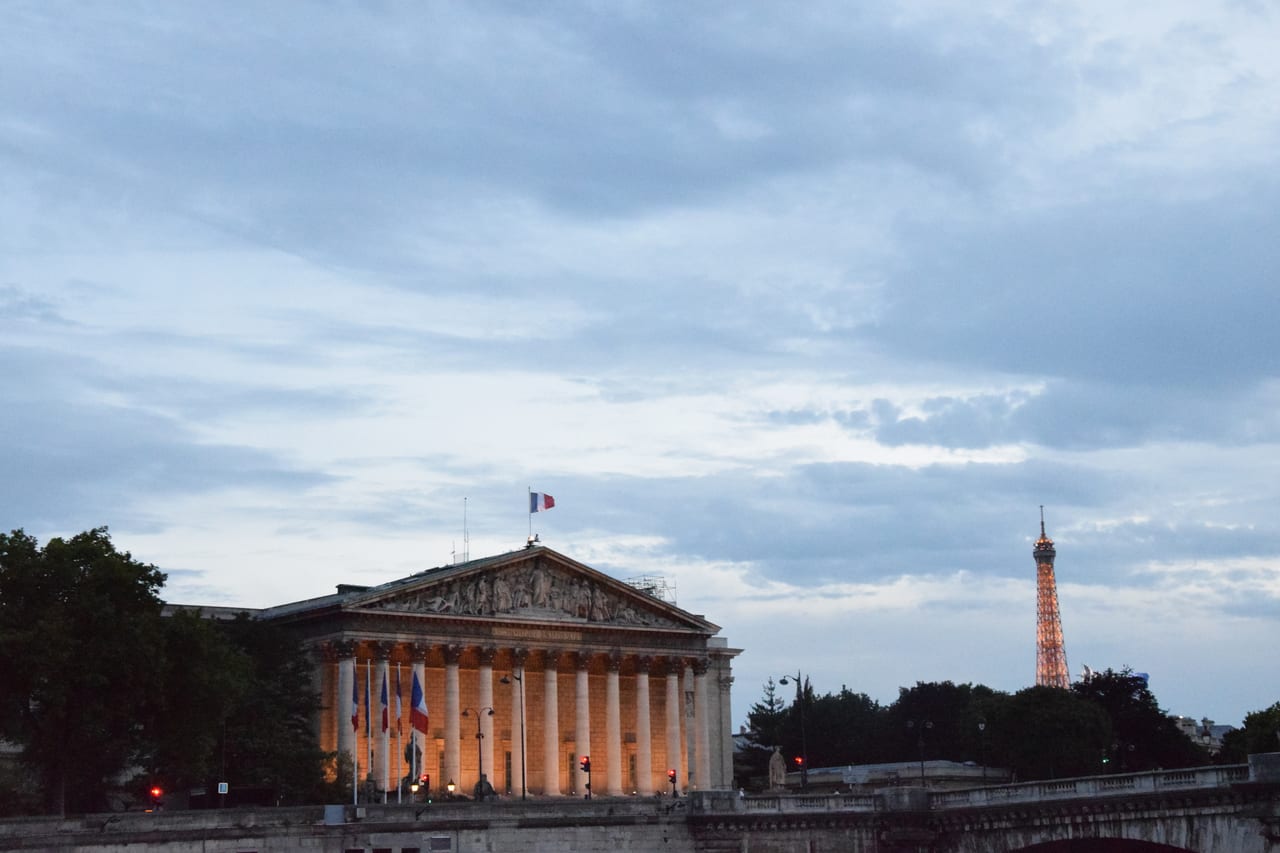
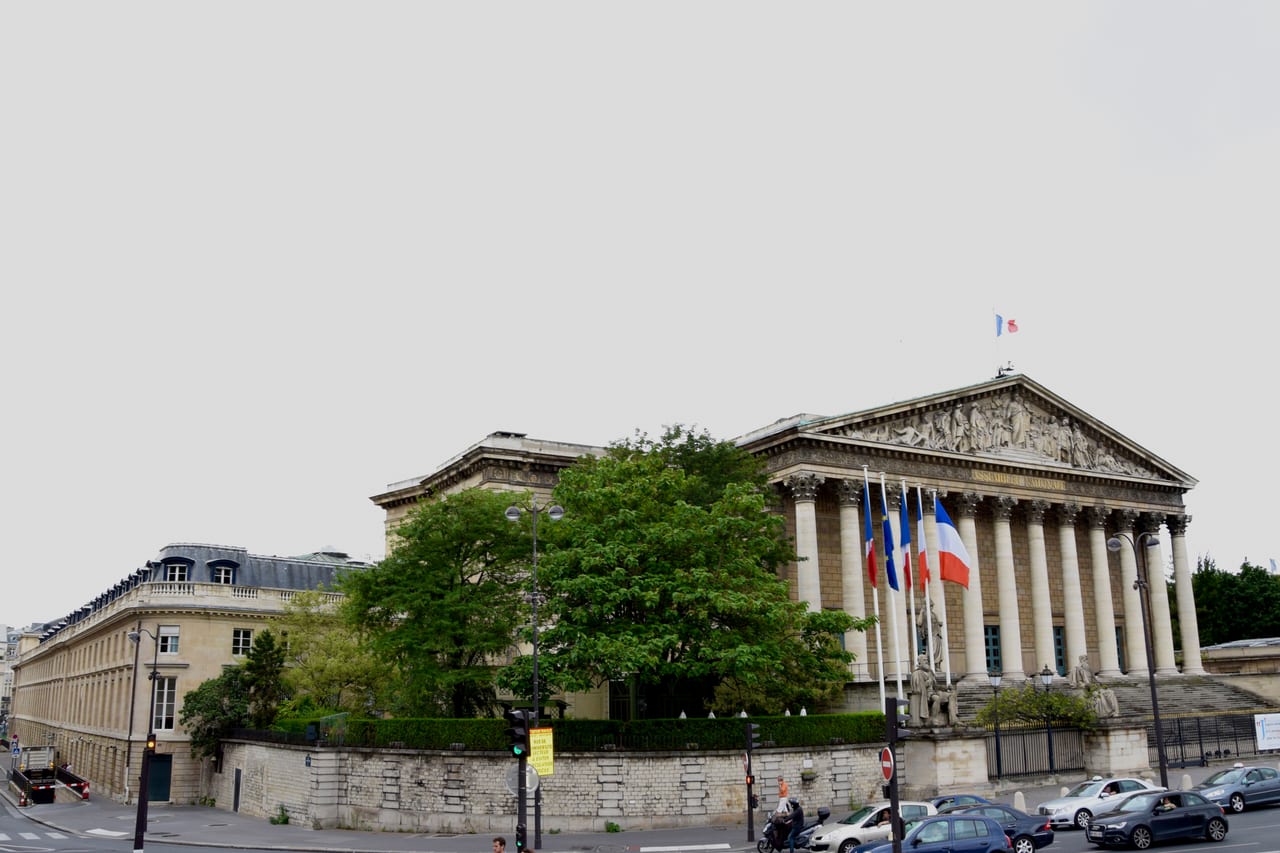
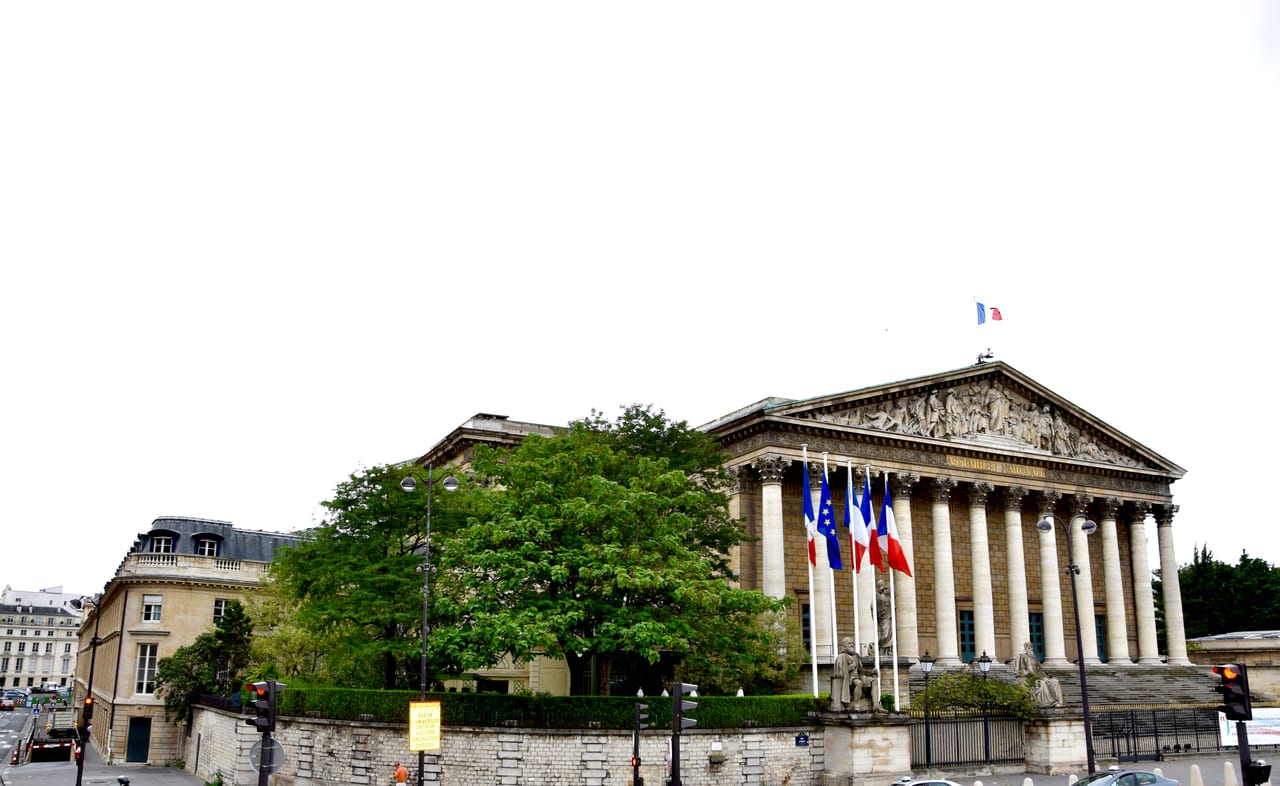
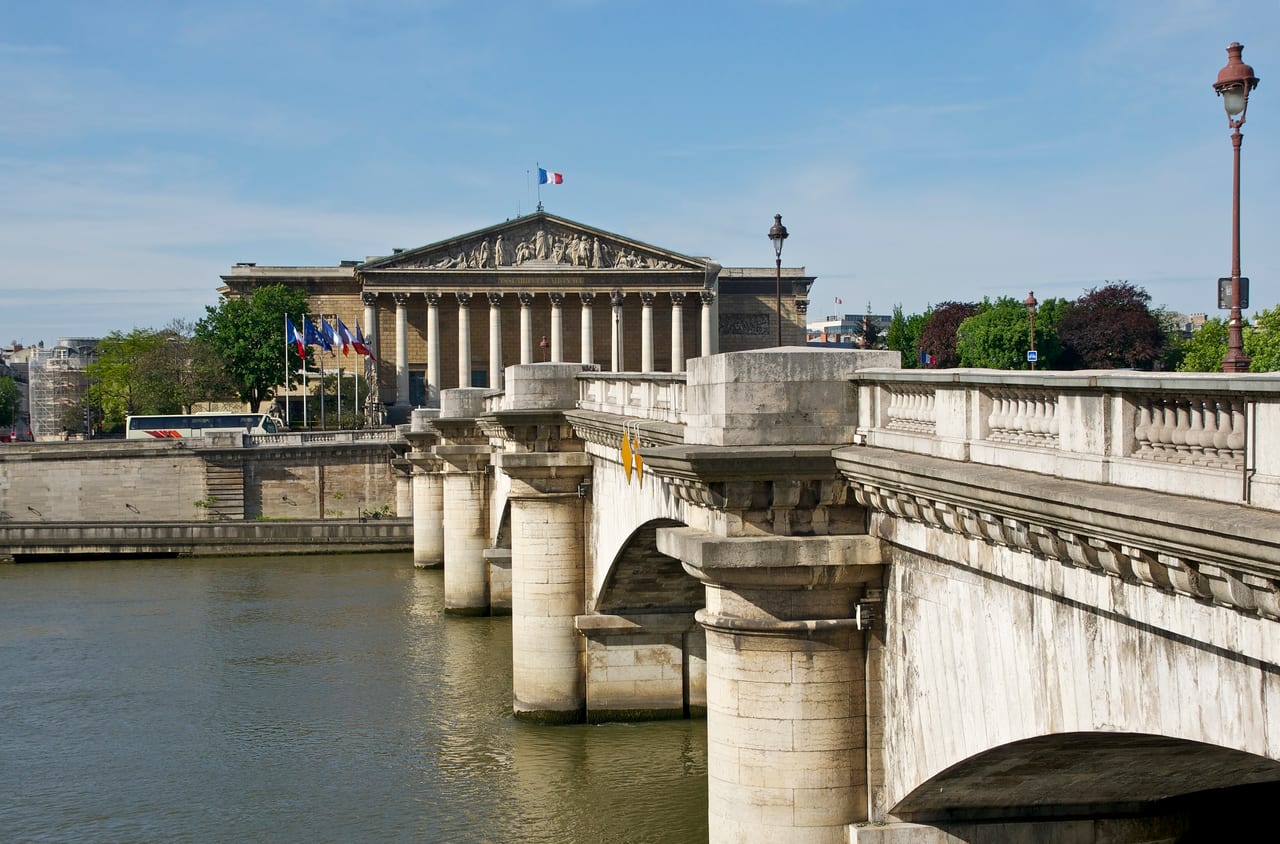
Photograph 1 of 9 of National Assembly
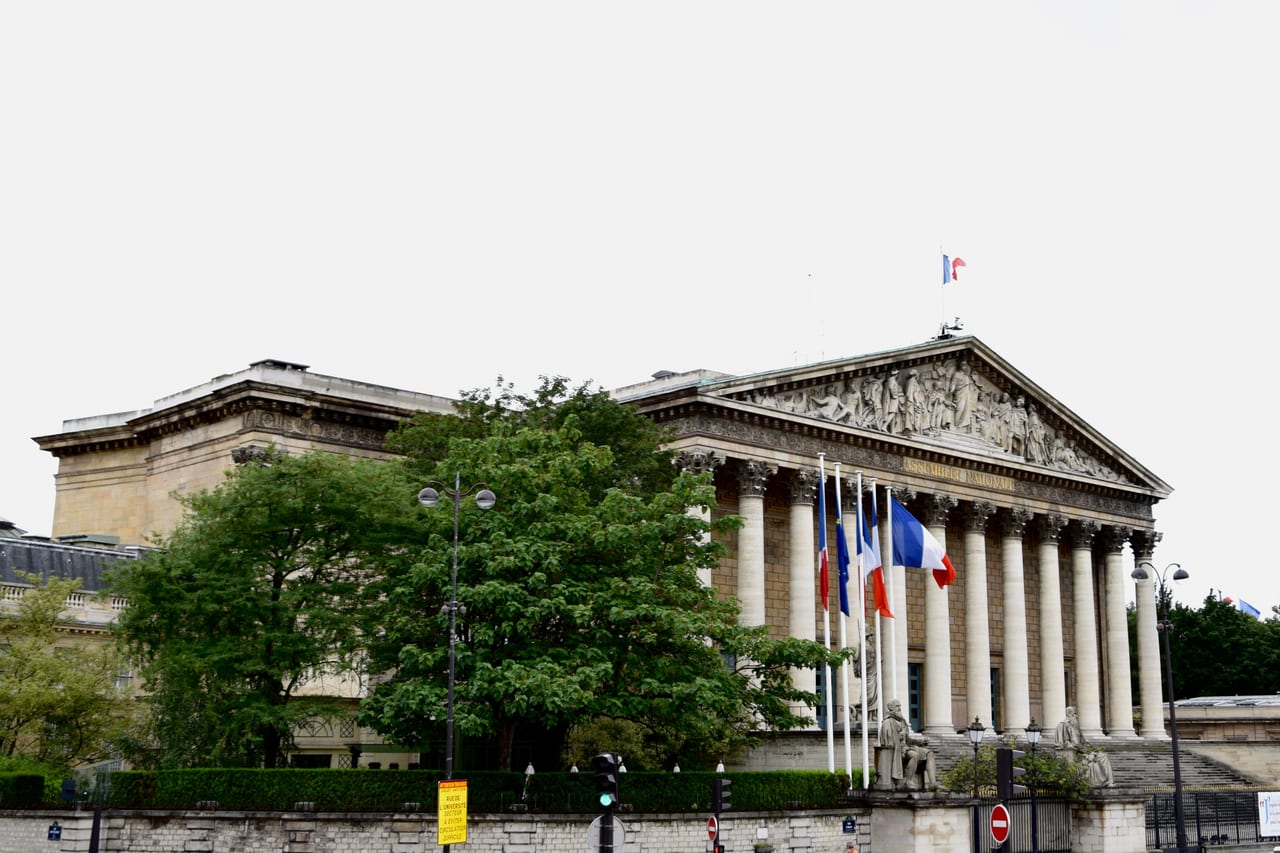
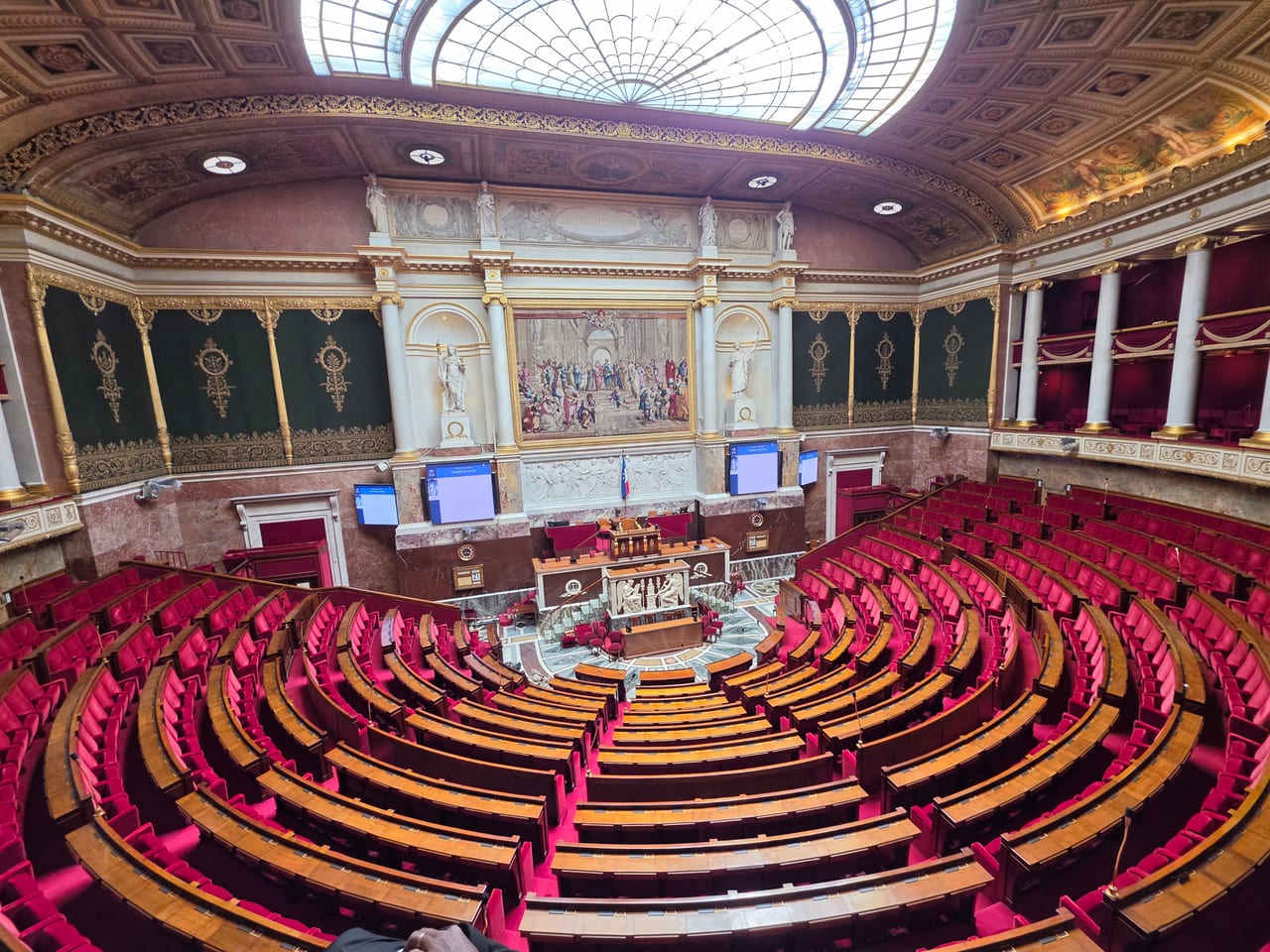
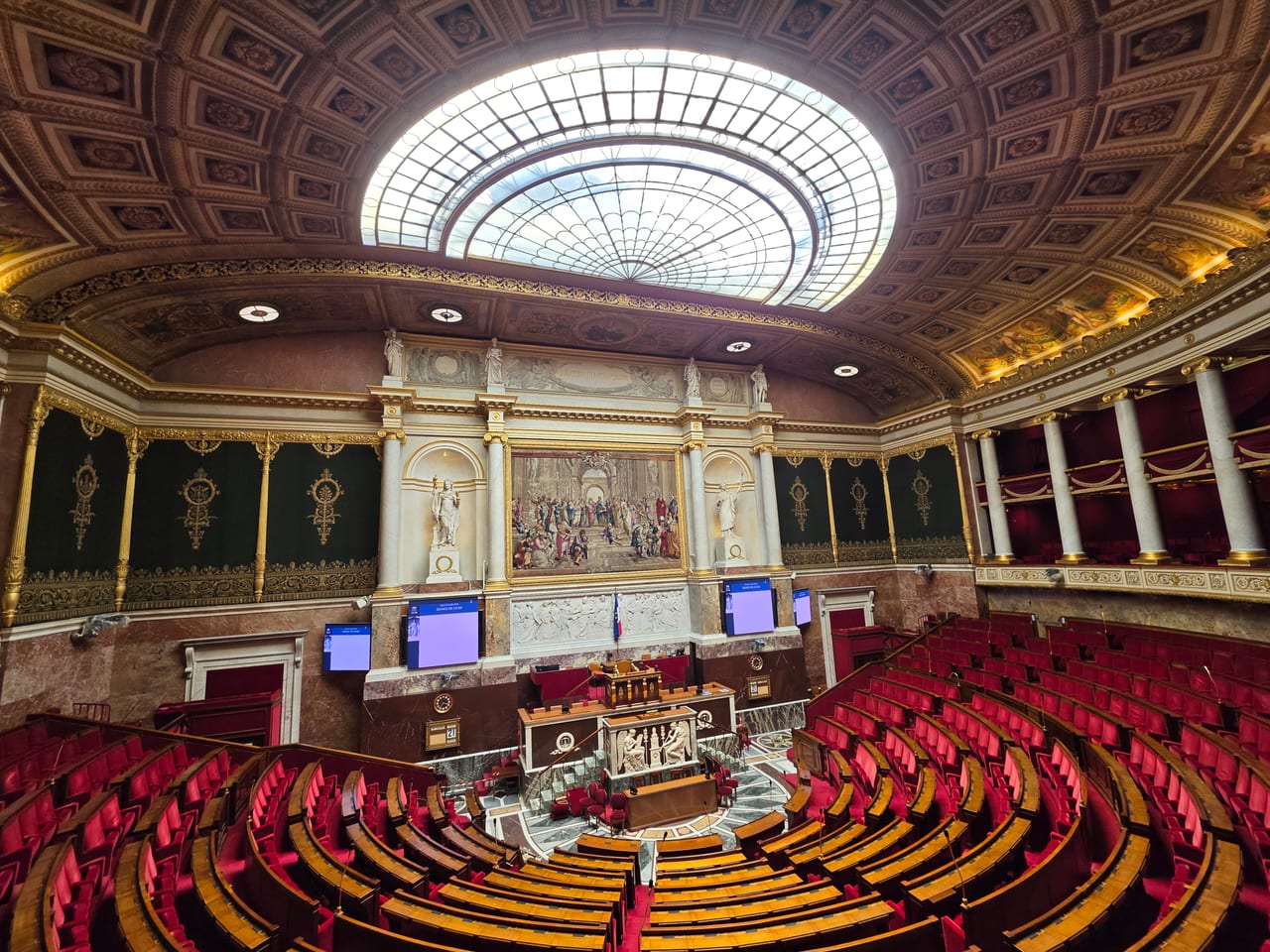
Created in its present institutional form with the Fifth Republic in 1958, the National Assembly is France’s directly elected lower house. Since 1986, it has comprised 577 deputies elected for five years by two-round, single-member majority voting. Its name carries a longer democratic history: first adopted in 1789, it disappeared except briefly in 1848, returning in 1946 after periods marked by titles including Council of the Five Hundred, Chamber of Deputies and Legislative Body. The Assembly sits in the Palais Bourbon, whose monumental façade faces the quai d’Orsay, slightly offset from the building’s axis and aligned with the Pont de la Concorde. The Hôtel de Lassay, official residence of its president, forms part of the complex. Since 1799, the building has housed France’s lower parliamentary chambers. On 9 December 1893, the anarchist Auguste Vaillant attacked the Assembly; several deputies and spectators were lightly injured, but the session continued. Today, deputies debate, amend and vote on legislation, scrutinise government policy and assess public programmes. Institutional changes following the political alternations of 1981, 1986, 1988, 1993, 1997, 2002 and 2007 were reinforced by the constitutional revision of 23 July 2008.
At a glance
- Built
- 1958
Ways to explore National Assembly
Begin at 126 rue de l’Université, then compare the principal frontage with its quai d’Orsay access at 33–35 and the entrance on rue Aristide-Briand. Observe the façade’s slight displacement from the building’s axis and its alignment with the Pont de la Concorde.
Places to stay near National Assembly
Live availability and prices from Stay22's partners, refreshed periodically and subject to change. Booking through these links may earn us a commission at no extra cost to you. See our privacy policy.
Cafés near National Assembly
Cafés near National Assembly loads as you scroll.
Attractions nearby
Attractions near National Assembly loads as you scroll.
Cities nearby
Cities nearby loads as you scroll.
More in Paris
See more of Paris.
Find great cafés, places to stay and other interesting places to visit in Paris.