Museum · Paris
Musée Nissim de Camondo
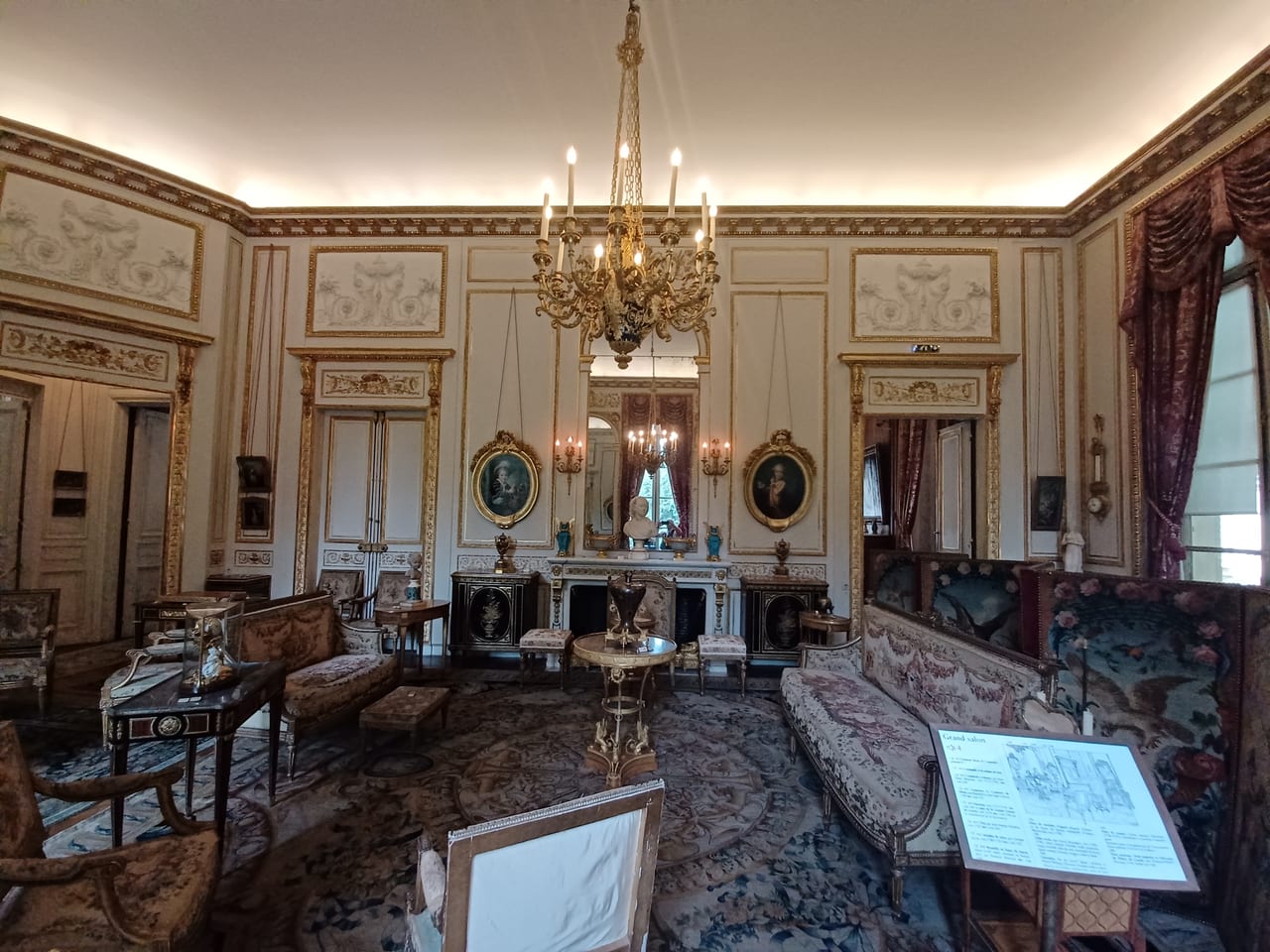
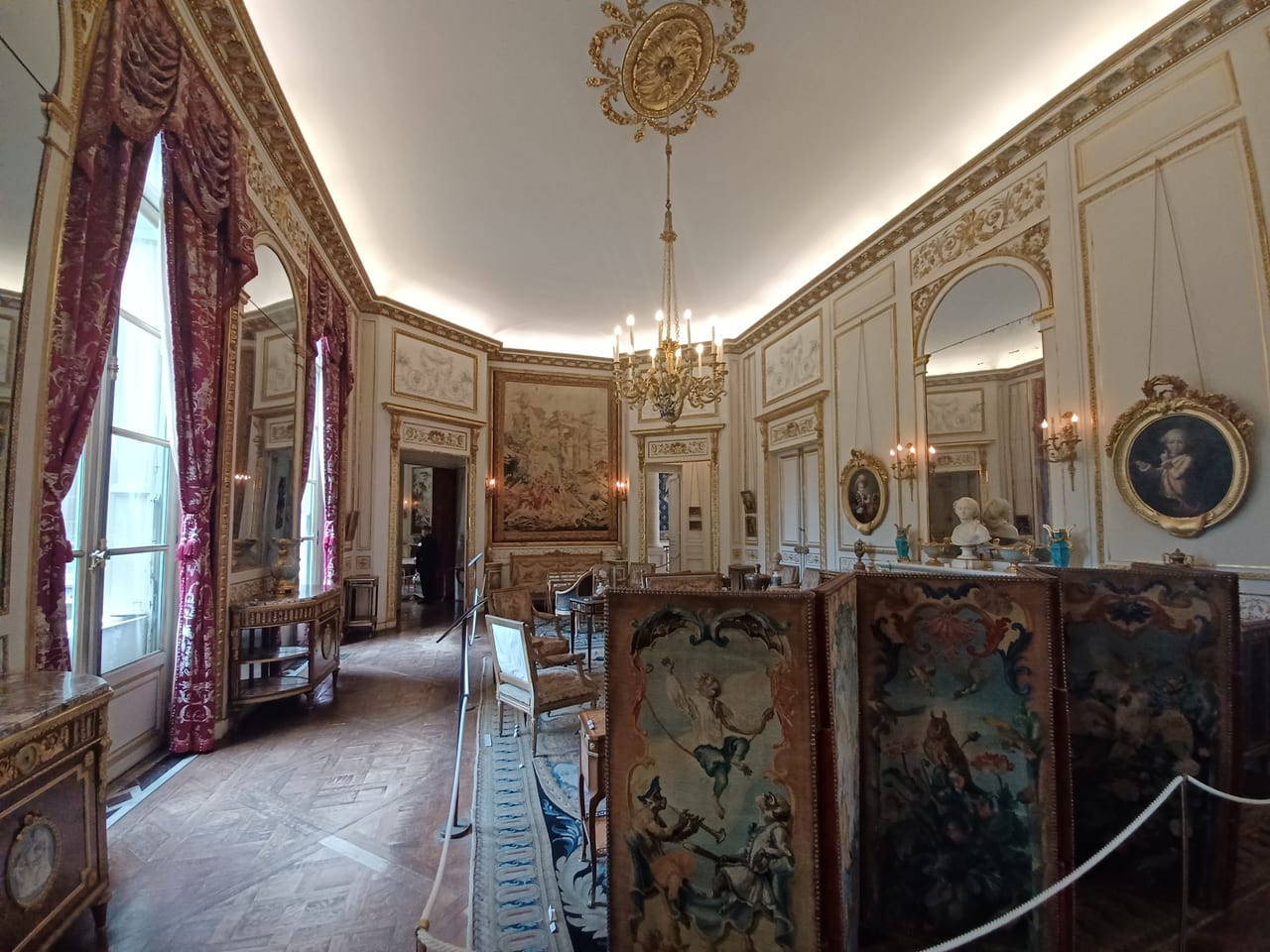
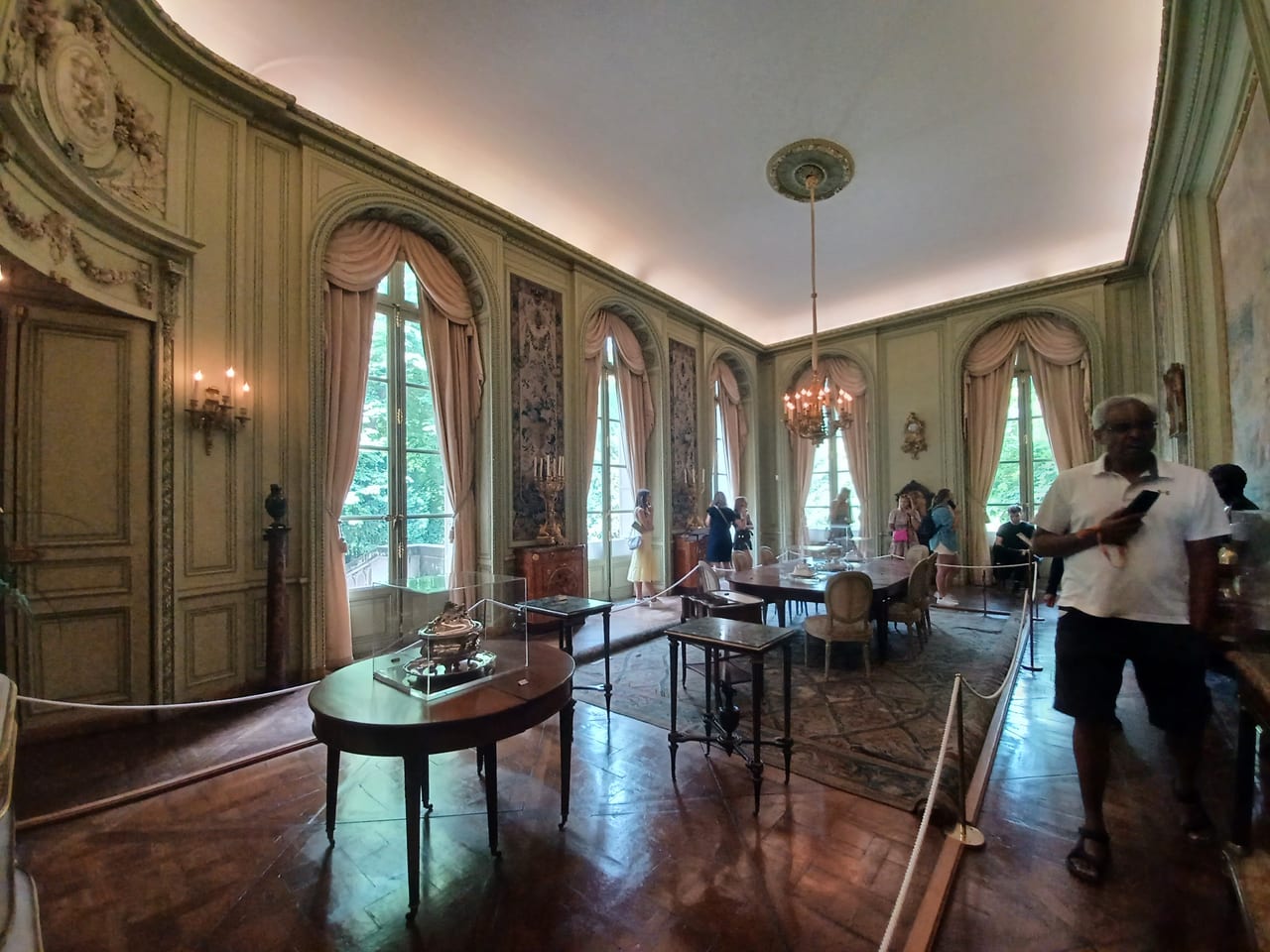
DirectionsUnlike a conventional gallery, it preserves an aristocratic eighteenth-century interior as Moïse de Camondo arranged it, down to furniture placement and family portraits.
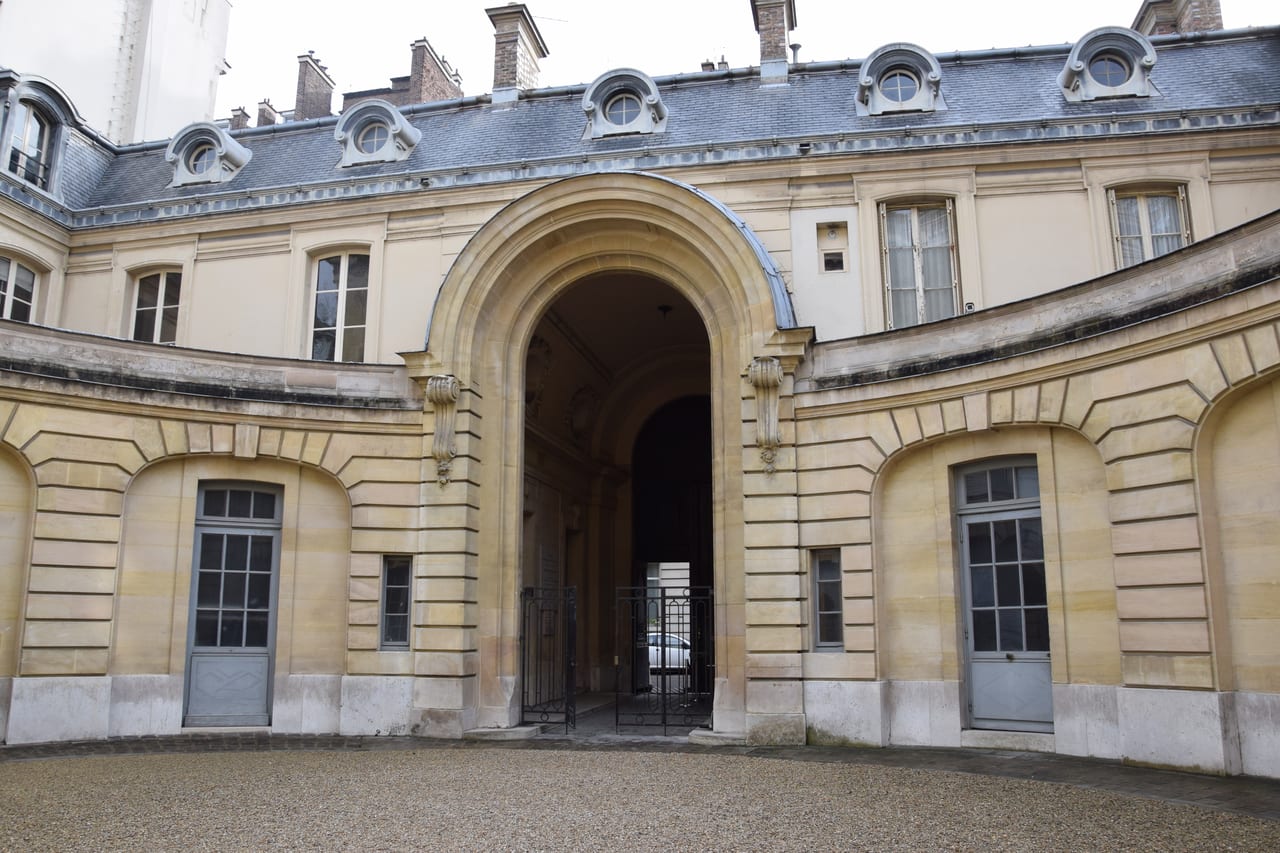
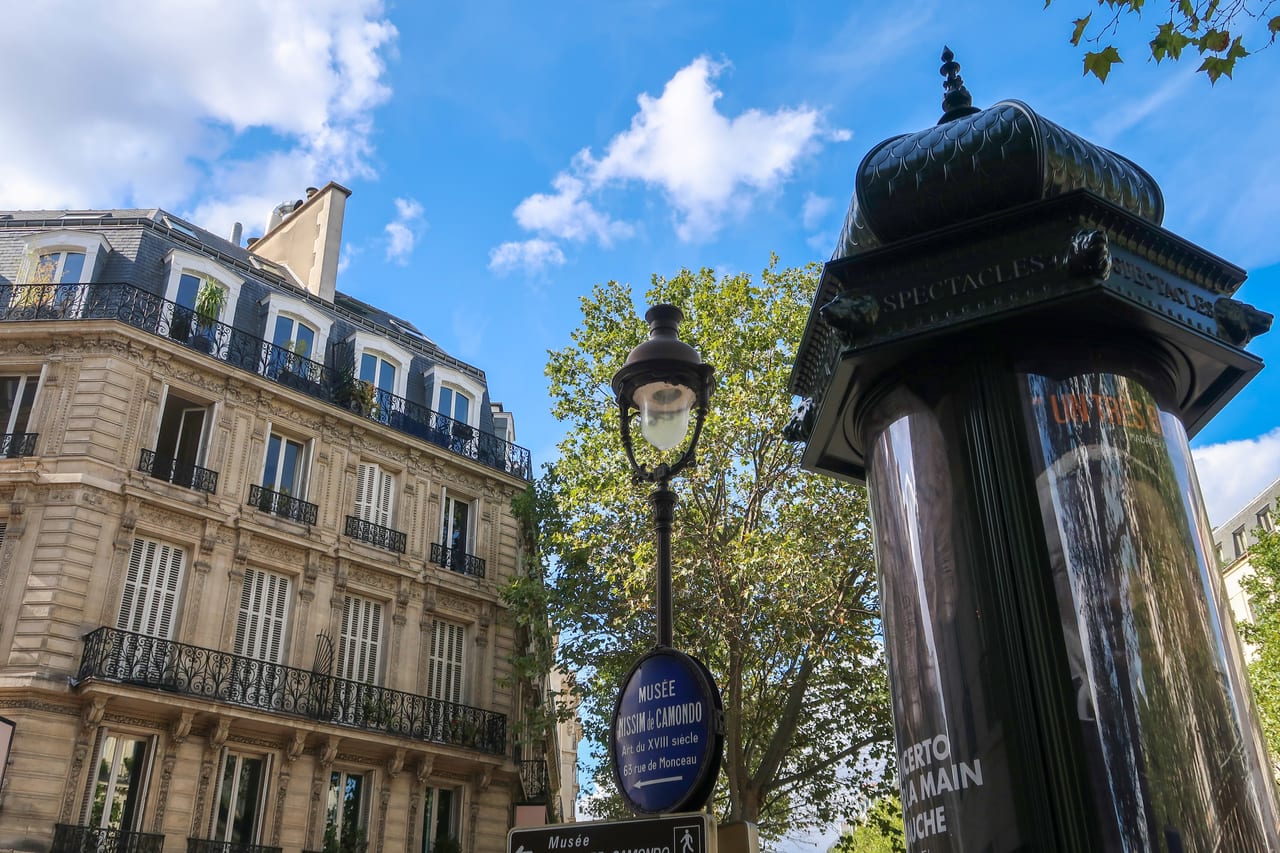
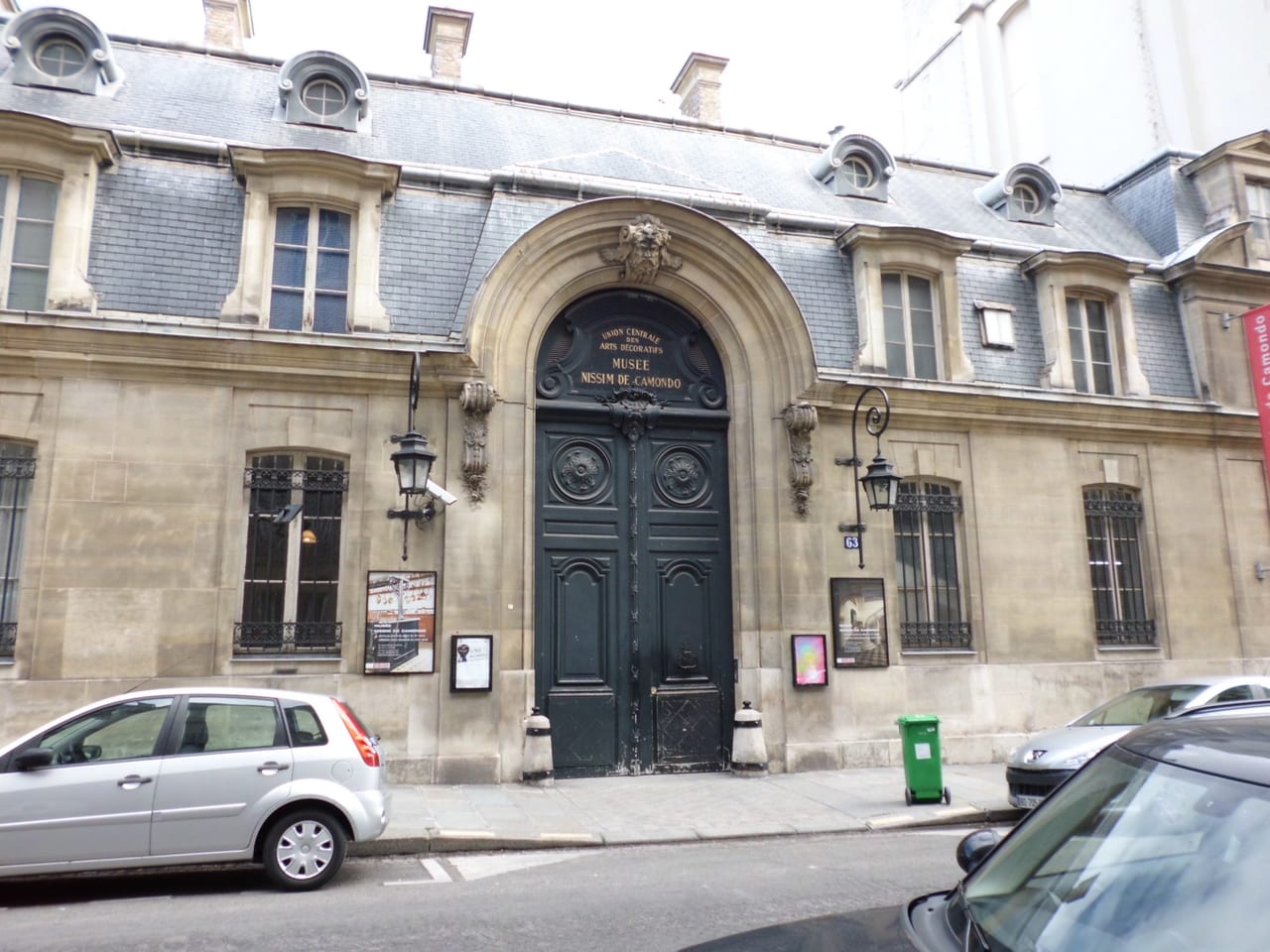
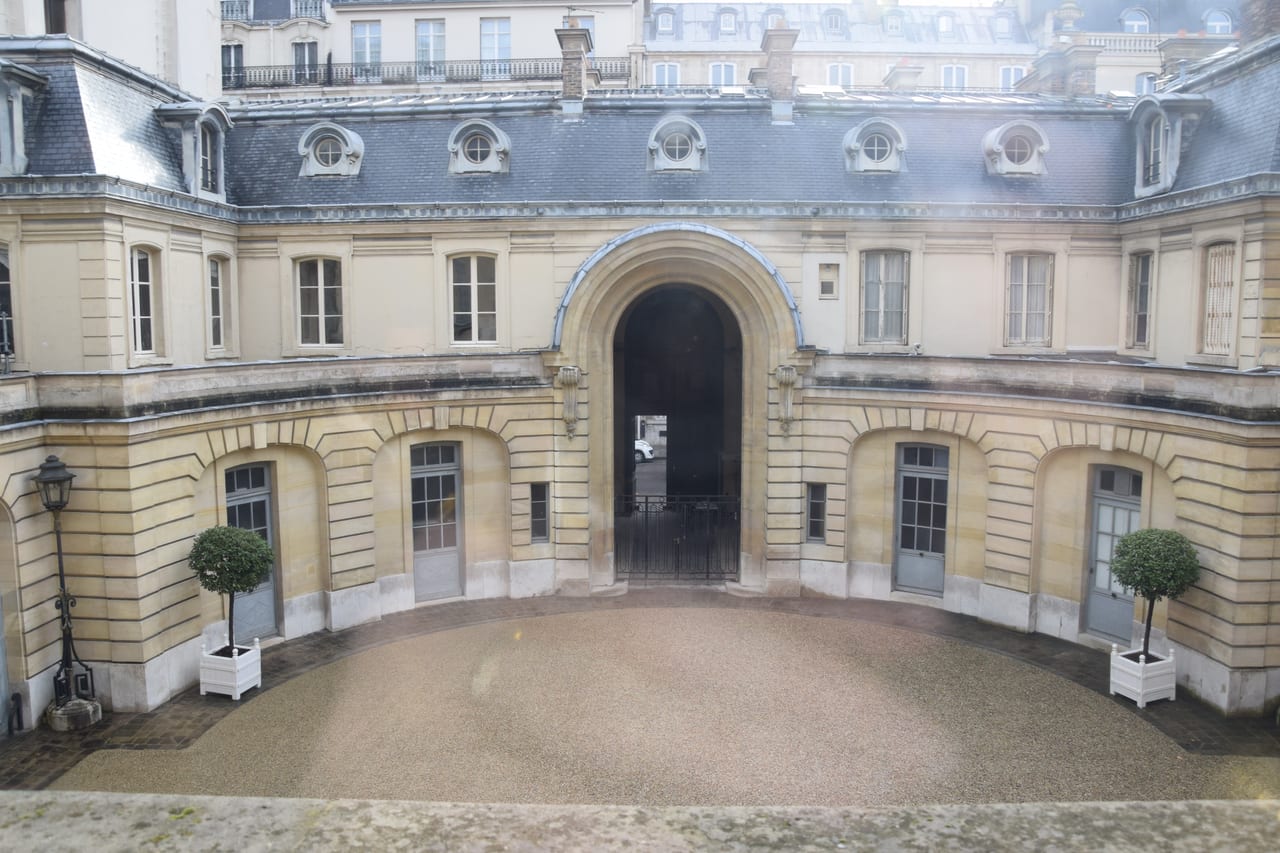
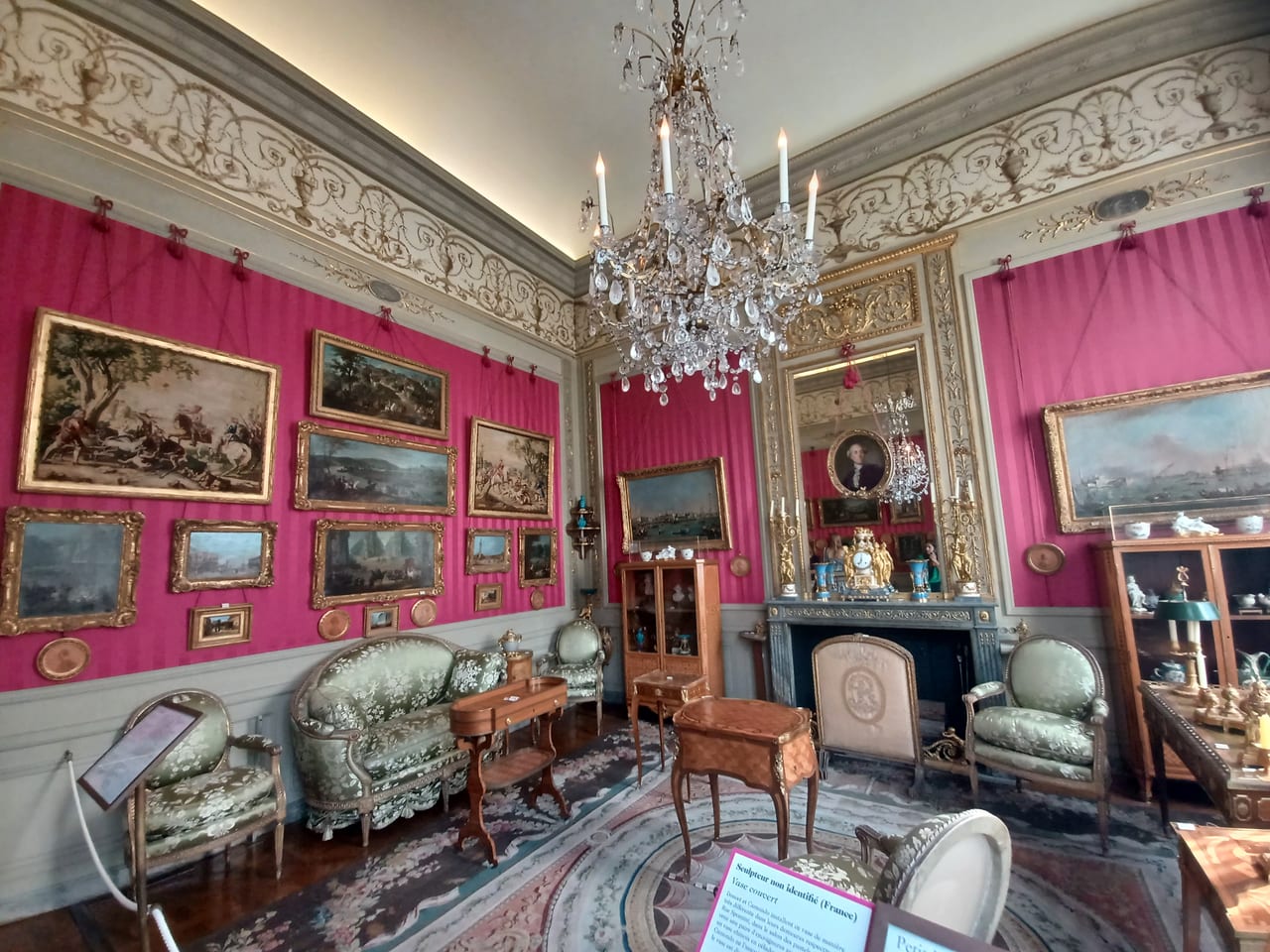
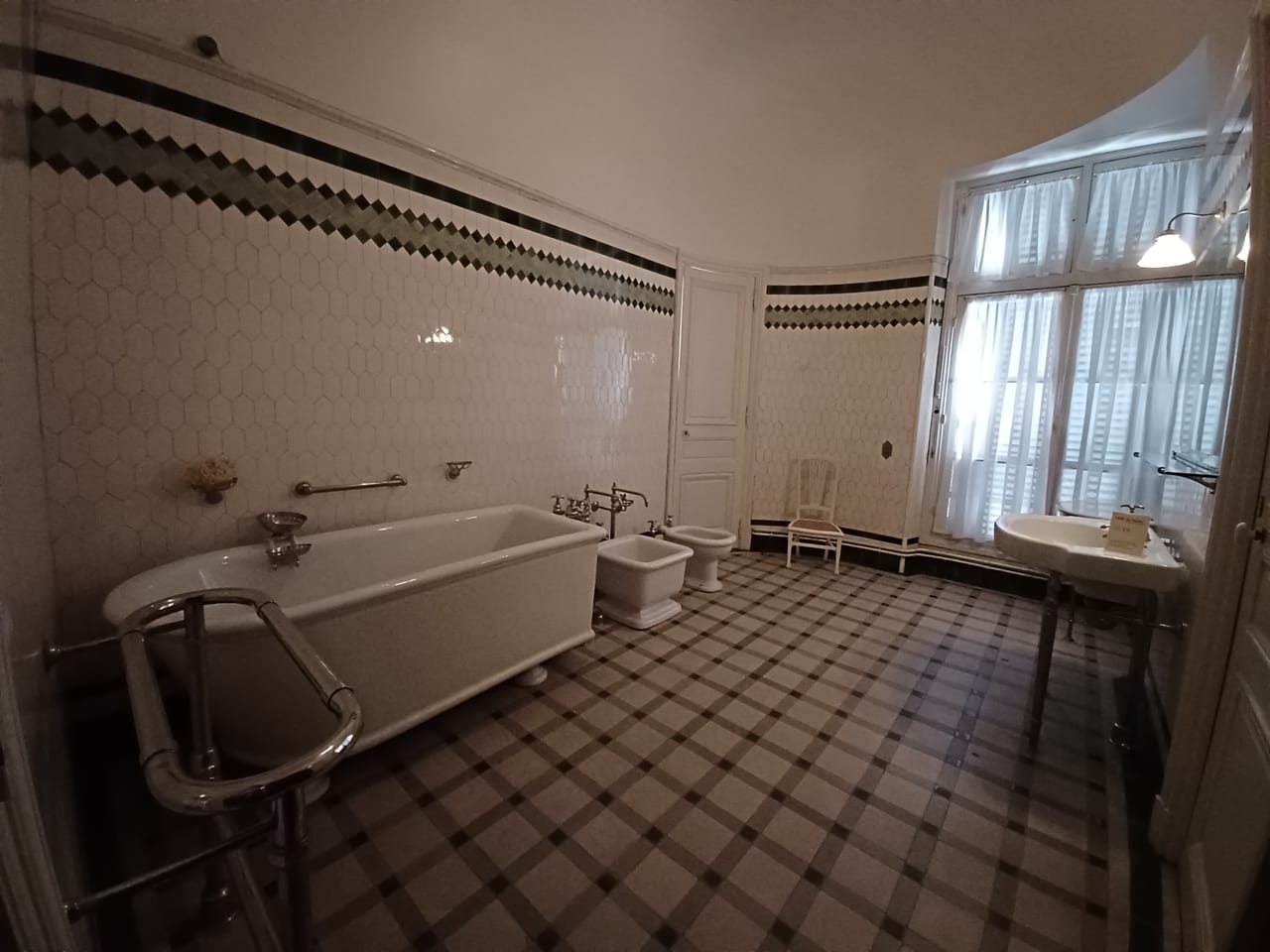
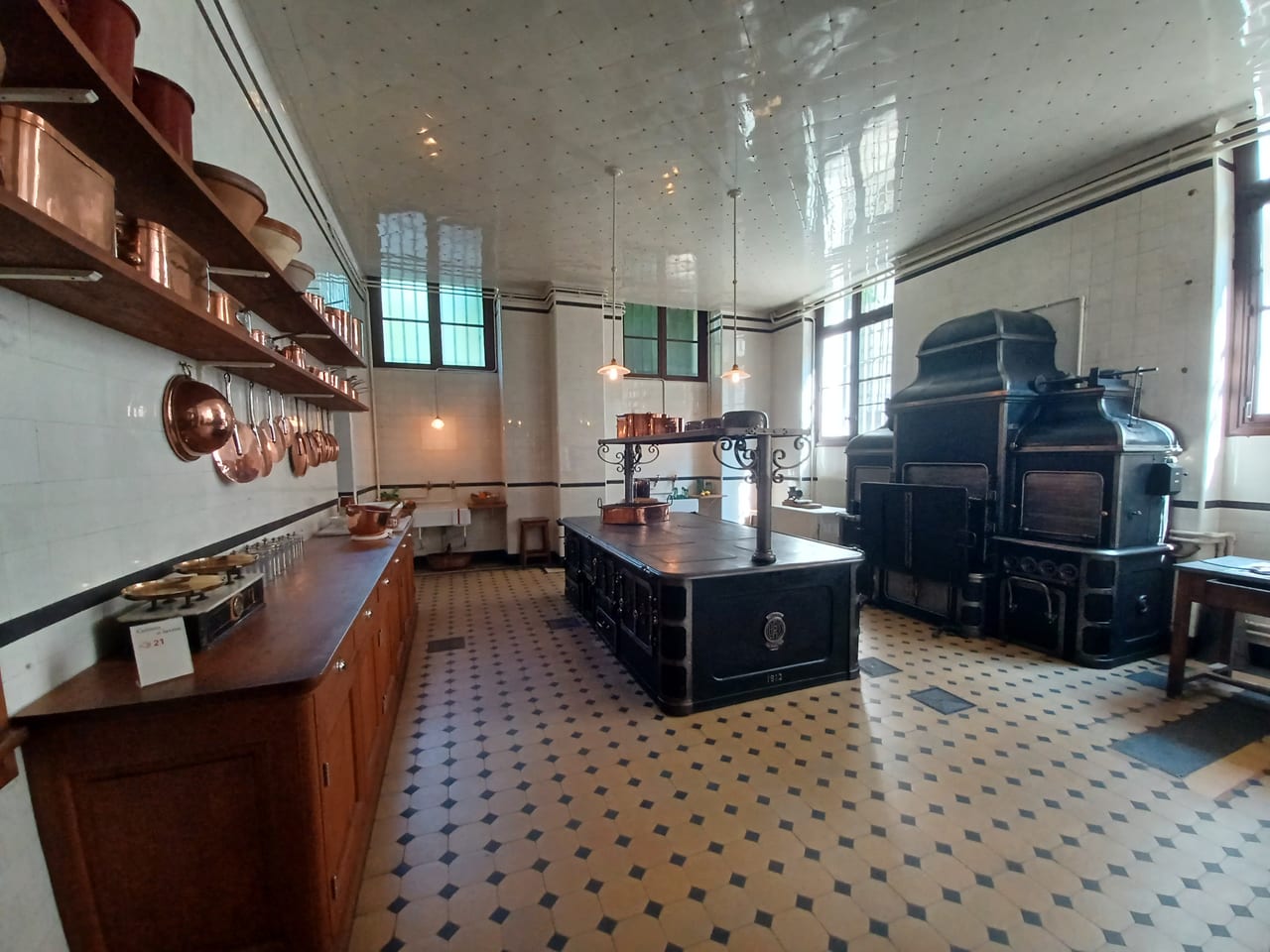
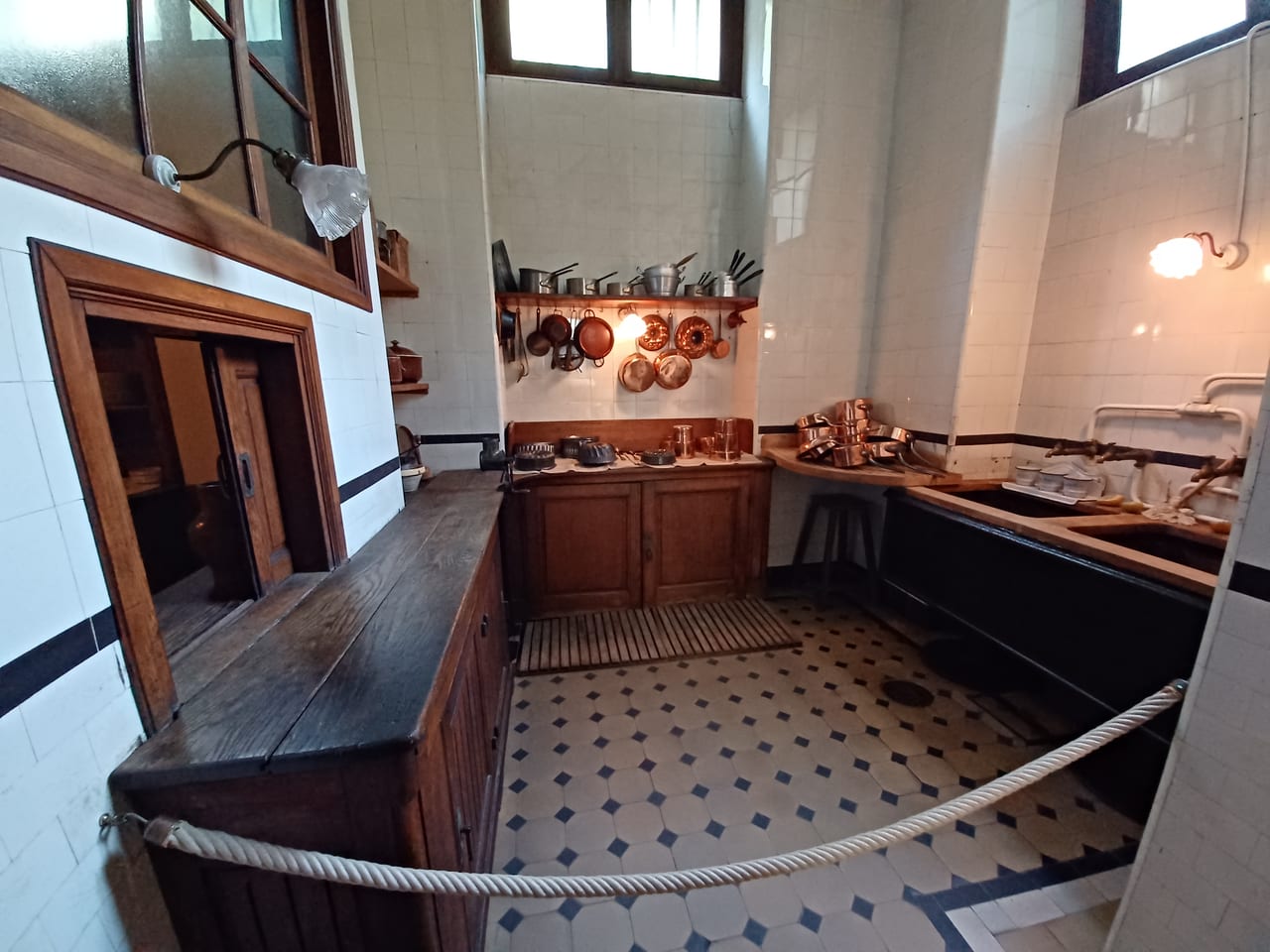
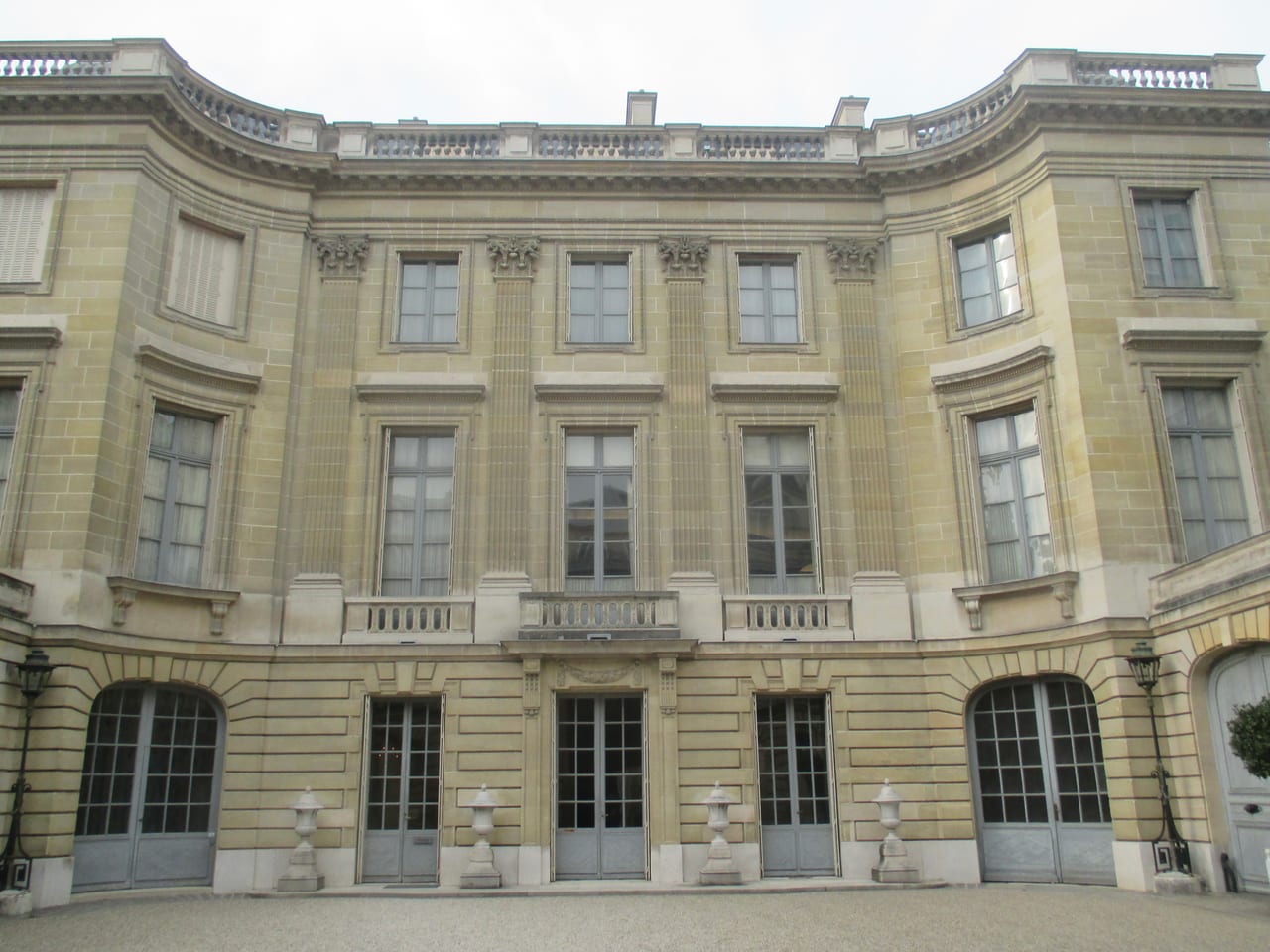
Photograph 1 of 21 of Musée Nissim de Camondo
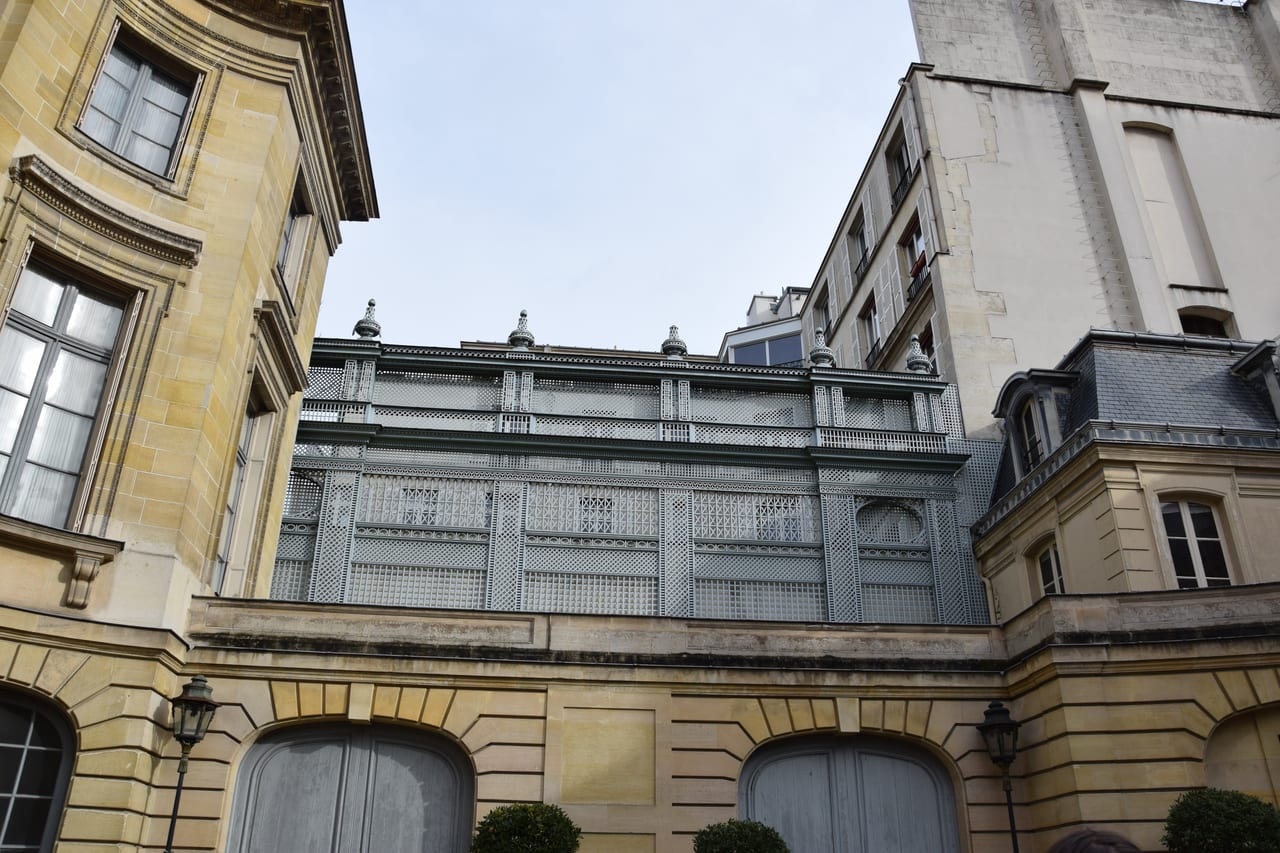
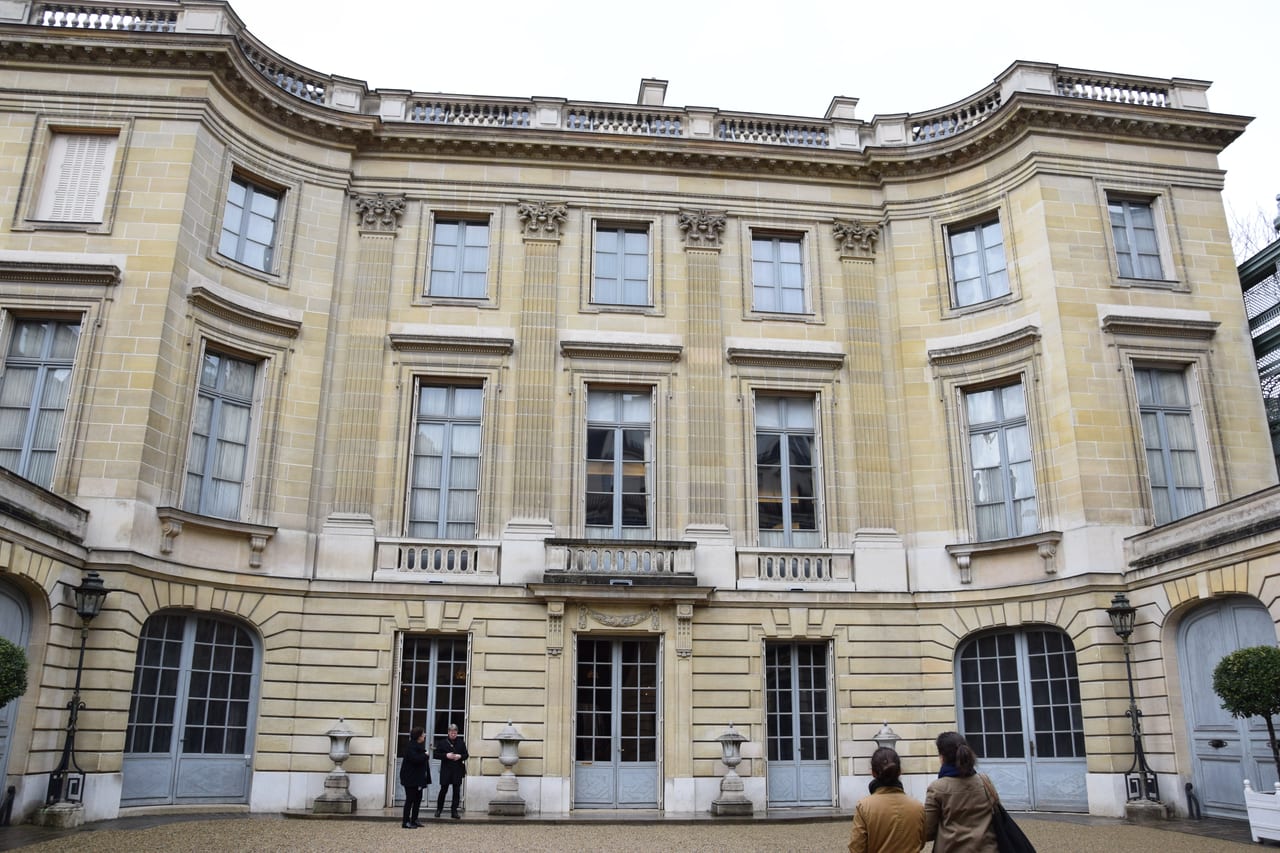
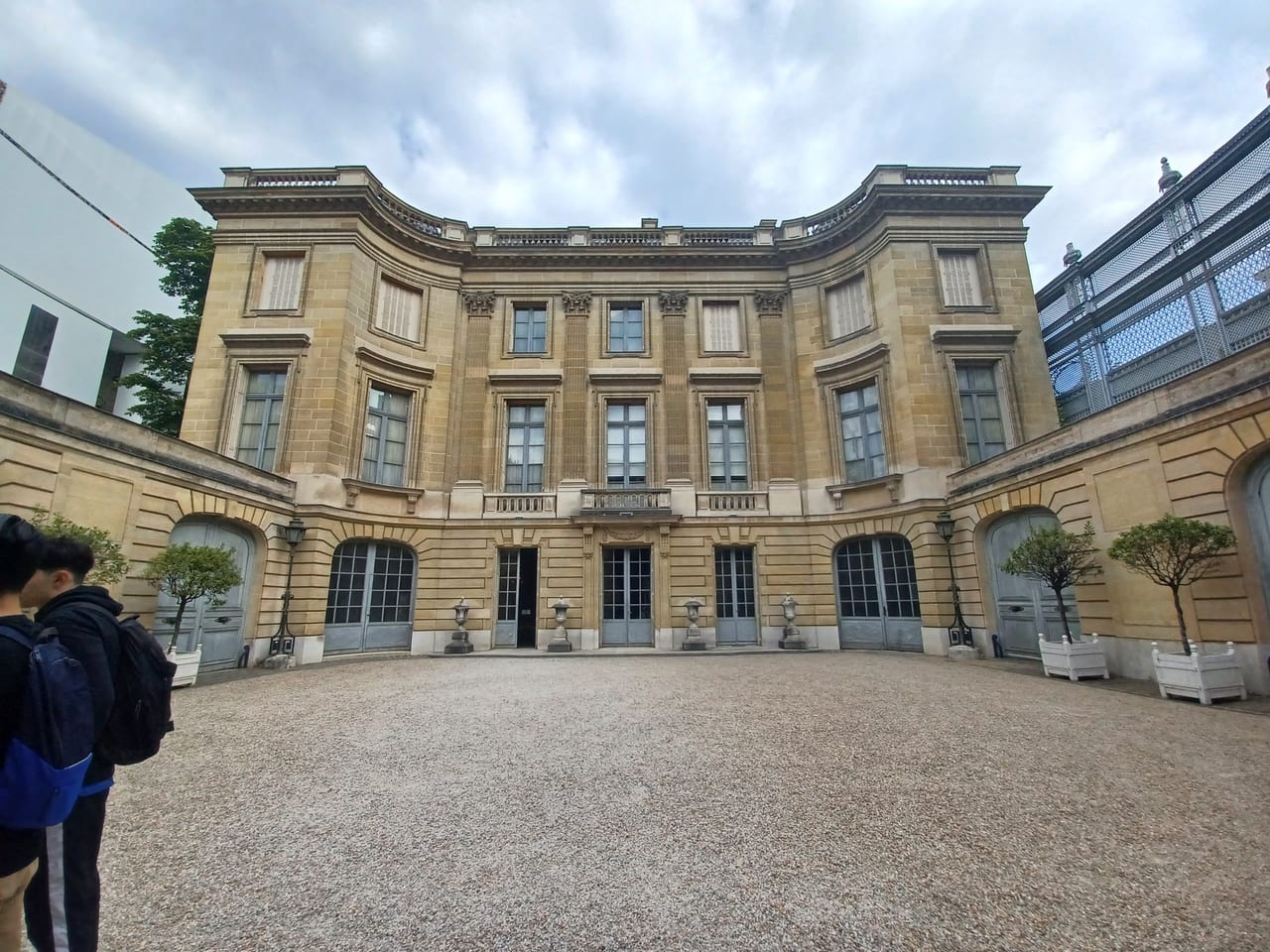
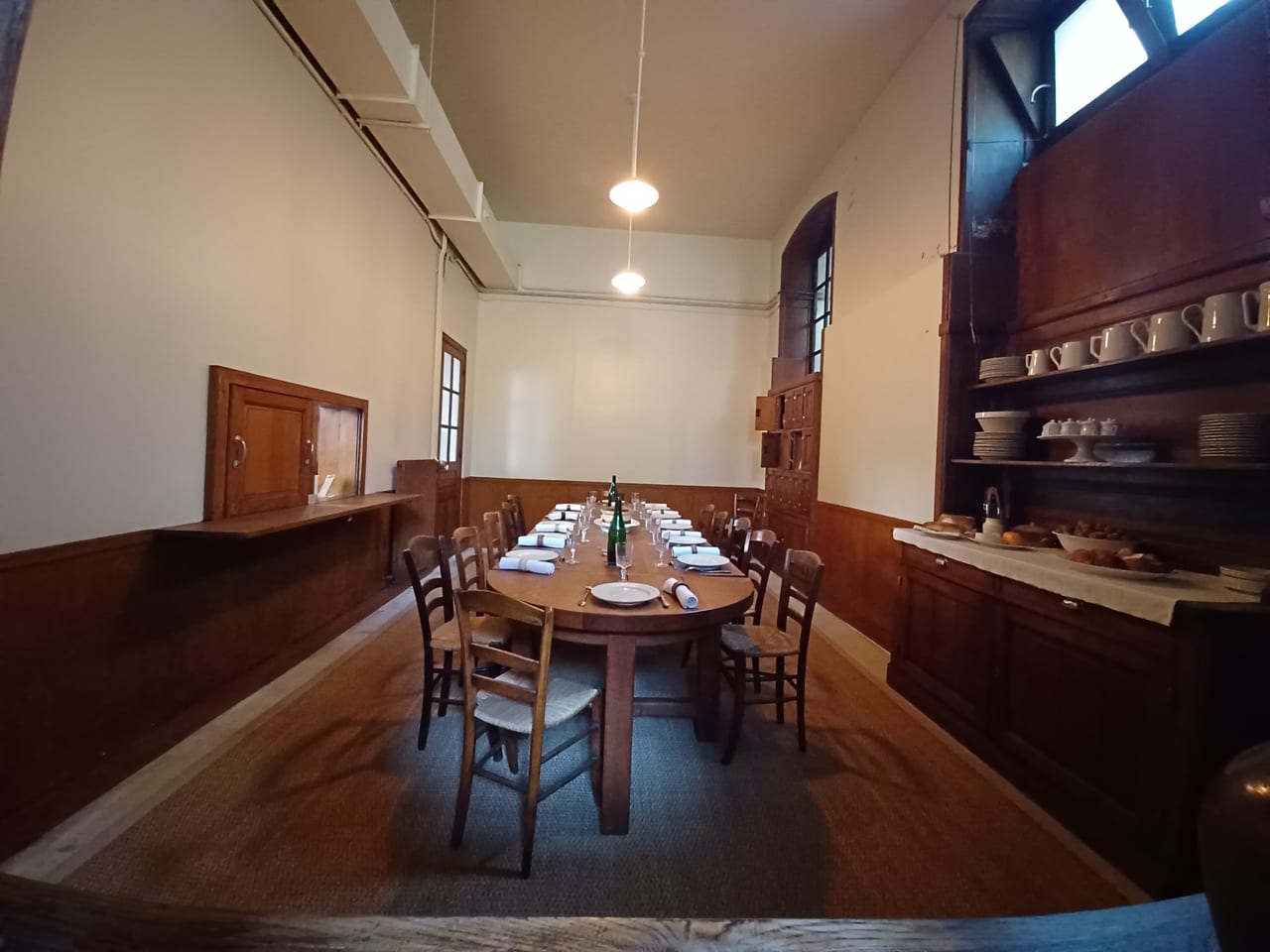
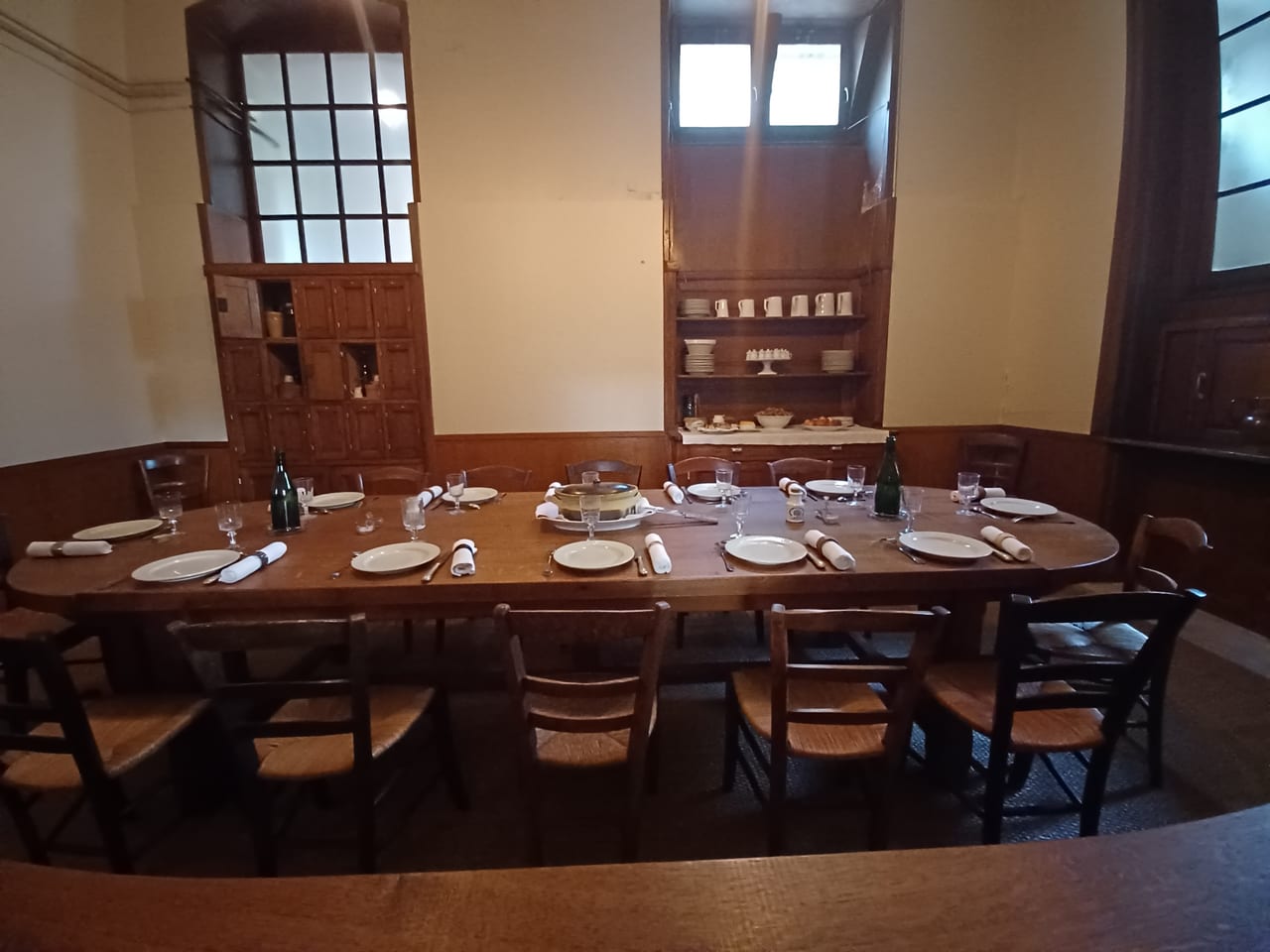
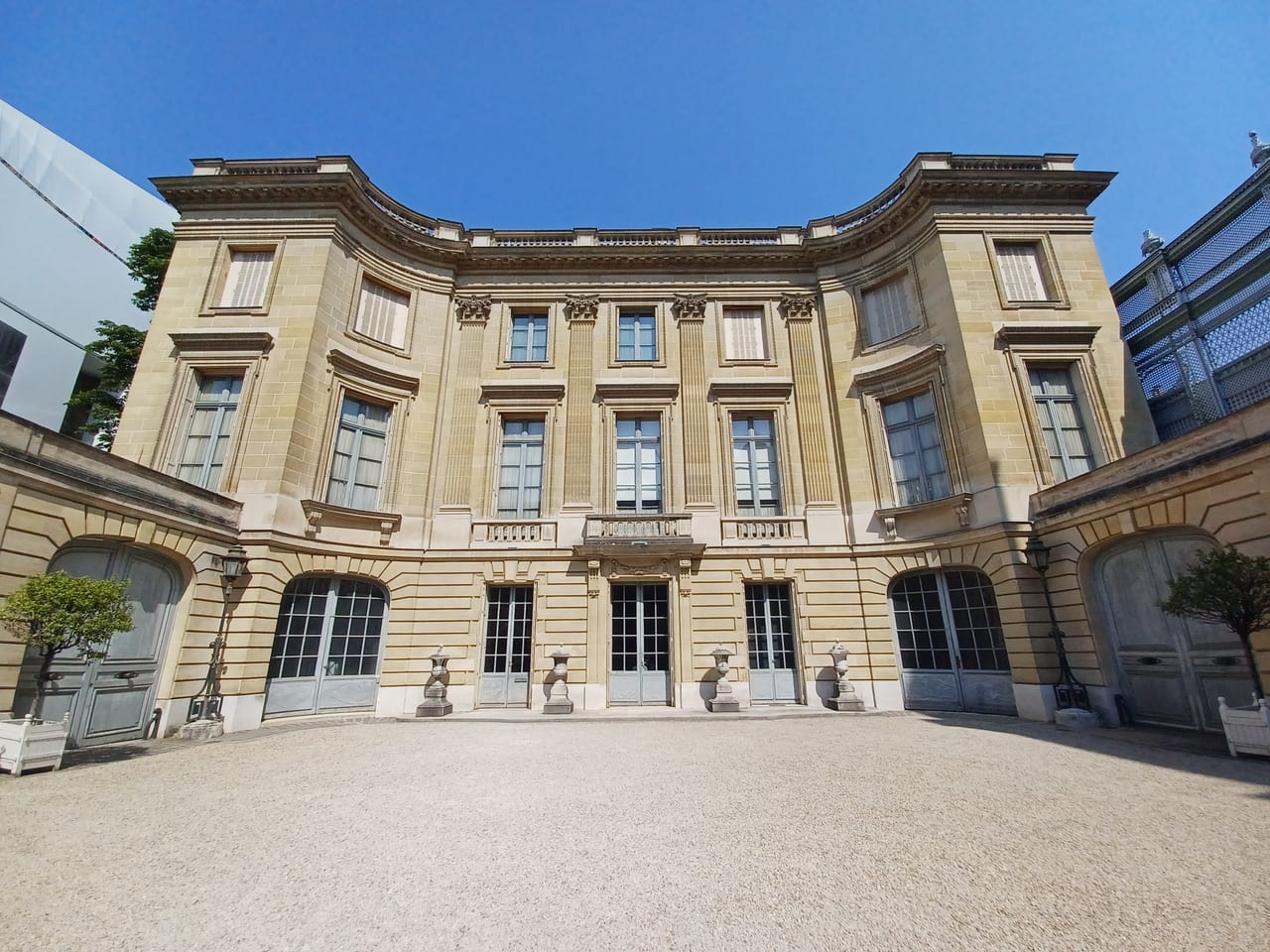
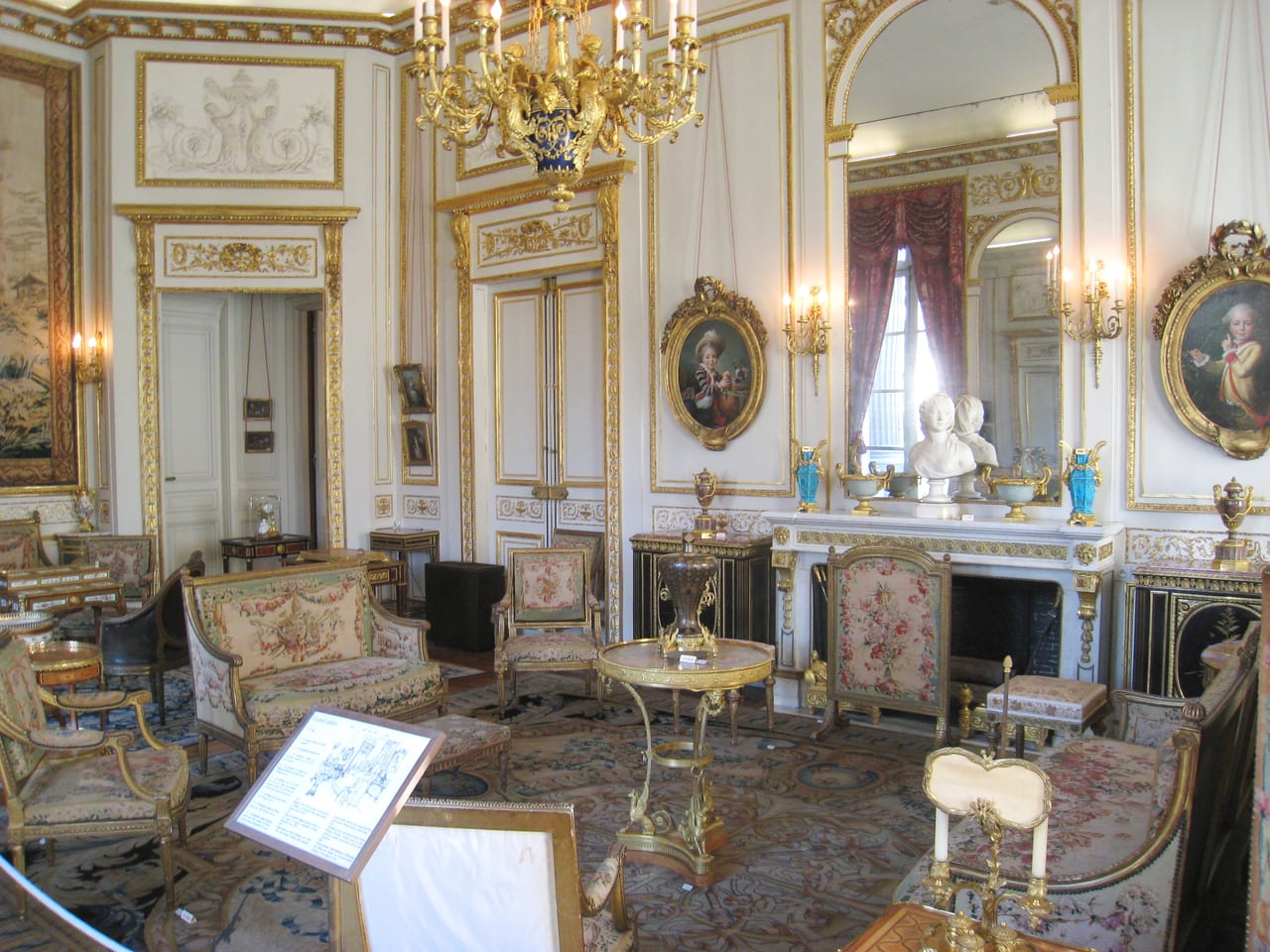
Moïse de Camondo commissioned René Sergent to replace the family’s former hôtel particulier, demolished in 1911, with a new residence built between 1911 and 1914 beside the Parc Monceau. Inspired by the Petit Trianon, the neo-classical house combined a classical exterior with early twentieth-century comforts; Achille Duchêne designed the garden. Camondo spent more than fifty years assembling French eighteenth-century furniture and decorative arts, buying from major collections and dealers including the Seligmann family. His rooms brought together work by Oeben, Riesener, B.V.R.B. and Sené, alongside Sèvres porcelain, Savonnerie carpets, Aubusson tapestries and rare metalwork. He bequeathed the house and its contents in 1924 to the Musée des Arts Décoratifs in memory of his son Nissim, an airman killed in combat on 5 September 1917. His daughter inaugurated the museum on 21 December 1936. During the Second World War, the collections were evacuated to Valençay and returned between 1945 and 1947, while Camondo’s daughter Béatrice, her children and her former husband Léon Reinach were deported to Auschwitz; Béatrice died there on 4 January 1945, in circumstances that remain unclear. Classified in its entirety as a historic monument in 2005, the museum closed at the end of 2024 for a major safety and electrical refurbishment, now scheduled to continue until 2030.
At a glance
- Built
- 1936
Ways to explore Musée Nissim de Camondo
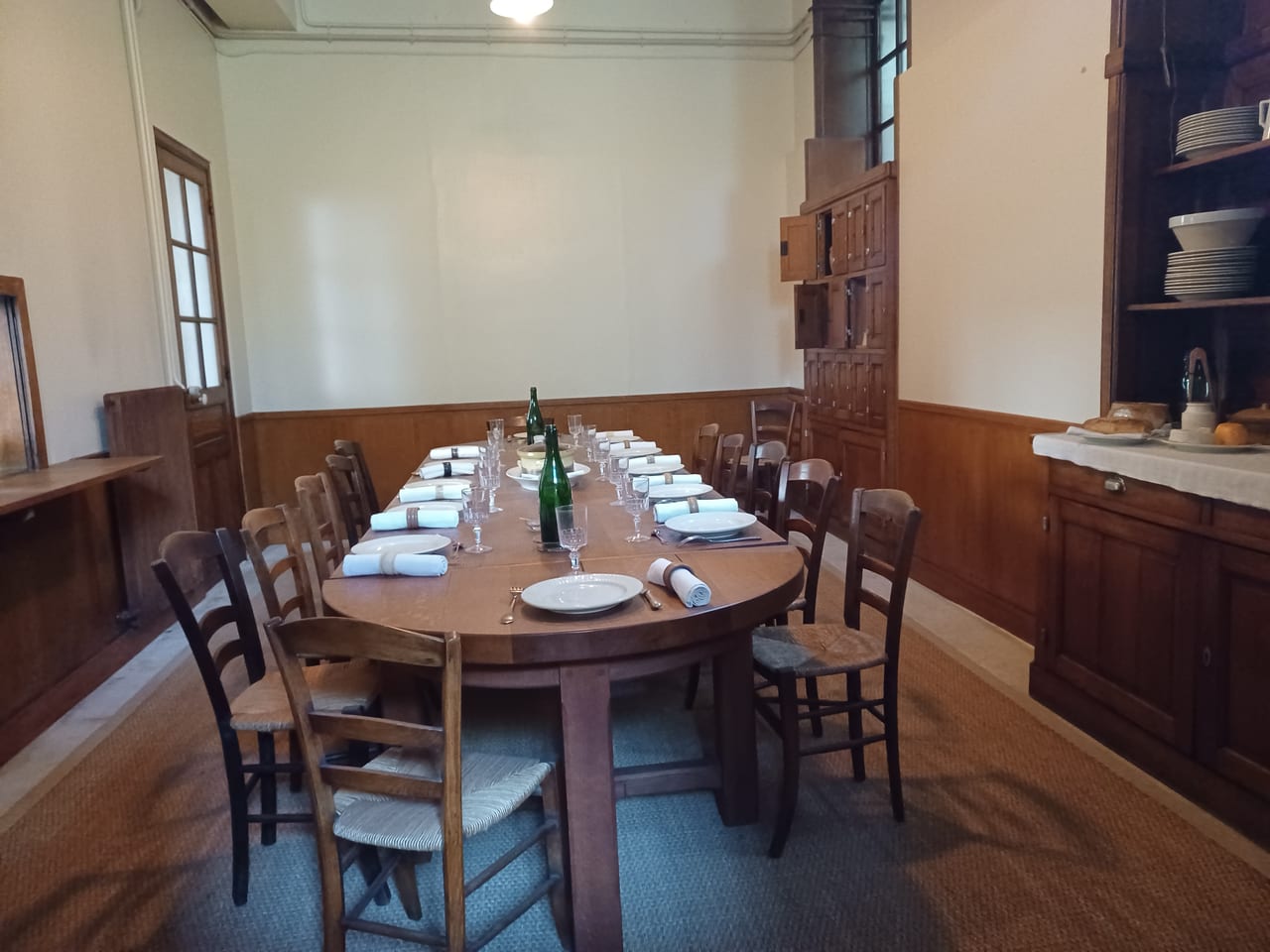
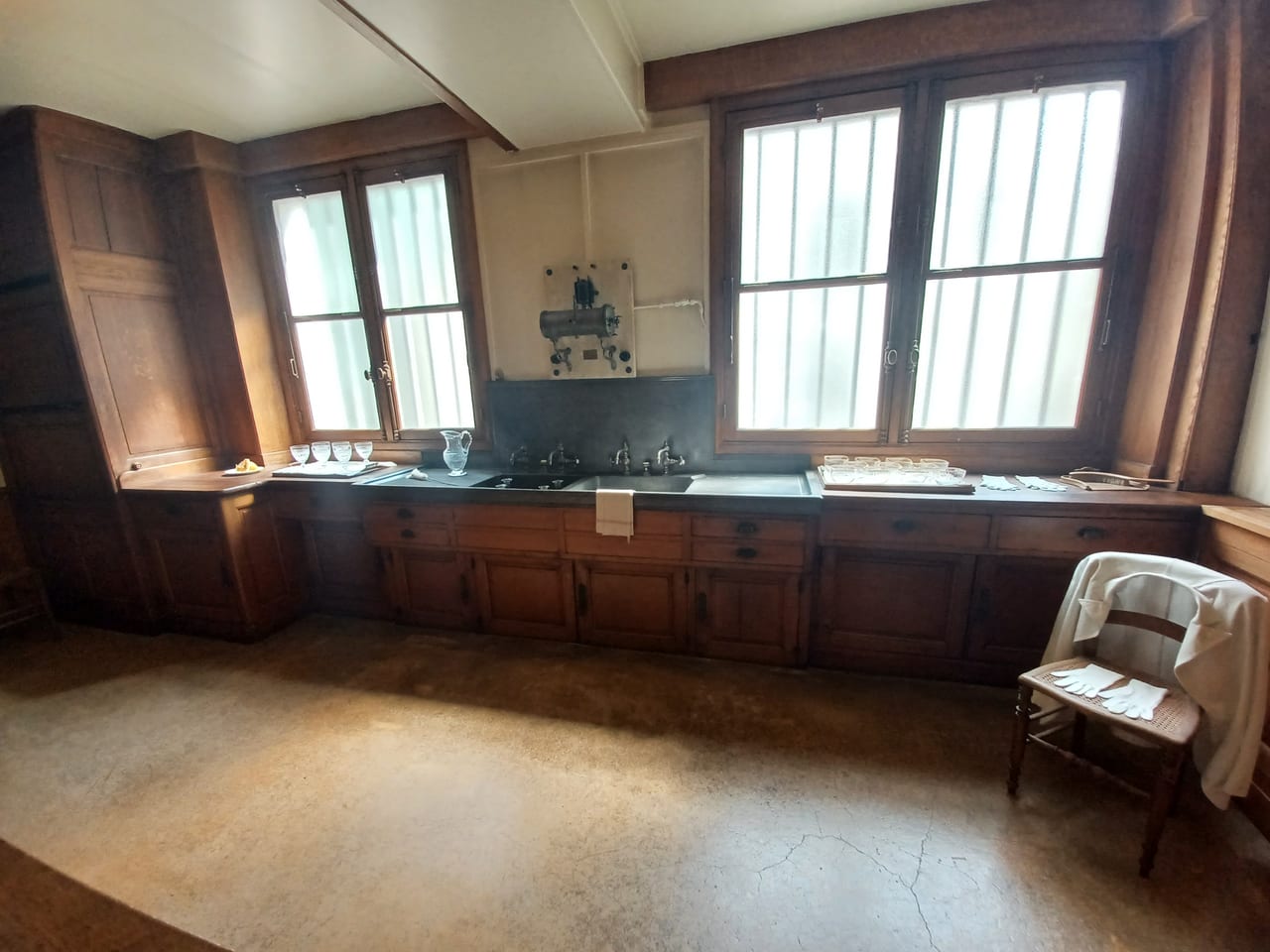
When the museum reopens, begin with the vestibule, stone staircase and Gobelins “chancellerie” tapestry. Compare the Louis XV seating in the gallery with the grand bureau’s Aubusson Fables of La Fontaine, then look for Vigée-Lebrun portraits, Houdon’s bust of Summer and the blue study overlooking the park. The porcelain cabinet rewards close attention to the Sèvres services after Buffon’s birds; the library’s red morocco volumes and the early-twentieth-century bathrooms adjoining Moïse’s and Nissim’s bedrooms reveal contrasting aspects of the house. Photography without flash is permitted.
Places to stay near Musée Nissim de Camondo
Live availability and prices from Stay22's partners, refreshed periodically and subject to change. Booking through these links may earn us a commission at no extra cost to you. See our privacy policy.
Cafés near Musée Nissim de Camondo
Cafés near Musée Nissim de Camondo loads as you scroll.
Attractions nearby
Attractions near Musée Nissim de Camondo loads as you scroll.
Cities nearby
Cities nearby loads as you scroll.
More in Paris
See more of Paris.
Find great cafés, places to stay and other interesting places to visit in Paris.