Museum · Paris
Musée de l'Orangerie
DirectionsClaude Monet’s Nymphéas occupy two oval galleries designed as an east-west, glass-lit infinity sign—an installation conceived to immerse visitors in changing natural light.
Photograph 1 of 16 of Musée de l'Orangerie
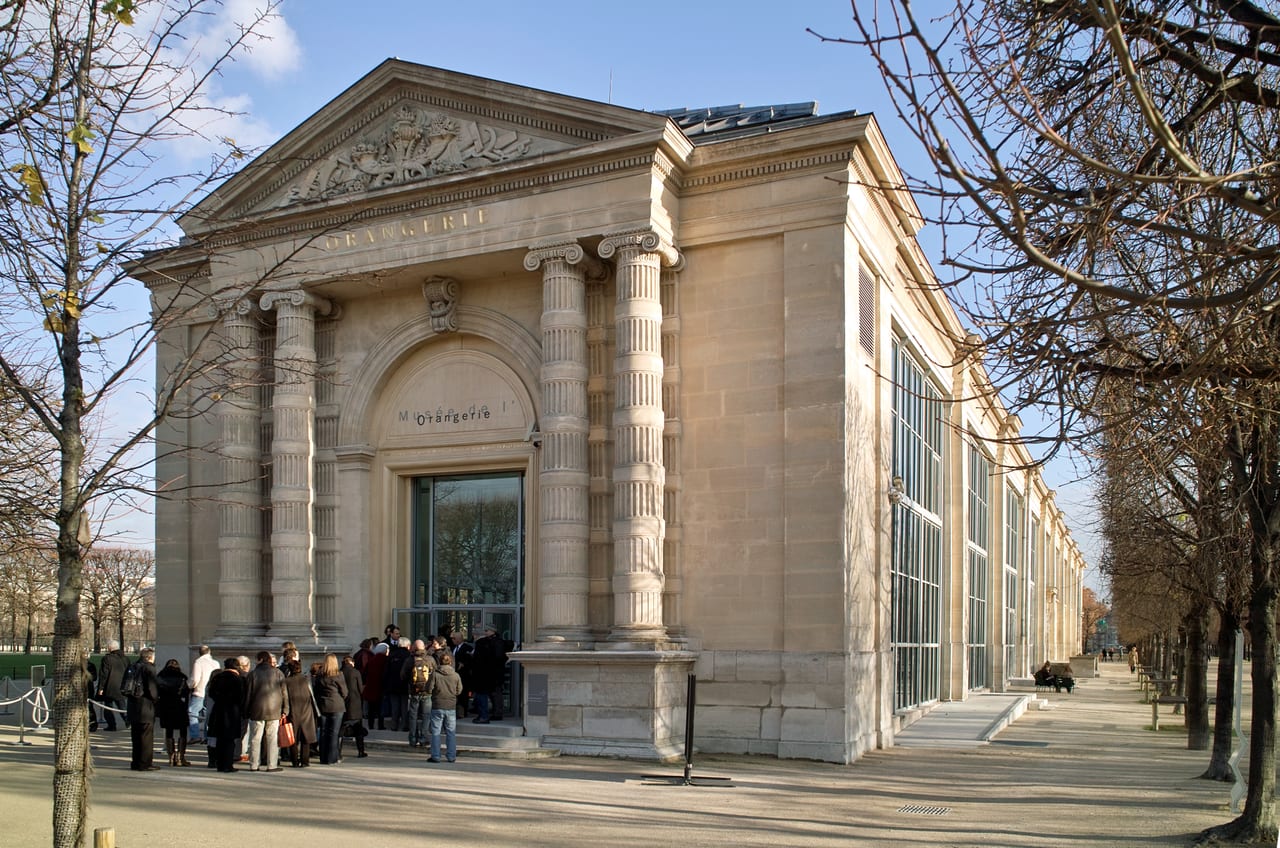
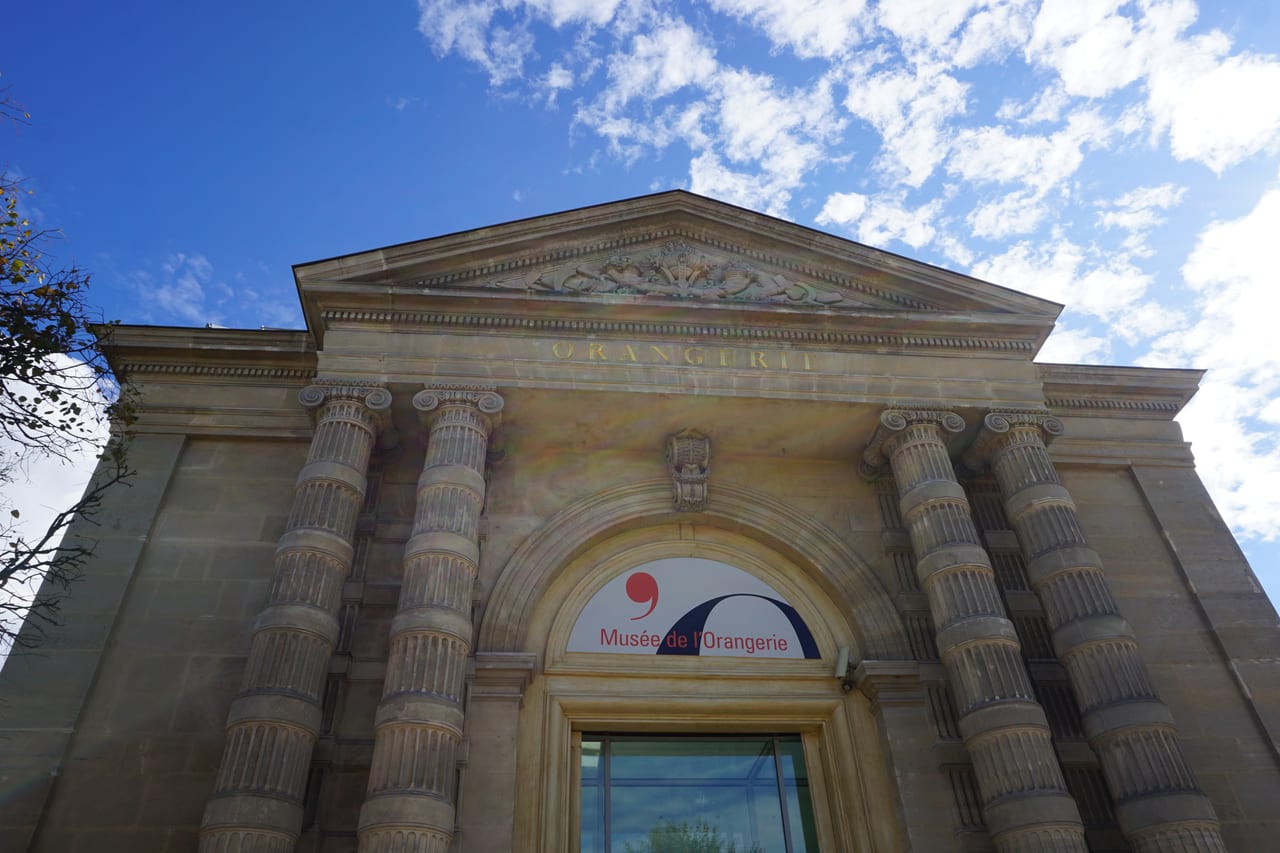
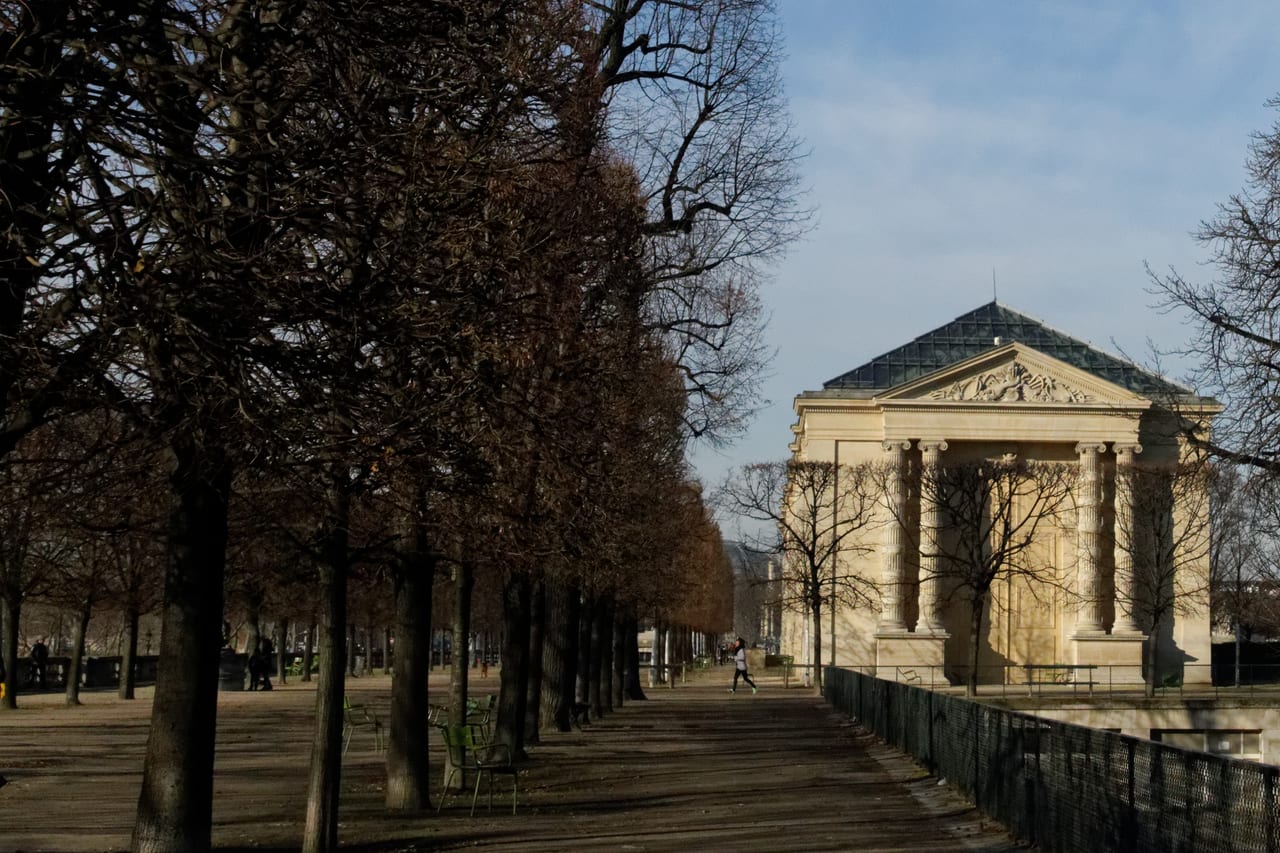
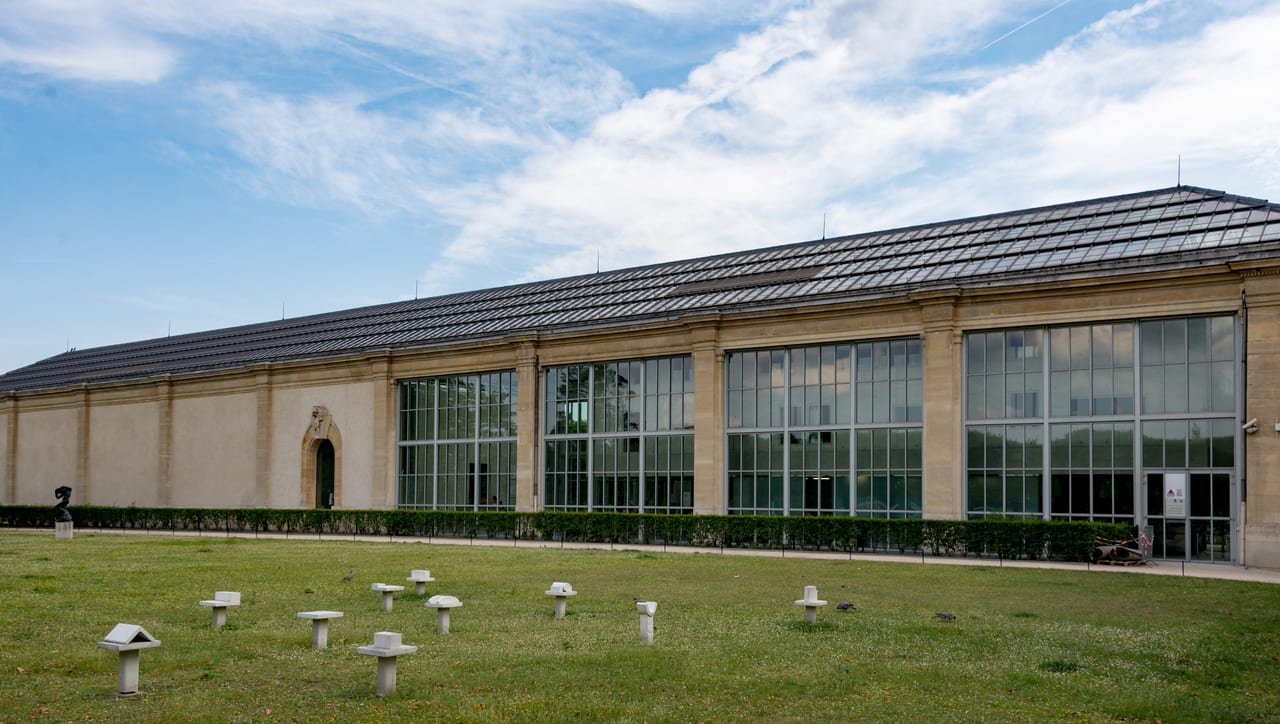
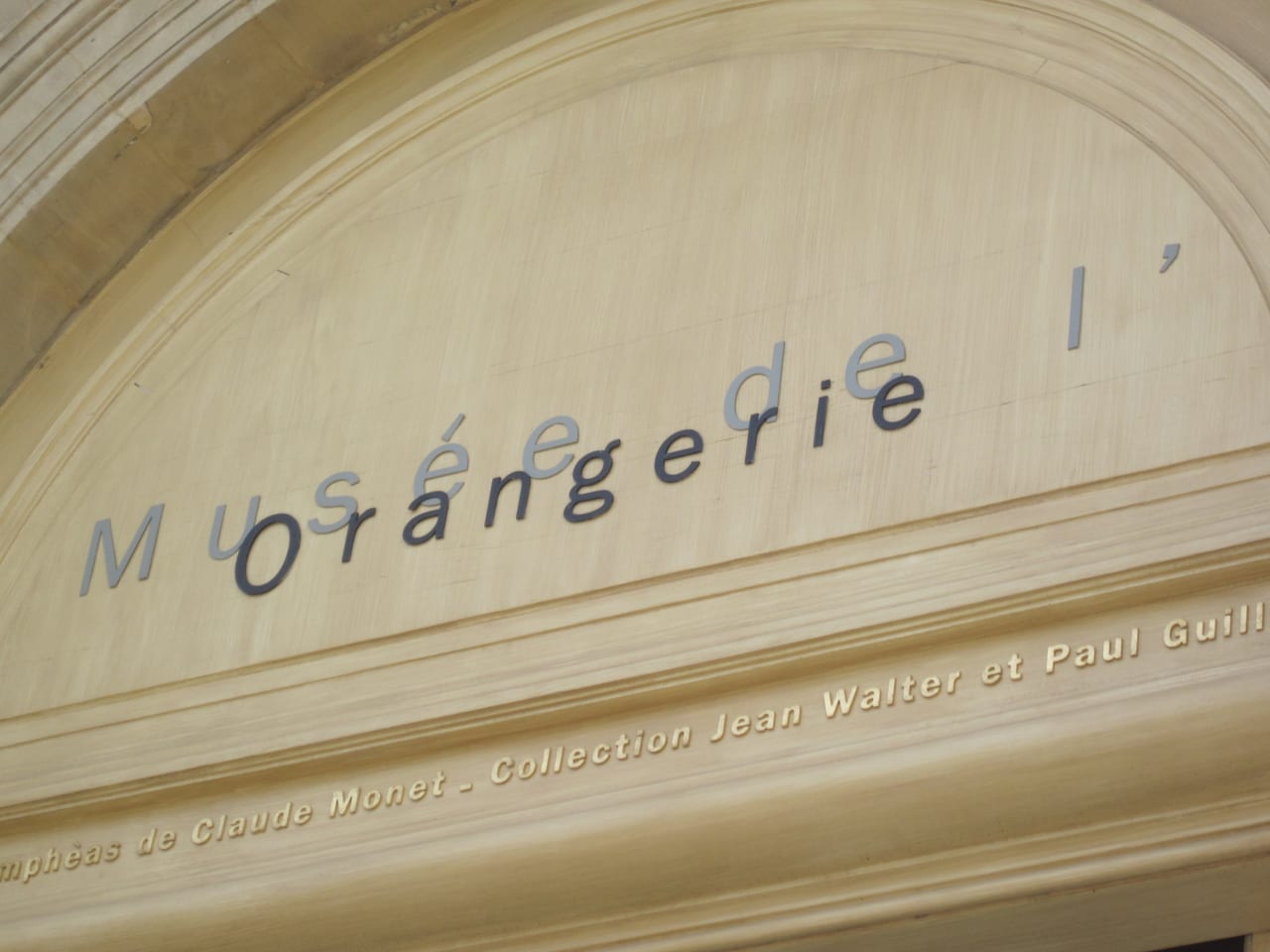
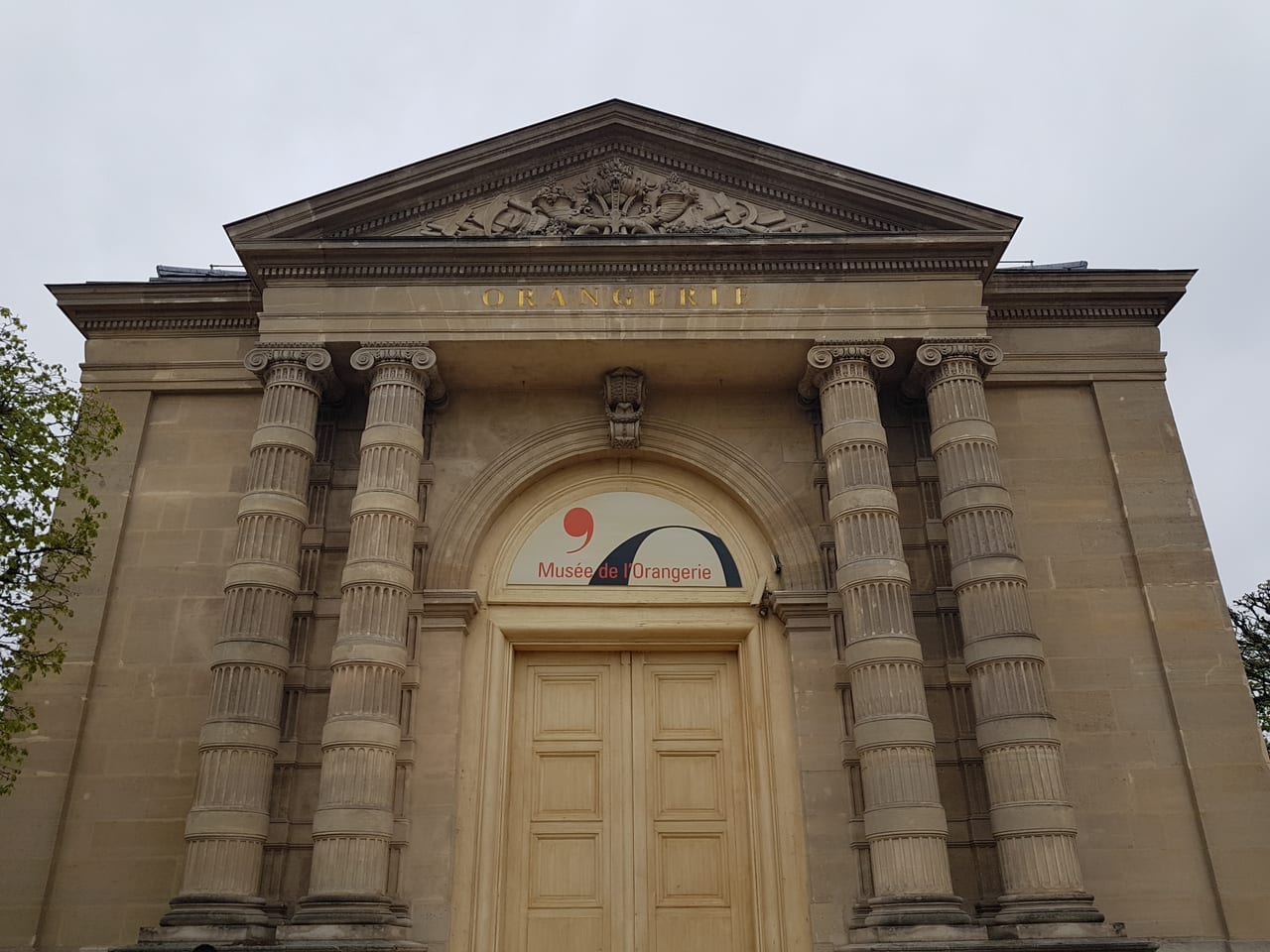
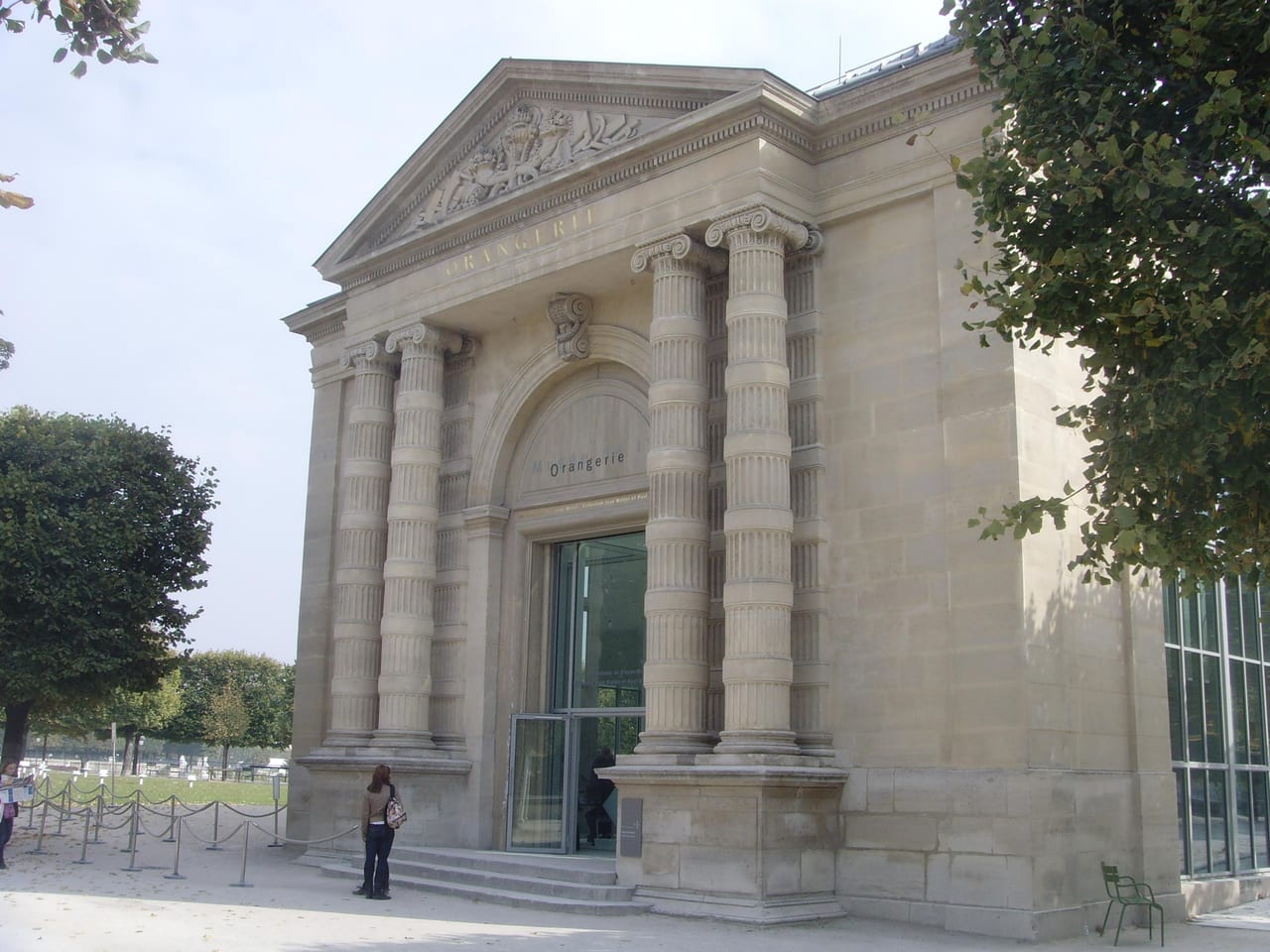
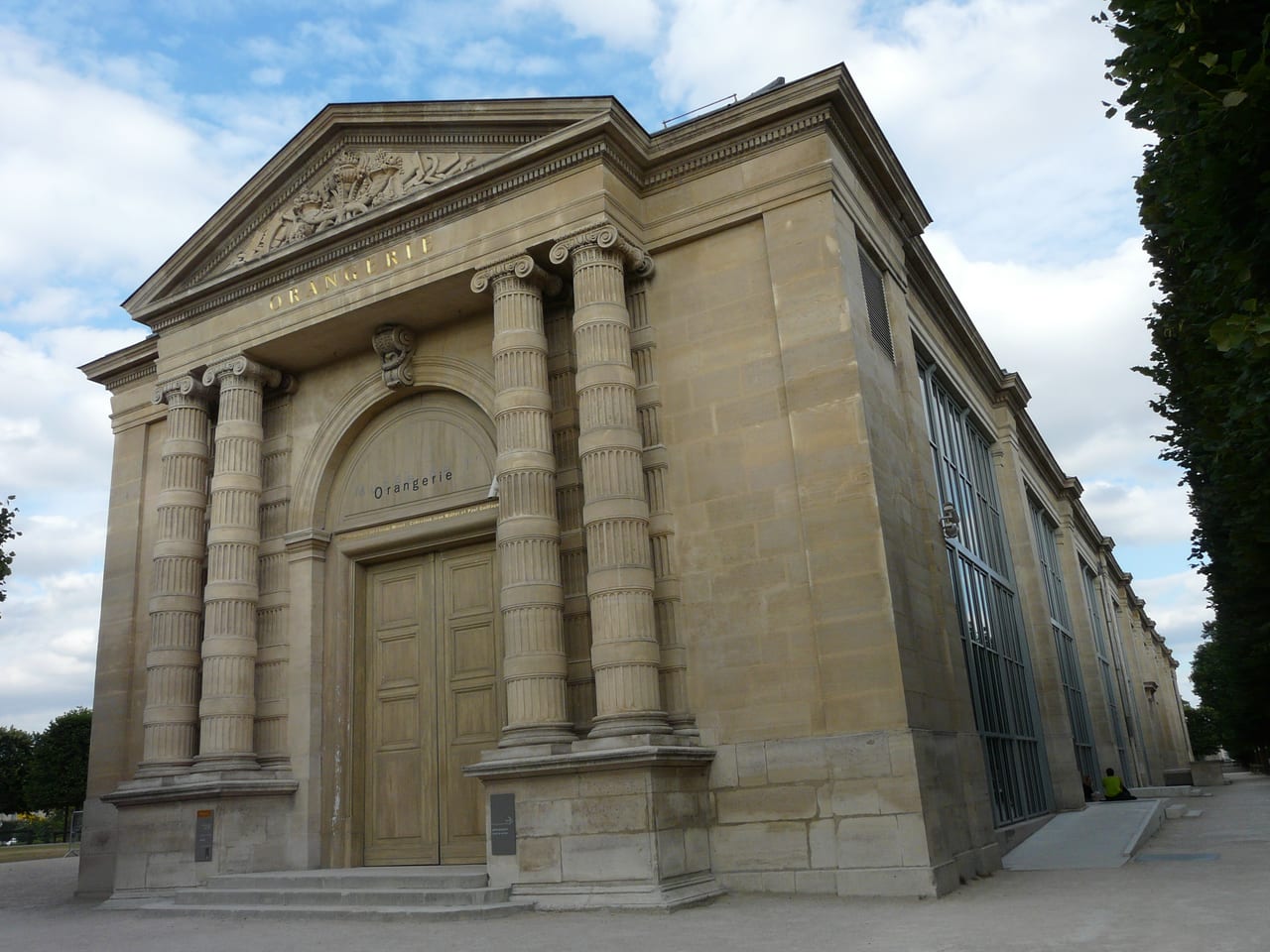
Built in 1852 to shelter the Tuileries’ orange trees, the Orangerie was designed by Firmin Bourgeois and completed by Louis Visconti. Its glazed south façade admitted sunlight, while the blind north façade protected the plants from cold winds; Visconti’s entrances carry sculpted cornucopias by Charles-Gallois Poignant. Before the building, the site hosted the seventeenth-century Restaurant Renard, where aristocrats gathered and disturbances erupted during the Fronde. In 1865, Carpeaux used the Orangerie as a studio while sculpting the Prince impérial with his dog Néron. From 1890 to 1912 it hosted an annual hunting and venery exhibition. The building’s artistic identity changed decisively after Claude Monet’s donation of the Nymphéas, formalised in 1922 through Georges Clemenceau’s persistence; Camille Lefèvre adapted the interiors, inaugurated in 1927. Later, temporary exhibitions brought major attention, including the 1936 Rubens exhibition, while the 1942 Arno Breker display revealed the museum’s wartime entanglement with Nazi propaganda. Between 1960 and 1965, Olivier Lahalle reshaped the building for the 146-work Walter-Guillaume collection. Restoration from 2000 to 2006 reinstated Monet’s natural lighting, added underground galleries, and exposed a remnant of the sixteenth-century yellow moat wall. Since 2010, the museum has been attached to the Musée d’Orsay.
At a glance
- Built
- 1852
Ways to explore Musée de l'Orangerie
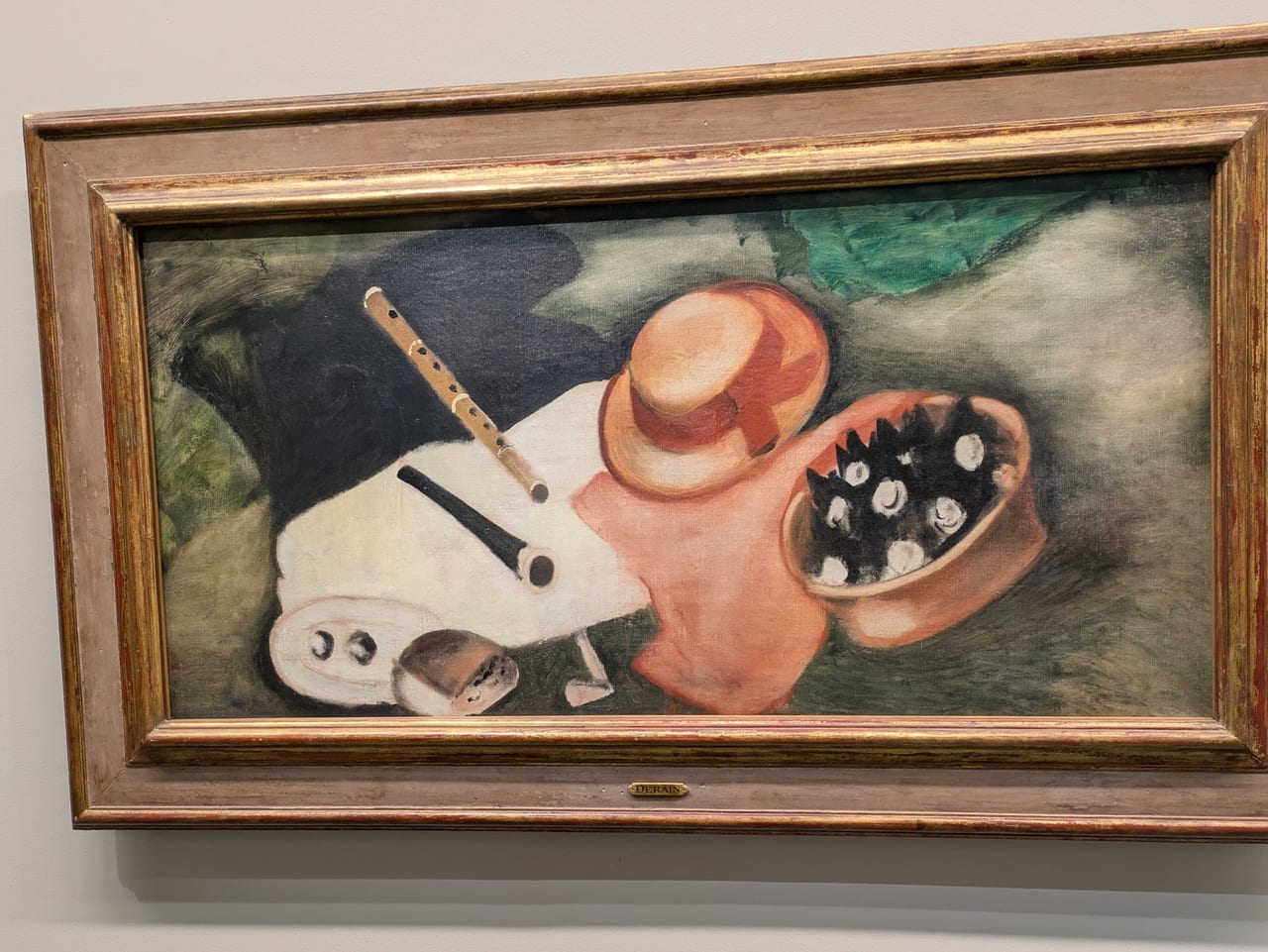
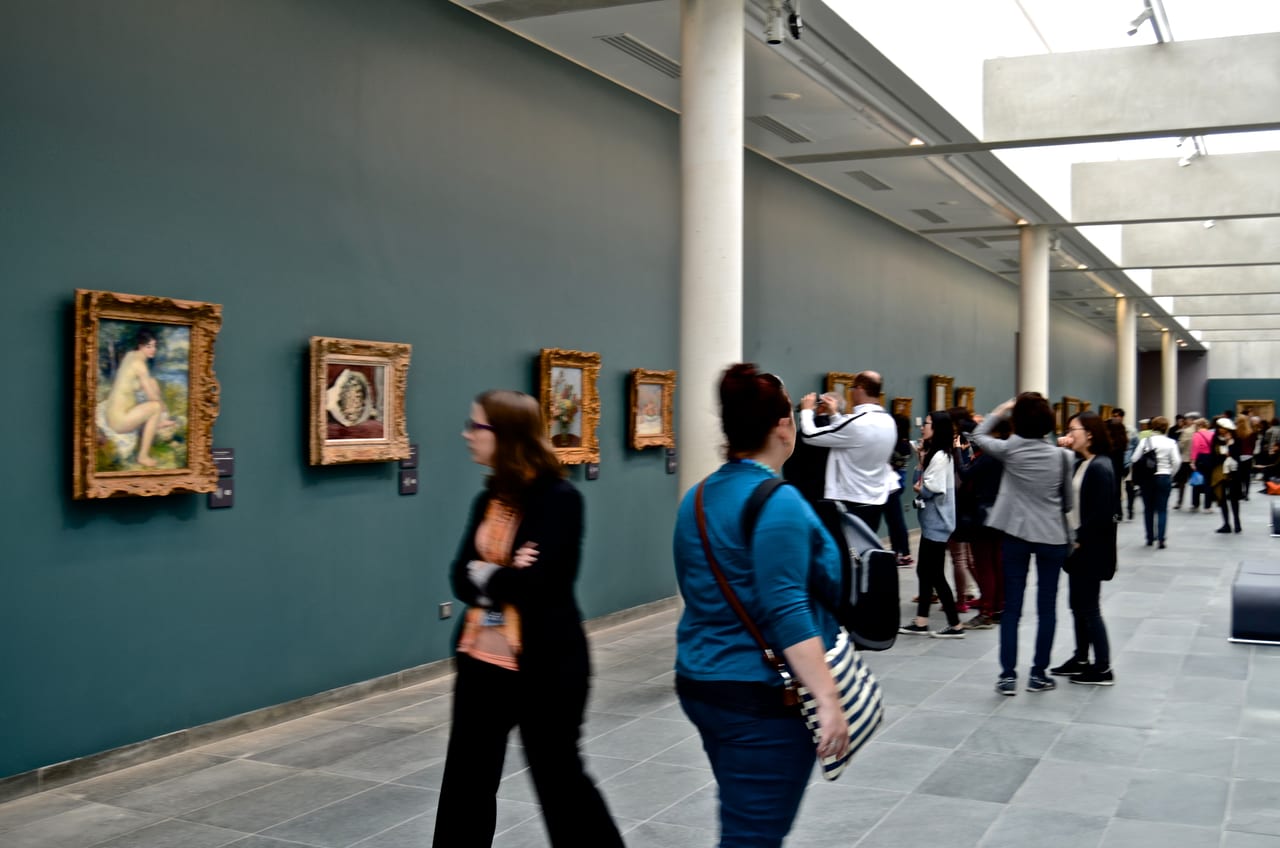
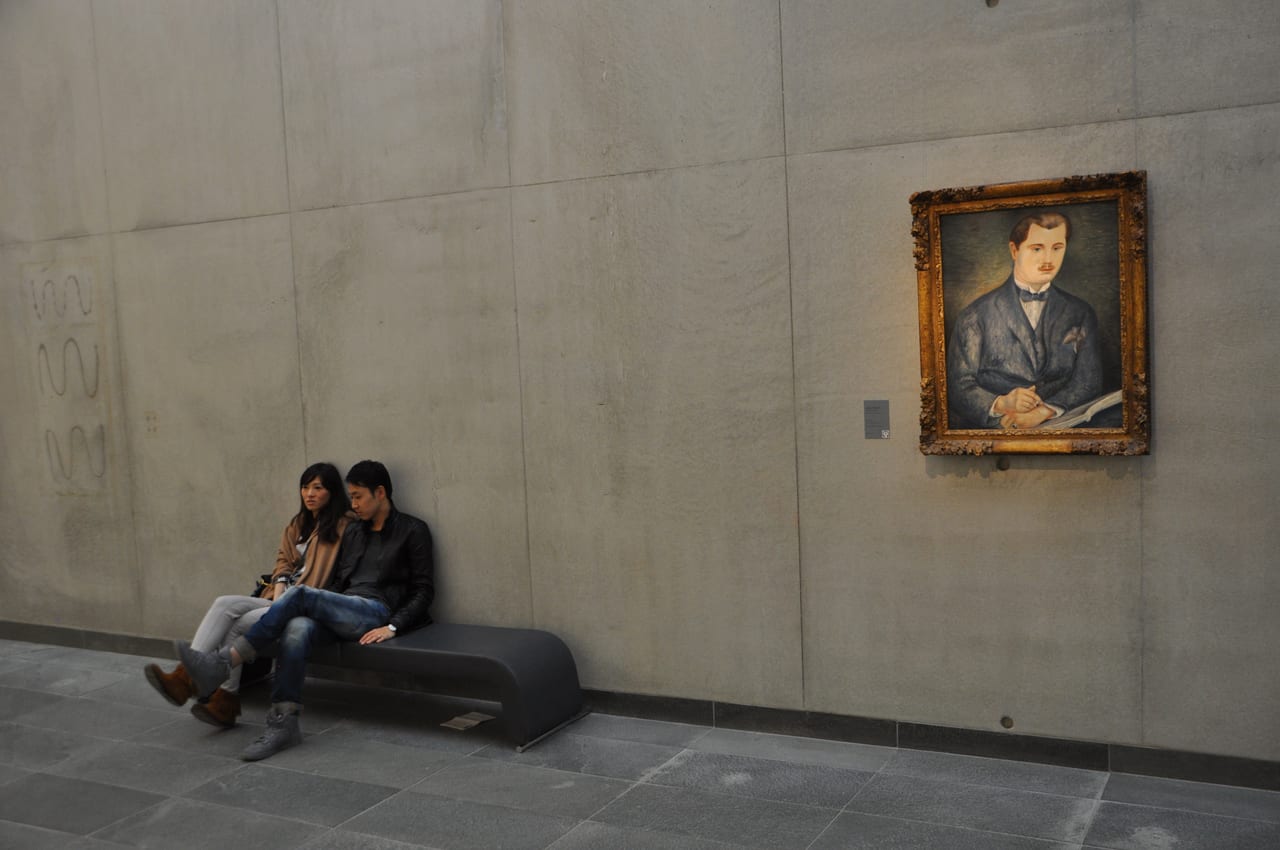
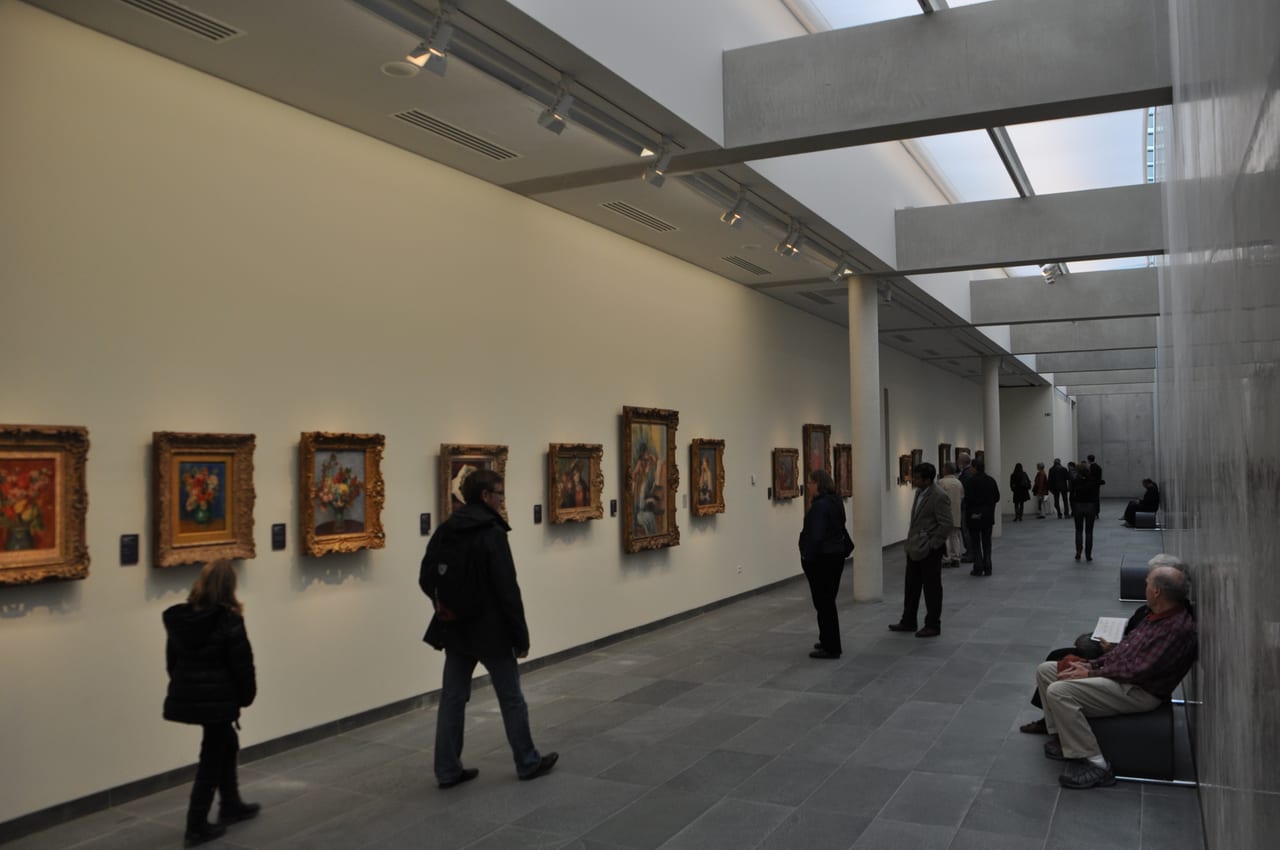
Begin with the upper-level Monet rooms, then follow the lower-level sequence through Derain, Renoir, Cézanne, Soutine, Picasso, Matisse, Modigliani, Marie Laurencin, the Douanier Rousseau and Utrillo. Look for the Walter-Guillaume collection’s concentrated range of modern painting, and pause by the visible archaeological wall indoors. Outside, compare Rodin’s bronzes and The Kiss with Alain Kirili’s Grand commandant blanc, Henry Moore’s Reclining Nude and Barye’s lion. Temporary galleries, the auditorium and educational rooms extend the visit.
Places to stay near Musée de l'Orangerie
Live availability and prices from Stay22's partners, refreshed periodically and subject to change. Booking through these links may earn us a commission at no extra cost to you. See our privacy policy.
Cafés near Musée de l'Orangerie
Cafés near Musée de l'Orangerie loads as you scroll.
Attractions nearby
Attractions near Musée de l'Orangerie loads as you scroll.
Cities nearby
Cities nearby loads as you scroll.
More in Paris
See more of Paris.
Find great cafés, places to stay and other interesting places to visit in Paris.