Museum · Paris
Musée d'Art et d'Histoire du Judaïsme
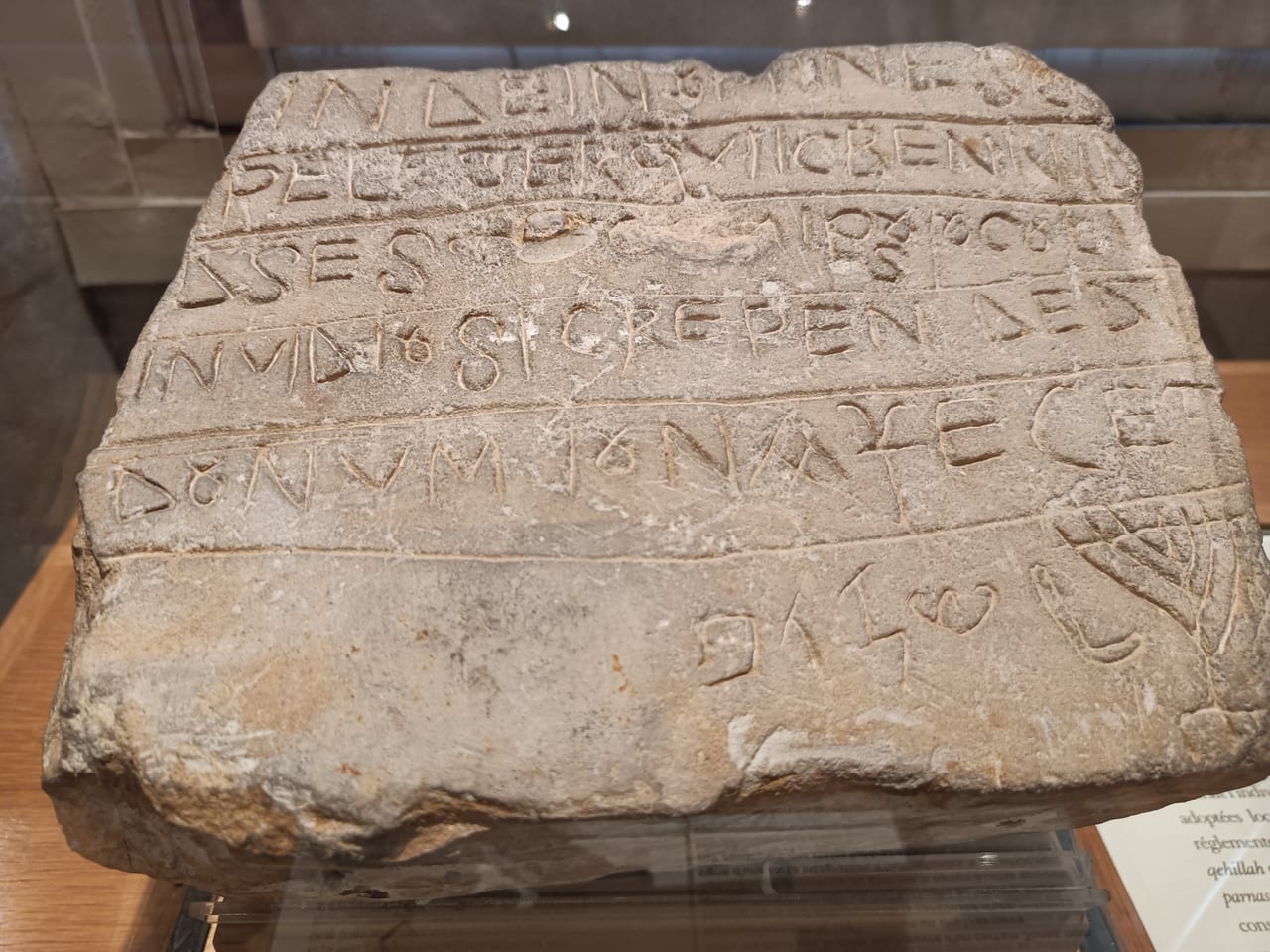
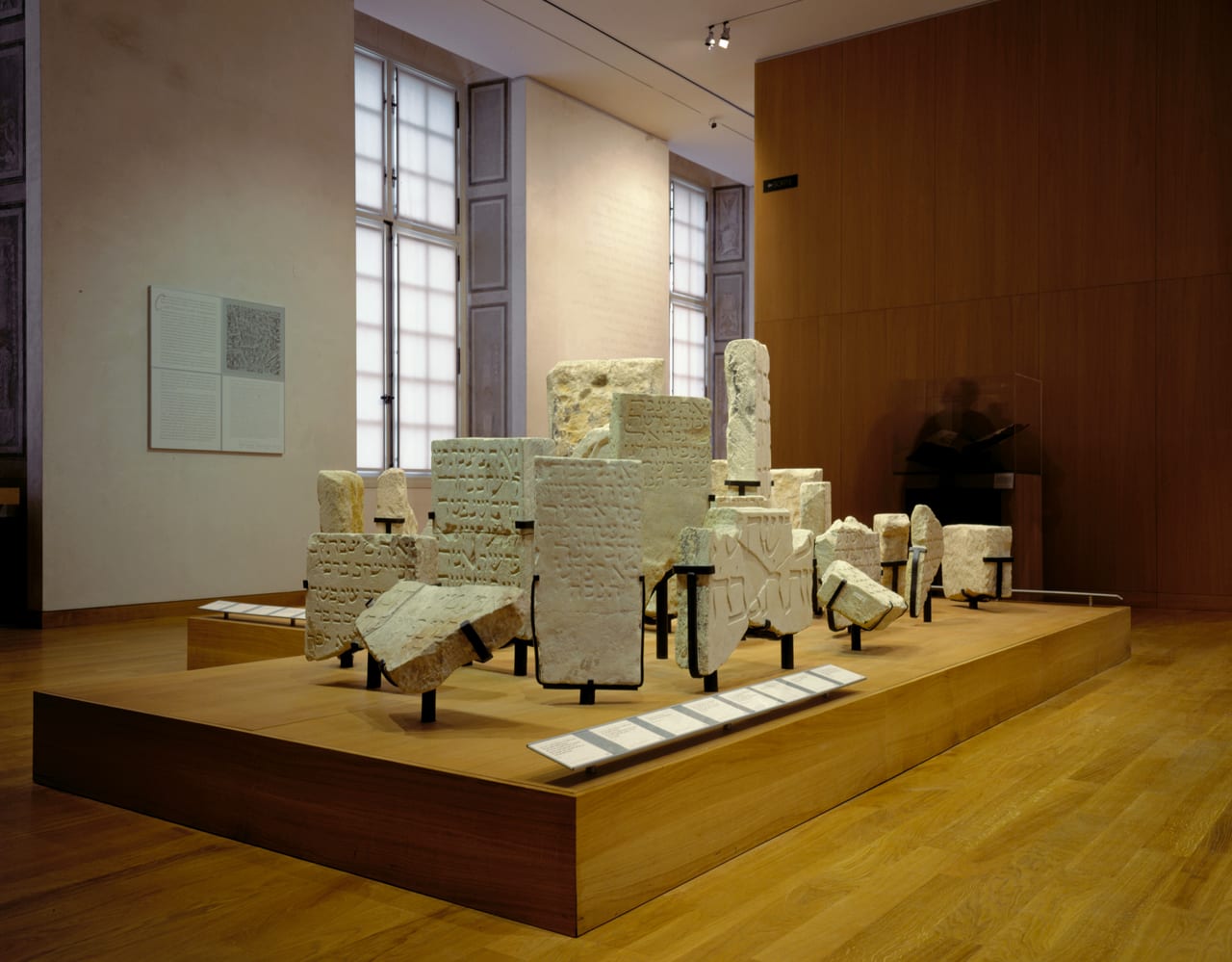
DirectionsIts collection includes the largest archaeological ensemble discovered on French soil: exceptional thirteenth-century Jewish gravestones found in 1849 beneath the future Hachette site.
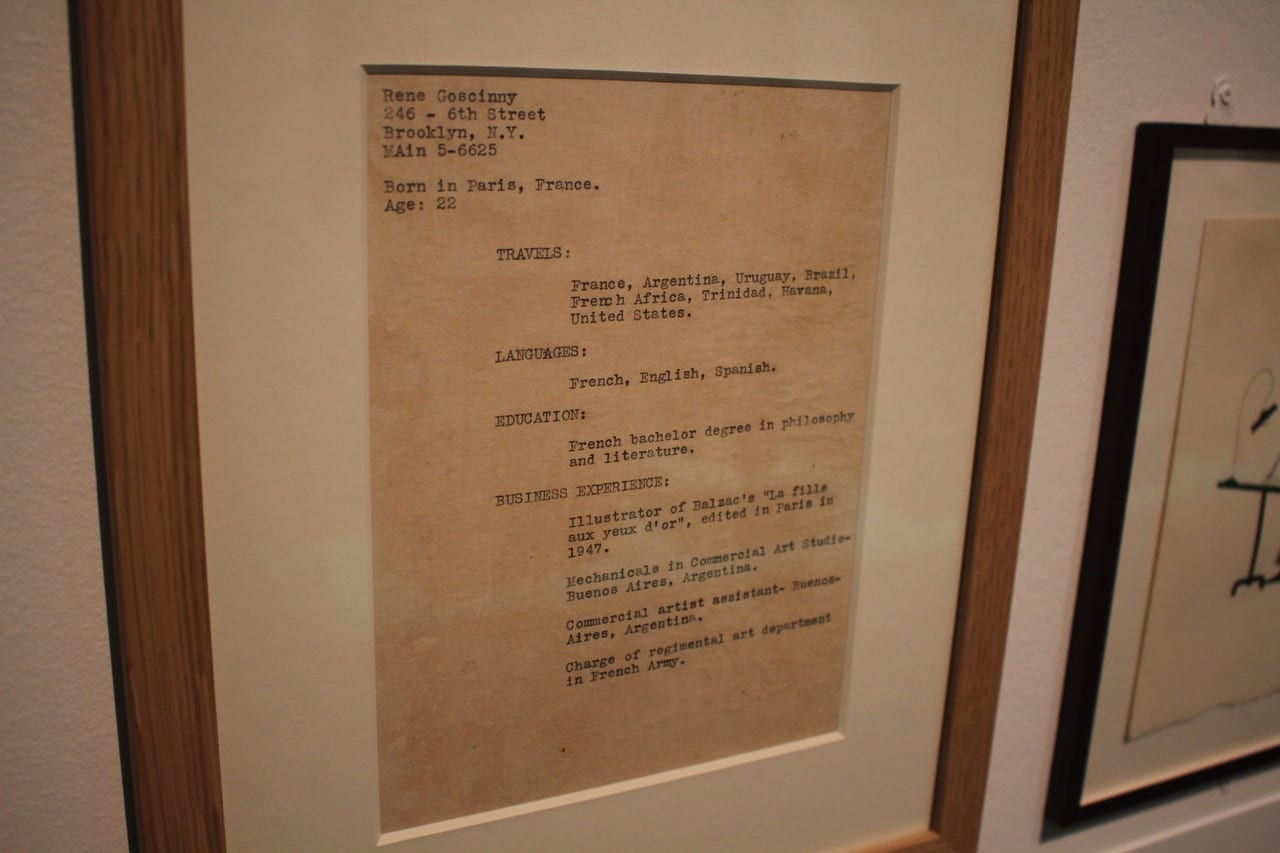
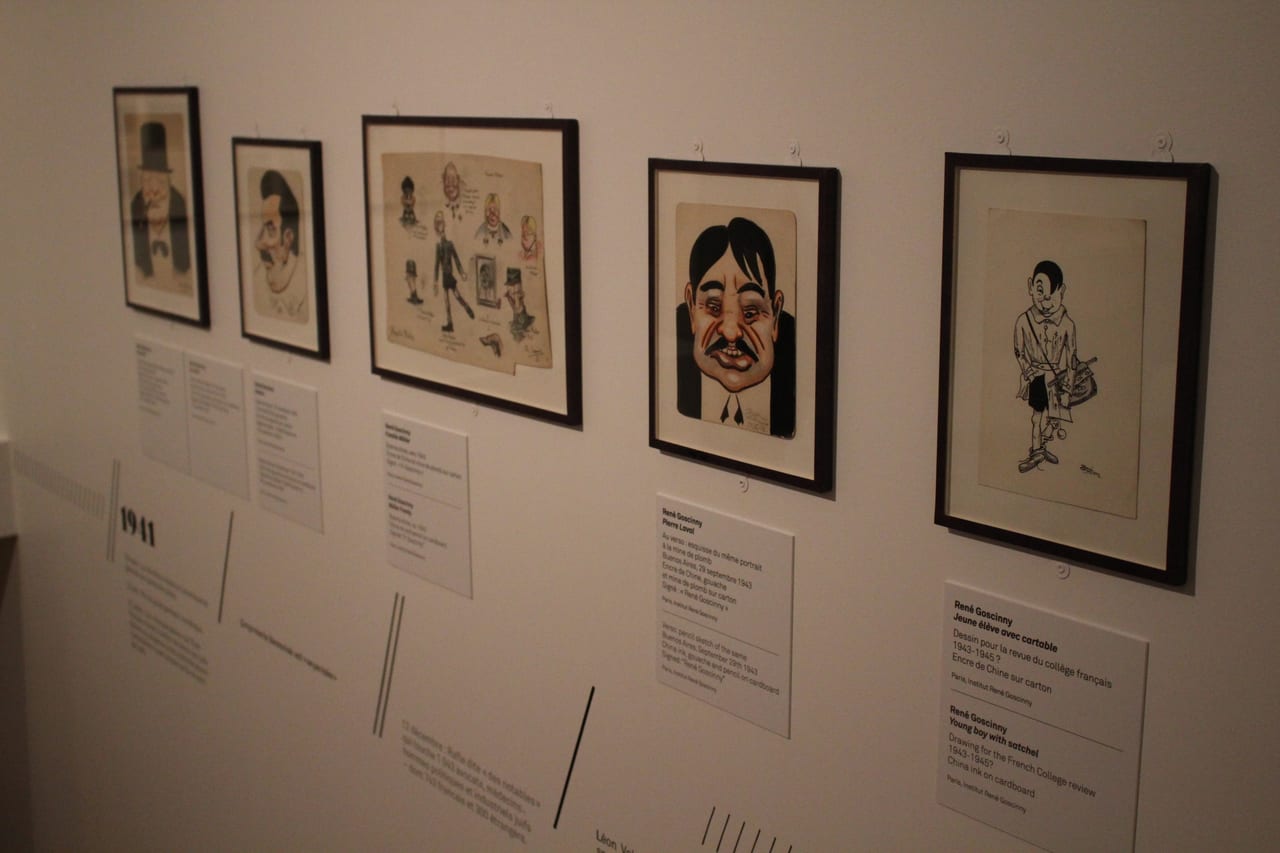
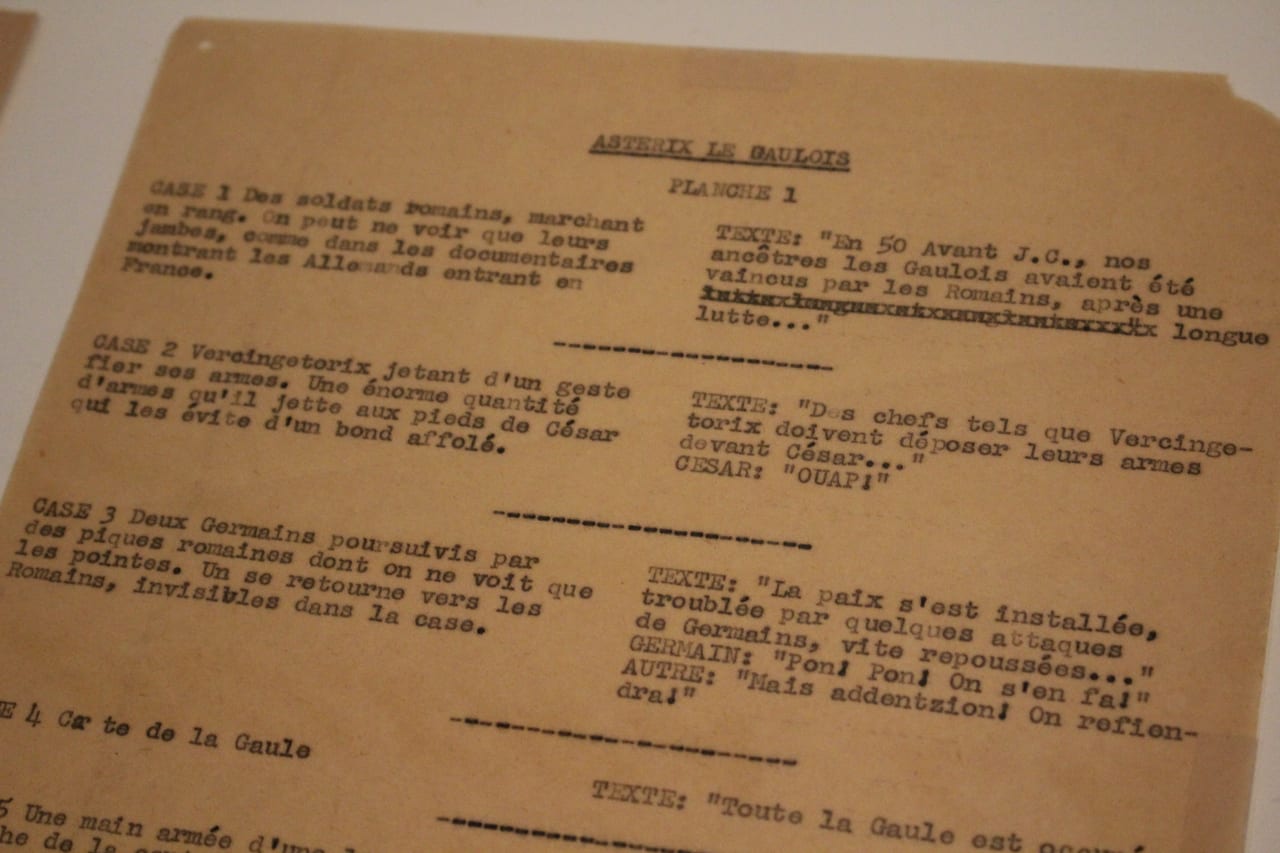
Photograph 1 of 12 of Musée d'Art et d'Histoire du Judaïsme
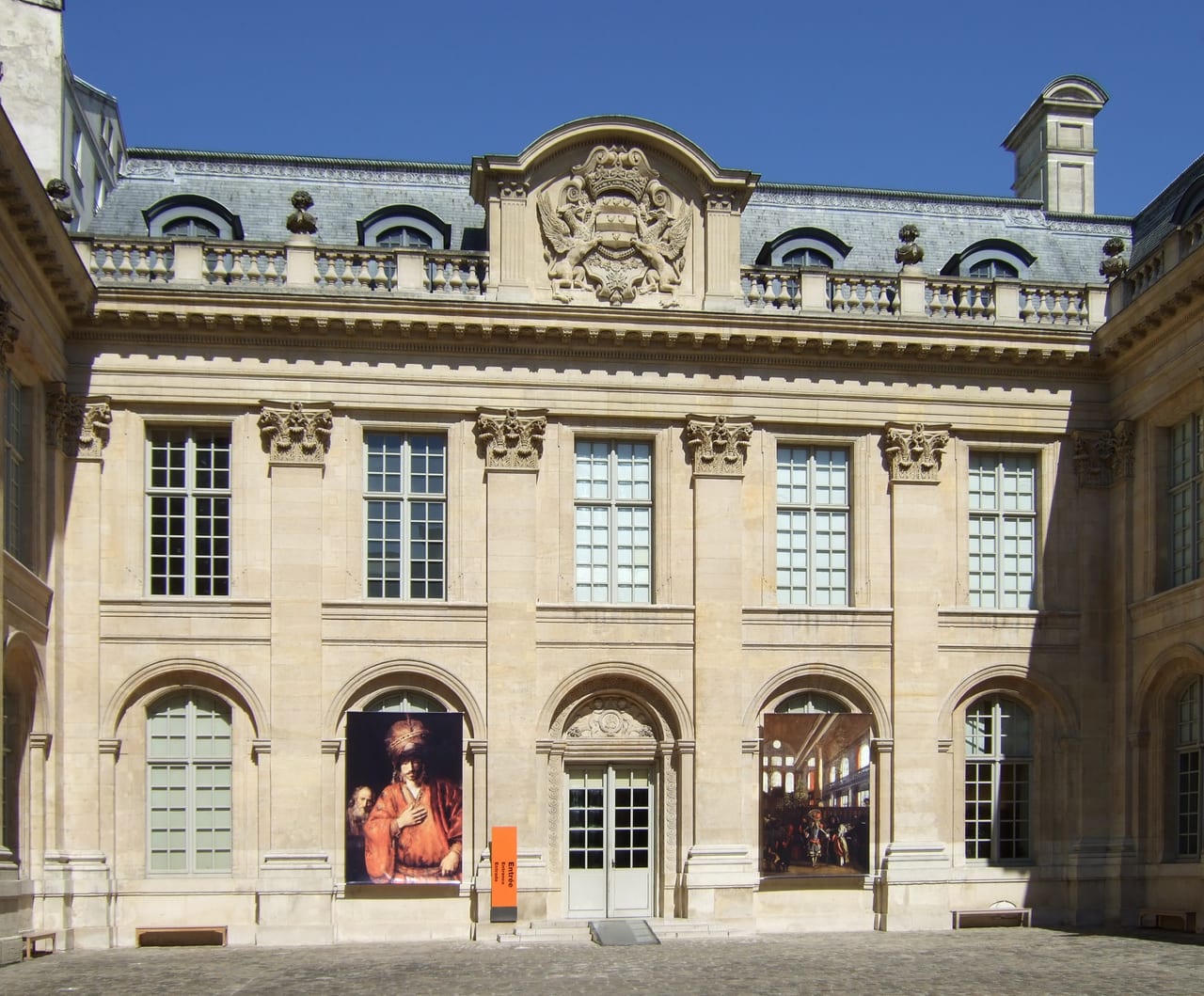
The mahJ emerged from a project launched in 1985 by Claude-Gérard Marcus, Victor Klagsbald and Alain Erlande-Brandenburg, partly inheriting the Musée d’Art Juif founded in 1948 by survivors of the Shoah from Eastern Europe. Led by Laurence Sigal from 1988, it opened in November 1998 in the hôtel de Saint-Aignan. The museum traces Jewish culture from antiquity to the twentieth century through ritual objects, manuscripts, domestic artefacts and art. Its galleries move across medieval France, Renaissance Italy, Amsterdam, Ashkenazi and Sephardi worlds, emancipation, modern Jewish thought and the École de Paris, with works by Chagall, Soutine, Modigliani and Chana Orloff. Pierre Le Muet built the hôtel de Saint-Aignan in 1644–1650 for Claude de Mesmes. Paul de Beauvilliers modernised it from 1688, commissioning André Le Nôtre to redesign the garden. Seized in 1792, converted to commercial use, restored in the twentieth century and listed as a historic monument in 1963, it became the museum’s setting in 1998.
At a glance
- Built
- 1988
Ways to explore Musée d'Art et d'Histoire du Judaïsme
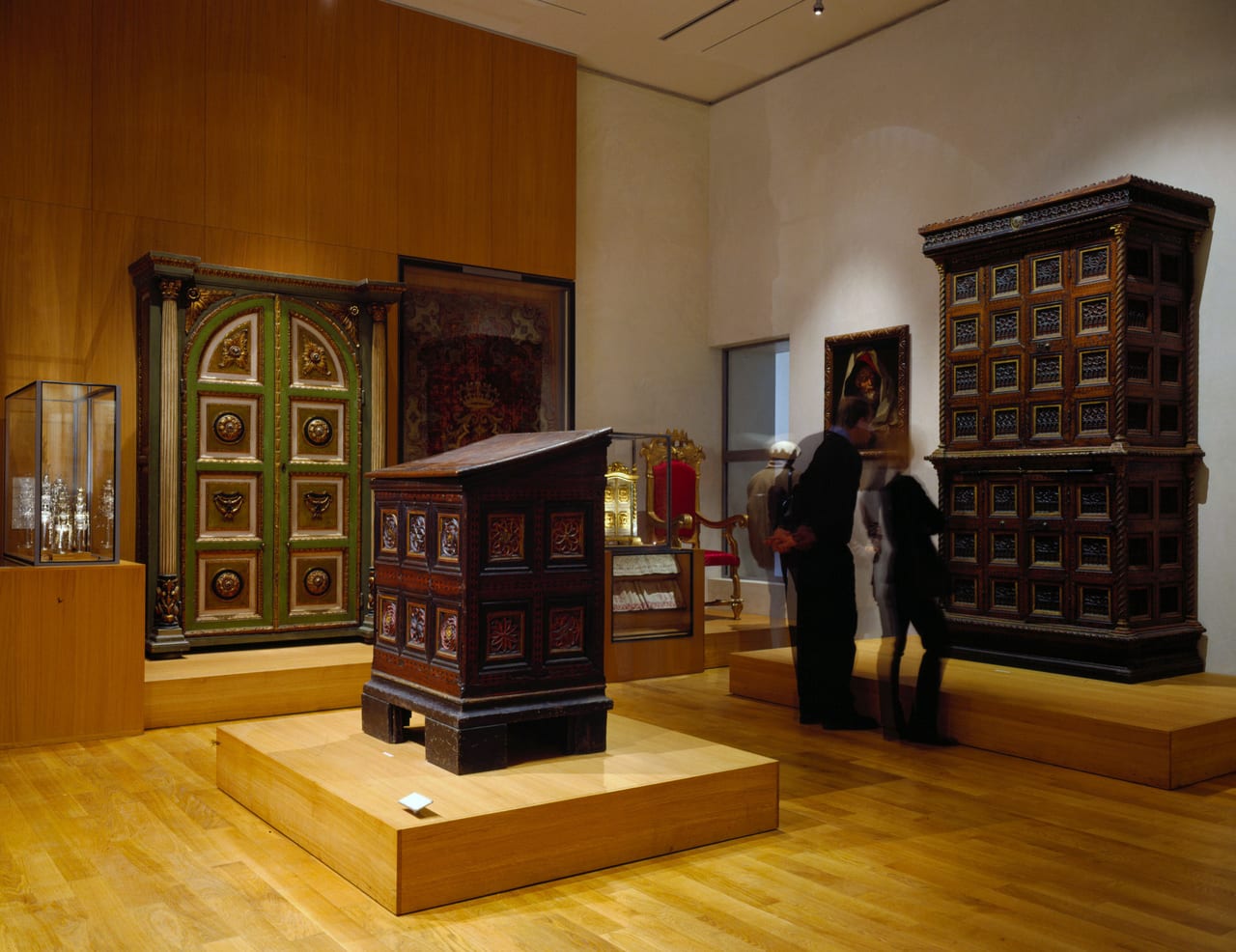
Begin with the introductory room, then follow the permanent collection’s chronological, geographical and thematic structure. Look for the fourteenth-century Hanukkah lamp, Modena’s 1472 Torah ark, the painted nineteenth-century sukkah, synagogue models, mappot and the berberisca wedding dress. In the courtyard, see Tim’s statue of Alfred Dreyfus with his broken sword.
Places to stay near Musée d'Art et d'Histoire du Judaïsme
Live availability and prices from Stay22's partners, refreshed periodically and subject to change. Booking through these links may earn us a commission at no extra cost to you. See our privacy policy.
Cafés near Musée d'Art et d'Histoire du Judaïsme
Cafés near Musée d'Art et d'Histoire du Judaïsme loads as you scroll.
Attractions nearby
Attractions near Musée d'Art et d'Histoire du Judaïsme loads as you scroll.
Cities nearby
Cities nearby loads as you scroll.
More in Paris
See more of Paris.
Find great cafés, places to stay and other interesting places to visit in Paris.