Heritage landscape · Paris
Montmartre Cemetery
DirectionsA rare urban anomaly, Montmartre Cemetery is crossed overhead by the metal Caulaincourt road bridge, completed after fierce public opposition to cutting through the burial ground.
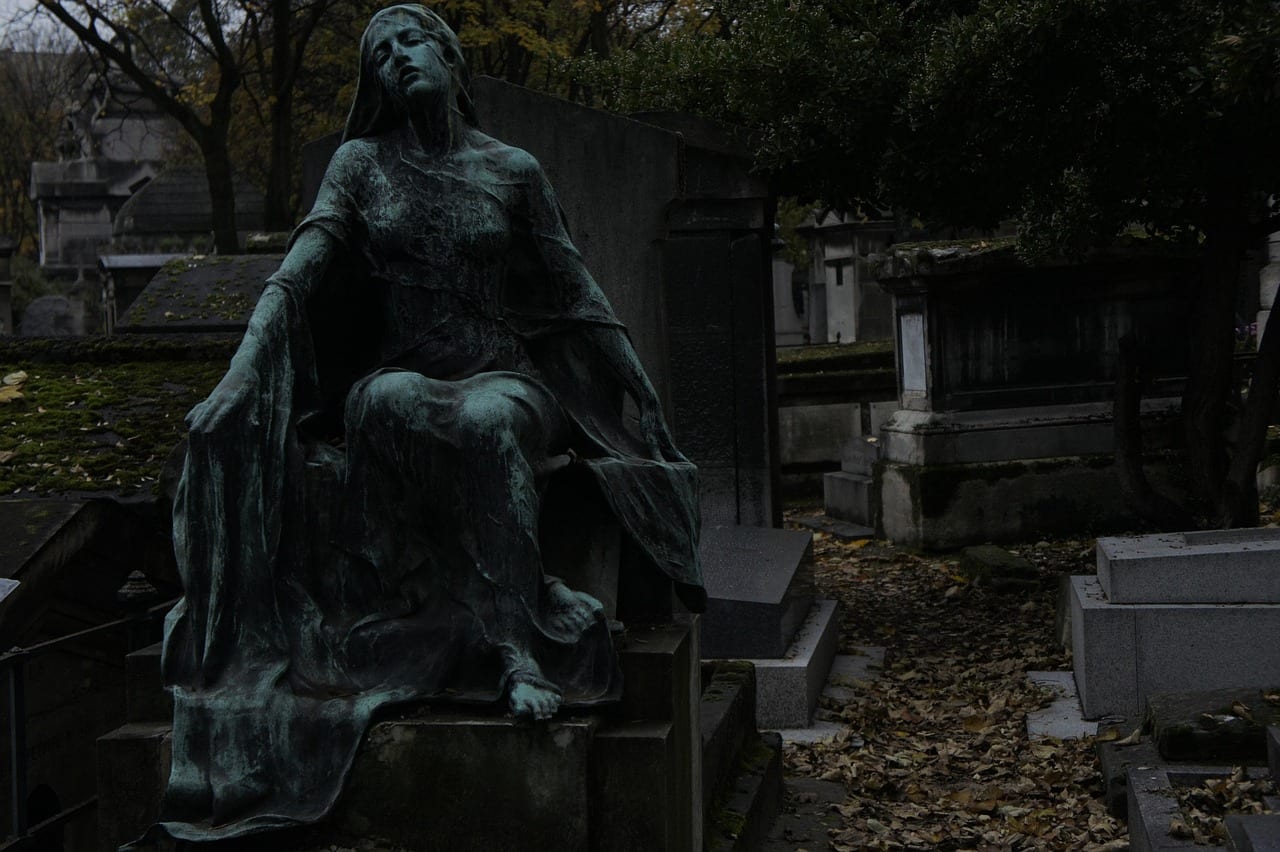
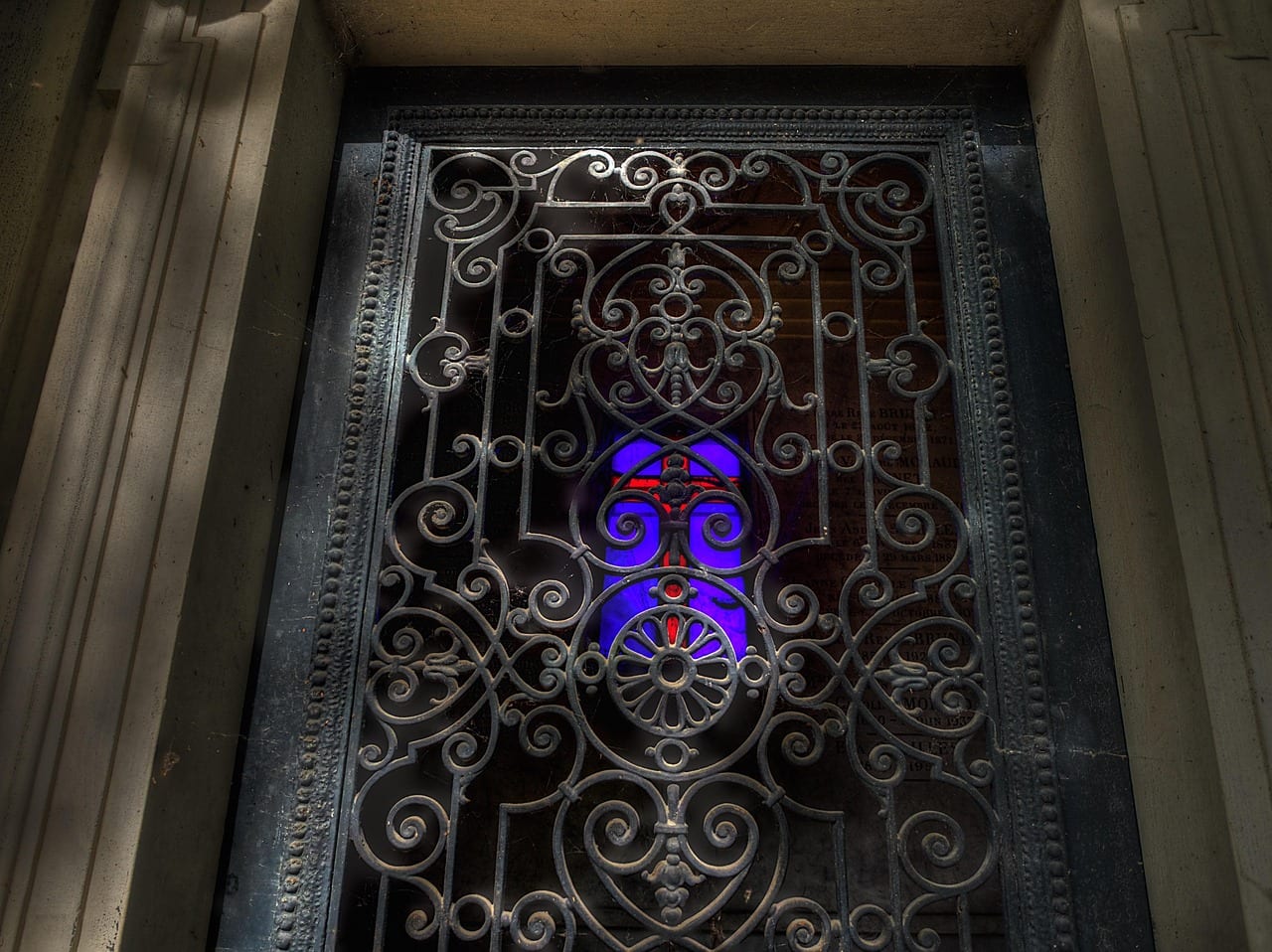
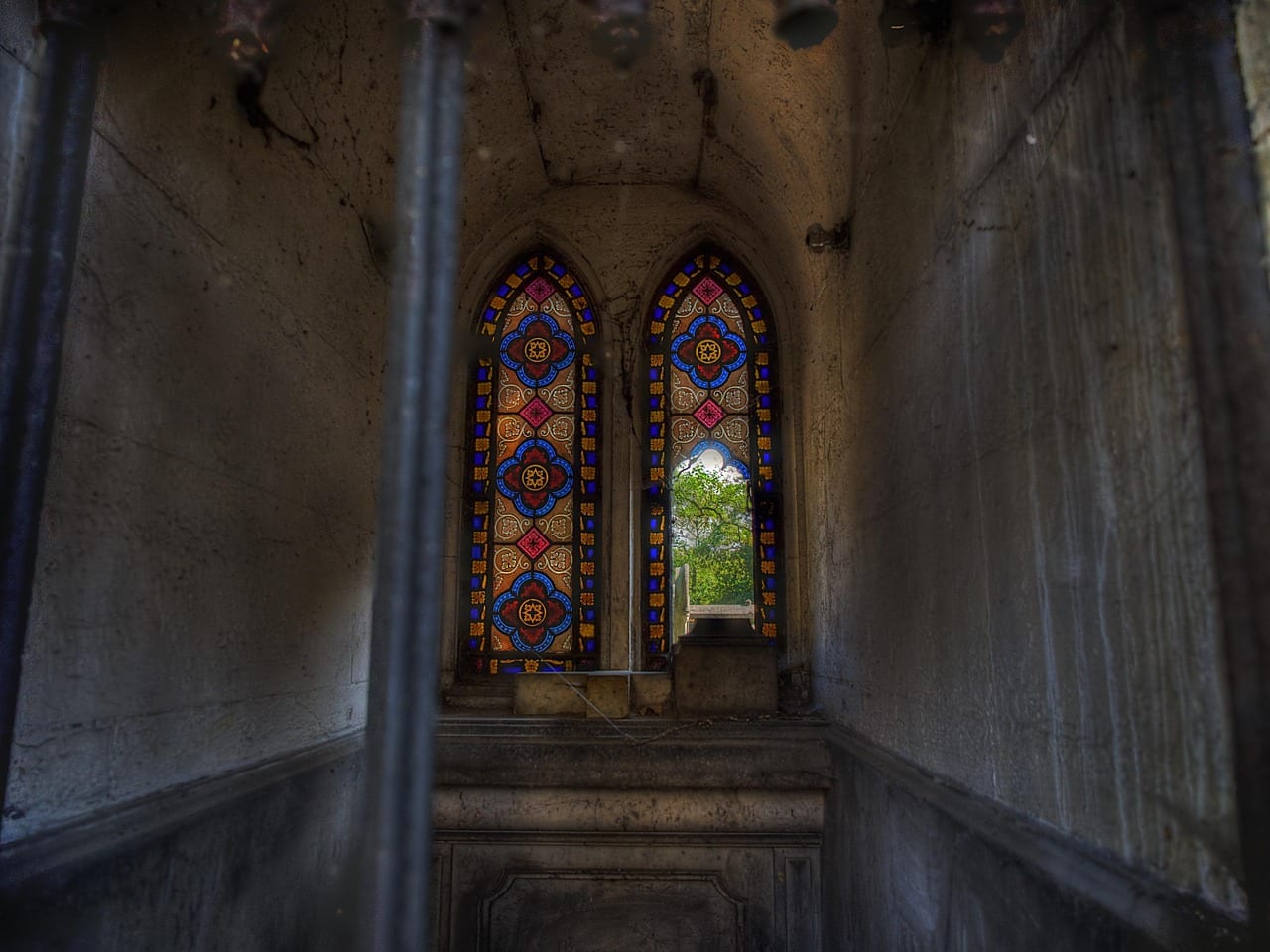
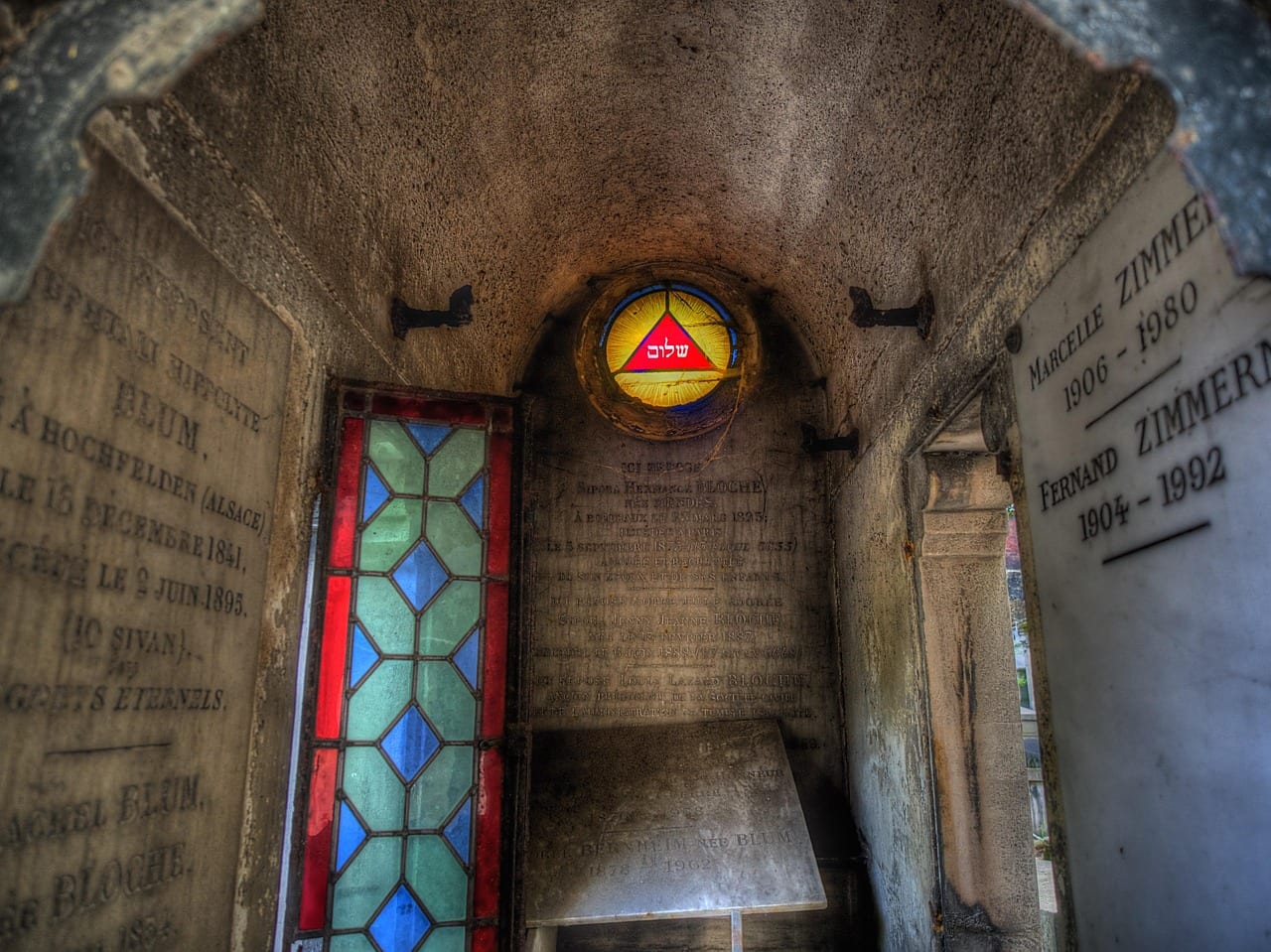
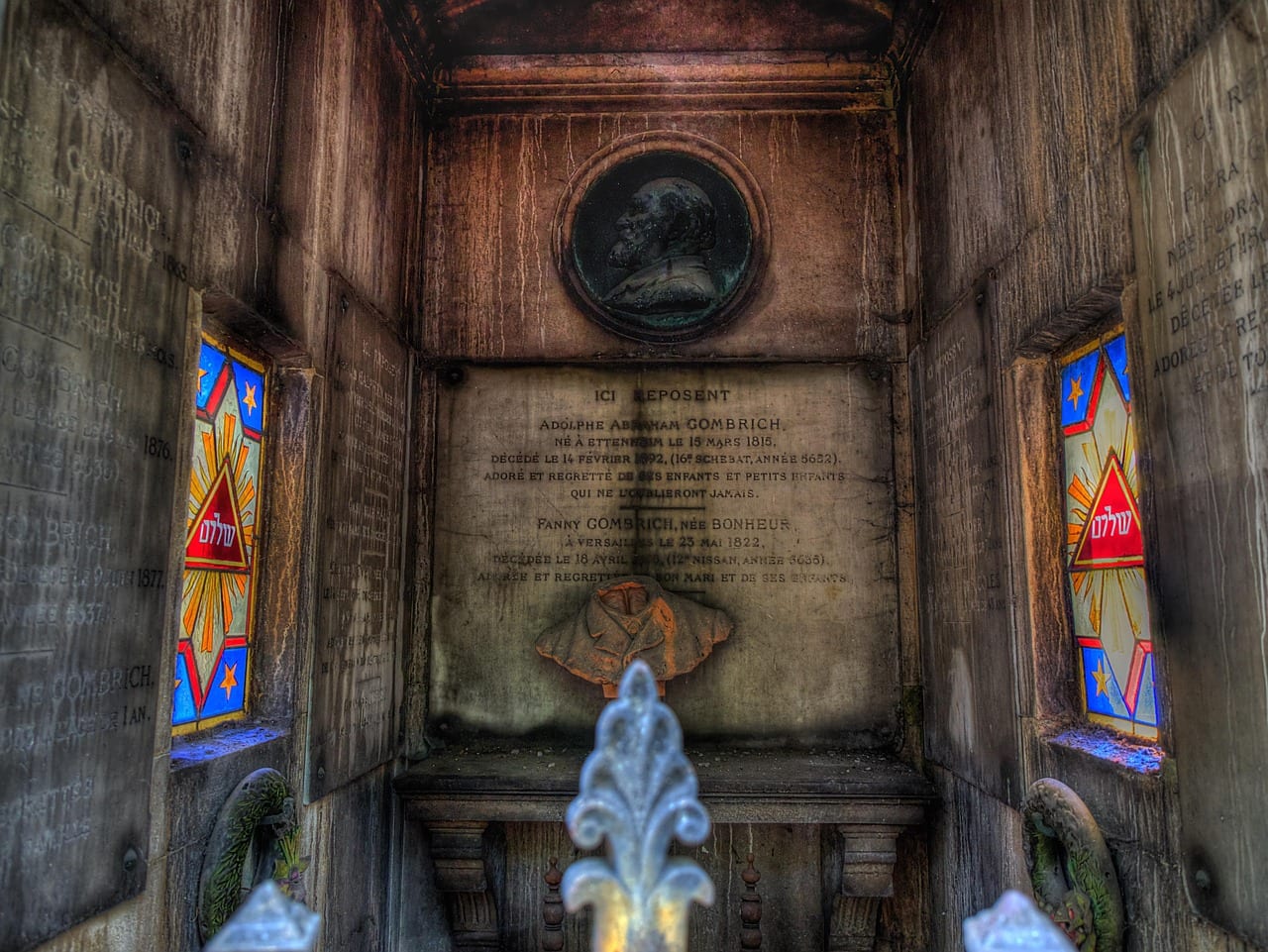
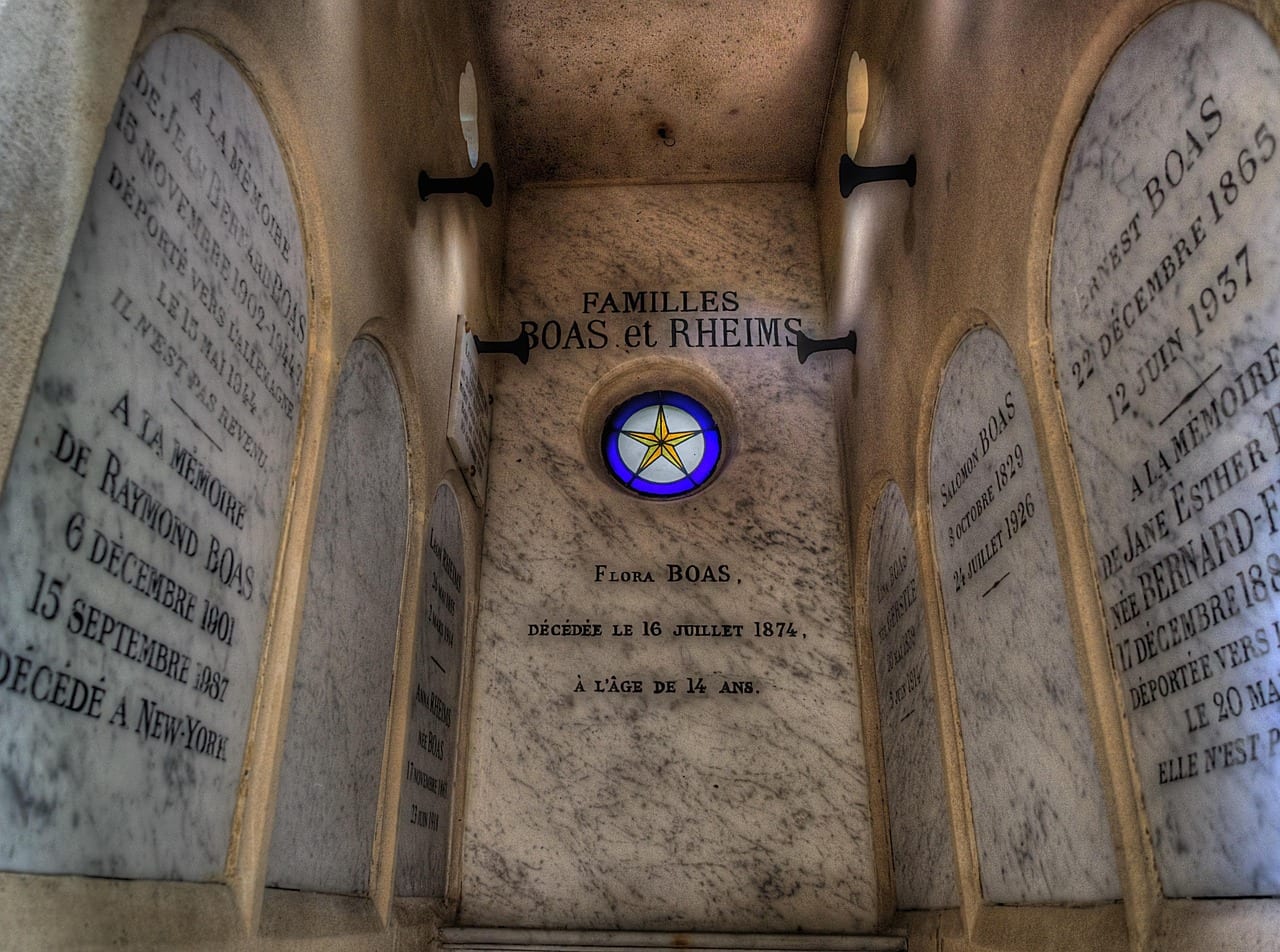
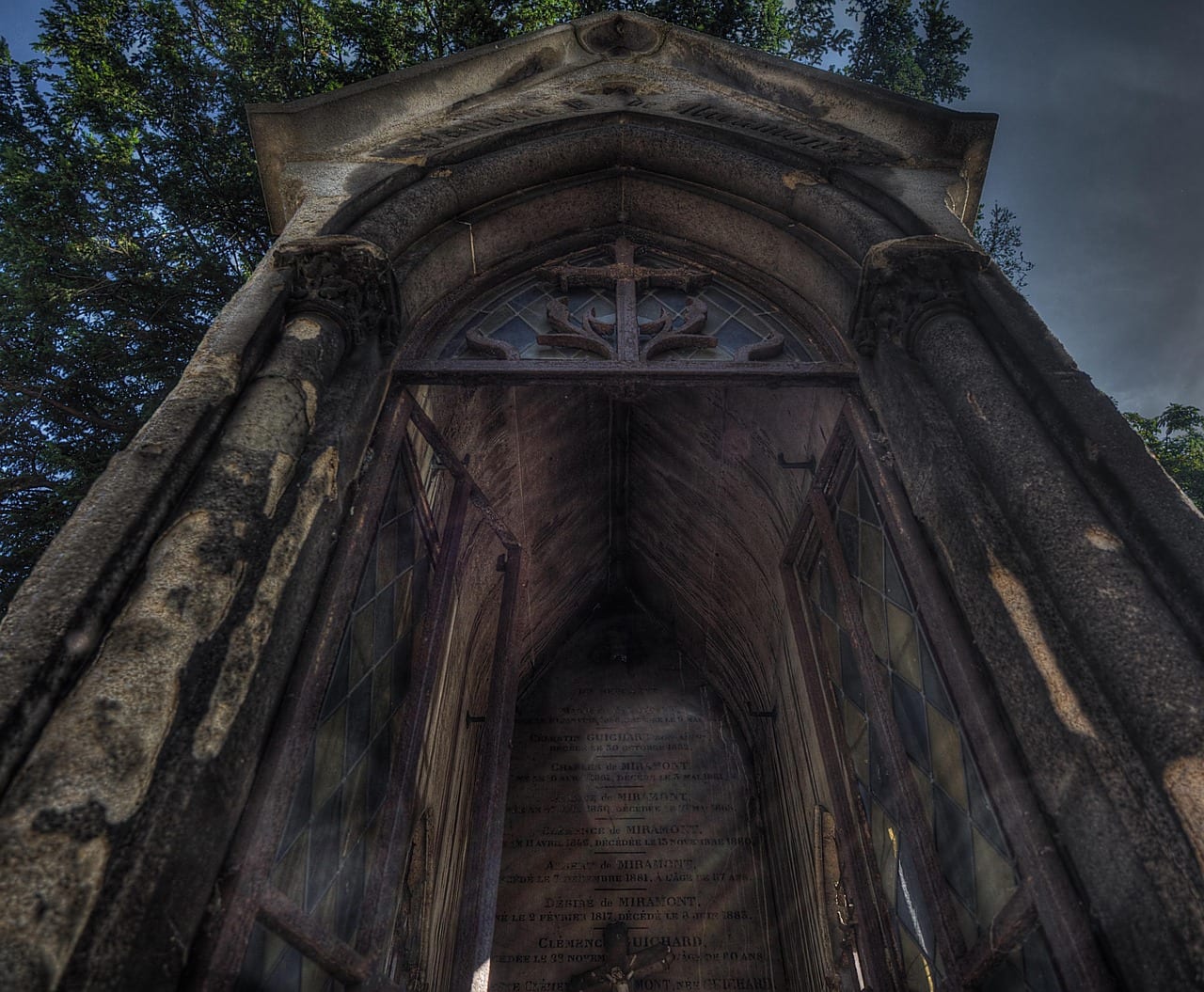
Photograph 1 of 7 of Montmartre Cemetery
Montmartre Cemetery grew from the upheaval of the Revolution. The former parish cemetery, Calvaire, became national property under the law of 15 May 1791 and was closed. Former gypsum quarries then served as mass graves, notably for Swiss Guards killed at the Tuileries on 10 August 1792. After Paris’s intra-mural cemeteries closed, the site received burials in increasingly poor conditions. The city bought one hectare in September 1798, but that cemetery soon proved too small. Following the neighbourhood’s restructuring between 1818 and 1824, the city assembled ten hectares and commissioned Étienne-Hippolyte Godde to lay out the cemetery, inaugurated on 1 January 1825. A further nine-hectare purchase in 1847 was abandoned in 1879; Montmartre entered Paris in 1860. Its protected chapels include the Fournier chapel, built around 1830 by Pierre-Léonard Laurecisque, and the Potocki chapel, built around 1845 by Jacques Ignace Hittorff. Guy de Maupassant set “Les Tombales” here in 1891, while François Truffaut and later filmmakers used its avenues and graves as cinematic settings.
At a glance
- Built
- 1825
- Heritage
- monument historique inscrit
Ways to explore Montmartre Cemetery
Enter from 20 avenue Rachel and follow the numbered divisions rather than trying to cover the whole 11-hectare enclosure. The Dalida grave is immediately recognisable for its life-size sculpture and gilded rays, and is the cemetery’s most visited and flower-filled tomb. Seek the Fournier and Potocki chapels for contrasting funerary architecture, then walk avenue Samson and avenue de Montebello. Those interested in cinema can look for the graves of François Truffaut and Bernard-Marie Koltès.
Places to stay near Montmartre Cemetery
Live availability and prices from Stay22's partners, refreshed periodically and subject to change. Booking through these links may earn us a commission at no extra cost to you. See our privacy policy.
Cafés near Montmartre Cemetery
Cafés near Montmartre Cemetery loads as you scroll.
Attractions nearby
Attractions near Montmartre Cemetery loads as you scroll.
Cities nearby
Cities nearby loads as you scroll.
More in Paris
See more of Paris.
Find great cafés, places to stay and other interesting places to visit in Paris.