Museum · Paris
Luxembourg Museum
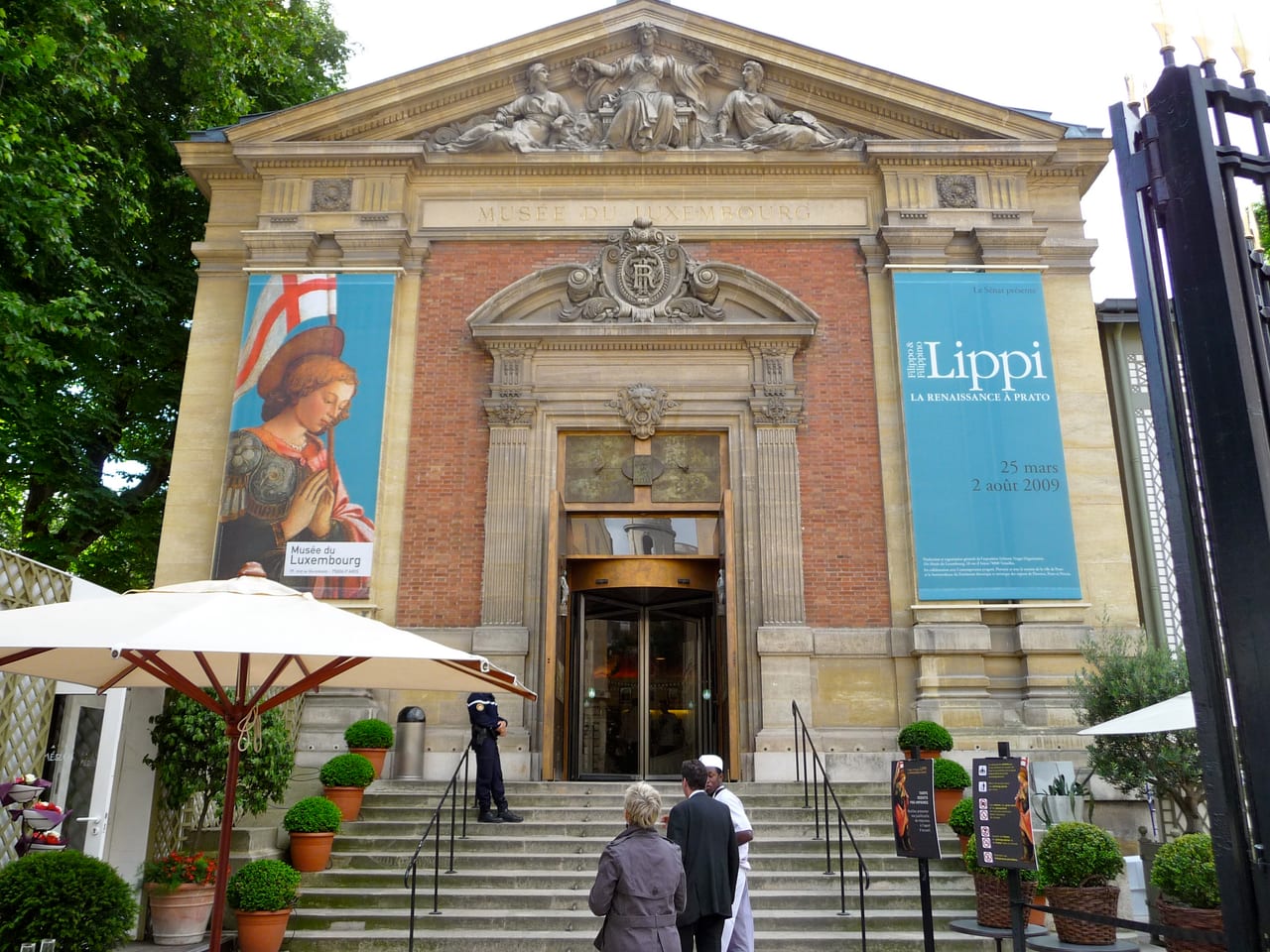
DirectionsIn 1818, the Musée du Luxembourg became Europe’s first museum devoted to contemporary art, establishing a model in which artists’ reputations were judged within a living national collection.
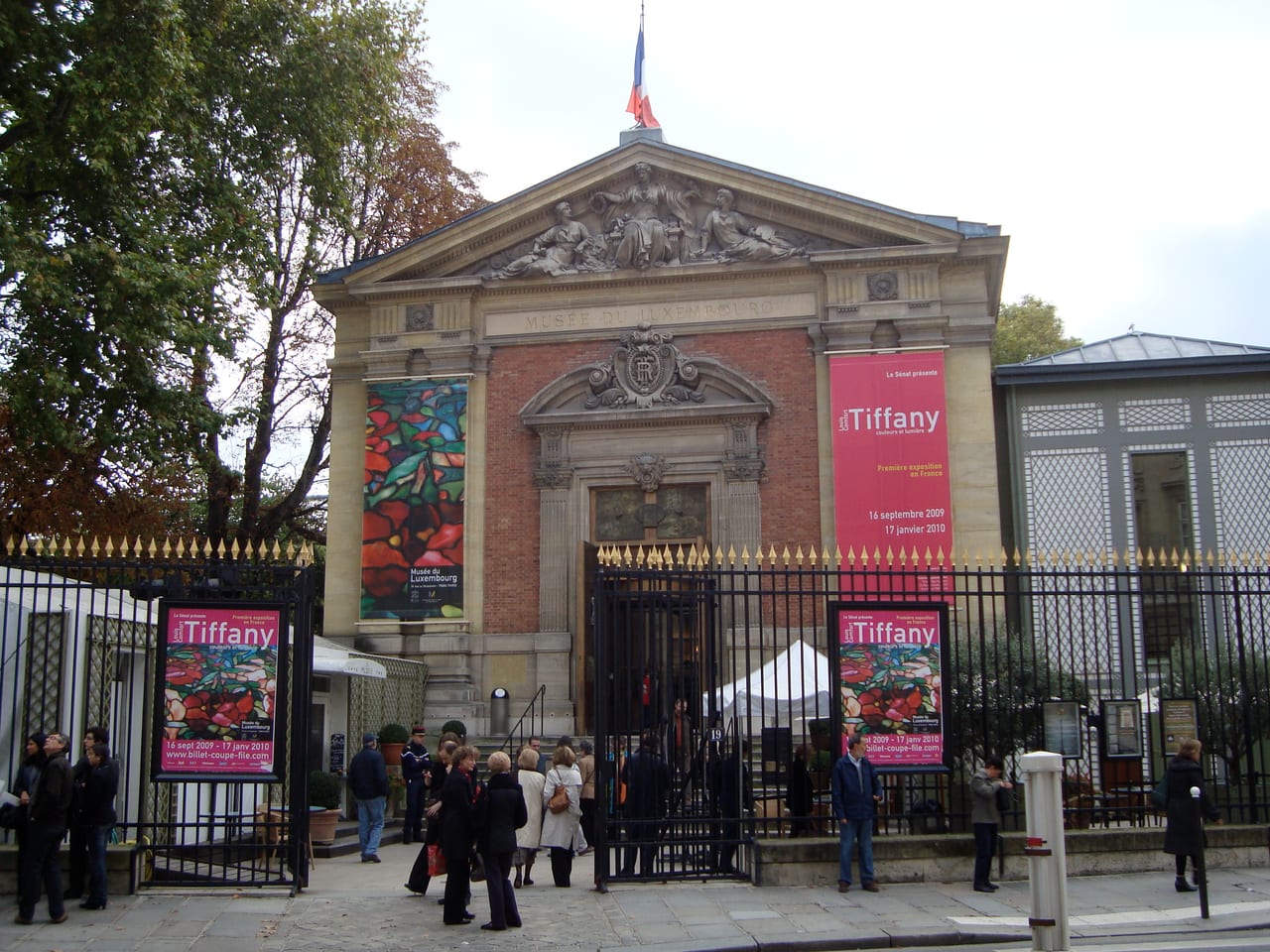
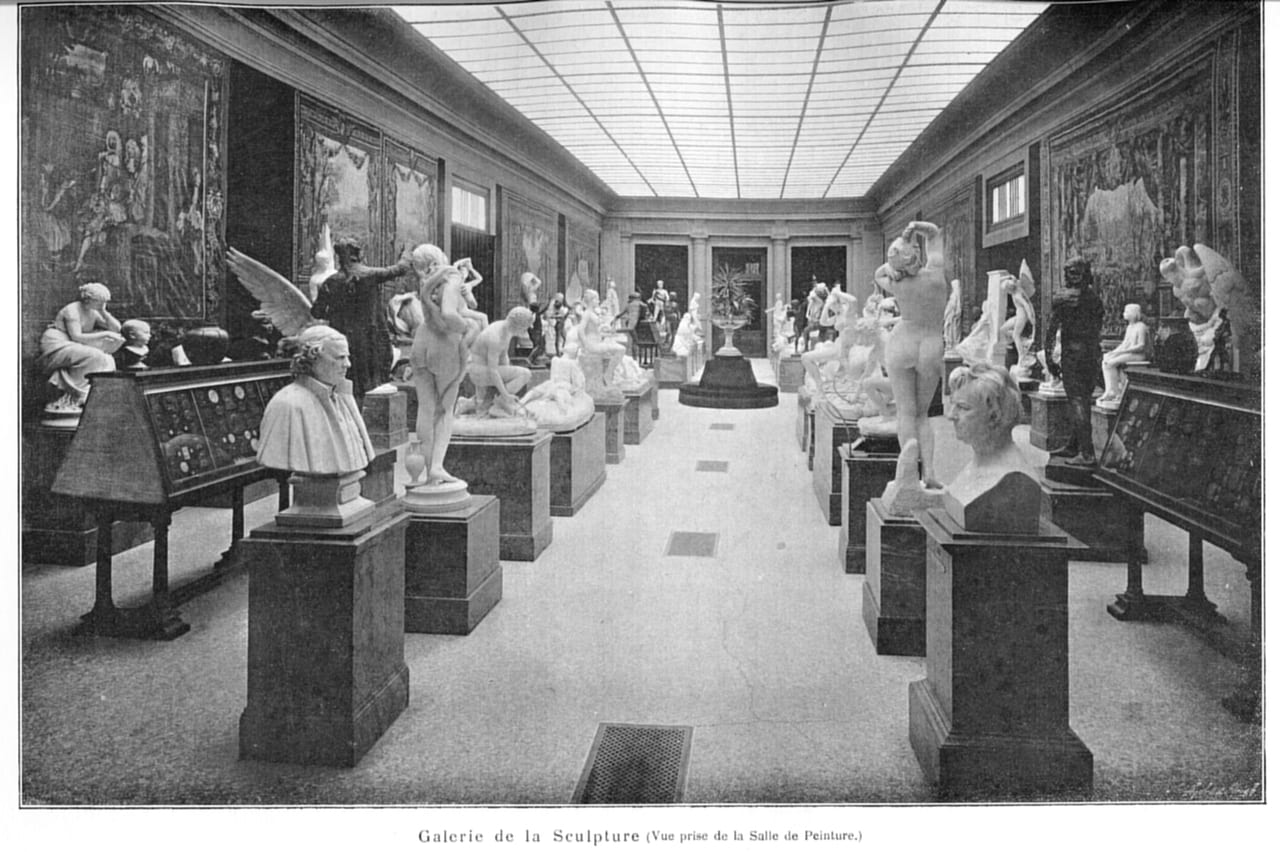
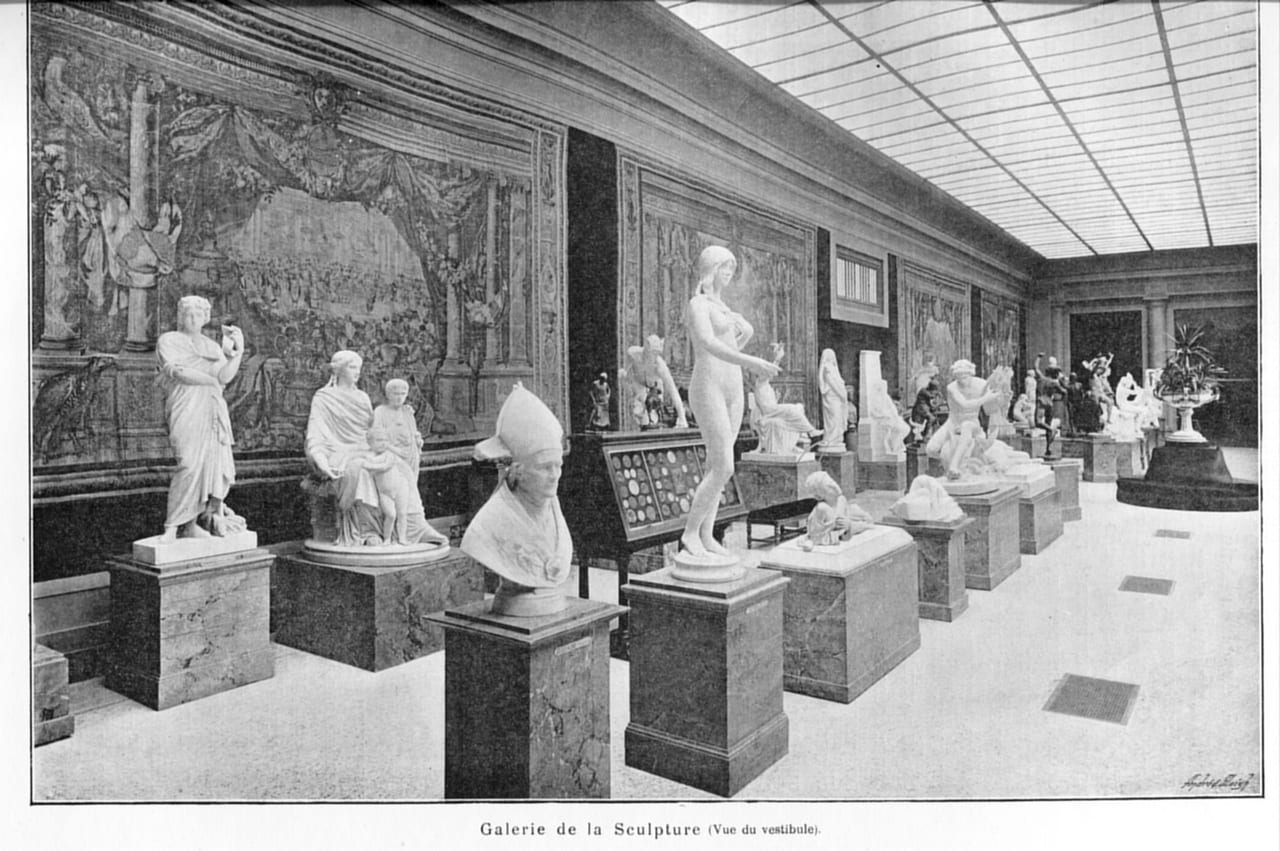
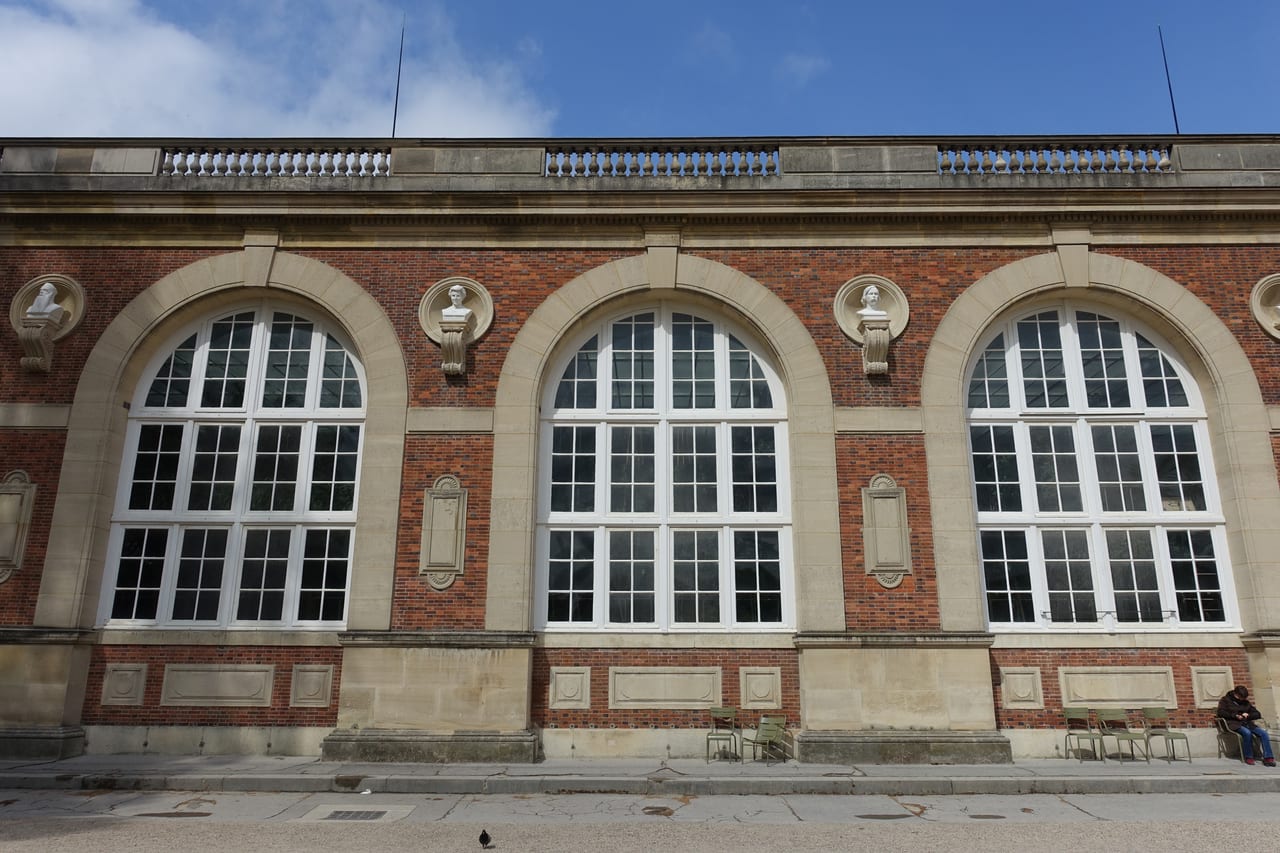
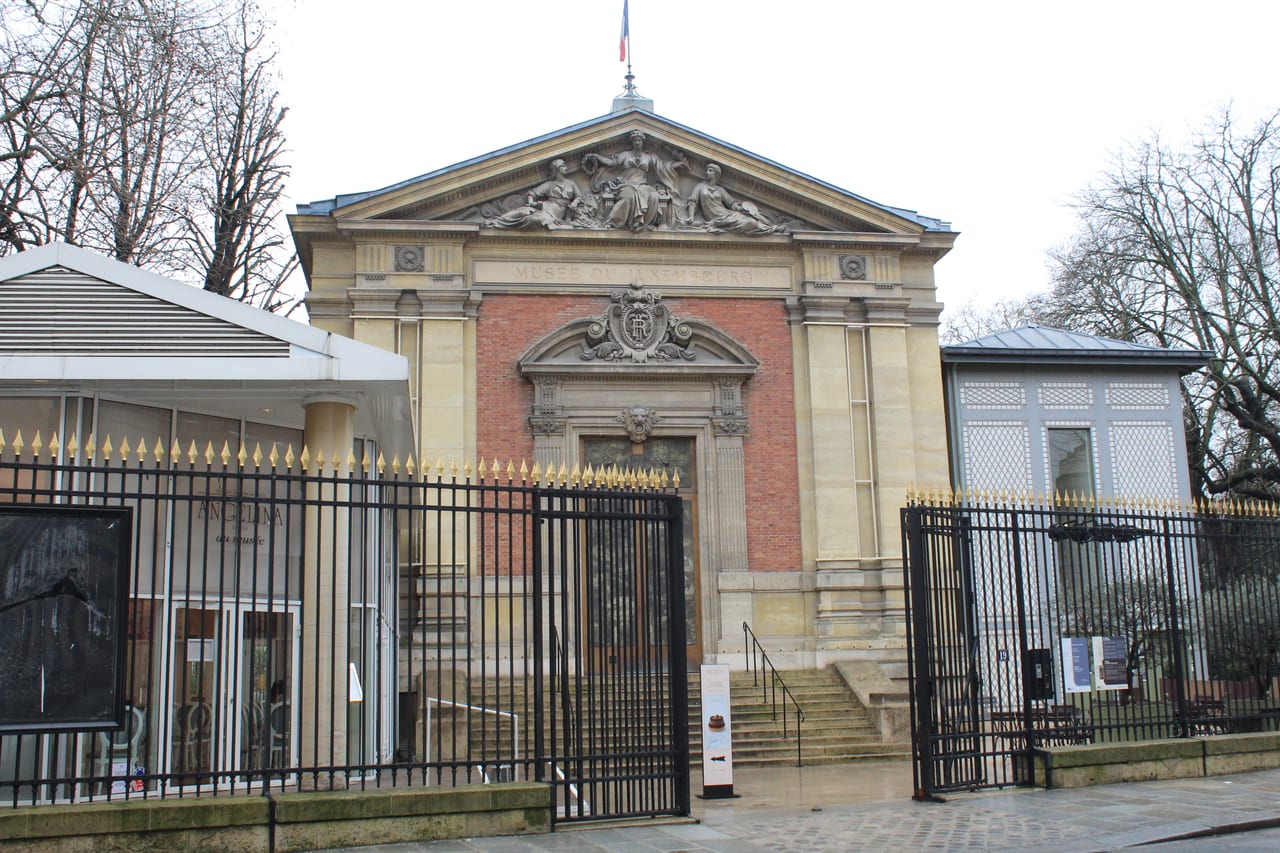
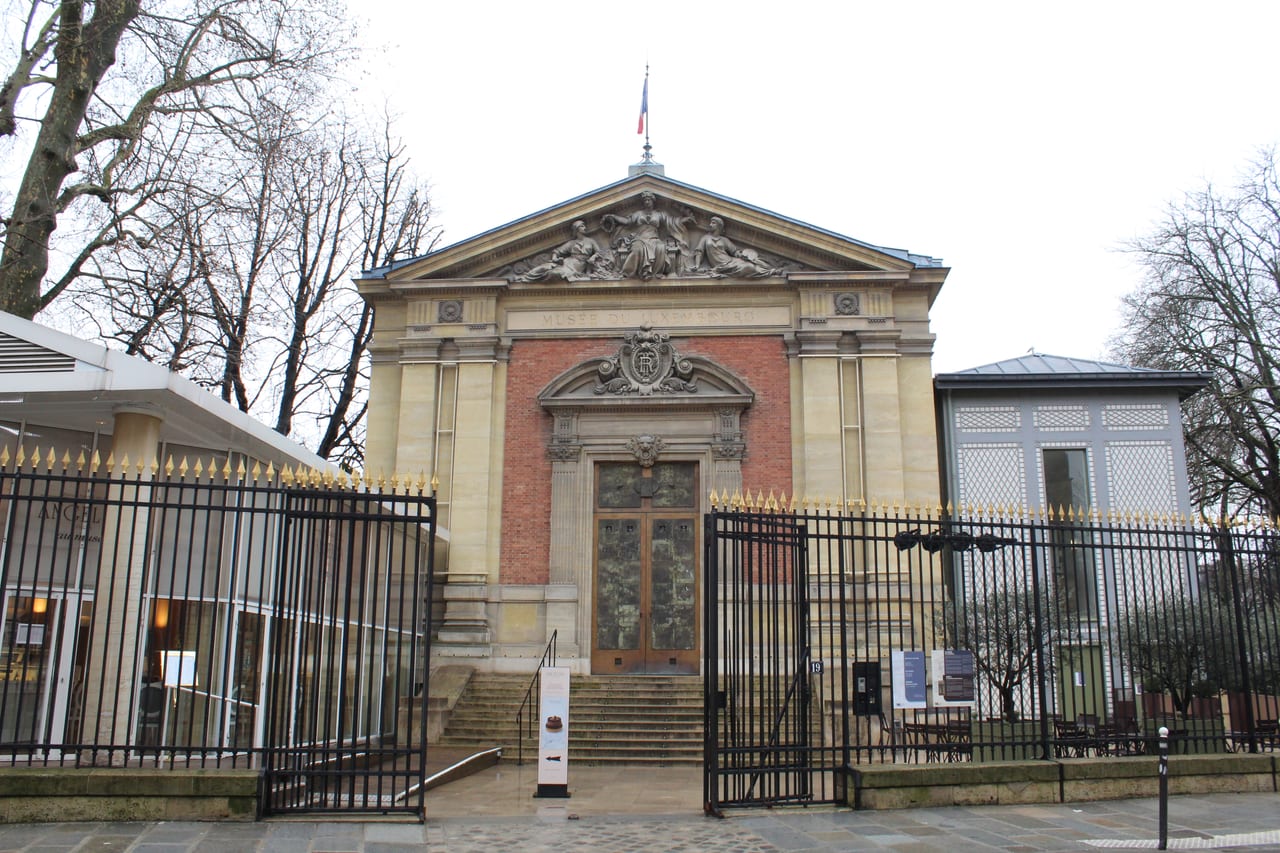
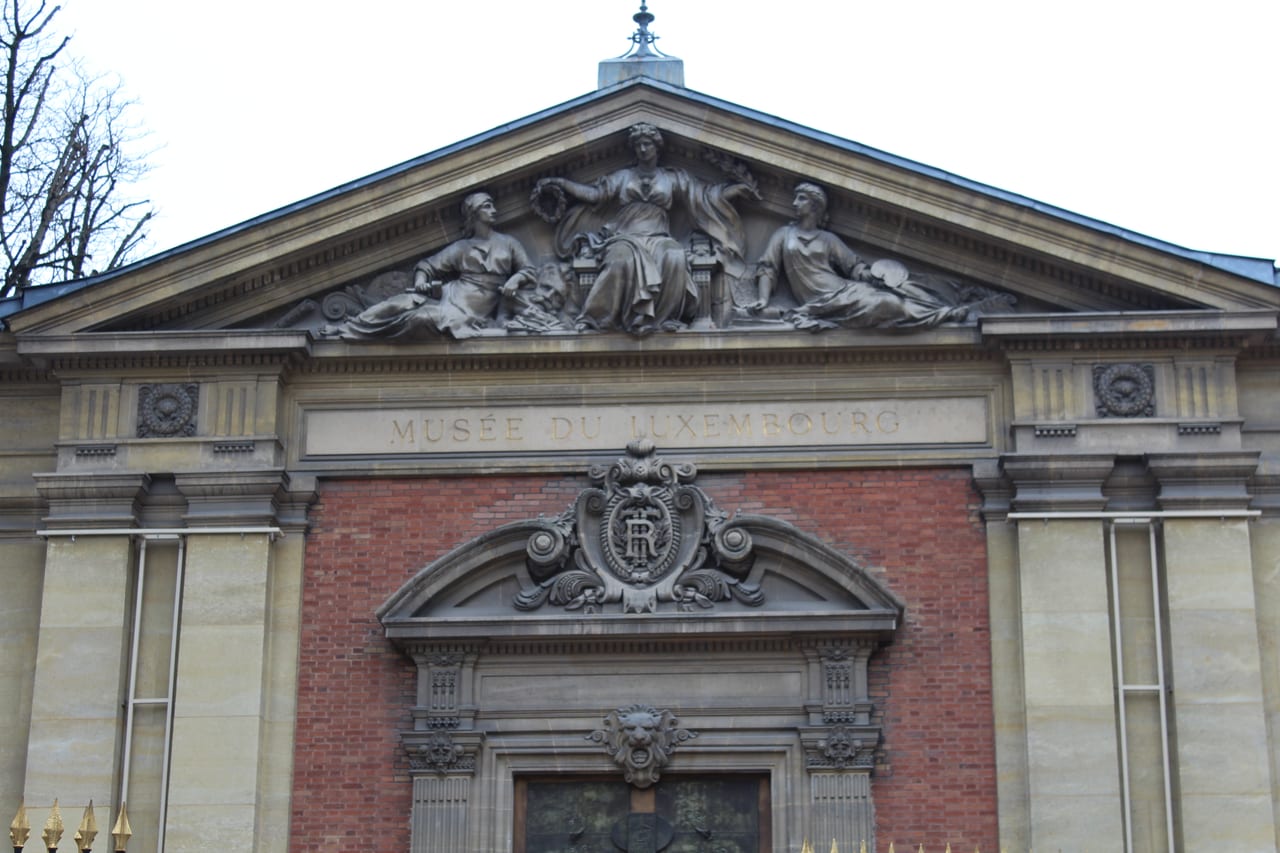
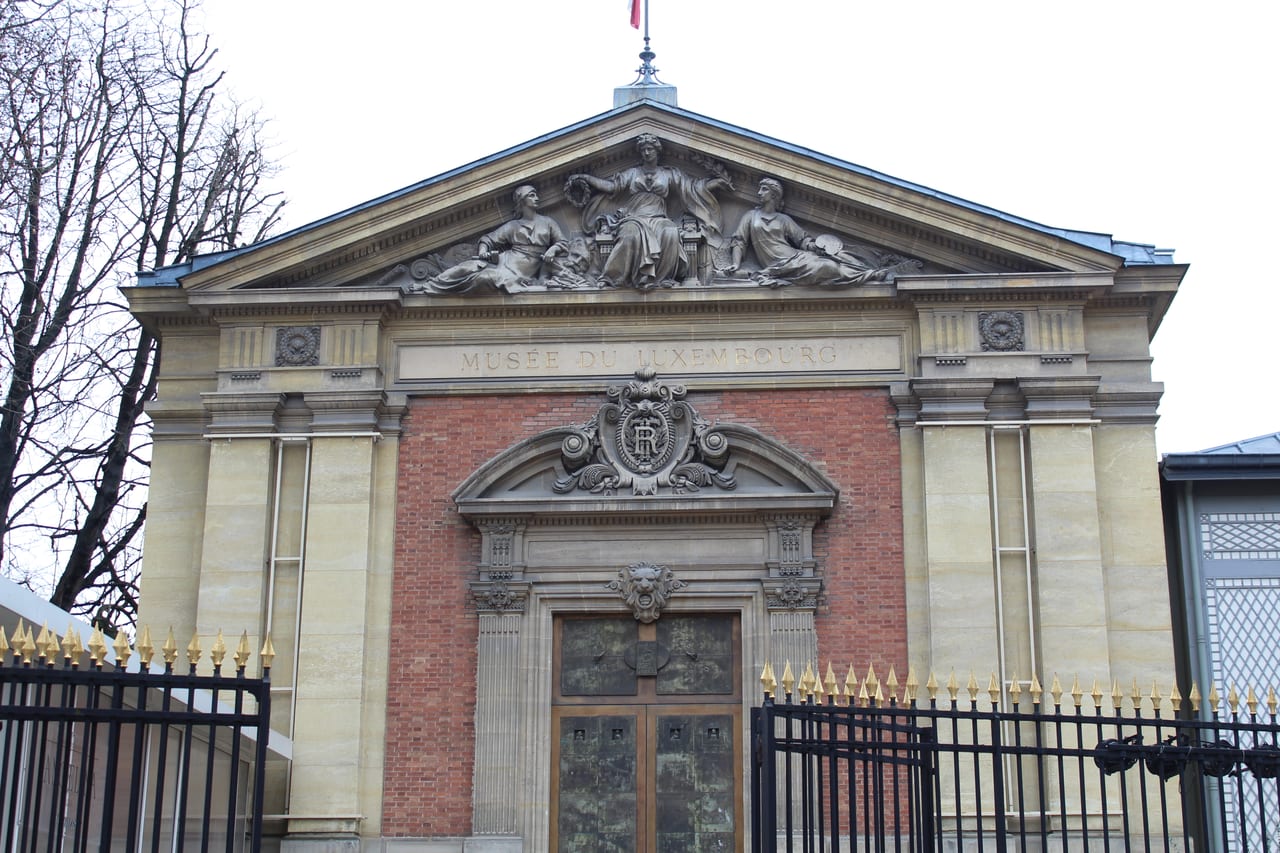
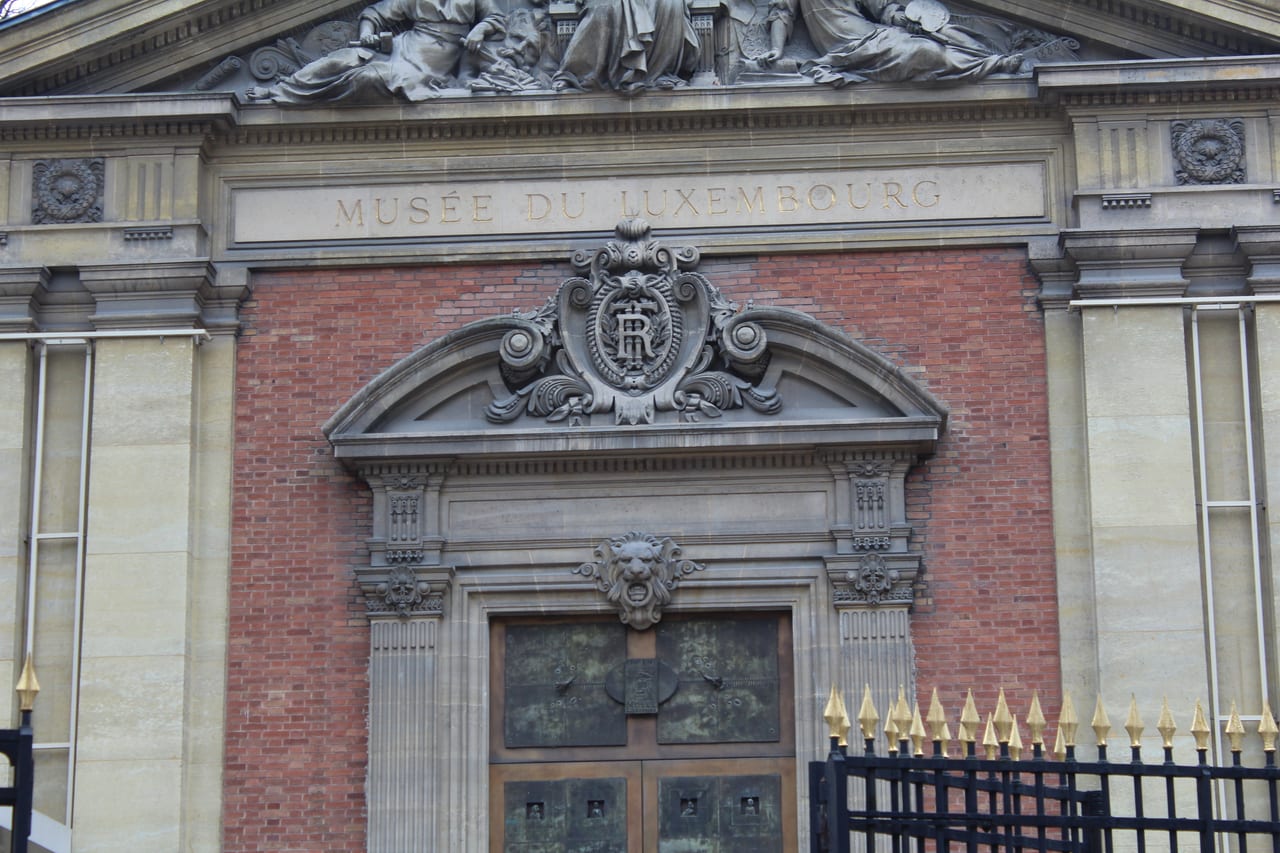
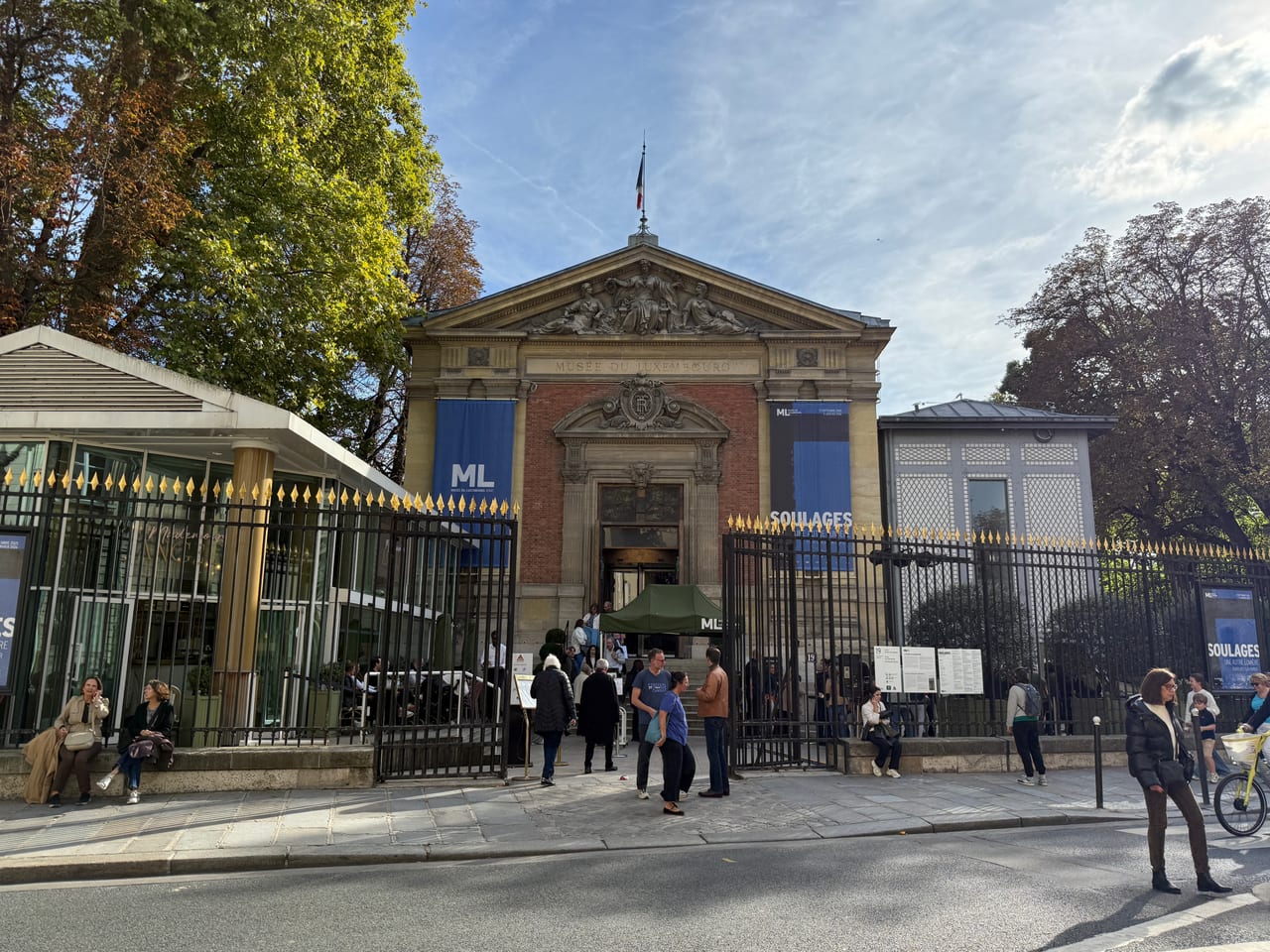
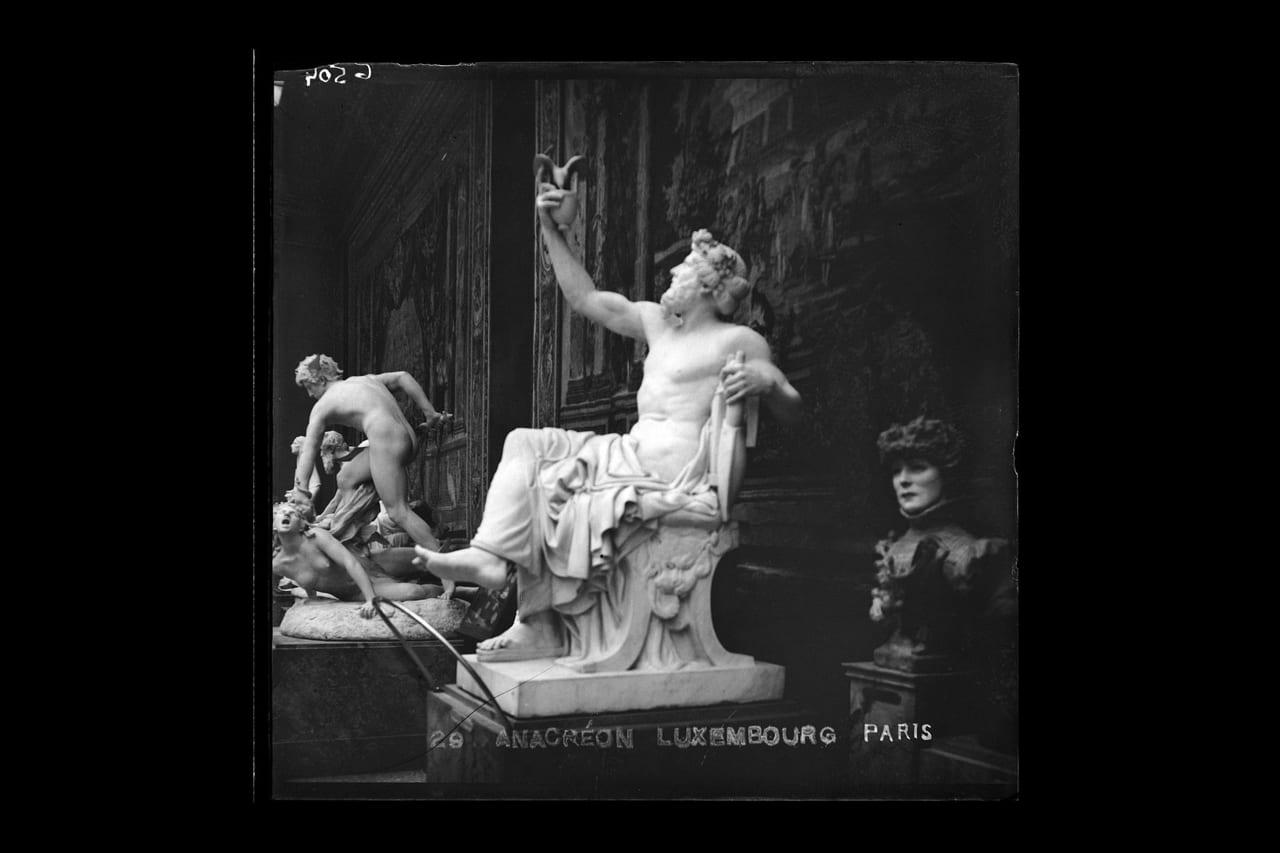
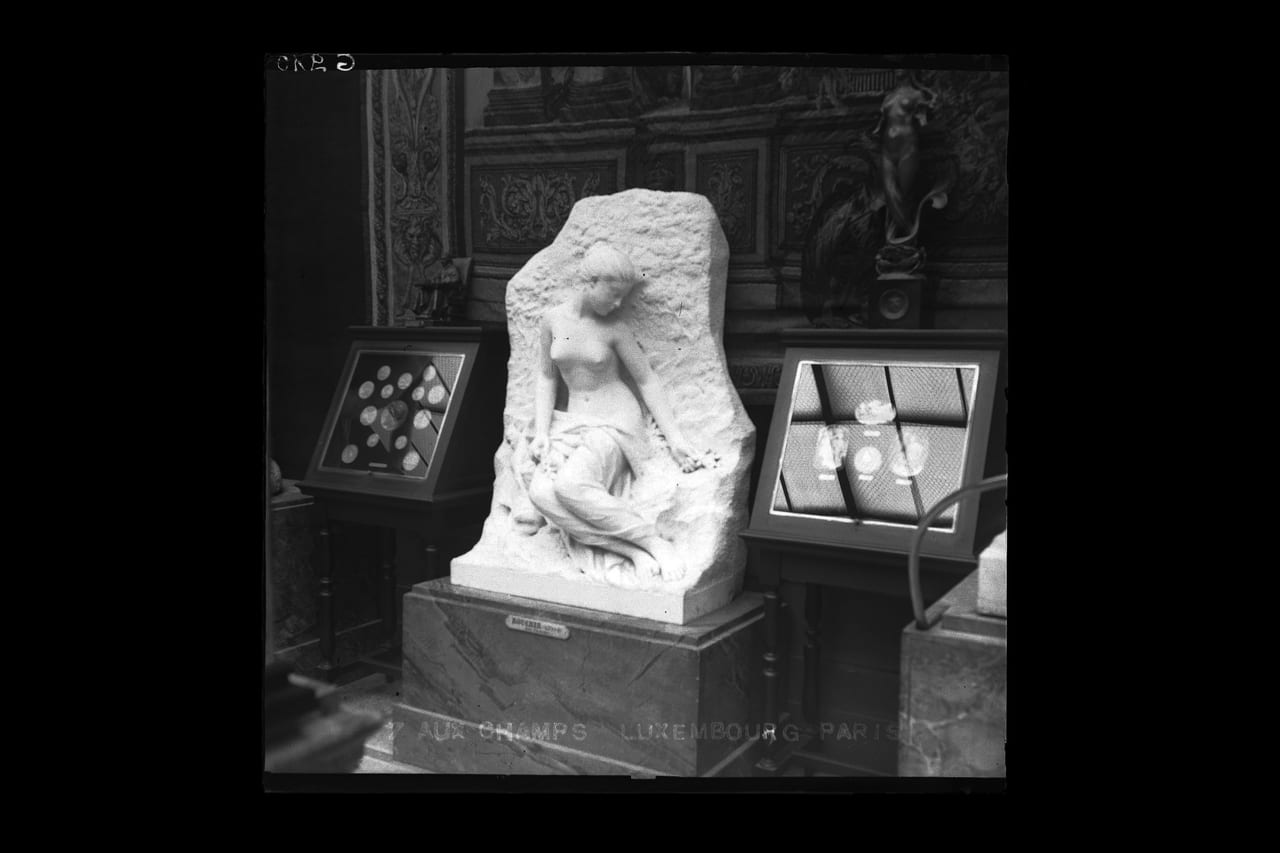
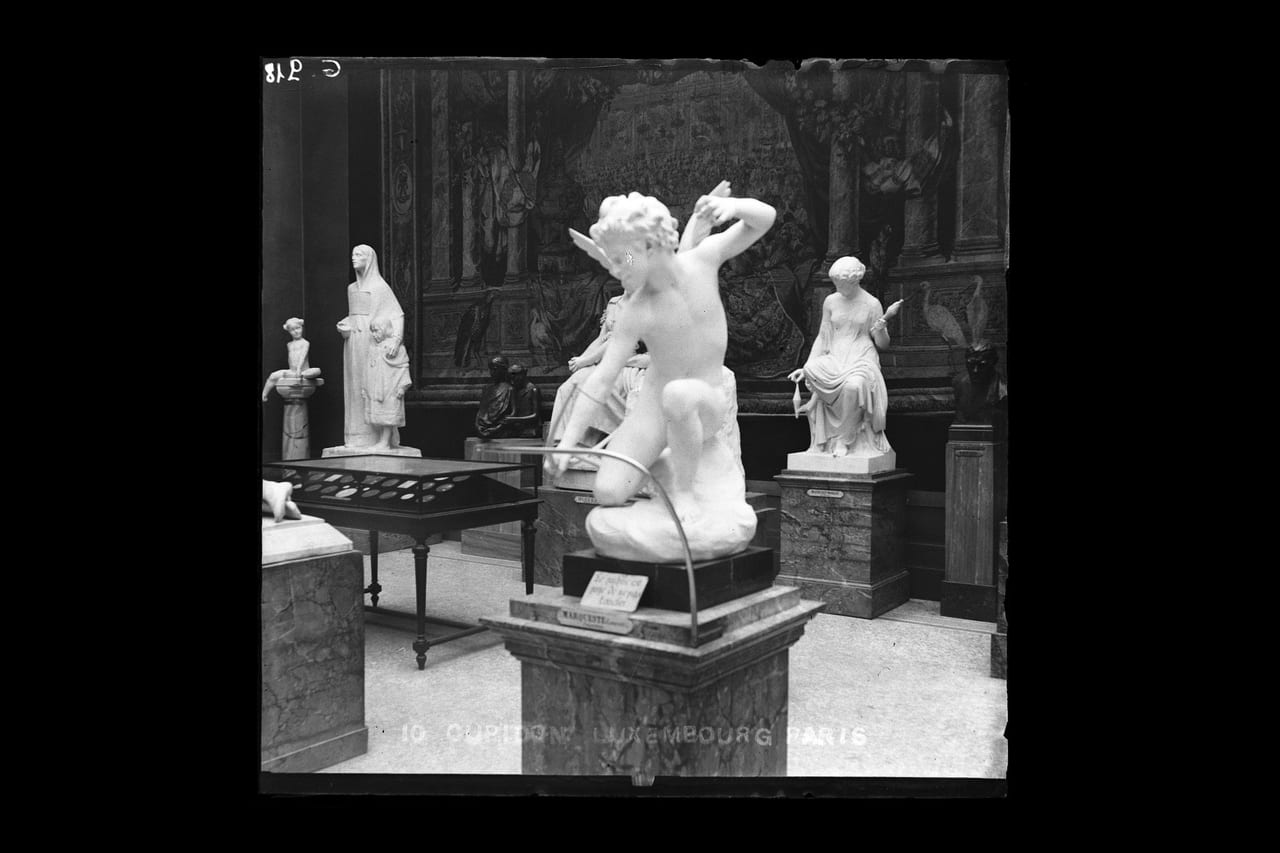
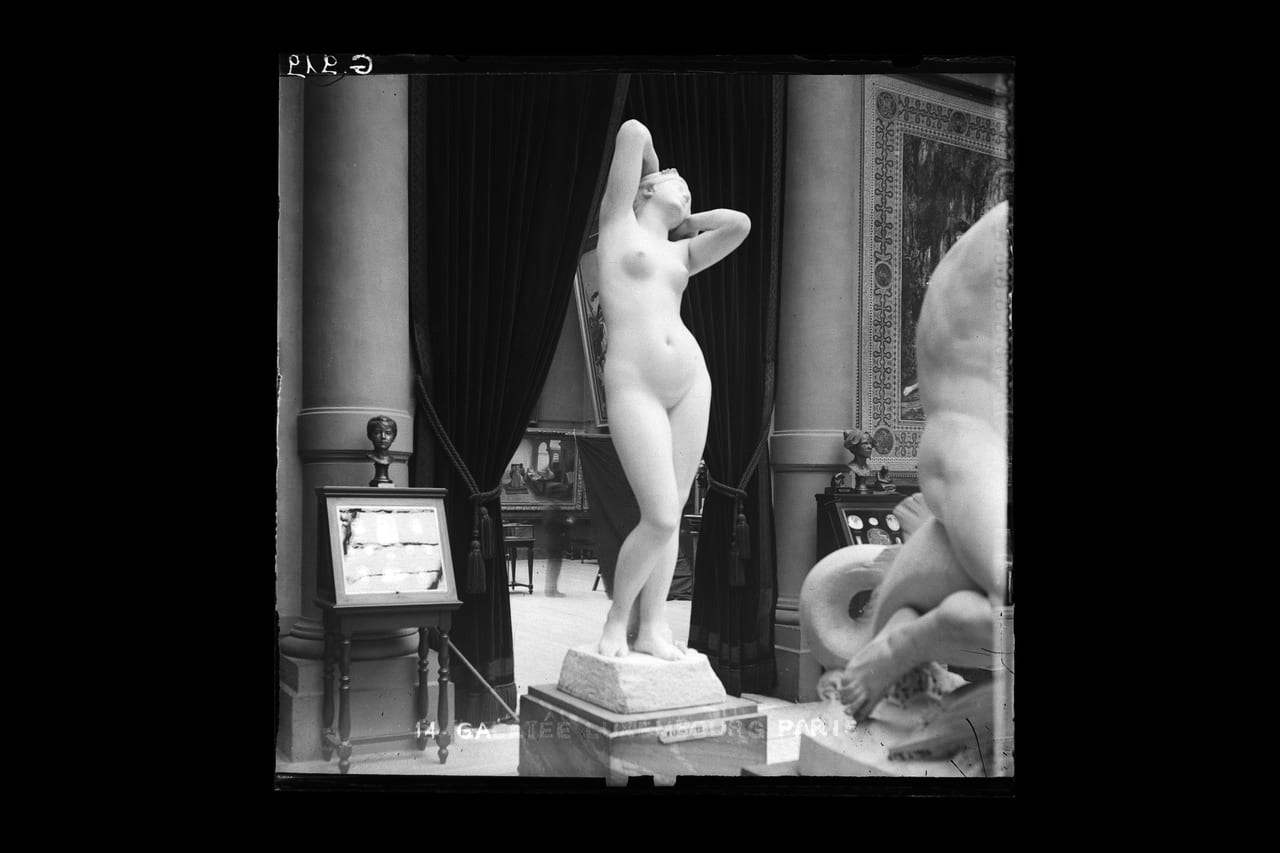
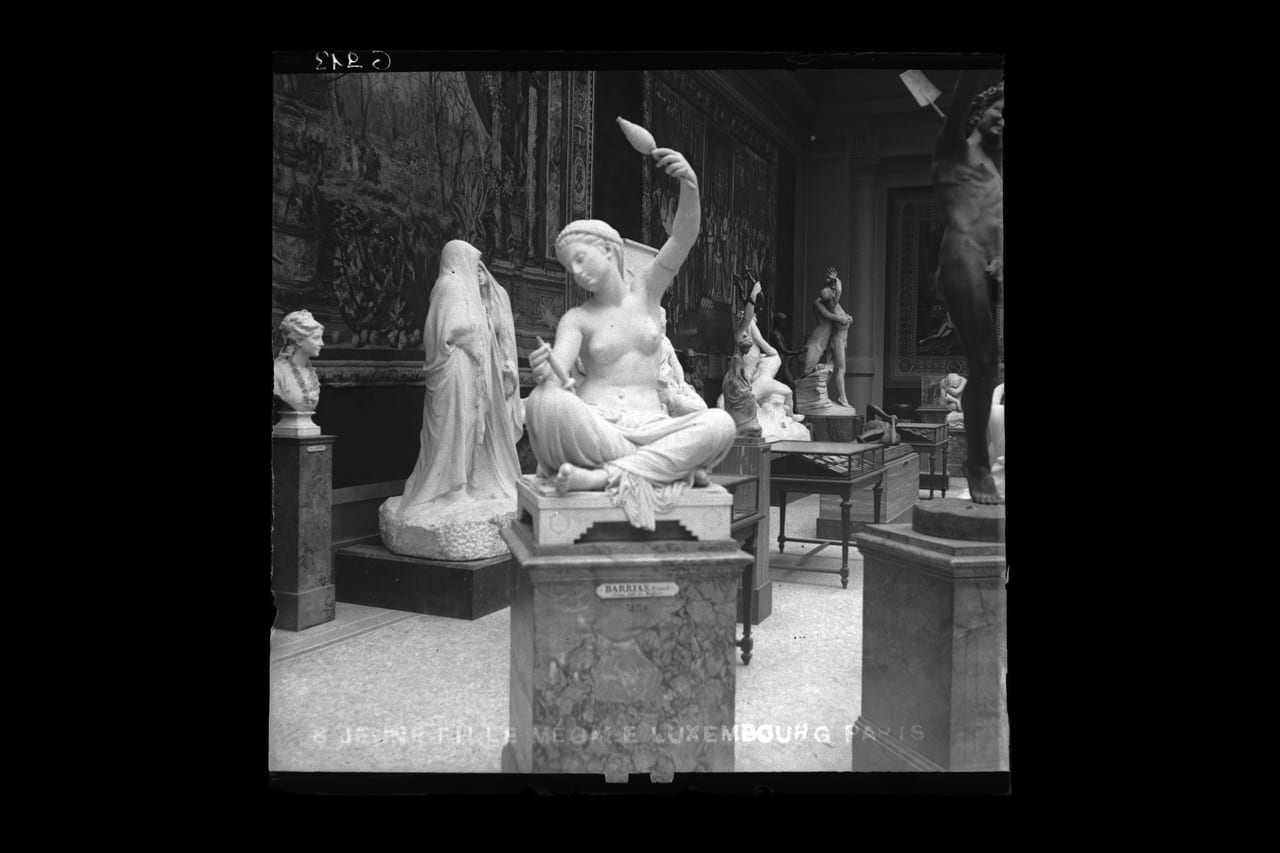
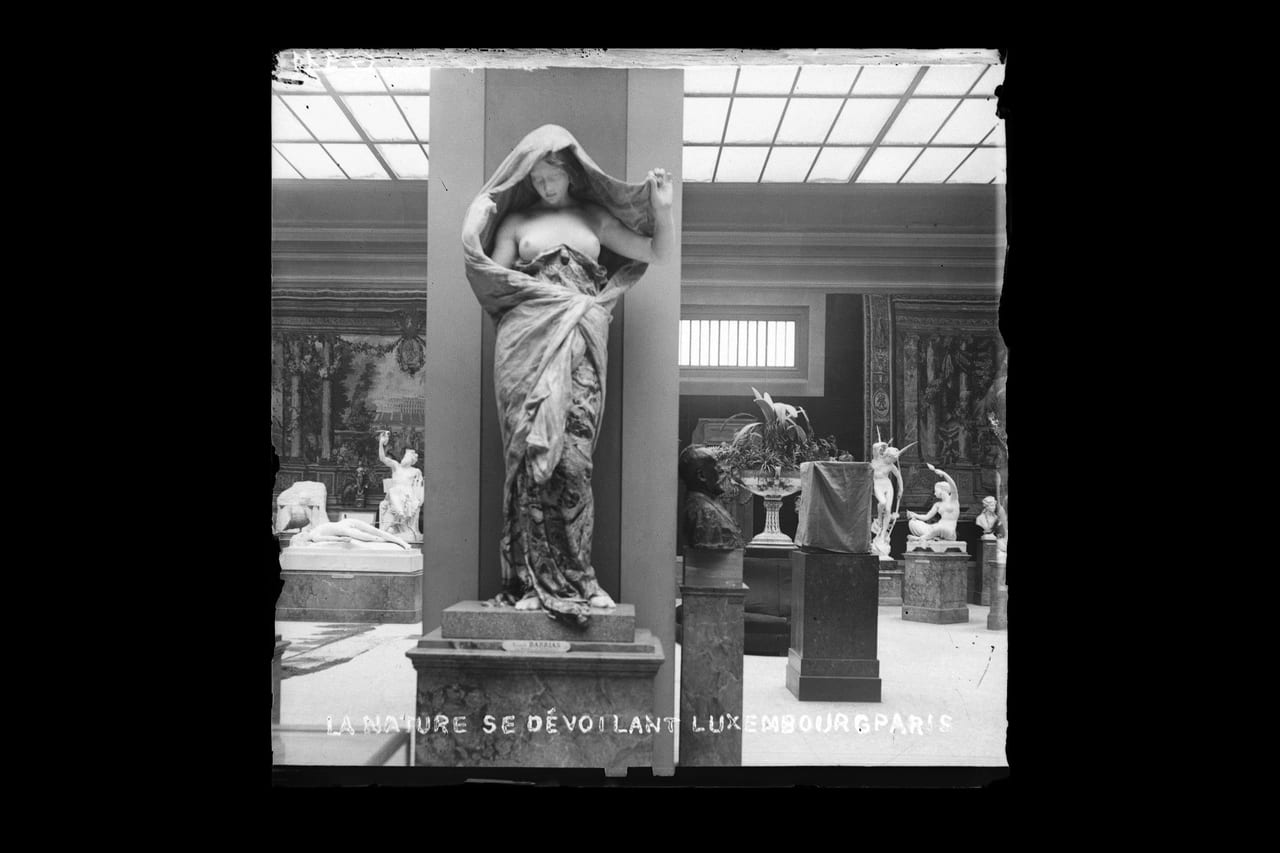
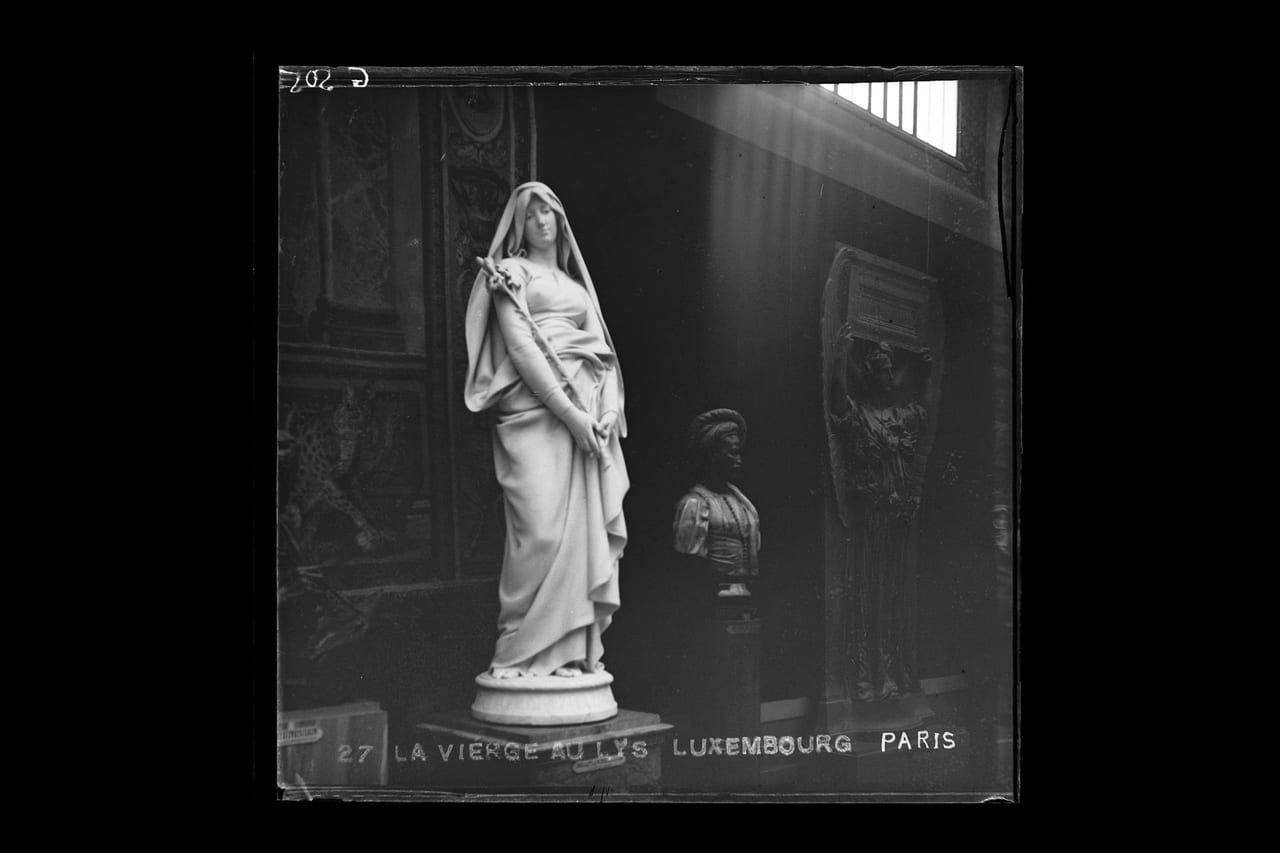
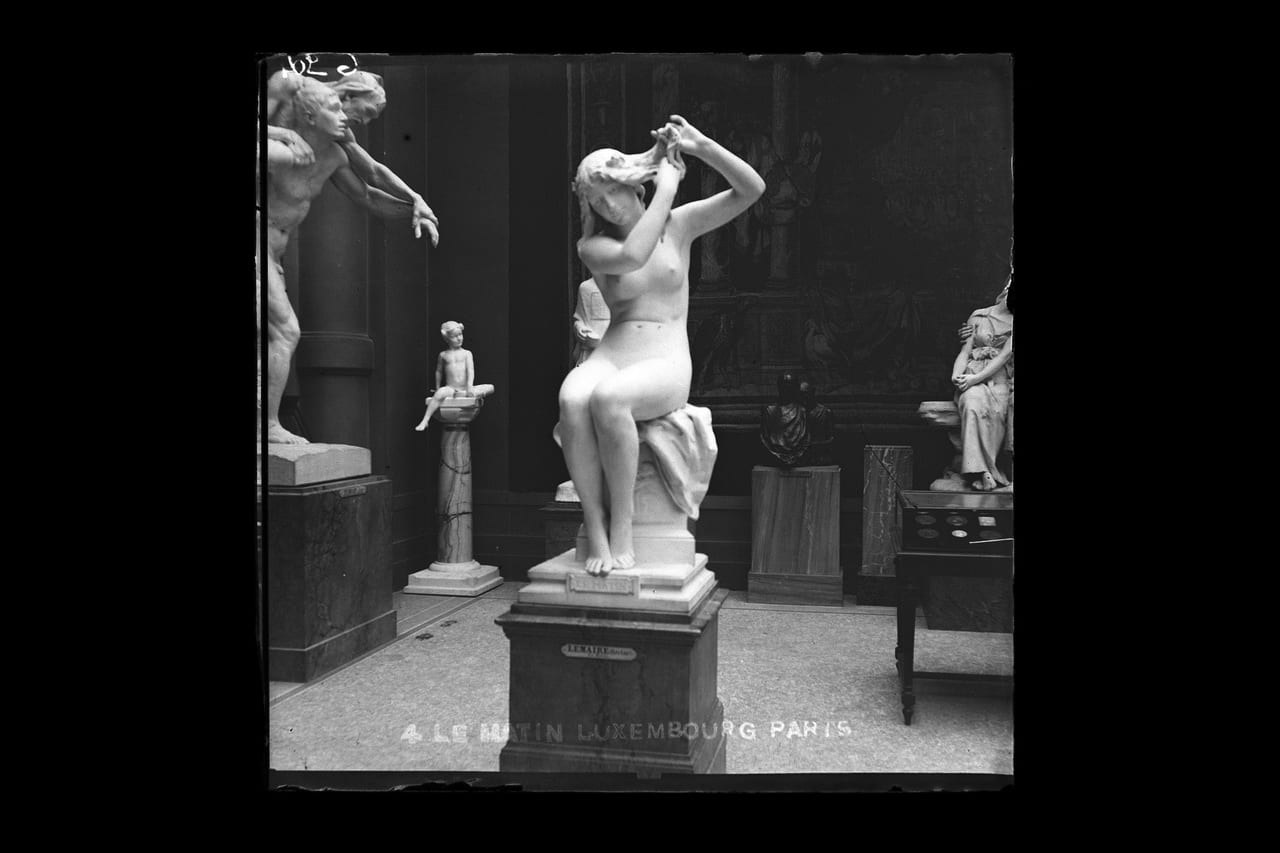
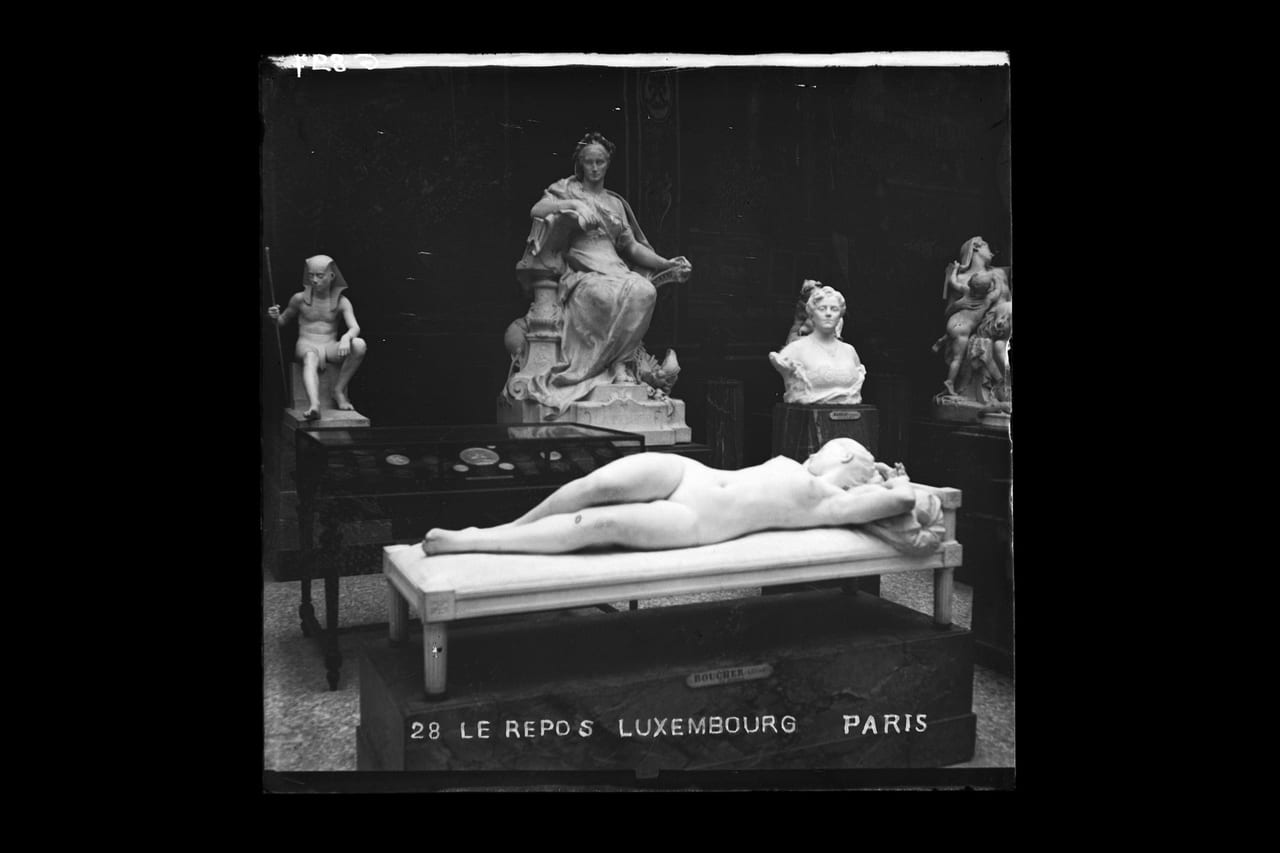
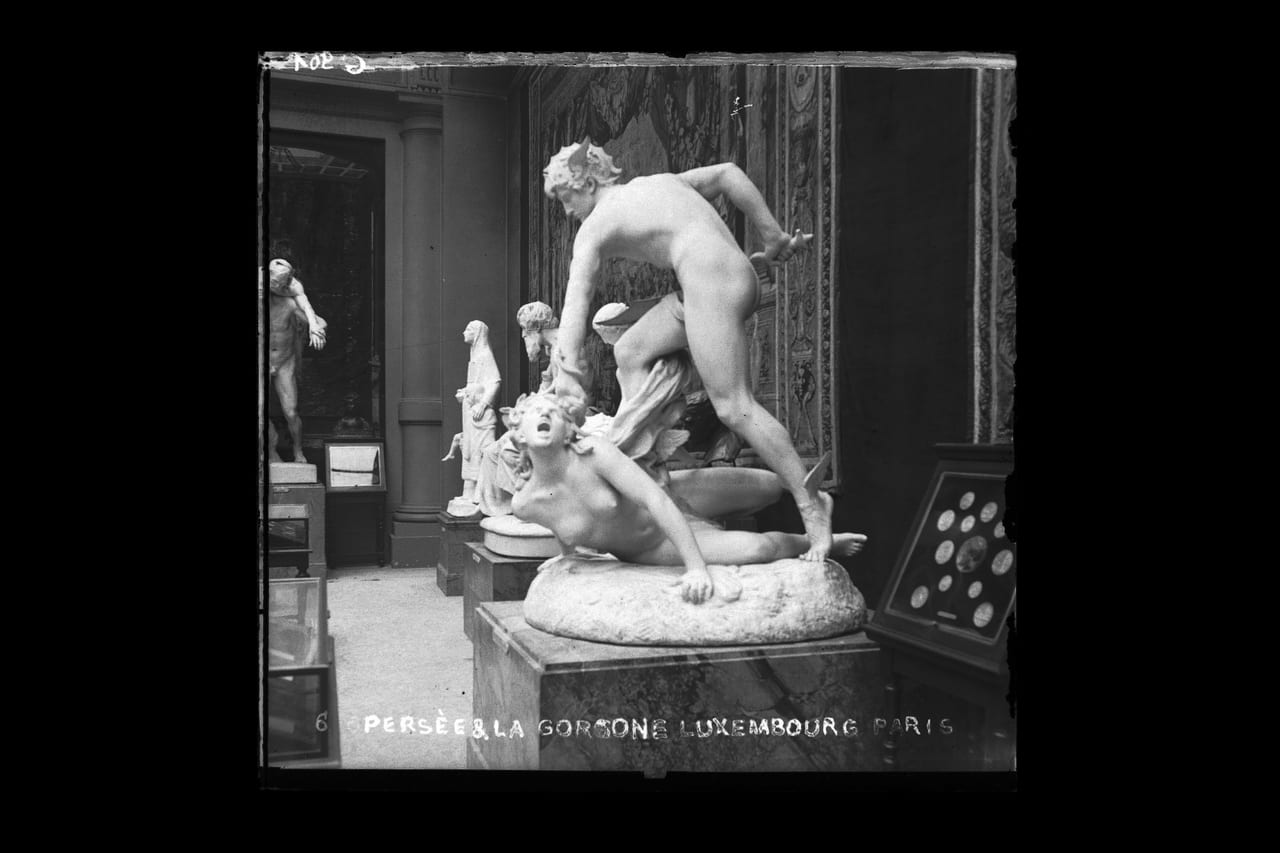
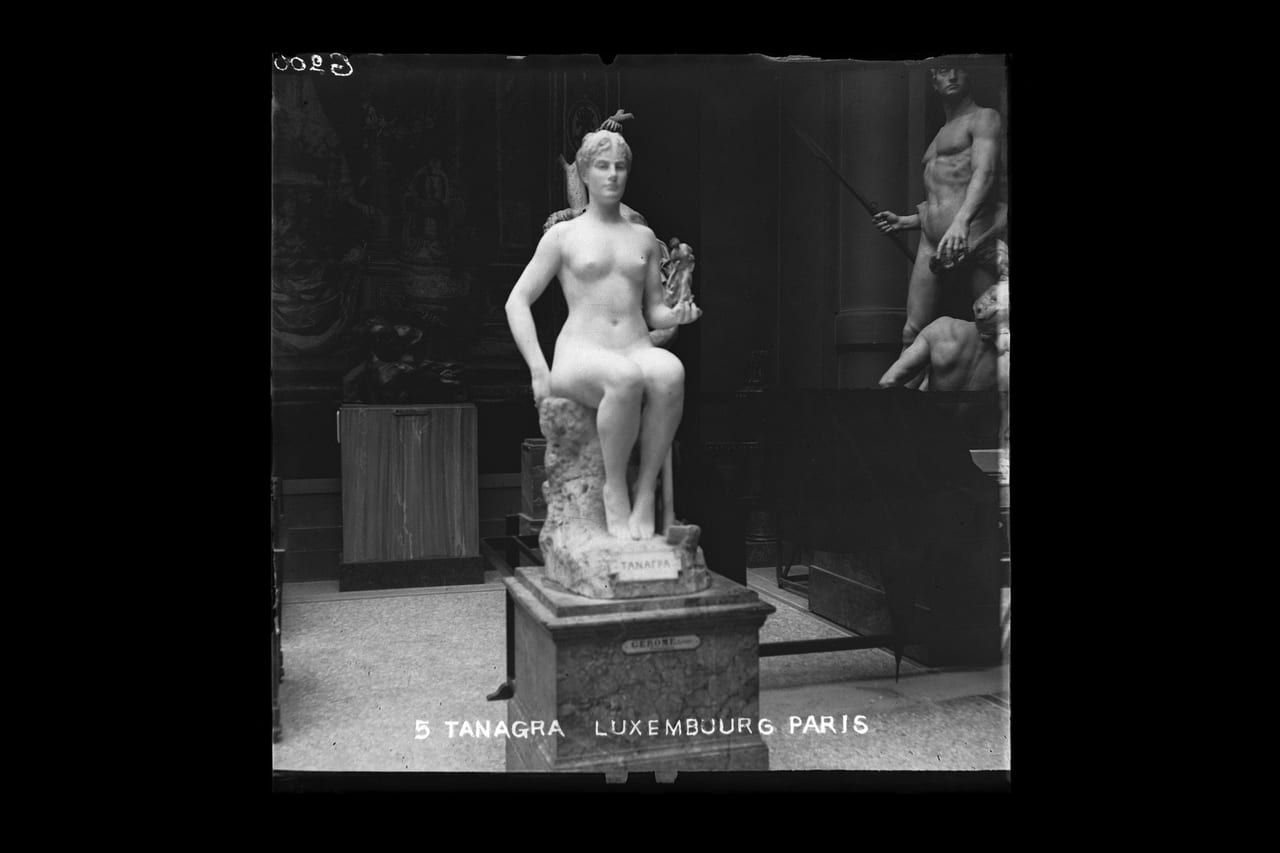
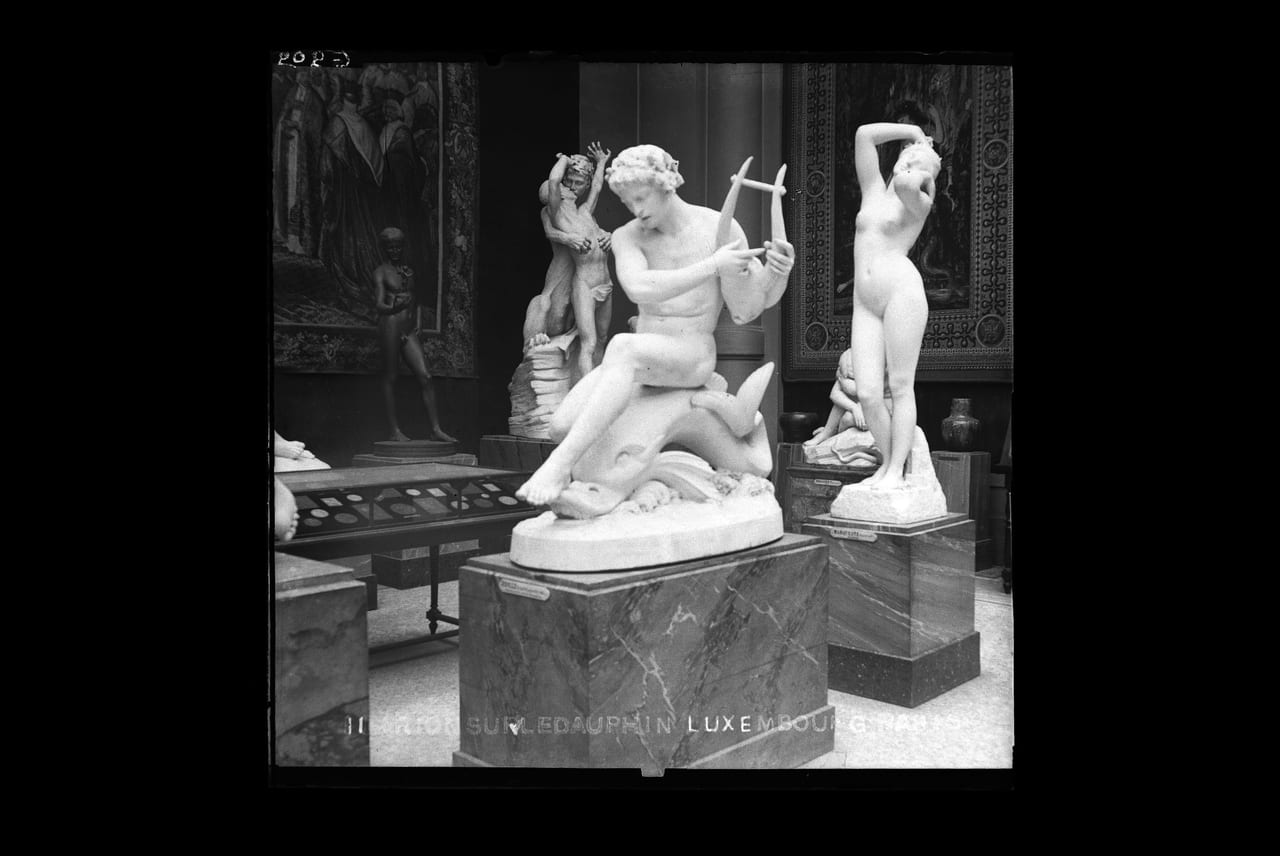
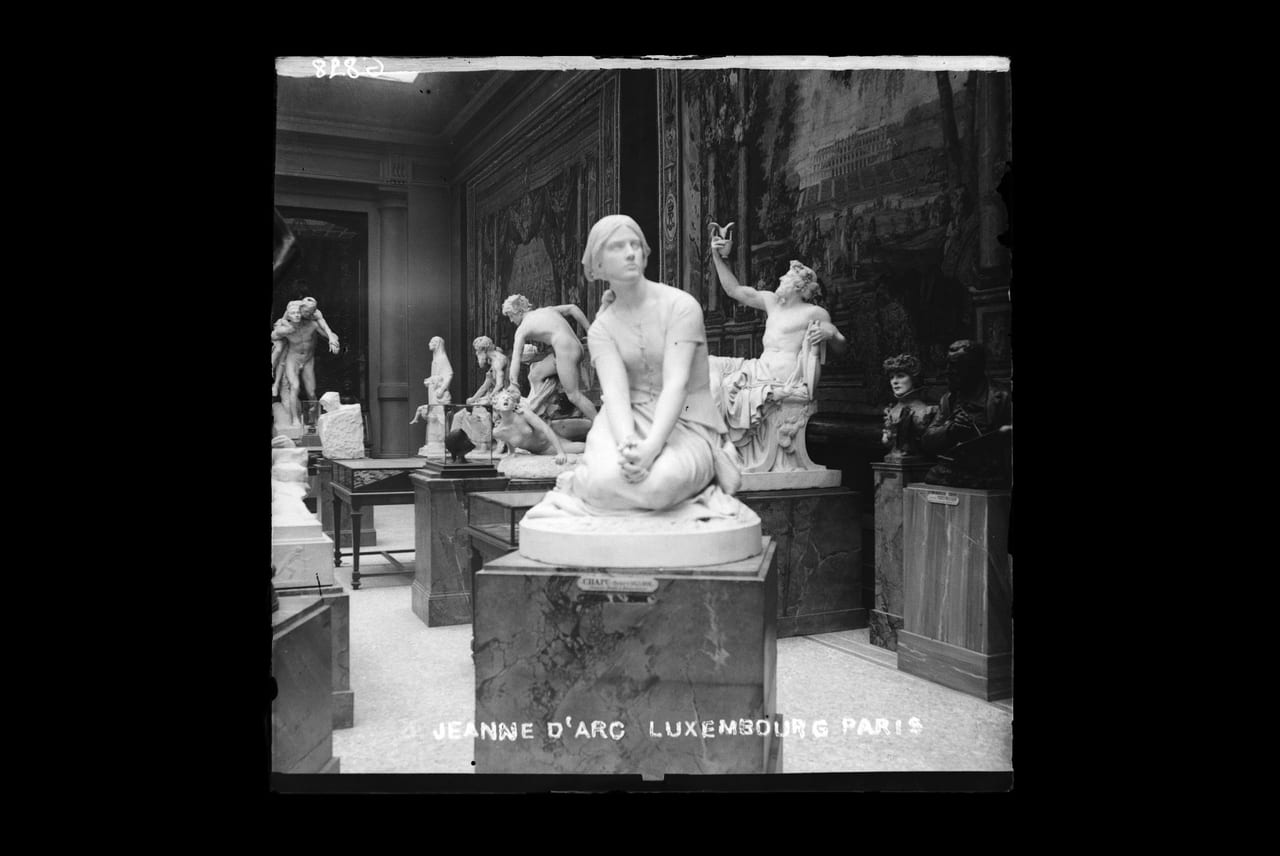
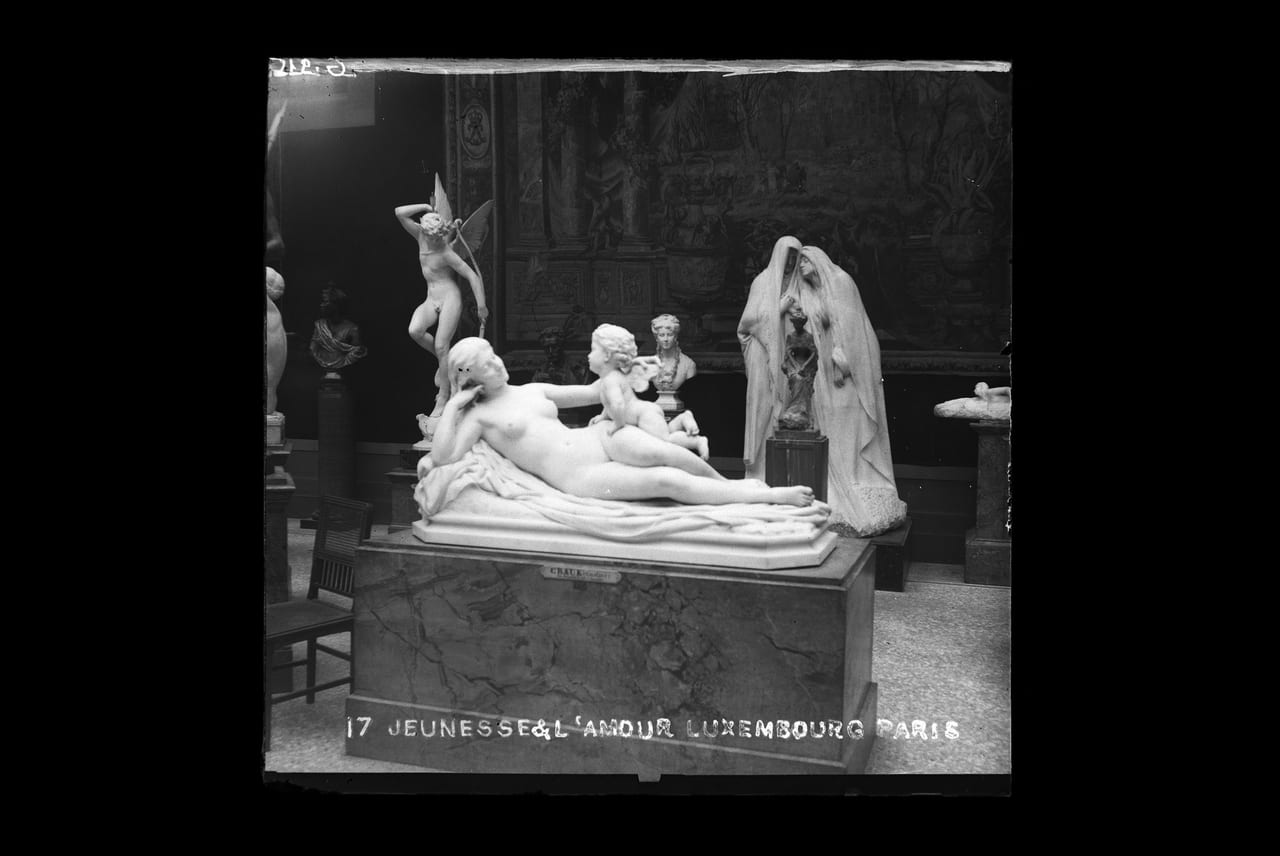
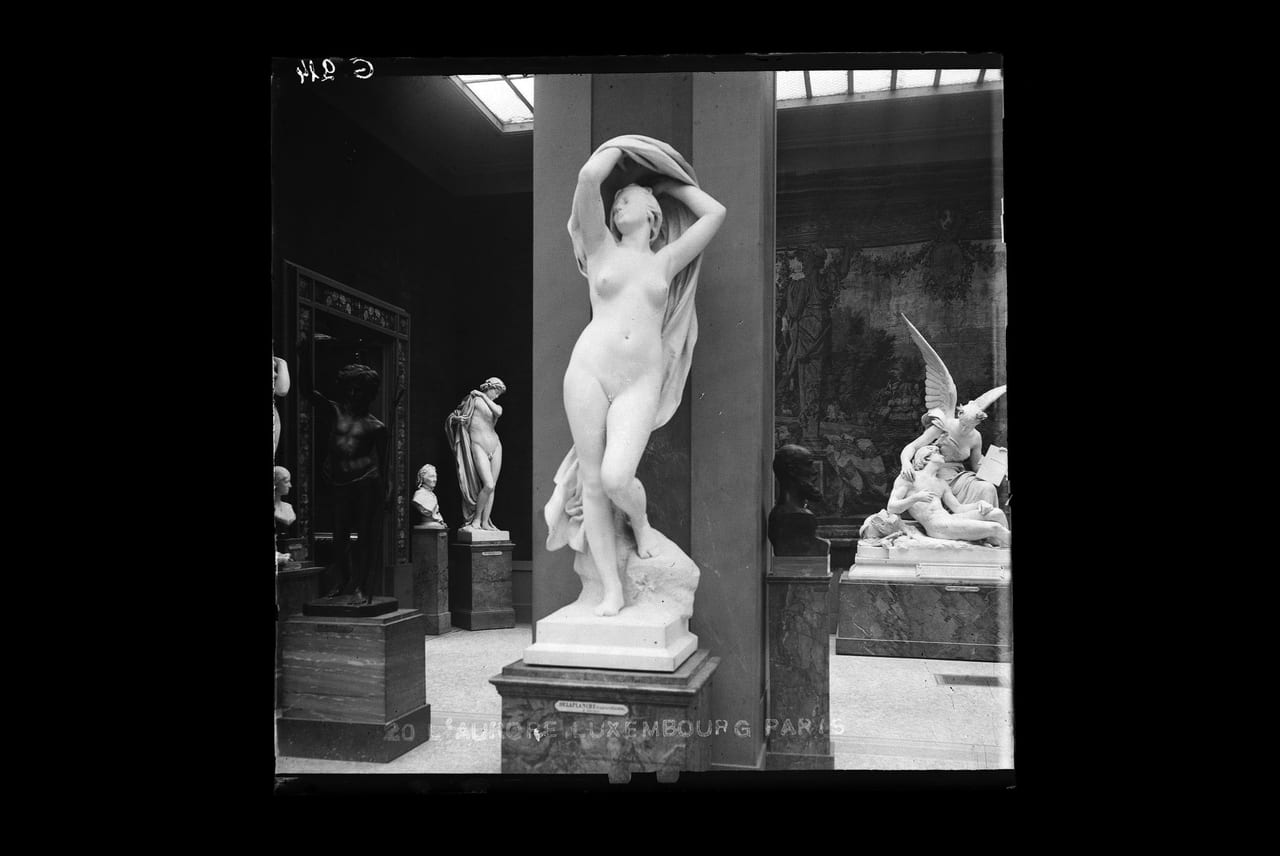
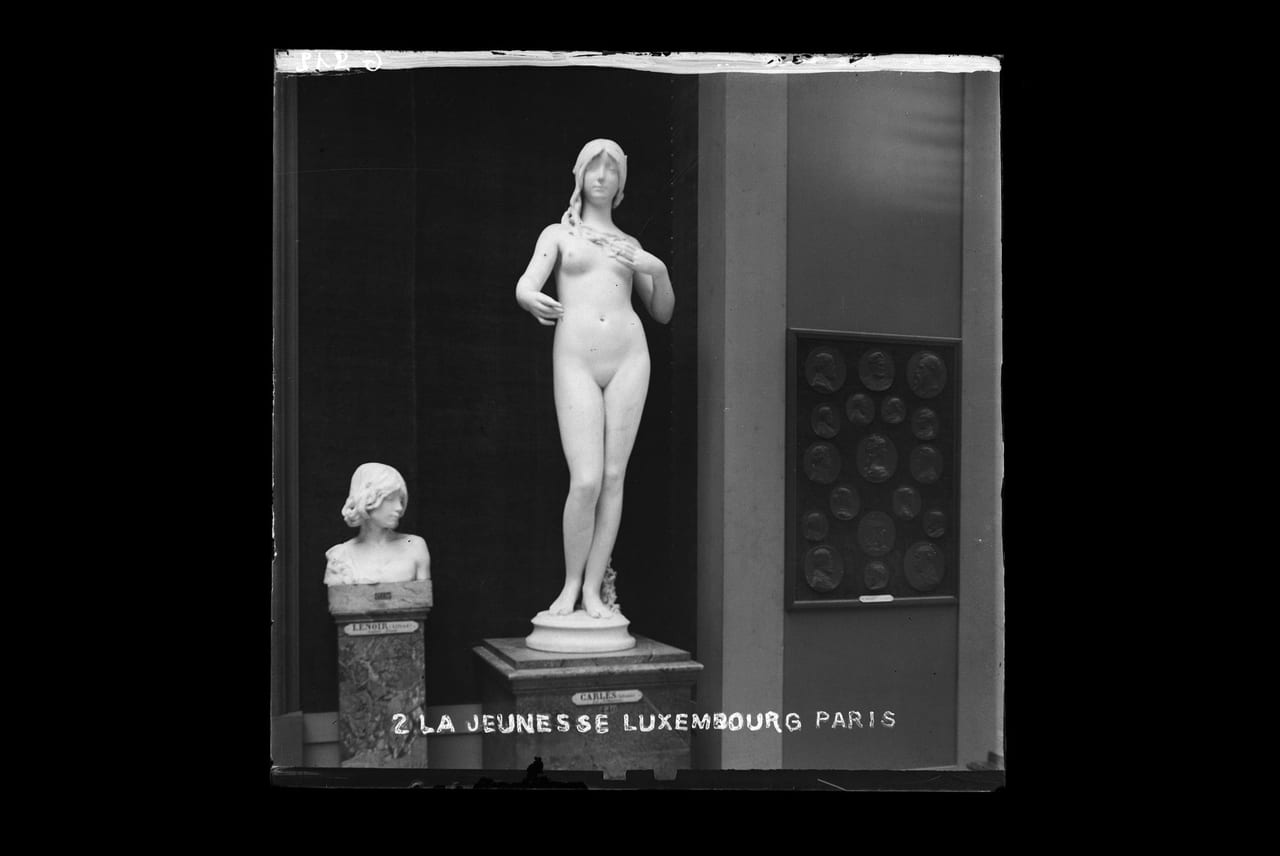
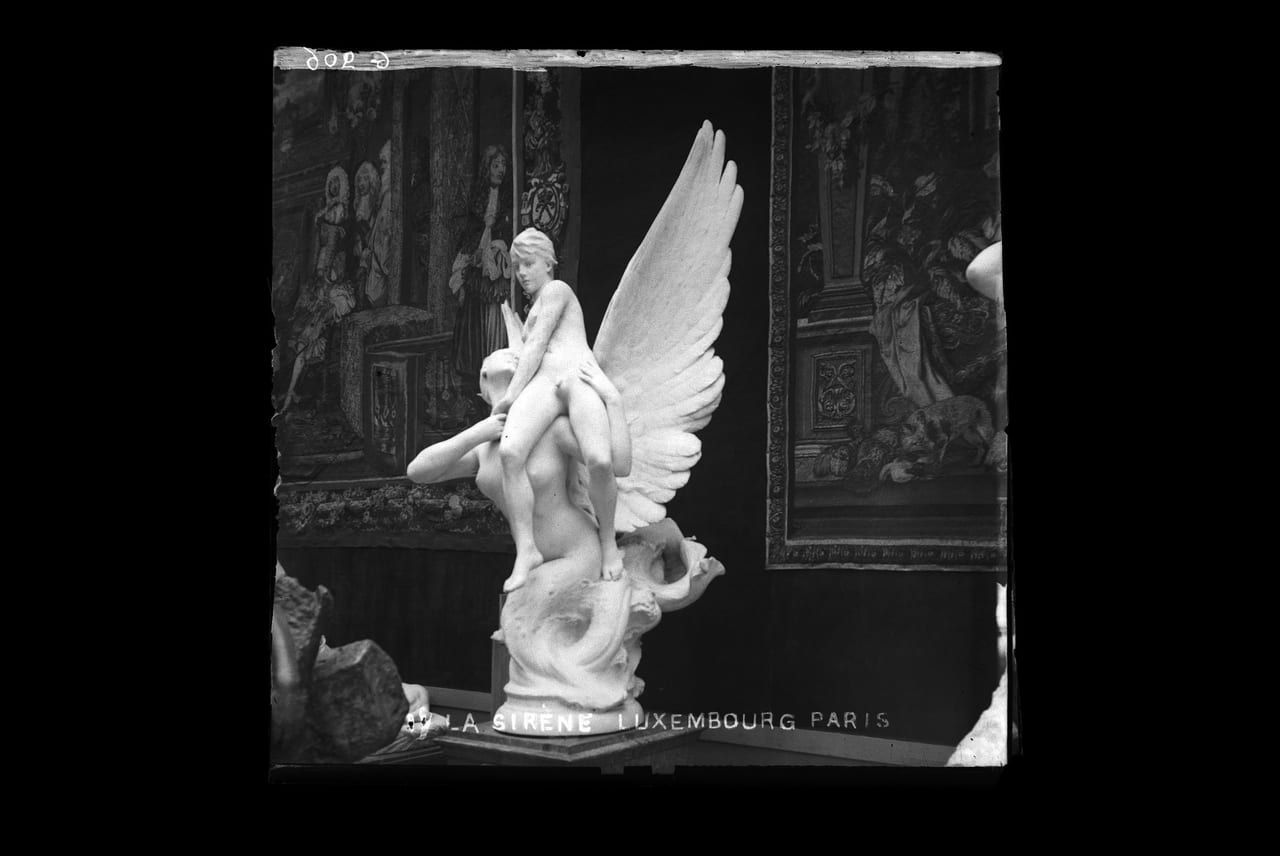
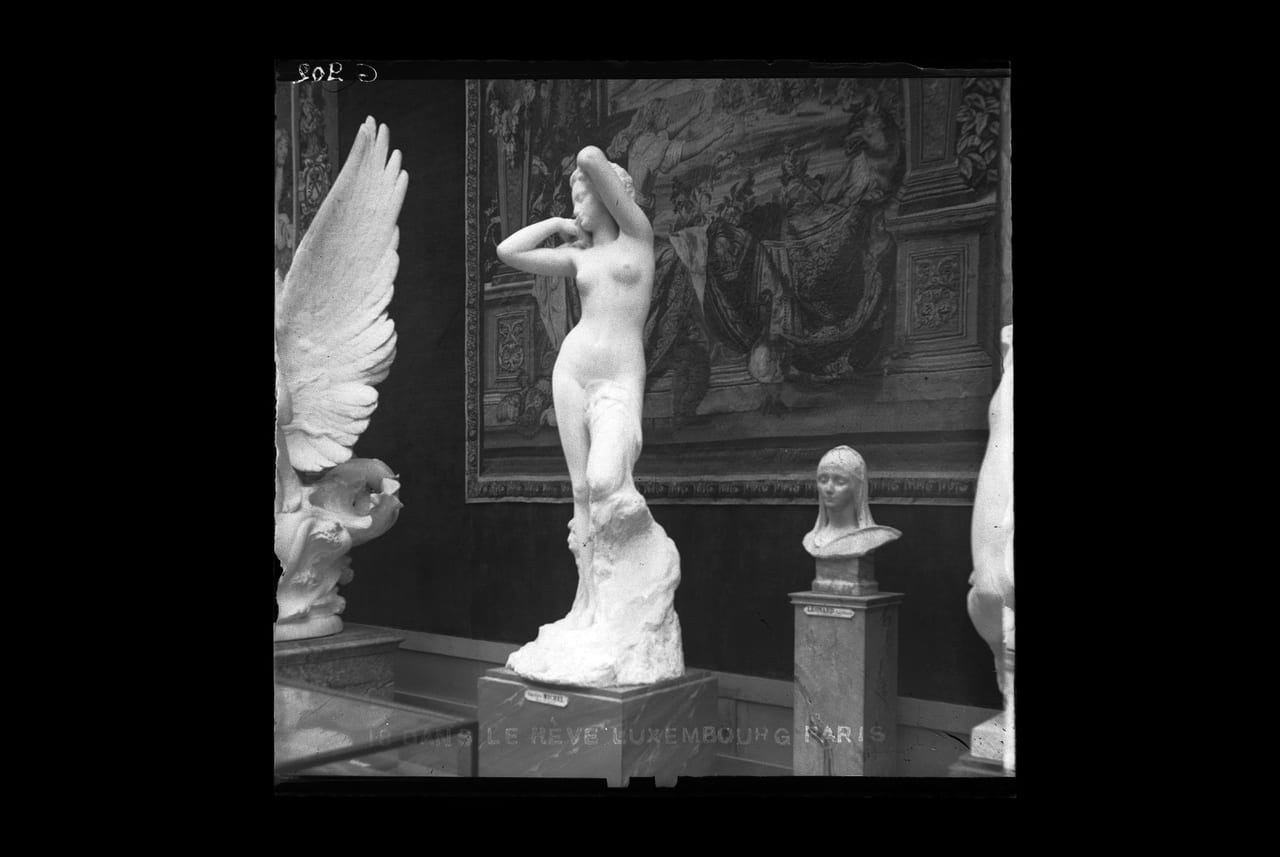
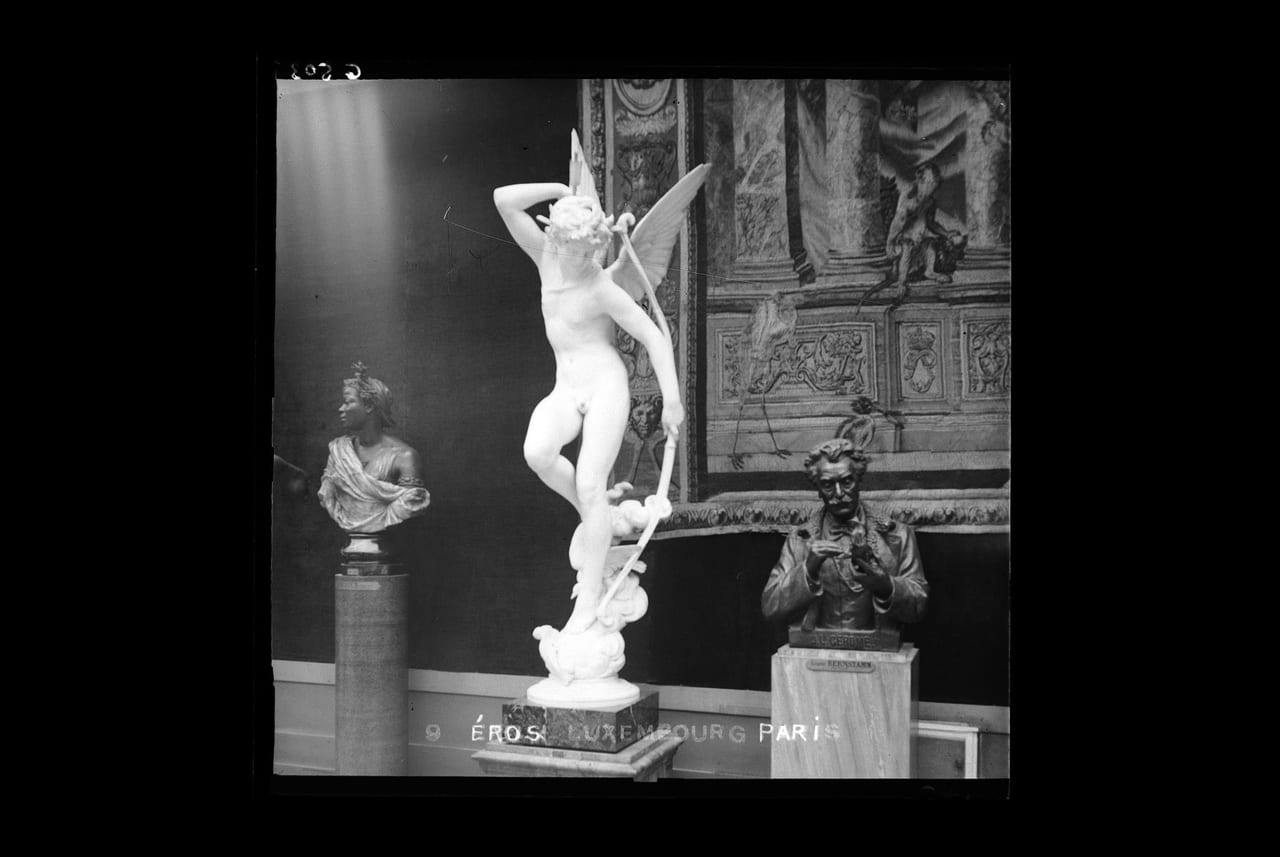
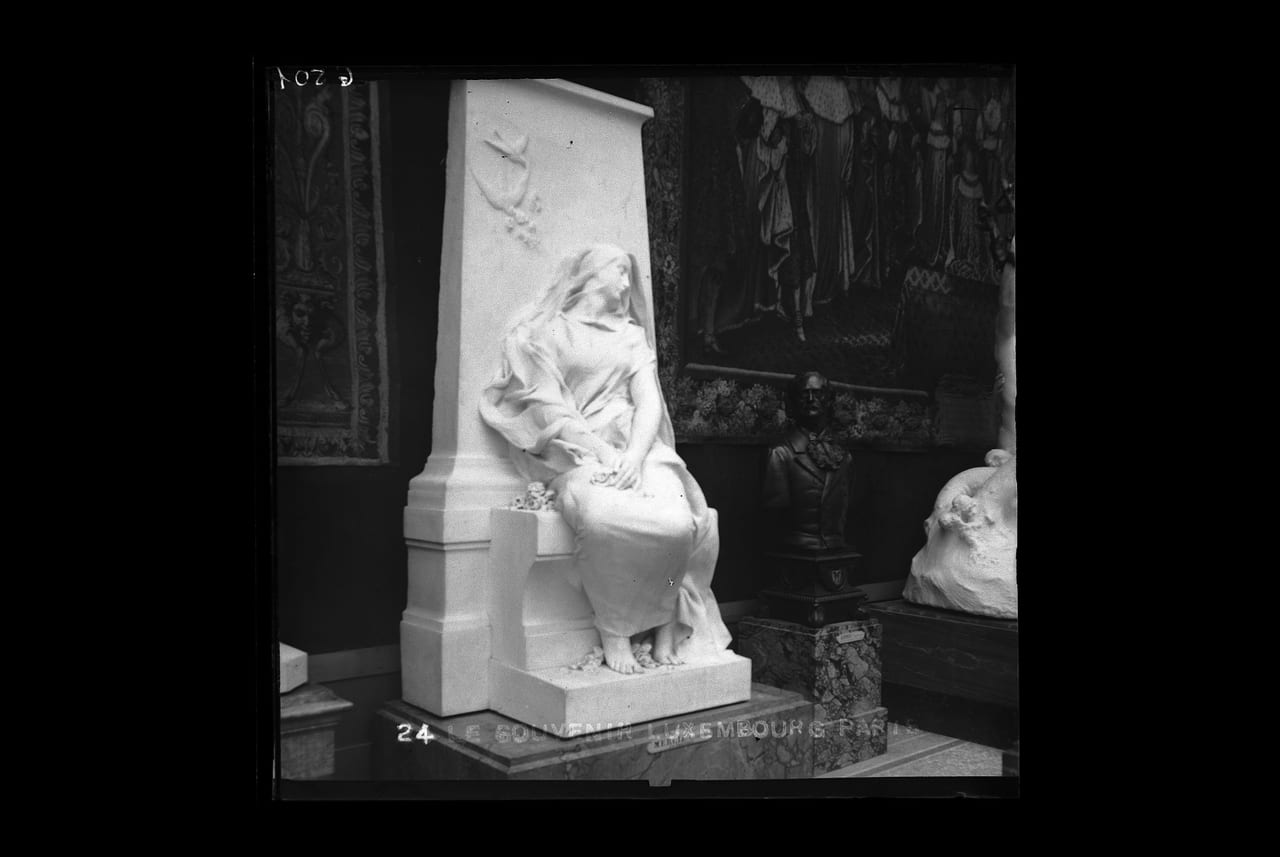
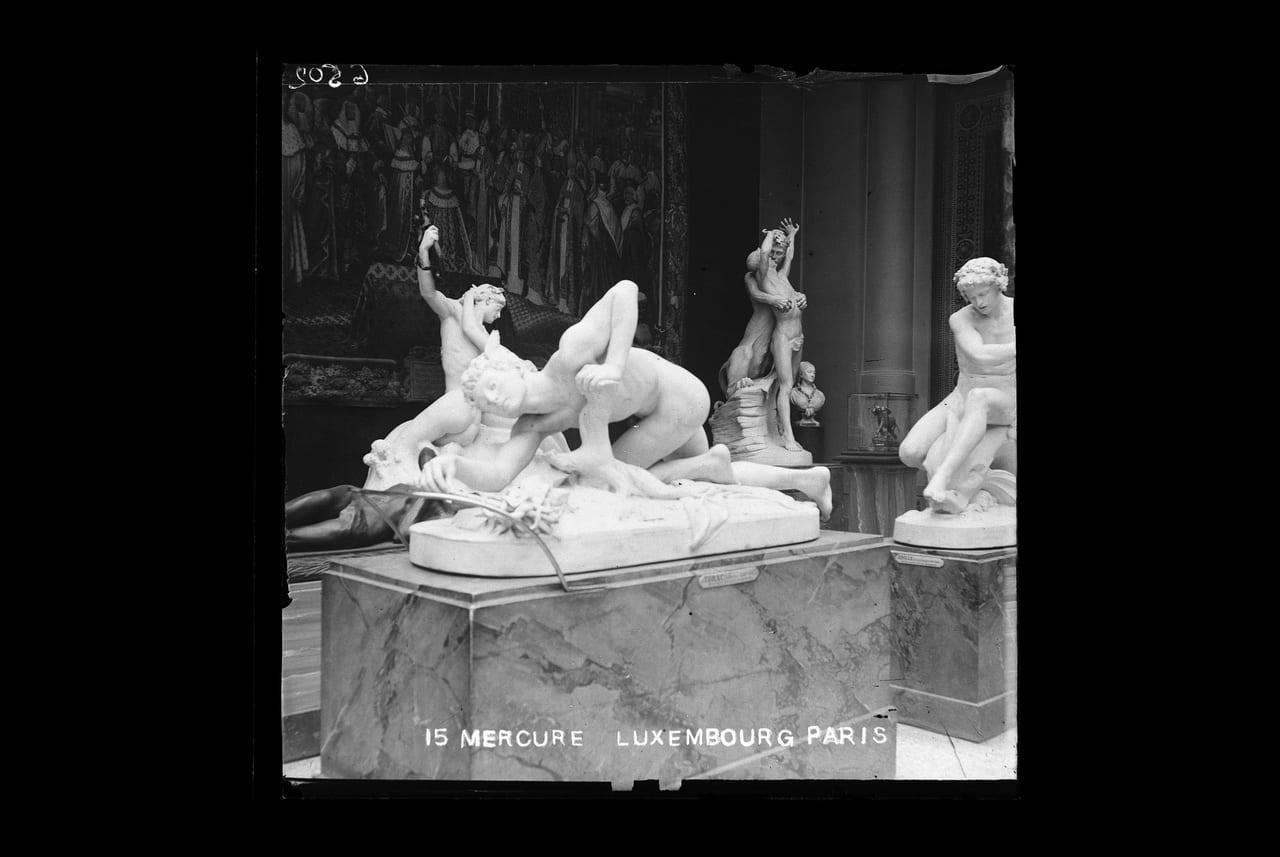
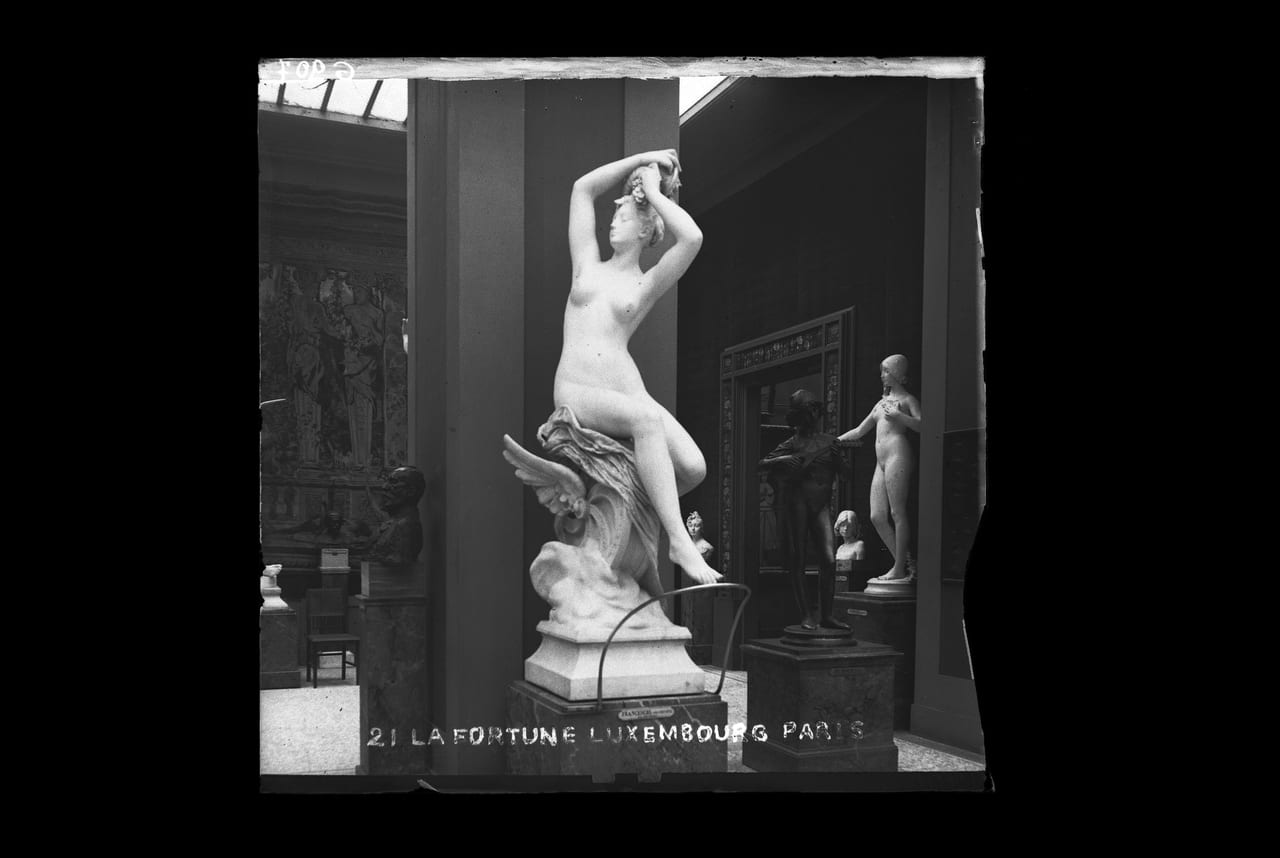
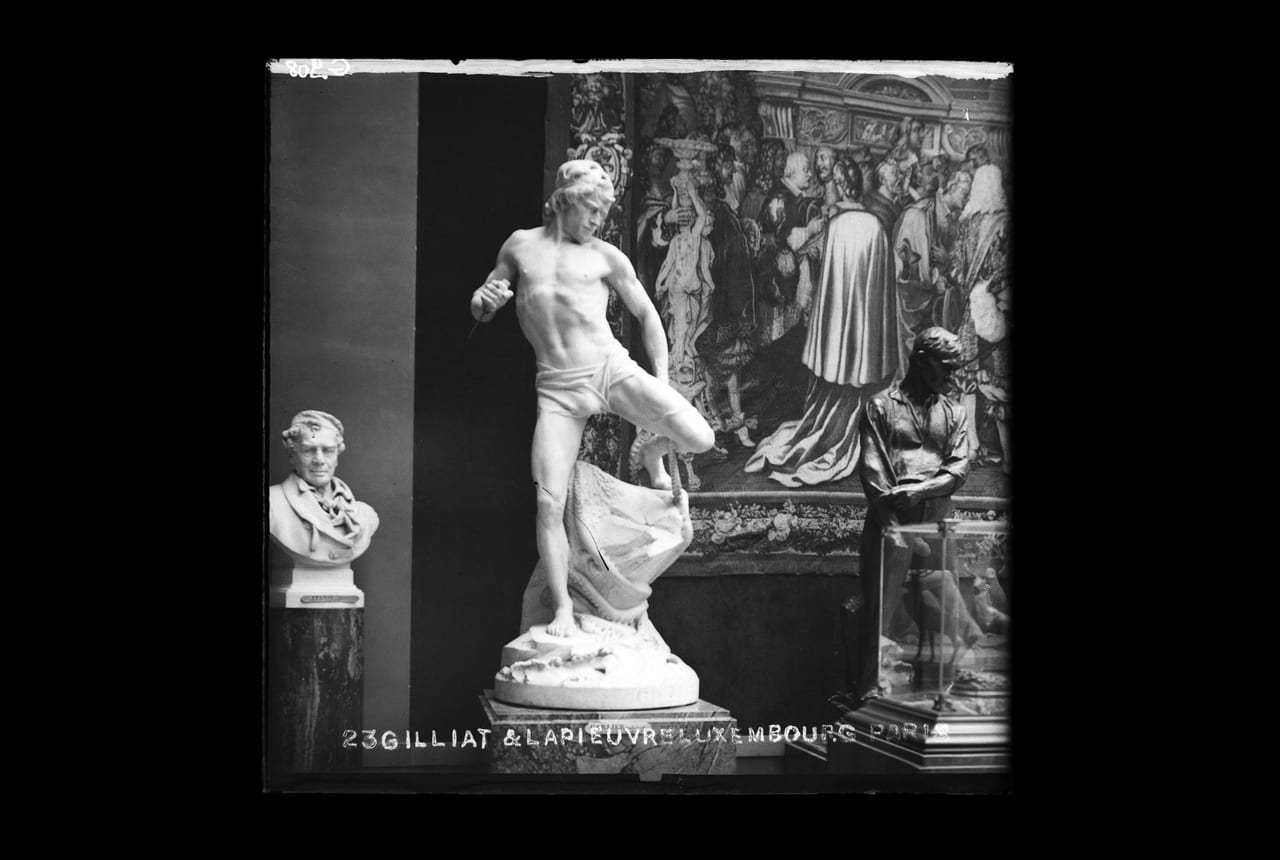
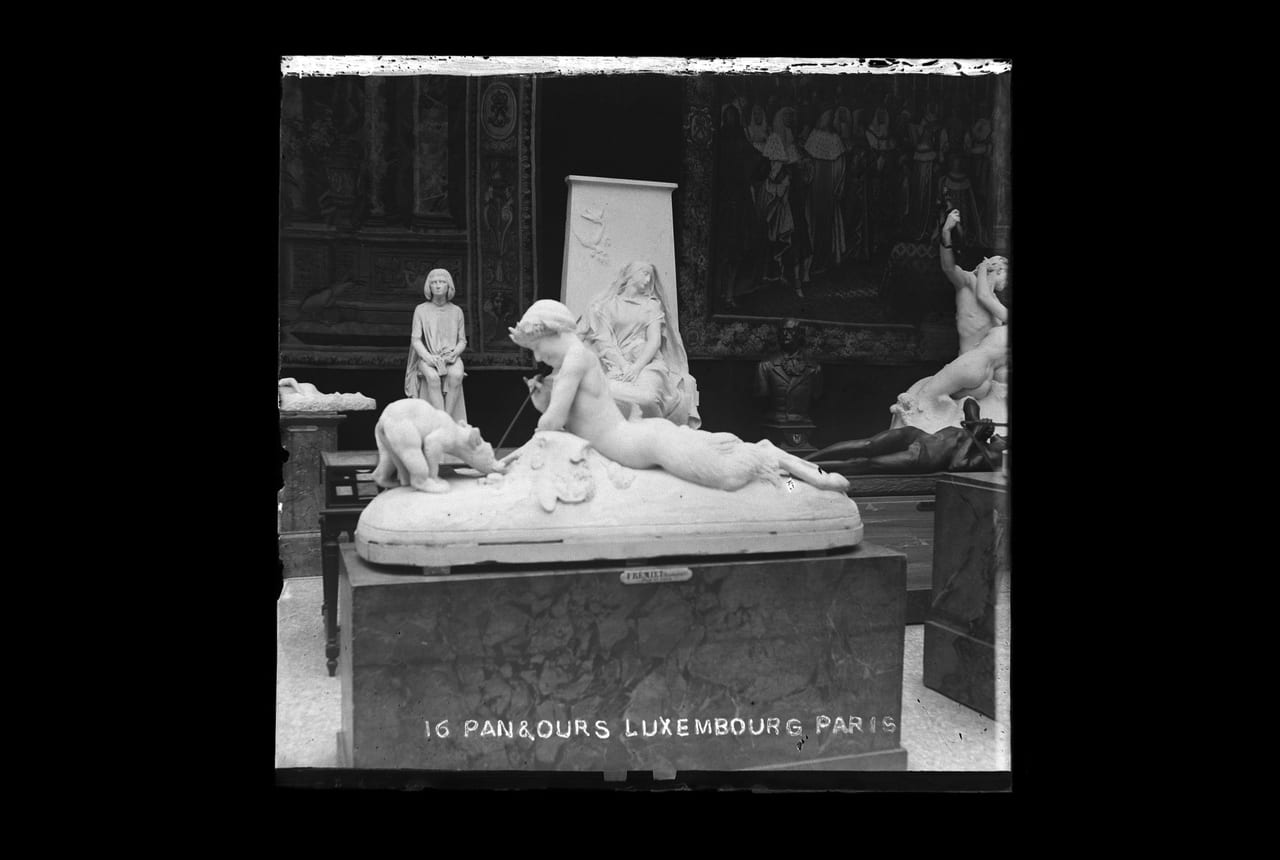
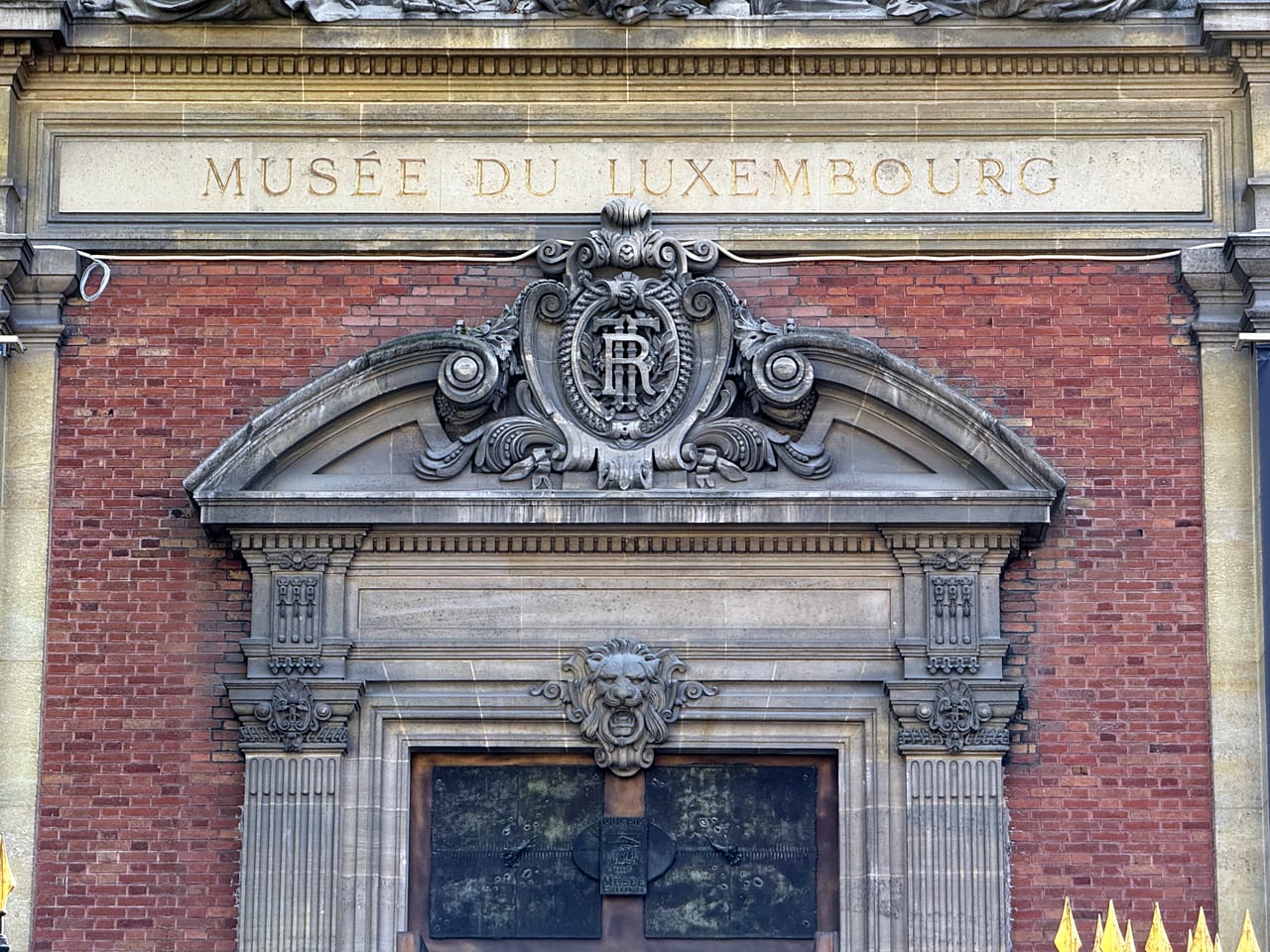
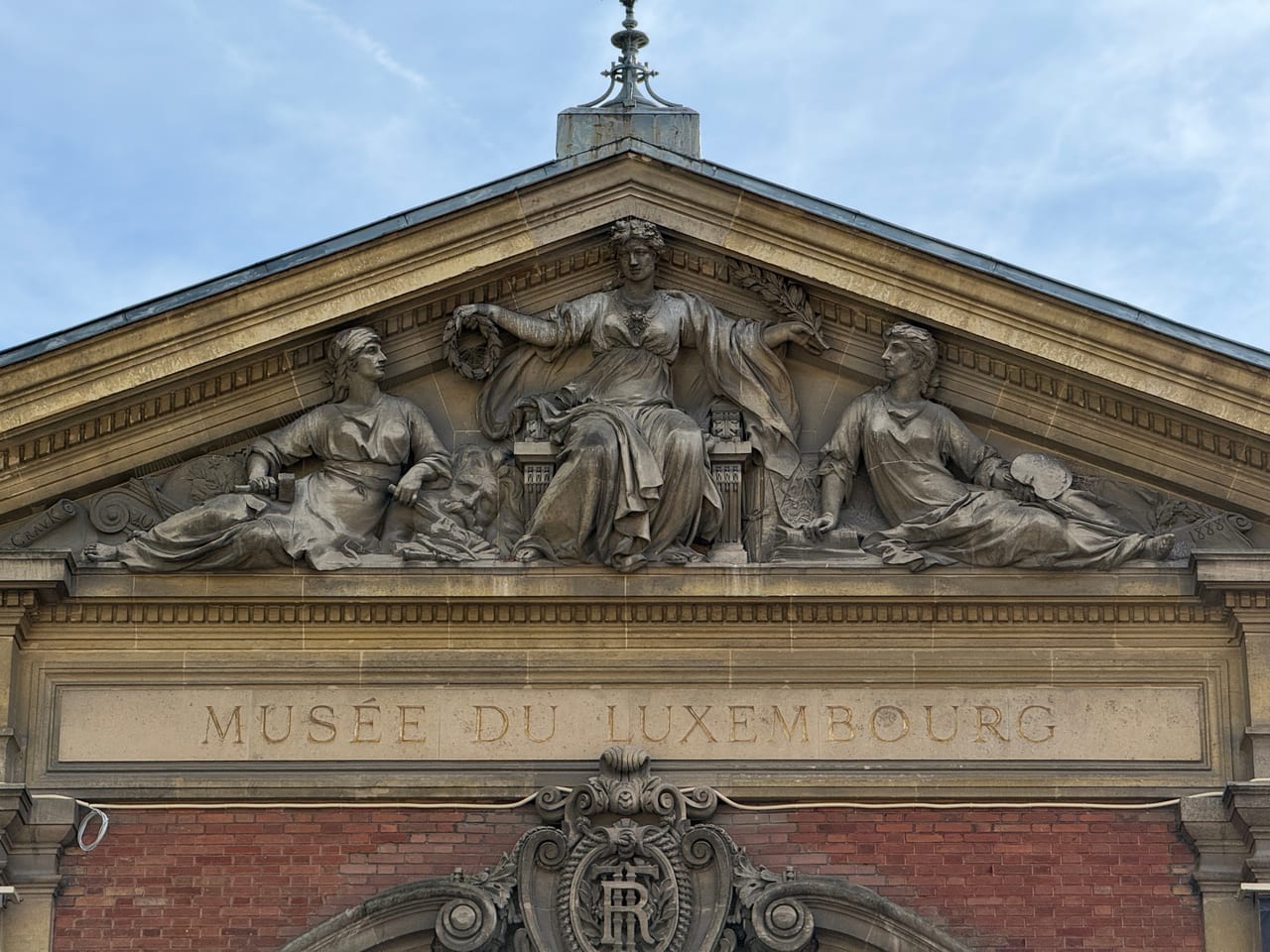
Photograph 1 of 43 of Luxembourg Museum
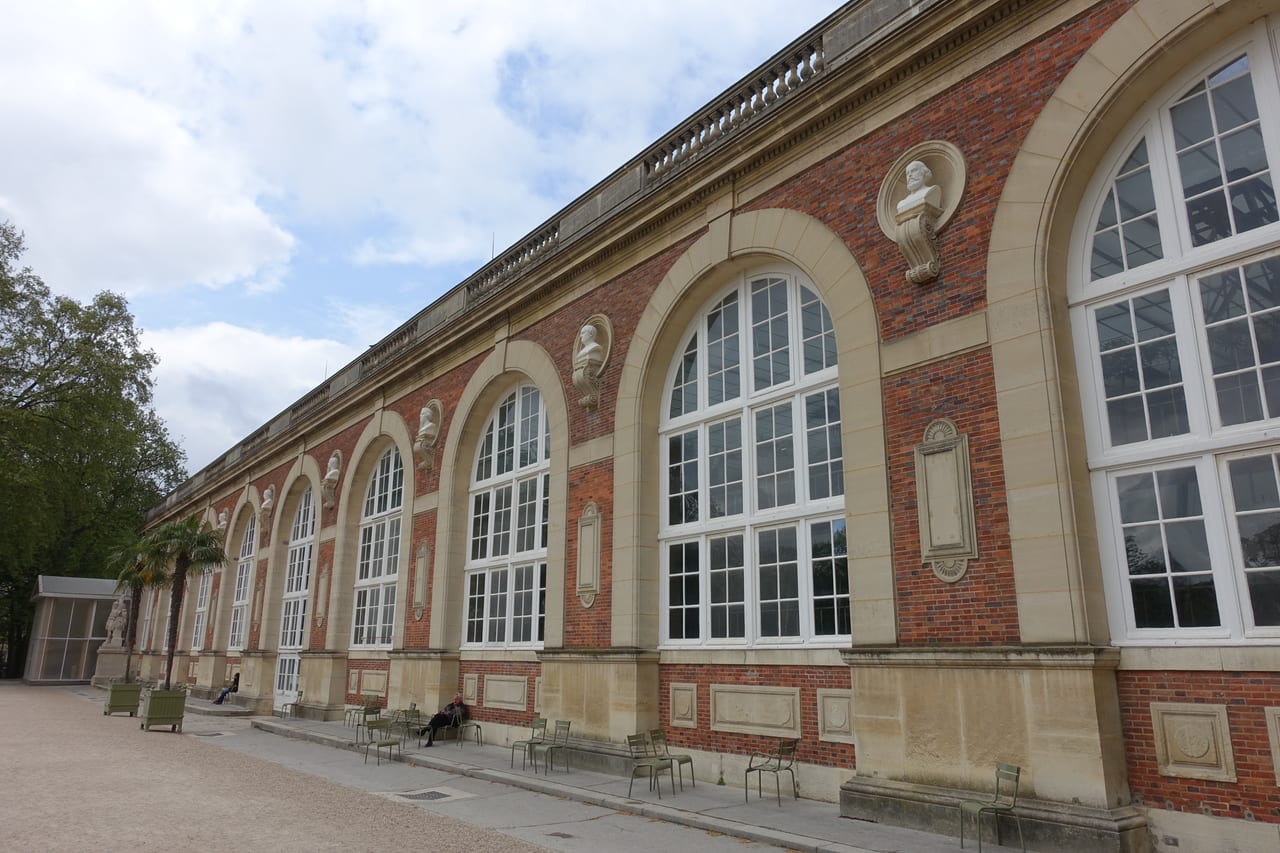
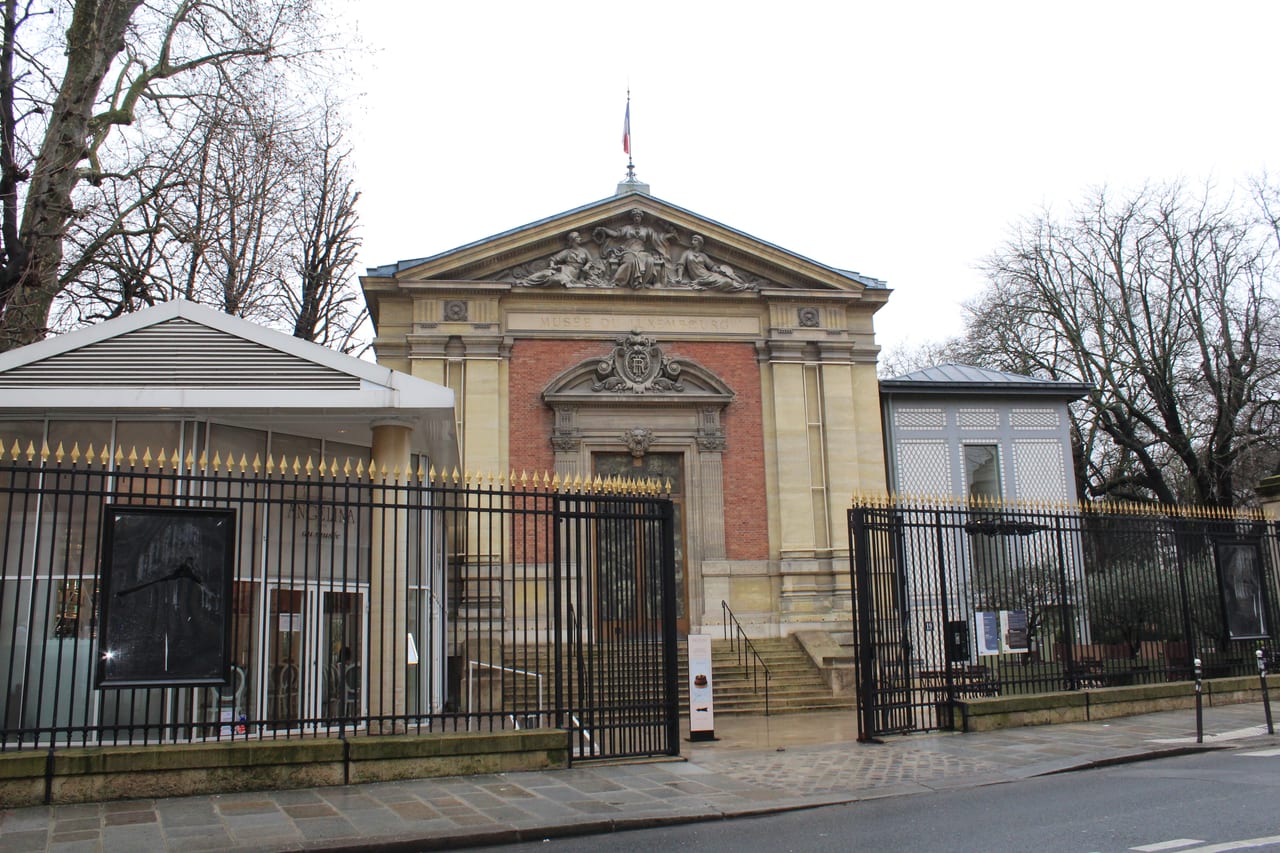
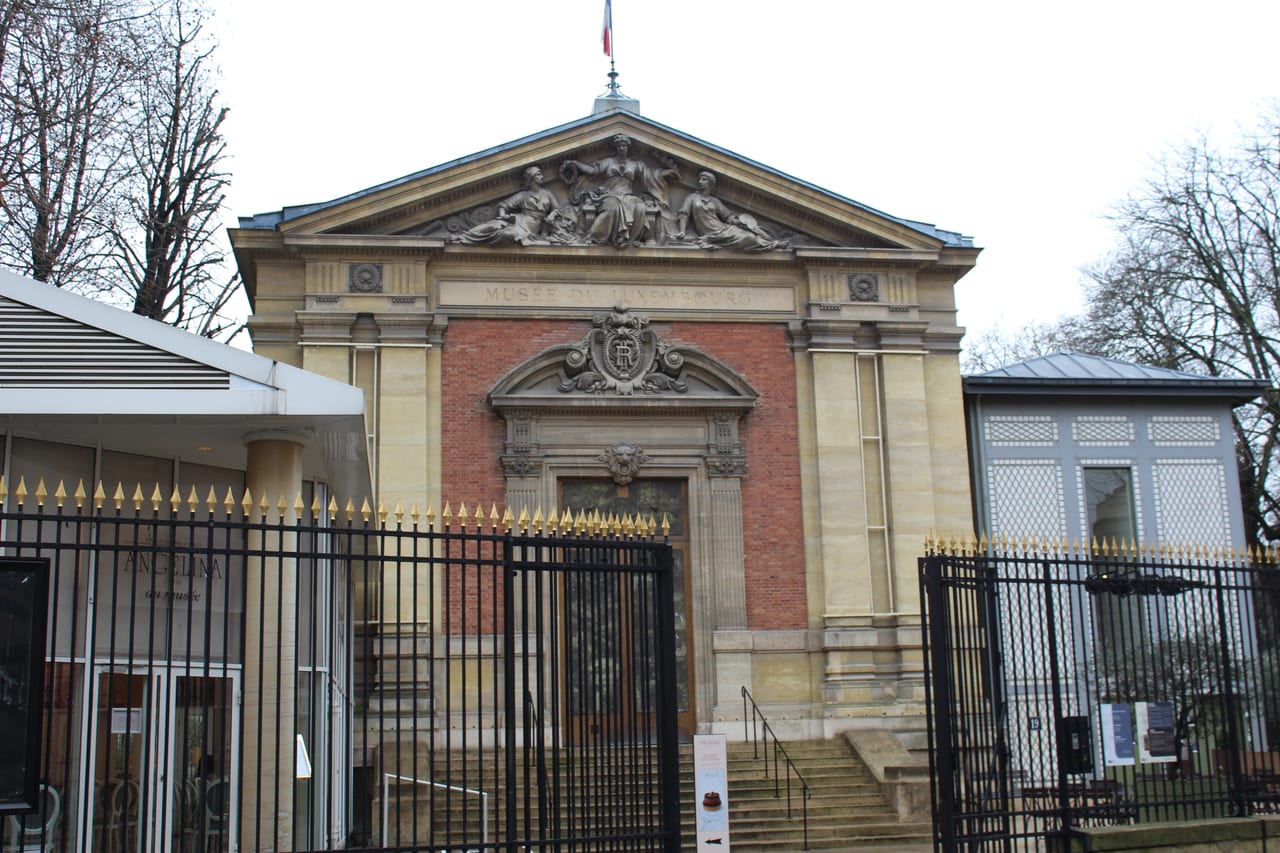
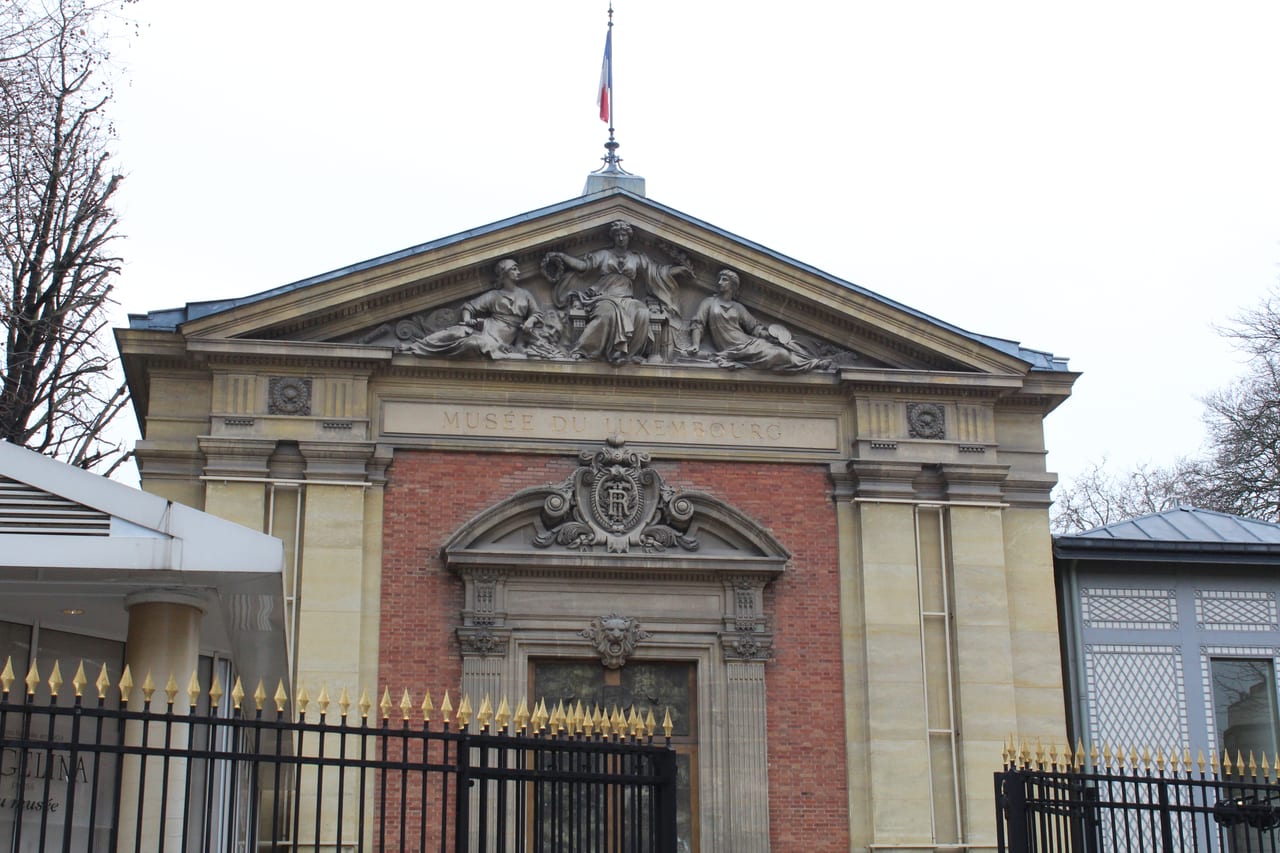
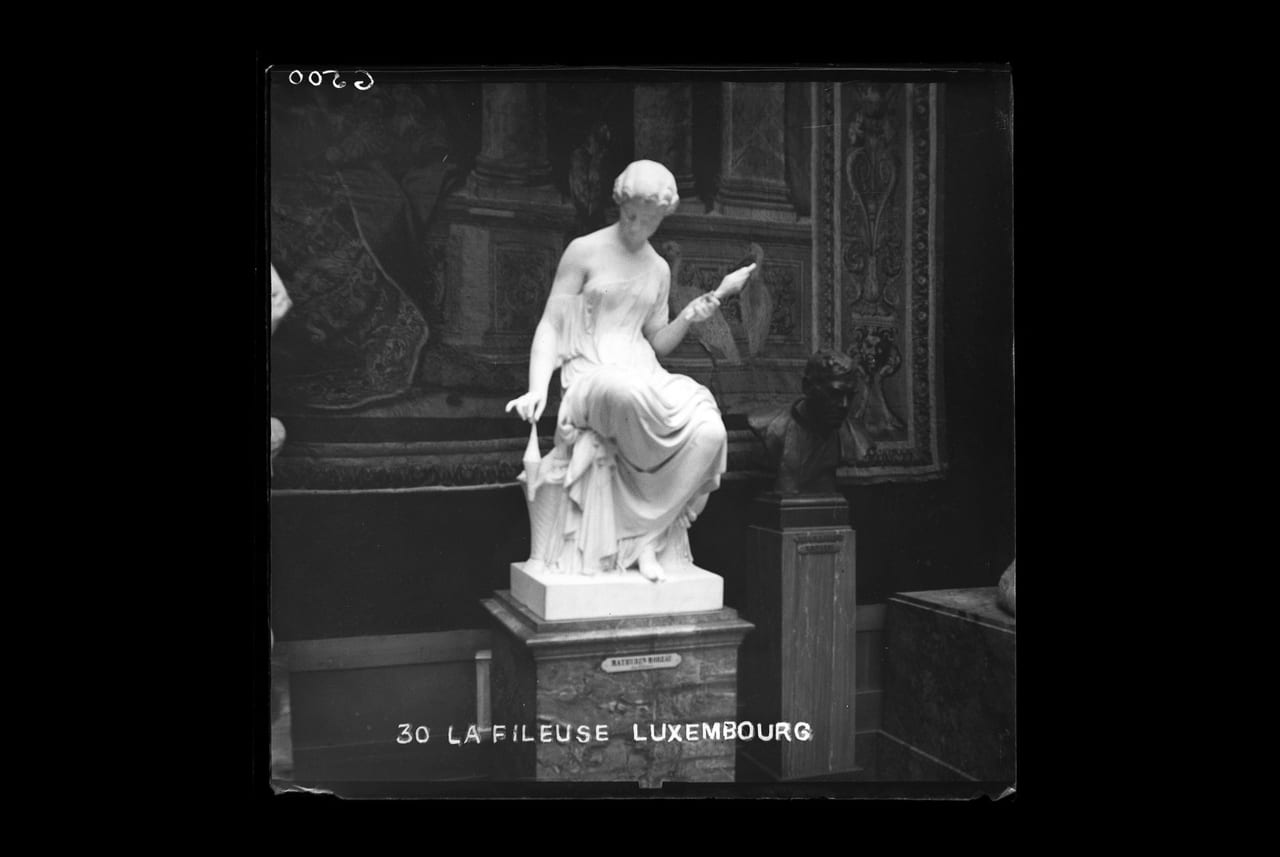
The museum’s origins lie in the royal gallery opened on 14 October 1750 in the east wing of the palace, following Étienne La Font de Saint-Yenne’s proposal to display paintings held at Versailles. Its visitors encountered works by Leonardo, Titian, Raphael, Veronese, Rembrandt, Poussin, Van Dyck and others, alongside Rubens’s cycle commissioned by Marie de Médicis. The gallery closed in 1780, and its pictures were eventually deposited at the Louvre. A second museum opened on 26 June 1803 after Joseph-Marie Vien and Interior Minister Chaptal supported its creation. Jean Naigeon became its curator; acquisitions included Jordaens’s Zodiac and works by Poussin, David, Vouet and Lesueur. During the nineteenth century, the institution shifted toward living artists, acquiring works through the Salon and gradually admitting Barbizon painters and Impressionists, including Manet, Renoir and Monet. A new wing, built perpendicular to the orangery, opened on 1 April 1886. The museum was replaced in 1937 by the Palais des musées d’art moderne, then reopened for exhibitions from 1976. Since 2000, the Senate has overseen it; its programme from 2010 centres on Renaissance Europe, art and power, and the palace, garden and museum.
At a glance
- Built
- 1750
Ways to explore Luxembourg Museum
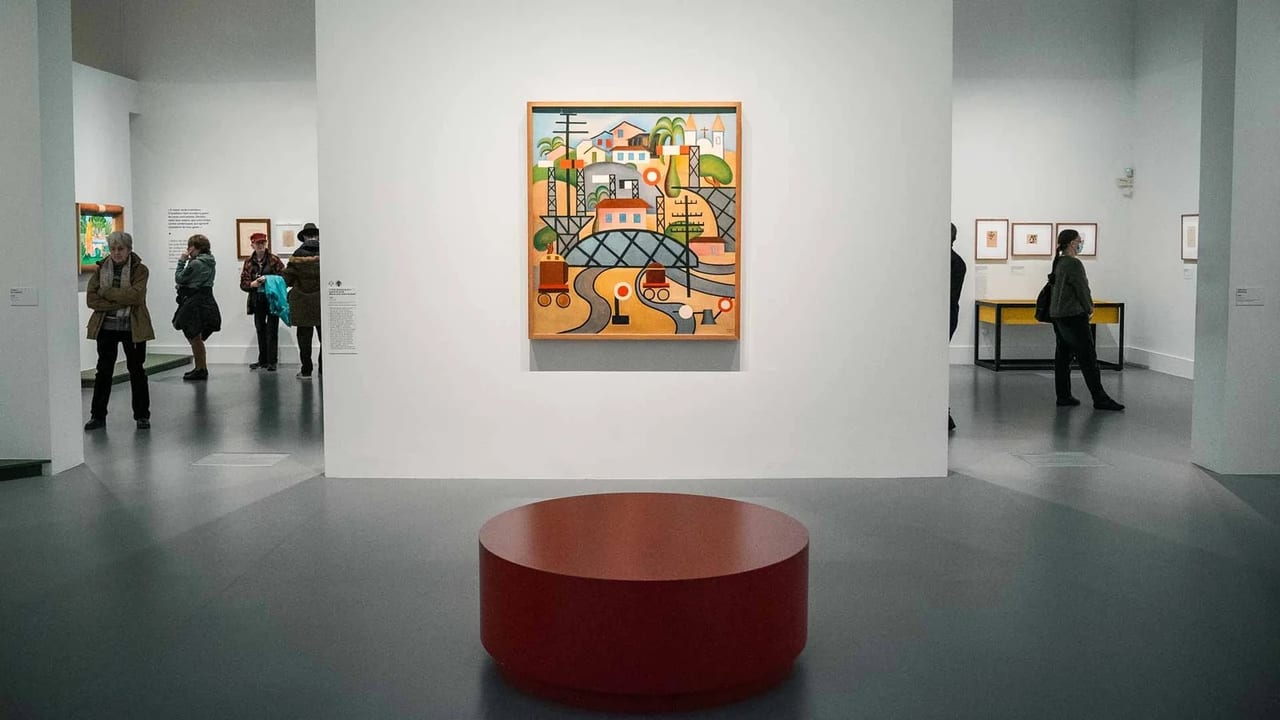
Enter from rue de Vaugirard and note the museum’s position at the north-western edge of the Jardin du Luxembourg, with the orangery immediately south and the Jardin du Petit Luxembourg to the east. Pair an exhibition visit with the surrounding garden rather than treating the galleries in isolation. Check the current programme for its emphasis on Renaissance Europe, art and power, or the relationship between the palace, garden and museum; the institution presents changing thematic exhibitions rather than a permanent collection.
Places to stay near Luxembourg Museum
Live availability and prices from Stay22's partners, refreshed periodically and subject to change. Booking through these links may earn us a commission at no extra cost to you. See our privacy policy.
Cafés near Luxembourg Museum
Cafés near Luxembourg Museum loads as you scroll.
Attractions nearby
Attractions near Luxembourg Museum loads as you scroll.
Cities nearby
Cities nearby loads as you scroll.
More in Paris
See more of Paris.
Find great cafés, places to stay and other interesting places to visit in Paris.