Church · Paris
Grand Mosque of Paris
DirectionsDuring the German occupation, the mosque’s underground spaces were used to shelter Jewish families and assist resistance networks, linking its architecture to a perilous wartime history.
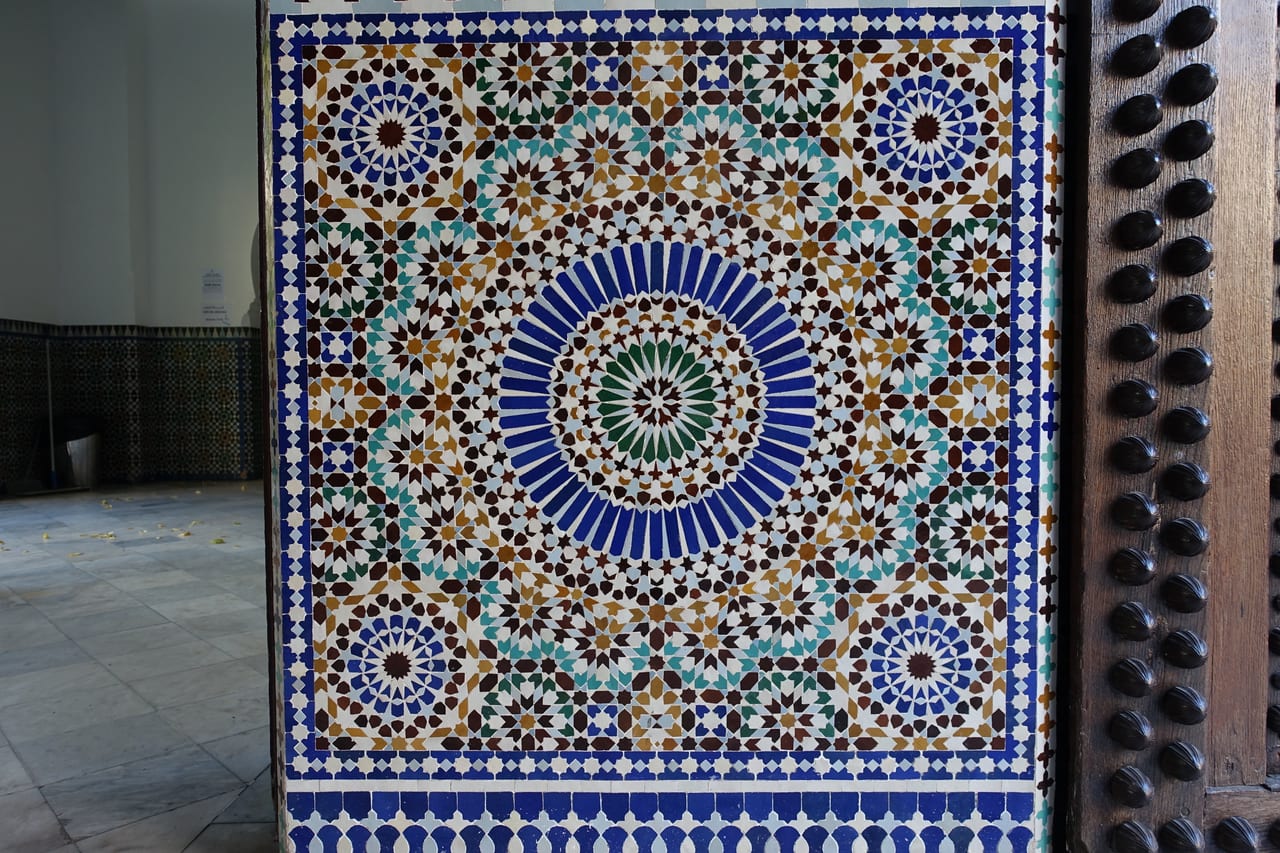
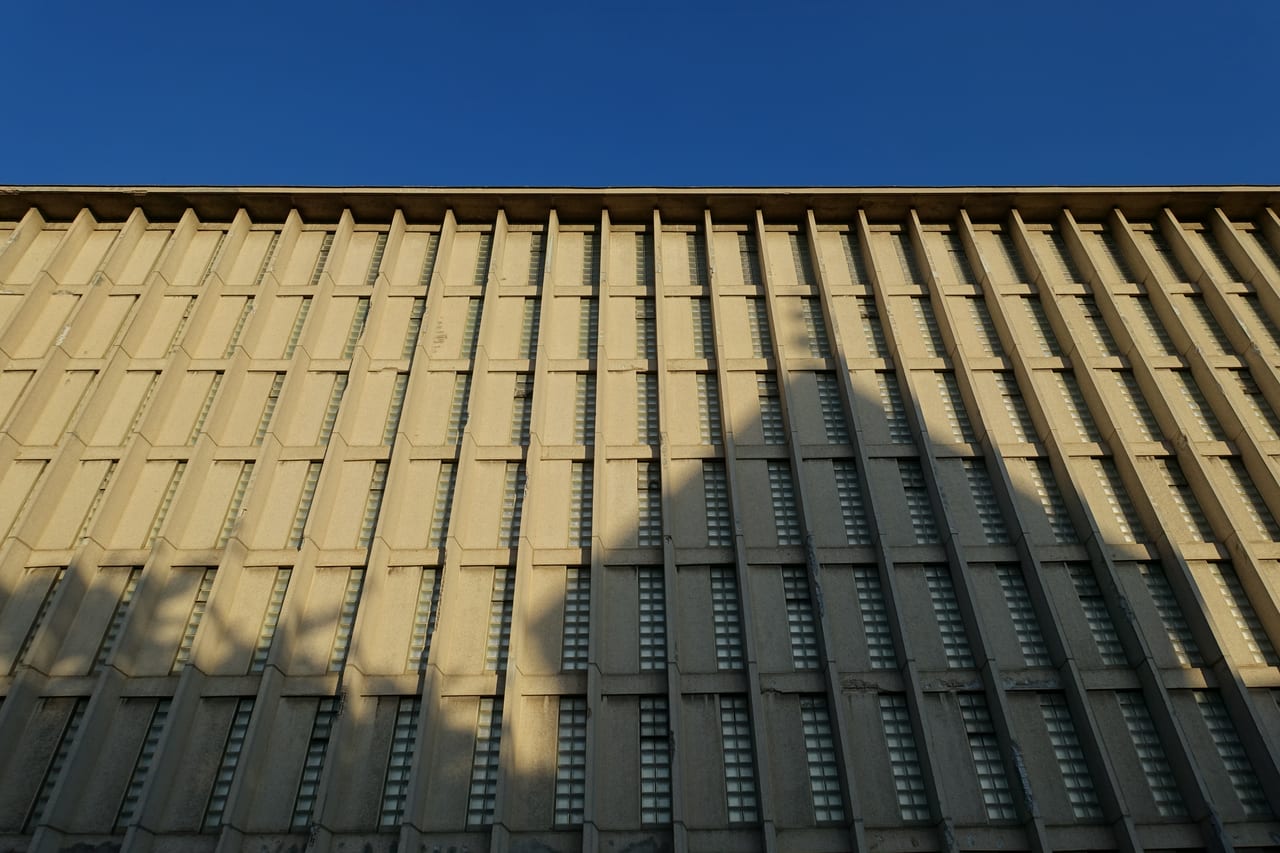
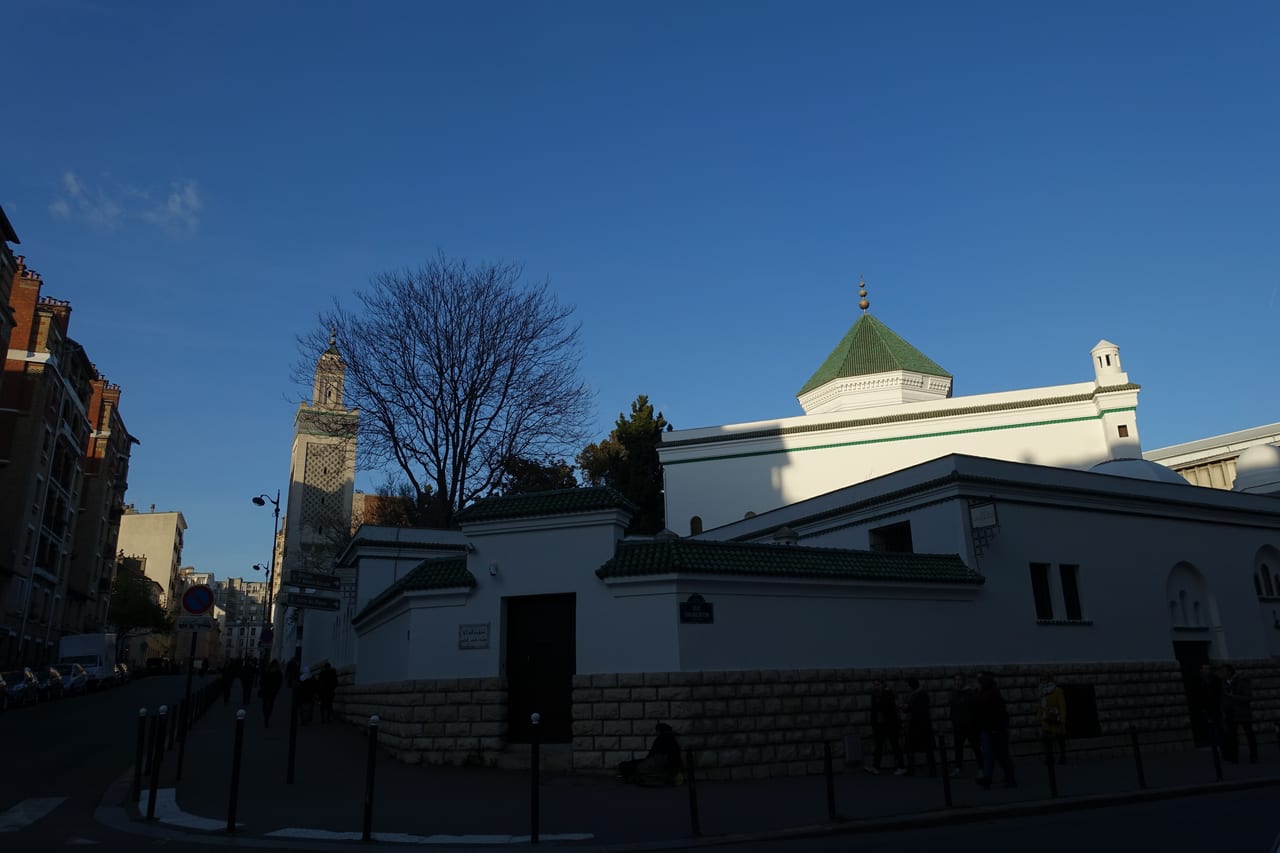
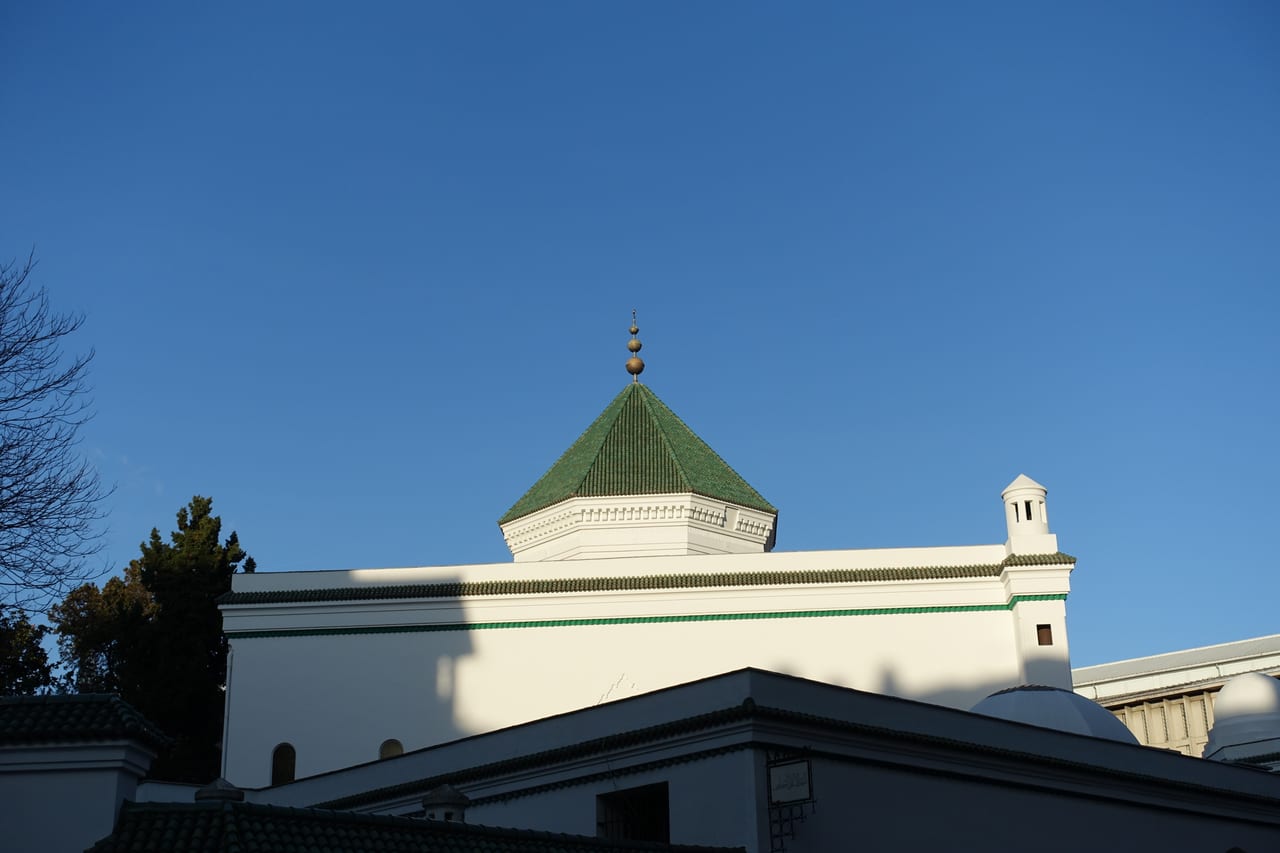
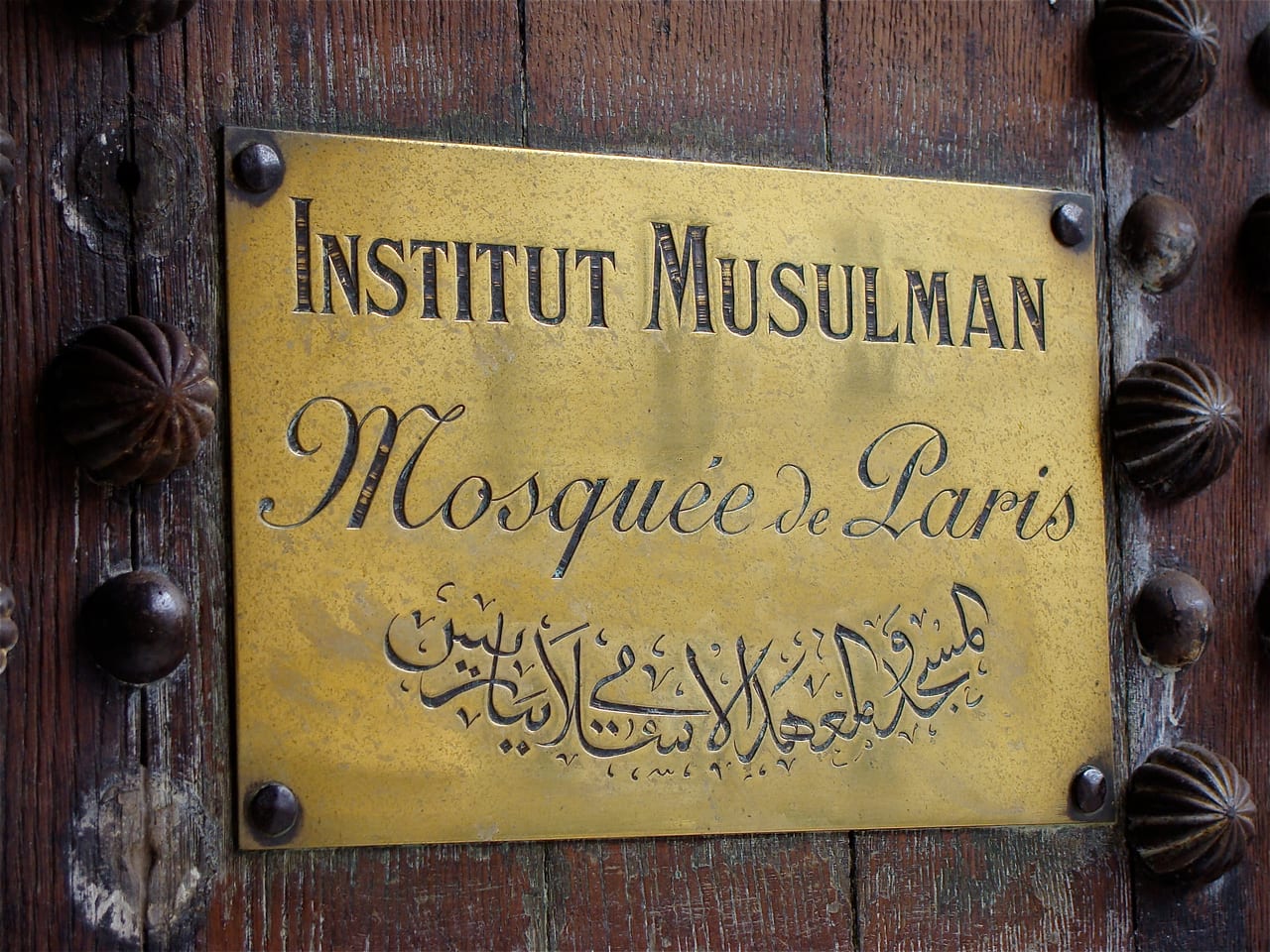
Photograph 1 of 25 of Grand Mosque of Paris
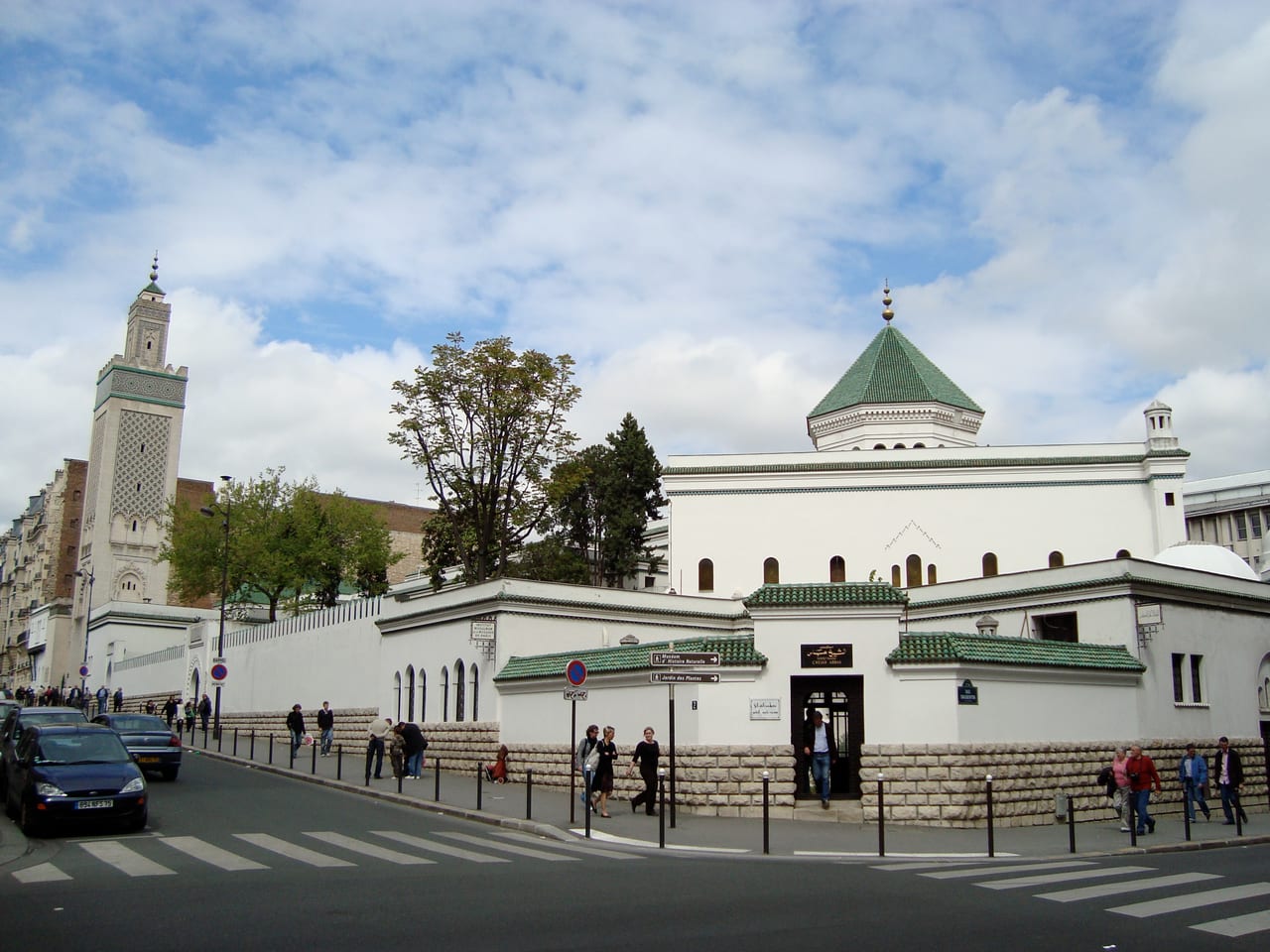
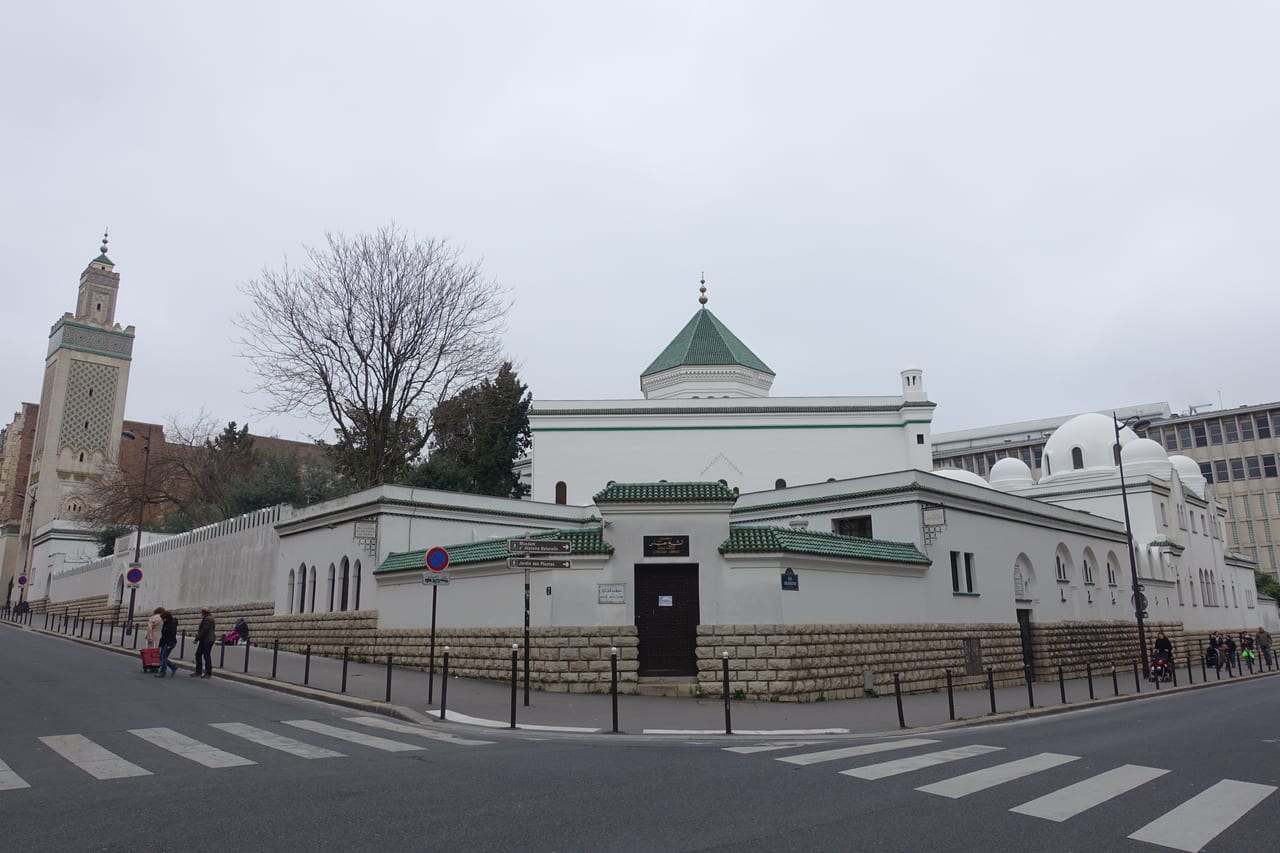
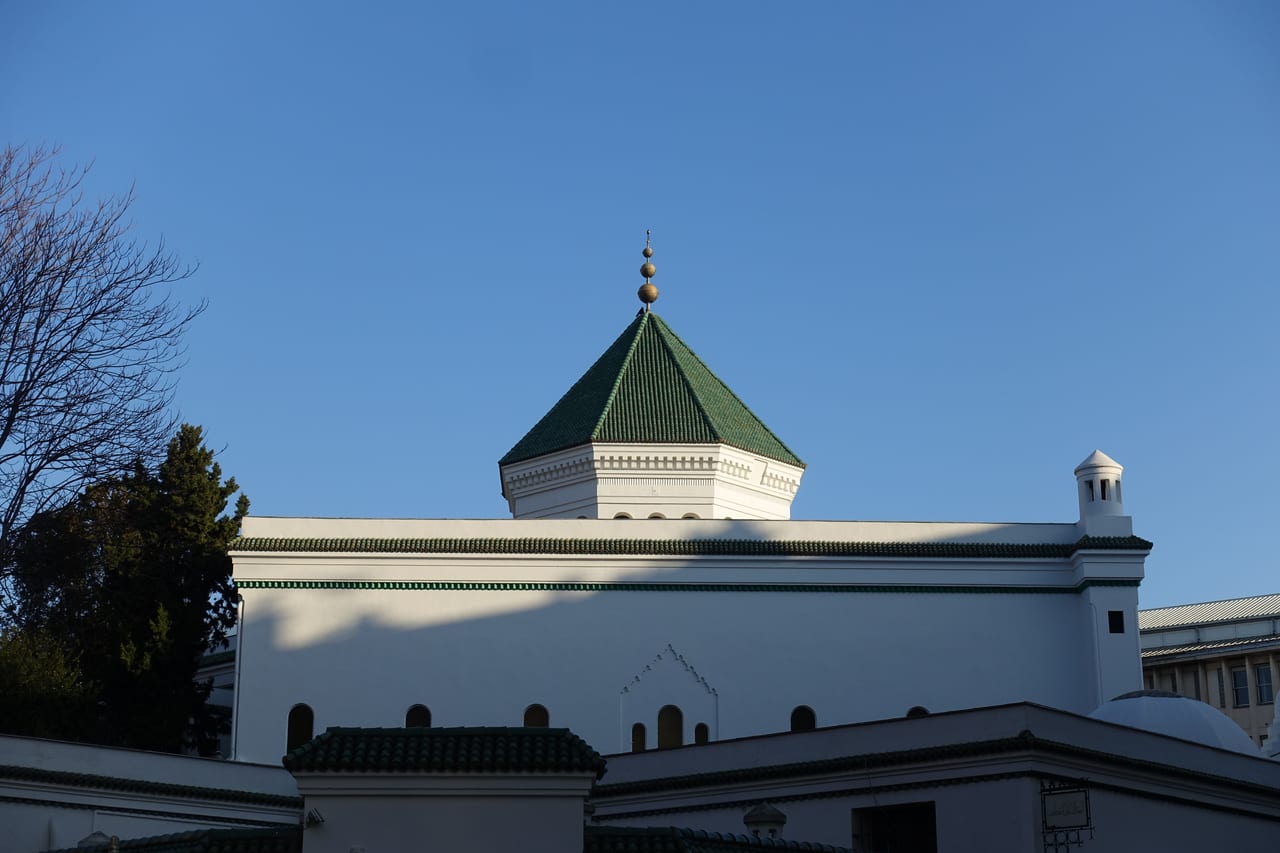
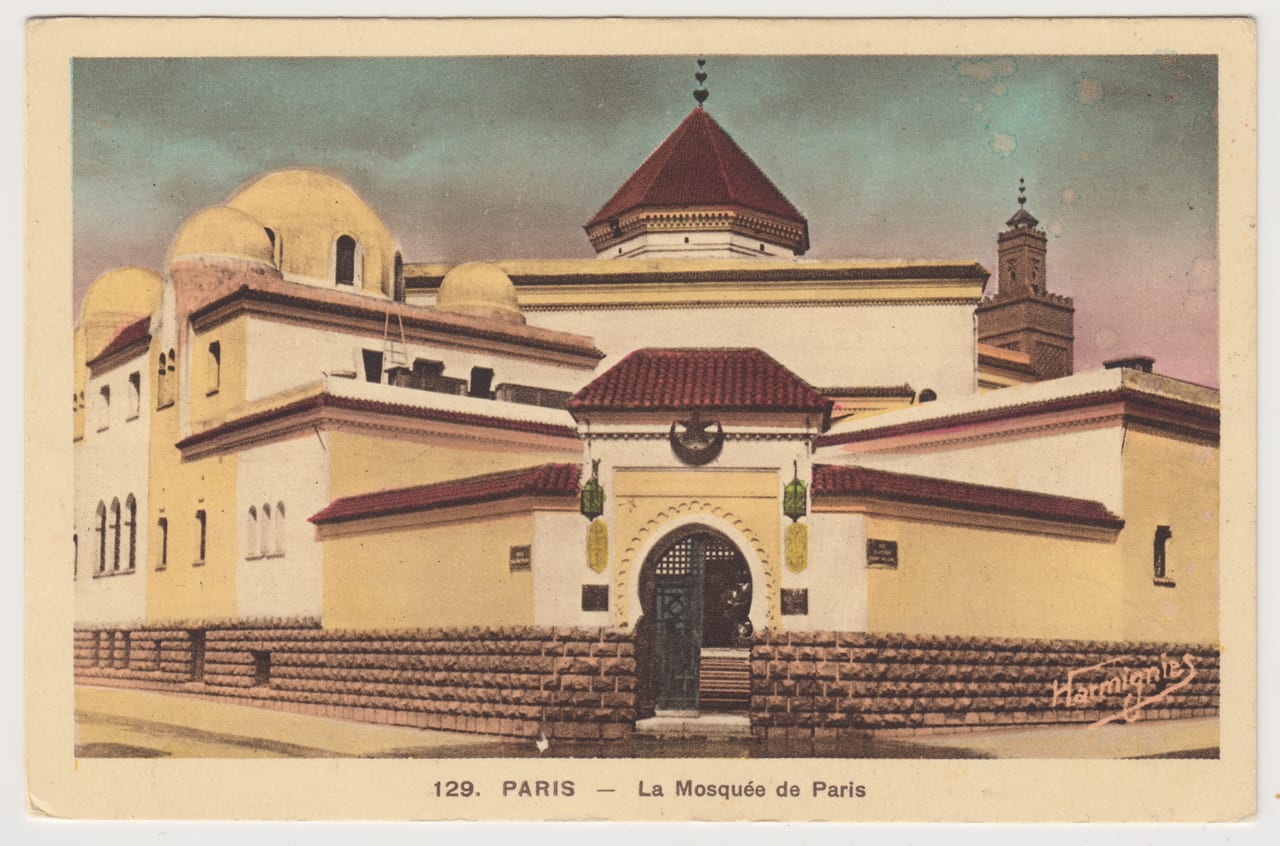
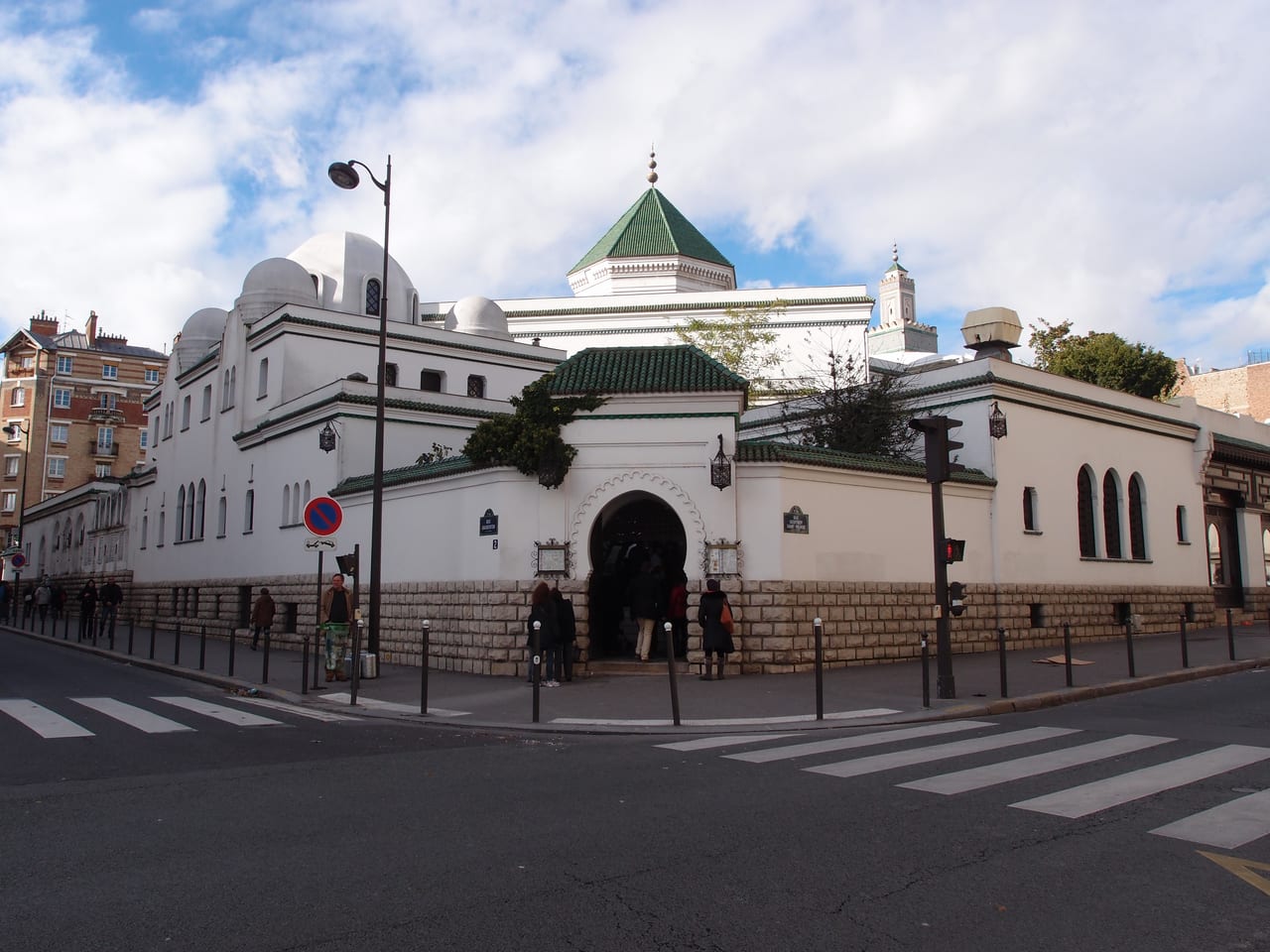
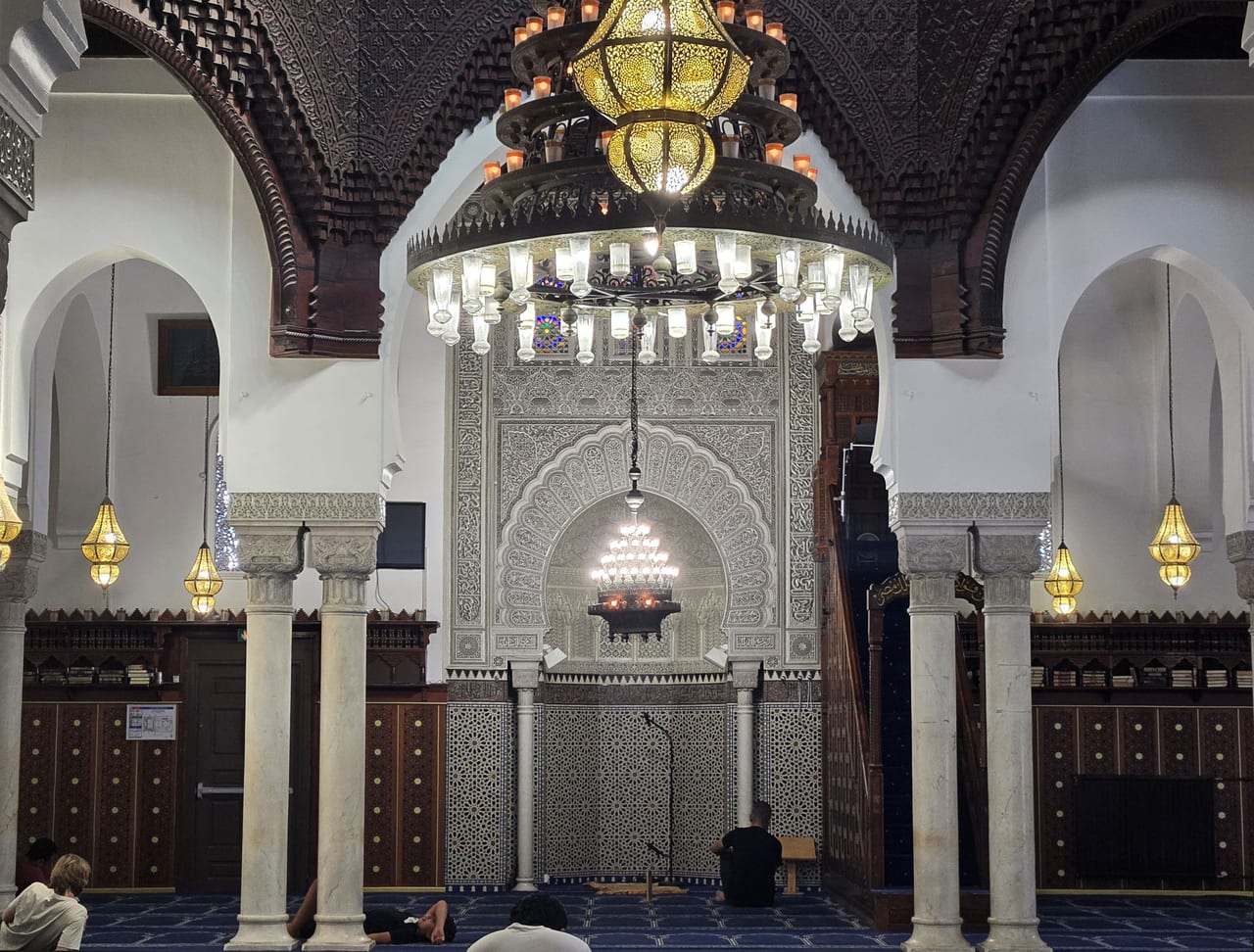
The project emerged after the First World War as a memorial to the tens of thousands of Muslim soldiers who fought for France, while also serving France’s colonial and diplomatic ambitions. Earlier proposals had failed, including schemes discussed in 1842, 1895 and 1914; a temporary wooden mosque at the Bois de Vincennes, inaugurated in 1916, was demolished in 1926. The Société des habous et lieux saints de l’islam was entrusted with construction and administration. The first stone was laid on 19 October 1922, and the building was completed to plans by Maurice Tranchant de Lunel, with work by Robert Fournez, Maurice Mantout, and Charles Heubès. Moulay Youssef and Gaston Doumergue attended, and Fouad I of Egypt presented its minbar in 1929. The mosque became a symbolic institution for Islam in France. The Institut Al-Ghazali opened in 1993, a removable roof was added over the patio in 2011, and the complex is listed as a monument historique.
At a glance
- Built
- 1926
- Architect
- Maurice Tranchant de Lunel
- Style
- Moorish architecture
- Heritage
- monument historique inscrit
Ways to explore Grand Mosque of Paris
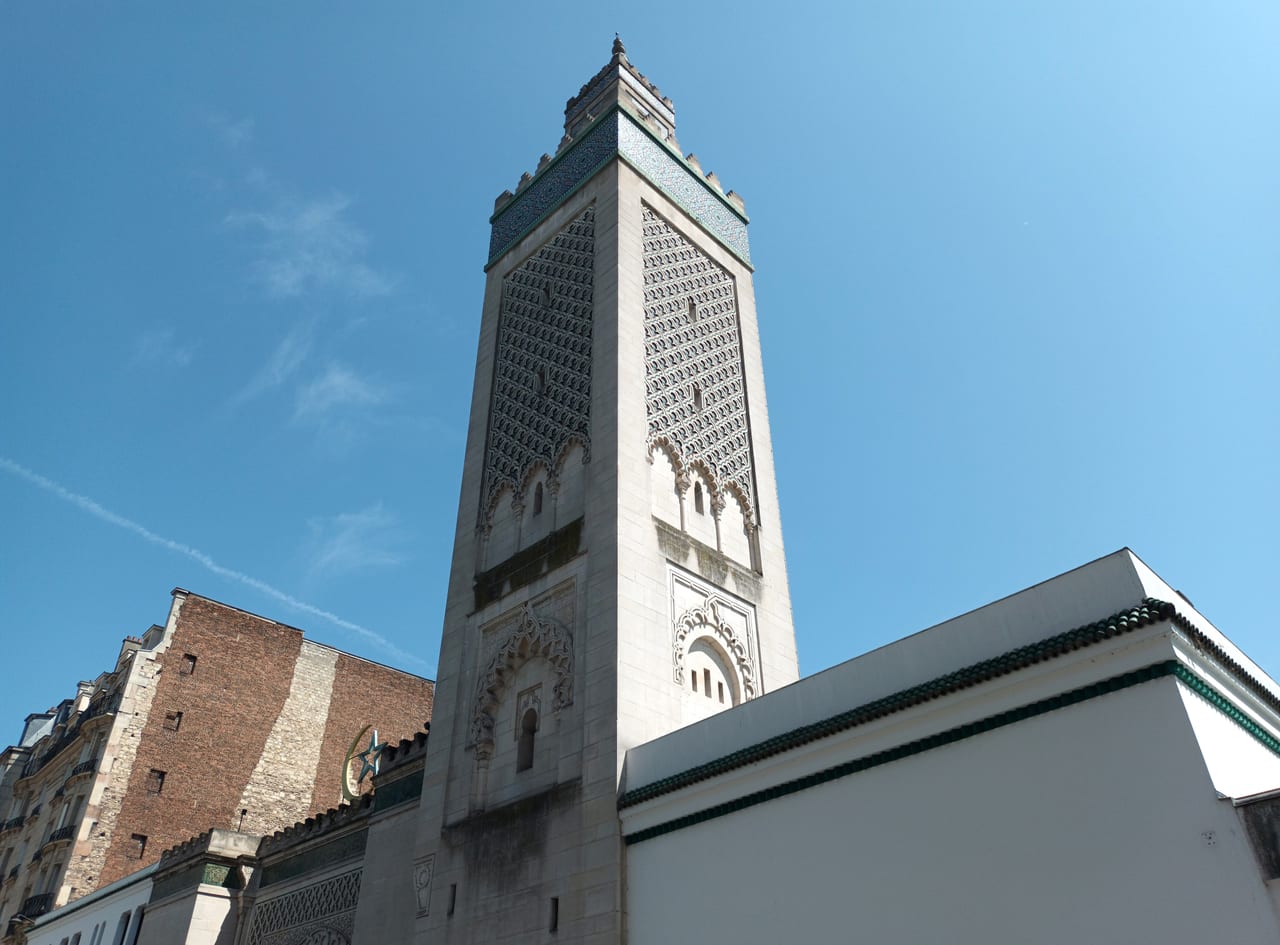
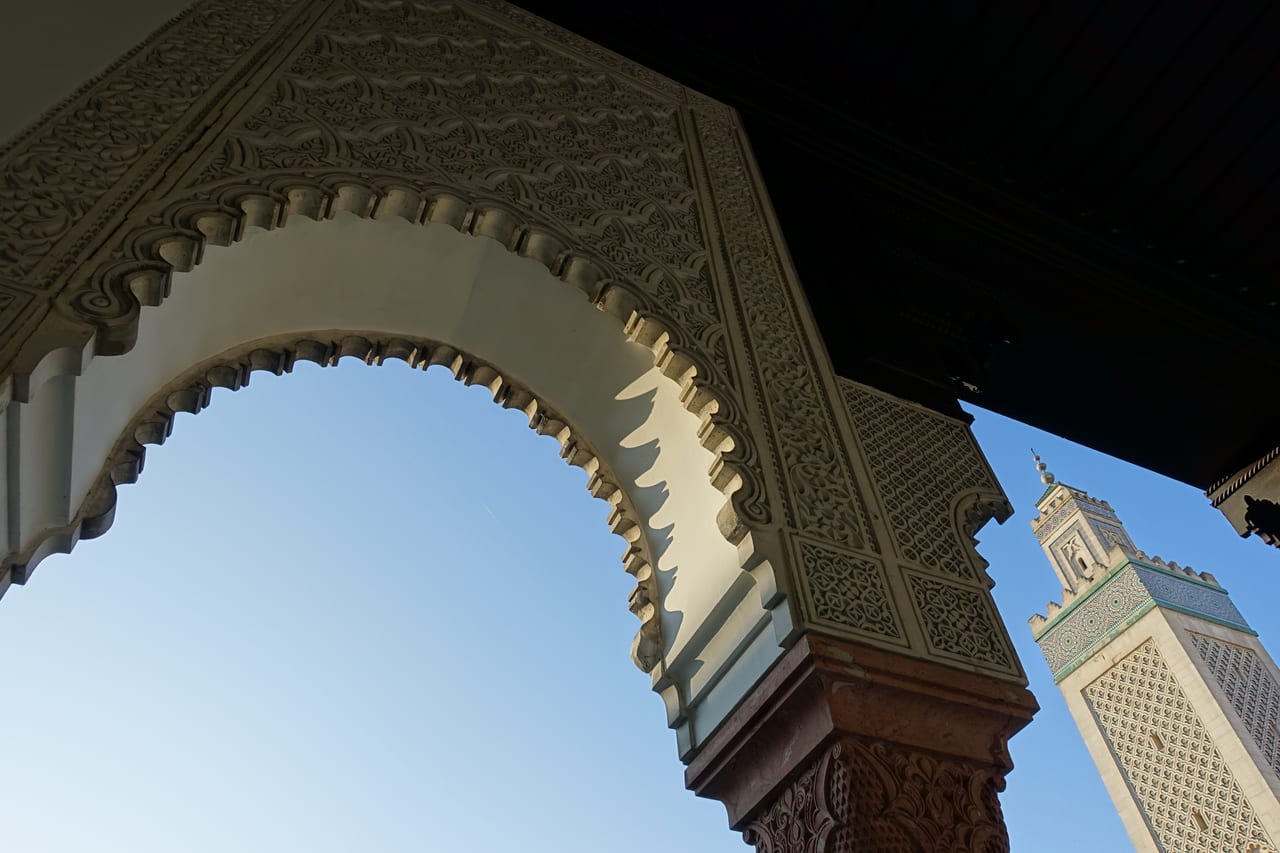
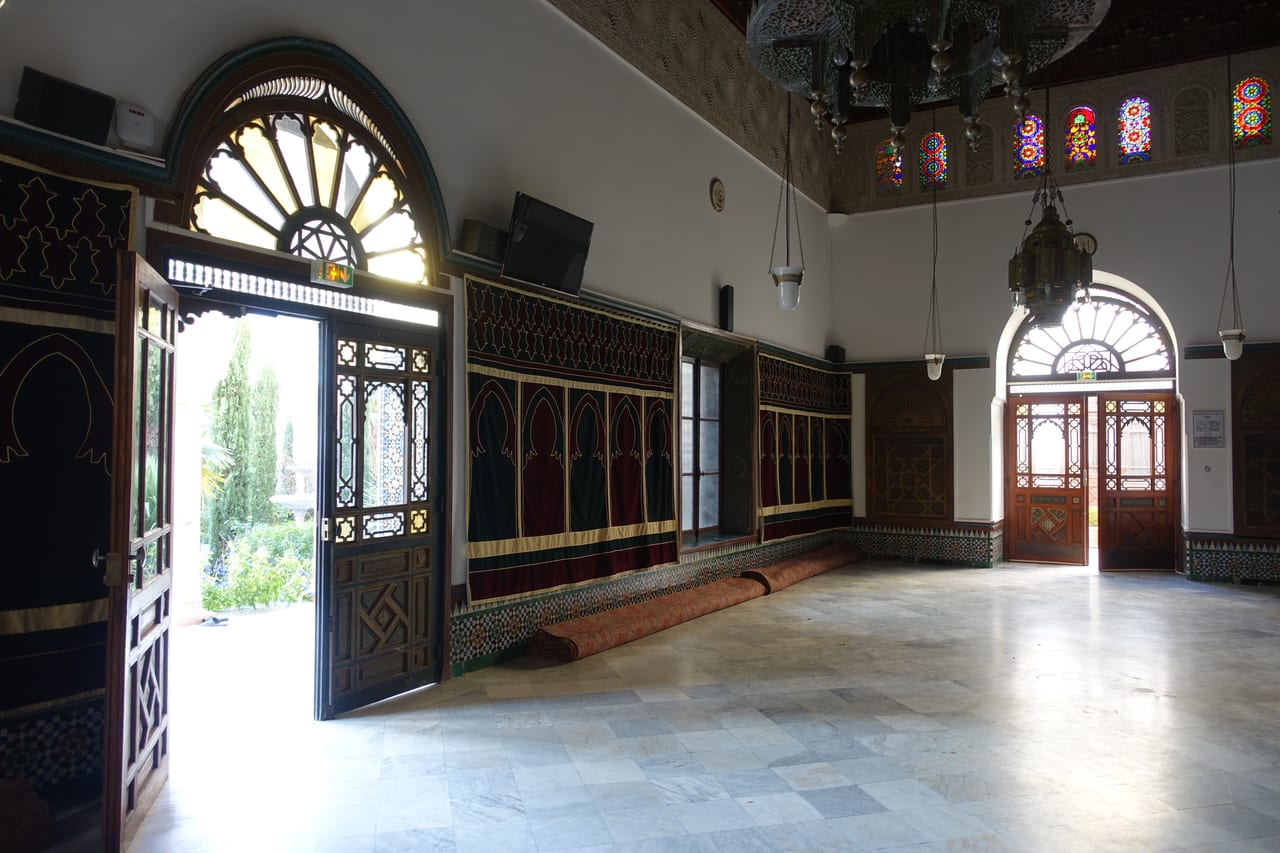
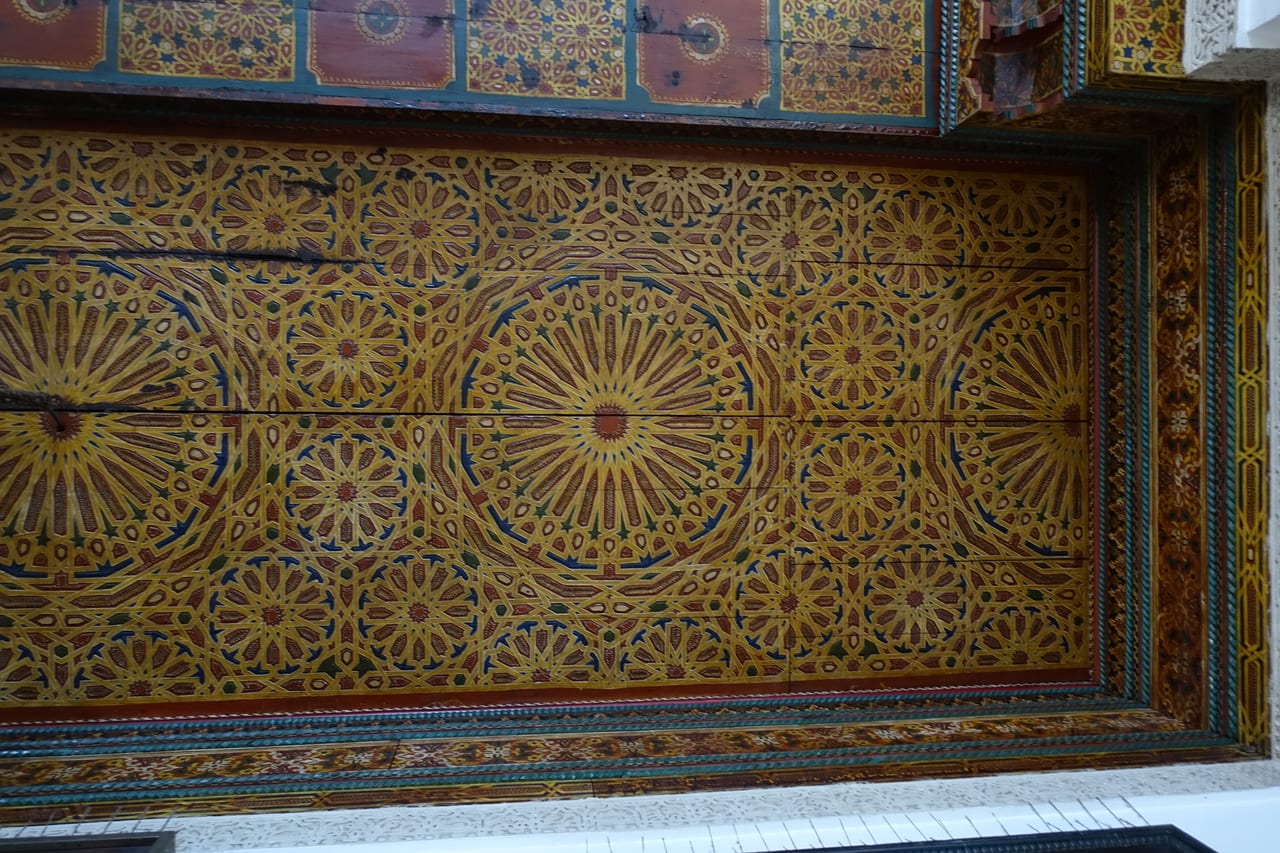
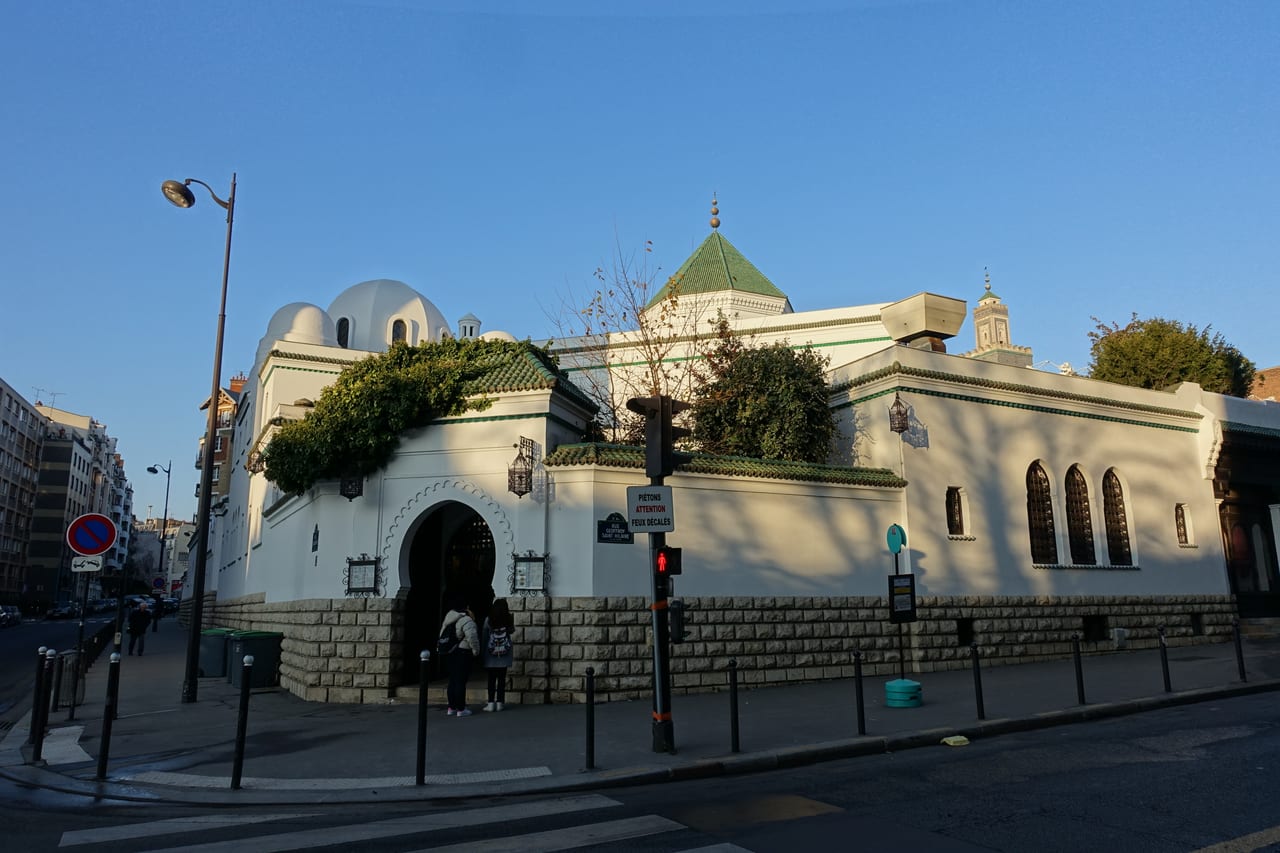
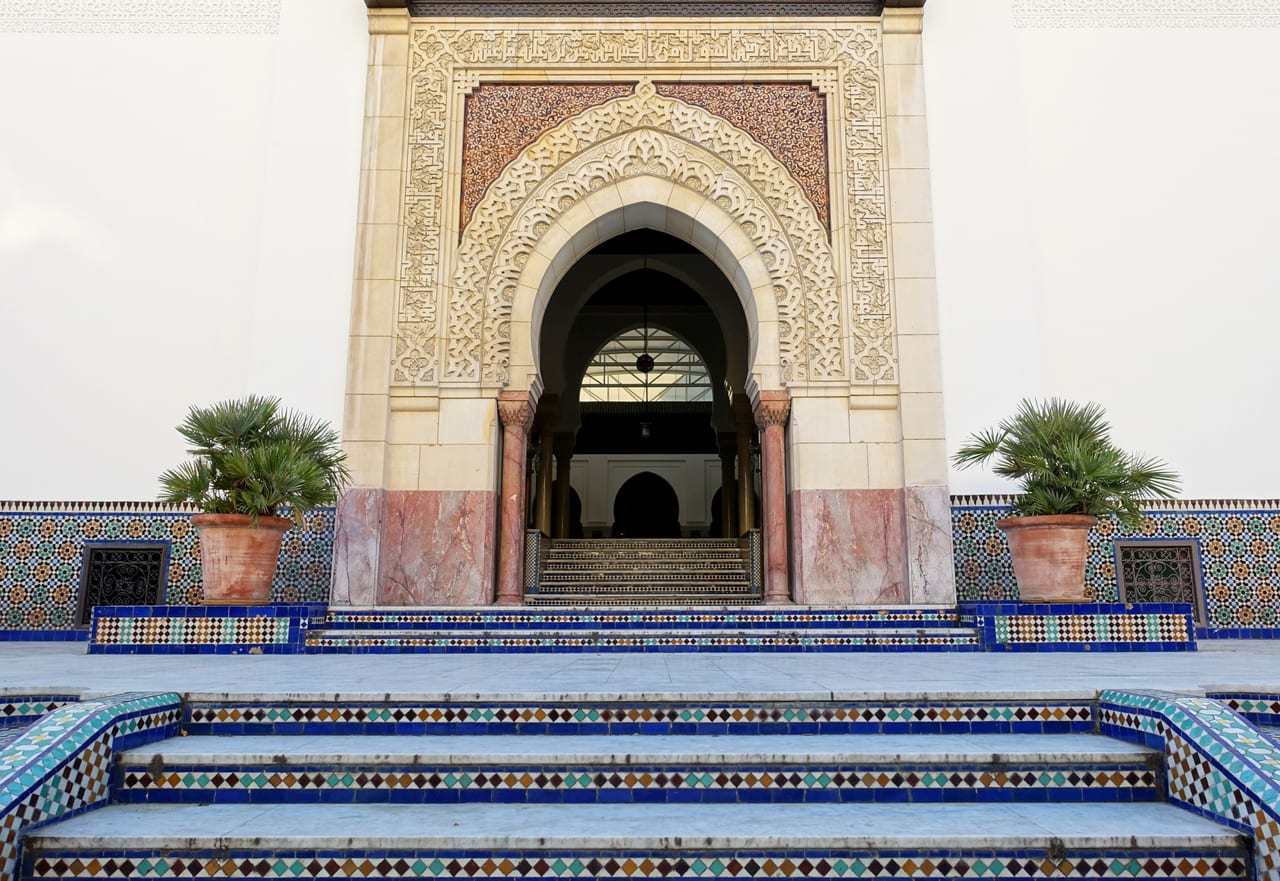
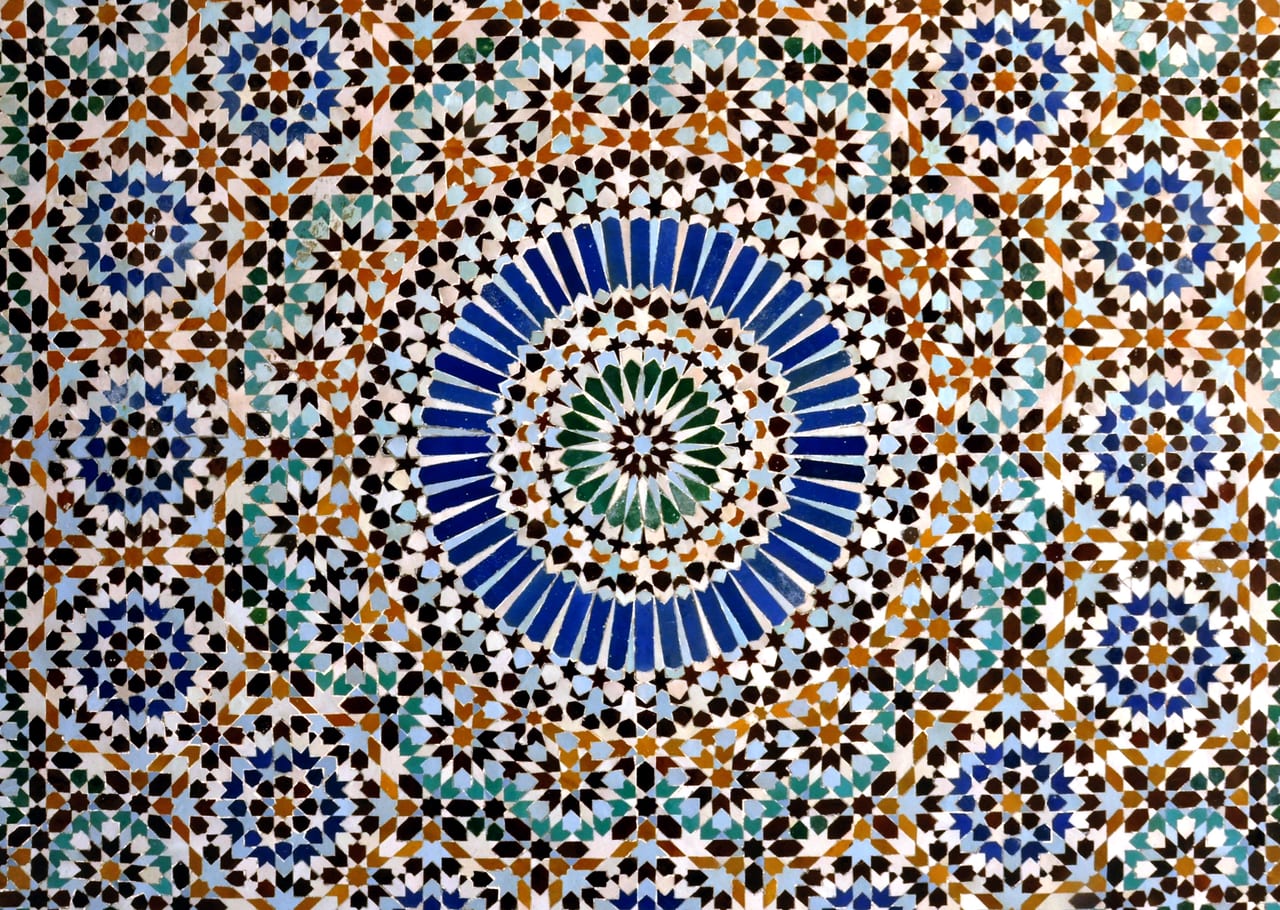
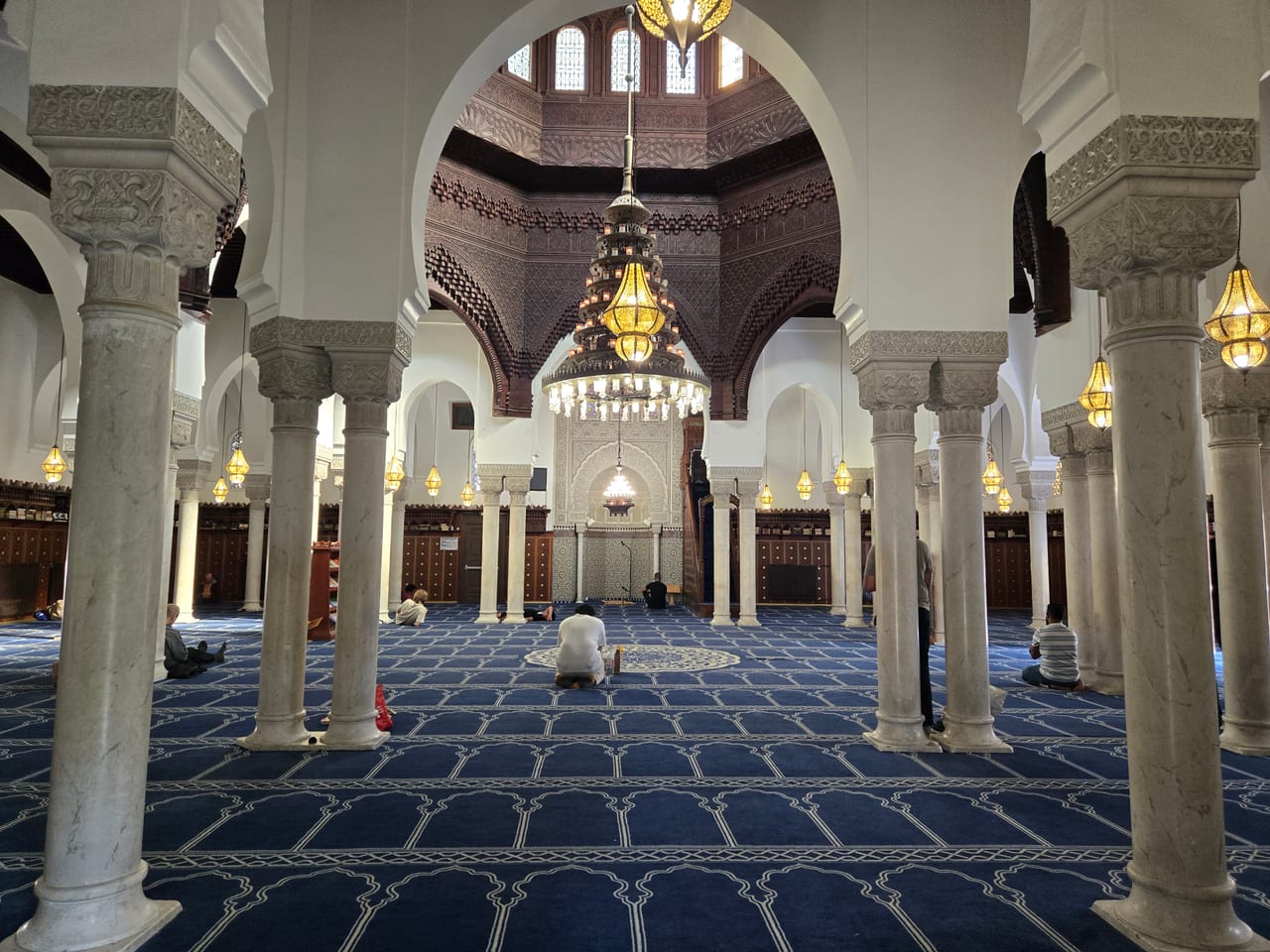
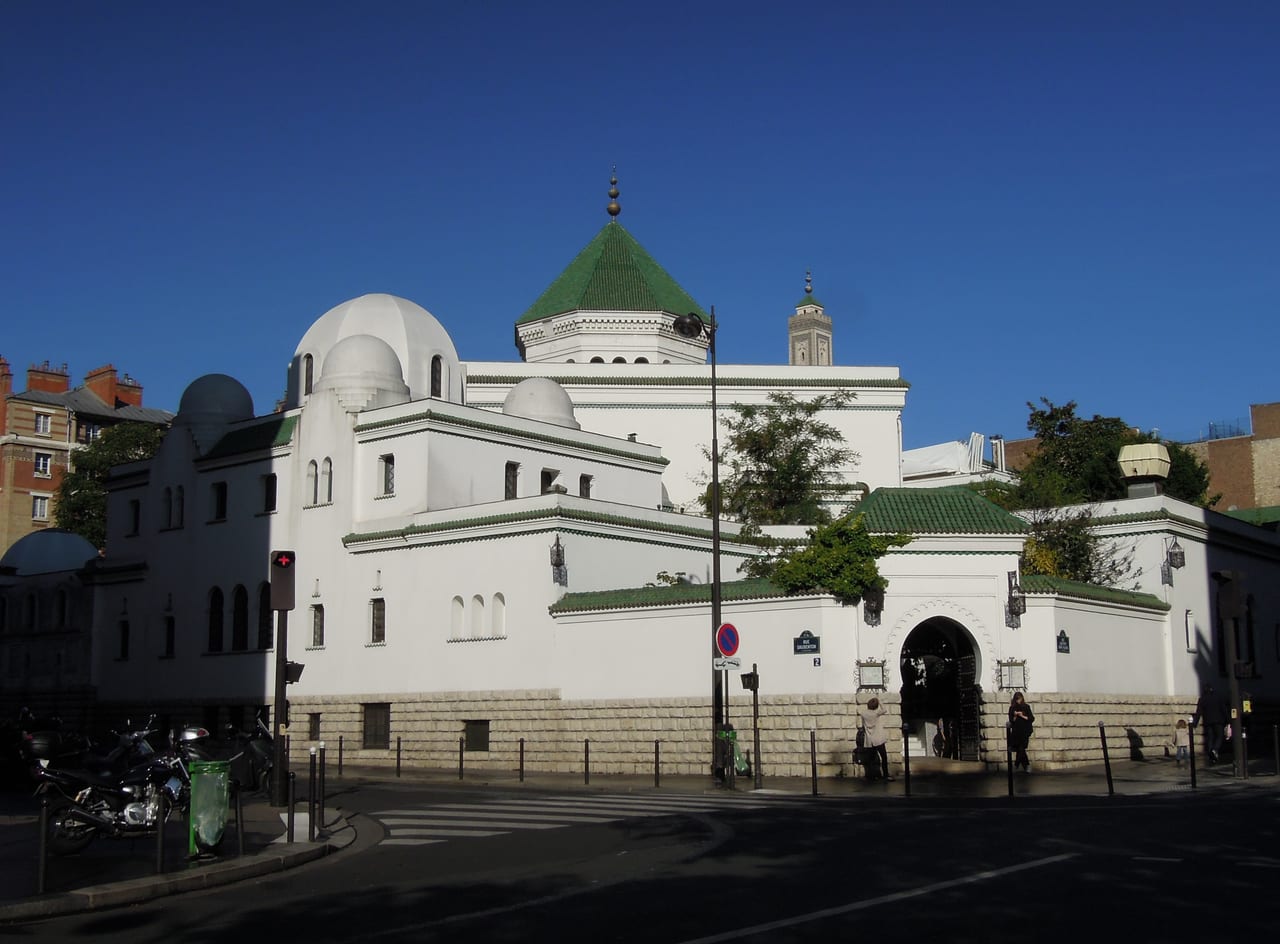
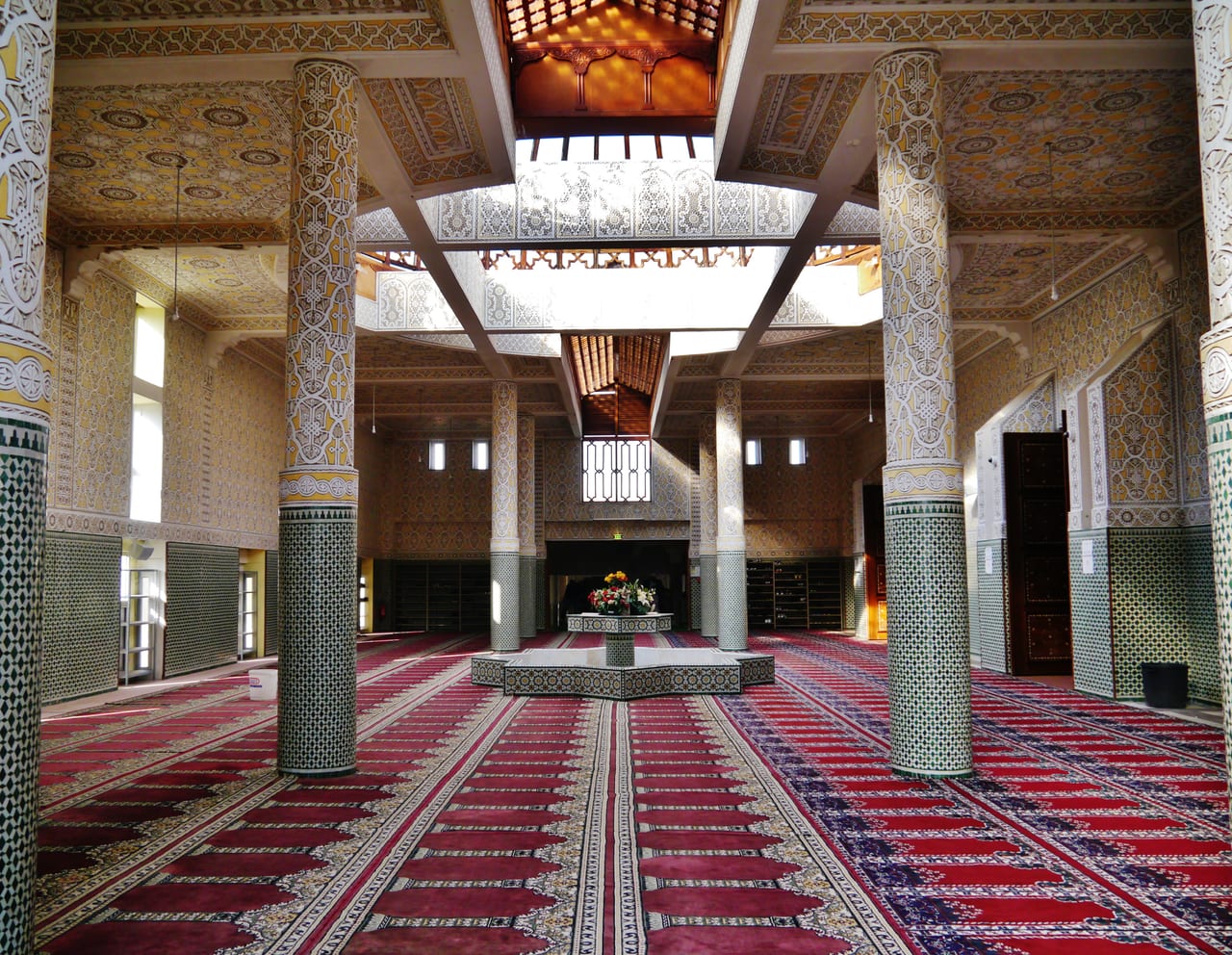
Study the Hispano-Moorish exterior and the 33-metre minaret before entering the grand patio. In the prayer hall, look for the minbar presented by Fouad I of Egypt in 1929, still in use. The patio’s removable roof, installed in 2011, is a notable later intervention. Pay attention to the relationship between the prayer space, patio, and minaret rather than treating them as separate elements; together they reveal the building’s carefully composed Islamic architectural vocabulary.
Places to stay near Grand Mosque of Paris
Live availability and prices from Stay22's partners, refreshed periodically and subject to change. Booking through these links may earn us a commission at no extra cost to you. See our privacy policy.
Cafés near Grand Mosque of Paris
Cafés near Grand Mosque of Paris loads as you scroll.
Attractions nearby
Attractions near Grand Mosque of Paris loads as you scroll.
Cities nearby
Cities nearby loads as you scroll.
More in Paris
See more of Paris.
Find great cafés, places to stay and other interesting places to visit in Paris.