Fountain · Paris
fontaine de l'Observatoire
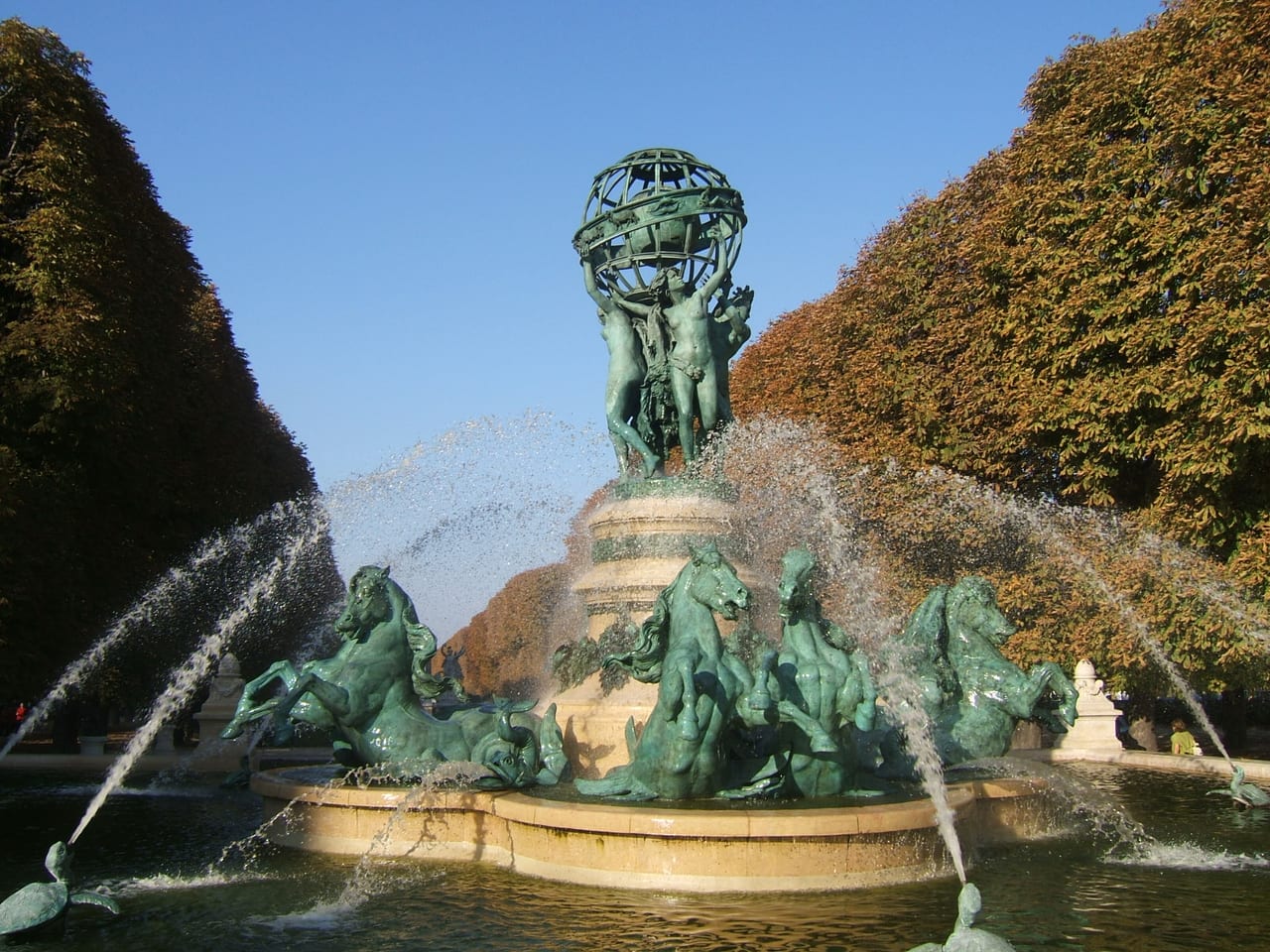
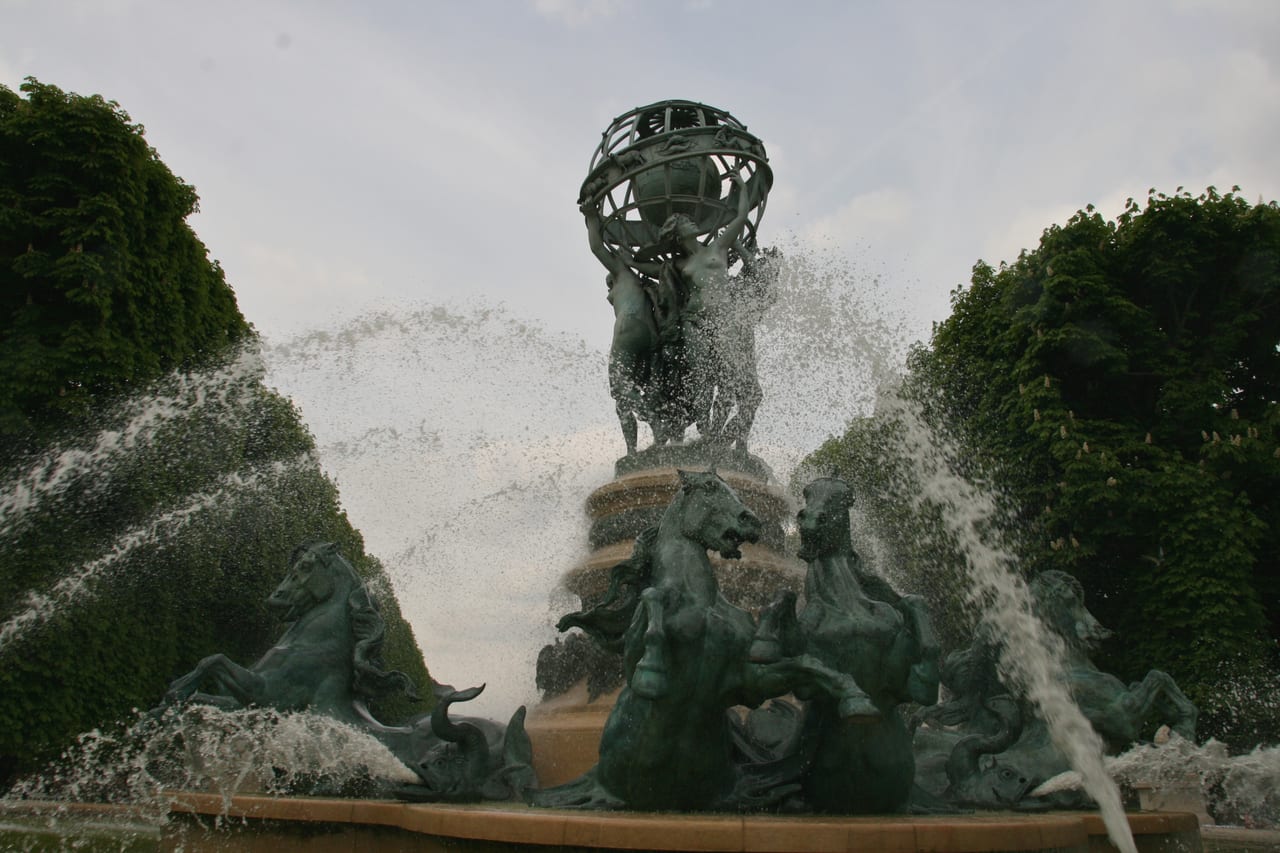
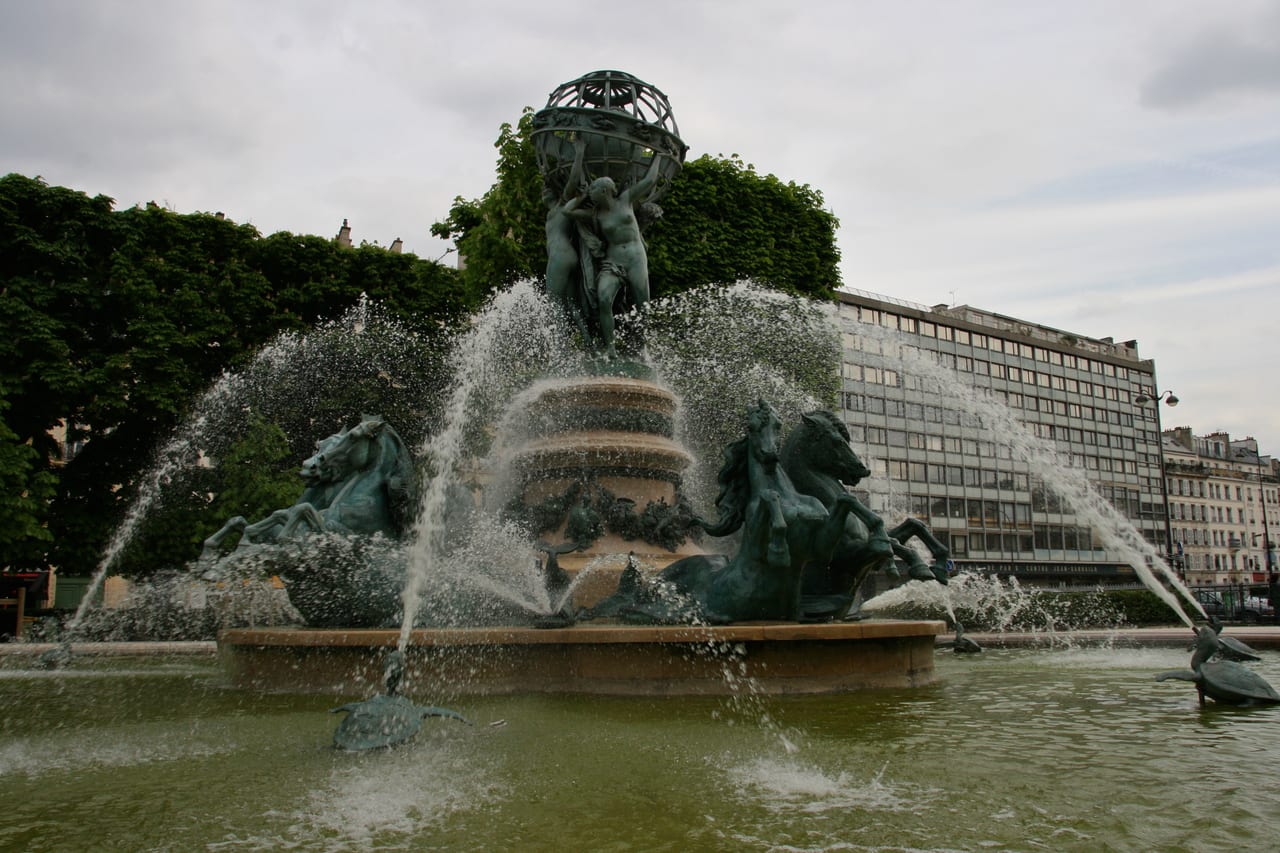
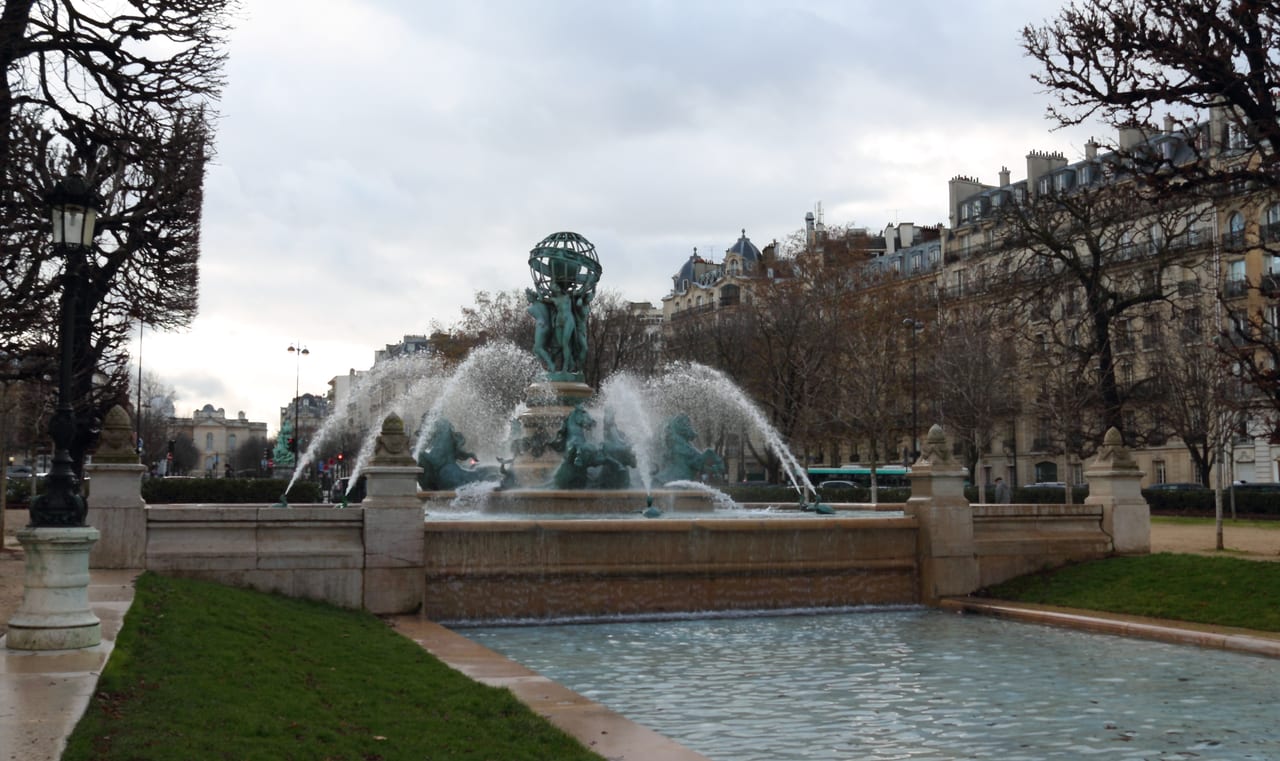
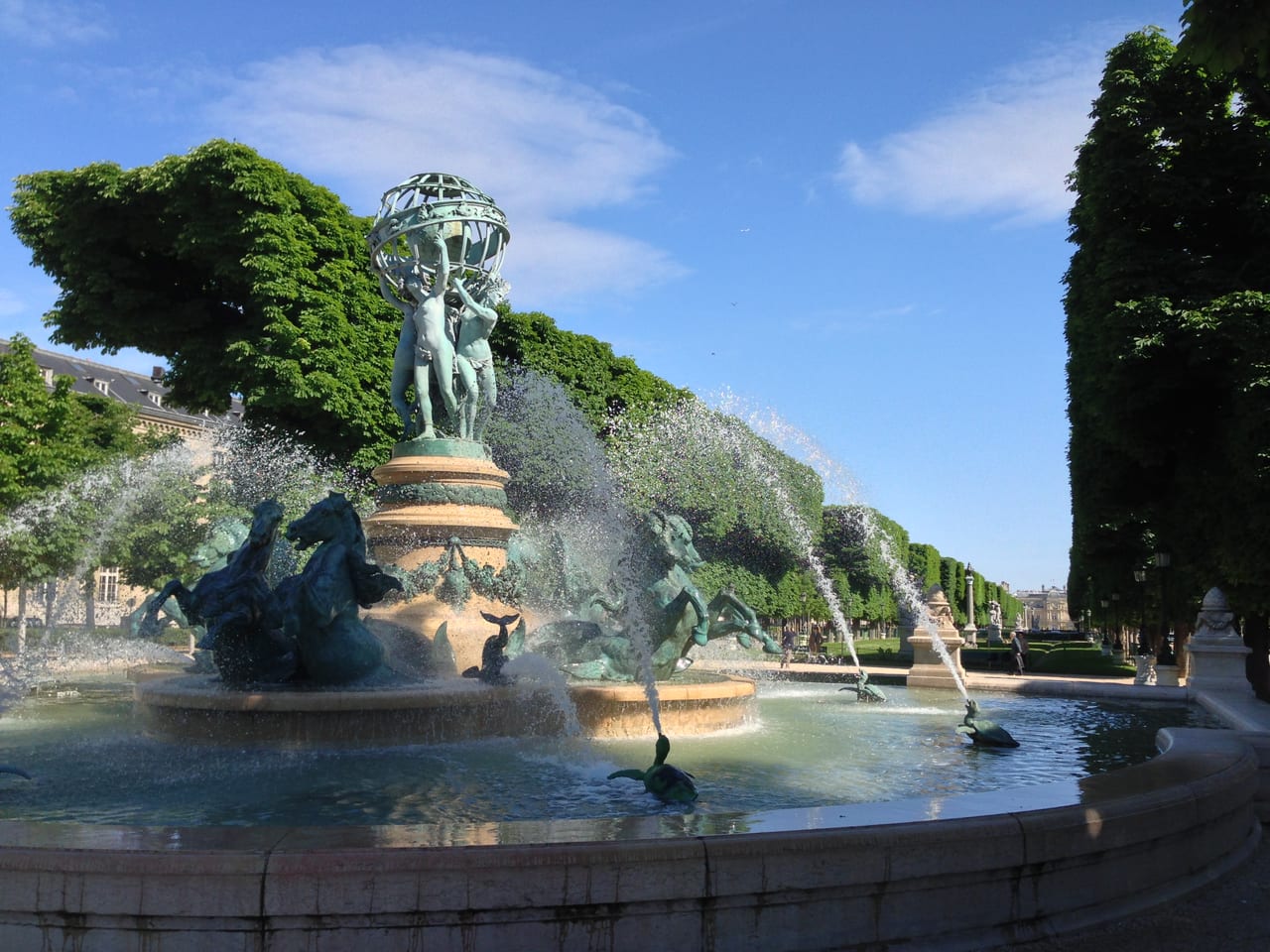
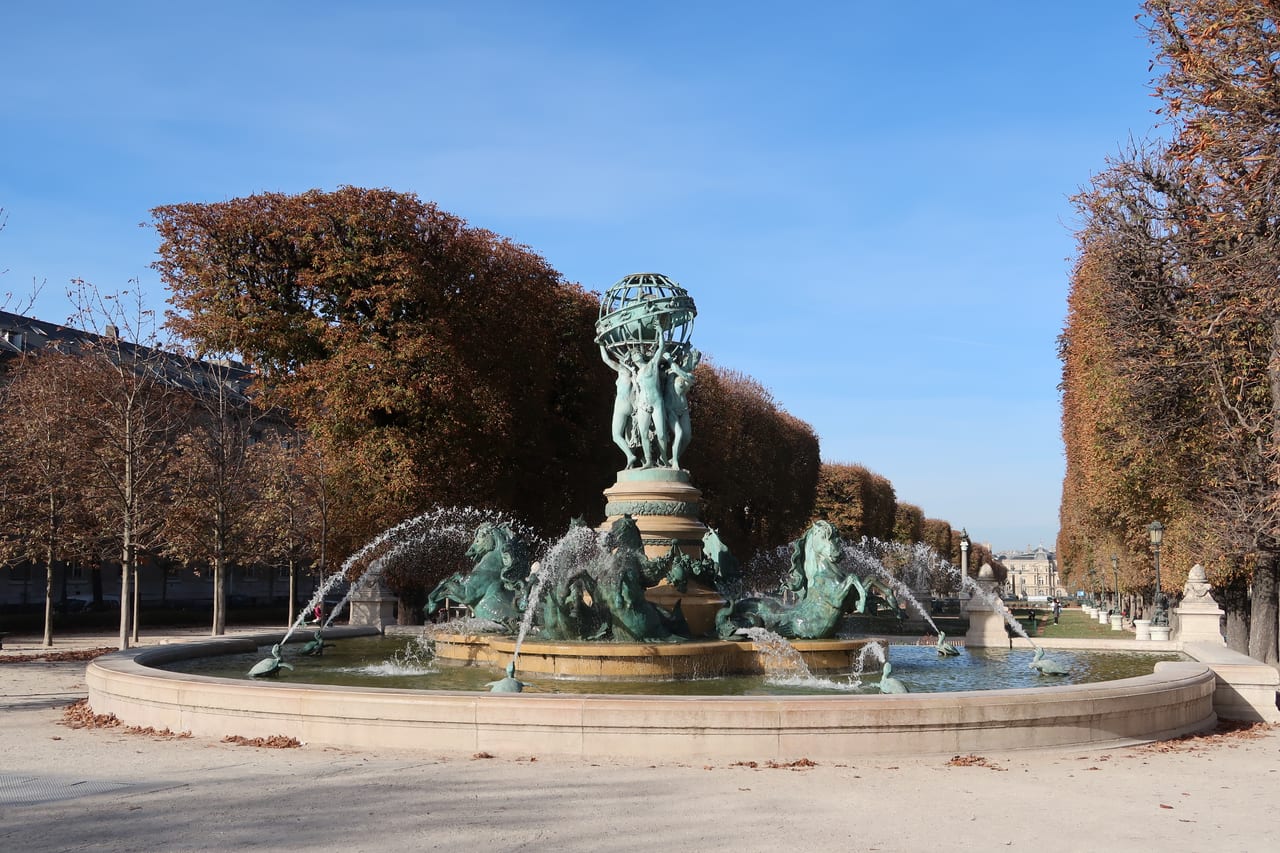
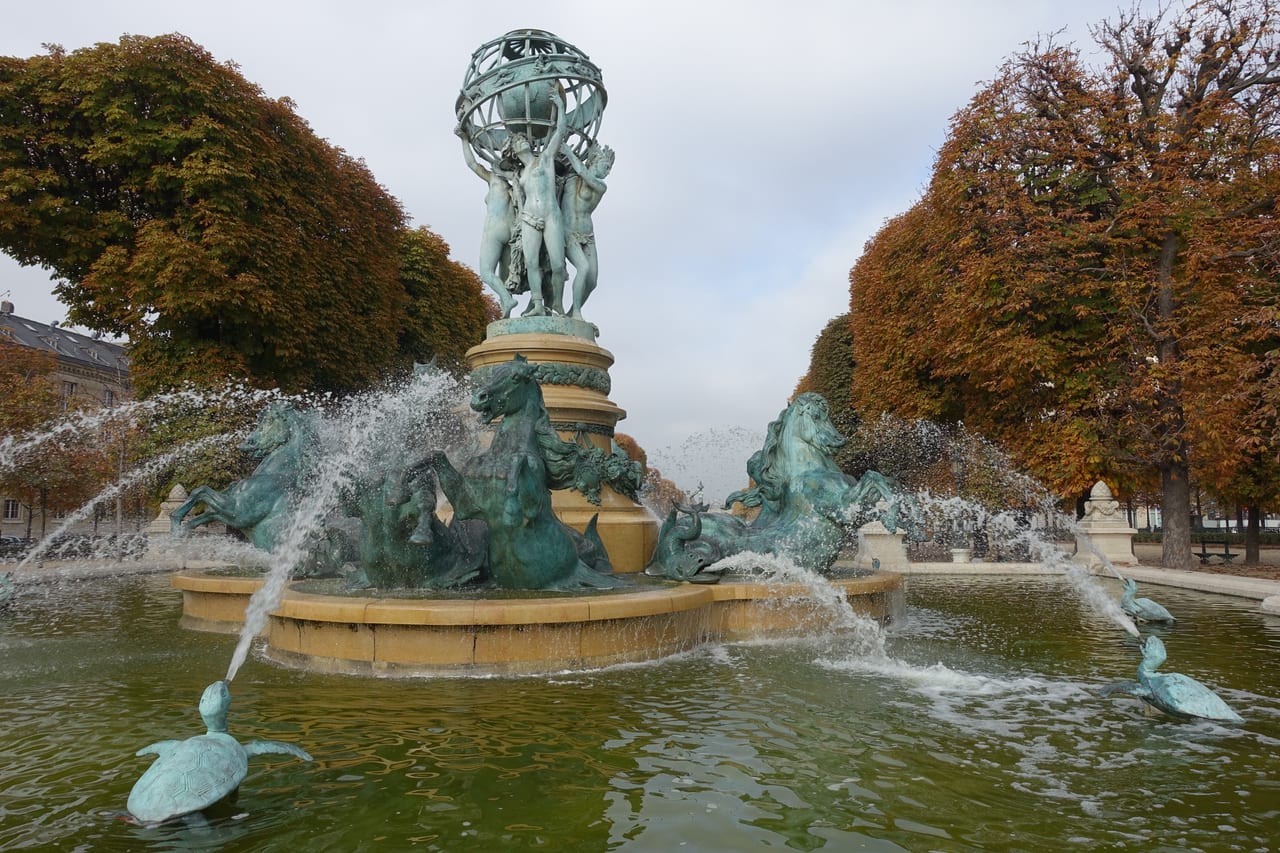
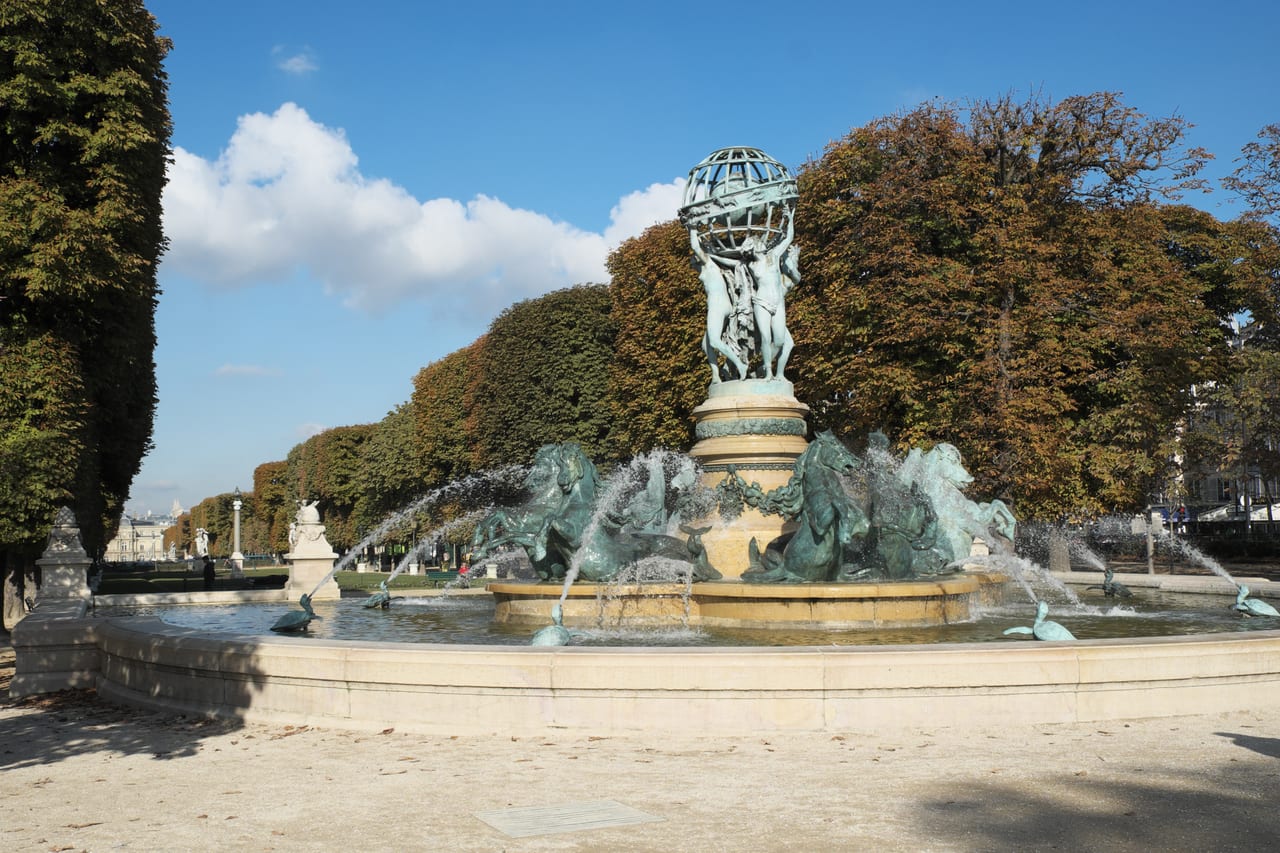
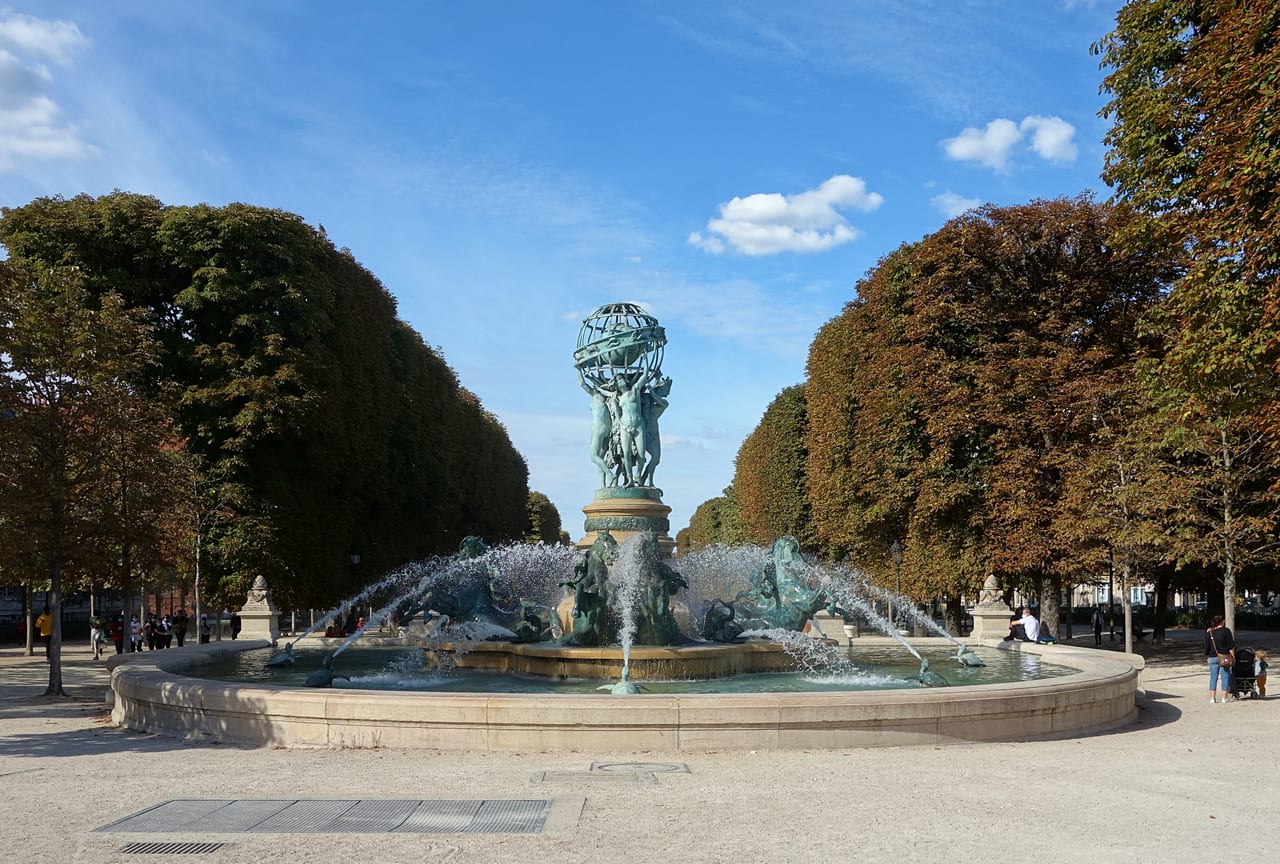
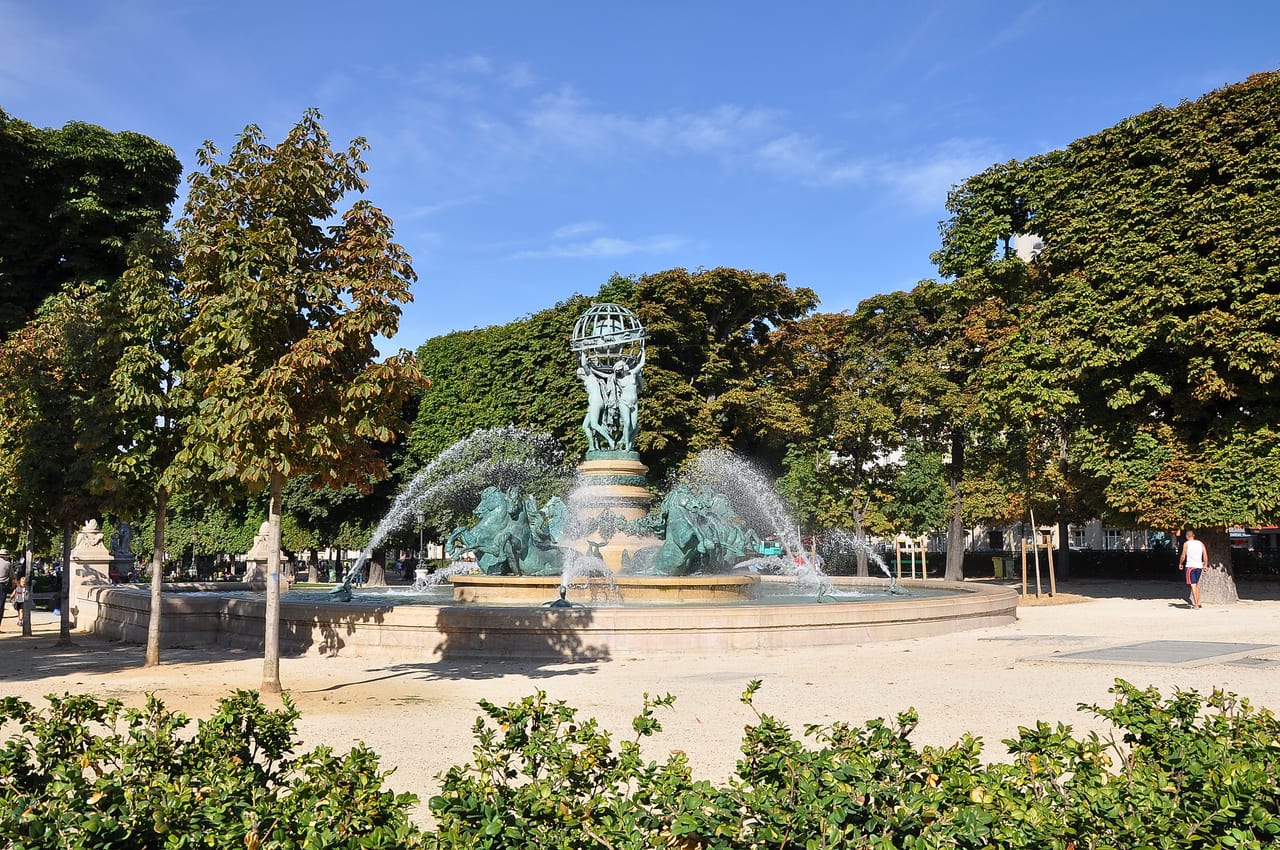
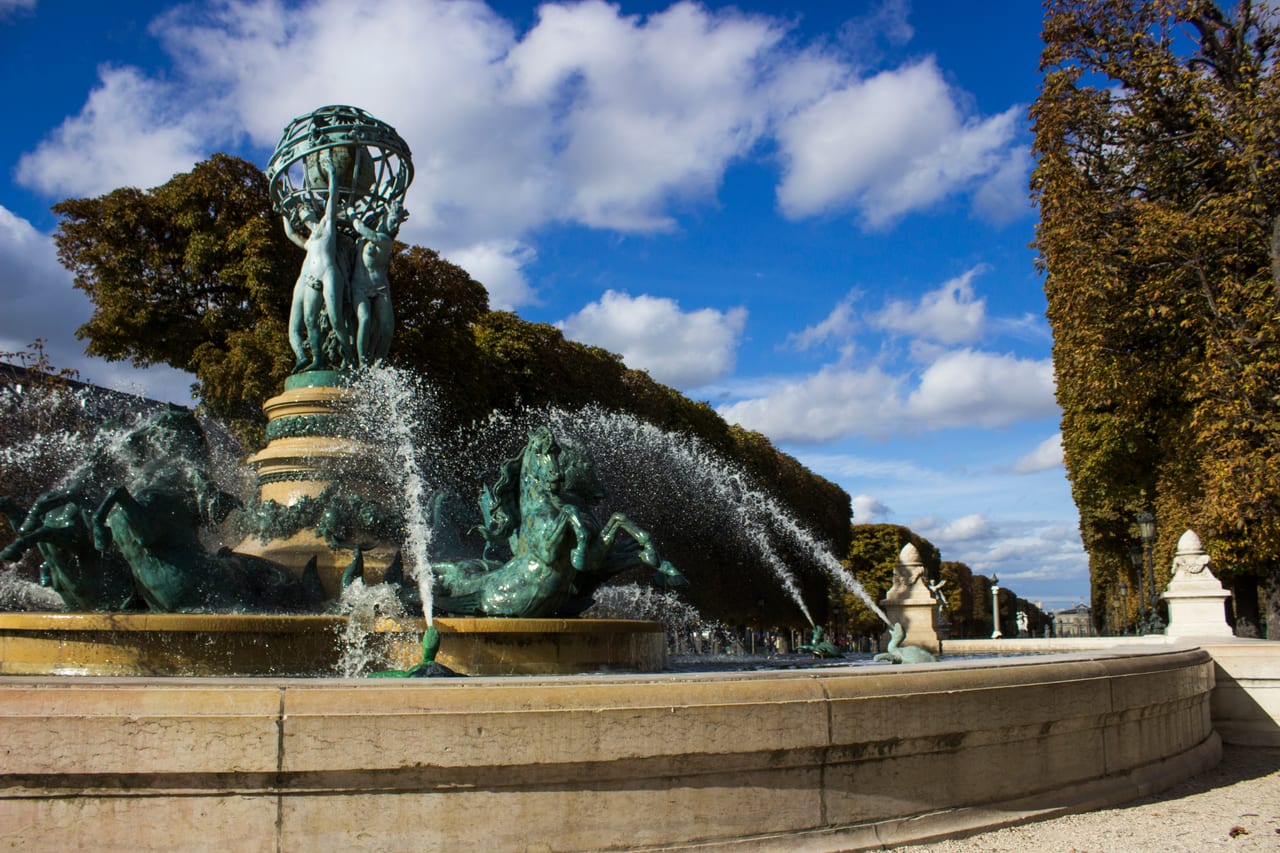
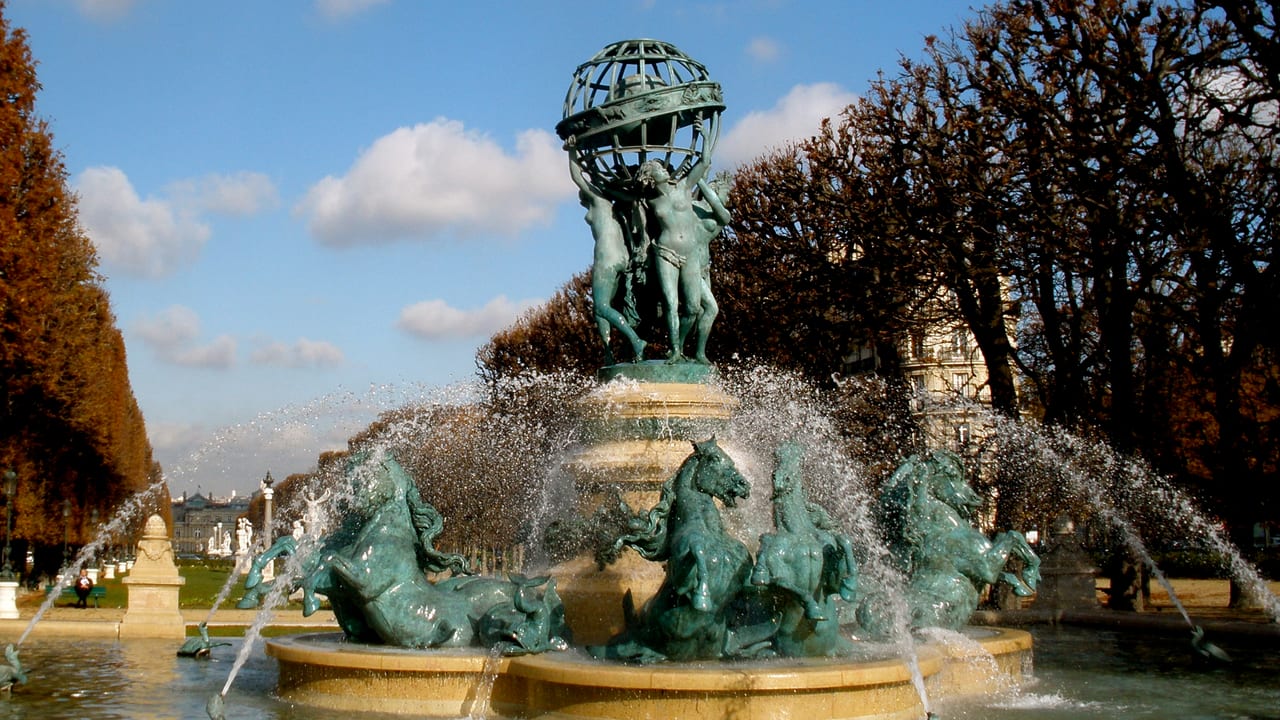
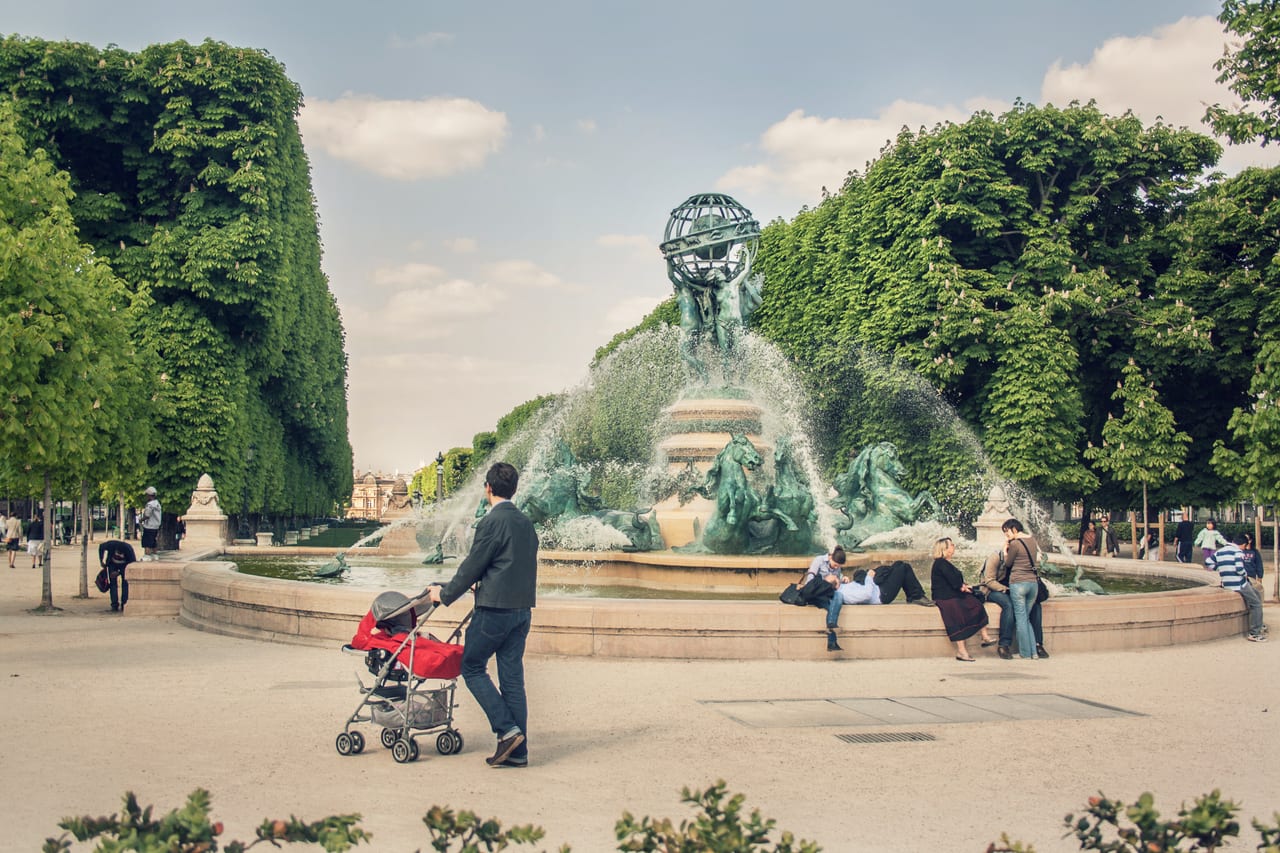
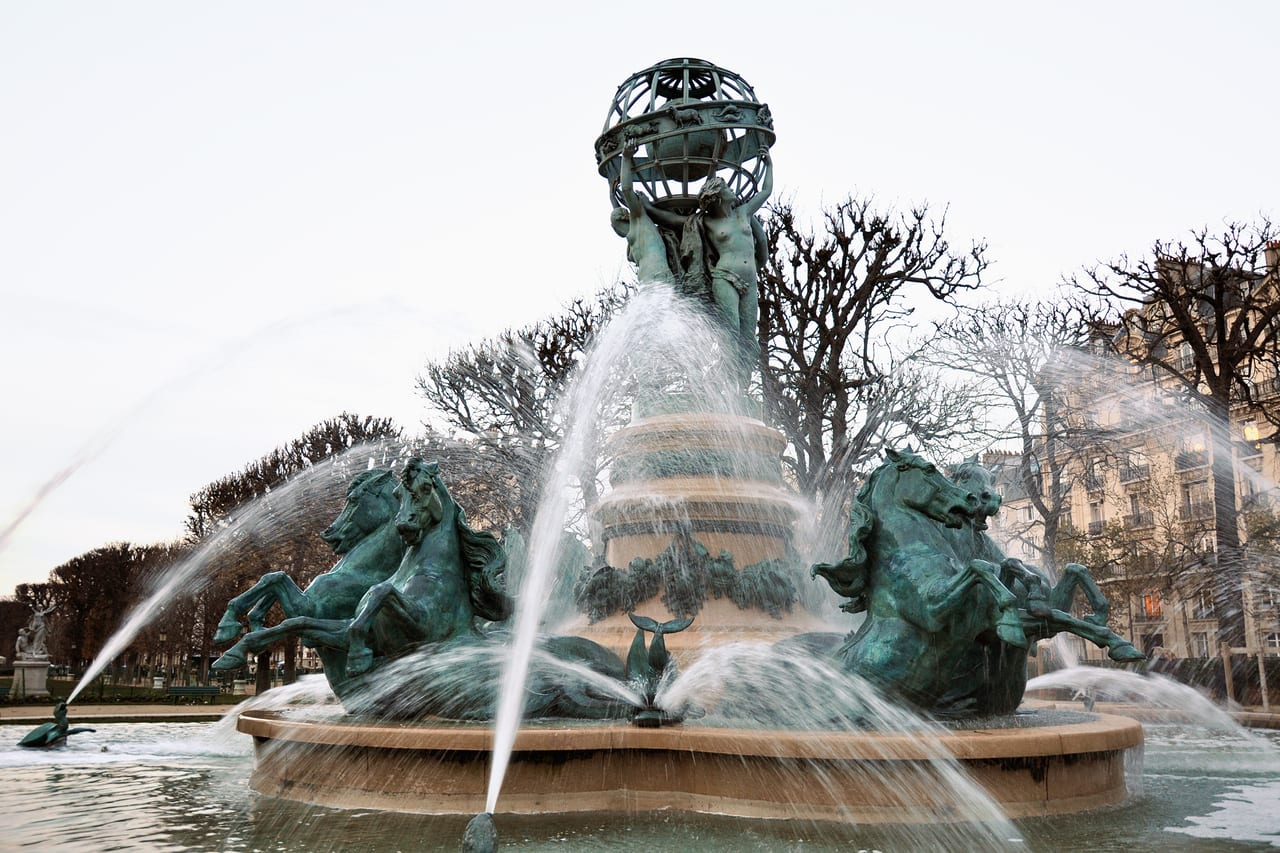
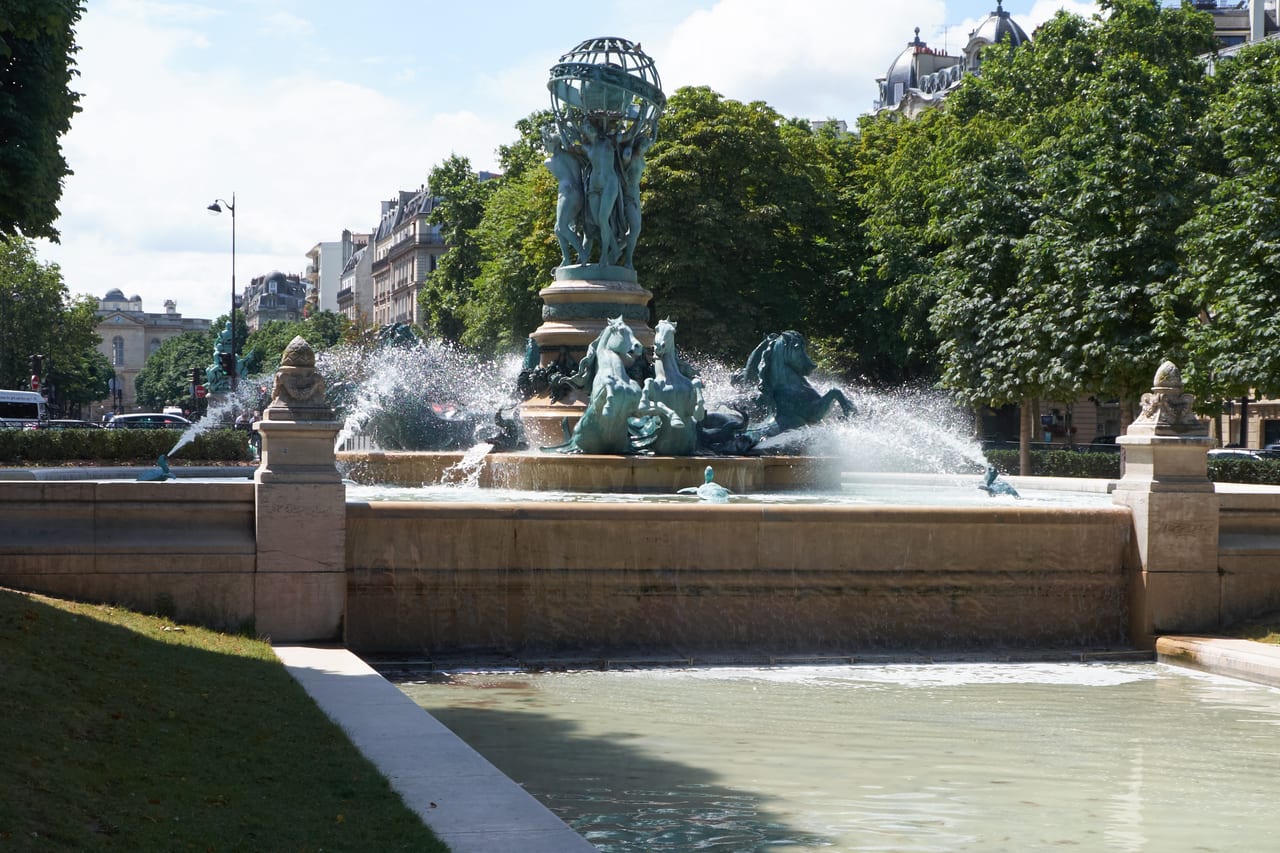
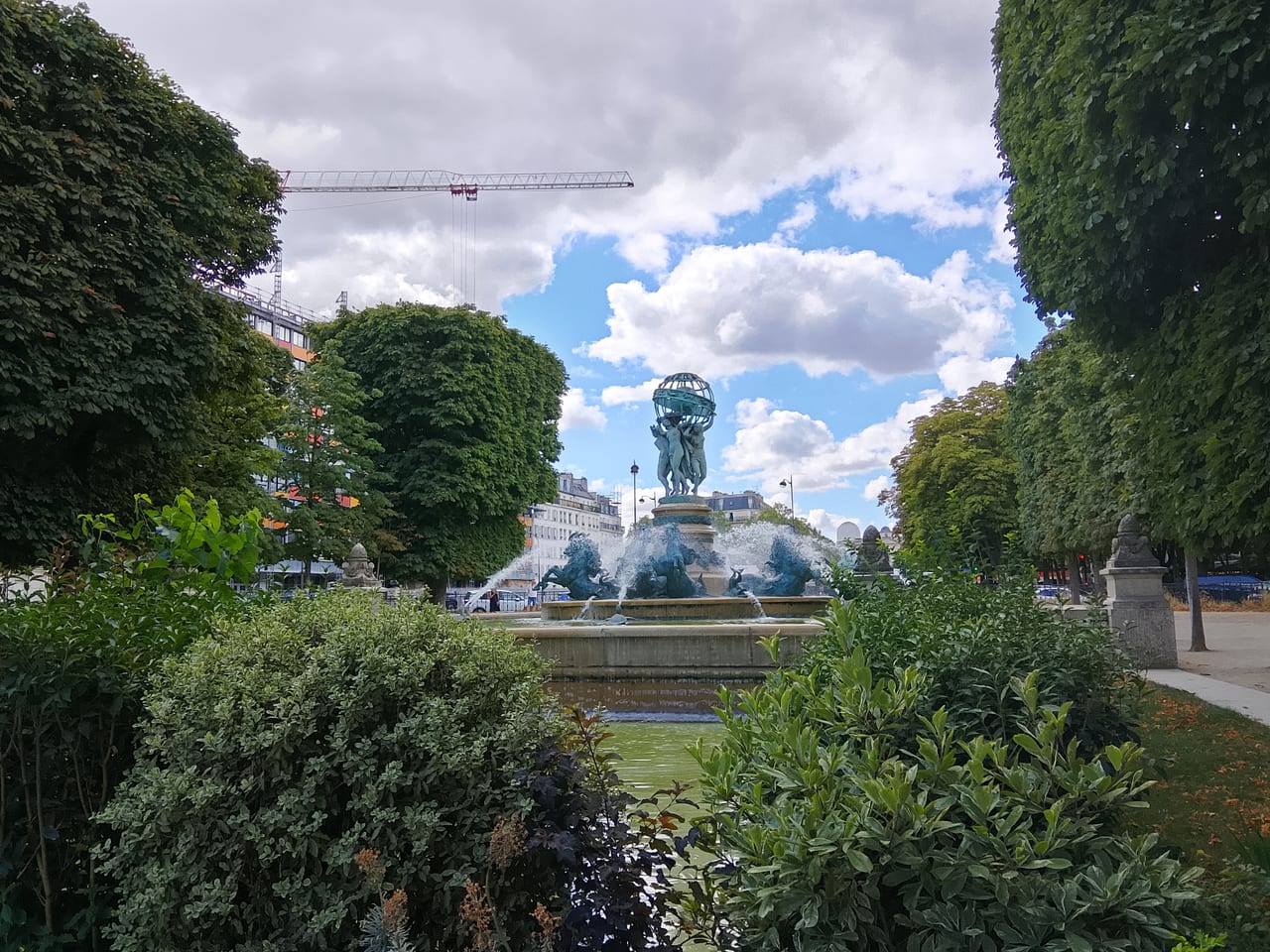
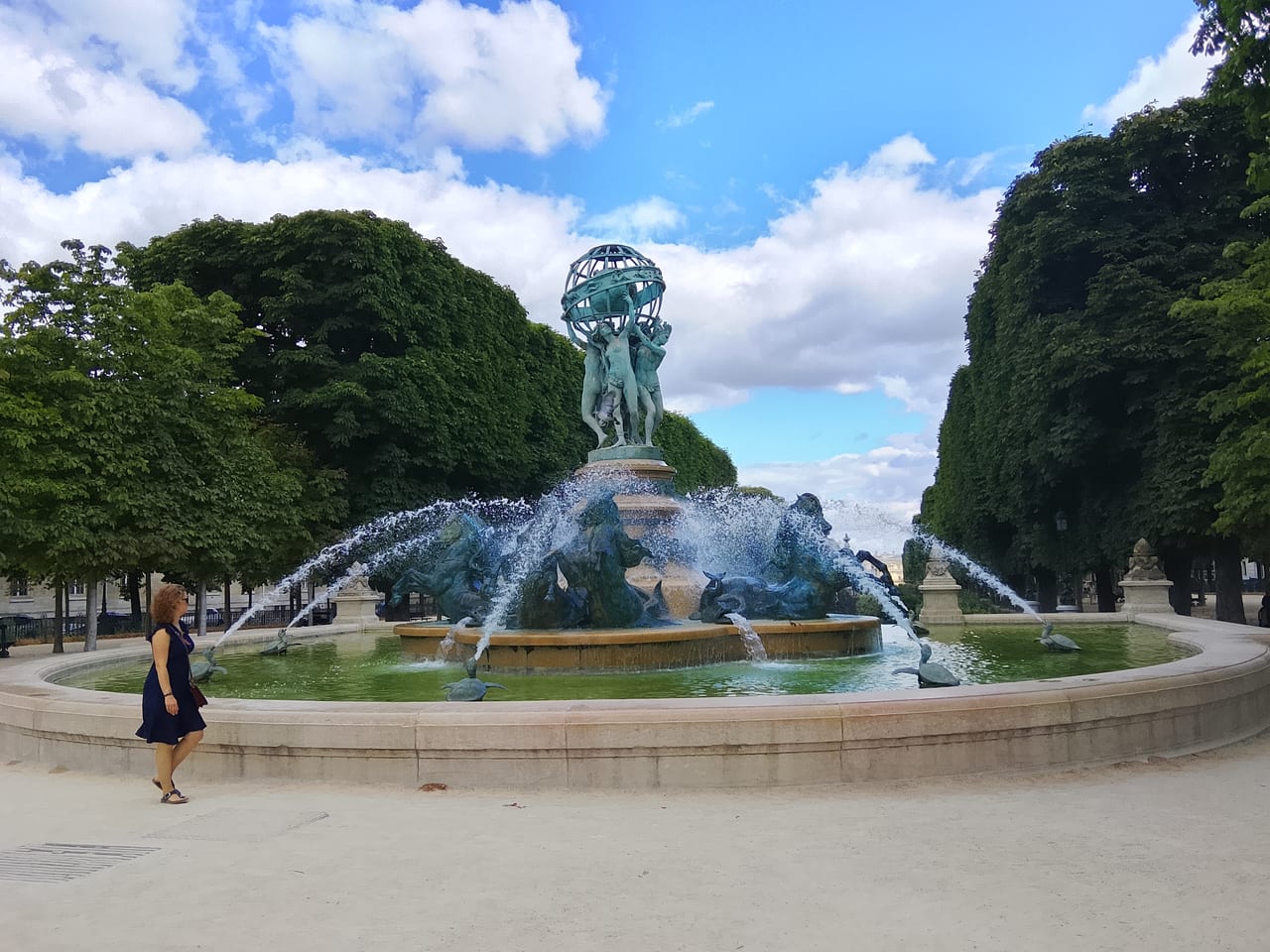
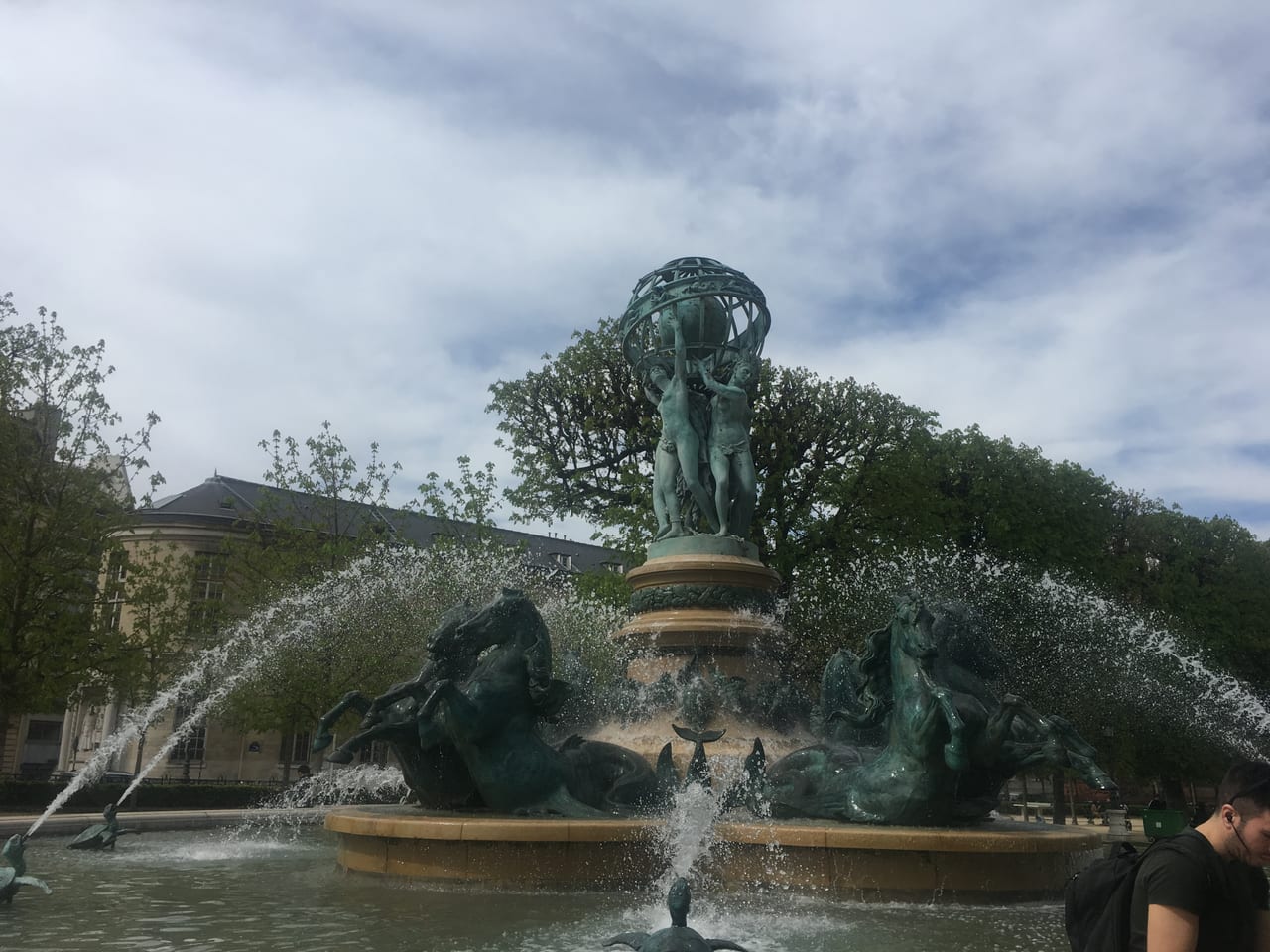
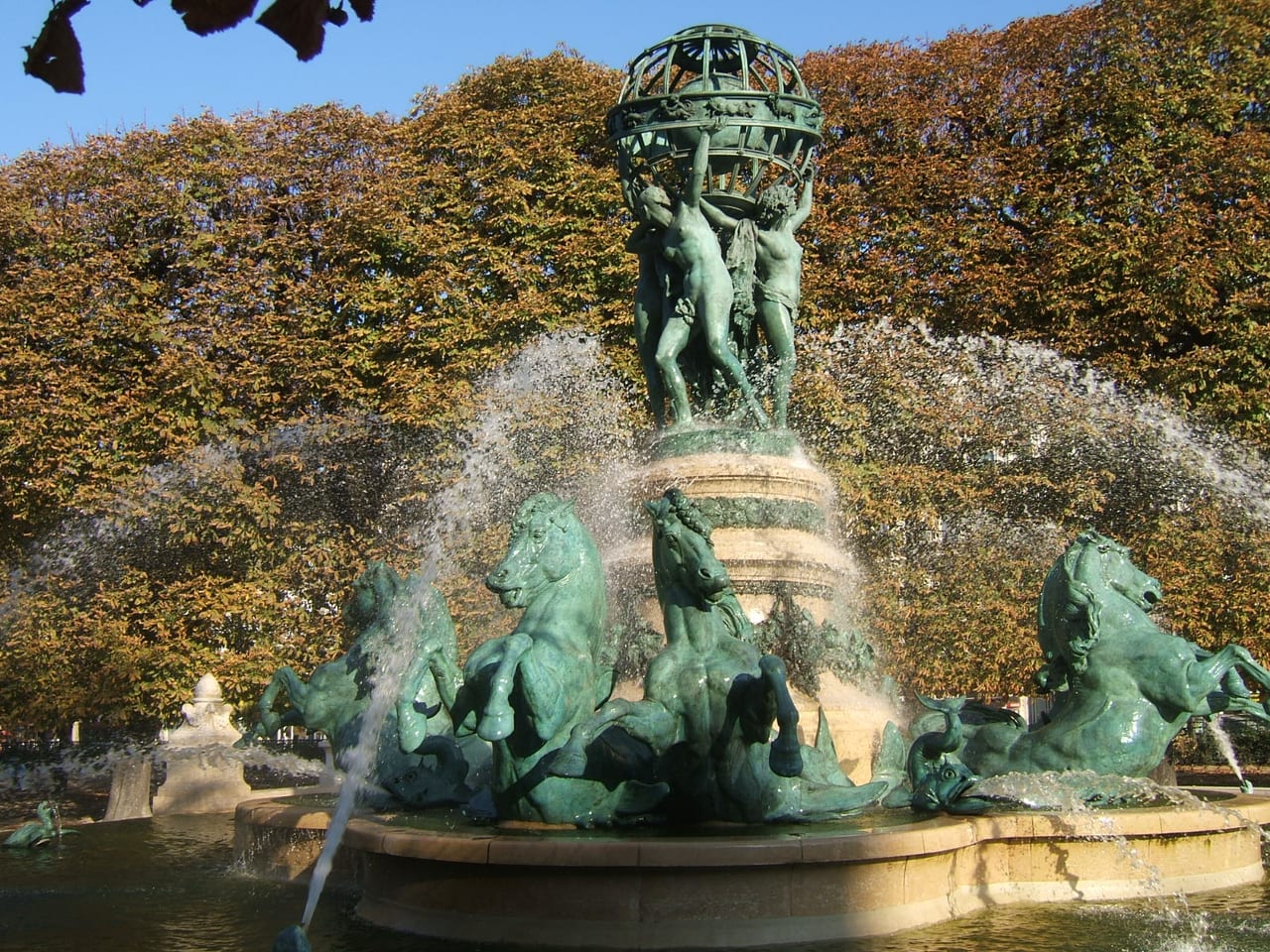
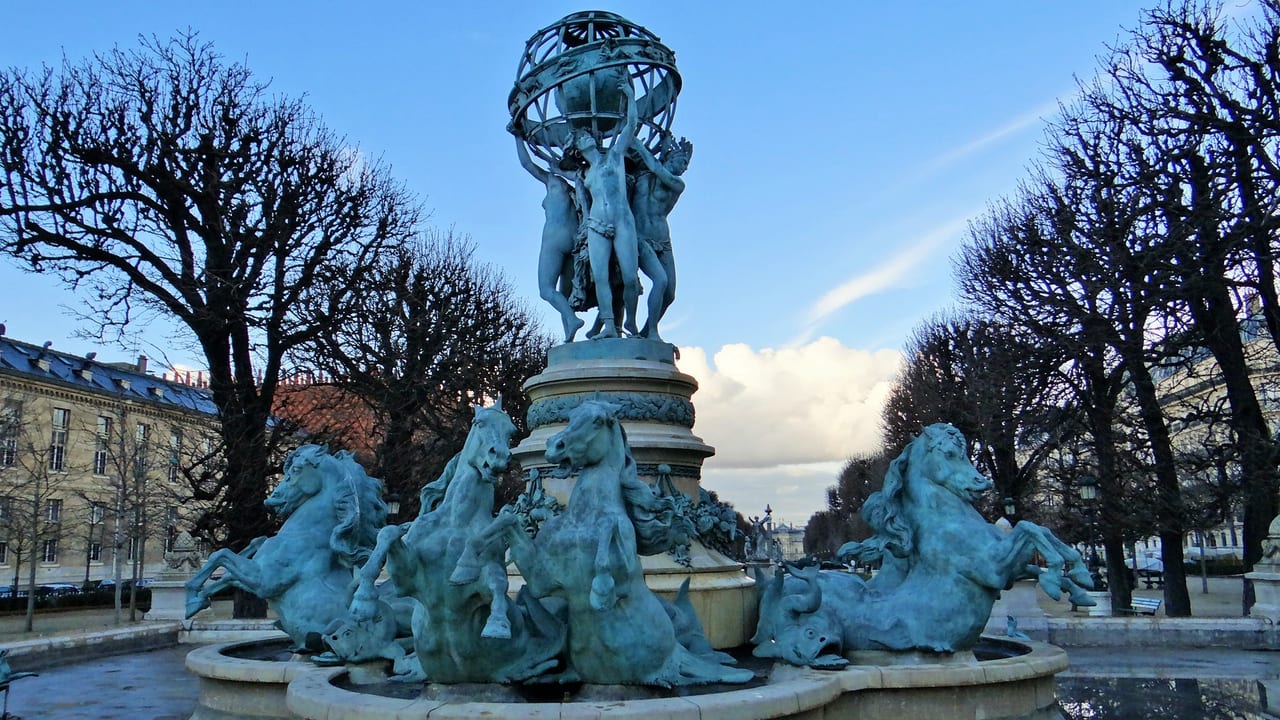
DirectionsIts four twisting female figures—Europe, Asia, Africa and America—rotate a celestial sphere, turning an astronomical commission into one of Jean-Baptiste Carpeaux’s most kinetic public sculptures.
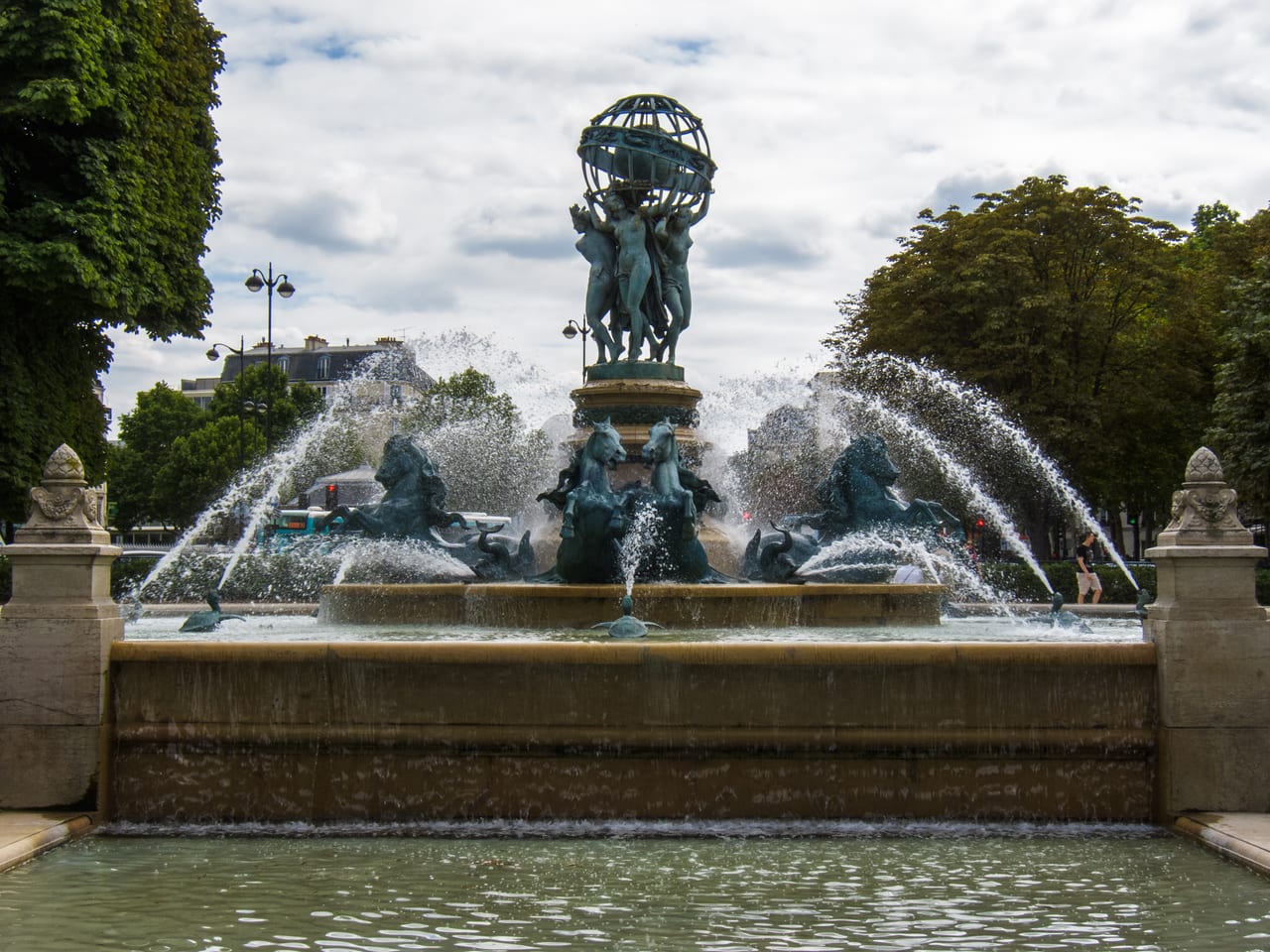
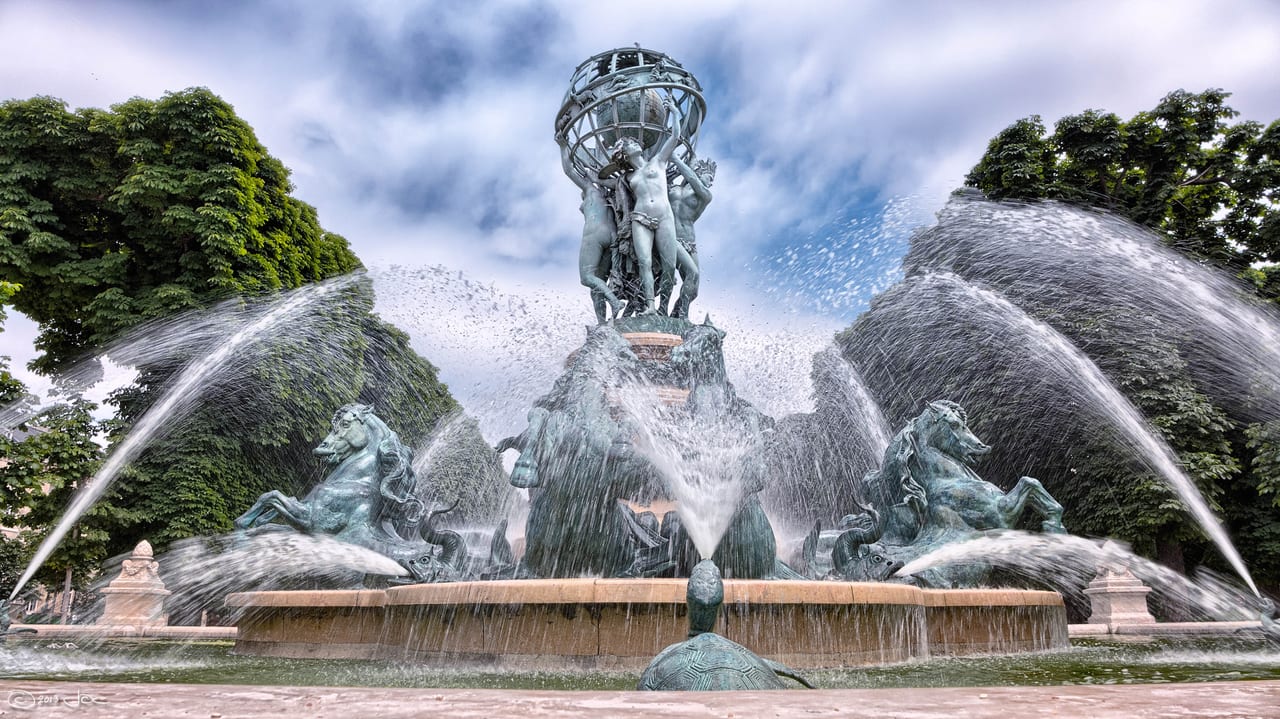
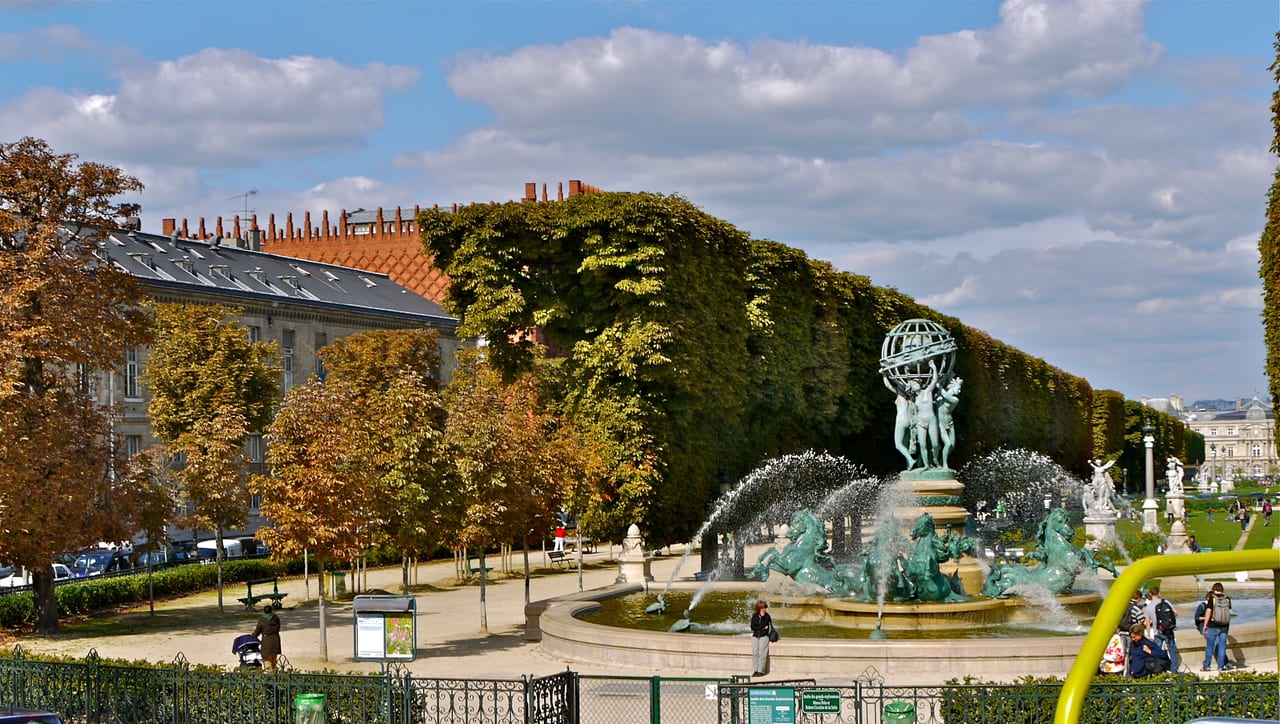
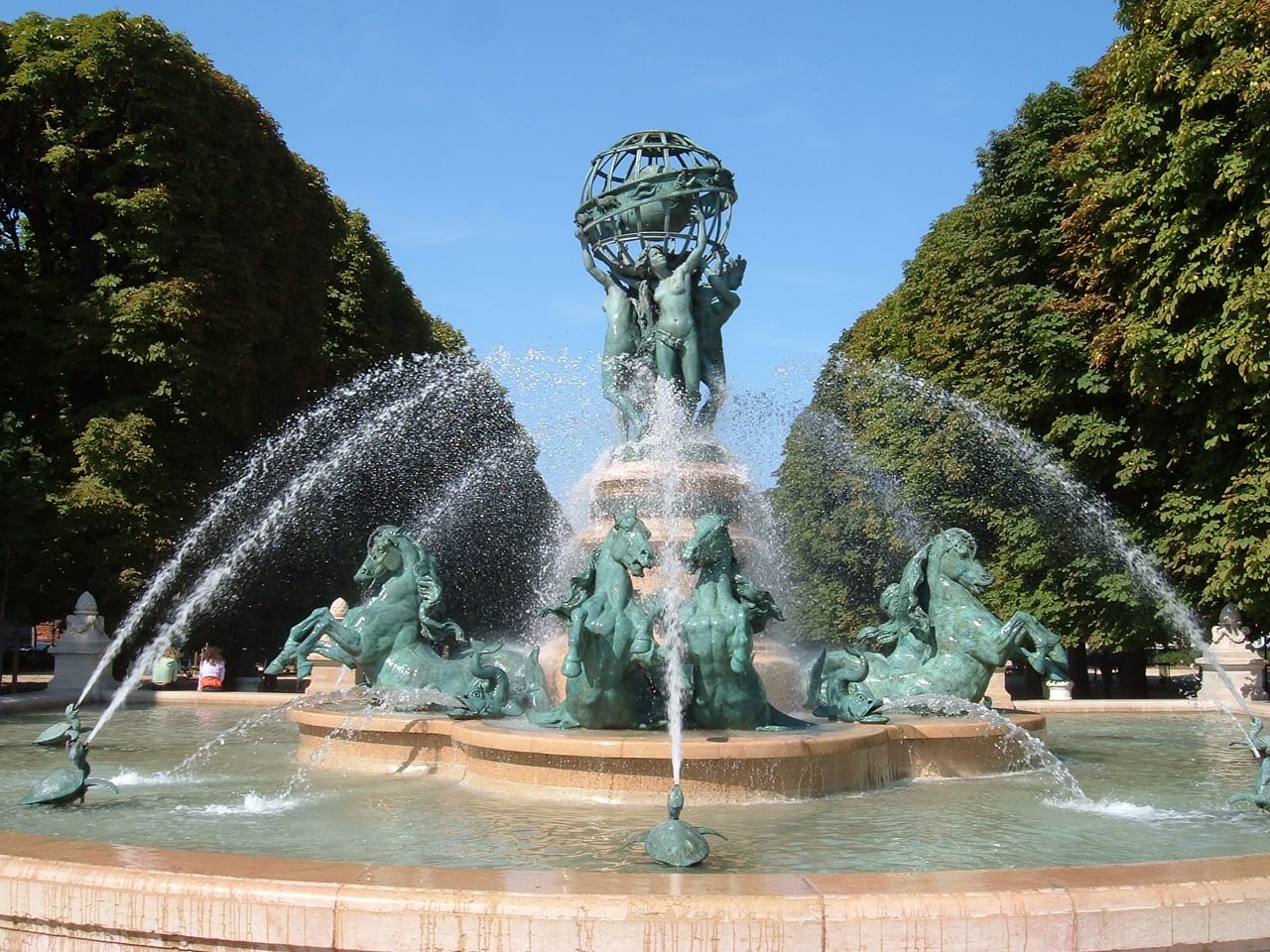
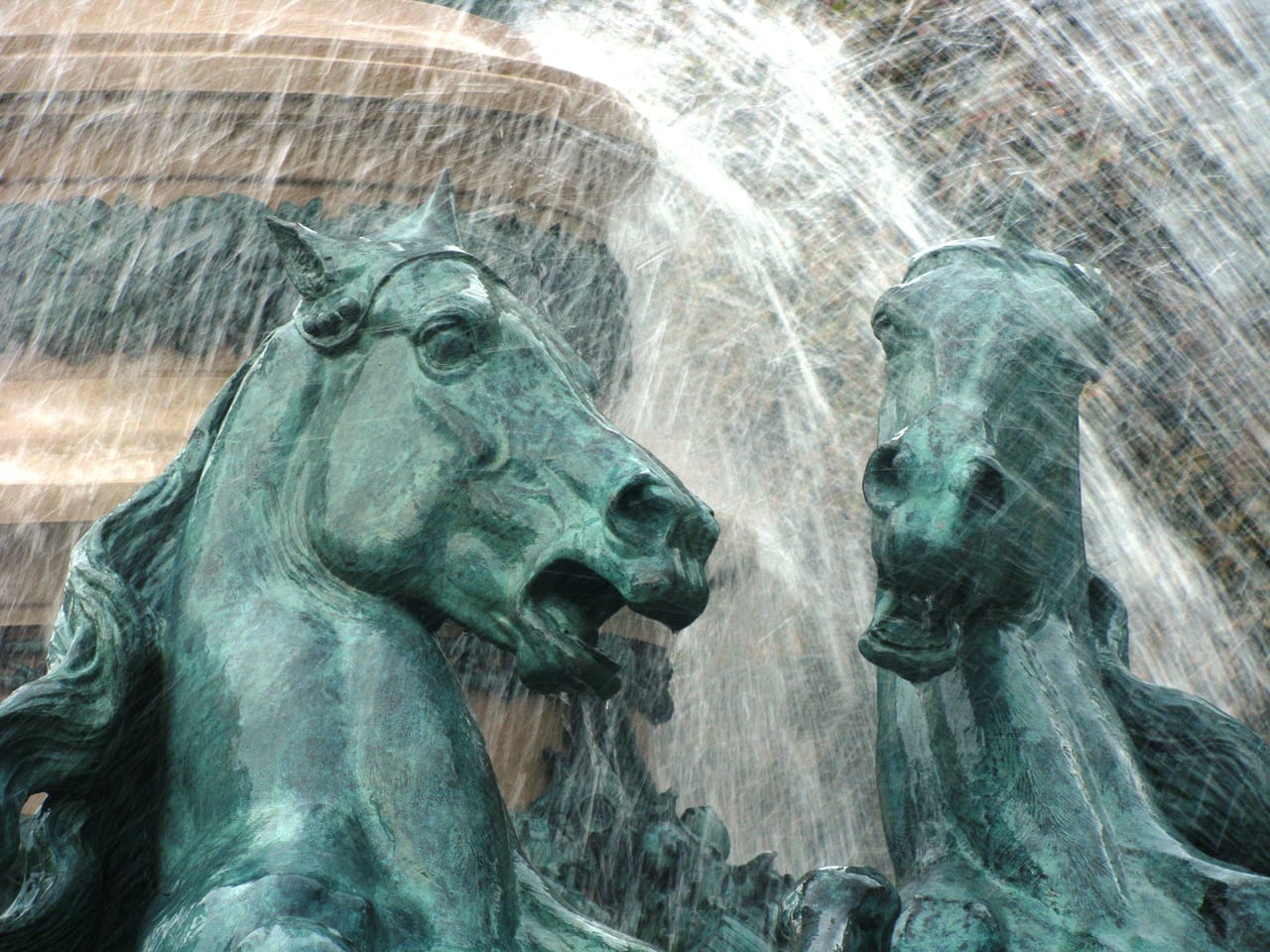
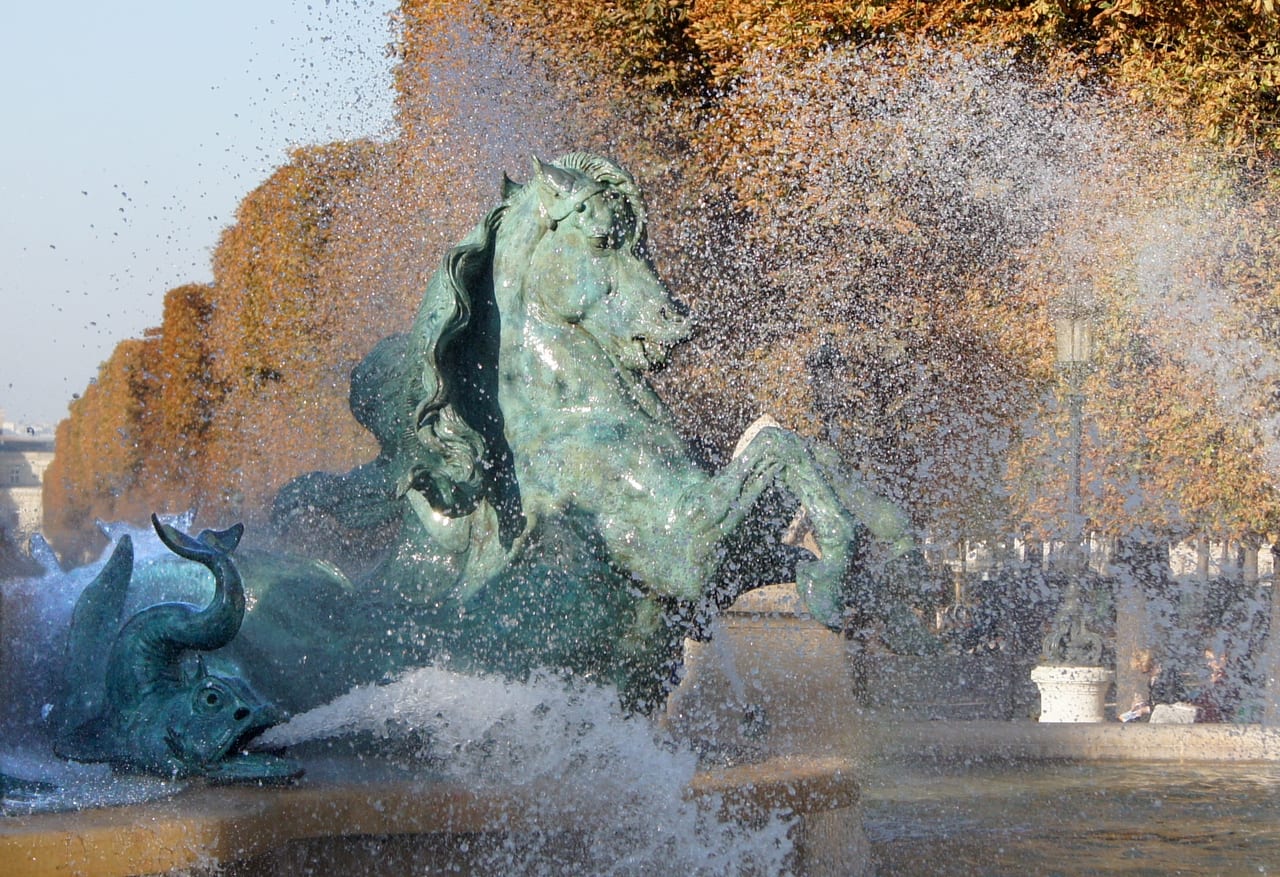
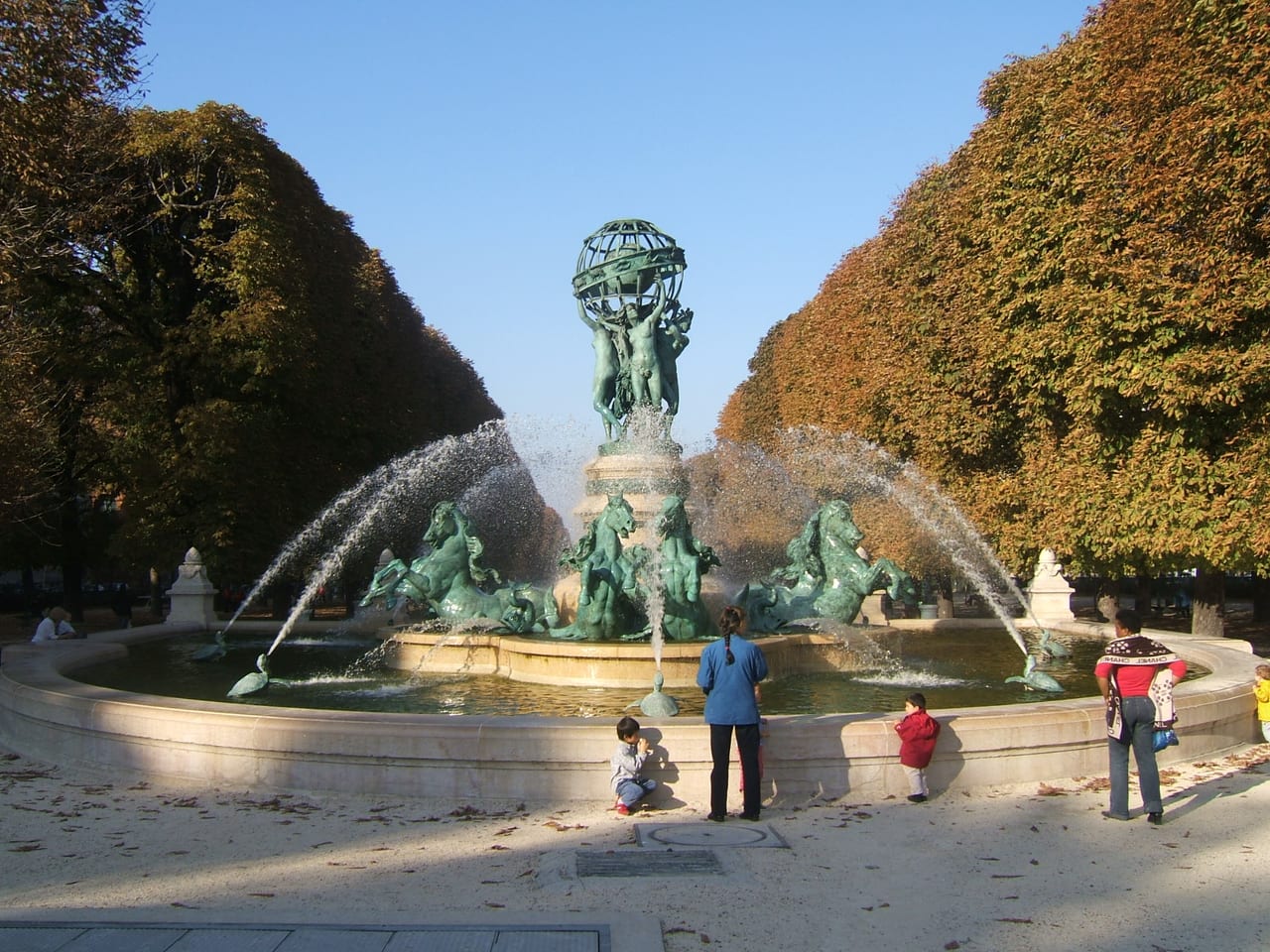
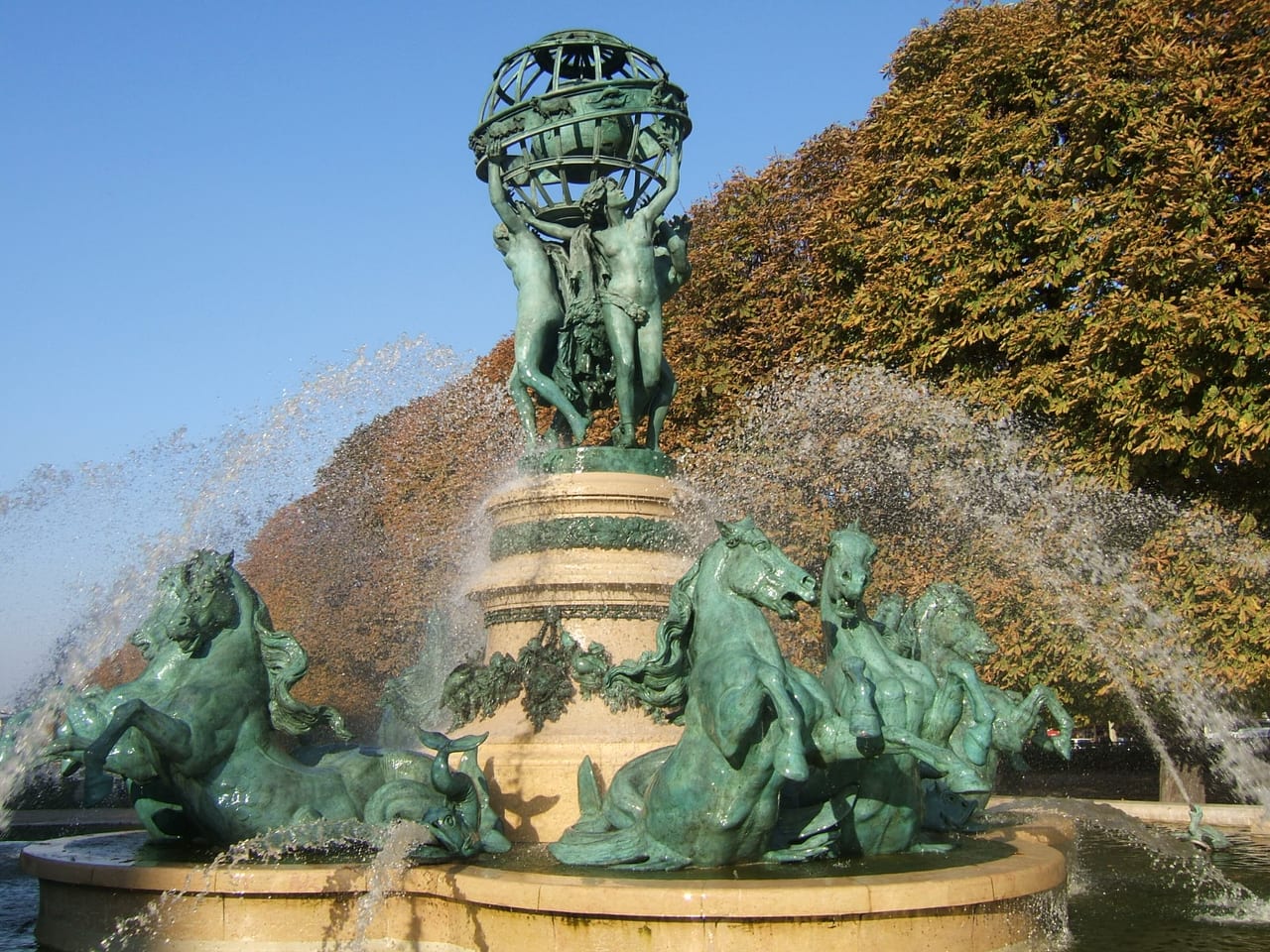
Photograph 1 of 51 of fontaine de l'Observatoire
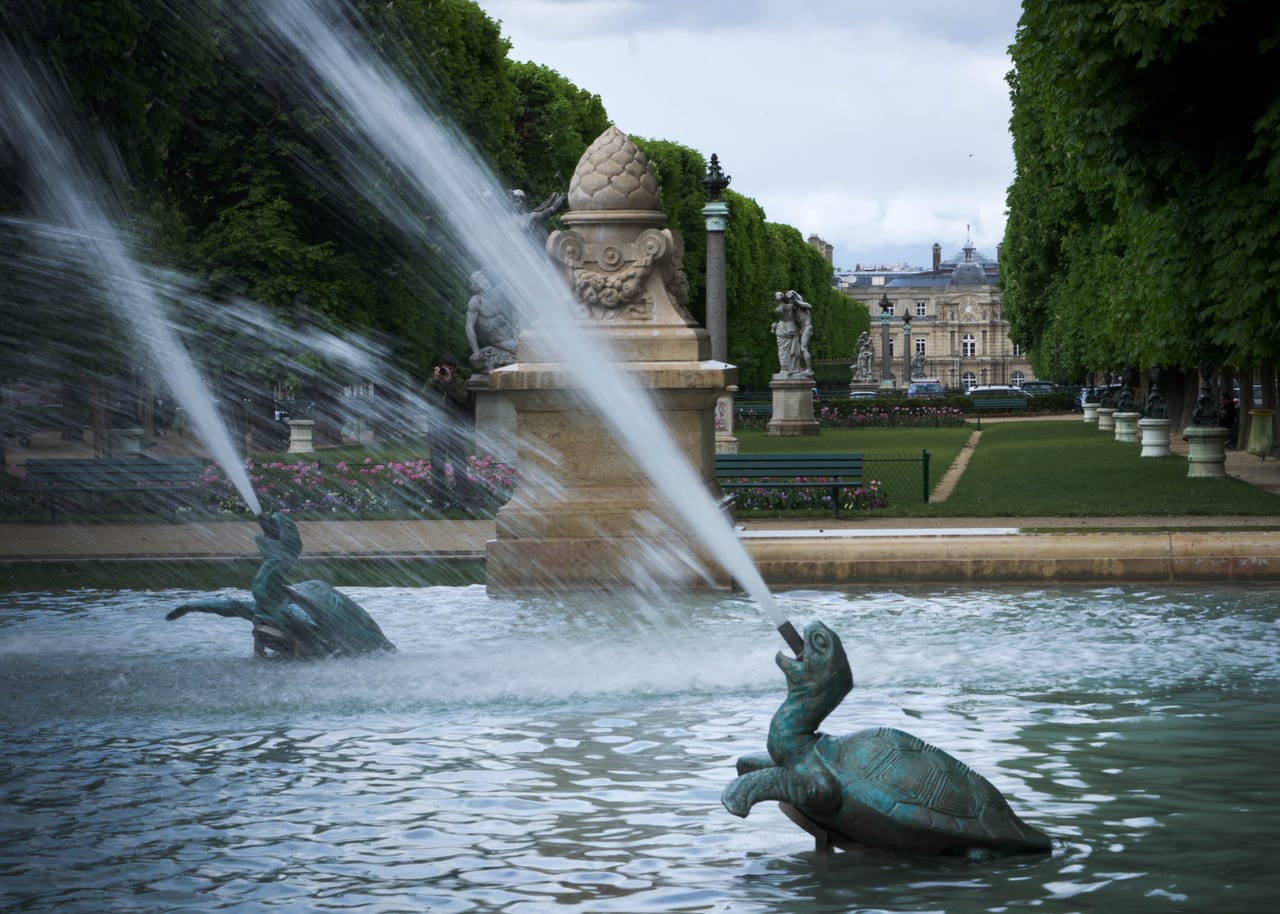
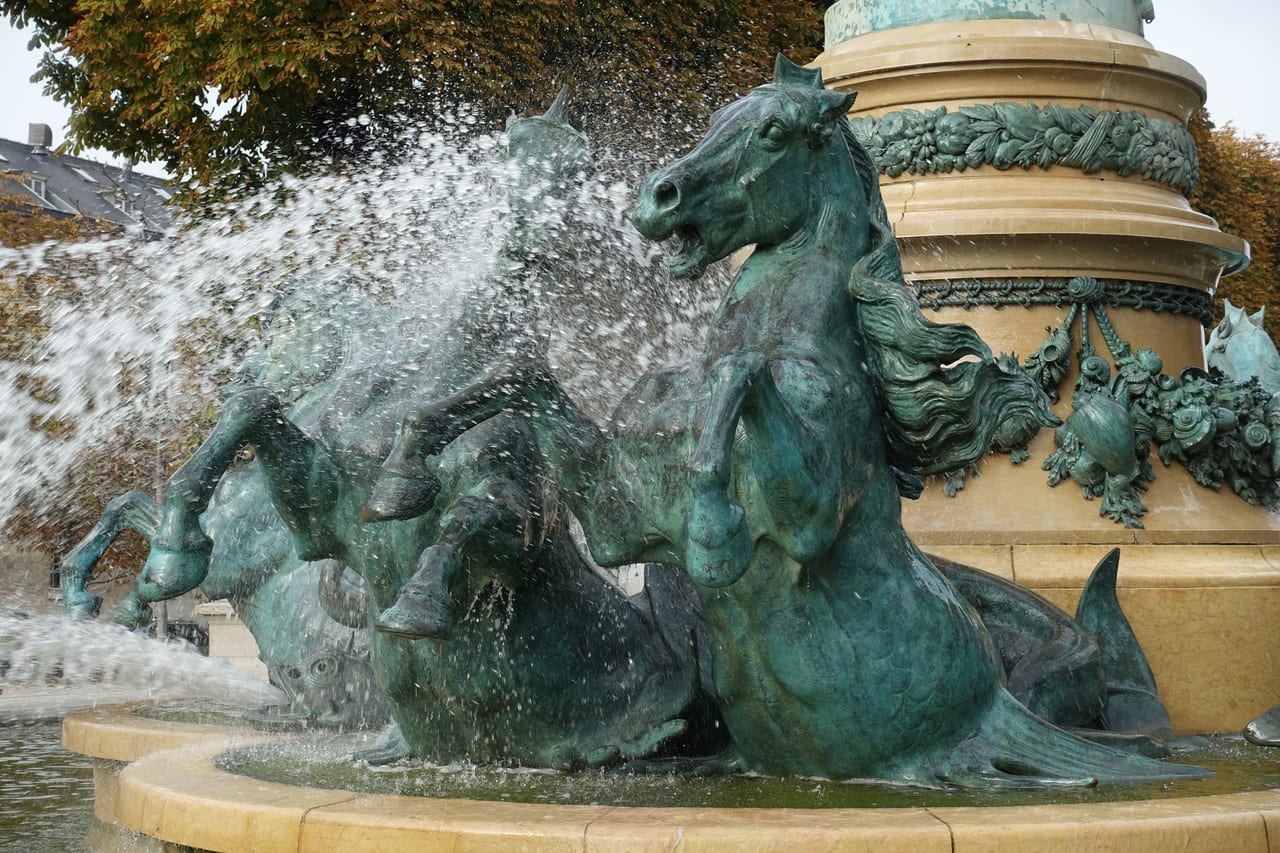
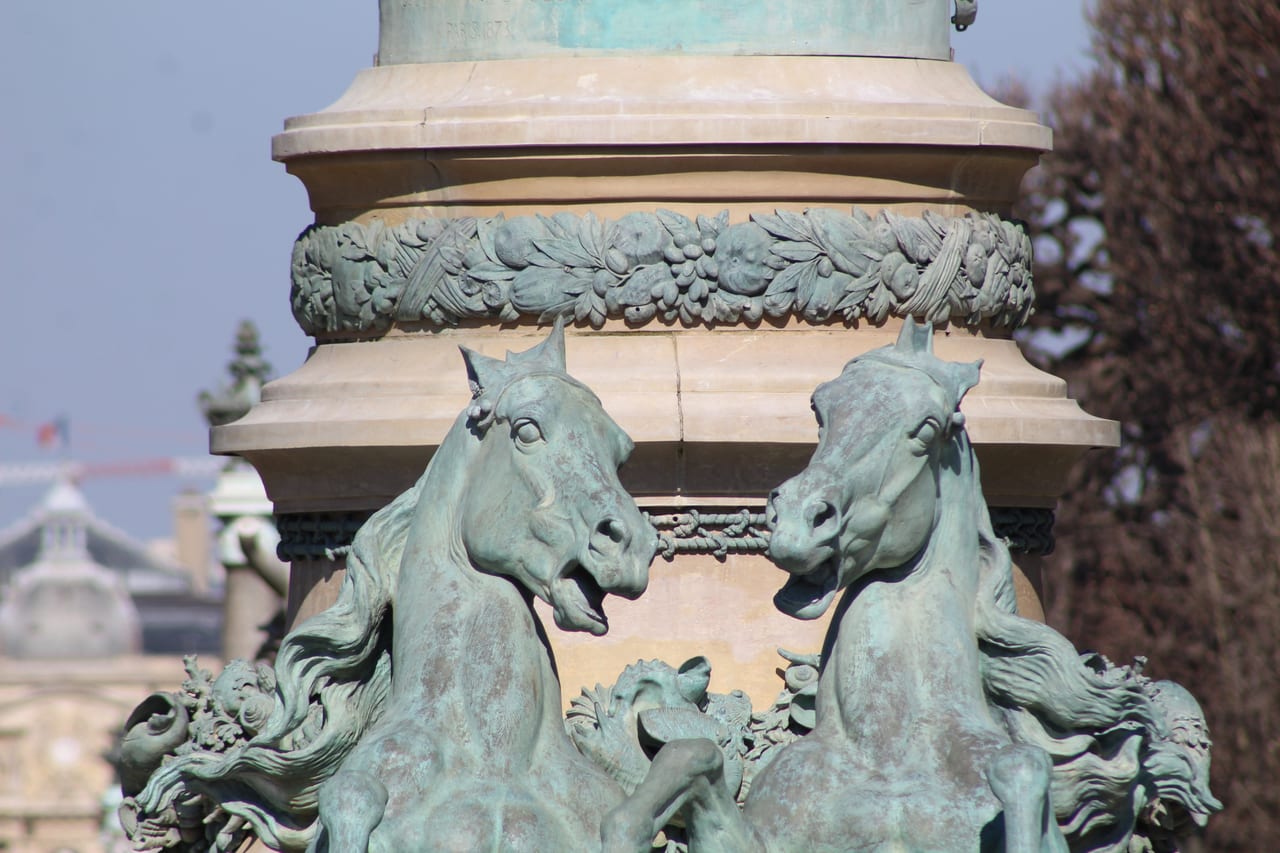
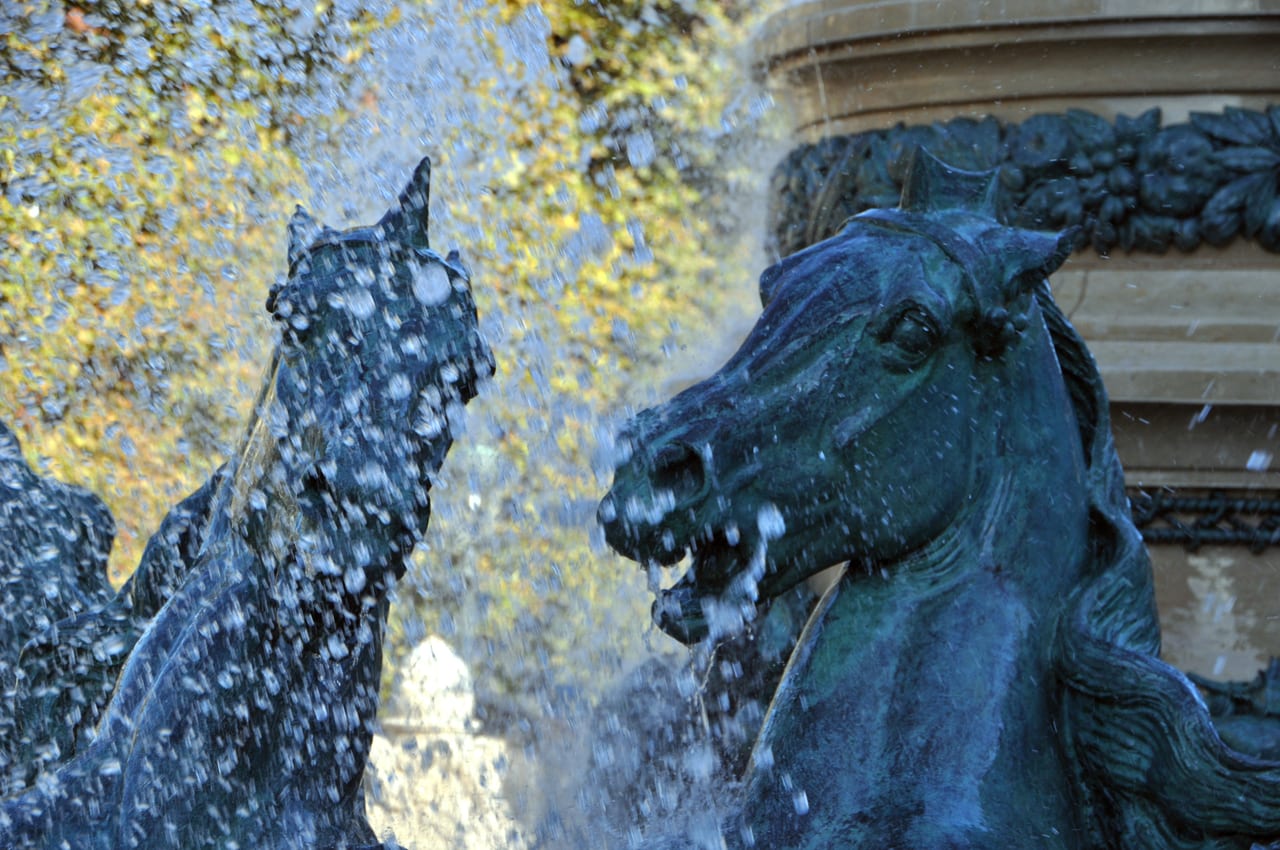
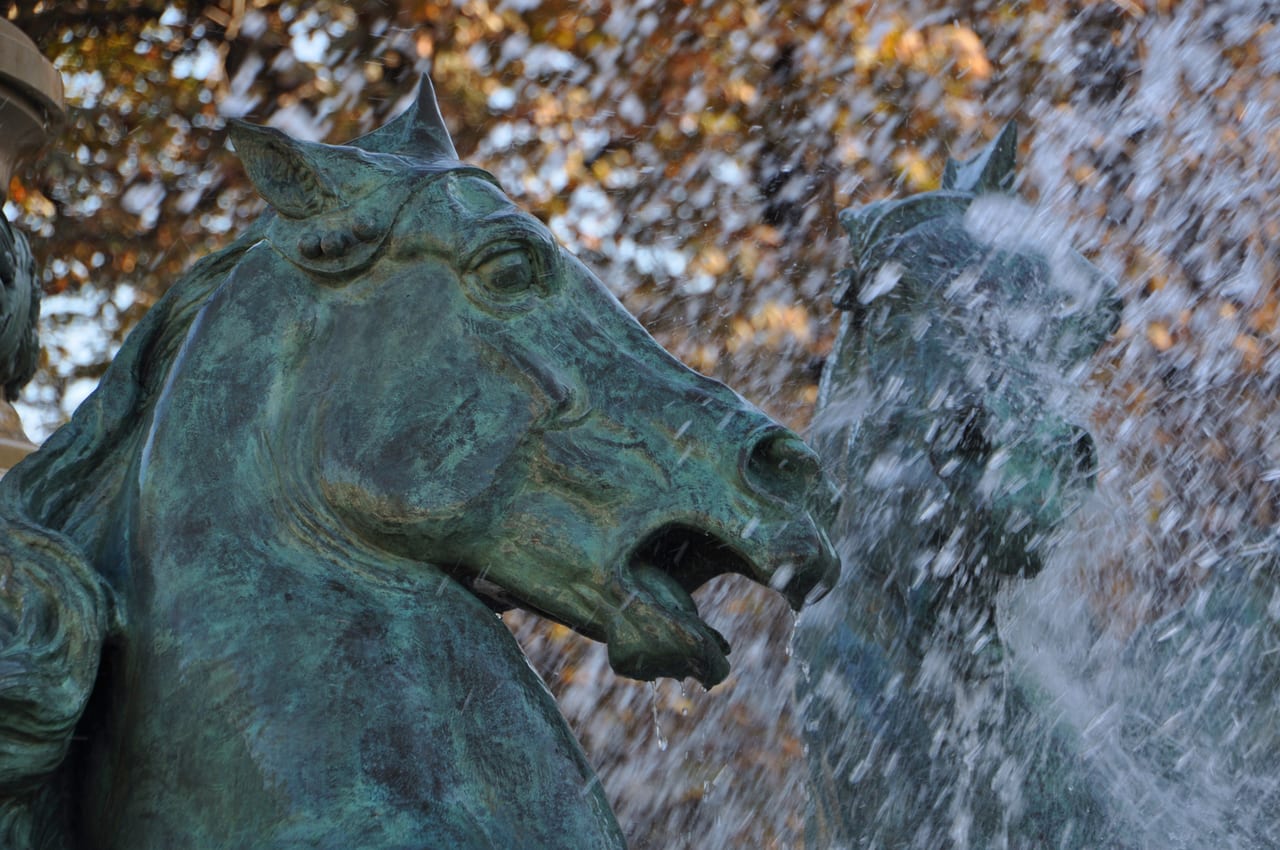
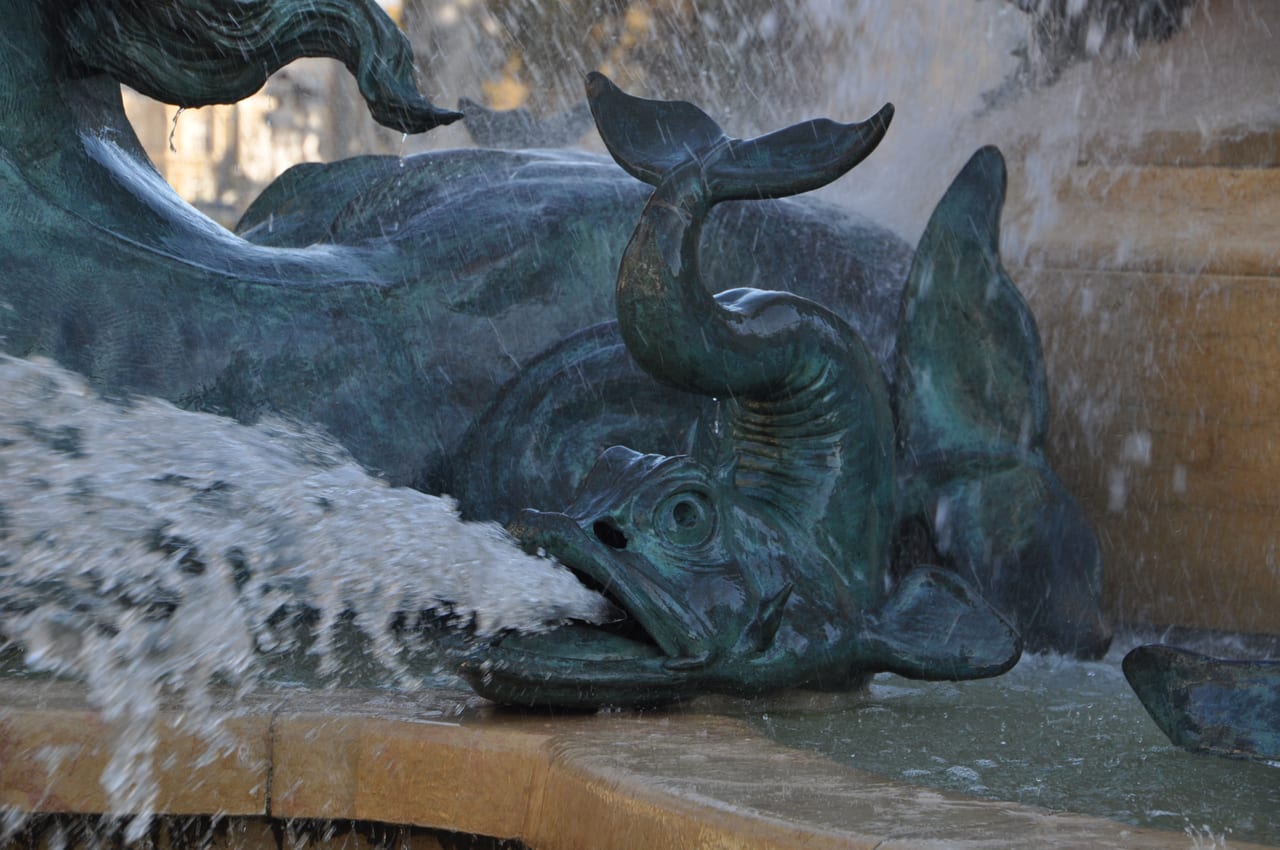
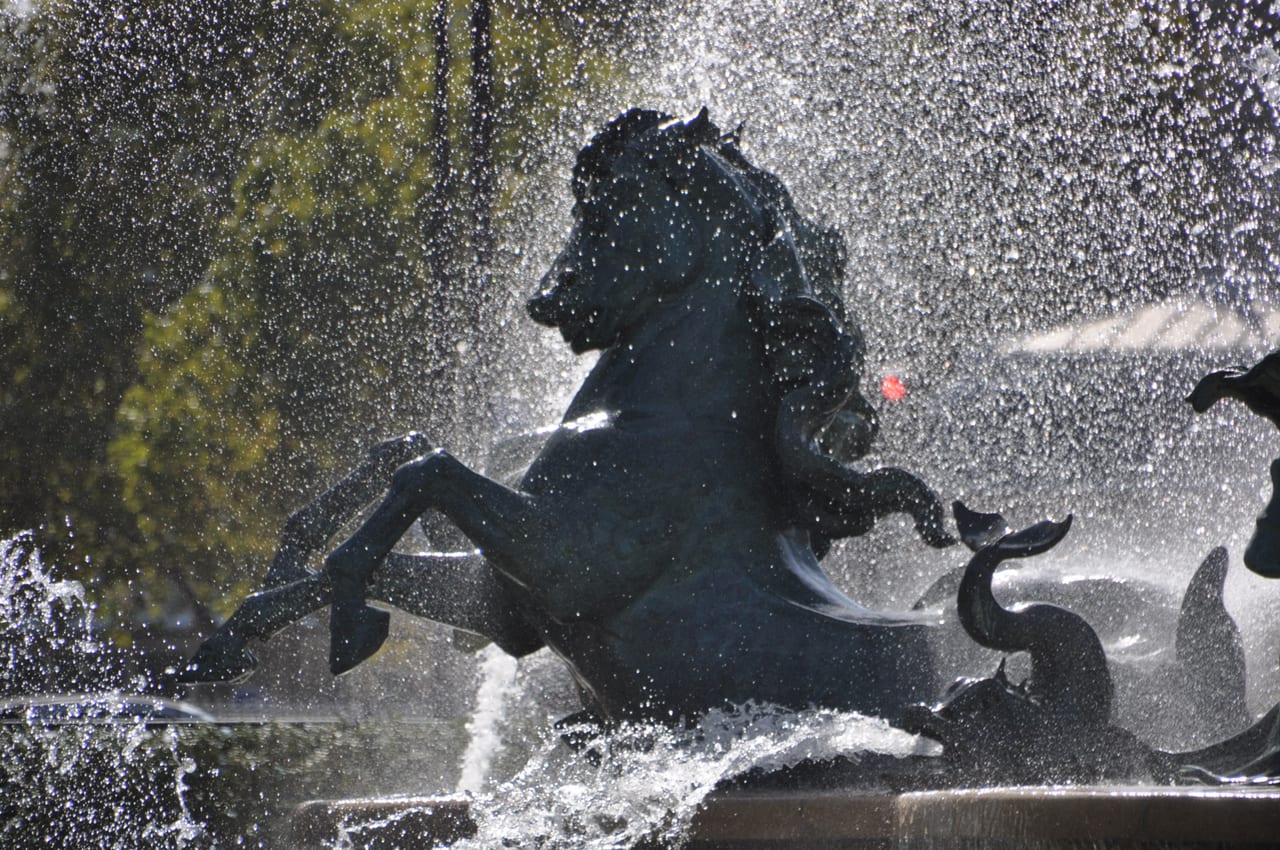
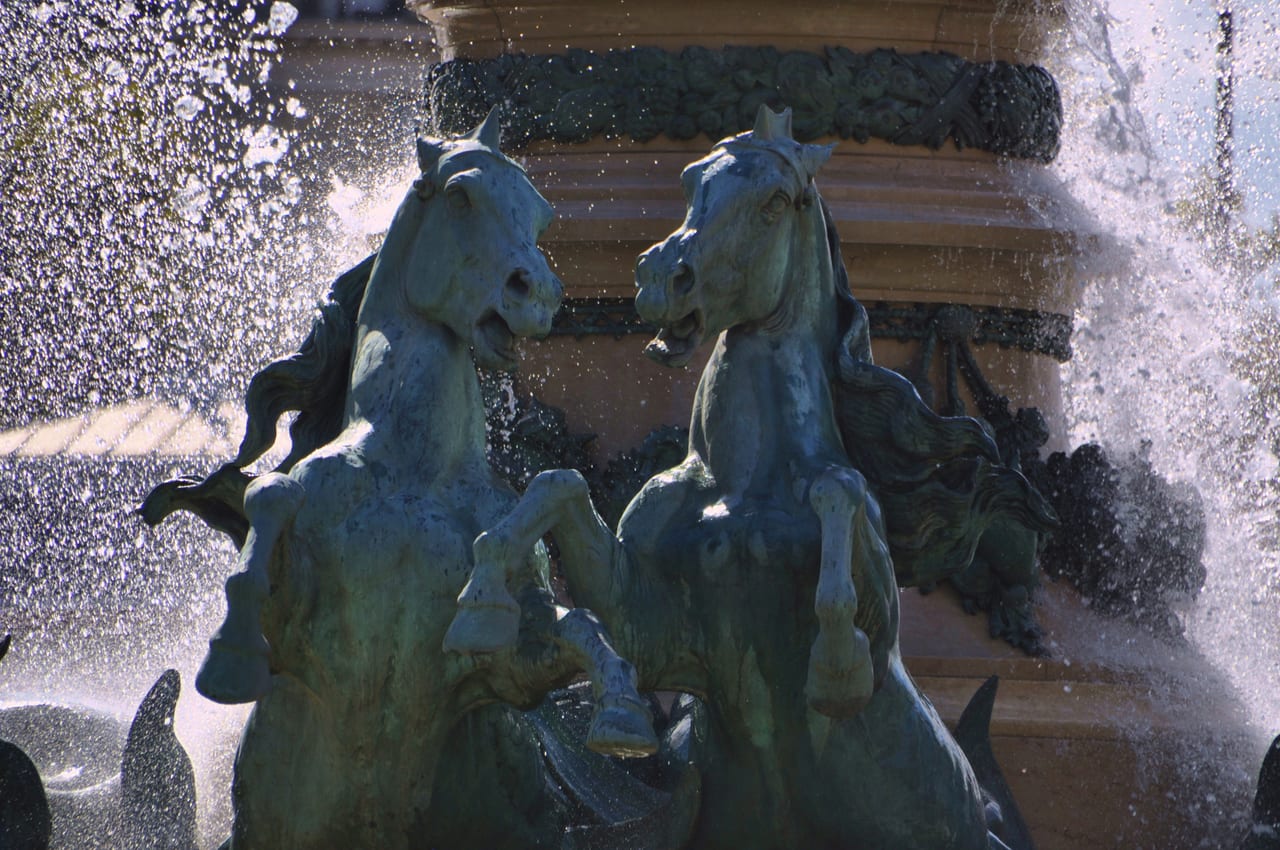
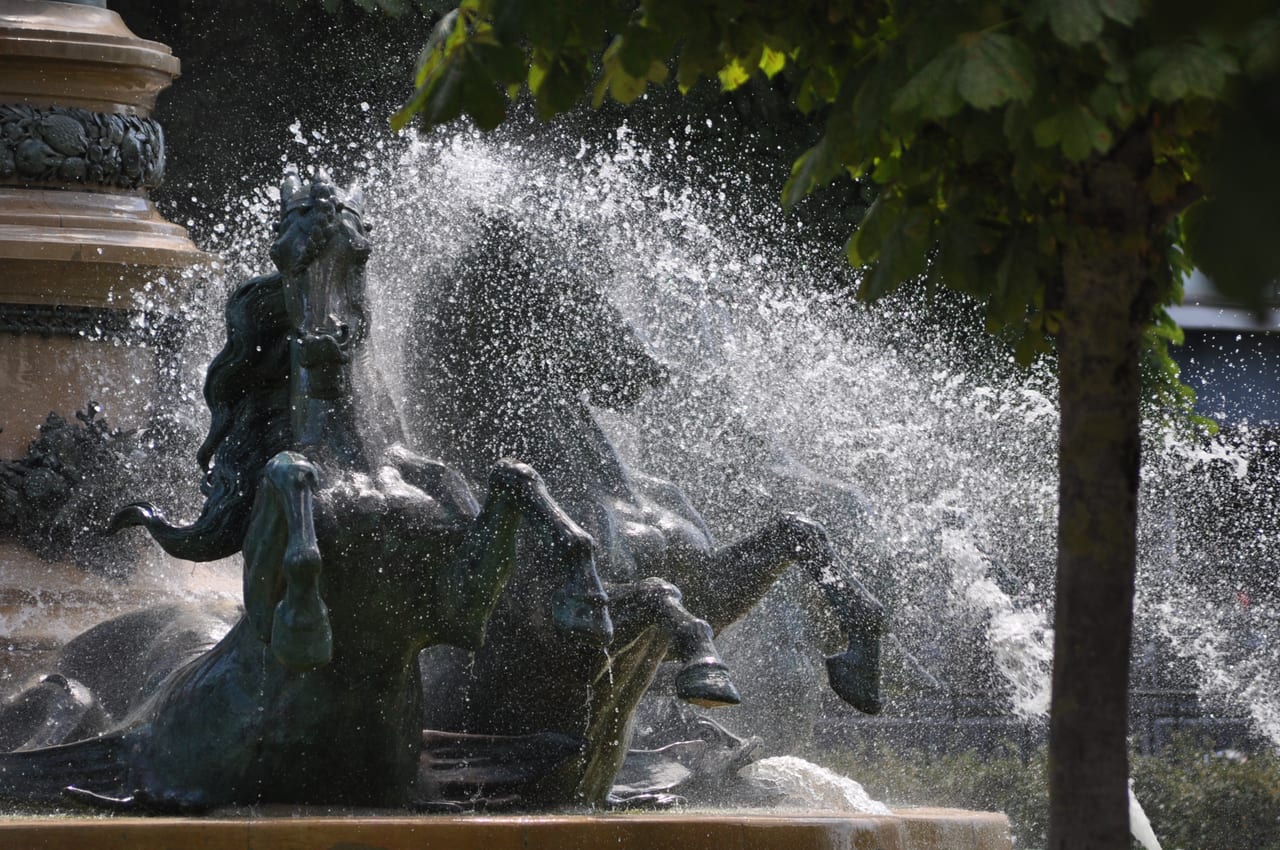
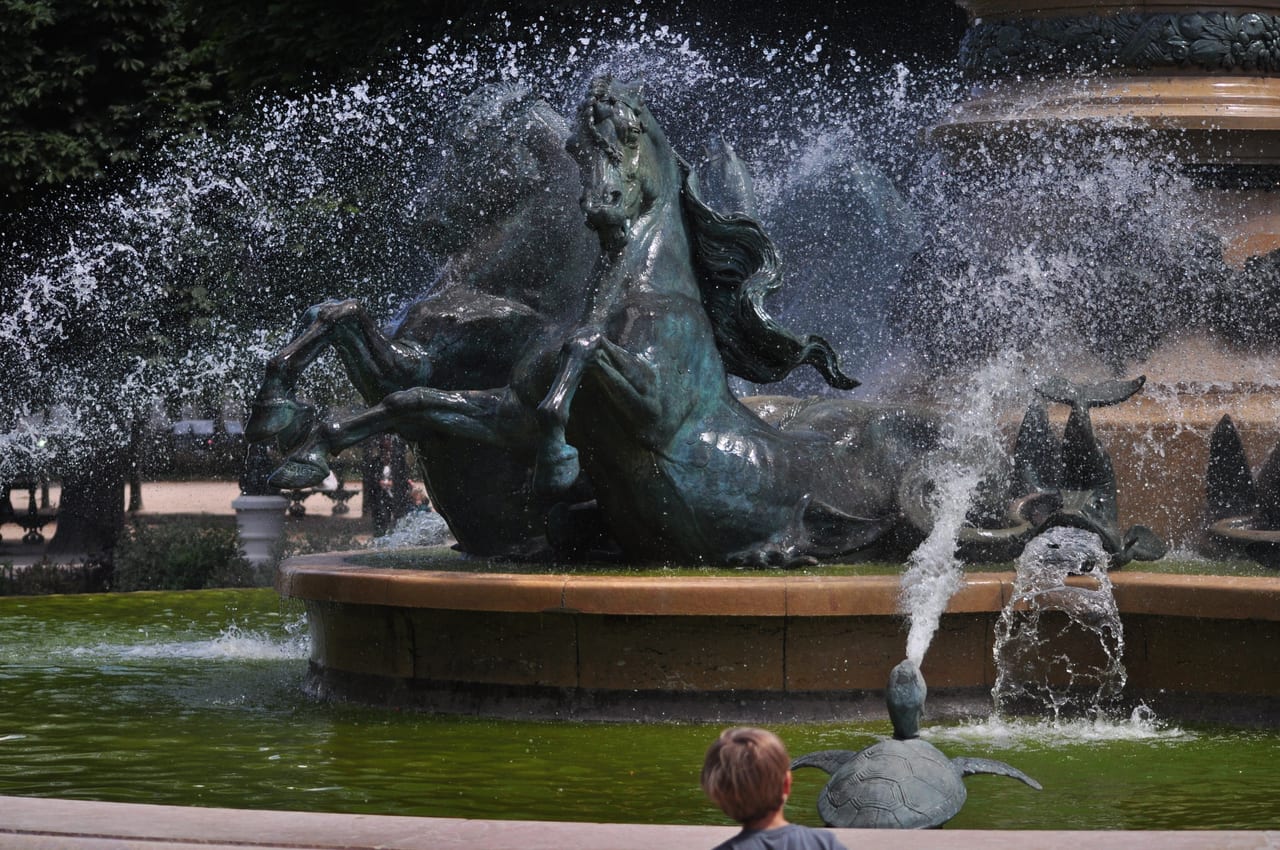
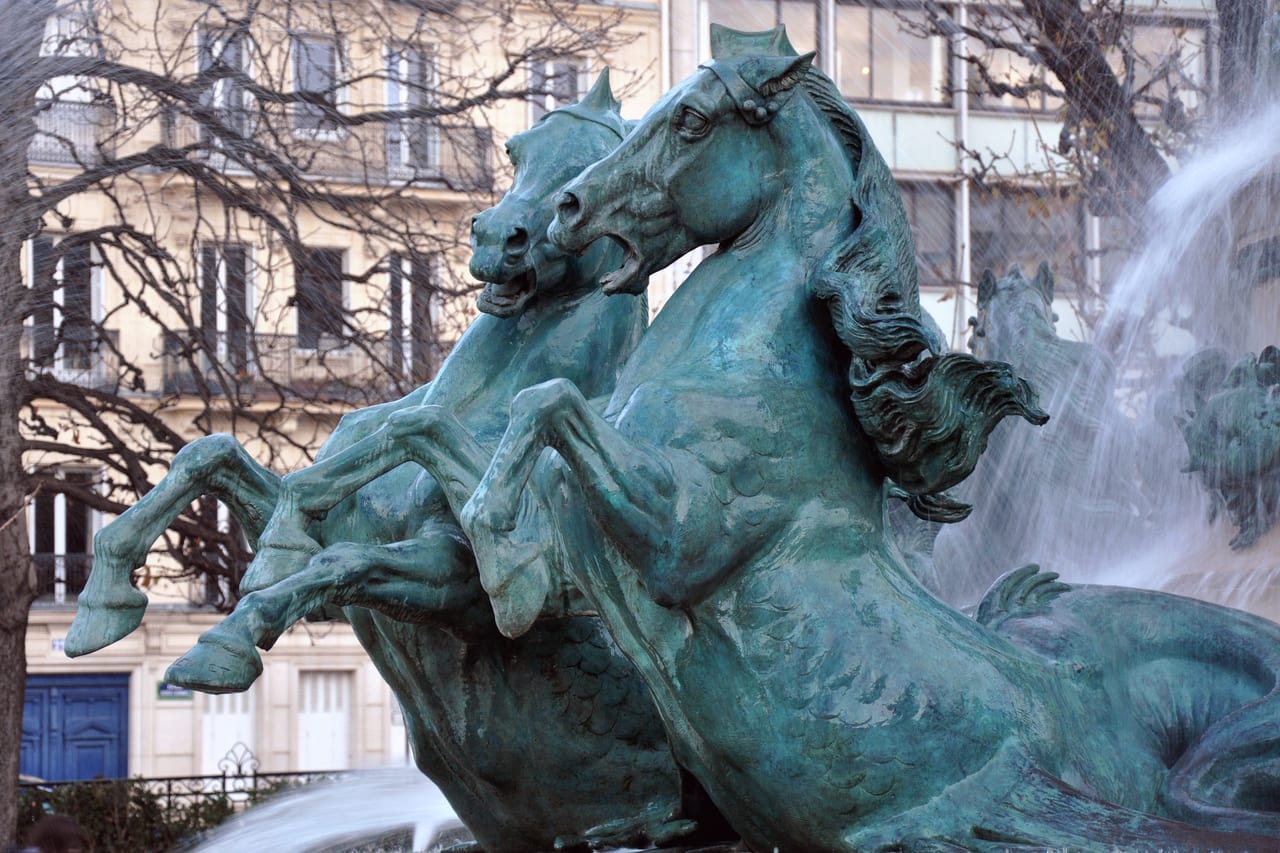
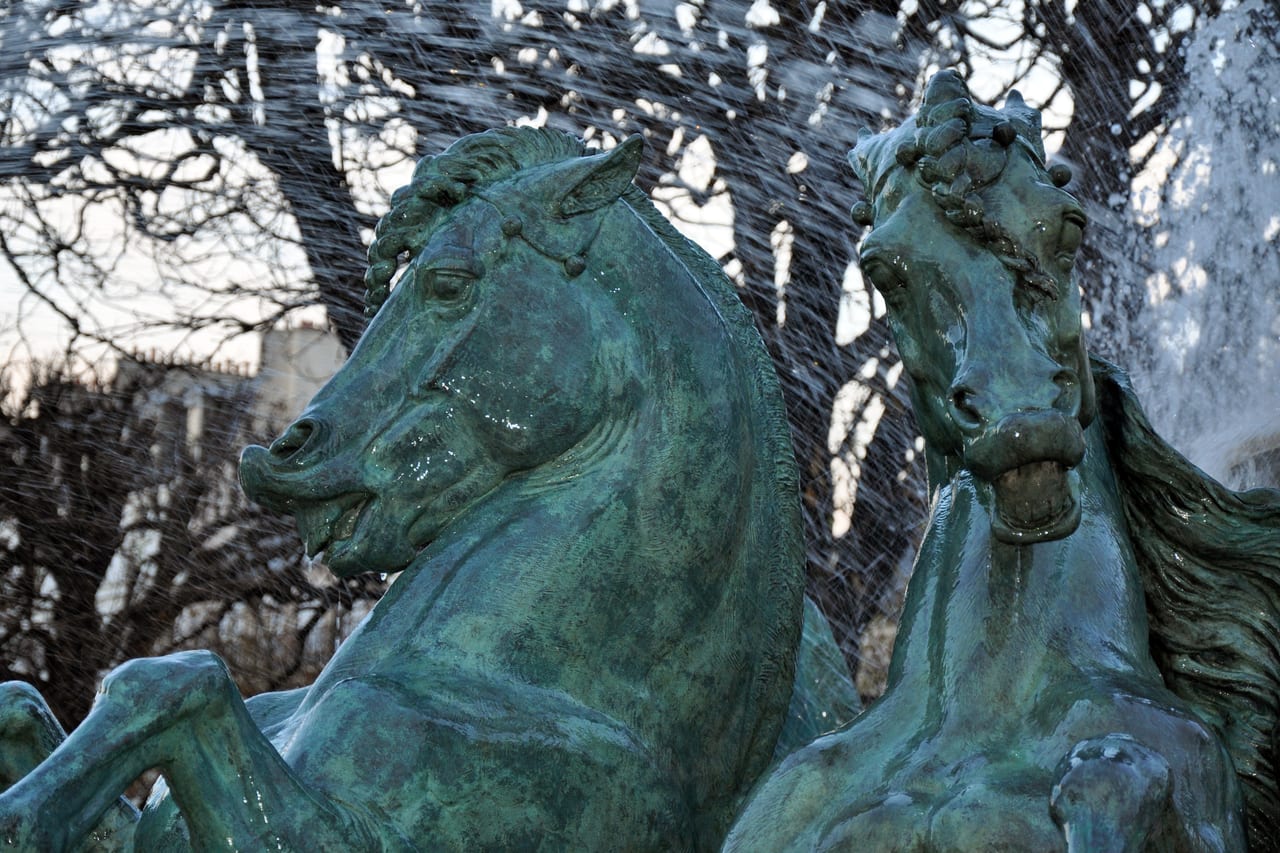
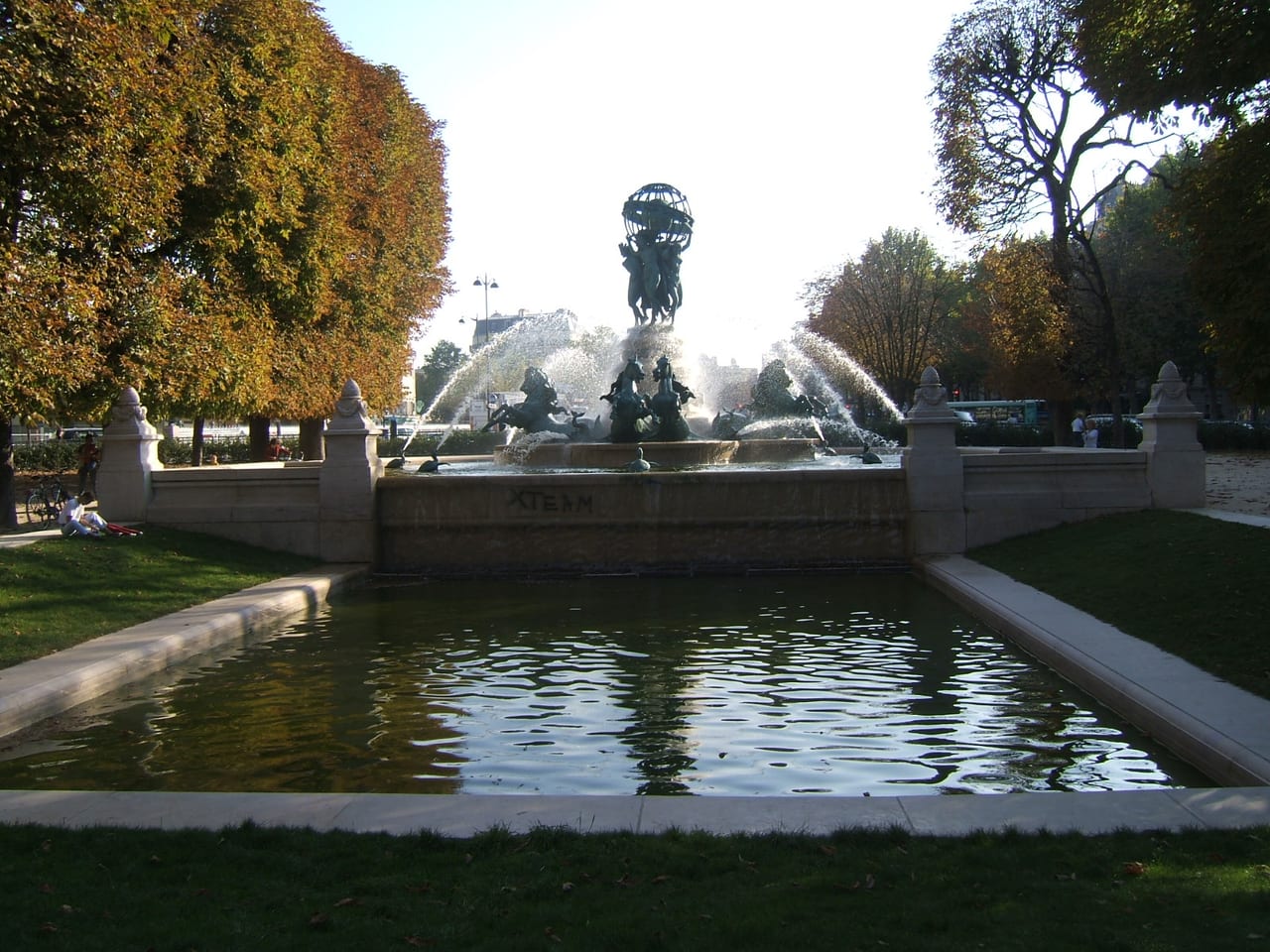
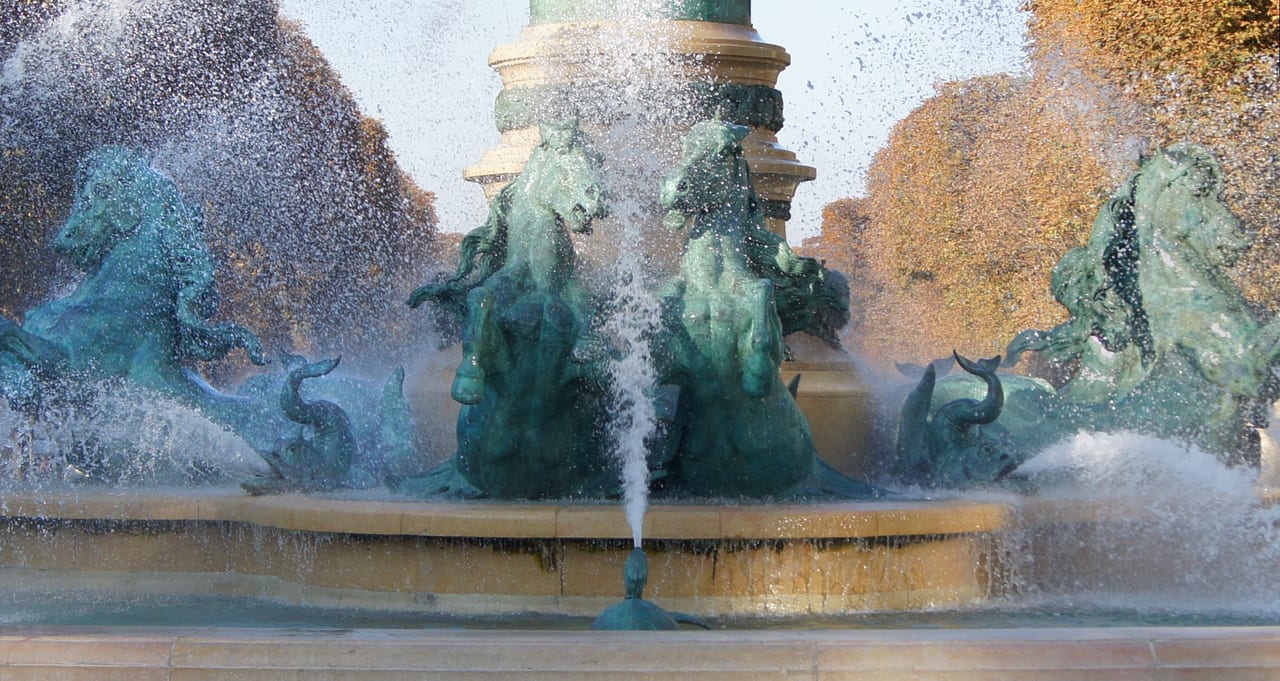
Davioud, director of the Prefecture’s parks and plantations service, designed the setting and instructed Carpeaux not to obstruct either building’s domed silhouette. Jean-Baptiste Carpeaux, a pupil of François Rude and winner of the Prix de Rome in 1854, developed the sculpture after rejecting an earlier, static design. Eugène Legrain made the celestial sphere and its zodiac band; Emmanuel Frémiet sculpted the basin’s horses; Louis Villeminot added garlands of shells and aquatic plants. In 1872, the Observatory’s director corrected the zodiac’s placement, requiring an ecliptic rather than equatorial circle. Work stopped during the Franco-Prussian War and the Paris Commune, resumed in 1872, and was completed in 1874, with casting by Matifat. Carpeaux, already in poor health, watched installation from a distance and died the following year. Jules Clarétie, initially hostile to his expressive sculpture, later called the fountain one of Carpeaux’s masterpieces. It is an officially listed monument historique.
At a glance
- Architect
- Gabriel Davioud
- Heritage
- monument historique inscrit
Ways to explore fontaine de l'Observatoire
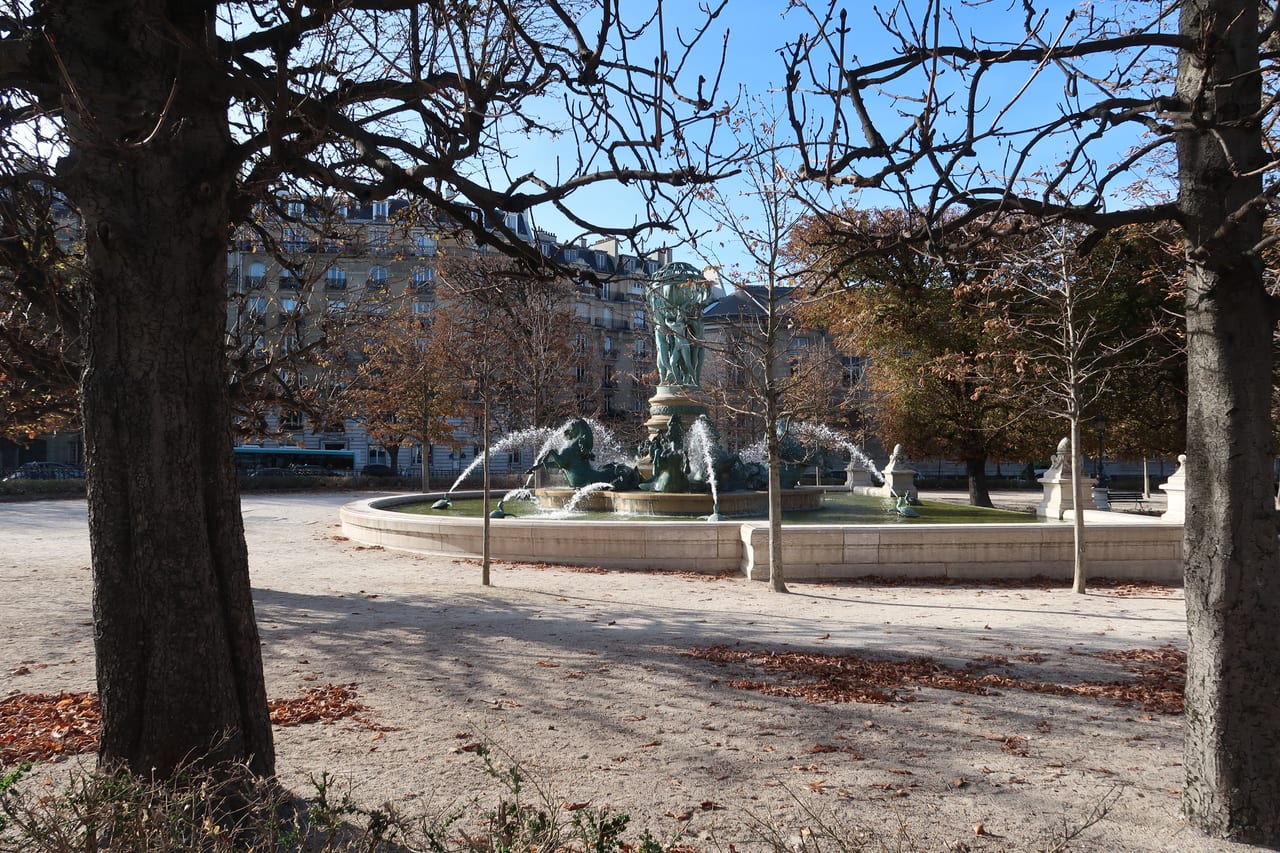
Walk around the fountain rather than treating it as a frontal composition: the intertwined bodies and animals change markedly with each viewpoint. Look closely at the lower basin for its garlands of shells and aquatic plants, and at the zodiac band around the celestial sphere. Changing light helps reveal the sculpture’s pronounced modelling.
Places to stay near fontaine de l'Observatoire
Live availability and prices from Stay22's partners, refreshed periodically and subject to change. Booking through these links may earn us a commission at no extra cost to you. See our privacy policy.
Cafés near fontaine de l'Observatoire
Cafés near fontaine de l'Observatoire loads as you scroll.
Attractions nearby
Attractions near fontaine de l'Observatoire loads as you scroll.
Cities nearby
Cities nearby loads as you scroll.
More in Paris
See more of Paris.
Find great cafés, places to stay and other interesting places to visit in Paris.