Memorial · Paris
equestrian statue of Joan of Arc
DirectionsAmong roughly 150 statues erected in Paris between 1870 and 1914, Jeanne d’Arc was the only one commissioned directly by the French state.
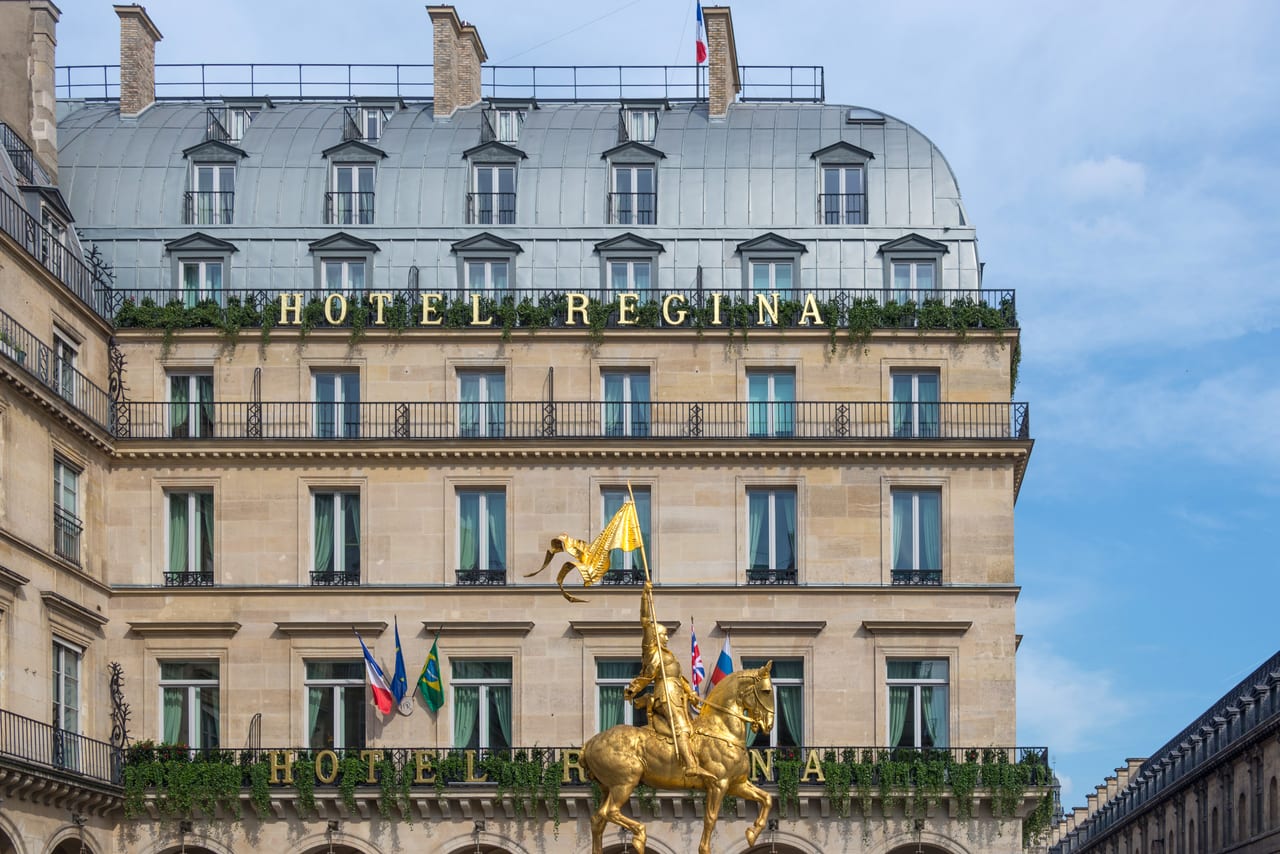
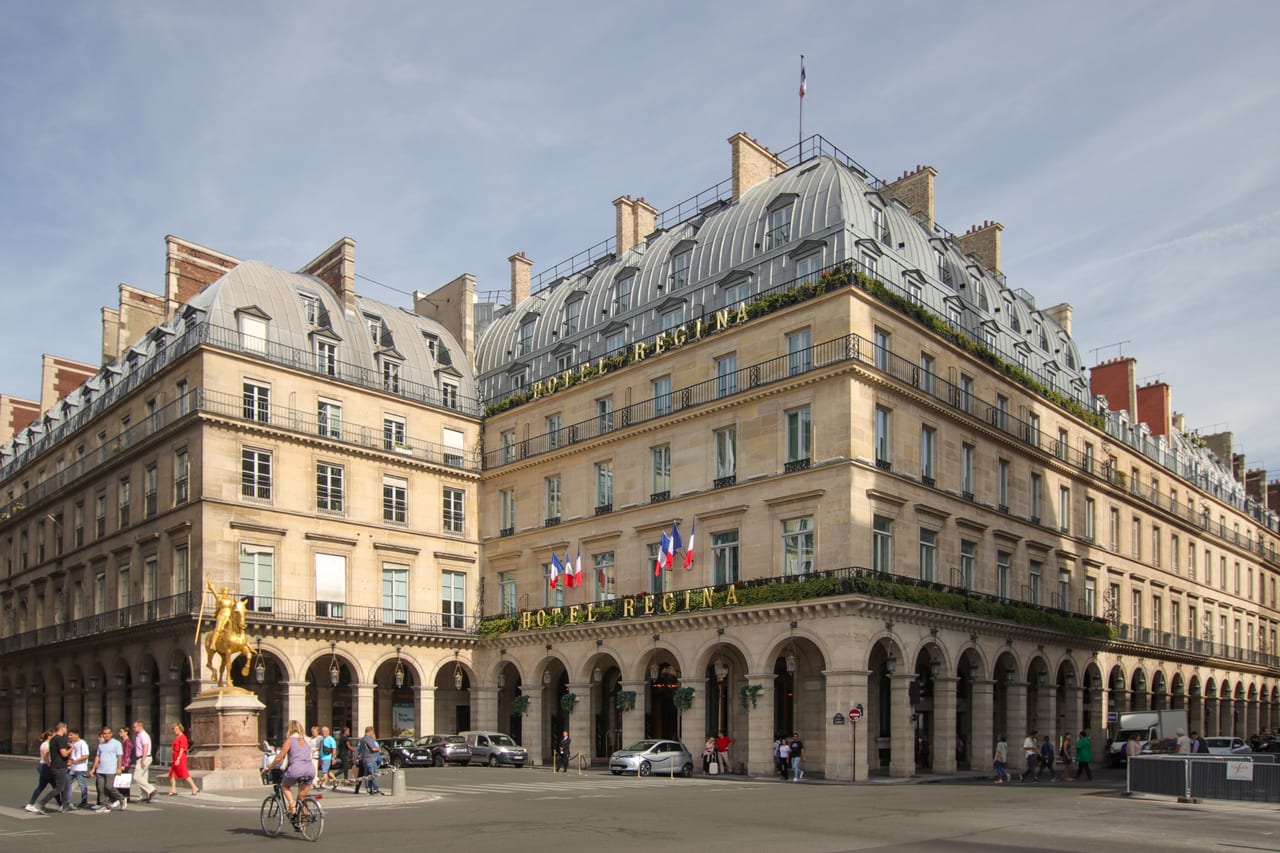
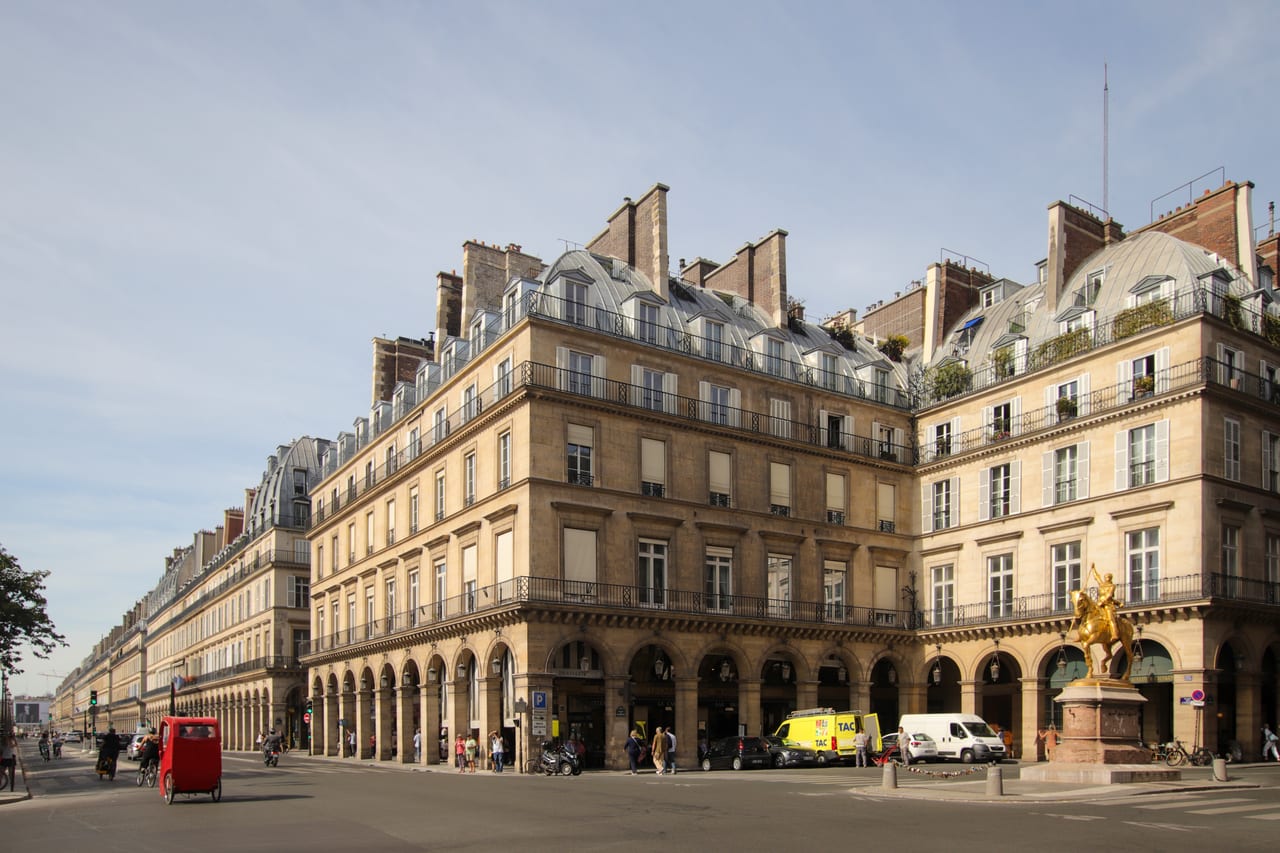
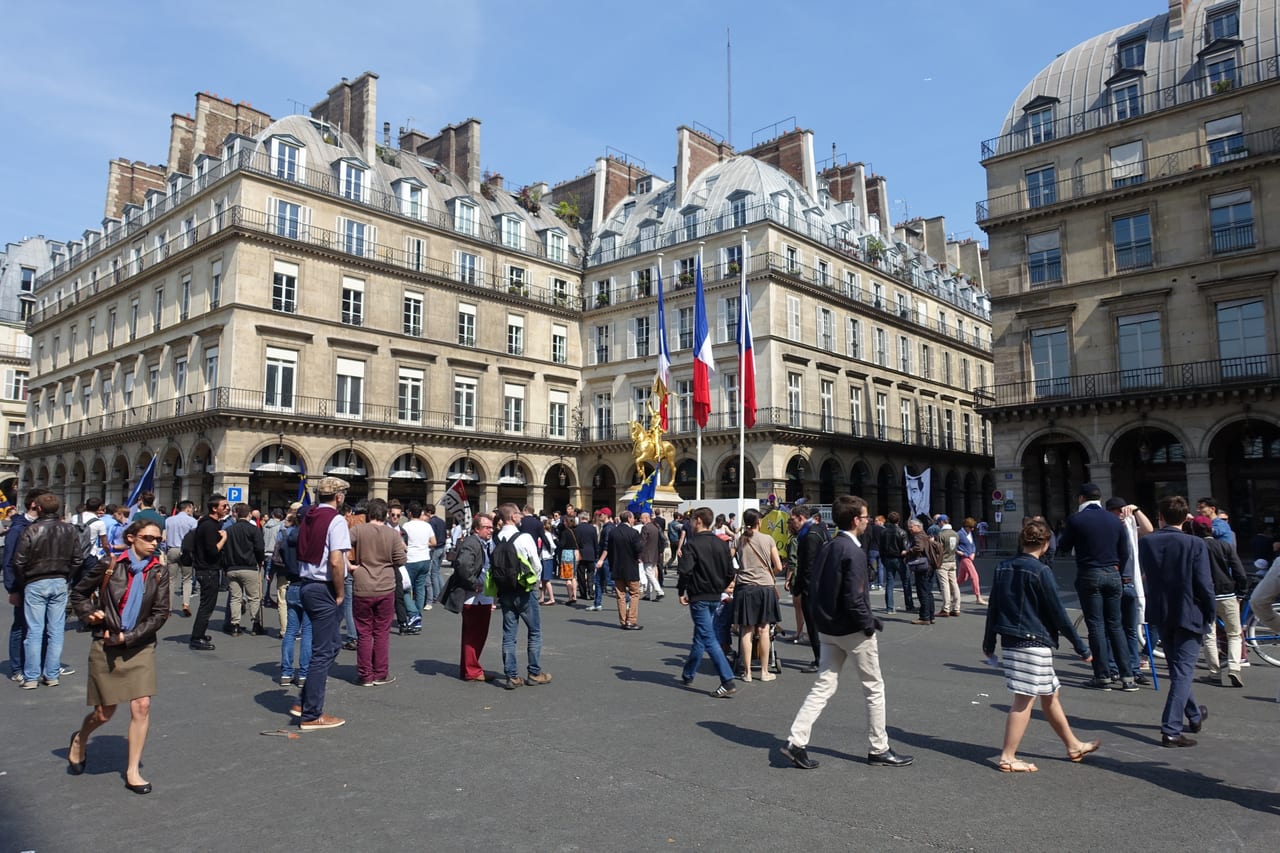
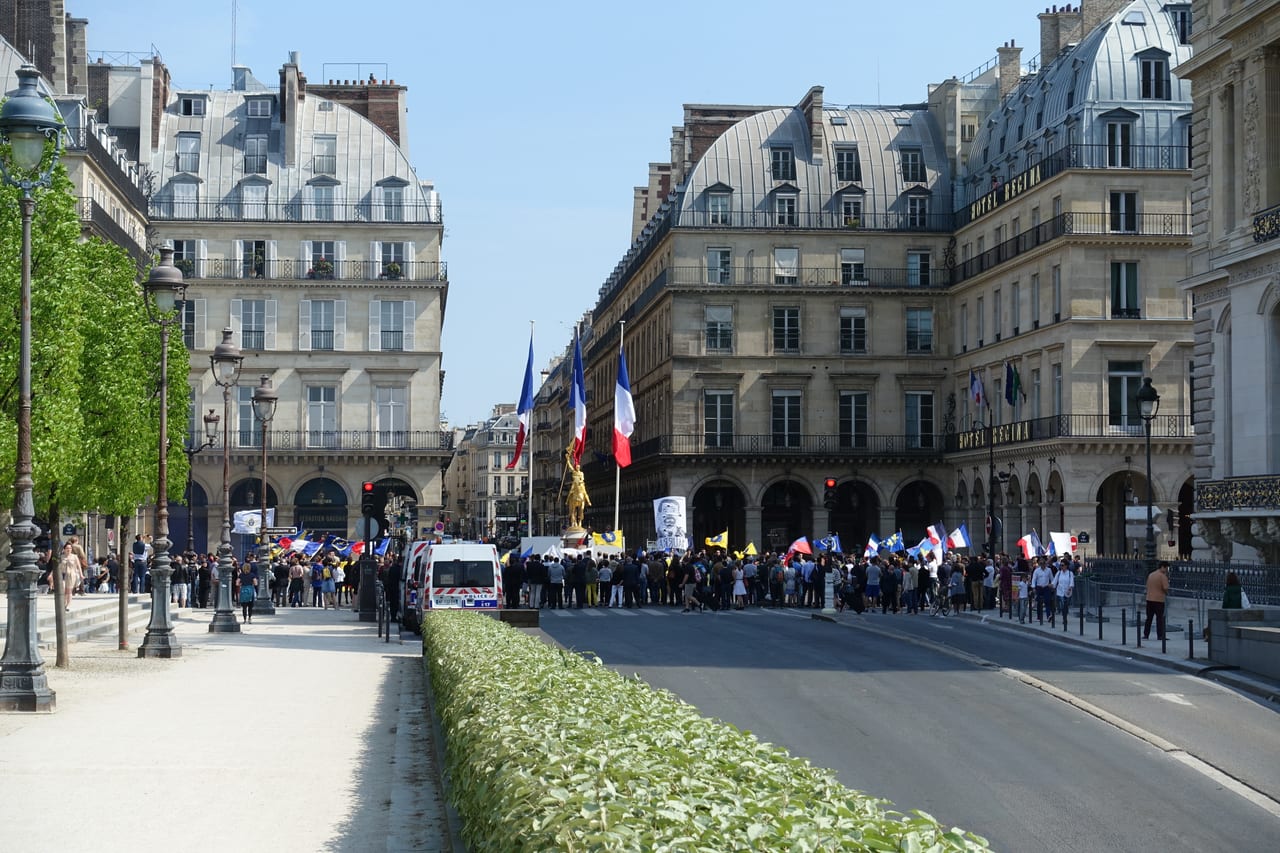
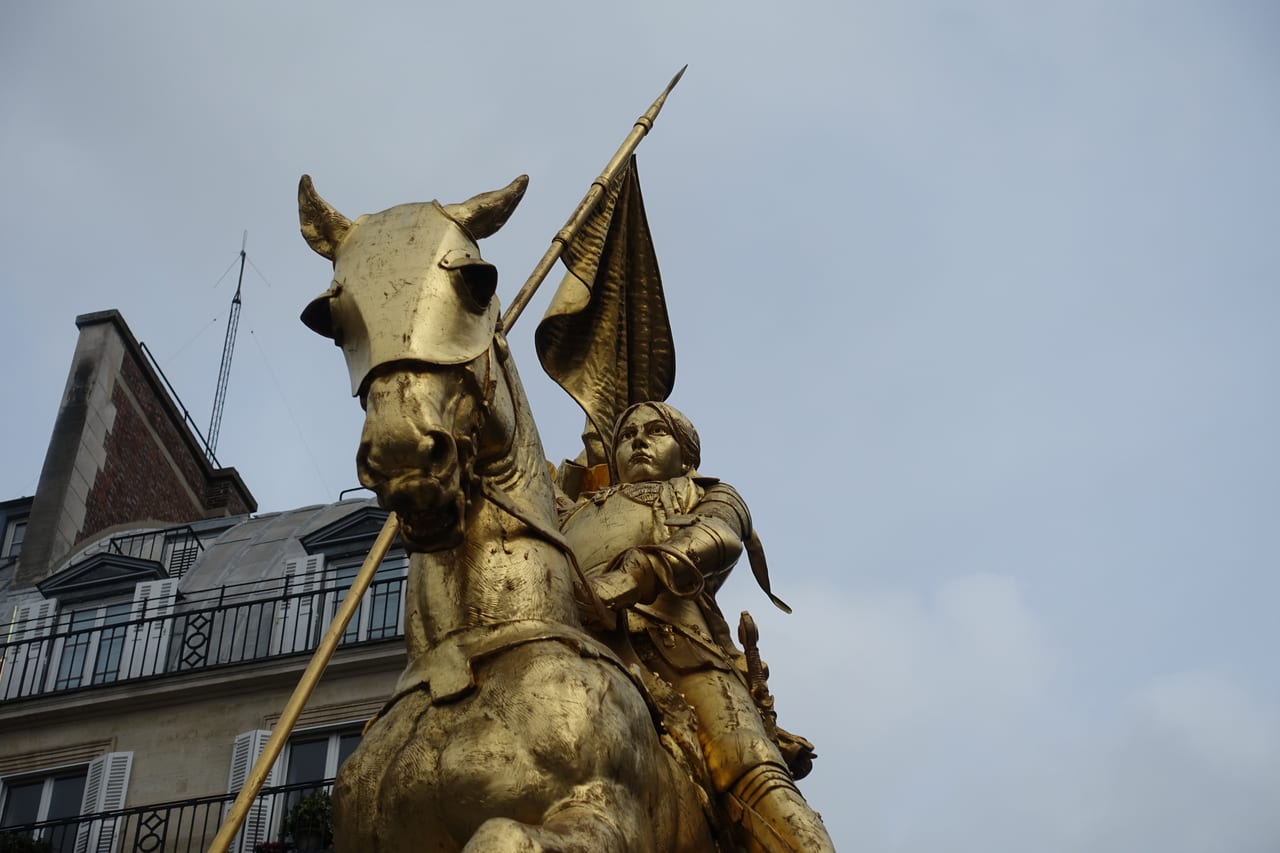
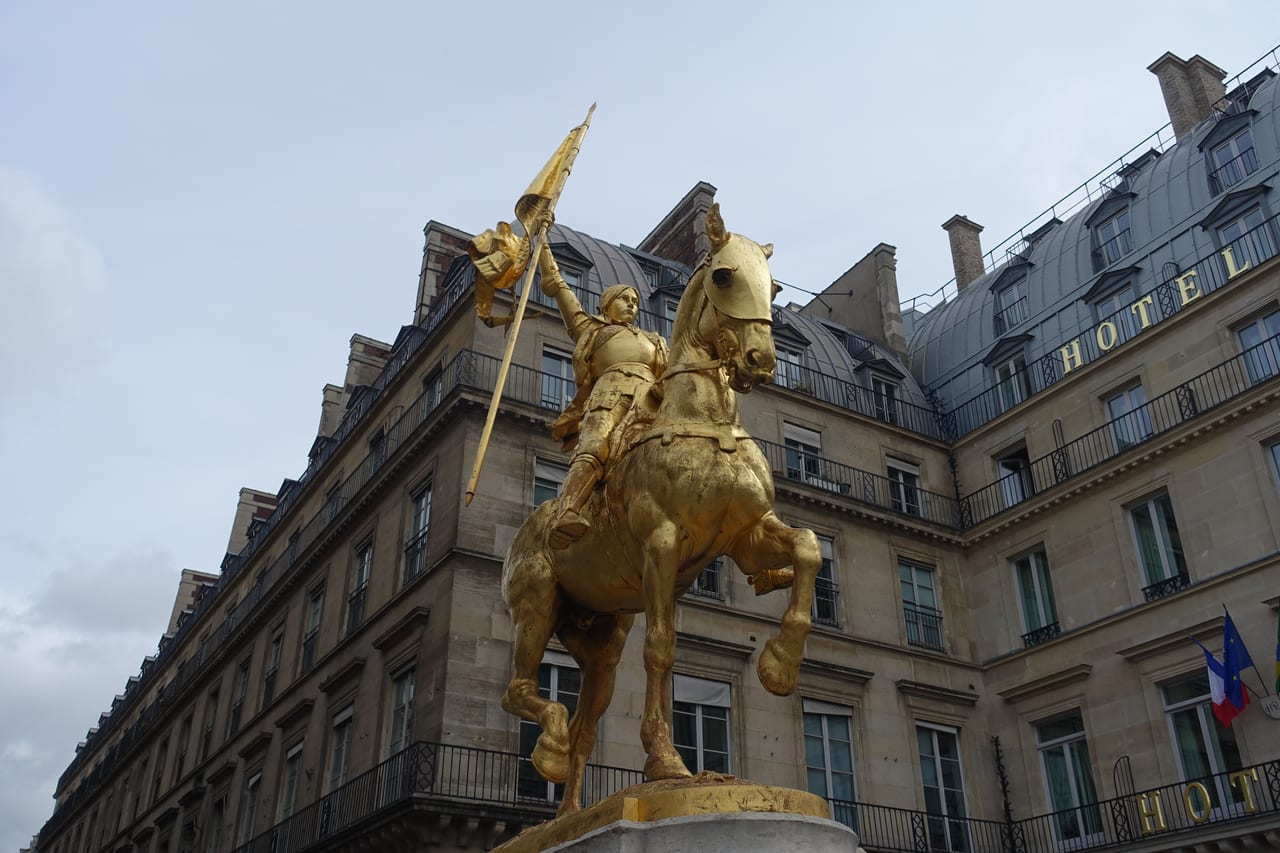
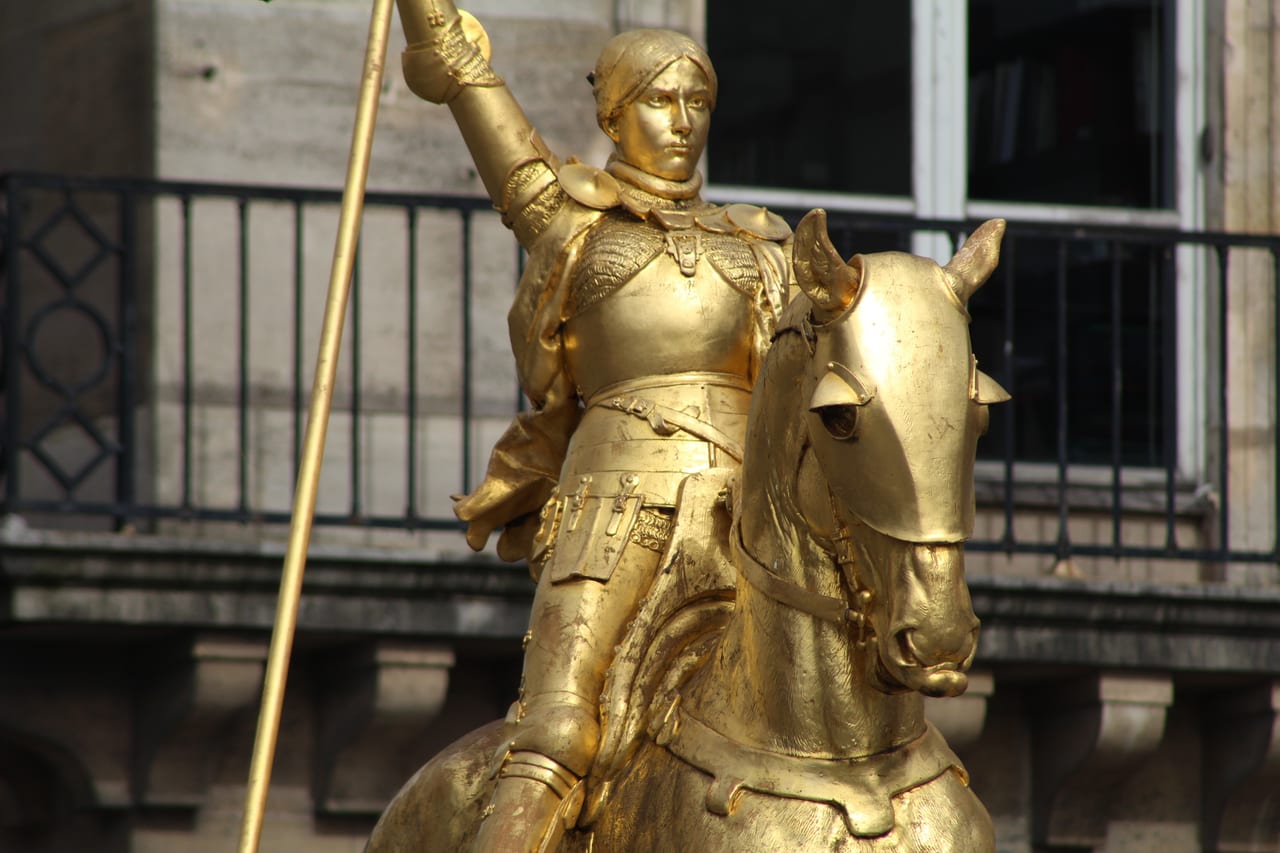
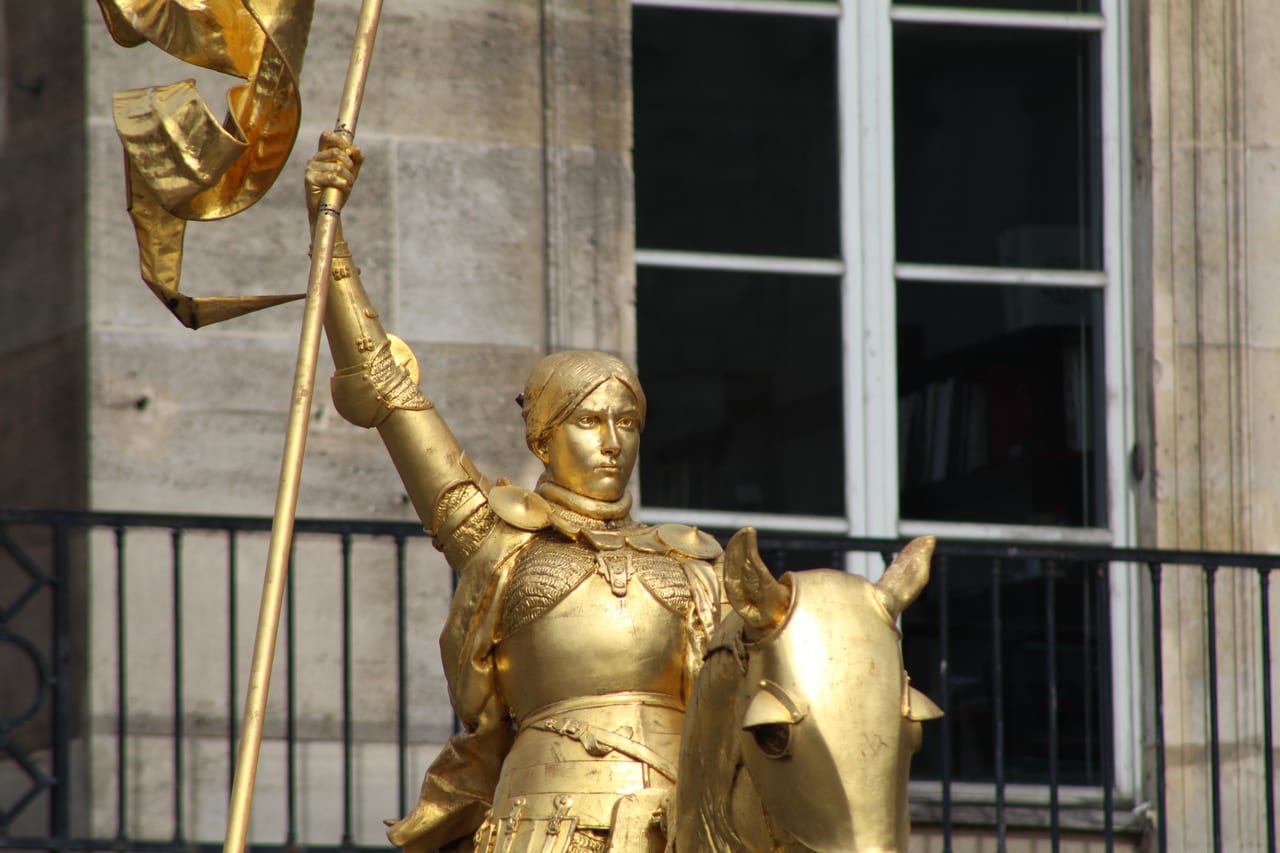
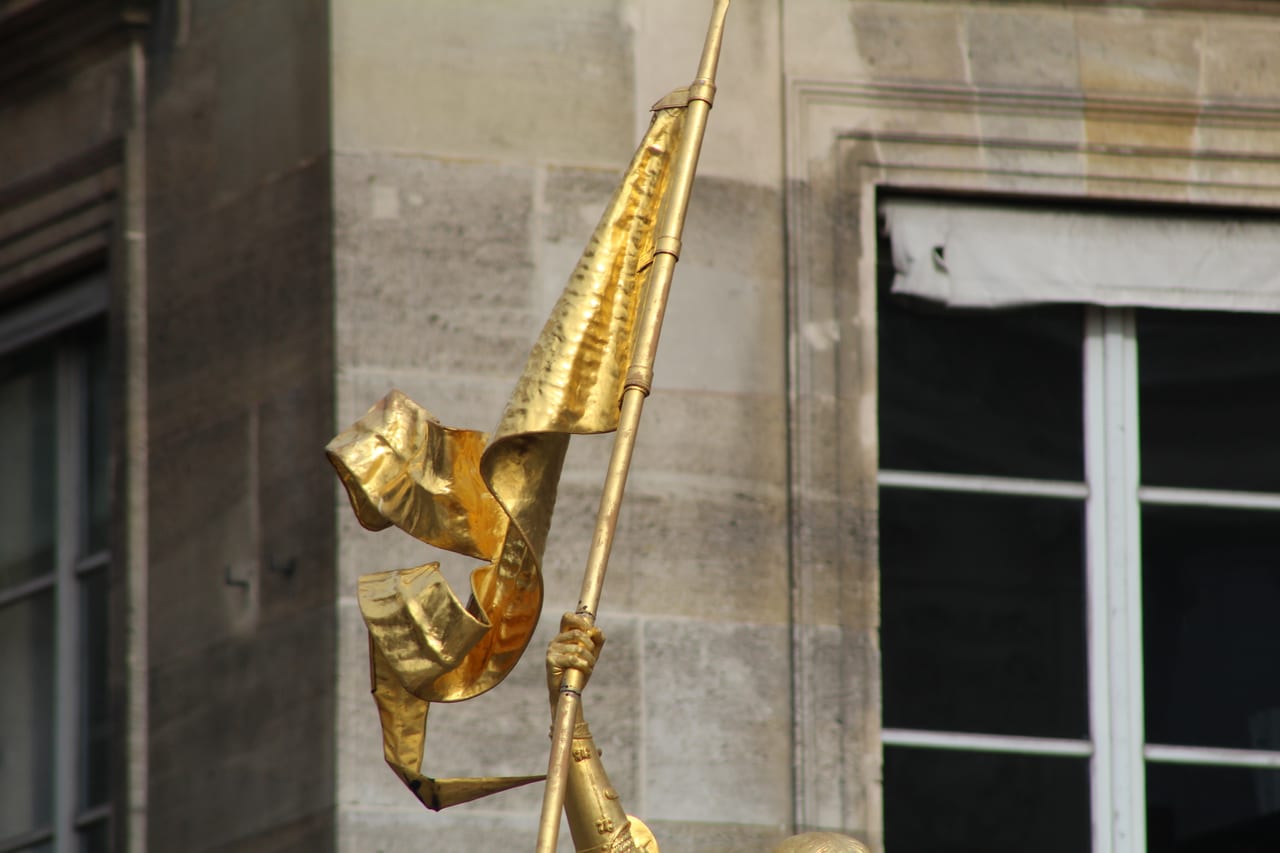
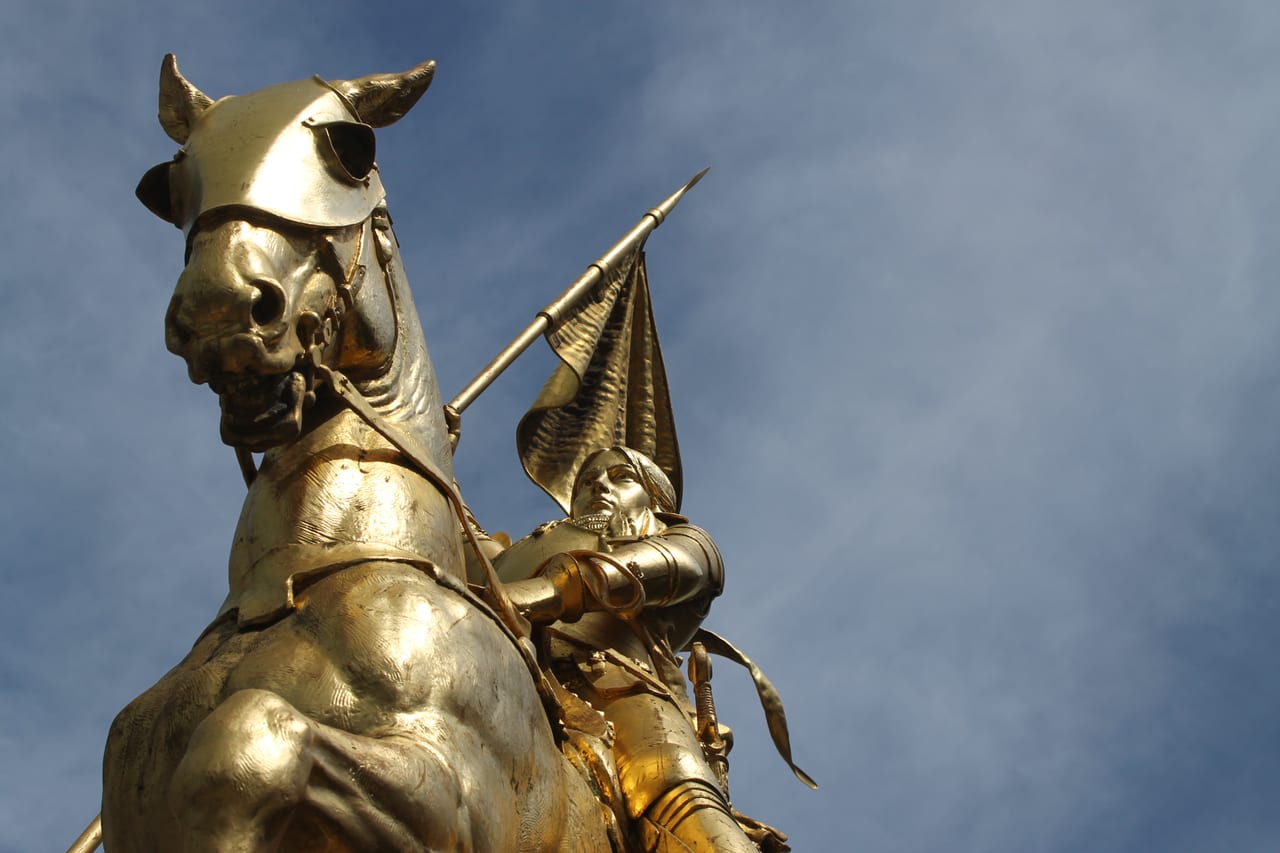
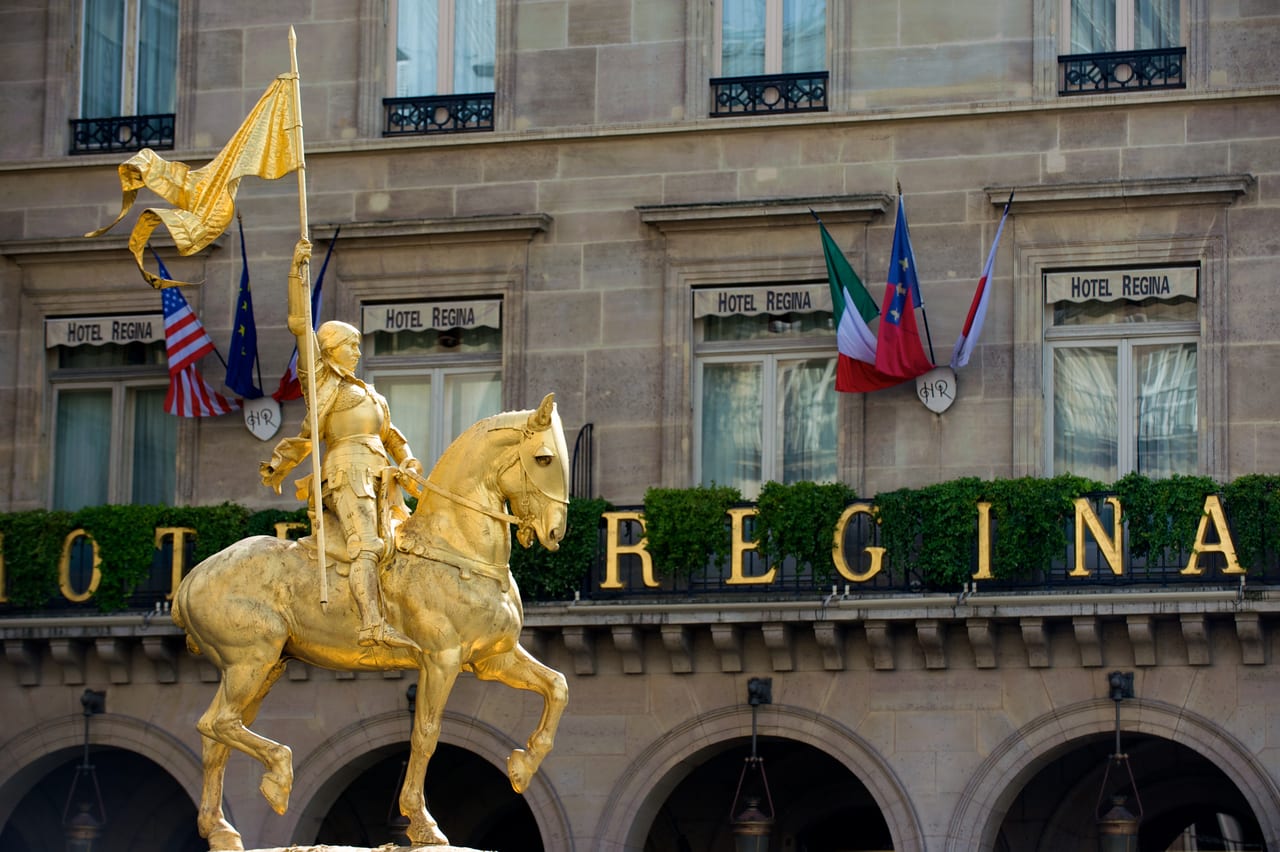
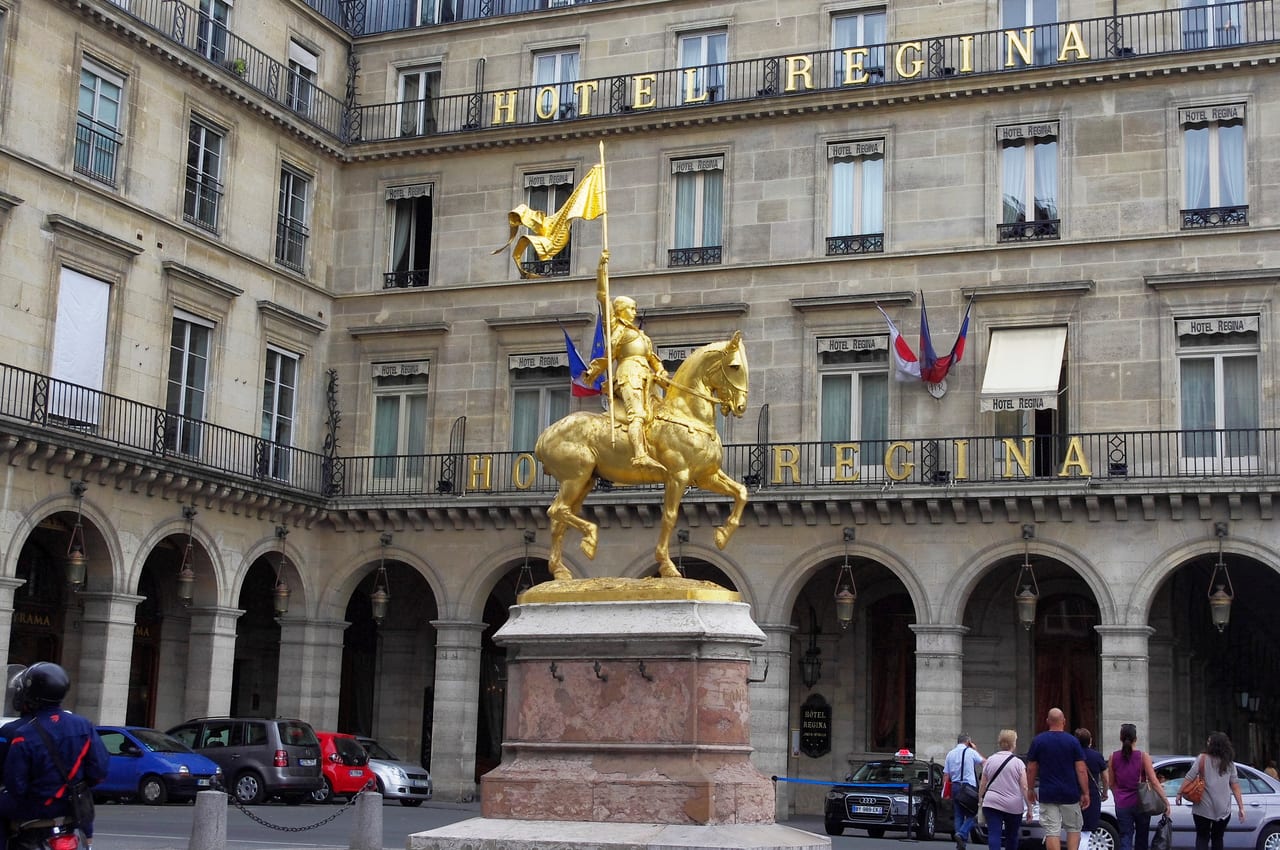
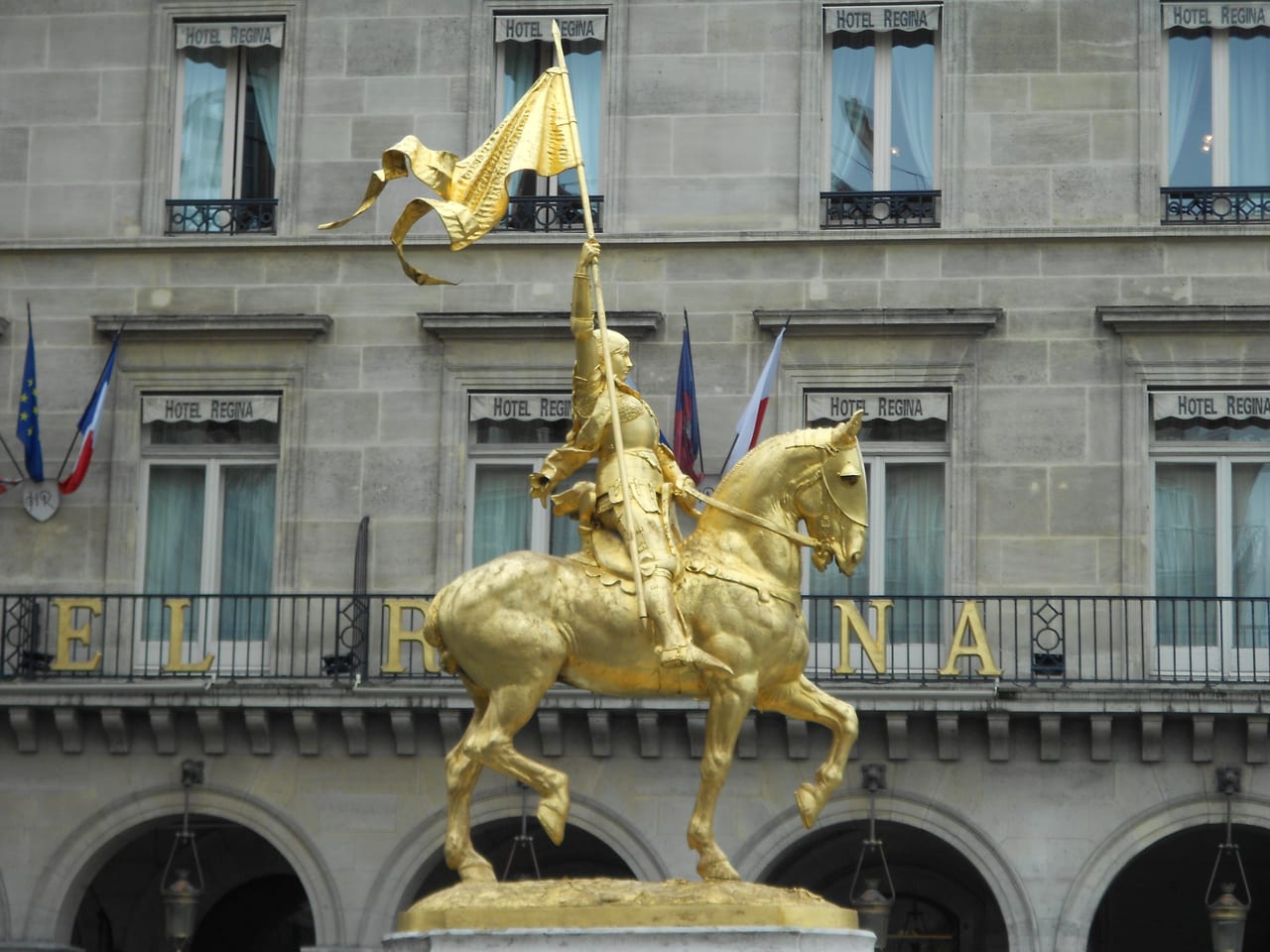
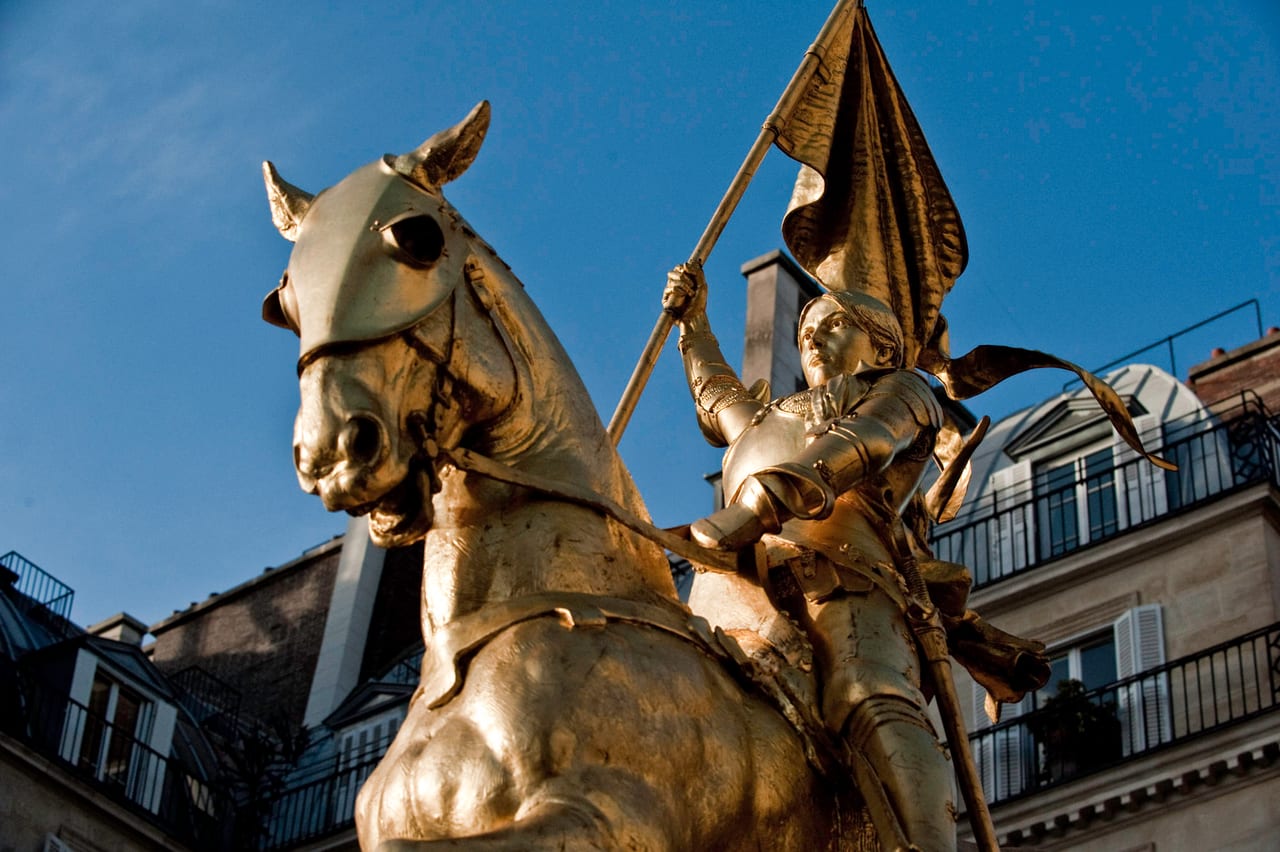
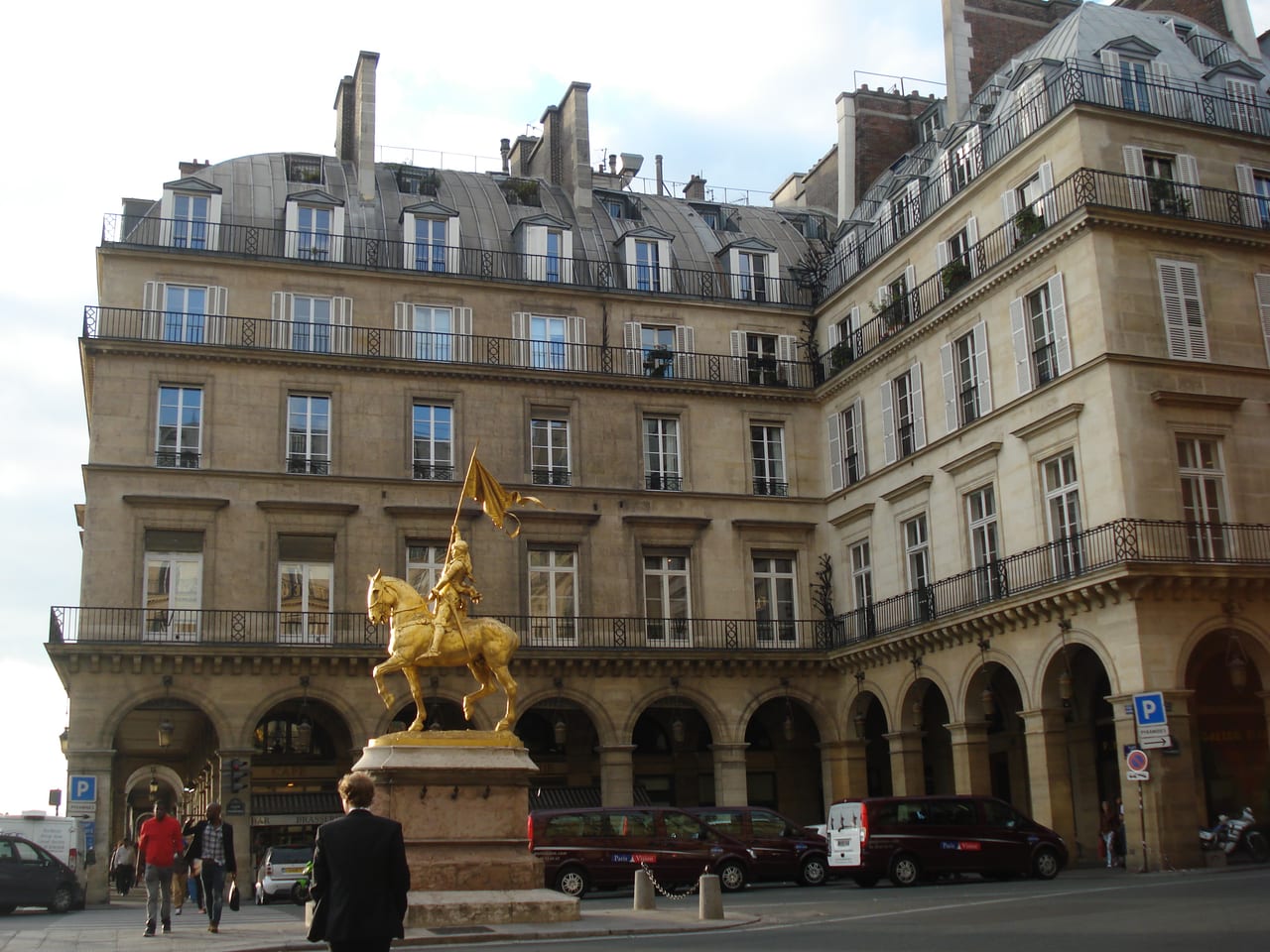
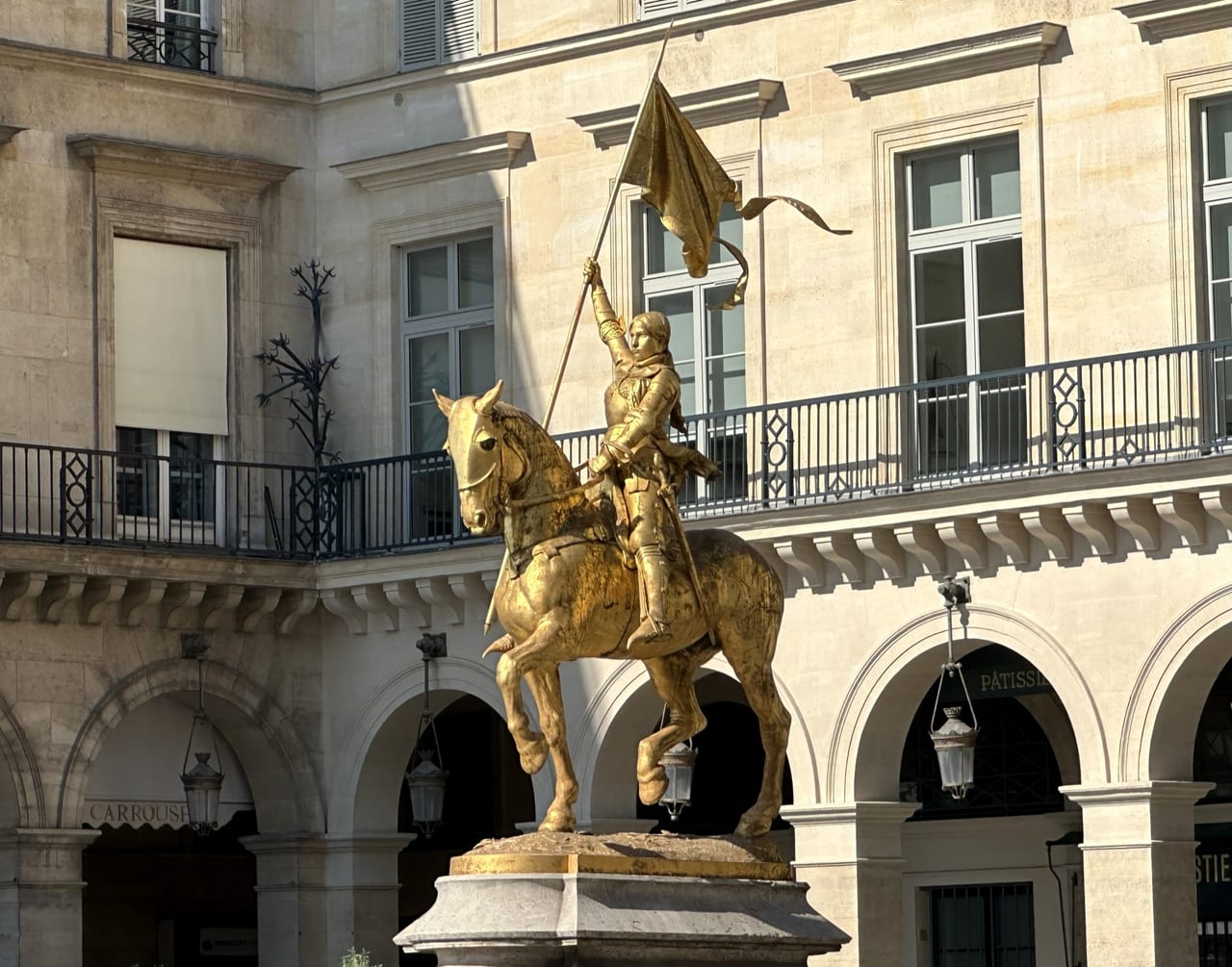
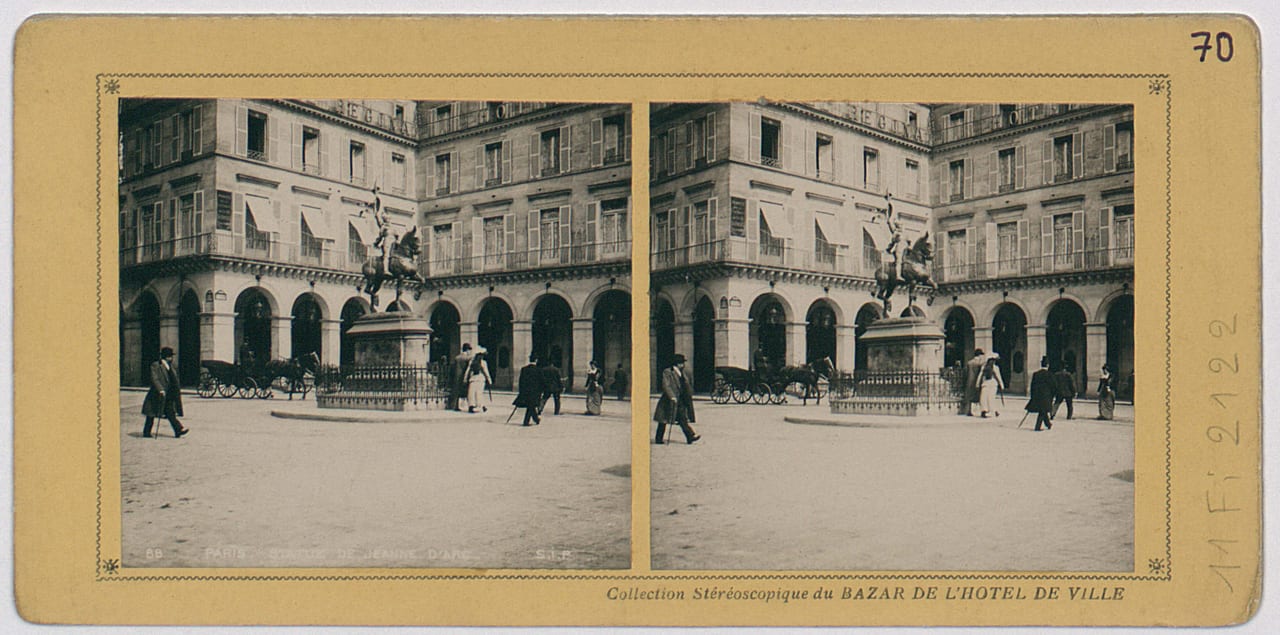
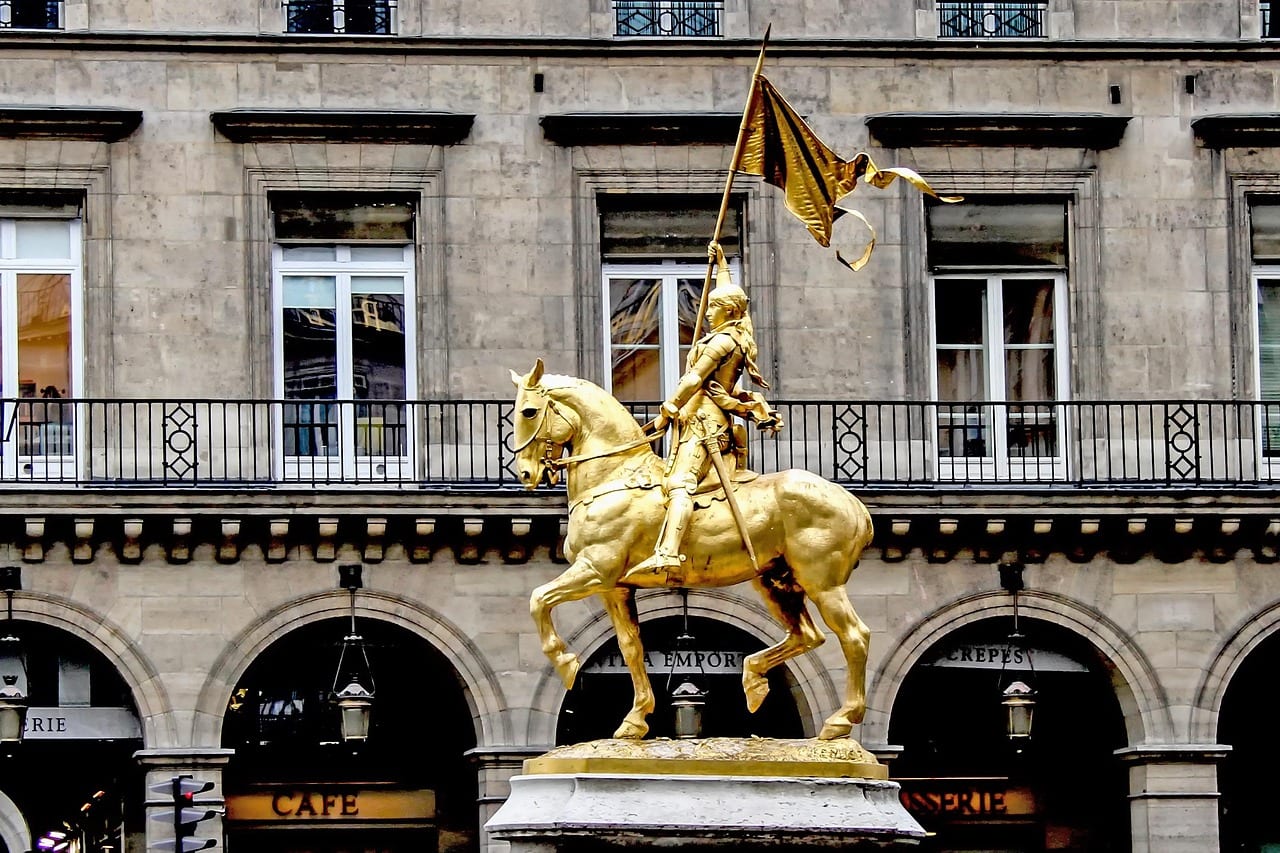
Photograph 1 of 29 of equestrian statue of Joan of Arc
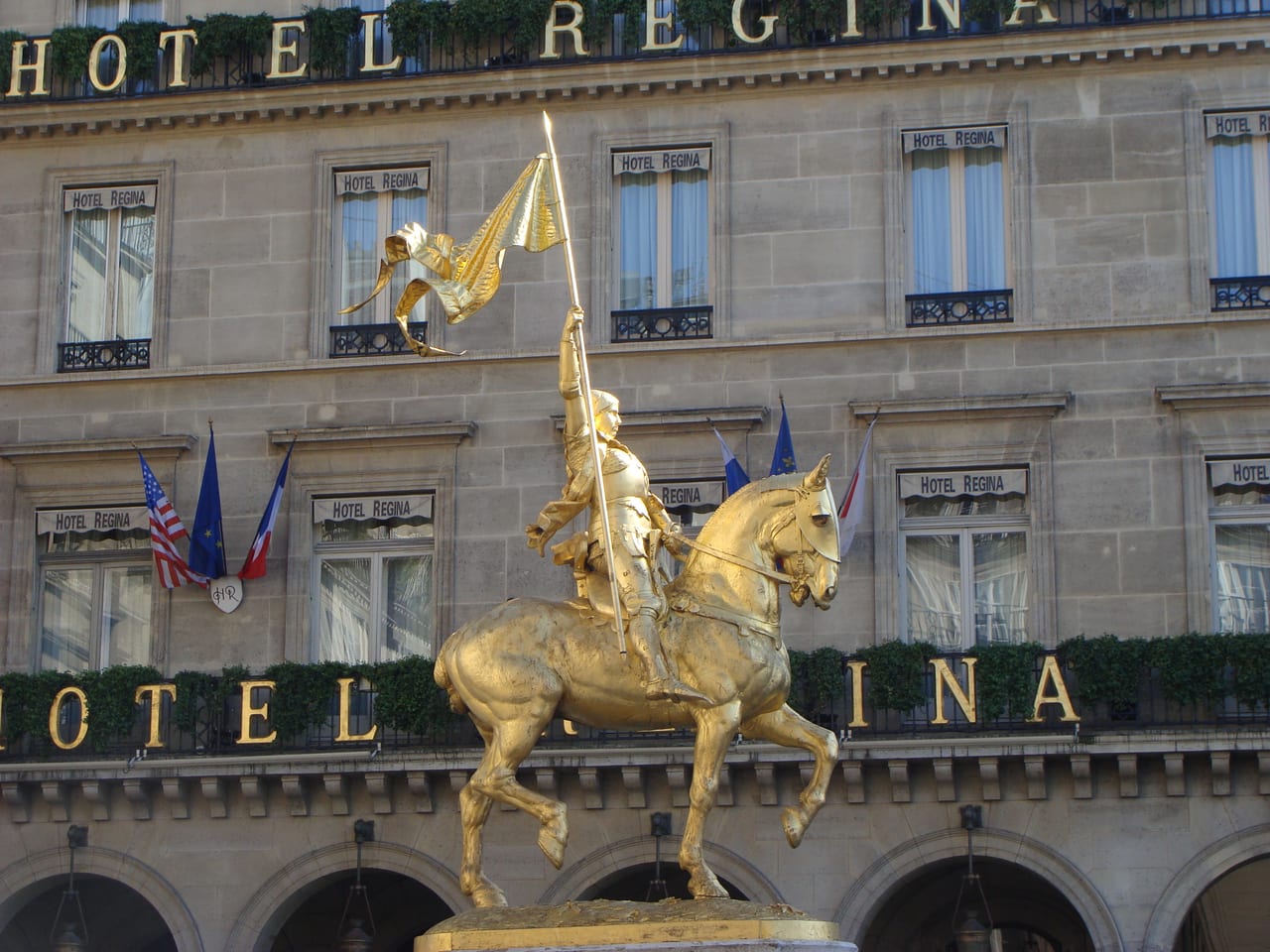
Emmanuel Frémiet’s gilded bronze equestrian monument emerged from France’s defeat in the Franco-Prussian War of 1870, its intended symbol being “reconquest.” Installed on 20 February 1874 and inaugurated that year, it was cast by Thiébaut Frères, with a pedestal by Paul Abadie and protective grille by Gabriel Davioud. Its position near the place where Joan was supposedly wounded during the failed attempt to take Paris gives the work a charged historical setting. Frémiet used Aimée Girod, a Lorraine peasant from Domrémy, as his model, placing her on a powerful draft horse. Critics objected that the massive animal overwhelmed the slight, youthful rider and failed to convey her sanctity or mystical mission. Frémiet nevertheless defended historical accuracy, drawing on a tapestry in Orléans and period images of mounted warriors. He later produced a taller Joan on a smaller horse for Nancy in 1889; a version was also made for the United States, while replicas spread to Lille, Compiègne, Saint-Étienne, New Orleans, Philadelphia, Portland and Melbourne.
At a glance
- Built
- 1874
- Heritage
- classified historical monument
Ways to explore equestrian statue of Joan of Arc
Study the statue from several sides: the contrast between the compact, armoured rider and the broad, caparisoned horse is its defining visual tension. Look closely at Joan’s bare head, raised standard, the gilded surface and the protective grille around the pedestal. A visit to the Musée d’Orsay adds the chance to compare the surviving maquette of the first version with the monument itself. The surrounding square also helps convey the sculpture’s commanding scale.
Places to stay near equestrian statue of Joan of Arc
Live availability and prices from Stay22's partners, refreshed periodically and subject to change. Booking through these links may earn us a commission at no extra cost to you. See our privacy policy.
Cafés near equestrian statue of Joan of Arc
Cafés near equestrian statue of Joan of Arc loads as you scroll.
Attractions nearby
Attractions near equestrian statue of Joan of Arc loads as you scroll.
Cities nearby
Cities nearby loads as you scroll.
More in Paris
See more of Paris.
Find great cafés, places to stay and other interesting places to visit in Paris.