Park · Paris
Champ de Mars
DirectionsOn 27 August 1783, the Champ-de-Mars launched the first hydrogen-filled aerostat, built by physicist Jacques Charles, toward Gonesse.
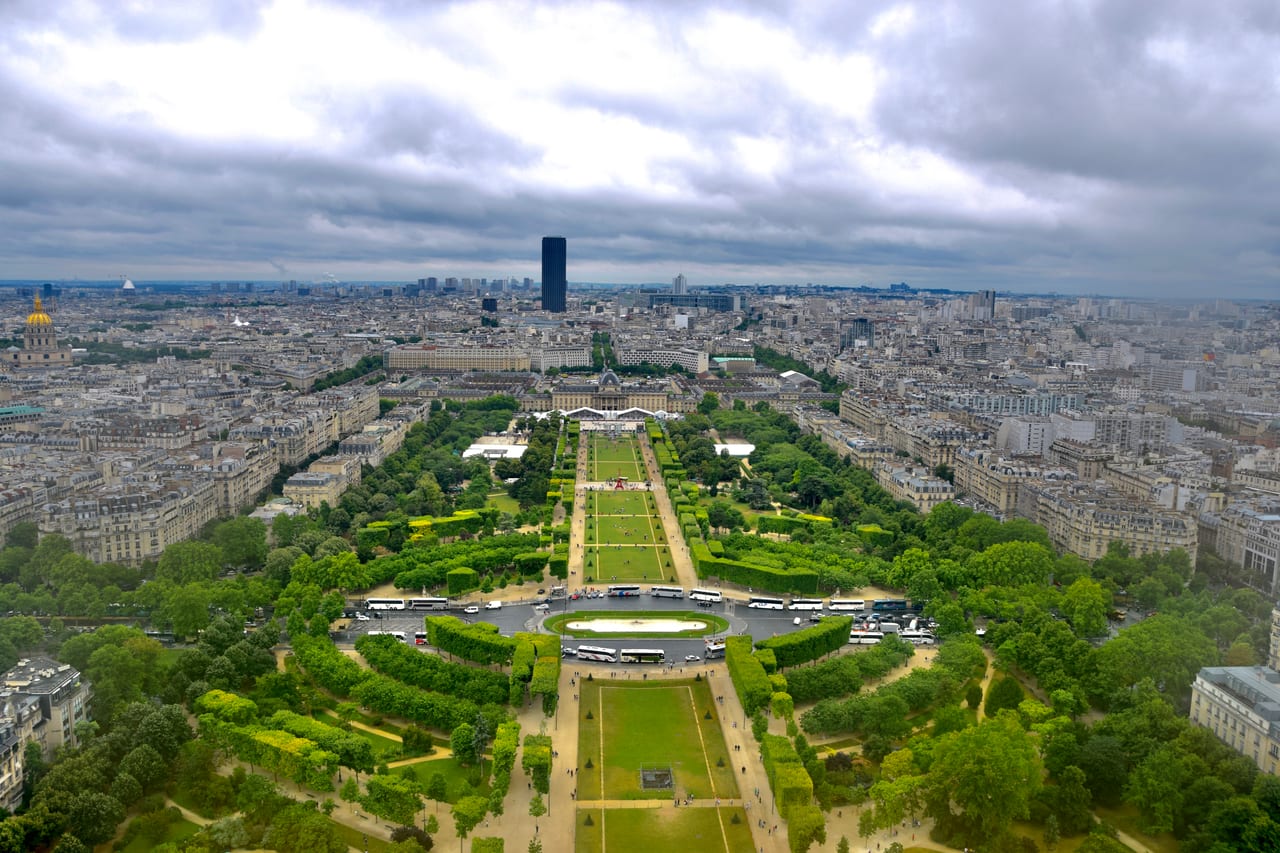
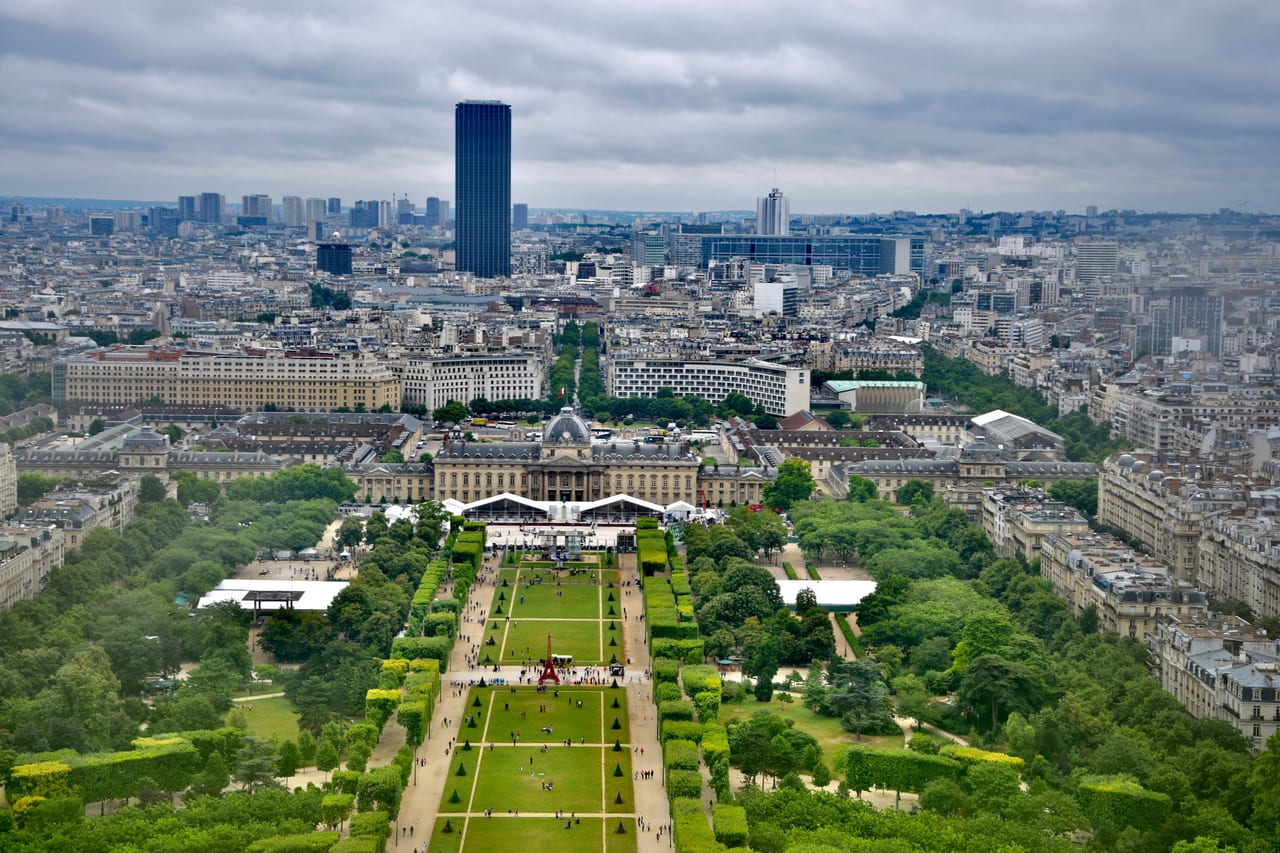
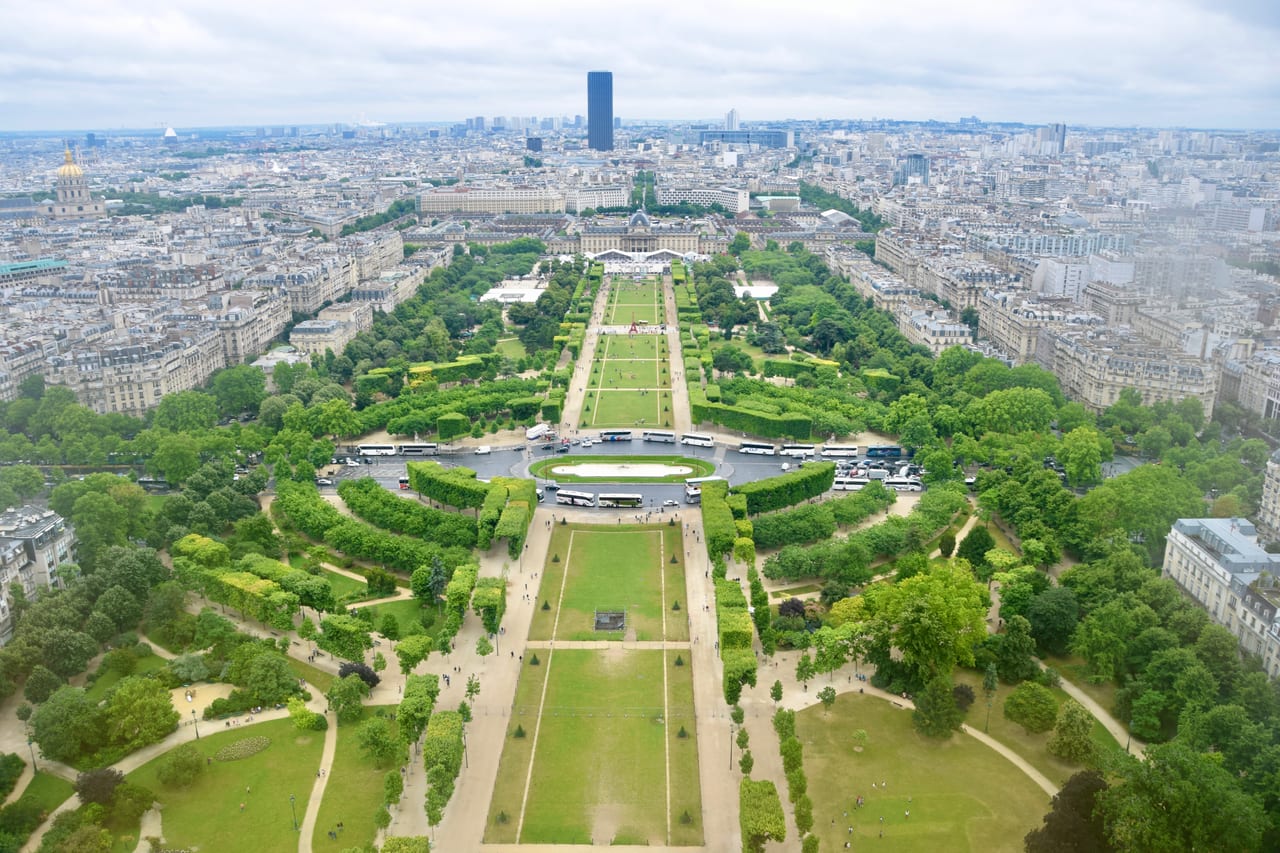
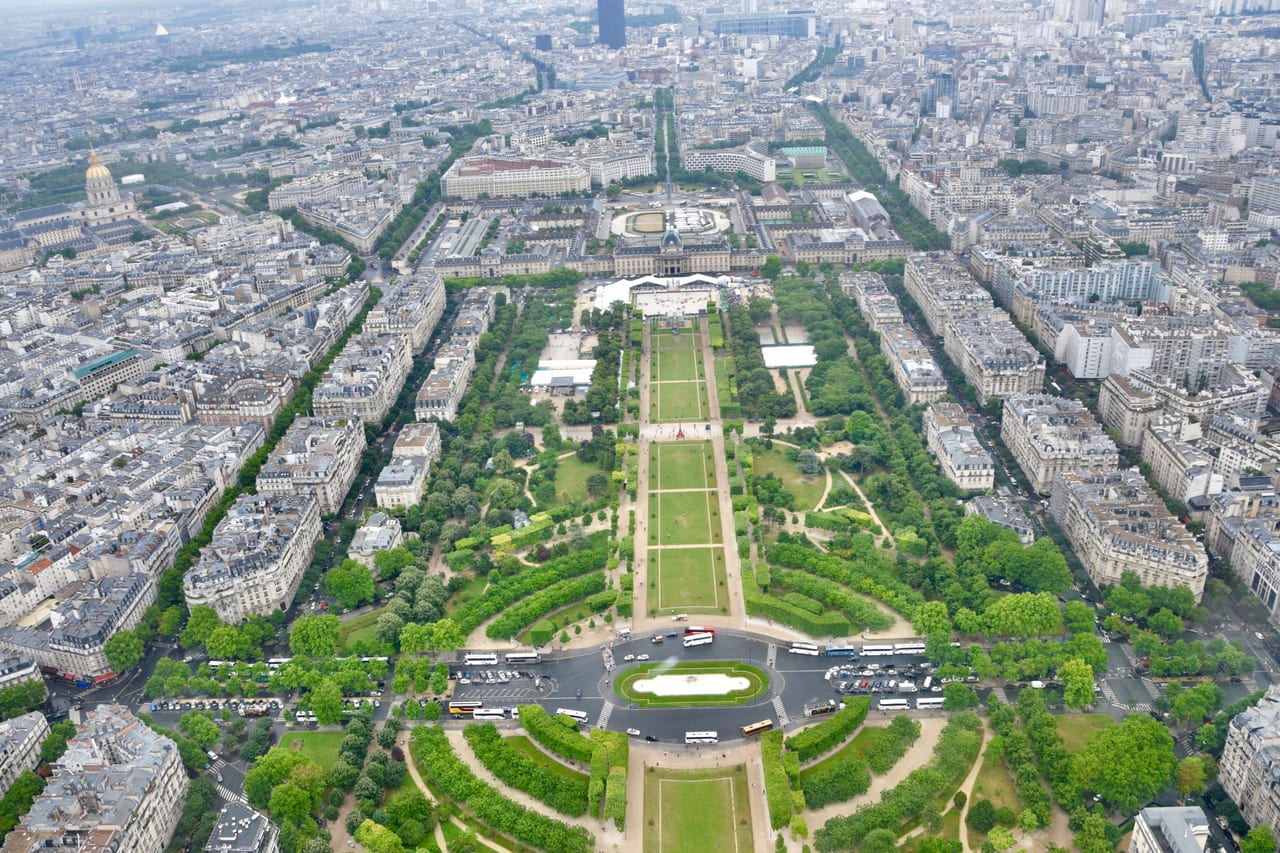
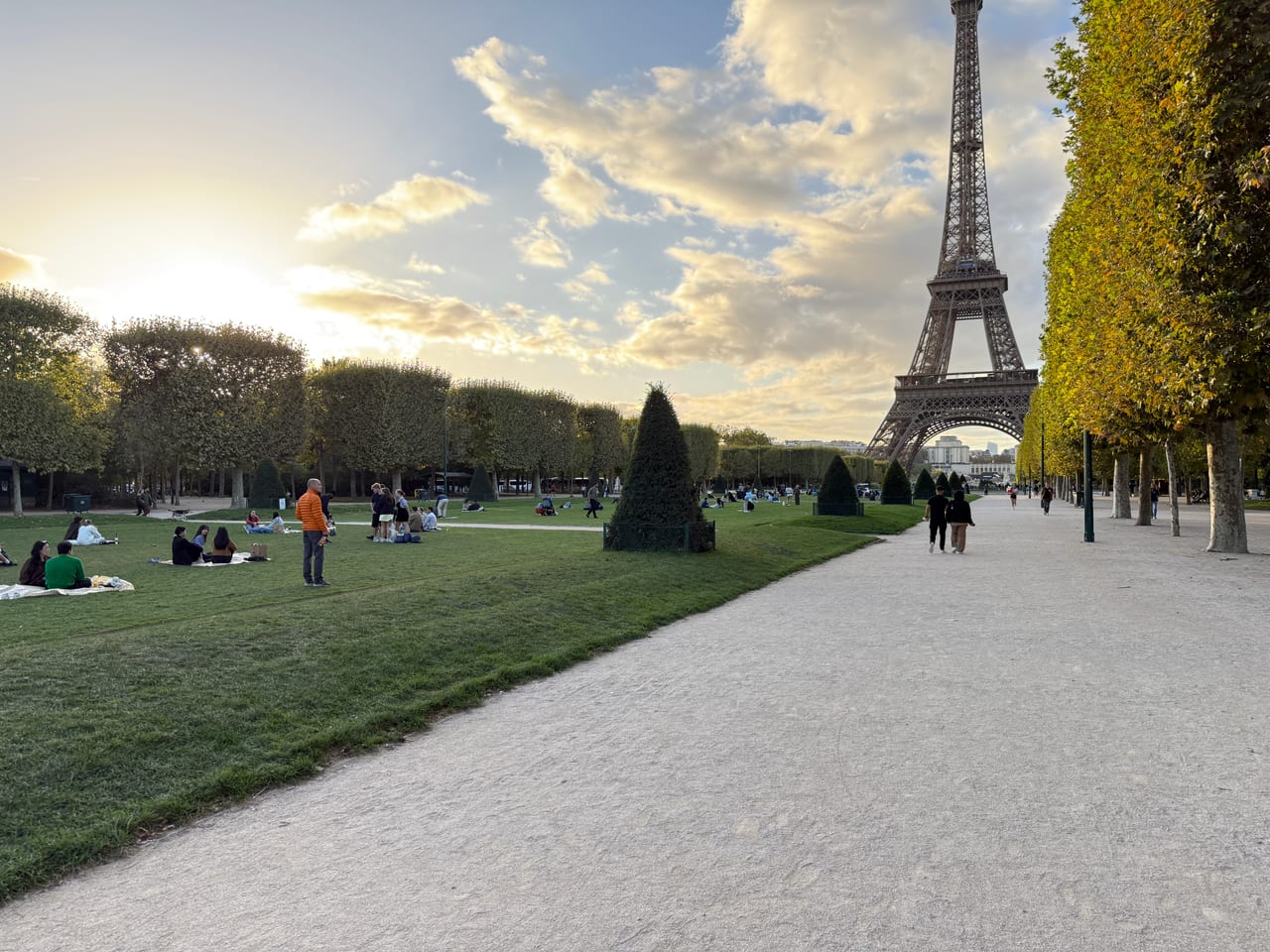
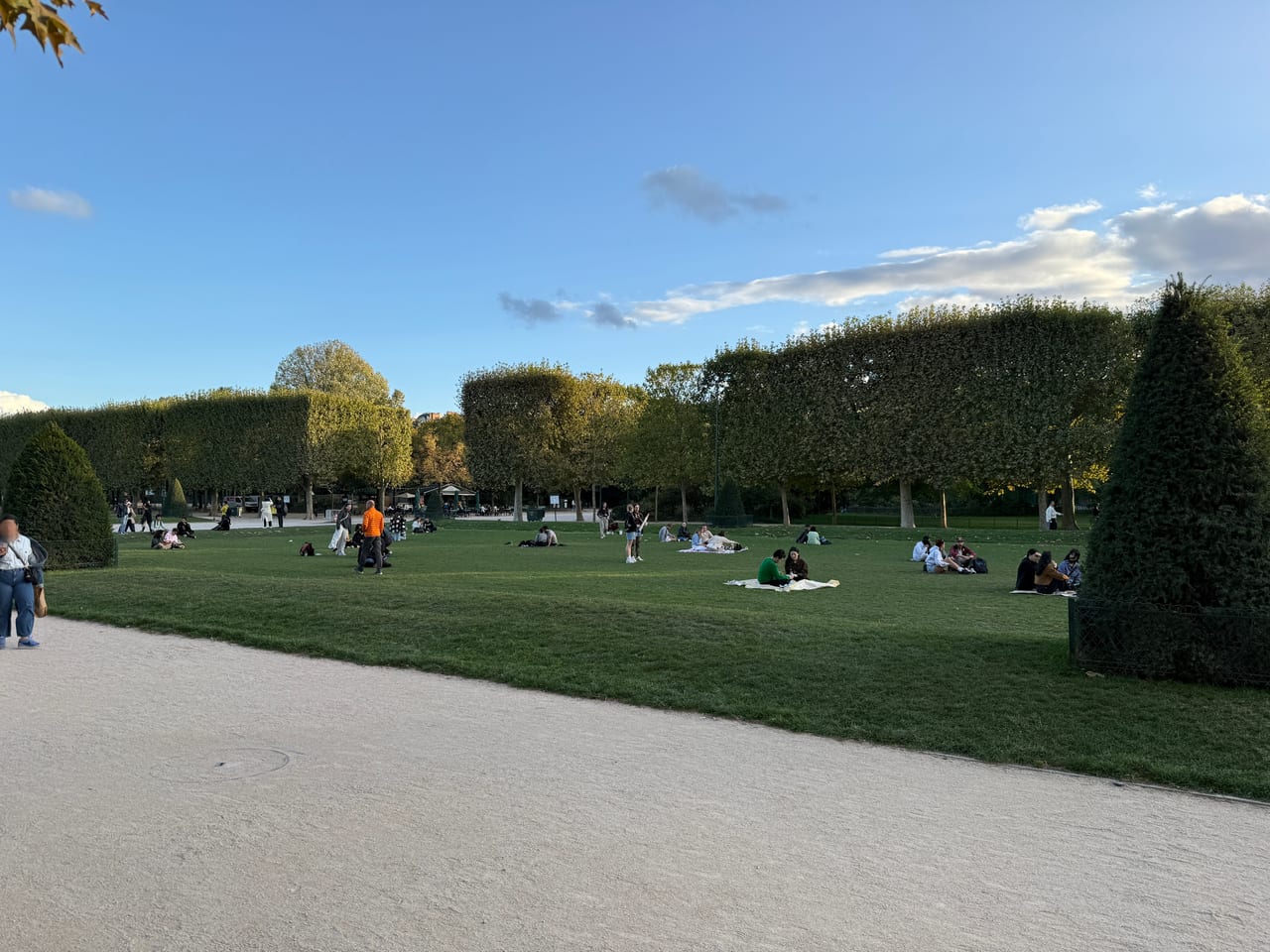
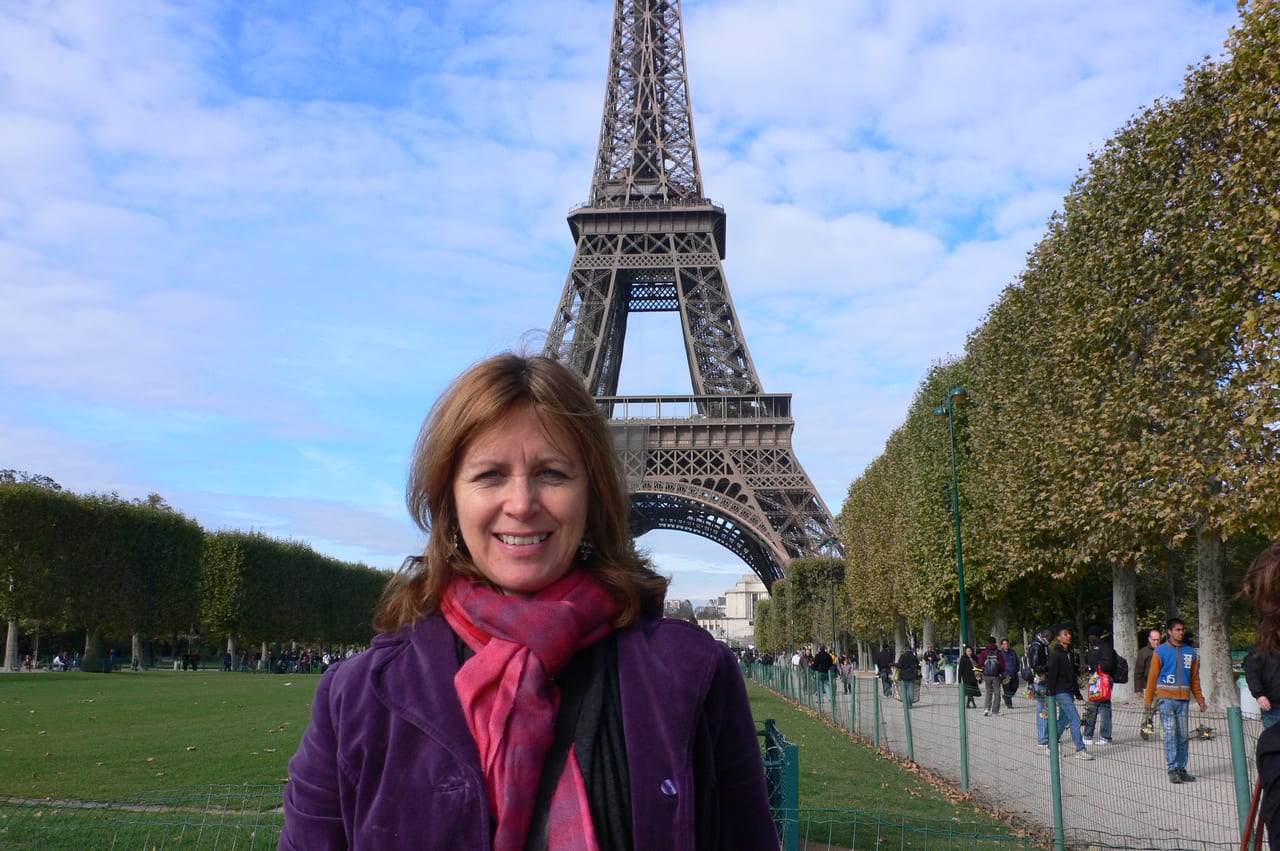
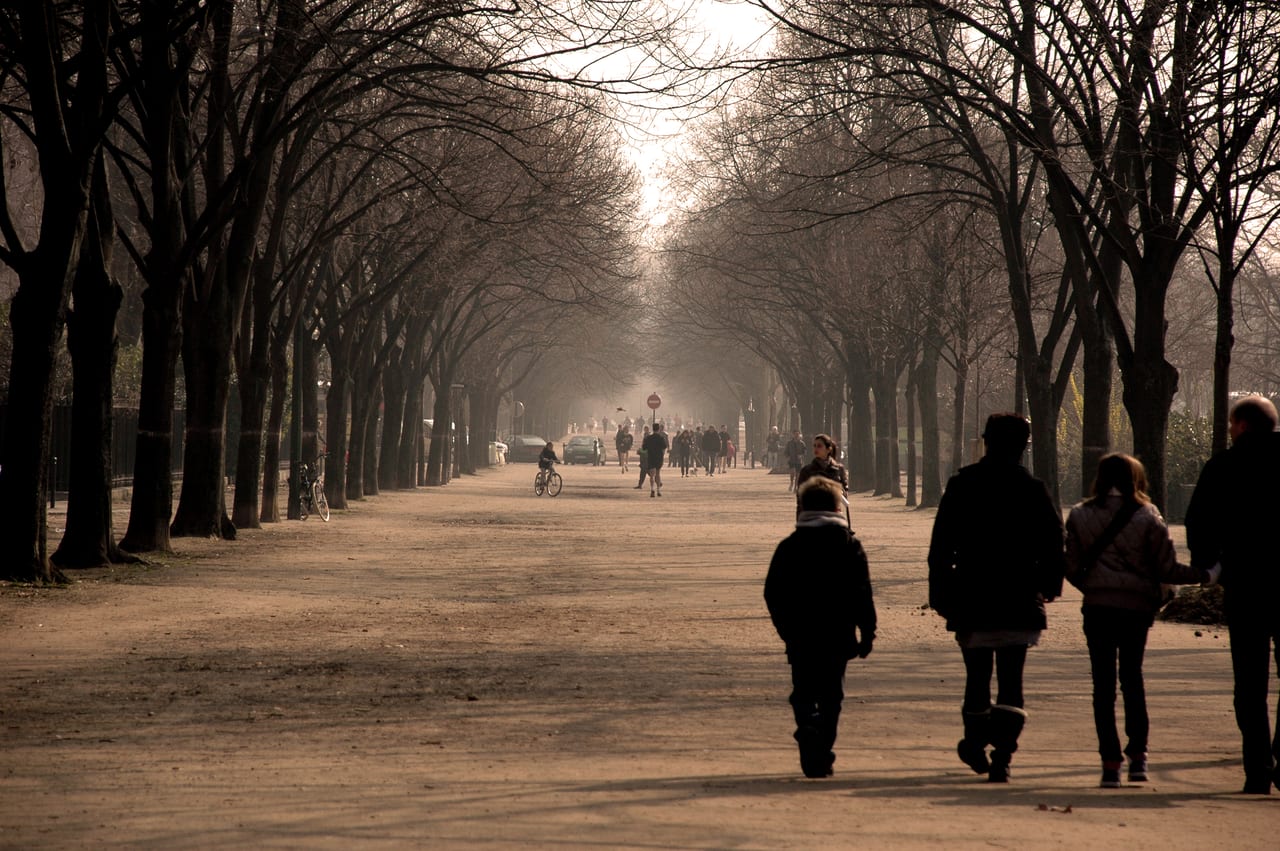
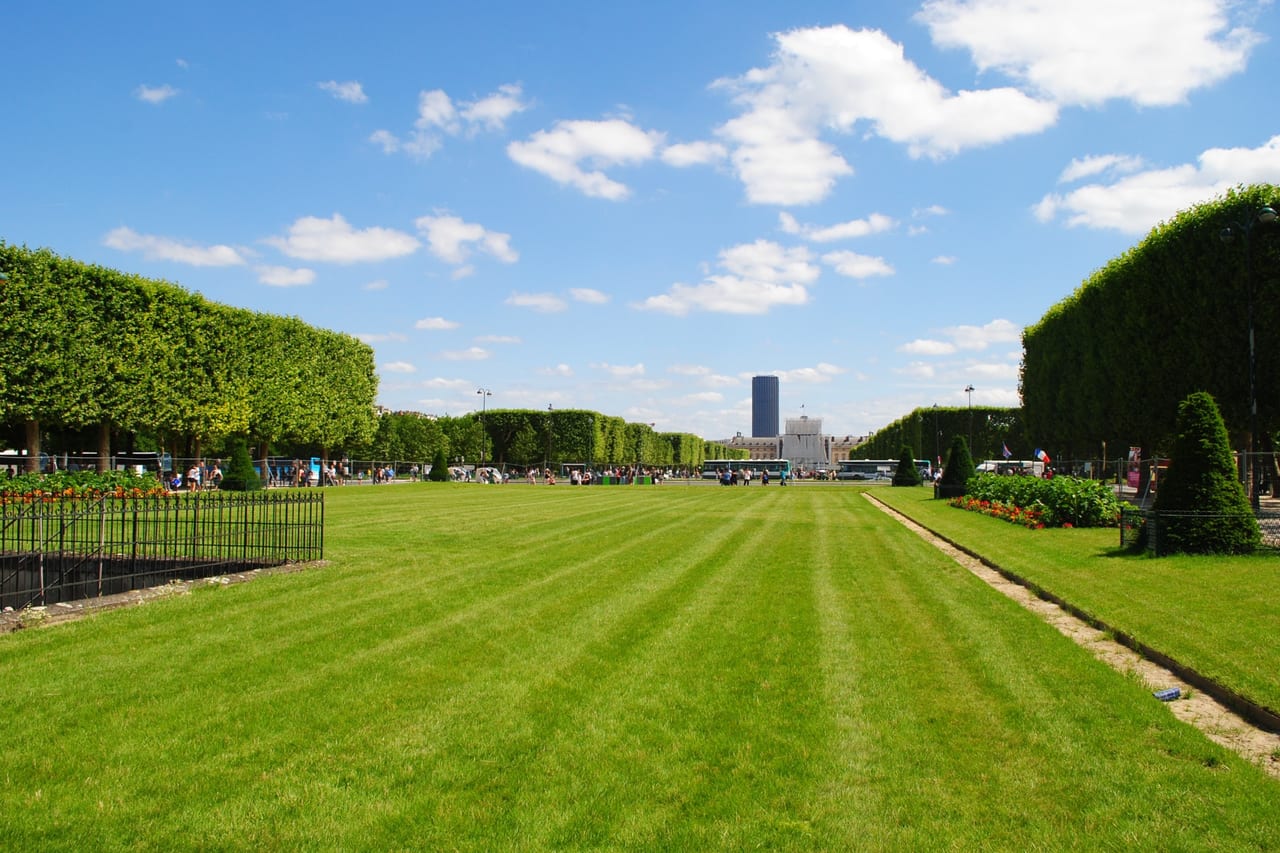
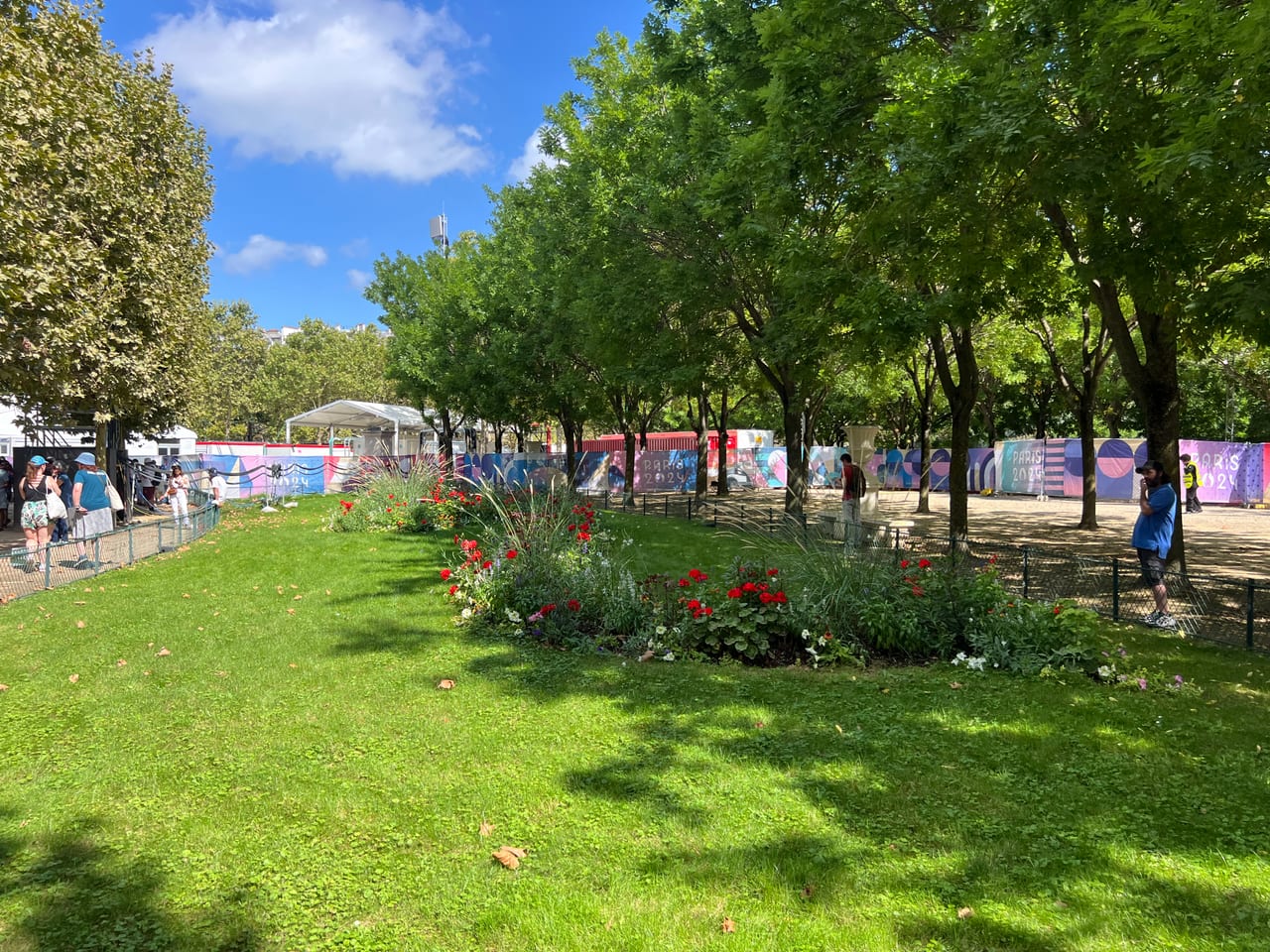
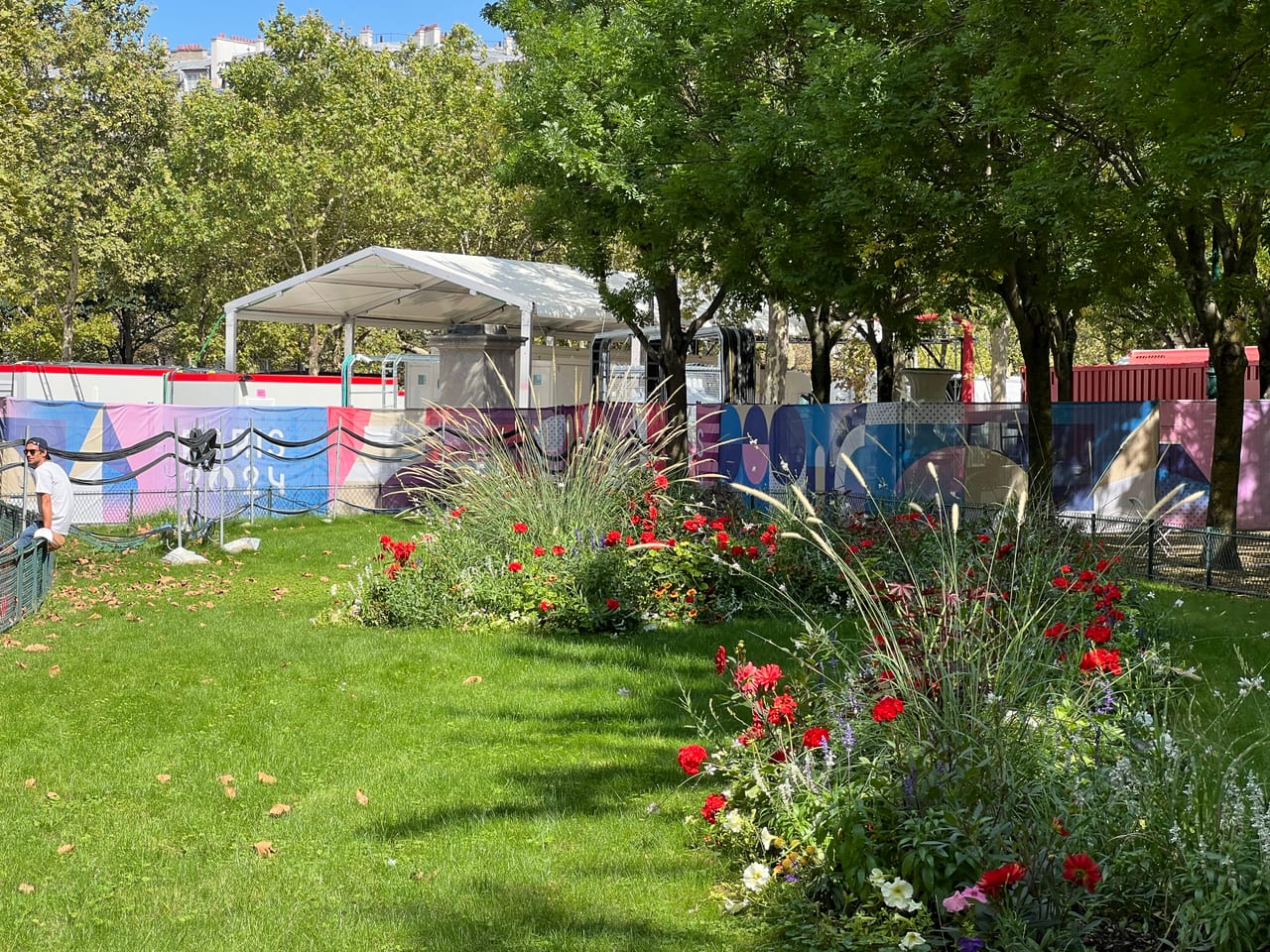
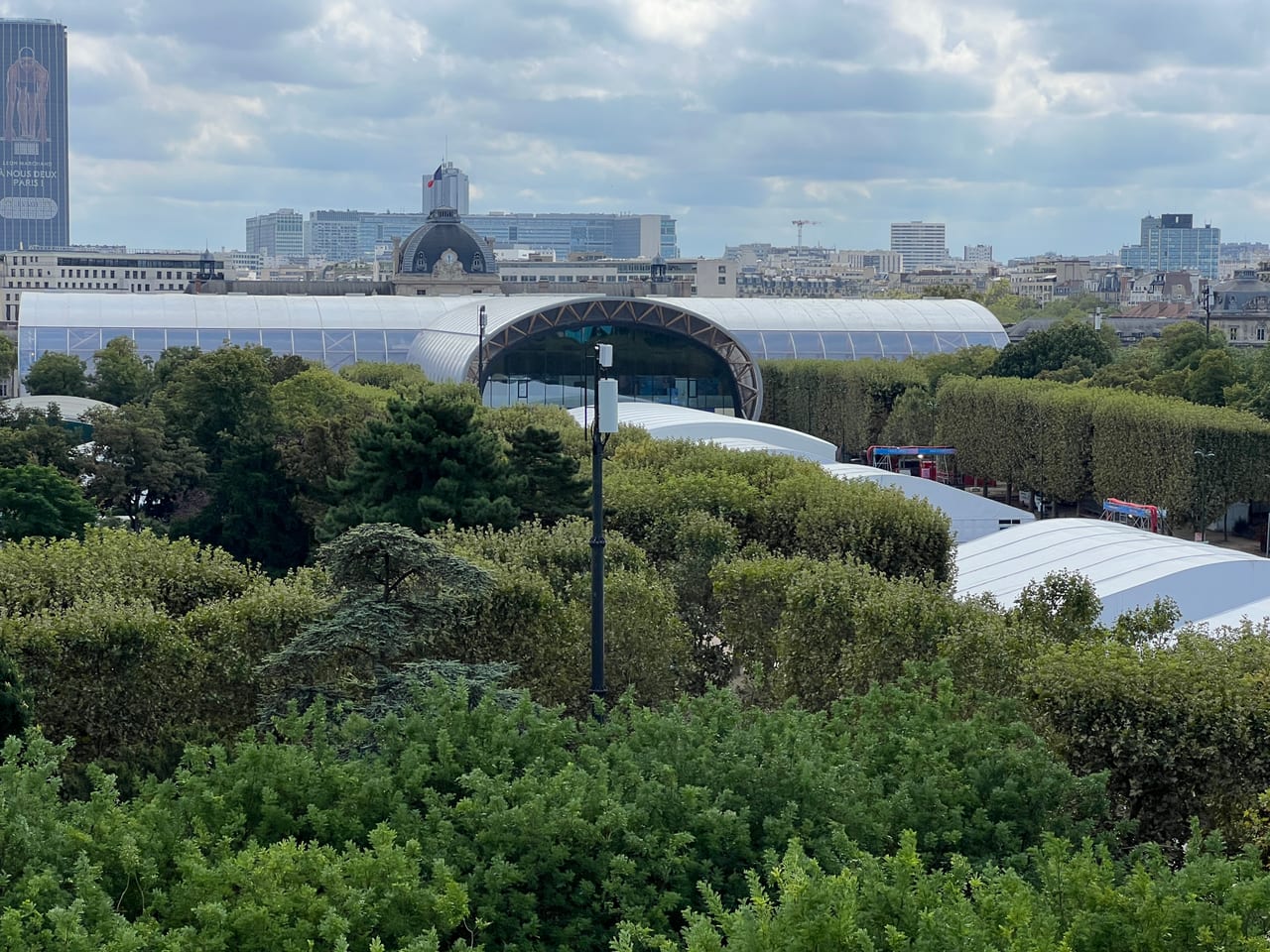
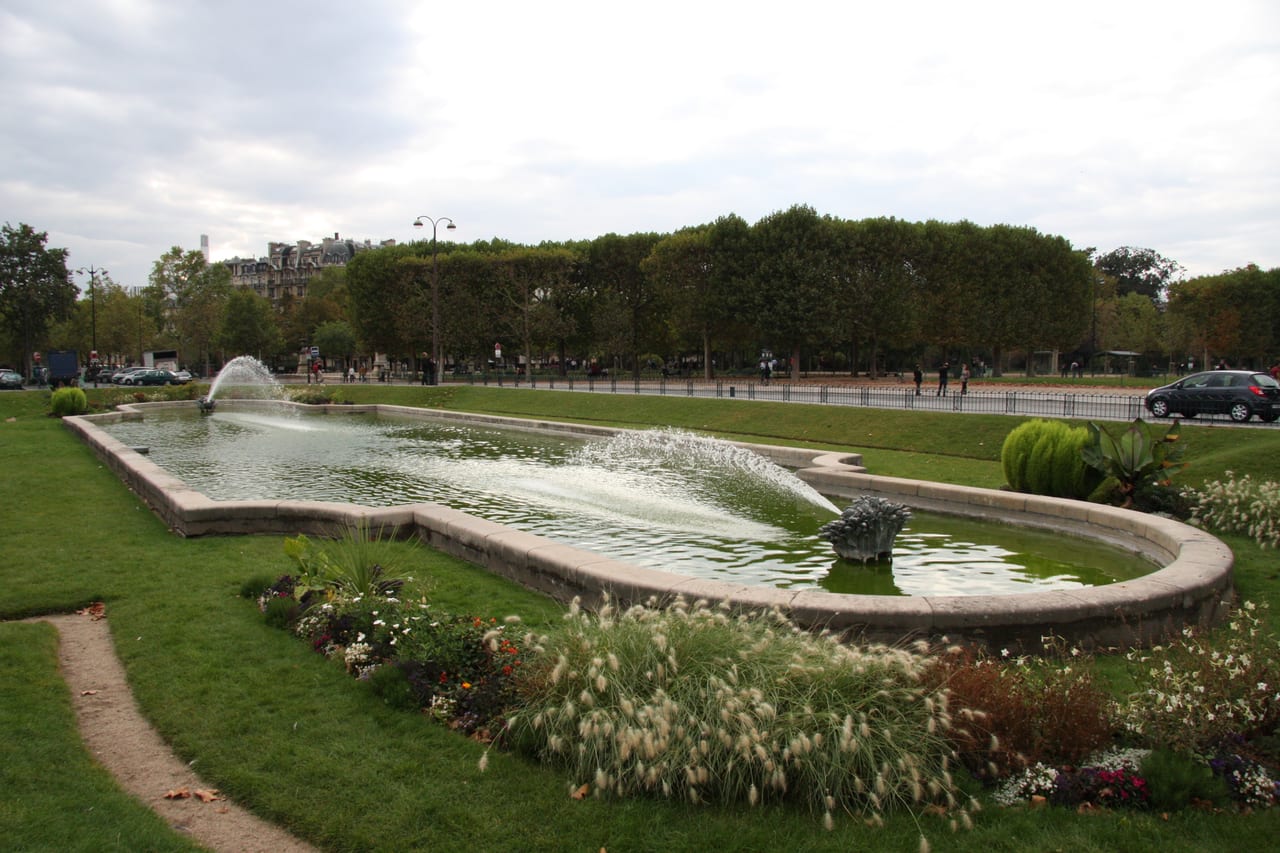
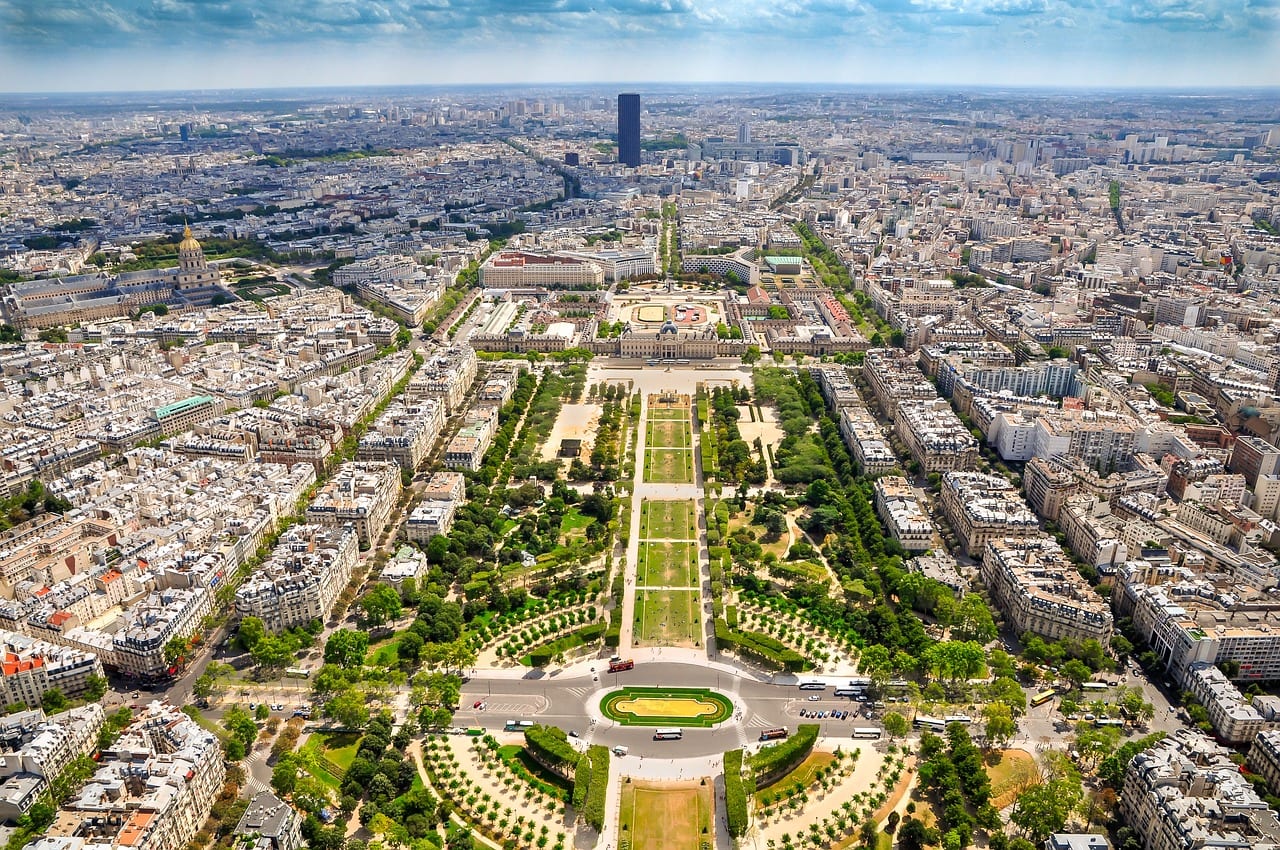
Photograph 1 of 38 of Champ de Mars
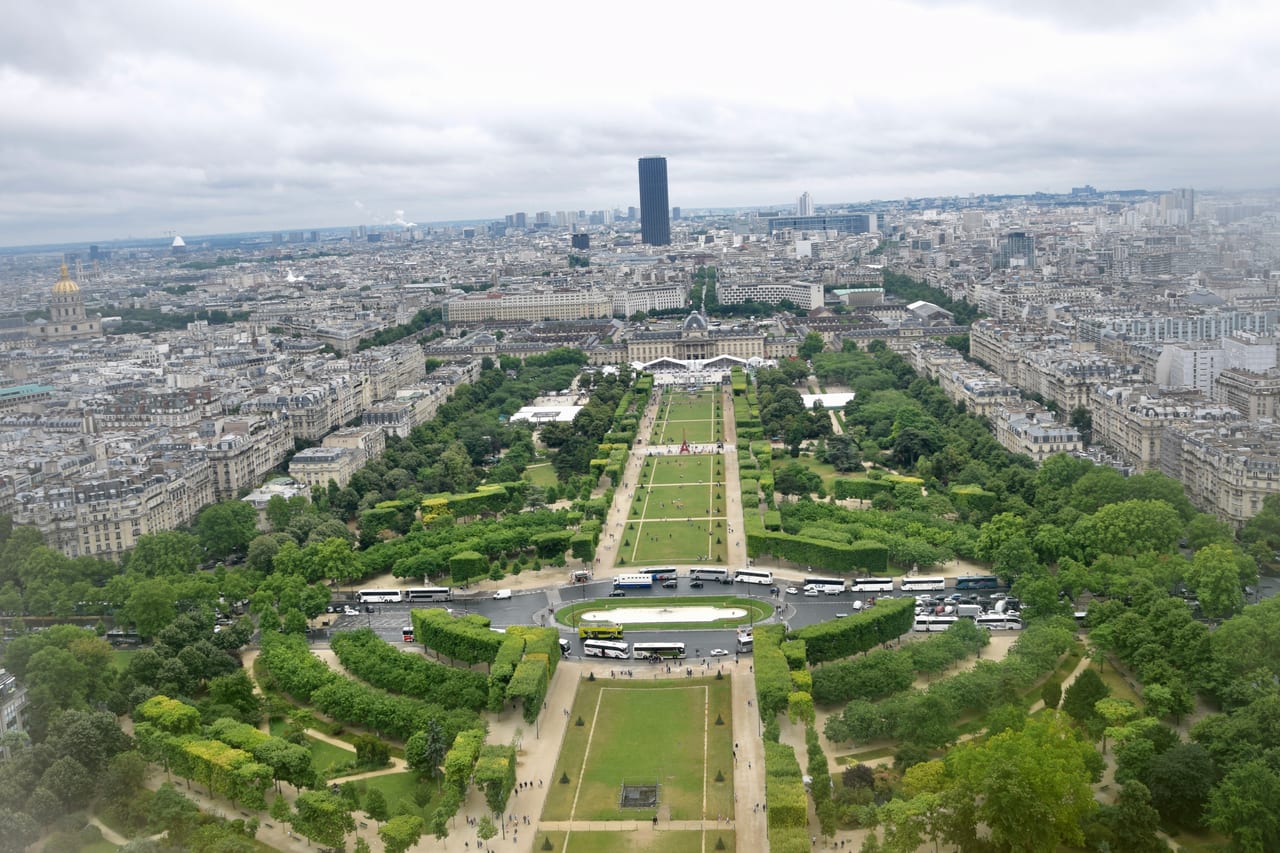
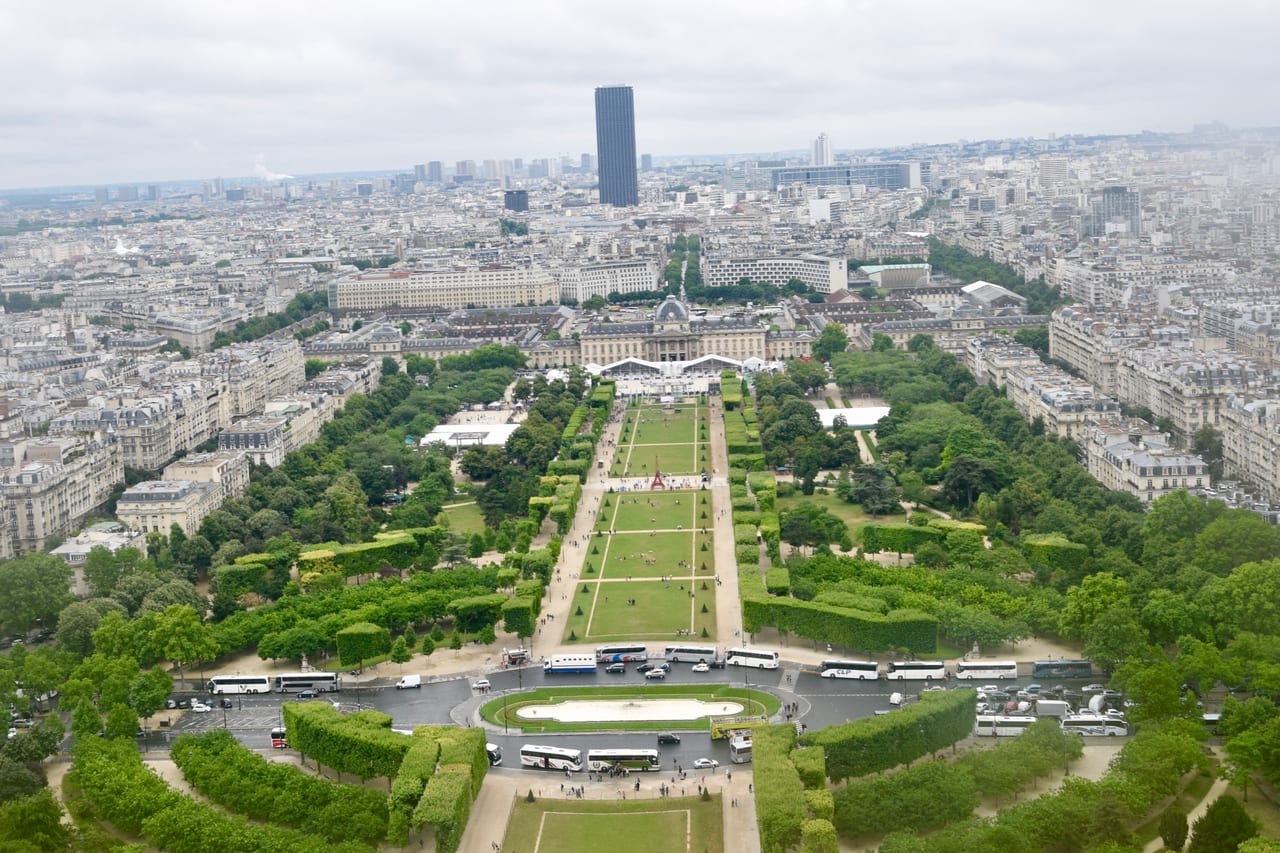
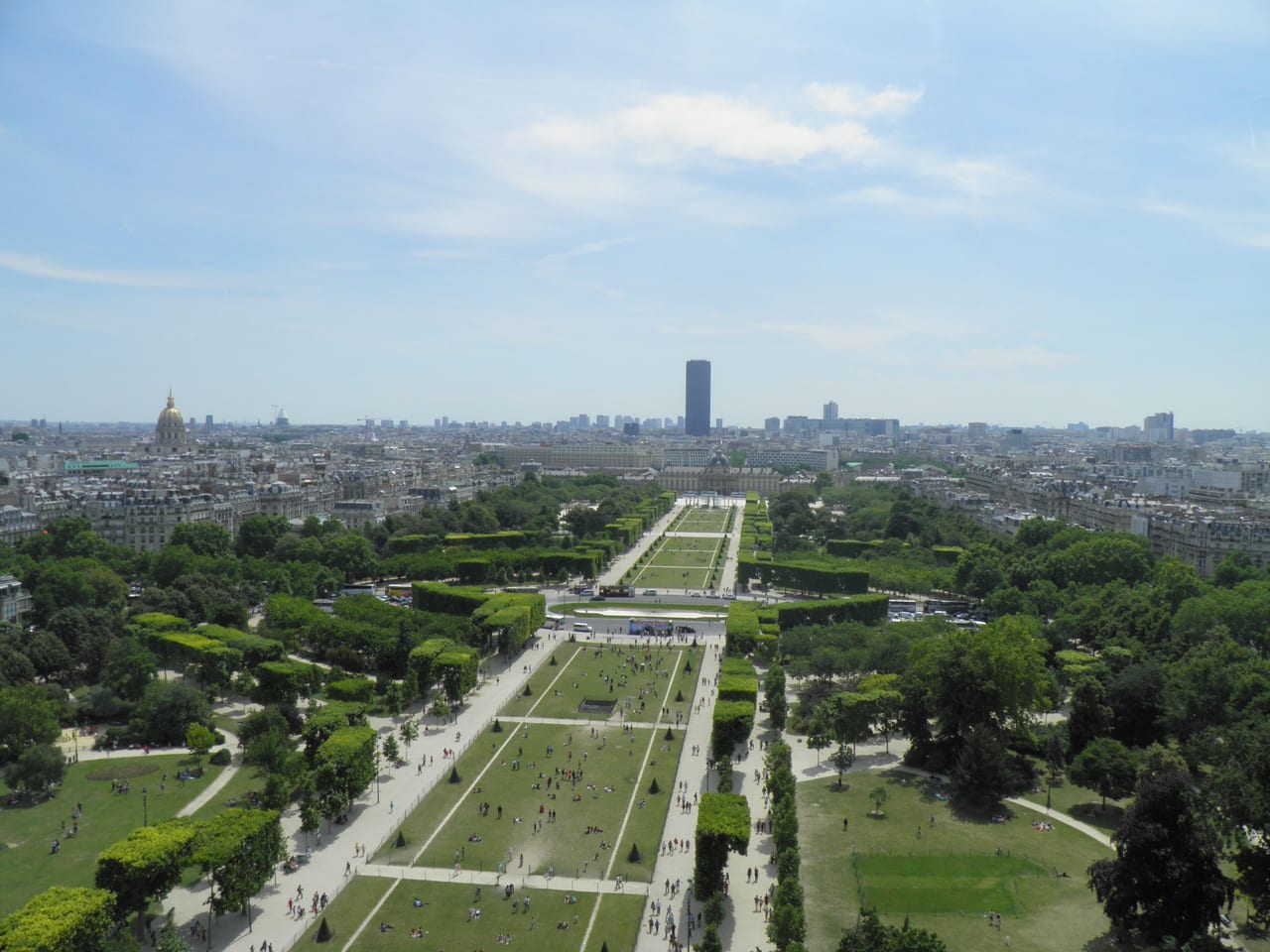
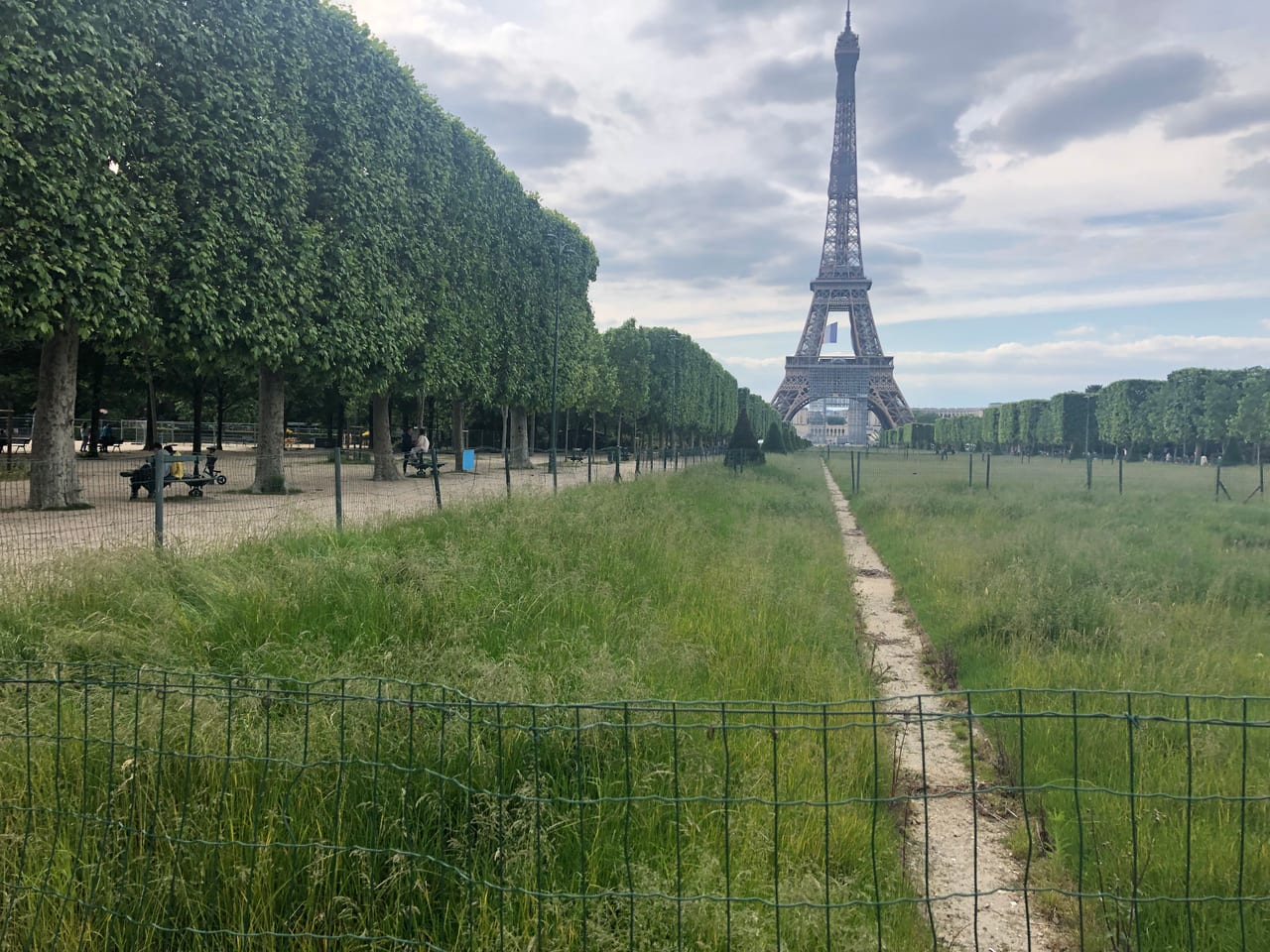
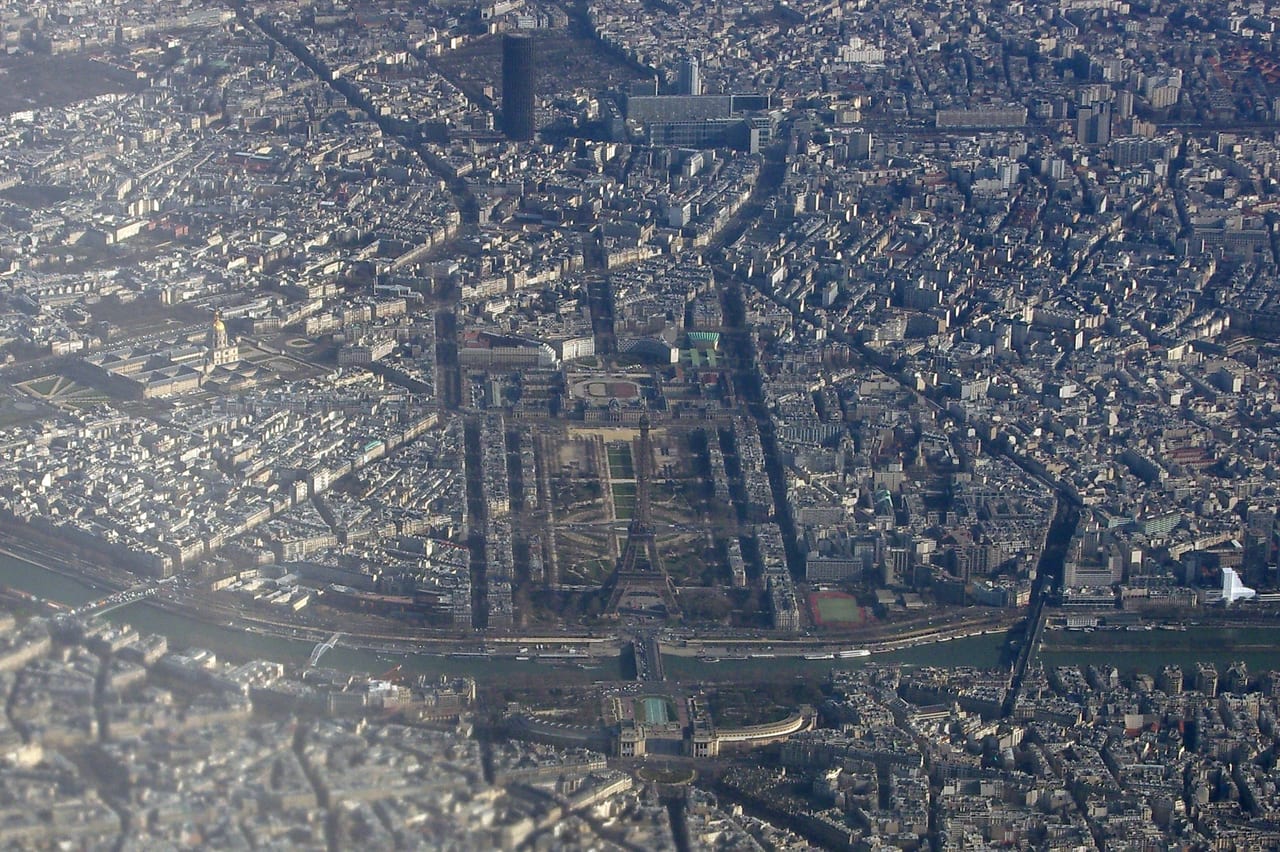
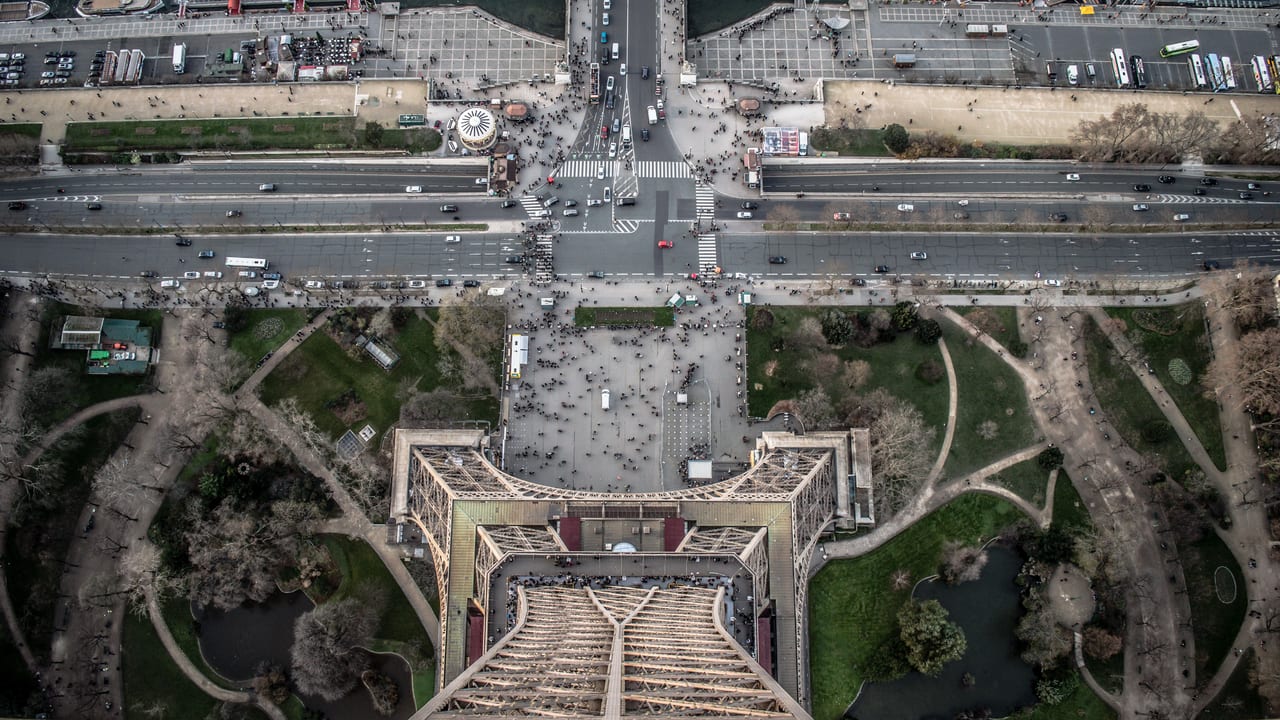
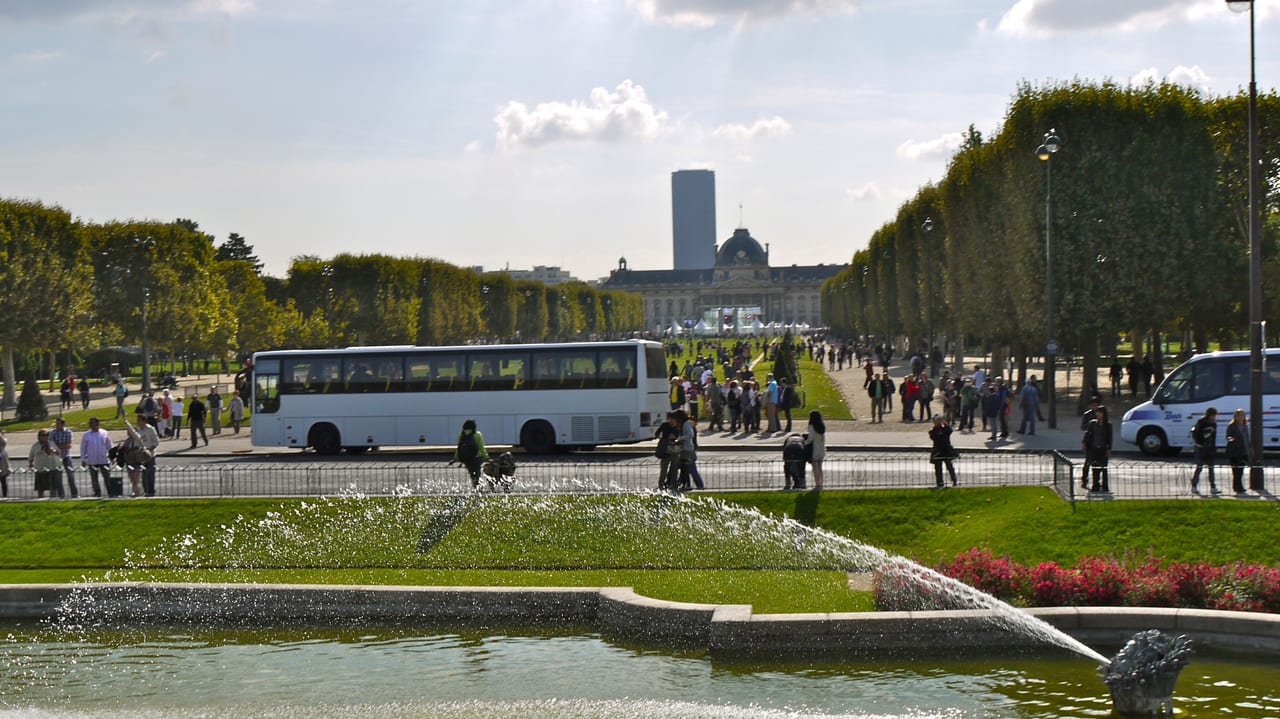
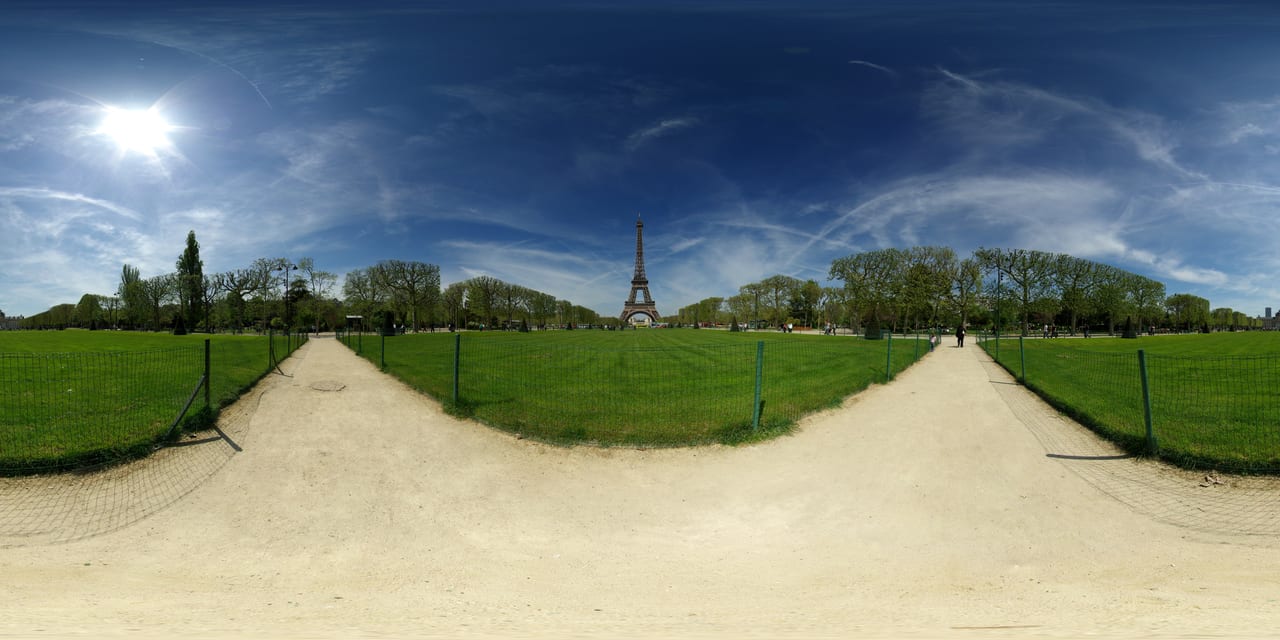
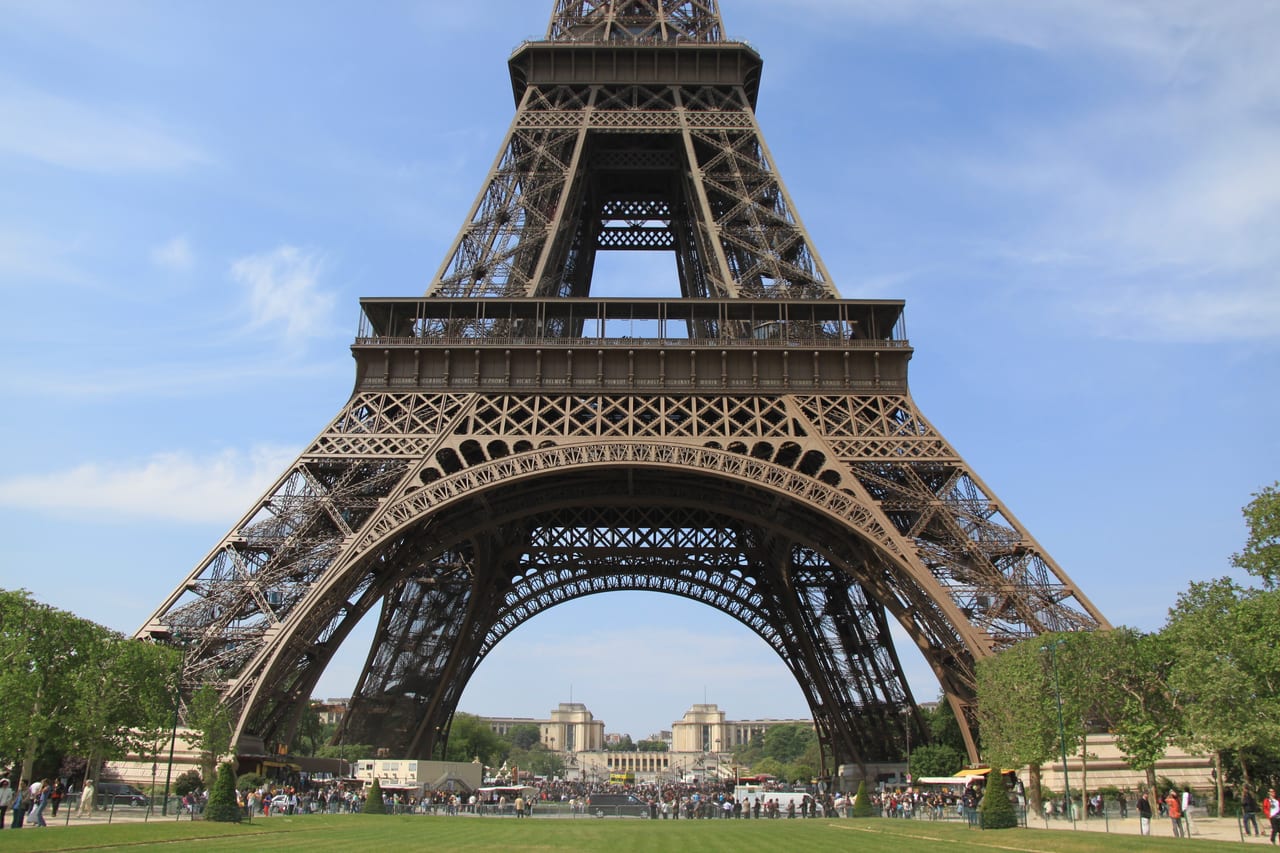
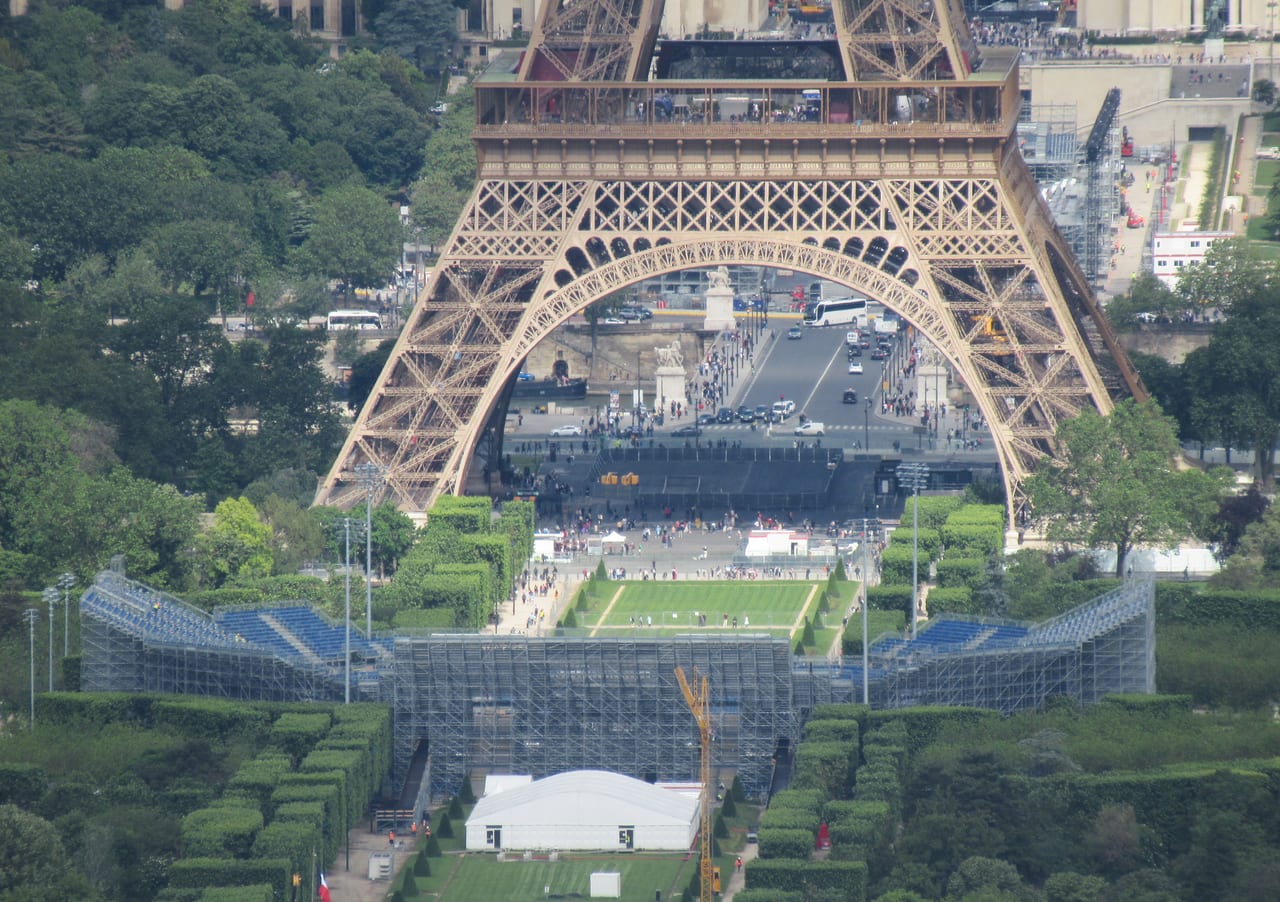
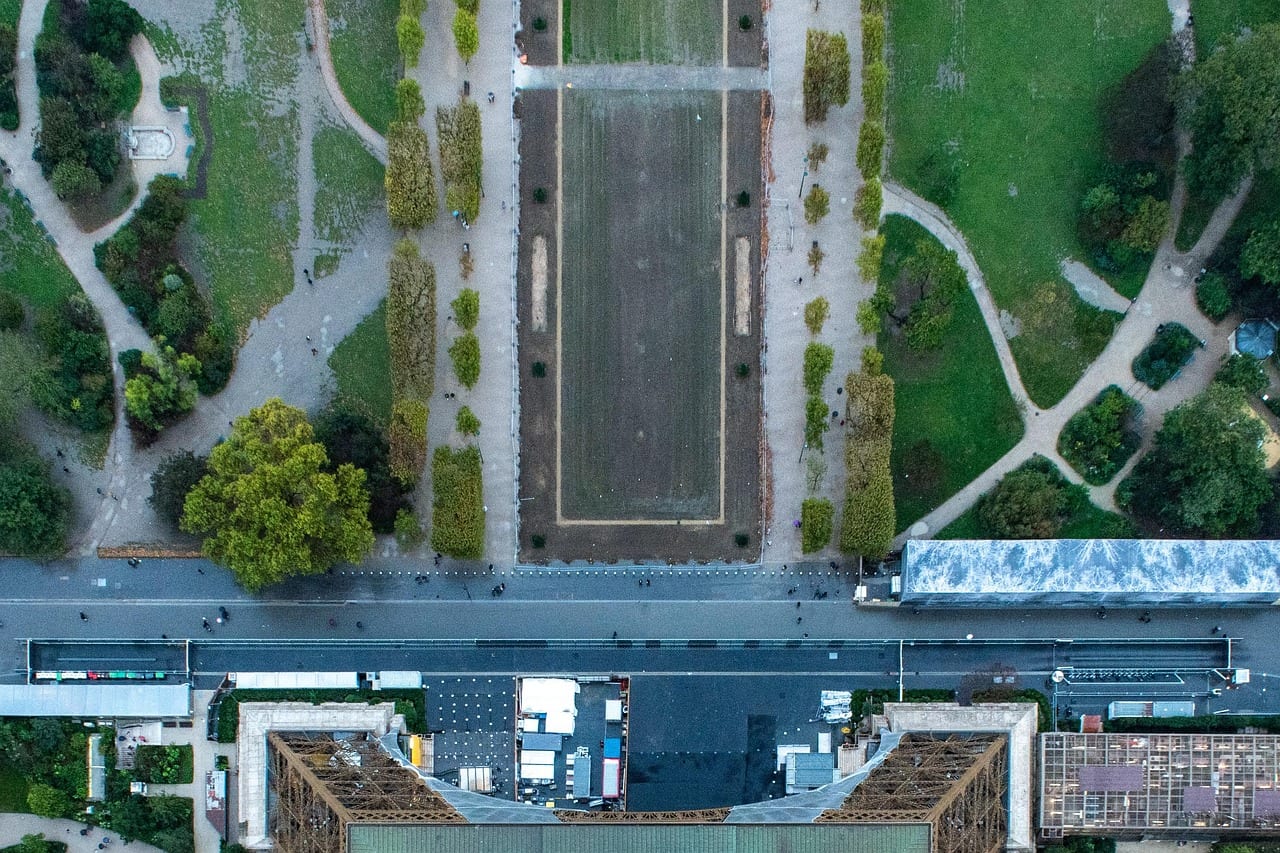
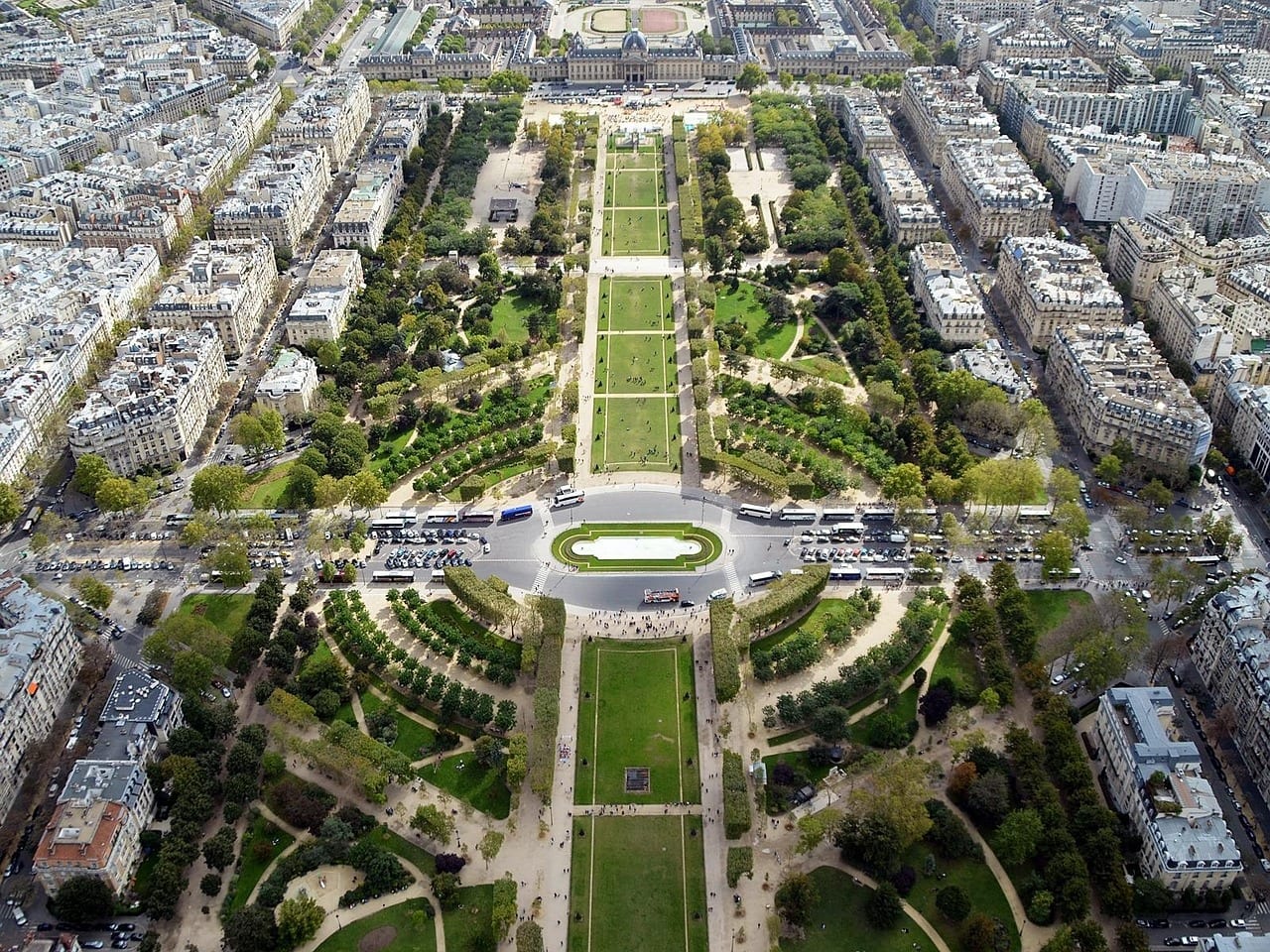
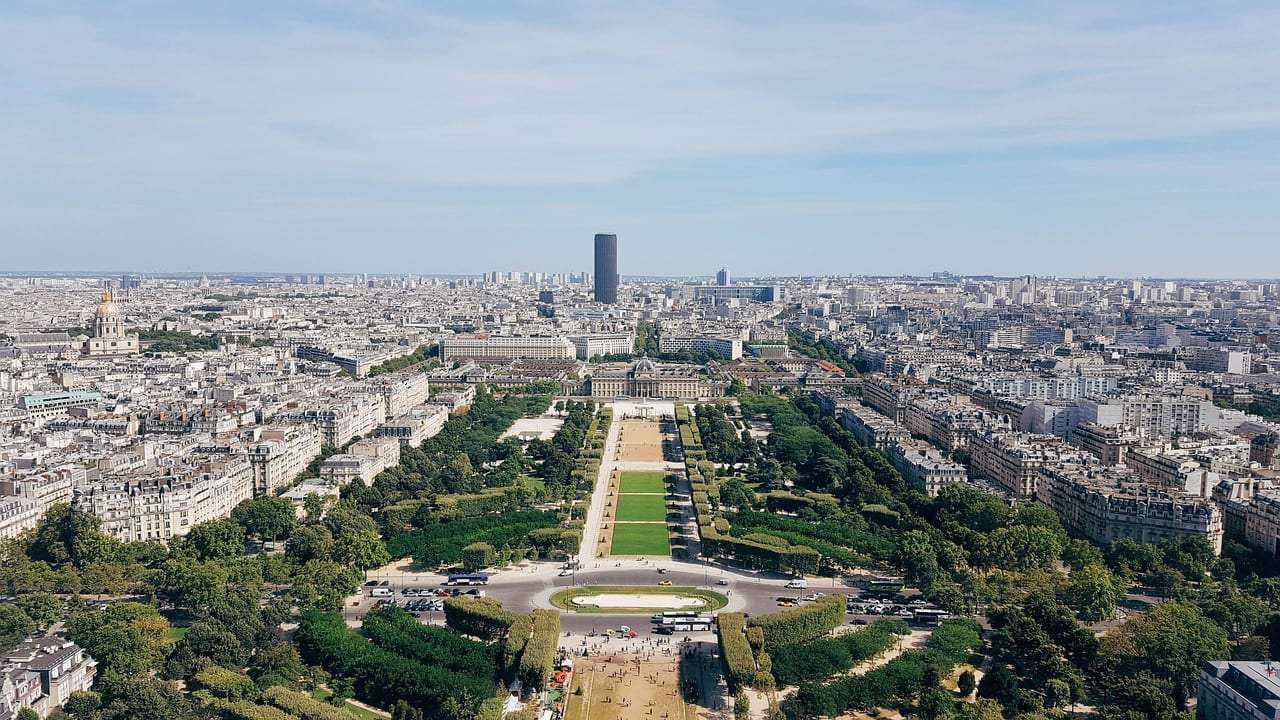
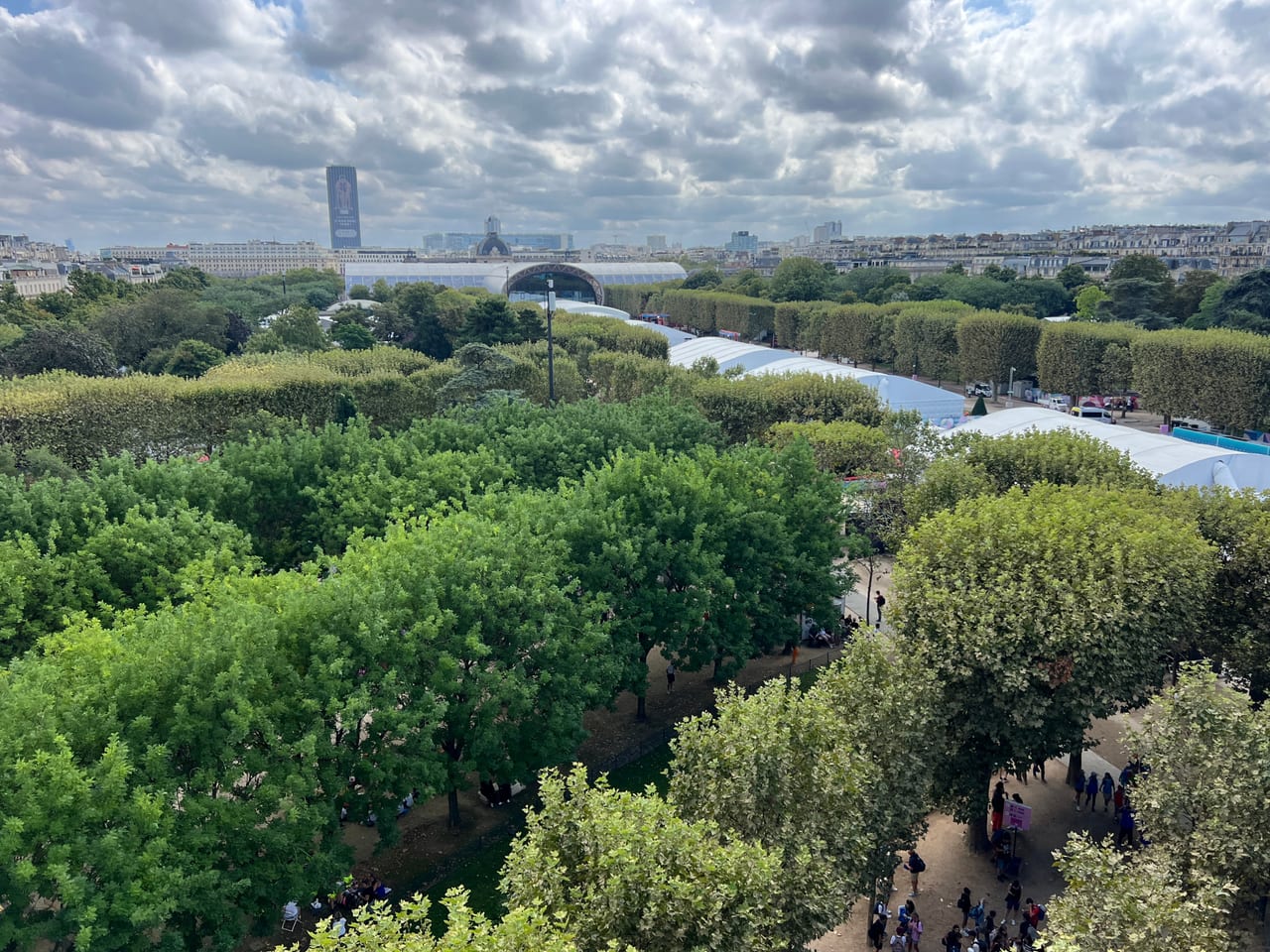
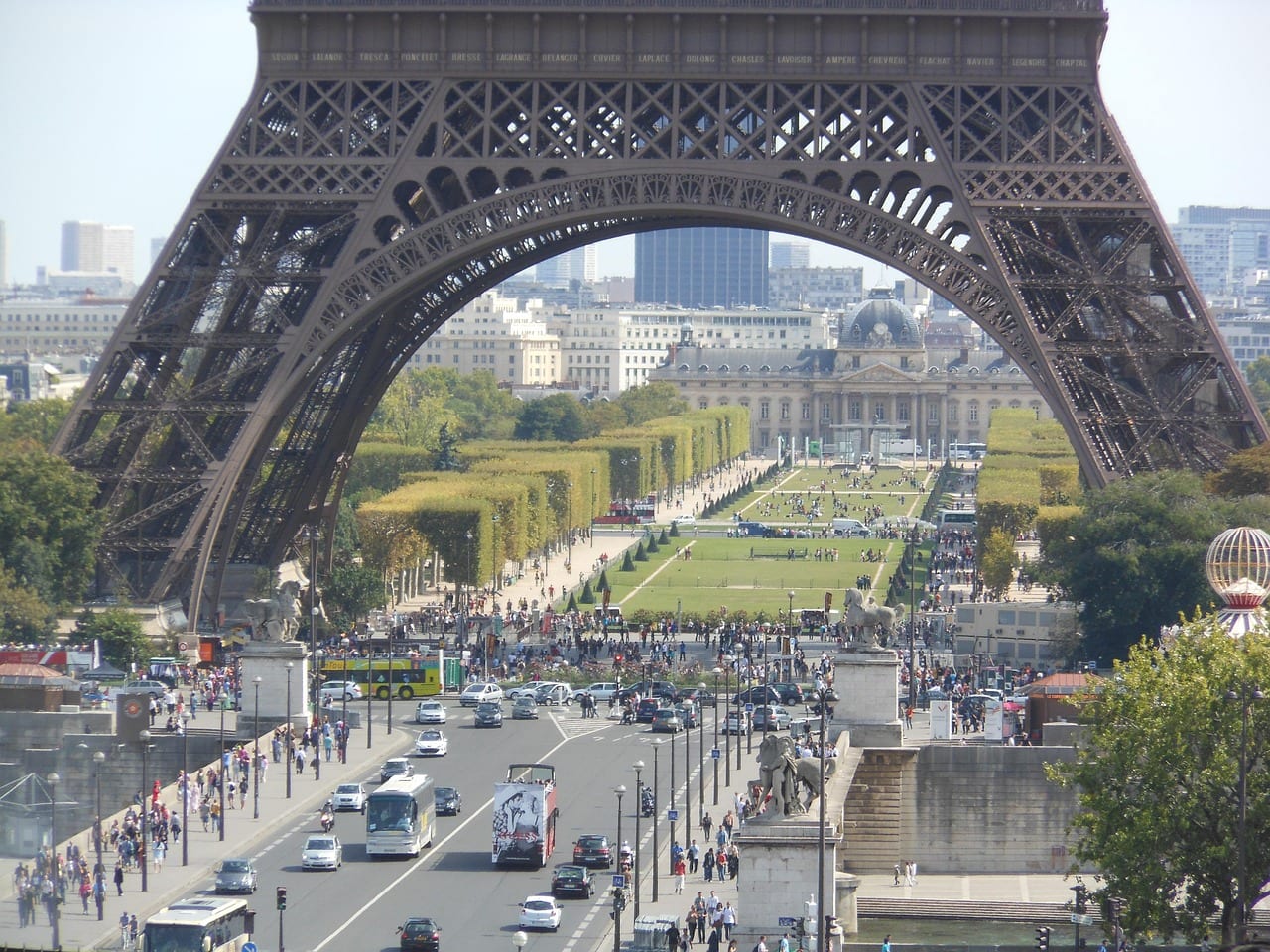
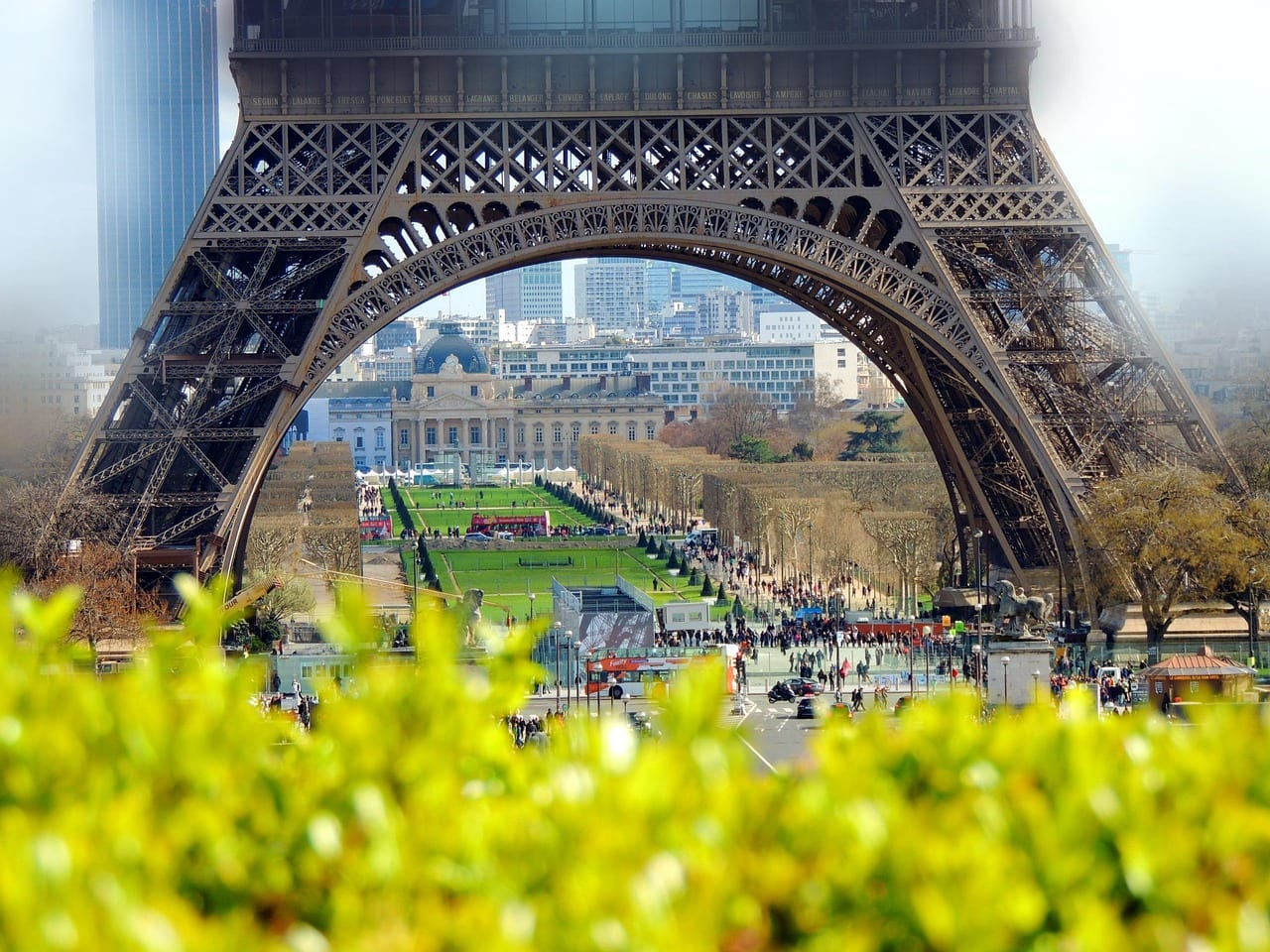
The name recalls Rome’s Campus Martius and the military training grounds traditionally attached to cities with garrisons. Until the mid-18th century, this was part of the Grenelle plain and the Grenouillère marshes, used for market gardening. Gabriel’s École militaire transformed it into a manoeuvre ground in 1765, with the school’s noble façade still forming its south-eastern edge. Later imperial ceremonies and the Paris Universal Exhibitions of 1867, 1878, 1889, 1900 and 1937 altered its public role. Gustave Eiffel’s tower rose here in 1889; for 1900, Victor Contamin, Ferdinand Dutert and Stéphen Sauvestre created the Galerie des Machines. After land was subdivided in 1907, the remaining 24.3-hectare site developed into the open public garden seen today. Classified since 1956, it forms part of the UNESCO-listed Seine riverbanks site.
At a glance
- Architect
- Stéphen Sauvestre
- Heritage
- listed in the general inventory of cultural heritage
Ways to explore Champ de Mars
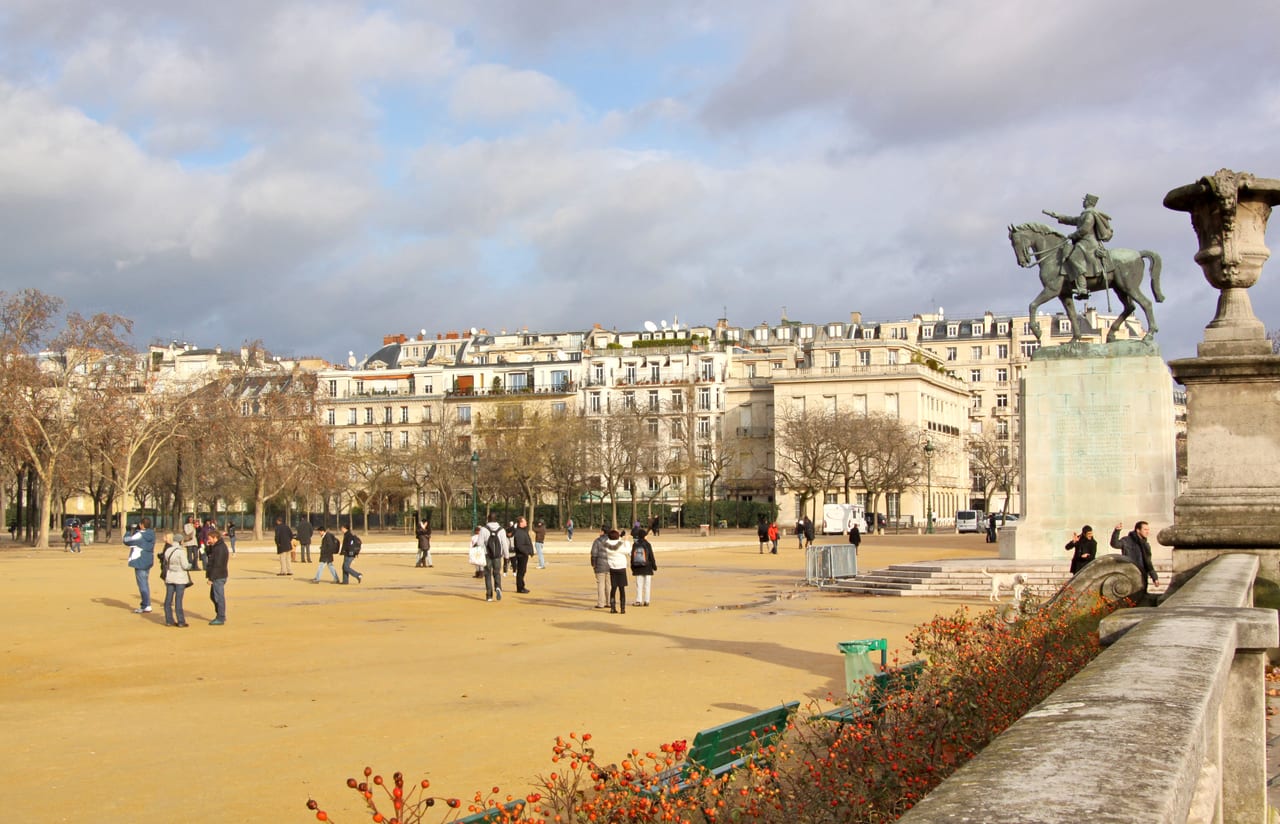
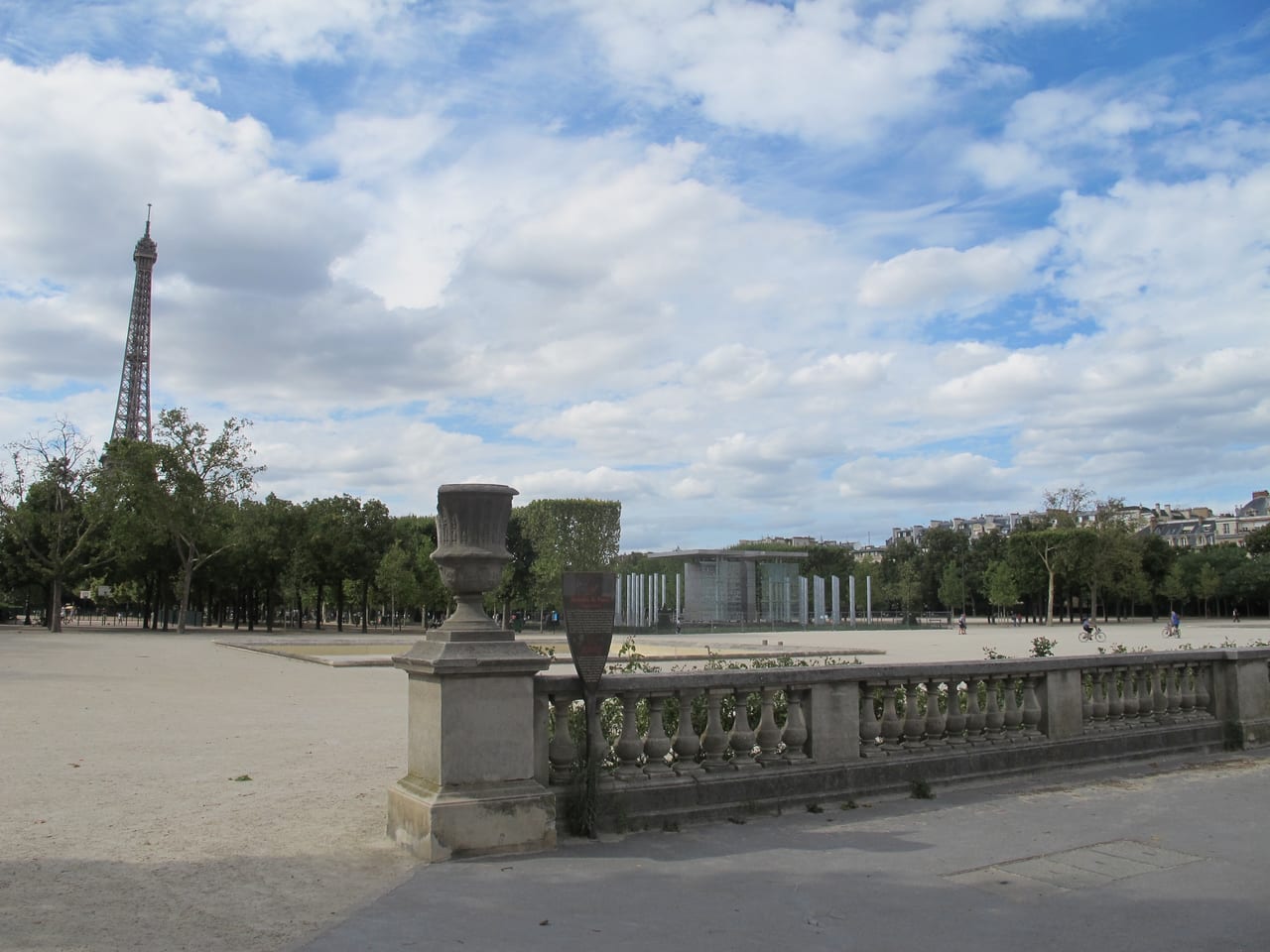
Walk the central lawns between the Eiffel Tower and the École militaire, then follow the perimeter: one circuit is about 2 kilometres. Seek out Antoine Bourdelle’s 1927 bust of Gustave Eiffel, the monuments to the Rights of Man and Marshal Joffre, and the music kiosk. Families can use the two playgrounds, including the one with a carousel; there are also hard-surface courts and the Théâtre Guignol. On 14 July, the classical Concert de Paris precedes the 23:00 fireworks.
Places to stay near Champ de Mars
Live availability and prices from Stay22's partners, refreshed periodically and subject to change. Booking through these links may earn us a commission at no extra cost to you. See our privacy policy.
Cafés near Champ de Mars
Cafés near Champ de Mars loads as you scroll.
Attractions nearby
Attractions near Champ de Mars loads as you scroll.
Cities nearby
Cities nearby loads as you scroll.
More in Paris
See more of Paris.
Find great cafés, places to stay and other interesting places to visit in Paris.