Museum · Paris
Centre Georges Pompidou
DirectionsThe Centre Pompidou combines Europe’s largest modern-art collection with a public library, cinema, performance spaces and research facilities inside an exposed high-tech structure.
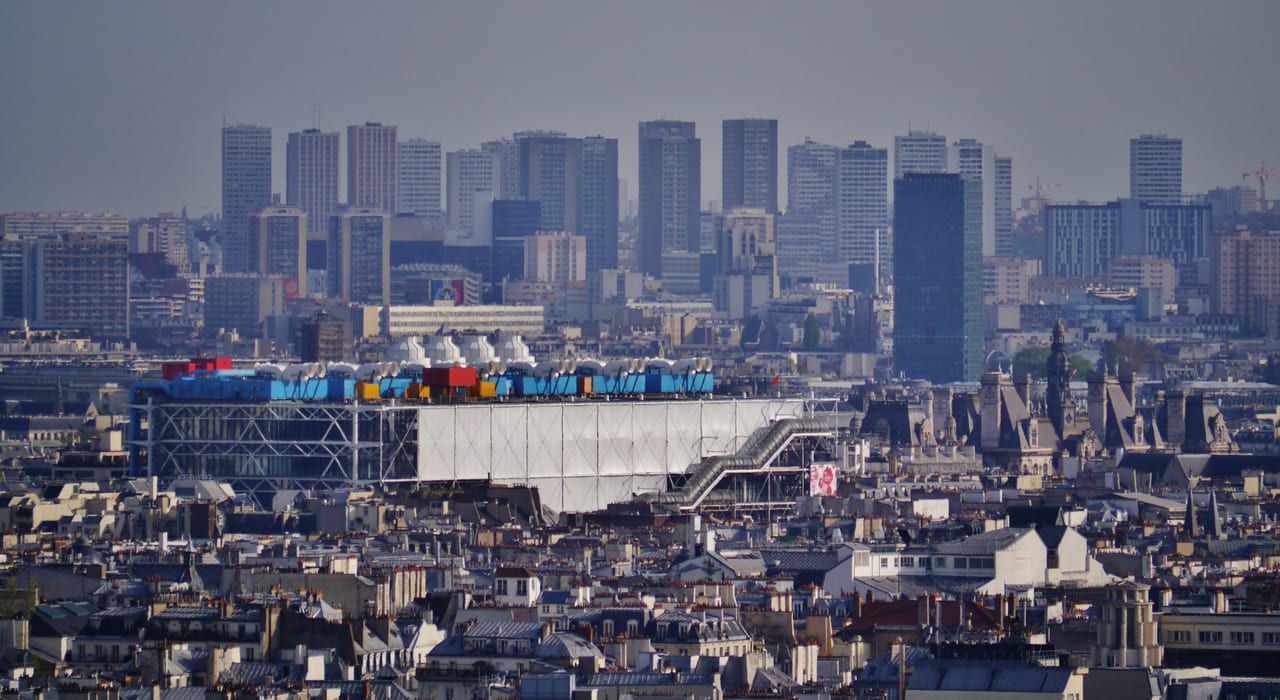
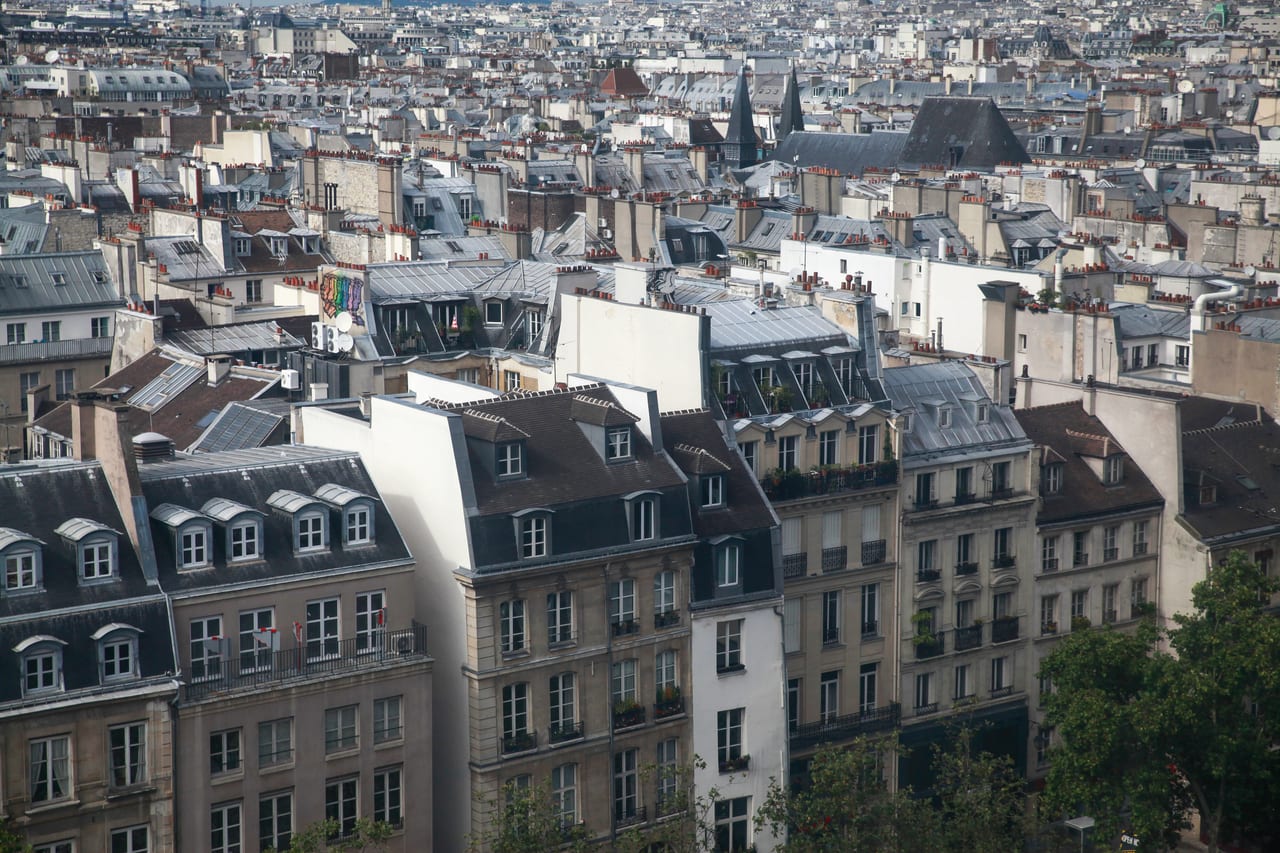
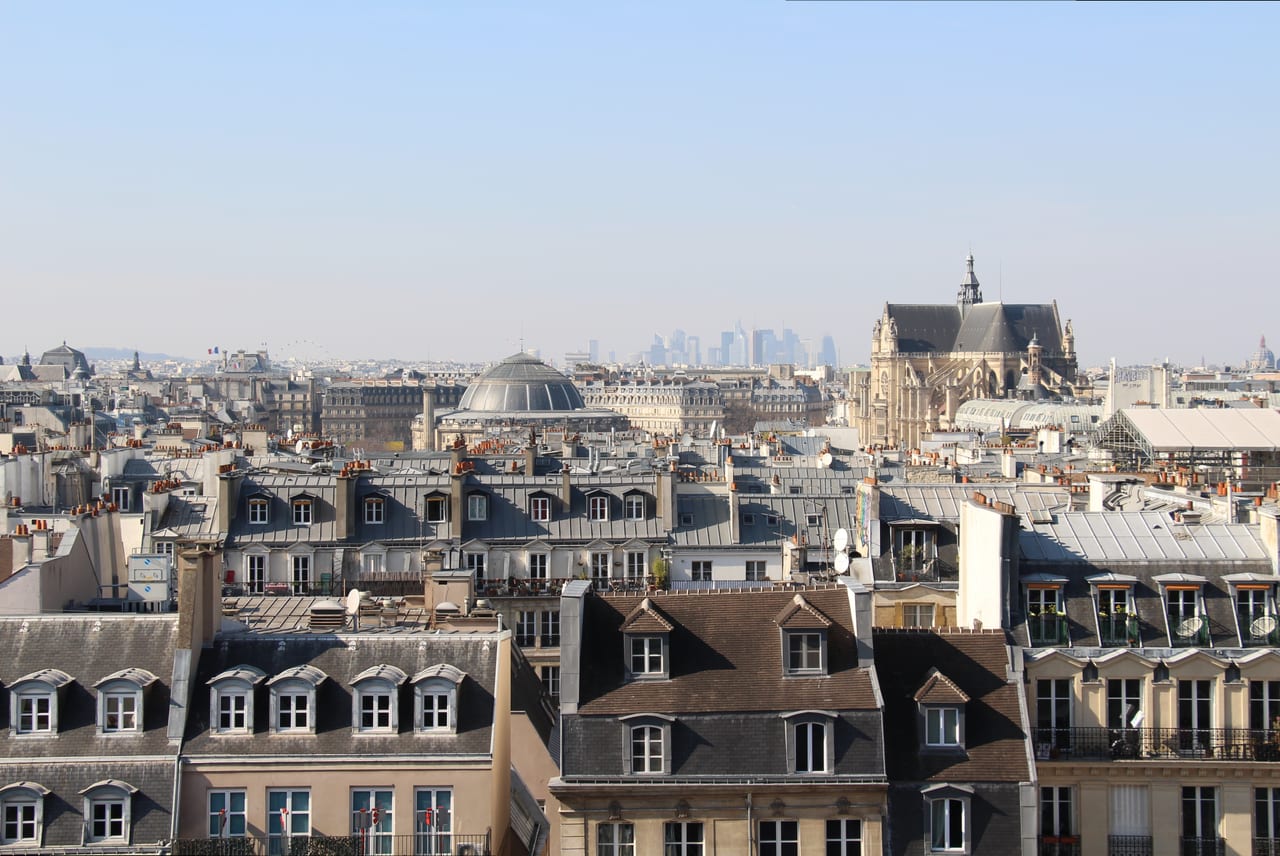
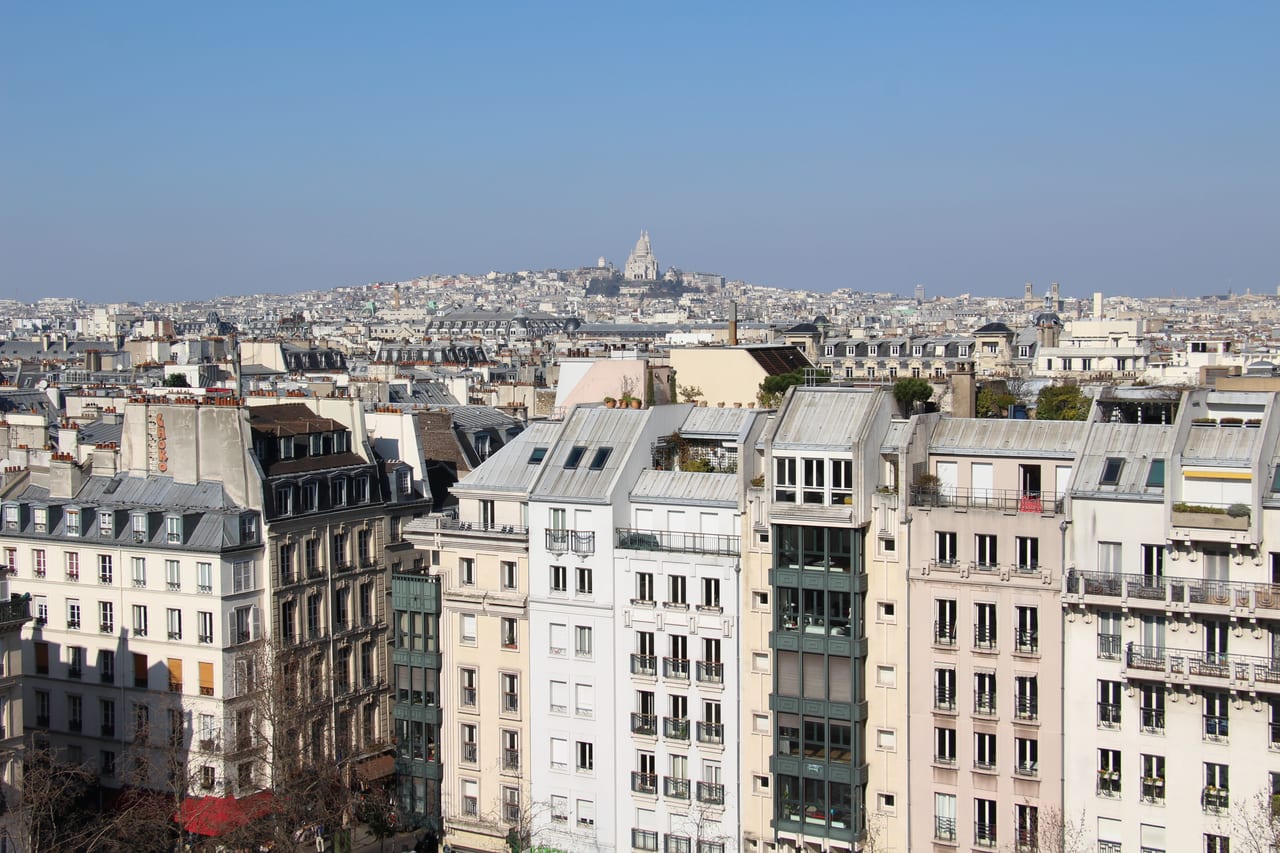
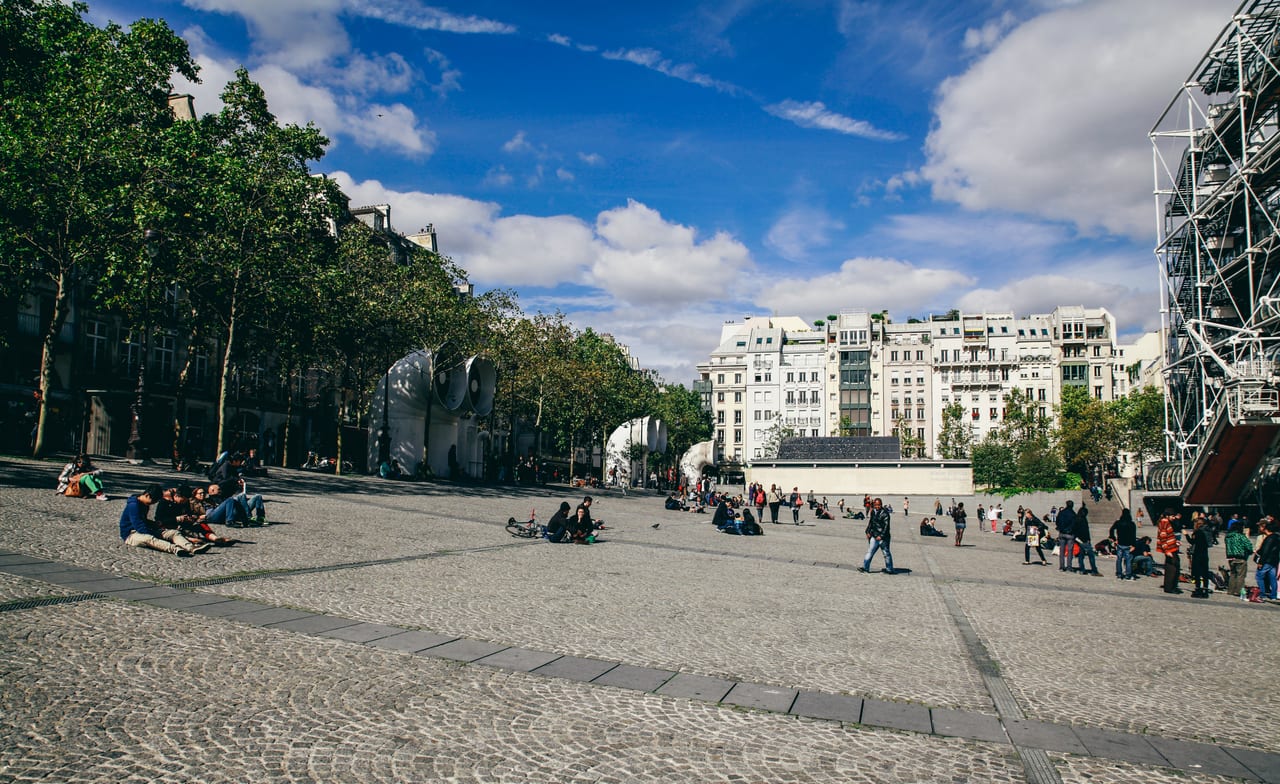
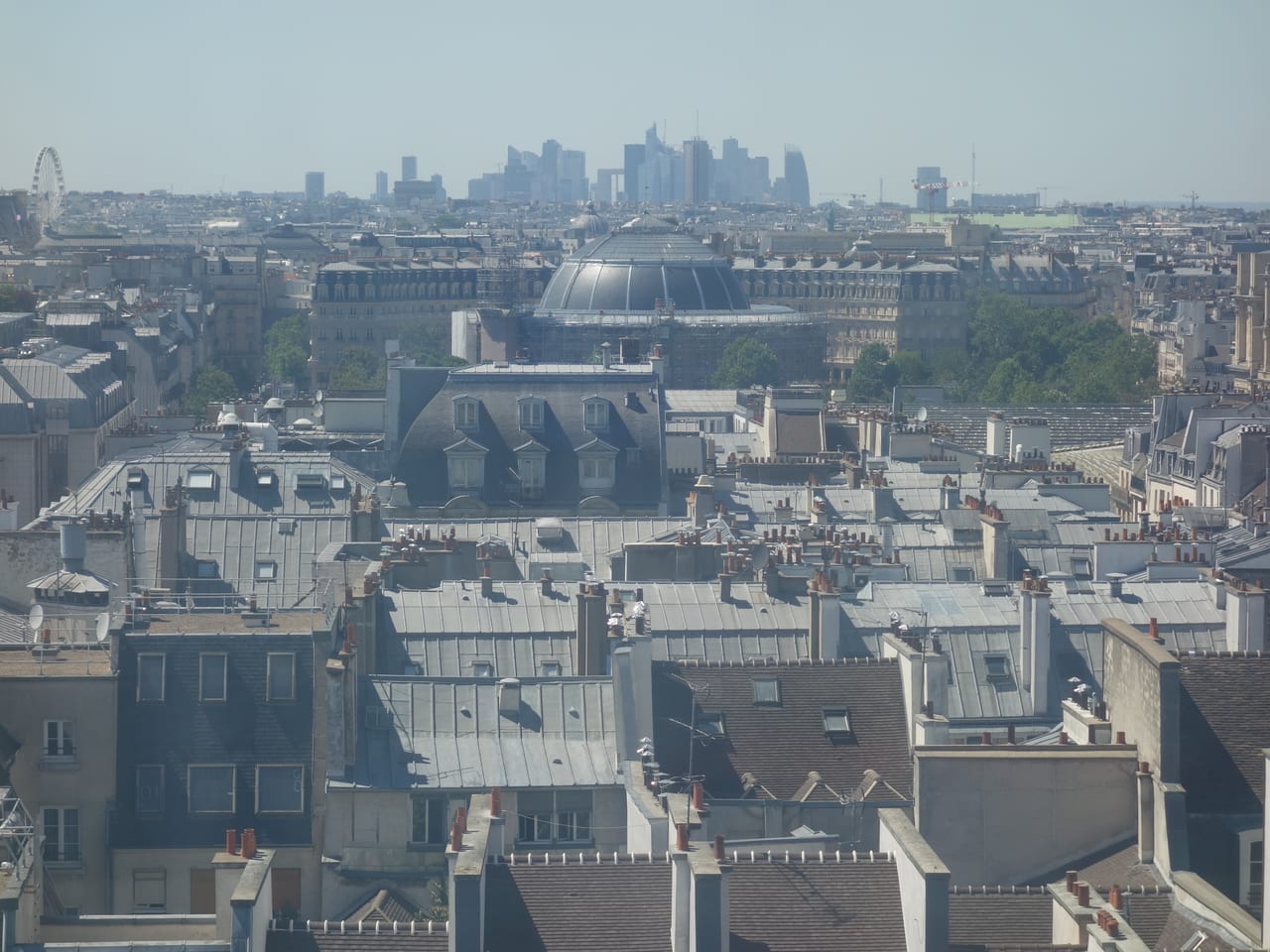
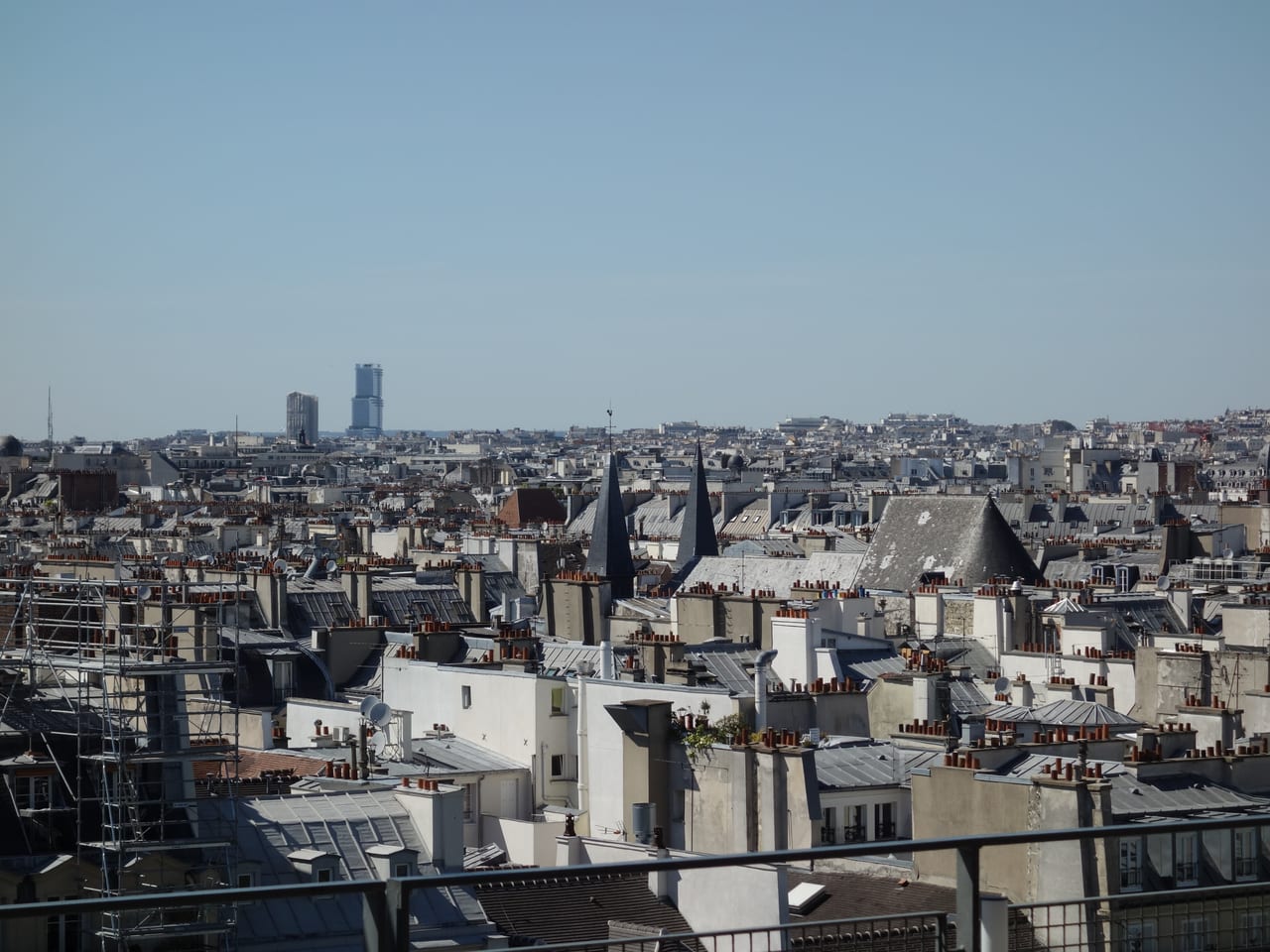
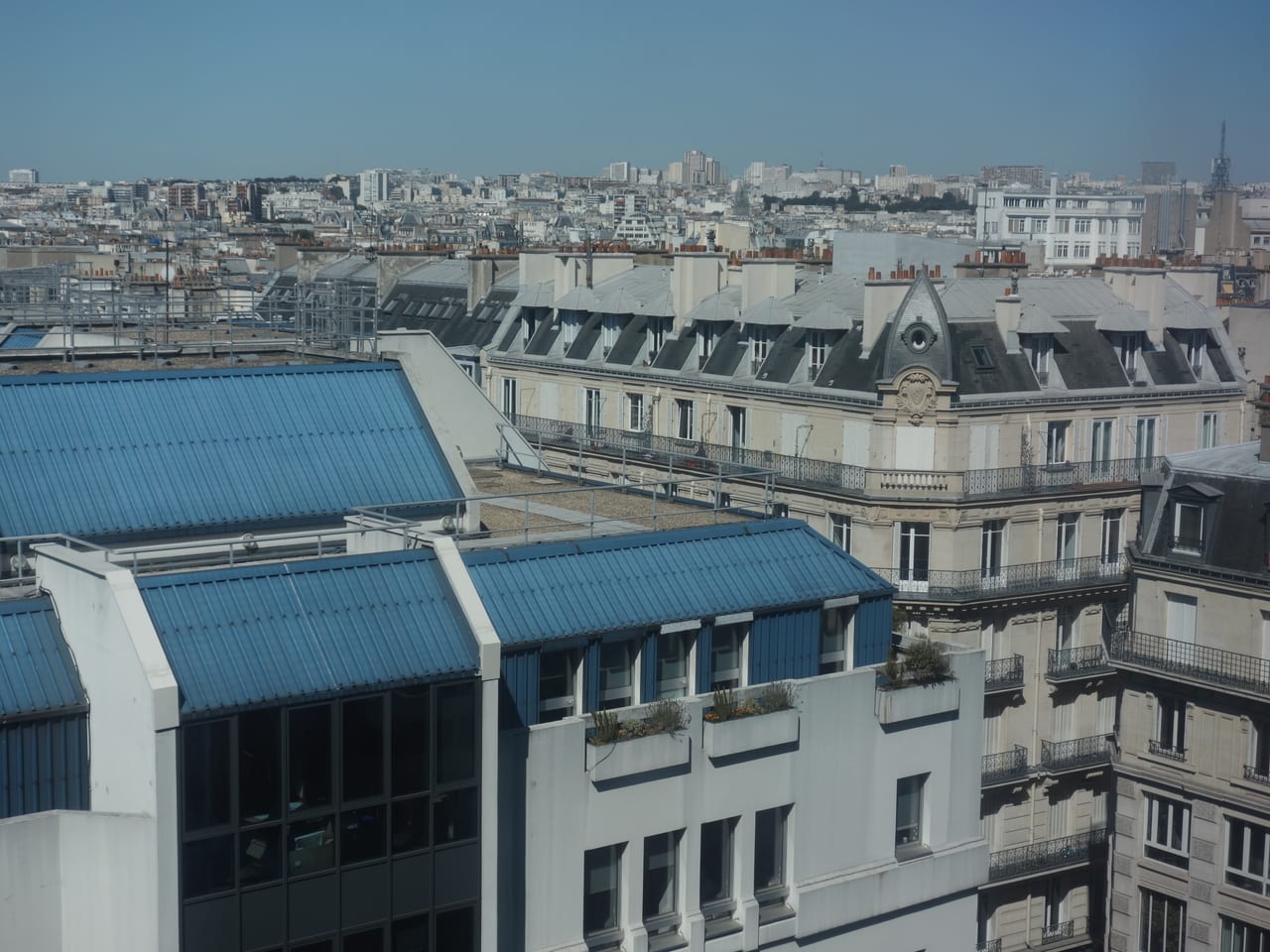
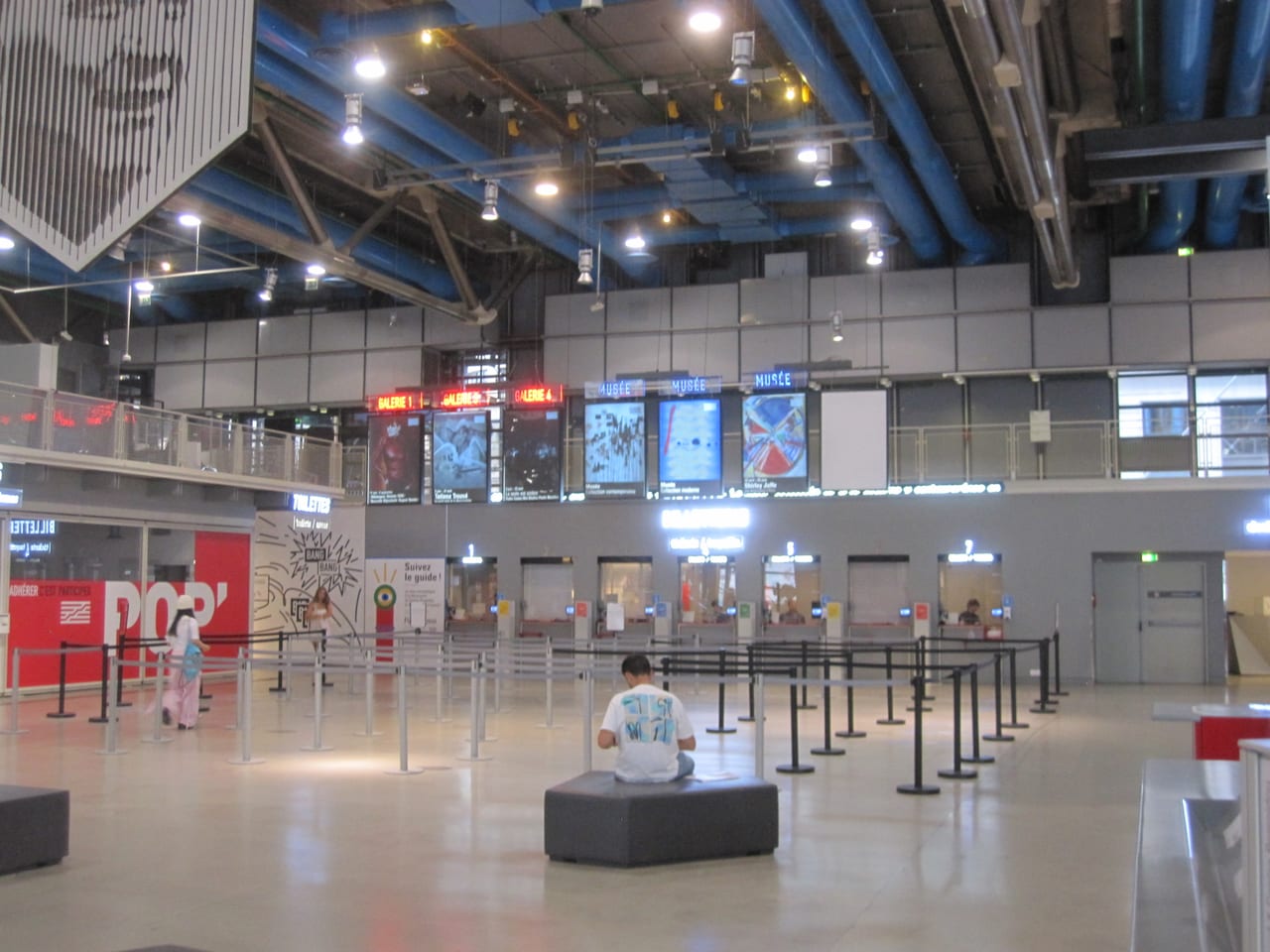
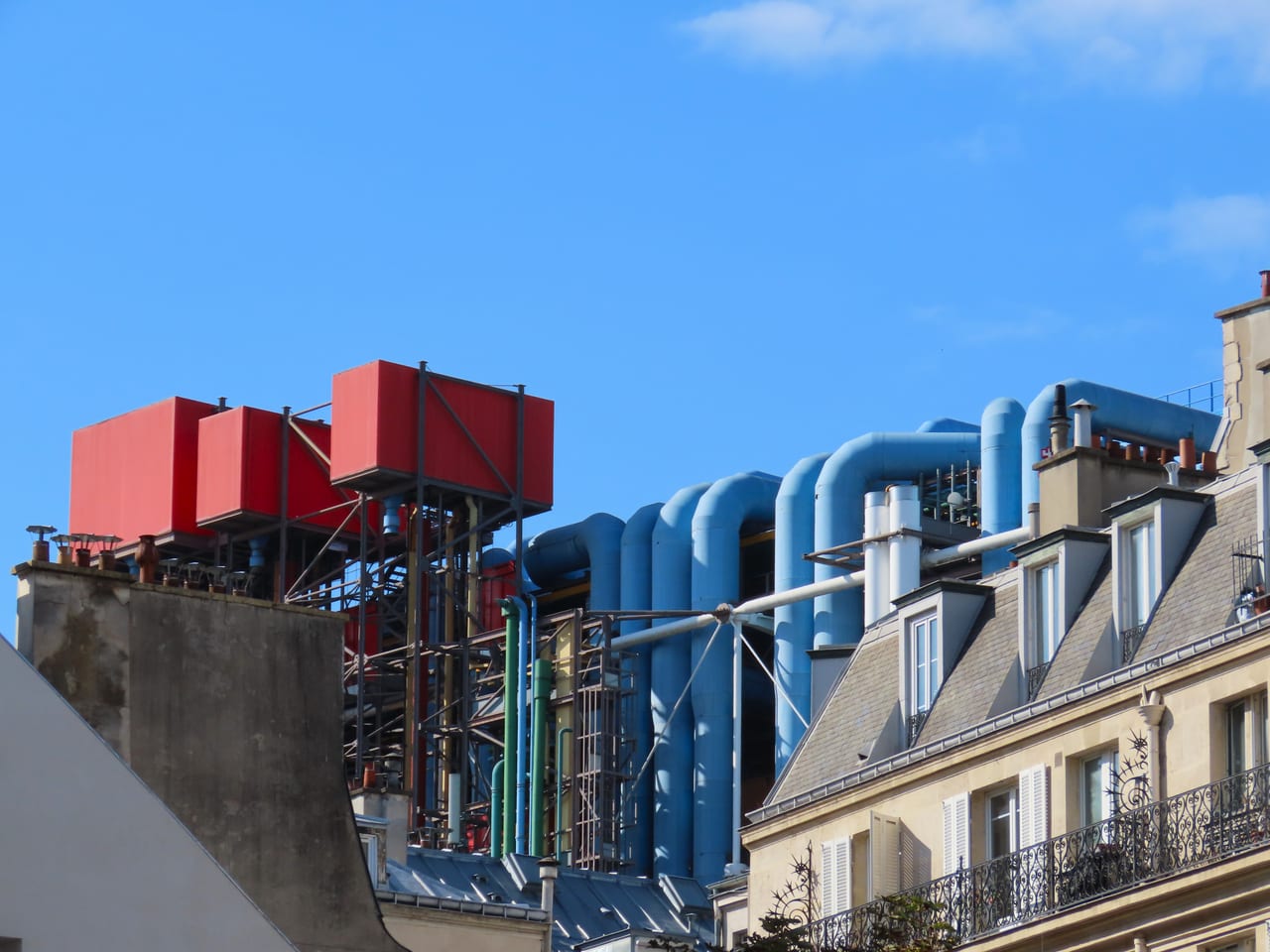
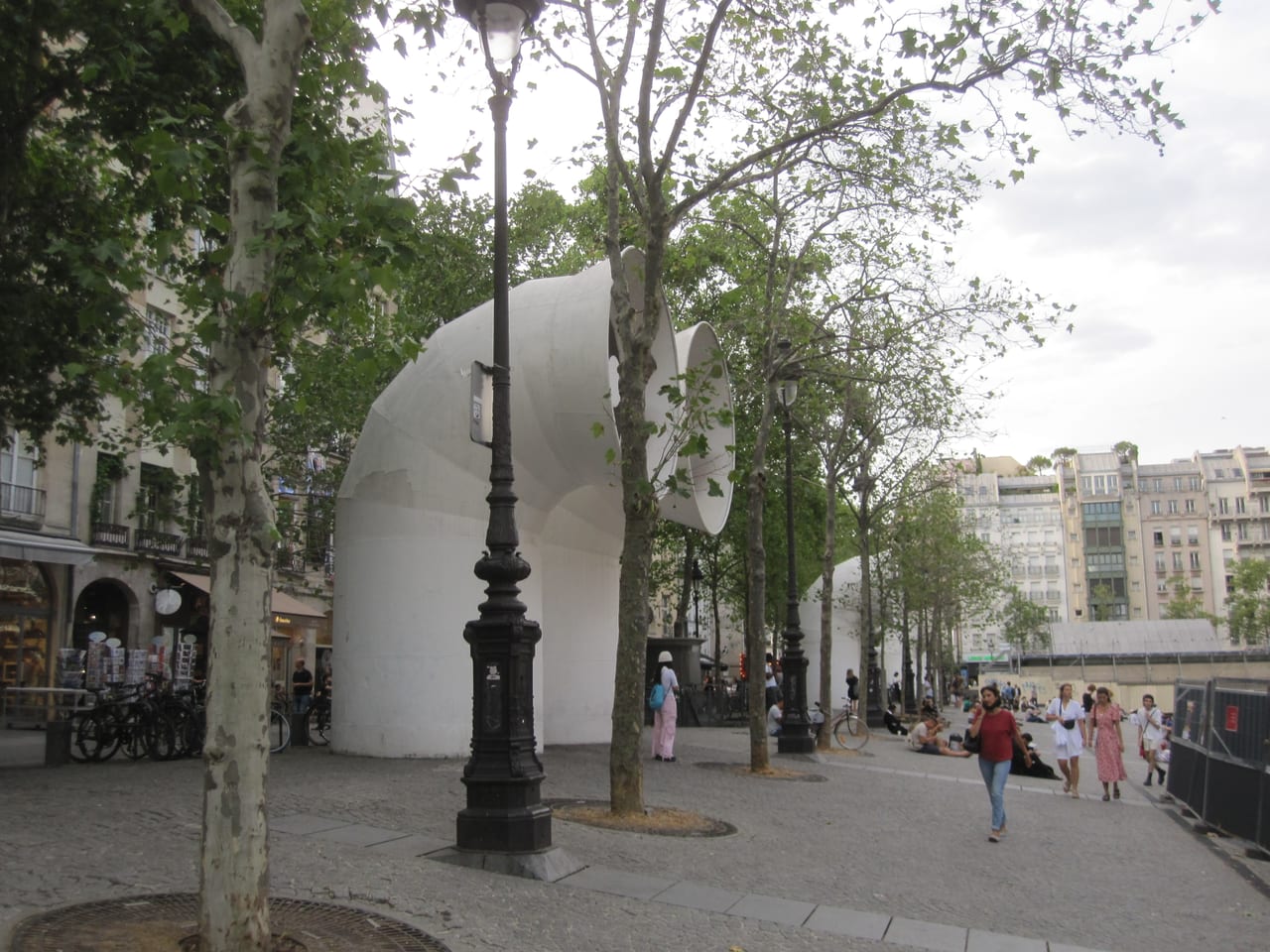
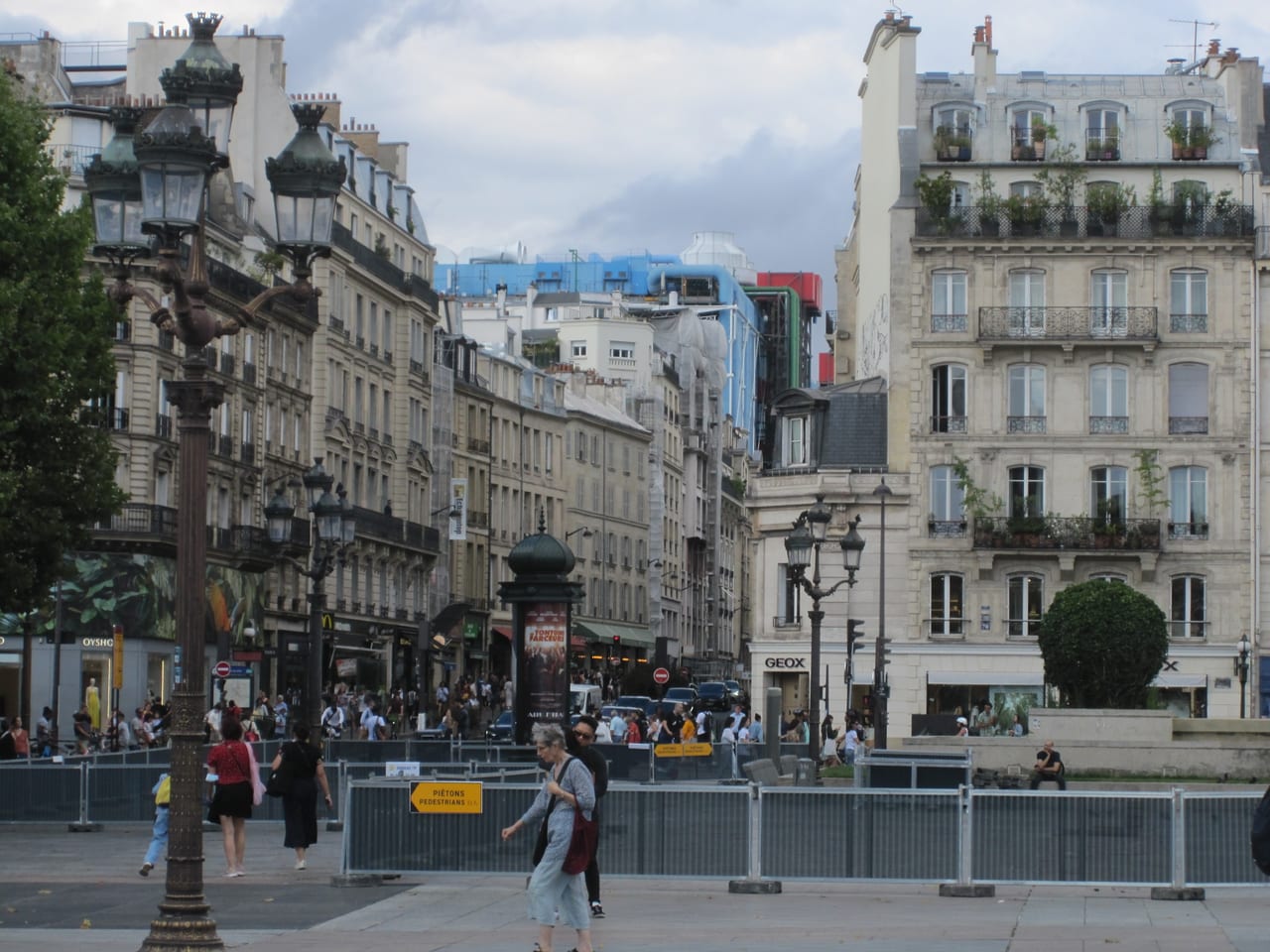
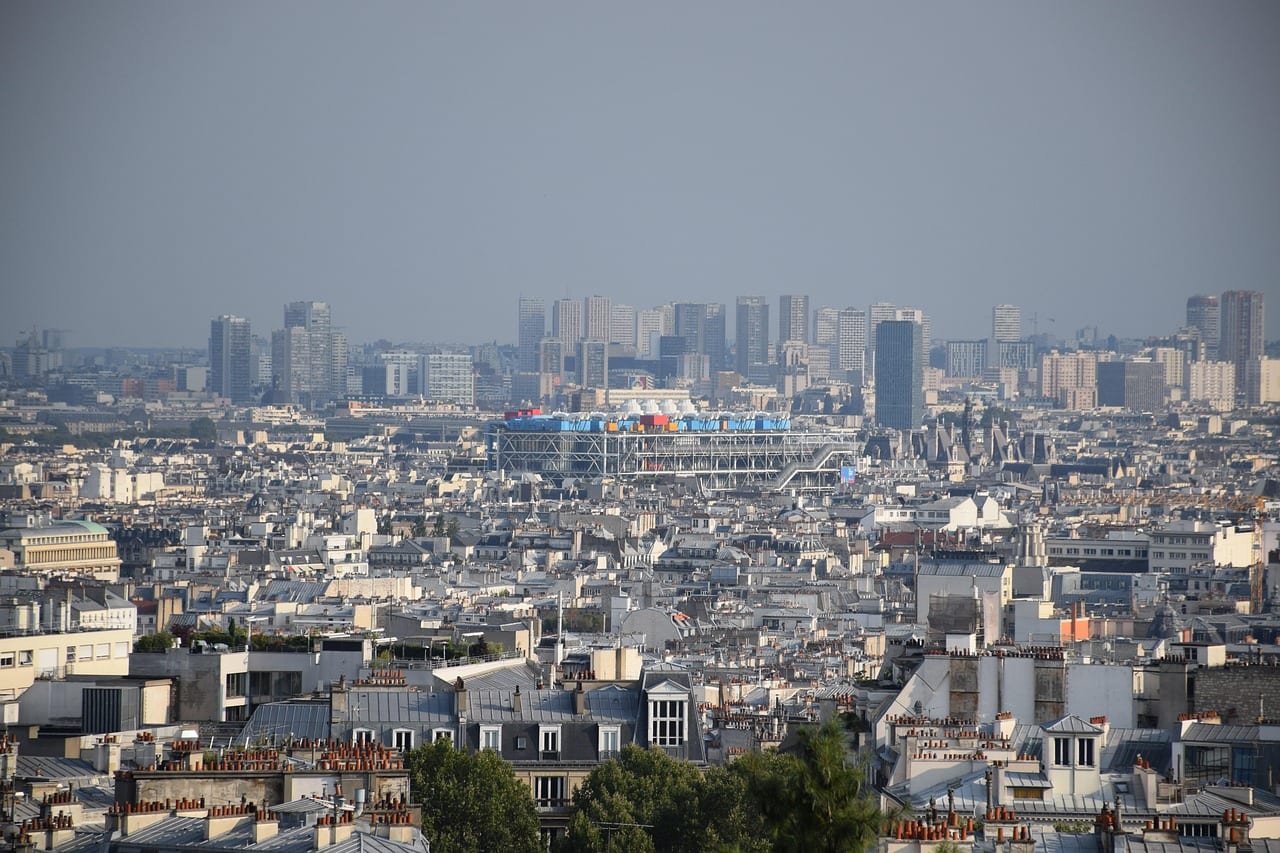
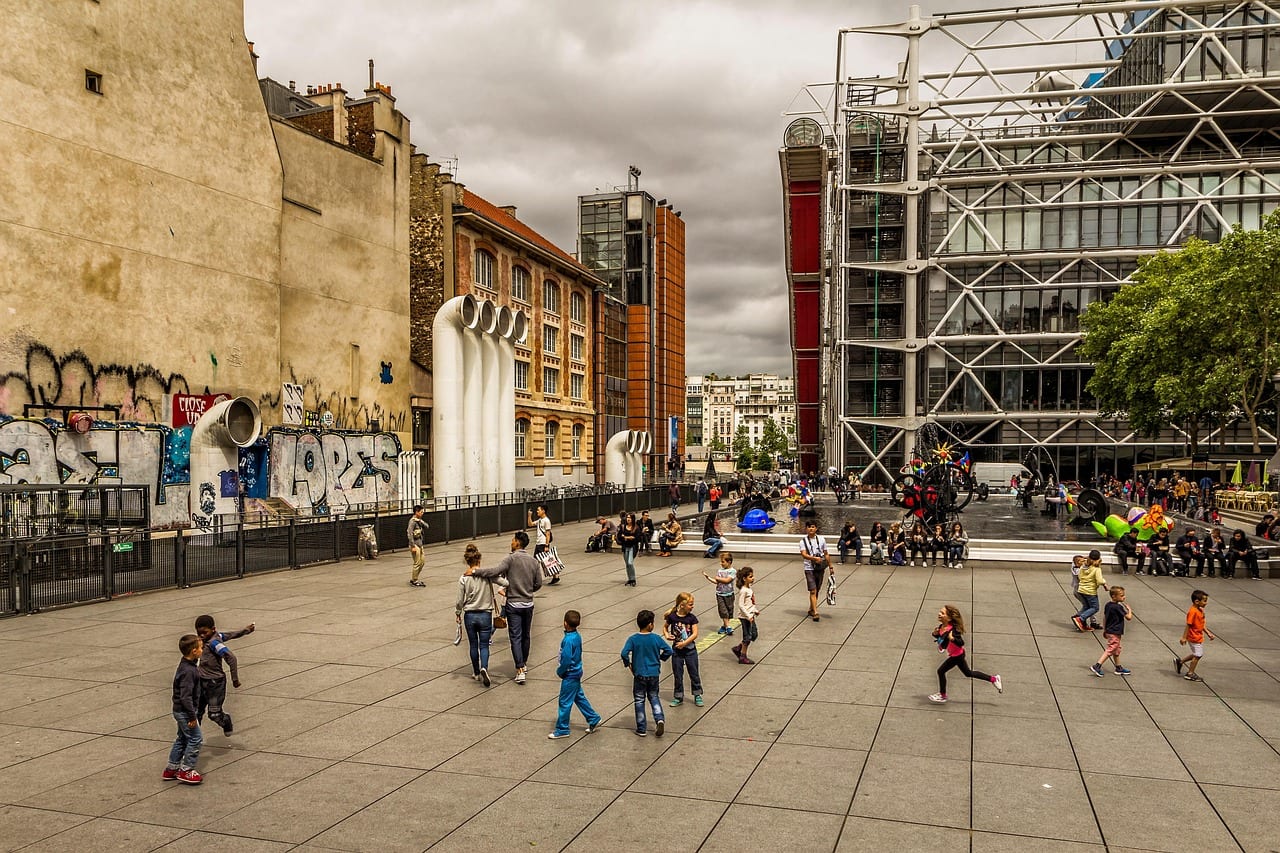
Photograph 1 of 27 of Centre Georges Pompidou
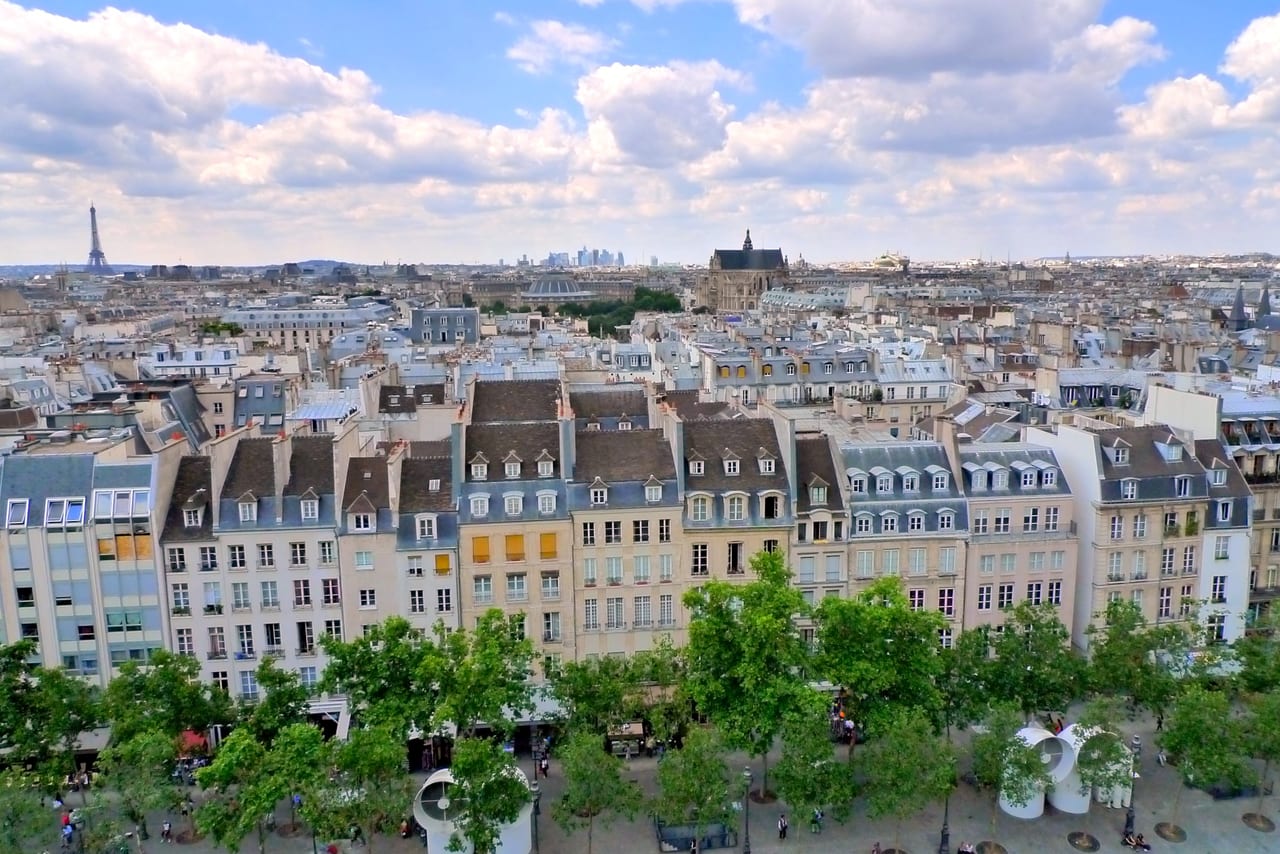
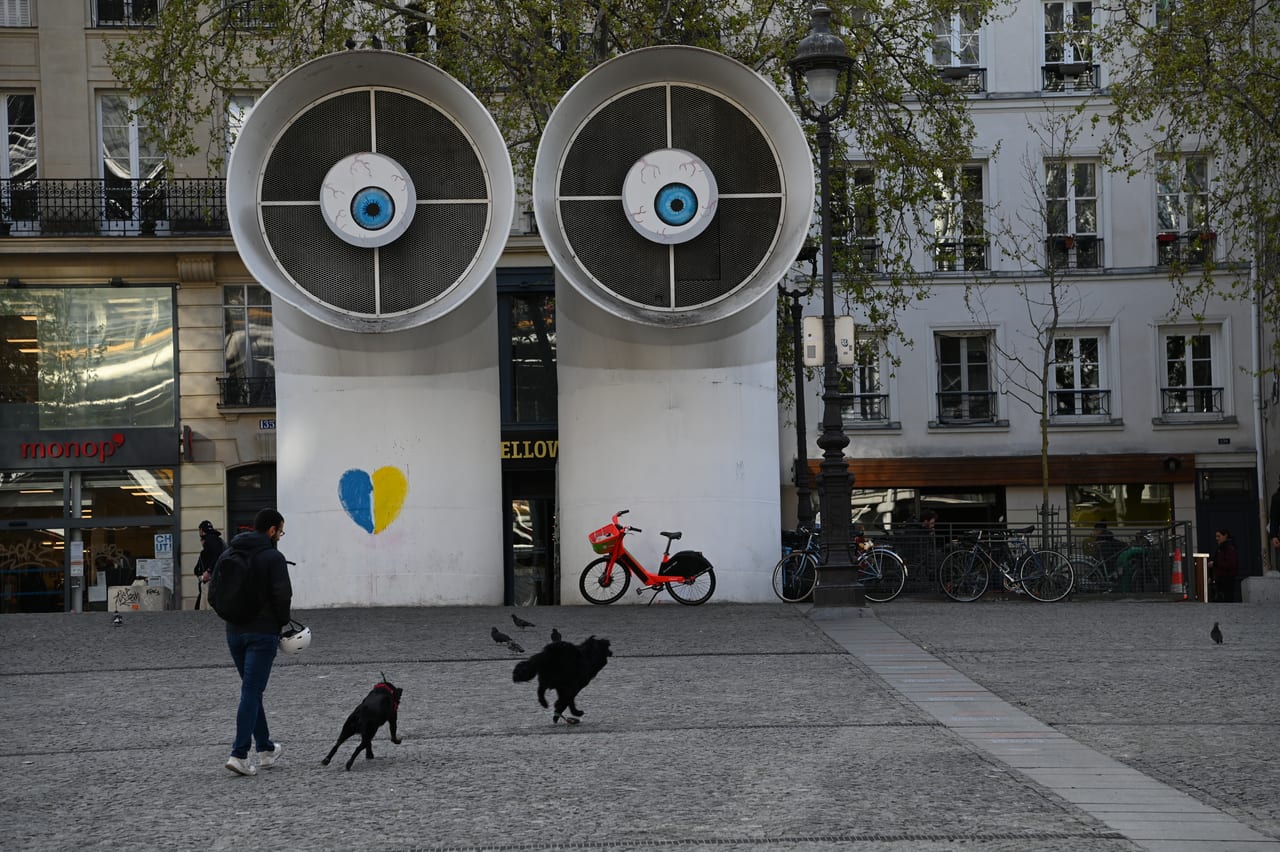
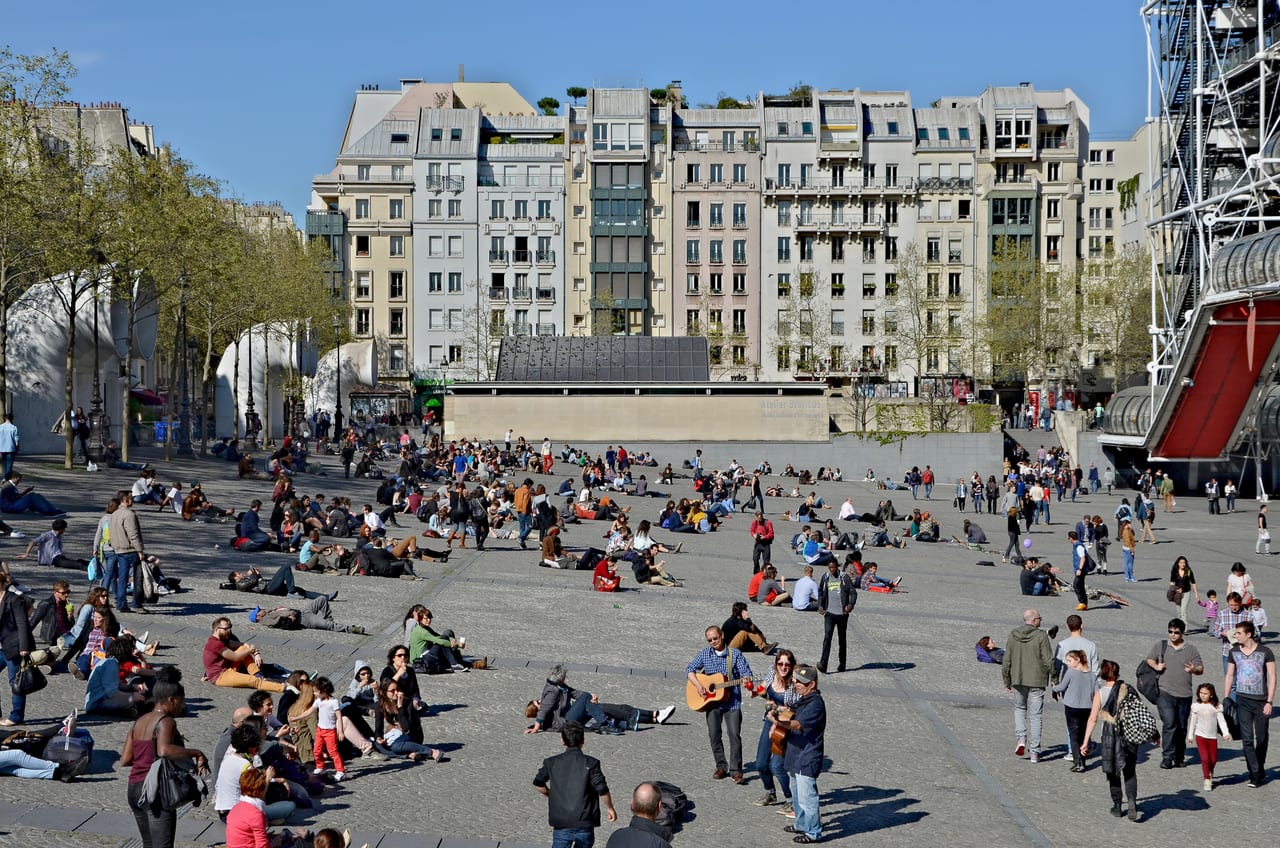
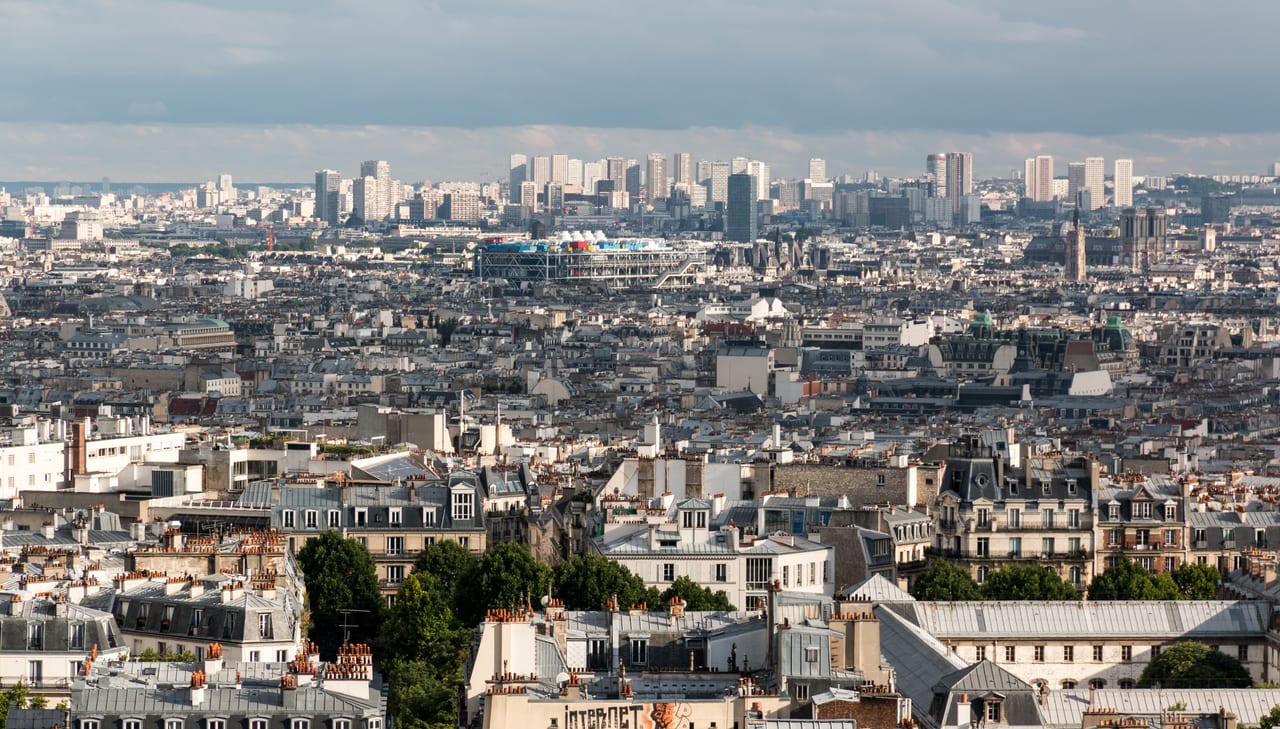
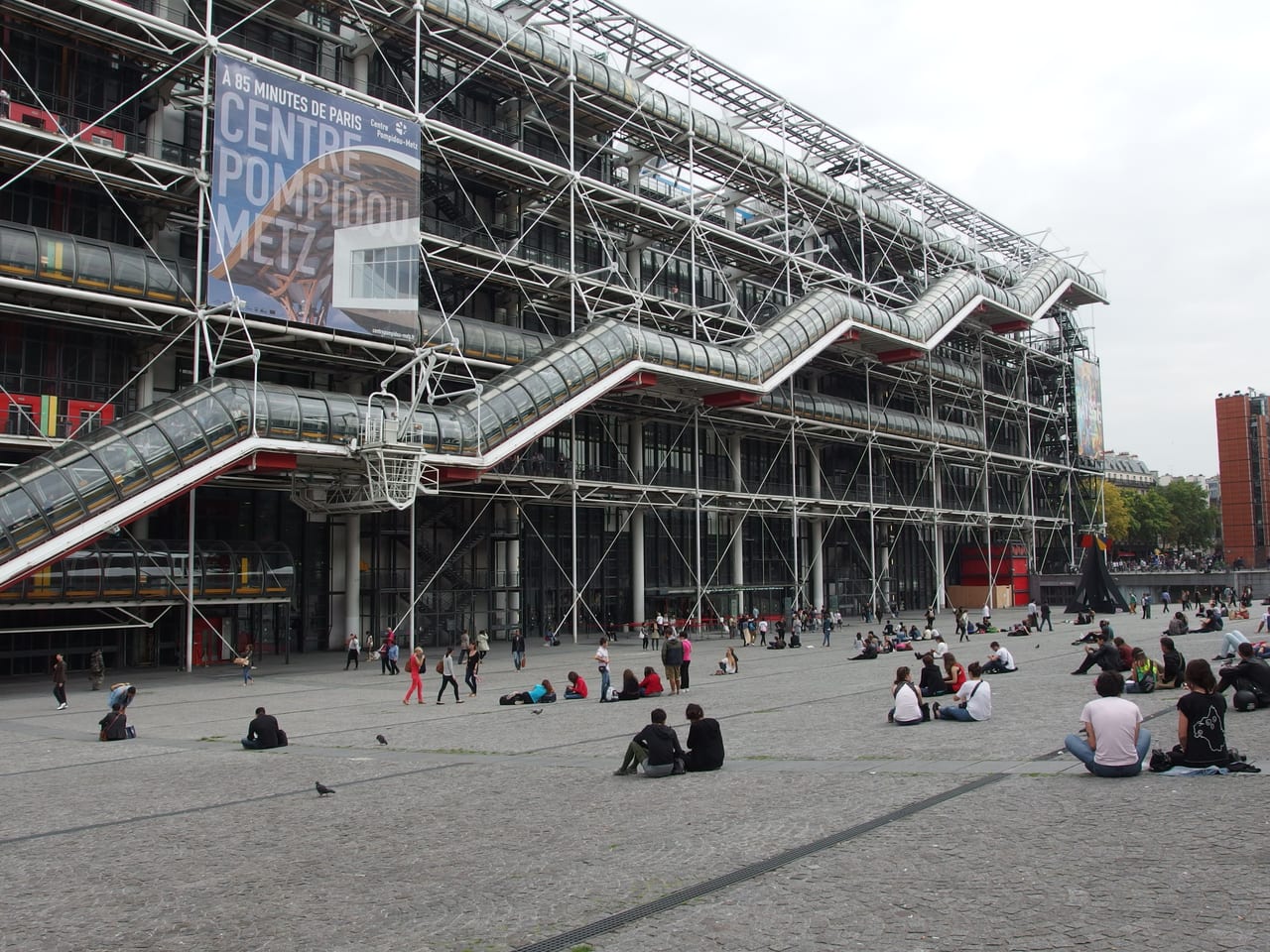
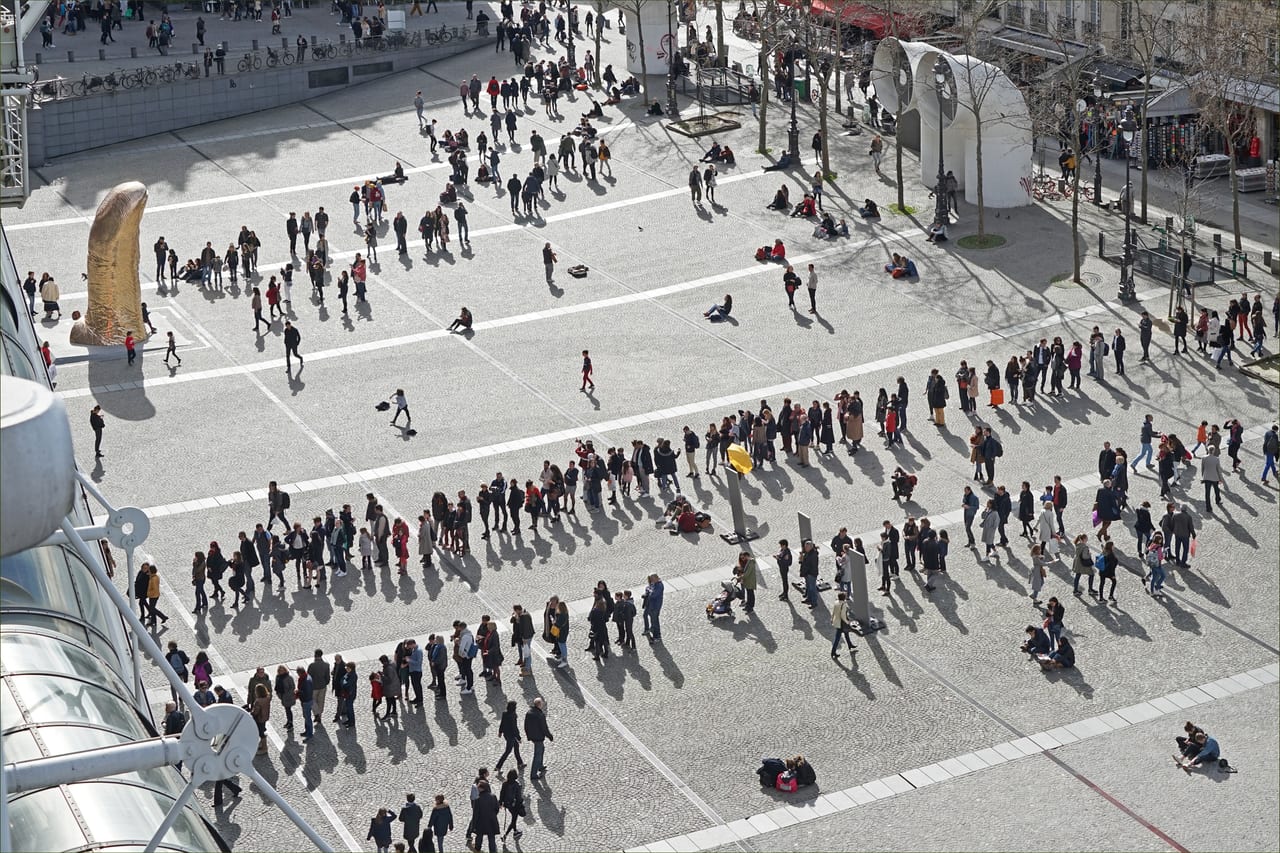
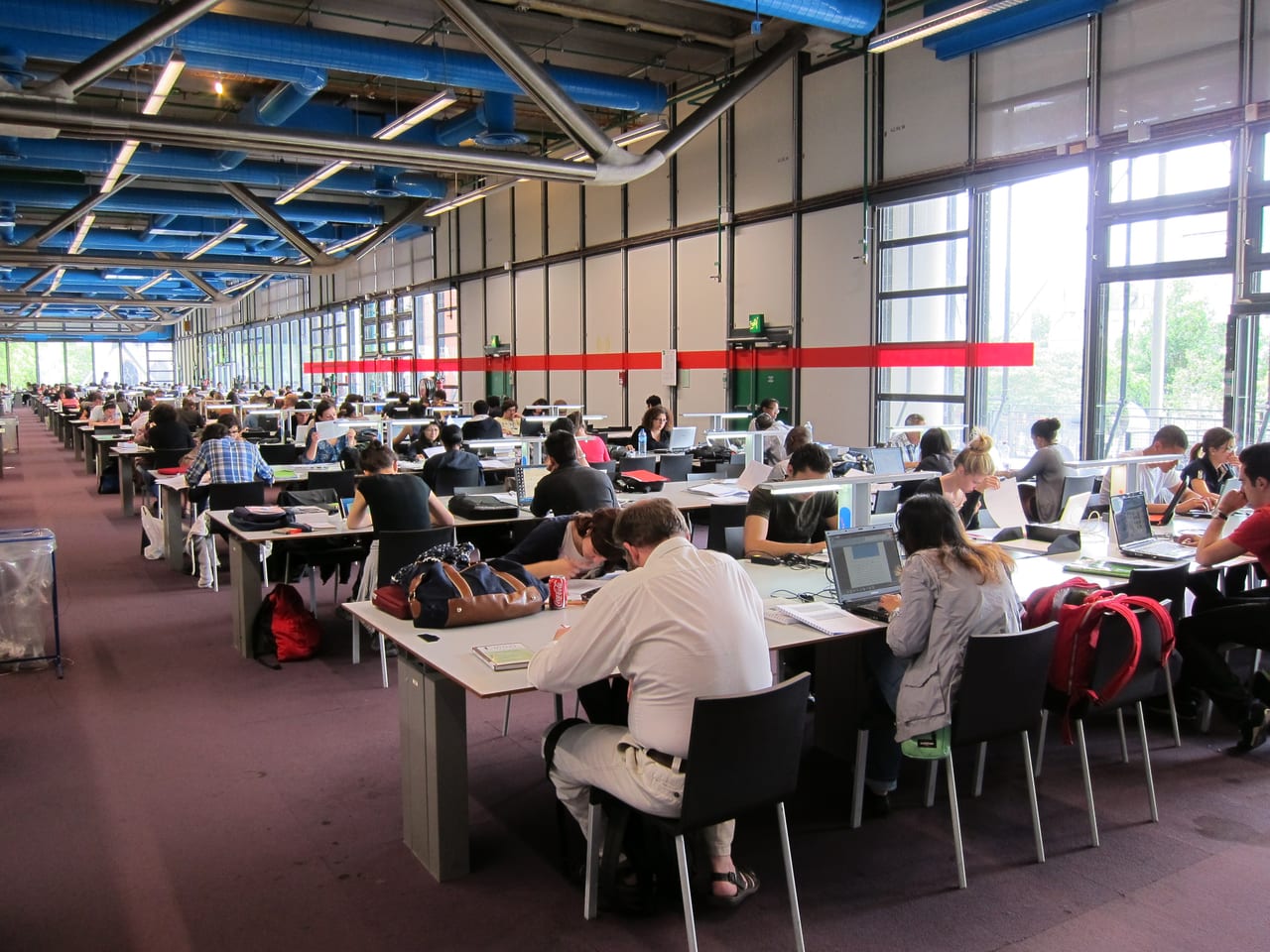
Georges Pompidou decided in 1969 to create a new museum of modern art on the Beaubourg plateau, where the former unhealthy block no. 1 had been cleared. In February 1970, the museum and a major public library were merged into one institution; Pierre Boulez’s music-research centre, later Ircam, joined the programme in 1971. The law establishing the Centre national d’art et de culture Georges-Pompidou was passed on 3 January 1975. Among 681 entries, the 1971 international competition selected Renzo Piano, Richard Rogers and Gianfranco Franchini, working with engineers including Edmund Happold and Ove Arup & Partners. Built from 1971 to 1977, the structure occupies only half its site, leaving the Piazza as a broad urban forecourt. Its eight public levels form flexible, largely unobstructed floors, while structural elements, services and circulation are pushed to the façades. Blue air ducts, green water pipes, yellow electrical lines and red lifts turn infrastructure into the building’s defining visual language. Inaugurated on 31 January 1977, the Centre provoked fierce criticism before winning a large public following. A major renovation led by Piano closed it from late 1997 until 1 January 2000, enlarging and reorganising the interiors. The Cci merged with the Musée national d’Art moderne in 1992. A further restoration, addressing corrosion, asbestos, safety, energy and accessibility, is planned to lead to reopening in 2030.
At a glance
- Architect
- Richard Rogers
- Style
- high-tech architecture
- Height
- 42 m
- Heritage
- Remarkable Contemporary Architecture
Ways to explore Centre Georges Pompidou
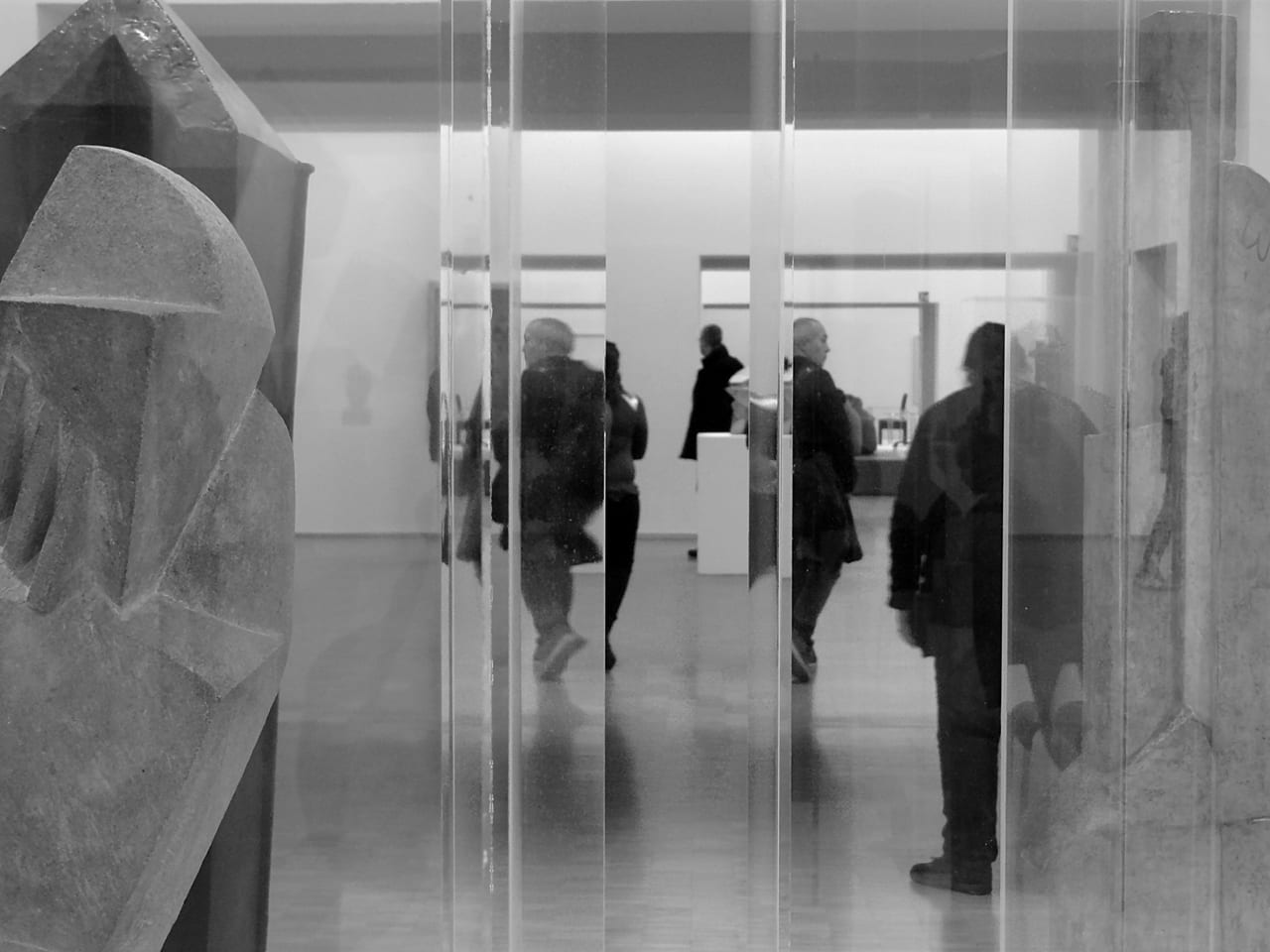
Begin in the Piazza to read the building’s exposed services and watch the exterior escalator climb the façade. Inside, allow time for the Musée national d’Art moderne’s galleries, temporary exhibitions and the spacious Forum; the modular floors make the changing installations especially legible. The BPI occupies the mezzanine and upper library levels, with its own entrance and café. Look for the separate Ircam and Atelier Brancusi across the Piazza, and check access arrangements before visiting while the restoration programme is under way.
Places to stay near Centre Georges Pompidou
Live availability and prices from Stay22's partners, refreshed periodically and subject to change. Booking through these links may earn us a commission at no extra cost to you. See our privacy policy.
Cafés near Centre Georges Pompidou
Cafés near Centre Georges Pompidou loads as you scroll.
Attractions nearby
Attractions near Centre Georges Pompidou loads as you scroll.
Cities nearby
Cities nearby loads as you scroll.
More in Paris
See more of Paris.
Find great cafés, places to stay and other interesting places to visit in Paris.