Monument · Paris
arc de triomphe du Carrousel
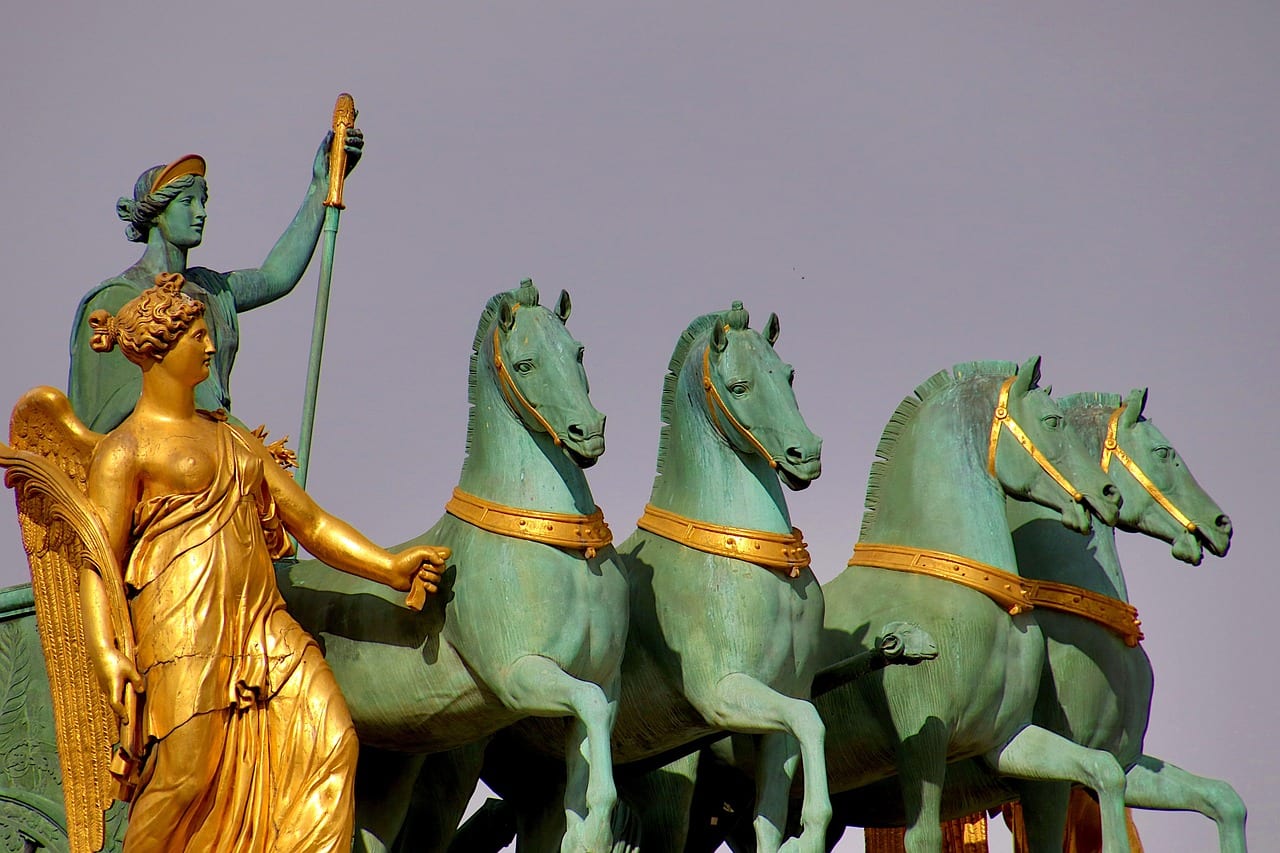
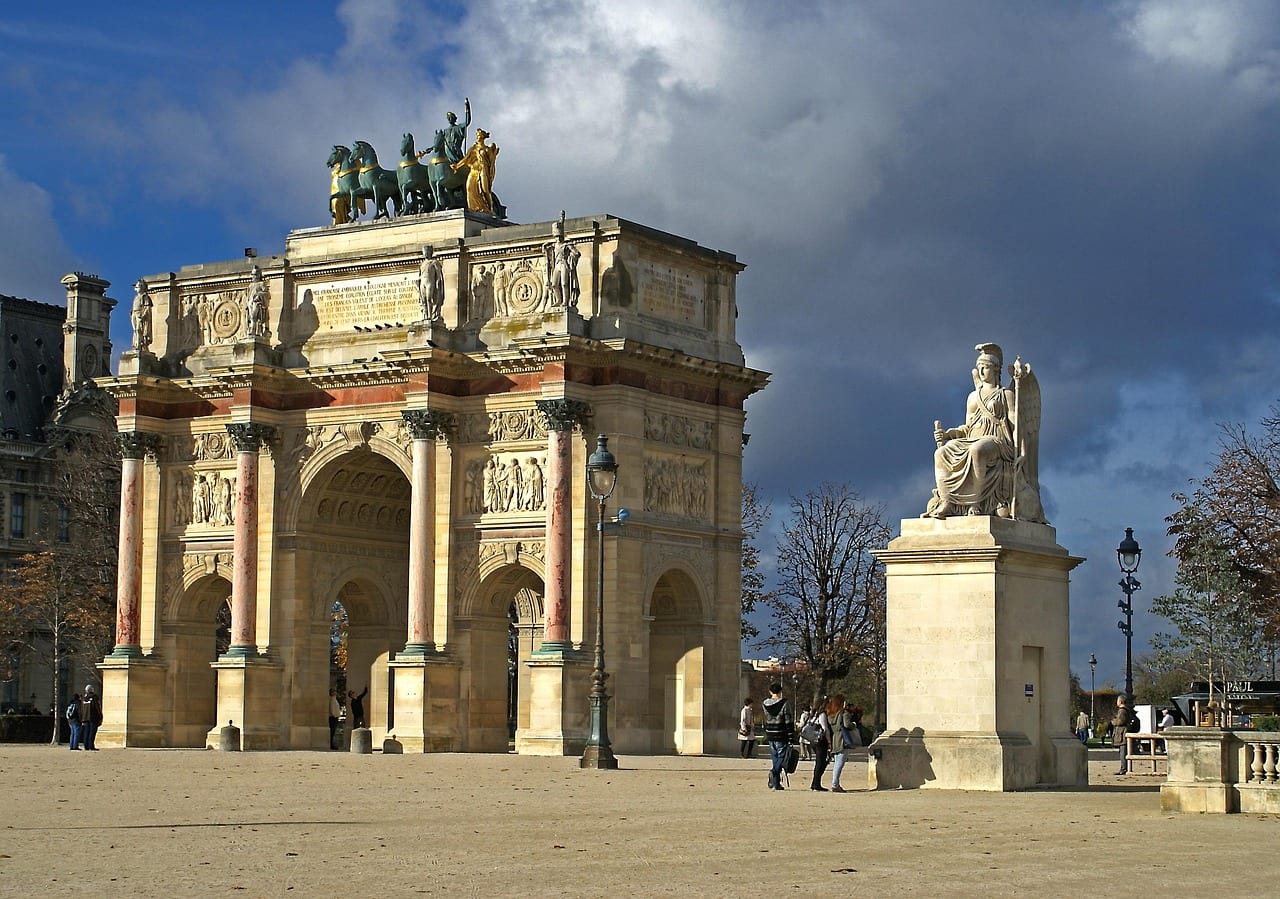
DirectionsIts present quadriga replaced Napoleon’s captured Horses of Saint Mark, returned to Venice after Waterloo and the Bourbon Restoration.
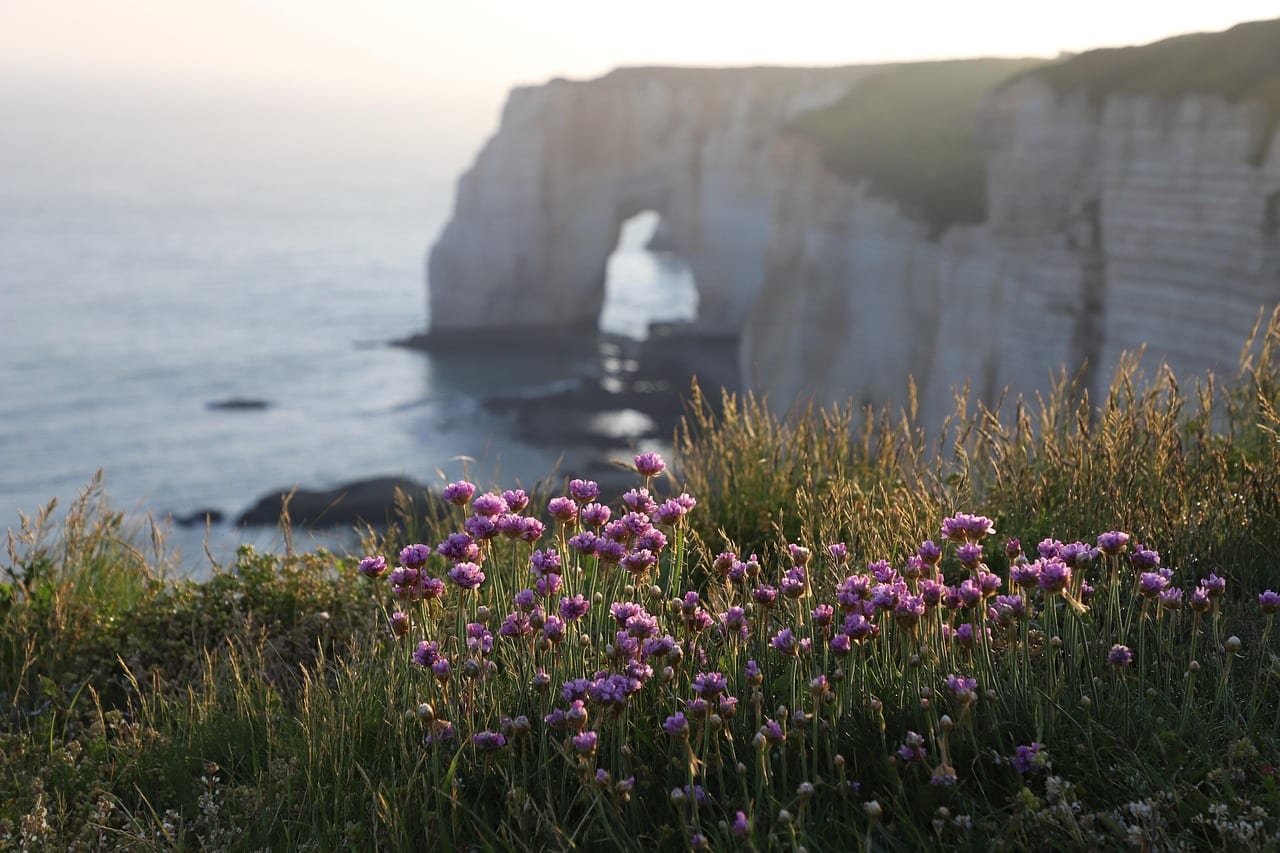
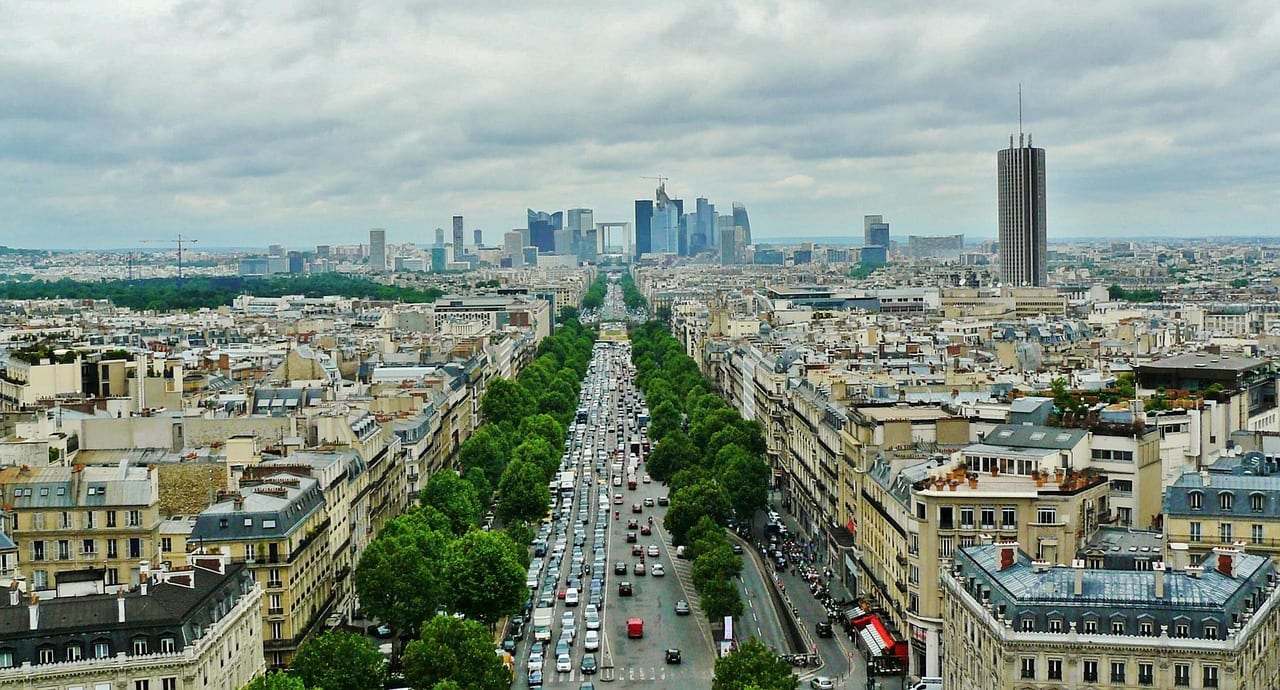
Photograph 1 of 6 of arc de triomphe du Carrousel
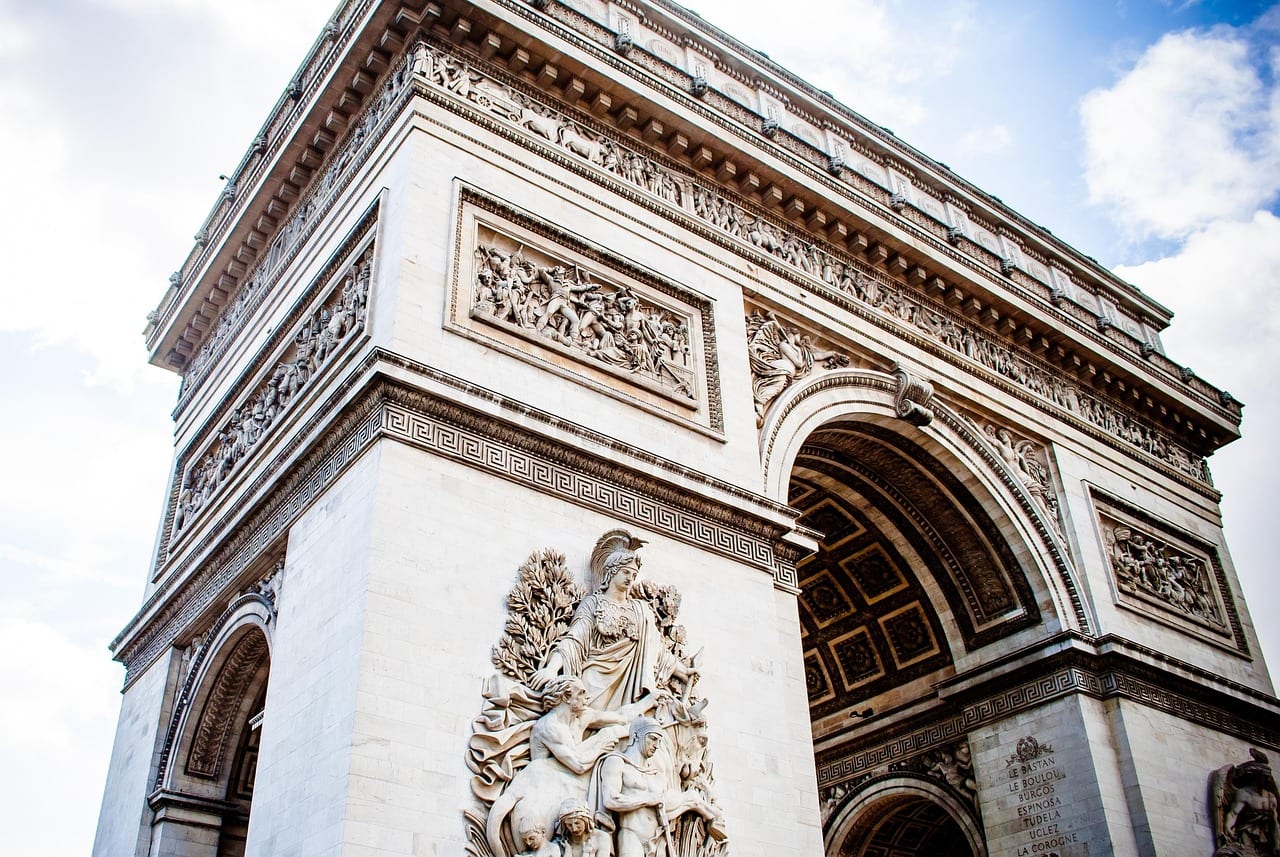
Its Neoclassical Corinthian design follows the model of the Arch of Constantine in Rome, with a more particular debt to the Arch of Septimius Severus. Vivant Denon, director of the Musée Napoléon in the Louvre, selected the subjects for the rose-marble reliefs, while Charles Meynier designed them. The reliefs commemorate the Peace of Pressburg, Napoleon’s entries into Munich and Vienna, the Battle of Austerlitz, the Tilsit Conference and the surrender of Ulm; Louis-Pierre Deseine, Jean-Joseph Espercieux and Pierre Cartellier were among the sculptors. Eight marble columns, recovered from the Château de Meudon after its destruction in 1804, carry figures in the uniforms of Napoleon’s imperial corps. The Tuileries’ destruction during the Paris Commune in 1871 opened the western vista, connecting the arch to Paris’s historic axis. It later inspired London’s Marble Arch.
At a glance
- Built
- 1808
- Architect
- Pierre-François-Léonard Fontaine
- Style
- Neoclassicism
Ways to explore arc de triomphe du Carrousel
Approach from the Louvre side and examine the three openings: the monument rises 19 metres overall, while its central opening is about 6.4 metres high and the two flanking arches are markedly lower and narrower. View the monument from more than one side; the east and west faces present different sculpted soldiers and relief arrangements. From the Place du Carrousel, look west along the historic axis toward the Place de la Concorde and the Champs-Élysées, noting how the monument frames that exceptionally long urban perspective.
Places to stay near arc de triomphe du Carrousel
Live availability and prices from Stay22's partners, refreshed periodically and subject to change. Booking through these links may earn us a commission at no extra cost to you. See our privacy policy.
Cafés near arc de triomphe du Carrousel
Cafés near arc de triomphe du Carrousel loads as you scroll.
Attractions nearby
Attractions near arc de triomphe du Carrousel loads as you scroll.
Cities nearby
Cities nearby loads as you scroll.
More in Paris
See more of Paris.
Find great cafés, places to stay and other interesting places to visit in Paris.