Park · Split
Sustipan
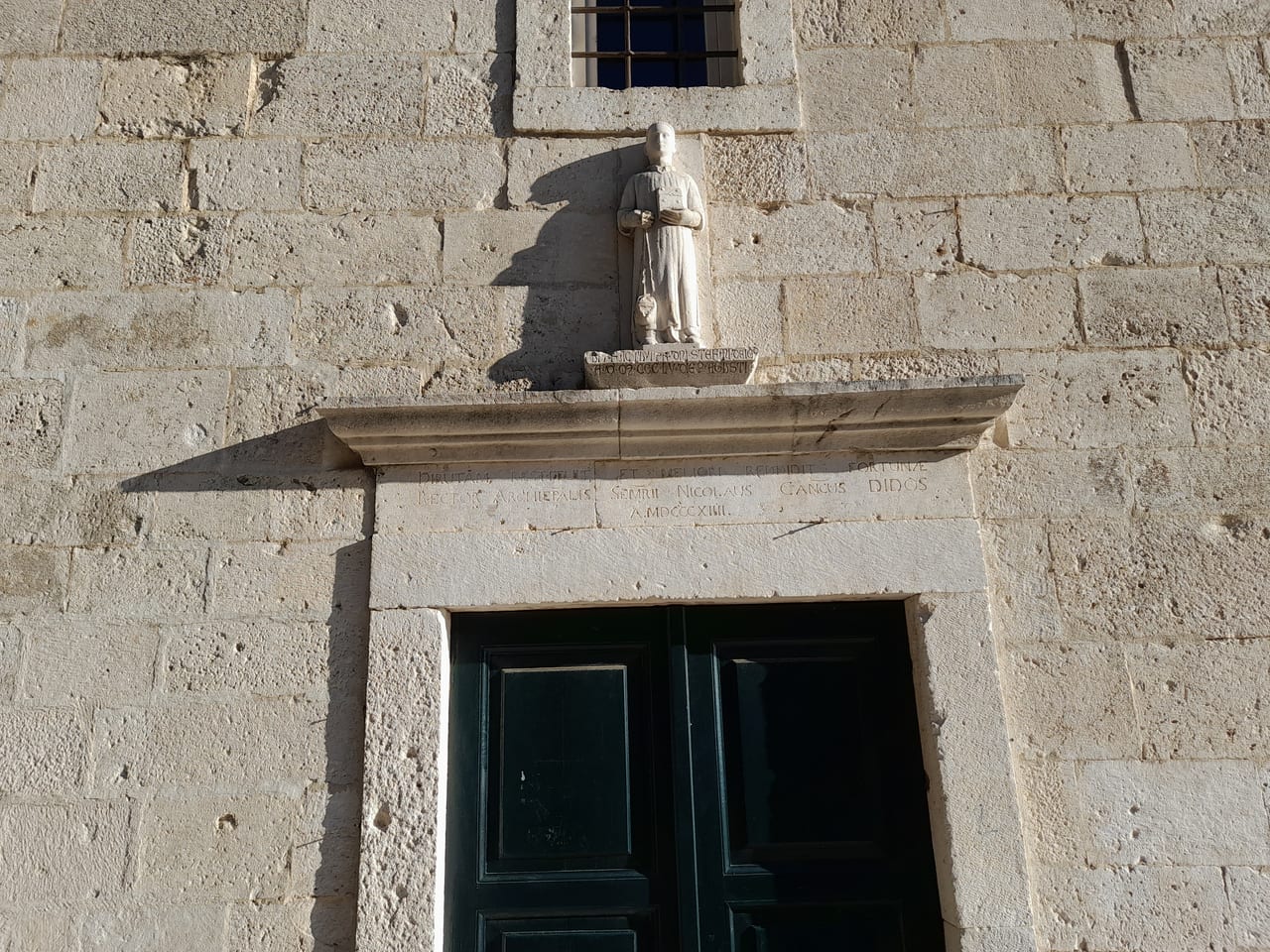
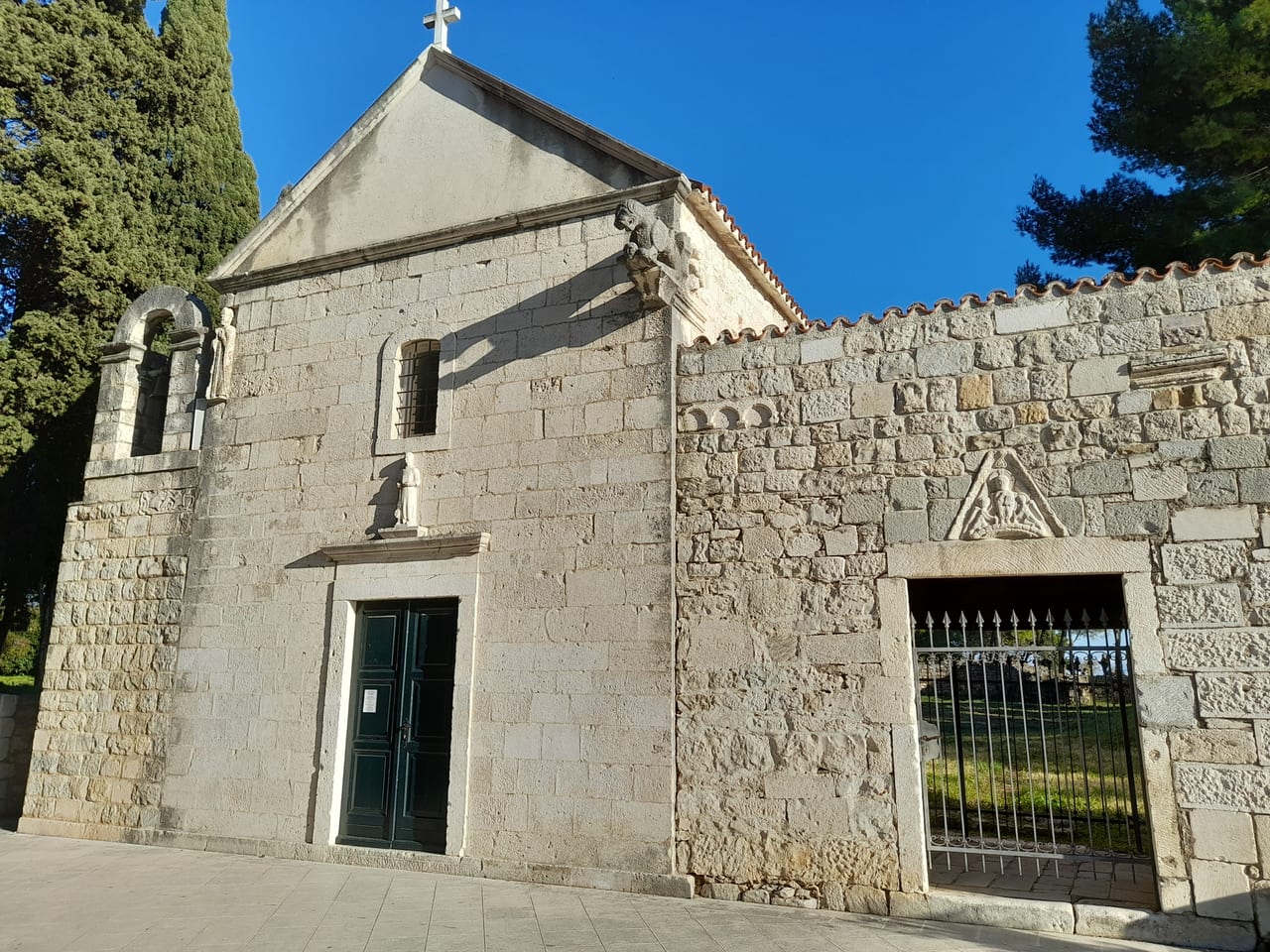
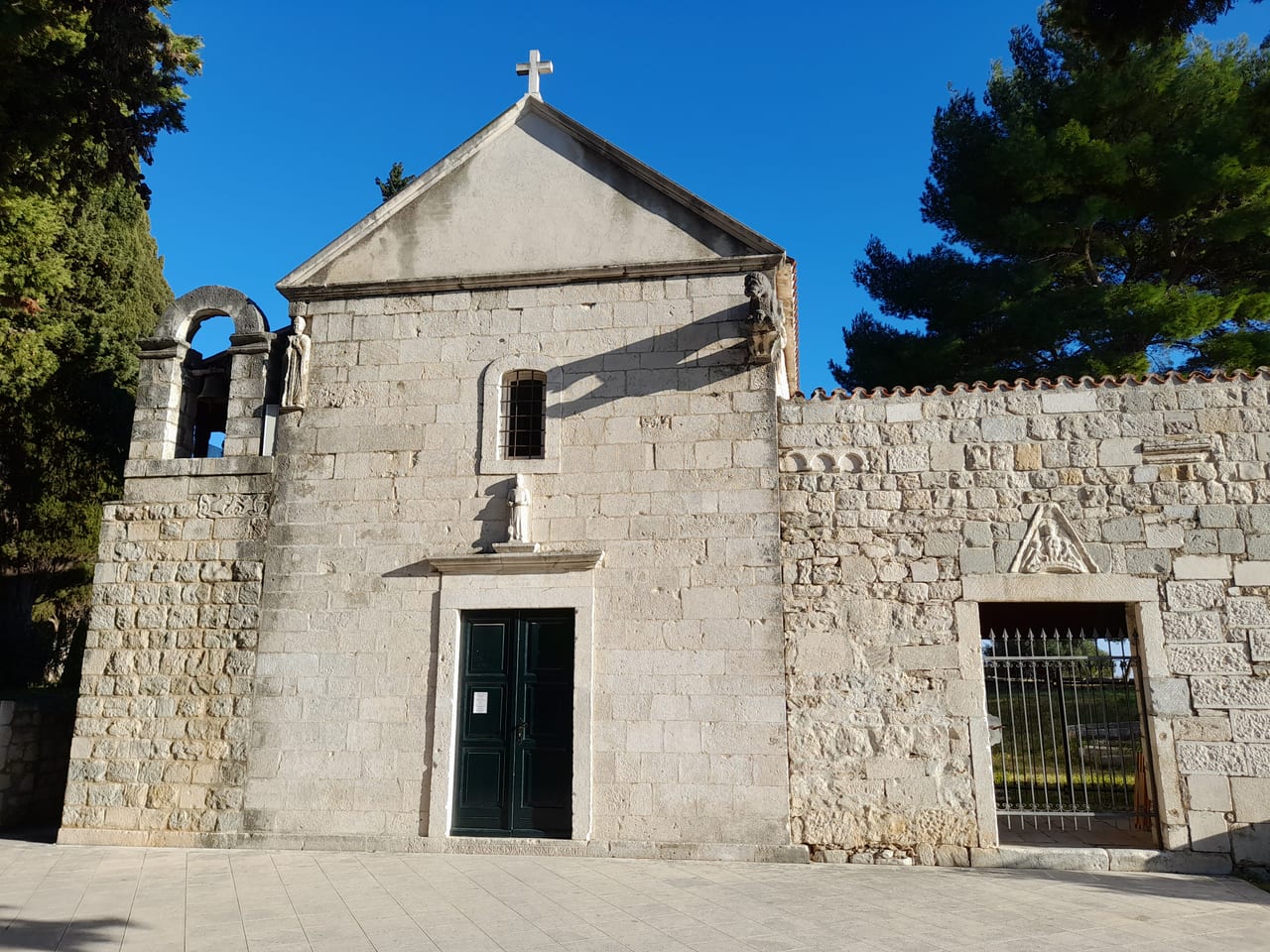
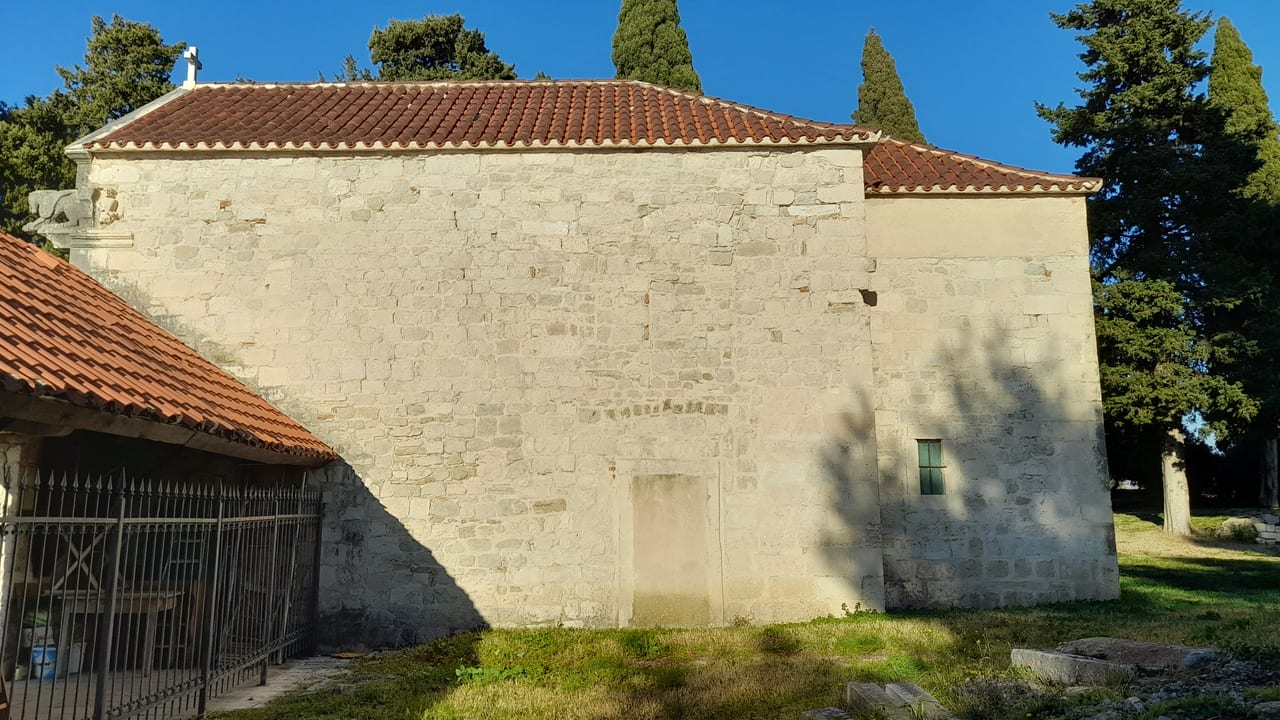
DirectionsWhen St Stephen’s church was renewed in 1814, its interior was adorned with six ancient columns and capitals, probably brought from Diocletian’s Palace.
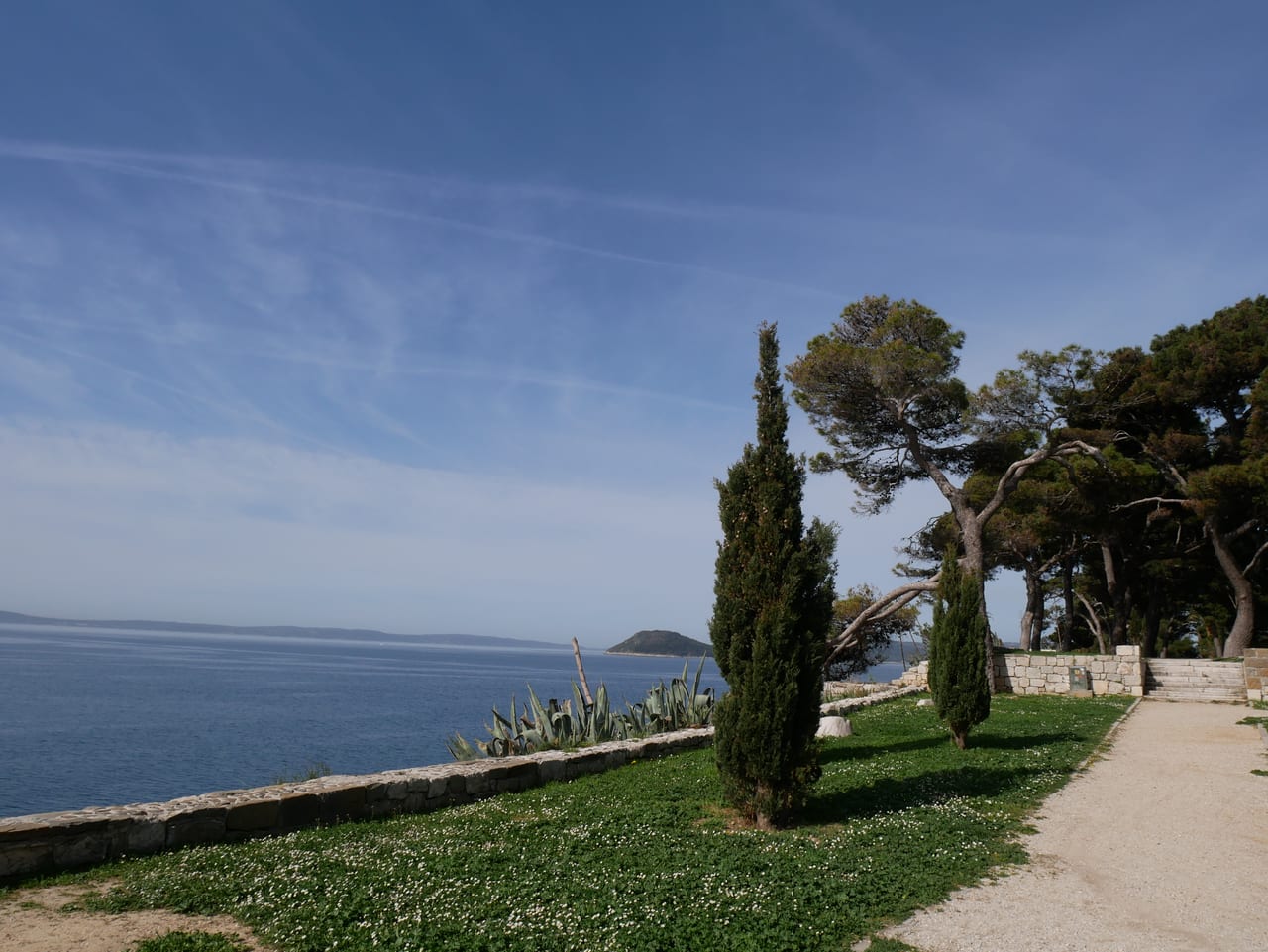
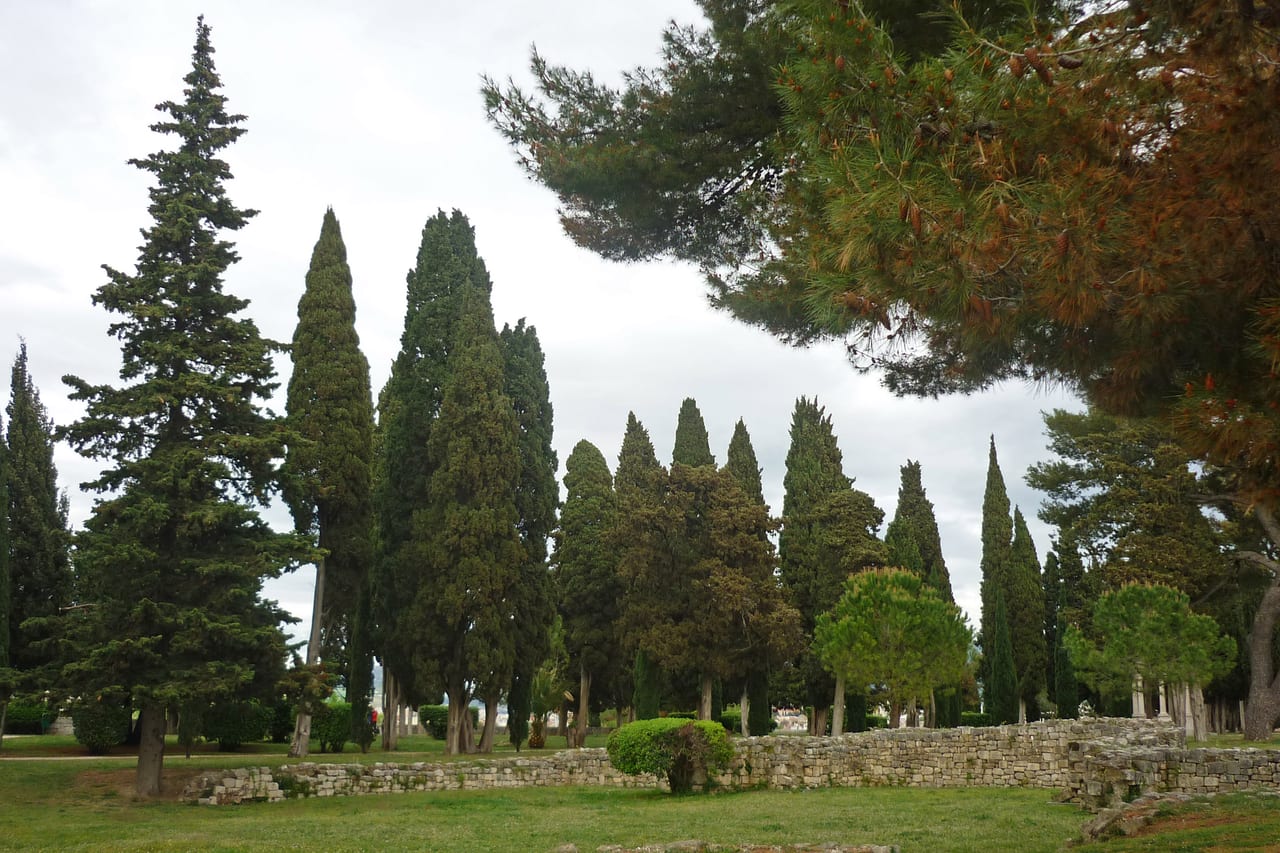
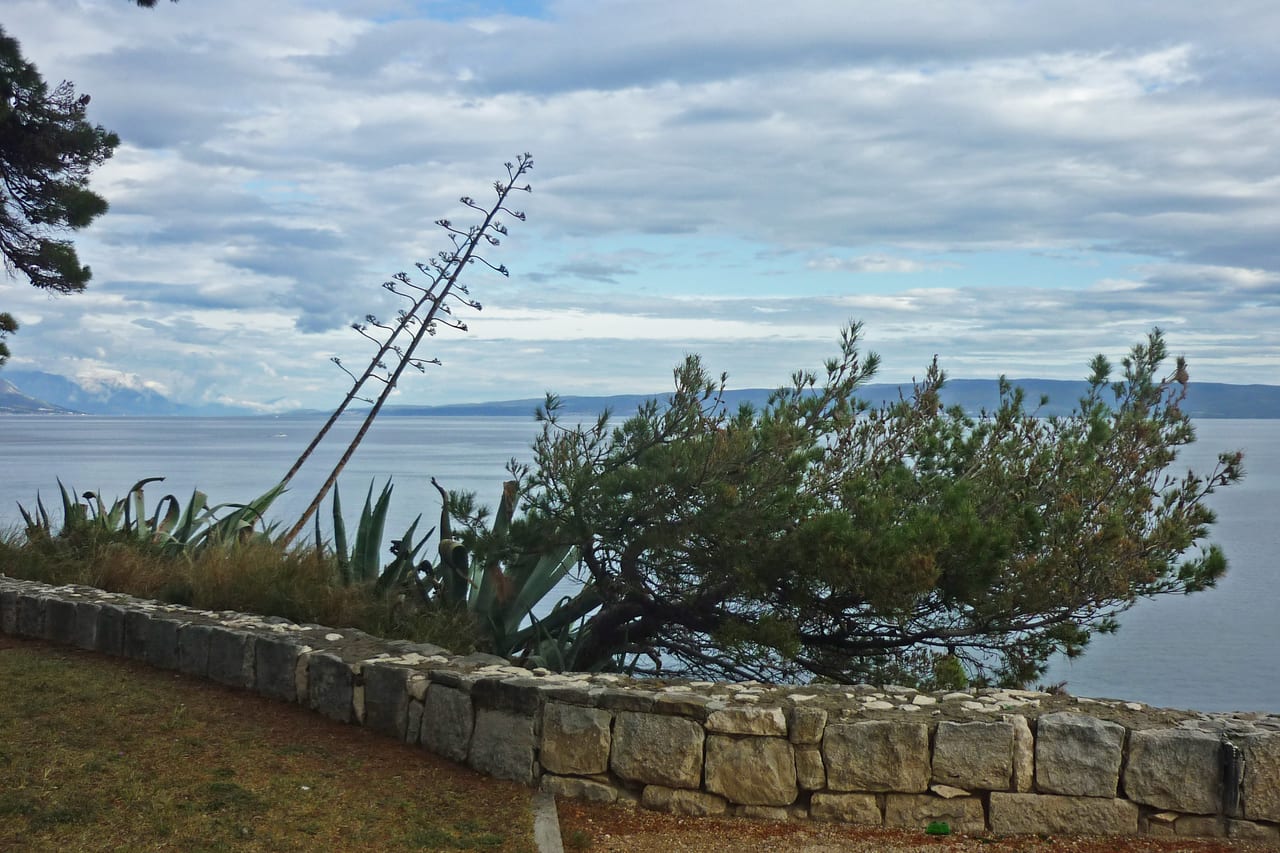
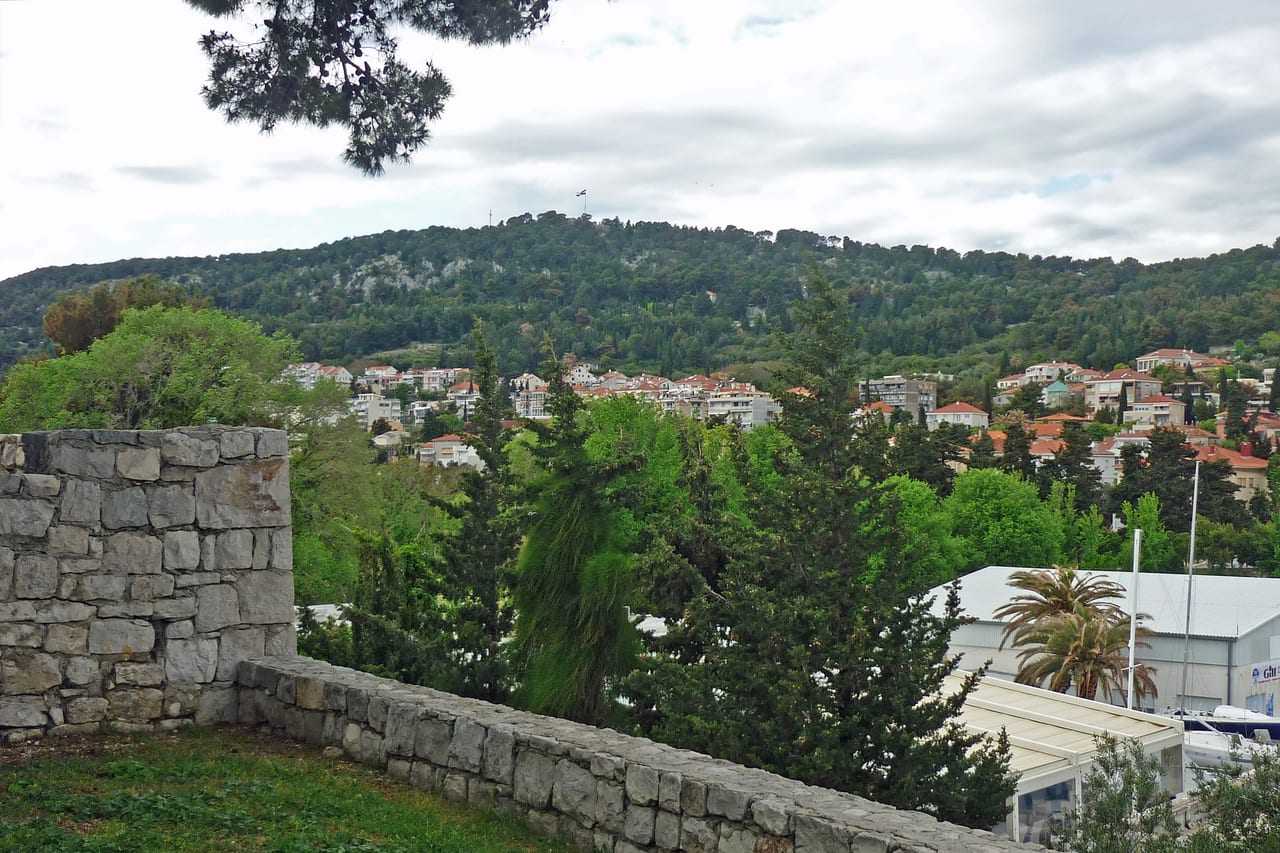
Photograph 1 of 27 of Sustipan
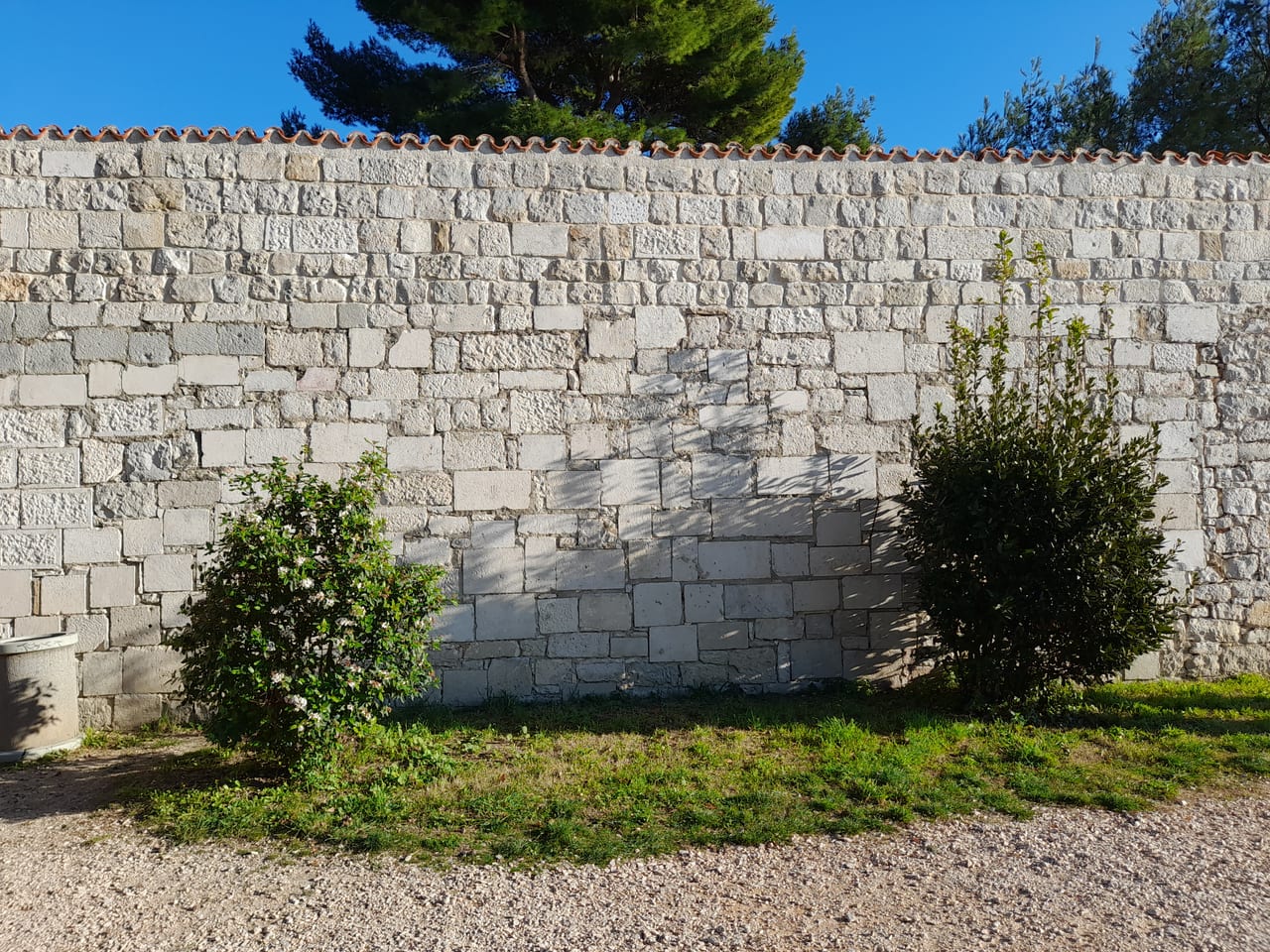
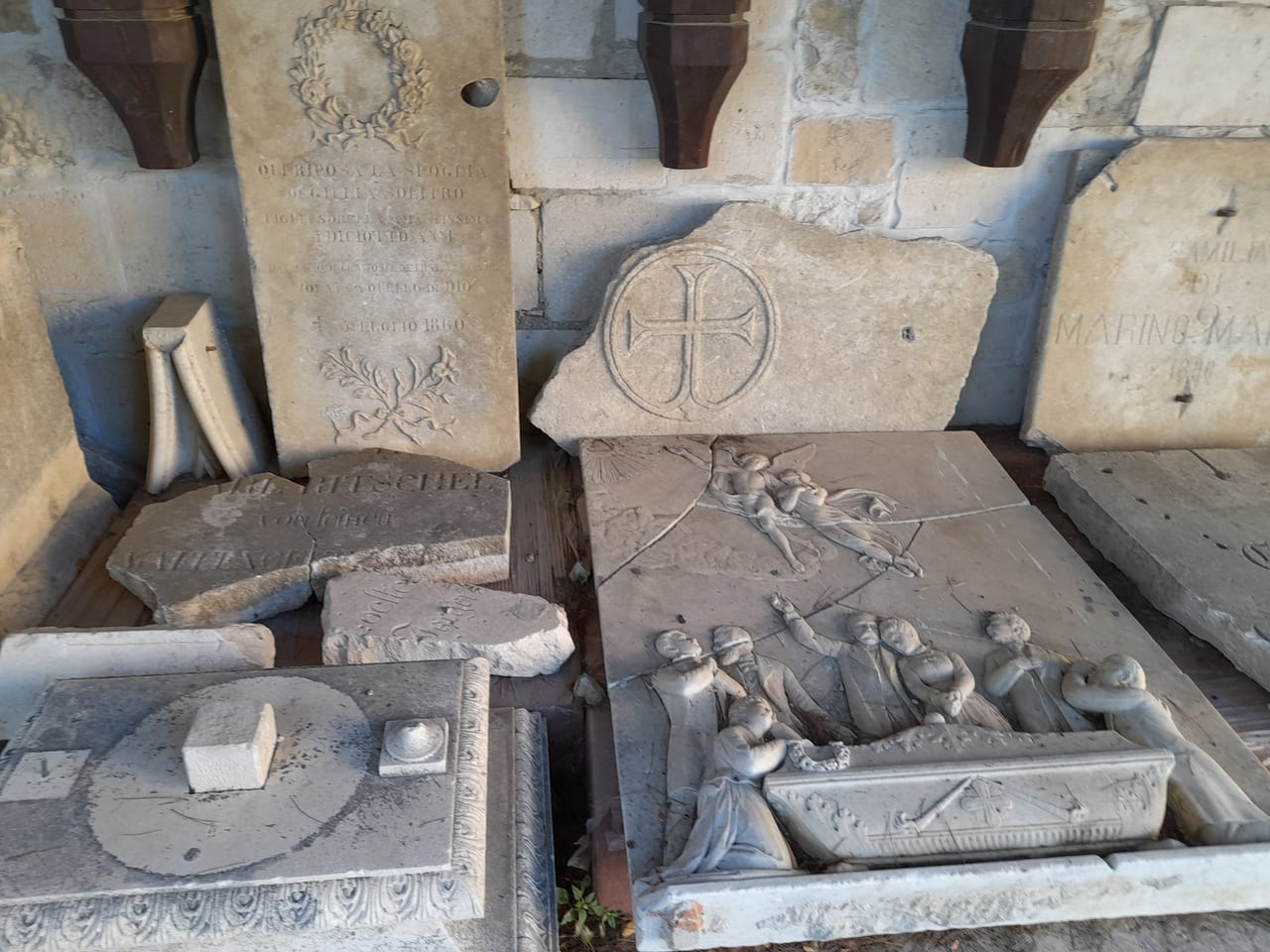
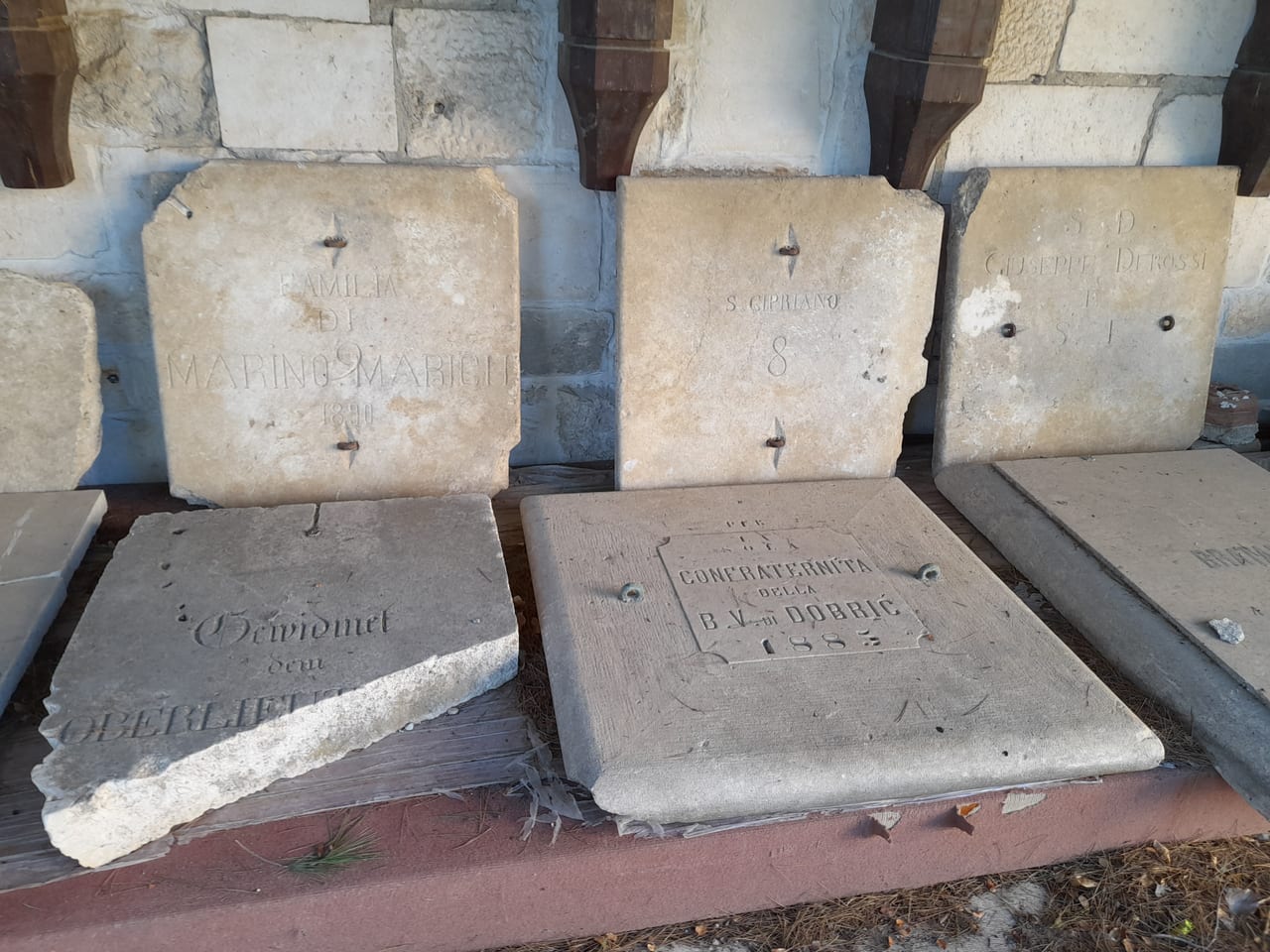
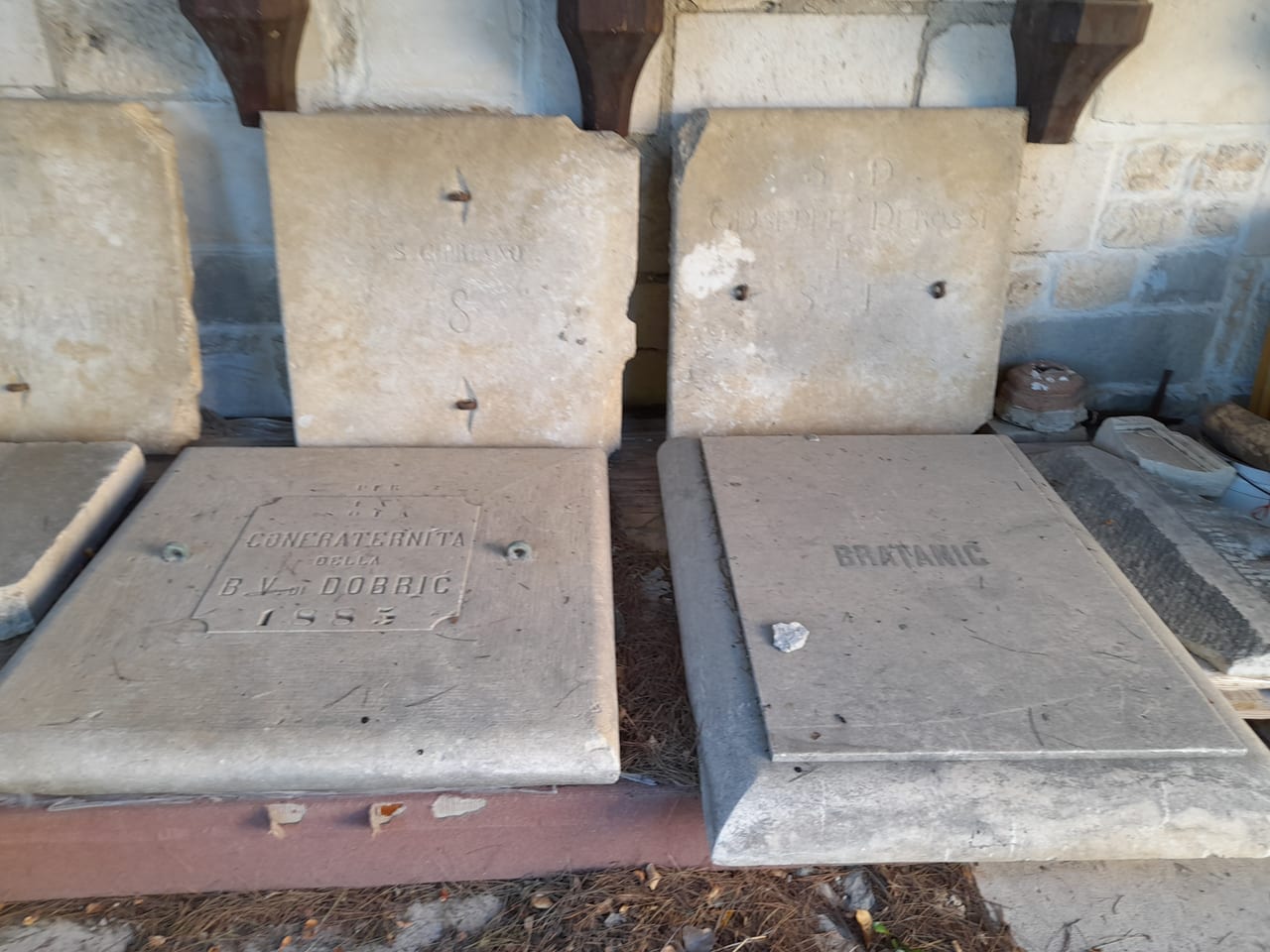
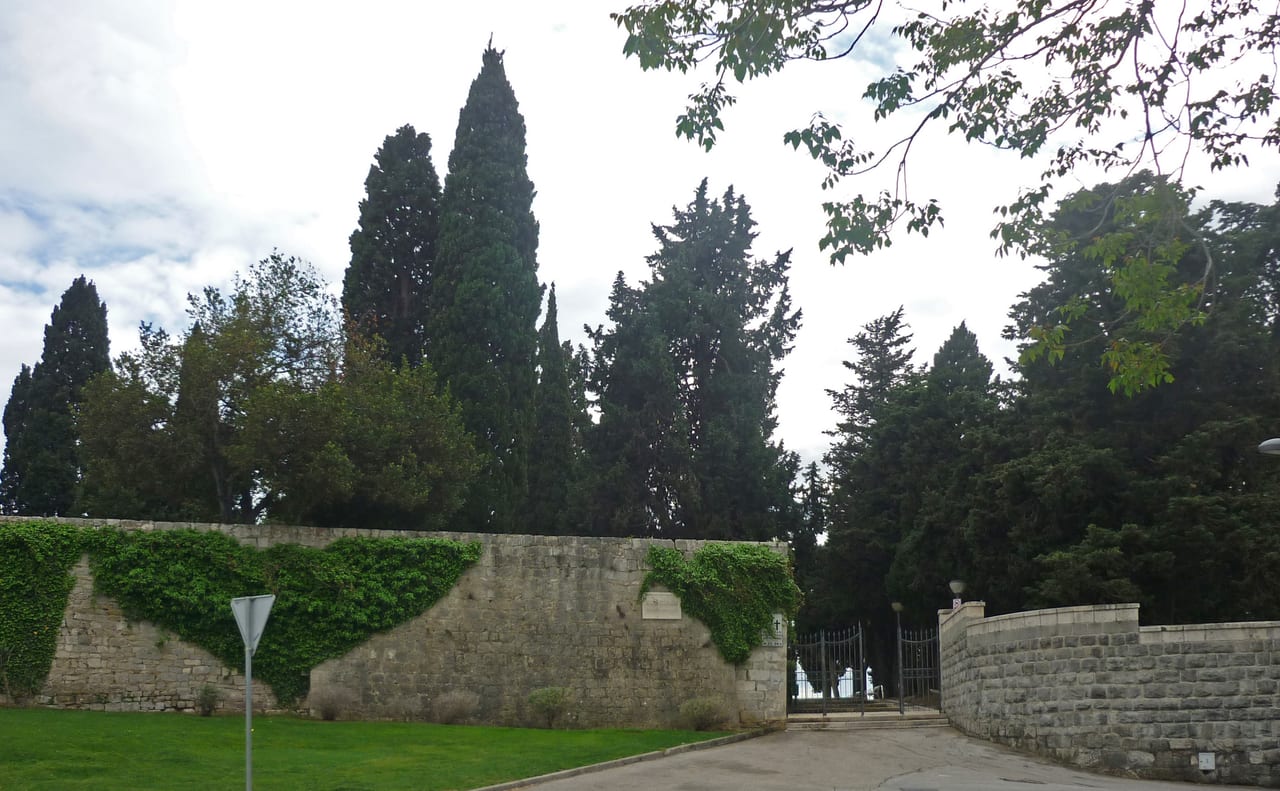
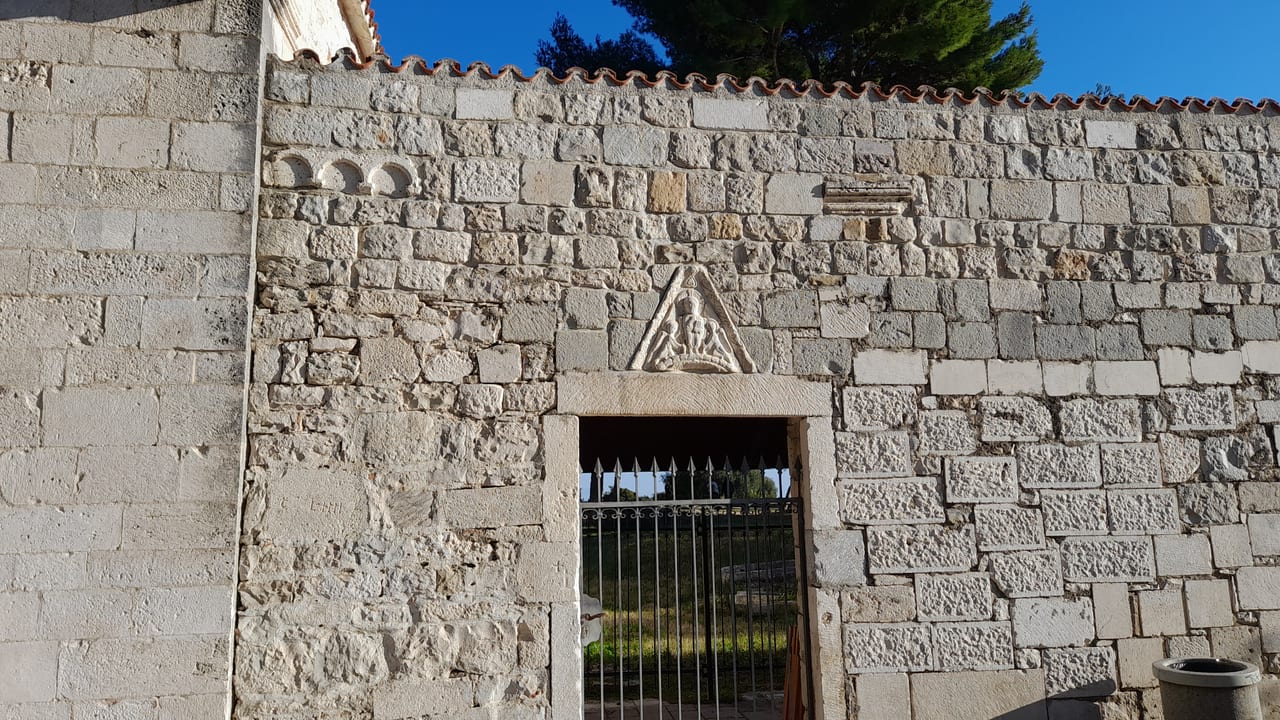
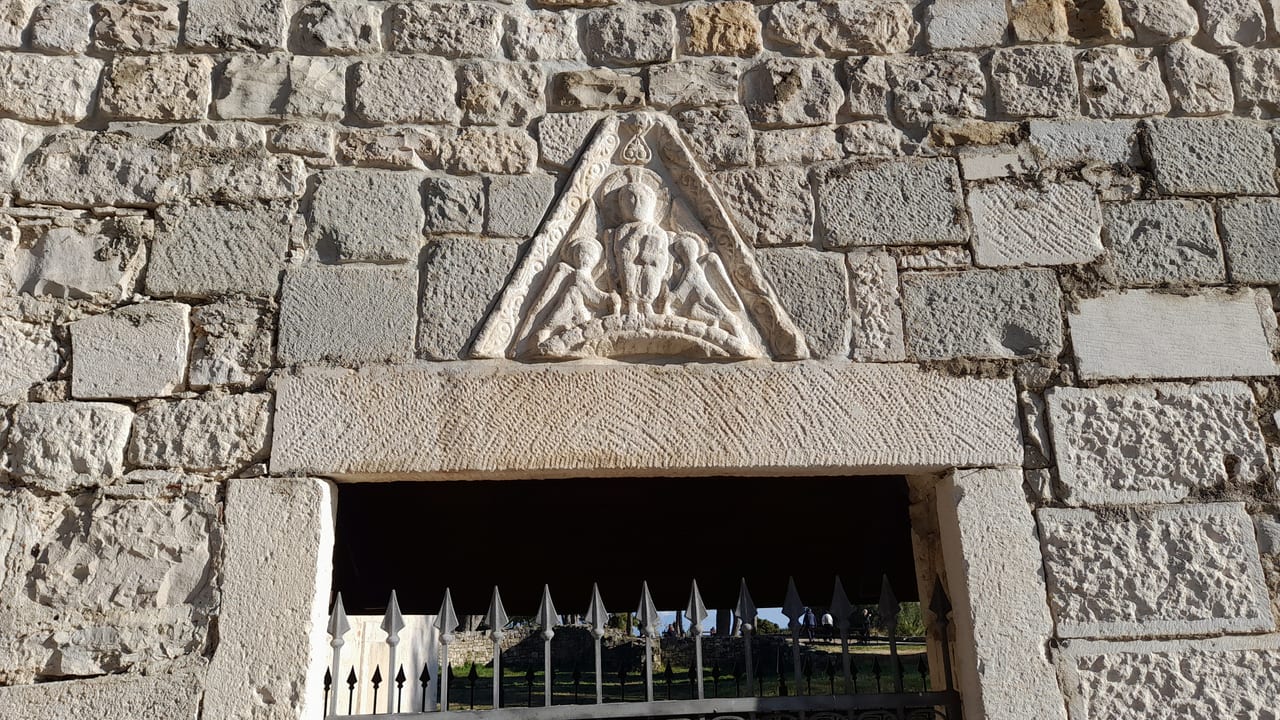
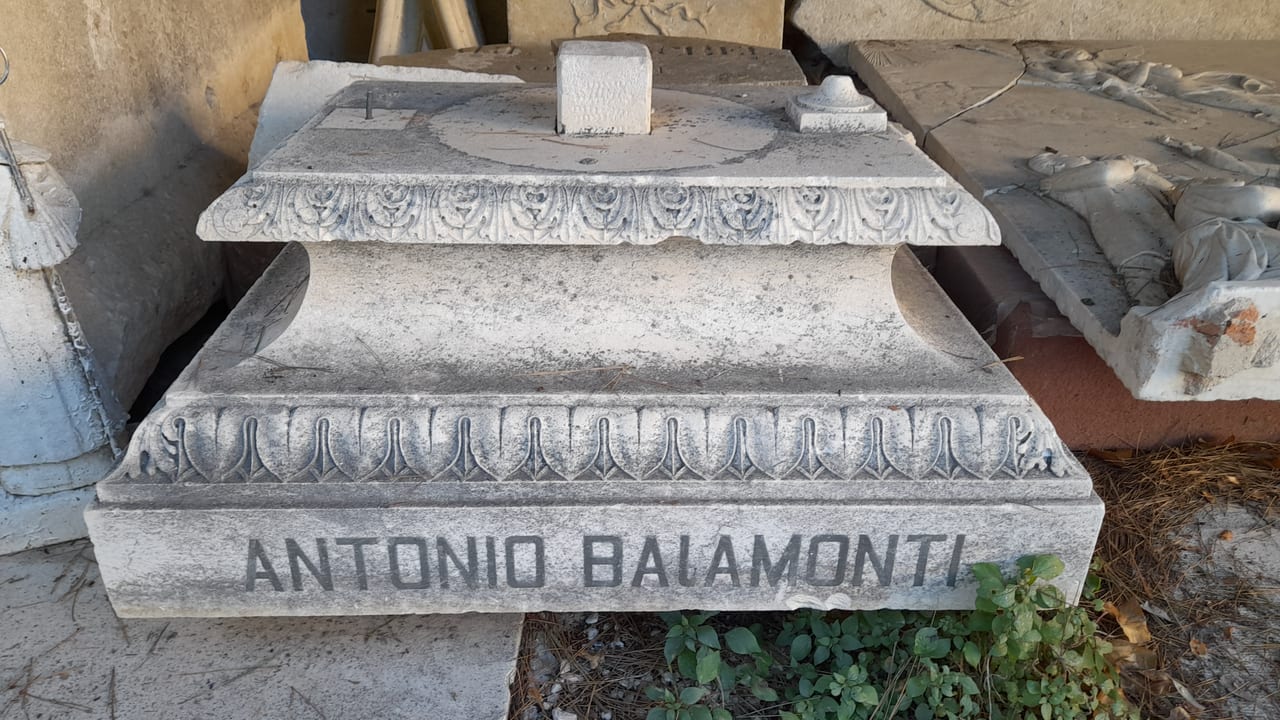
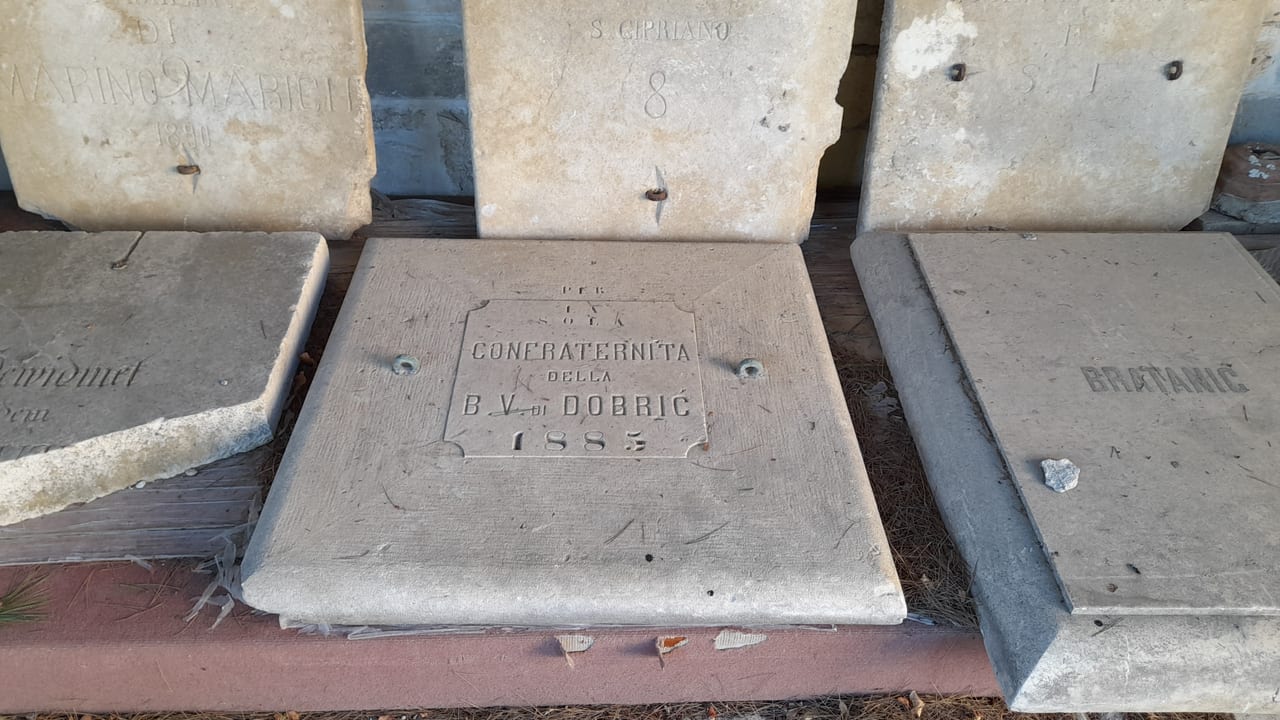
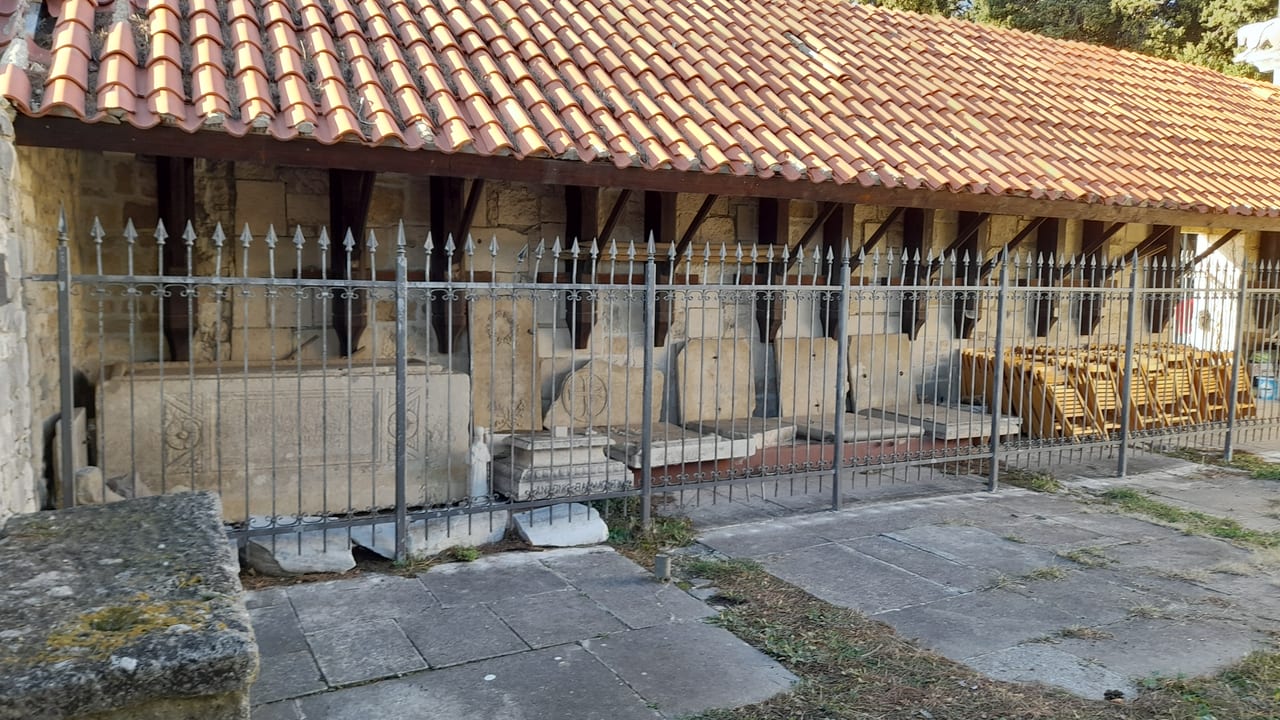
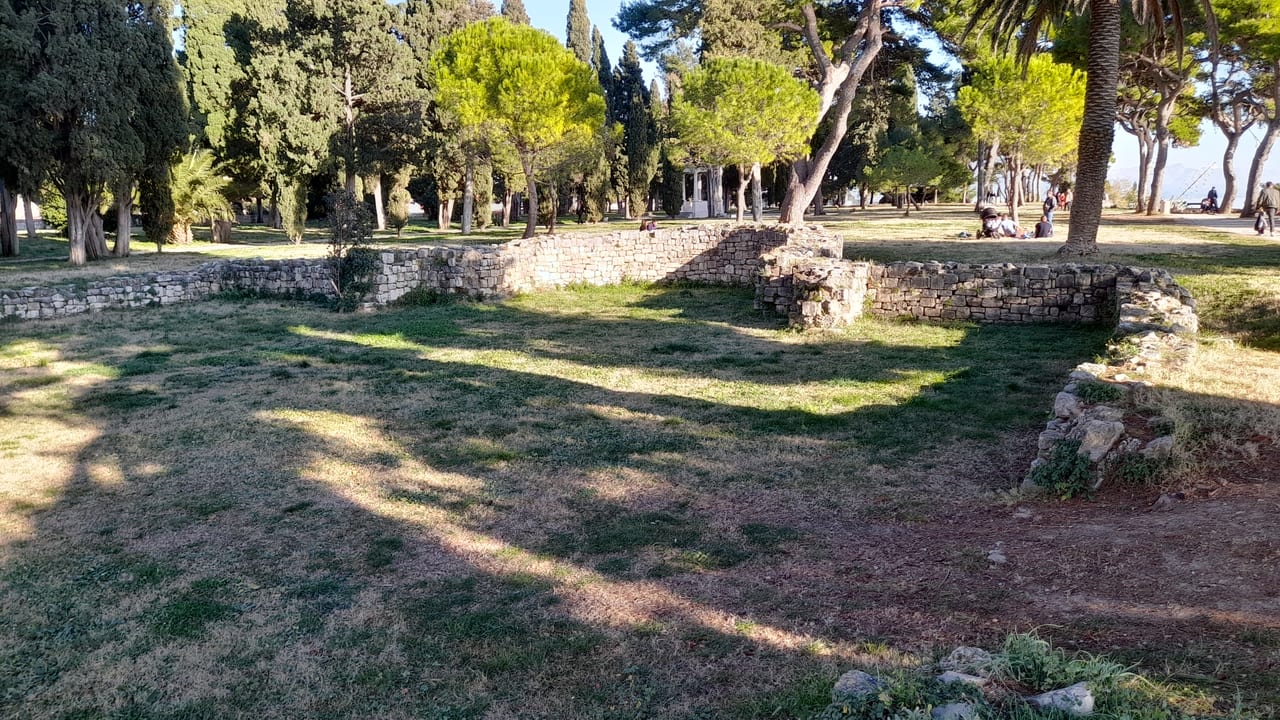
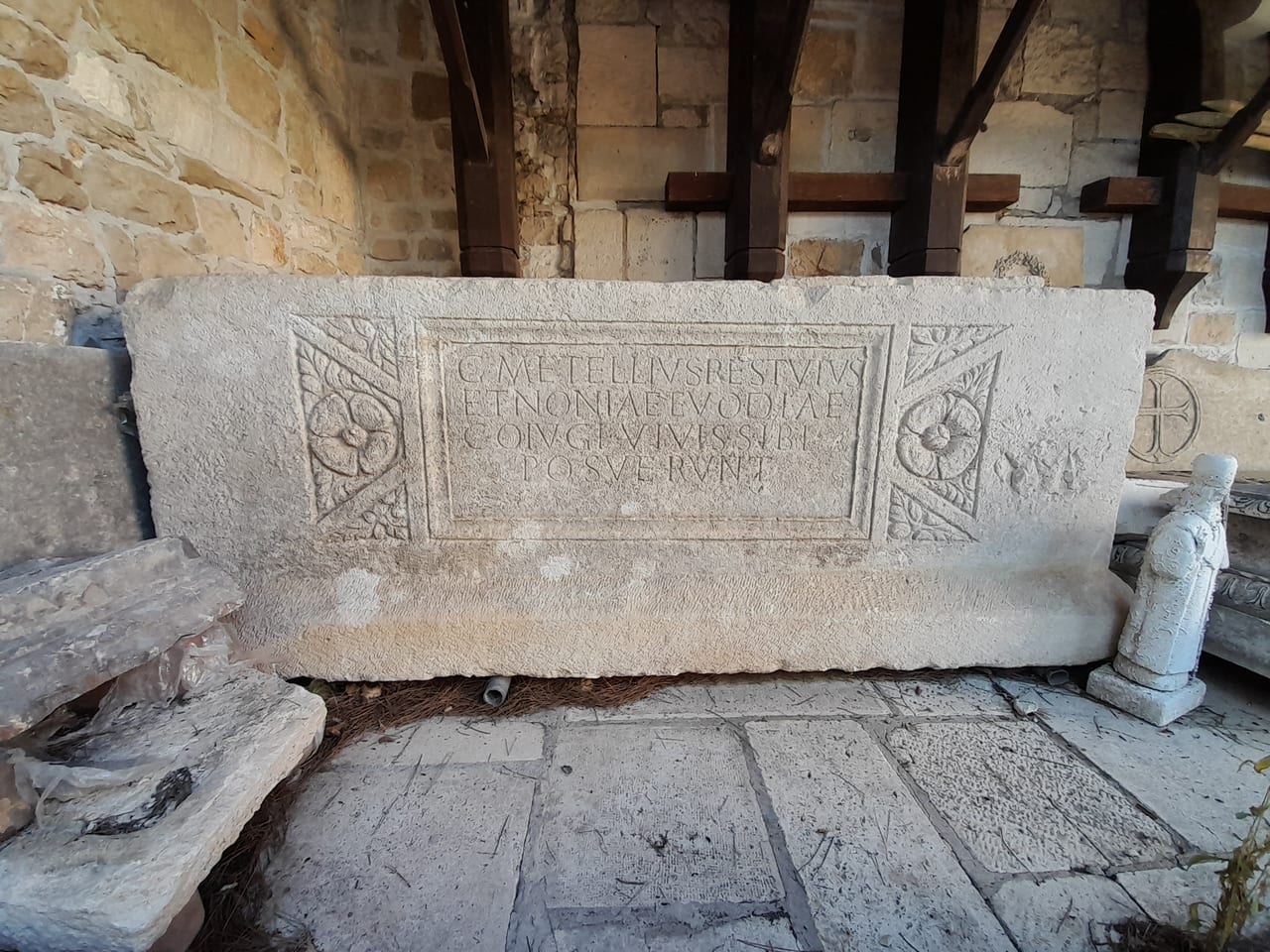
A Christian basilica stood here in late antiquity; a Benedictine monastery dedicated to St Stephen was later built on its foundations. First recorded around 1020, the complex comprised a church, cloister and living quarters. Its abbot ranked among Split’s leading figures. In 1069, Peter Krešimir IV granted the monastery a mill site near the church of St Peter in the Solin area. From 1078, Stephen II, the last member of the Trpimirović dynasty, lived there after surrendering the crown to Zvonimir; he died in 1091. The monastery declined from the 14th century. Its last abbot died in 1442, and the former abbey passed to the archbishop in 1445. A smaller church was built around 1700. The peninsula later became the city cemetery: designed by Vicko Andrić in 1820 and opened in 1826, it held 28,702 burials between 1826 and 1928. Closed after a new cemetery opened at Lovrinac, it was dismantled in 1959 despite opposition from cultural and conservation circles. The grounds became a park.
Ways to explore Sustipan
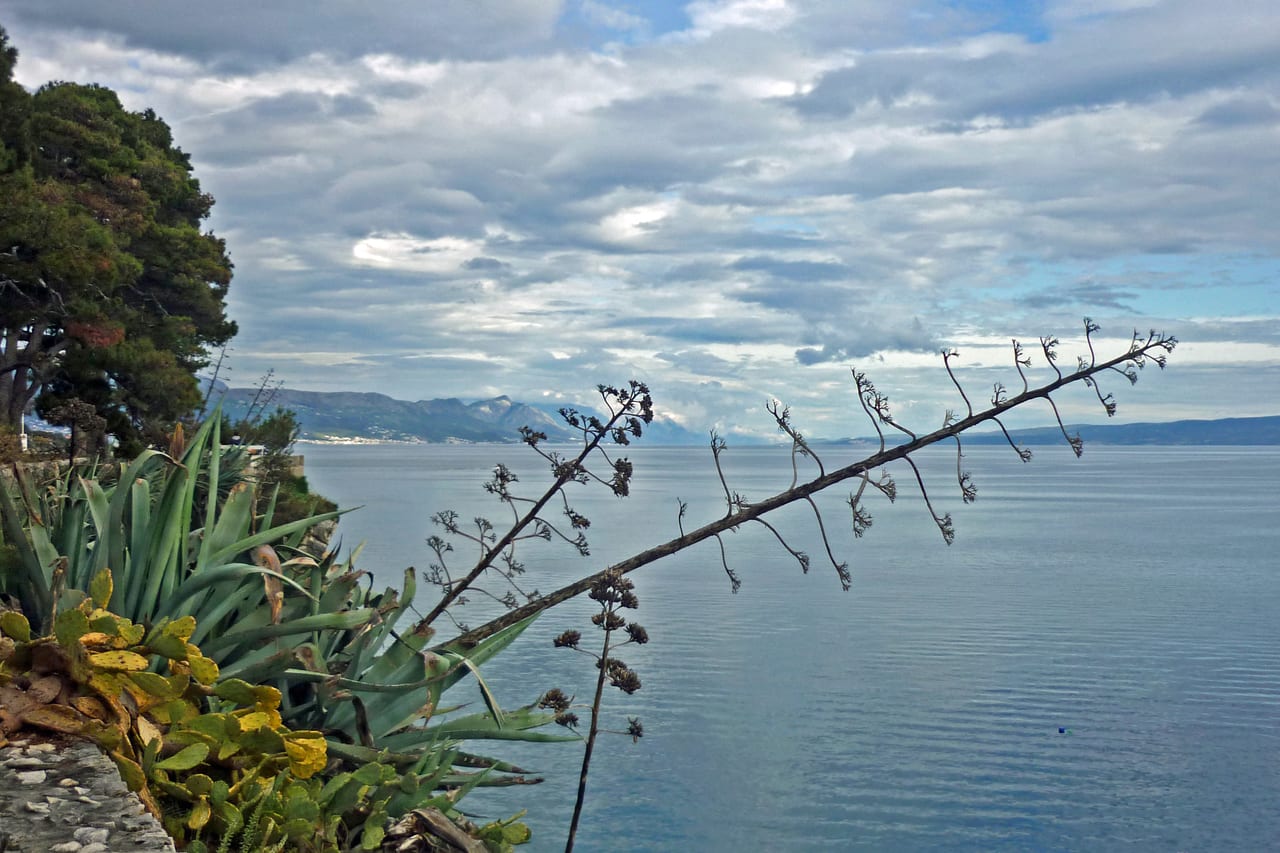
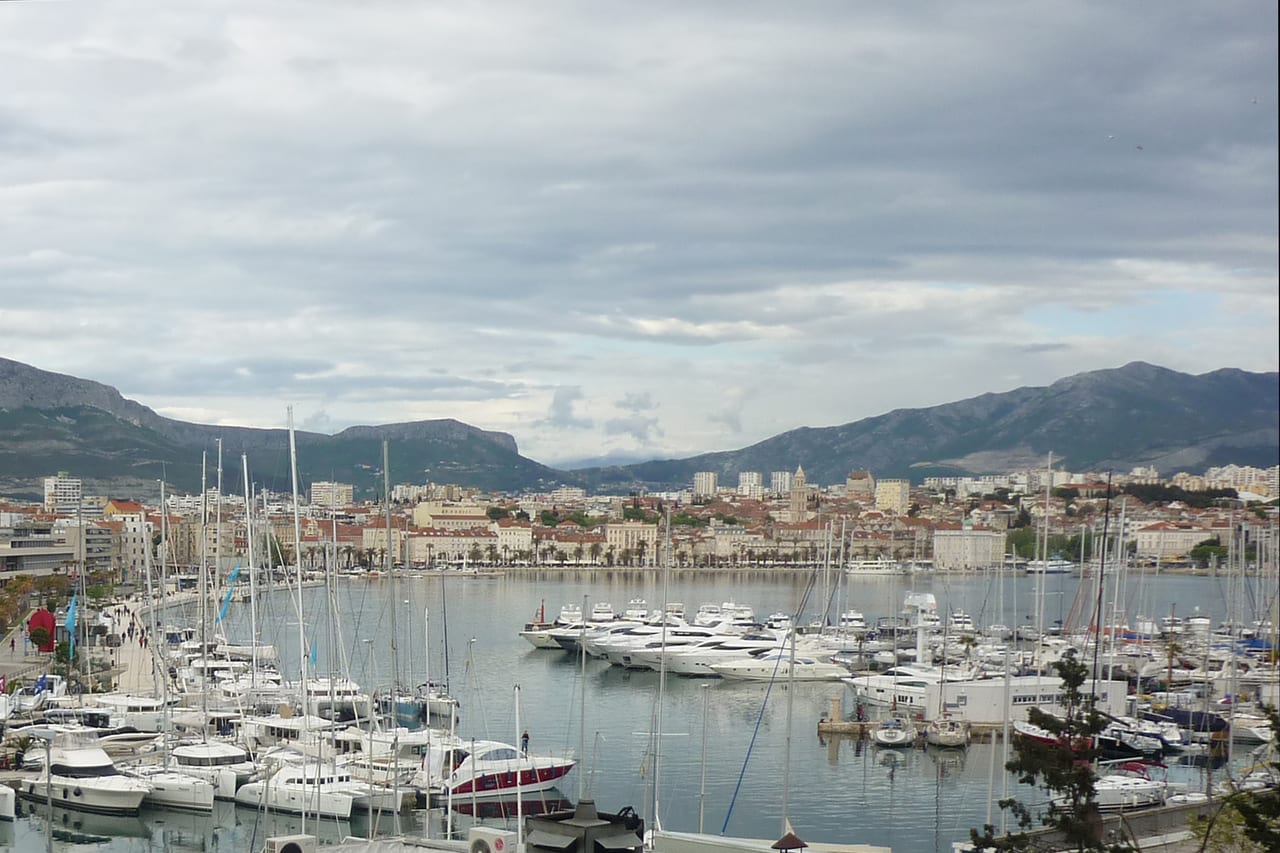
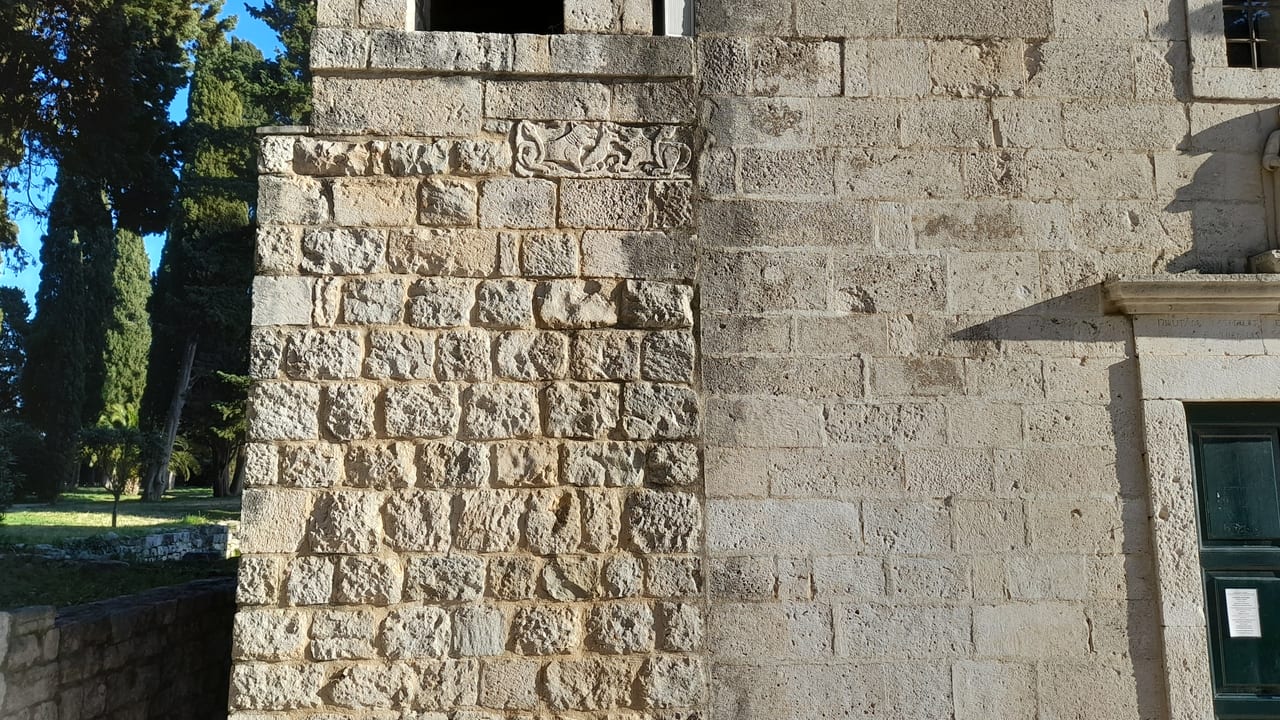
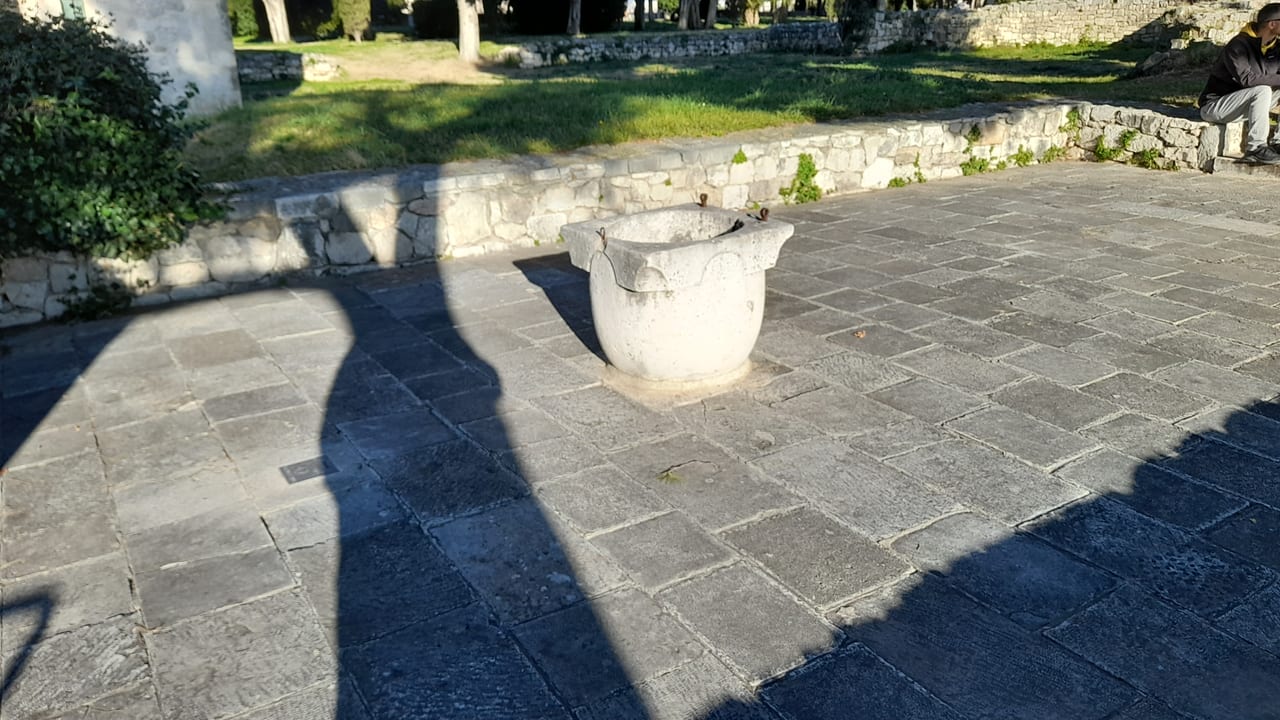
Follow the peninsula’s east–west ridge, about 500 metres long: its eastern end is rocky, while the middle and western stretches have deeper soil. Look for the church of St Stephen the Protomartyr, remnants of the earlier church and monastery, and the classical gloriette. These surviving structures give the walk a quieter, architectural focus amid the open parkland.
Places to stay near Sustipan

Live availability and prices from Stay22's partners, refreshed periodically and subject to change. Booking through these links may earn us a commission at no extra cost to you. See our privacy policy.
Cafés near Sustipan
Cafés near Sustipan loads as you scroll.
Attractions nearby
Attractions near Sustipan loads as you scroll.
Cities nearby
Cities nearby loads as you scroll.
More in Split
See more of Split.
Find great cafés, places to stay and other interesting places to visit in Split.