Church · Split
Split Synagogue
DirectionsAn early-16th-century synagogue occupies the northwest corner of Diocletian’s Palace, where Split’s Sephardi Jewish community adapted an ancient imperial wall for worship.
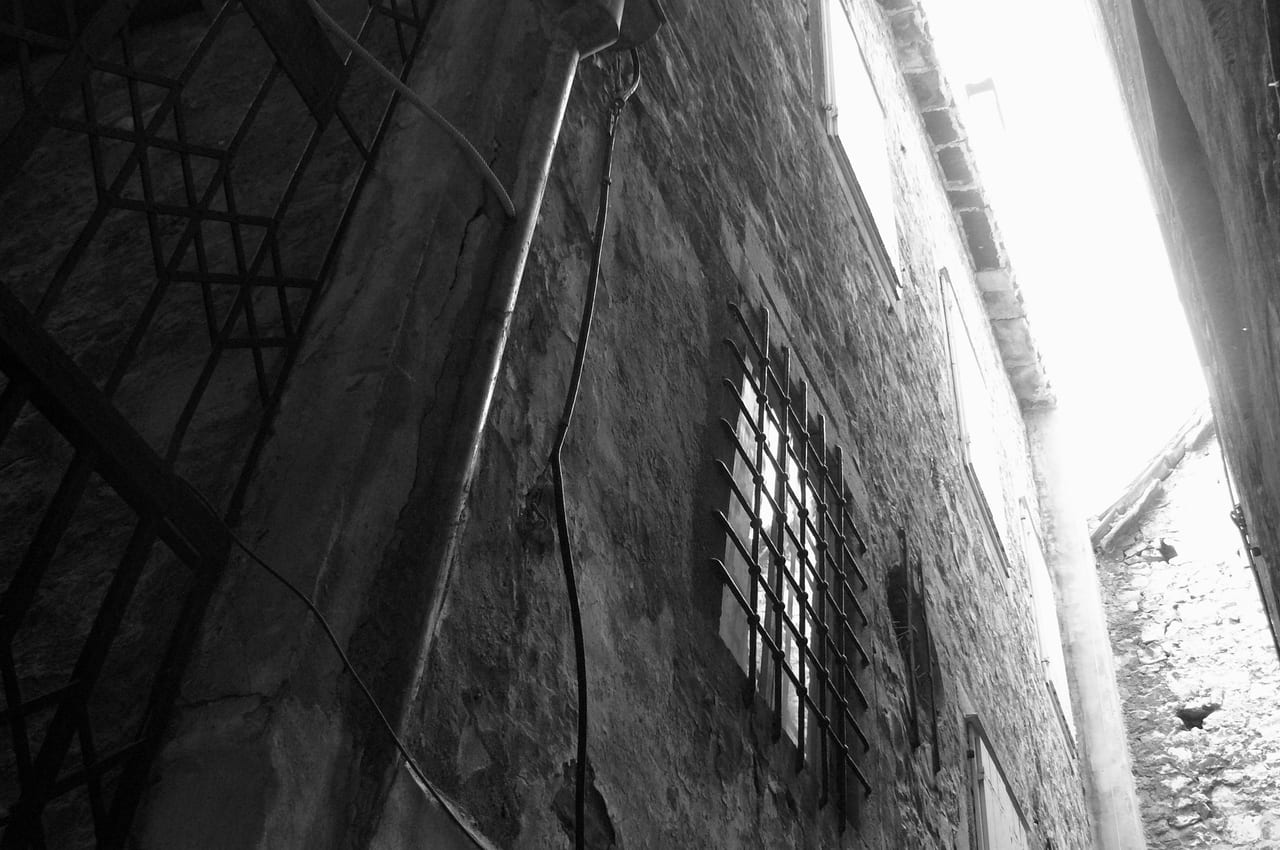
Jewish life in the region reaches back to Roman Salona, north of modern Split, where traders and craftsmen settled in the 1st century. The Avar arrival dispersed the community, which revived in the 16th century with Sephardi Jews from Spain. Two groupings emerged: Ponentine Jews from Italy or Spain and Levantine Jews from the Ottoman east. Daniel Rodriguez, also known as Daniel Rodriga, became one of its notable members through a prosperous warehouse and trading business linking the Orient with Venice. During World War II, Italian Fascists looted the synagogue and burned religious objects, books, and scrolls; Nazi and Ustaše deportations then killed more than half the city’s Jews. Restored after the war, the building was renovated in 1996 and 2015, and is listed in Croatia’s Register of Cultural Goods. It also houses Split’s Jewish community headquarters.
At a glance
- Heritage
- Register of Cultural Goods of Croatia
Ways to explore Split Synagogue
Approach via the narrow lane and look closely at how the synagogue is incorporated into the historic fabric of the palace precinct. On Marjan, visit the old Jewish cemetery: its 700 Sephardi tombstones include sarcophagus-roof forms, flat inclined slabs, and Hebrew inscriptions, with newer texts in Italian or Croatian. The entrance bears a Jewish prayer and stands beside a former ritual bath, now a café. The Lovrinac municipal cemetery contains the newer cemetery and a Holocaust memorial.
Places to stay near Split Synagogue

Live availability and prices from Stay22's partners, refreshed periodically and subject to change. Booking through these links may earn us a commission at no extra cost to you. See our privacy policy.
Cafés near Split Synagogue
Cafés near Split Synagogue loads as you scroll.
Attractions nearby
Attractions near Split Synagogue loads as you scroll.
Cities nearby
Cities nearby loads as you scroll.
More in Split
See more of Split.
Find great cafés, places to stay and other interesting places to visit in Split.