Park · Split
Marjan
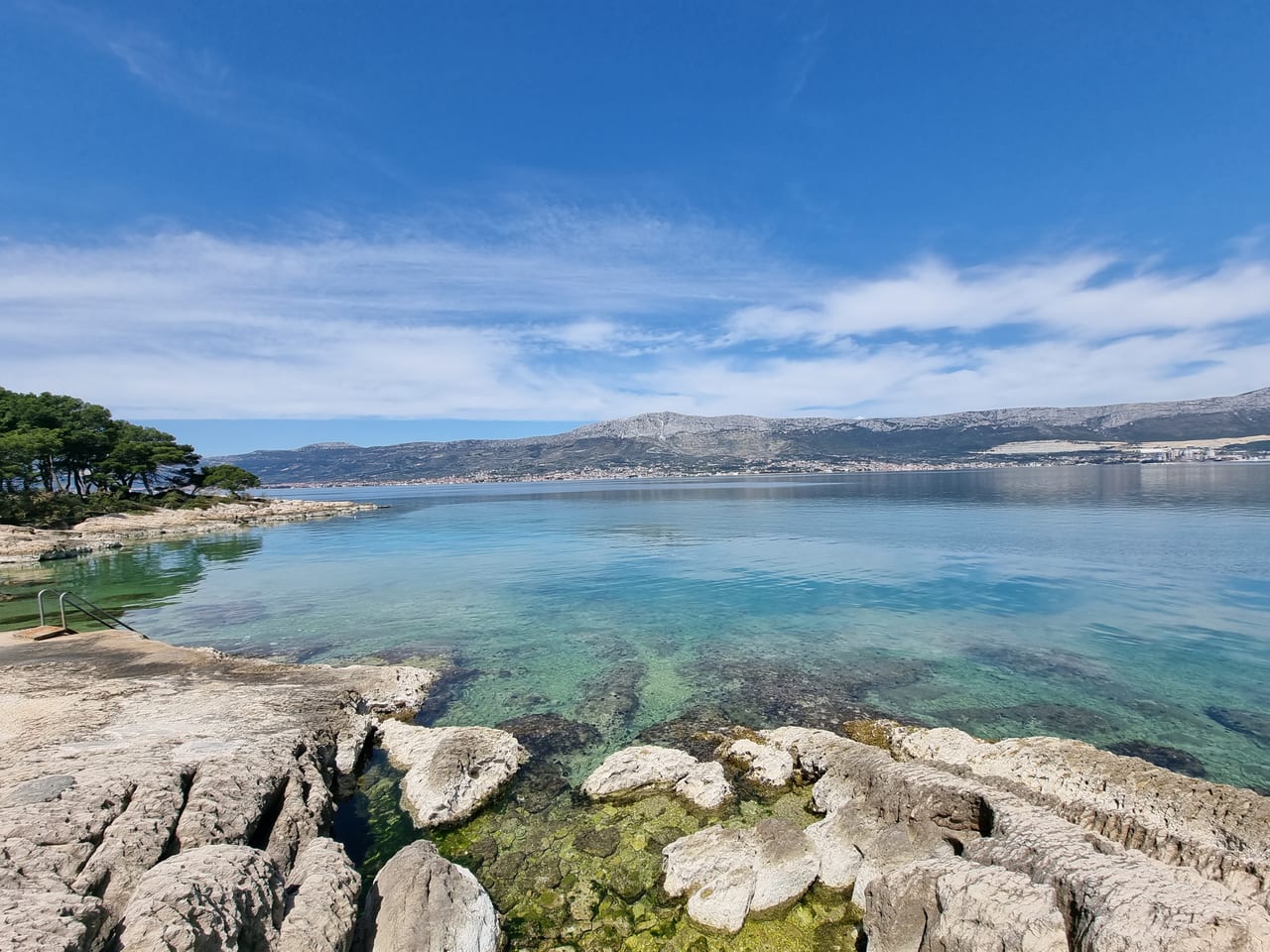
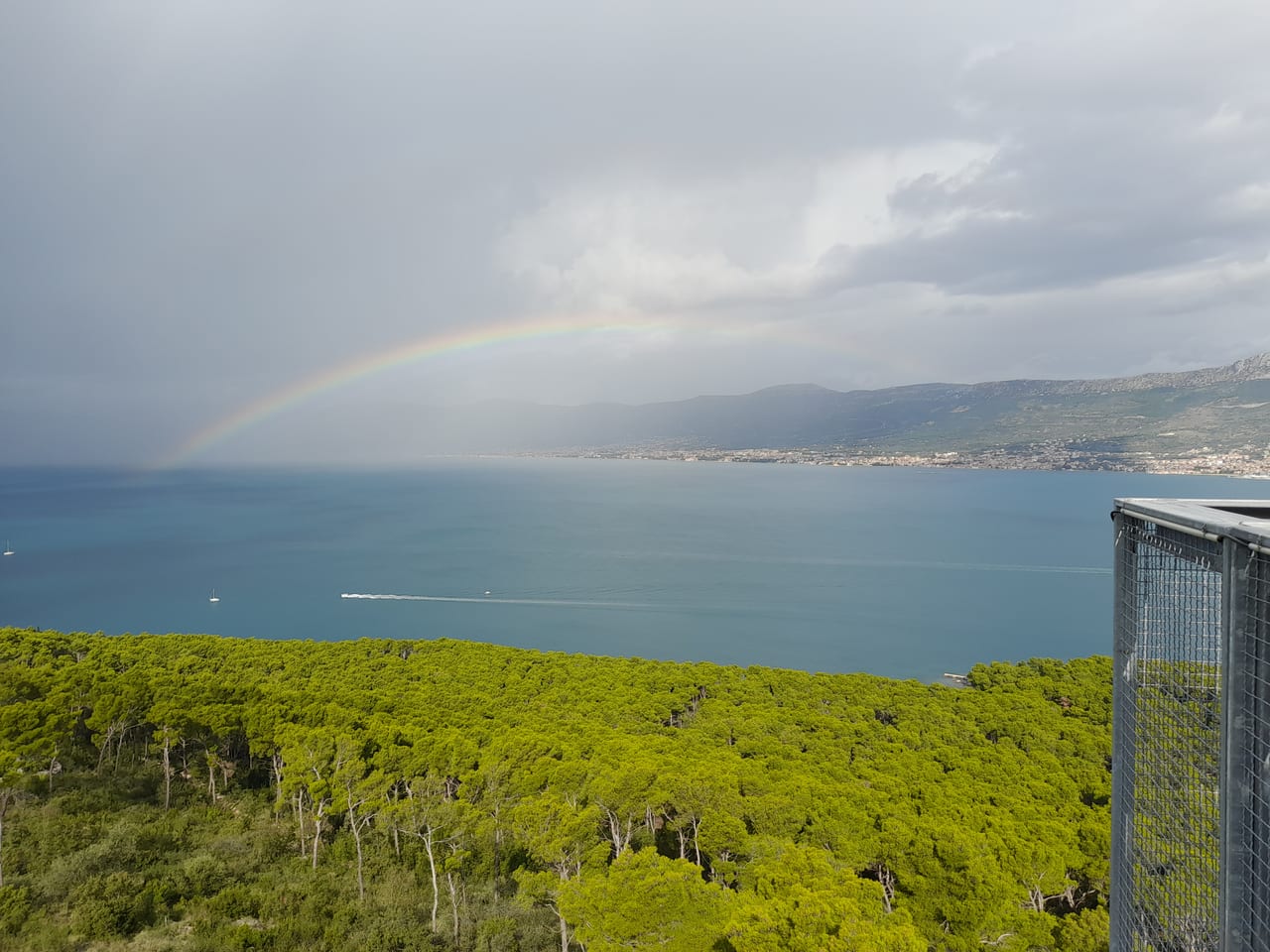
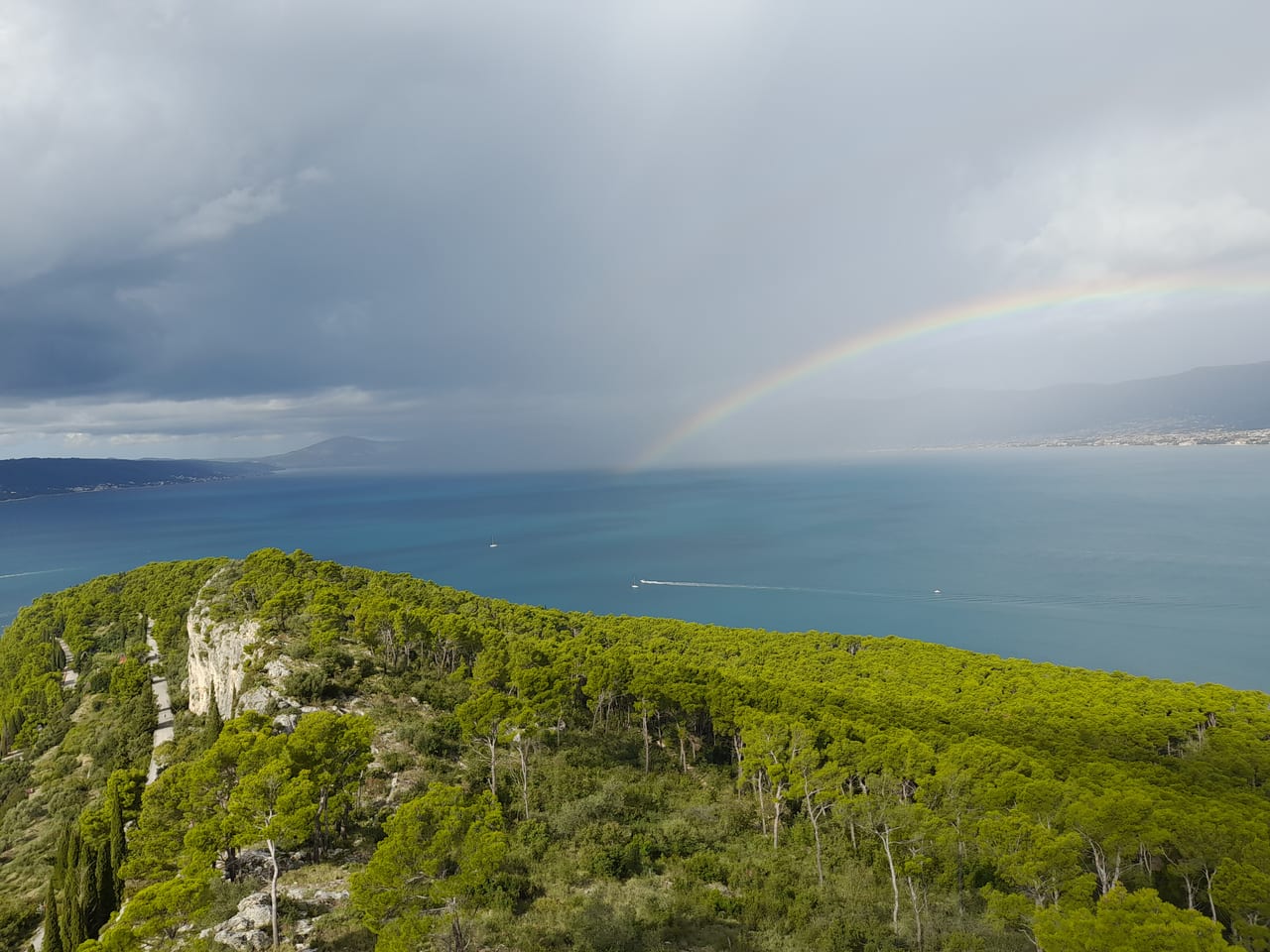
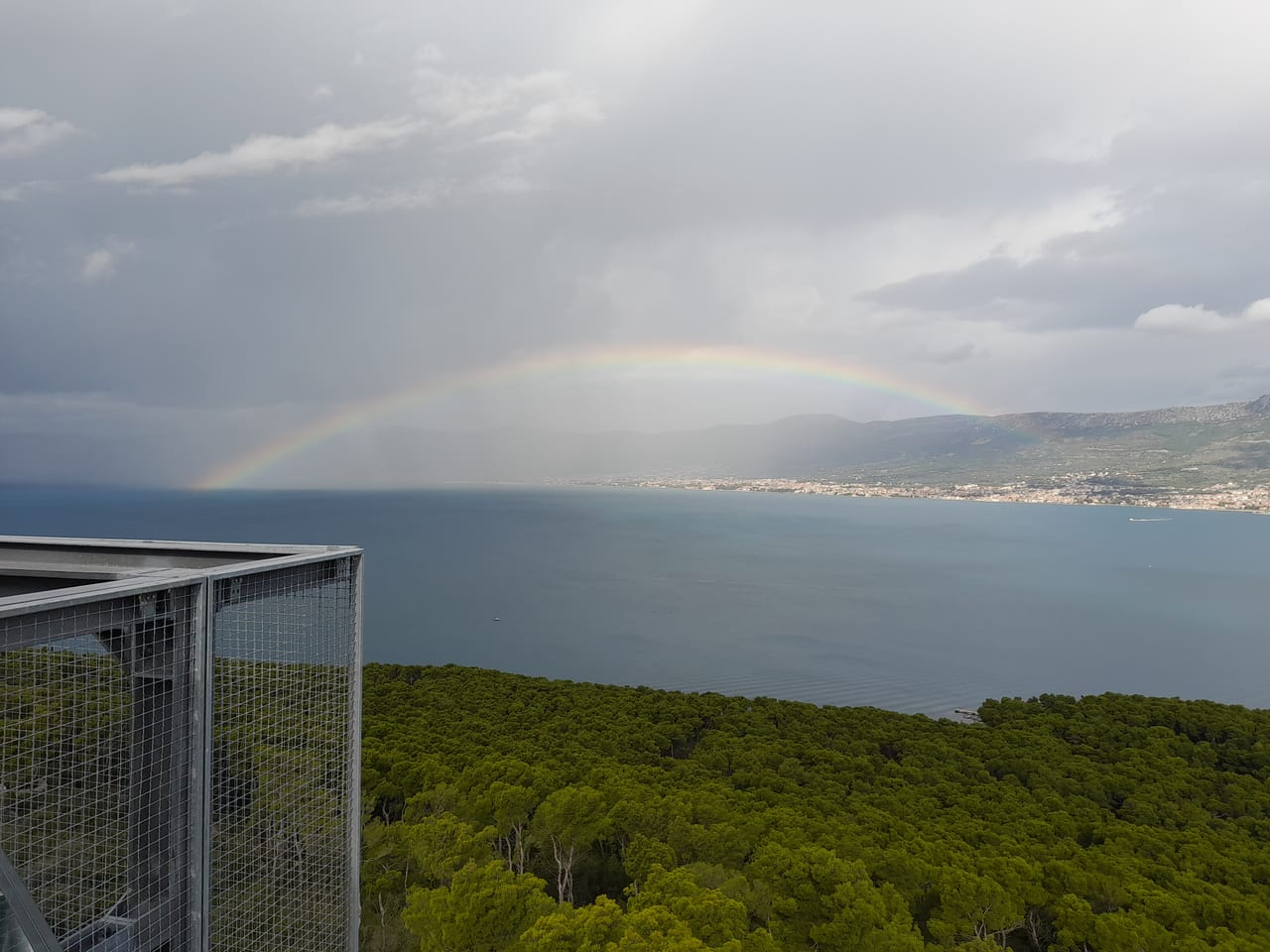
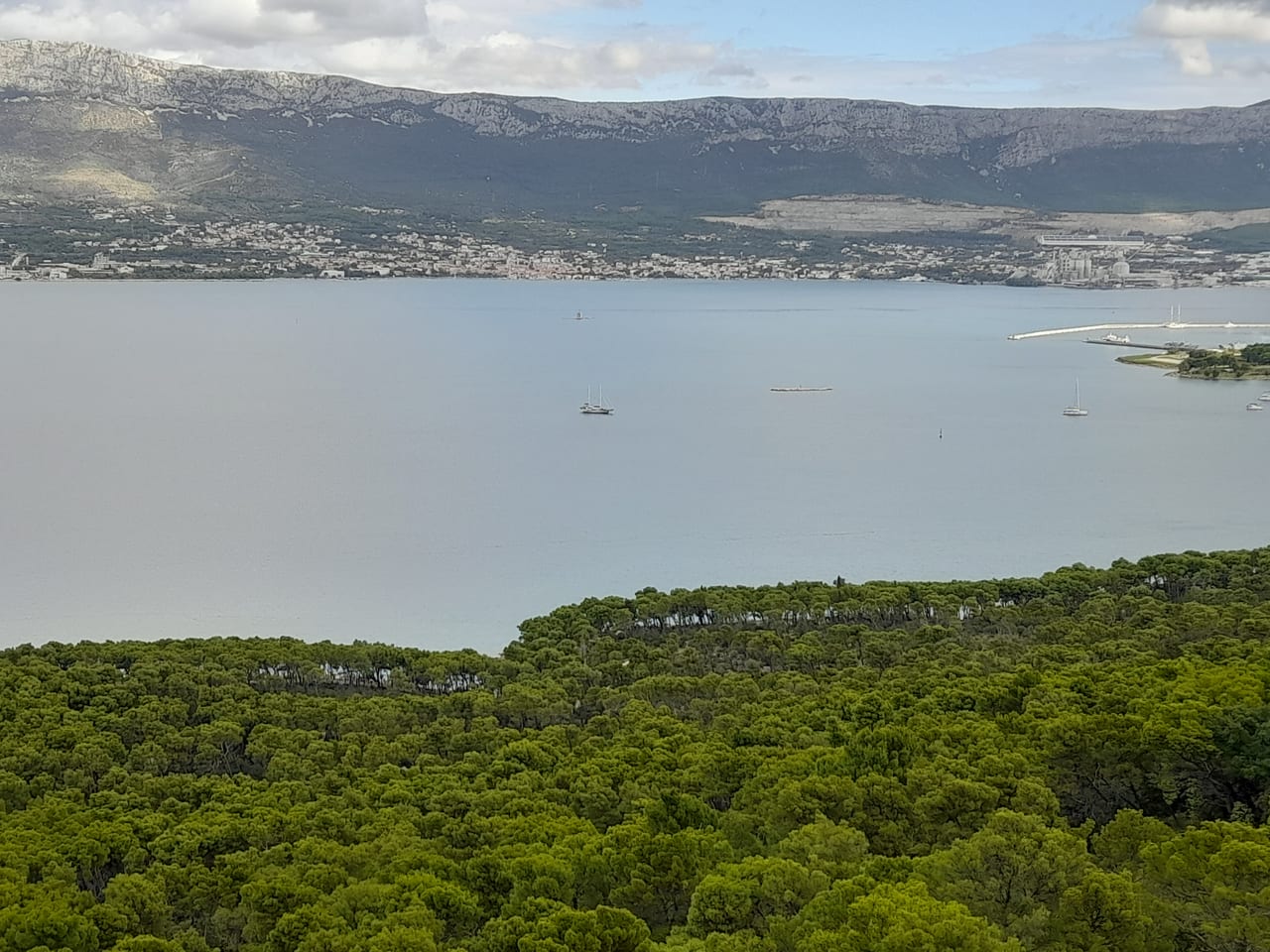
DirectionsMarjan’s ridge acts as a natural breakwater for Kaštela Bay, while its western headland and Sustipan help shelter Split’s harbour—a striking case of landscape shaping the city.
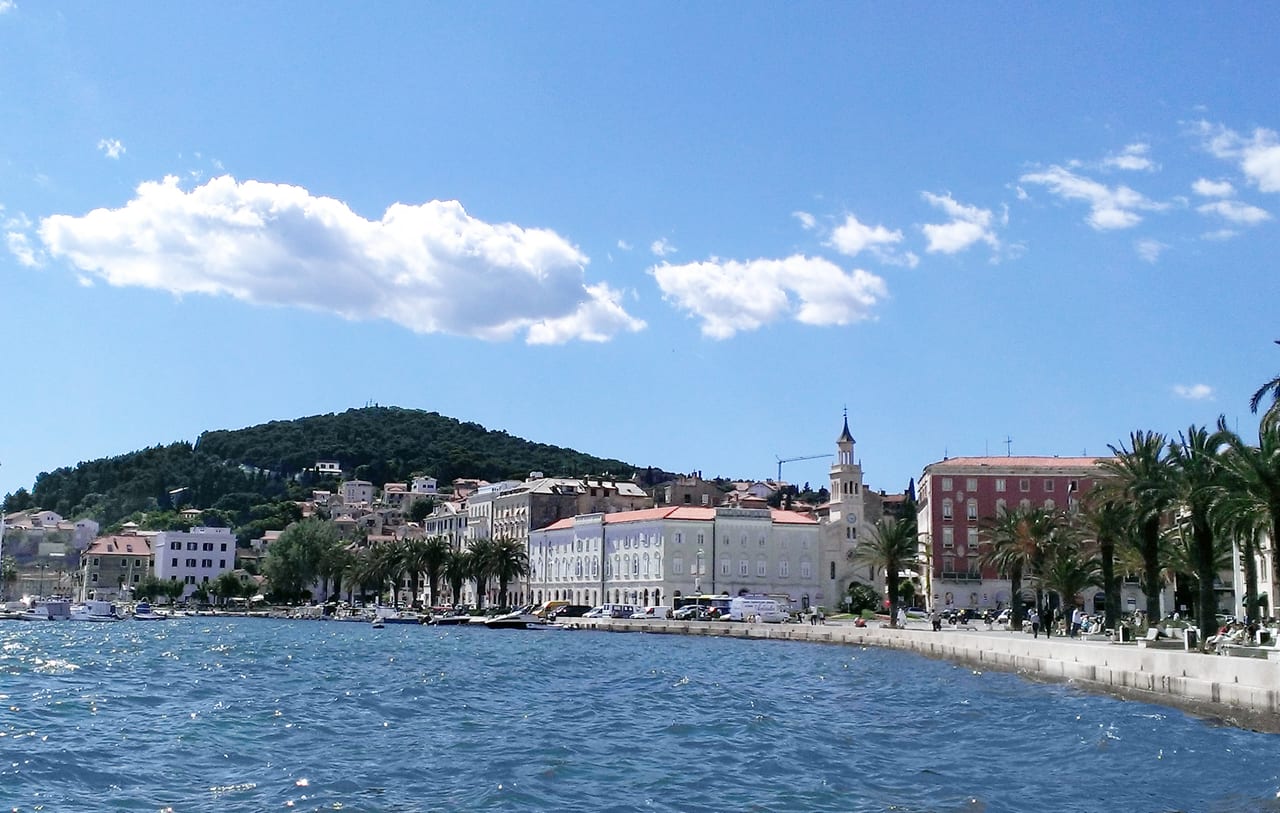
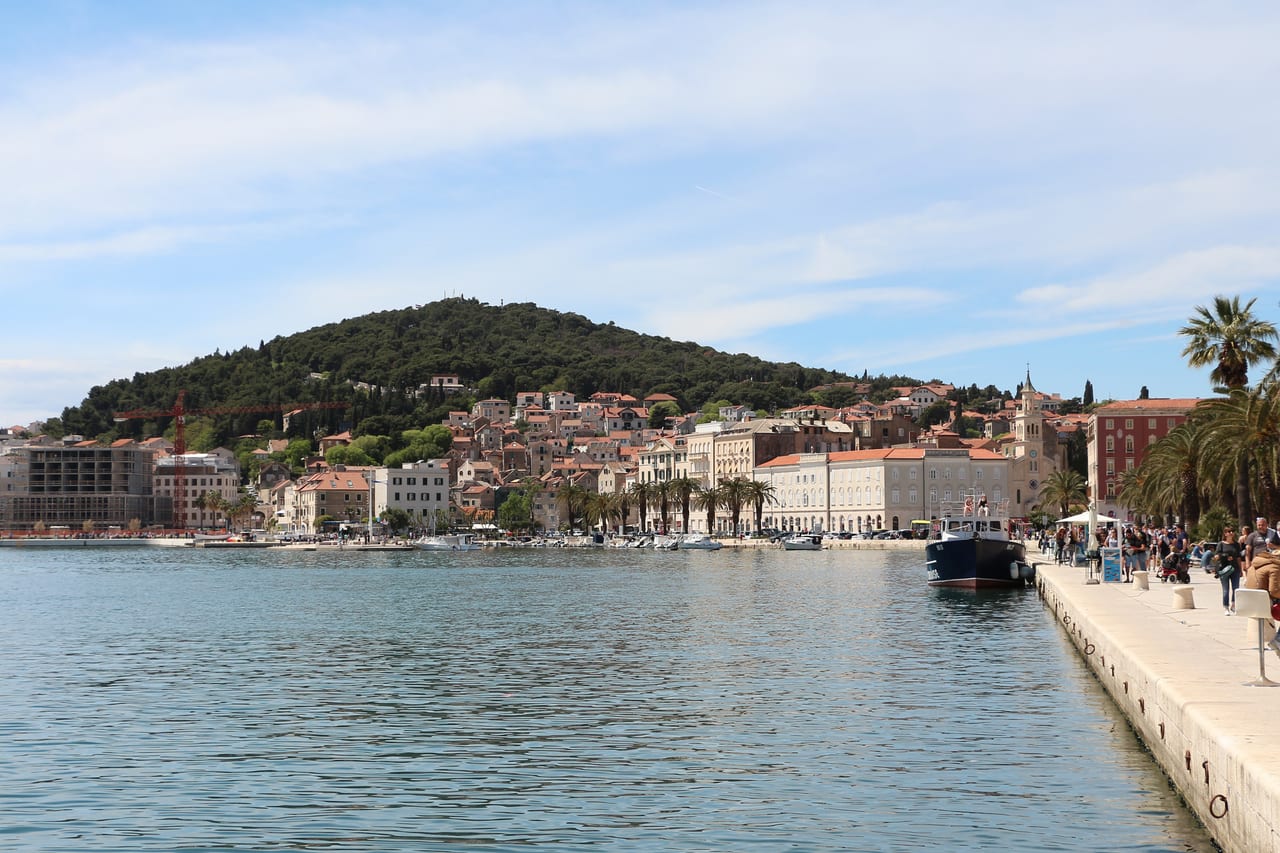

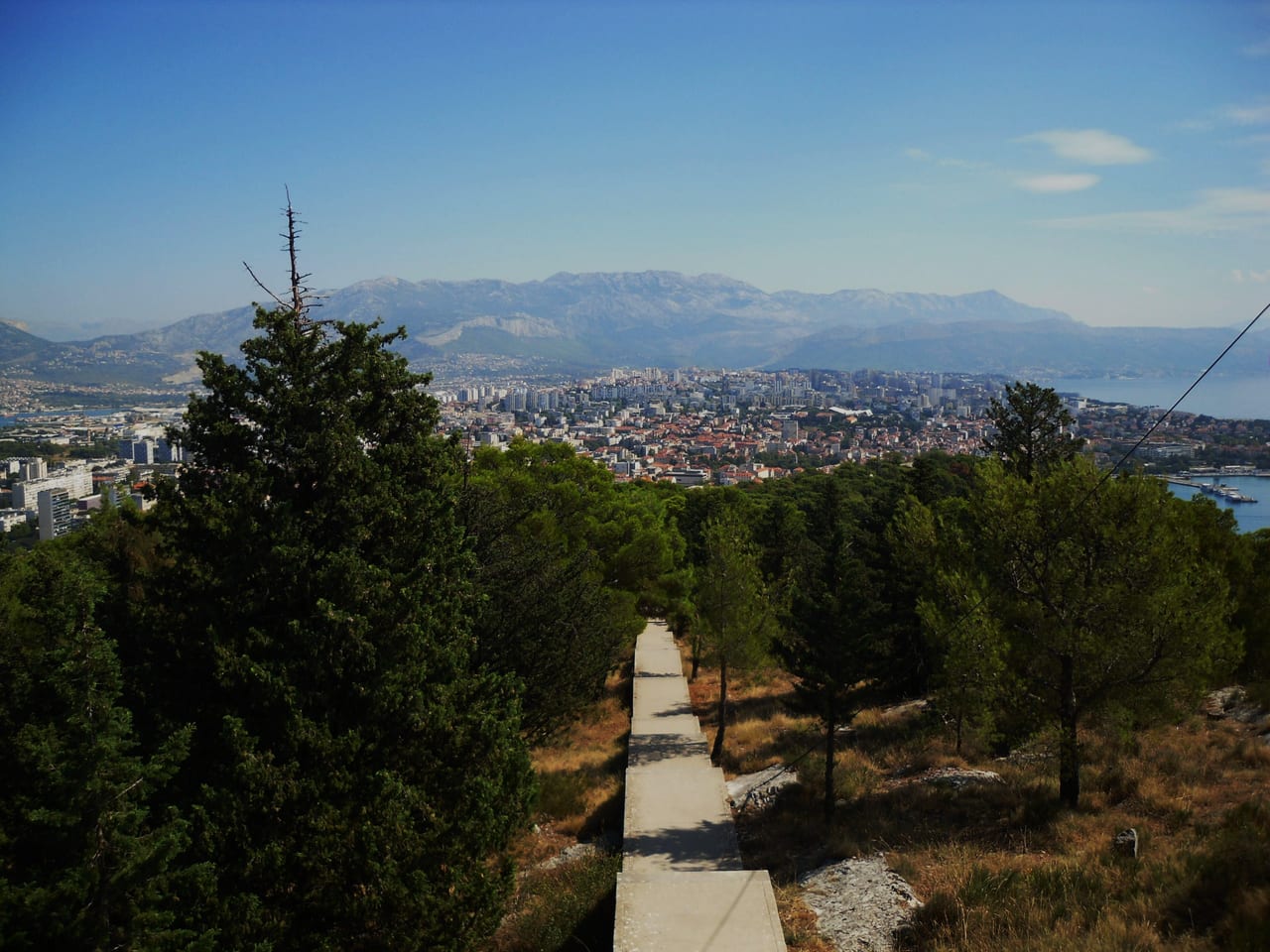
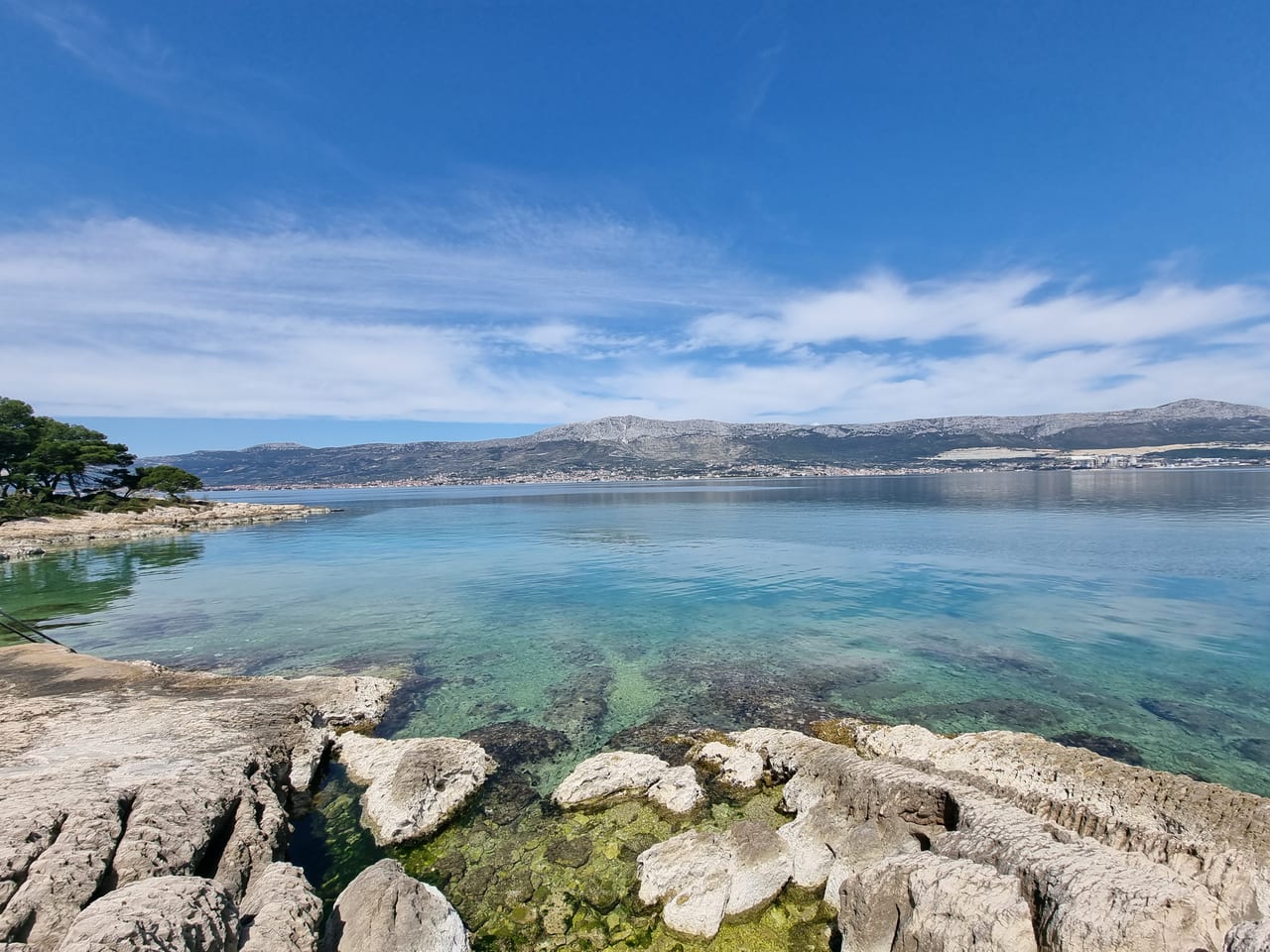
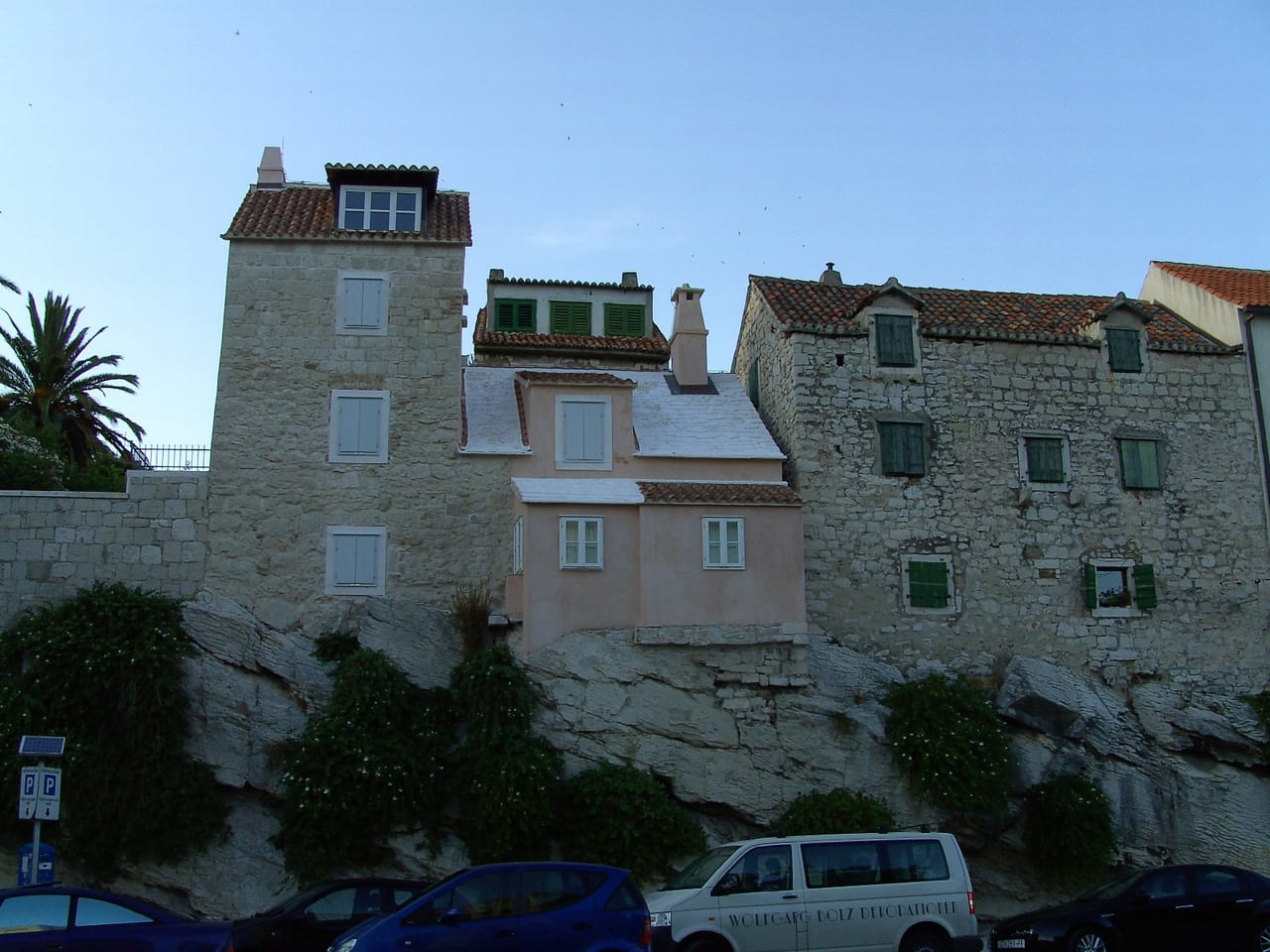
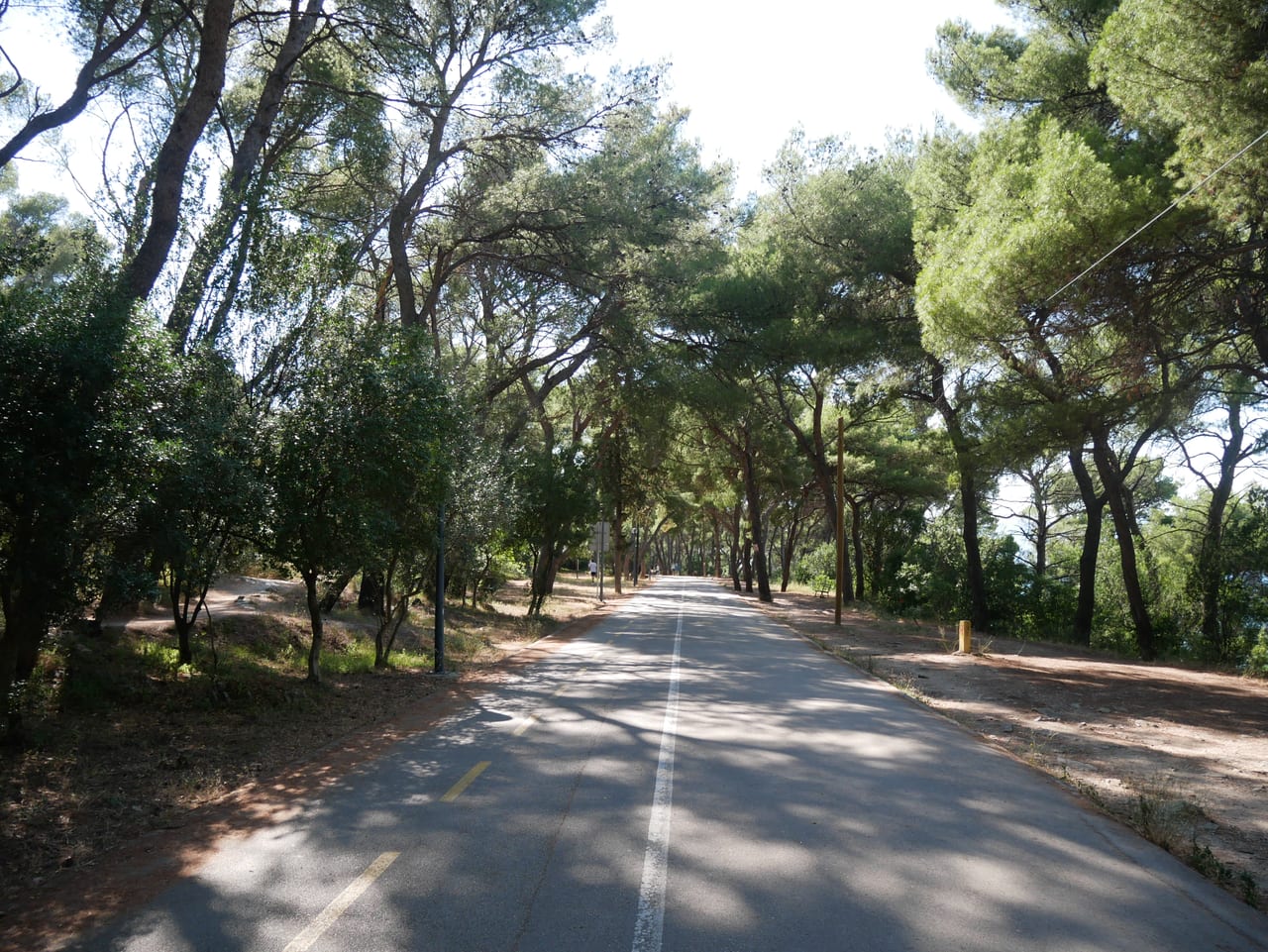
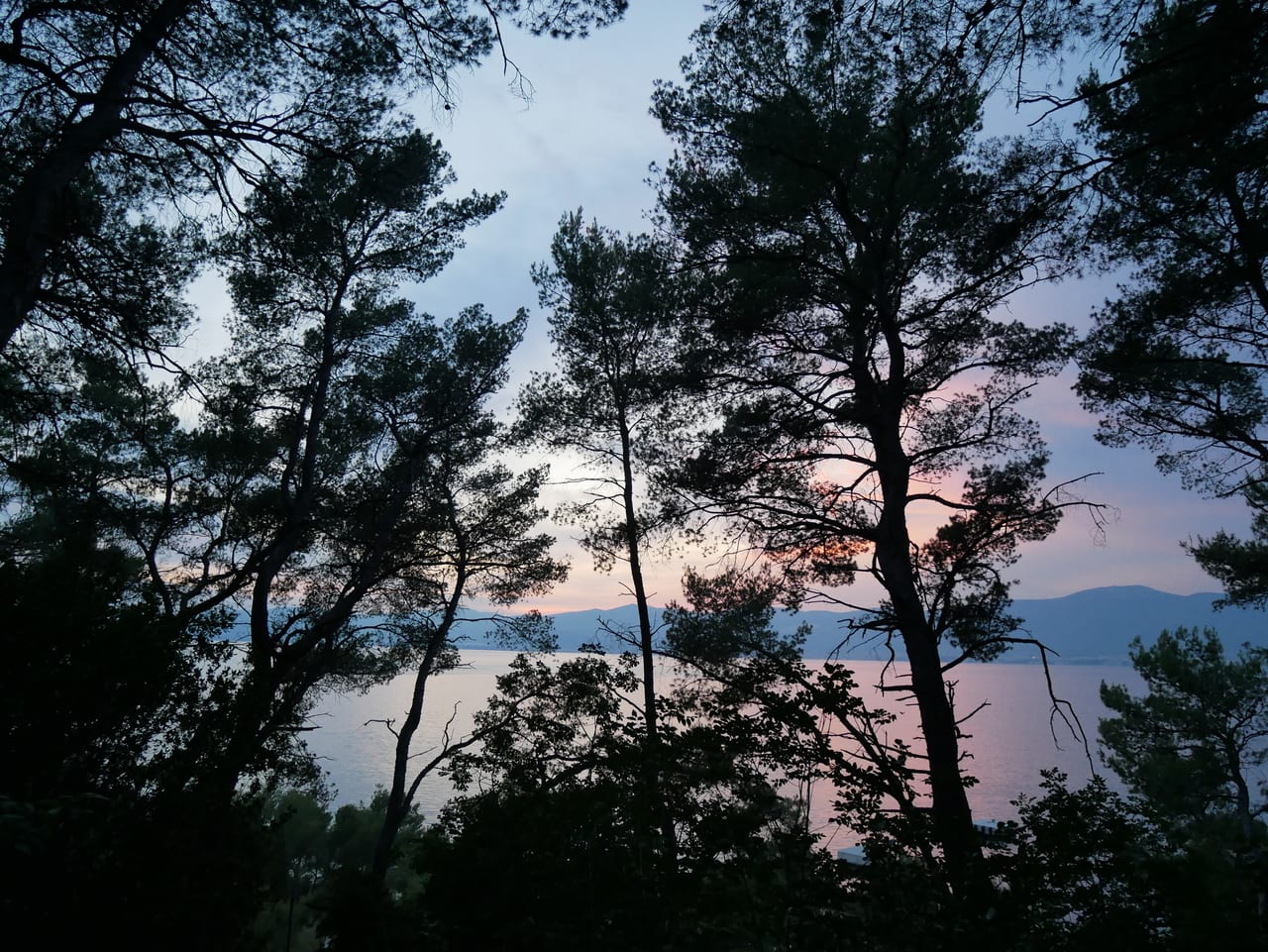
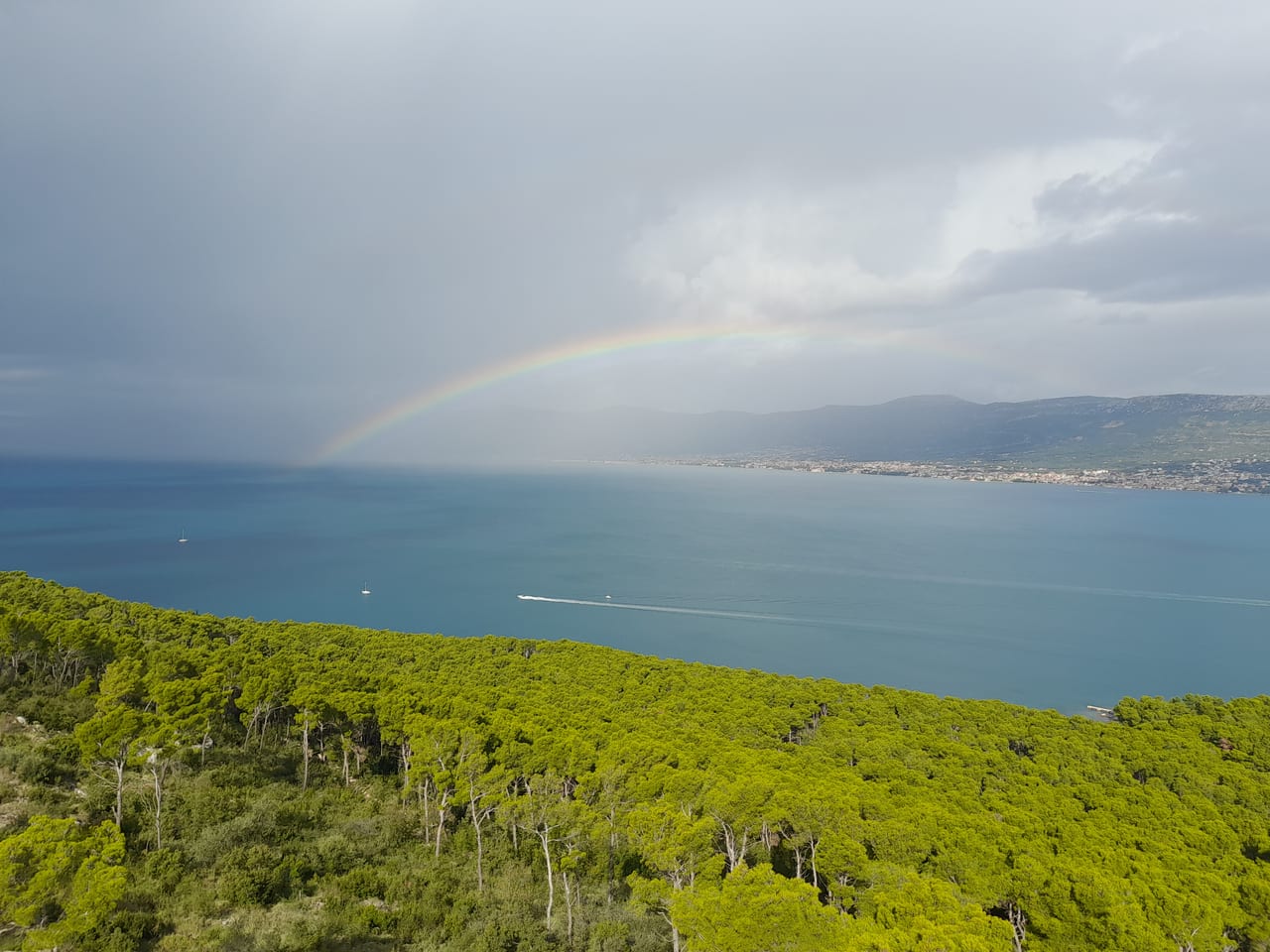
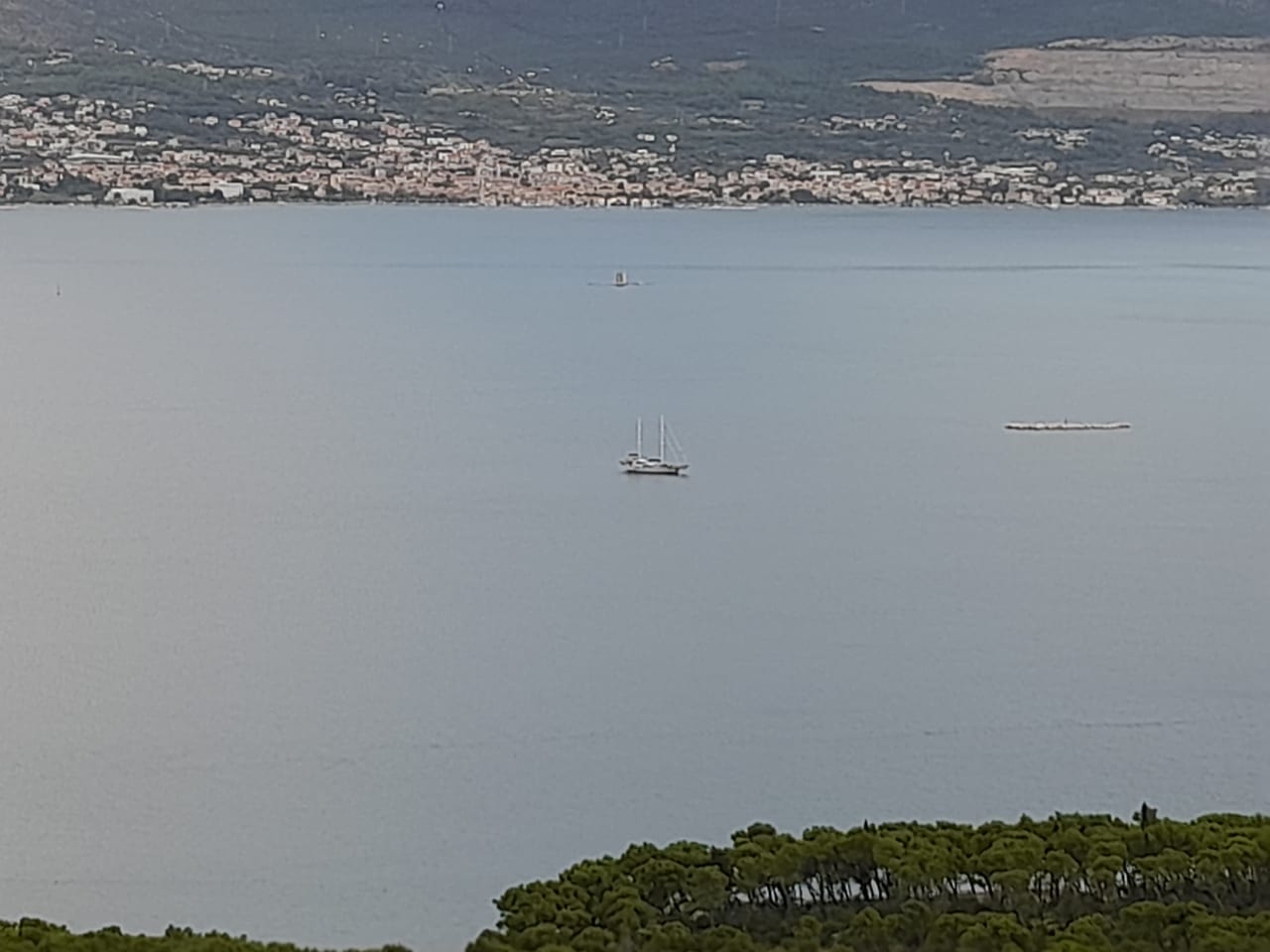
Photograph 1 of 22 of Marjan
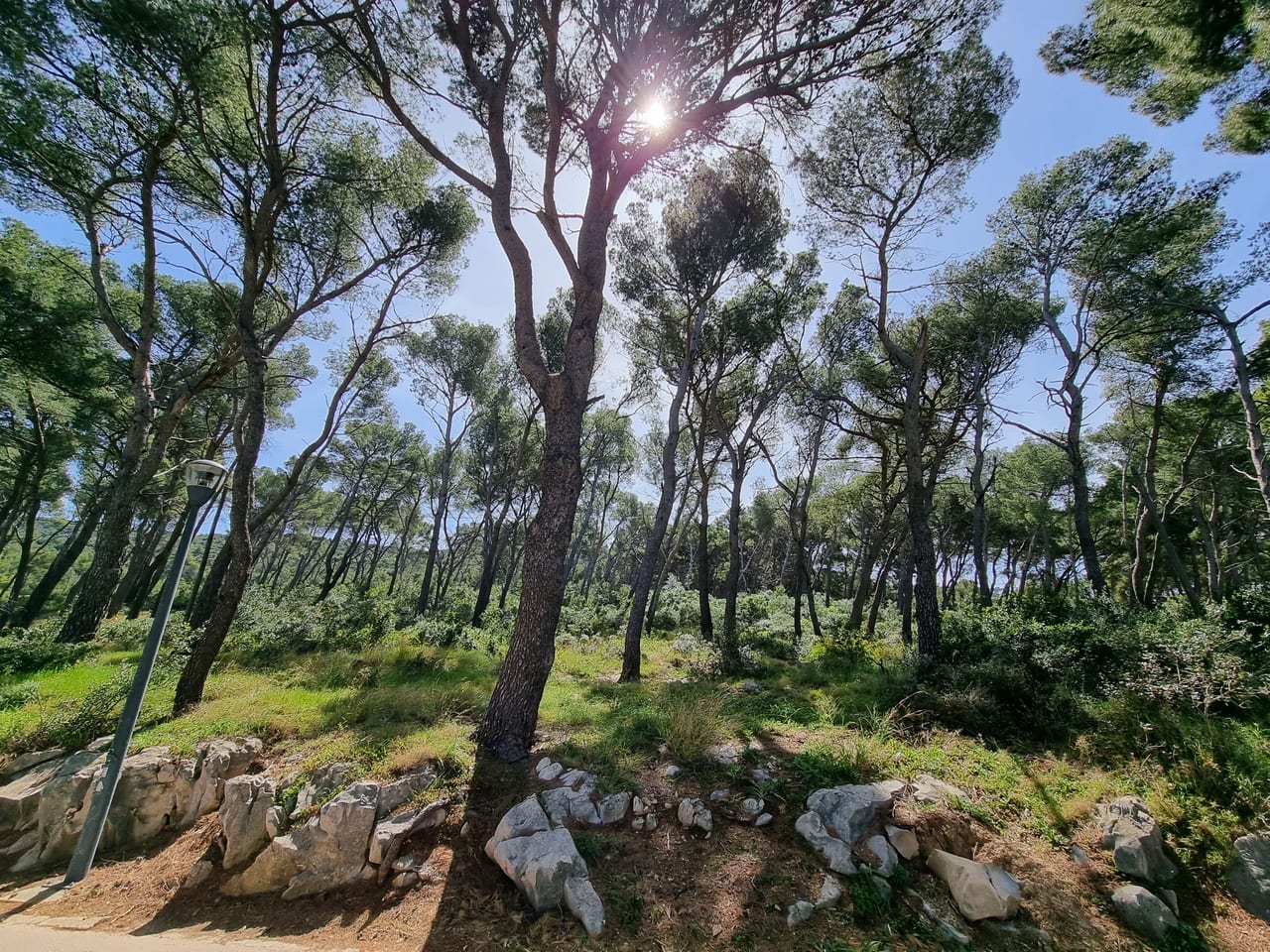
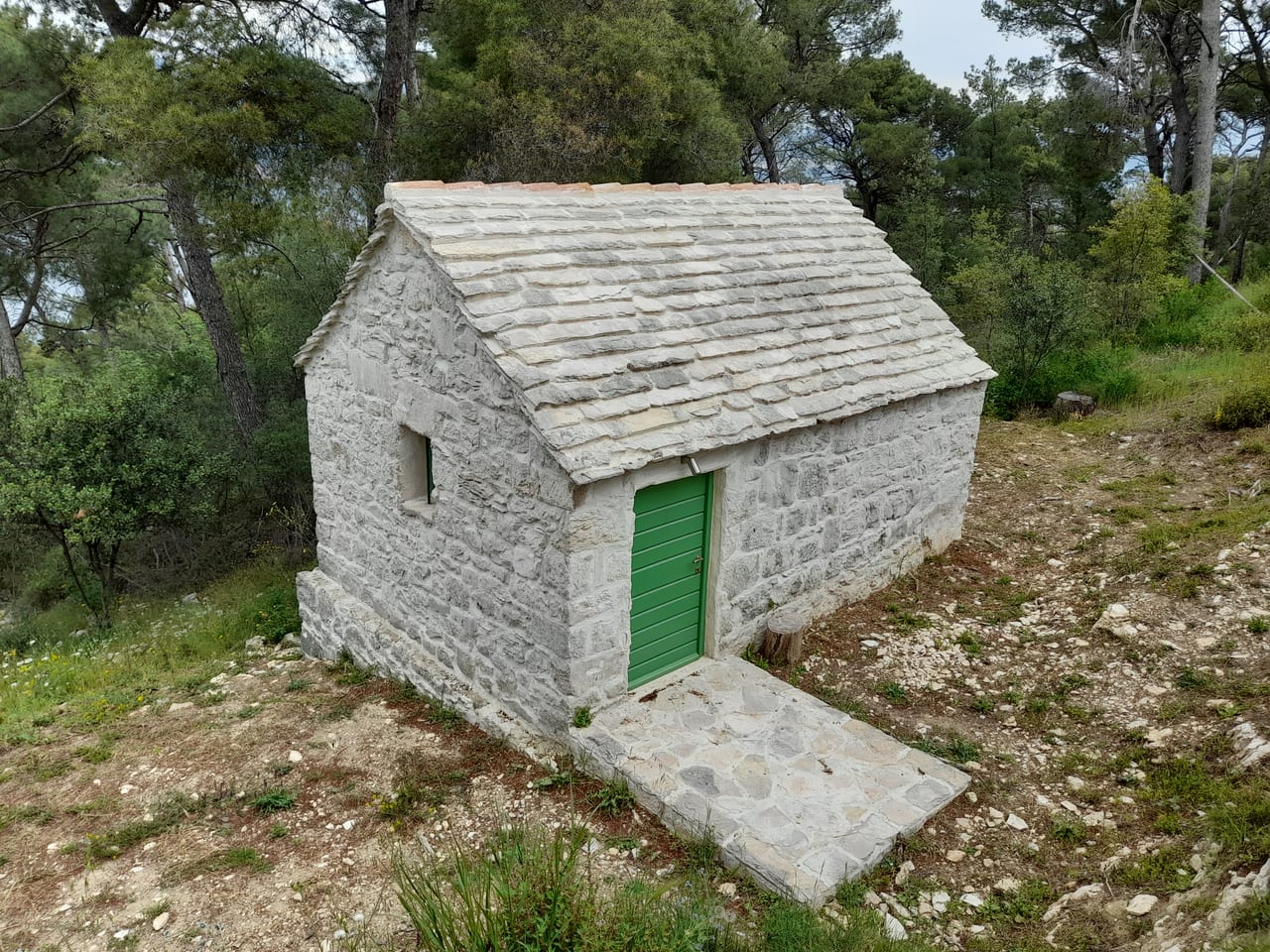
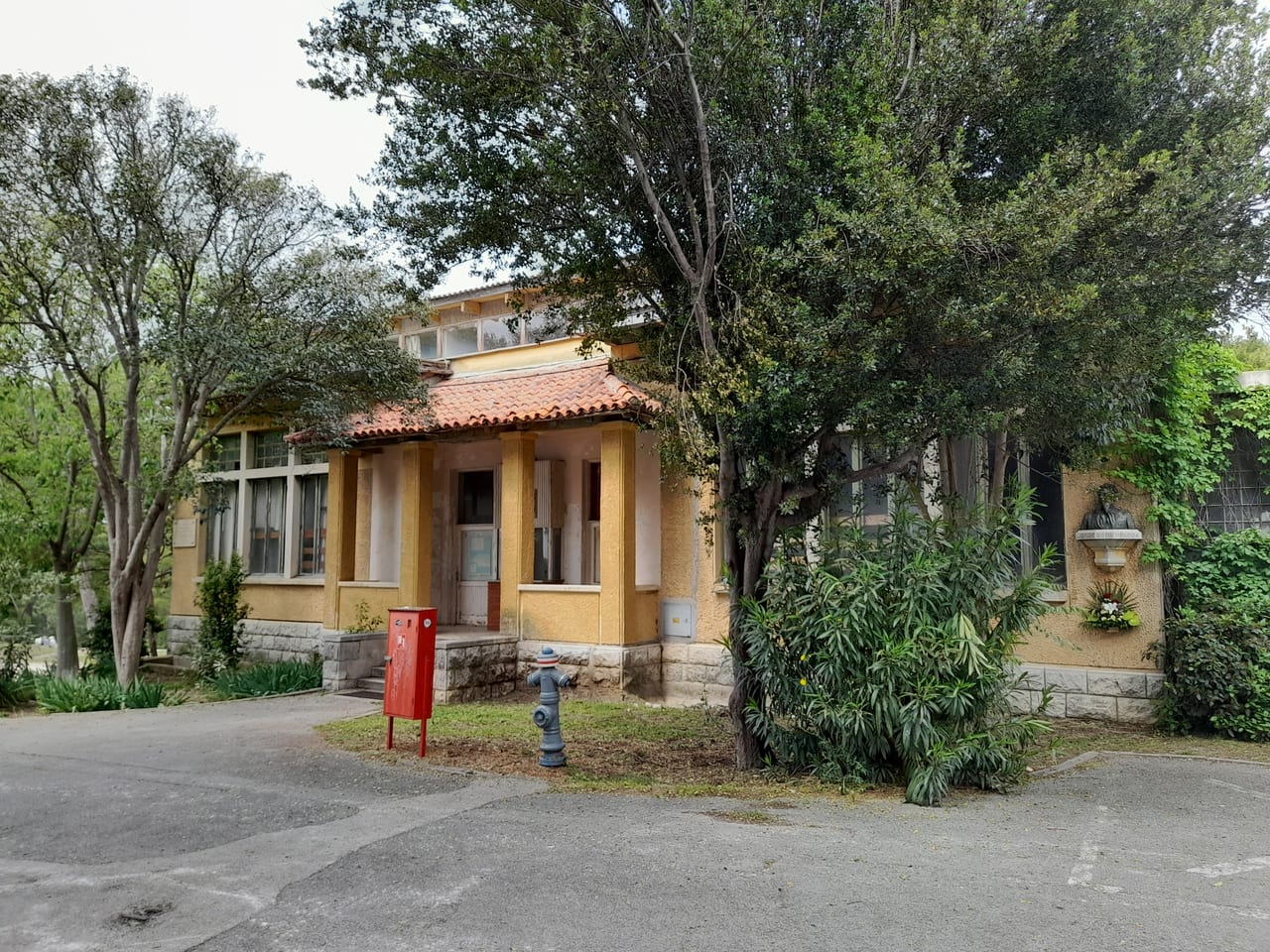
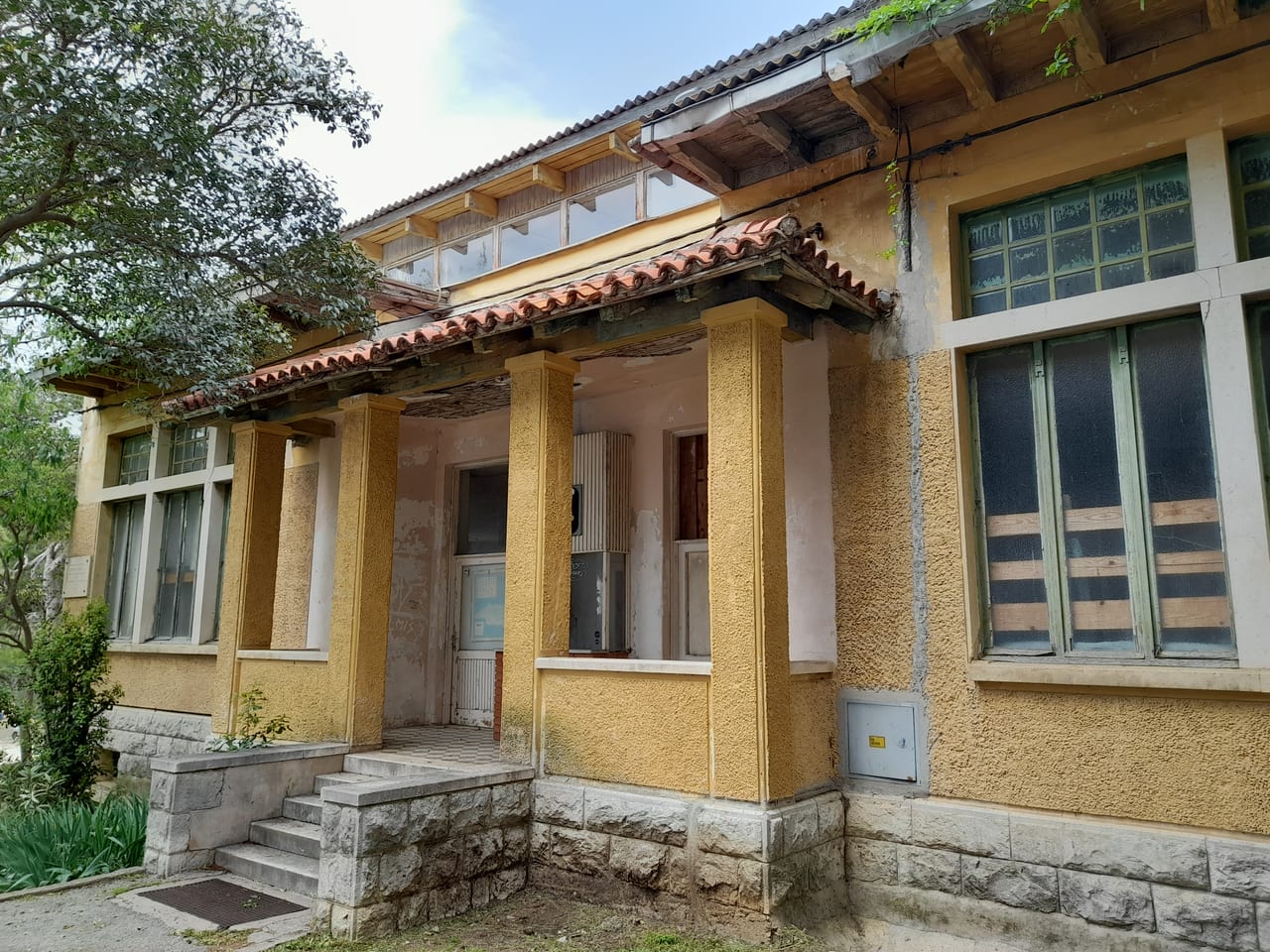
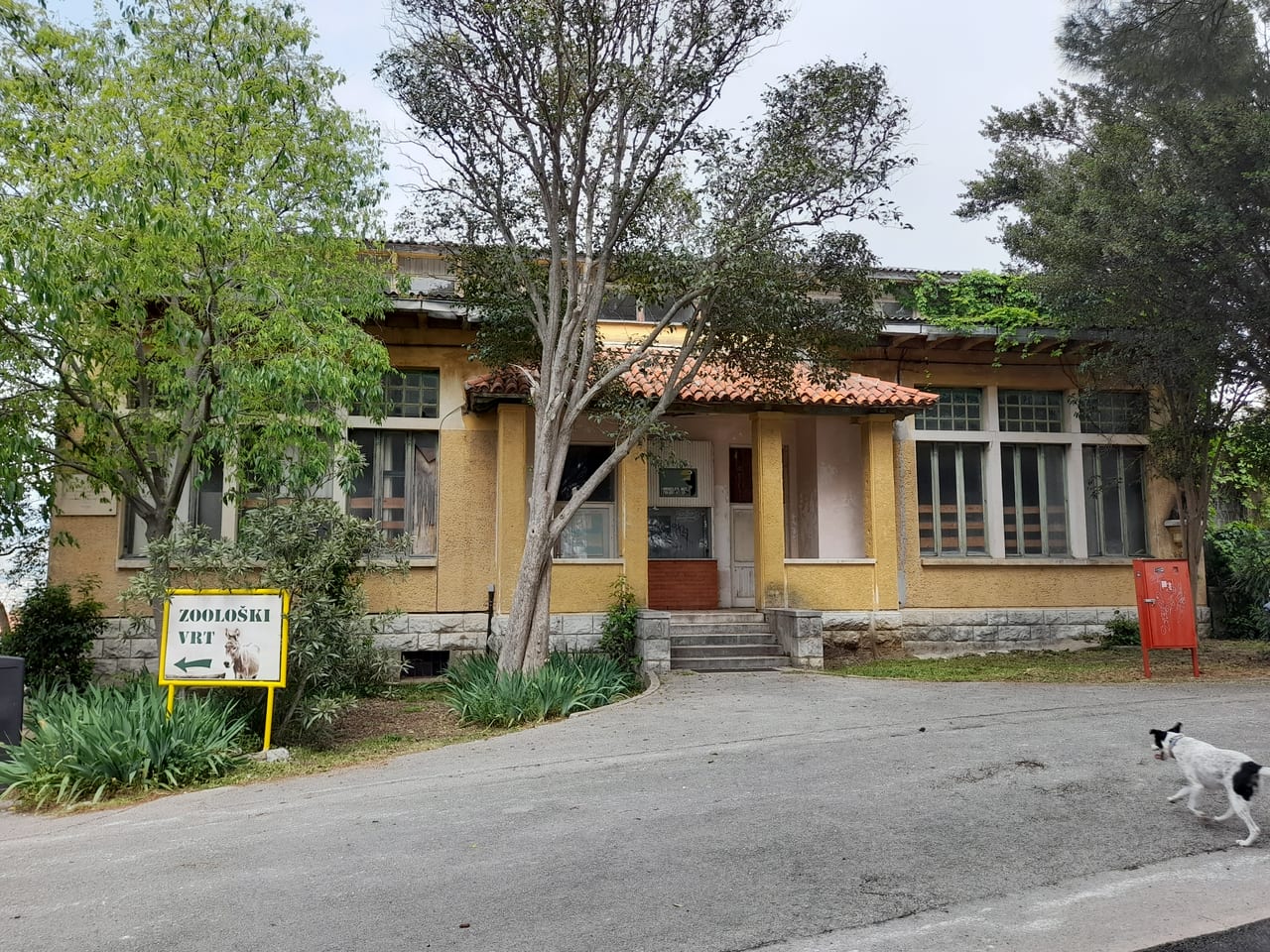
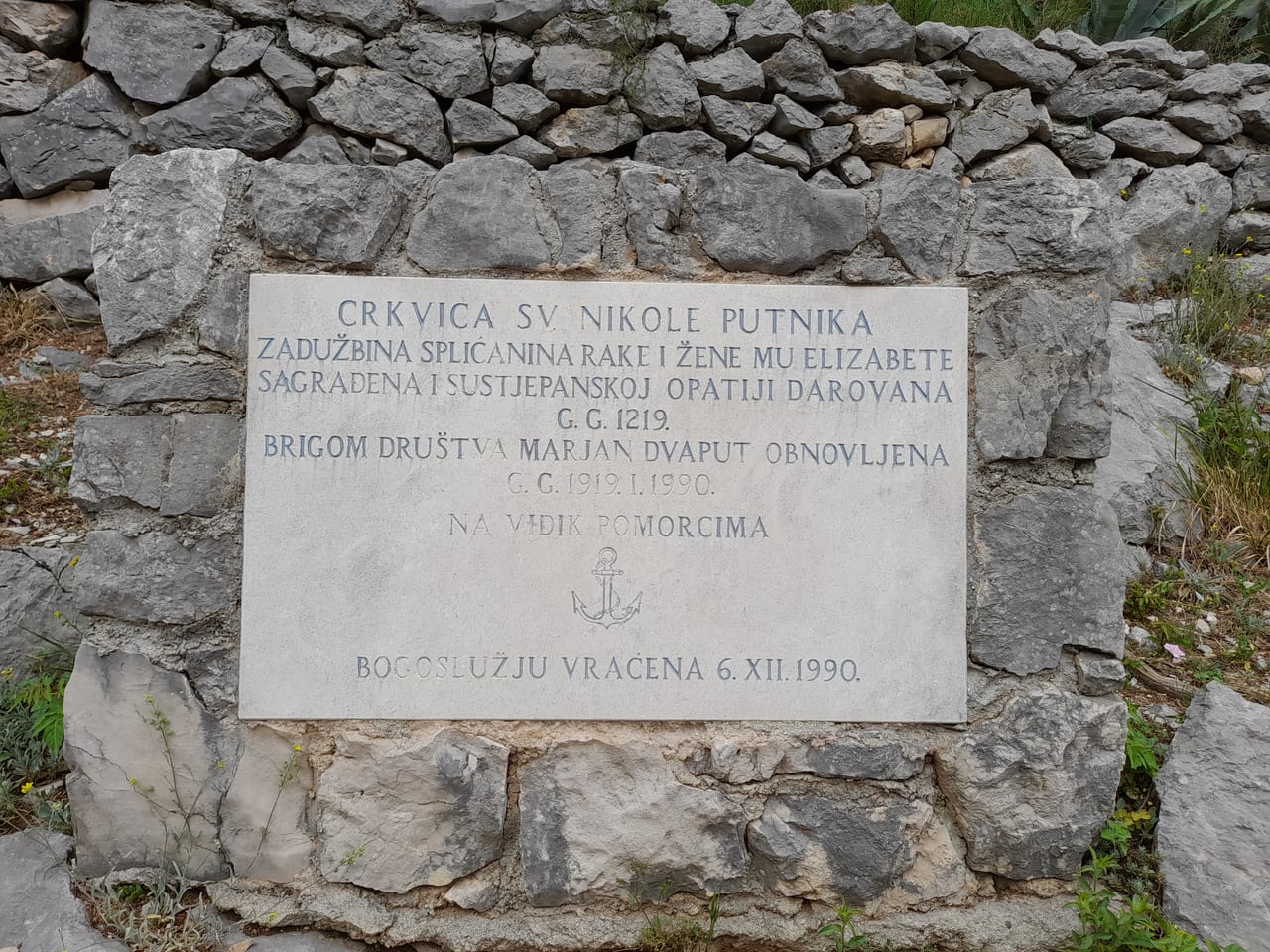
The earliest traces of human life on Marjan, found at Bambina glavica, date to prehistory. In Roman times, a temple to Diana stood on the headland, reached by a road from Spalatum. The hill’s name appears in records as Marianum in the first half of the eighth century, then in many later forms. Split’s 1312 statute forbade cutting its trees. Hermits once lived among its rocky slopes; later, small churches grew up at some of their retreats, including St Jerome’s. Once largely bare pasture, Marjan began to be replanted in 1852 near the Jewish cemetery, established in 1573. Professor Juraj Kolombatović led the organized planting that followed. The hill was declared a protected park-forest on 16 December 1964. Its institutions include the Natural History Museum and zoo, founded in 1924, and the Meteorological Observatory, founded in 1926. A tunnel was cut through Marjan for the 1979 Mediterranean Games. The annual Day of Marjan falls on 9 May, marking the founding of the Marjan Society in 1903; the hill also lives on in the song “Marjane, Marjane.”
At a glance
- Heritage
- Register of Cultural Goods of Croatia
Ways to explore Marjan
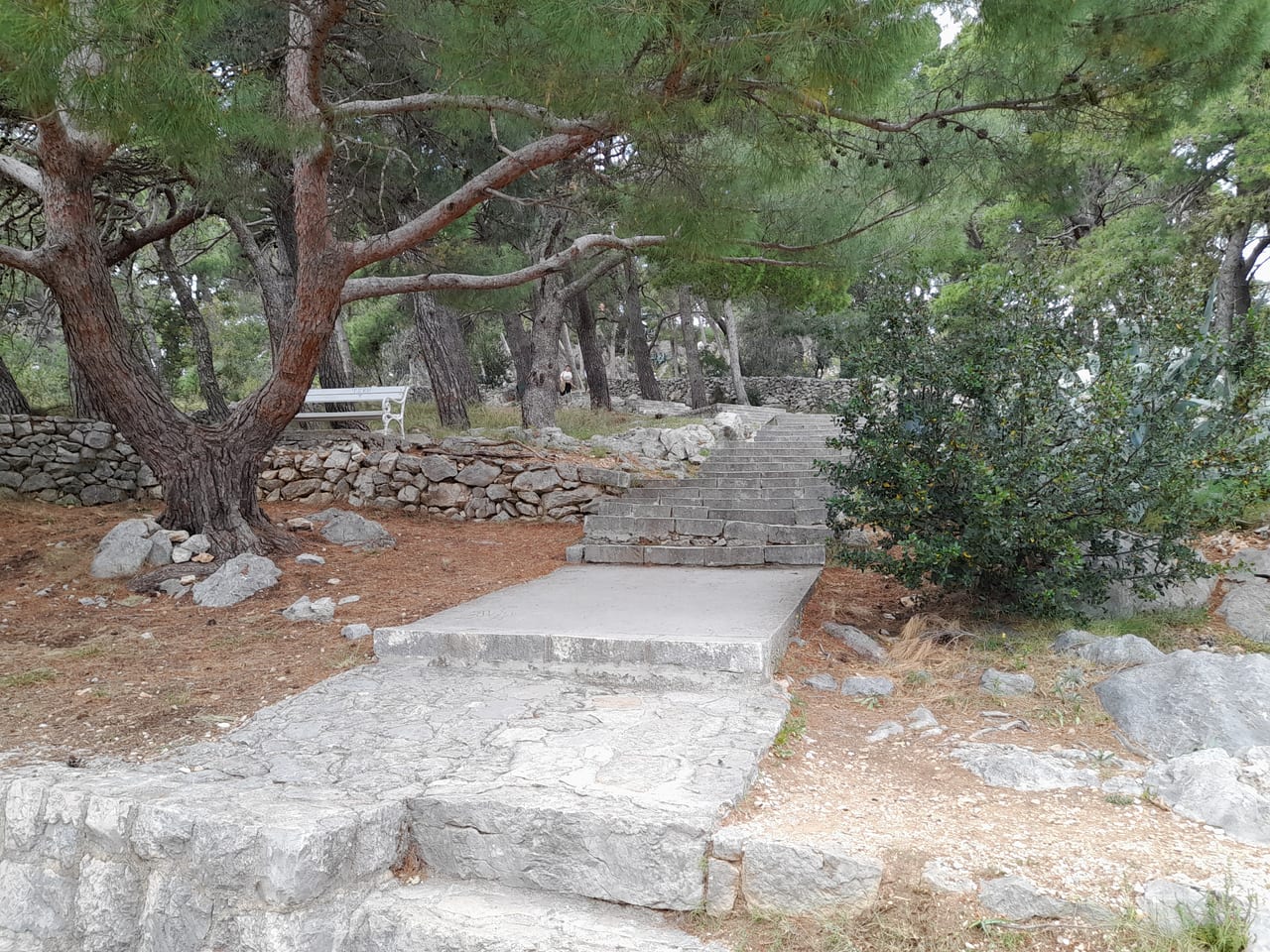
For a level walk, start at the northern gates and follow the road or fitness trail toward Bene; the route reaches the cove after about 1.8 km. From there, continue roughly 1 km toward the western tip. For a steeper outing, begin at the first southern lookout and climb by the paved path or stairs toward the upper viewpoints and Telegrin. Pause at the lookouts to take in the changing views, and allow time to wander the paths rather than treating the summit as the sole destination.
Places to stay near Marjan

Live availability and prices from Stay22's partners, refreshed periodically and subject to change. Booking through these links may earn us a commission at no extra cost to you. See our privacy policy.
Cafés near Marjan
Cafés near Marjan loads as you scroll.
Attractions nearby
Attractions near Marjan loads as you scroll.
Cities nearby
Cities nearby loads as you scroll.
More in Split
See more of Split.
Find great cafés, places to stay and other interesting places to visit in Split.