Castle & palace · Split
Fortress Gripe
DirectionsIn 1657, while still unfinished, Gripe changed hands during repeated Ottoman assaults; Split’s defenders and regional allies ultimately held the position with Venetian military support.
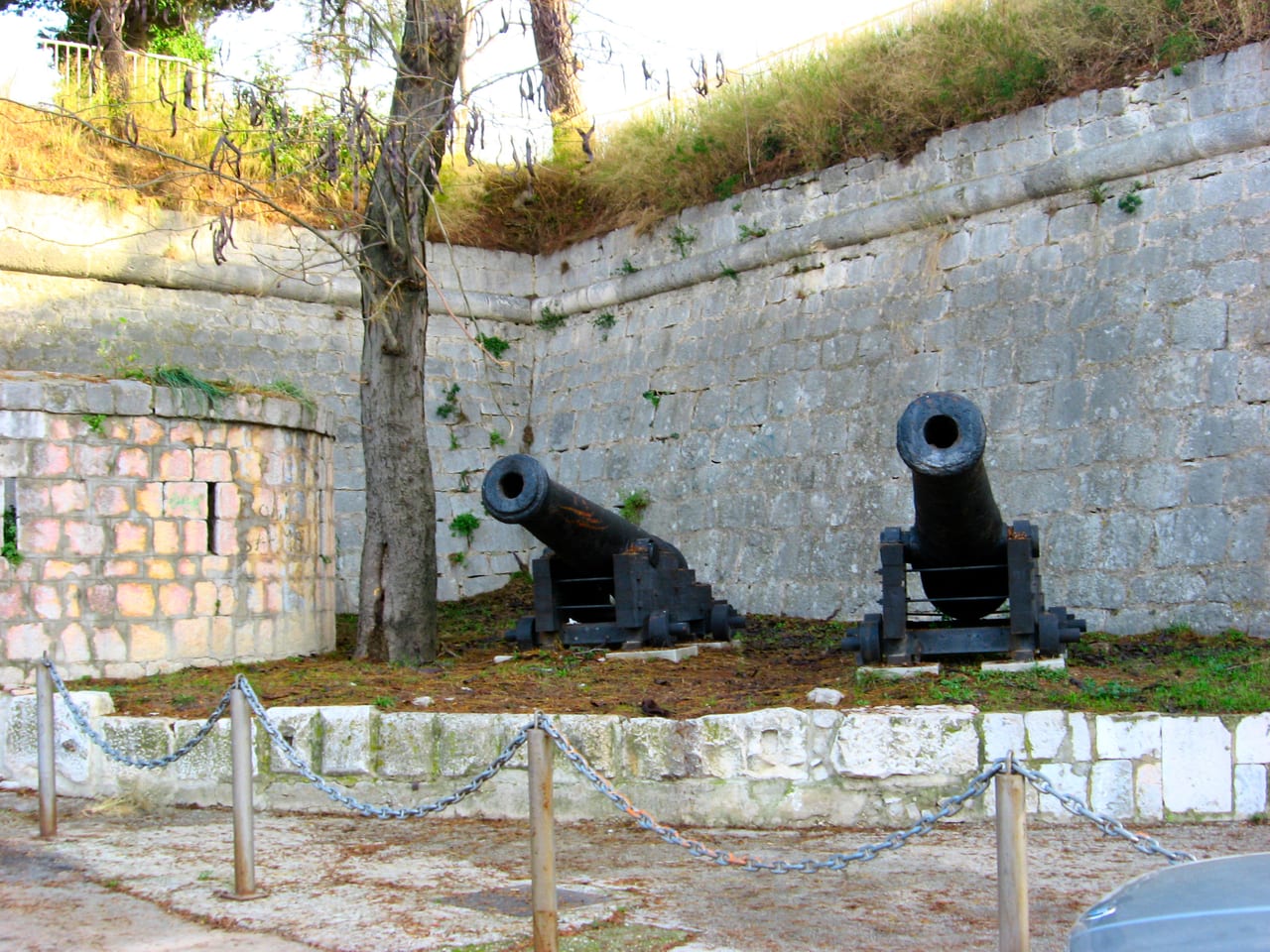
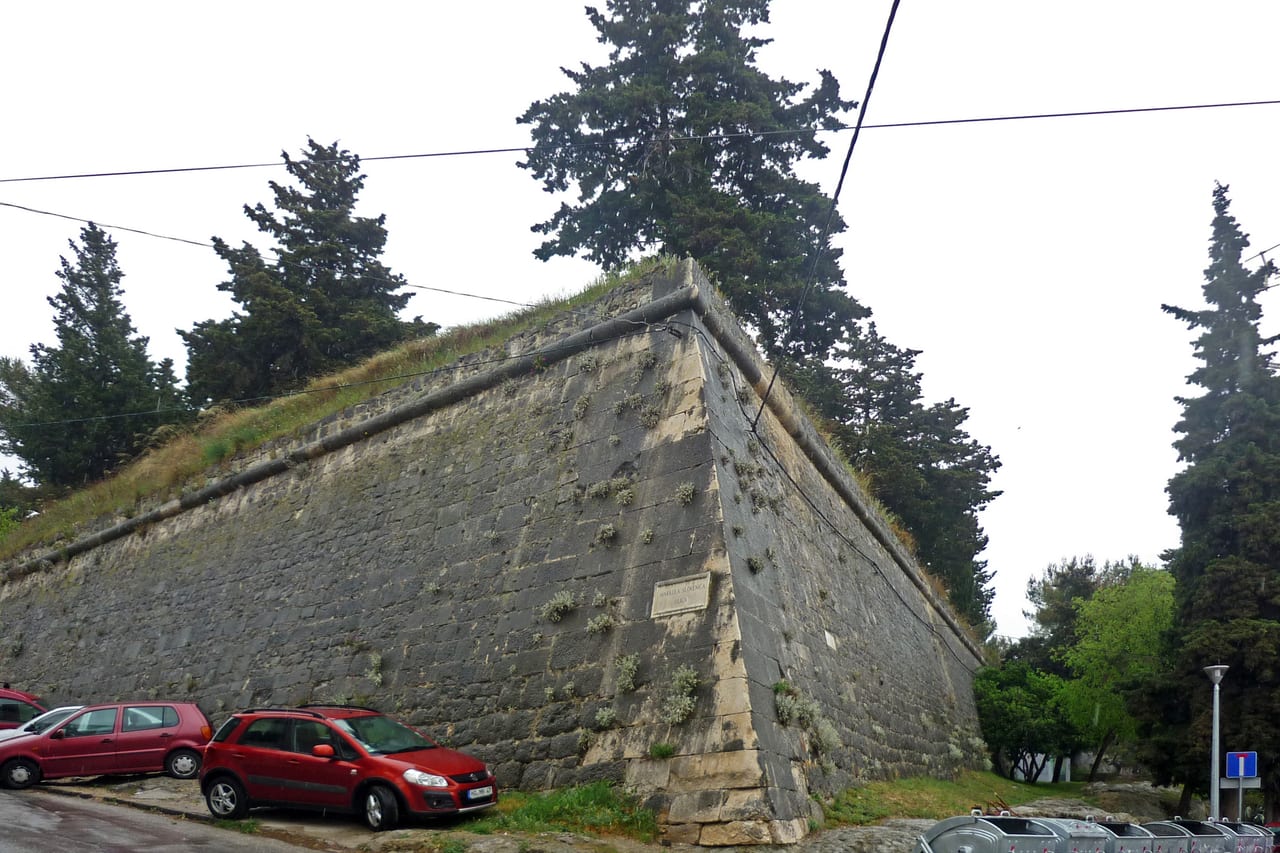
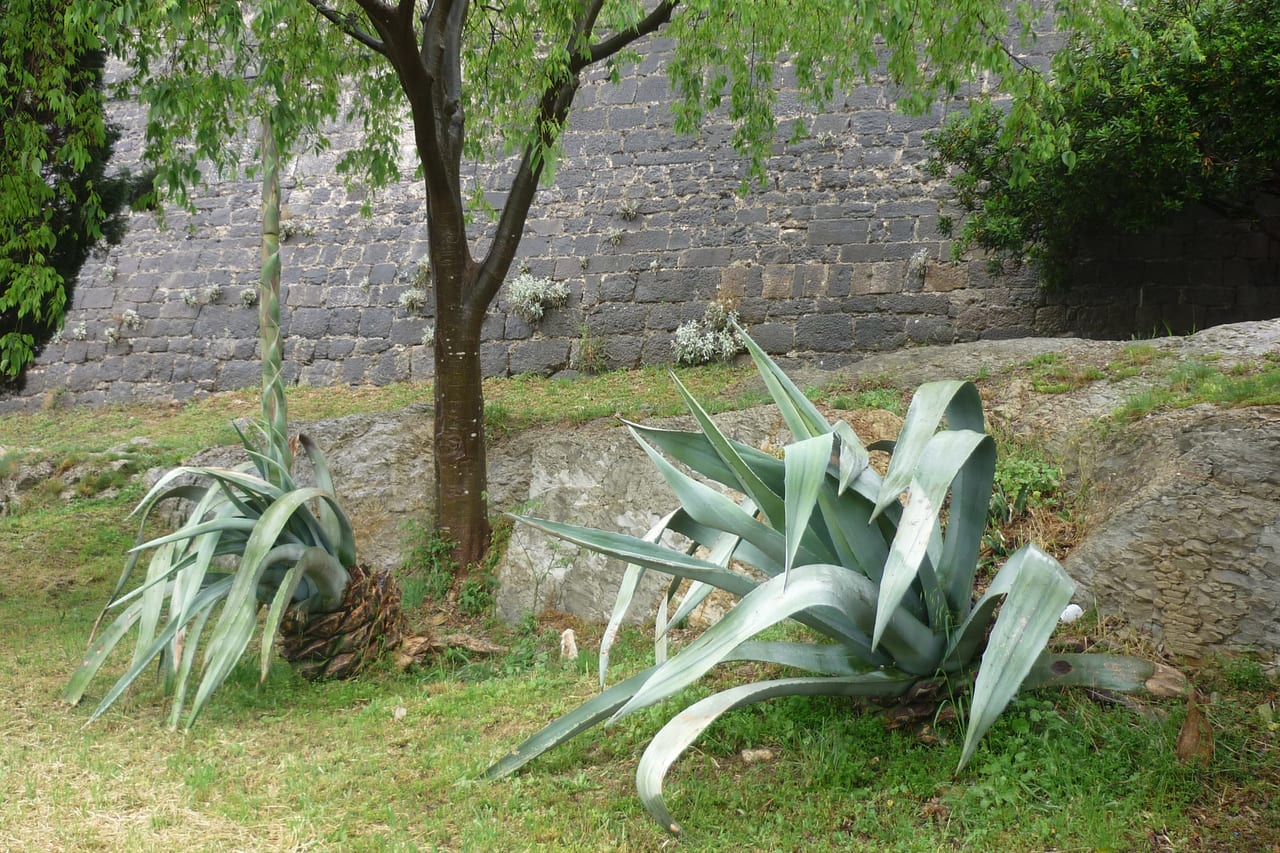
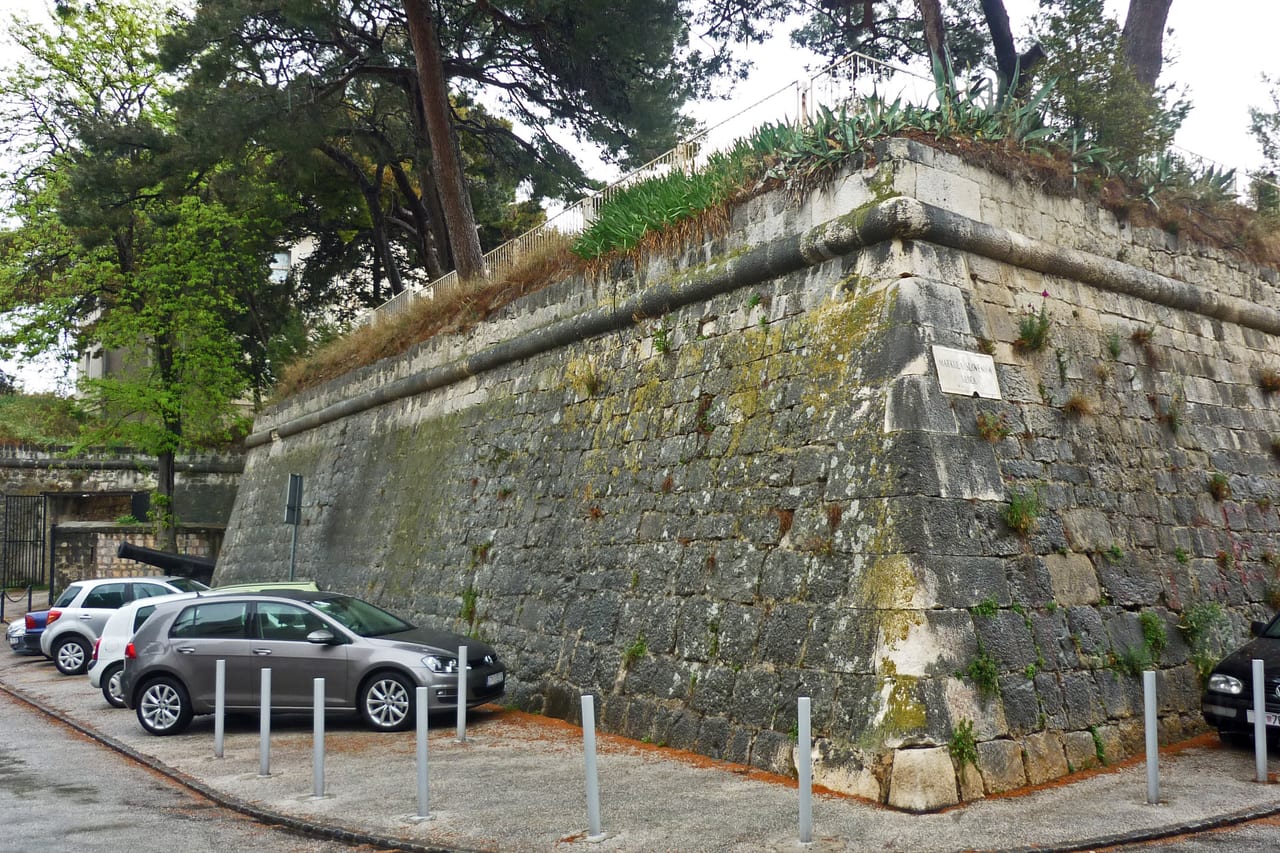
Photograph 1 of 12 of Fortress Gripe
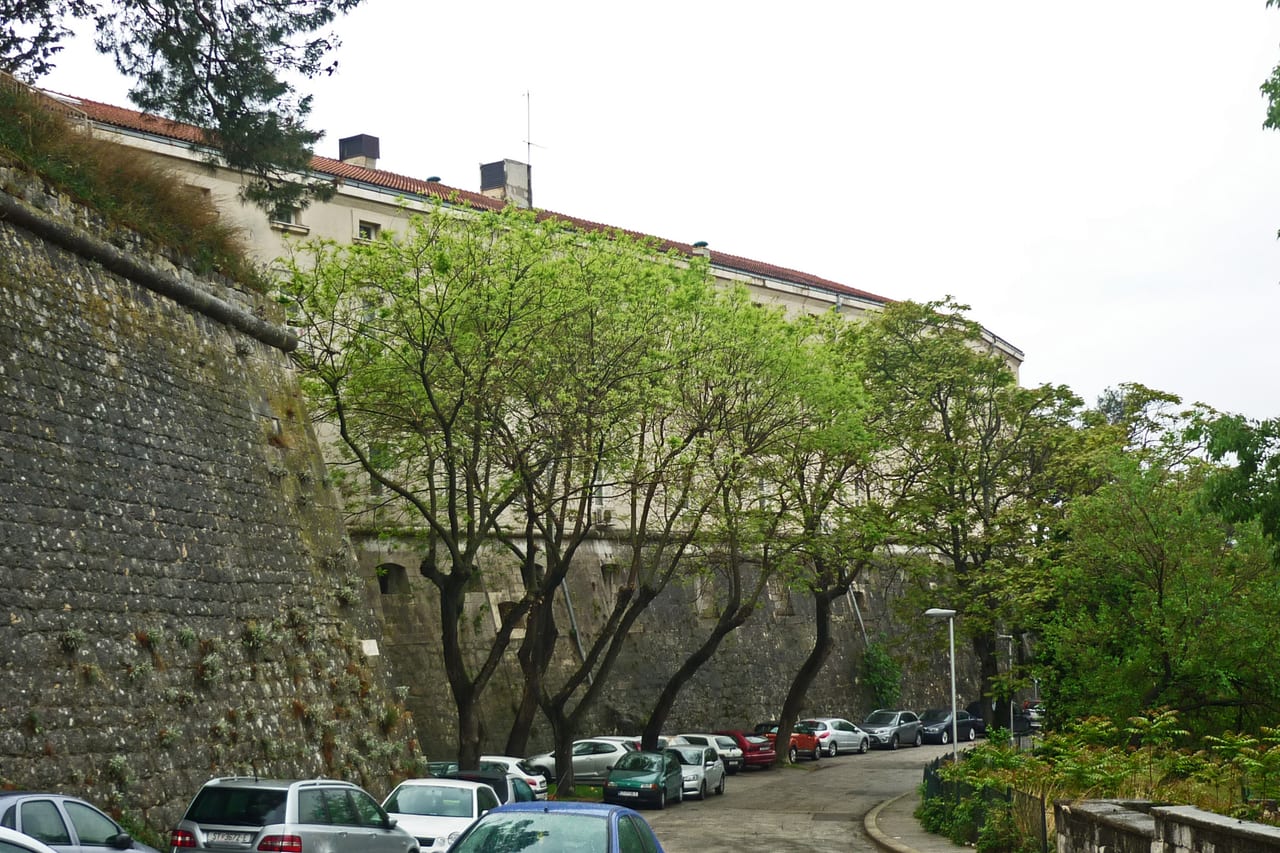
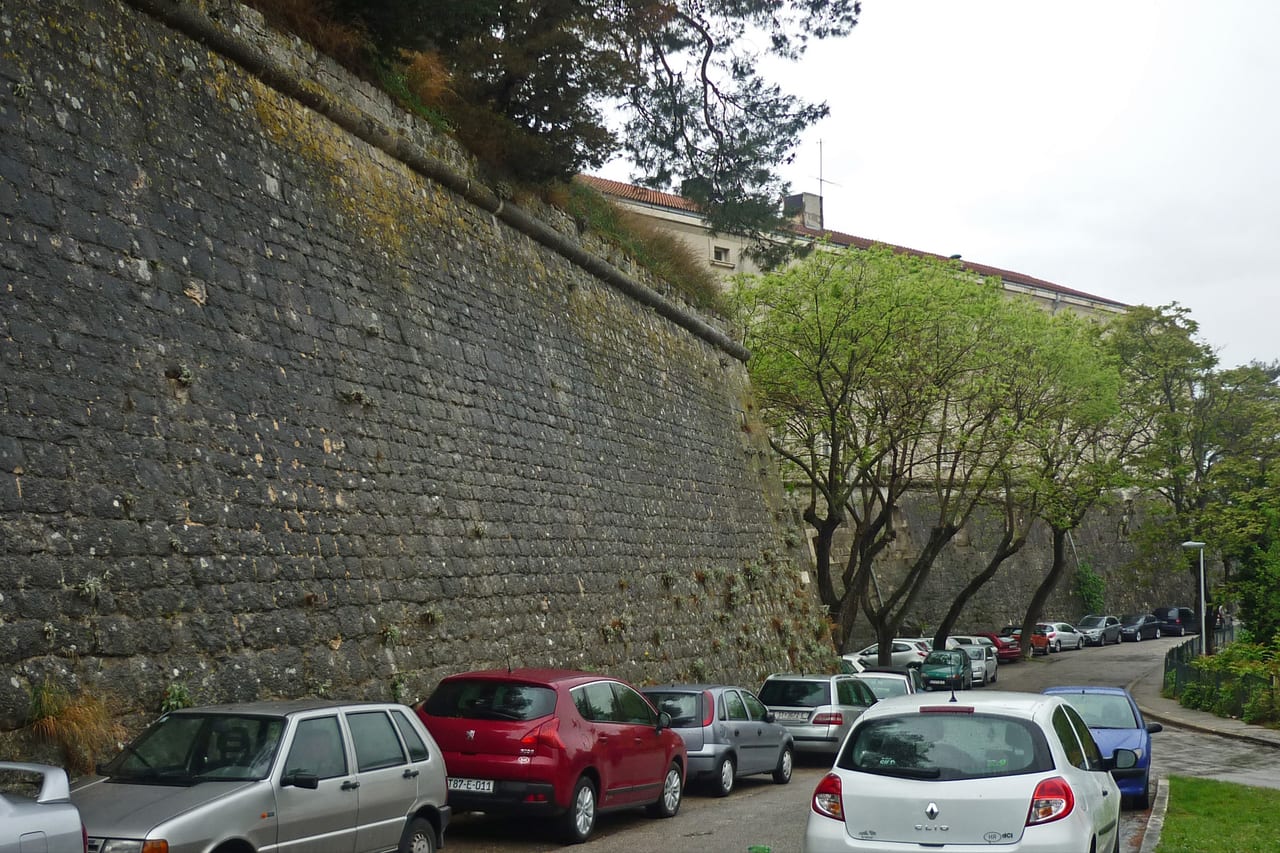
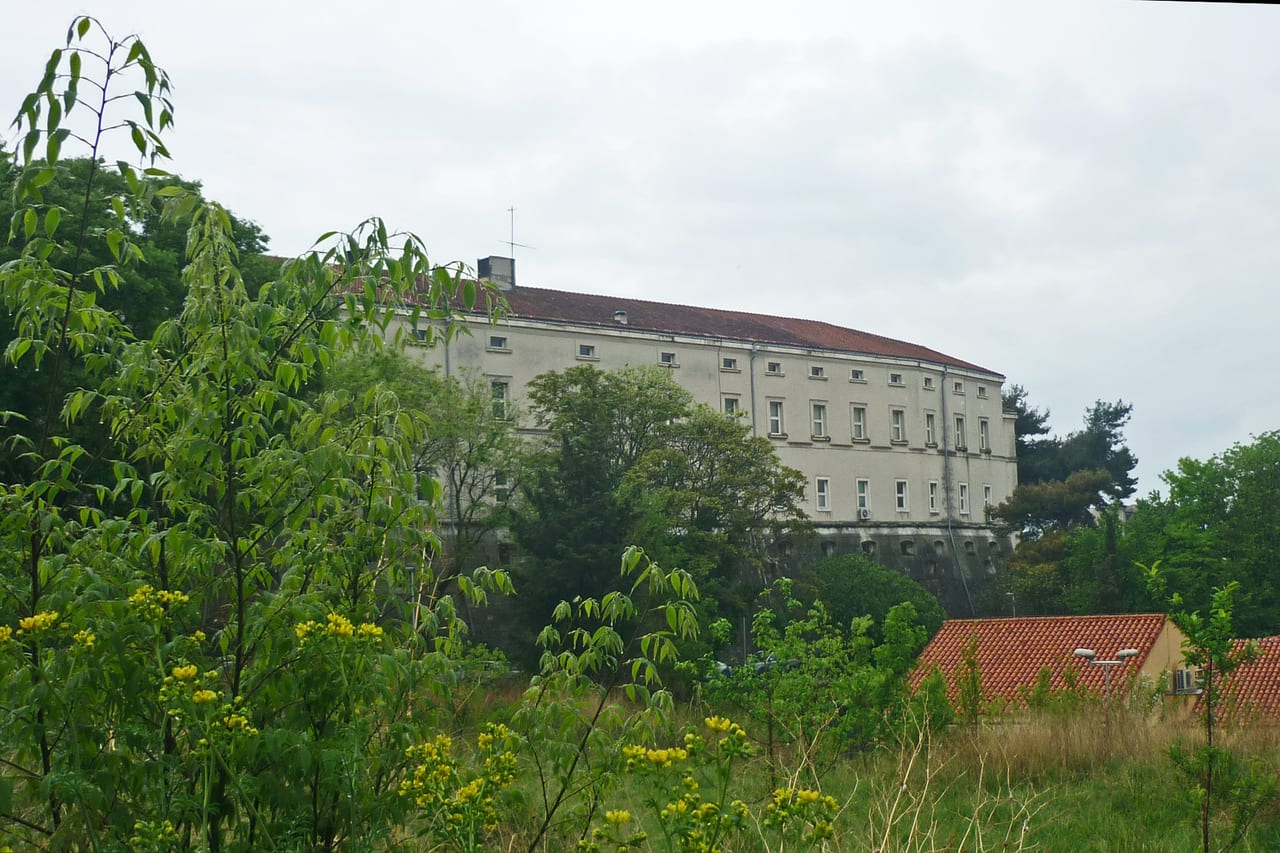
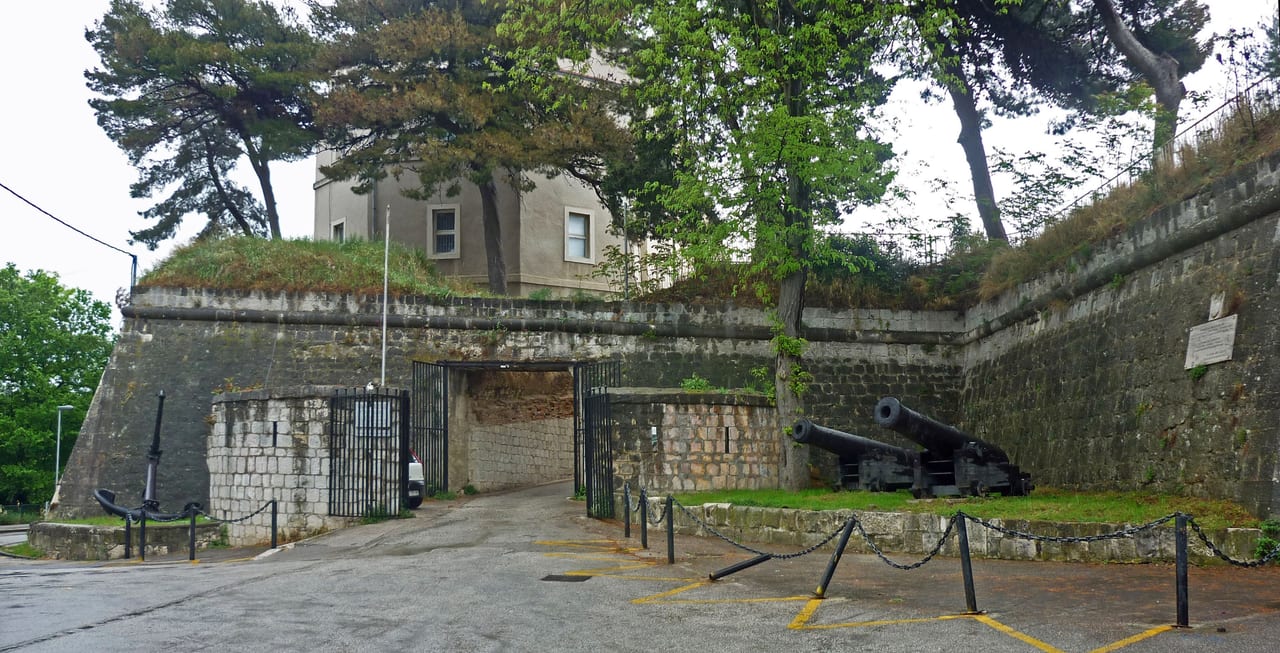
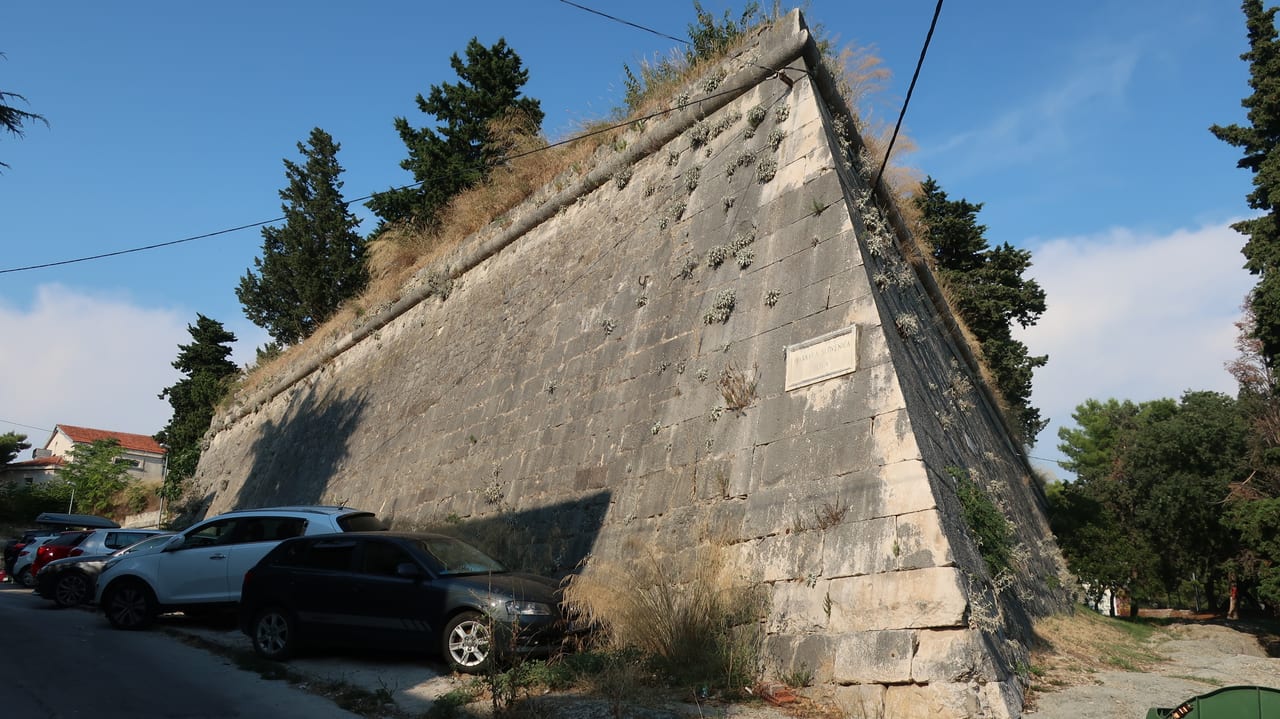
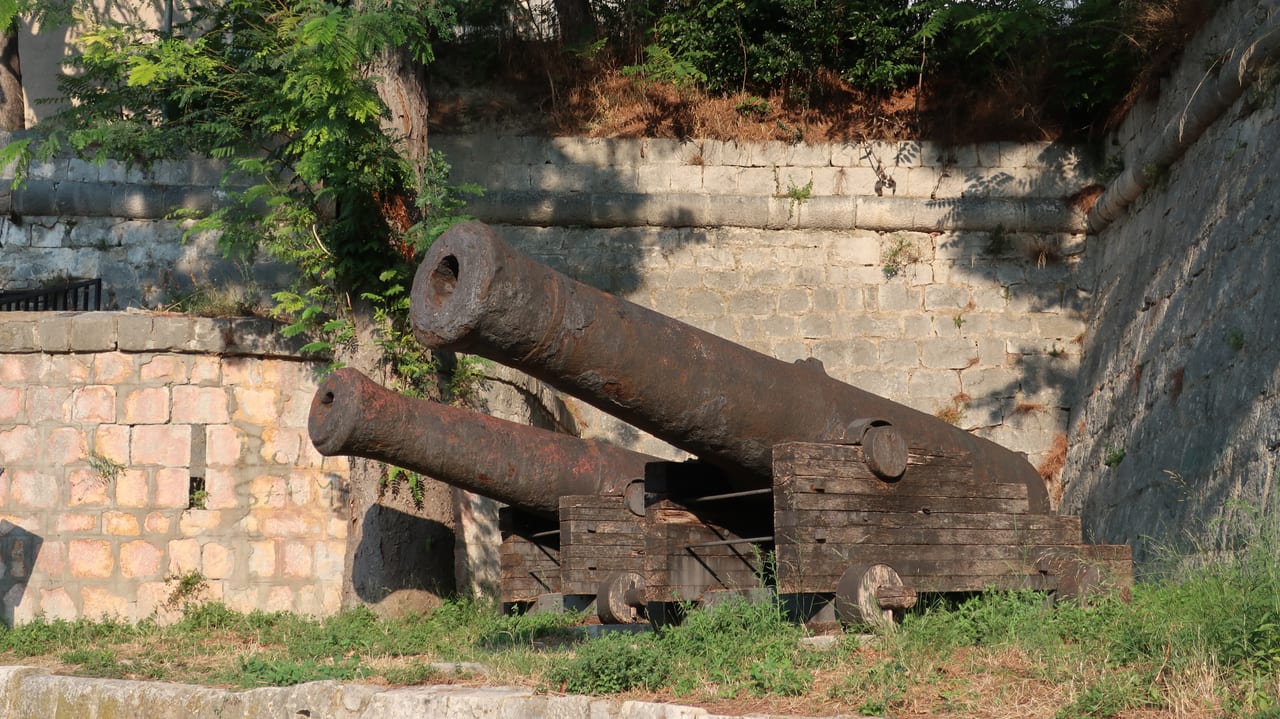
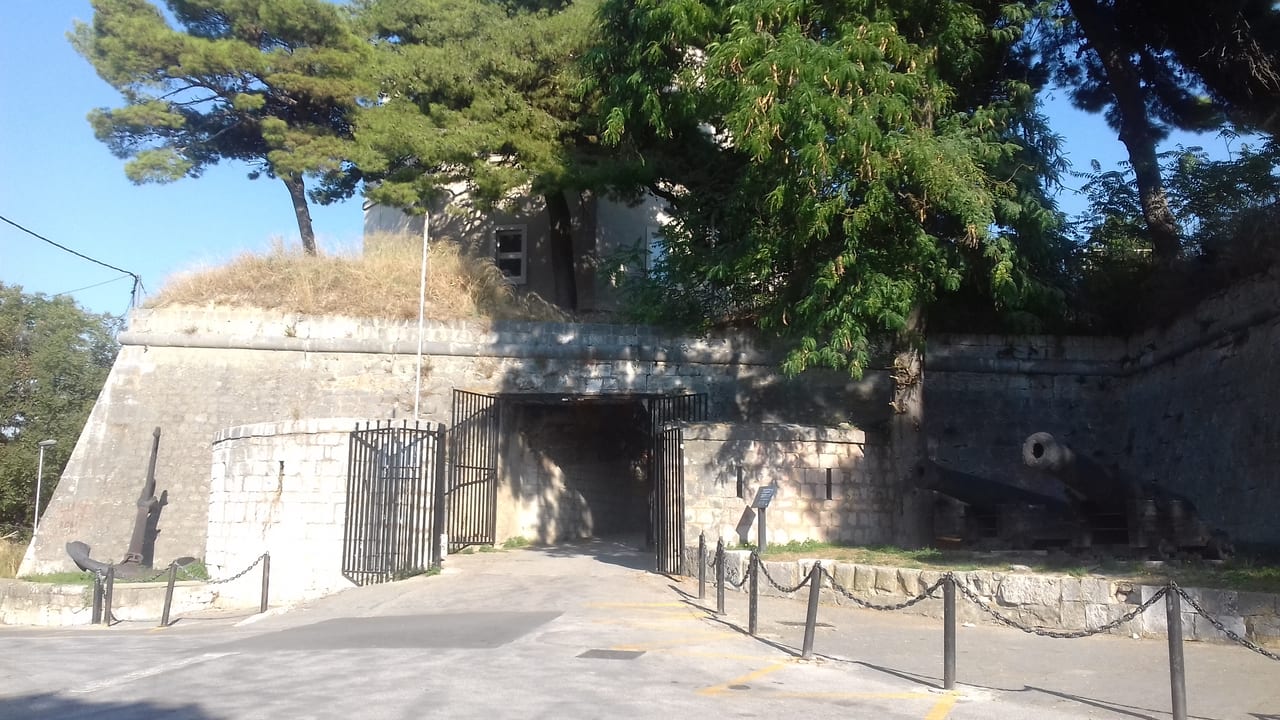
As Split grew beyond the walls of Diocletian’s Palace, its medieval defenses became vulnerable to artillery. Ottoman advances and the fighting of the Candian War sharpened the danger: from Gripe’s high ground, an enemy could bombard the city. Venice therefore ordered new defenses for Split and a fort on the hill. Military engineer Alessandro Magli oversaw the work. The fortress was built with a system of earth-filled bastions. The complex later gained a barracks for the Austrian army. Today it is included in Croatia’s Register of Cultural Goods, a designation that marks its place in the city’s changing system of defenses.
At a glance
- Built
- 1700
- Style
- baroque architecture
- Heritage
- Register of Cultural Goods of Croatia
Ways to explore Fortress Gripe
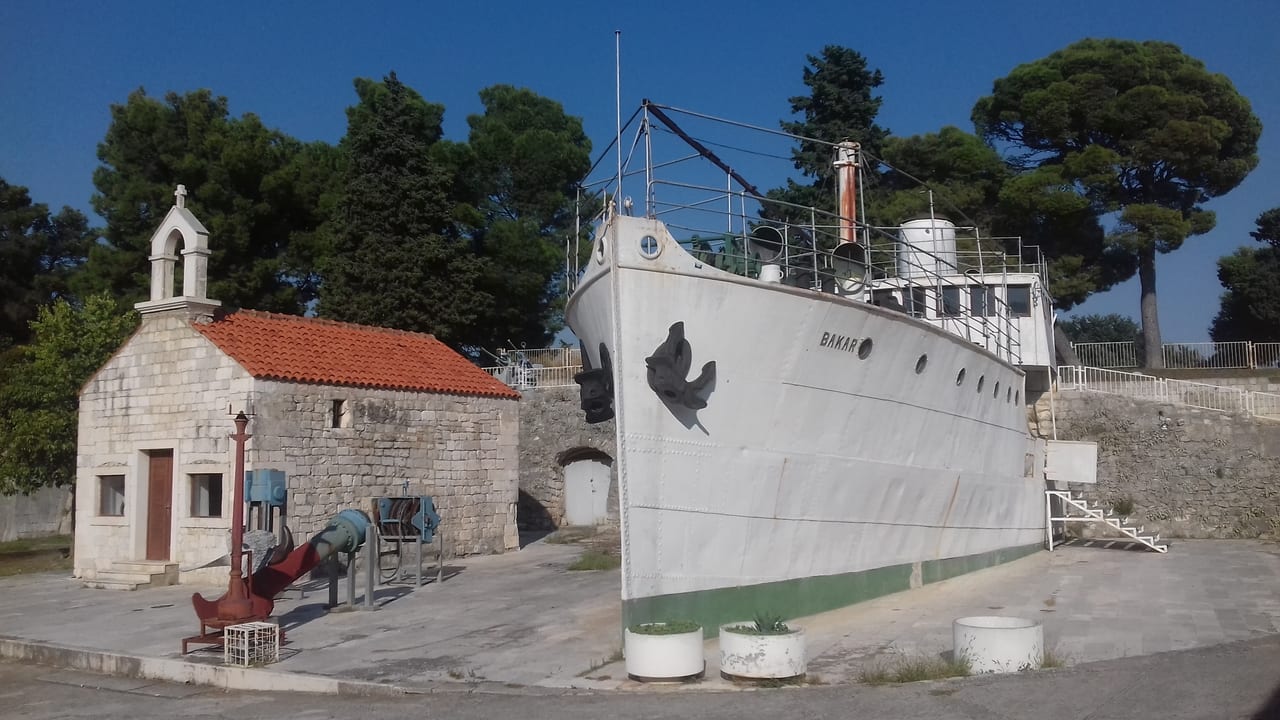
The complex now houses the Croatian Maritime Museum and the Croatian State Archives. Check current access arrangements before planning a visit, especially if you hope to see both institutions. Concerts are also held within the fortress; if one is scheduled during your stay, it can be a way to experience the site in use rather than simply passing through.
Places to stay near Fortress Gripe

Live availability and prices from Stay22's partners, refreshed periodically and subject to change. Booking through these links may earn us a commission at no extra cost to you. See our privacy policy.
Cafés near Fortress Gripe
Cafés near Fortress Gripe loads as you scroll.
Attractions nearby
Attractions near Fortress Gripe loads as you scroll.
Cities nearby
Cities nearby loads as you scroll.
More in Split
See more of Split.
Find great cafés, places to stay and other interesting places to visit in Split.