Museum · Split
Ethnographic museum Split
DirectionsIn 1910, a collection of folk costumes from Dalmatia was displayed in a schoolroom and became part of the museum’s permanent display.
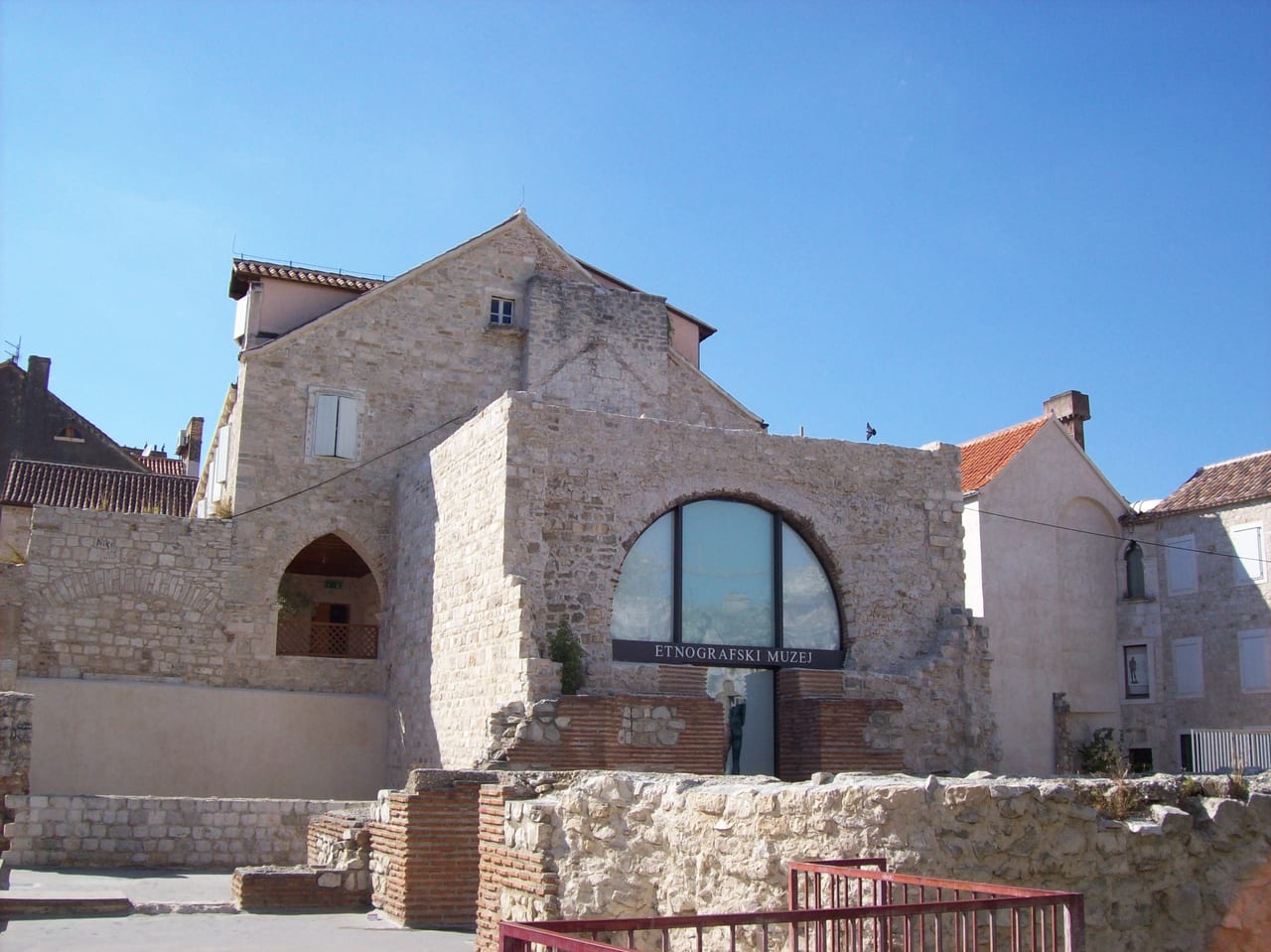
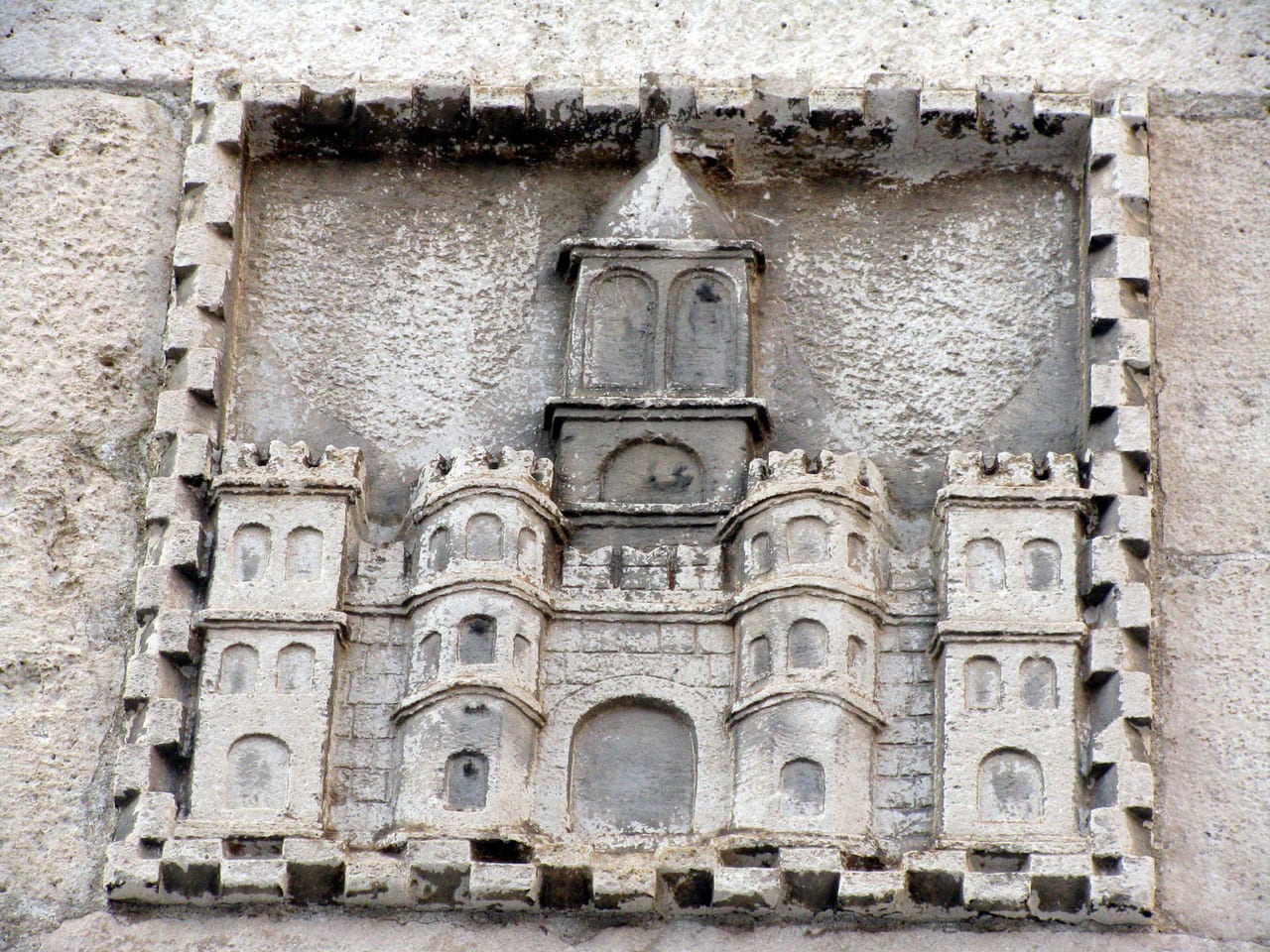
Photograph 1 of 2 of Ethnographic museum Split
The museum grew out of Split’s School of Crafts, which opened in 1906. Ethnographic objects began to be displayed there in 1909, as school director Kamilo Tončić pl. Sorinjski urged systematic collecting so that local traditions of making could serve as models for students. Vienna approved the museum’s statute in 1913, giving the institution formal standing. Tončić became its first director and remained in the post until 1944. After the First World War, in 1919, the museum moved to rooms at the Agricultural School near the Archaeological Museum. Its holdings soon outgrew the space. Between the wars it gained regional status and collected material from across the then-existing state; its valuable holdings survived both world wars. A further move in 1924 brought it to the Old Town Hall, where it remained until 2004.
At a glance
- Built
- 1913
Ways to explore Ethnographic museum Split
Look beyond the exhibition rooms to the museum’s documentation holdings and library for other ways into its subject. Ask about specialist guided tours, which the museum provides, or check for lectures and exhibitions during your visit. Its current address is Iza vestibula 4, close to the Peristyle.
Places to stay near Ethnographic museum Split

Live availability and prices from Stay22's partners, refreshed periodically and subject to change. Booking through these links may earn us a commission at no extra cost to you. See our privacy policy.
Cafés near Ethnographic museum Split
Cafés near Ethnographic museum Split loads as you scroll.
Attractions nearby
Attractions near Ethnographic museum Split loads as you scroll.
Cities nearby
Cities nearby loads as you scroll.
More in Split
See more of Split.
Find great cafés, places to stay and other interesting places to visit in Split.