Ancient site · Split
Diocletianus Aqueduct
DirectionsAt its height, the aqueduct carried 13 cubic metres of water per second, making it the highest-capacity water supply in the Roman province of Dalmatia.
Photograph 1 of 20 of Diocletianus Aqueduct
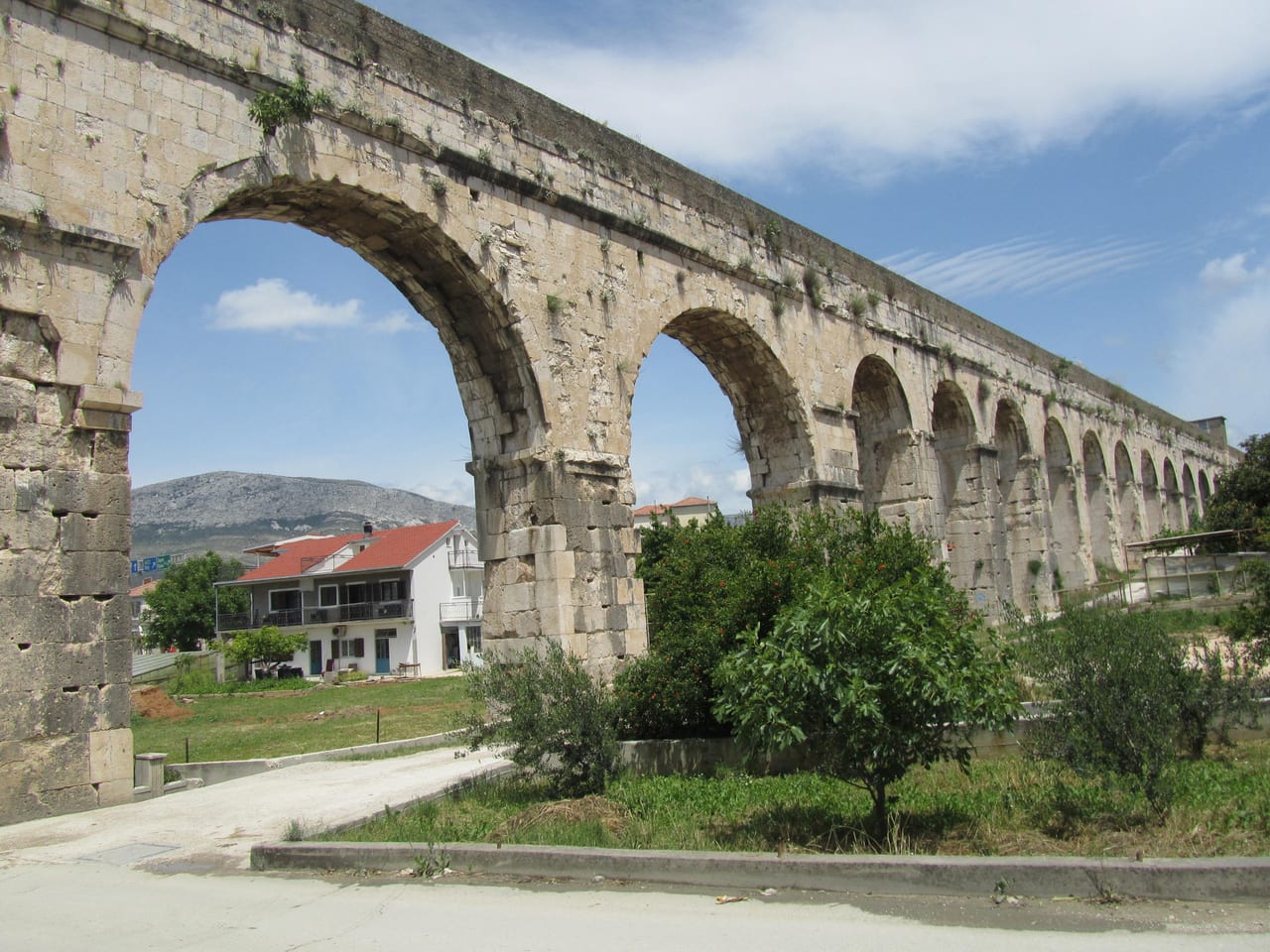
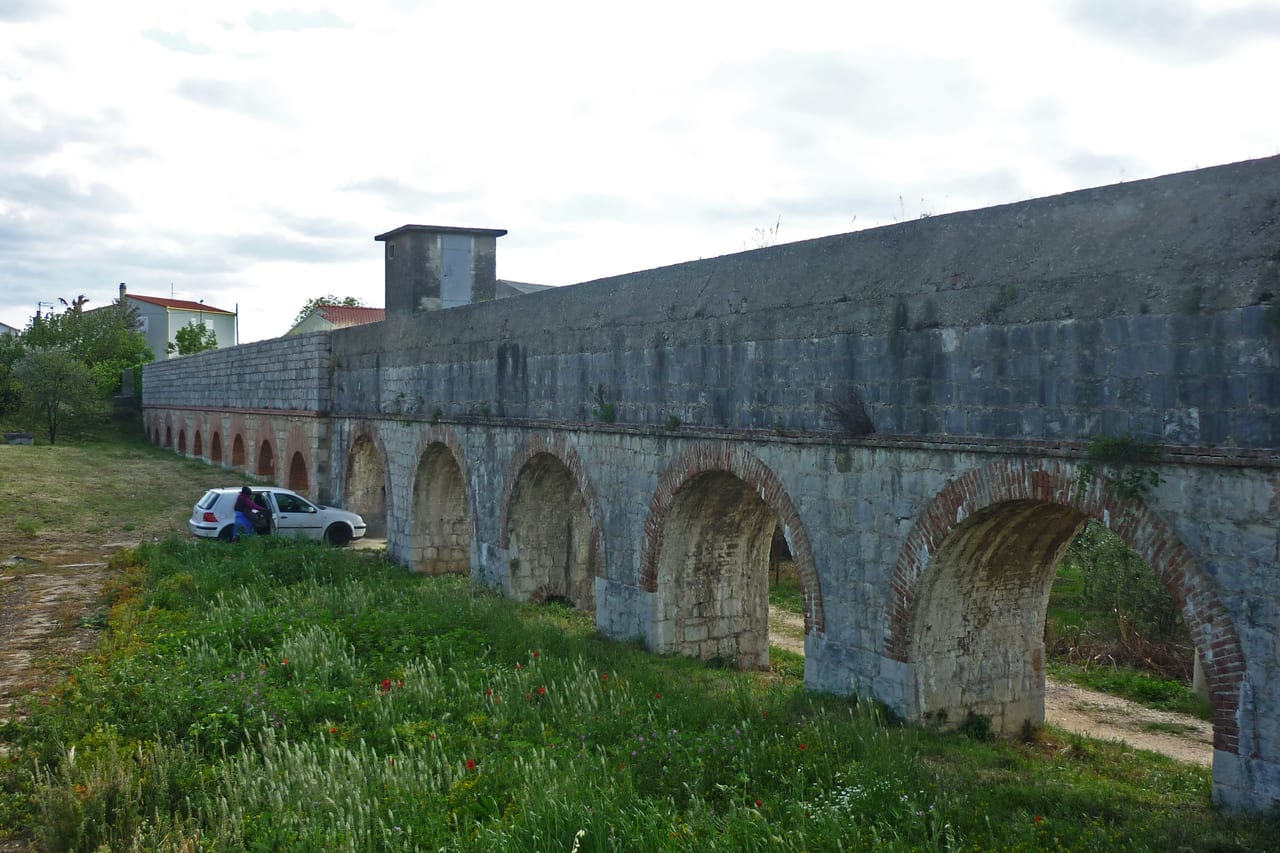
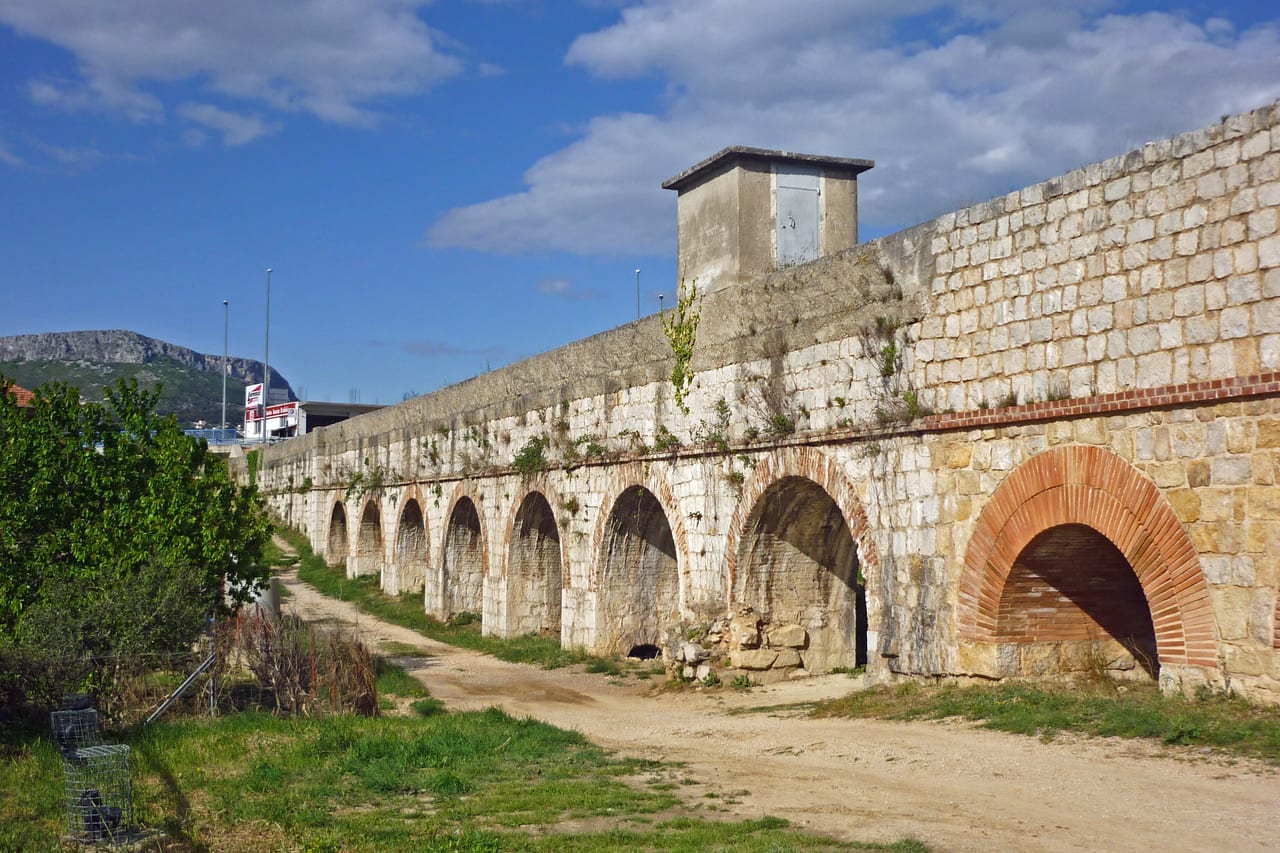
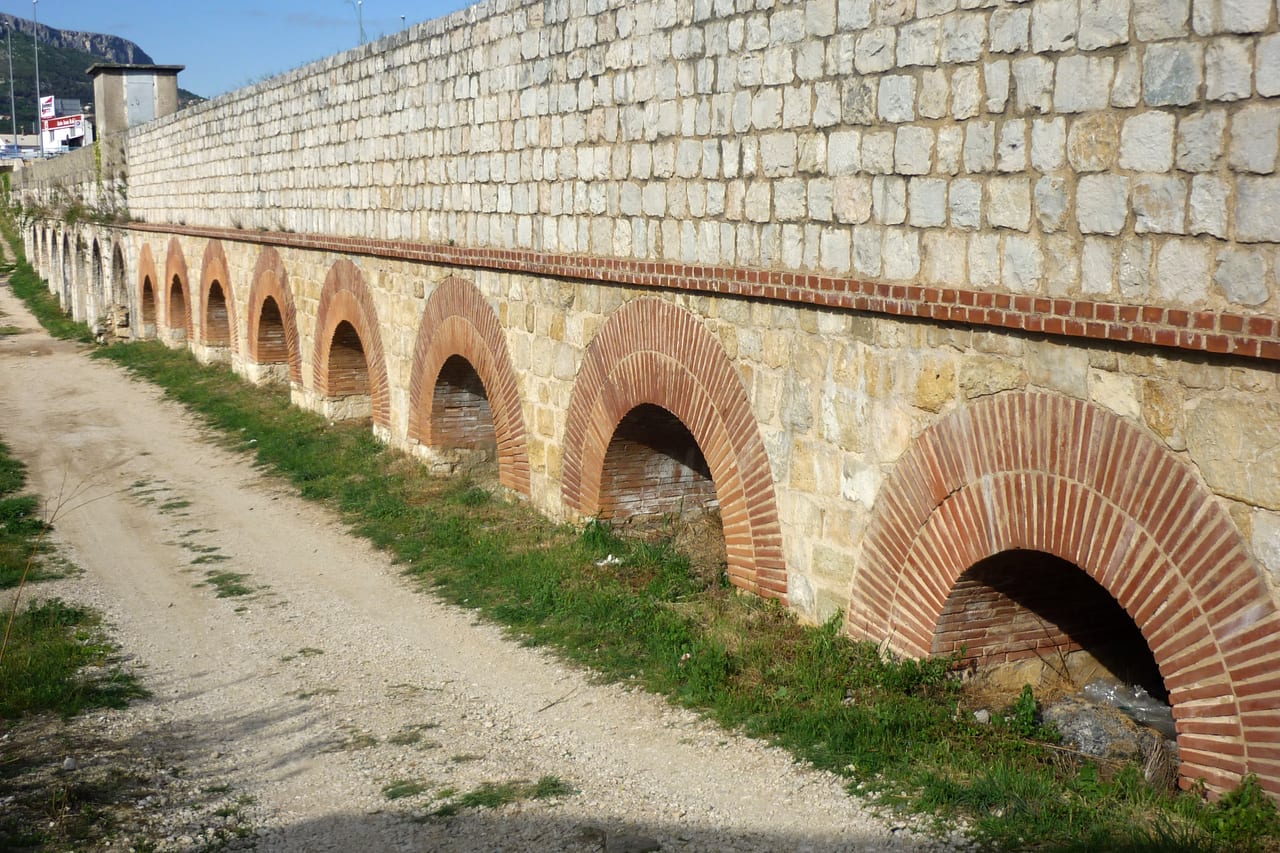
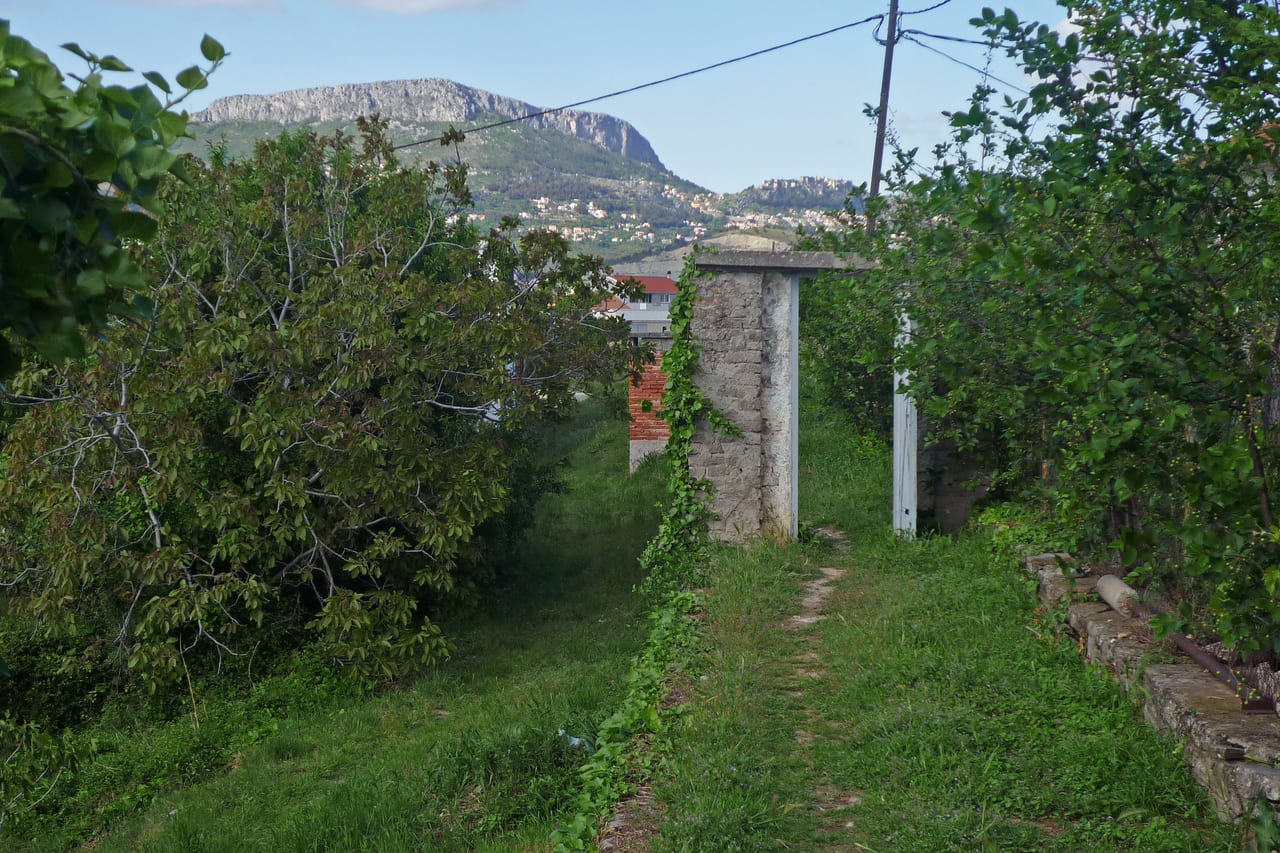
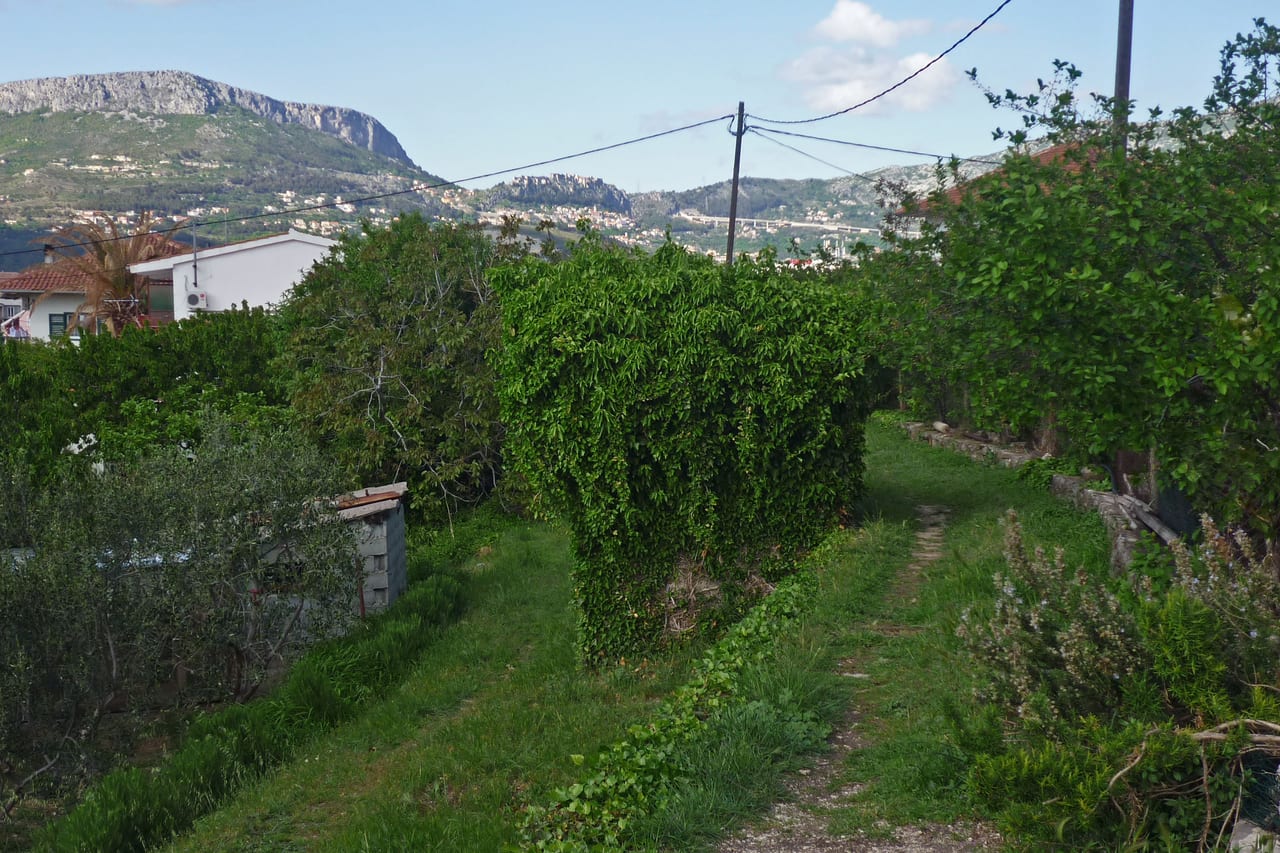
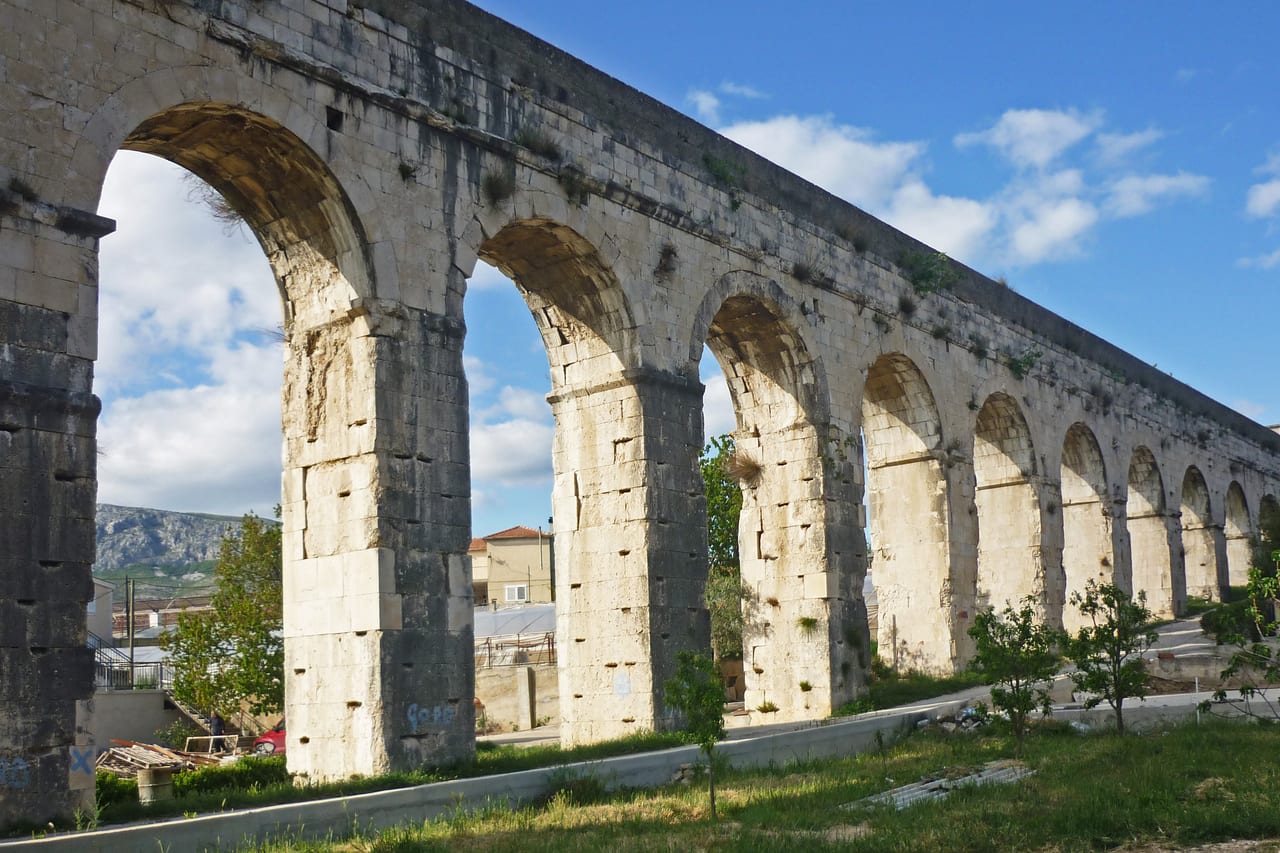
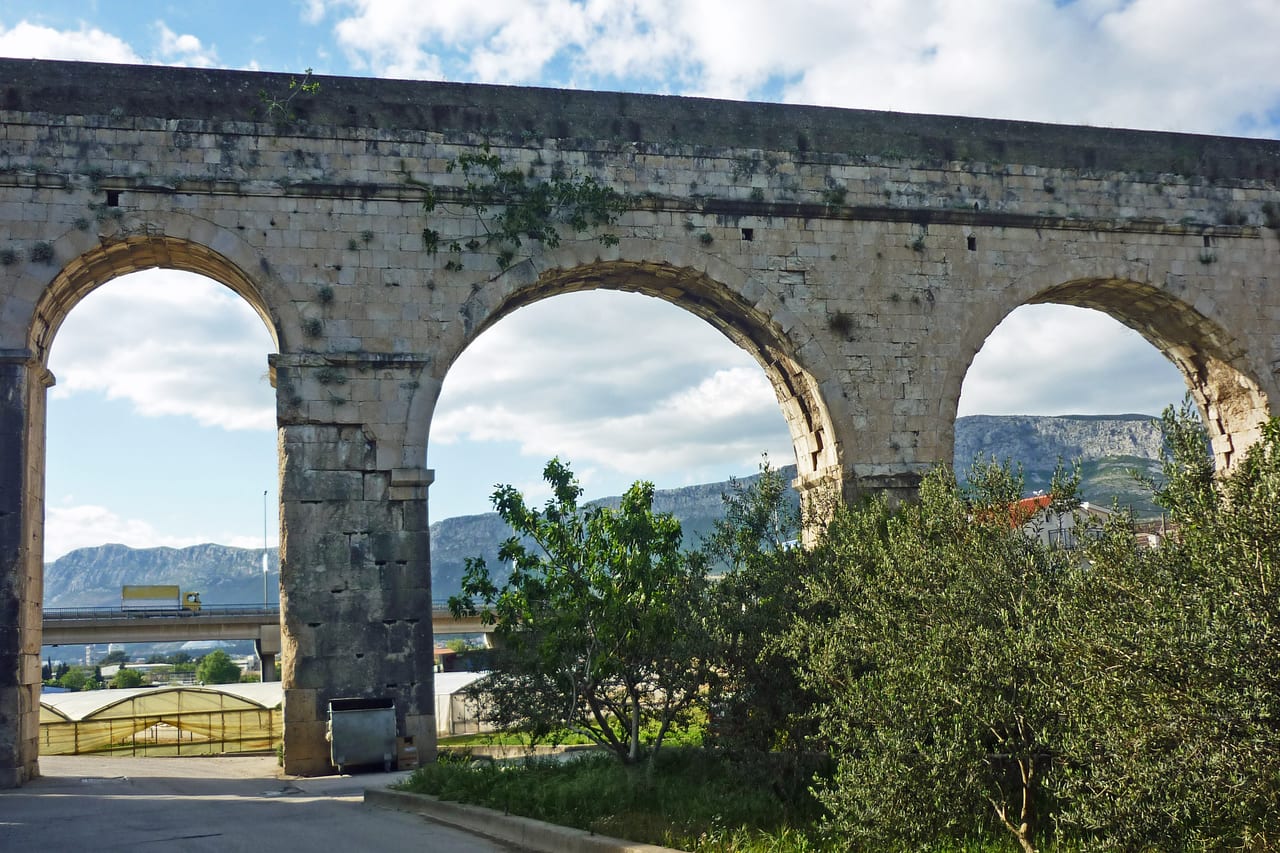
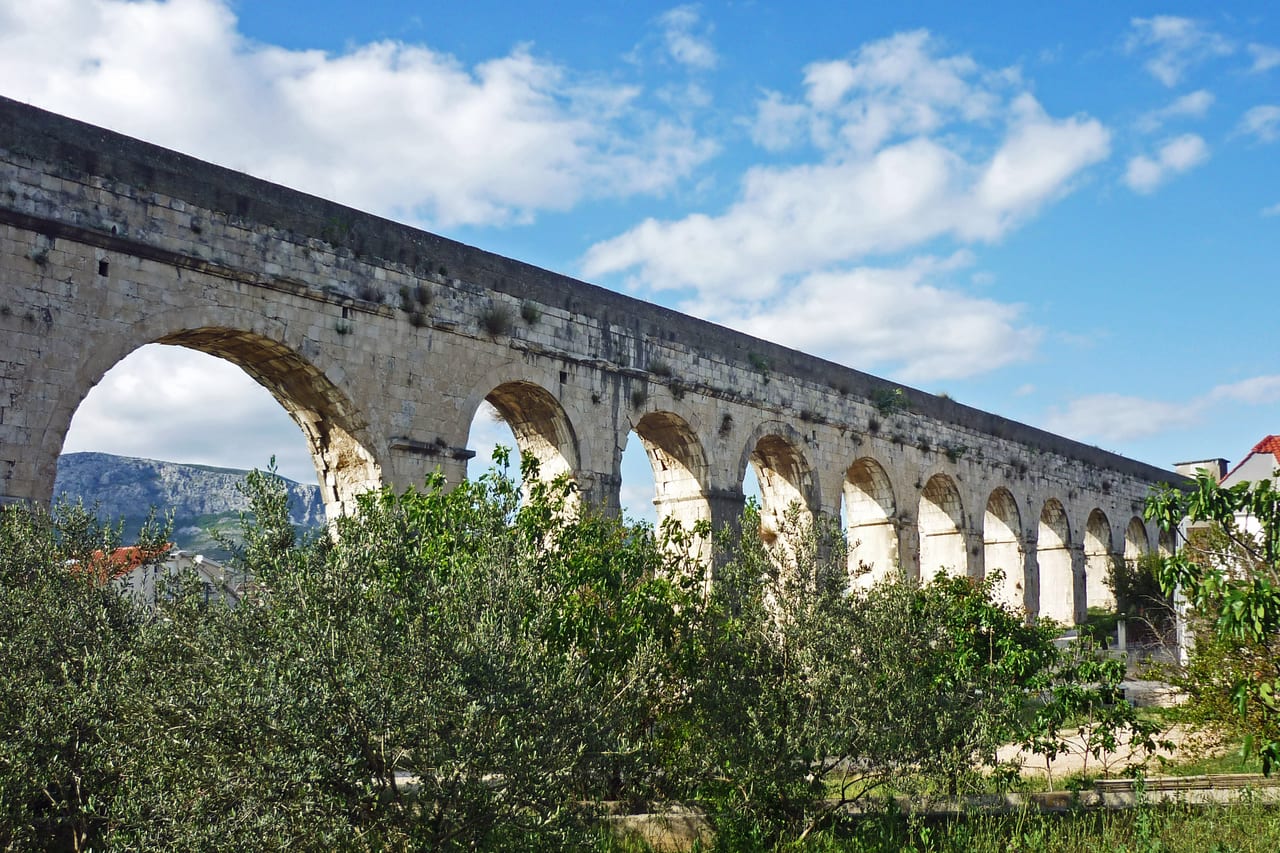
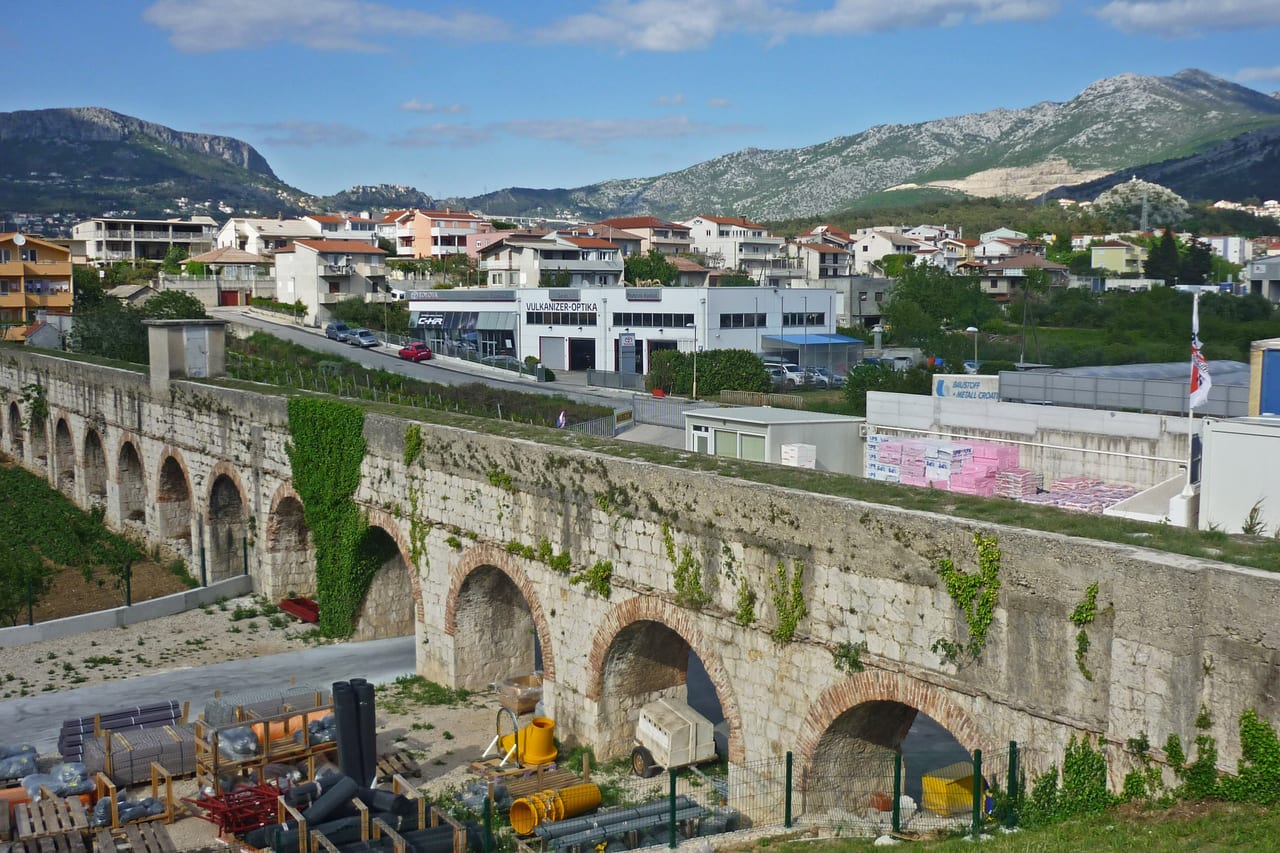
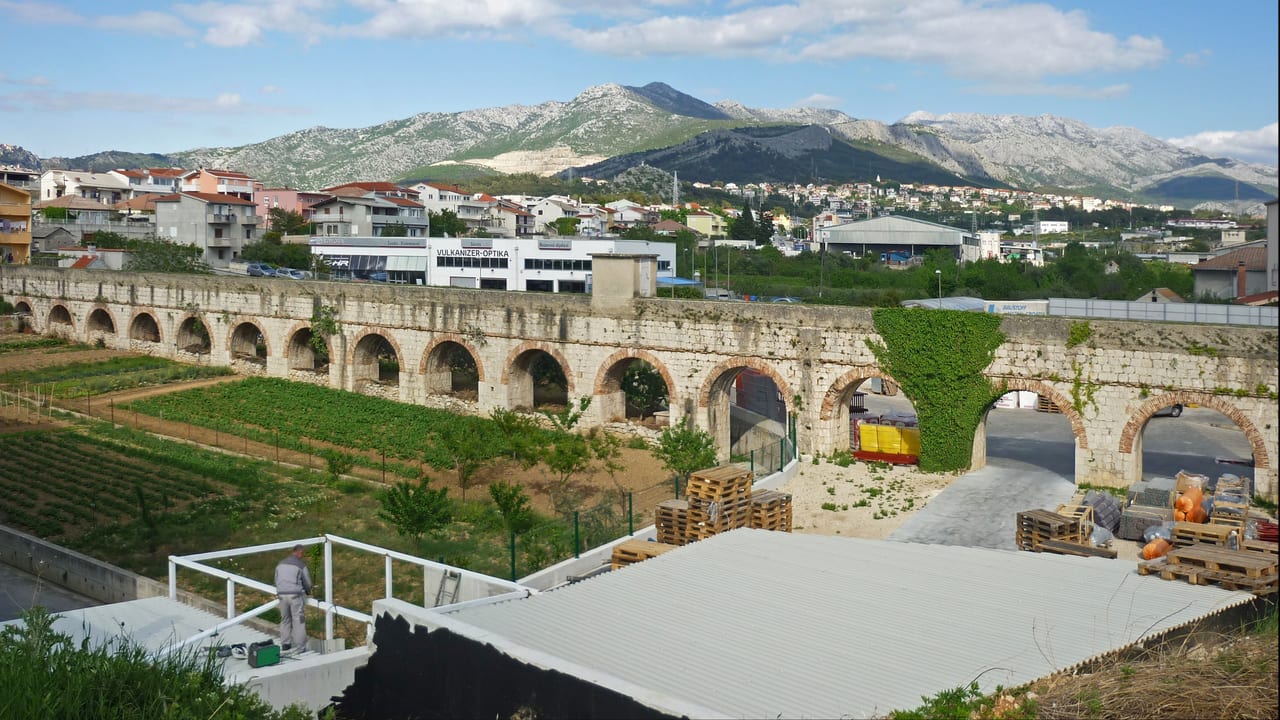
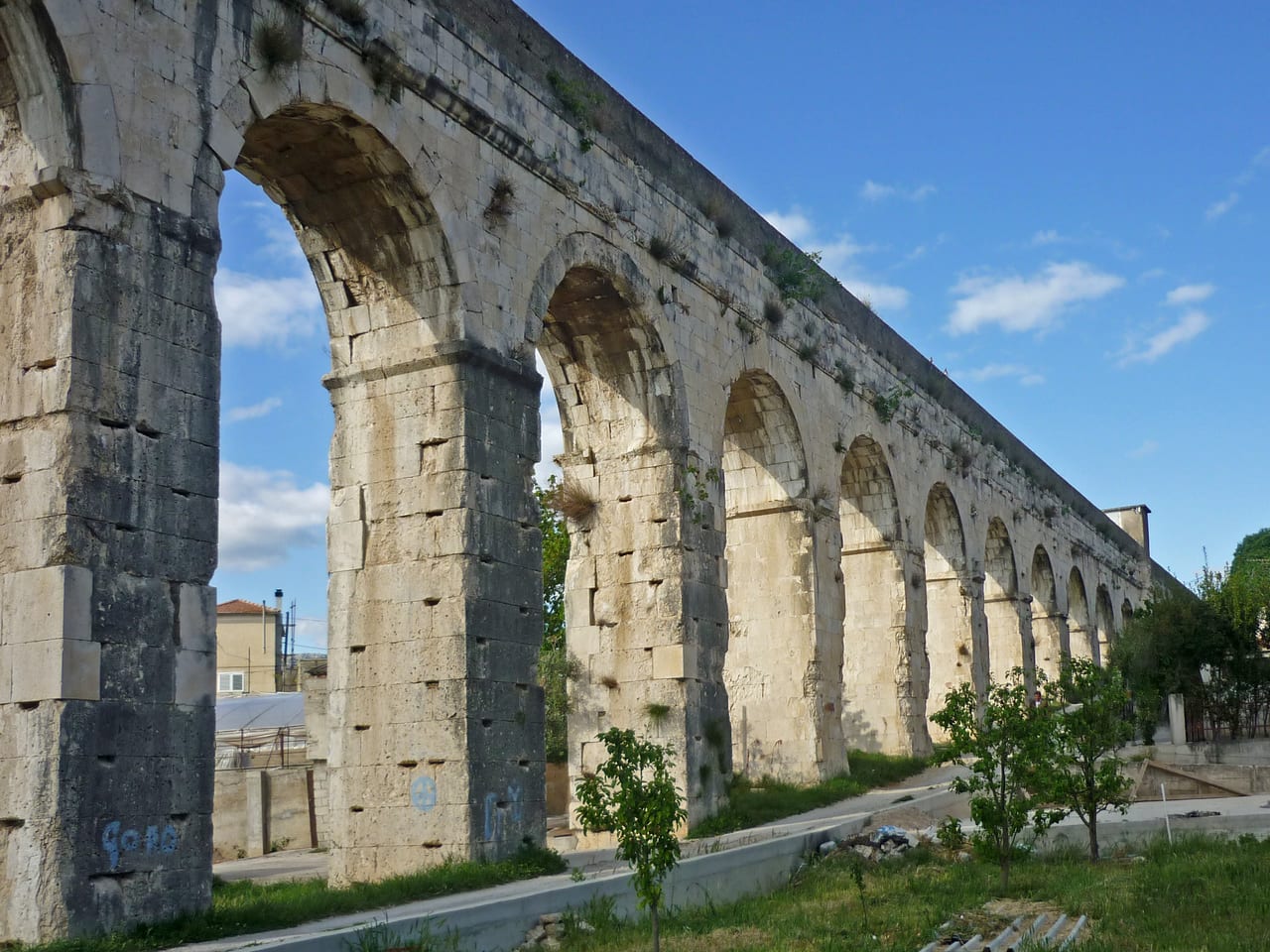
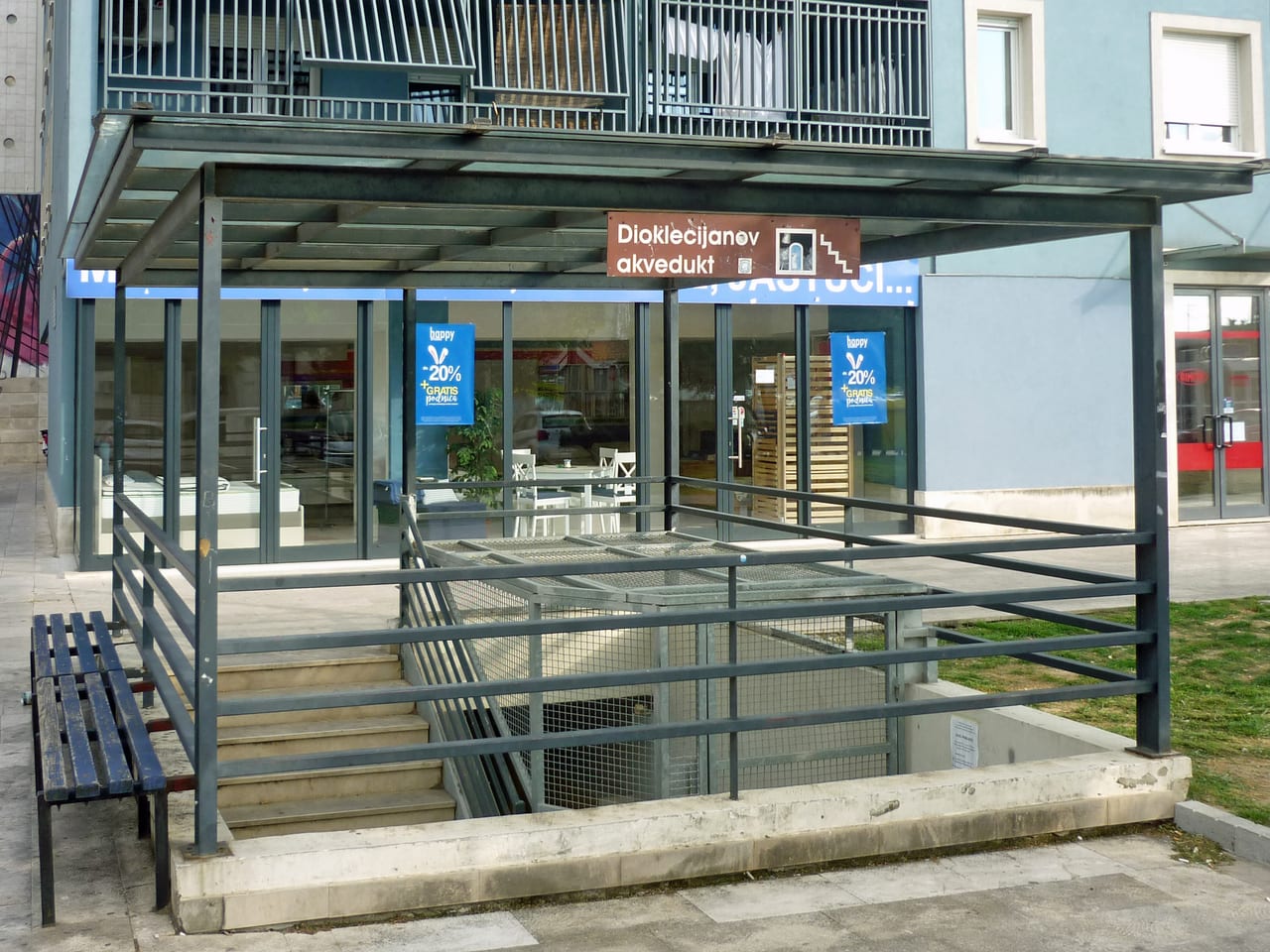
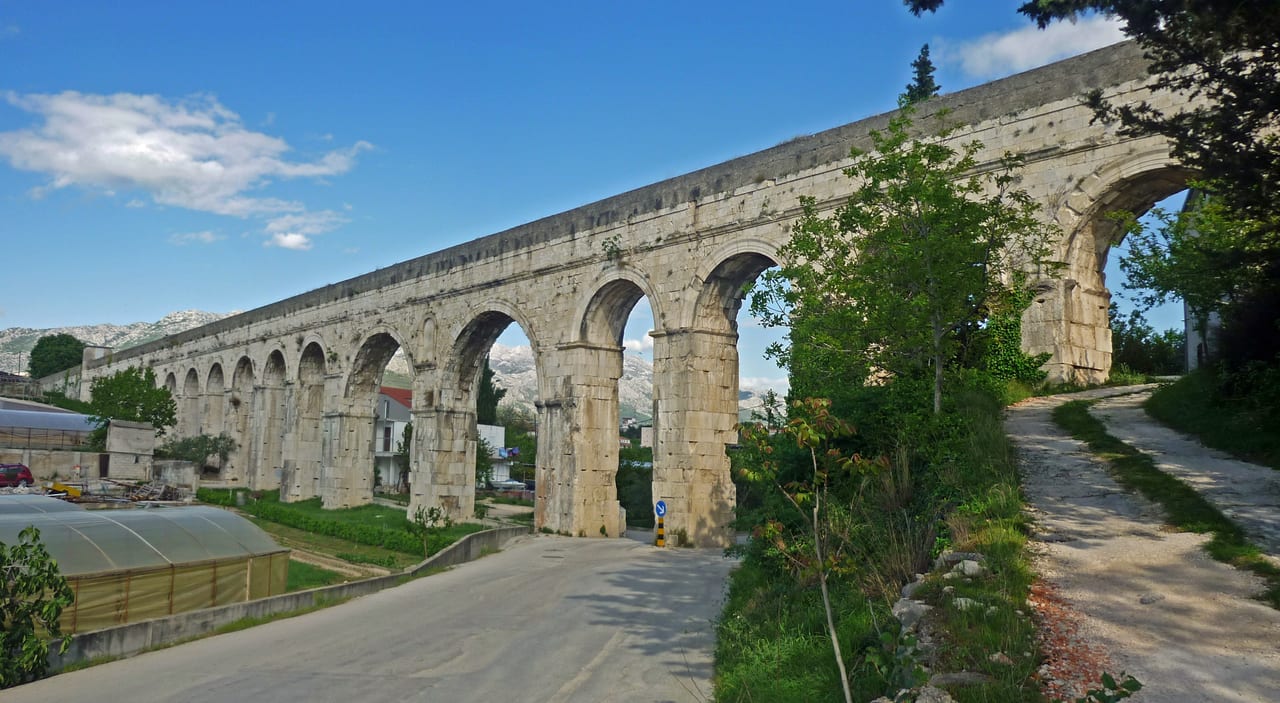
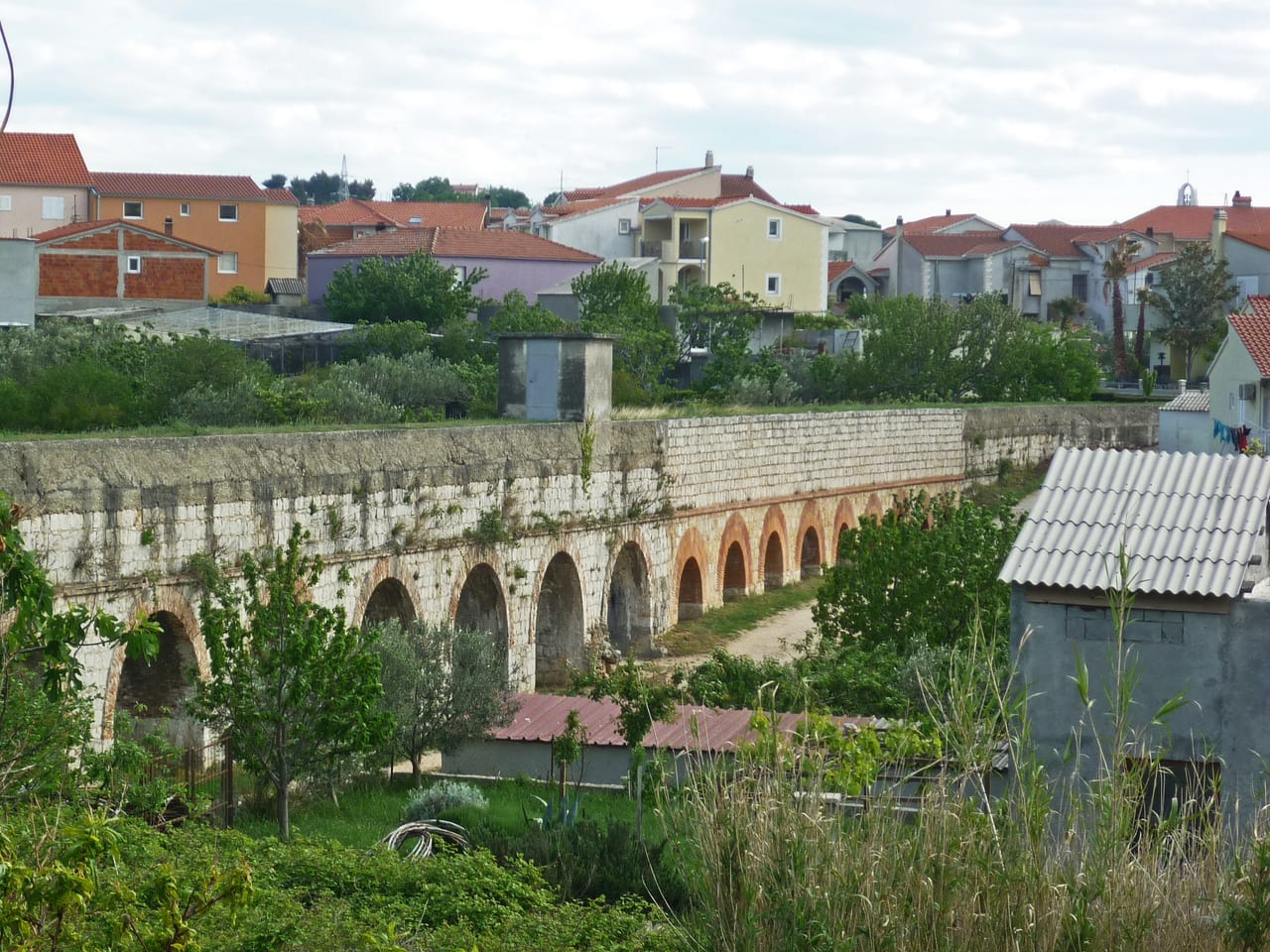
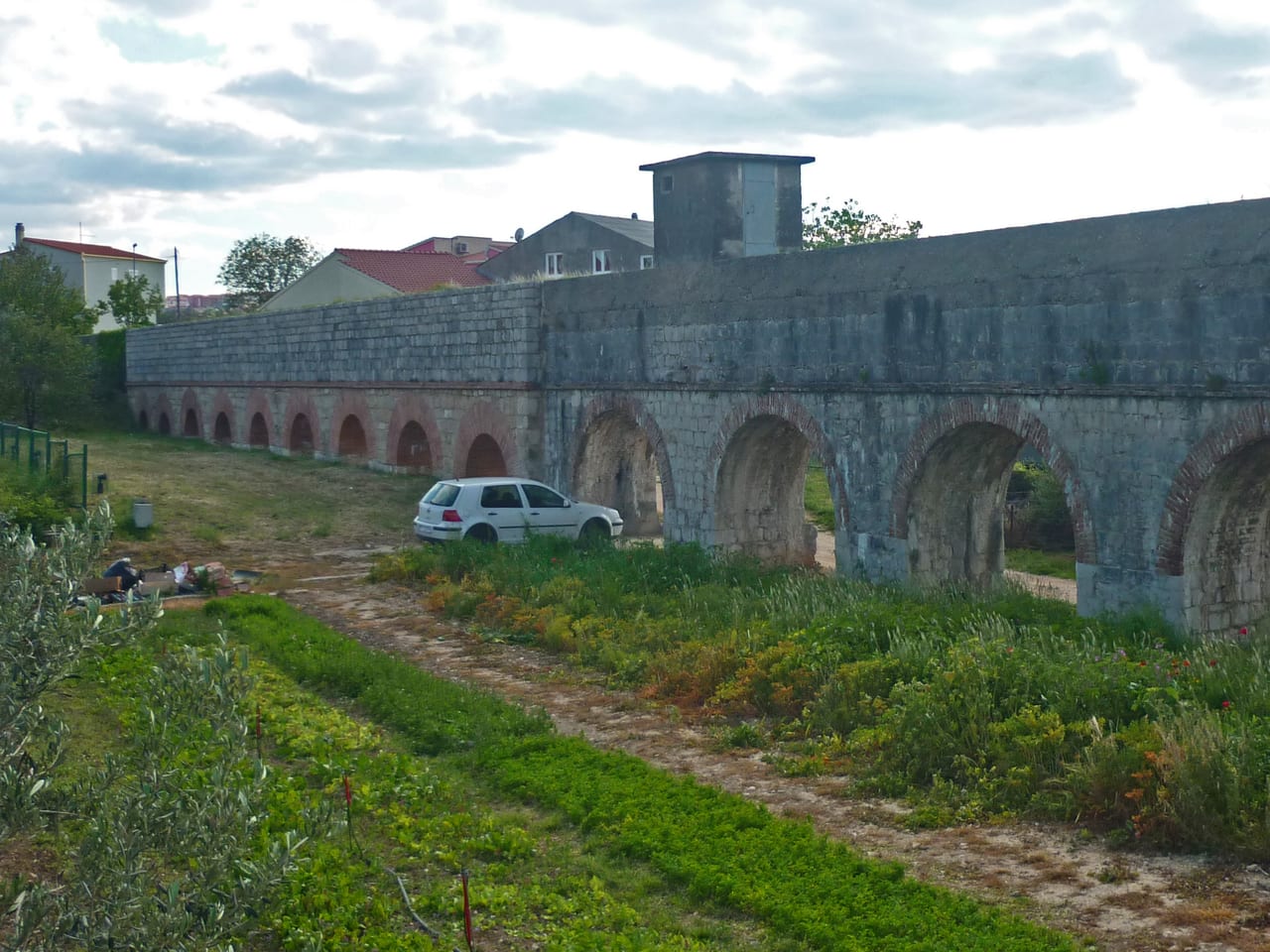
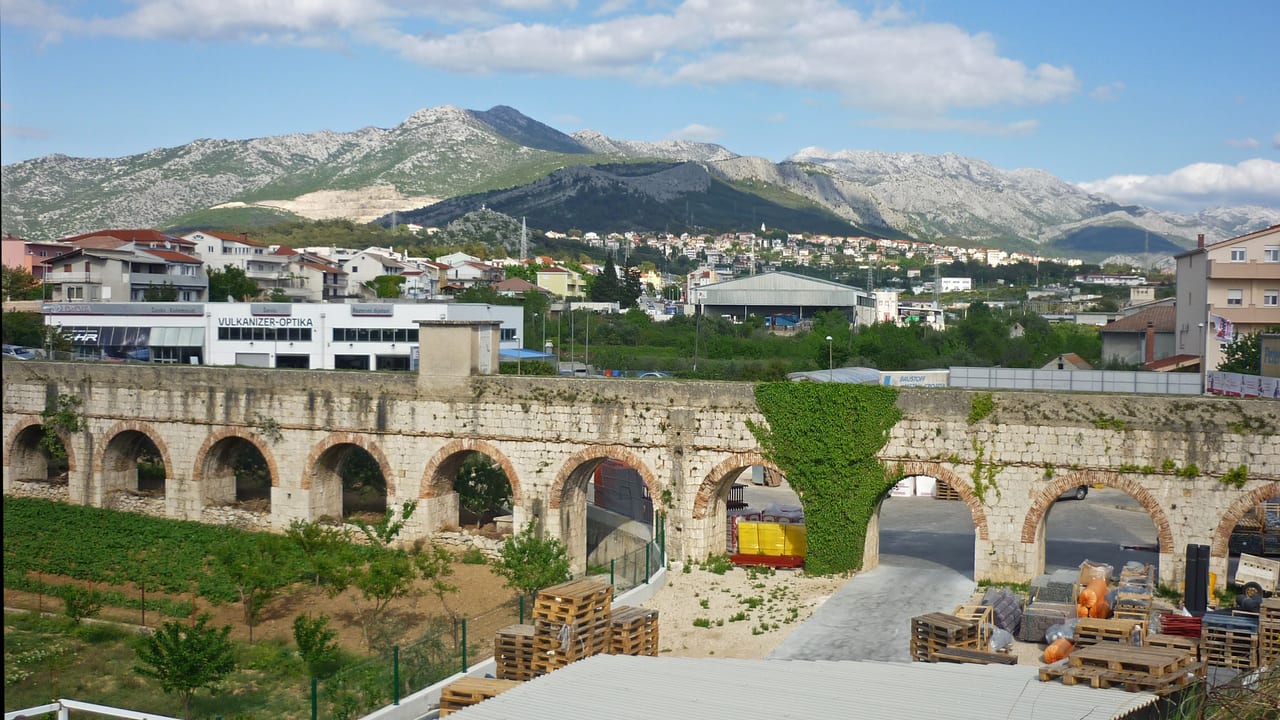
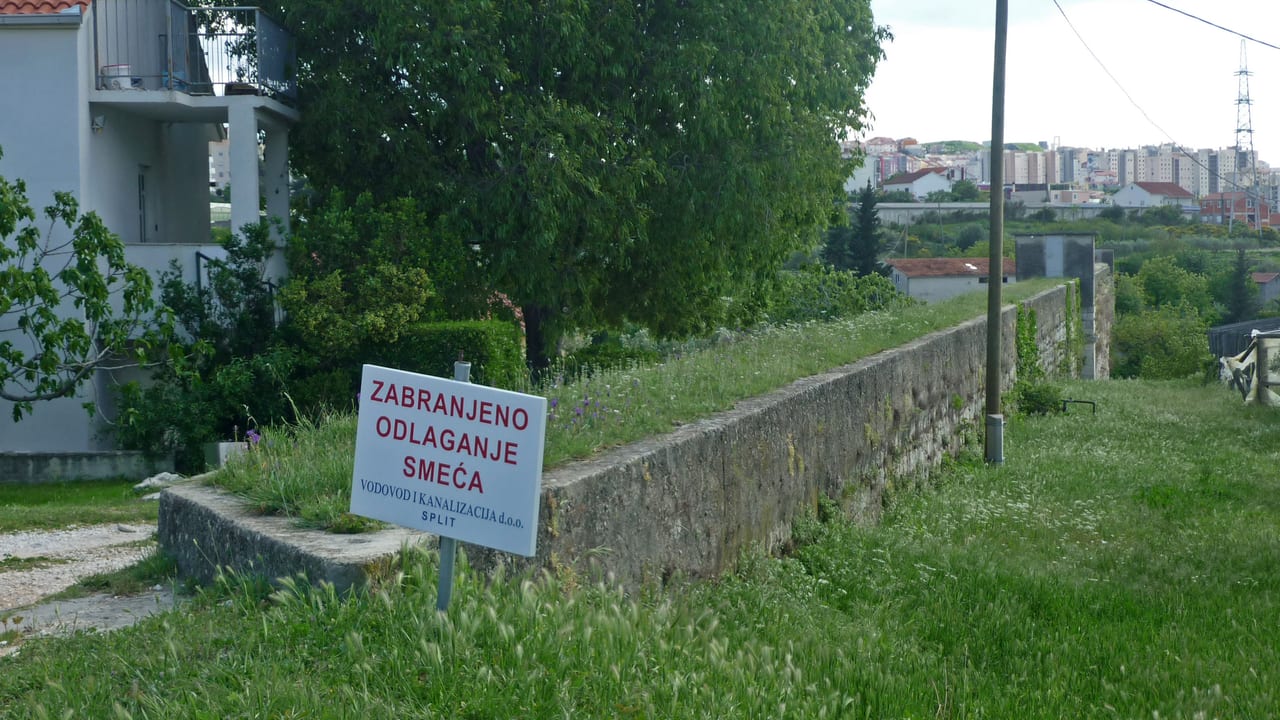
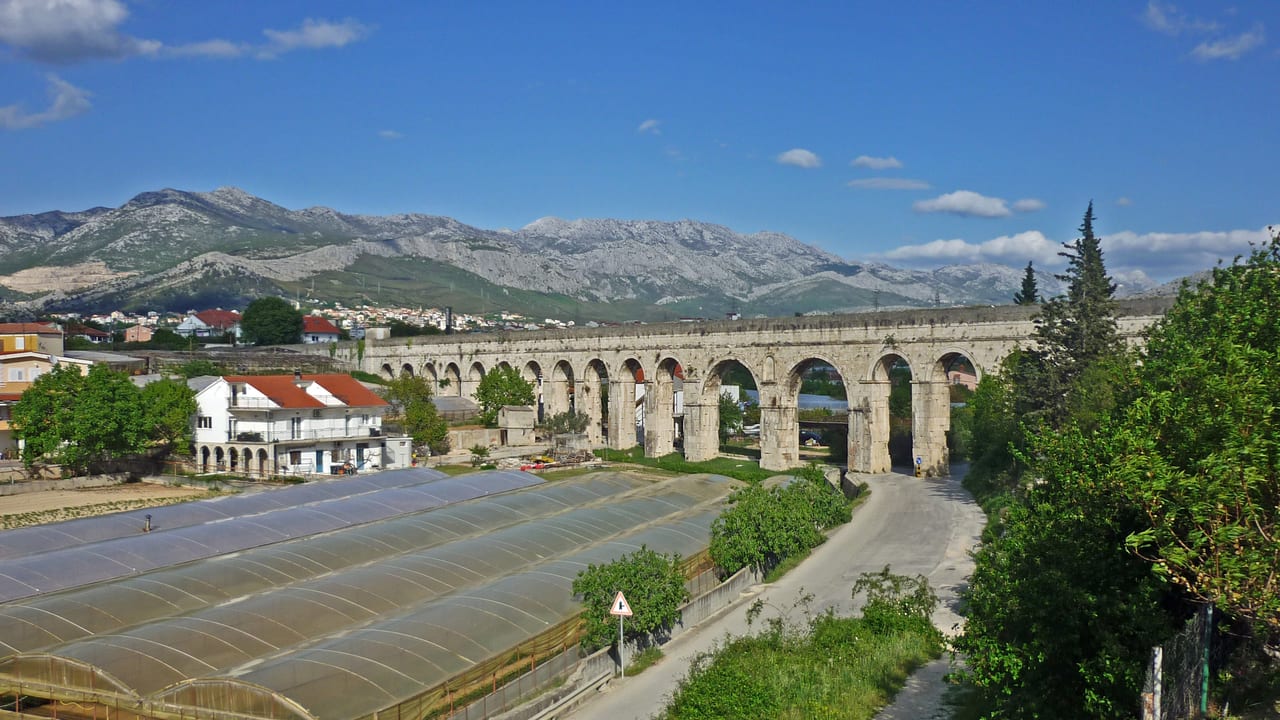
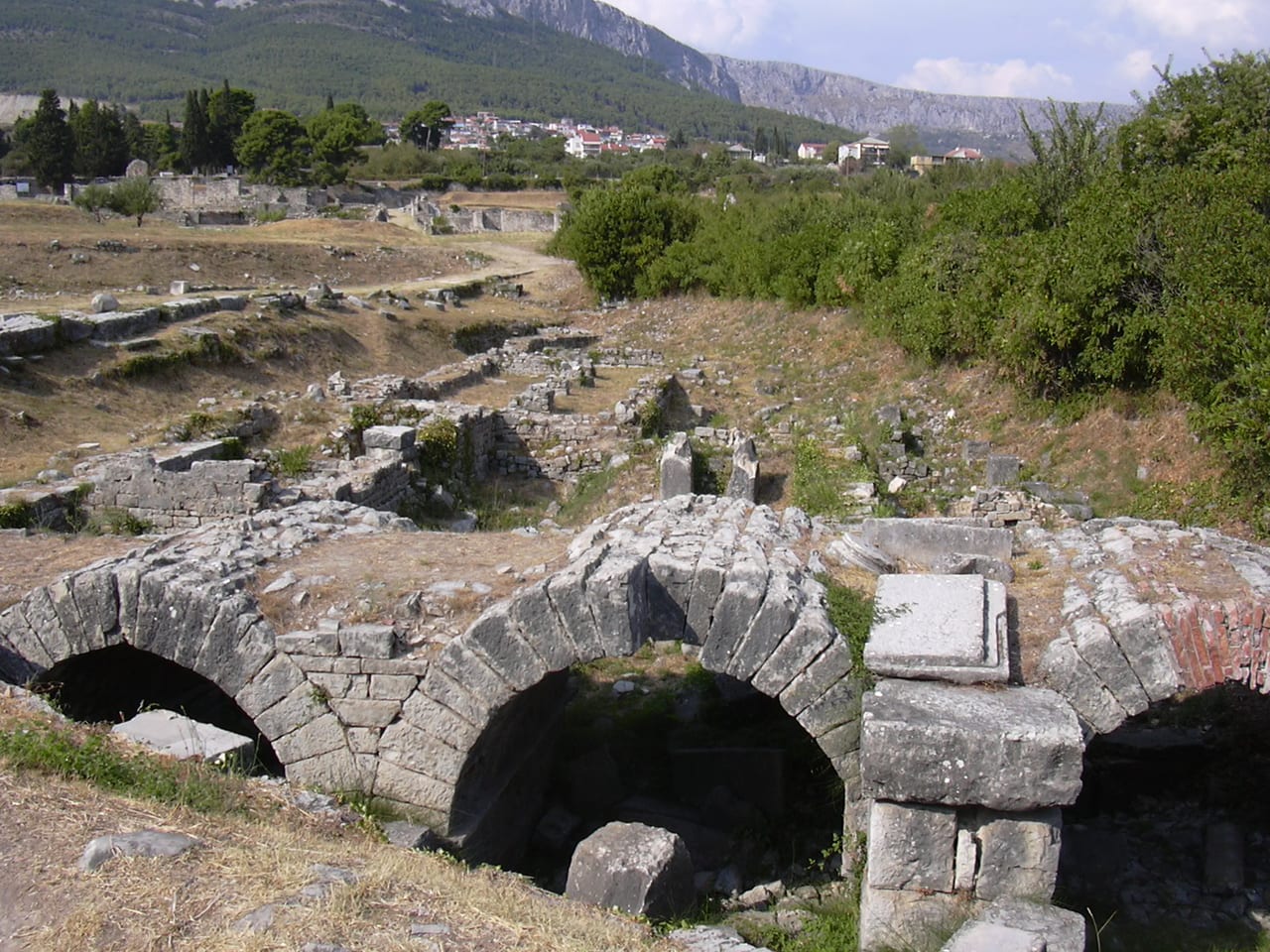
Built alongside, or soon after, Diocletian’s Palace at the end of the 3rd or beginning of the 4th century, the aqueduct brought water from the Jadro River spring to the palace and probably nearby settlements. Its route ran about nine kilometres, descending 33 metres. Water travelled through a gravity-fed channel carried variously through cuttings and tunnels, over arches, or beneath the ground; its average cross-section was about 0.7 by 1.6 metres. The aqueduct fell out of use in the mid-6th century after damage during Gothic incursions, then remained inactive for thirteen centuries. Under Austro-Hungarian rule it was restored between 1877 and 1880, largely following the Roman route but with simplified above-ground sections and some original vaulted stretches replaced by flat stone slabs. New pipes and the Kopilica pumping station ended its role as the main supply in 1932, though the old aqueduct continued to carry surplus water. After a 1948 typhus epidemic, its water was banned for drinking; from 1979, the aqueduct was completely severed. It is protected as cultural heritage in Croatia.
At a glance
- Heritage
- Cultural Heritage in Croatia
Ways to explore Diocletianus Aqueduct
Make the elevated stretch at Dujmovača your focal point: at 180 metres long and 16.5 metres high, it is the aqueduct’s most striking surviving section. Take time to read its scale against the surrounding landscape rather than treating it as a single viewpoint. This stretch is undergoing restoration, so check current access conditions before planning a close visit.
Places to stay near Diocletianus Aqueduct

Live availability and prices from Stay22's partners, refreshed periodically and subject to change. Booking through these links may earn us a commission at no extra cost to you. See our privacy policy.
Cafés near Diocletianus Aqueduct
Cafés near Diocletianus Aqueduct loads as you scroll.
Cities nearby
Cities nearby loads as you scroll.
More in Split
See more of Split.
Find great cafés, places to stay and other interesting places to visit in Split.