Ancient site · Split
Diocletian's Palace
DirectionsThe palace’s nine-kilometre Roman aqueduct, built to supply drinking water, remains in use for most of its length.
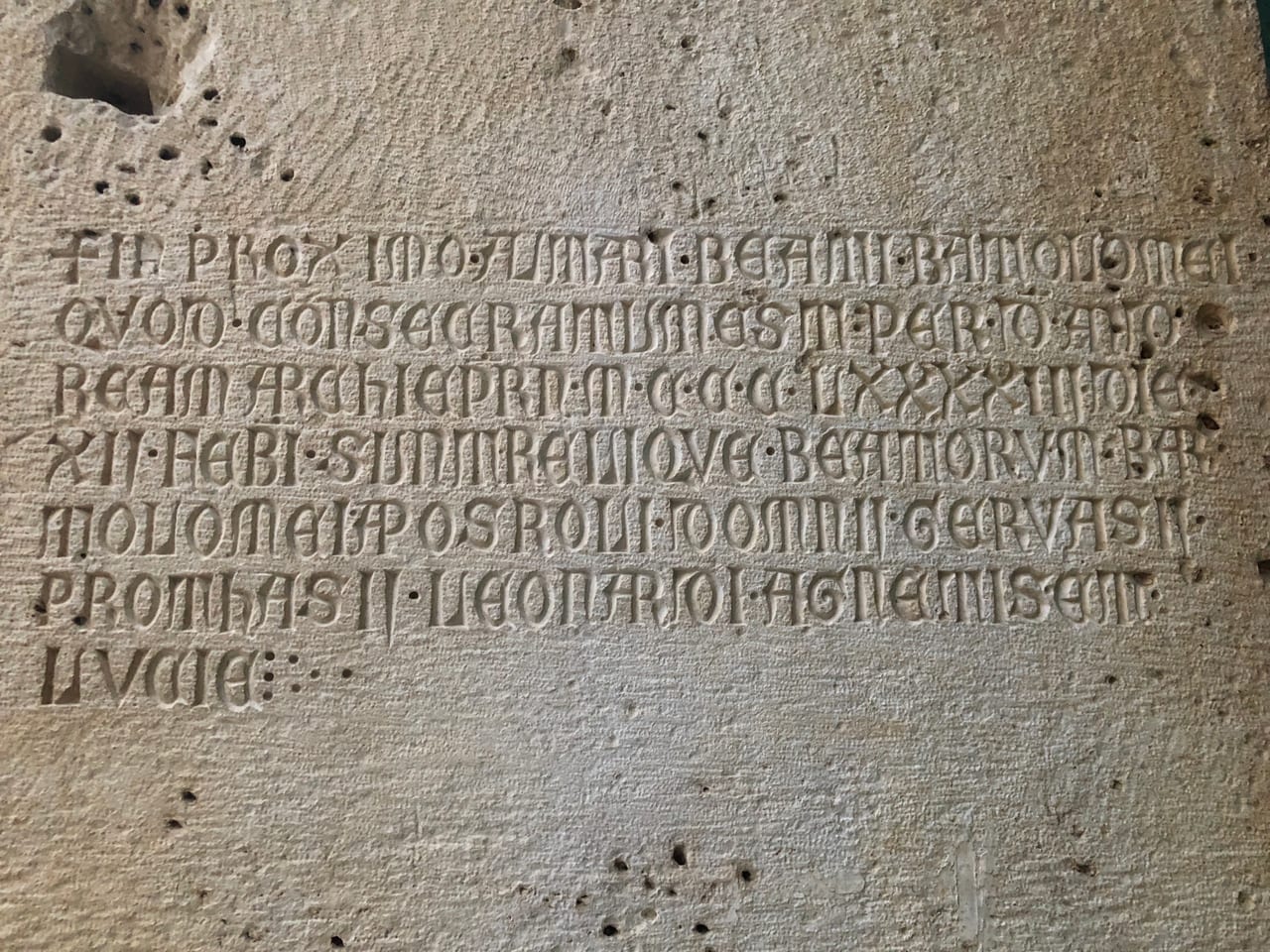
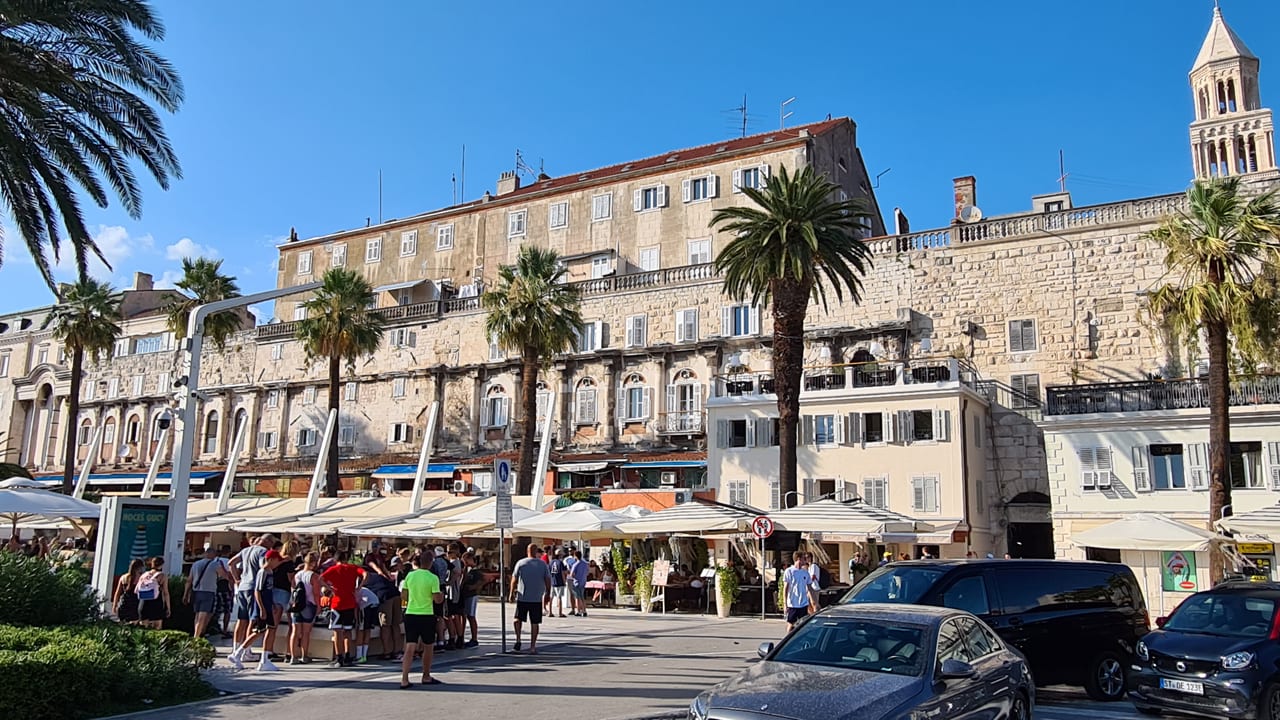
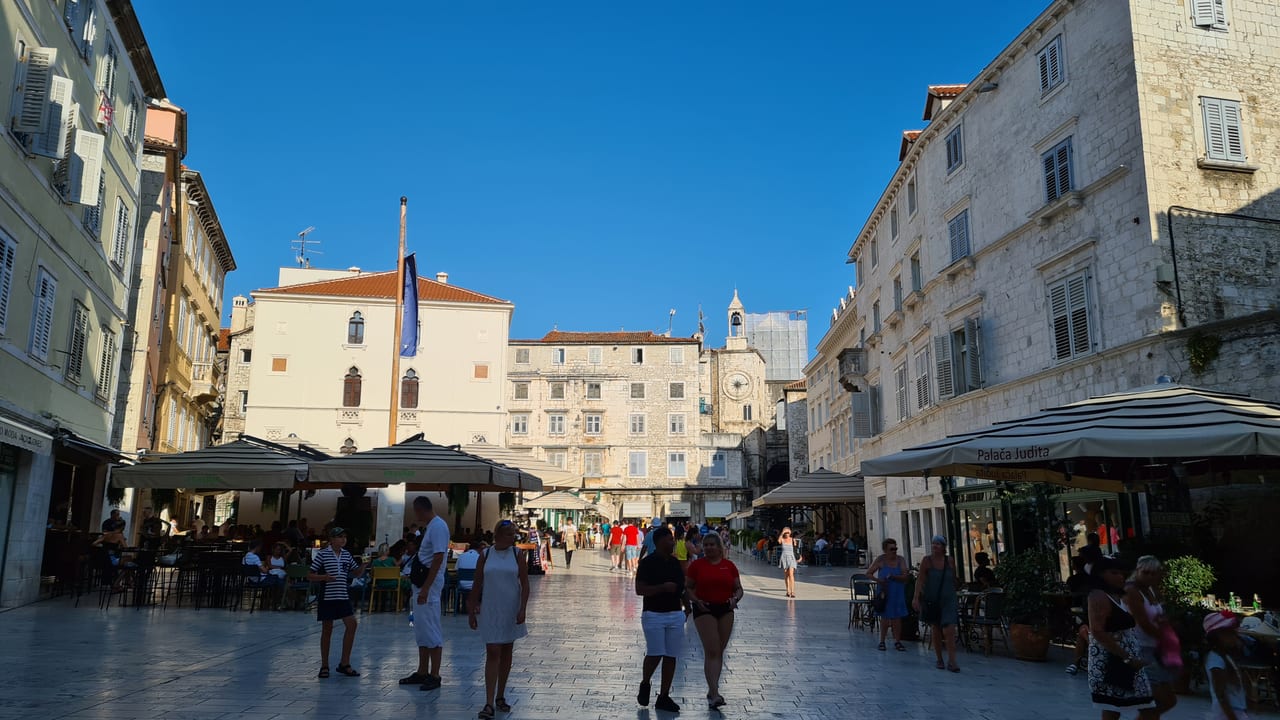
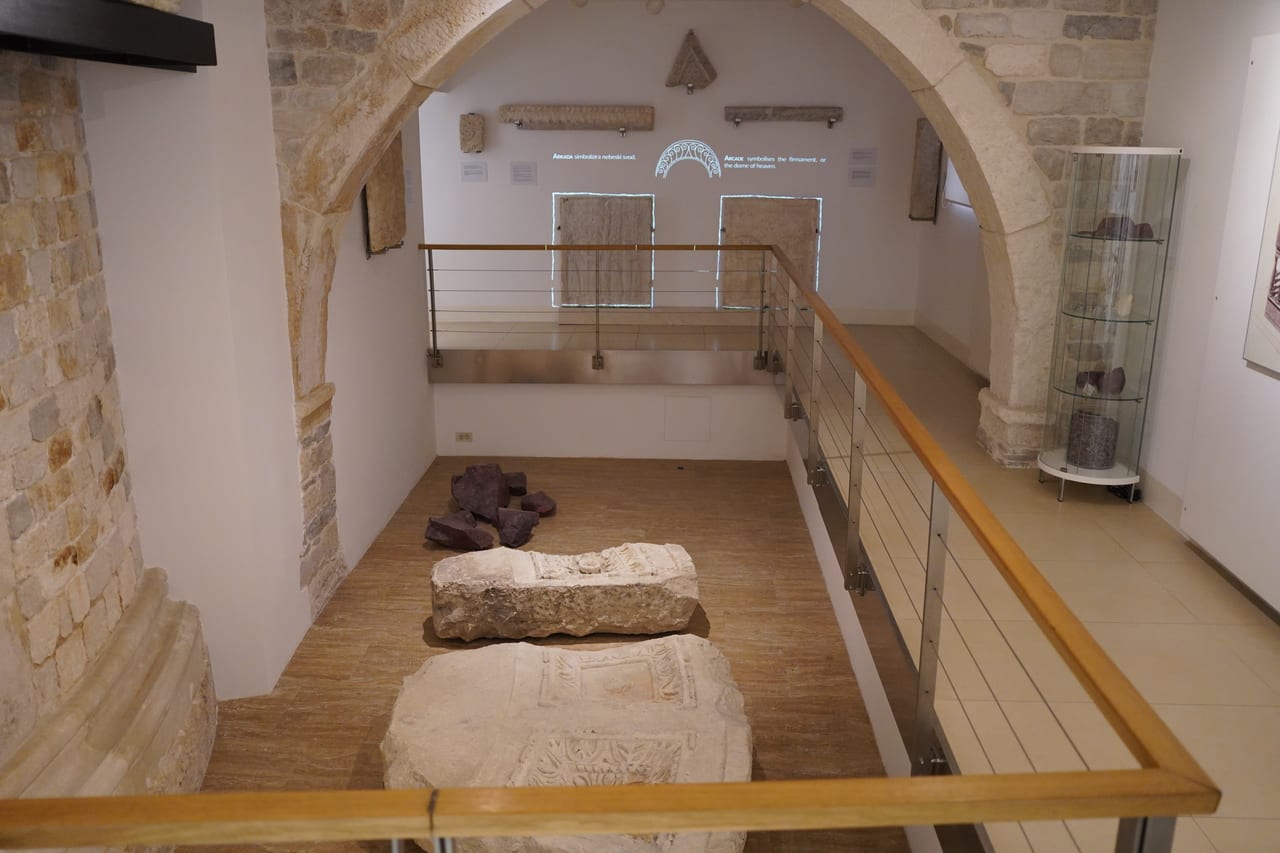
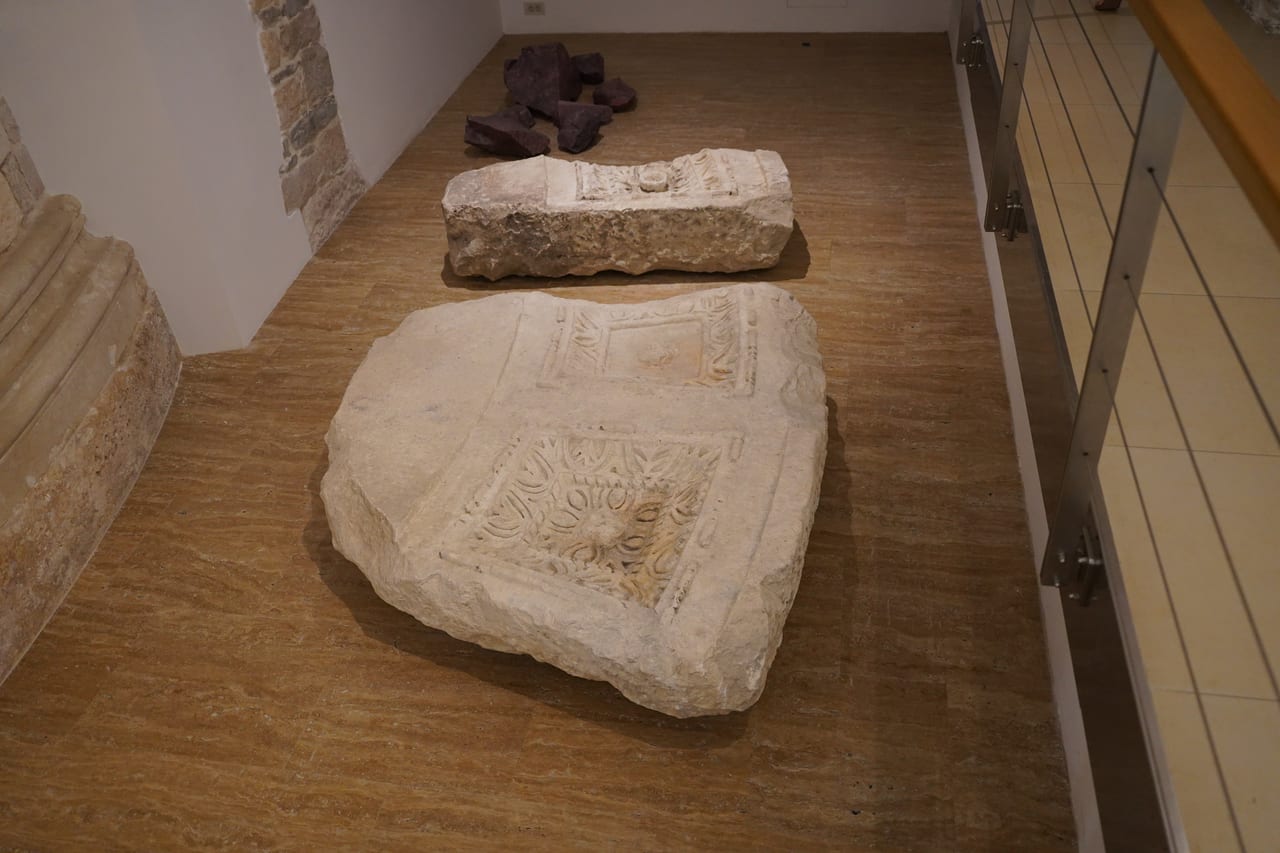
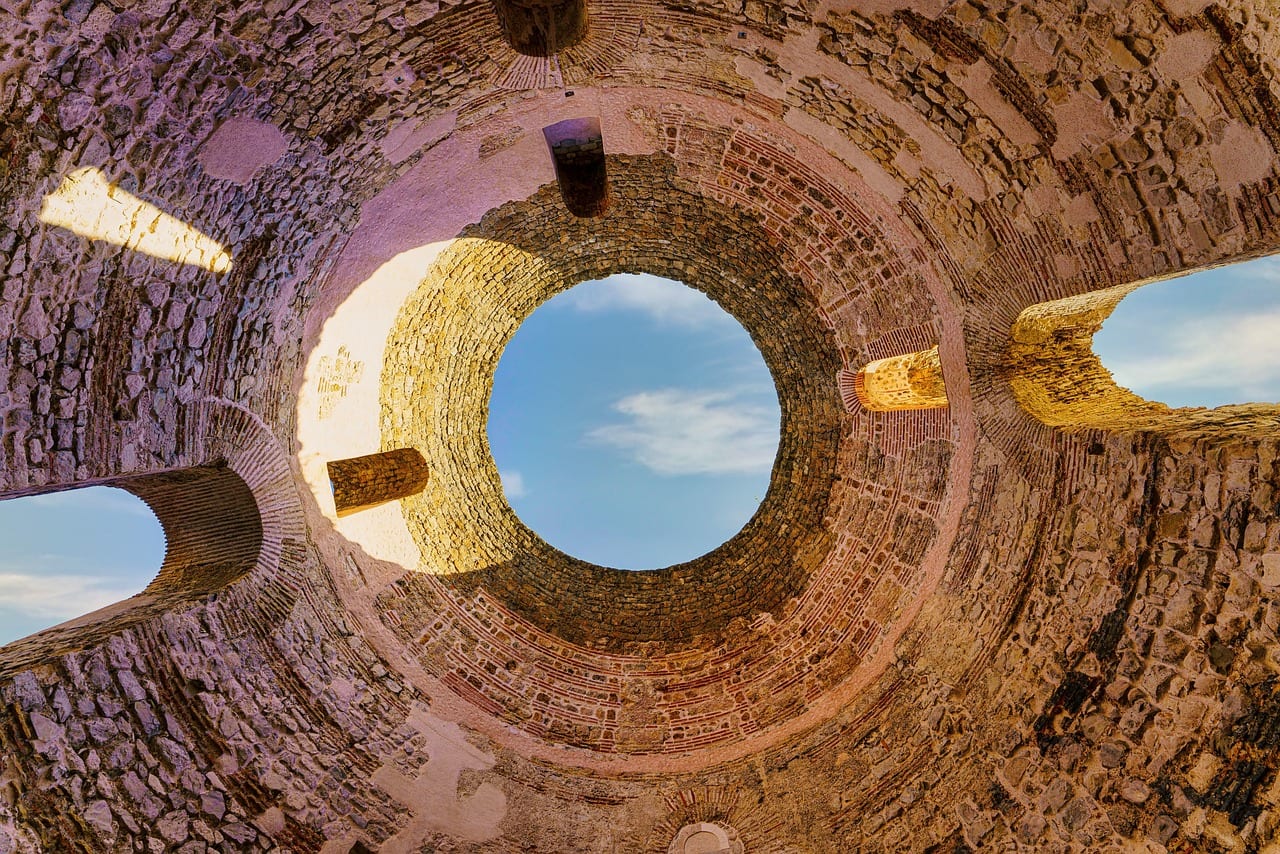
Photograph 1 of 26 of Diocletian's Palace
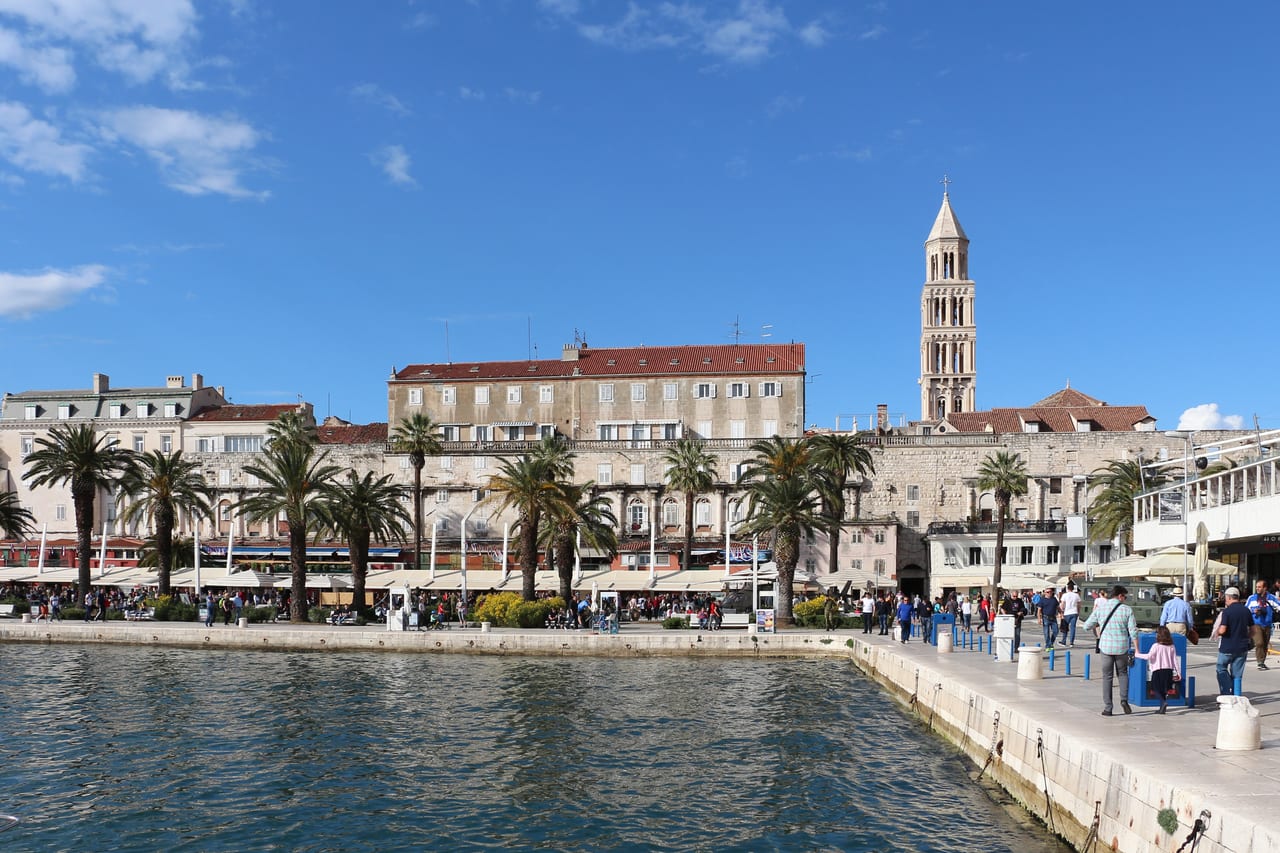
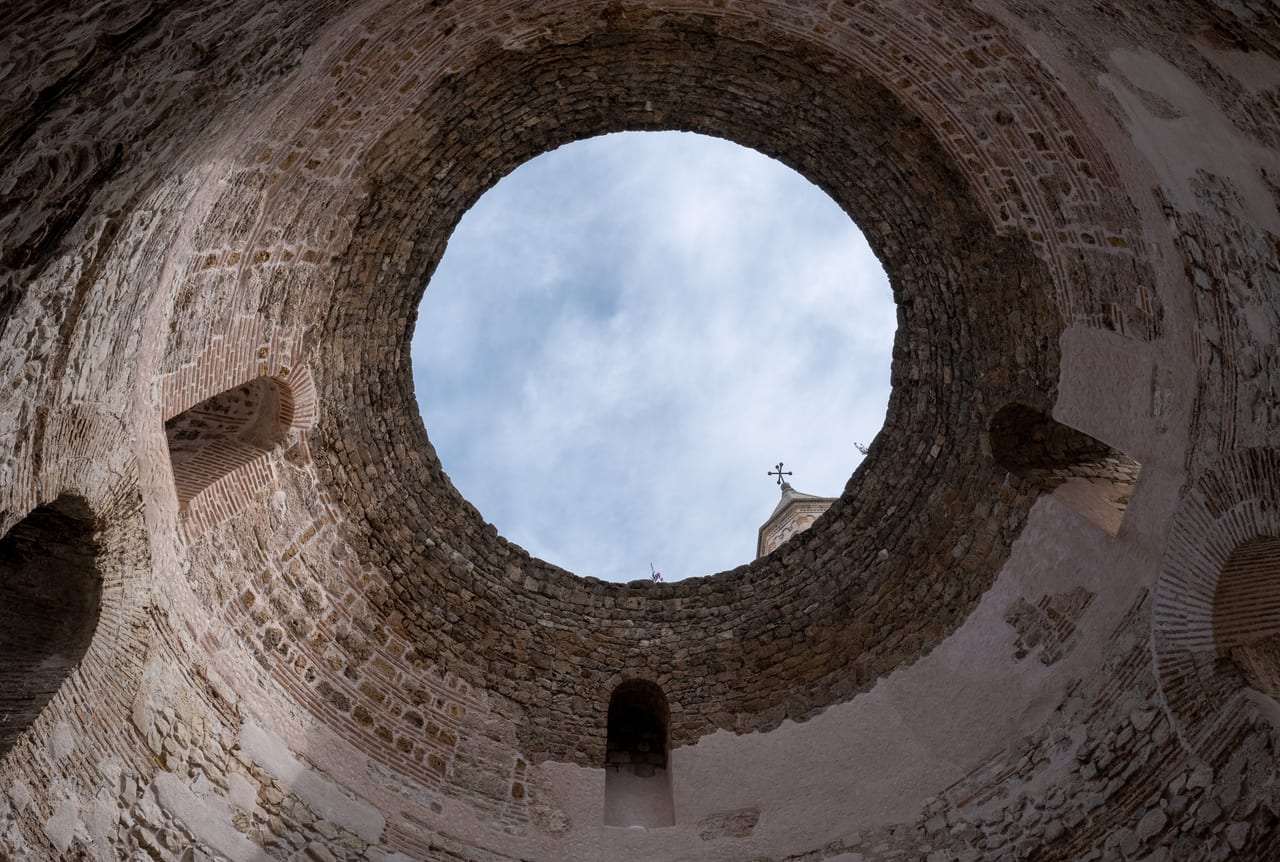
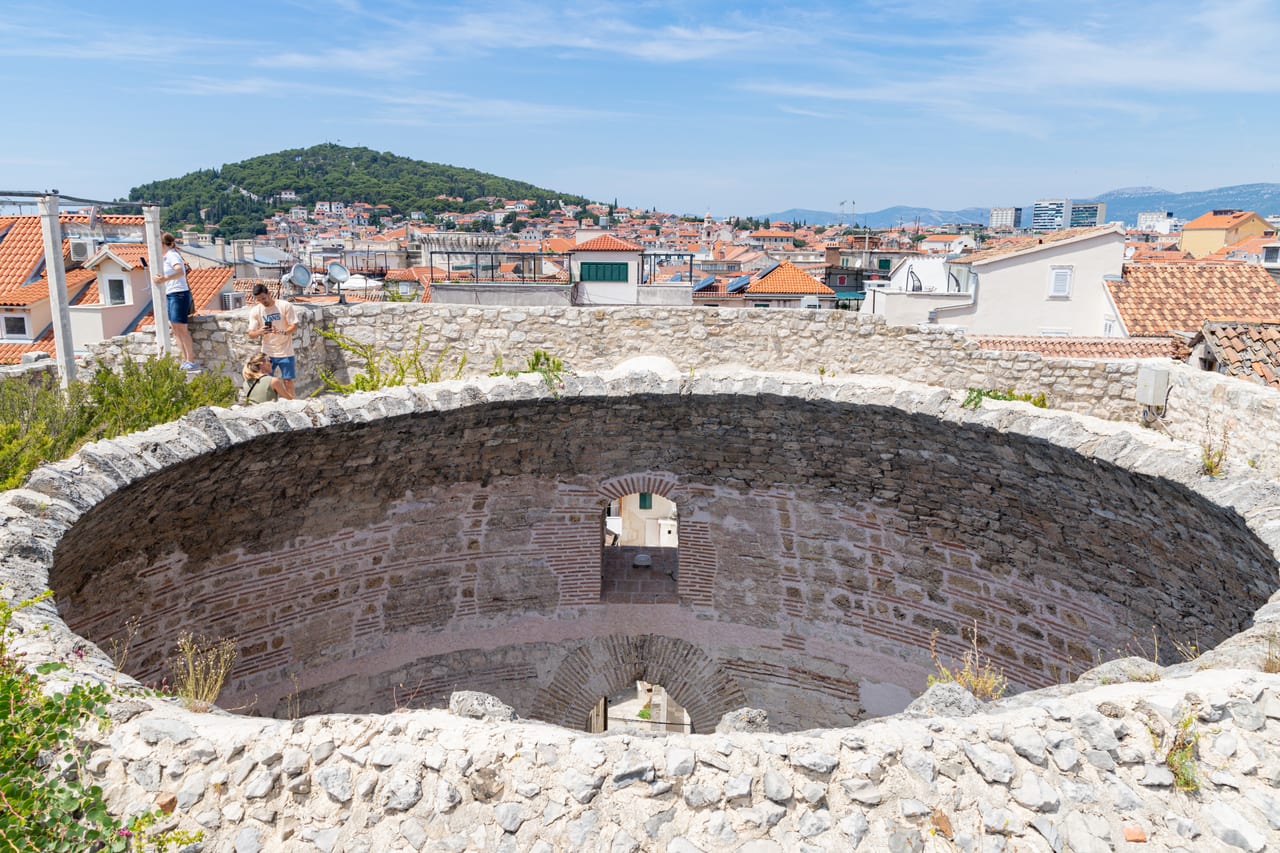
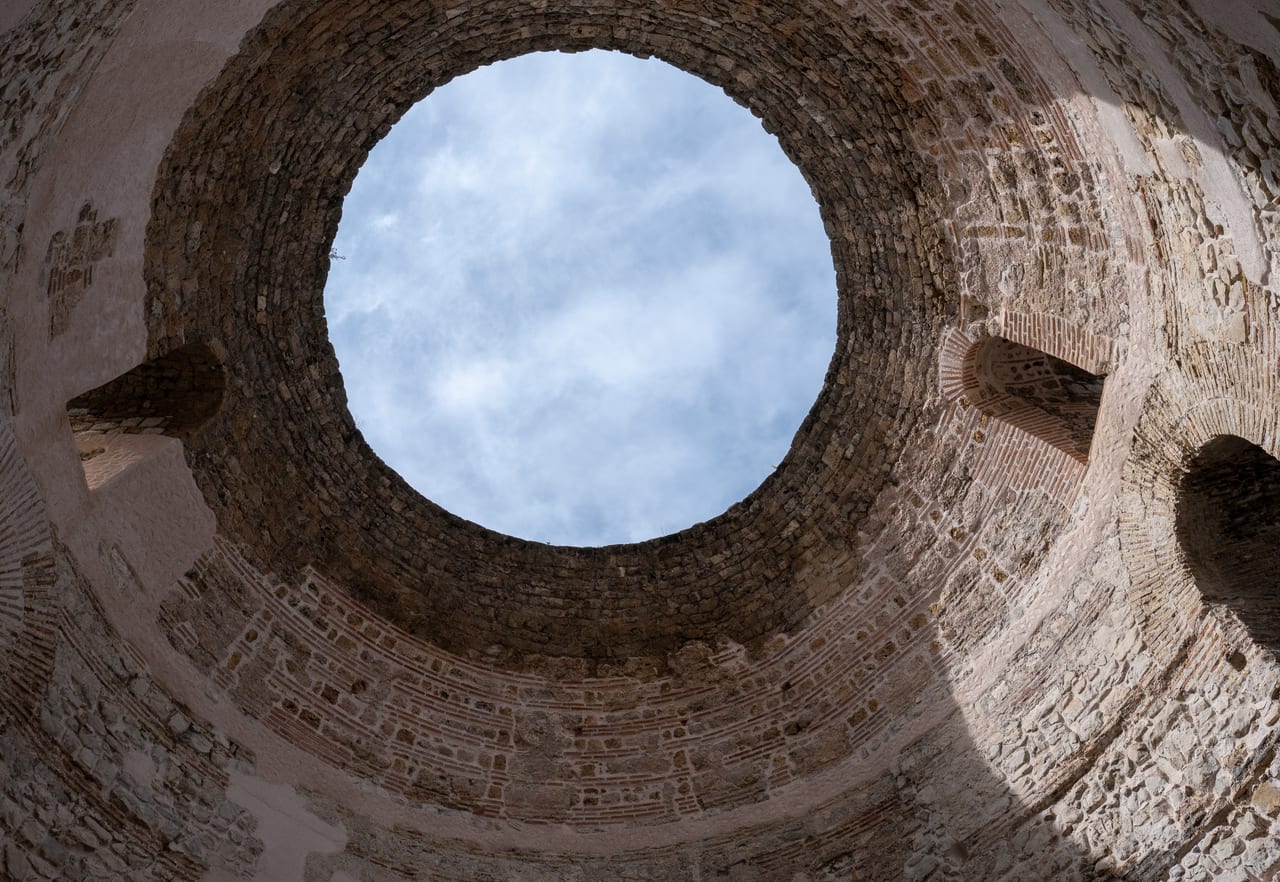
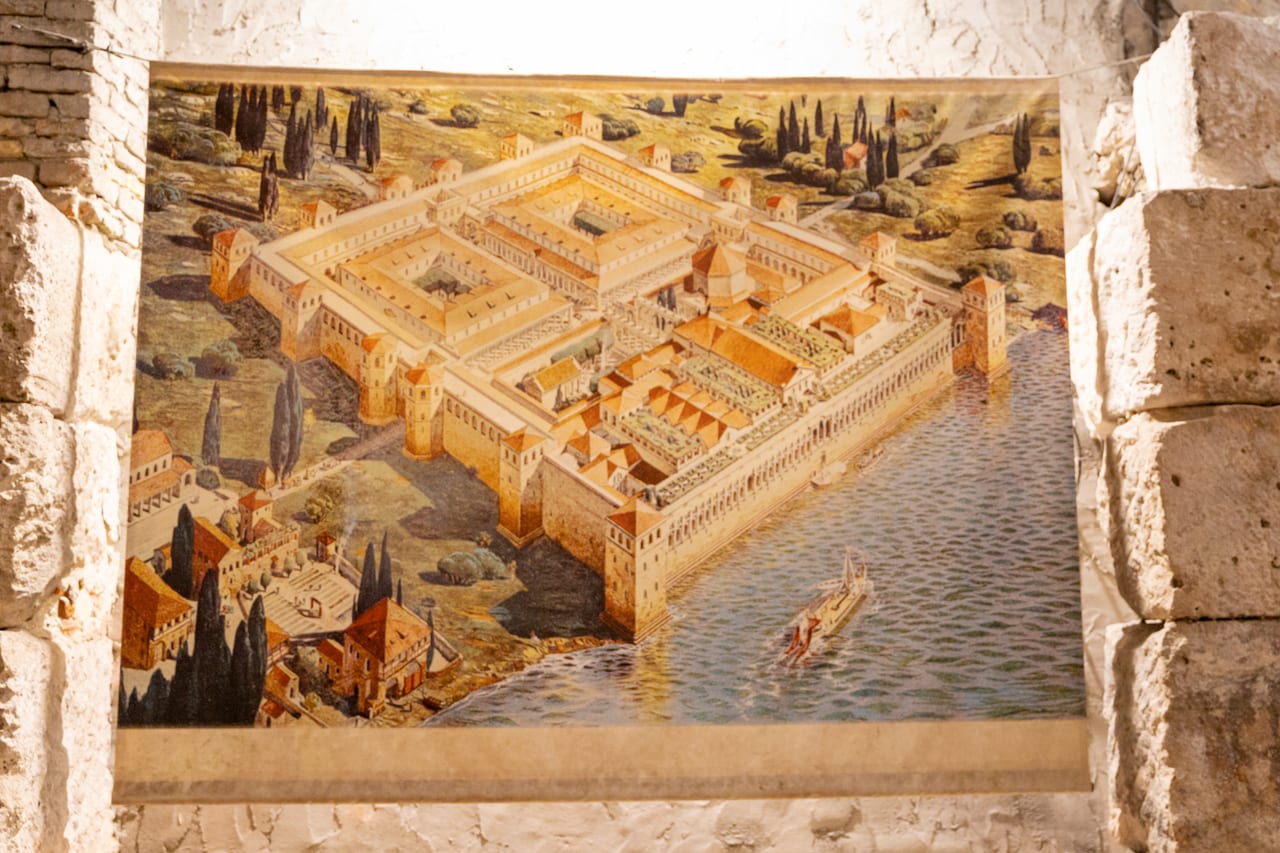
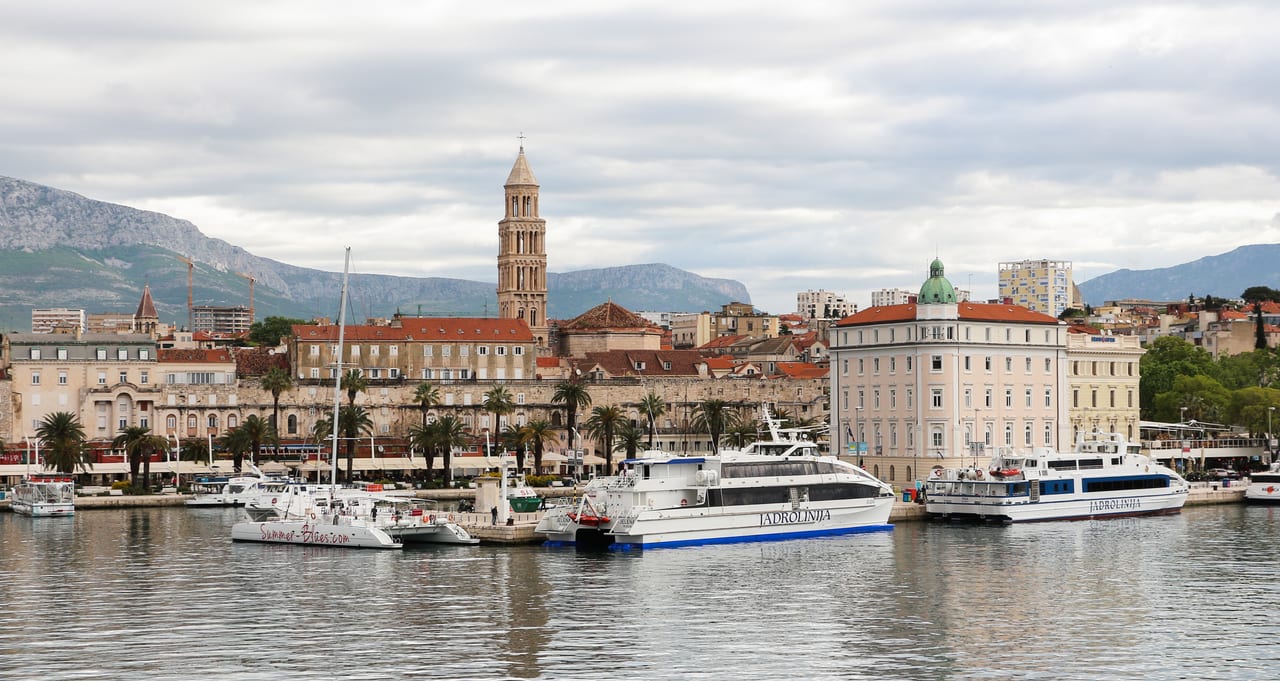
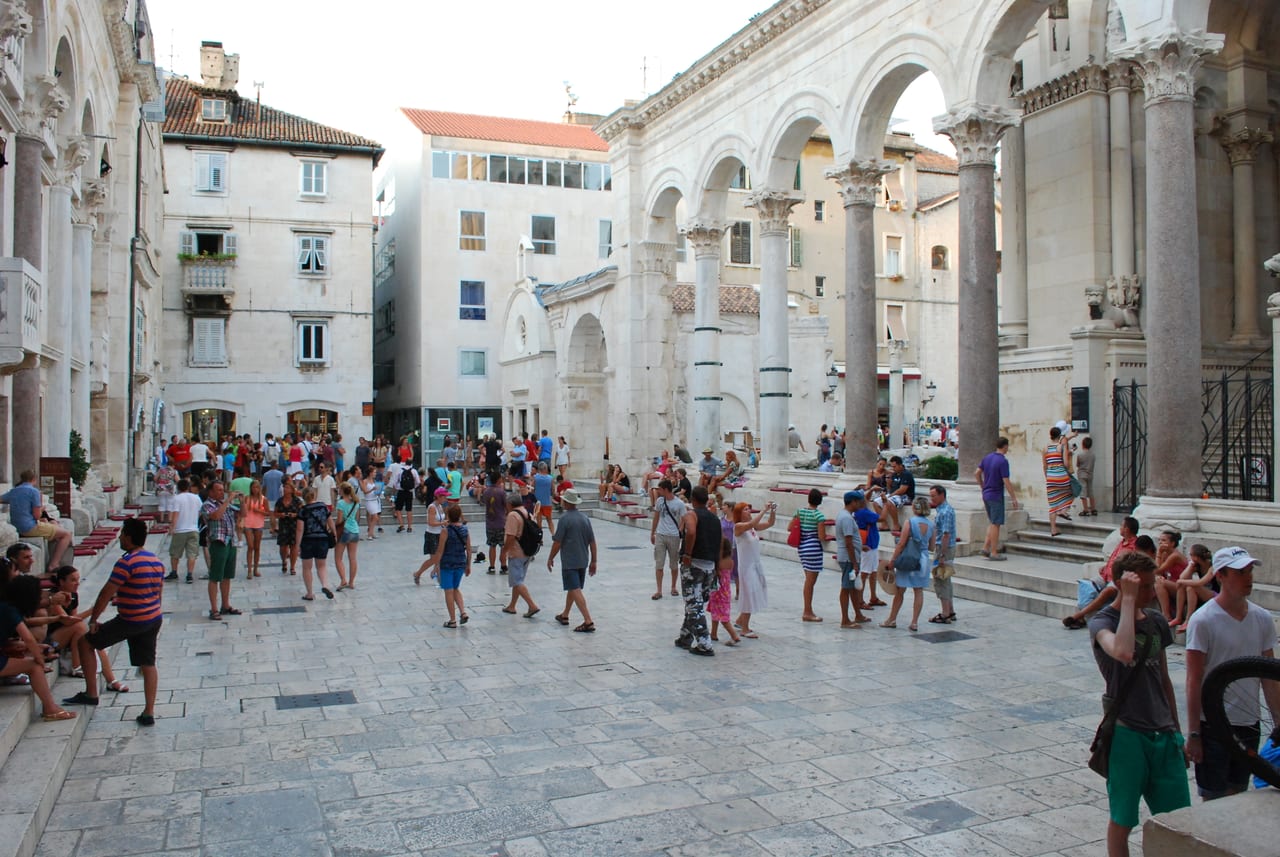
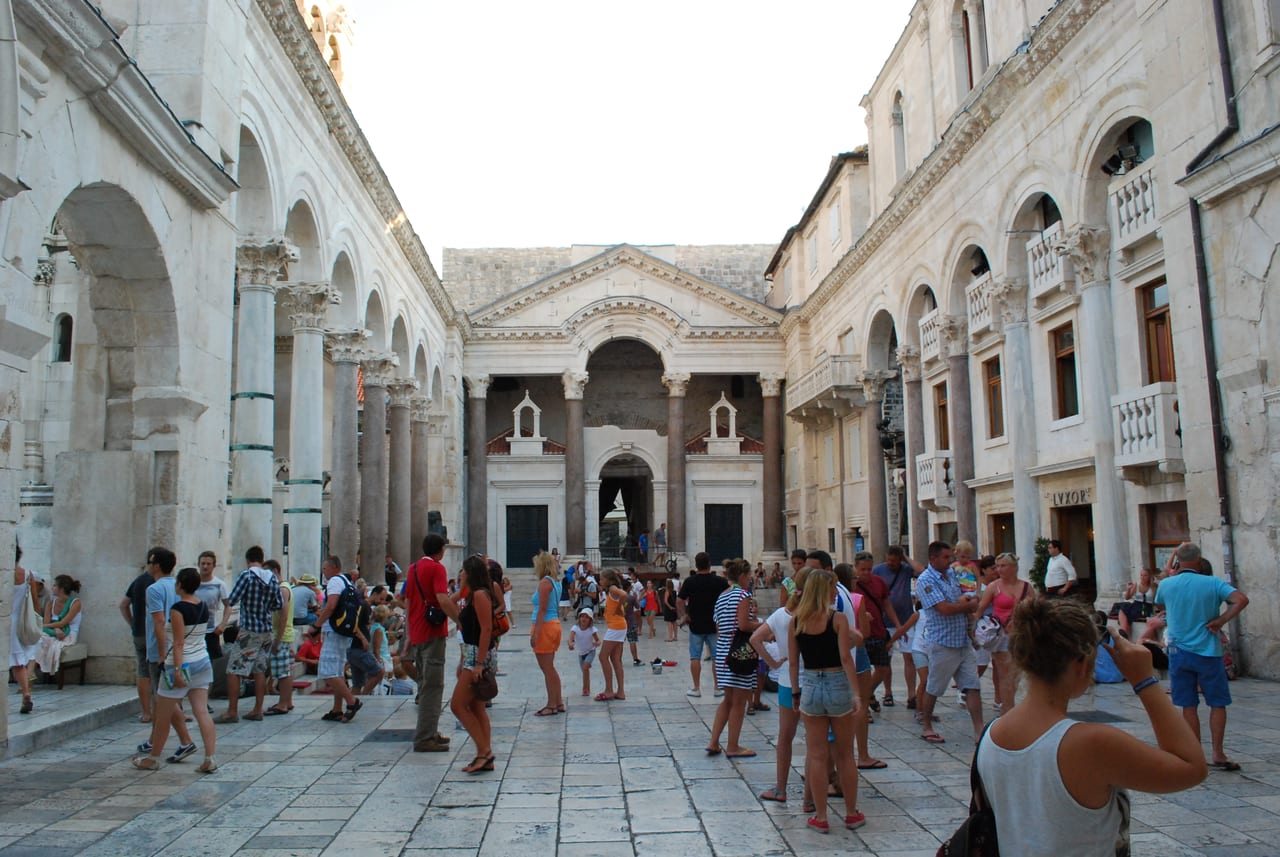
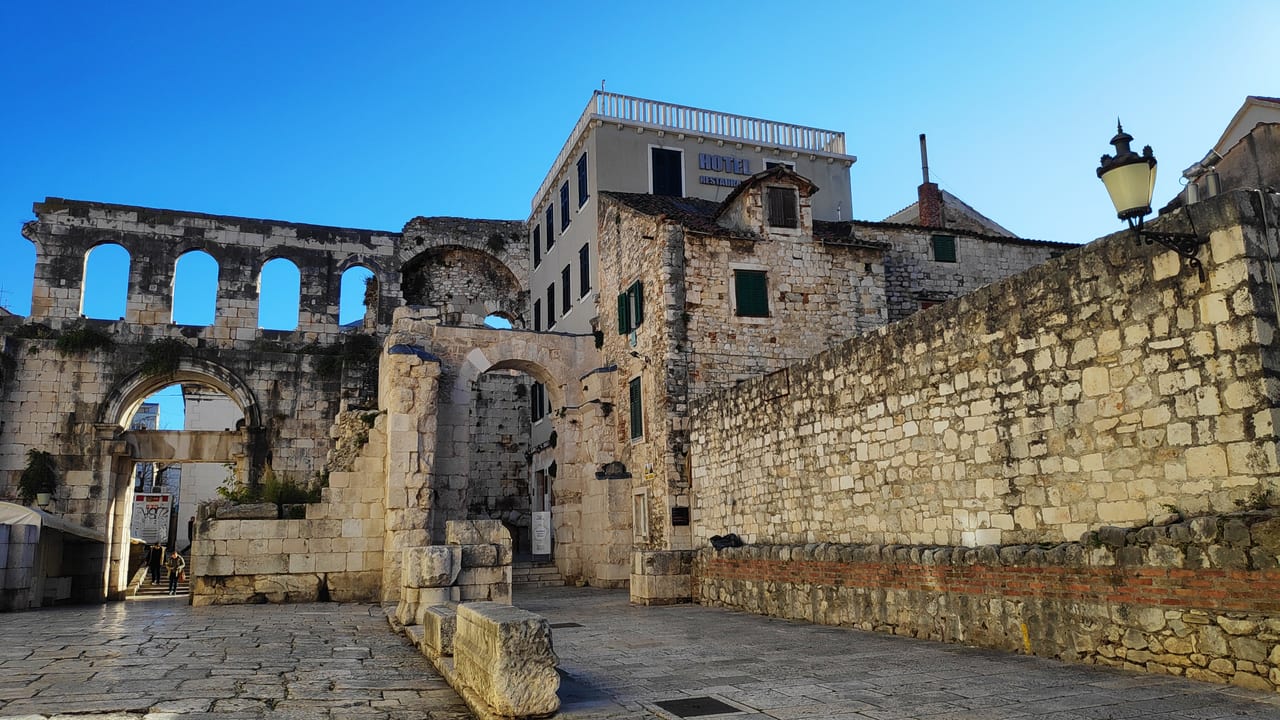
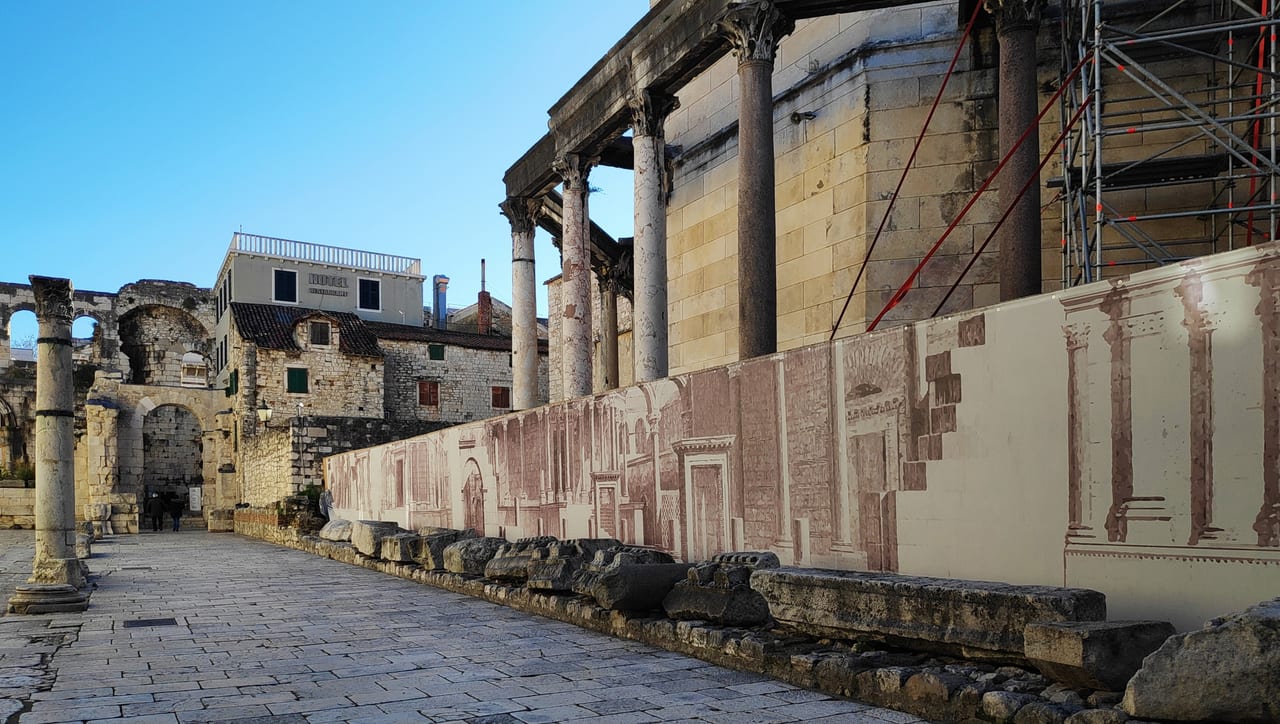
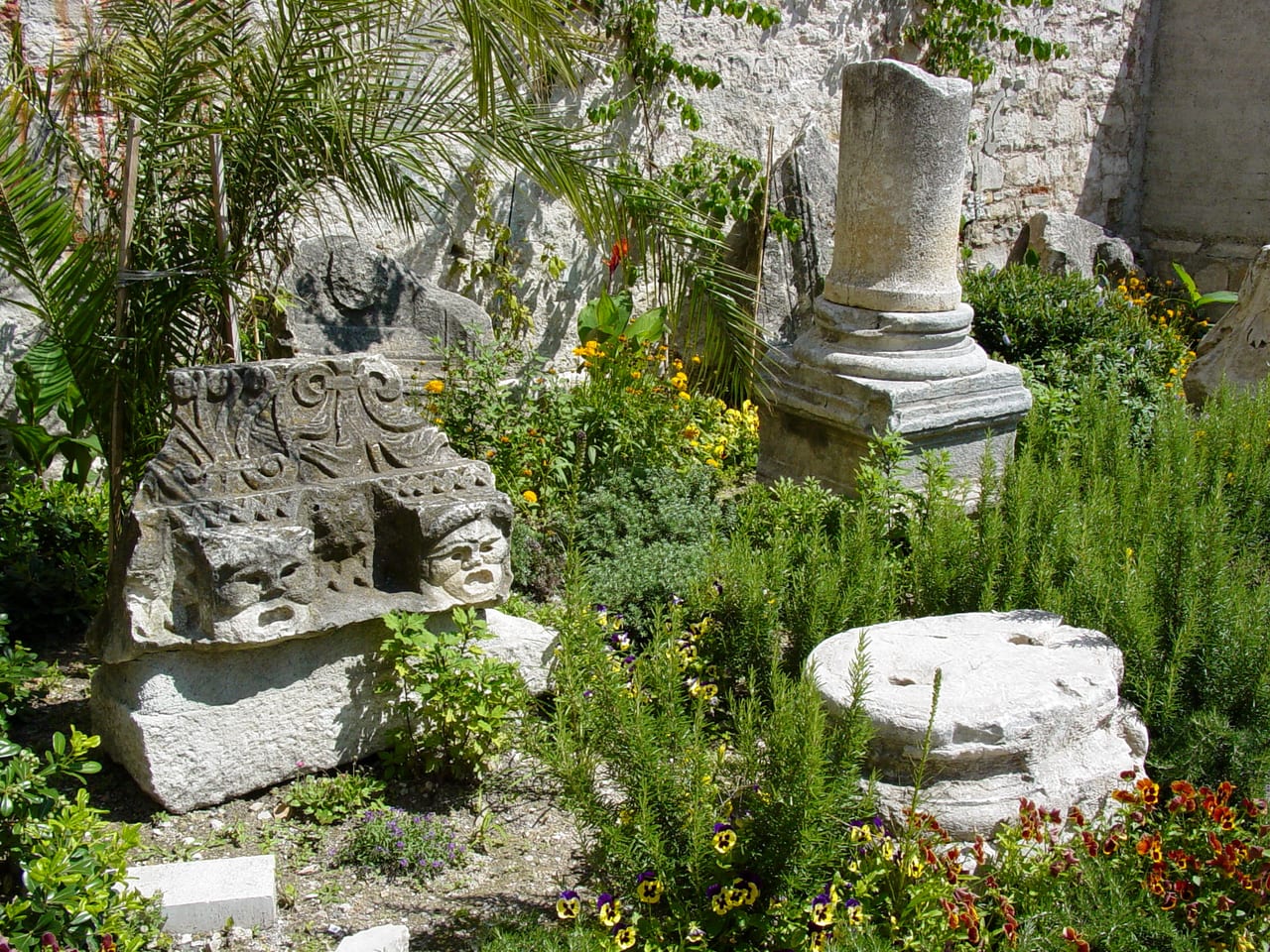
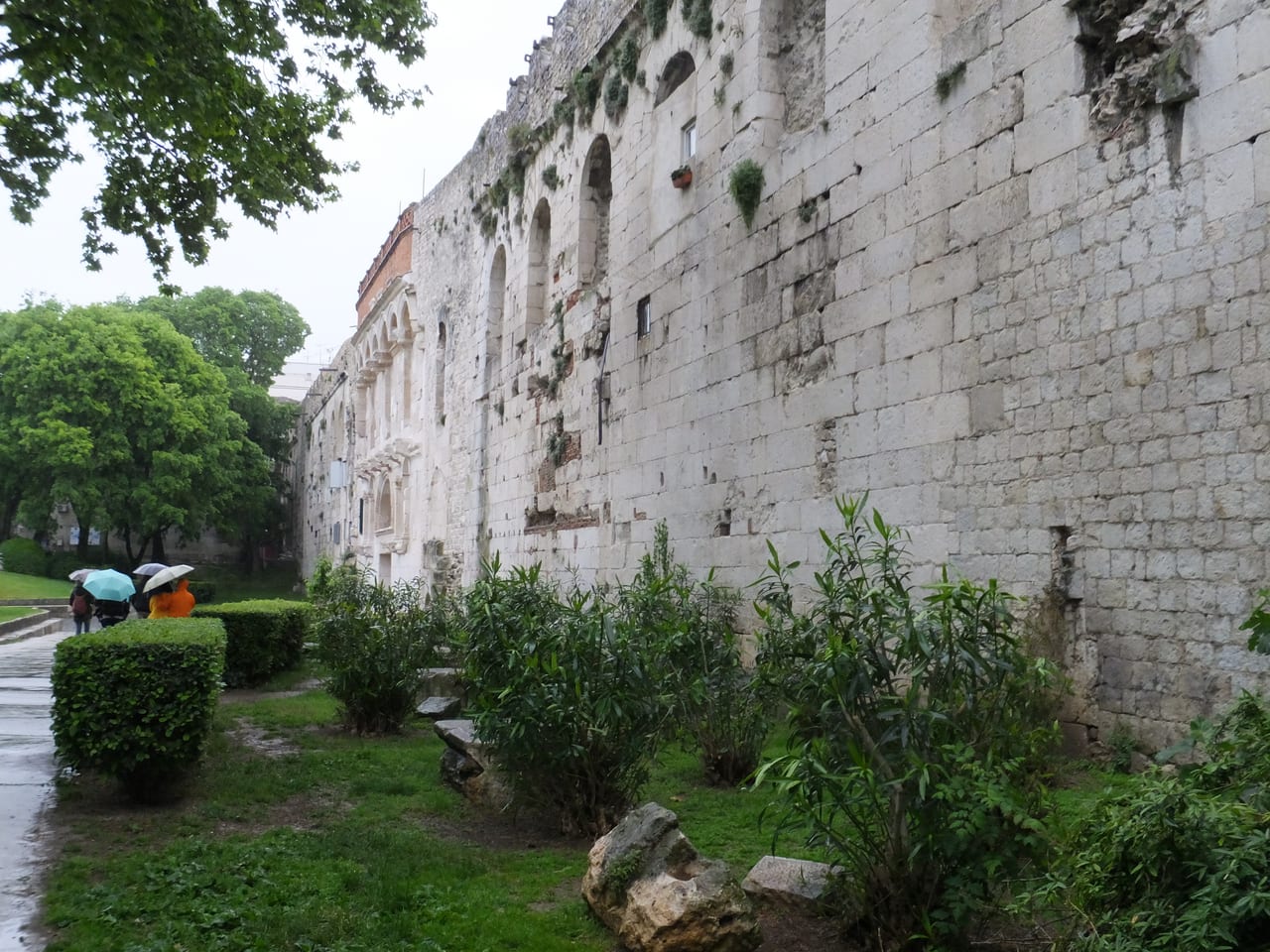
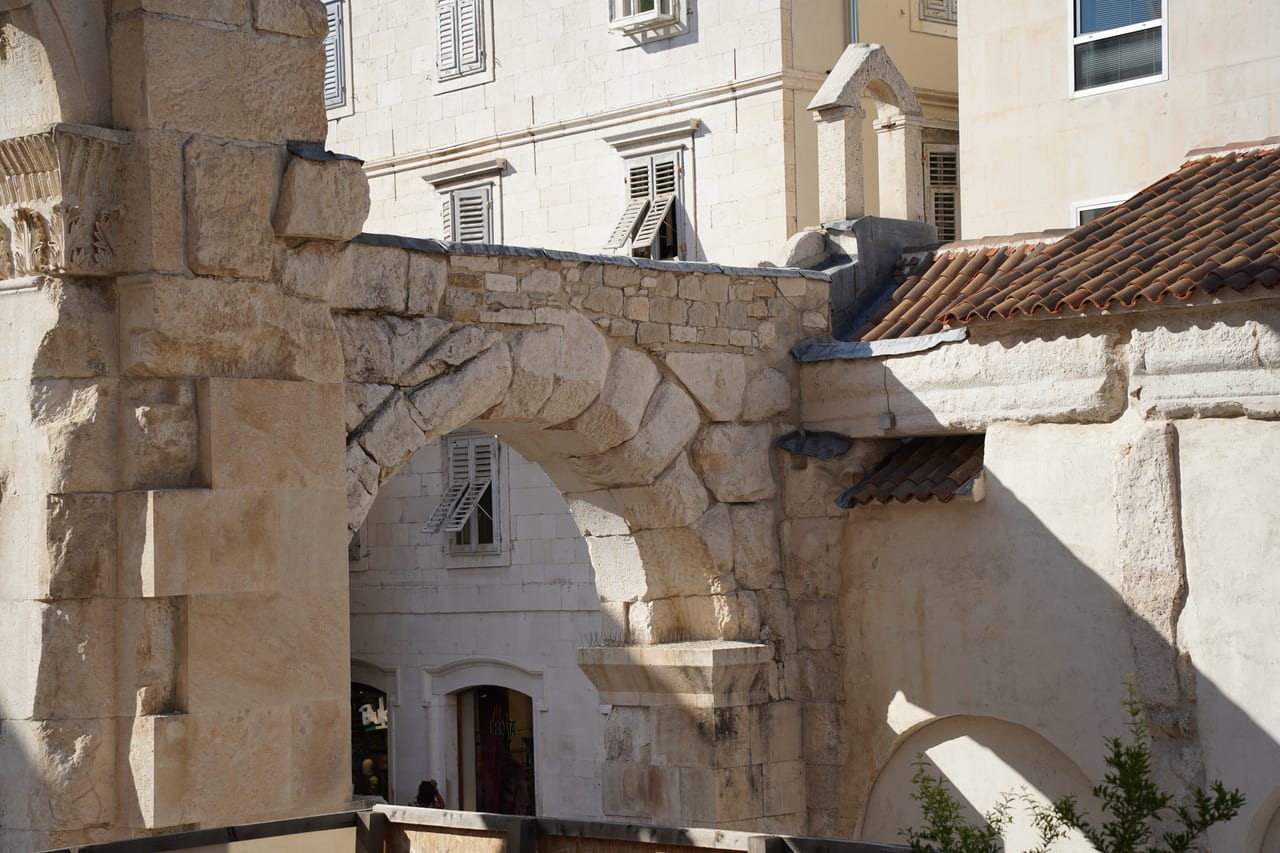
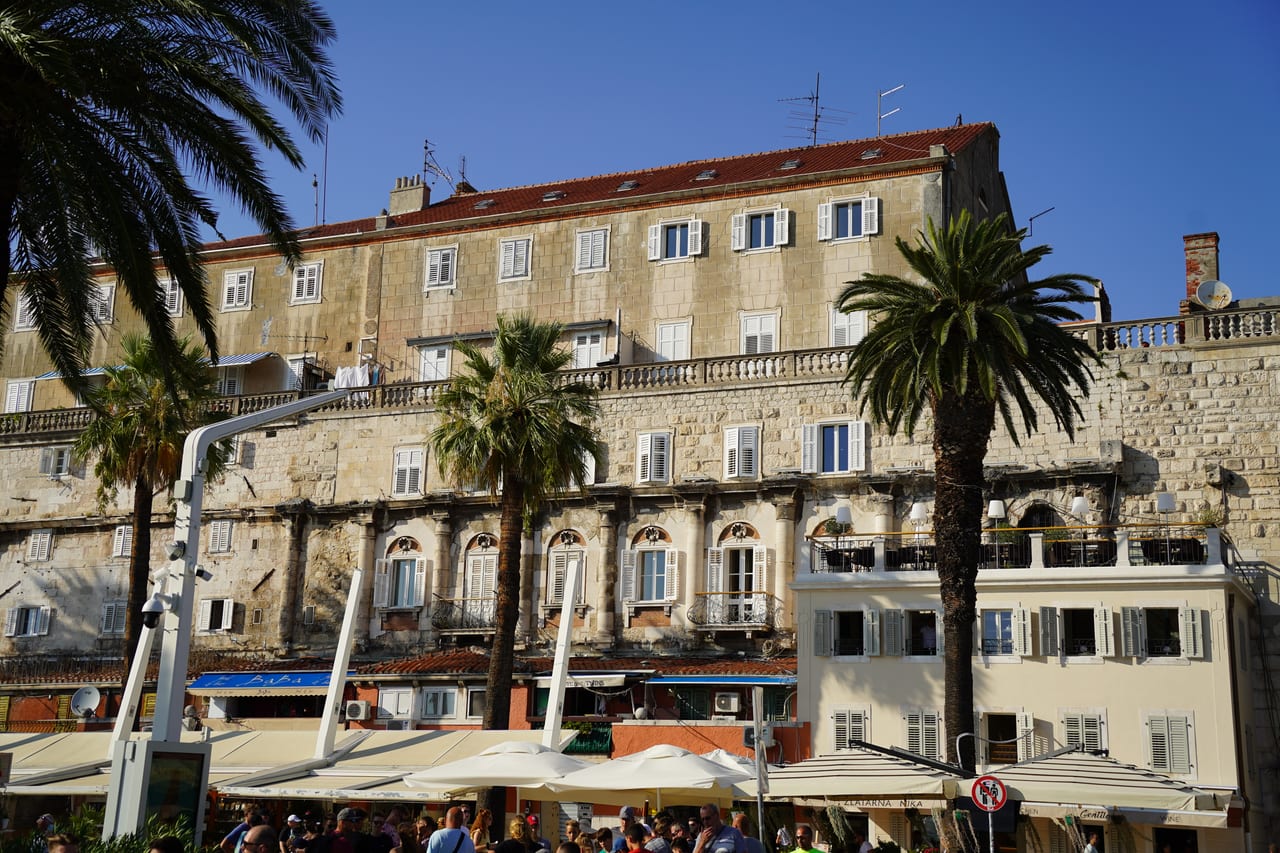
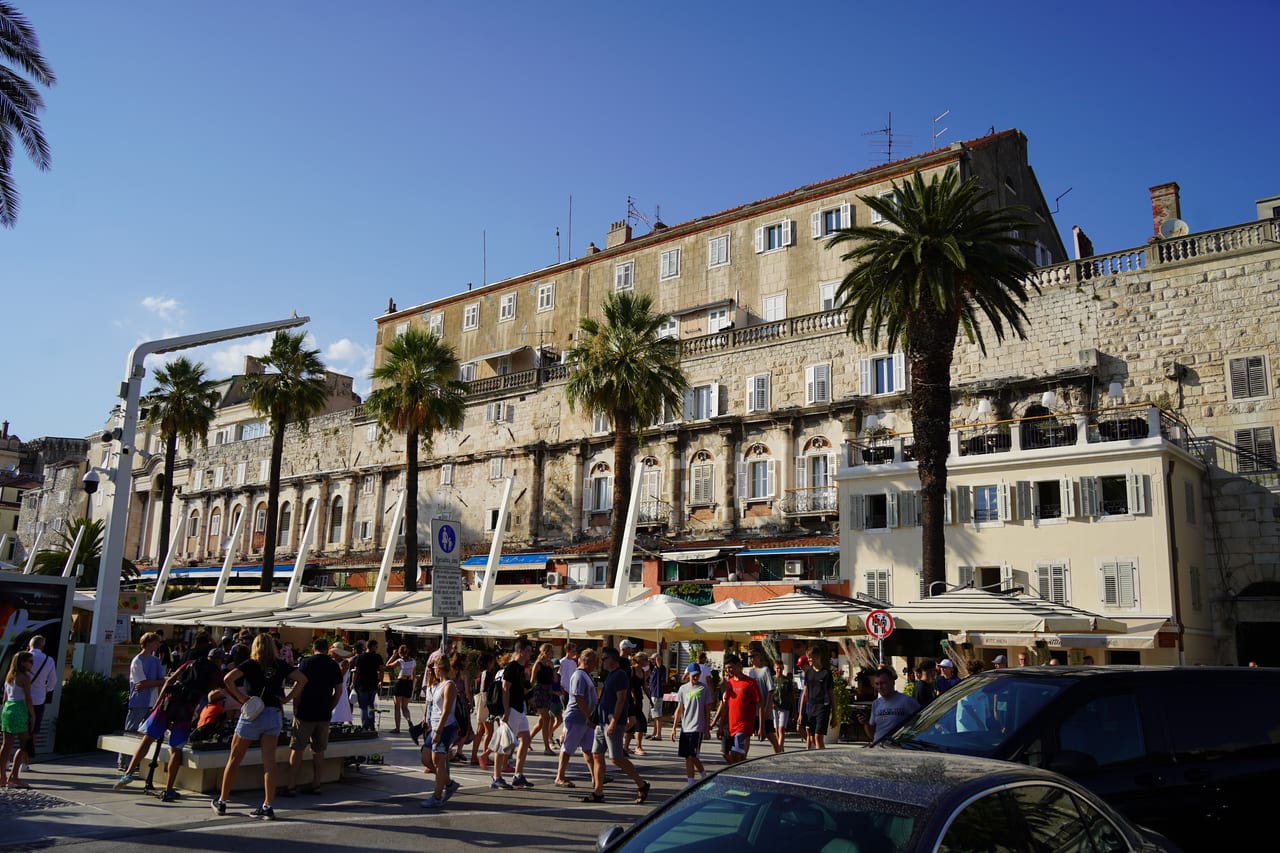
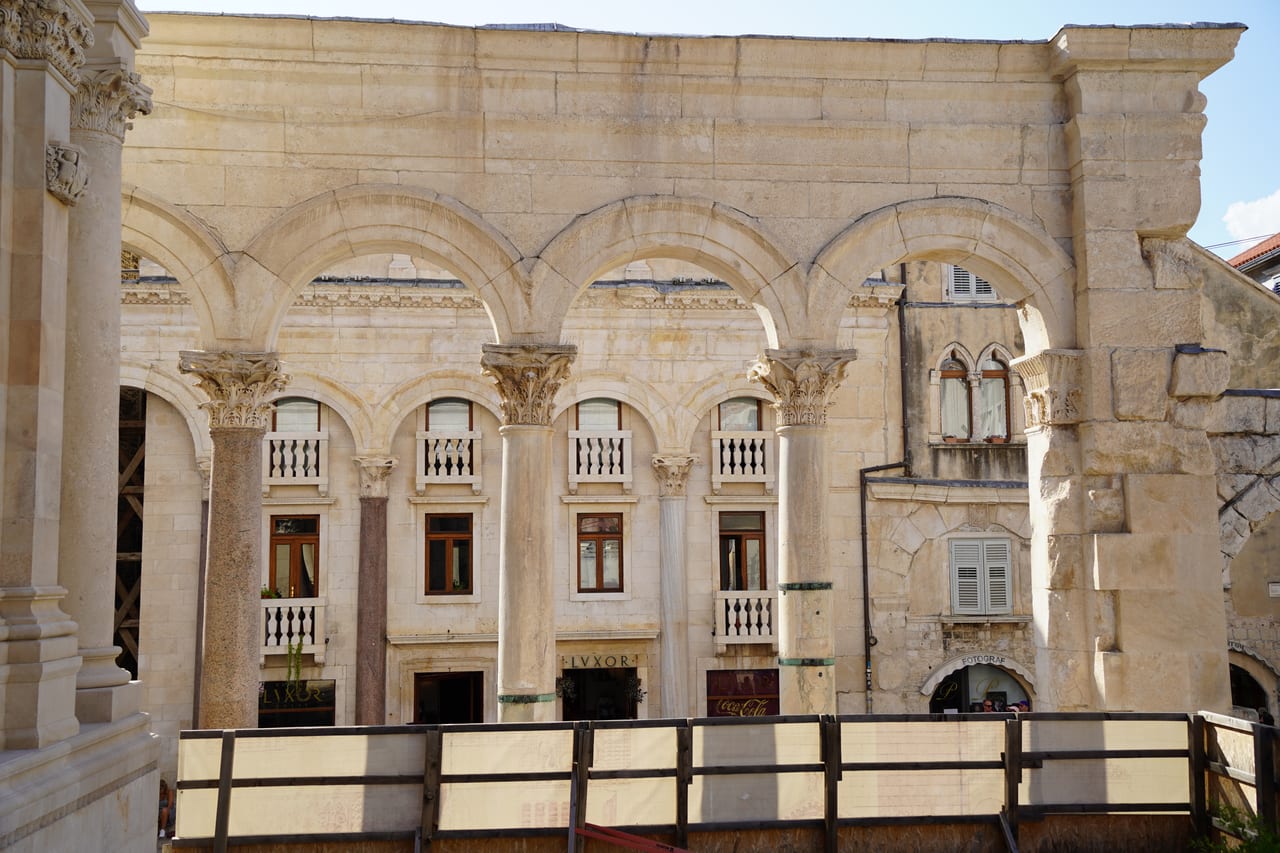
Diocletian’s retreat was begun around 295 and remained unfinished when the emperor abdicated in 305; he lived there until his death in 316. Its architect is unknown. The plan combines a fortified, nearly rectangular enclosure with intersecting streets, and divides service quarters to the north from the imperial residence to the south, raised above vaulted chambers. The seaward façade was more elaborate than the landward walls. Within, the Peristyle led toward the emperor’s apartments; a domed, octagonal building with a circular interior became his mausoleum, while a small, richly decorated temple survives nearby. After Salona was destroyed in the early sixth century, some of its displaced inhabitants settled inside the walls. By the seventh century the palace had become the nucleus of Split. From the twelfth to fourteenth centuries, homes filled former Roman buildings and open spaces, while later churches and houses added medieval, Renaissance and other layers. The palace and subsequent additions entered UNESCO’s World Heritage List in 1979.
At a glance
- Built
- 293
- Heritage
- part of UNESCO World Heritage Site
Ways to explore Diocletian's Palace
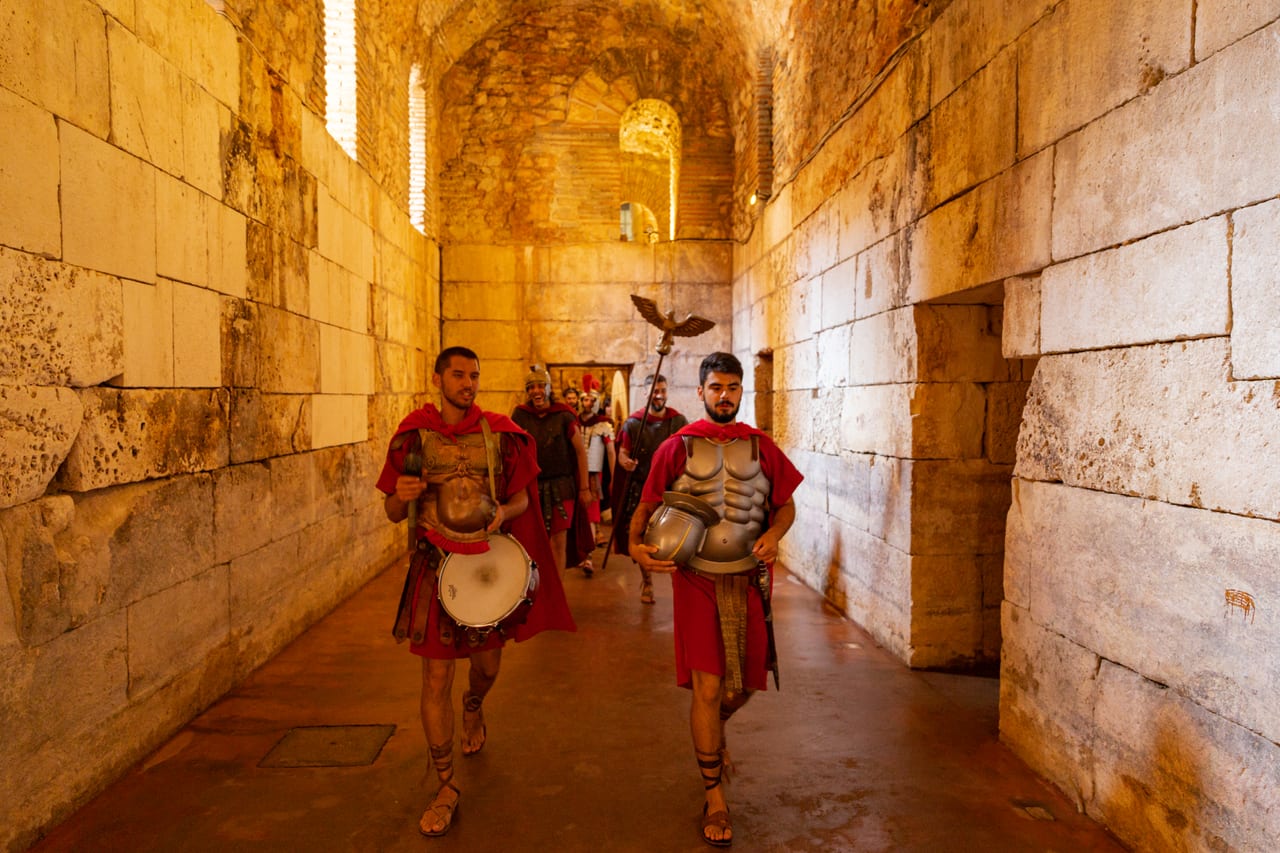
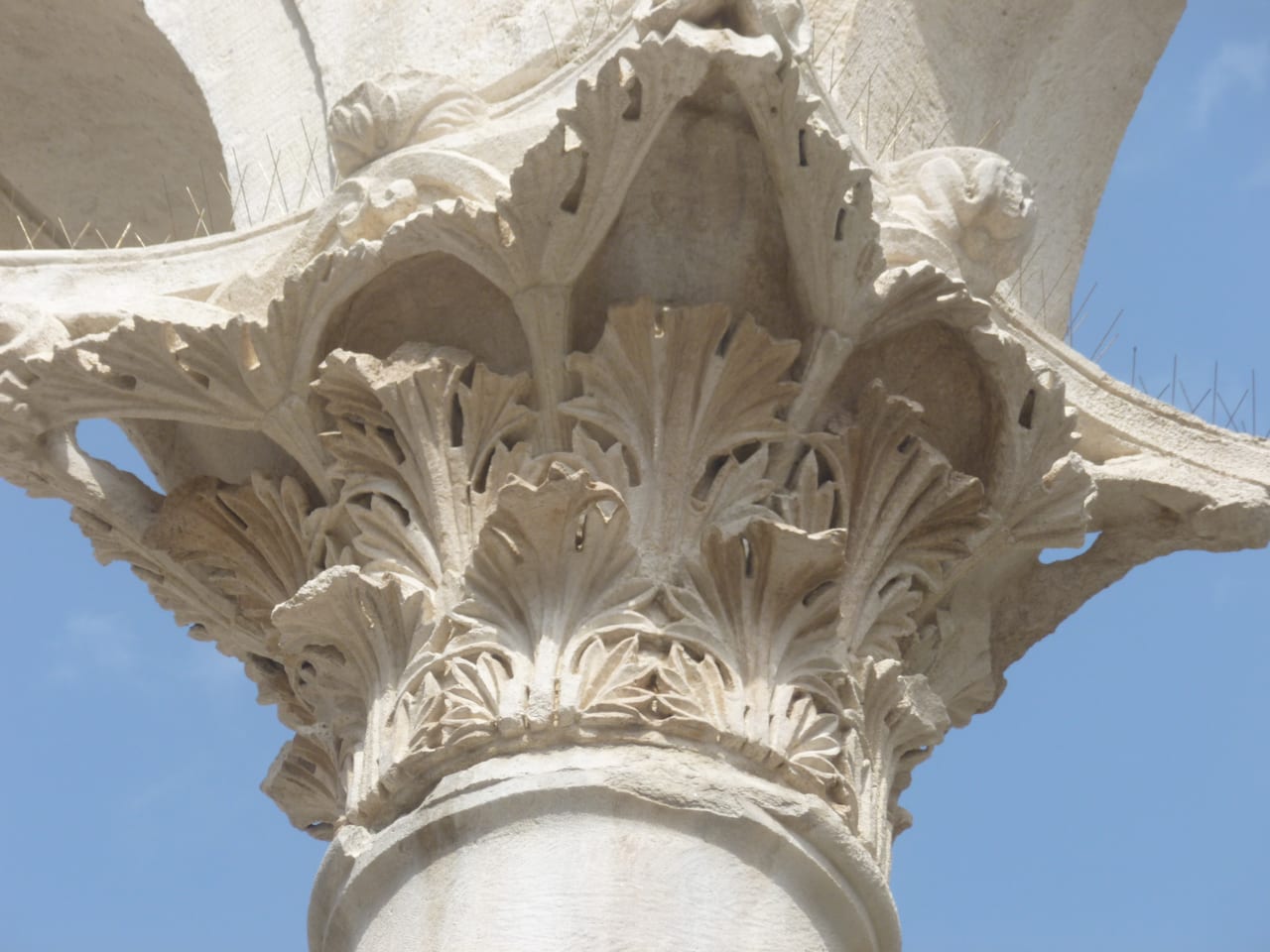
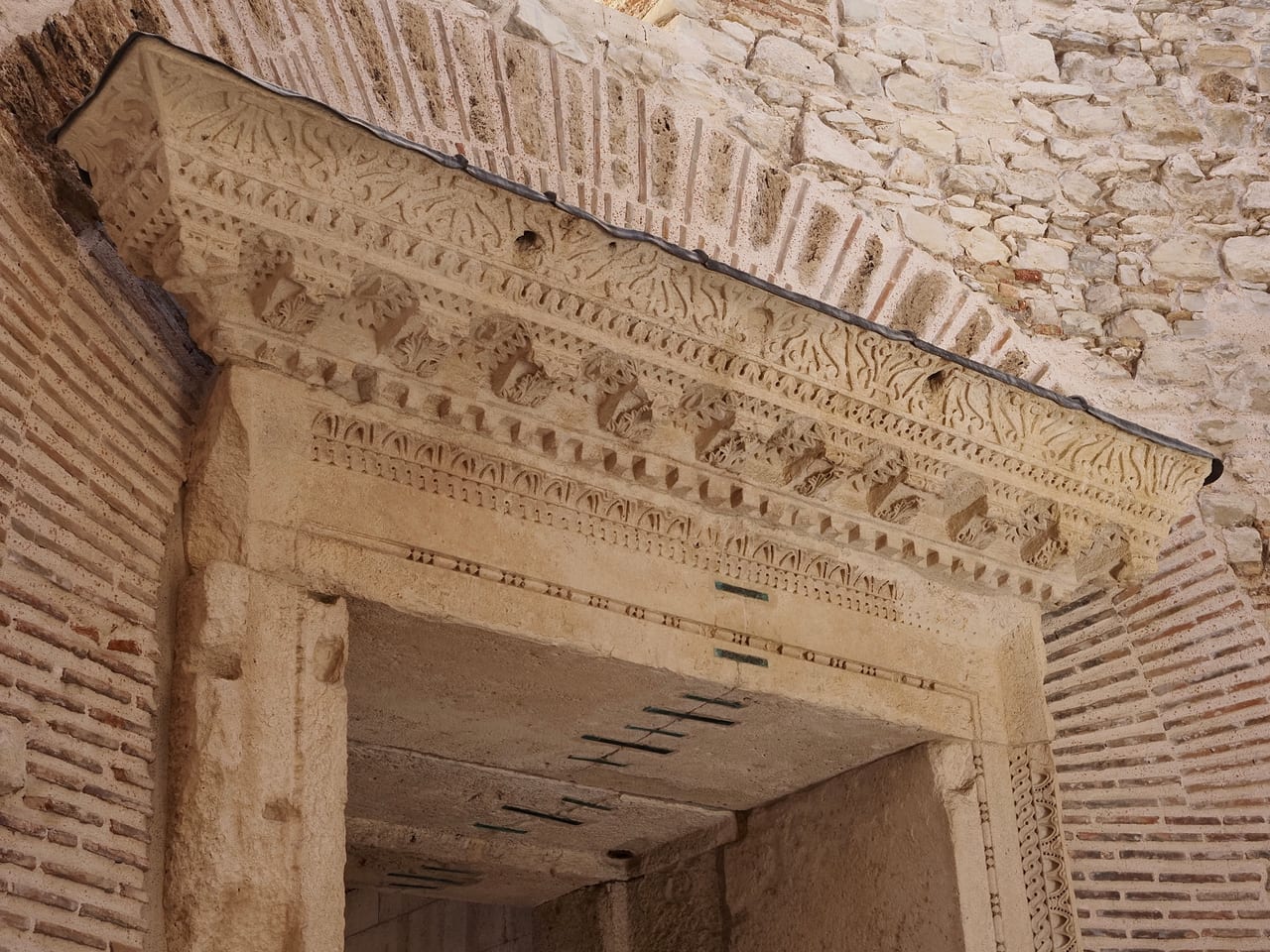
Walk through the landward gates and follow the two main streets toward the Peristyle, noticing how the passageways open into a colonnaded space. Look up at the arched windows and surviving towers along the walls, then compare the richly articulated seaward façade with the plainer sides. Beneath the imperial apartments, the vaulted lower halls reveal the structure supporting the upper rooms. Inside the Peristyle precinct, study the mausoleum’s octagonal exterior and circular interior, and the carved details of the nearby temple.
Places to stay near Diocletian's Palace

Live availability and prices from Stay22's partners, refreshed periodically and subject to change. Booking through these links may earn us a commission at no extra cost to you. See our privacy policy.
Cafés near Diocletian's Palace
Cafés near Diocletian's Palace loads as you scroll.
Attractions nearby
Attractions near Diocletian's Palace loads as you scroll.
Cities nearby
Cities nearby loads as you scroll.
More in Split
See more of Split.
Find great cafés, places to stay and other interesting places to visit in Split.