Church · Split
Chapel of Our Lady of the Belfry
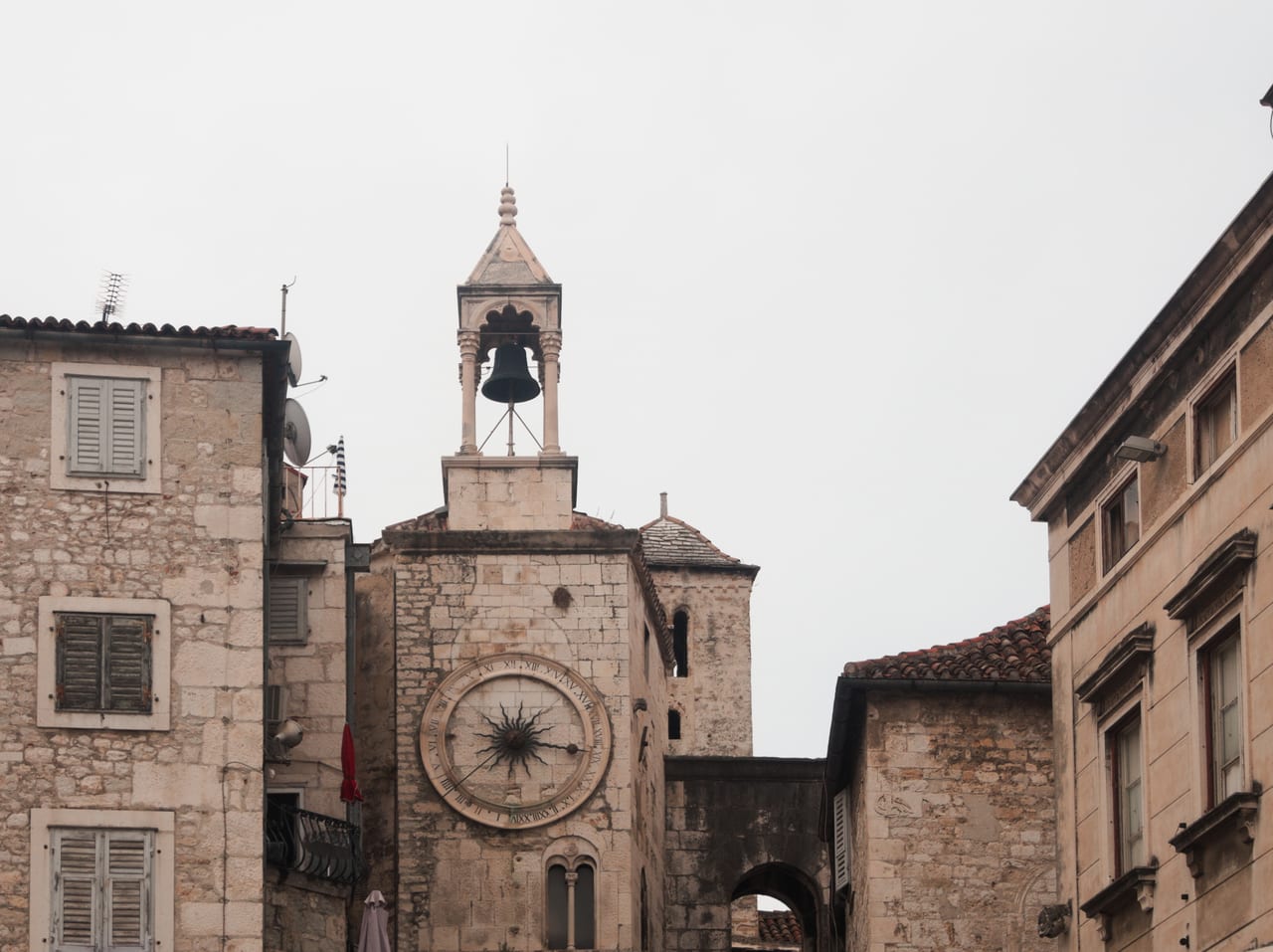
DirectionsThe surviving tower’s upper-storey windows, one on each side, mark a transition between pre-Romanesque and Romanesque forms.
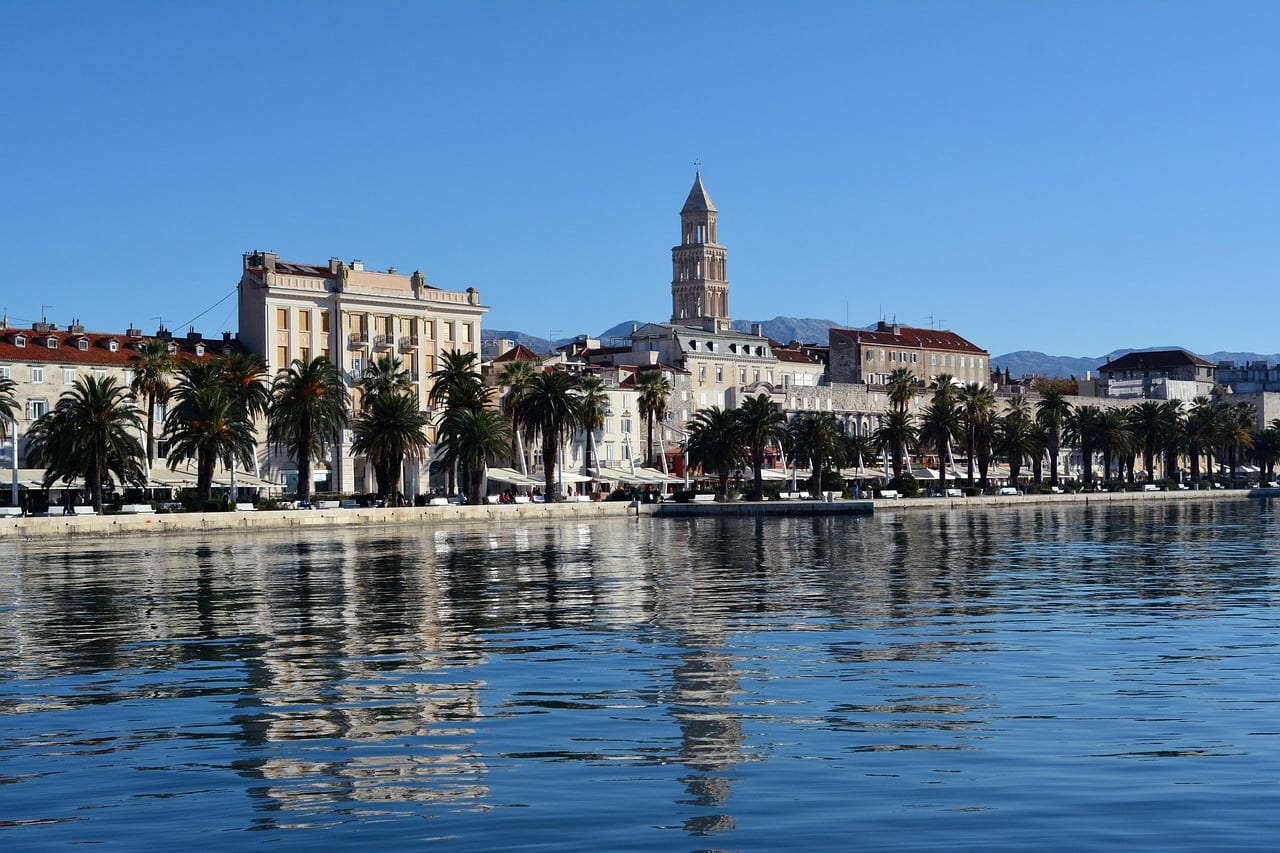
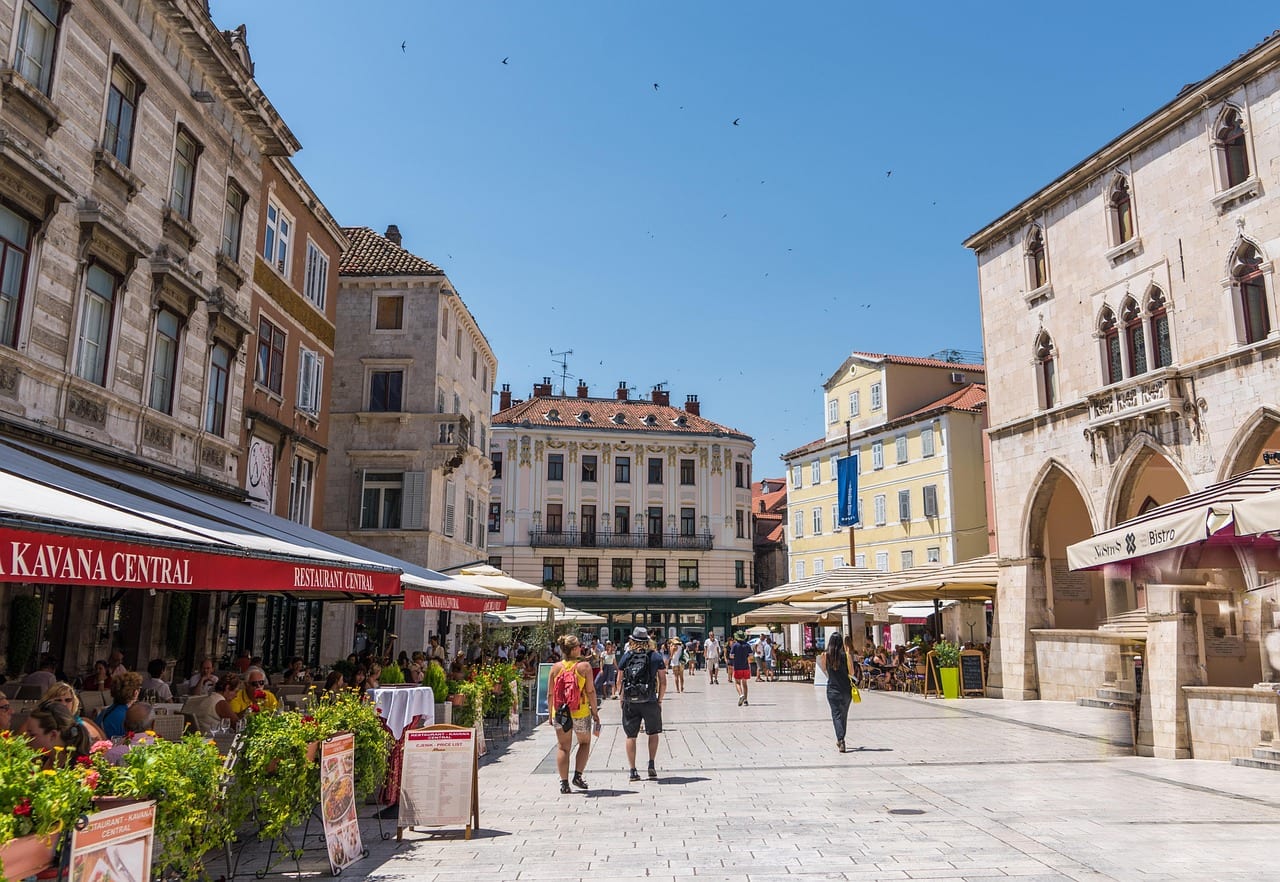

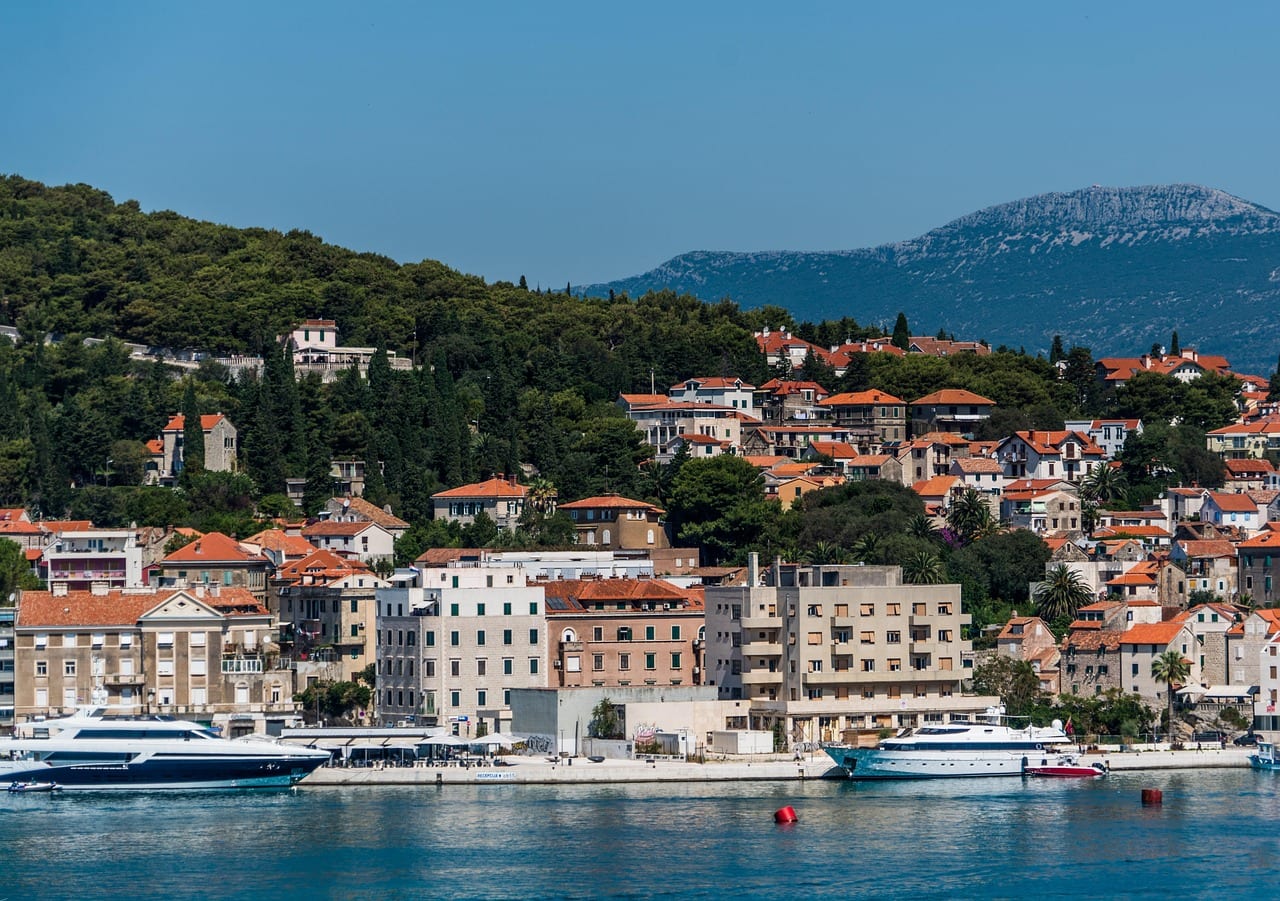
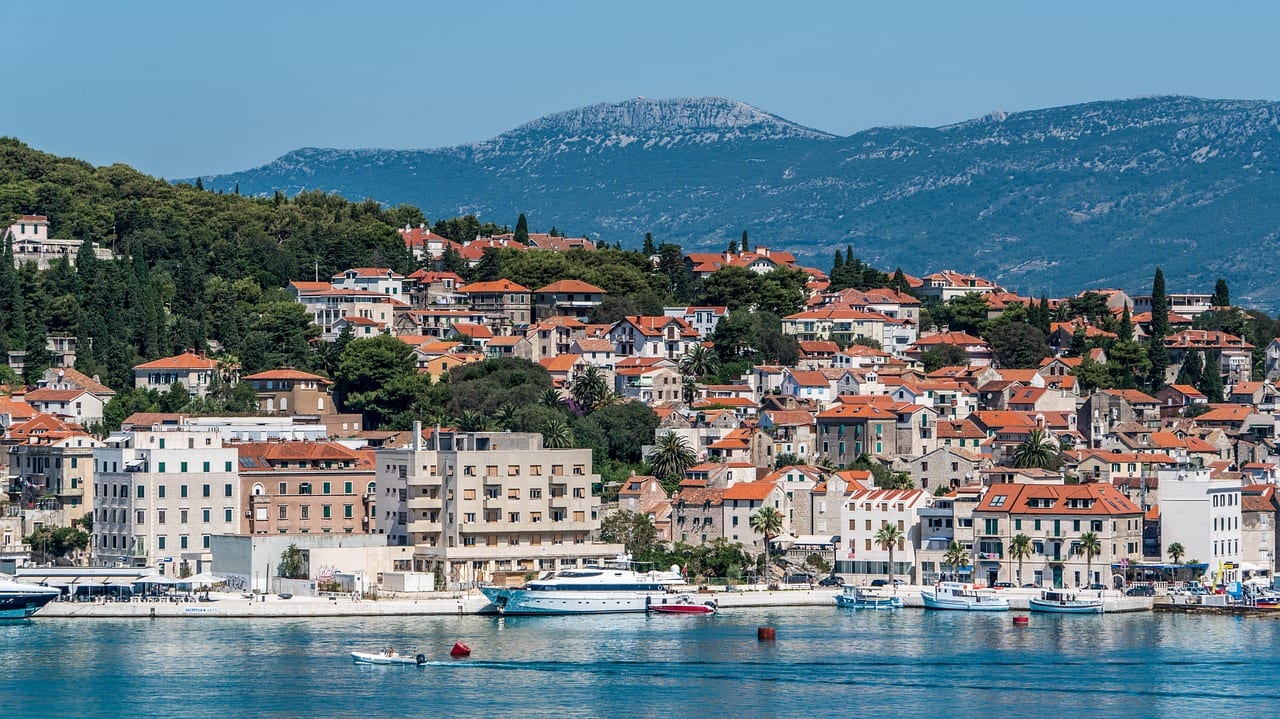
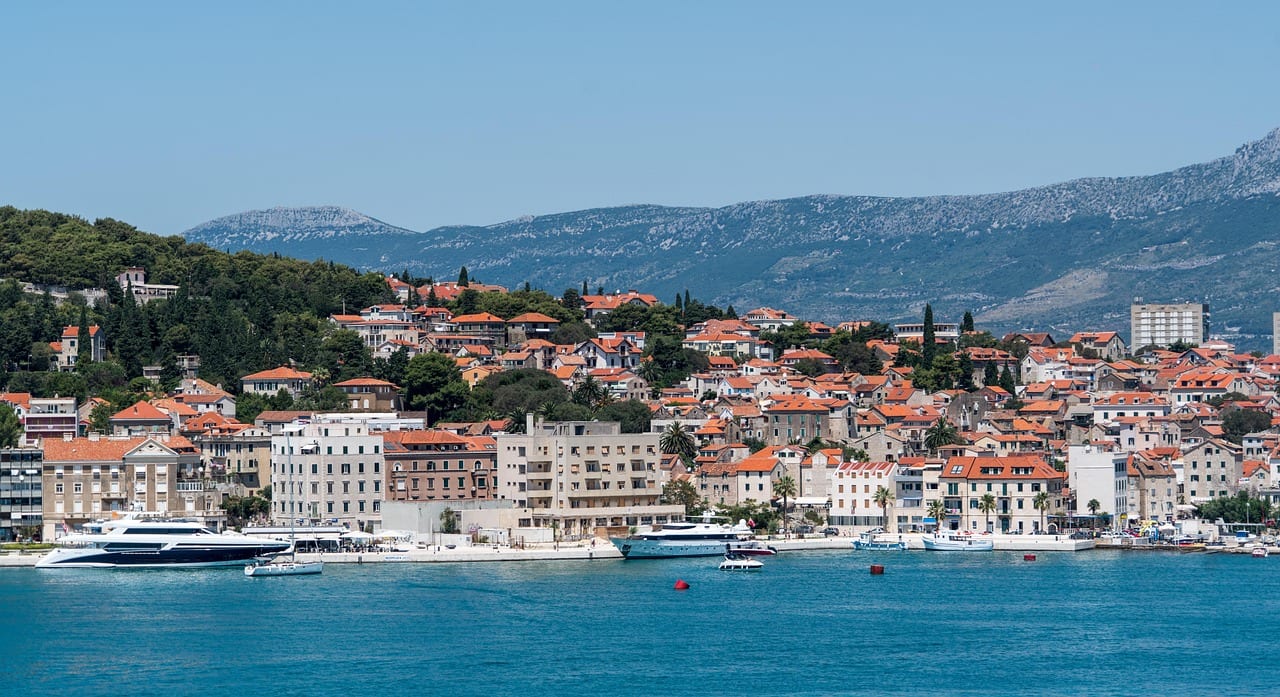
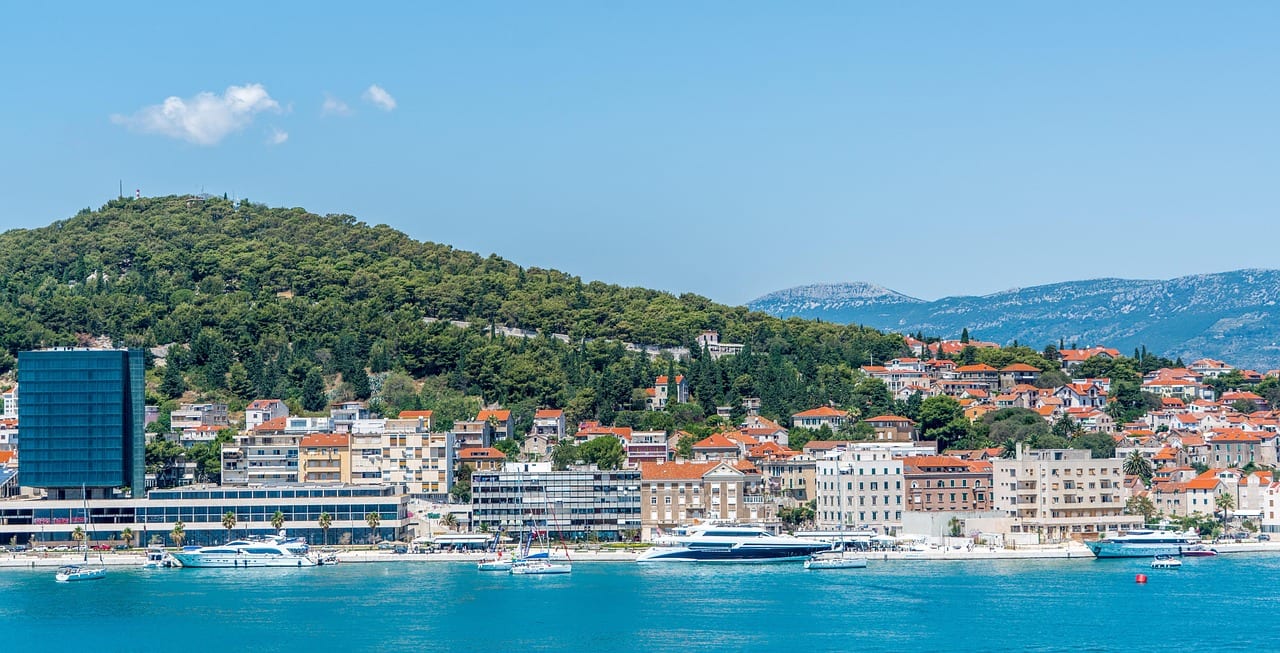
Photograph 1 of 11 of Chapel of Our Lady of the Belfry
The church was fitted into a narrow corridor in Diocletian’s western wall, used as a guardhouse when the palace was built in 285–305. It became a place of worship in the 6th century, as refugees arrived from surrounding communities. Initially dedicated to St. Theodore, it may have acquired a new title during an extensive 11th-century remodelling. As the city expanded, the Iron Gate shifted from its original role as the main entrance to a link between the old and new parts of Split. Fragments of an altar partition bear an inscription naming Prior Firmin and his two wives, Magi and Bitu, as donors. Firmin is also recorded in documents from the late 11th century, when powerful local nobles were consolidating authority in coastal cities. Dujam. Since 2013, conservation work has addressed the church and gate complex; the church no longer has a religious function.
At a glance
- Heritage
- Register of Cultural Goods of Croatia
Ways to explore Chapel of Our Lady of the Belfry
Take in the Iron Gate as an architectural ensemble: its inner courtyard and surviving sections of the exterior octagonal towers are especially legible. Look closely at the church façade for the medieval fresco, then find the niche on the north wall, where newly found medieval sculptures have been installed. The church itself survives only in part, so viewing its remaining details in relation to the passage and surrounding masonry gives the clearest sense of how tightly it fits into the gate complex.
Places to stay near Chapel of Our Lady of the Belfry

Live availability and prices from Stay22's partners, refreshed periodically and subject to change. Booking through these links may earn us a commission at no extra cost to you. See our privacy policy.
Cafés near Chapel of Our Lady of the Belfry
Cafés near Chapel of Our Lady of the Belfry loads as you scroll.
Attractions nearby
Attractions near Chapel of Our Lady of the Belfry loads as you scroll.
Cities nearby
Cities nearby loads as you scroll.
More in Split
See more of Split.
Find great cafés, places to stay and other interesting places to visit in Split.