Ancient site · Split
Cellars of Diocletian's Palace
DirectionsFor nearly fifteen centuries, streets and homes have continued to occupy the city directly above these monumental vaulted spaces, making the cellars an unusually tangible underlayer of urban life.
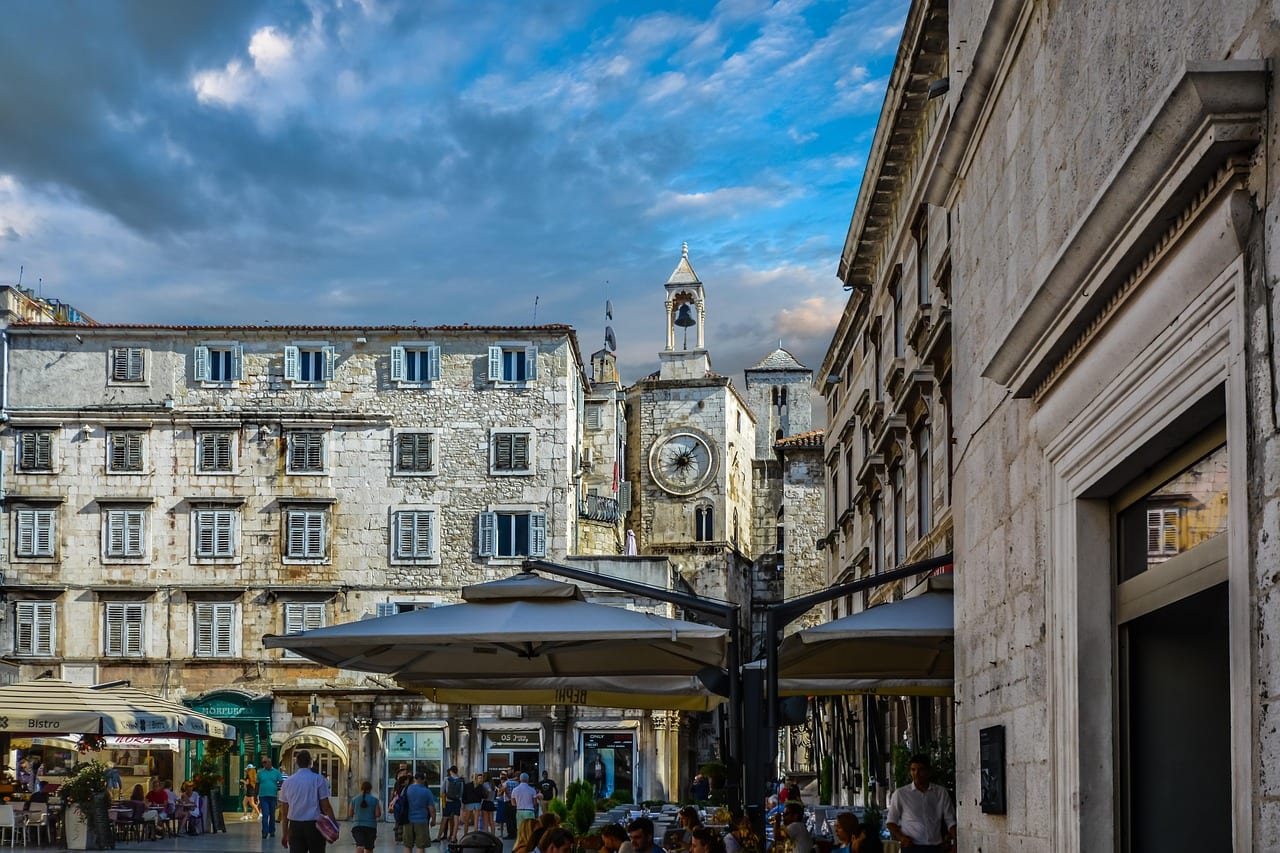
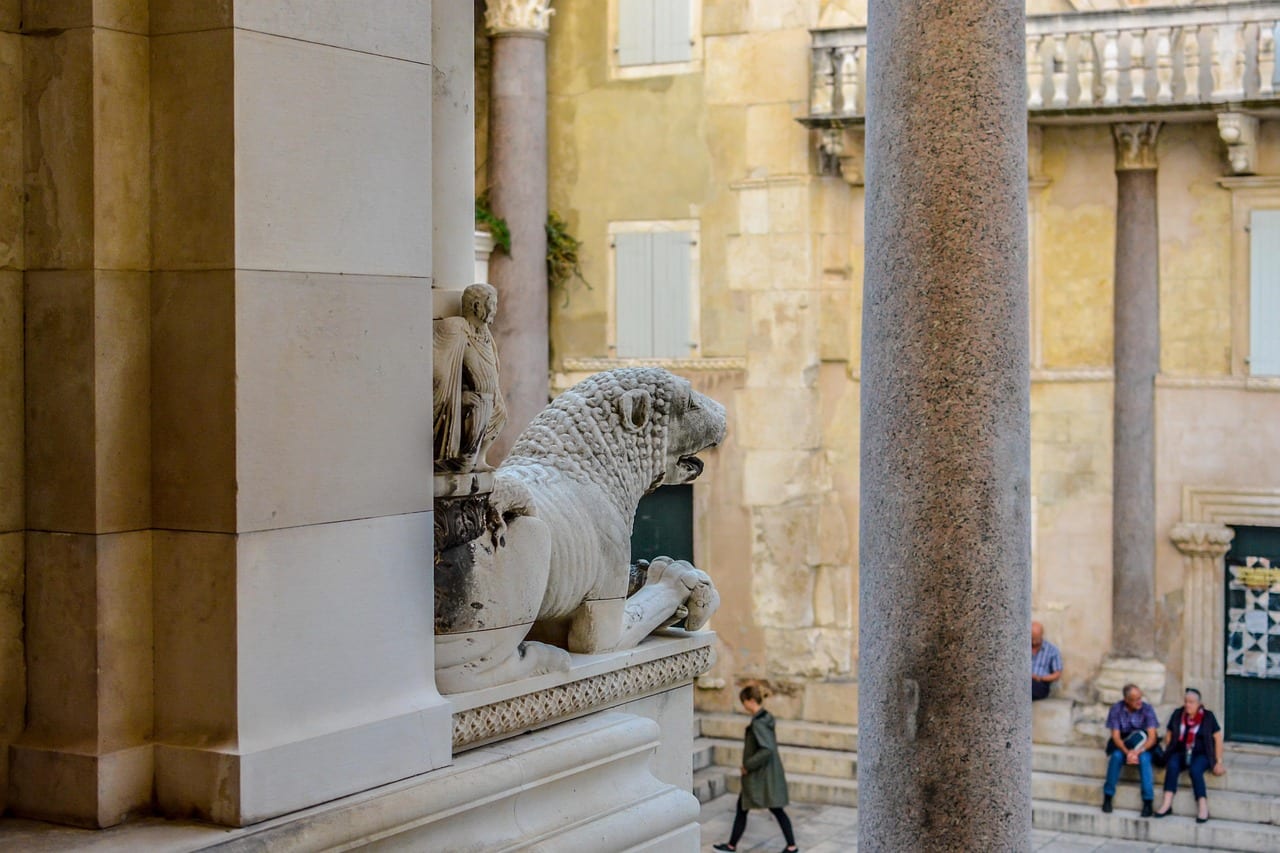
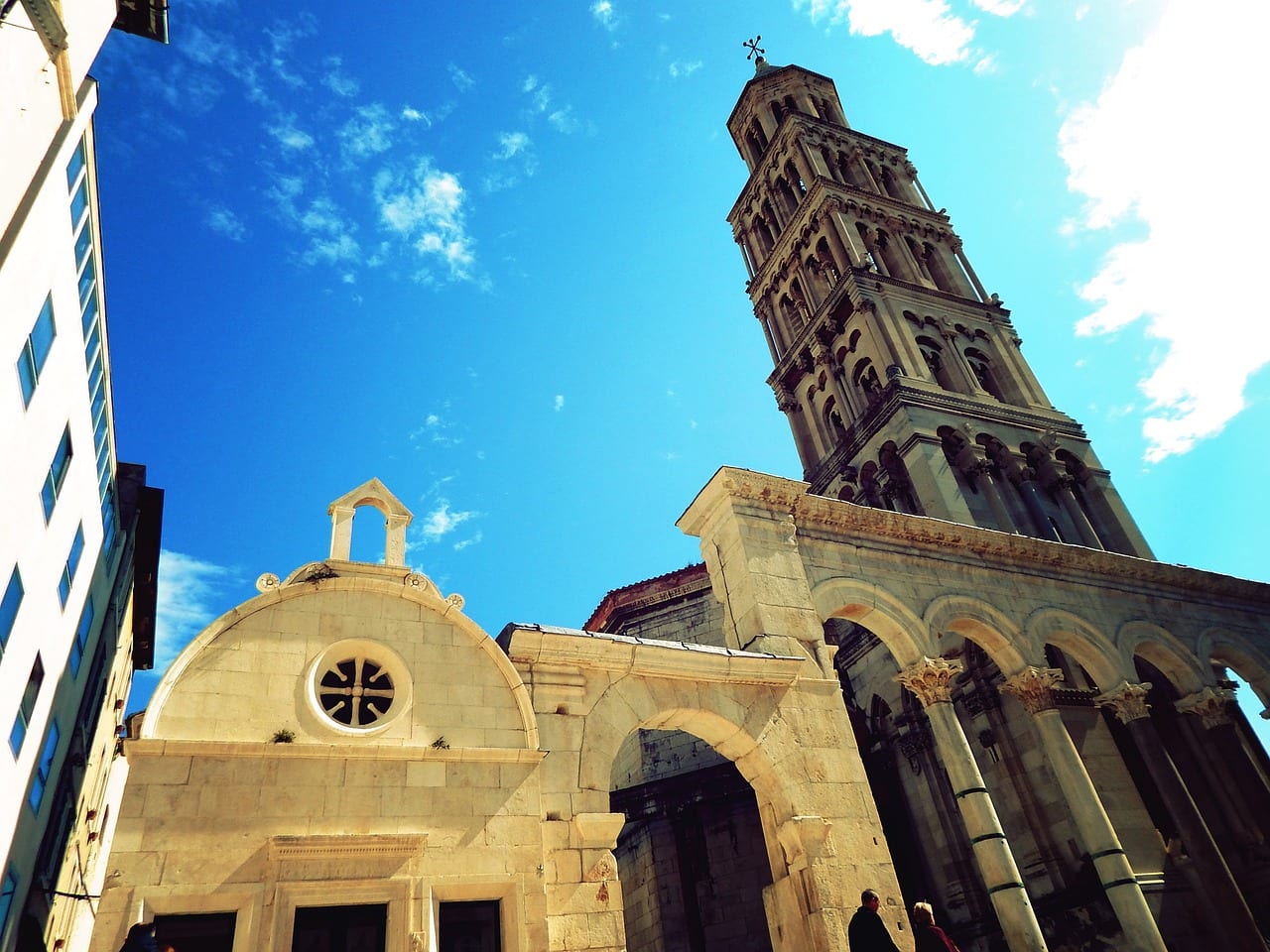
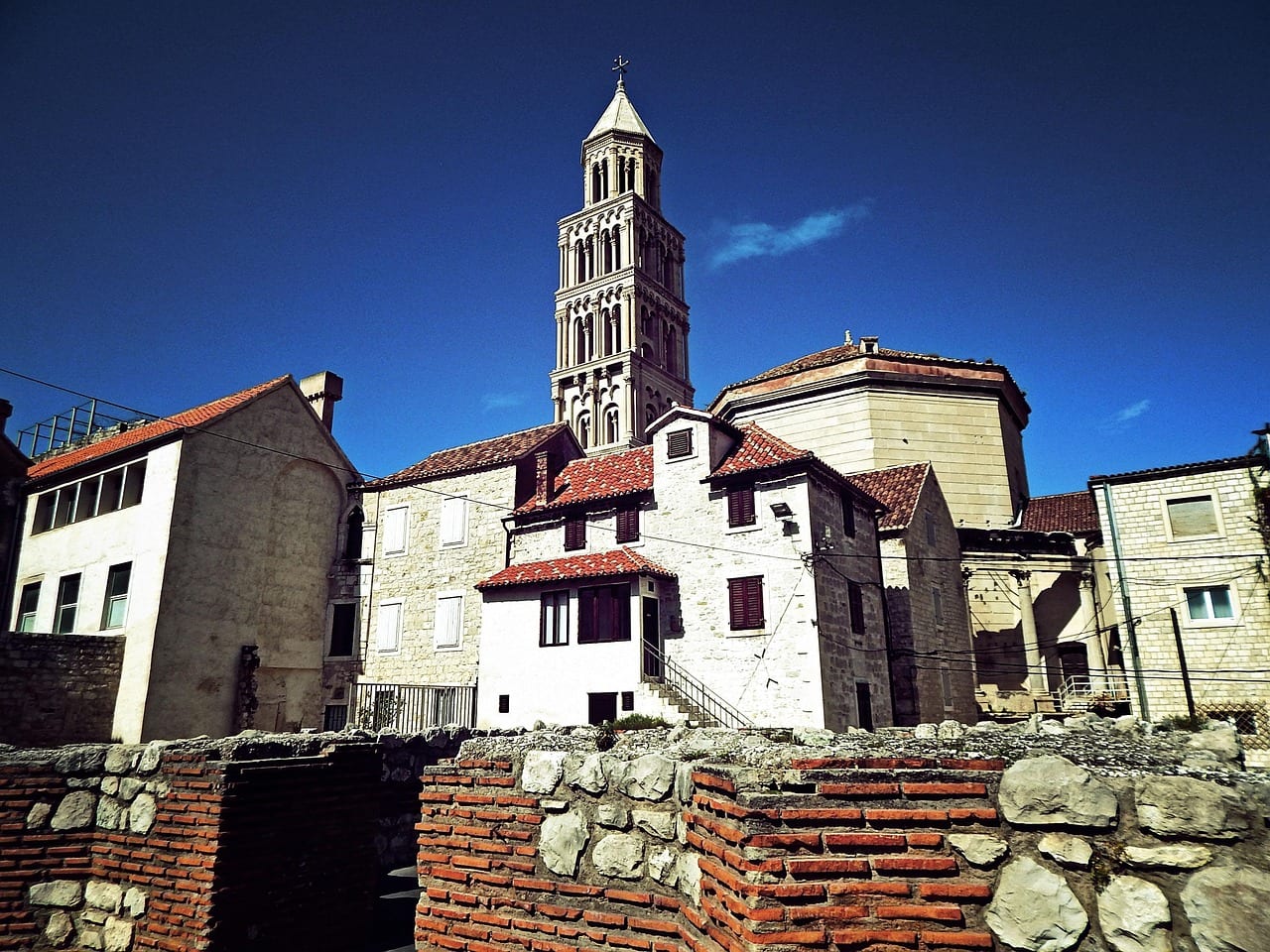
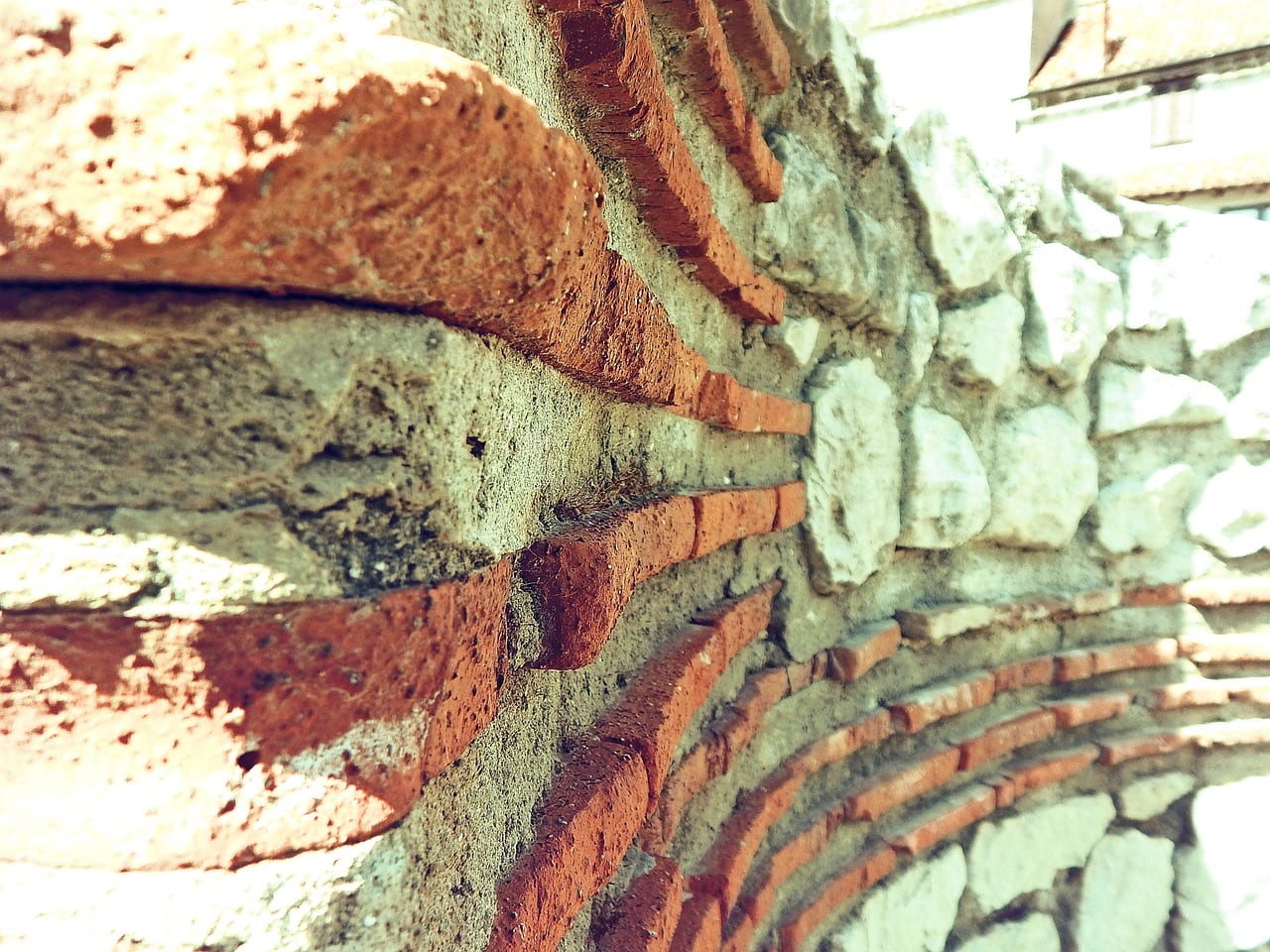
Photograph 1 of 13 of Cellars of Diocletian's Palace
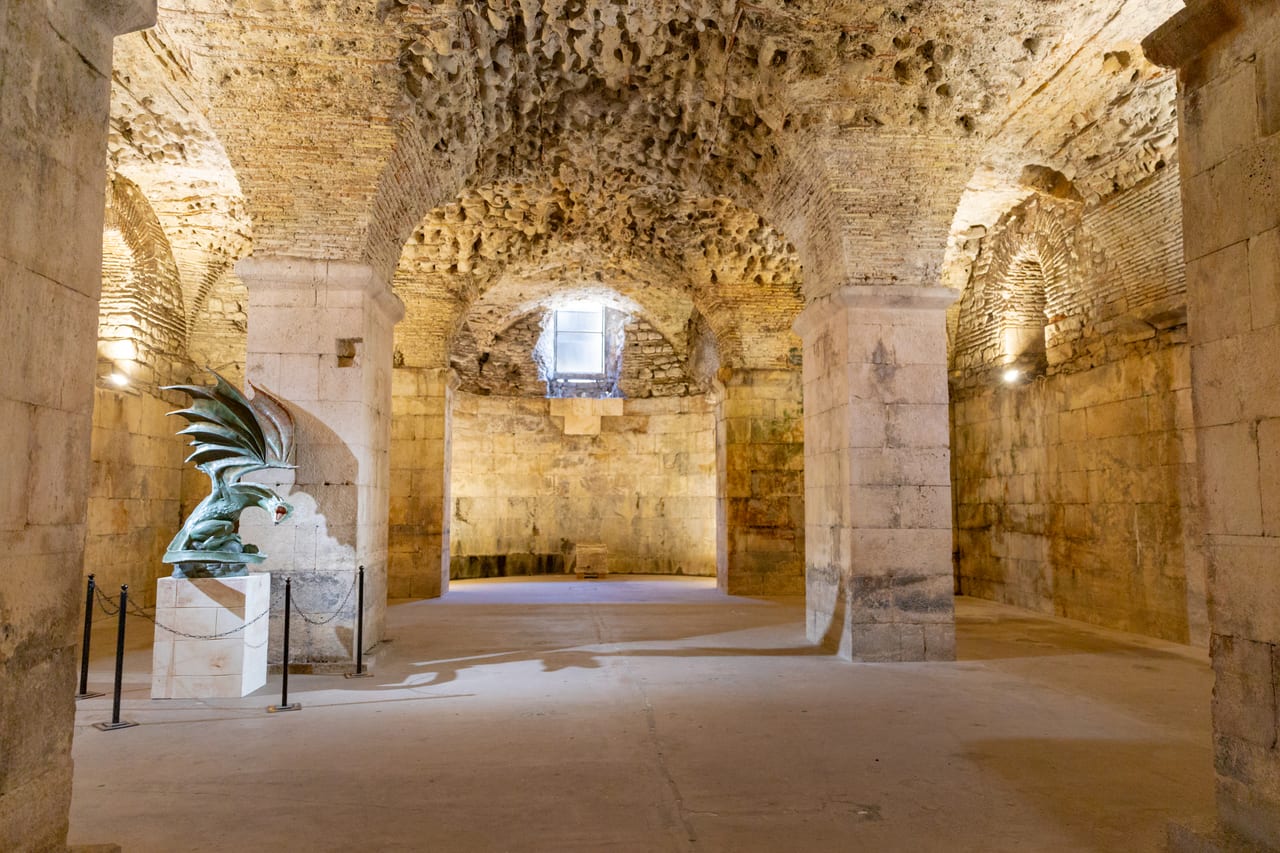
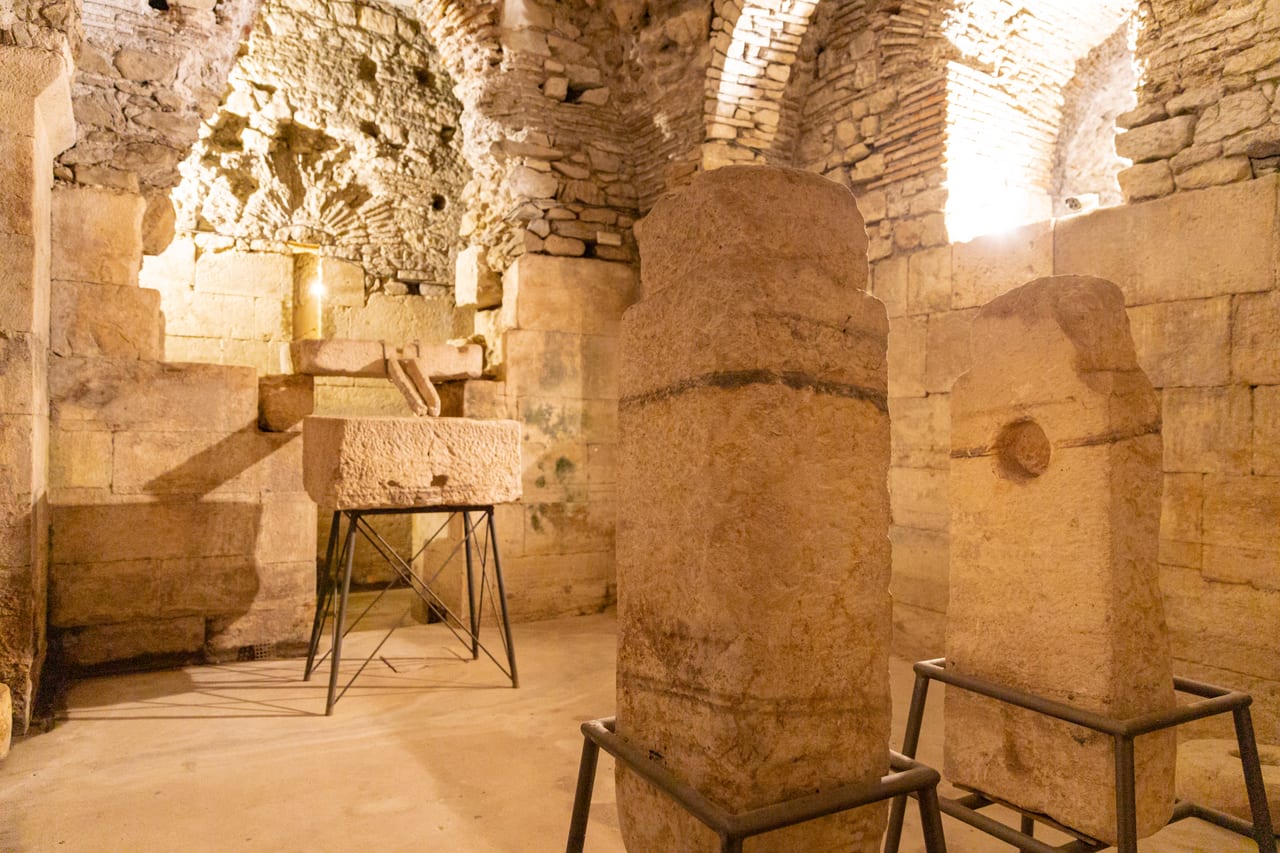
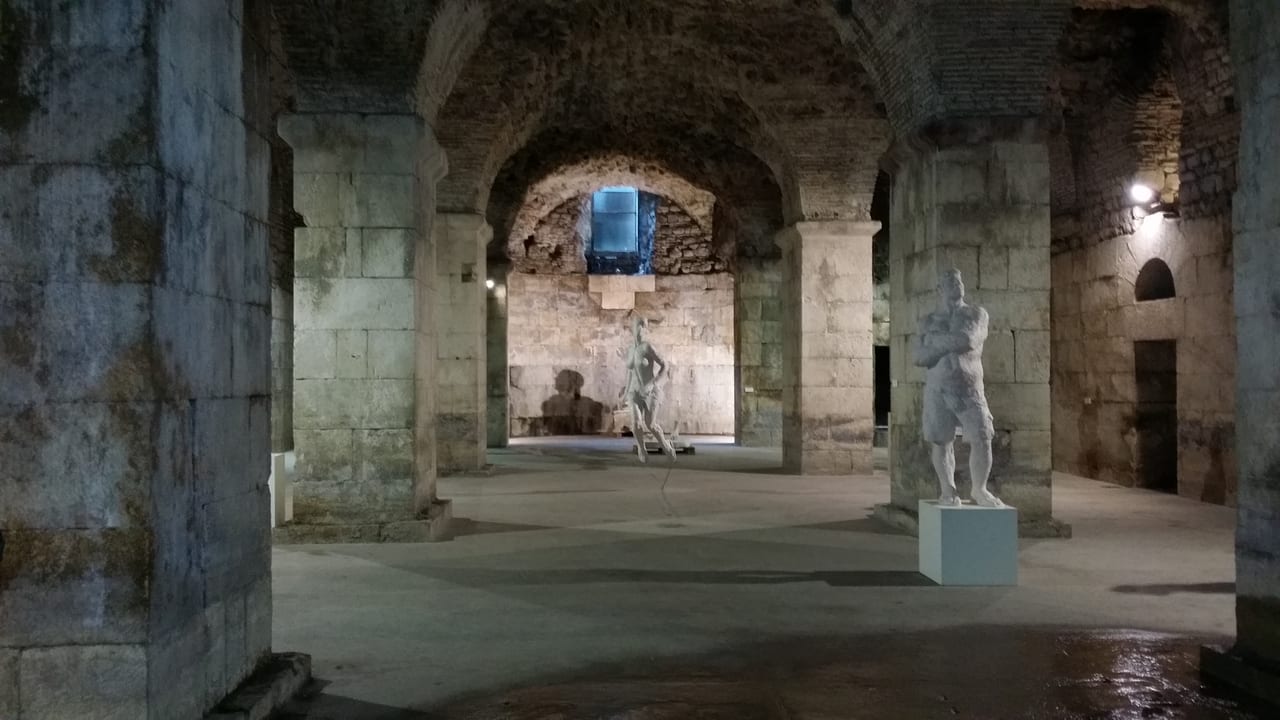
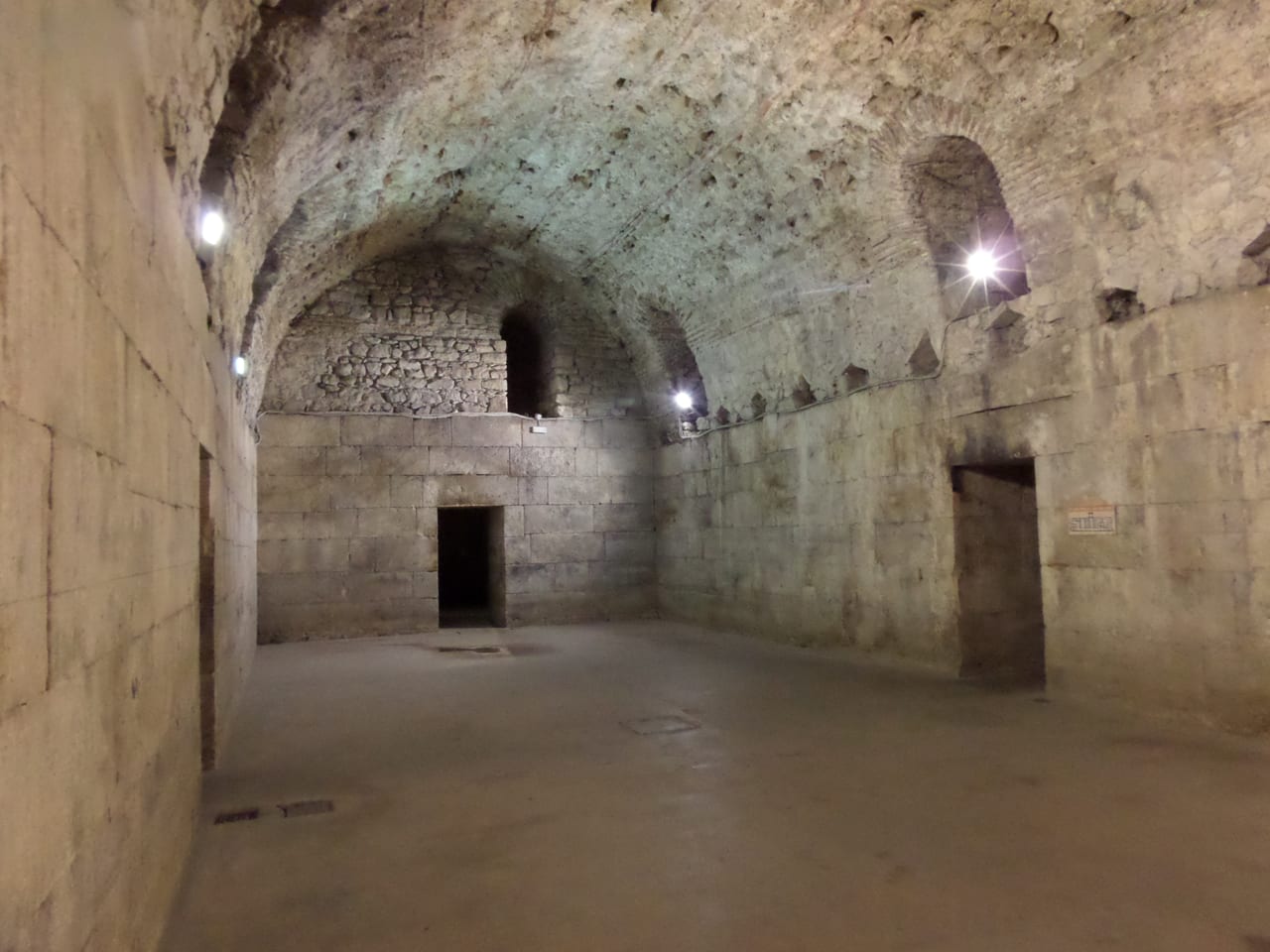
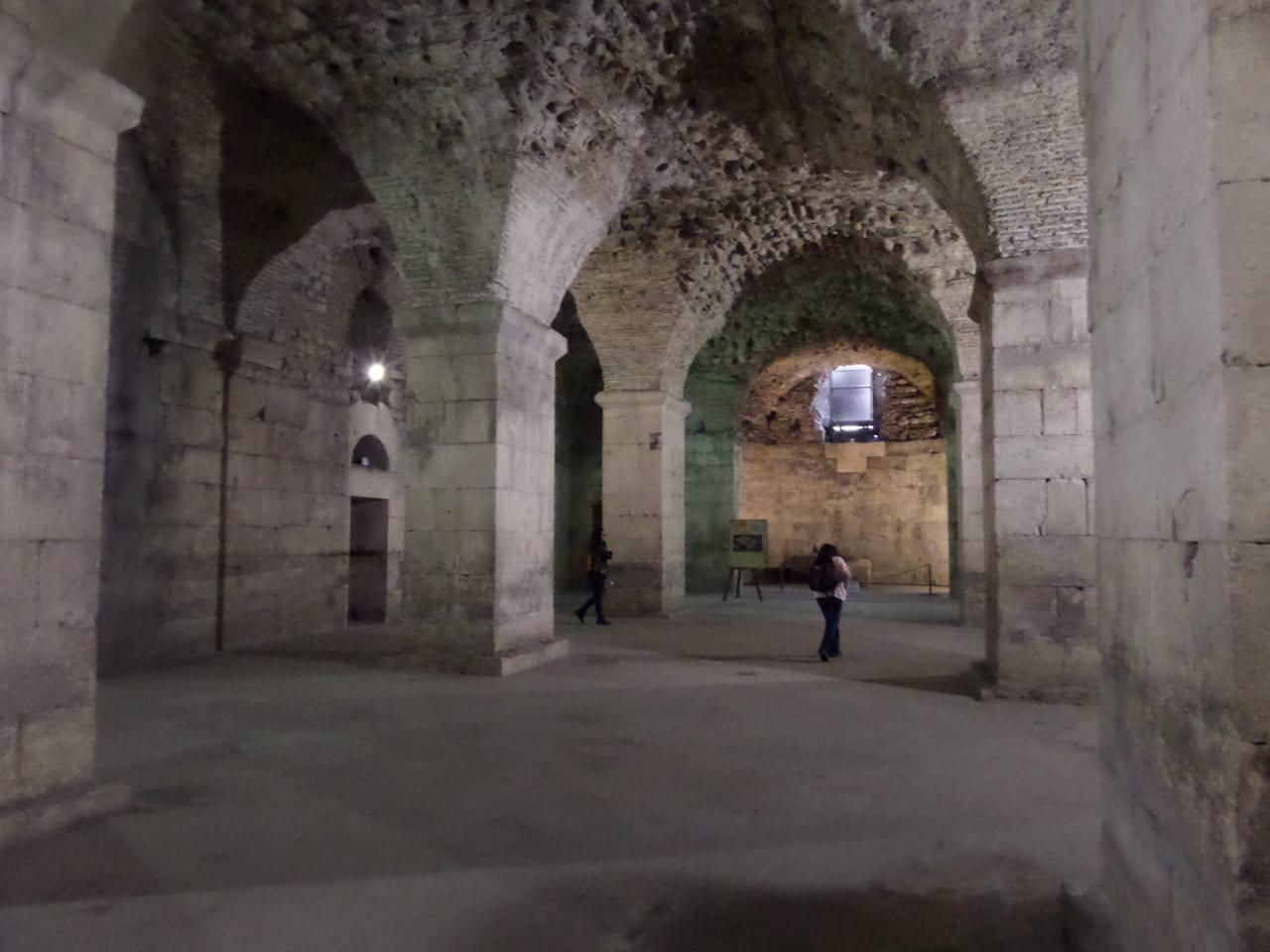
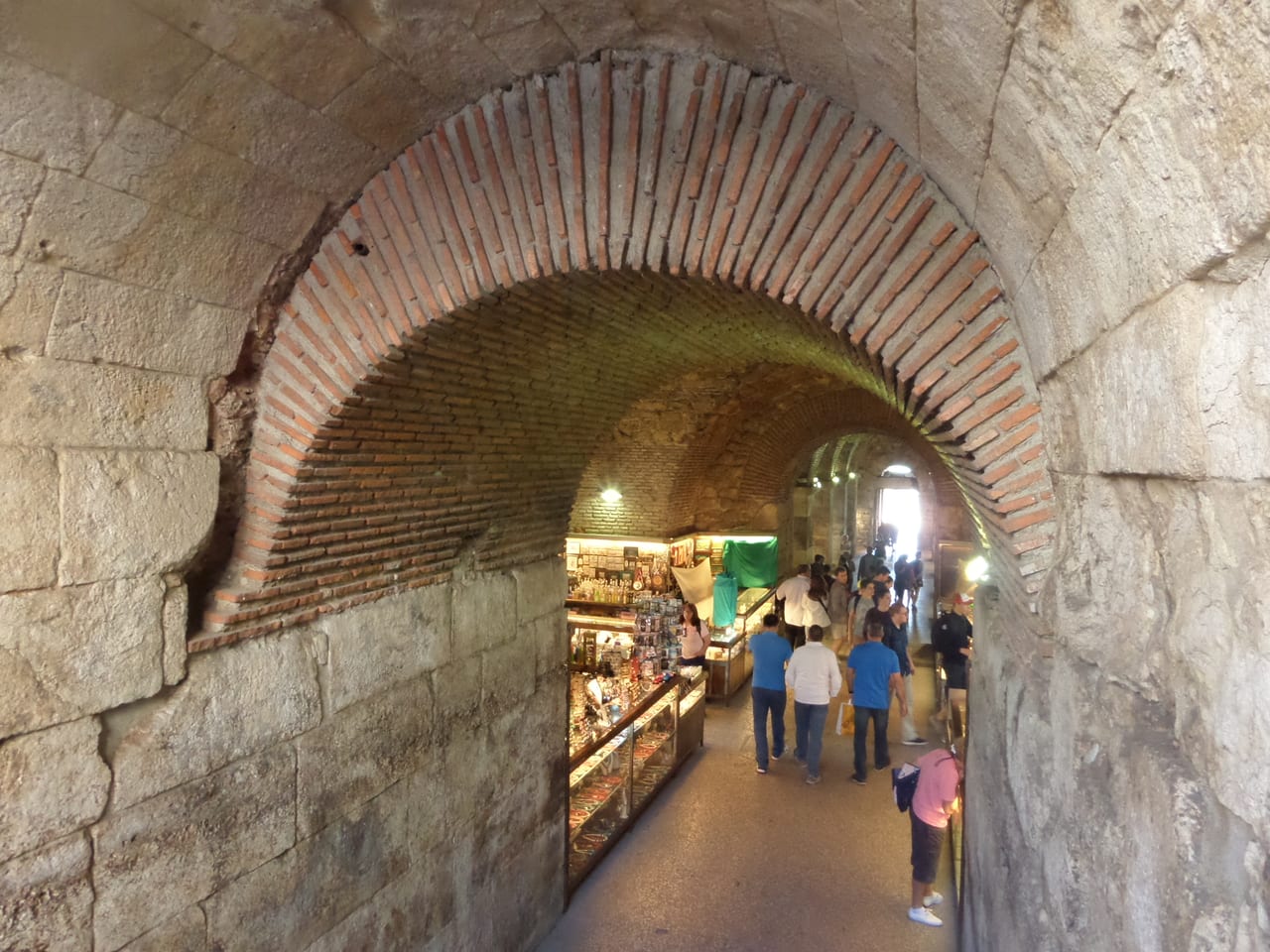
The vaulted chambers were built as part of Diocletian’s Palace on ground that slopes towards the sea, raising the southern residential quarter to the level of the rest of the complex. Their varied plans—basilical, central, cross-shaped and rectangular—probably followed the imperial buildings they once supported; those structures later disappeared as medieval houses and streets took shape. A passage along the palace’s main north–south route runs from the Peristyle to the Bronze Gate, dividing the cellars into eastern and western sections. A broad corridor beside the southern wall gives access to the rooms. The chambers may have served as storage, and perhaps as a prison. Although they were almost entirely buried over time, Split’s old name for them was “Grote”; local belief also cast them as the dungeons where Diocletian tortured Christians. Excavation began in the 19th century and accelerated in the 1950s. The eastern section partly collapsed in the Middle Ages, and that collapse destroyed later buildings, including the monastery and church of St Clare.
Ways to explore Cellars of Diocletian's Palace
Notice how the sequence of vaulted rooms shifts between broad halls and narrower connecting passages, and compare the different spatial forms as you move through them. The western section is almost entirely accessible; much of the eastern section is open to visitors as well. The cellars are also used for fairs and exhibitions, so the experience can vary with the displays and events in progress.
Places to stay near Cellars of Diocletian's Palace

Live availability and prices from Stay22's partners, refreshed periodically and subject to change. Booking through these links may earn us a commission at no extra cost to you. See our privacy policy.
Cafés near Cellars of Diocletian's Palace
Cafés near Cellars of Diocletian's Palace loads as you scroll.
Attractions nearby
Attractions near Cellars of Diocletian's Palace loads as you scroll.
Cities nearby
Cities nearby loads as you scroll.
More in Split
See more of Split.
Find great cafés, places to stay and other interesting places to visit in Split.