Church · Split
Cathedral of Saint Domnius
DirectionsIts 1214 walnut doors preserve 28 carved scenes from Christ’s life, a rare survival in a European tradition where Romanesque bronze doors were far more common.
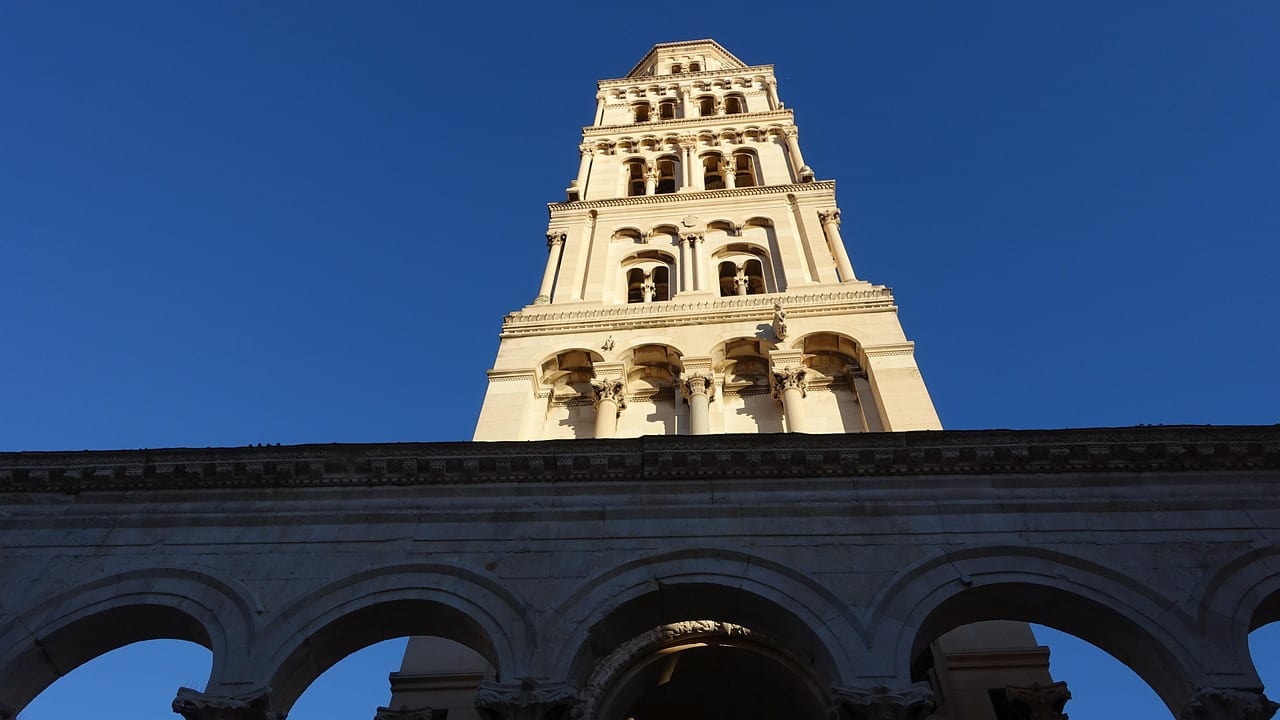
Photograph 1 of 9 of Cathedral of Saint Domnius
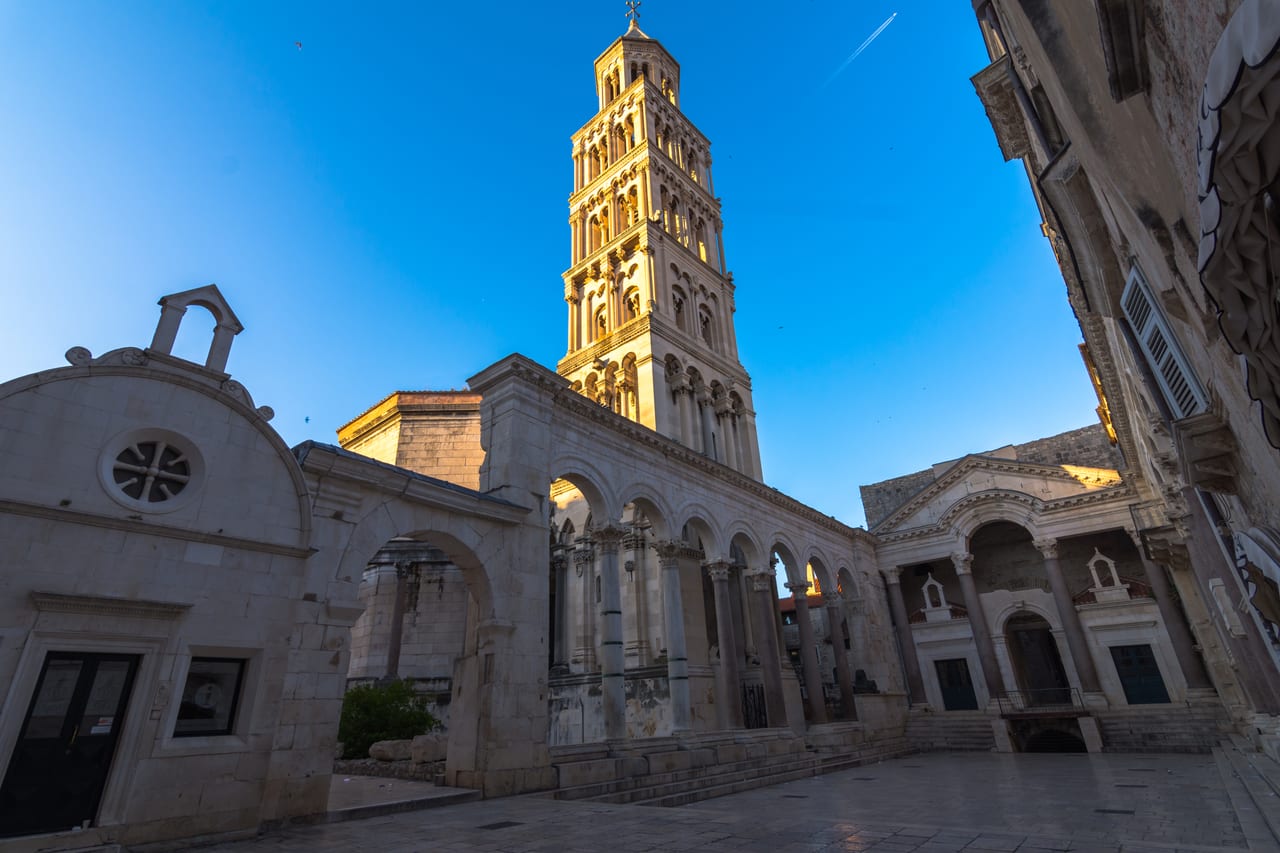
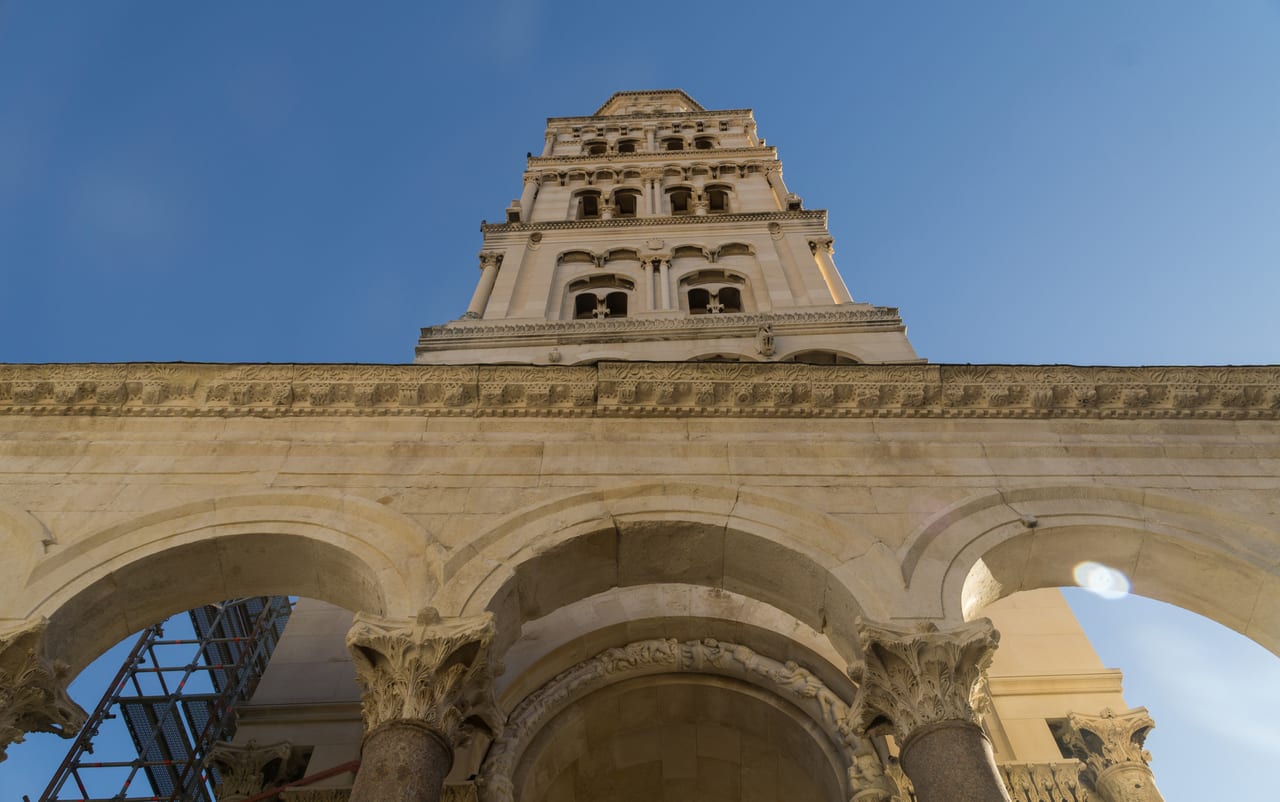
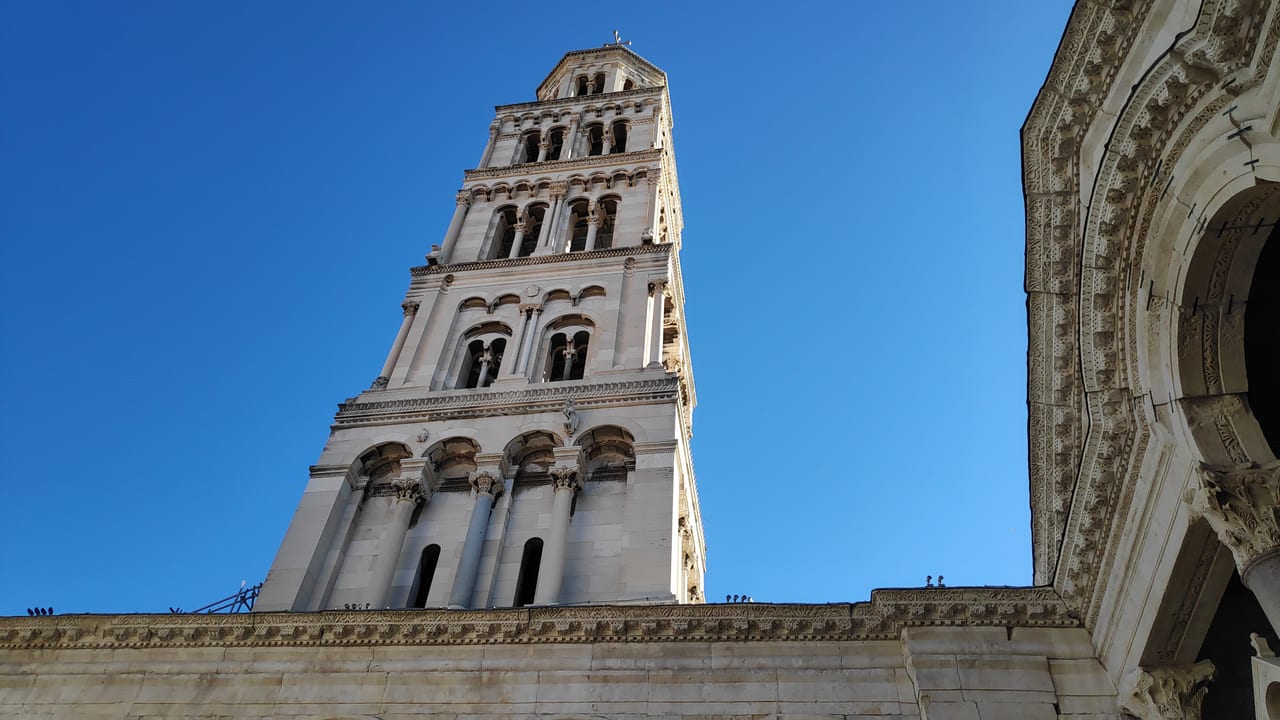
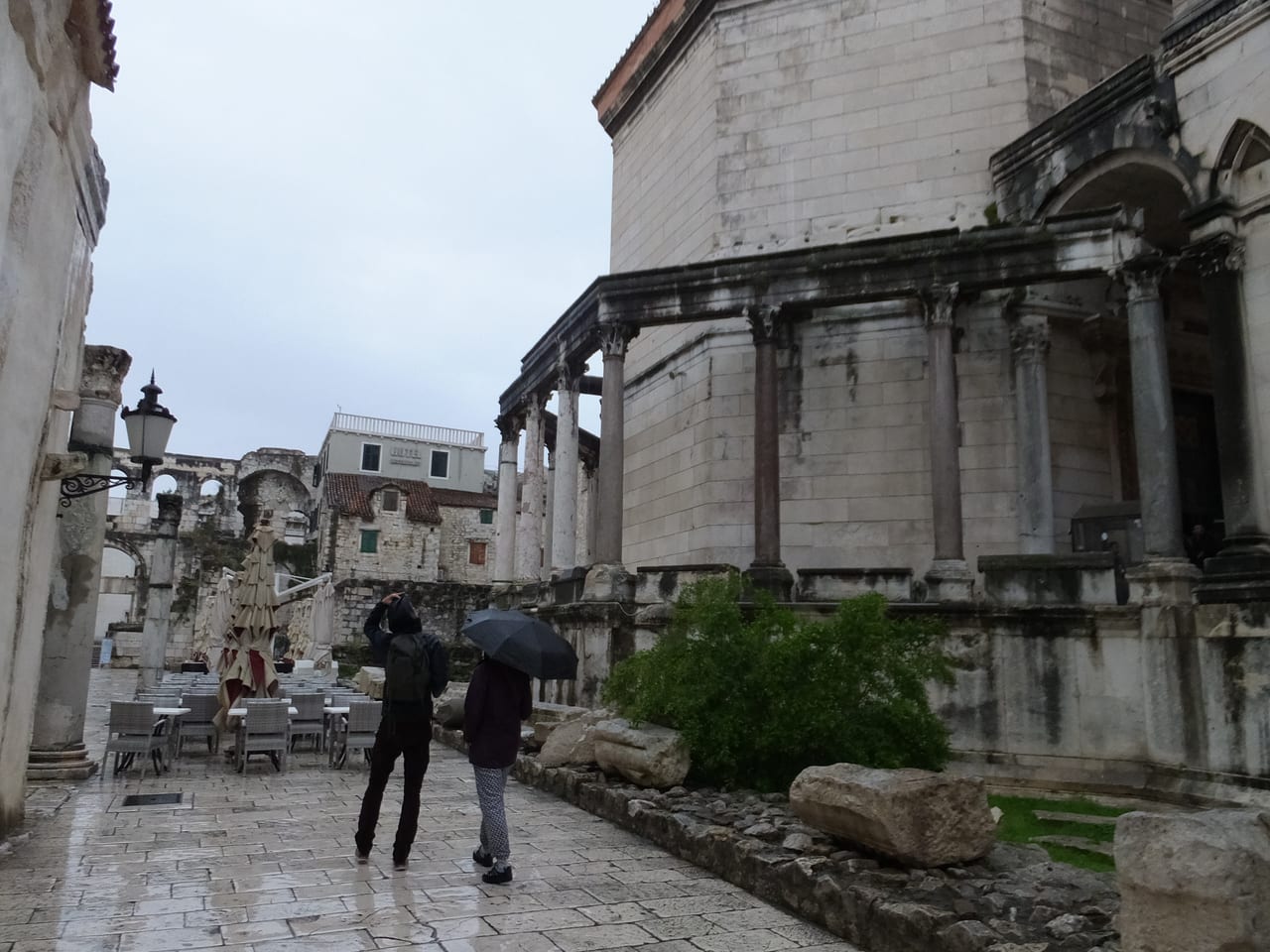
Built in the early 4th century, the cathedral began as a Roman imperial building. After Avars and Slavs destroyed Salona in the 7th century, some survivors settled in the abandoned palace and converted it for Christian worship. They brought the relics of Salona’s martyrs, including Domnius and Anastasius, into the church; tradition names John of Ravenna as Split’s first archbishop. The exterior is octagonal, while the domed interior is circular, ringed by eight granite columns and once filled with niches for statues of gods and emperors. In the 15th century, Bonino da Milano and Juraj Dalmatinac created the two sculpted altars to the city’s patron and co-patron. A larger choir was added in the early 17th century under Archbishop Markantun de Dominis, when the eastern wall was removed to extend the space. The present altar of St Domnius followed in 1767, and the saint’s relics were transferred there in 1770.
At a glance
- Style
- ancient Roman architecture
- Heritage
- Register of Cultural Goods of Croatia
Ways to explore Cathedral of Saint Domnius
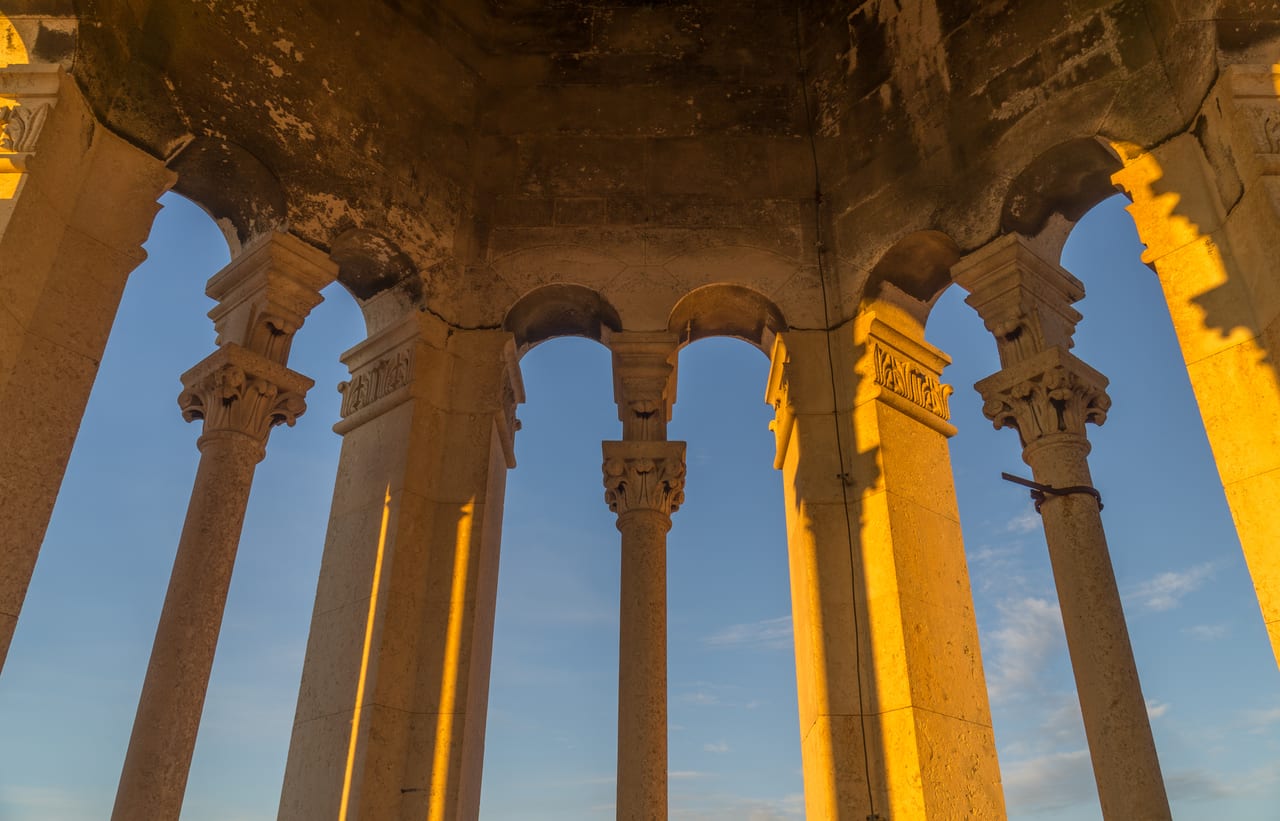
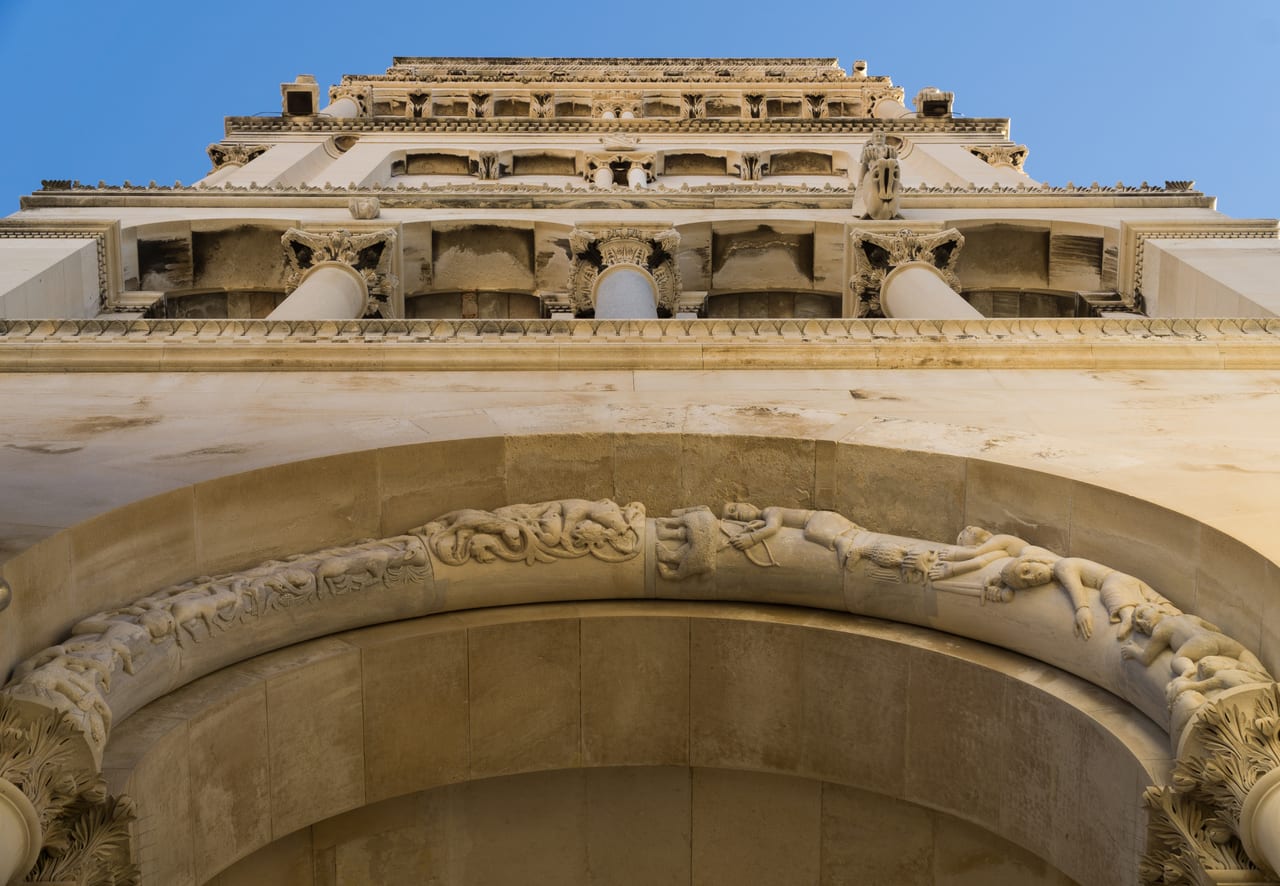
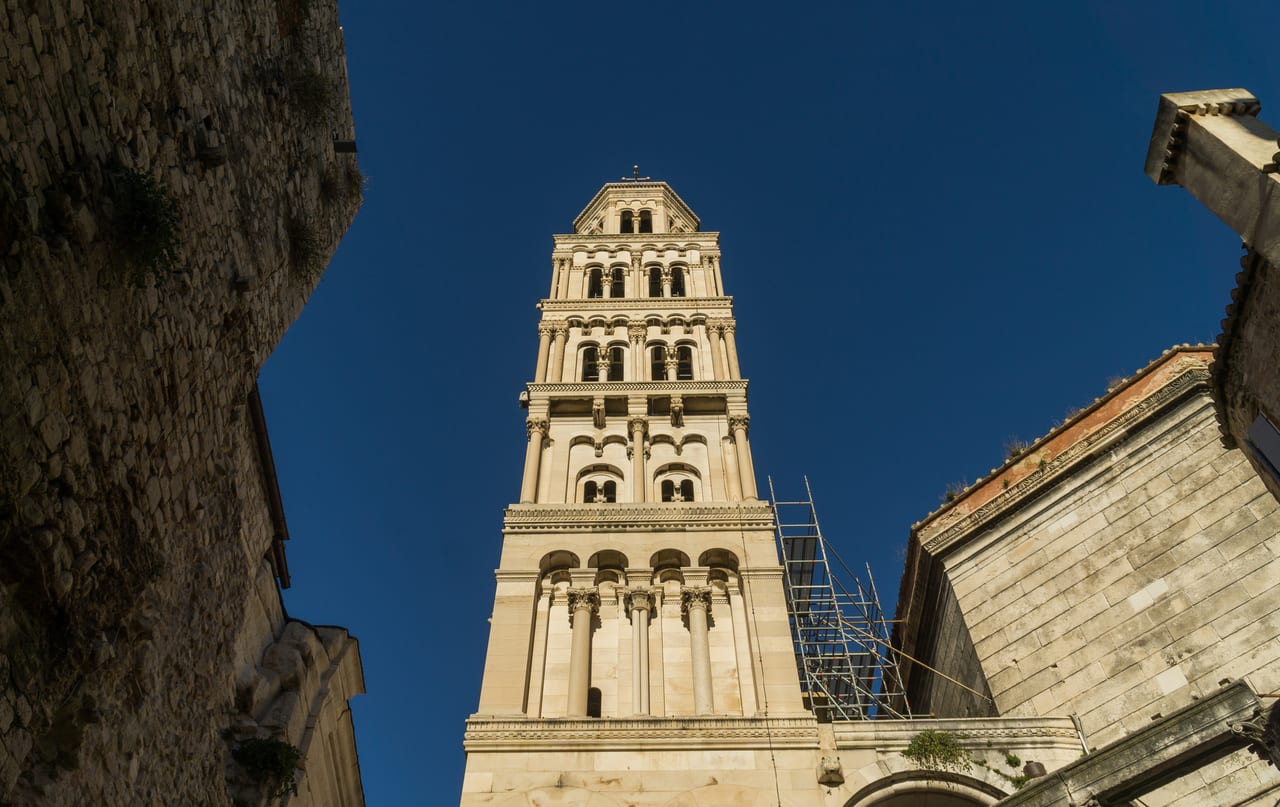
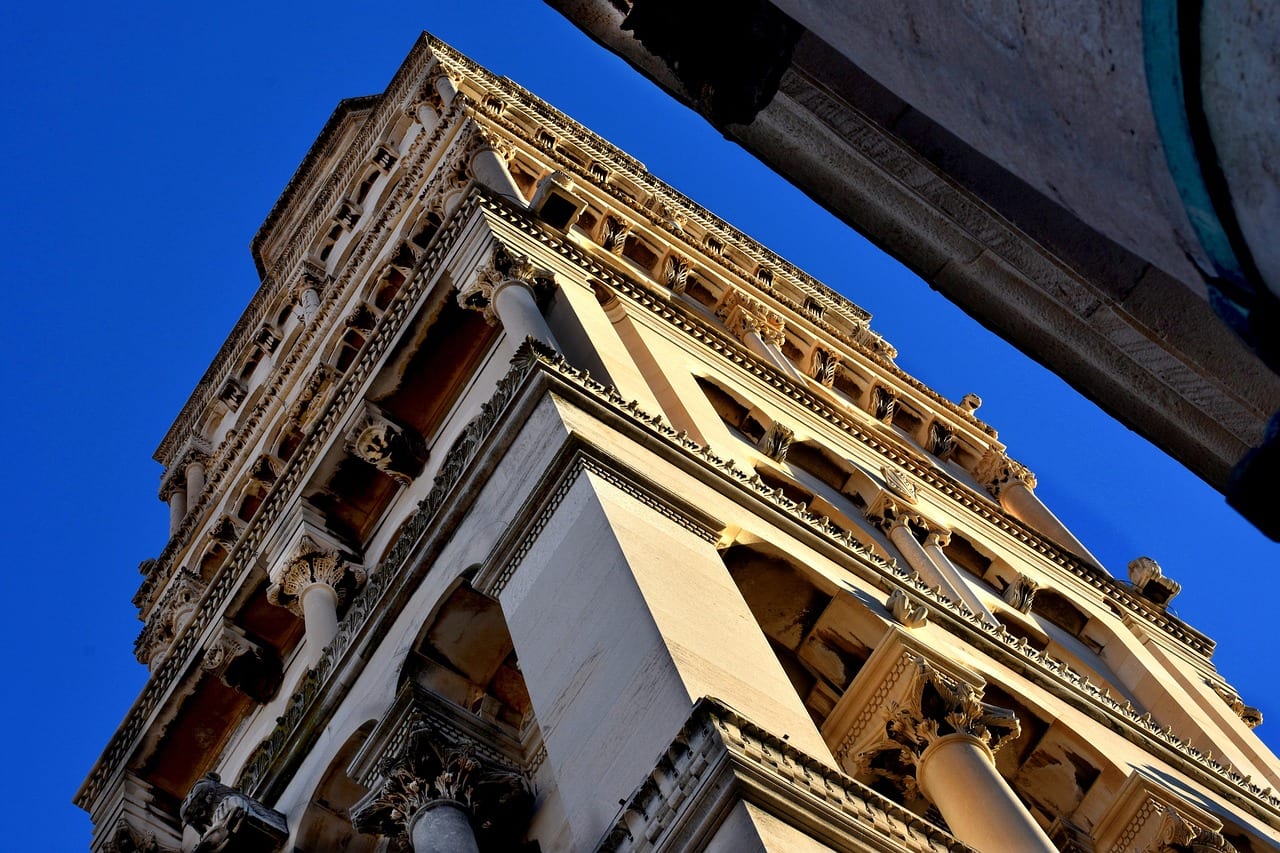
From the Peristyle, take in the building’s octagonal outline, then look upward to trace the bell tower’s narrowing stages and openwork against the surrounding ancient stonework. Inside, seek out the crypt beneath the cathedral, dedicated to St Lucy. If the treasury is open, its holdings include a 6th-century Gospel book, medieval manuscripts, reliquaries and a silver altar panel; allow time to look beyond the larger objects to the textiles and liturgical vessels.
Places to stay near Cathedral of Saint Domnius

Live availability and prices from Stay22's partners, refreshed periodically and subject to change. Booking through these links may earn us a commission at no extra cost to you. See our privacy policy.
Cafés near Cathedral of Saint Domnius
Cafés near Cathedral of Saint Domnius loads as you scroll.
Attractions nearby
Attractions near Cathedral of Saint Domnius loads as you scroll.
Cities nearby
Cities nearby loads as you scroll.
More in Split
See more of Split.
Find great cafés, places to stay and other interesting places to visit in Split.