Museum · Split
Archaeological Museum Split
DirectionsFounded in 1820, the Archaeological Museum Split is Croatia’s oldest museum, with collections spanning the region’s ancient past and a scholarly tradition that continues today.
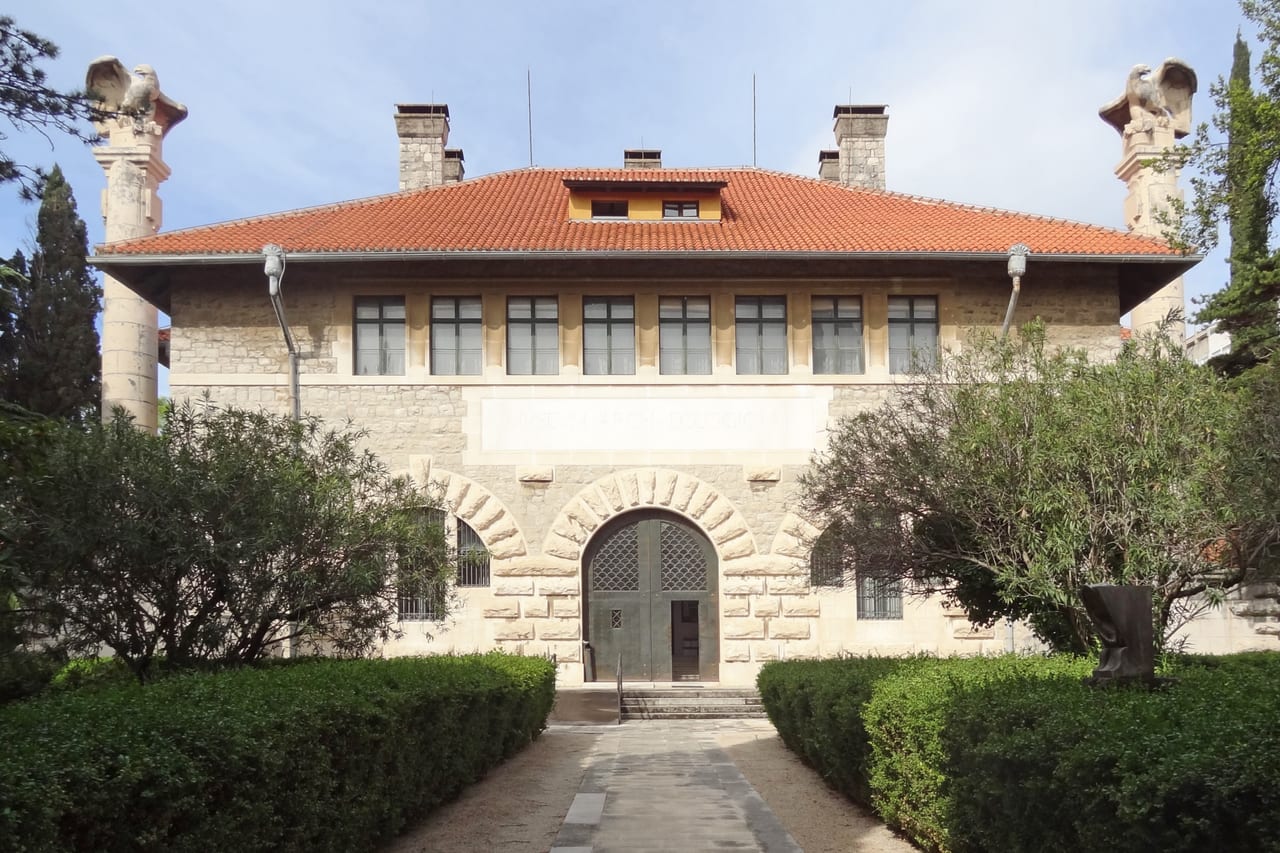
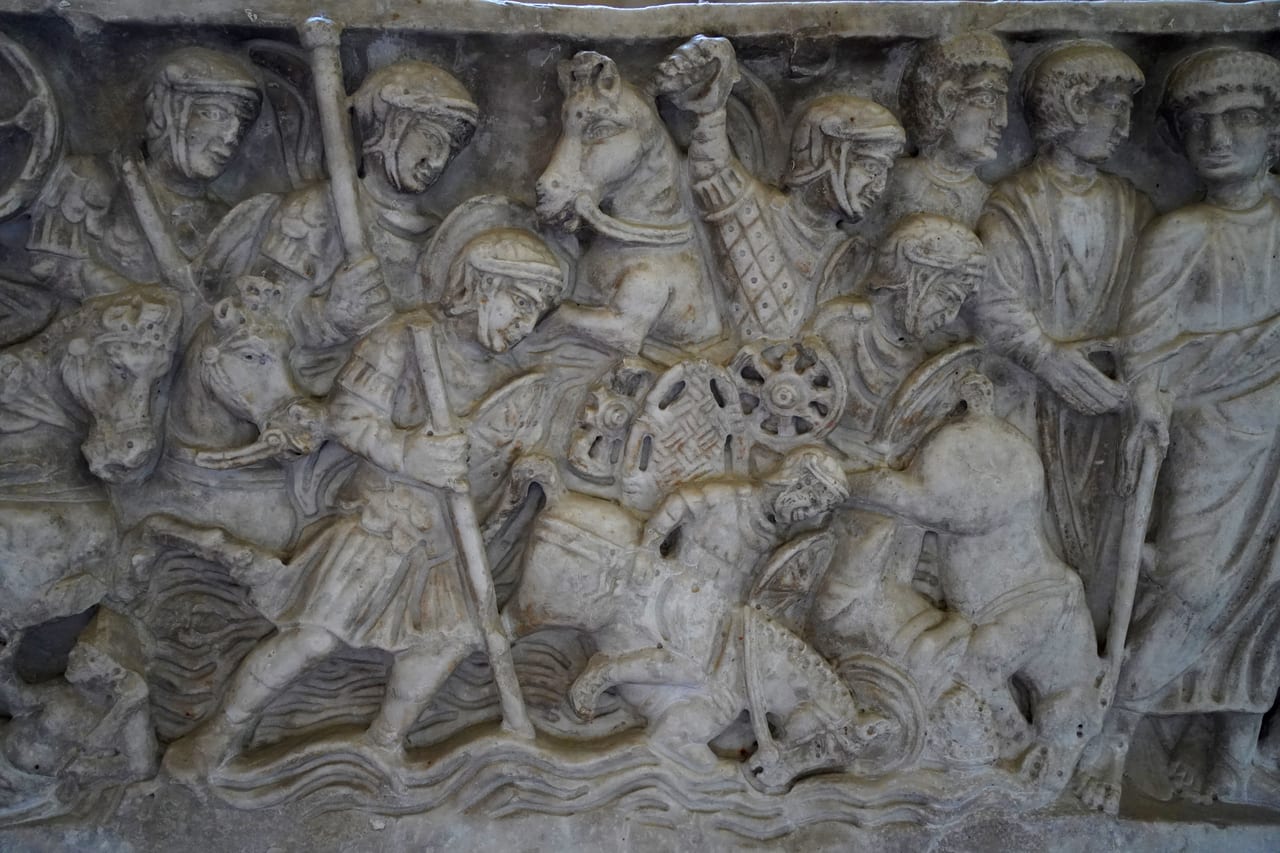
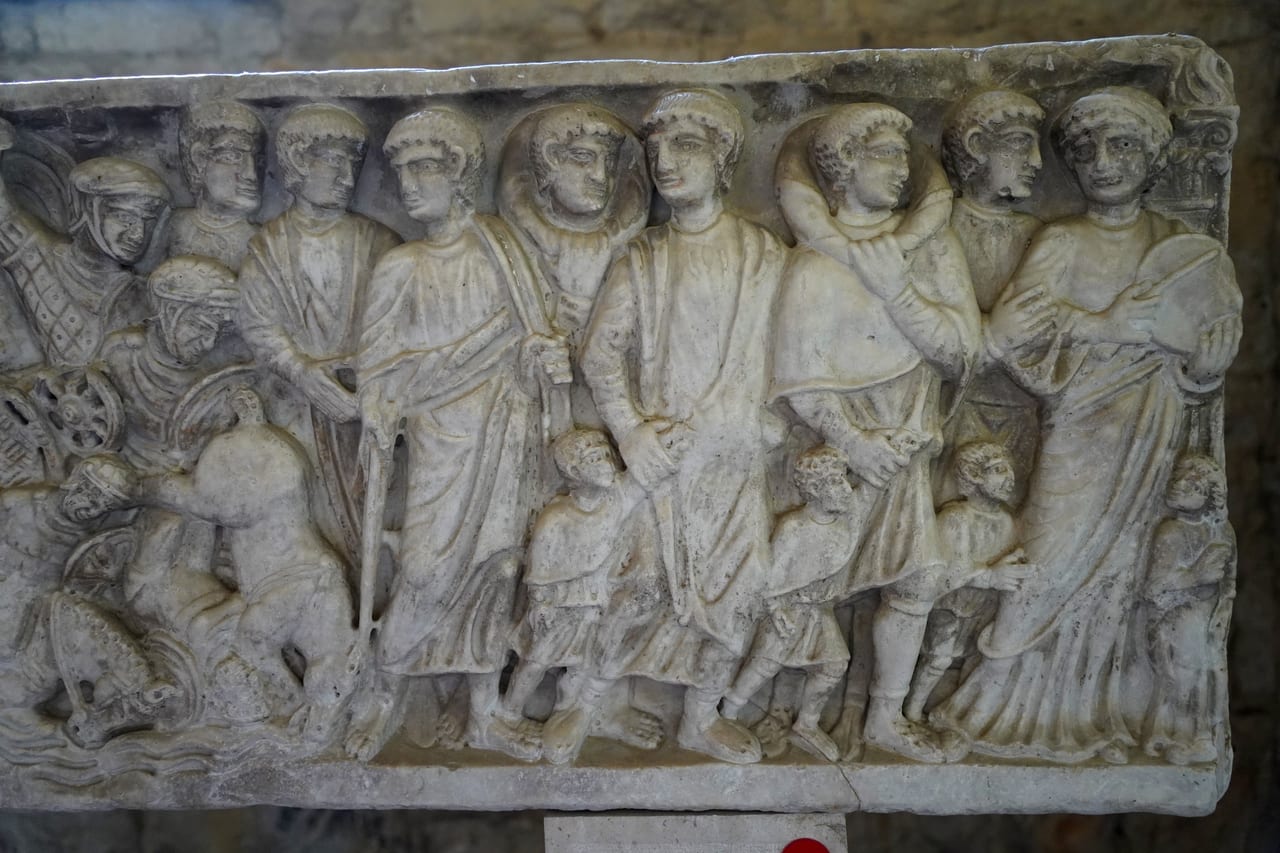
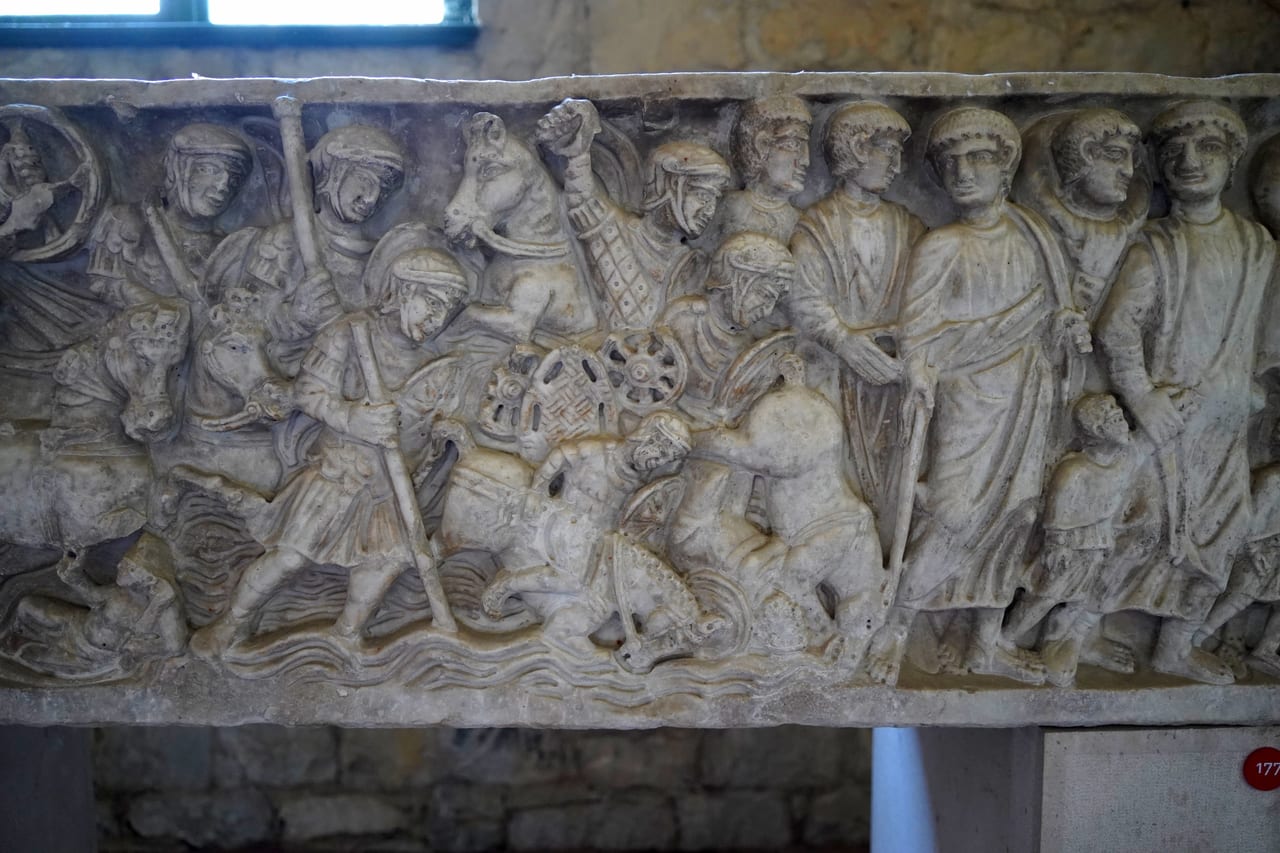
Photograph 1 of 13 of Archaeological Museum Split
The museum’s first home stood beside the eastern walls of Diocletian’s Palace. Its purpose-built complex, designed by Viennese architects August Kirstein and Friedrich Ohmann, was constructed in 1912–14 and occupied in 1922. The main building combines an exhibition hall on the ground floor with a library and workrooms above, alongside a lapidarium and garden. Since 1878, the museum has published the archaeological journal *Vjesnik za arheologiju i historiju dalmatinsku*. Don Frane Bulić served as its long-standing director from 1884. The museum’s work also reaches beyond its galleries: it conducts archaeological research at Salona and Issa and maintains collections and sites associated with both. Its branches include Tusculum, built at Manastirine in 1898 for archaeological work, and the Issa collection, established in 1983 in the 1842 Gospina Baterija fortress.
At a glance
- Built
- 1820
Ways to explore Archaeological Museum Split
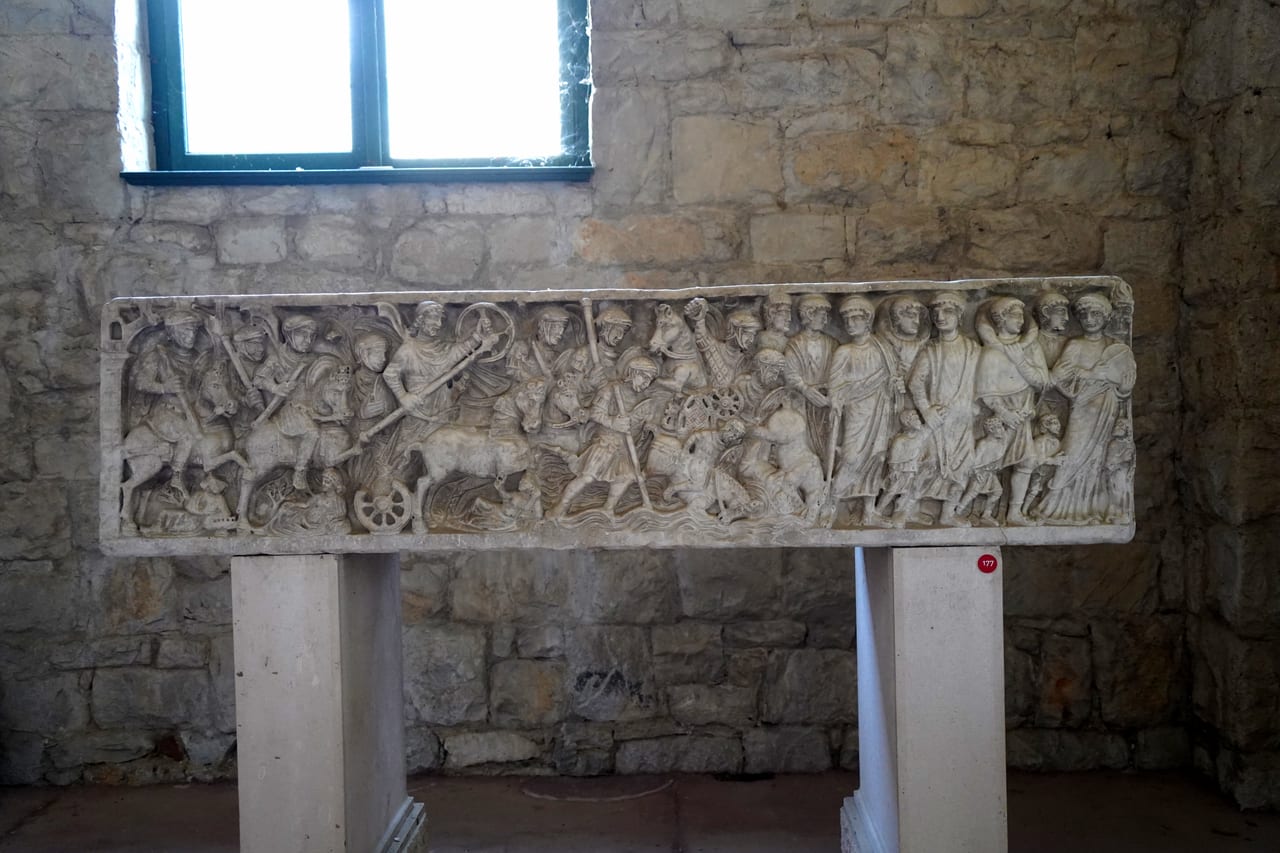
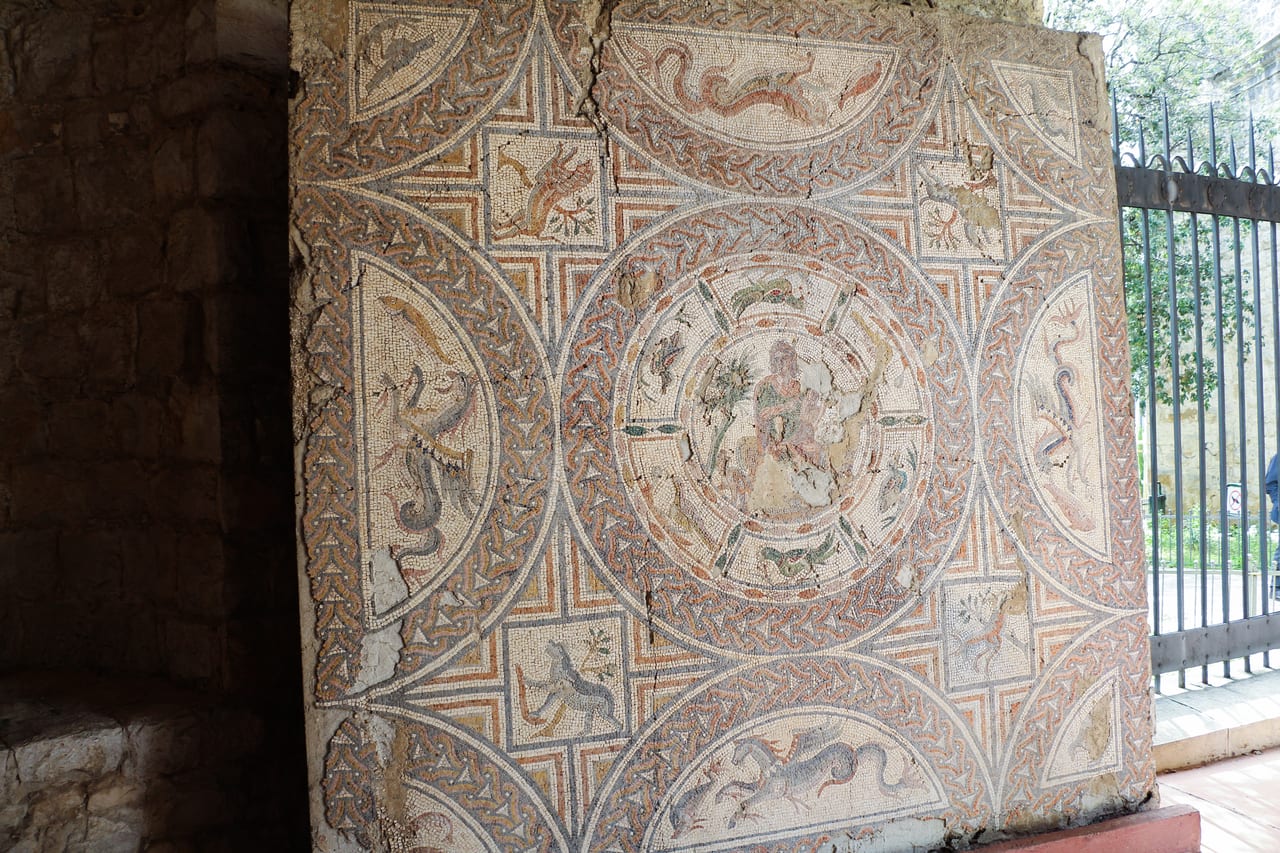
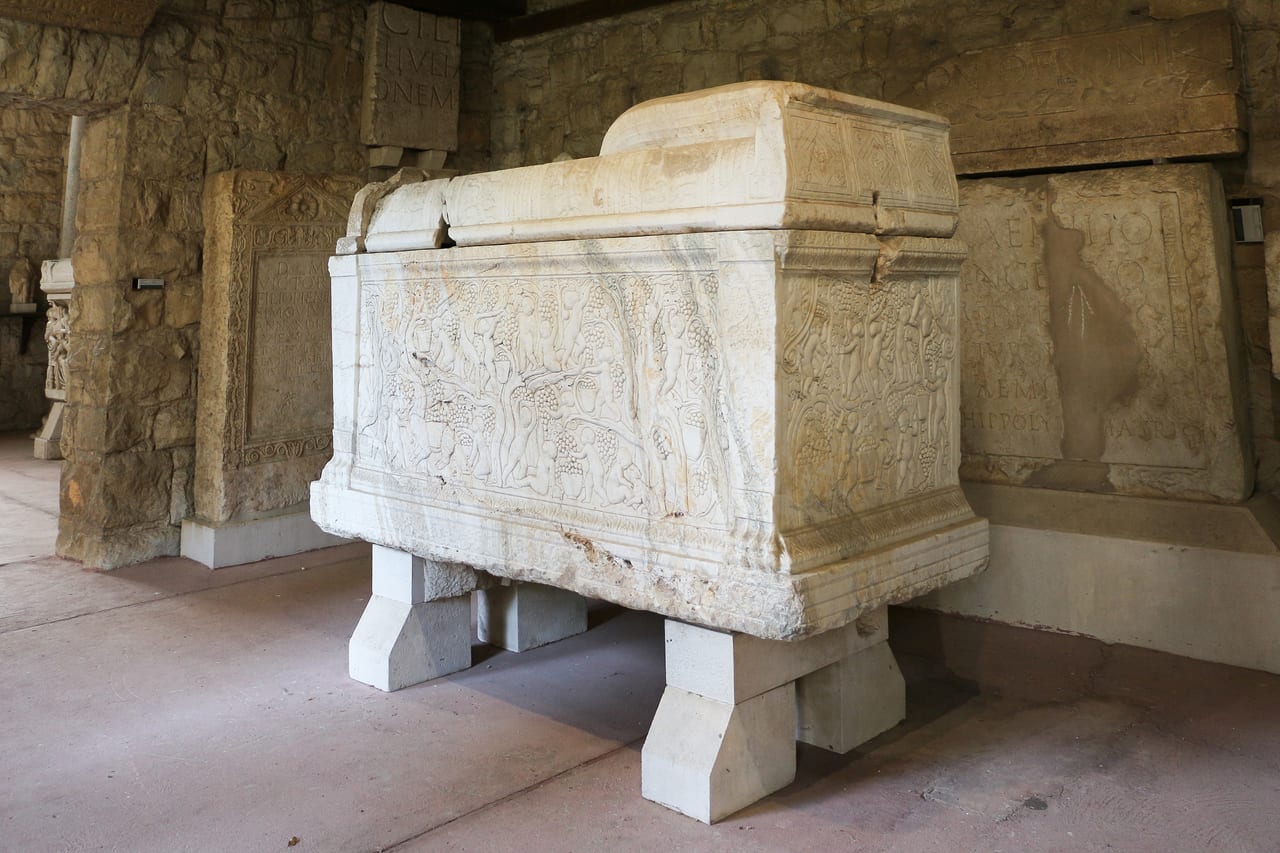
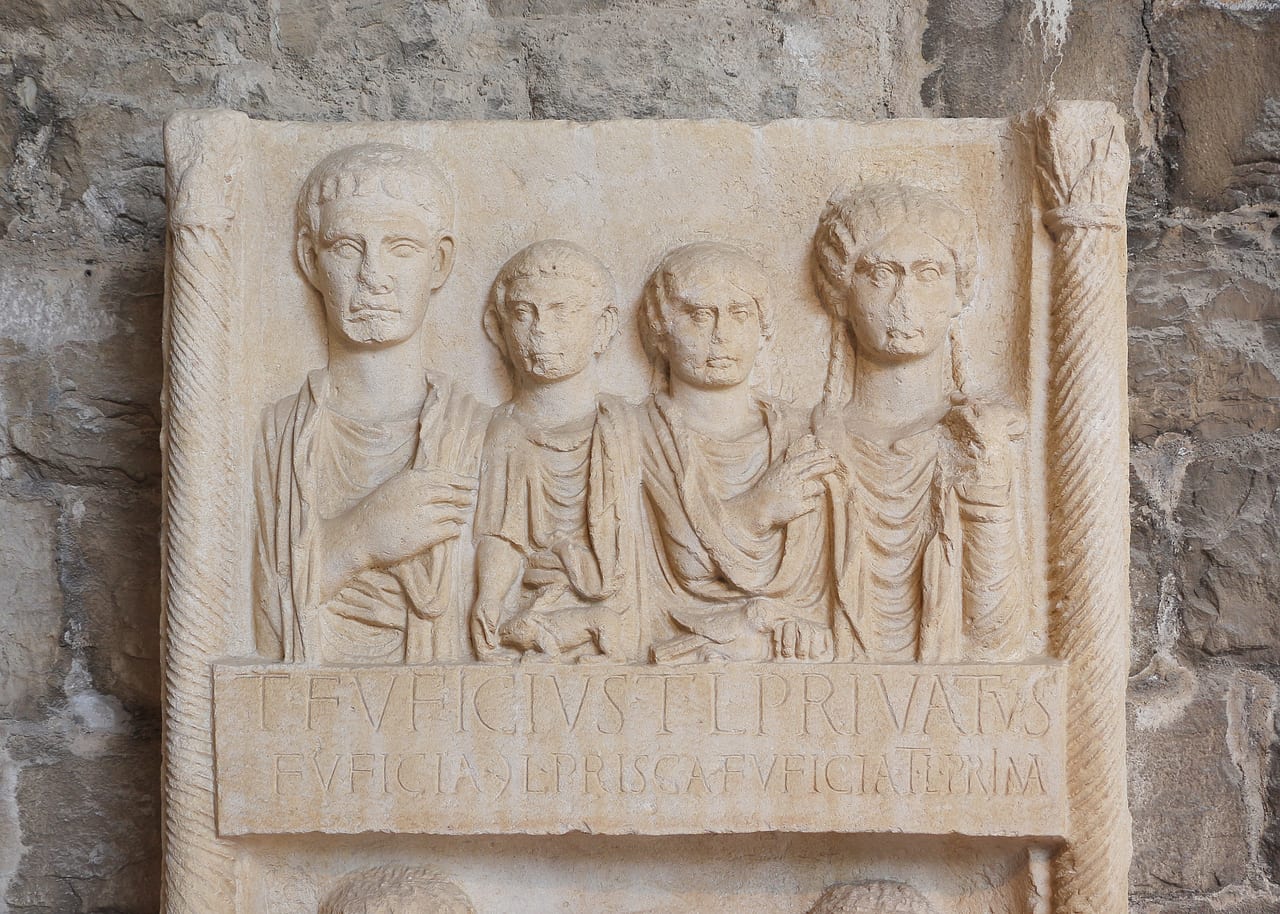
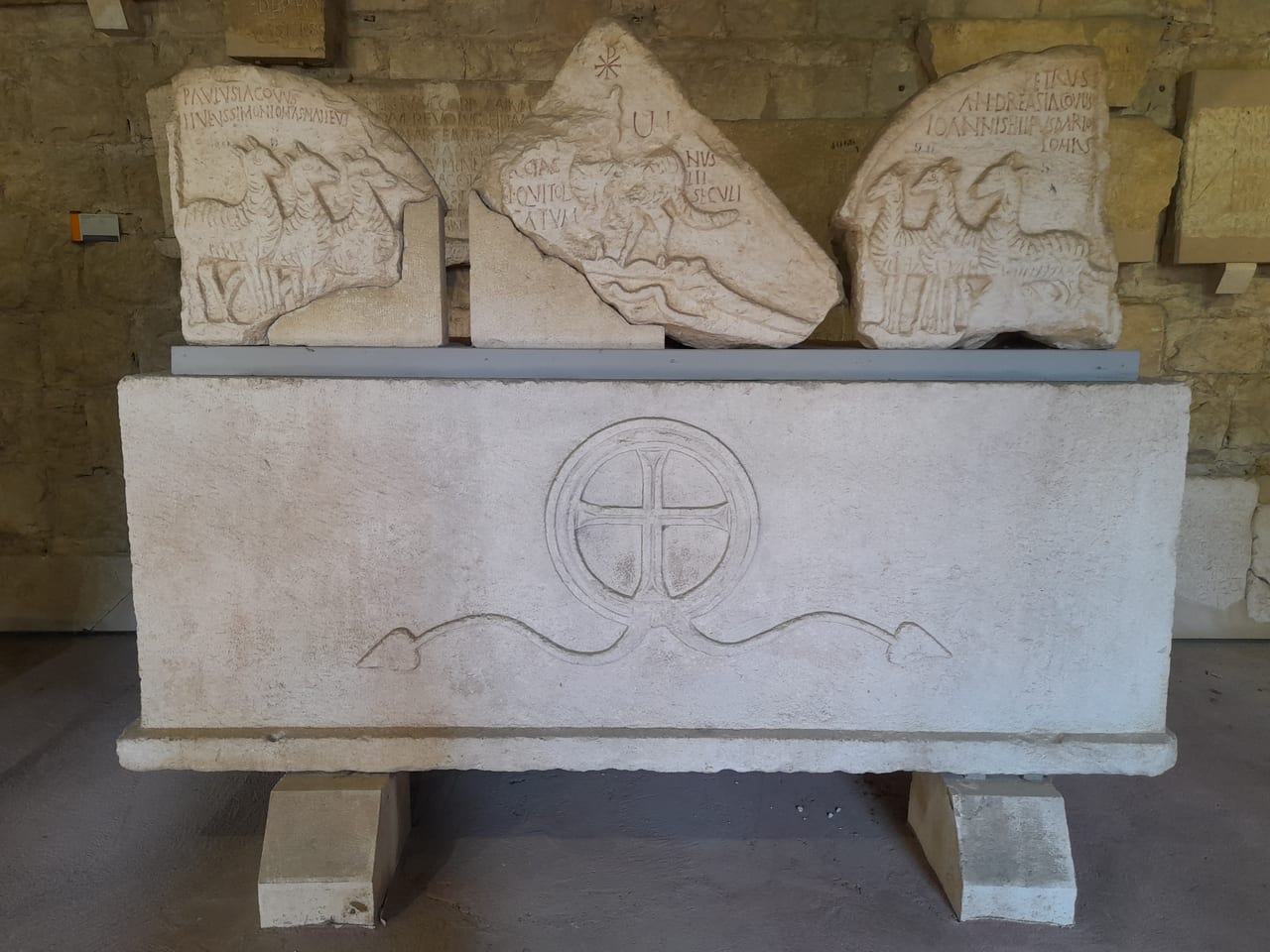
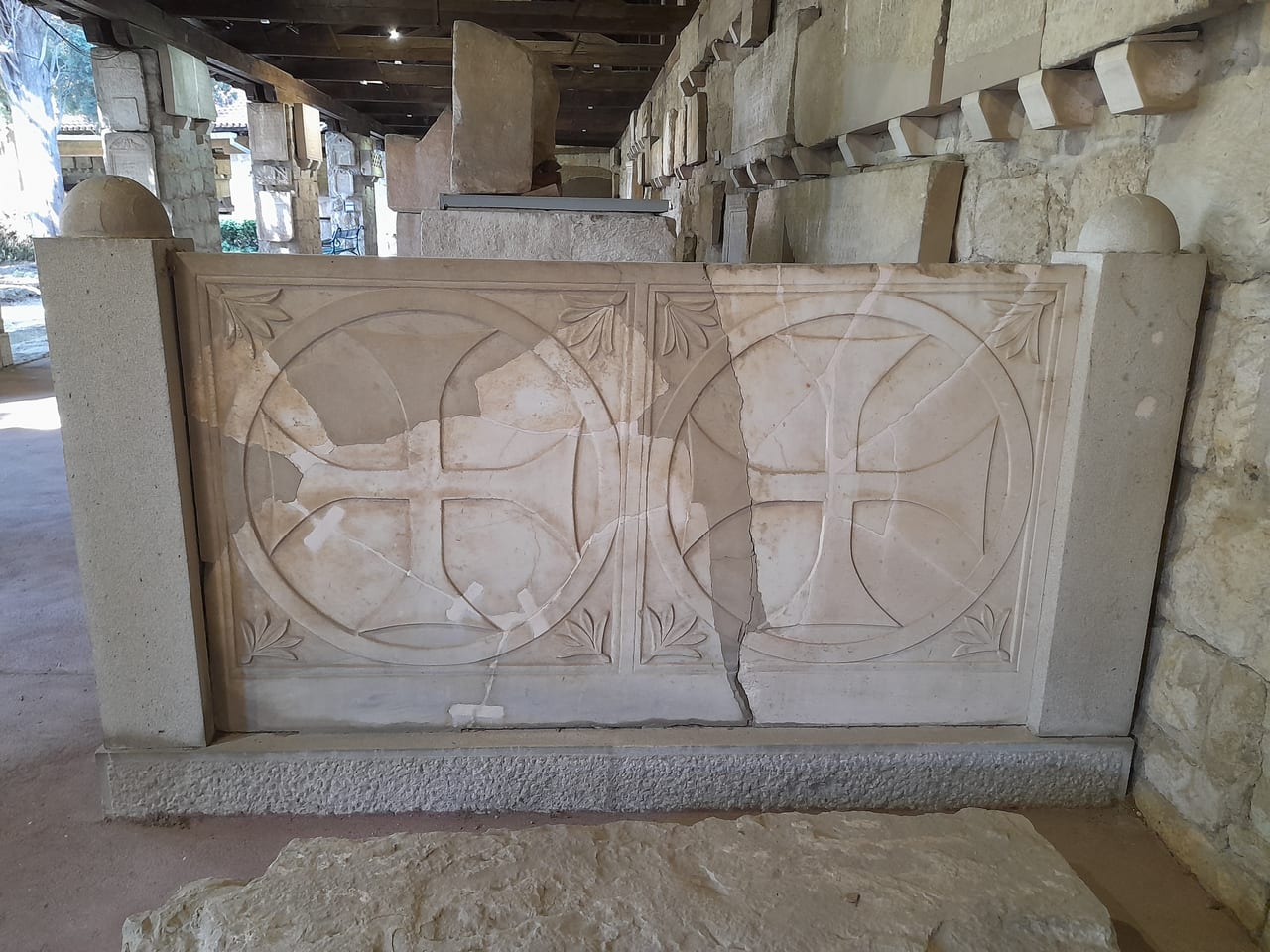
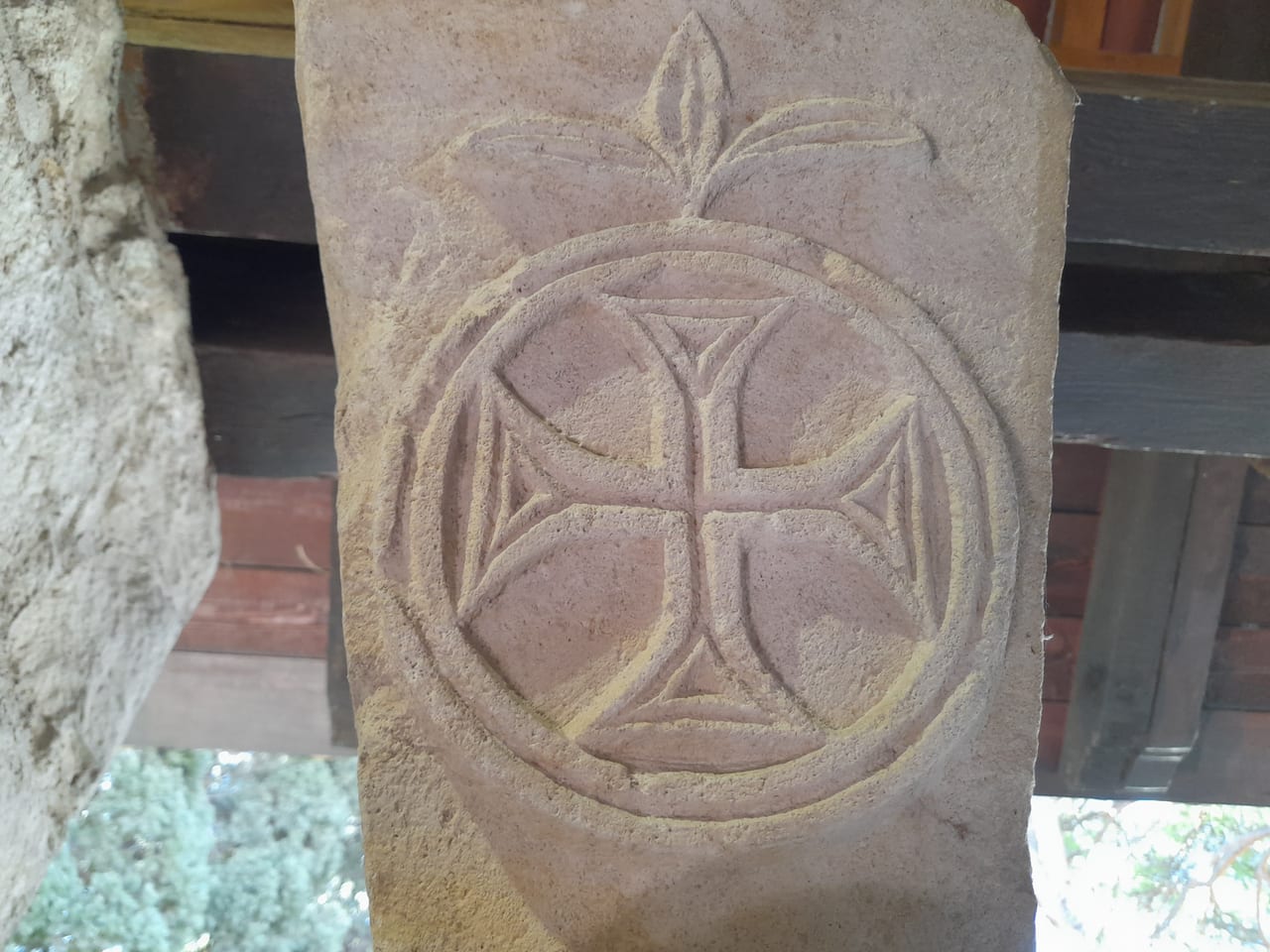
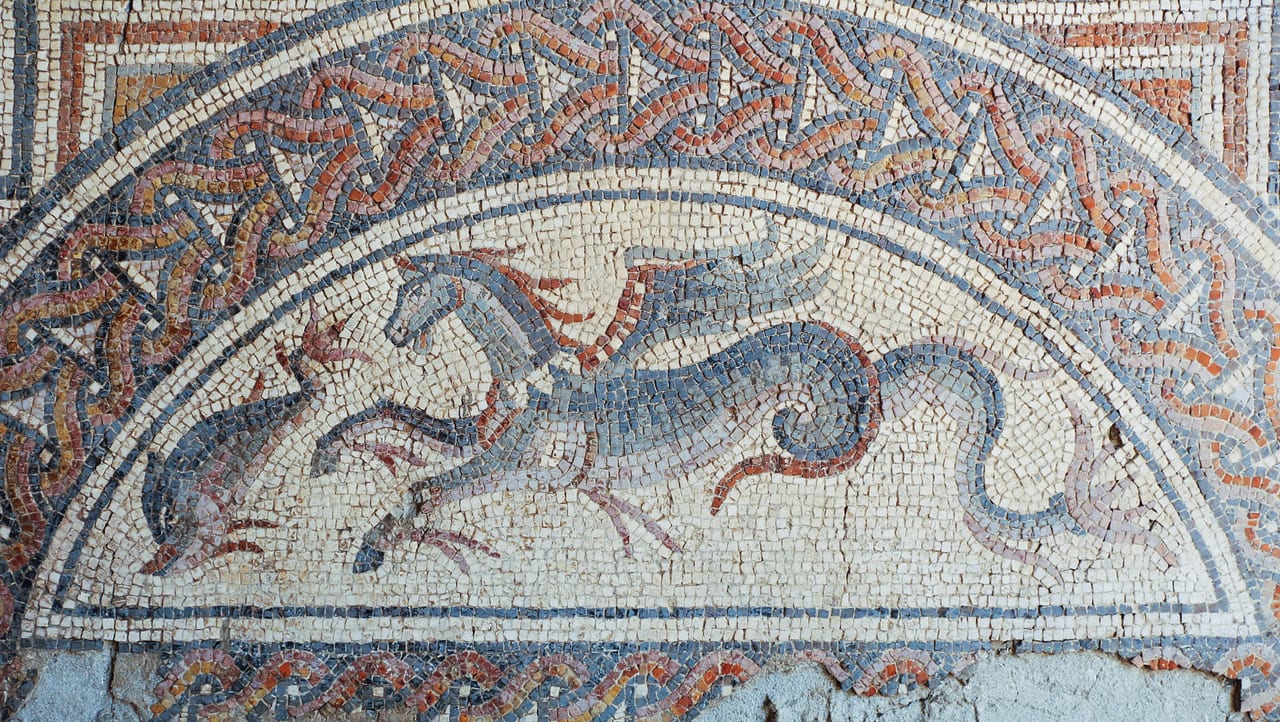
Begin with the lapidarium in front of the museum: look closely at its ancient inscriptions and architectural fragments, and compare the mosaics depicting Apollo, Orpheus and Triton. The lapidarium’s sarcophagi include scenes of the Calydonian boar hunt and the Good Shepherd, as well as the medieval sarcophagus of Archbishop Ivan. Inside the galleries, the gold jewellery and funerary stele from the Greek and Hellenistic collection reward a slower look; the range of objects makes chronological browsing especially worthwhile.
Places to stay near Archaeological Museum Split

Live availability and prices from Stay22's partners, refreshed periodically and subject to change. Booking through these links may earn us a commission at no extra cost to you. See our privacy policy.
Cafés near Archaeological Museum Split
Cafés near Archaeological Museum Split loads as you scroll.
Attractions nearby
Attractions near Archaeological Museum Split loads as you scroll.
Cities nearby
Cities nearby loads as you scroll.
More in Split
See more of Split.
Find great cafés, places to stay and other interesting places to visit in Split.